
The history of the Monastery of St. Vincent de Fora dates back to the Siege of Lisbon in 1147. According to tradition, Portugal’s first king, Afonso I, promised to build a monastery dedicated to St. Vincent, the city’s patron saint, after the Christian forces successfully captured Lisbon from the Moors.
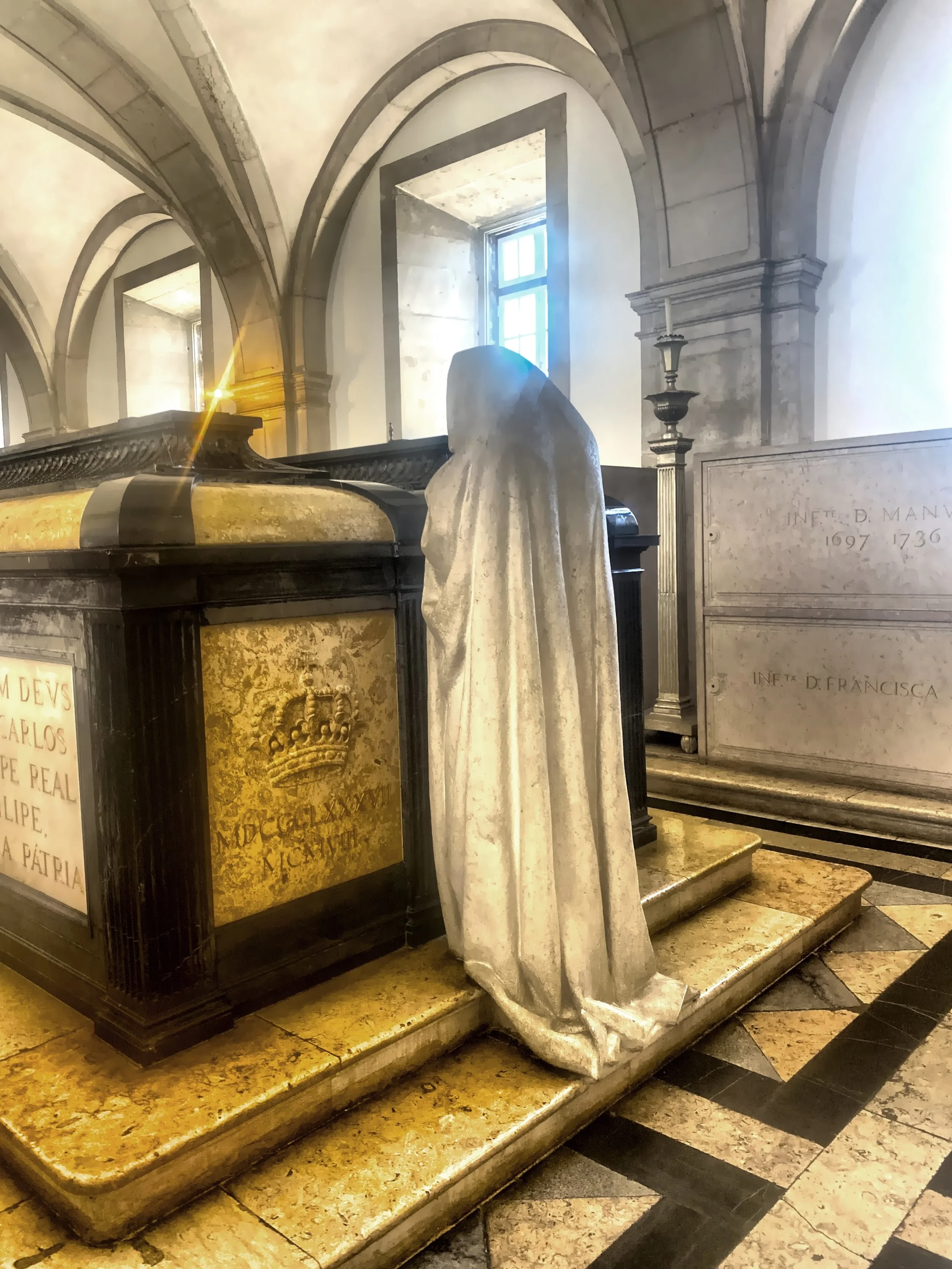
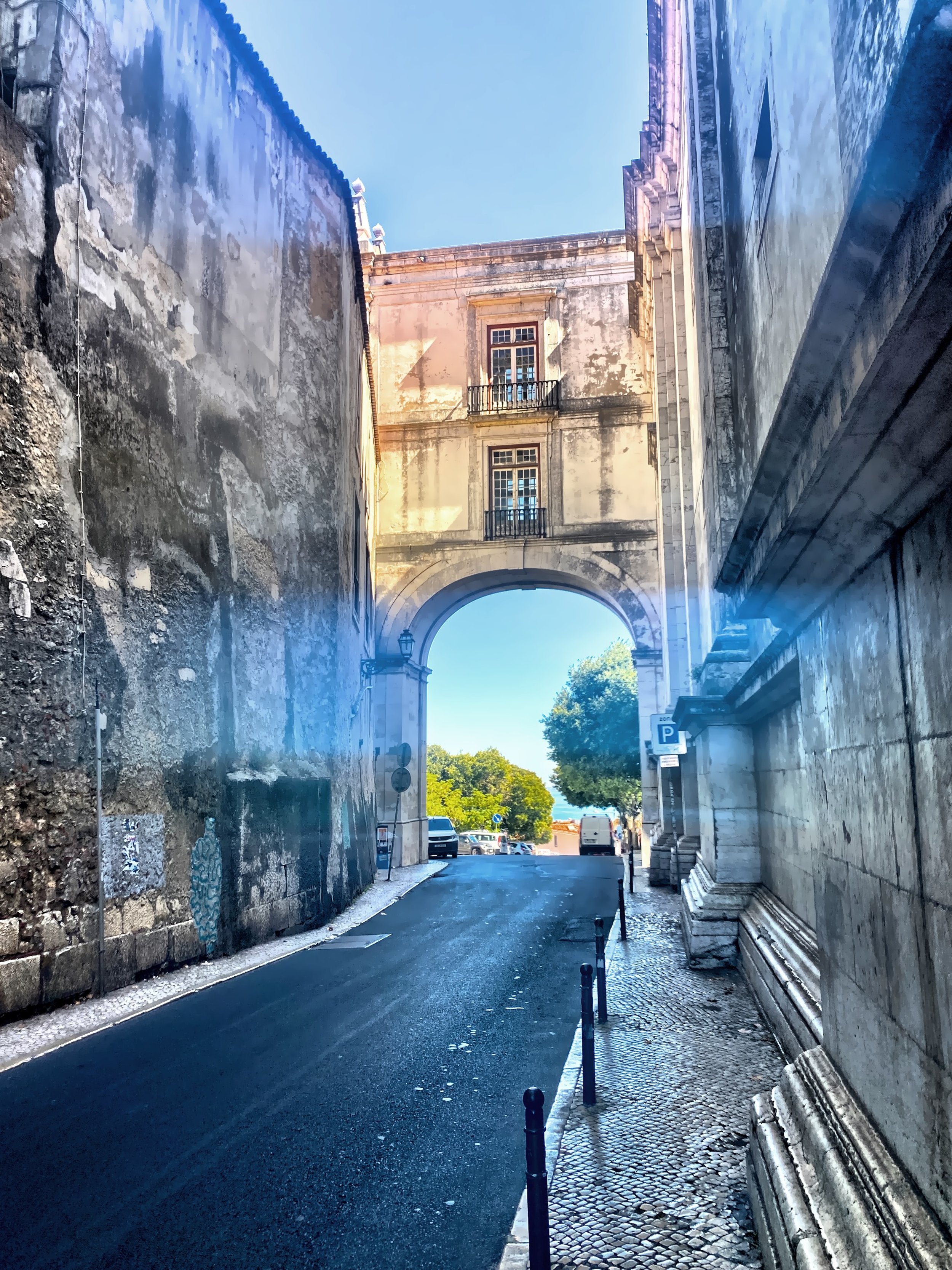
The monastery stands in Alfama, one of Lisbon’s oldest and most historic neighborhoods, and is considered one of the most important monastic complexes in Portugal. Over the centuries, it became closely connected with the Portuguese monarchy. The monastery’s church and cloisters contain the tombs of numerous members of the royal family, including monarchs and their consorts, as well as princes, infantes, and members of the Portuguese nobility.
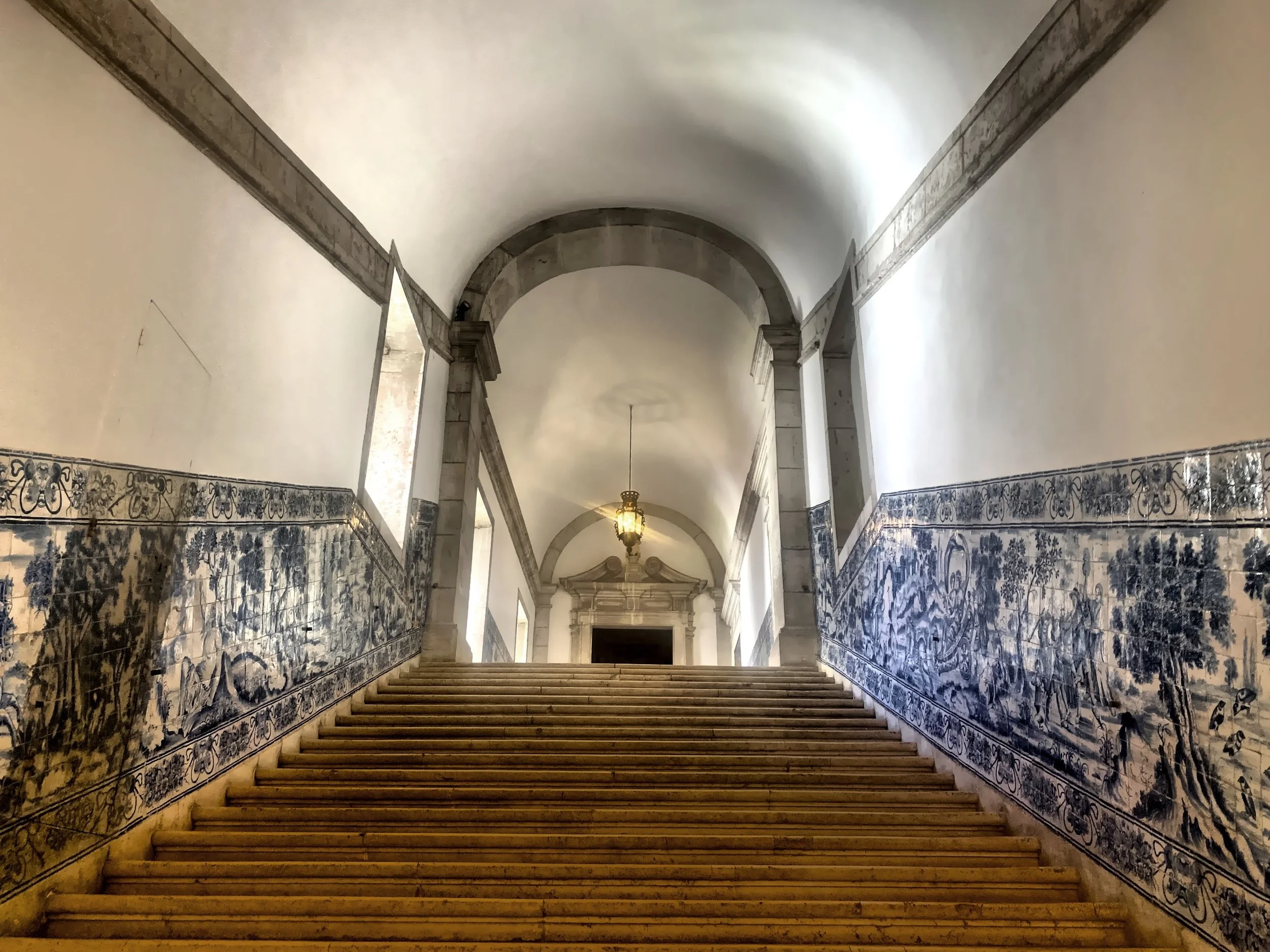
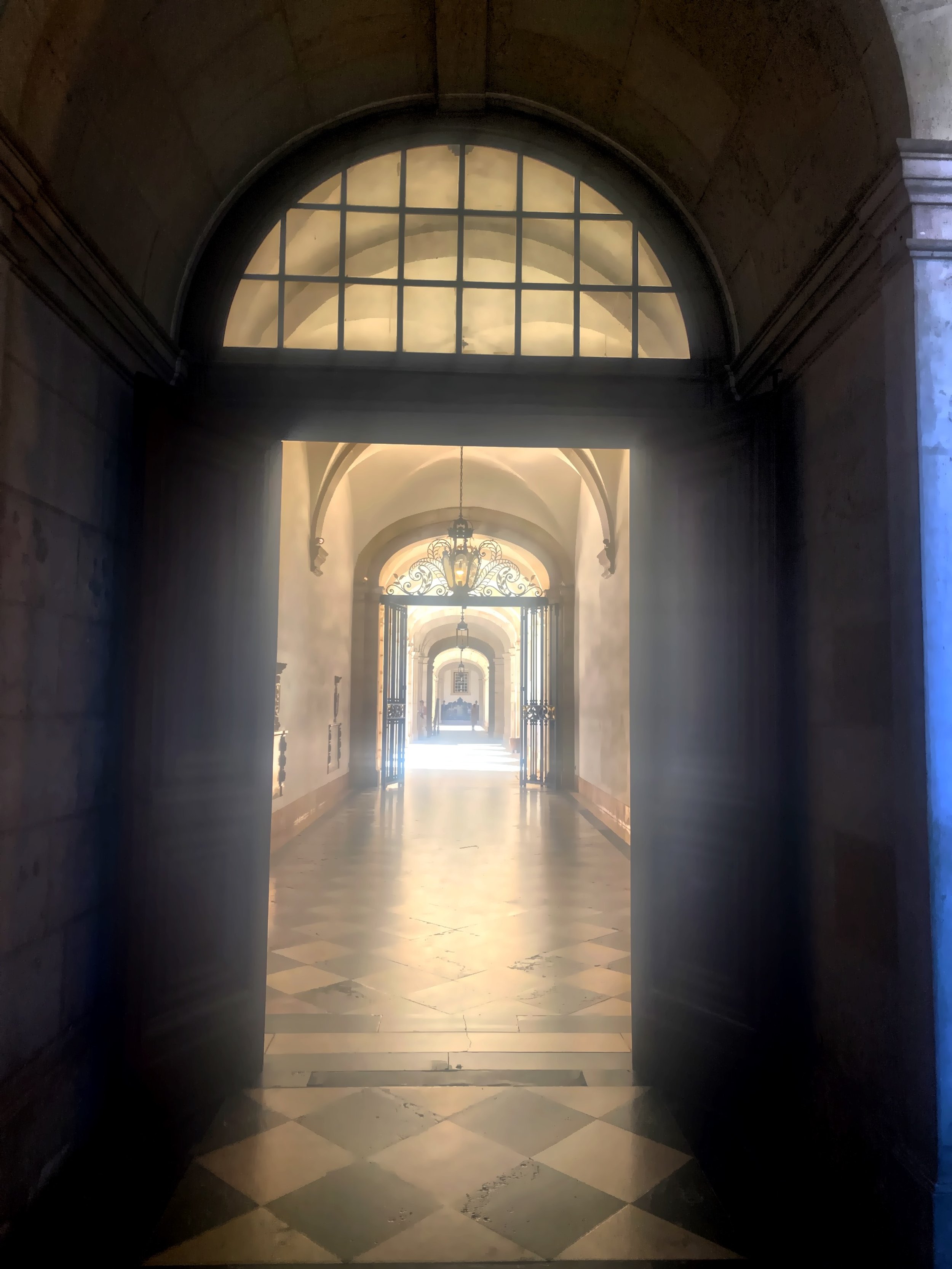
One of the things that makes St. Vincent de Fora especially fascinating is that it feels like more than just a beautiful historic building. Walking through its courtyards, church and remarkable tile-covered spaces, you are surrounded by centuries of Portuguese history and the people who shaped the country.
I did not visit Jeronimos Monastery during my time in Lisbon, although I know several people who have visited both. They told me they preferred St. Vincent de Fora, particularly for its history, royal connections and atmosphere. After learning more about its history, I can understand why it left such a strong impression on them.
Here is what caught my eye; I hope you enjoy!


Do you like the images posted?
Click here to explore the shop.









What You Should Know:
Public restrooms are available.
Tickets can be bought on site.
You could spend a couple of hours exploring here, depending on your level of interest.
The tour is self-guided.
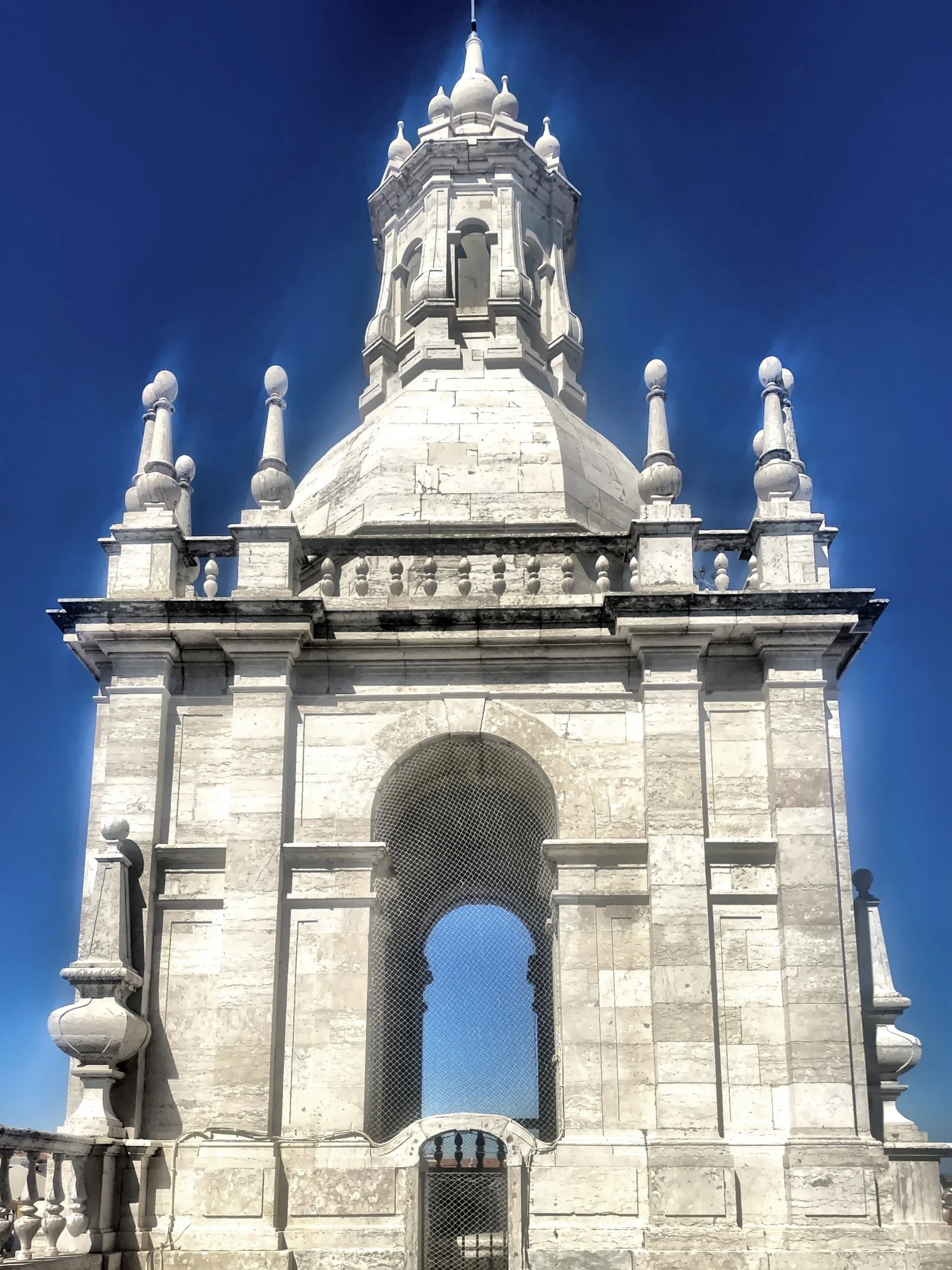
Make sure you visit the rooftop and see the panoramic views.
Check website for days / hours of operation and any special events.
Location: Largo de Sao Vincente, 1100-473 Lisbon, Portugal
For More Information: St Vincent Monastery