
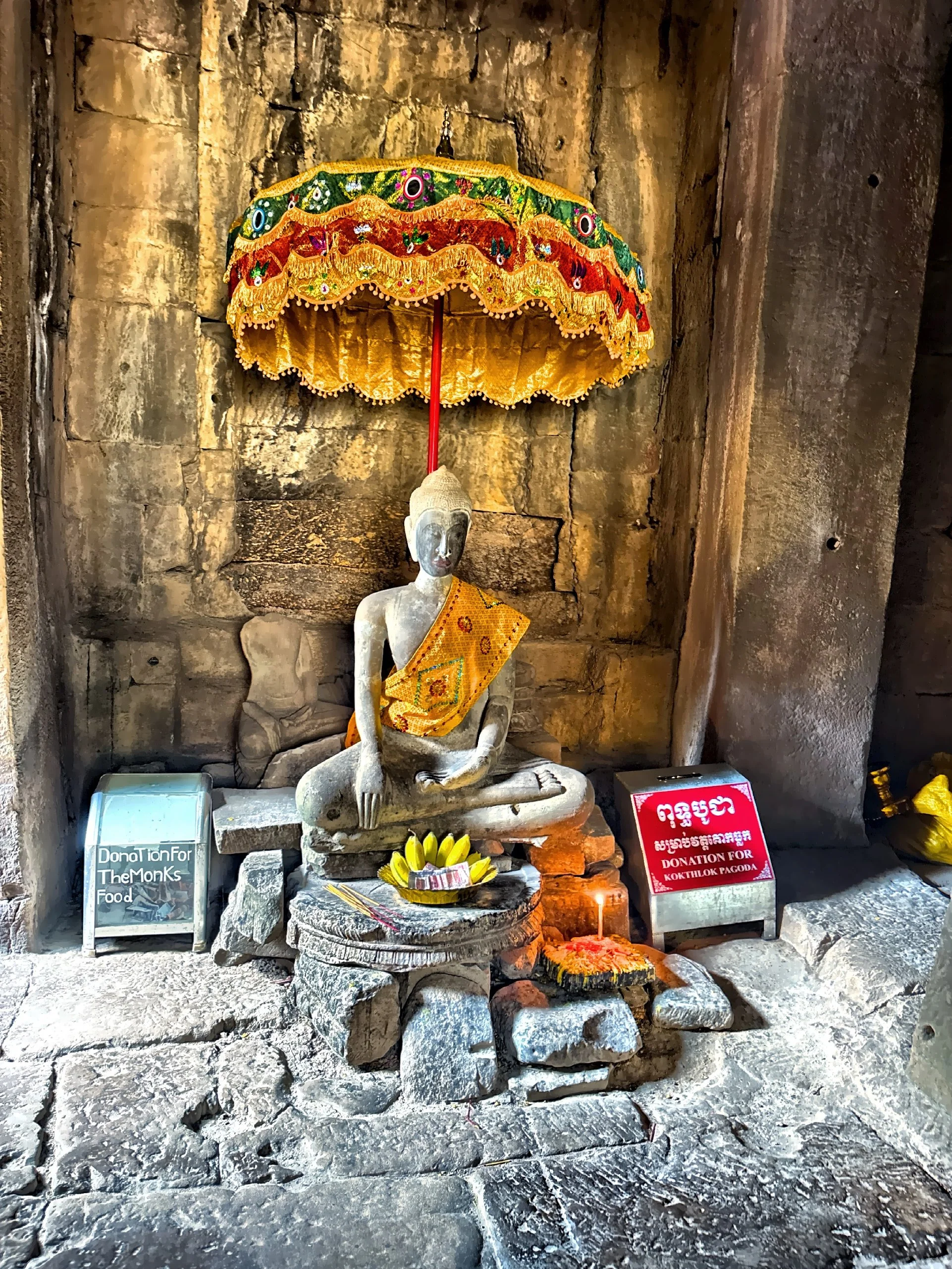
A Buddhist Ruin With 216 Smiling Faces - Bayon Temple
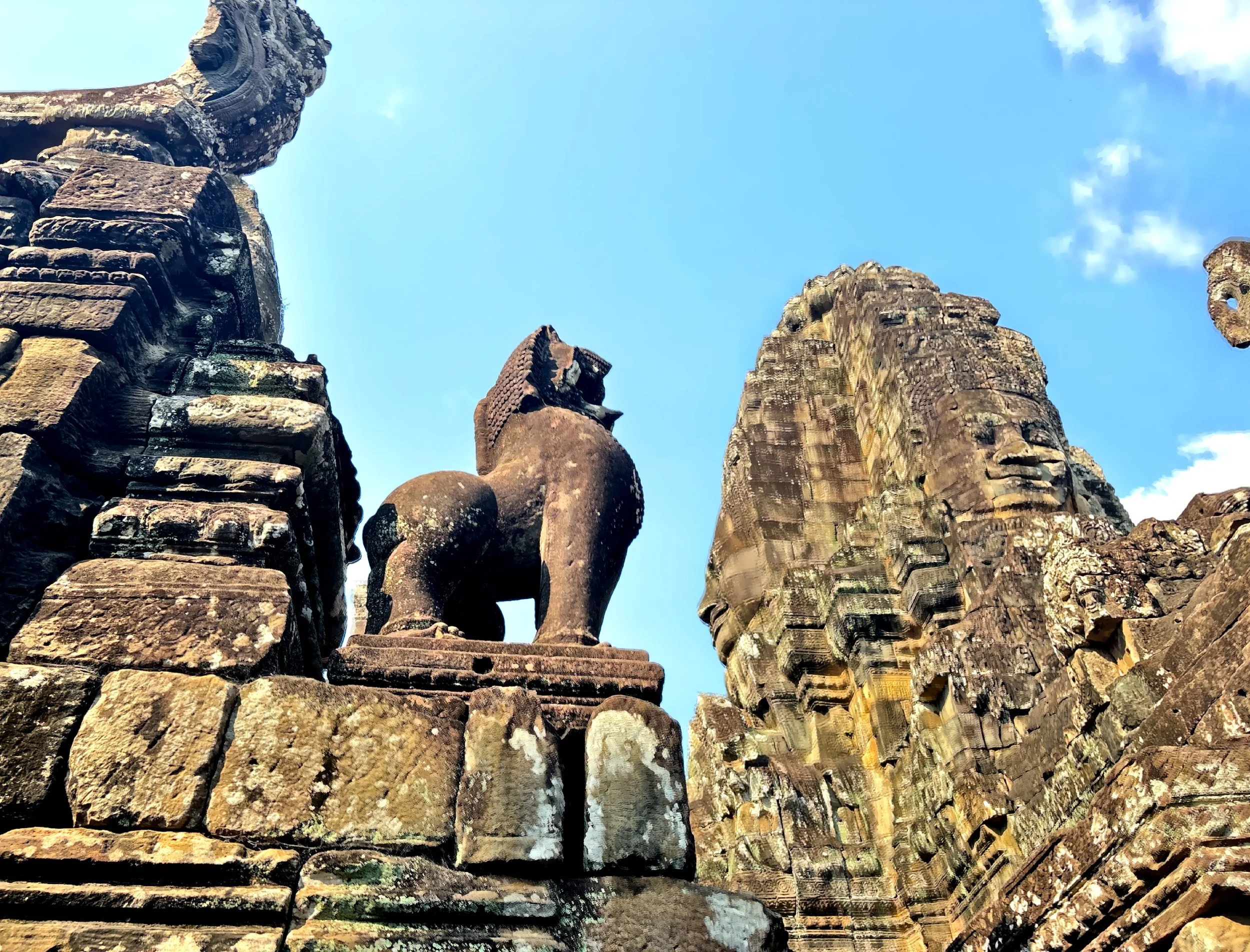
There’s a moment — usually just after you pass through the last gate of Angkor Thom — when the towers of Bayon come into view. At first, they seem like weathered stone columns. Then you look closer… and the stone is looking back at you.
Bayon is famous for its faces — more than 200 of them, carved into 54 towering spires. Serene, half-smiling, eyes gently closed as if in meditation. No matter where you stand, it feels as though someone is watching. It’s unforgettable and eerily beautiful.
Built in the late 12th century by King Jayavarman VII, Bayon sits at the spiritual heart of Angkor Thom. Unlike the symmetry and wide-open grandeur of Angkor Wat, Bayon feels like a stone labyrinth. Narrow corridors twist unexpectedly. Light filters through gaps in the towers, shifting constantly as the sun moves overhead.
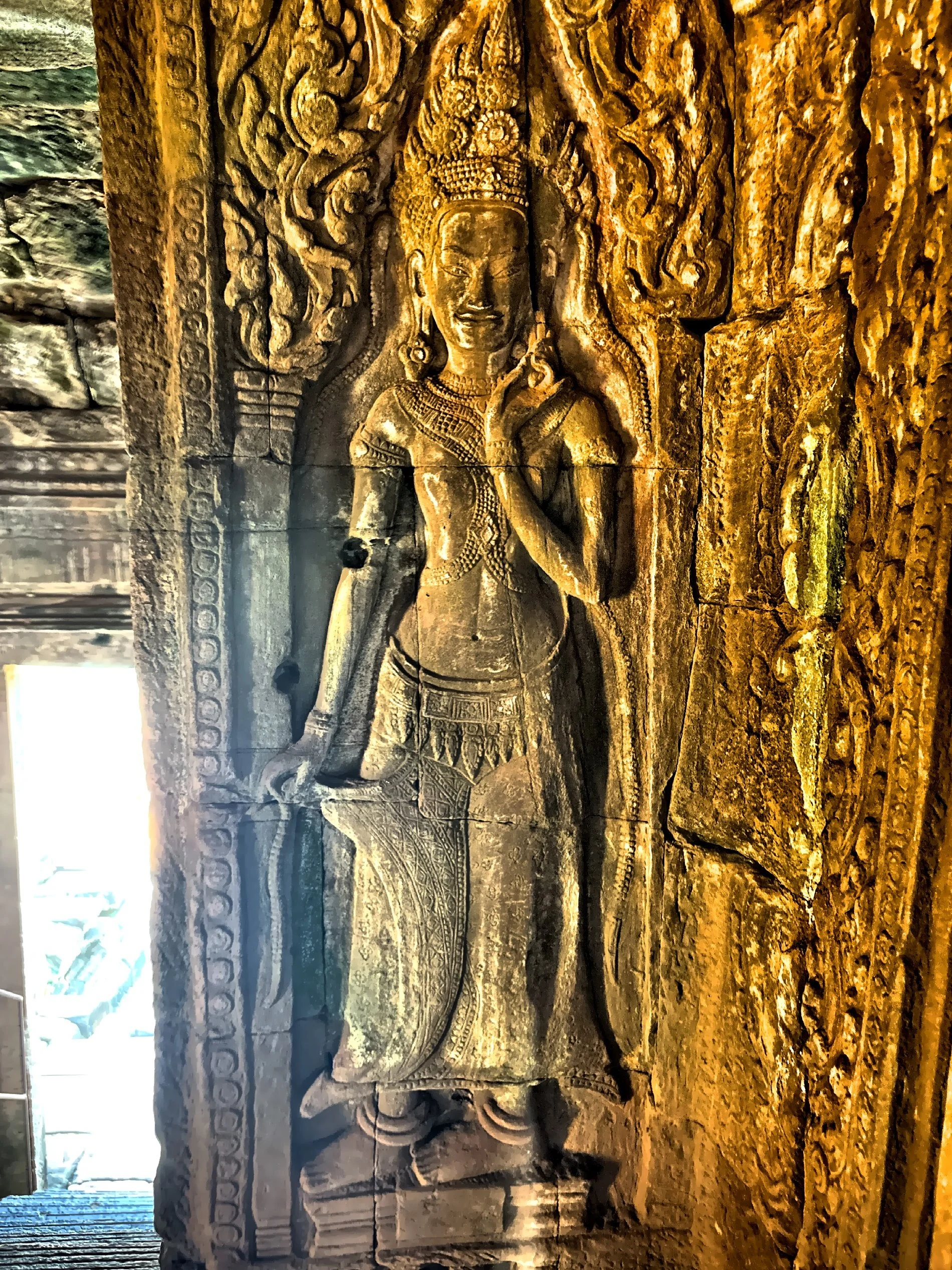
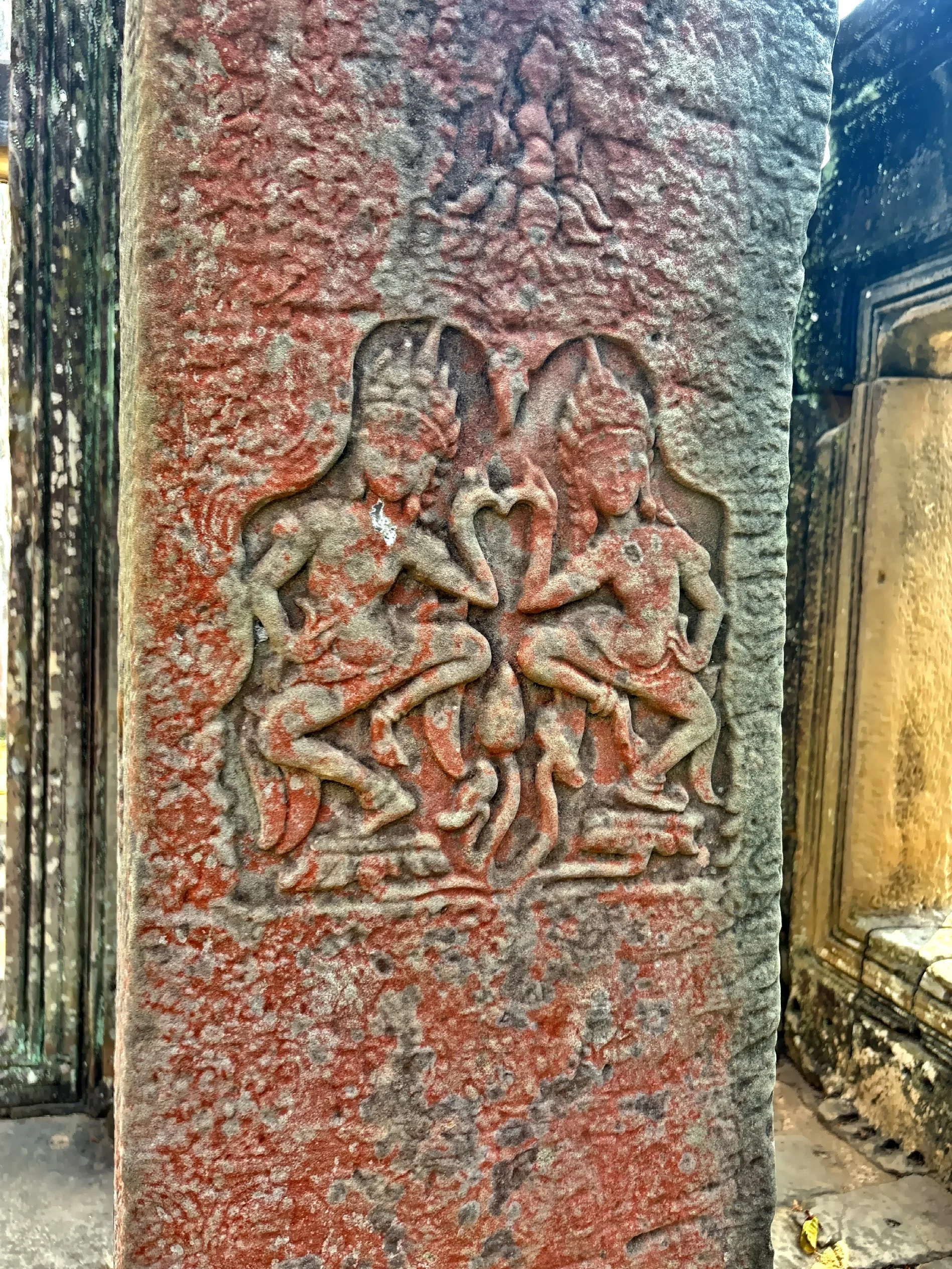
There are intricate bas-reliefs stretching along the outer galleries — scenes of ancient Khmer life carved in remarkable detail. Market vendors haggle. Fishermen cast nets. Warriors march into battle. You’re not just seeing mythology; you’re seeing everyday life from centuries ago. It’s storytelling in stone.
Scholars debate whether the faces represent Avalokiteshvara or the king himself. Either way, the effect is mesmerizing.
It doesn’t have the postcard silhouette of Angkor Wat or the jungle drama of Ta Prohm. You don’t just observe Bayon — you explore it, get lost in it, climb through it. And as you leave, those faces will linger in your mind.
This is what caught my eye - I hope you enjoy!
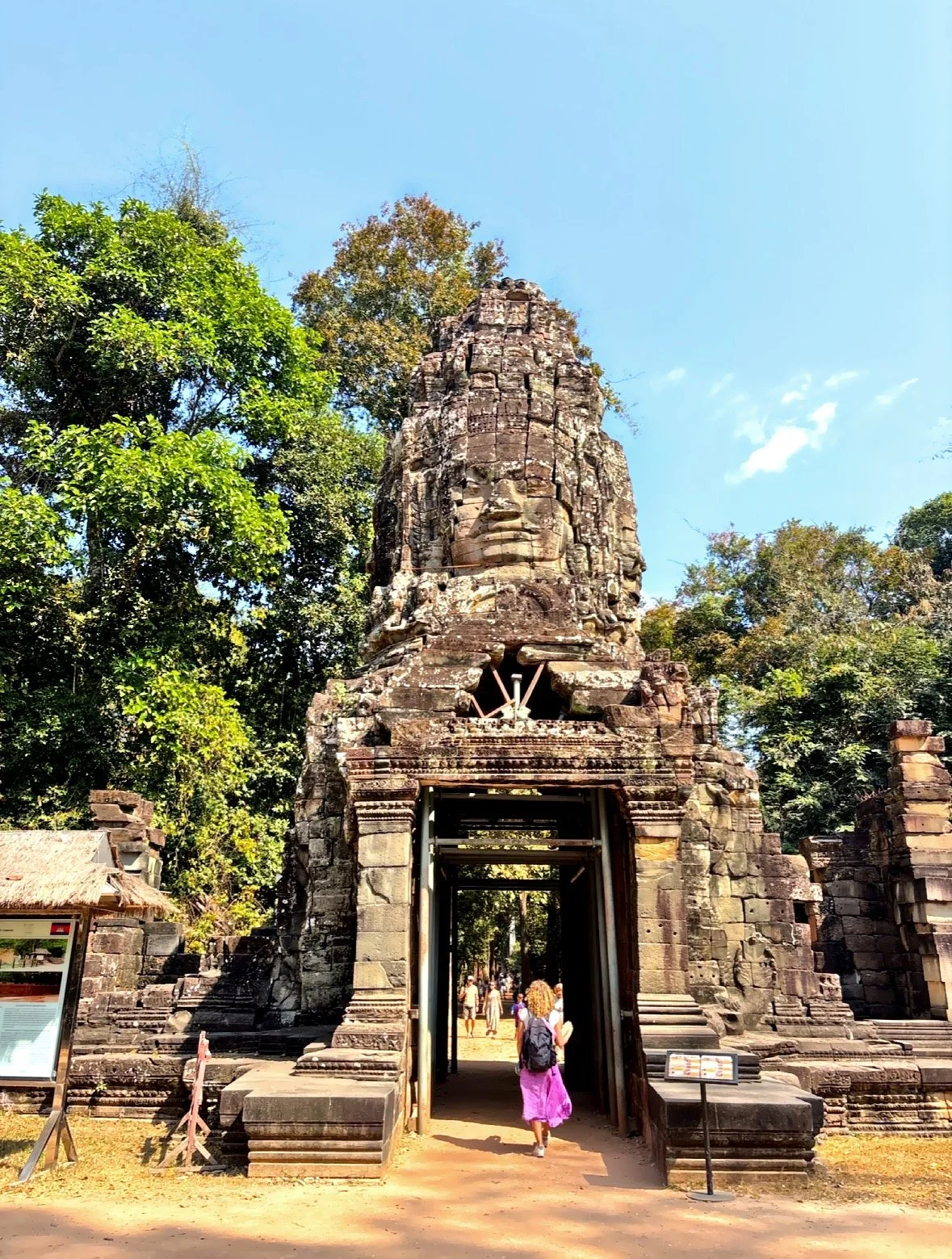
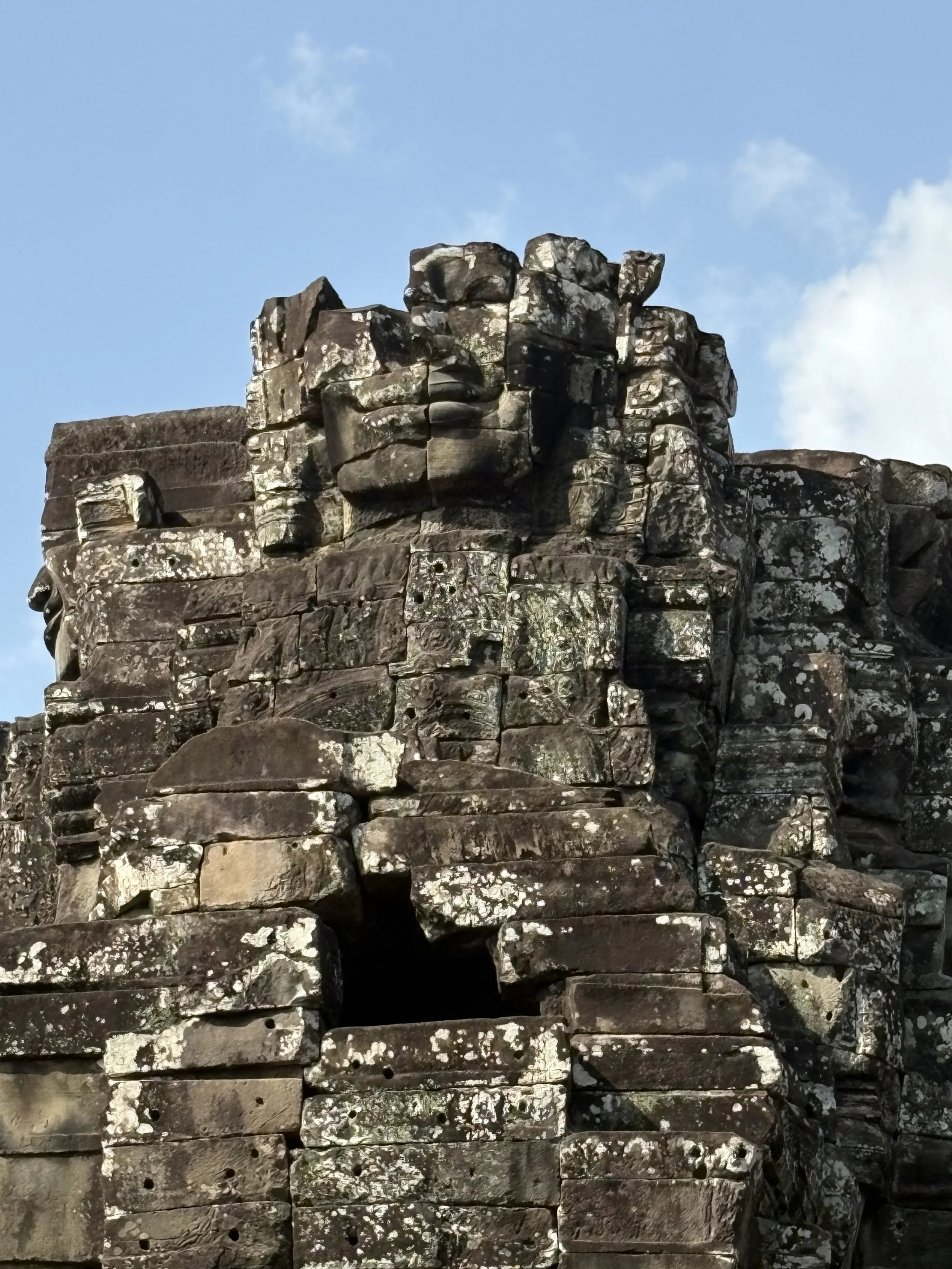
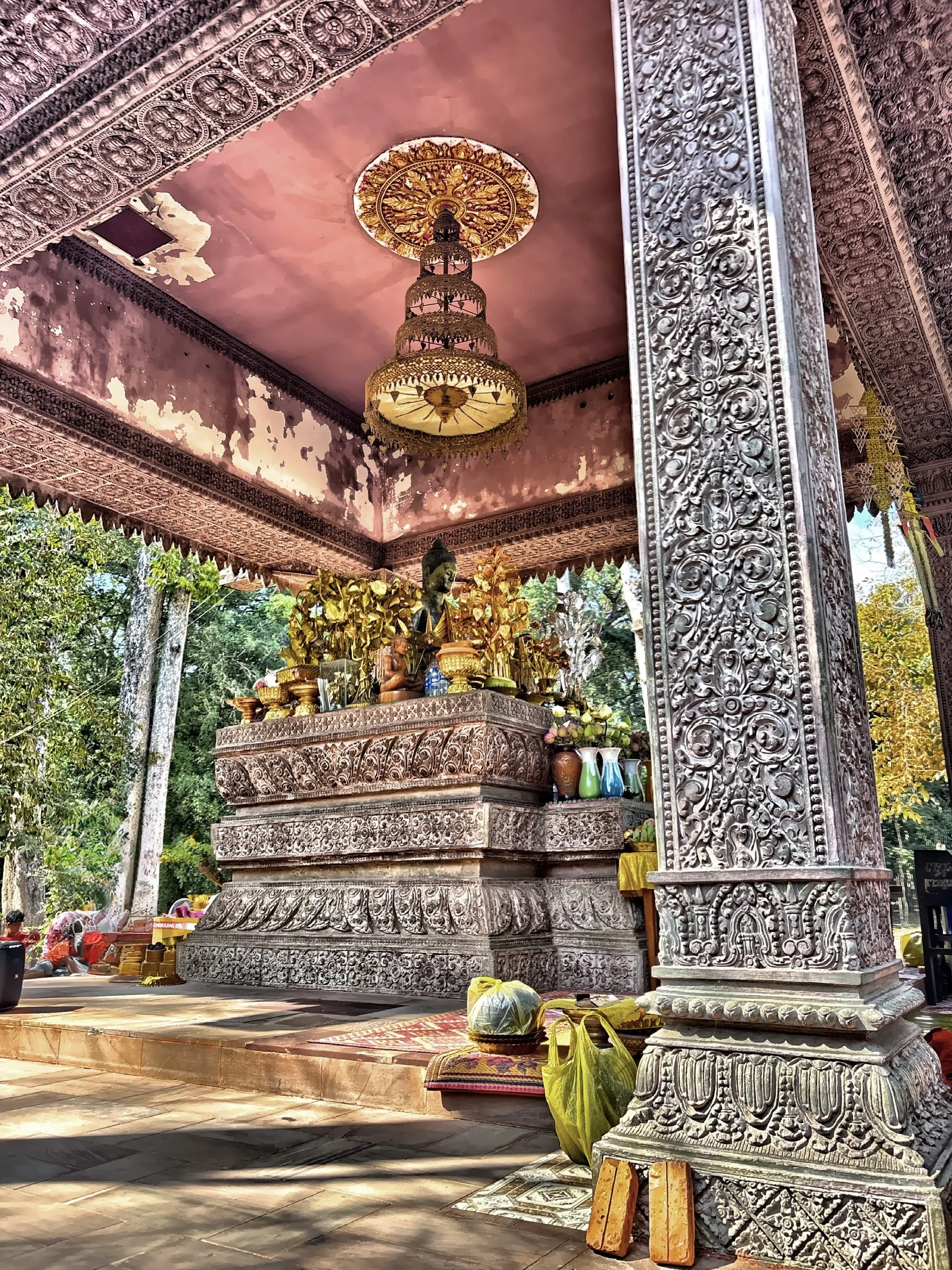
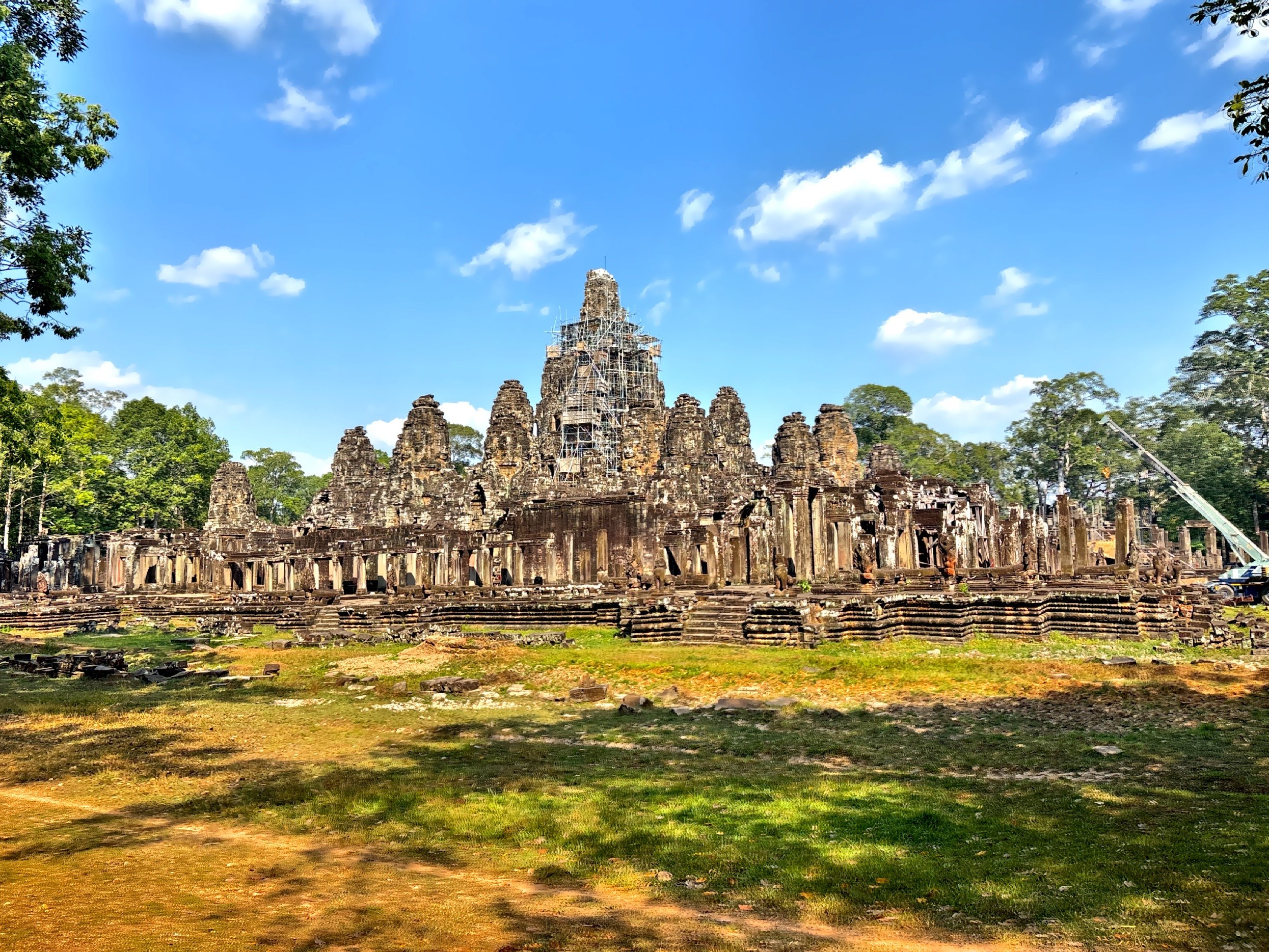
Do you like the images posted?
Click here to explore the shop.
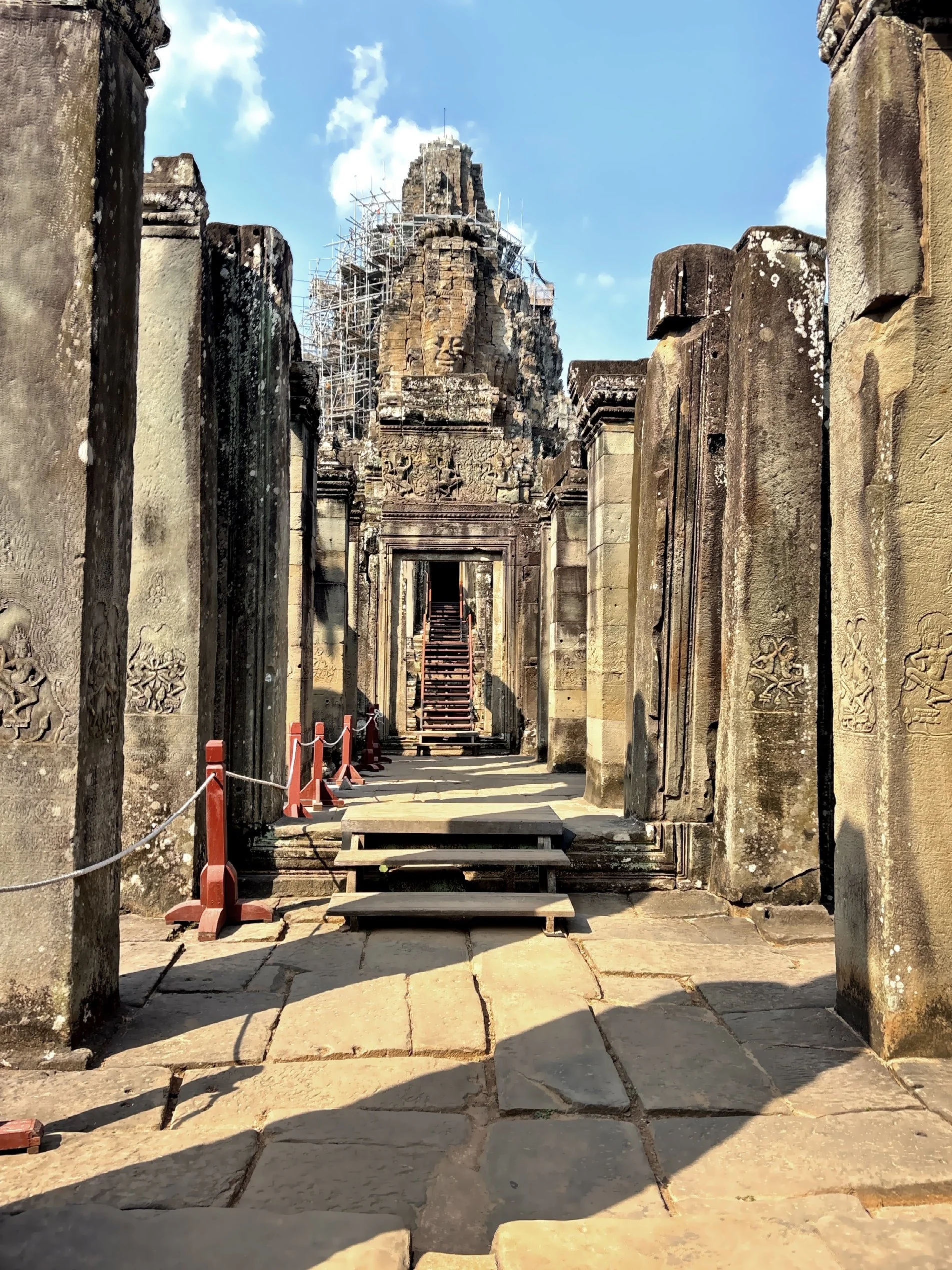
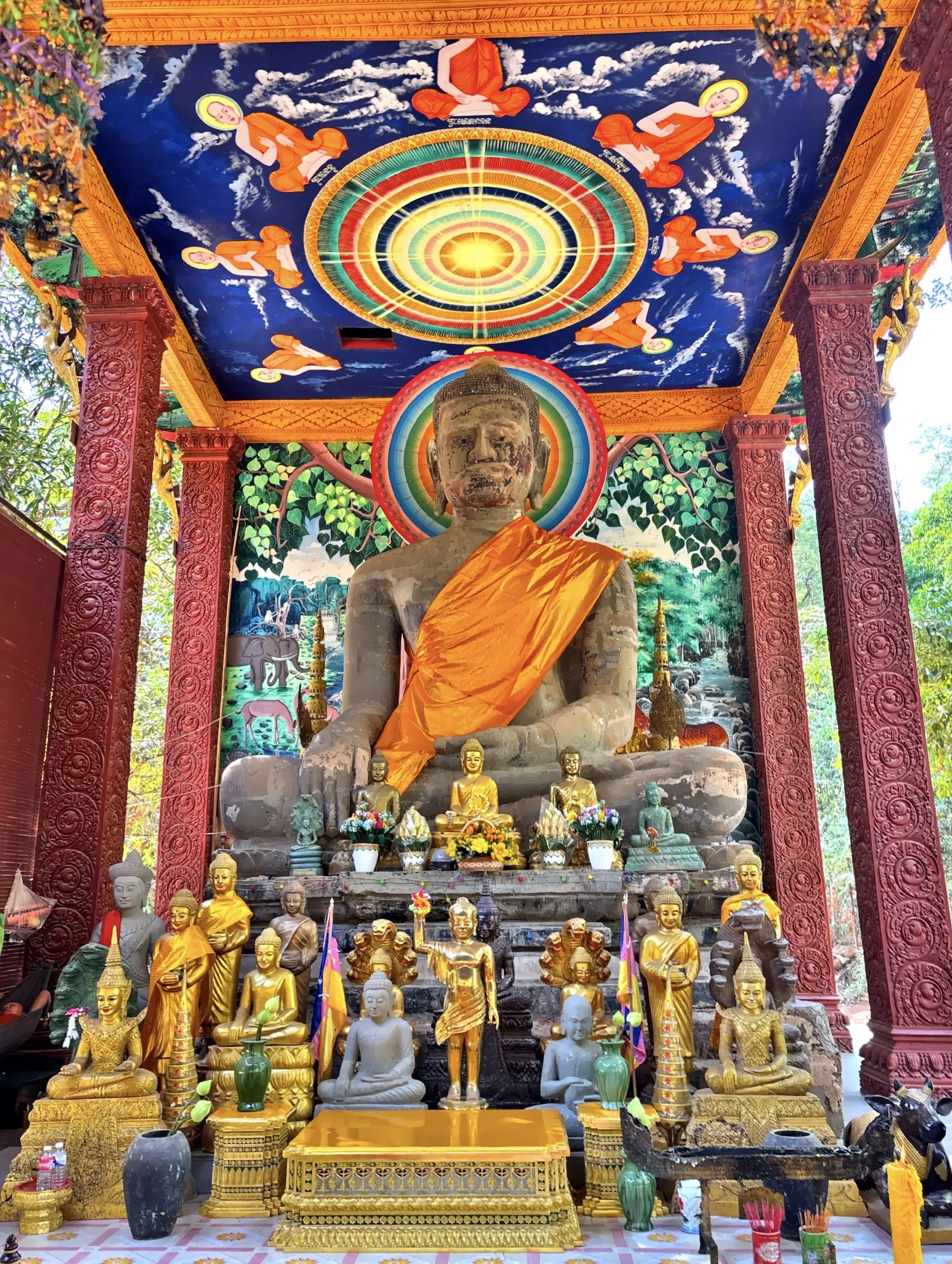
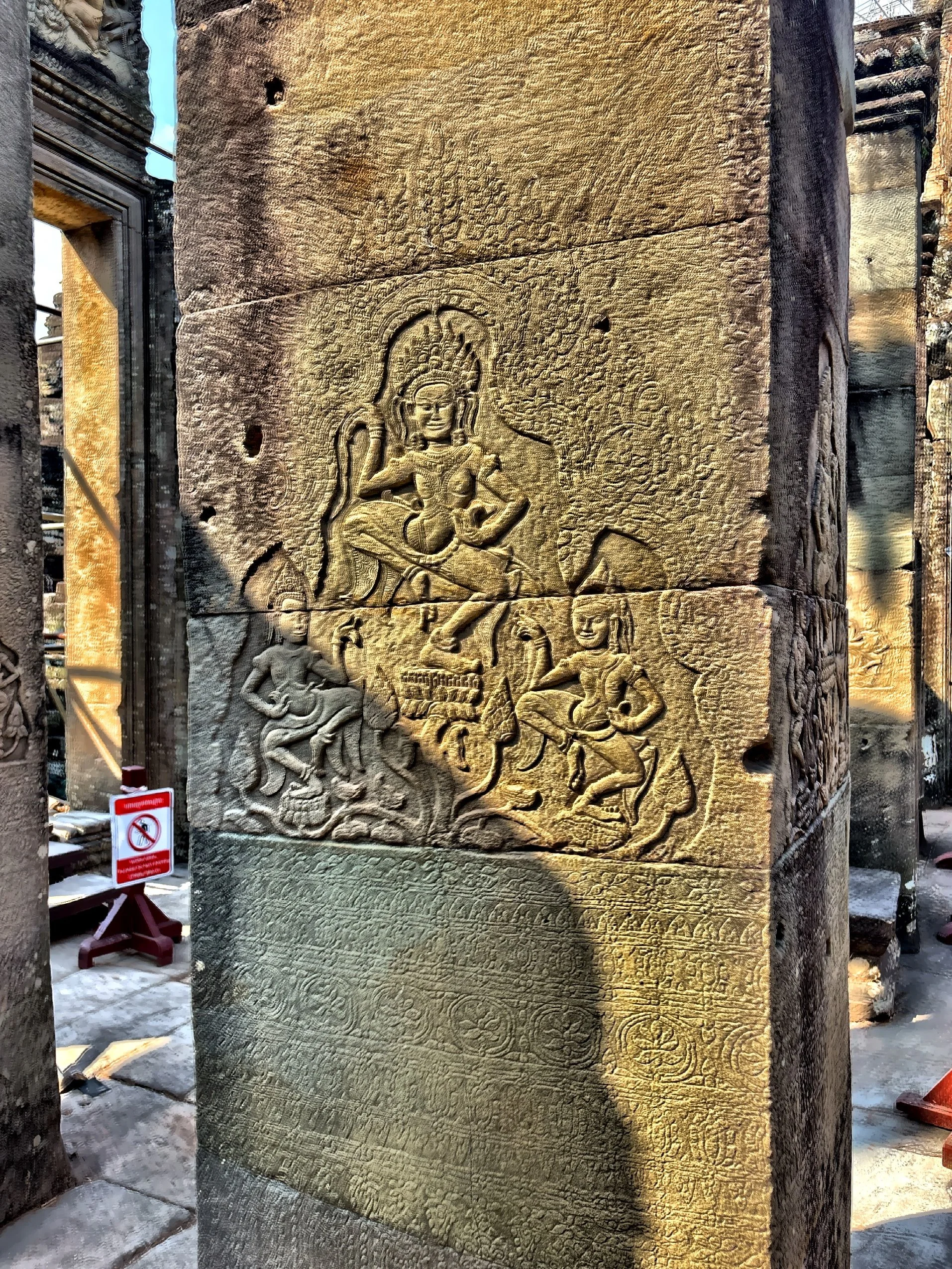
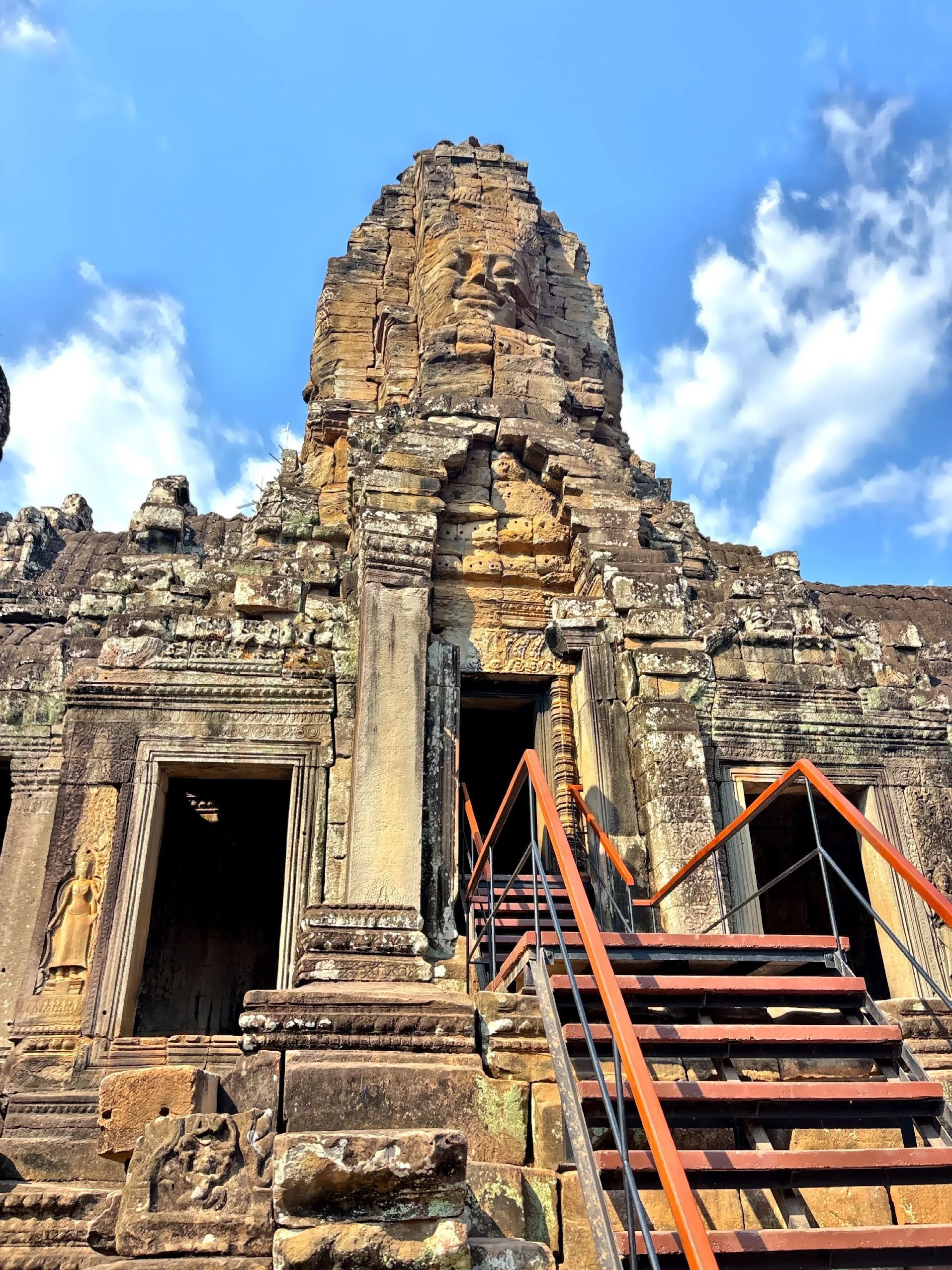
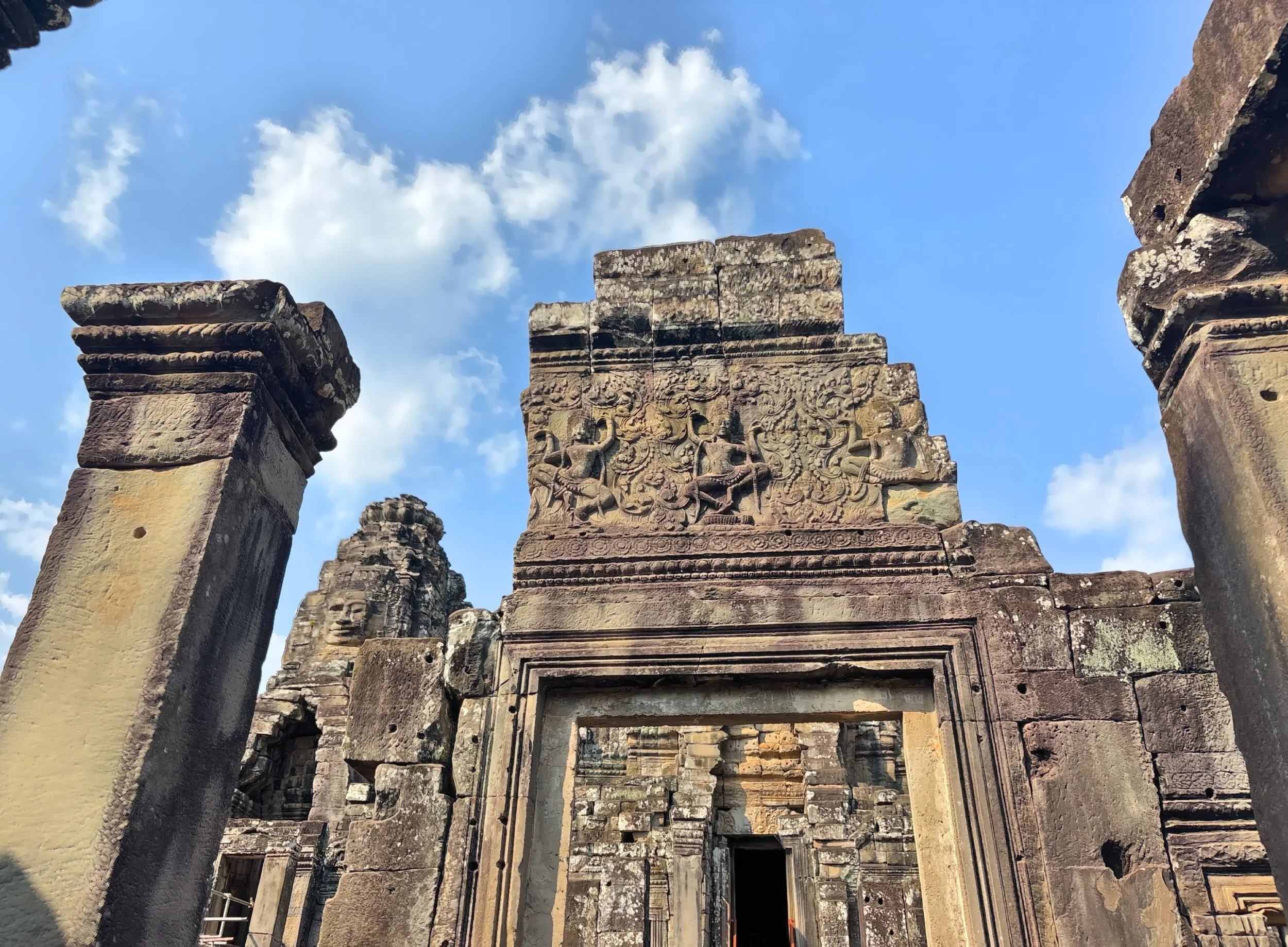
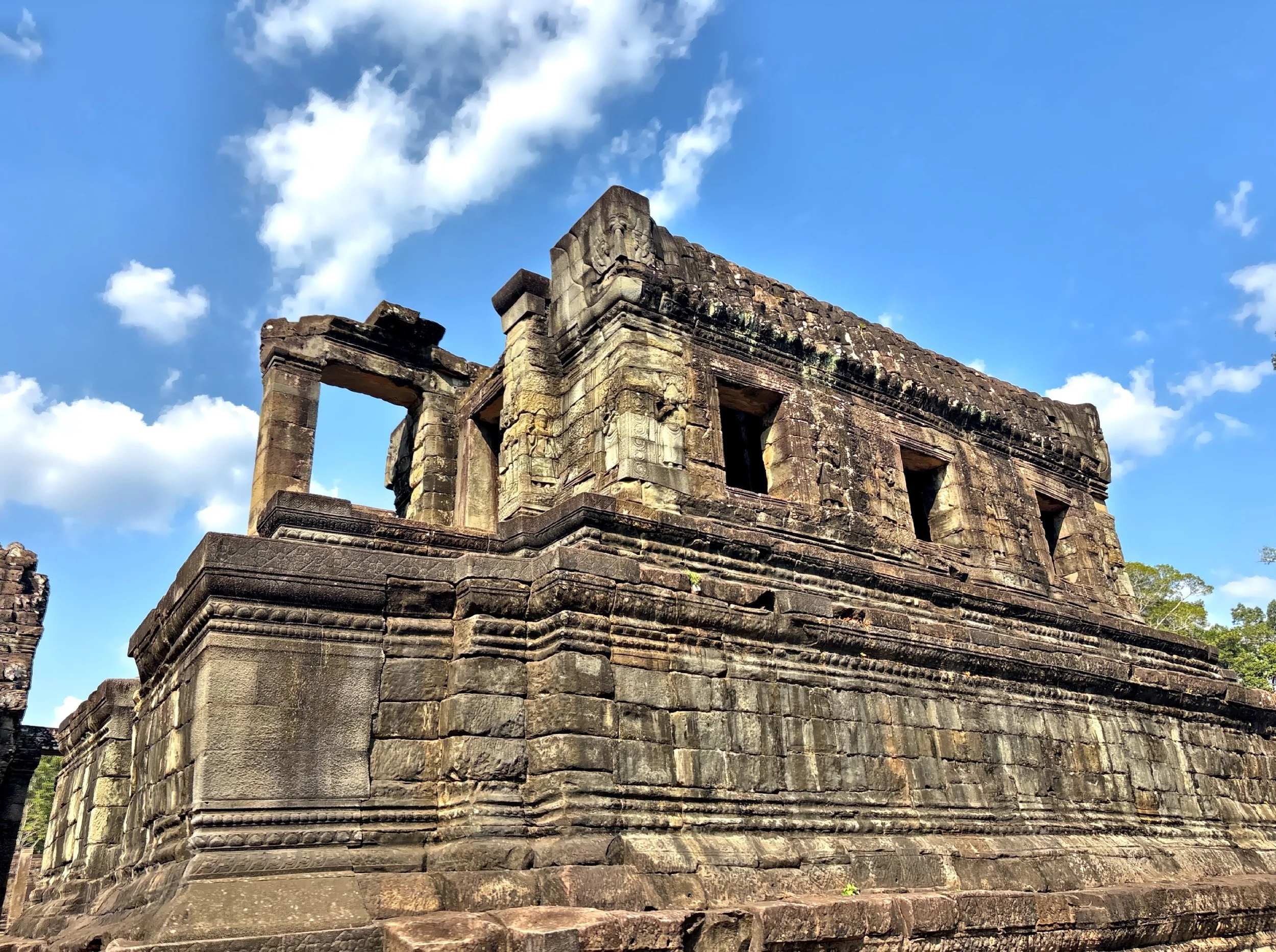
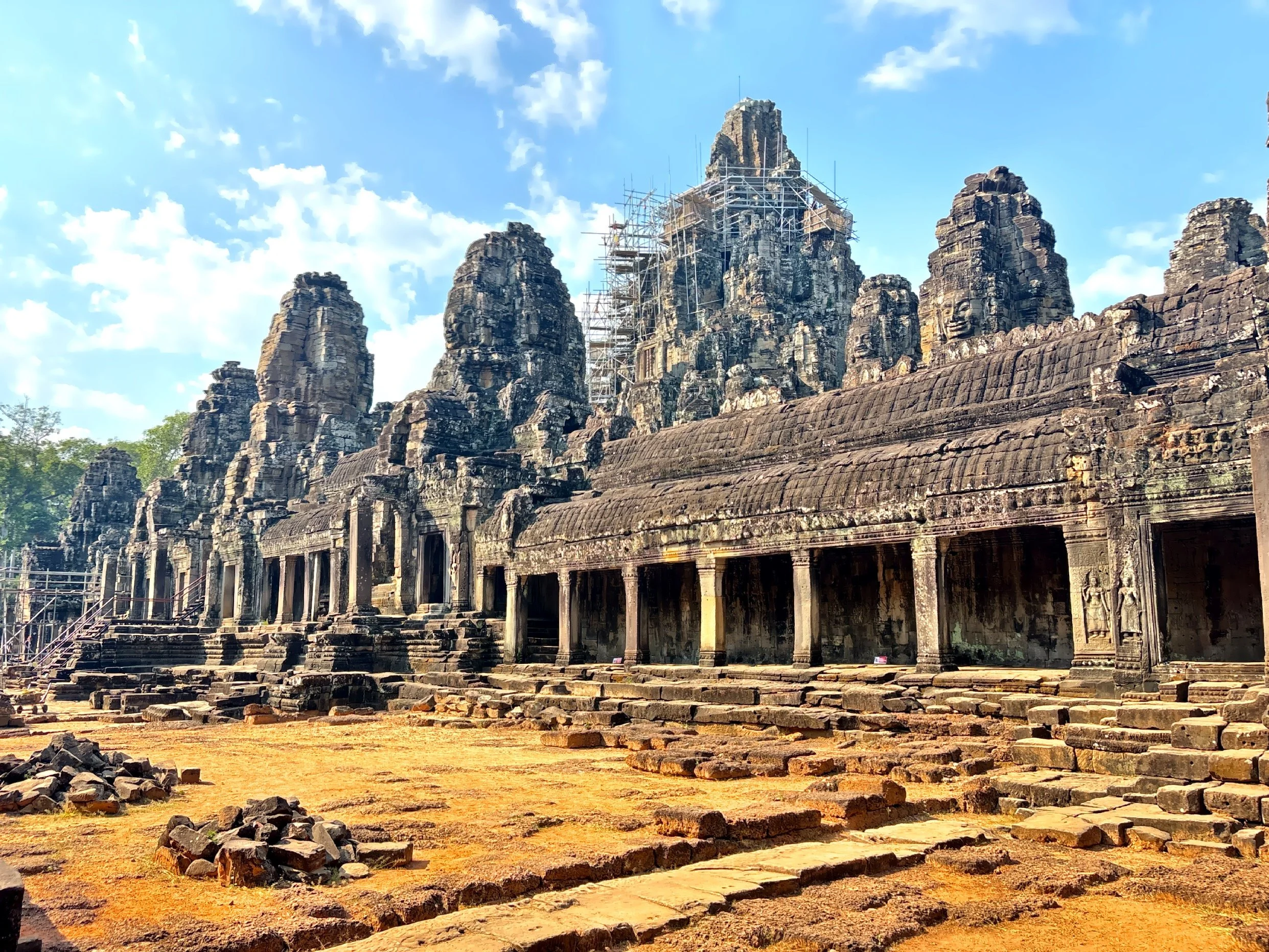
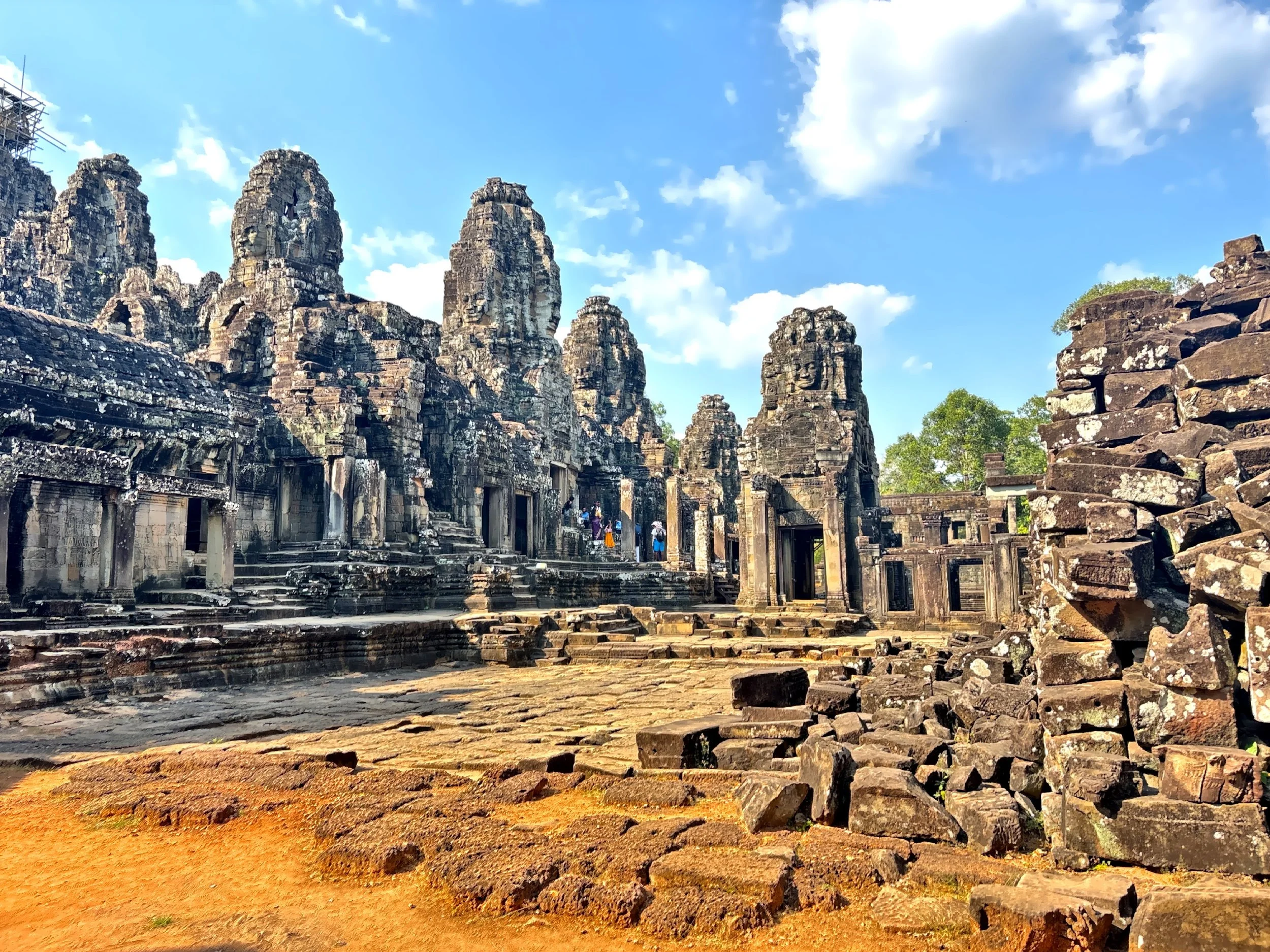
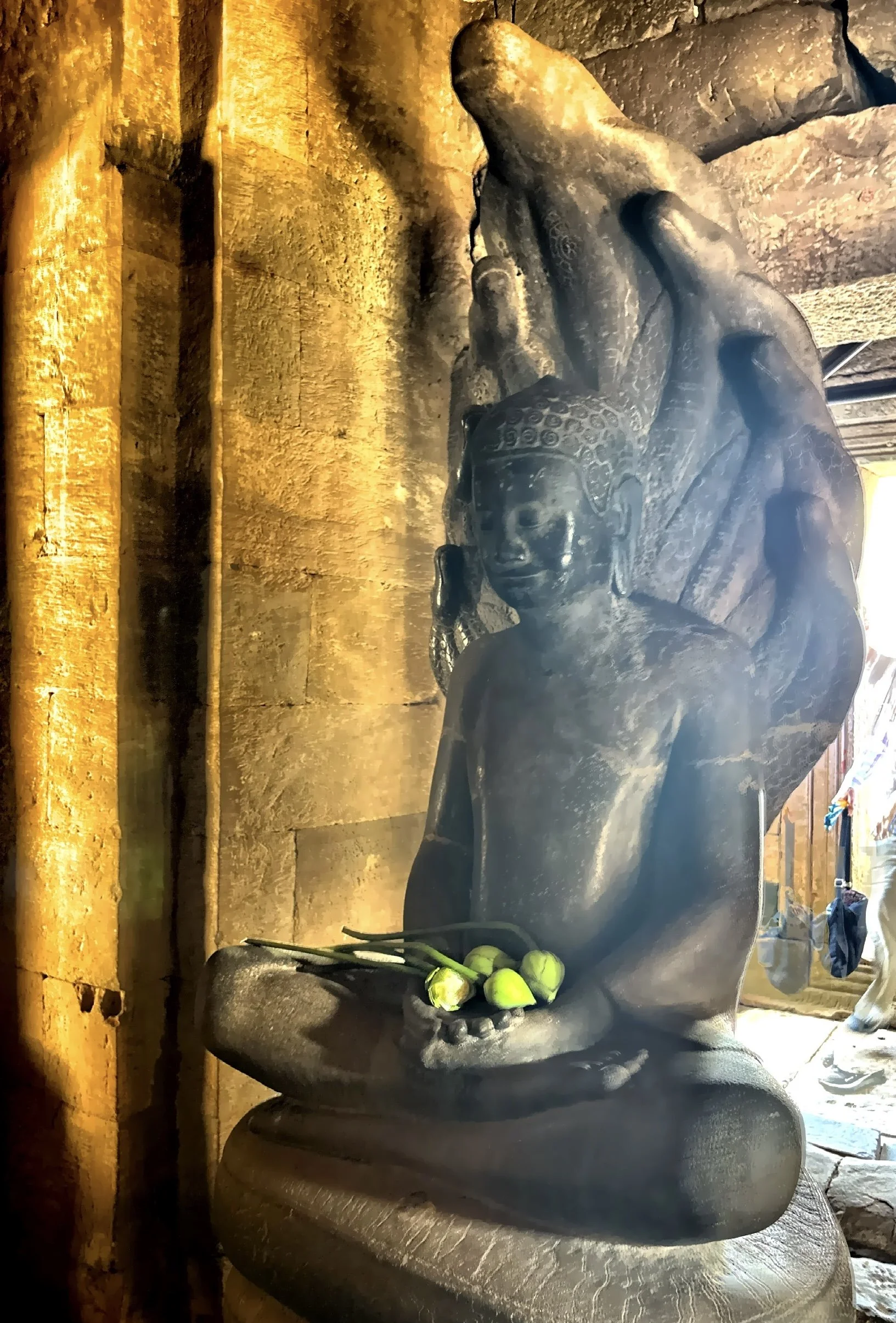
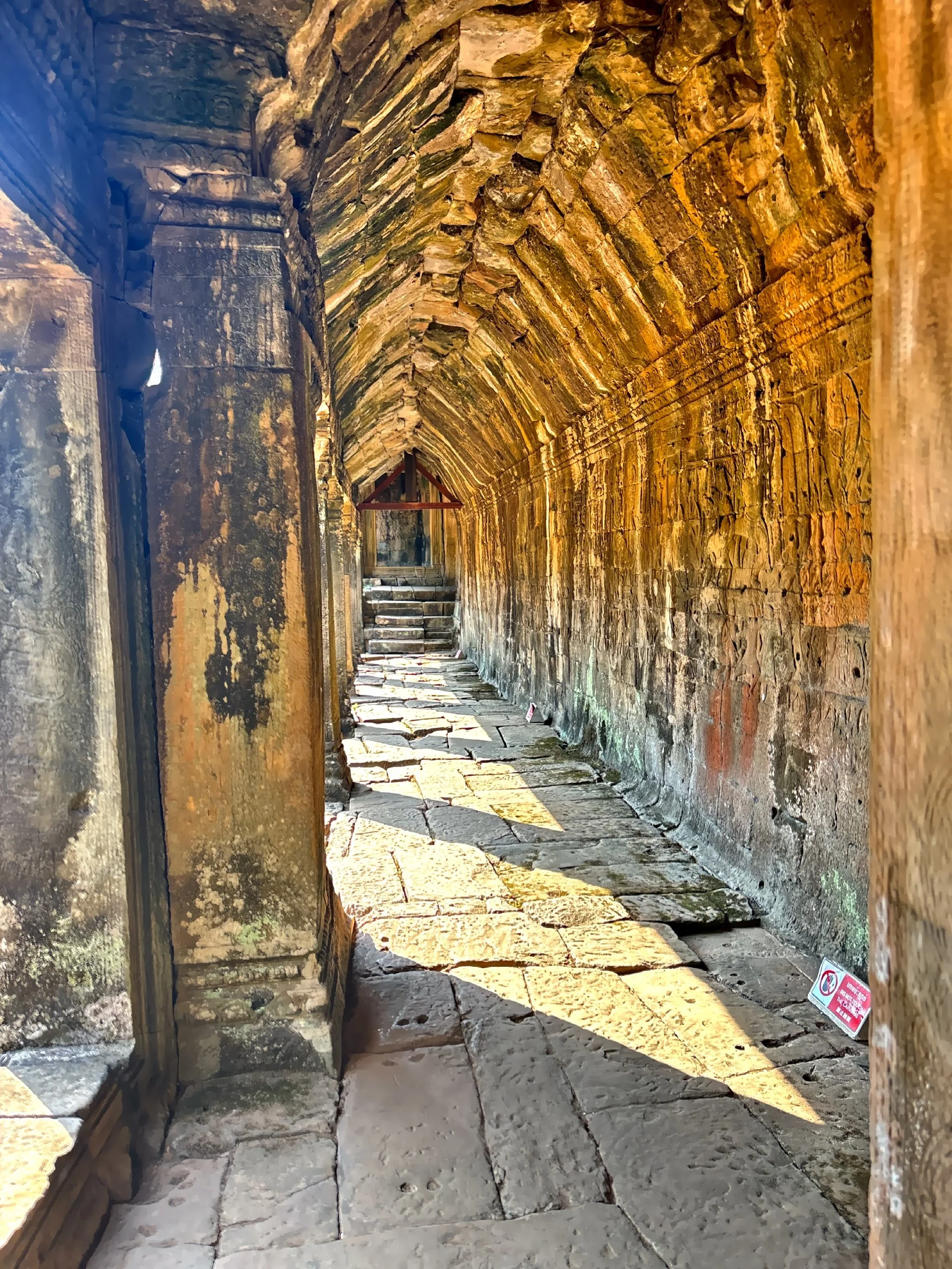
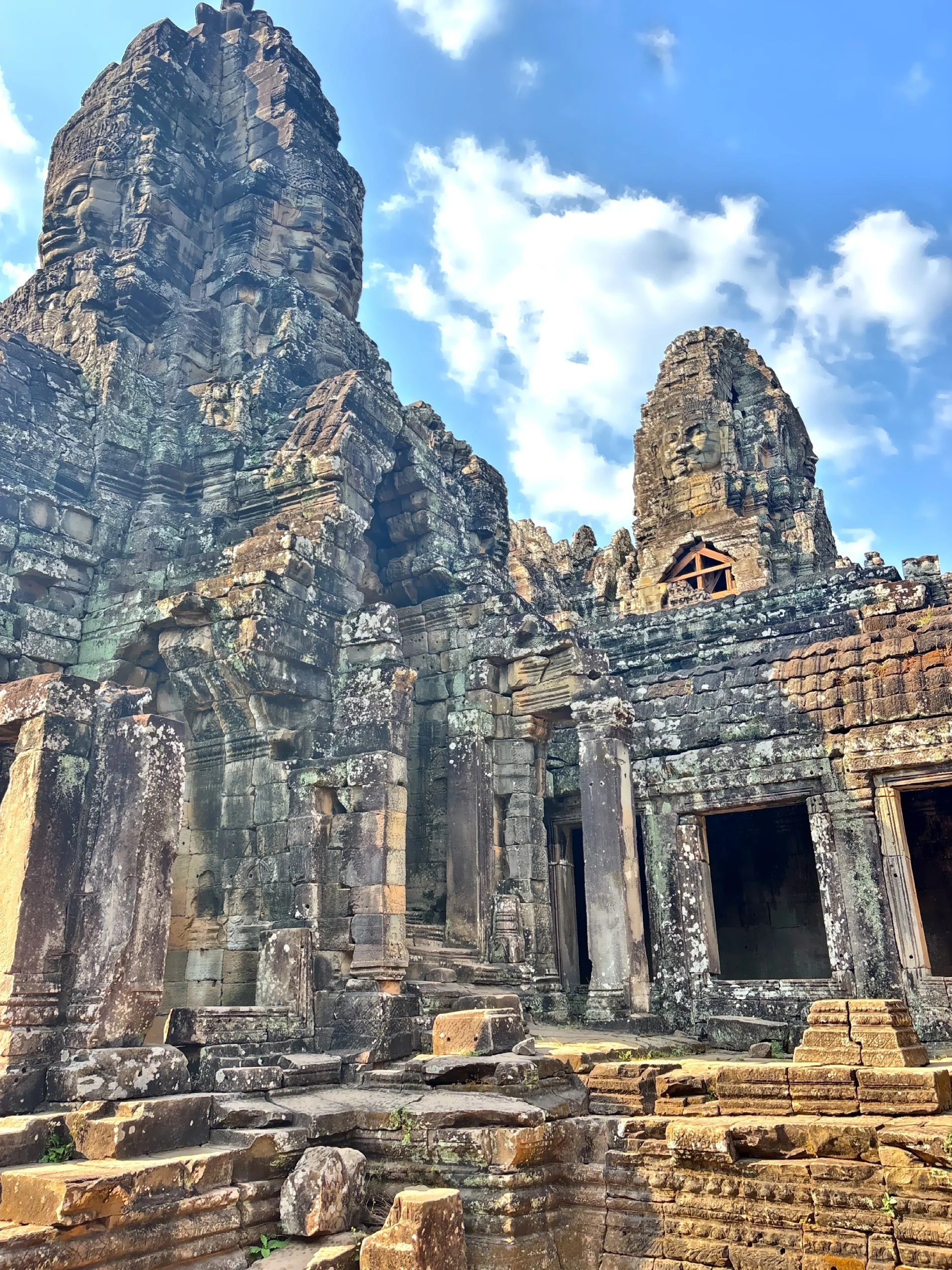
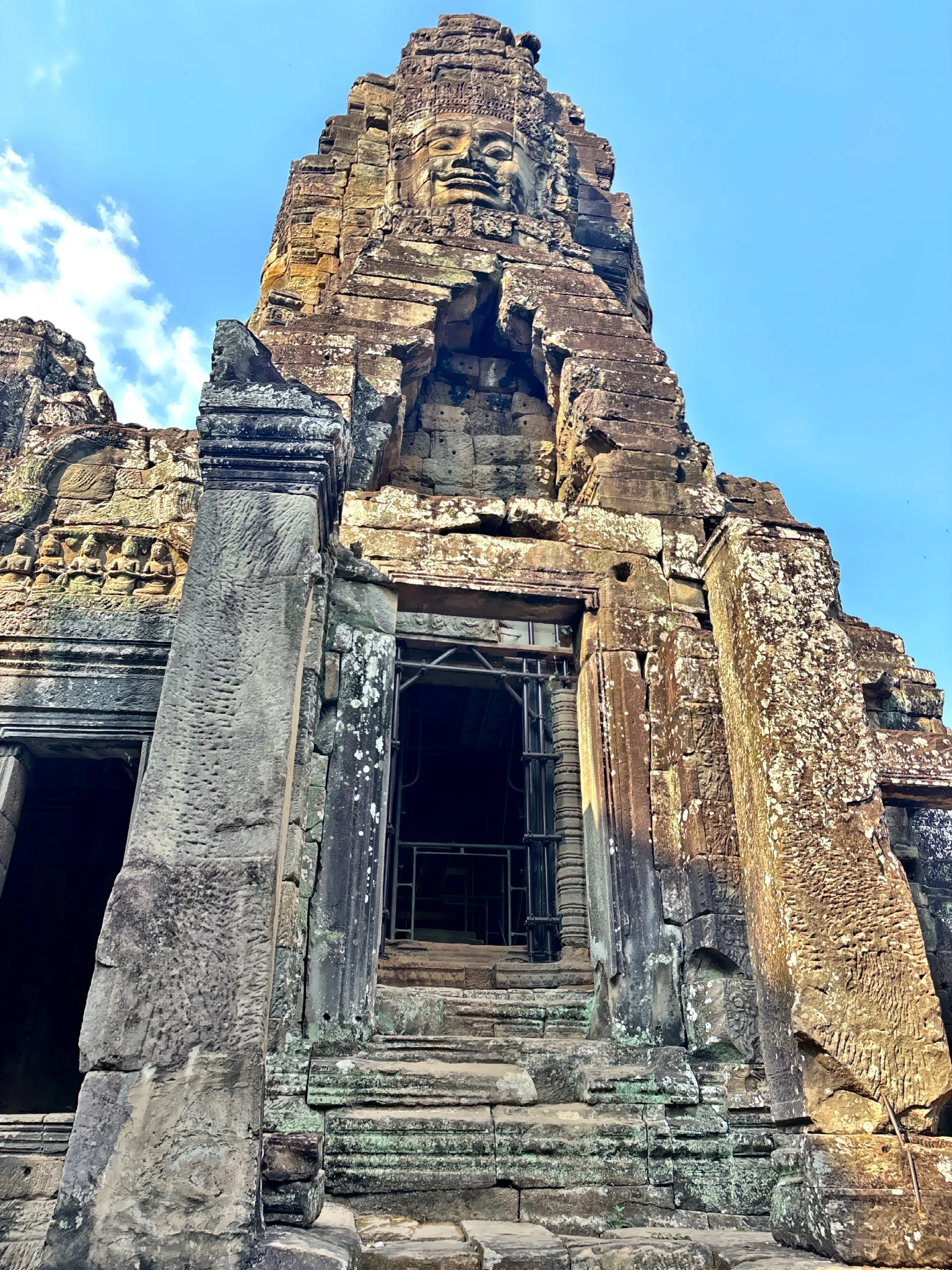
Video made at the site.
What you should know:
Lightweight clothing for hot weather.
Both men and women need to cover both their shoulders and knees when visiting temples or sacred areas.
Drink only bottled water, use mosquito repellent.
Cambodia uses dual currencies, US Dollars and Khmer Riels are accepted in anywhere but you have to be extremely careful about US dollars because if it is torn, stained or faded, will not be accept it from you here.
Credit/debit cards are widely accepted.
Staff are helpful and informative.
Check website for days and hours of operation.
There is dedicated parking nearby.
Bayon is inside Angkor Archaeological Park. You’ll need an Angkor pass (1-day, 3-day, or 7-day options), purchased in person or online. Keep your pass with you—it could be checked at multiple points
Bayon is a maze of corridors and towers, so it’s easy to get turned around.
There are uneven stones and steep and narrow steps.
Bayon is located in Angkor Thom, close to: Angkor Wat and Ta Prohm.
Plan on spending 1–1.5 hours to explore, more time depending on your level of interest.
Location: Bayon Temple, Angkor Thom, Siem Reap Province, Cambodia
For more information: Bayon Temple
If you enjoyed this post, feel free to check out my previous posts by clicking here.