
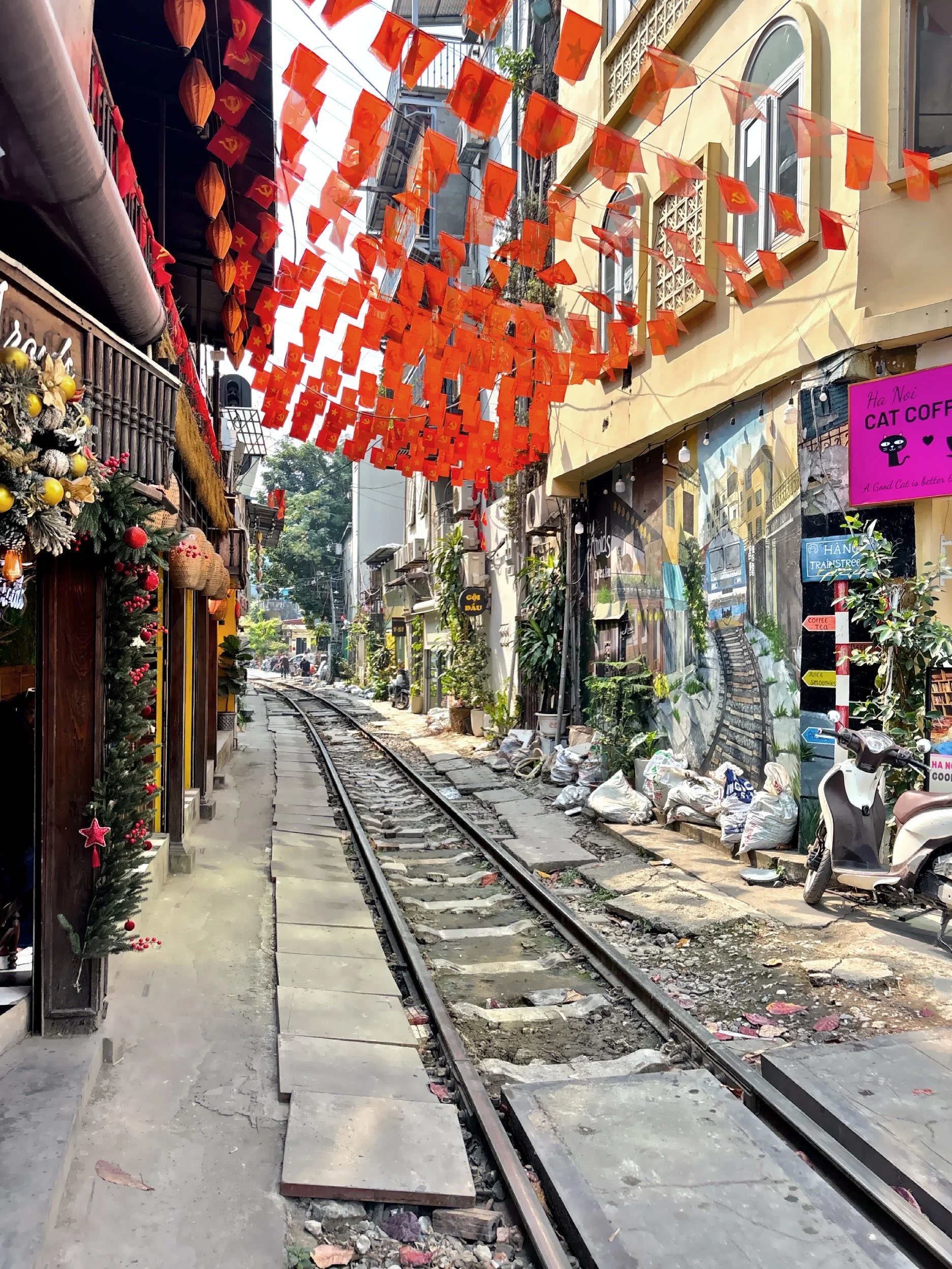
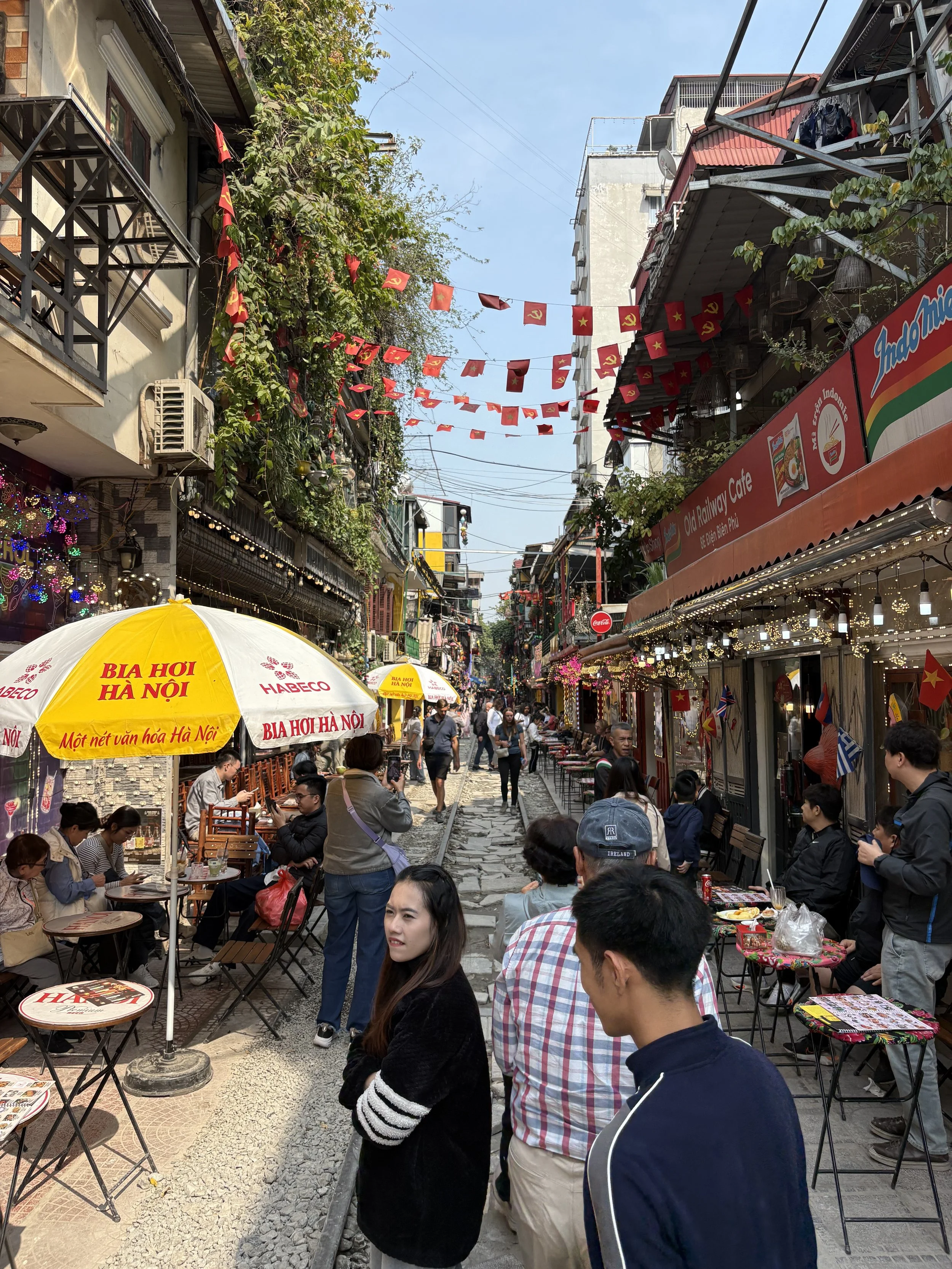
Tucked away in the heart of Vietnam’s capital, Hanoi Train Street is one of those rare places where everyday life and industrial infrastructure exist side by side—literally inches apart. This narrow residential alley has become one of Hanoi’s most photographed spots, not because it was designed for tourism, but because it wasn’t.
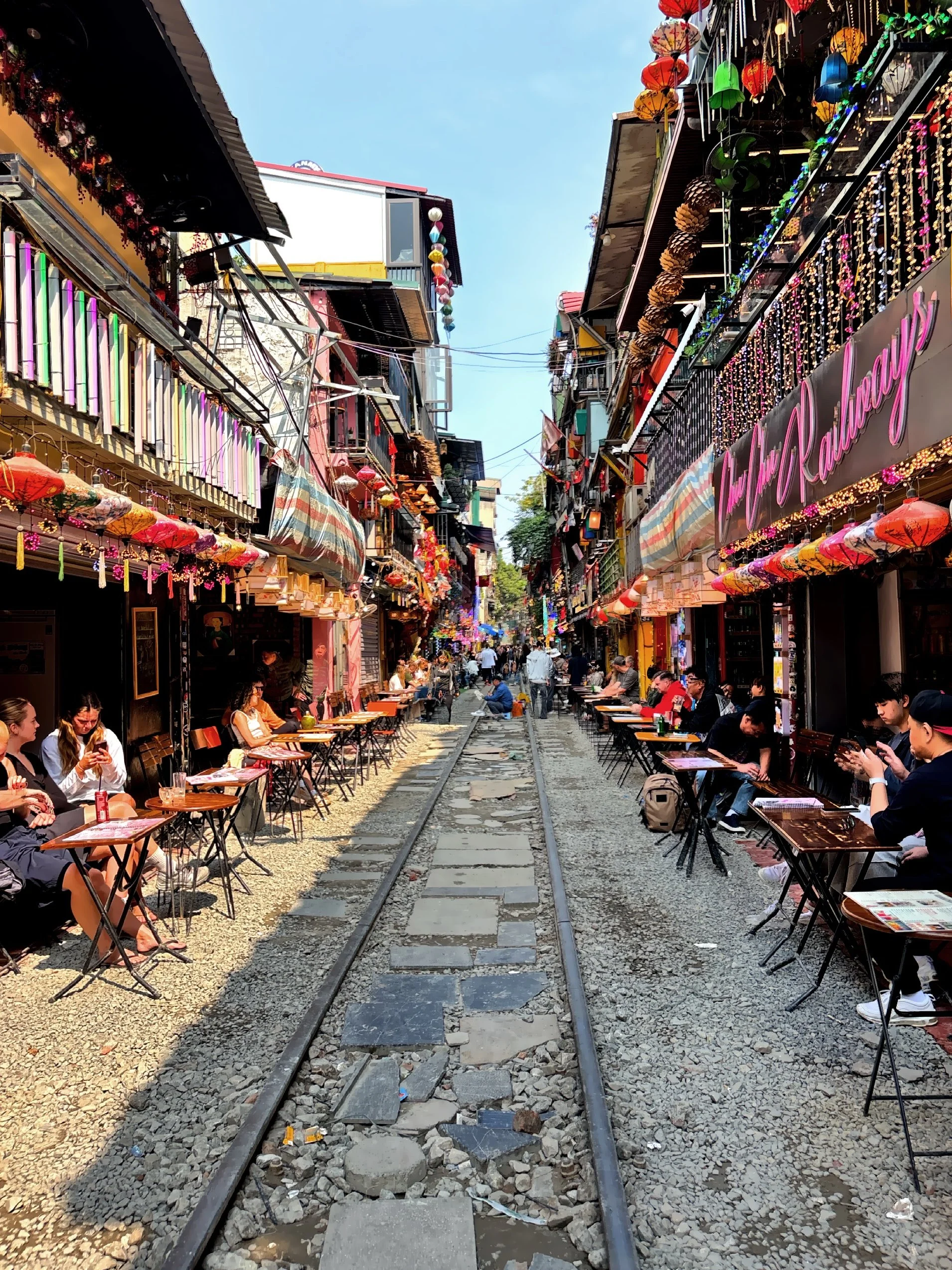
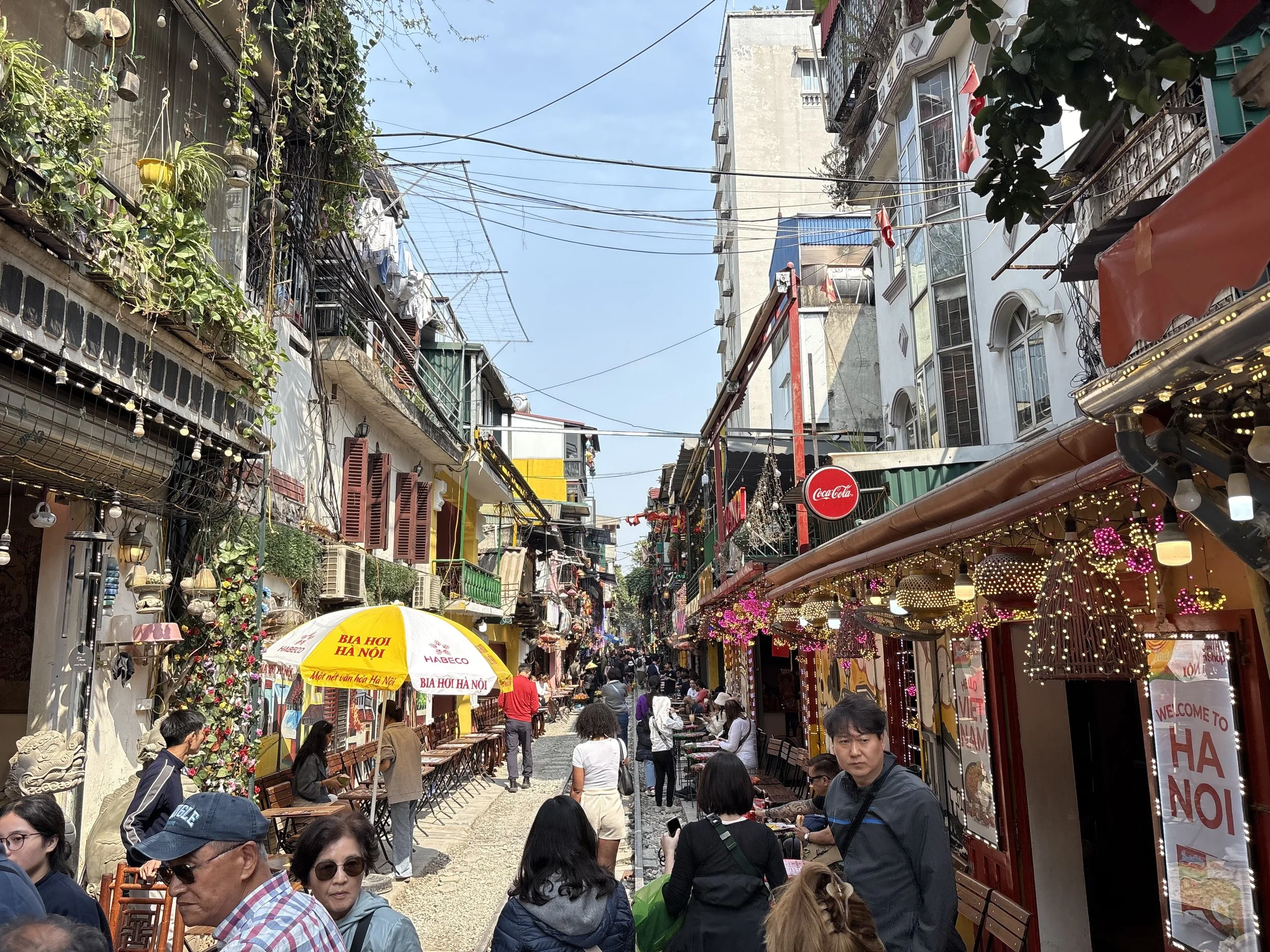
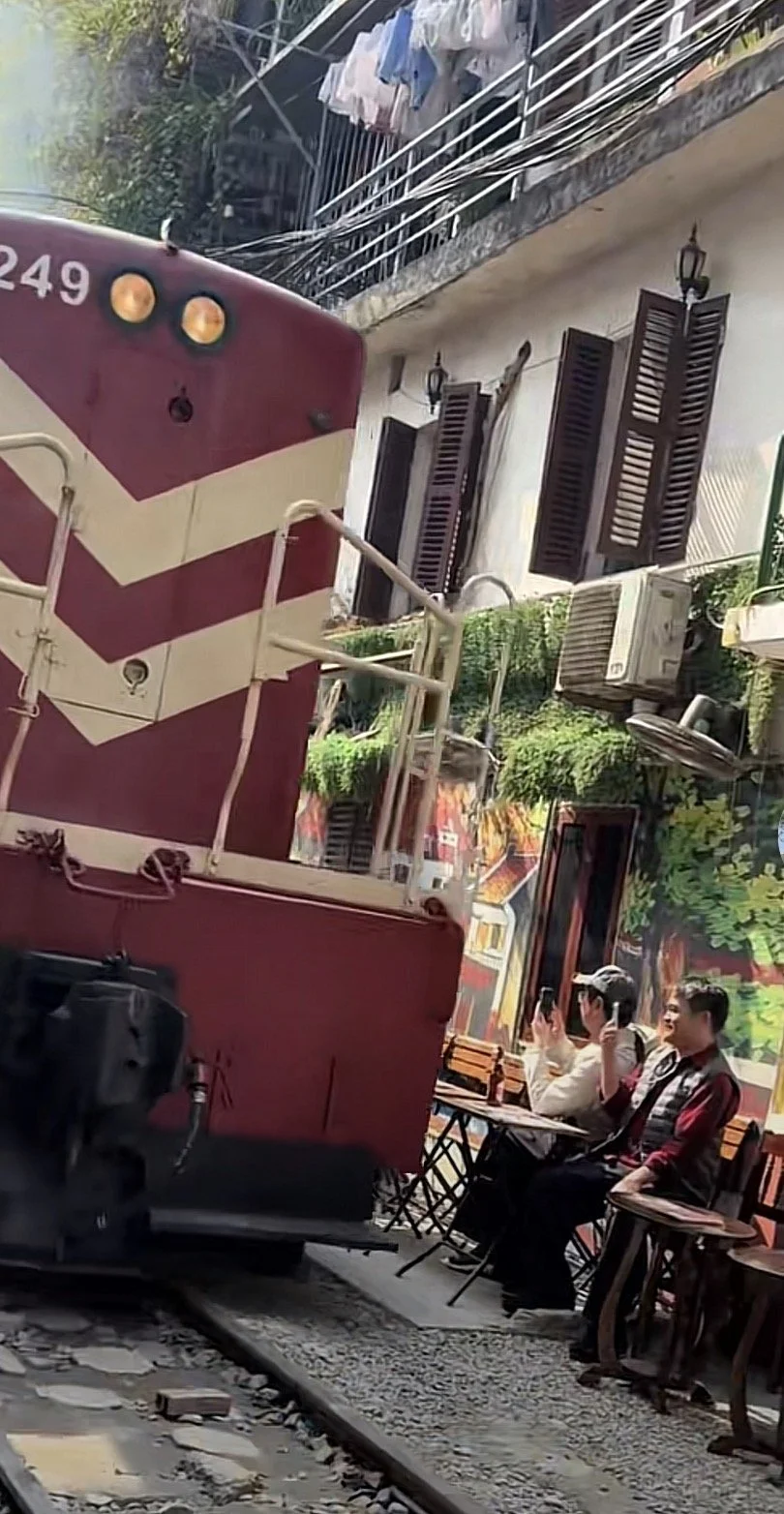
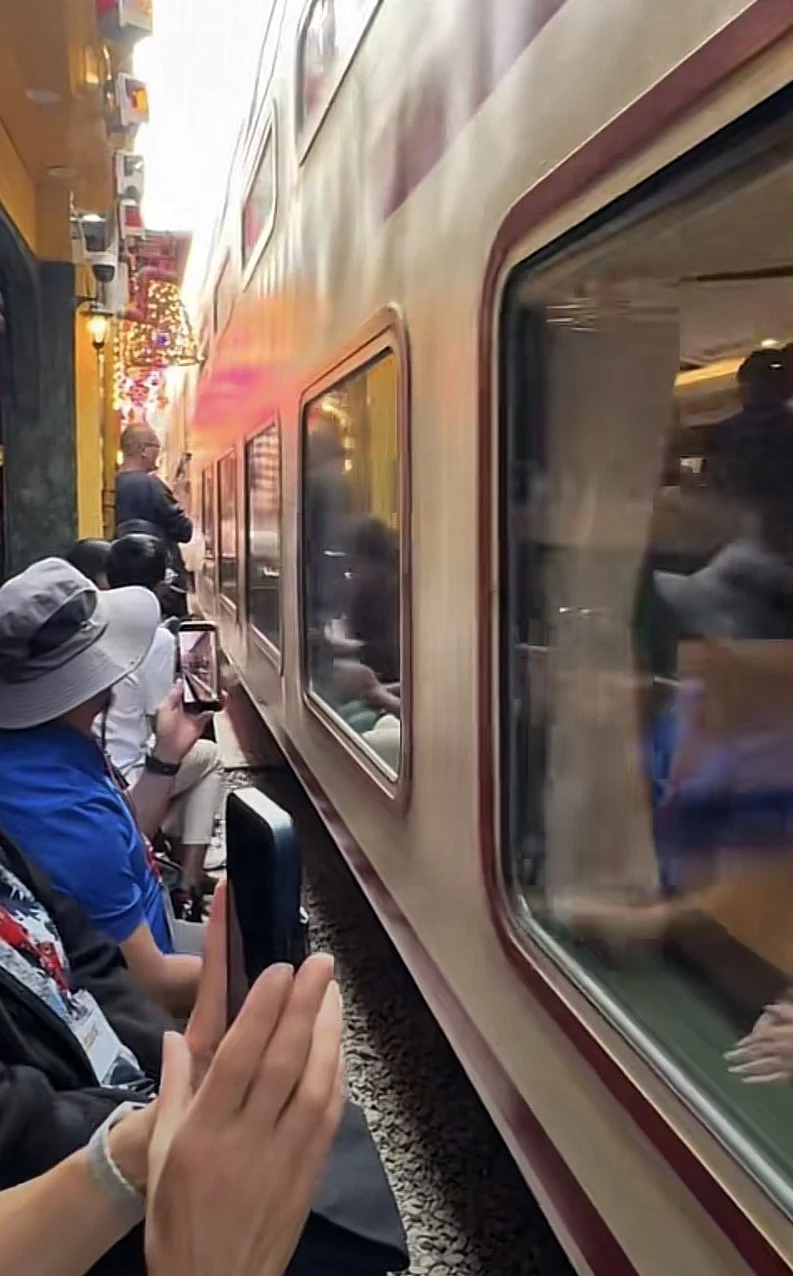
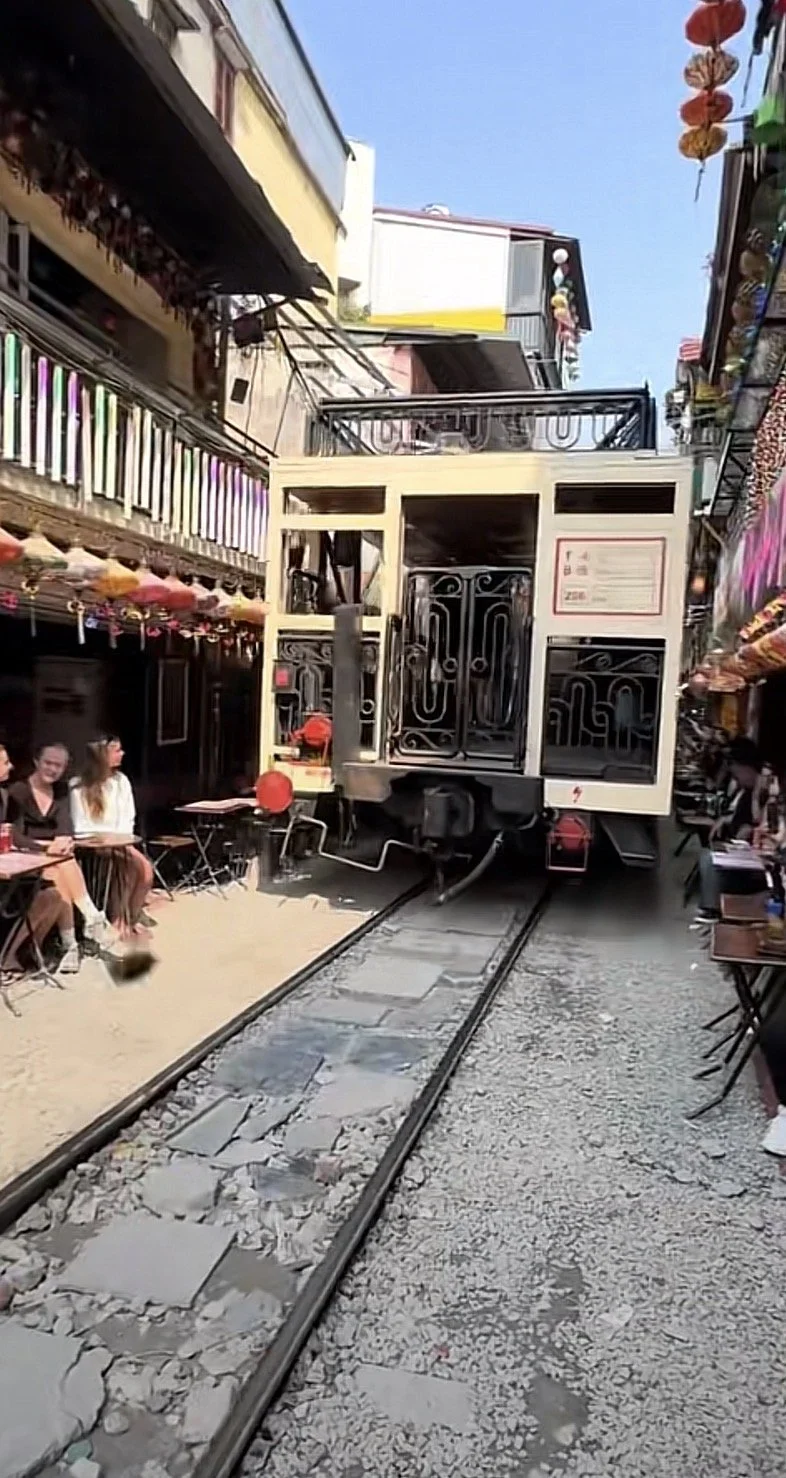
At first glance, it looks almost impossible: an active railway line running directly through a tight corridor of homes, cafés, and small shops. The train tracks slice through the neighborhood so closely that you could stretch out your arm and almost touch the passing carriages. It’s this extraordinary proximity that gives Train Street its surreal charm.
Hanoi Train Street’s story is rooted in Vietnam’s colonial-era railway system, built to connect regions across the country. Over time, the city grew around the tracks. What was once infrastructure on the edge of urban life slowly became embedded within it. Houses were built, families moved in, and the railway became just another part of the neighborhood’s rhythm.
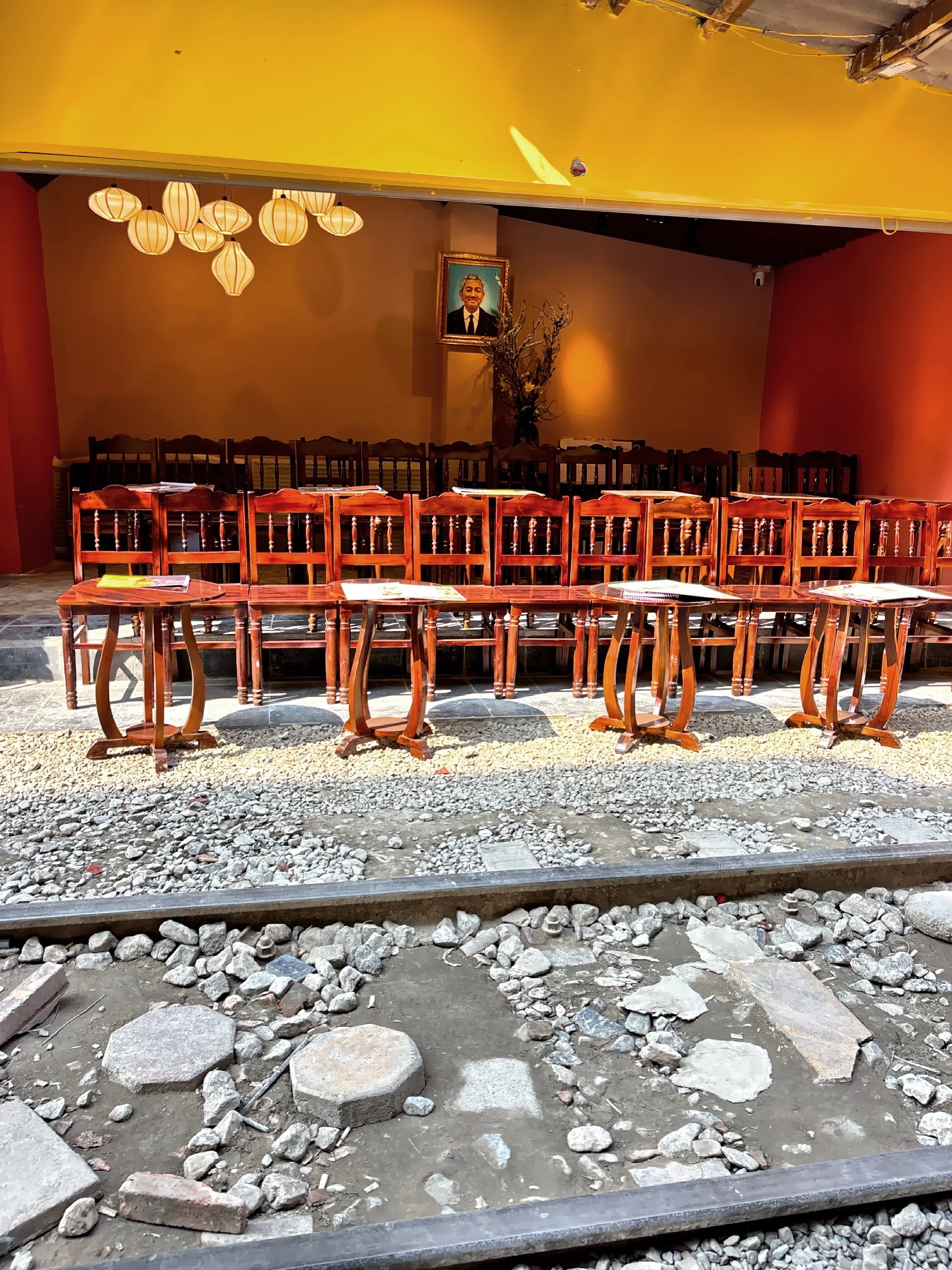
Living here means adapting to the unexpected schedule of passing trains. Residents have perfected a routine: chairs are pulled in, shopfronts are cleared, and belongings are tucked away moments before the train arrives. Life pauses briefly, not in fear, but in practiced coordination.
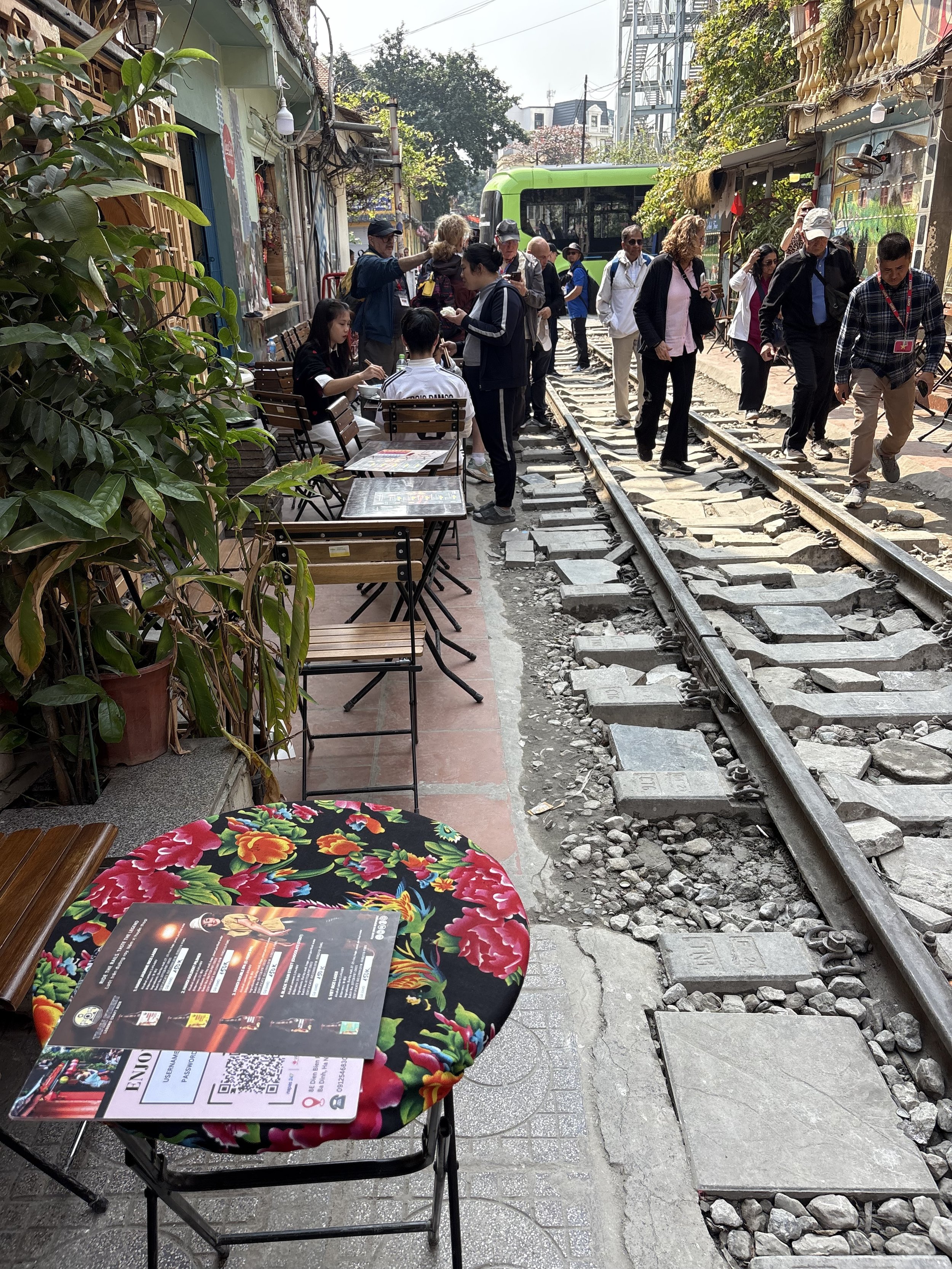
The experience feels almost unreal. You sit at small cafes lining the tracks, sipping coffee just feet away from the rails, waiting for the moment the street transforms. Conversations quiet down, phones come out, and anticipation builds.
Then it happens.
A distant whistle cuts through the air and cafe owners quickly usher guests back, clearing the narrow corridor. The atmosphere shifts instantly from relaxed to alert and within seconds, the train arrives—massive, and startlingly close—rushing through the alley and just as quickly, it’s gone, leaving behind laughter, chatter, and the return of everyday life.
In the end, Train Street isn’t a stage built for visitors—it’s a living neighborhood that happens to host one of the most unusual urban encounters in the world.
This is what caught my eye - I hope you enjoy!
Do you like the images posted?
Click here to explore the shop.
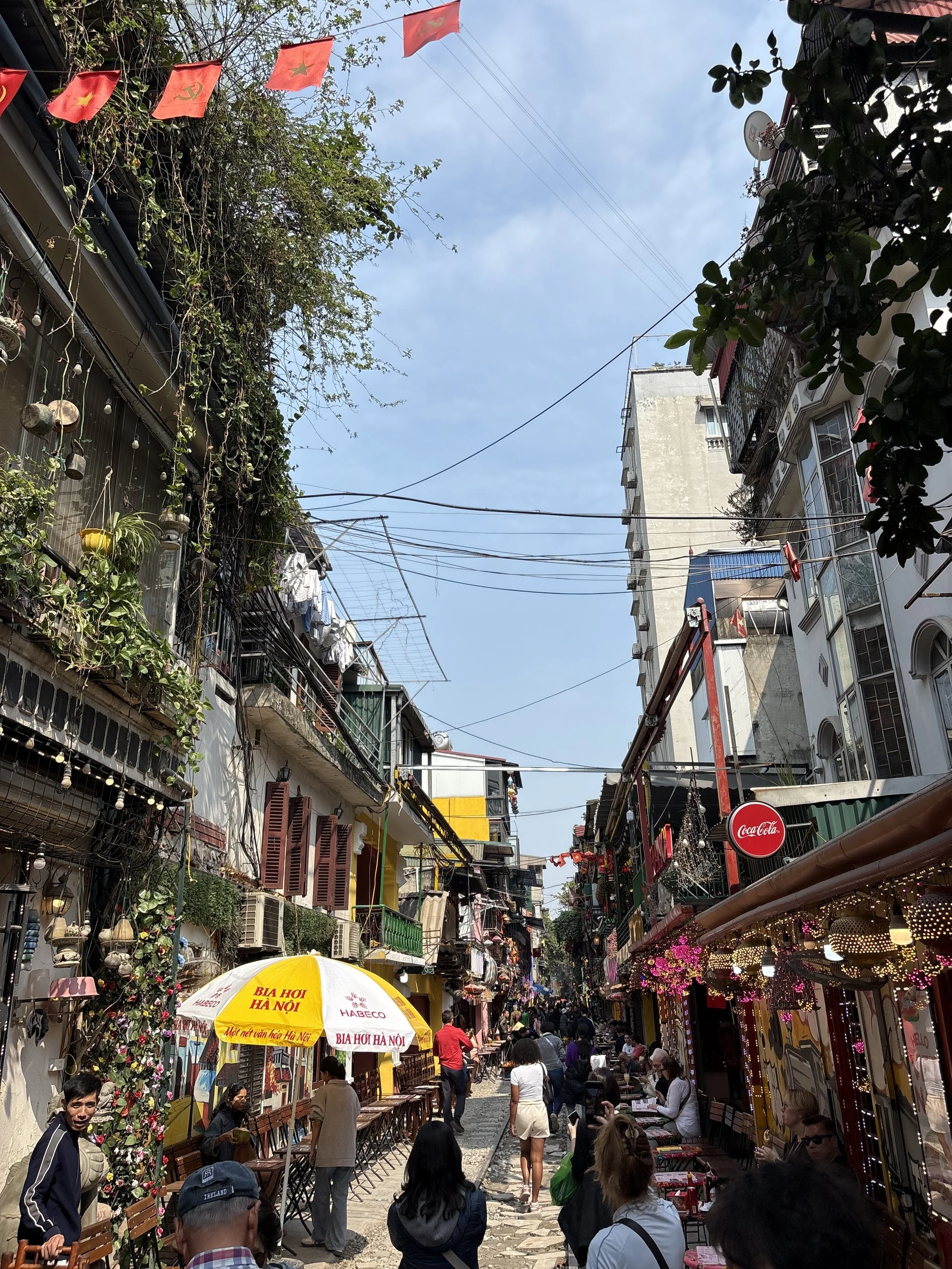
What you should know:
Train schedules can change, and delays are common. If you’re planning to see a train pass, ask a cafe owner when the next one is expected—locals are usually the most accurate source.
Due to safety concerns, authorities have periodically restricted access to the tracks. Some entrances are monitored, and visitors are often only allowed in through cafes or guided visits.
It’s important to follow local guidance—standing directly on the tracks without permission can be dangerous.
Rules around Train Street have changed multiple times. Some entrances may be closed at certain times, so flexibility is key.
There is no admission charge, but when a train is coming through, the cafe staff will insist if you sit, you must order something and they tack on a small ‘entertainment fee’.
There are restrooms inside the cafes, but a purchase is usually expected.
Only drink bottled water.
Location: The most popular section is near the Old Quarter, especially along streets like Le Duan and Tran Phu.
For more information: Train Street
If you enjoyed this post, feel free to check out my previous posts by clicking here.