
The name Neuschwanstein translates roughly to “New Swan,” a name that reflects King Ludwig II of Bavaria’s fascination with the swan and its importance in his life and imagination. Today, the castle is often described as the “Sleeping Beauty Castle” or “Cinderella Castle” because of its dramatic towers, fairytale-like appearance, and picturesque setting among the Bavarian Alps. Rising above the village of Hohenschwangau, the castle looks almost as though it came straight out of a storybook. Its tall limestone towers, pointed roofs, balconies, and ornate details have made it one of the most recognizable castles in the world.
Neuschwanstein was built across from Hohenschwangau Castle, where Ludwig II spent much of his childhood. The older castle was closely associated with his family, and the surrounding mountains and lakes left a lasting impression on him. When Ludwig became King of Bavaria in 1864 at the age of 18 he began creating a series of ambitious architectural projects that reflected his fascination with medieval legends, German history, and the operas of composer Richard Wagner. Neuschwanstein was intended to be more than simply a royal residence; it was Ludwig’s attempt to create a private world inspired by the romantic medieval past.
Construction of Neuschwanstein began in 1869 on the site of two medieval fortresses. Ludwig wanted the new castle to capture the appearance of a medieval knight’s castle while incorporating the comforts and technology of the nineteenth century. Although the exterior gives the impression of a centuries-old fortress, the building contained modern features for its time, including central heating, running water, indoor toilets, and a telephone system. The castle’s rooms were also richly decorated with scenes from German legends, medieval stories, and Wagnerian operas. The imagery throughout the castle reflects Ludwig’s personal interests and his desire to surround himself with the stories and characters he admired.
Despite its impressive appearance, Neuschwanstein was never completed according to Ludwig’s original plans. Construction continued for many years, and the king spent relatively little time at the castle. Ludwig II was deeply private and preferred to withdraw from public life, and Neuschwanstein provided him with a secluded retreat away from the responsibilities and pressures of the royal court. The castle’s remote location high above the surrounding countryside made it an ideal place for him to escape into the world of art, music, and legend.
Ludwig II never saw his dream castle completed. In 1886, before construction was finished, the king was declared mentally unfit to rule and was removed from power. Only a few days later, Ludwig and psychiatrist Dr. Bernhard von Gudden were found dead in Lake Starnberg under circumstances that remain the subject of historical debate. Ludwig was only forty years old. At the time of his death, many areas of Neuschwanstein were still unfinished, and the castle was opened to the public only a few weeks later.
Although Ludwig intended Neuschwanstein as a private refuge, it quickly became a major tourist attraction after his death. Millions of visitors have since traveled to Bavaria to see its dramatic architecture and spectacular mountain setting. The castle’s fairytale appearance has also influenced popular ideas about European castles and is widely associated with the imagery of Disney’s Sleeping Beauty castle. Today, Neuschwanstein stands as a remarkable reminder of Ludwig II’s imagination, his fascination with the past, and his desire to create a world of beauty and fantasy high above the Bavarian landscape.
Here is what caught my eye, I hope you enjoy it!
Do you like the images posted?
Click here to explore the shop.


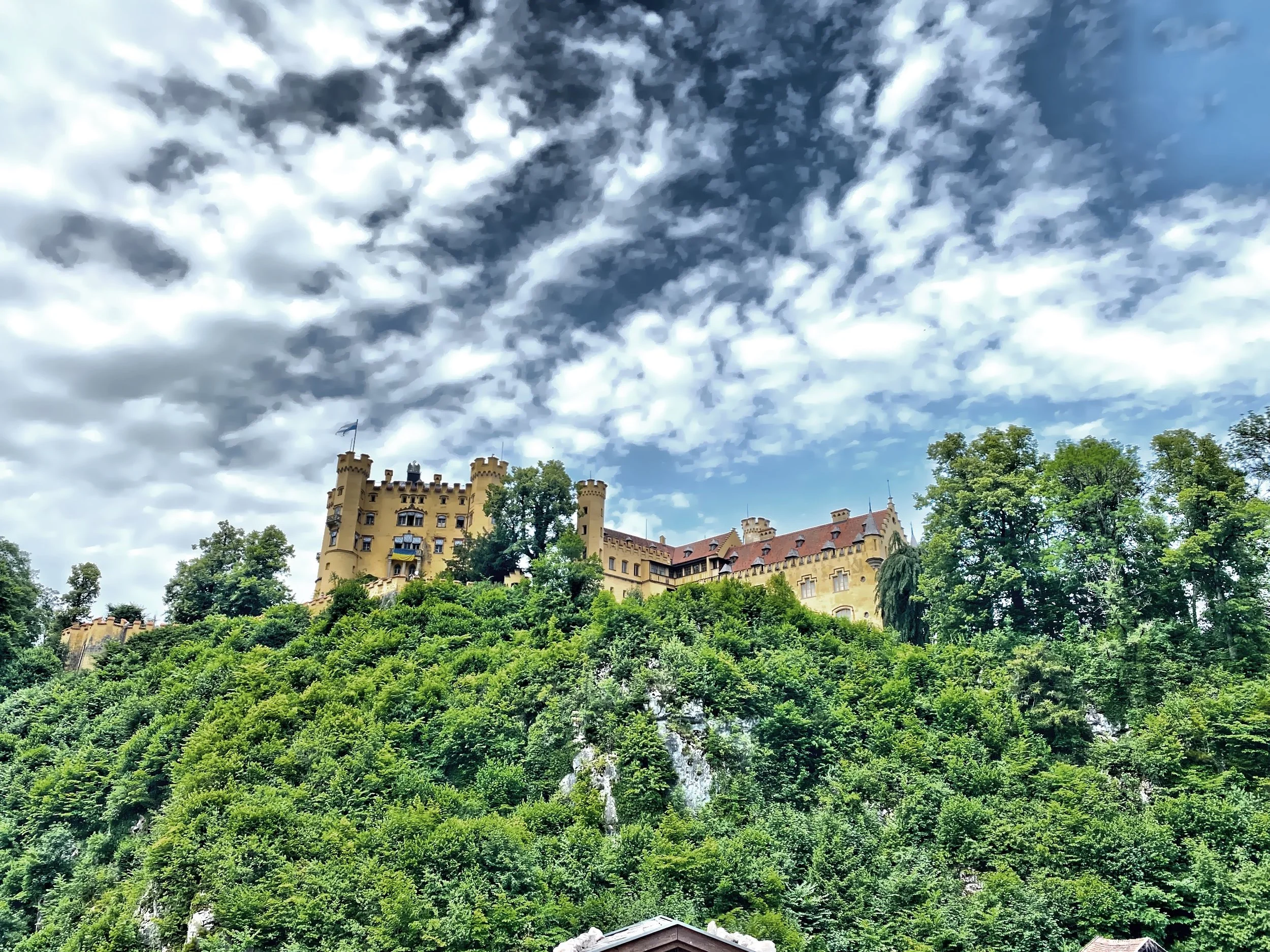
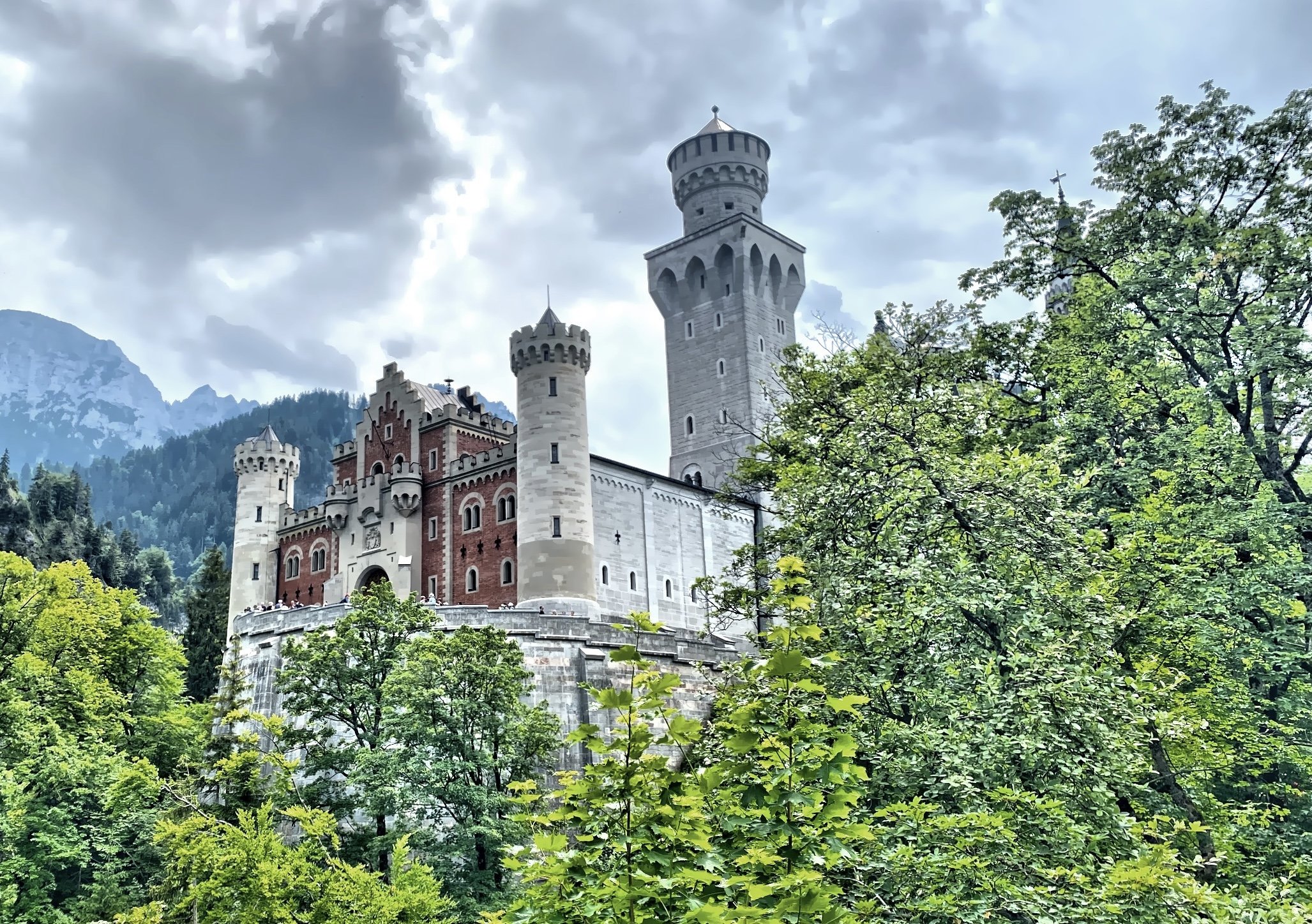


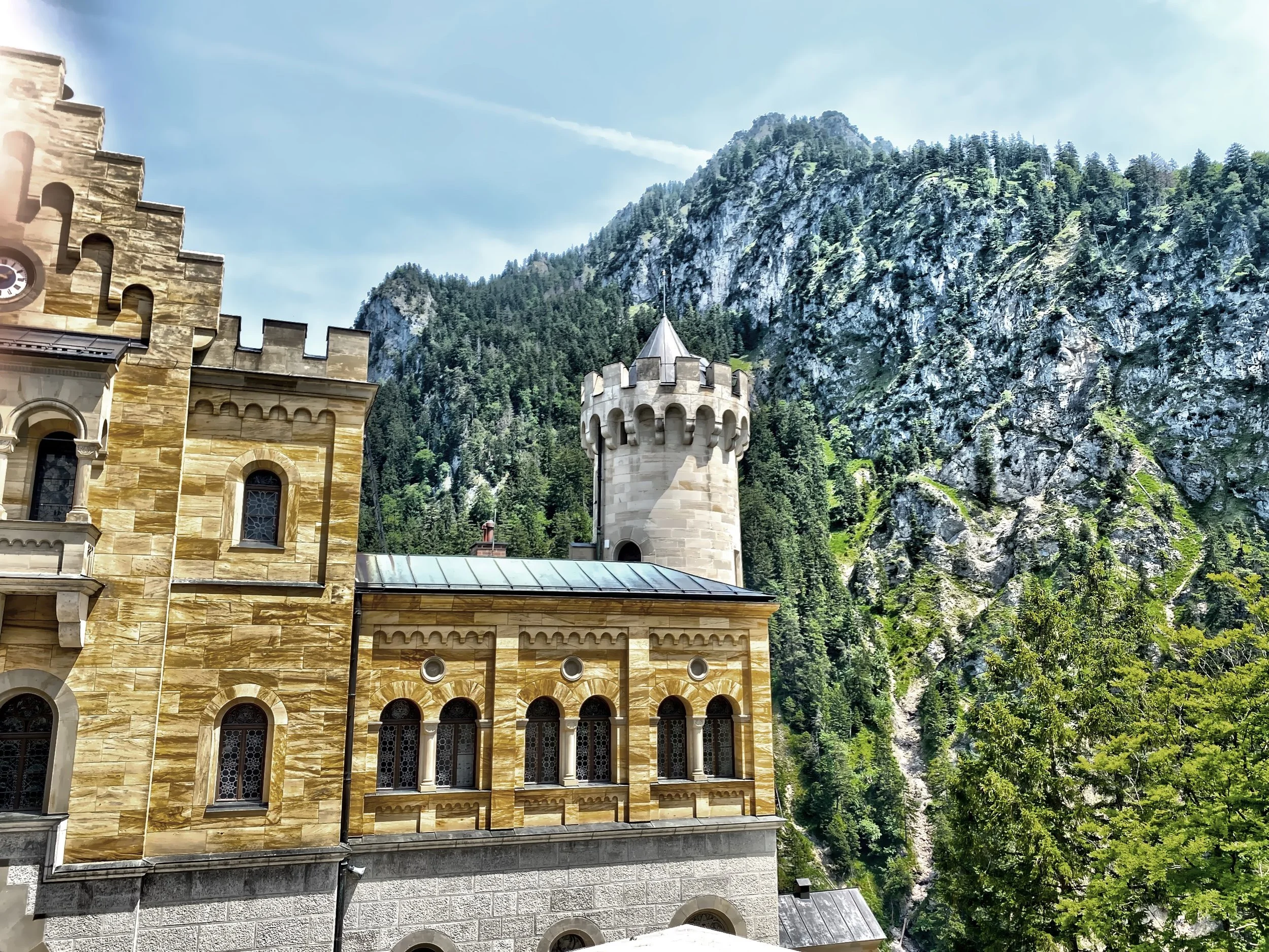


A bit about “Mad” Big Ludwig II of Bavaria. He the ultimate introvert and was not ready to rule at the age of 18, when his father died in 1864. He is said to have lived a double life, entertaining a succession of gay lovers and spending millions of dollars on fairytale castles and lavish works of art. He lived in his own enchanted dream world as a romantic, a lover of architecture, art and music, forgetting about politics and state affairs. The King was not really “mad”, but merely an eccentric living in a world of dreams. A man that was more of a dreamer than a ruler, and spent far too much money on extravagant projects that lead to borrowing causing bankruptcy and his replacement and his murder.
What you should know:
Castle interior photography is strictly prohibited
You could spend a couple of hours to an entire day exploring the grounds and village. The castle tour itself is about 40 minutes.
There are a few options for food and drink options in the village.
You can only take a guided castle tour.
Tours are time-specified, if you are late, there is a chance you will get turned away.
There is a shuttle bus to take you part of the way up to the castle. The shuttle bus fee is in addition to the castle entrance price.
There are tour options that include both Hohenschwangau Castle and Neuschwanstein Castle. Because of time restraints, I only did Neuschwanstein Castle.
You can also book a tour online, in person or through Viator
Open seasonally; check the website for days and hours of operation.
For more information: Neuschwanstein Castle
Location: NeuschwansteinstraBe 20, 87645 Schwangau, Germany