
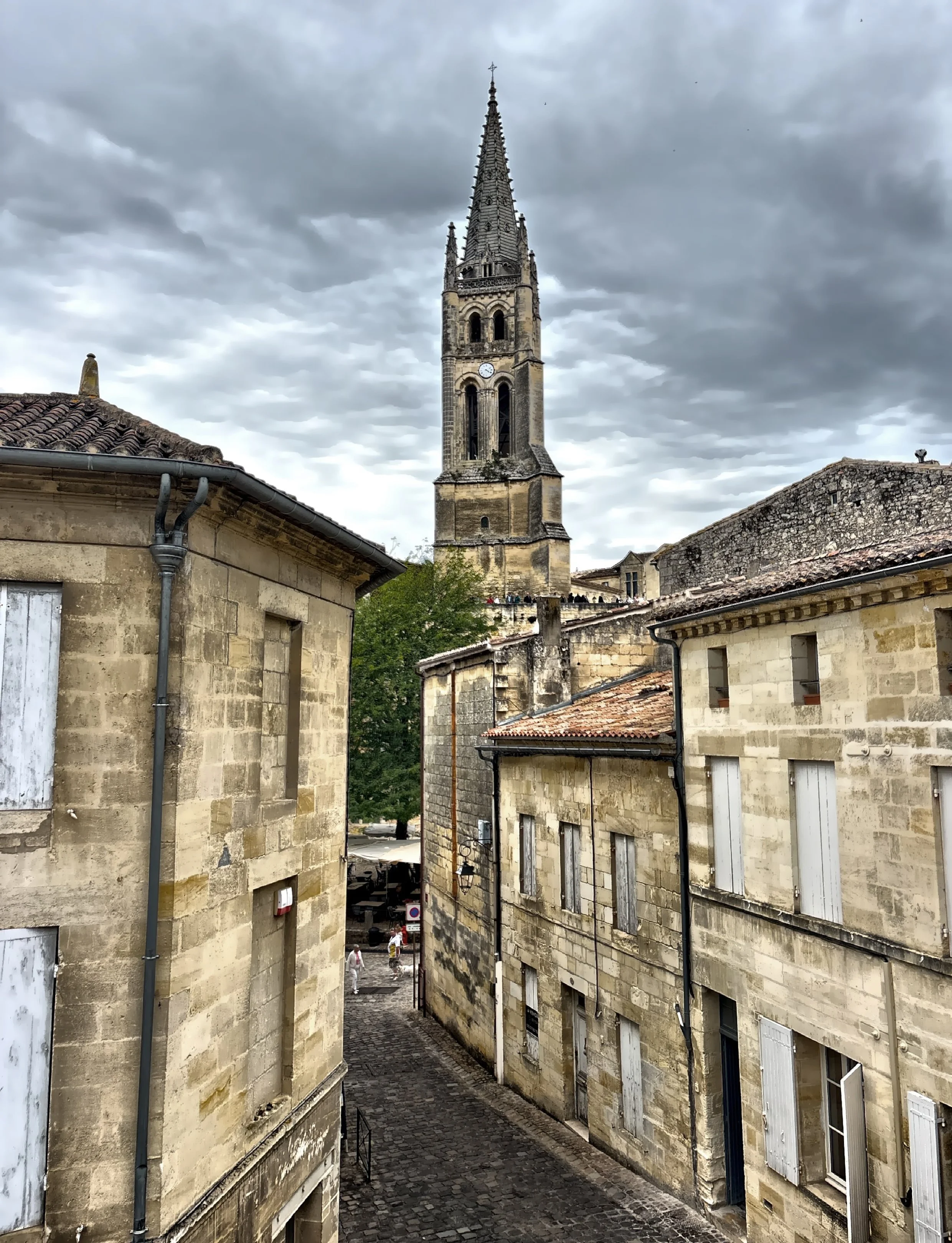
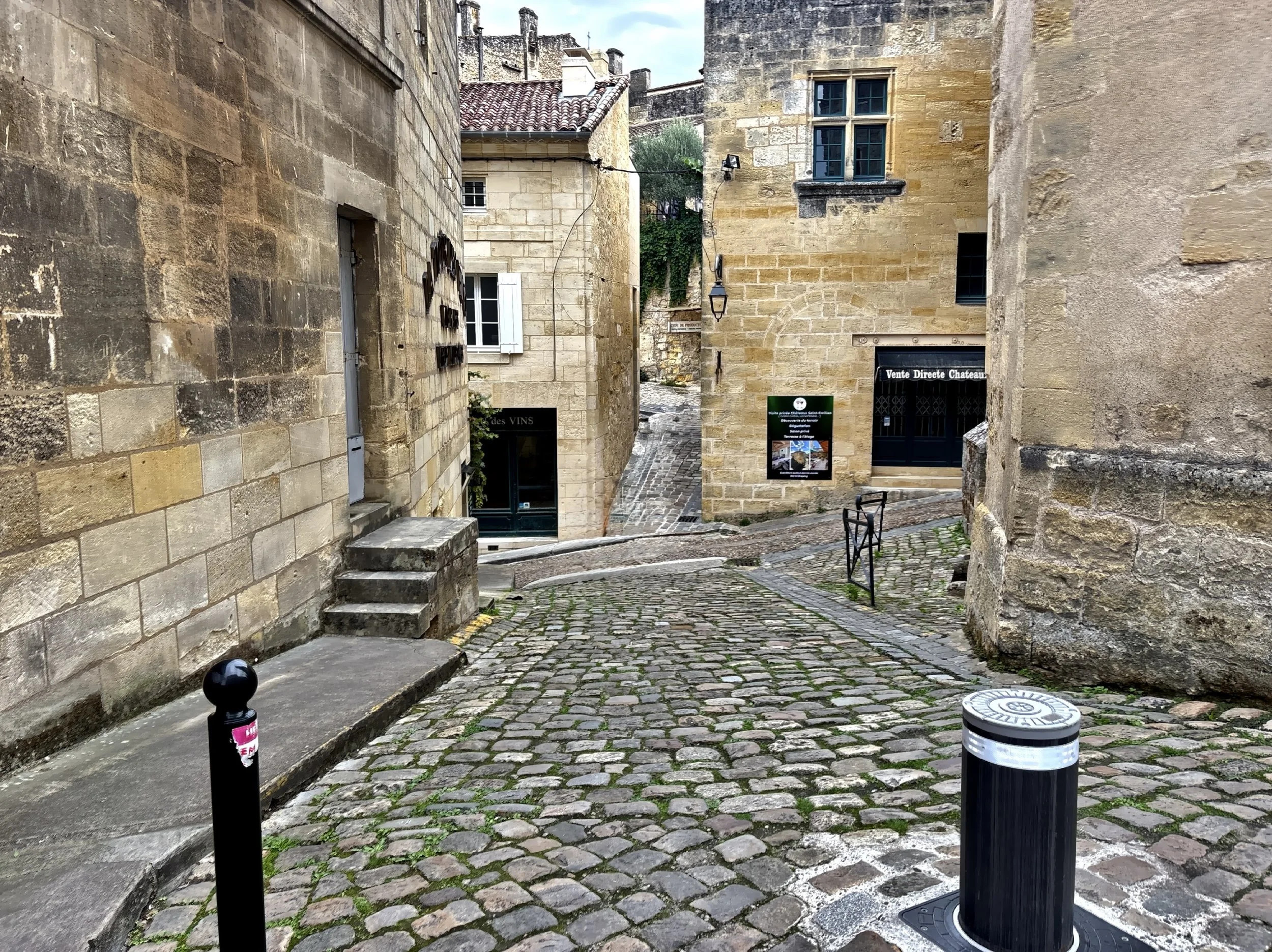
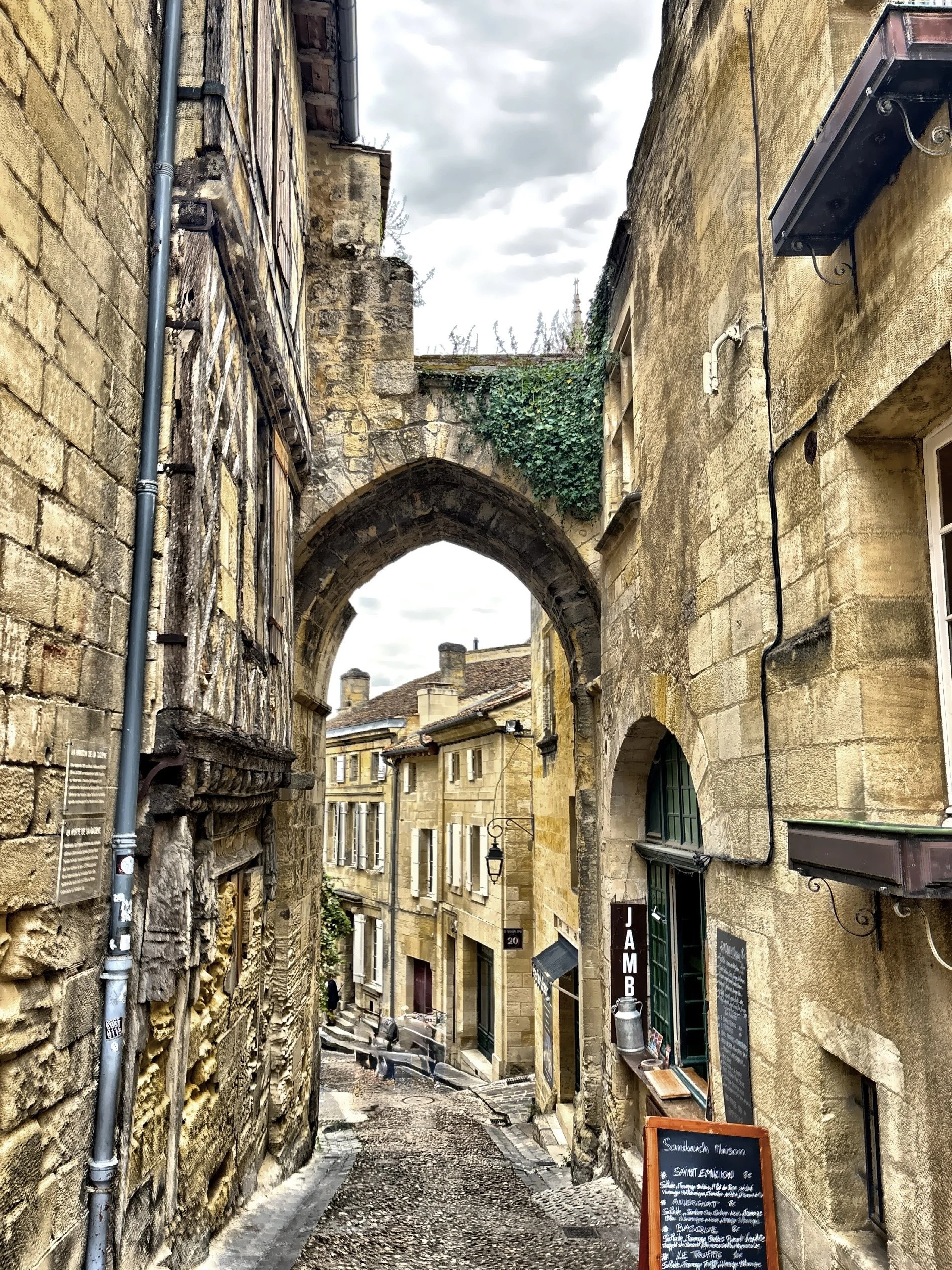
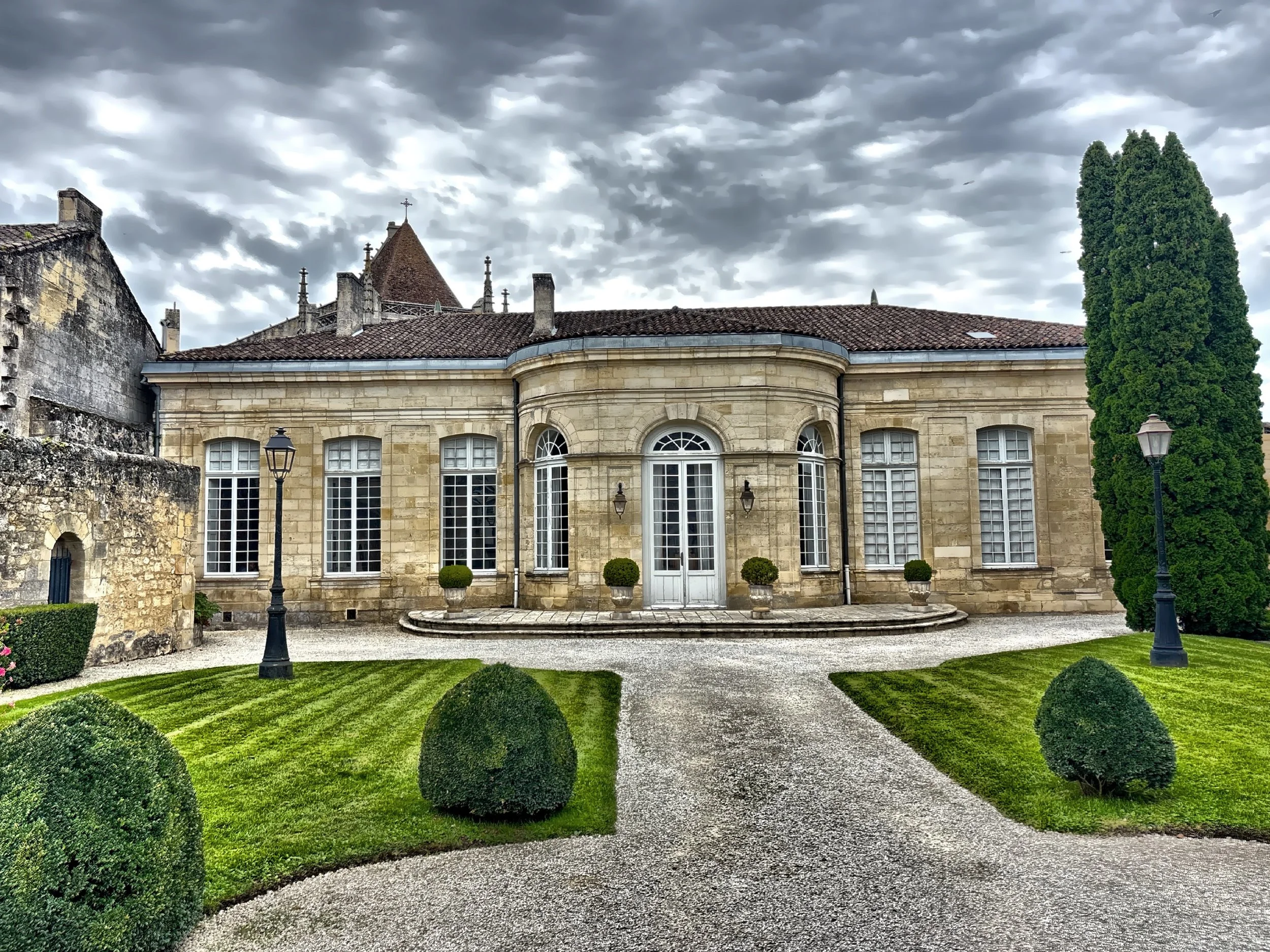
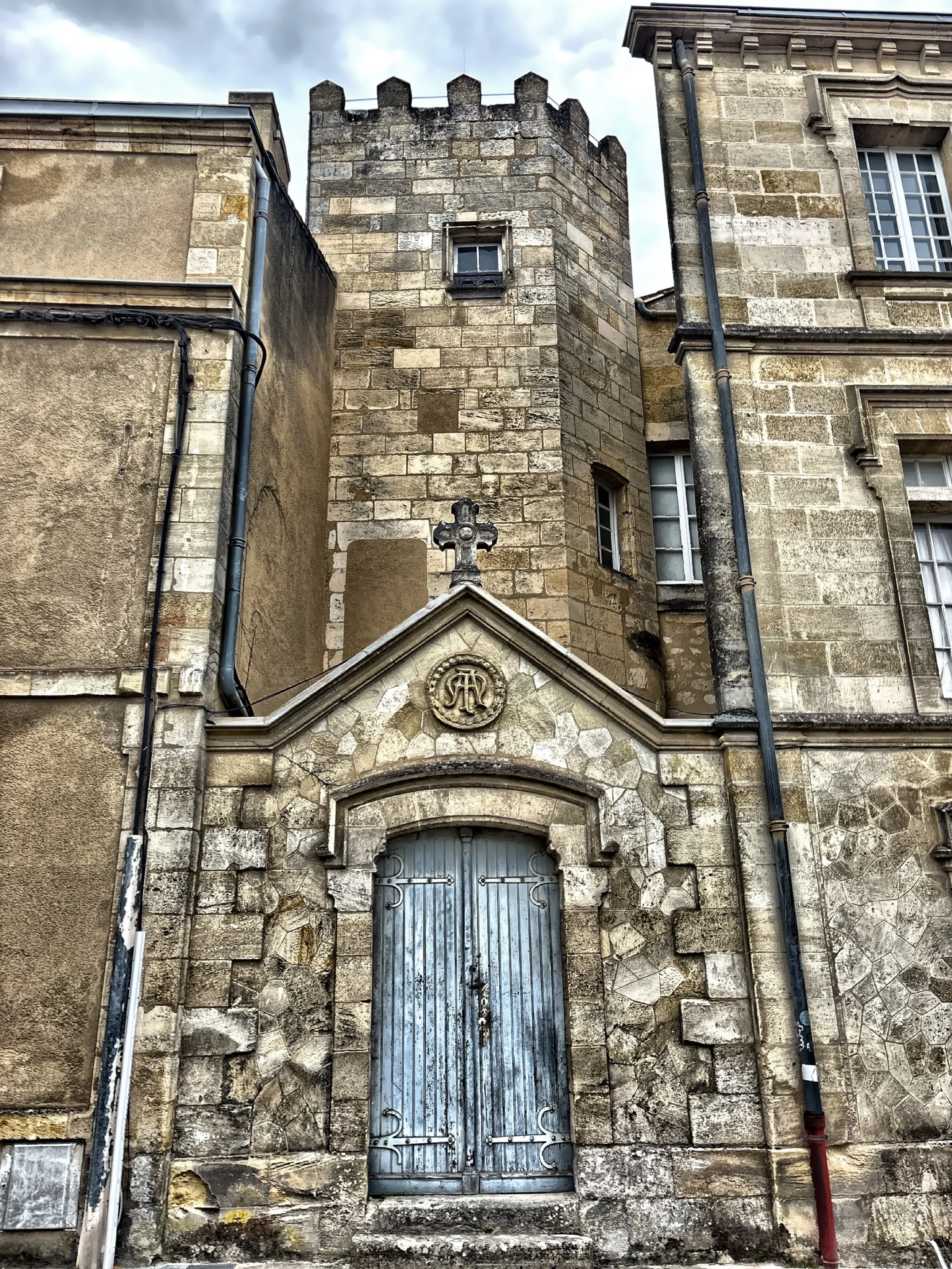
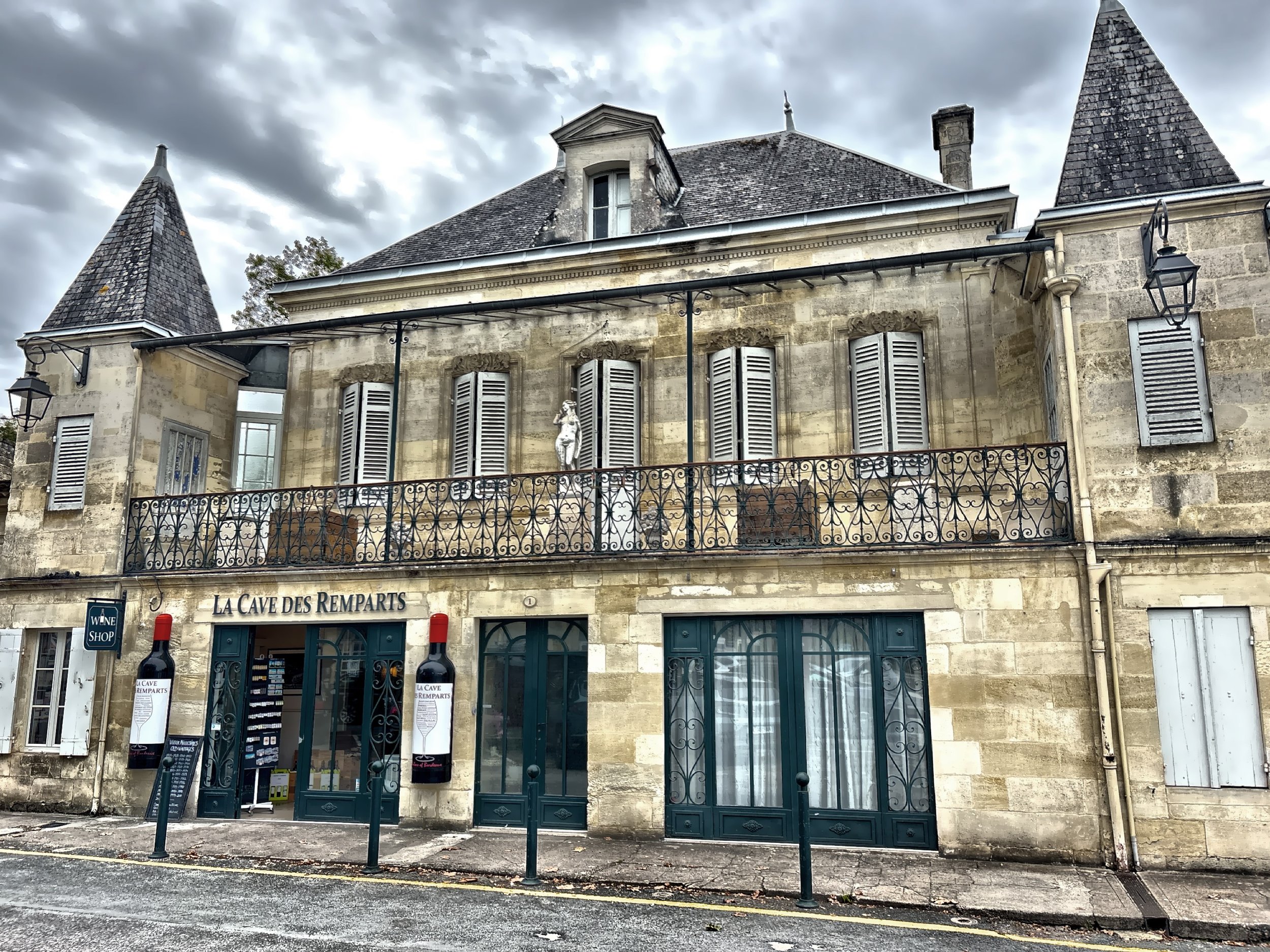
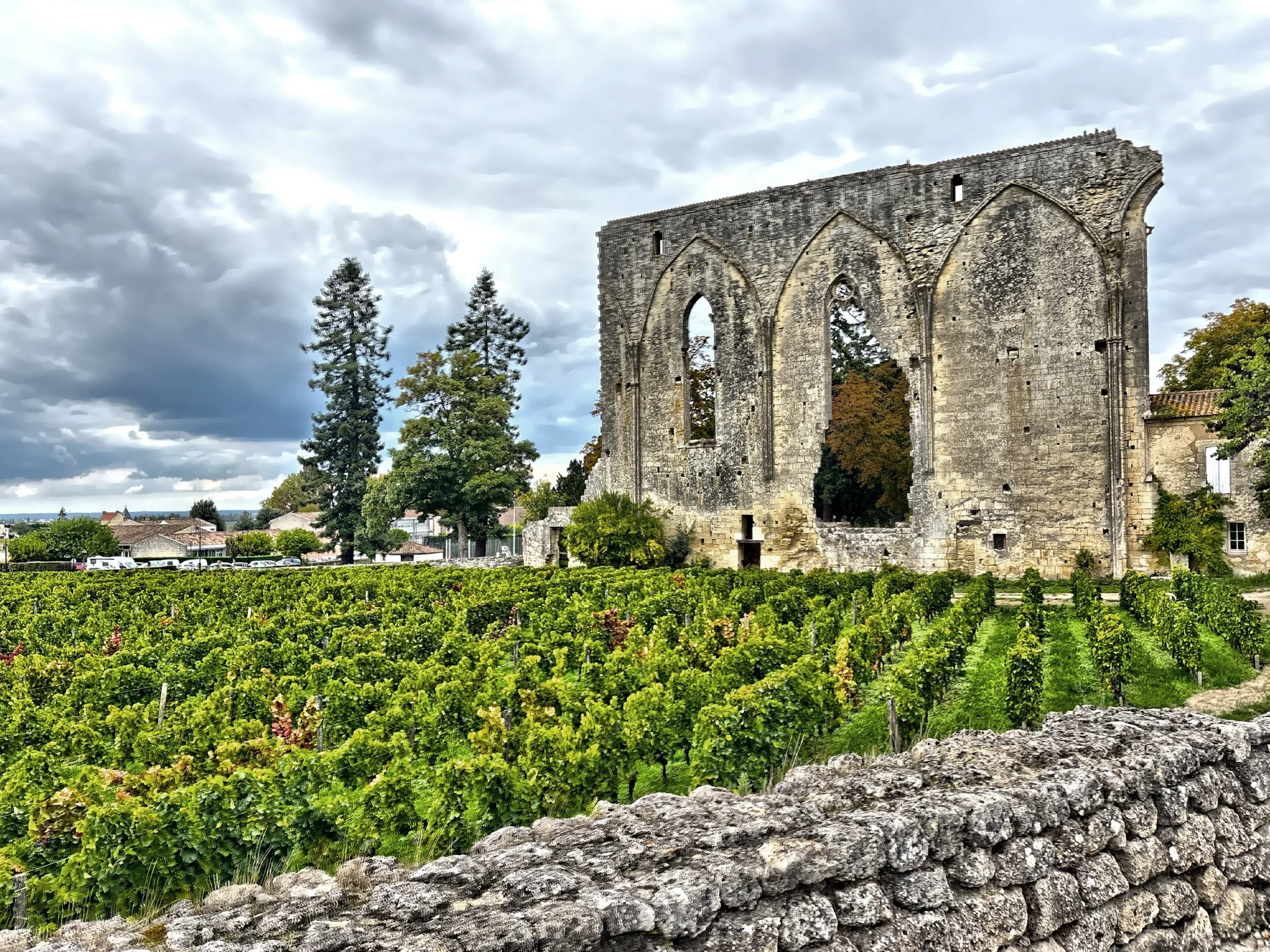
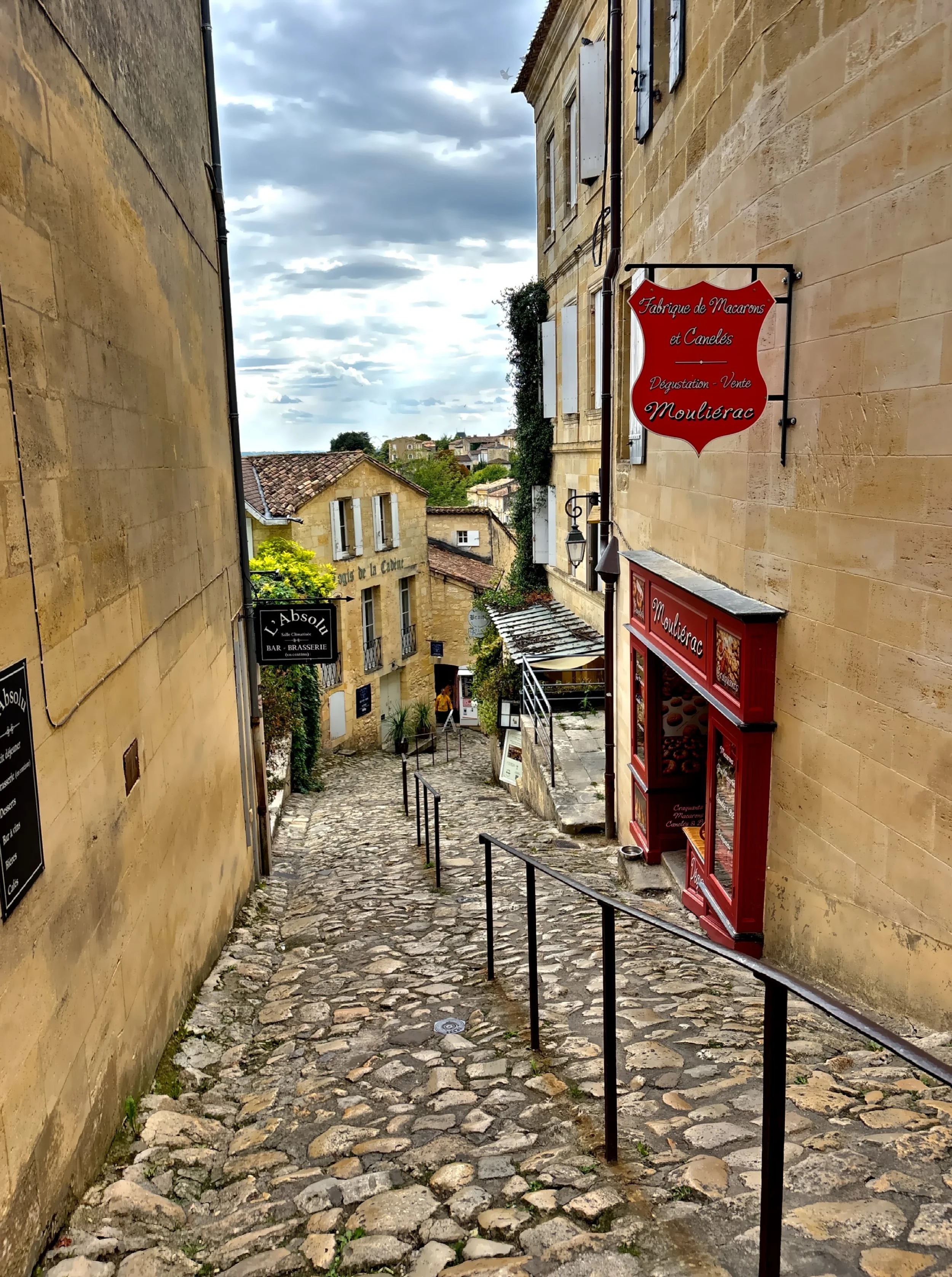
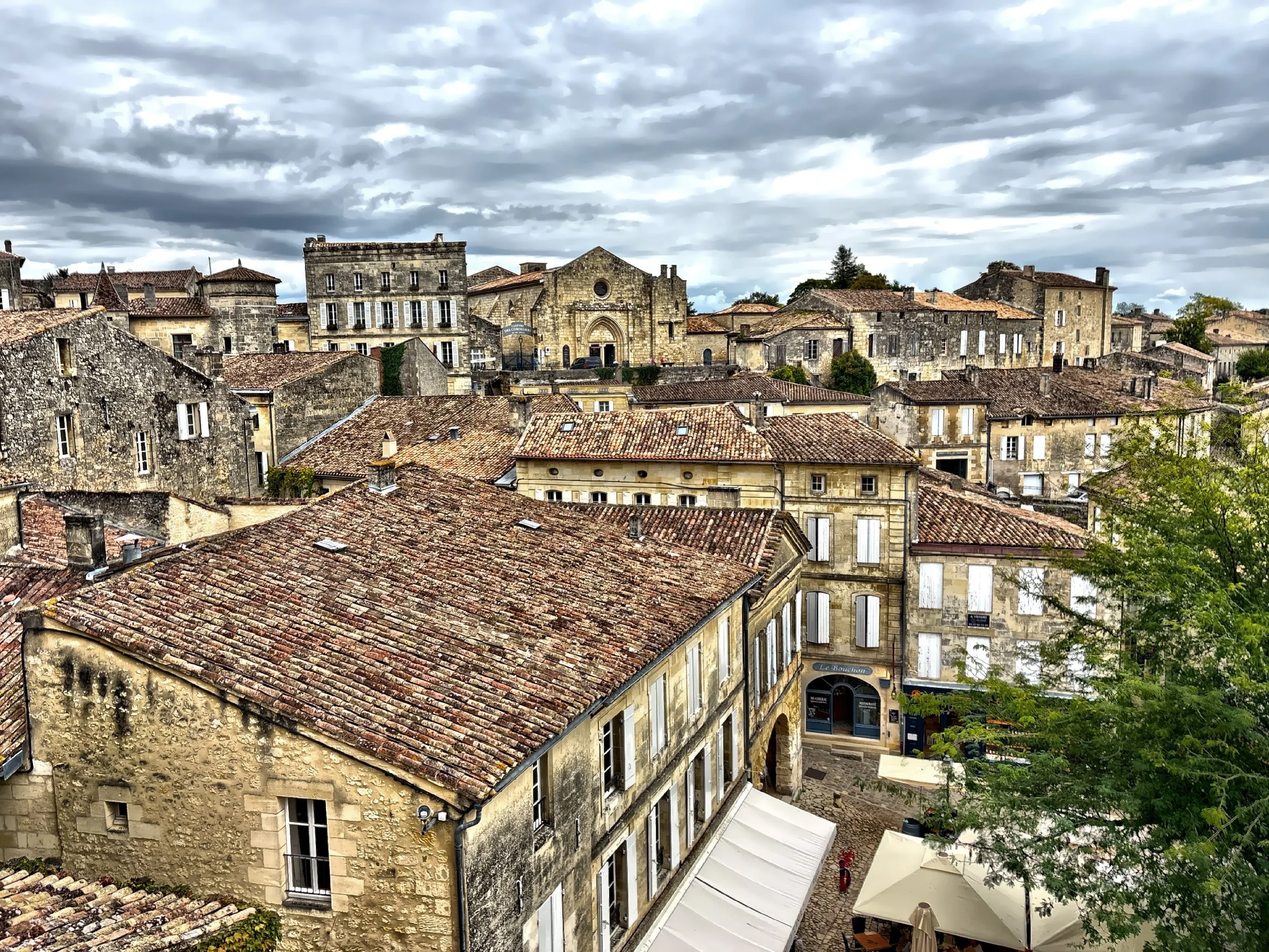
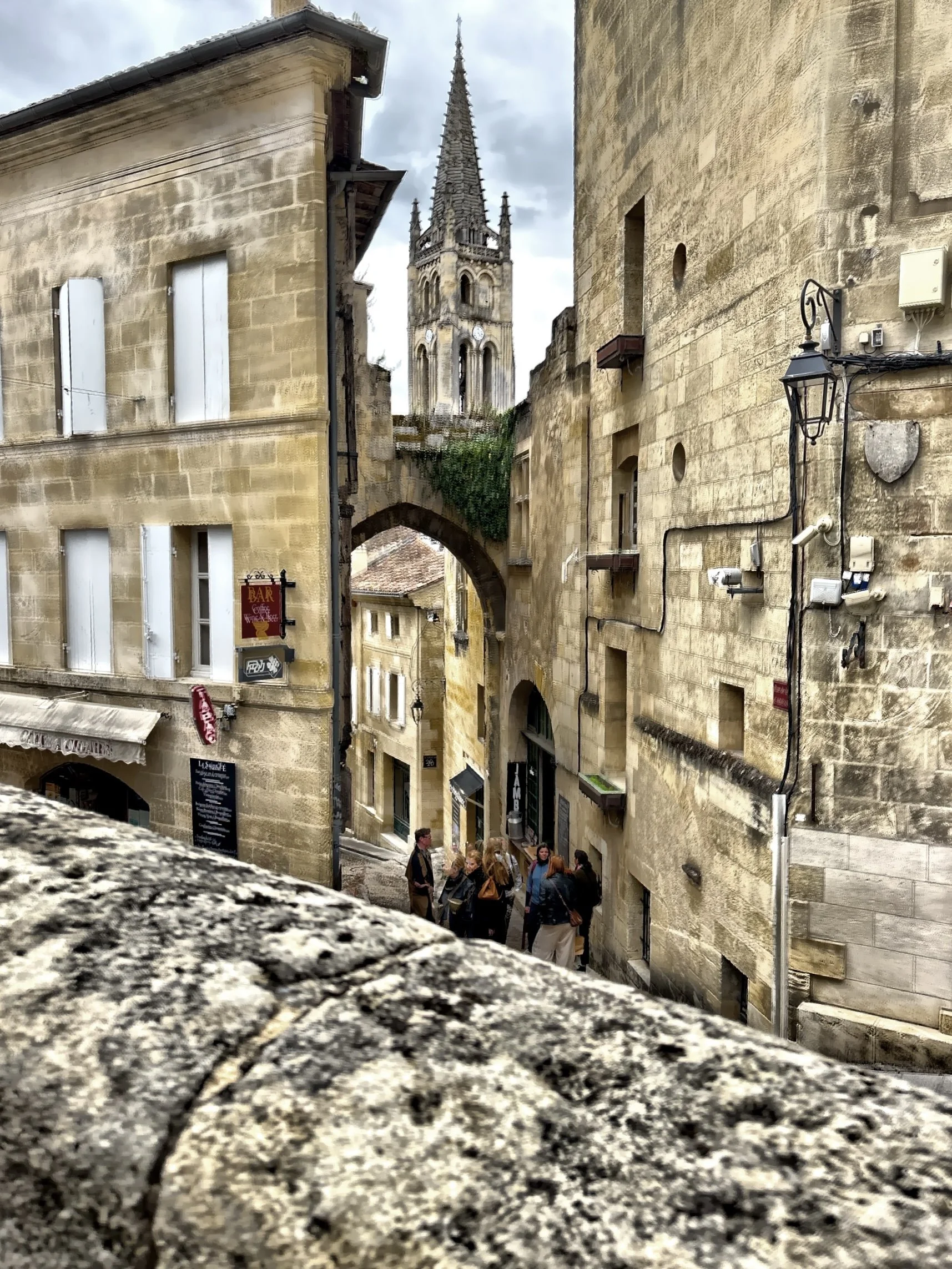
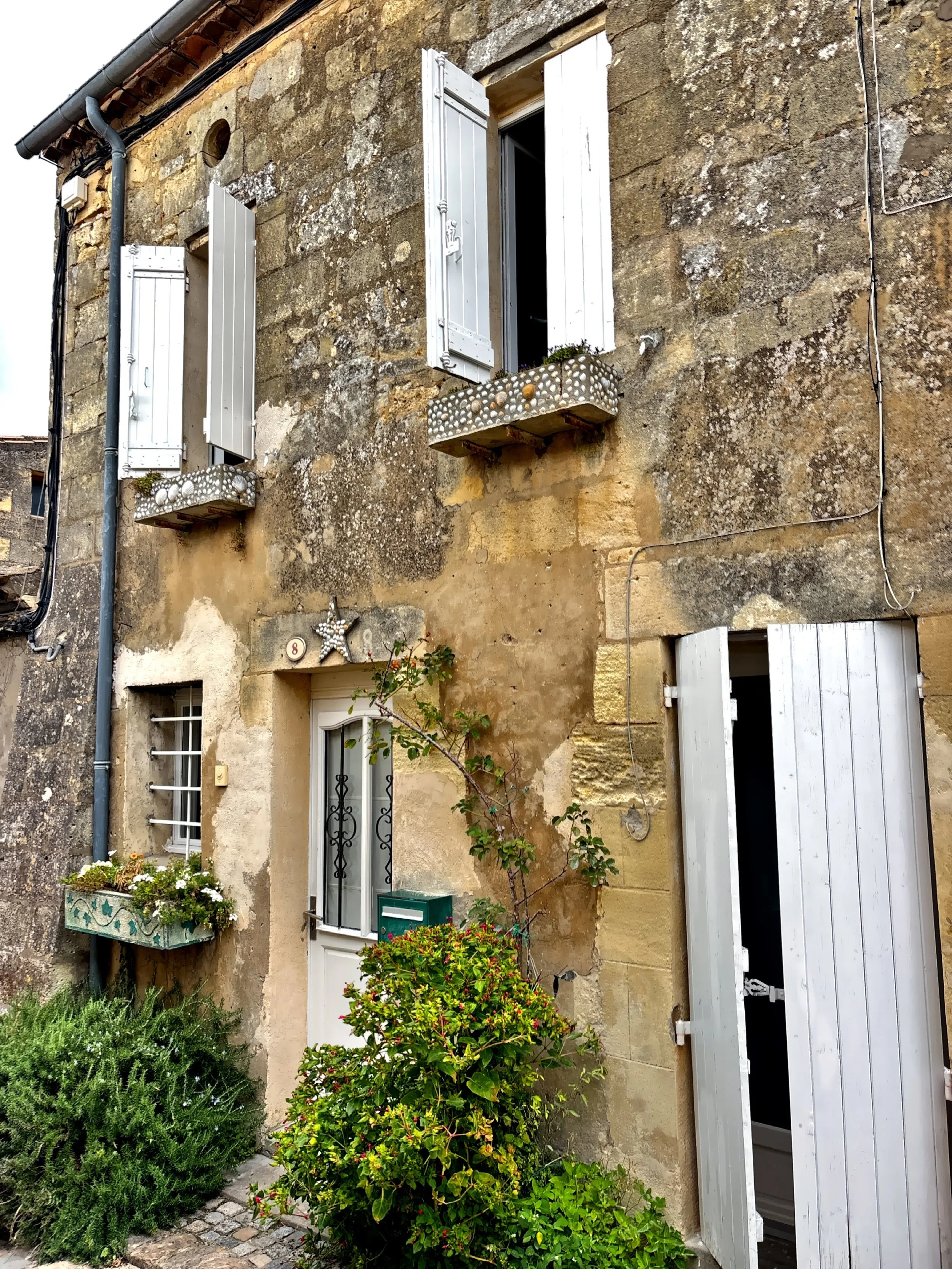
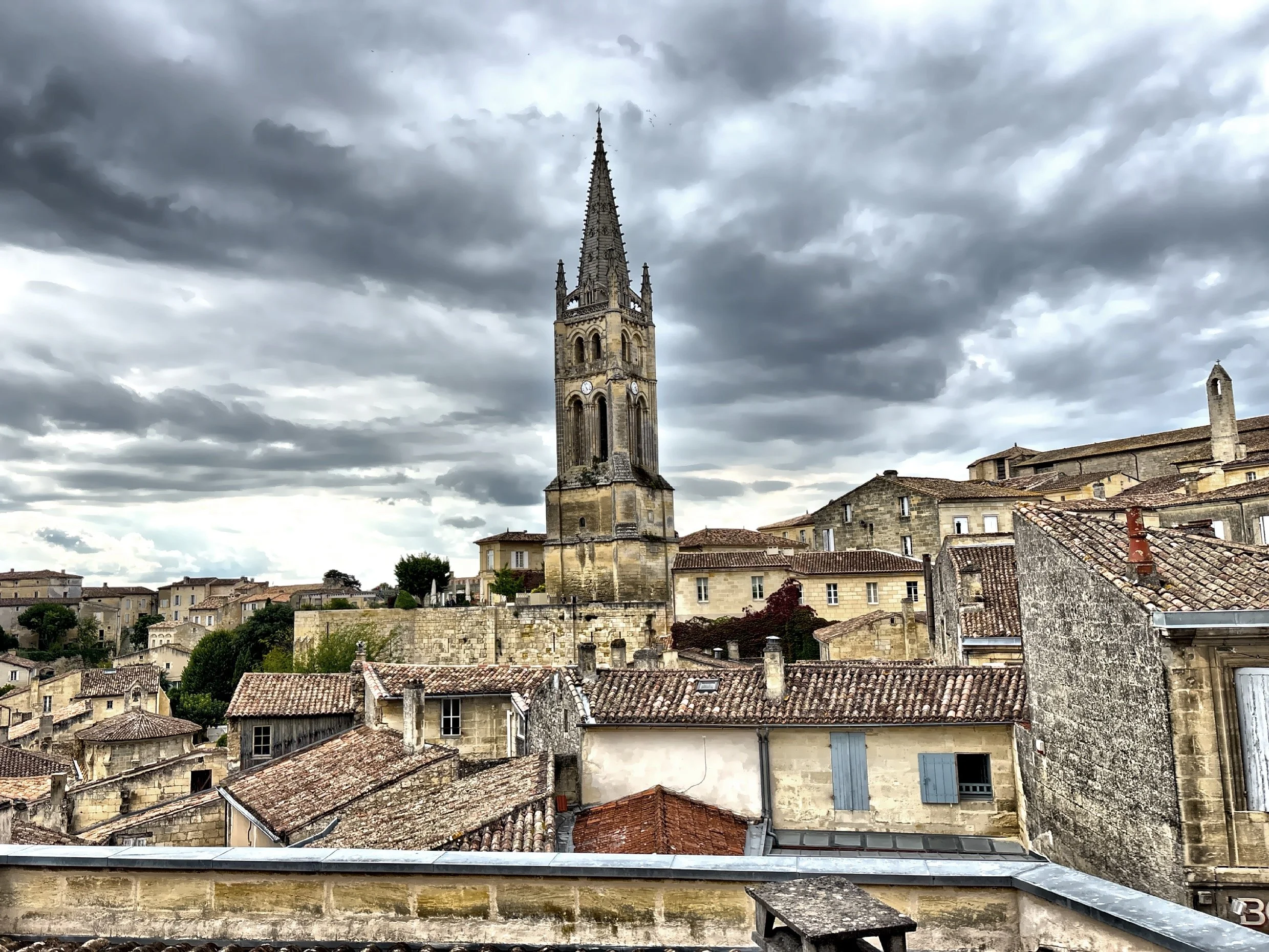
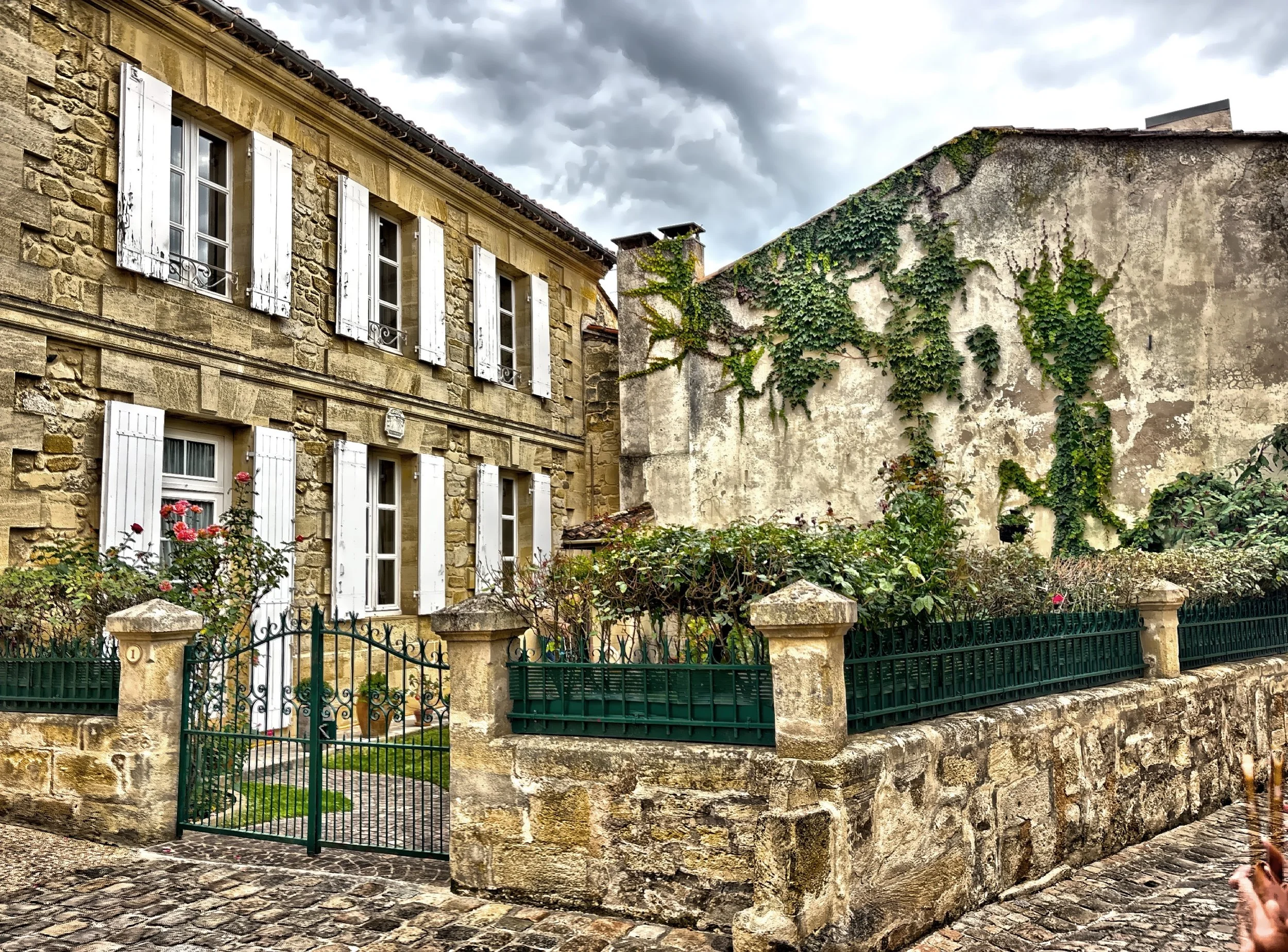
When I arrived in the medieval hilltop village of Saint Emilion, the first thing I noticed was the light. The warm limestone seemed to glow in the sun, every facade catching the brightness a little differently. Narrow cobblestone streets twist steeply downhill in quick zigzags, slipping between stone houses and opening suddenly onto quiet squares, bell towers, and viewpoints where vineyards stretch to the horizon in perfect, ruler-straight rows.
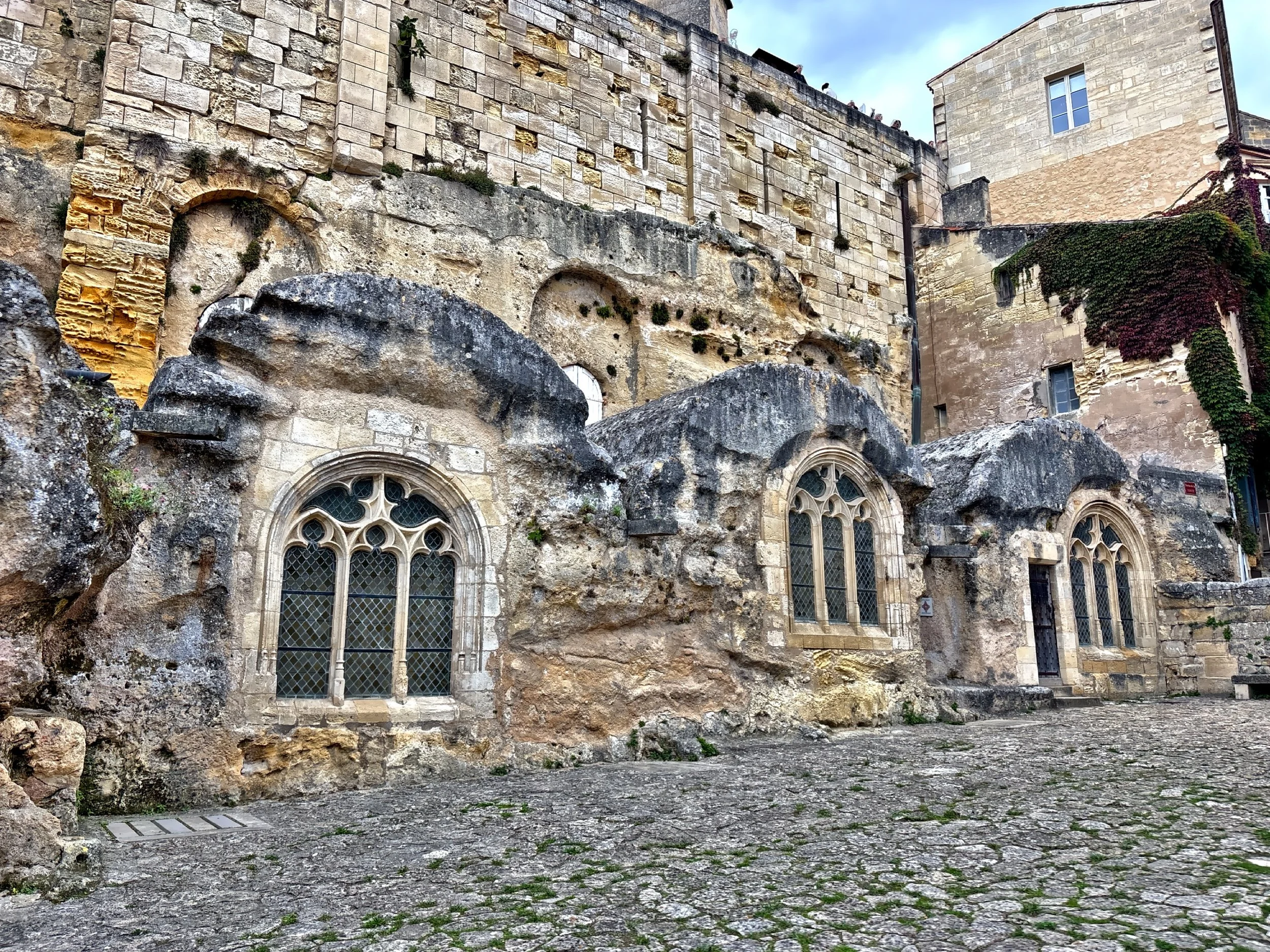
The town’s namesake, Emilion, was a Breton monk who settled here in the 8th century and lived as a hermit in a natural cave, performing miracles, attracting followers, and laying the spiritual foundation for the community that grew around him.
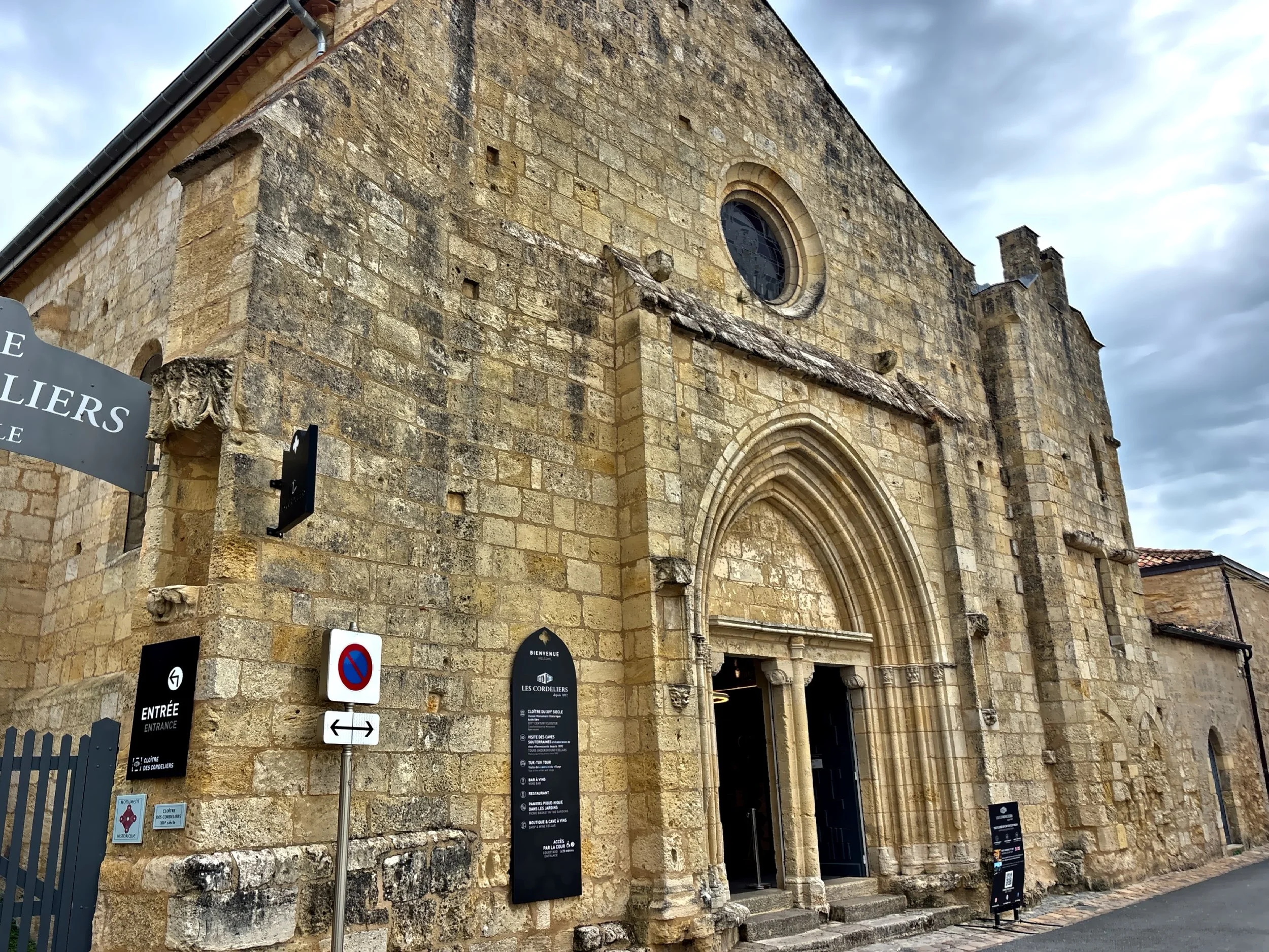
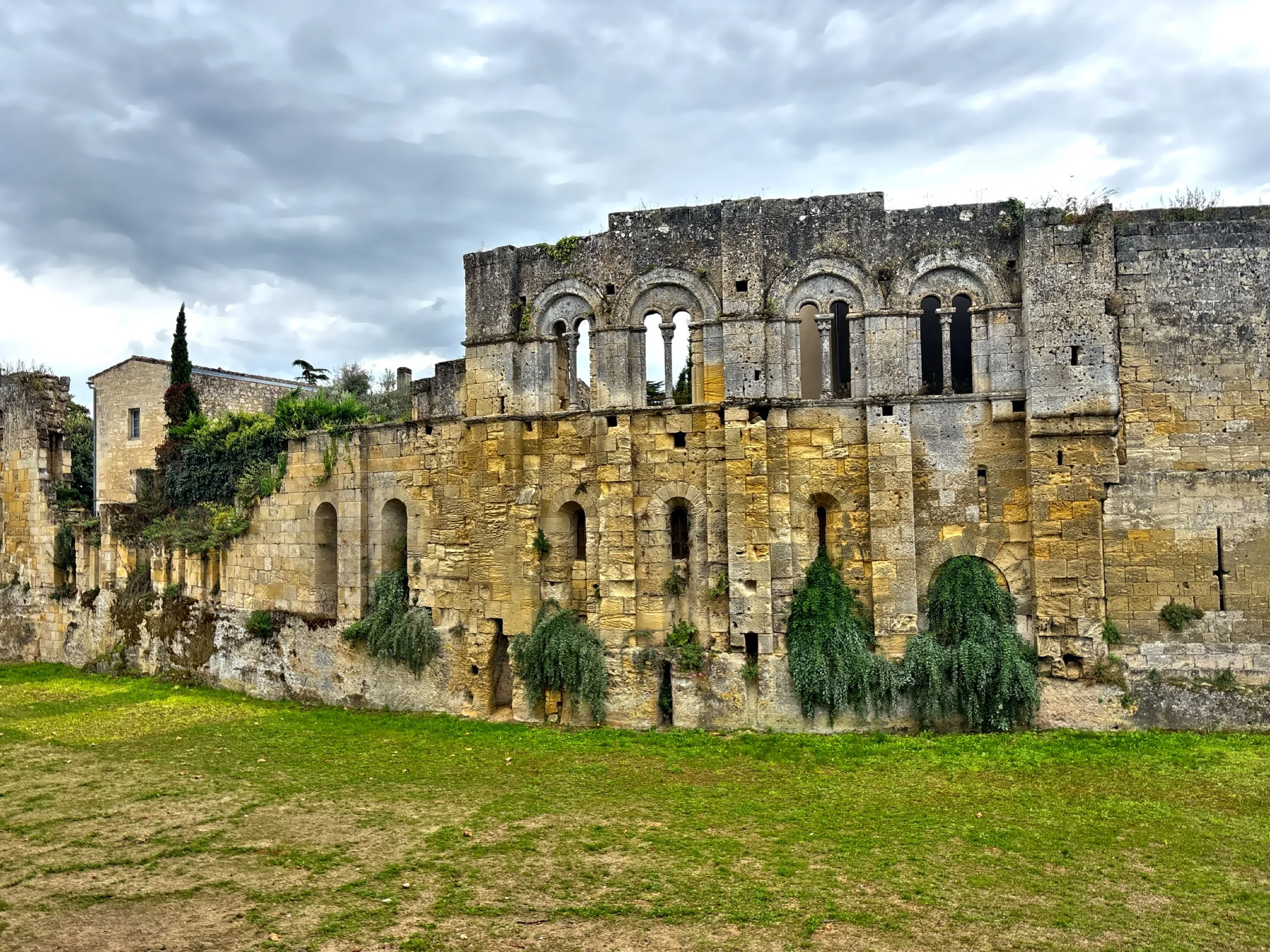
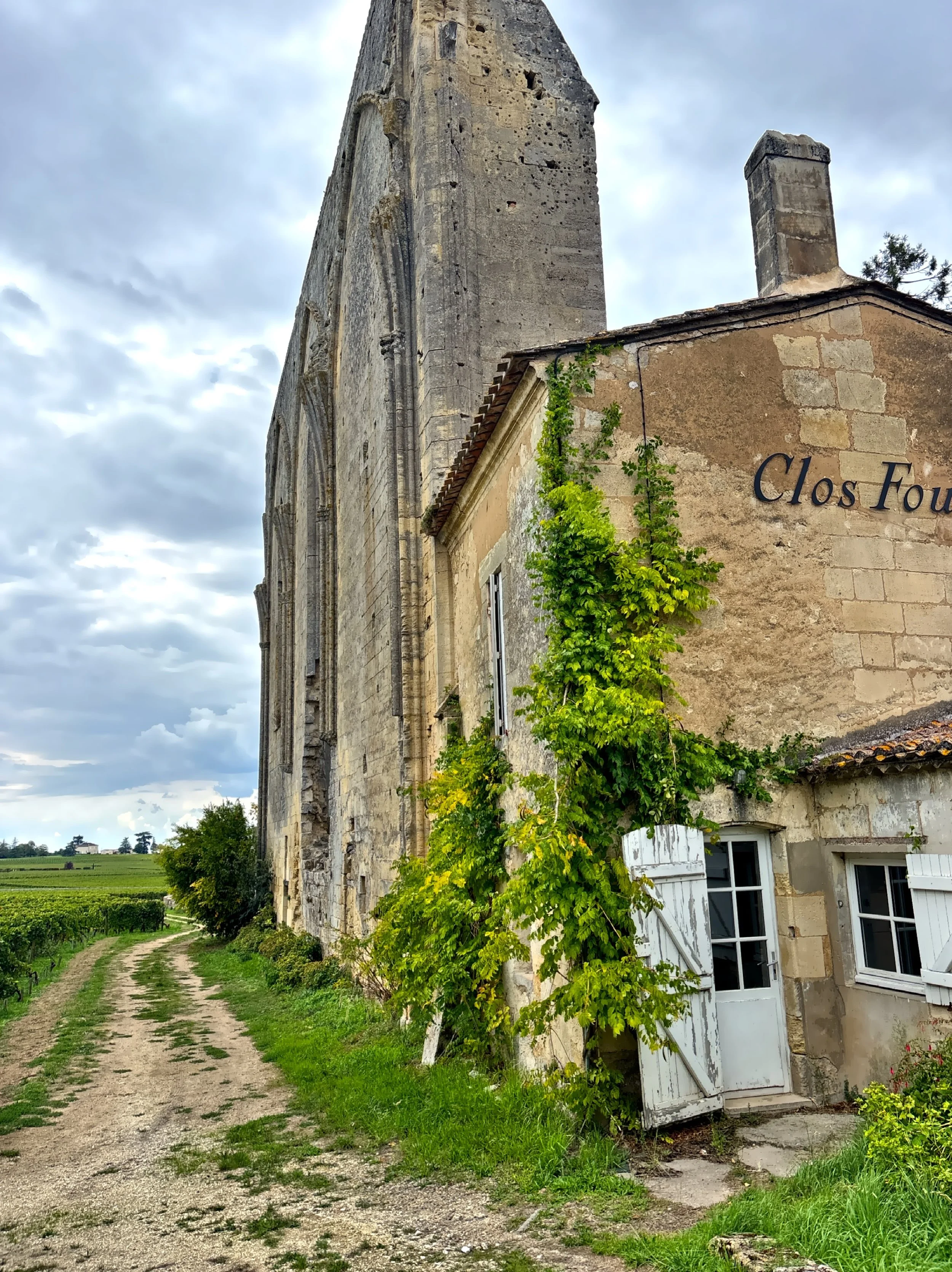
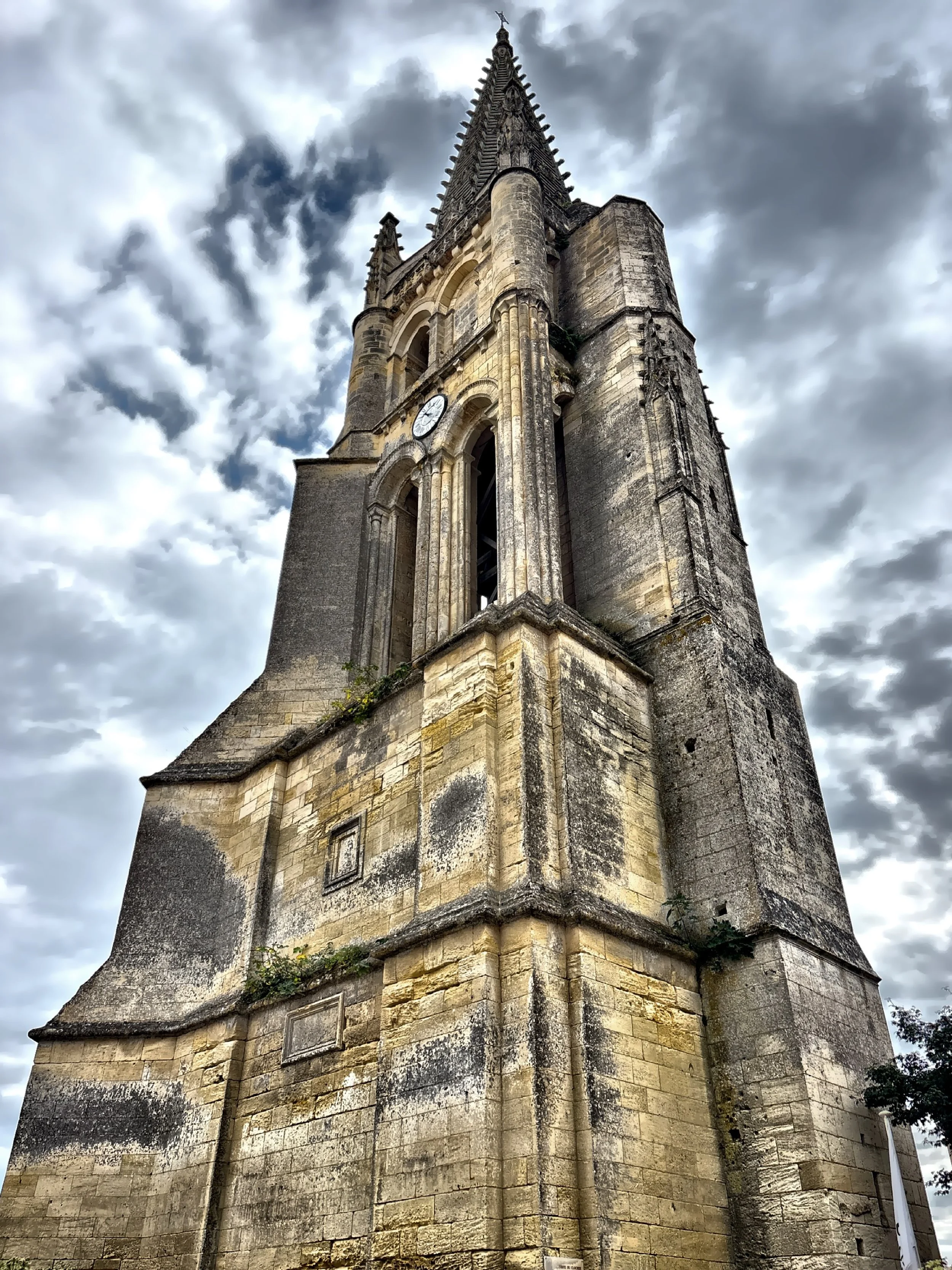
History is everywhere with ancient cloisters hiding behind heavy wooden doors, the 12th-century monolithic church is carved directly into the limestone beneath the town, and old communal washhouses still sit beside the stream just as they have for centuries. The village is carefully preserved, but it’s no museum piece—it feels lived-in, slow, and quietly proud.
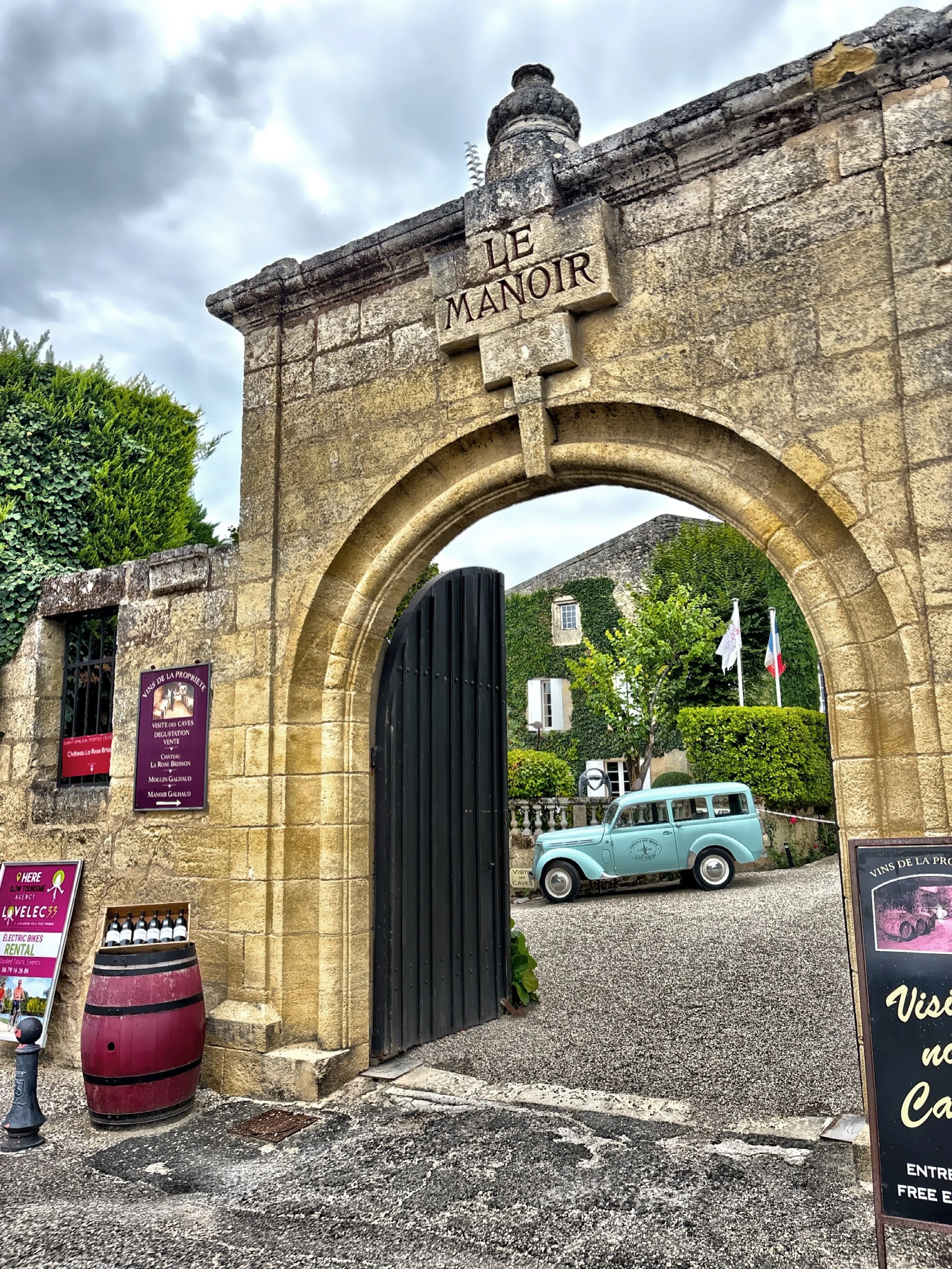
Saint Emilion’s fame, of course, also comes from its wine. Under English rule in the 12th century, the town was granted special privileges to oversee its vineyards, helping establish a reputation that continues to shape the region today.
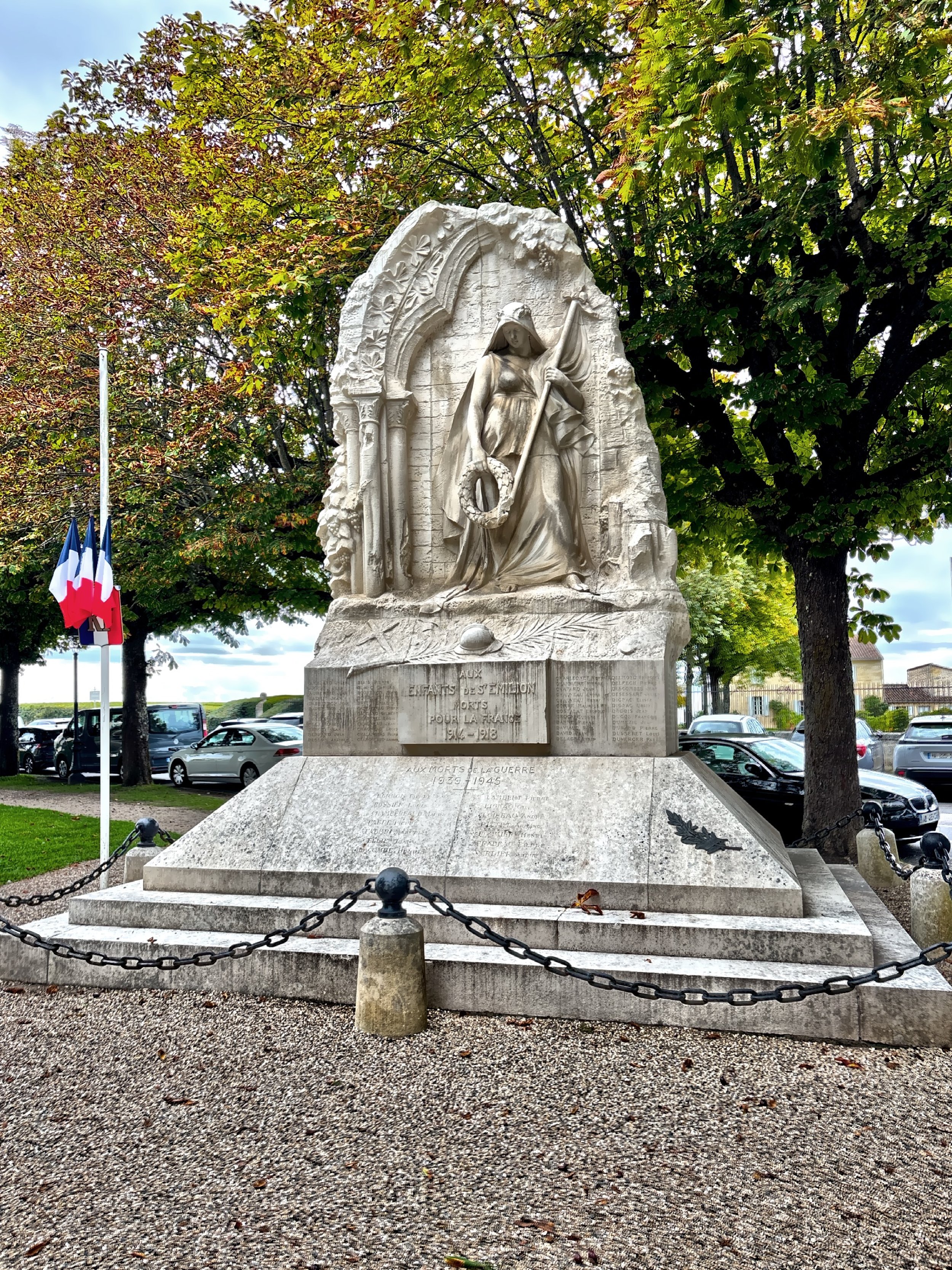
The centuries that followed brought hardship—wars, religious conflict, and the upheaval of the French Revolution—but the town never lost its identity. In the 19th century, viticulture revived, and the medieval village began to receive the care and restoration it deserved.
Today, Saint Emilion is a UNESCO World Heritage Site, celebrated for its remarkably preserved historic center and for the vineyards that unfurl across the surrounding hills. It’s a place where ancient caves, medieval churches, and world-class wines coexist in one unforgettable landscape.
Even though my visit was short—a simple day trip from Bordeaux—it didn’t take long to sink into the village’s rhythm. The tiny lanes form a cozy, stone-walled maze, opening again and again onto sweeping vistas of vineyards rolling endlessly into the distance. It’s a place that rewards wandering slowly, paying attention, and letting the landscape do the storytelling.
This is what caught my eye - I hope you enjoy!
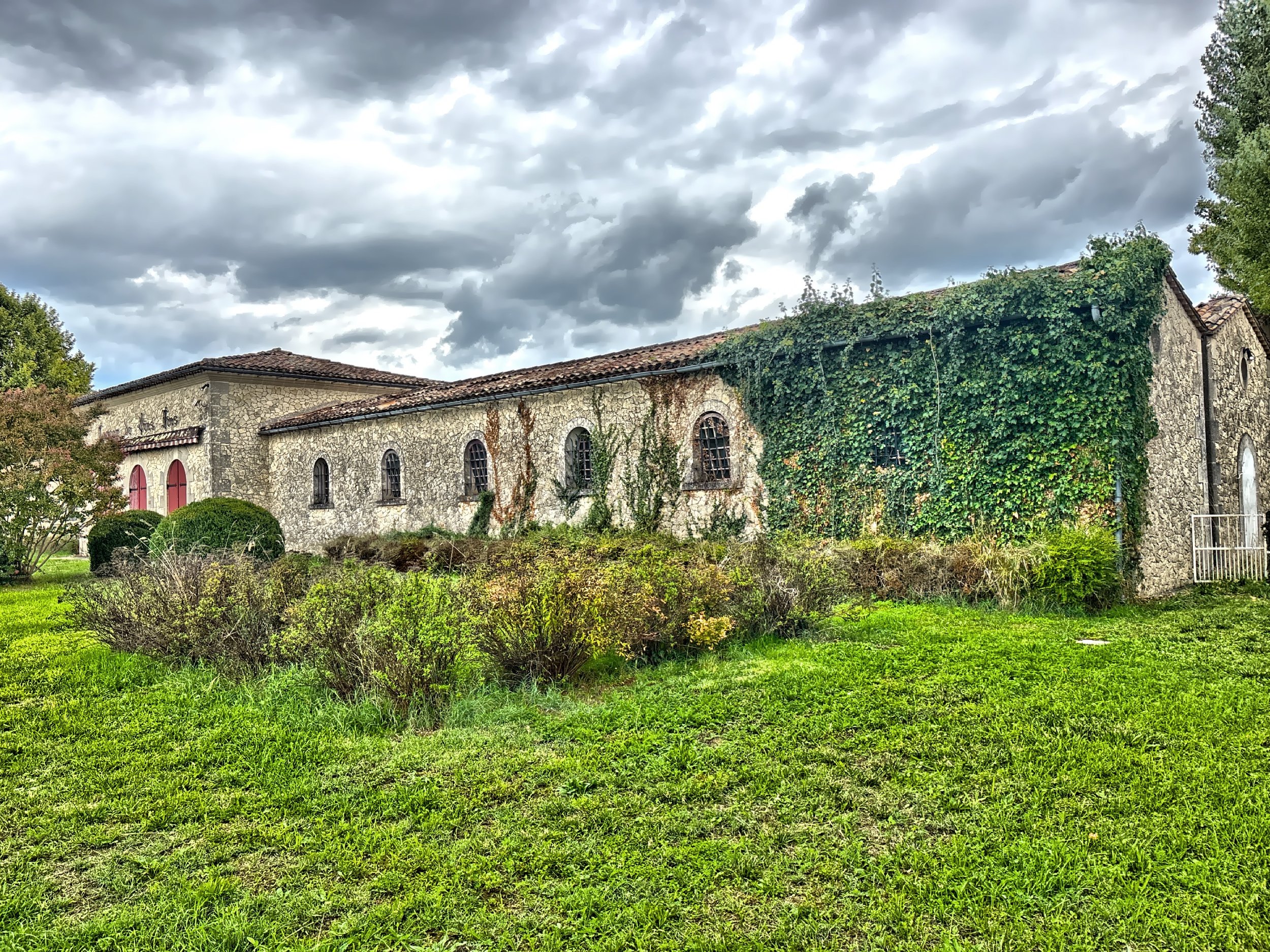
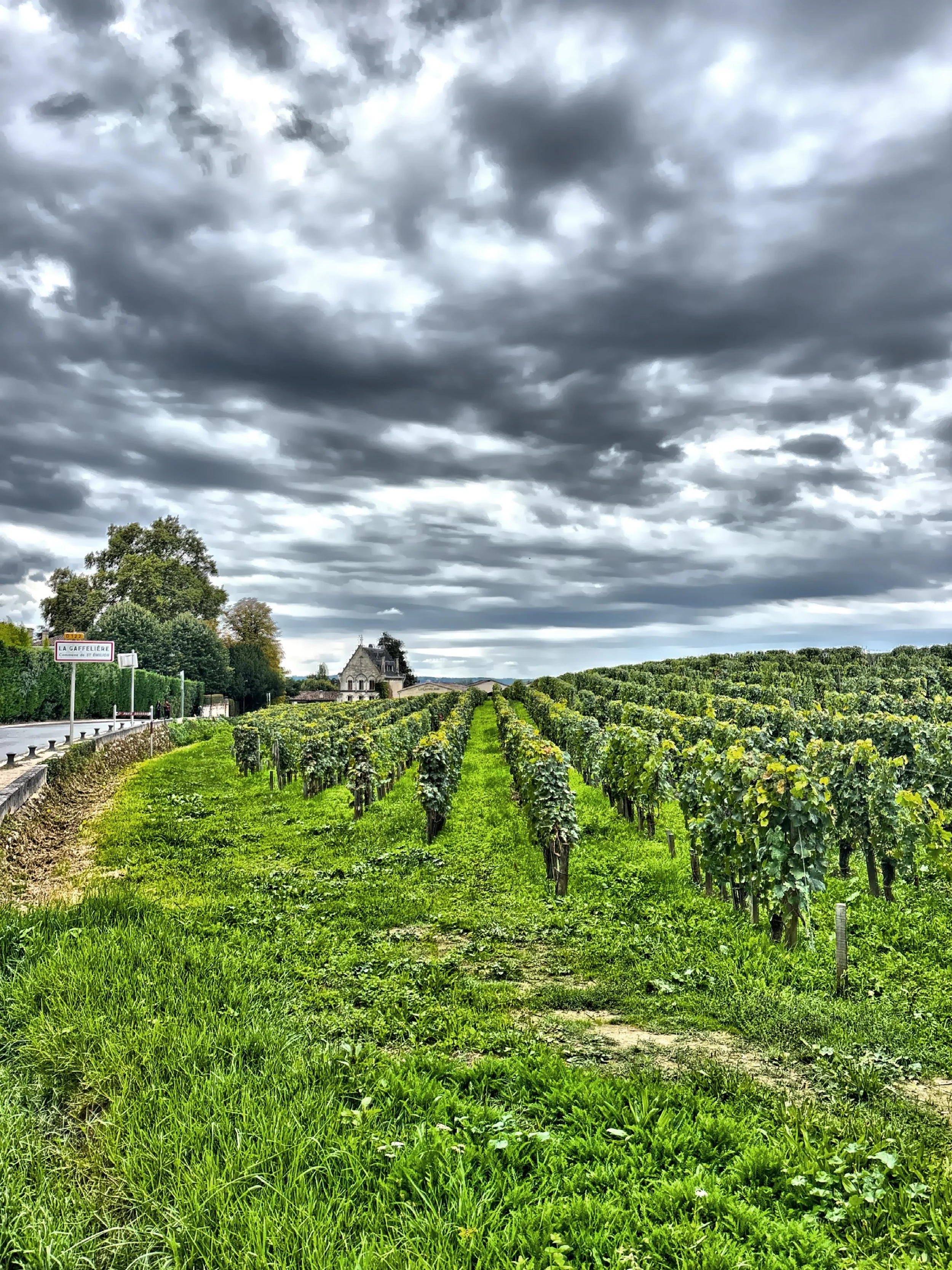
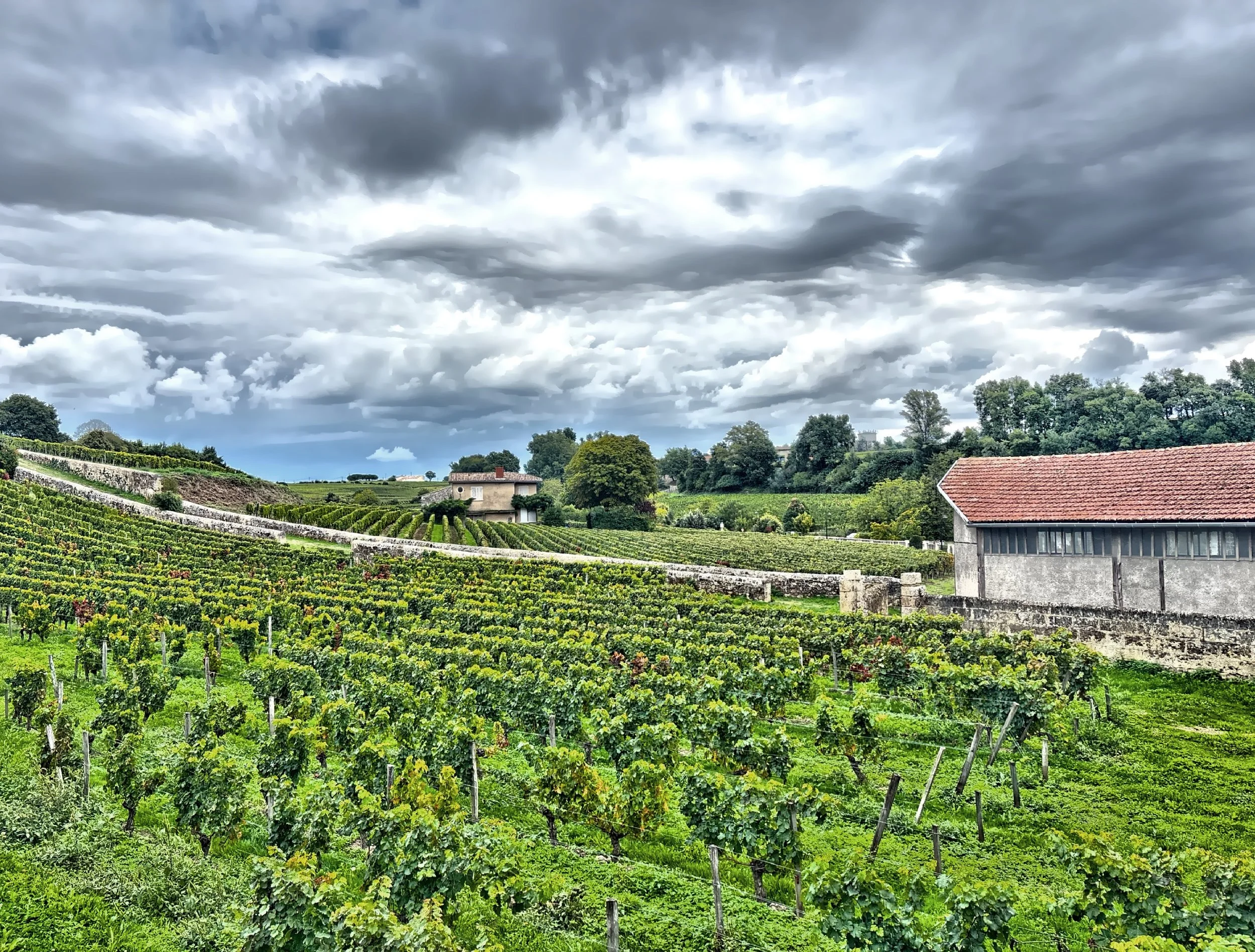
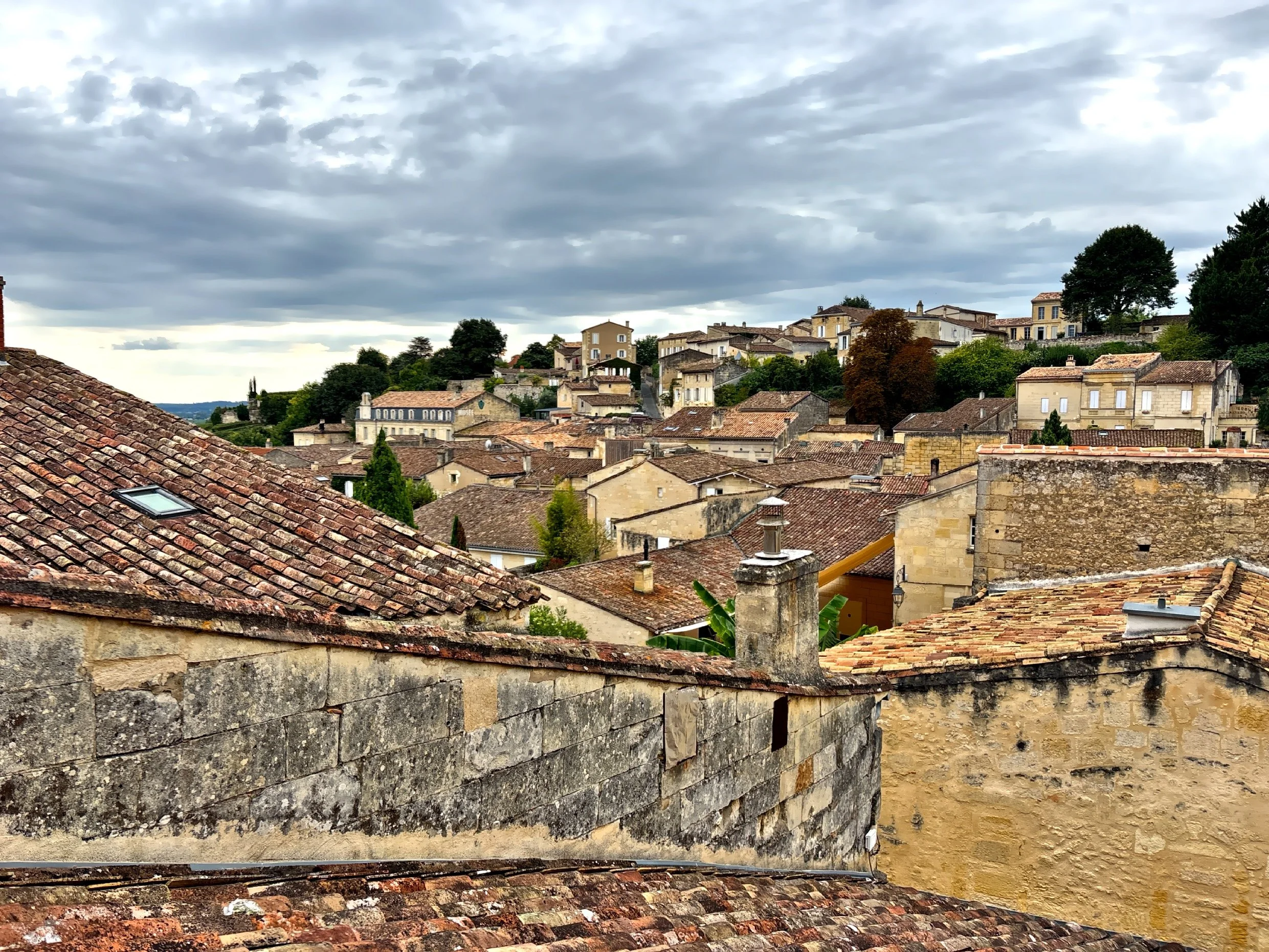
Do you like the images posted?
Click here to explore the shop.
What you should know:
Credit/debit cards are widely accepted.
Contactless payments (Apple Pay, Google Pay, etc.) are very common.
Locals are generally friendly but reserved – polite and helpful.
The two main official languages are Finnish and Swedish, but many people do speak English.
The currency is the Euro (EU).
Parking can sometime be difficult at times in certain neighborhoods.
Walking or biking is a great way to get around the city.
You will need a valid passport and a power convertor if you are coming from the US.
There are many restaurant and food options.
Tipping is not expected but some people do round up.
For more information: Saint Emilion, France
If you enjoyed this post, feel free to check out my previous posts by clicking here.