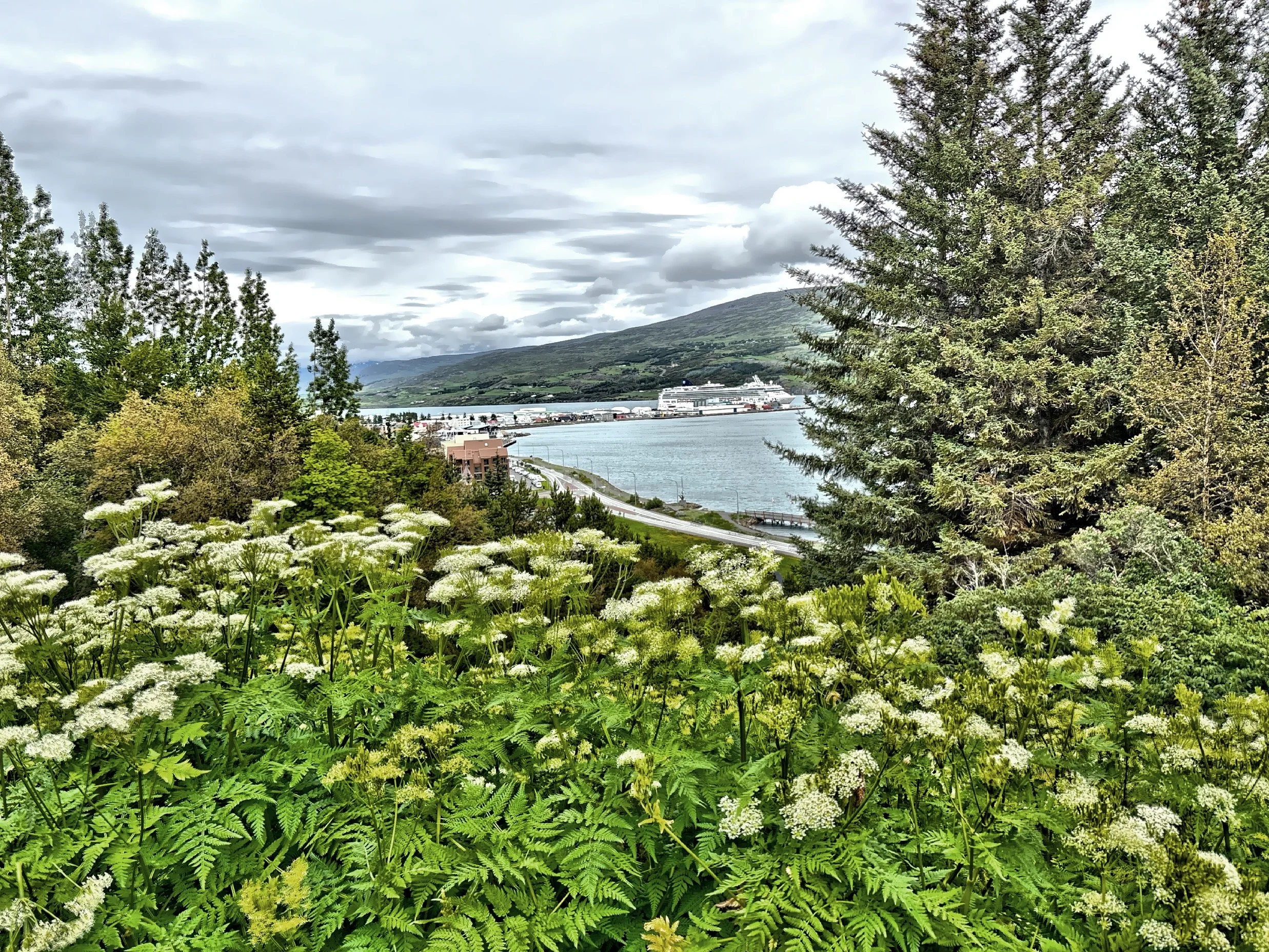
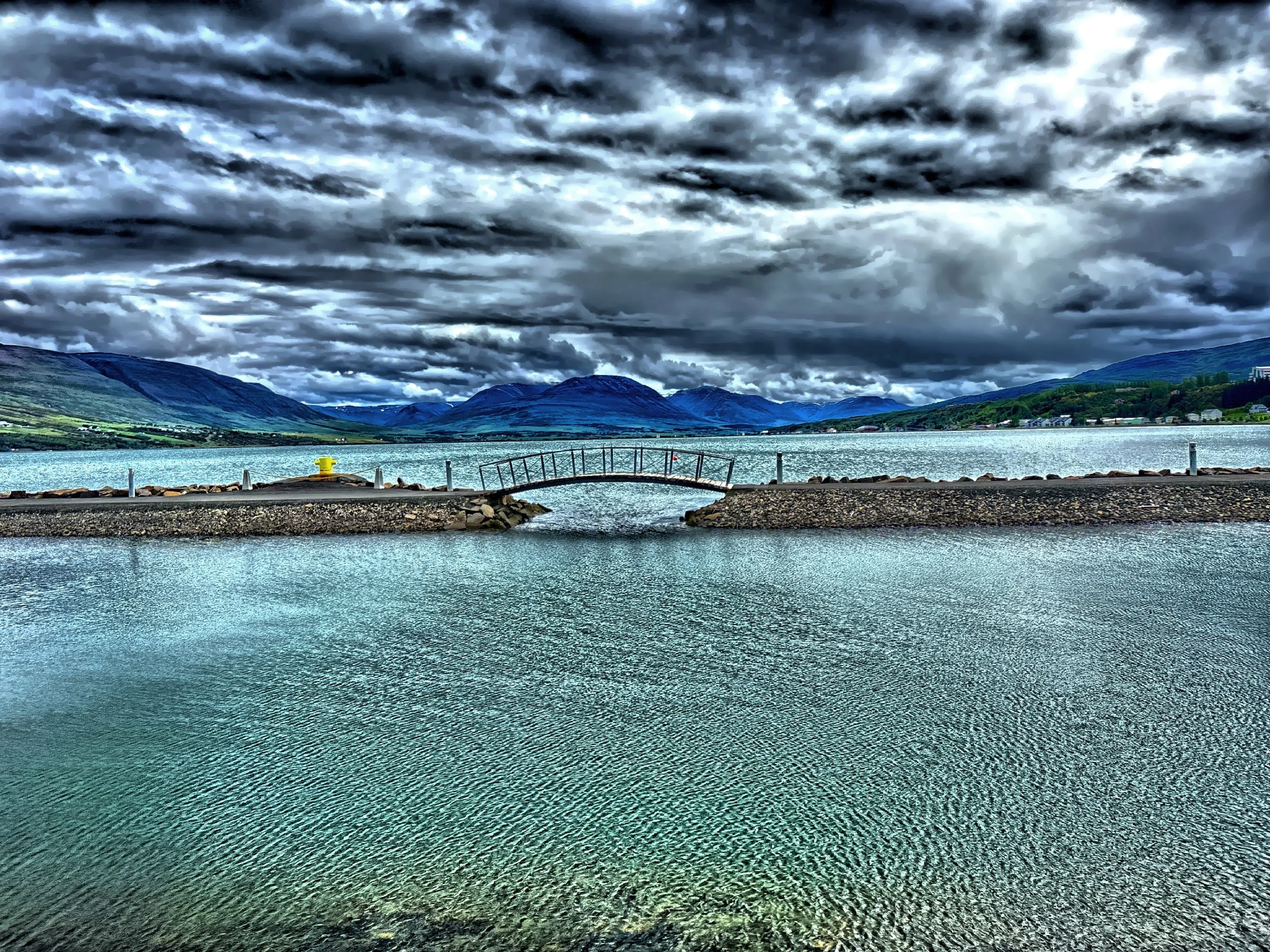
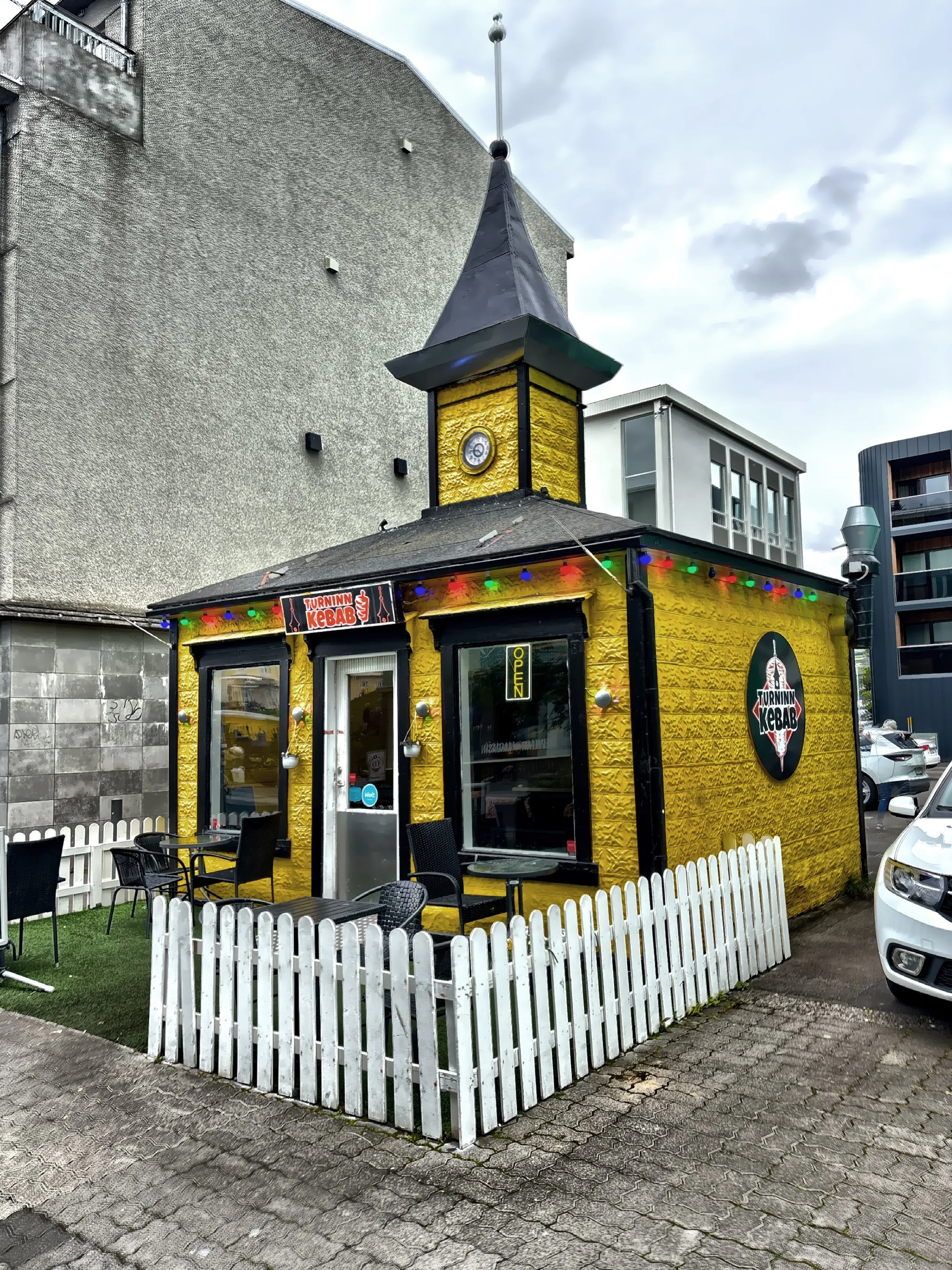
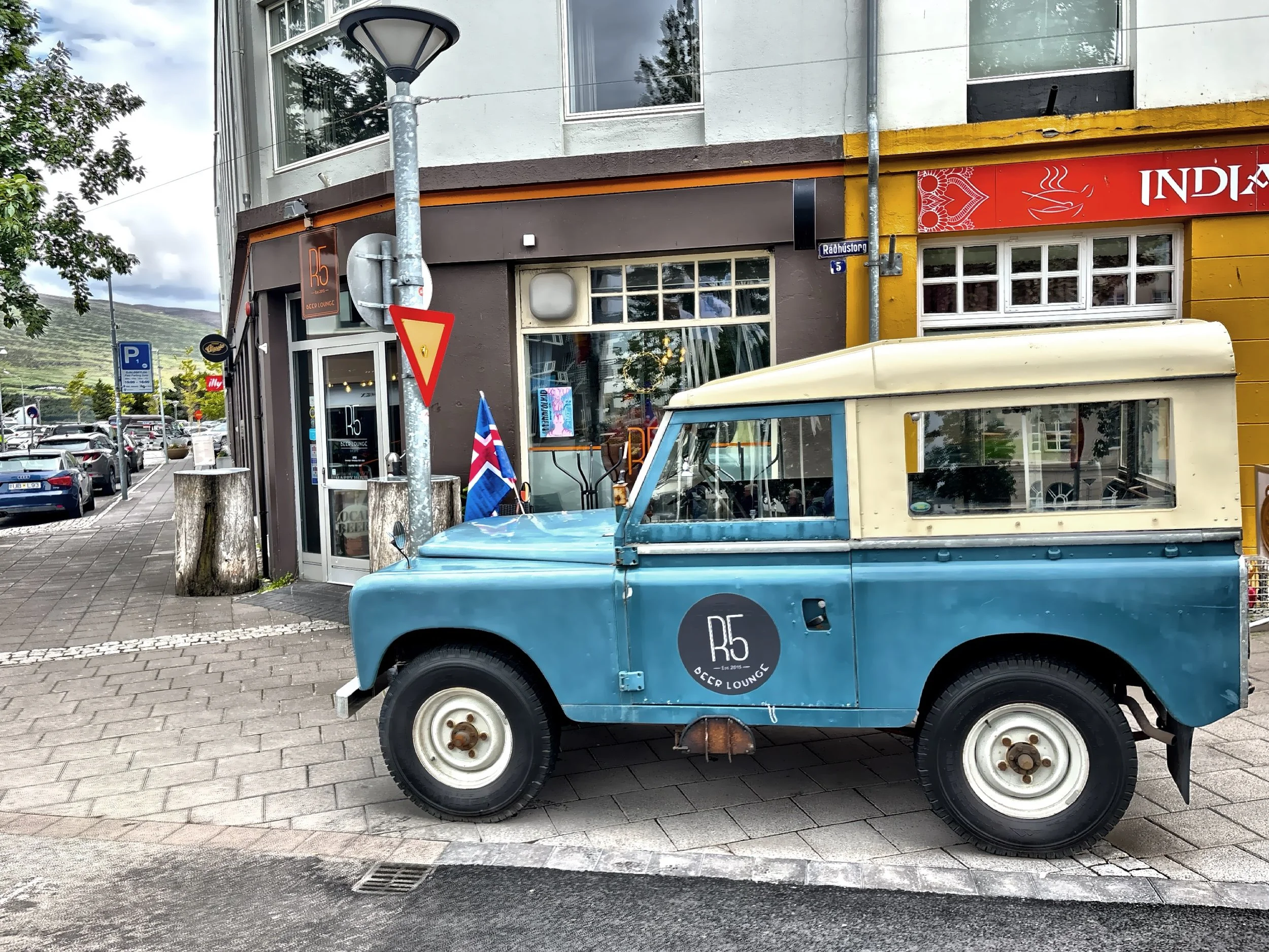
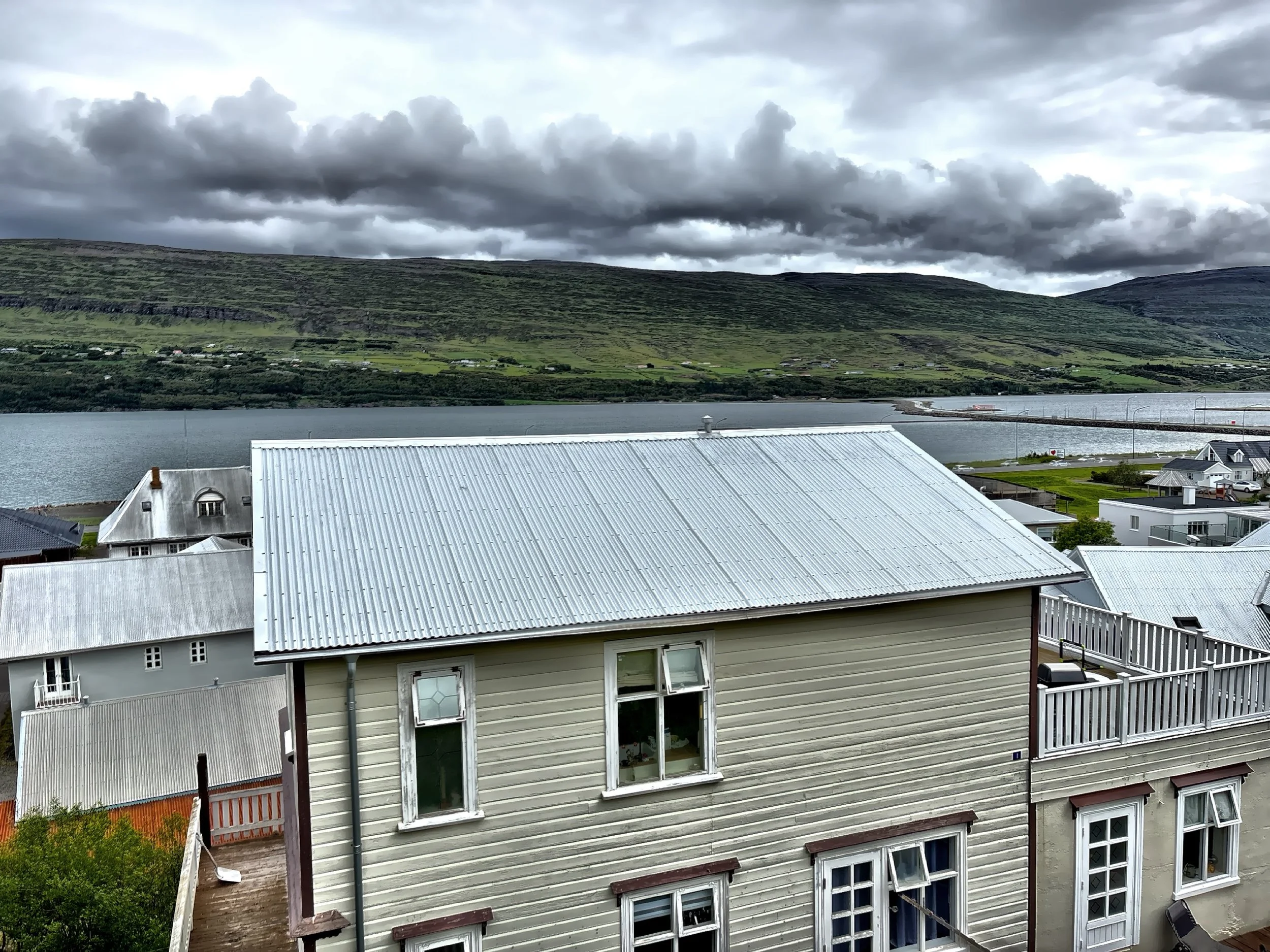
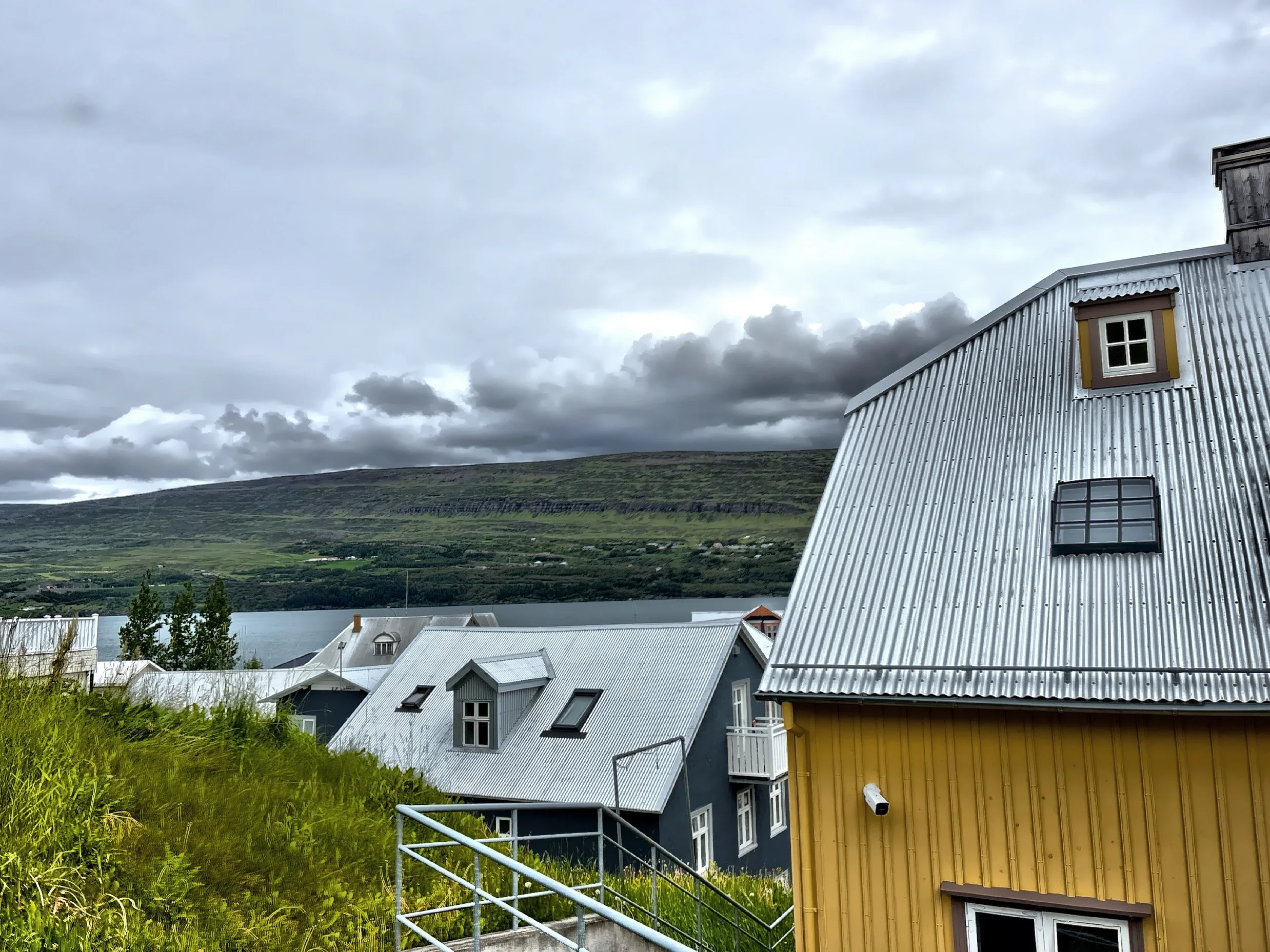
Often called the “Iceland’s Capital of the North,” Akureyri offers a charming mix of culture, small-town comfort, and easy access to nature. With a population of just 19,000, it's calm and walkable—especially when compared to Reykjavík. Perched at the base of Iceland’s longest fjord, it rewards you with dramatic views in every direction.
We visited in July, when the midnight sun stretched the daylight into the late hours, making it perfect for exploring on foot. The town’s peaceful, family-friendly vibe is more than just a slogan—our tour guide casually mentioned she doesn’t even lock her doors.
This is what caught my eye—I hope you enjoy!
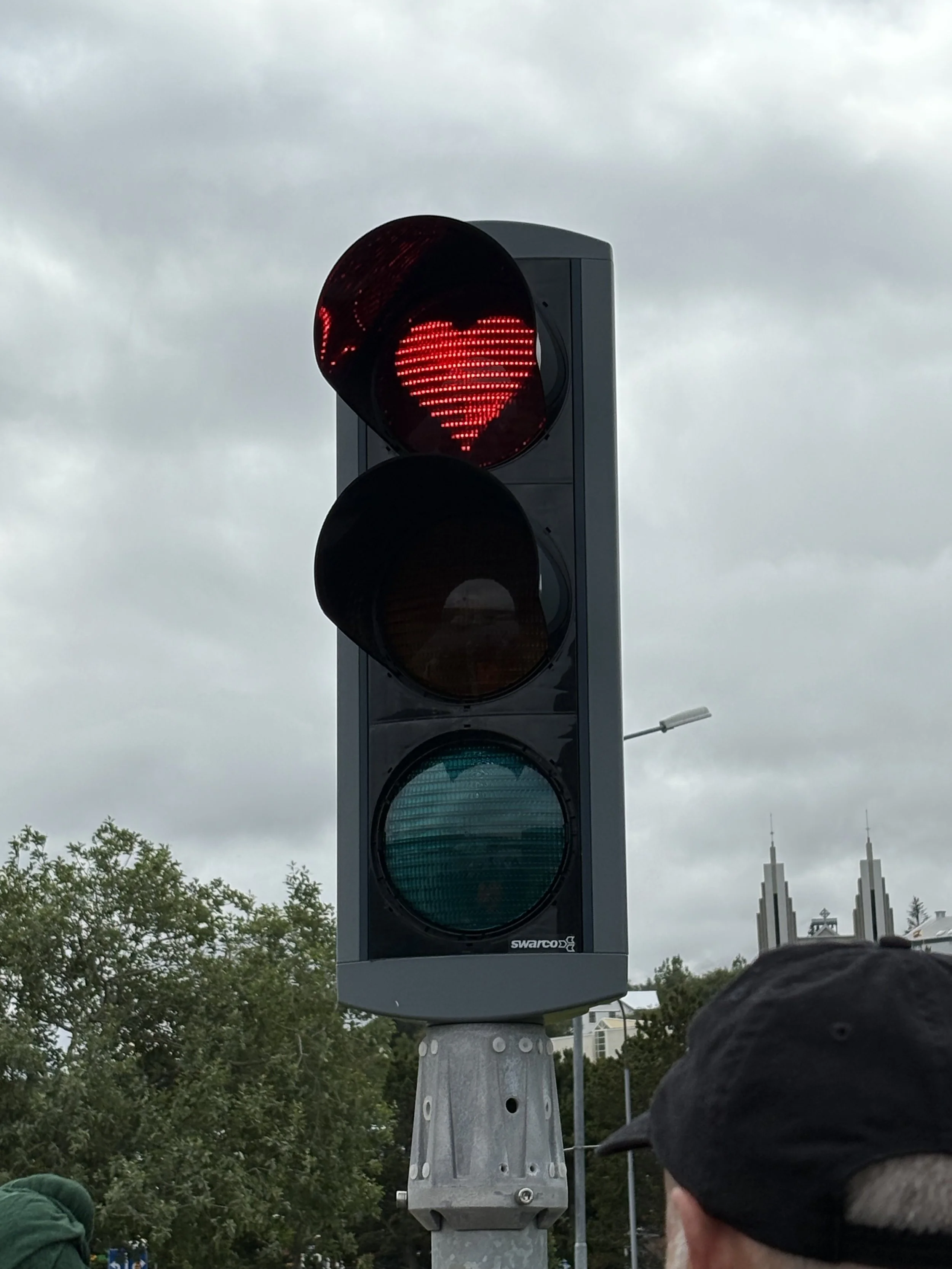
Yes, Akureyri’s stoplights have red hearts instead of red circles.
The Akureyri Theater is operated by the Akureyri Theater Campany, which was founded in 1917. It is the only municipal theater in Iceland outside of the Reykjavik area.
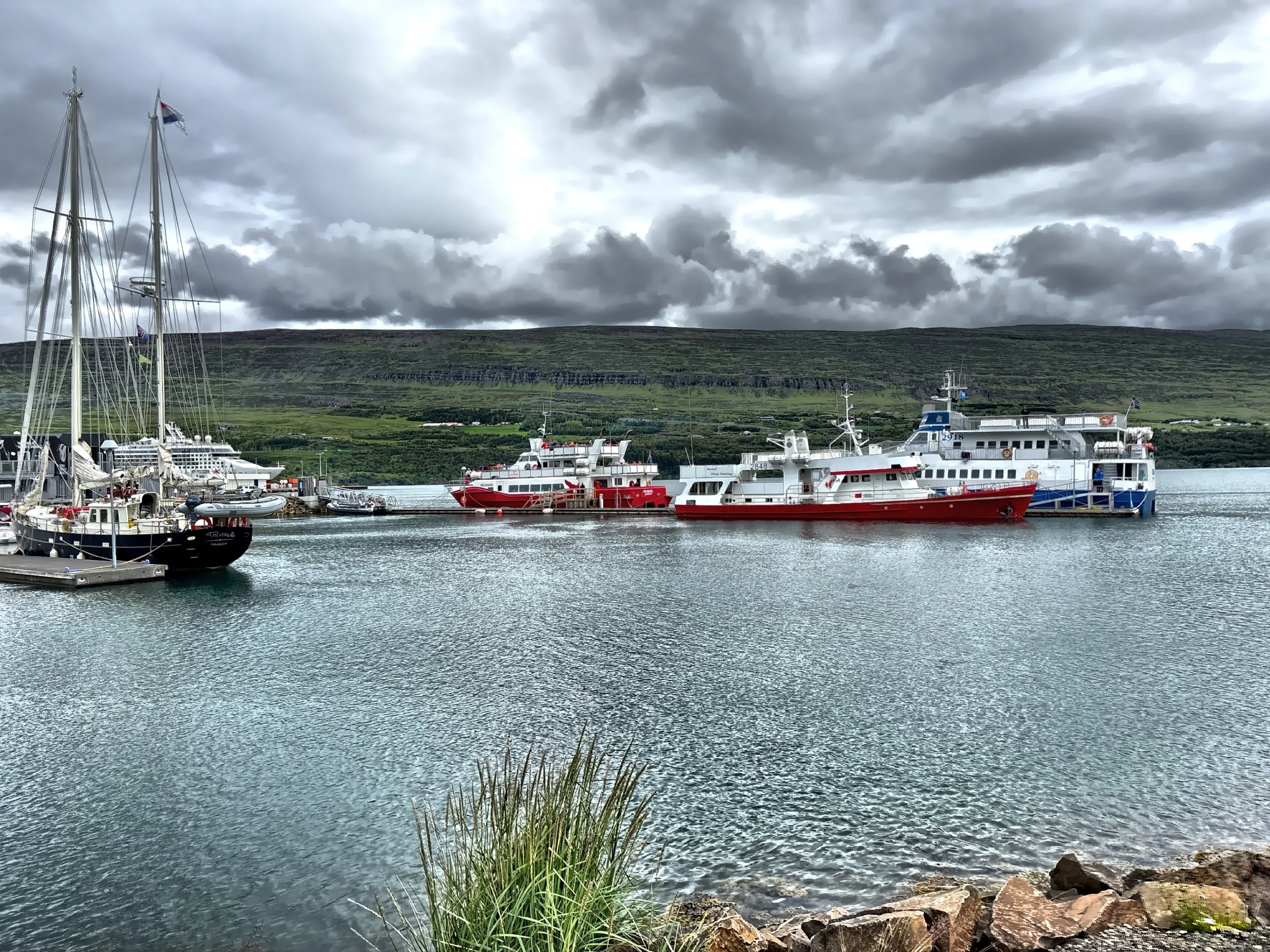
Flags and art along the harbor
Posted artwork of the North Atlantic Puffin along a walking path.
Do you like the images posted?
Click here to explore the shop.
.
.
.
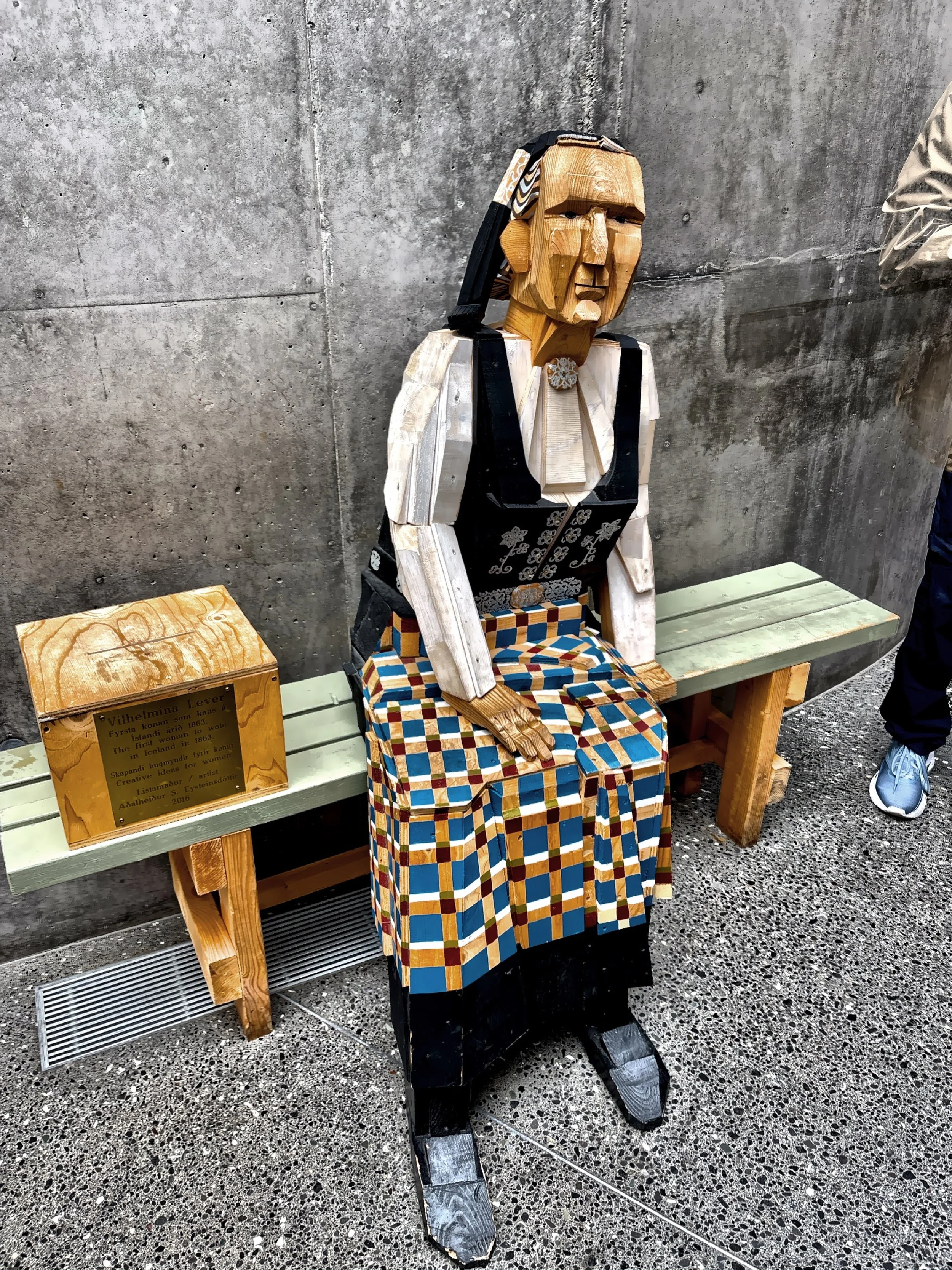
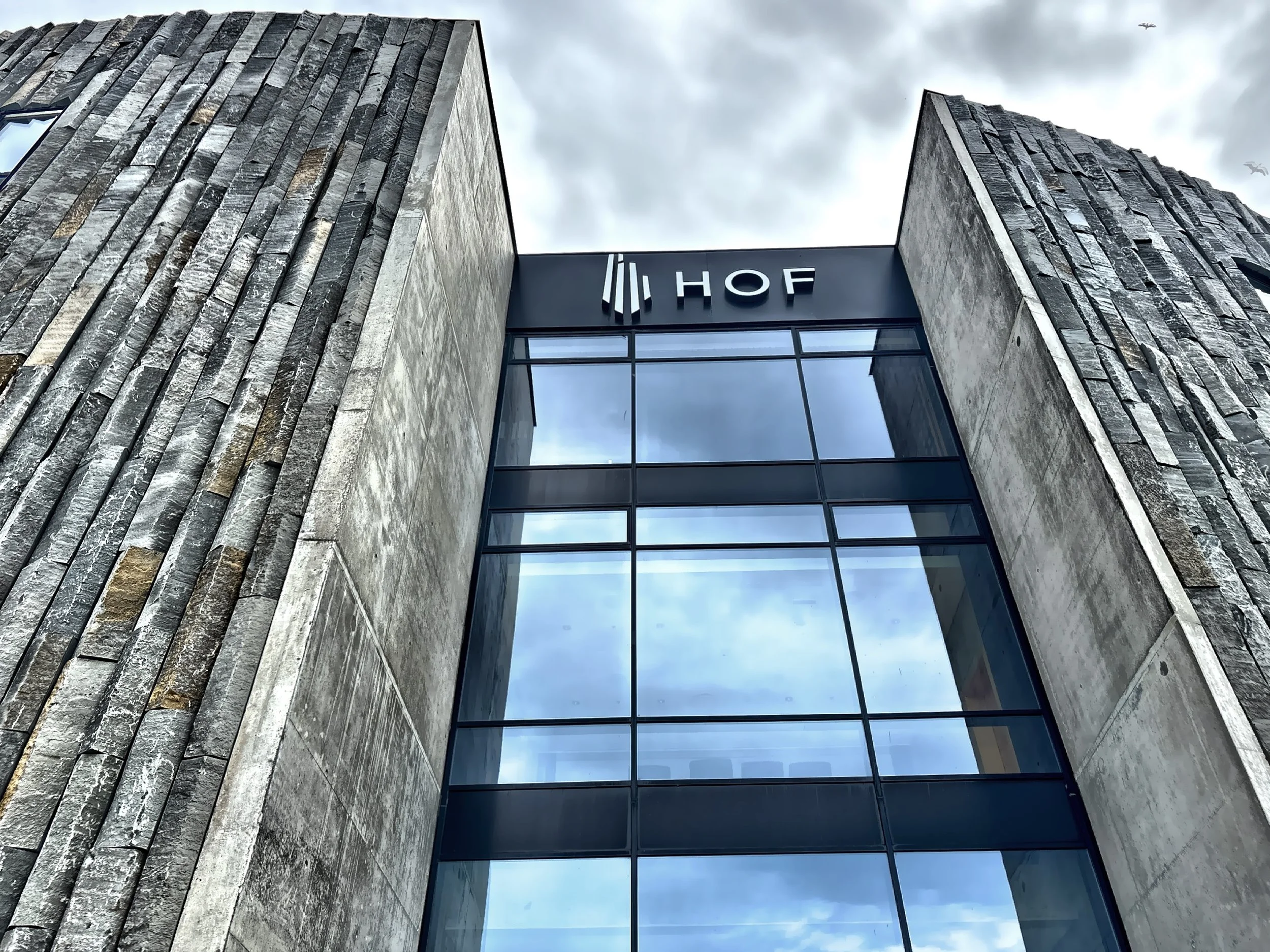
A sculpture of Wilhelmina Lever created by Islandic artist Adalheidur Eyesteinsdottir on display at the Hof Cultural Center. Wilhelmina was one of the first women in Akureyri to fight for women’s rights in 1863.
The Hof Cultural Center is the heart of the northern Icelandic culture.
.
.
.
.
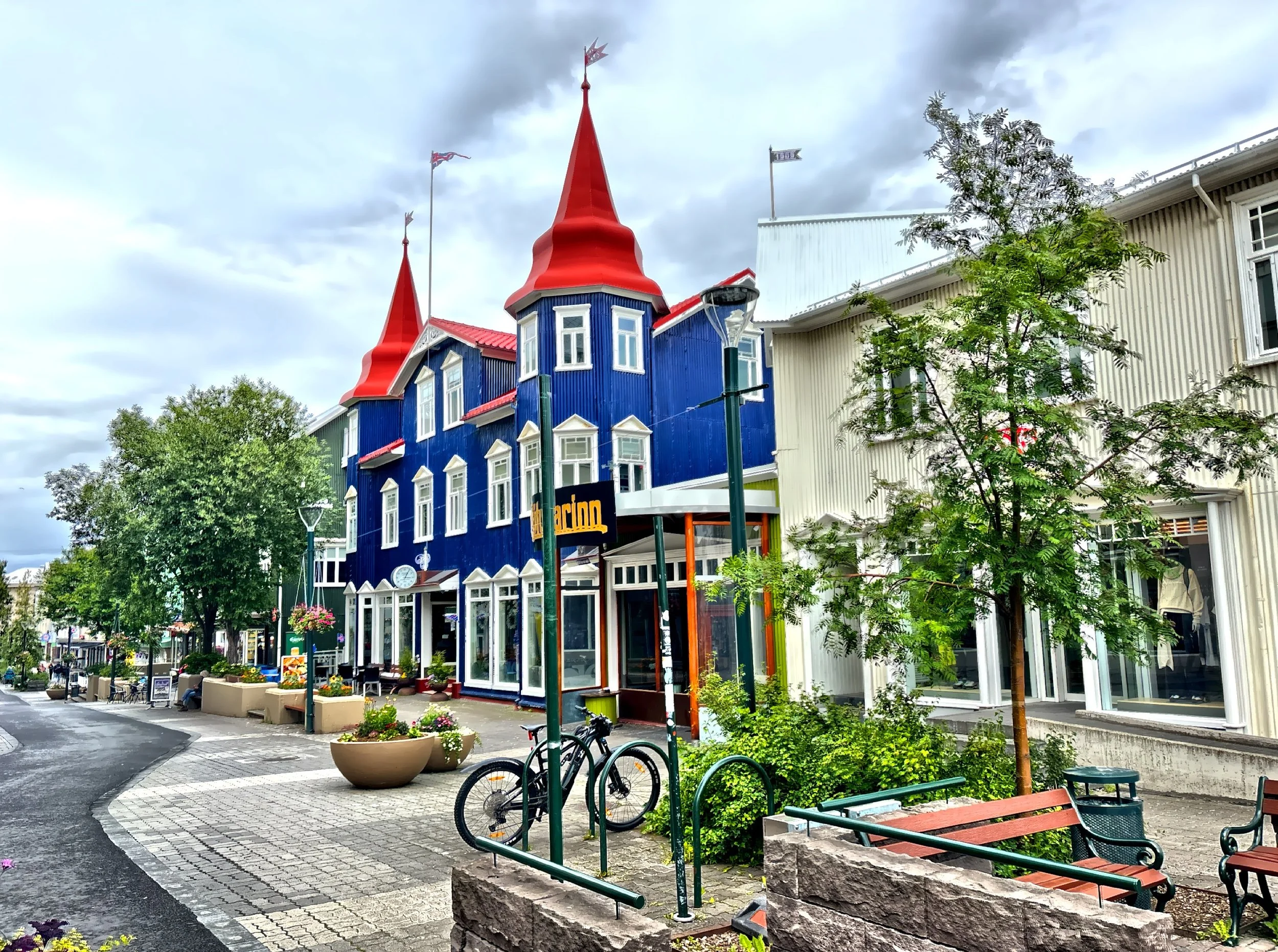
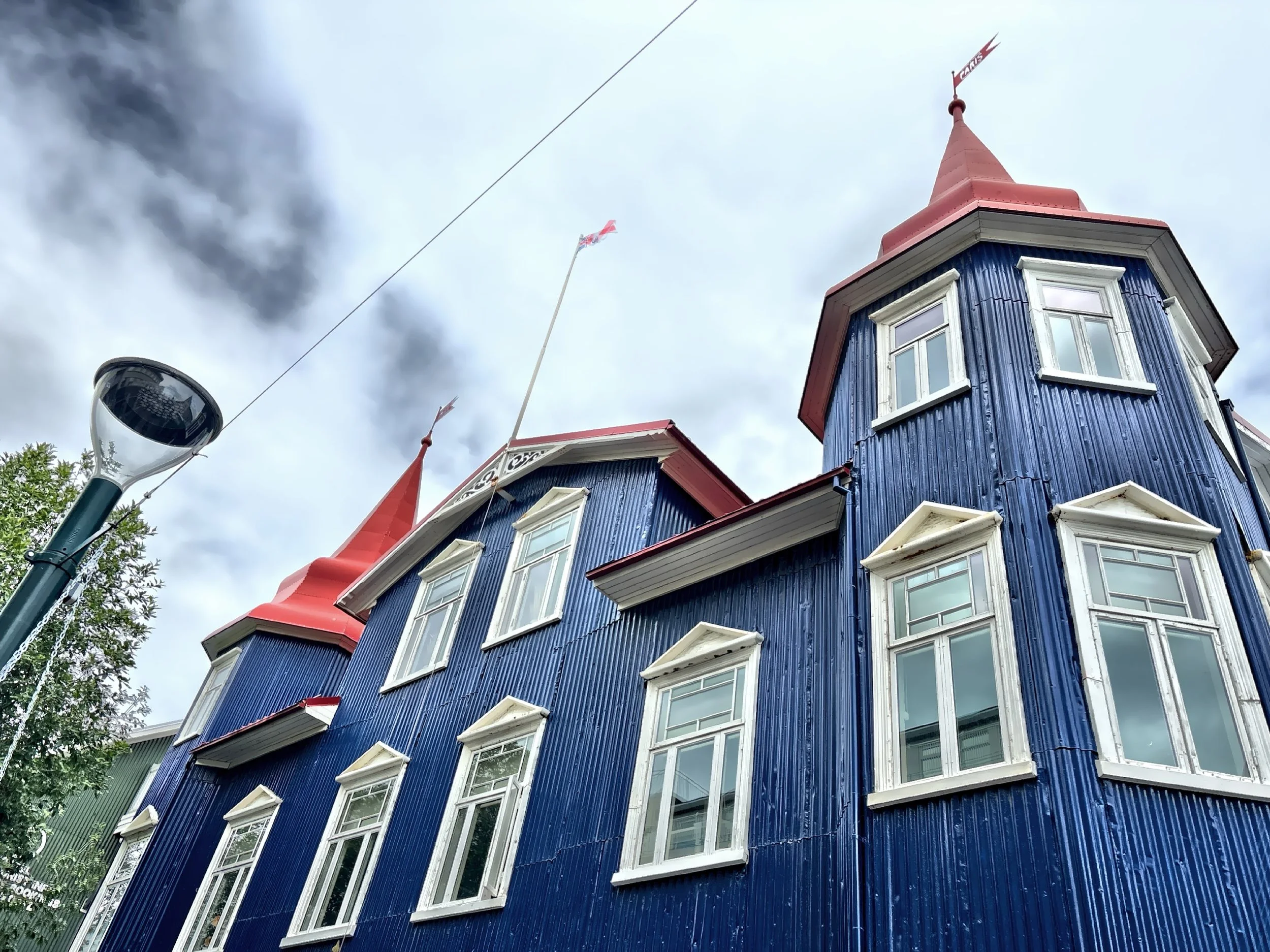
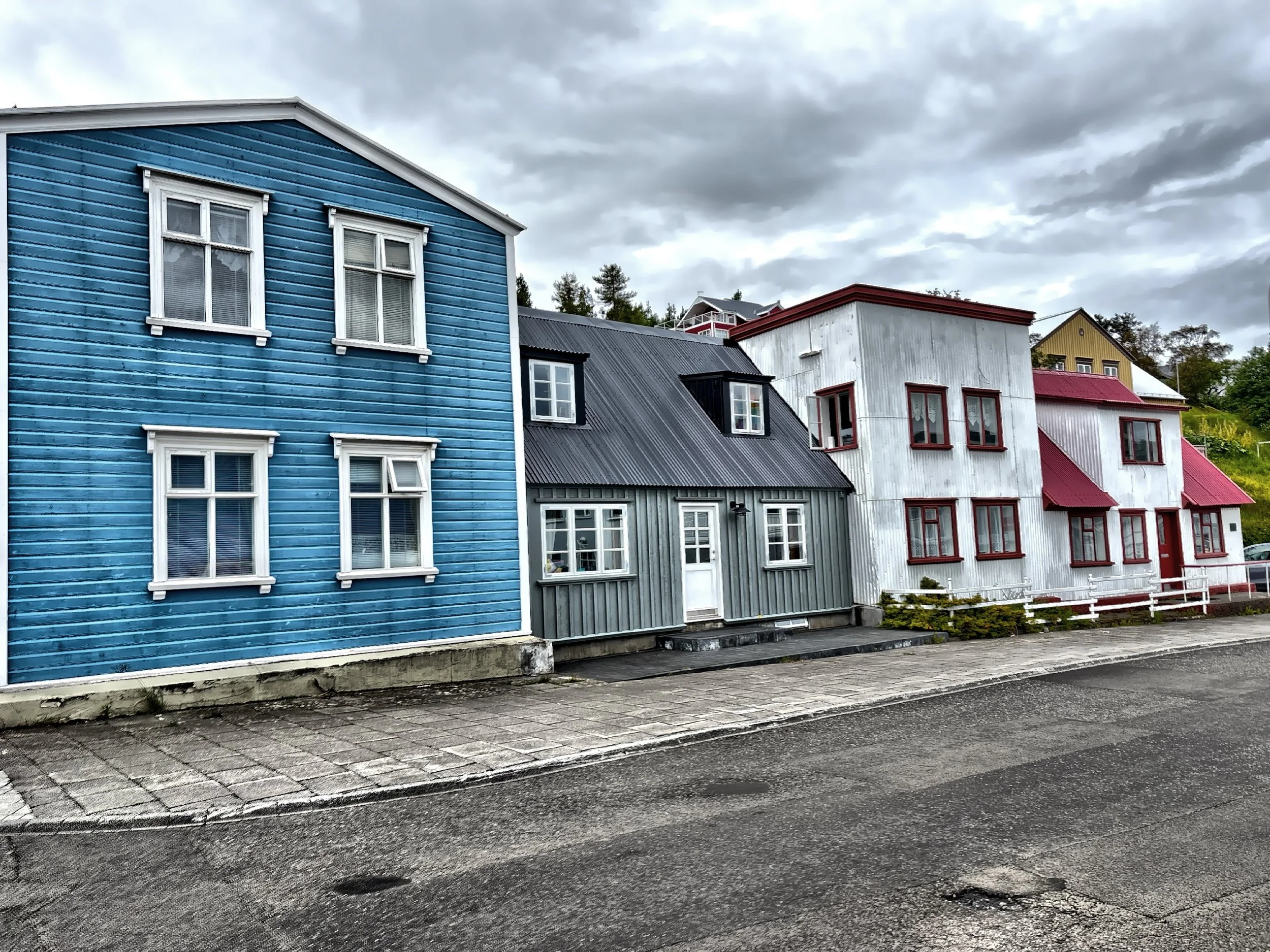
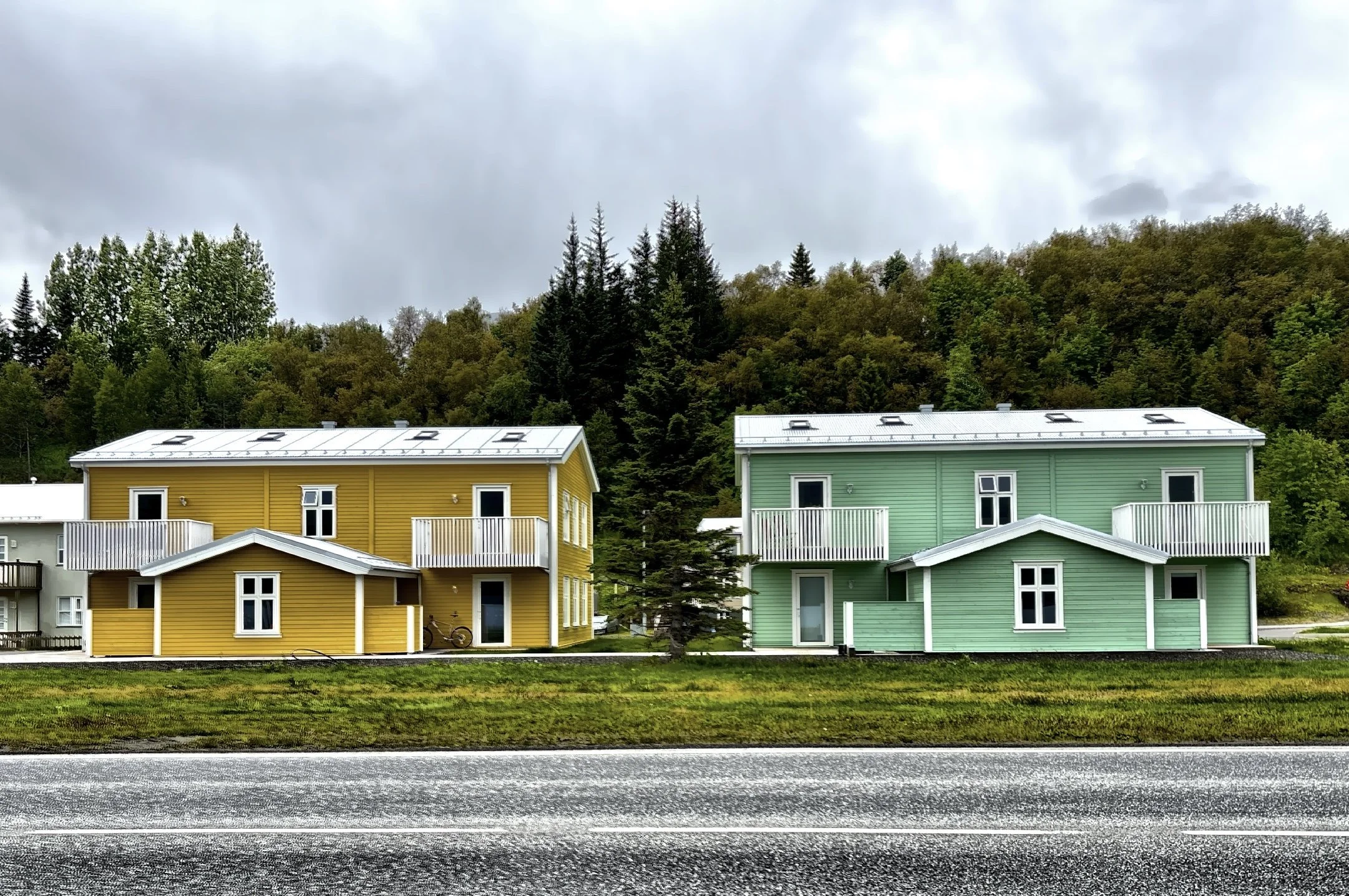
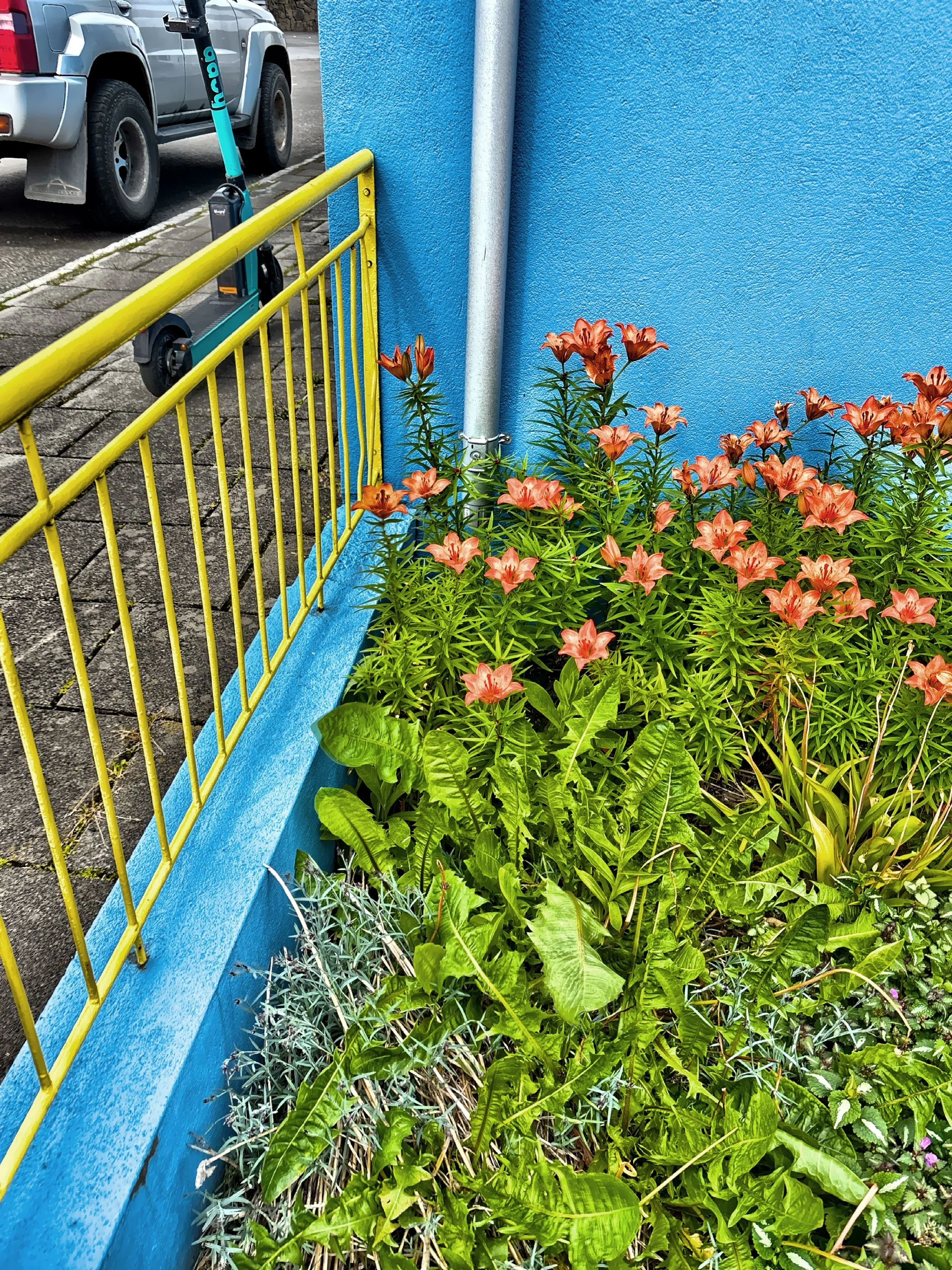
Colorful building give a vibrant atmosphere to Hafnarstraeti is the downtown commercial and shopping street.
.
.
.
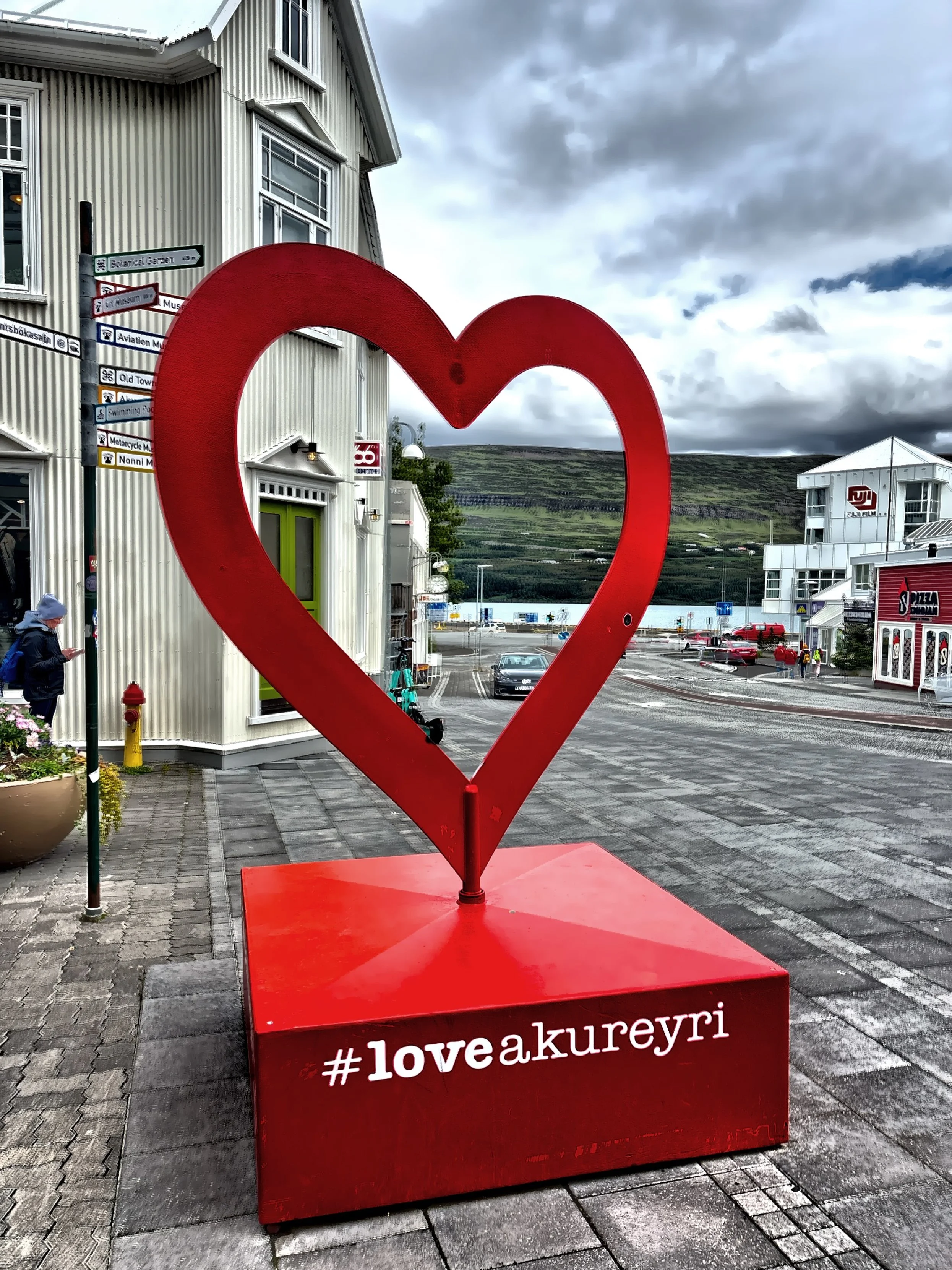
This is a sculpture known as the ‘Akureyri Heart’ and its a positive and welcoming symbol of the city,
.
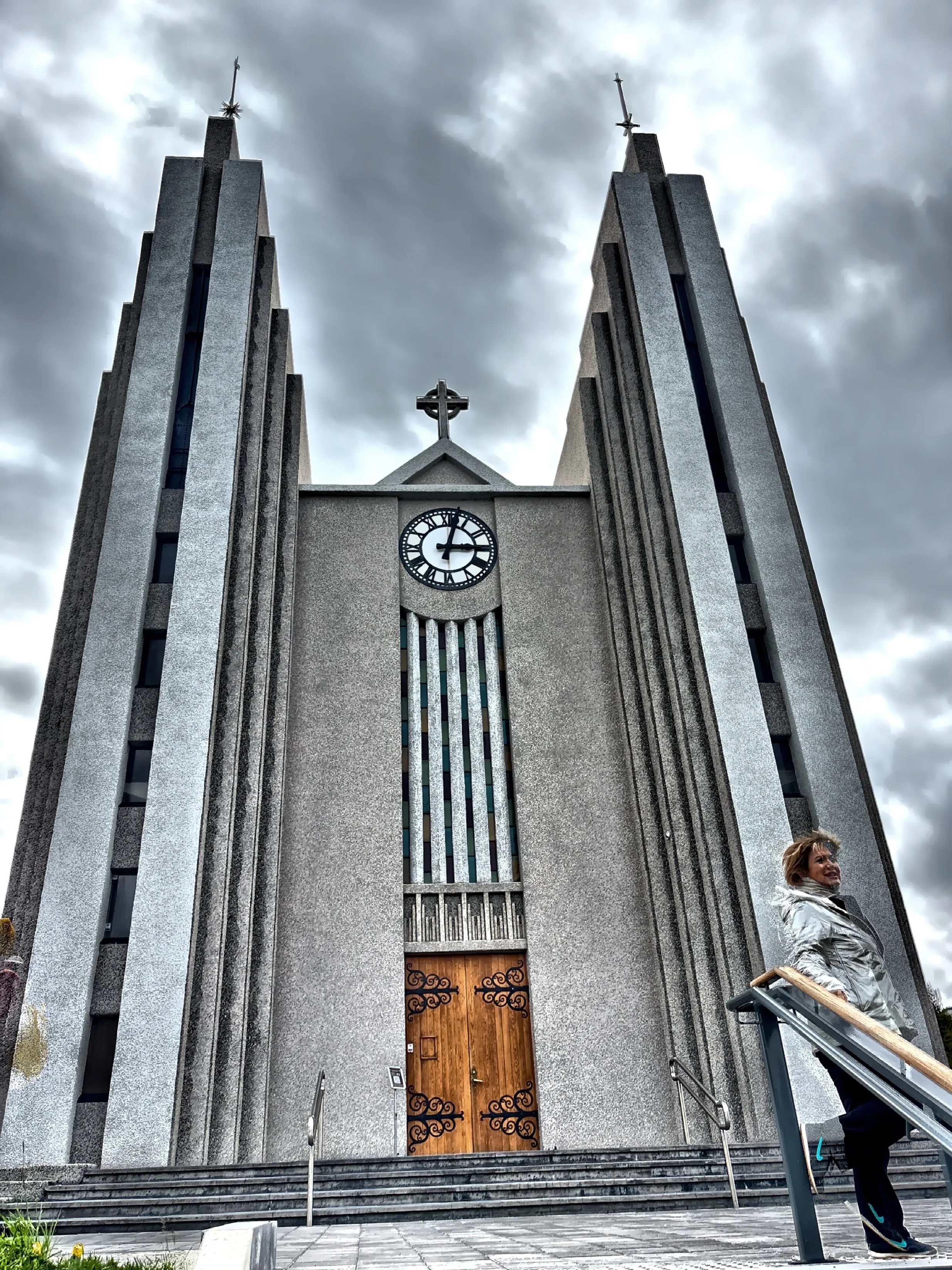
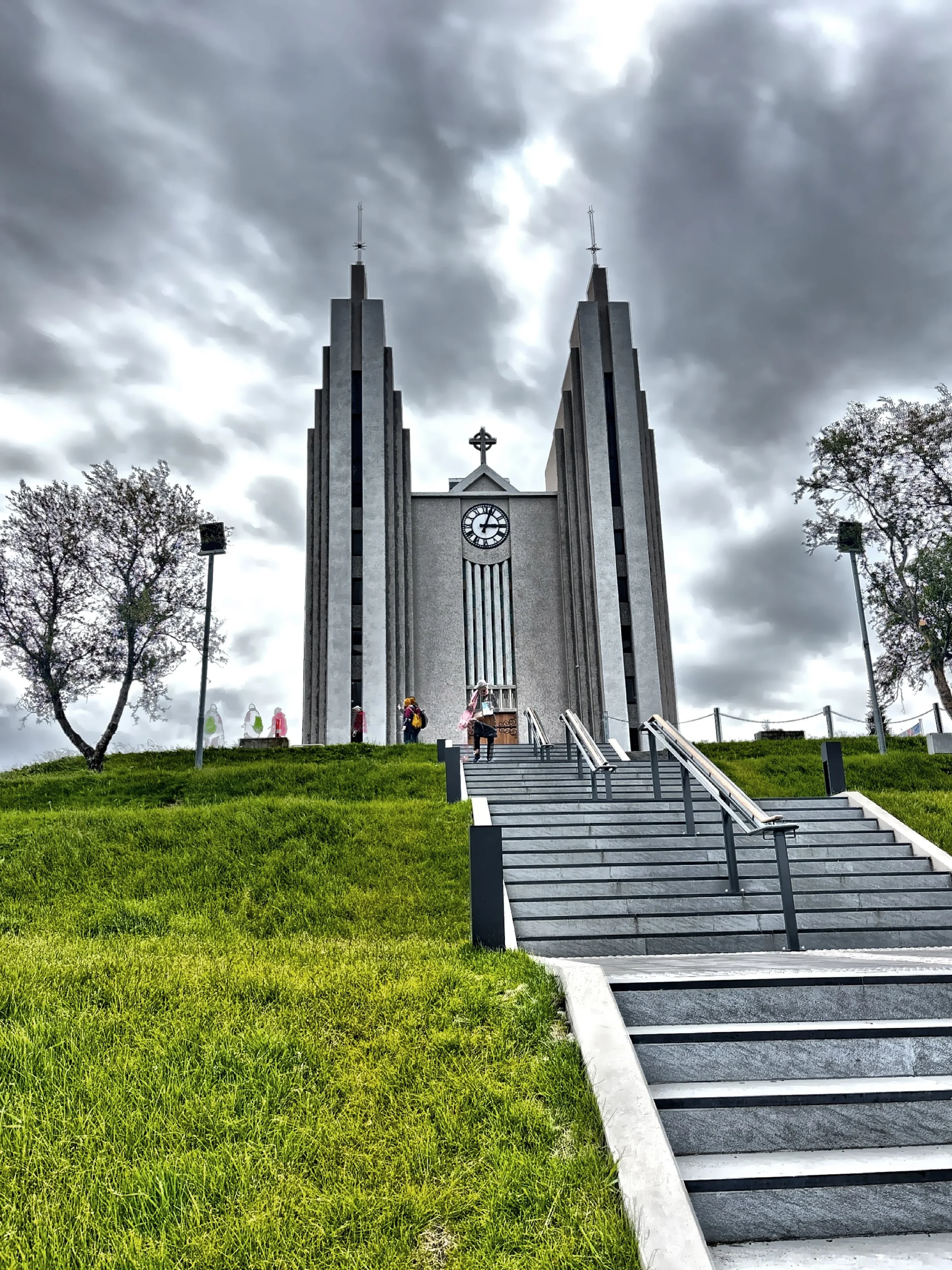
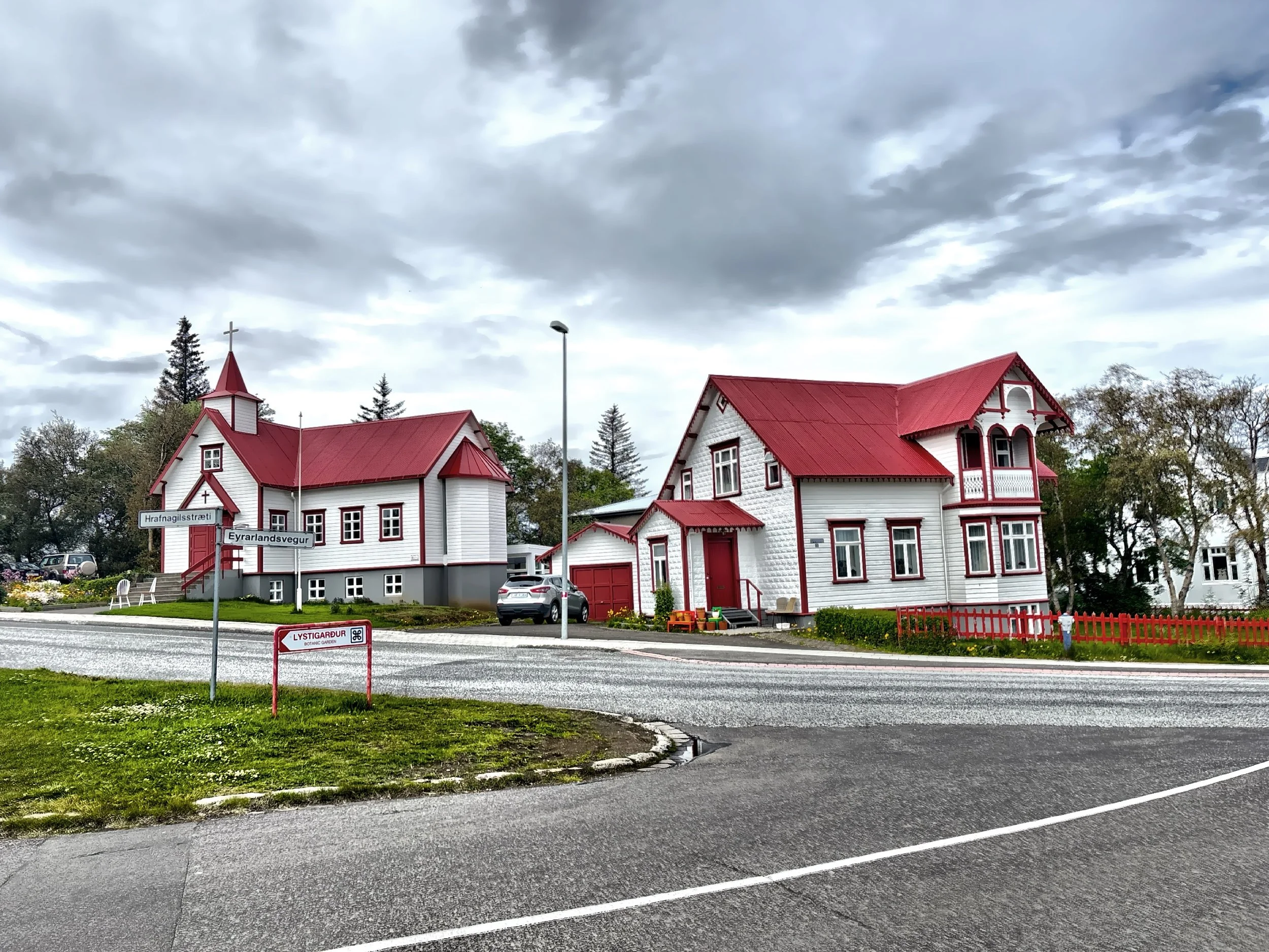
Completed in 1940, the iconic hilltop Akureyri Church was designed by Gudjon Samuelsson, Iceland’s first official state architect and a central figure in shaping the nation’s architectural identity. Also known for designing Hallgrímskirkja in Reykjavík, Samúelsson’s work blends Icelandic traditions, national romanticism, and modernist influences, resulting in a distinctive style that mirrors the stark beauty and dramatic character of the Icelandic landscape.
.
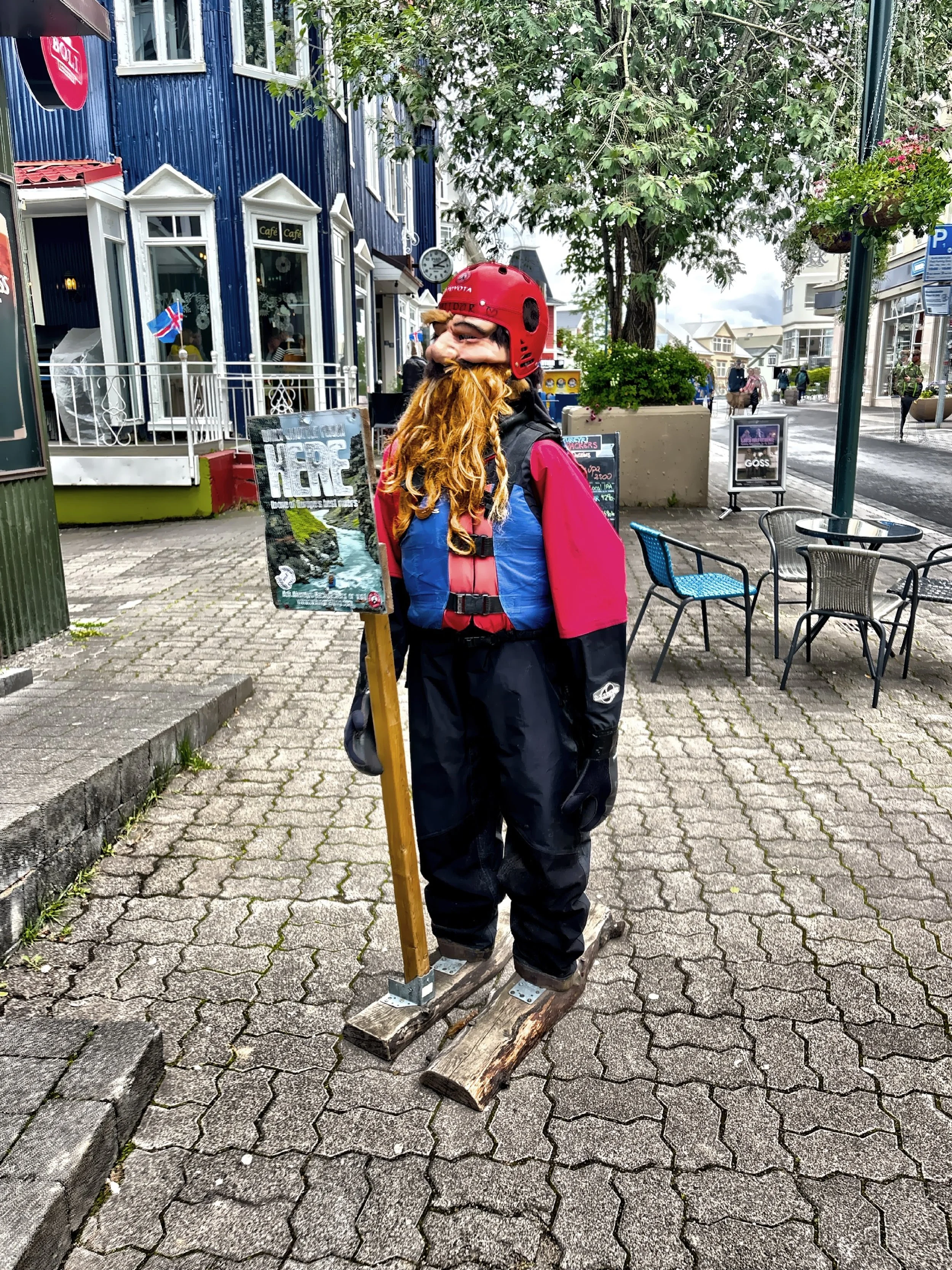
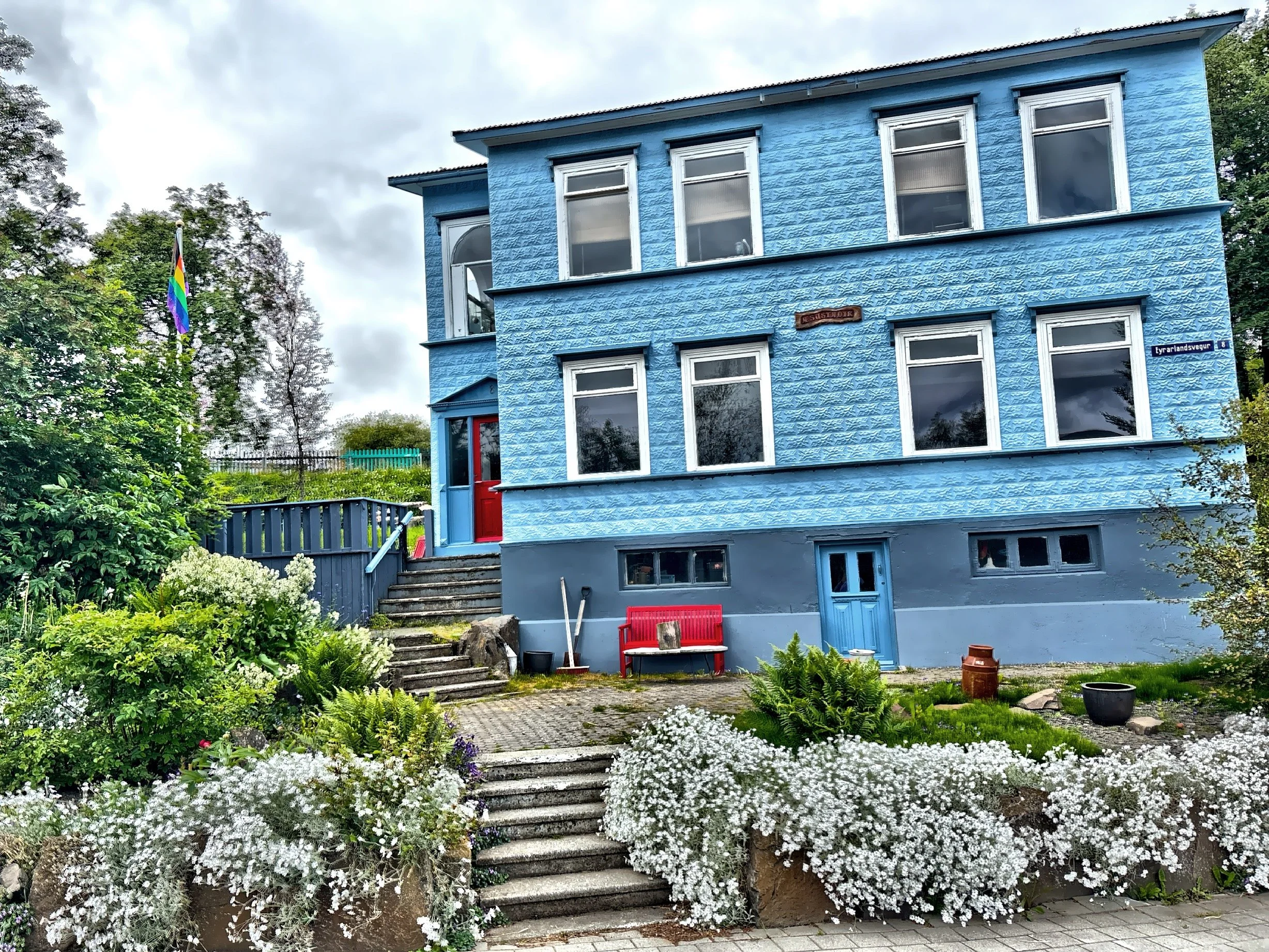
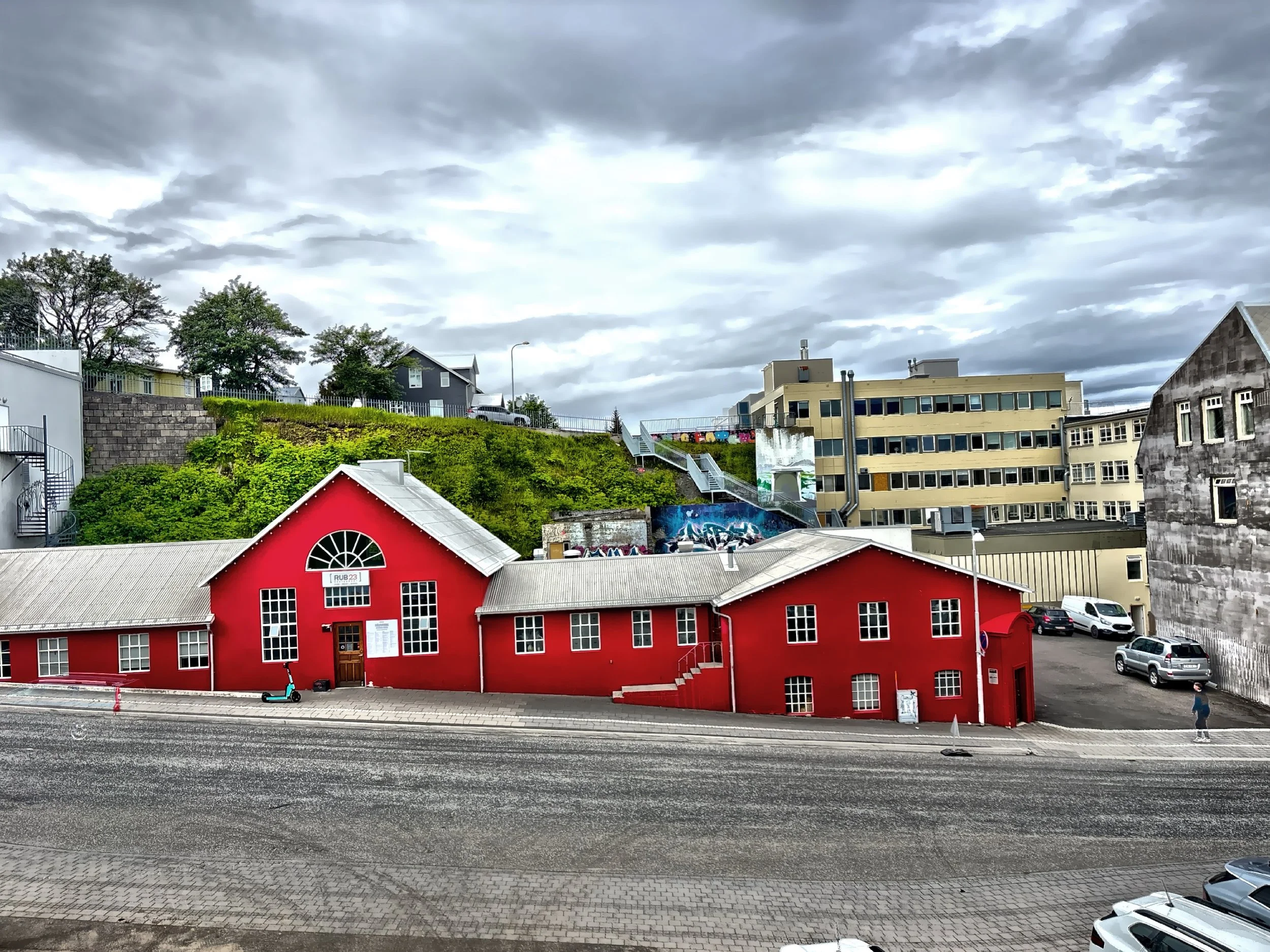
Colorful buildings, cafés, and local shops line the streets.
.
.
.
St Peter’s Catholic Church
The rainbow stairs here are known as Regnbogastiginn and shows support for the LGBTQ+ community and is a celebration of diversity, equality and inclusion.
.
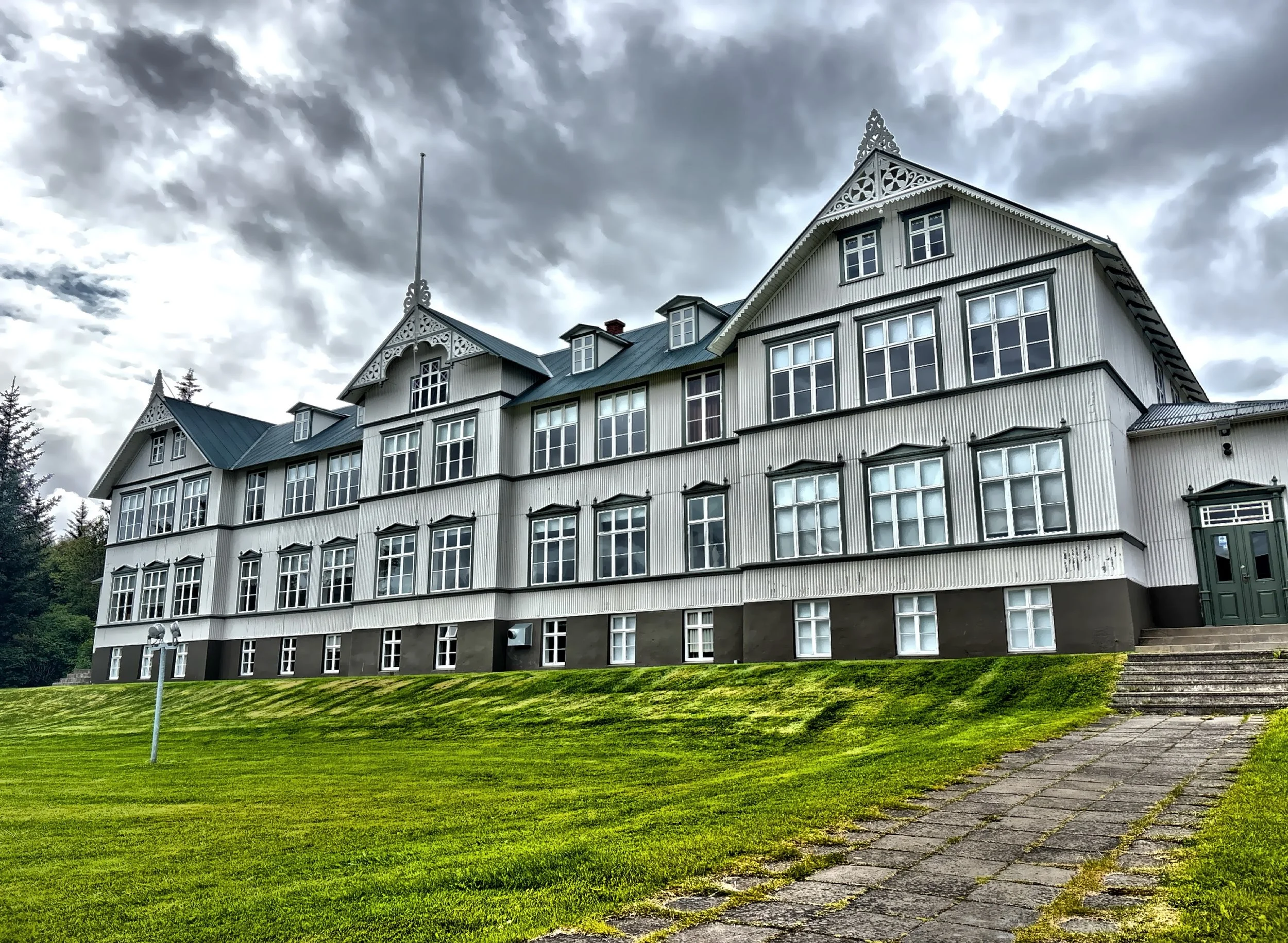
Akureyri Junior College is one of the oldest educational institutions in Iceland.
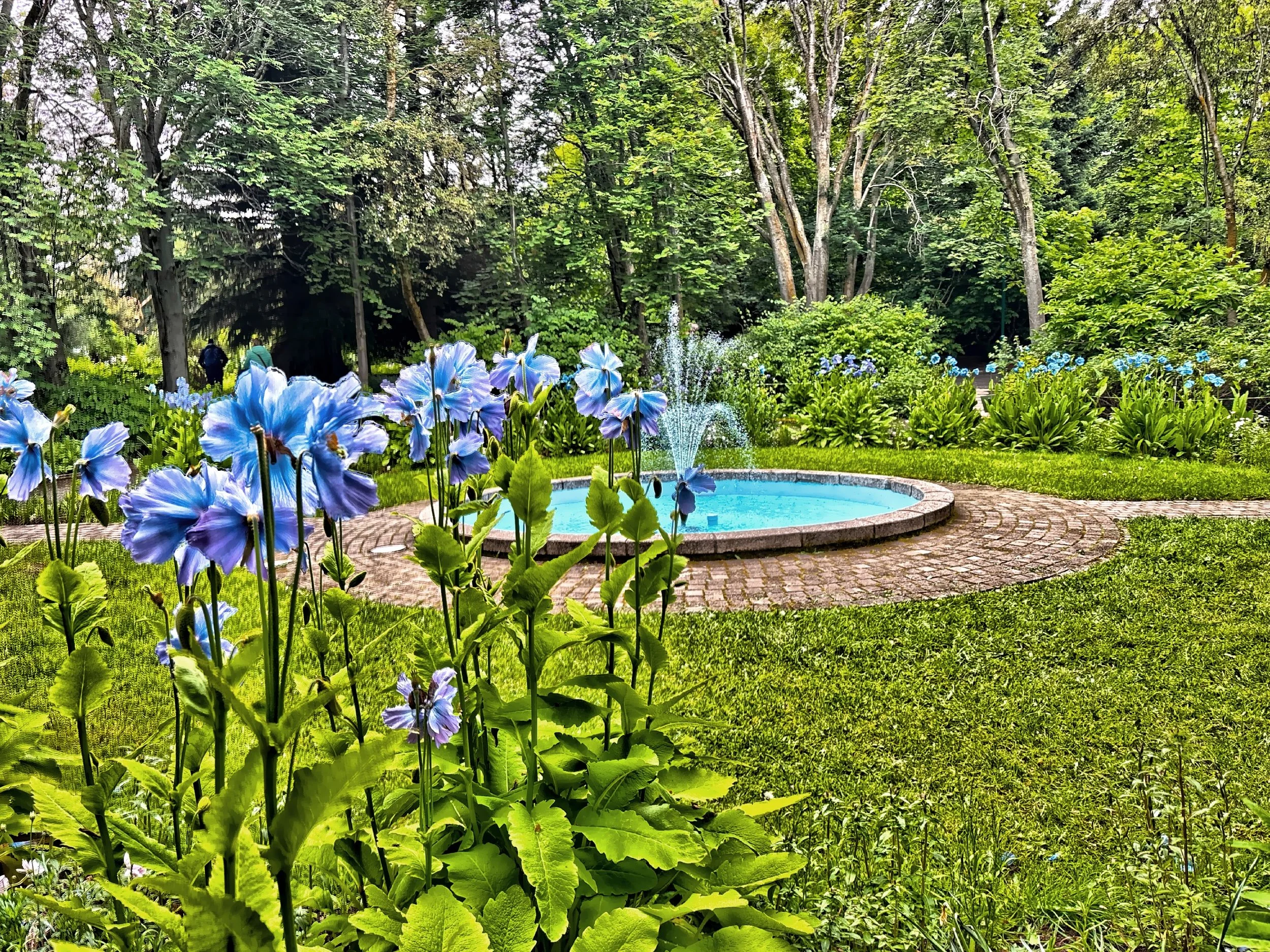
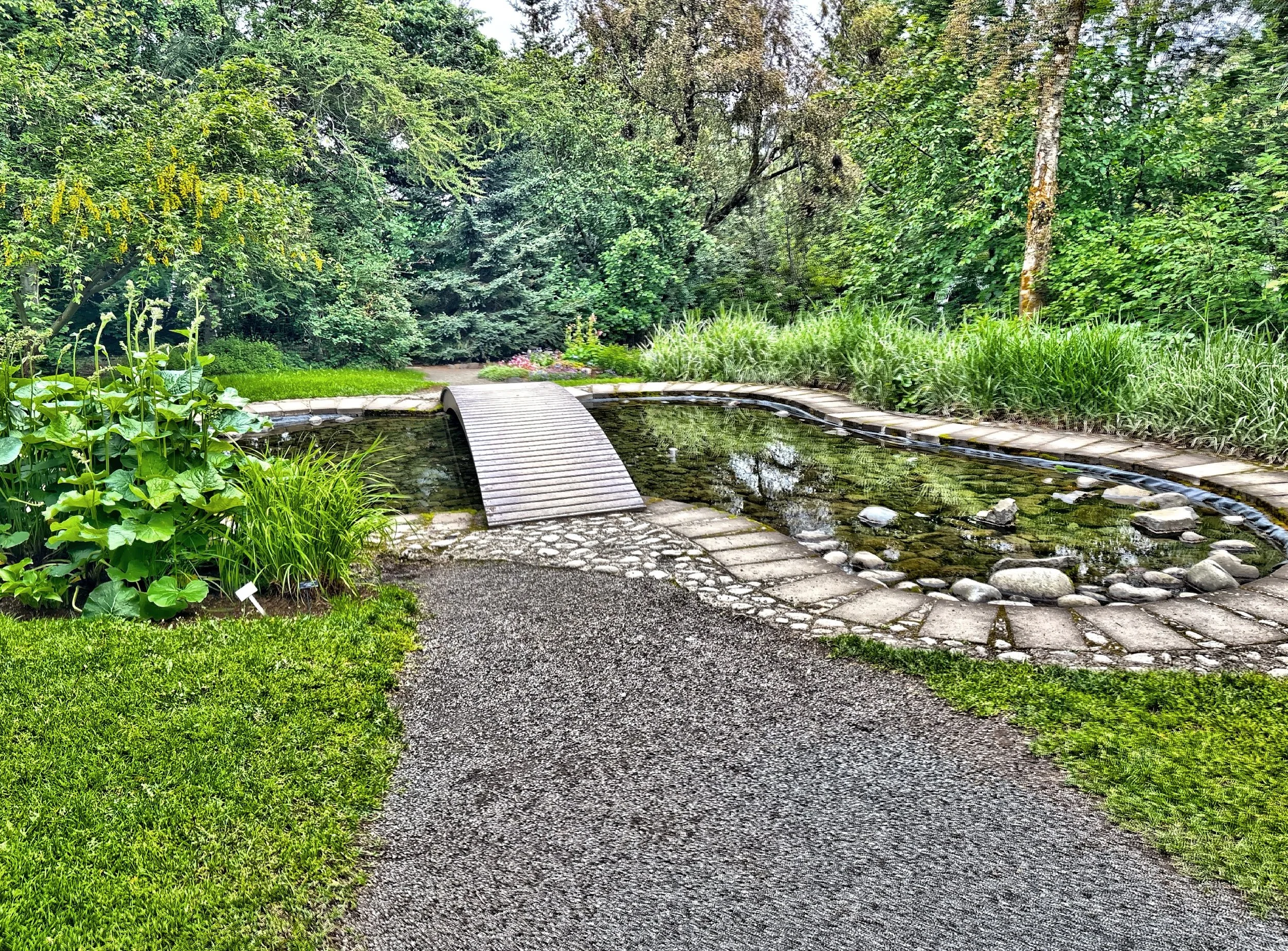
The Botanical Garden is surprisingly lush for a town just shy of the Arctic Circle. It features over 7,000 species, many surprisingly not native to Iceland.
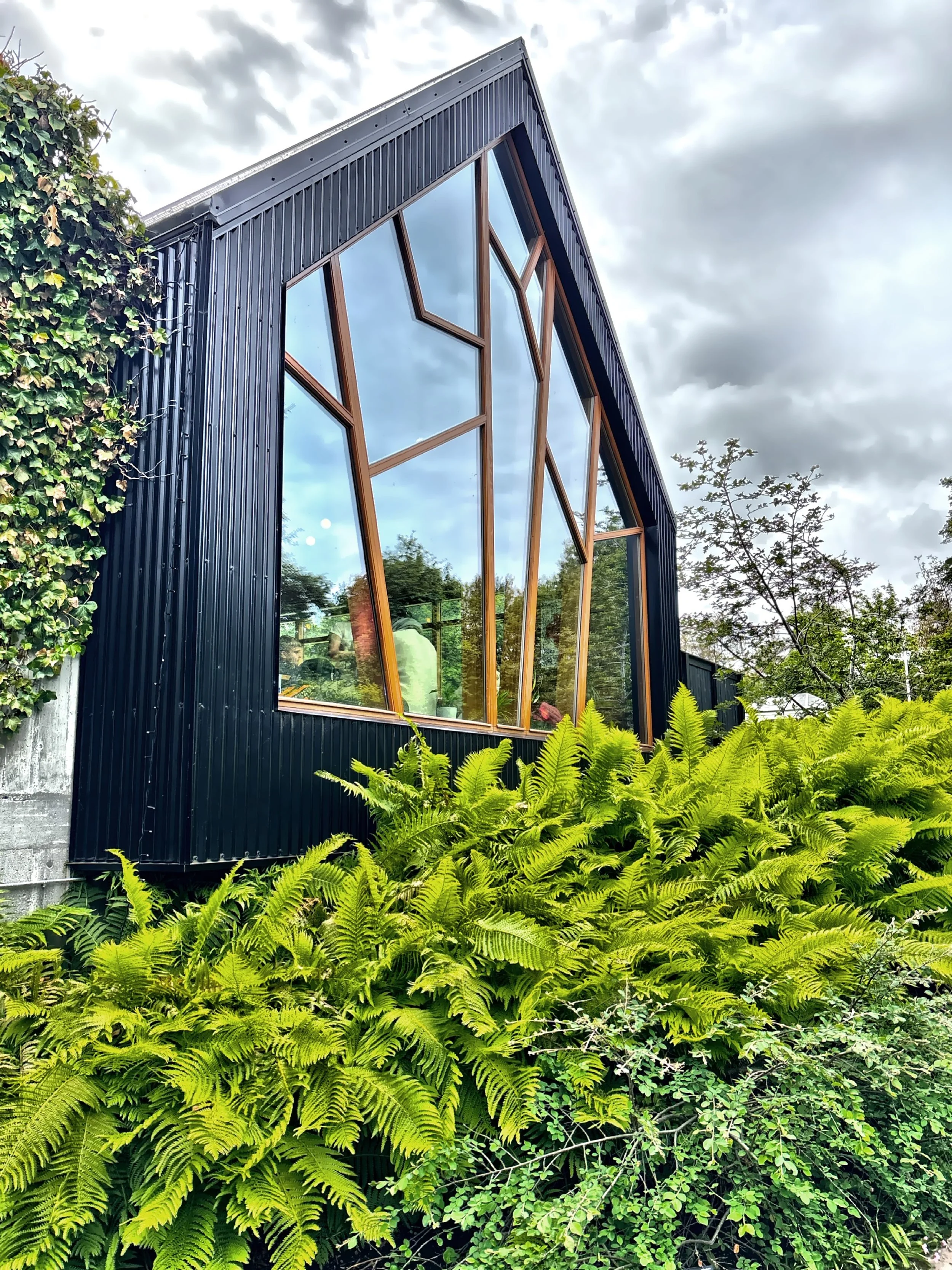
The Cafe inside the Botanical Garden
.
.
.
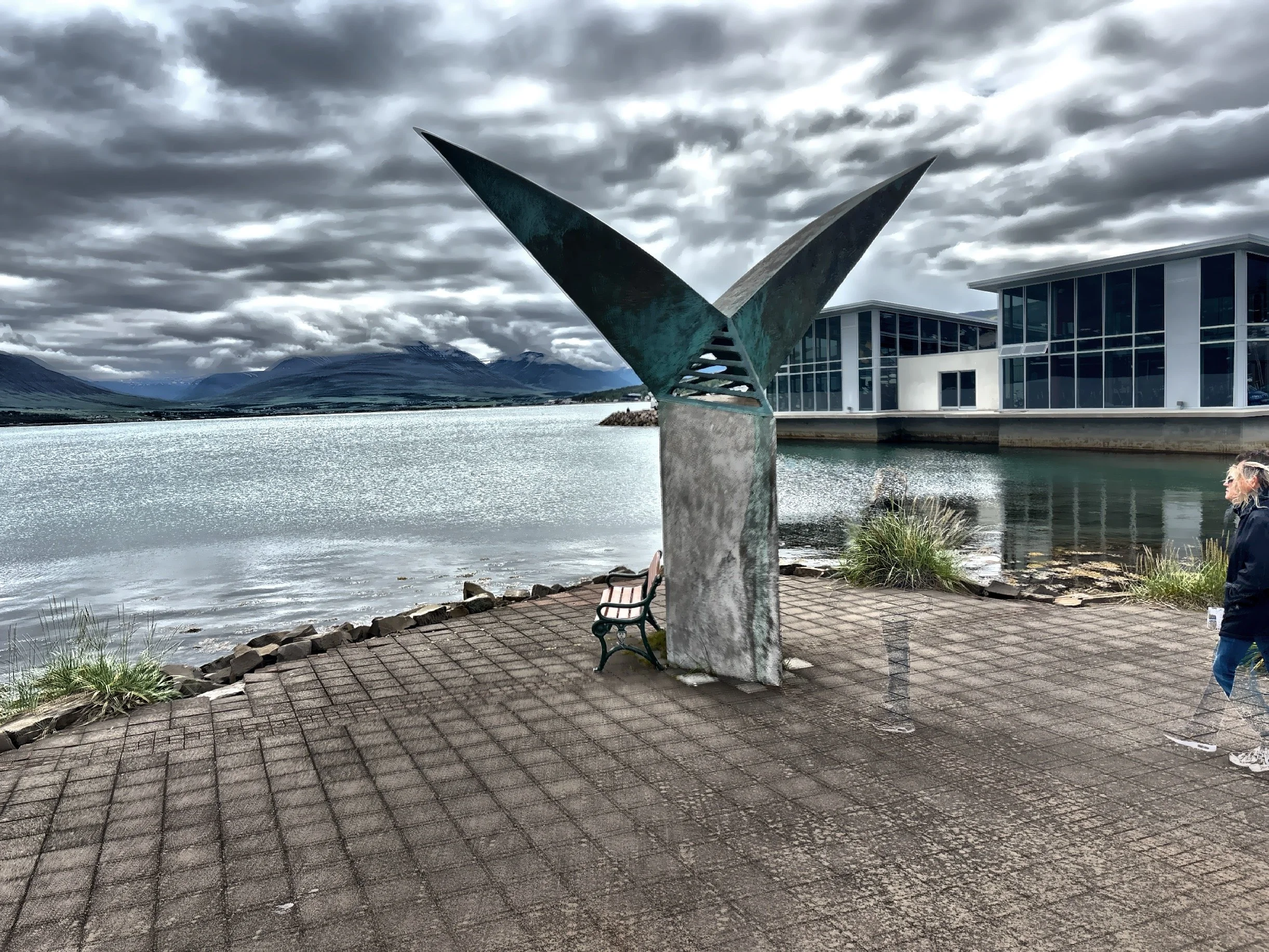
The sculpture,‘Farid’ was created by Icelandic artist Petur Bjarnason
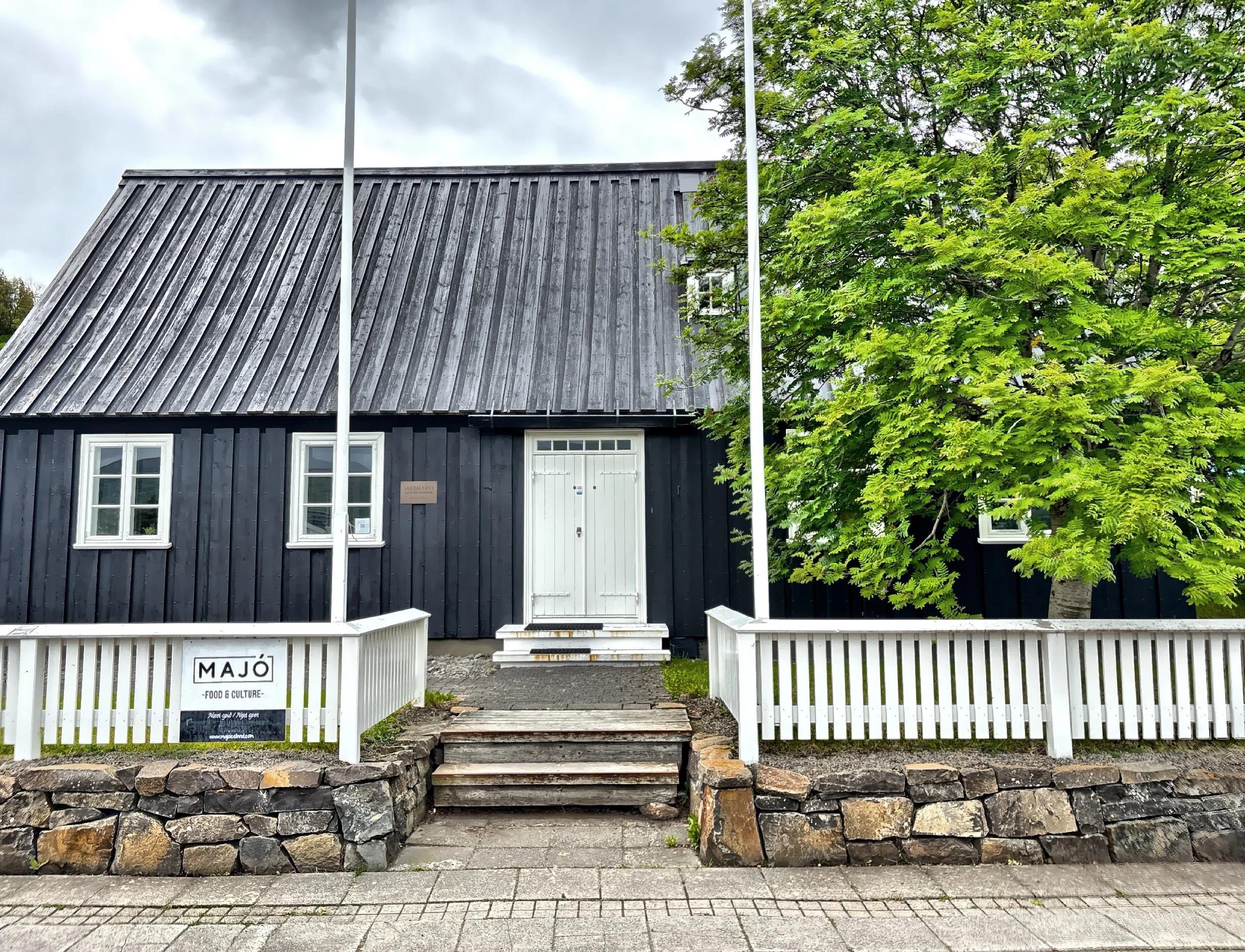
Laxdalshus was built in 1795 and is the oldest building in town.
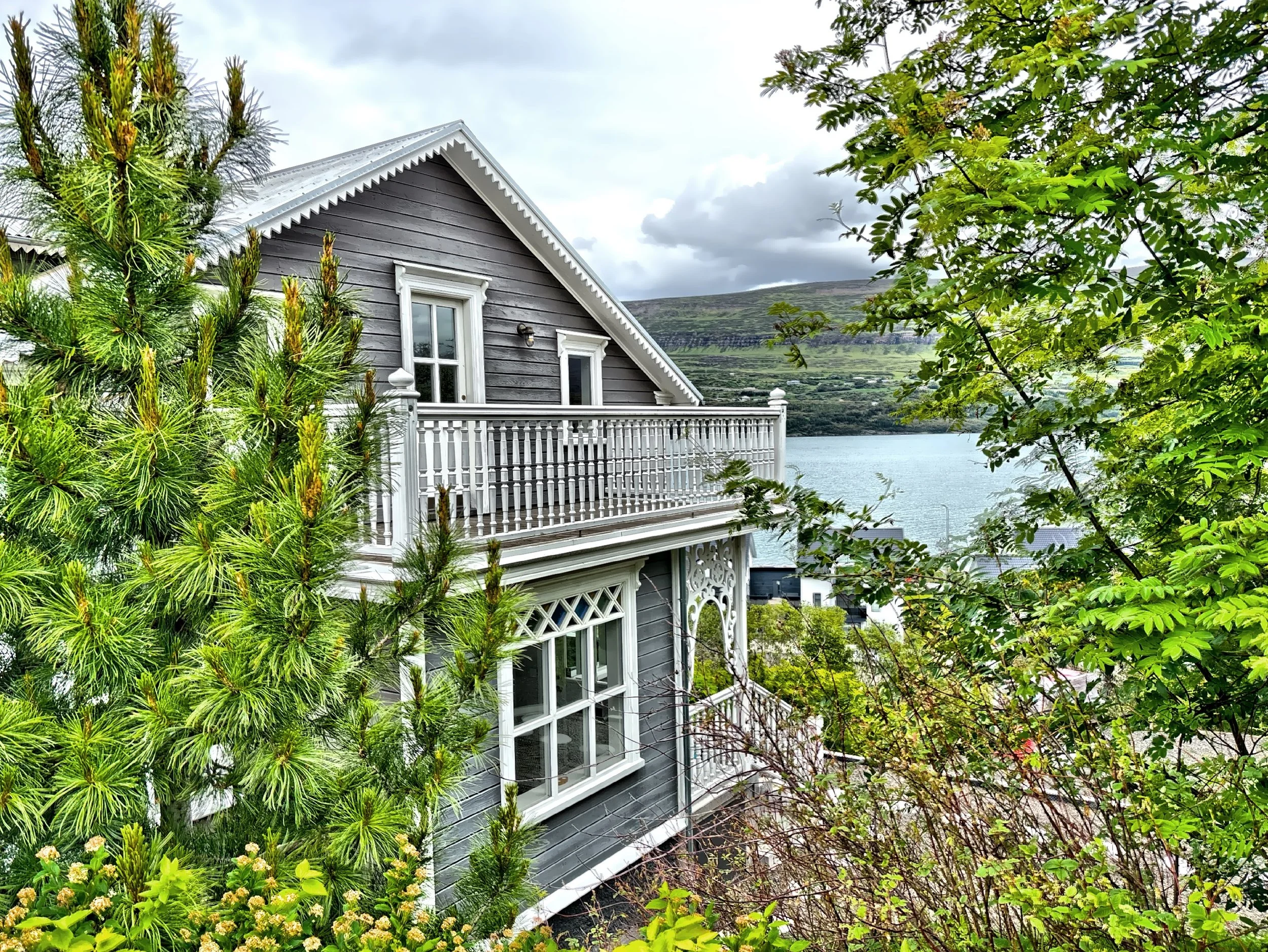
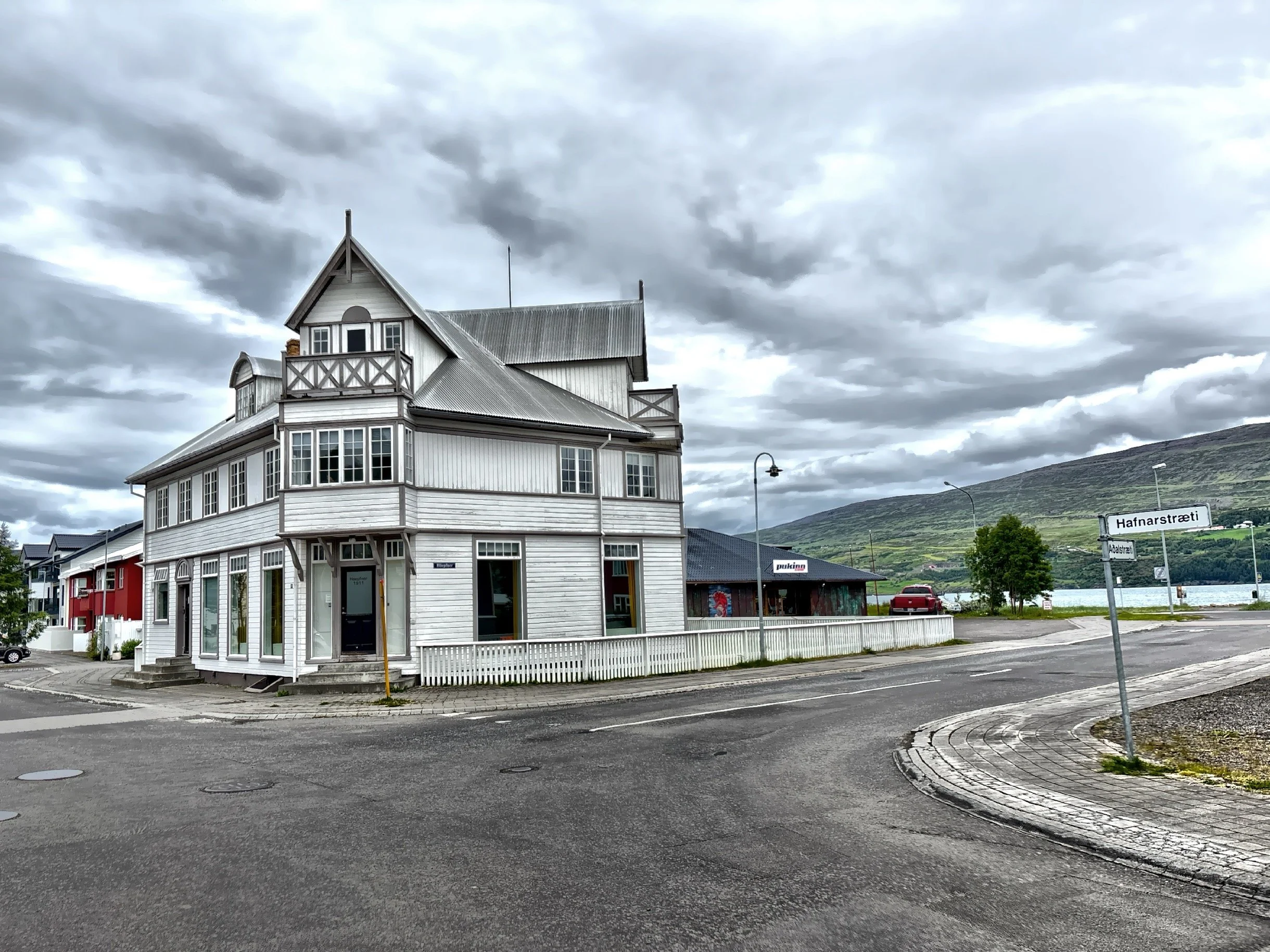
The Hoepfner Historical House was built in 1911 and is named after the owner/builder Carl Hoepfner. The large timber structure is one of the last of its kind in town before concrete became the dominant building material.
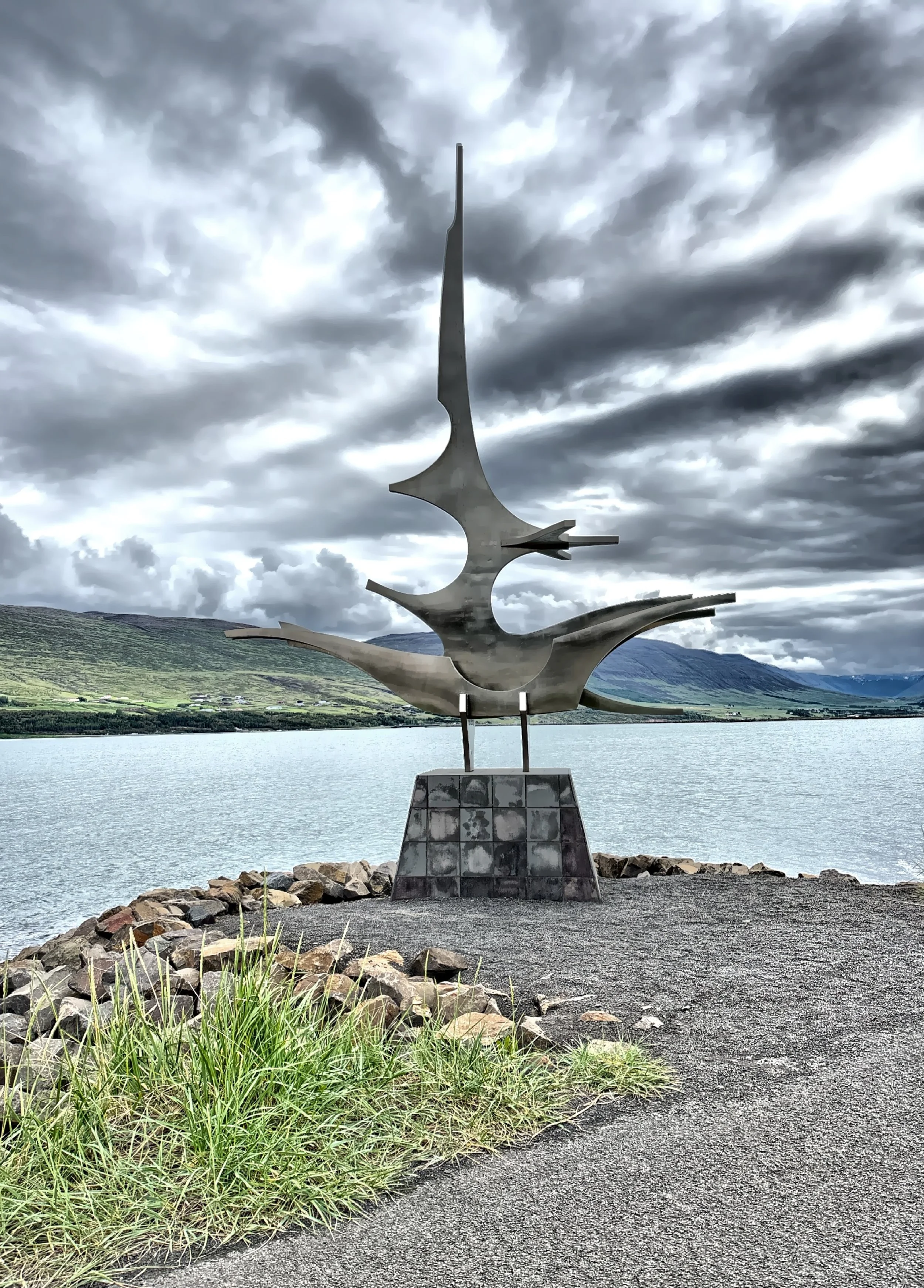
The ‘Sun Voyager’ created by Icelandic artist Jon Gunnar Arnason.
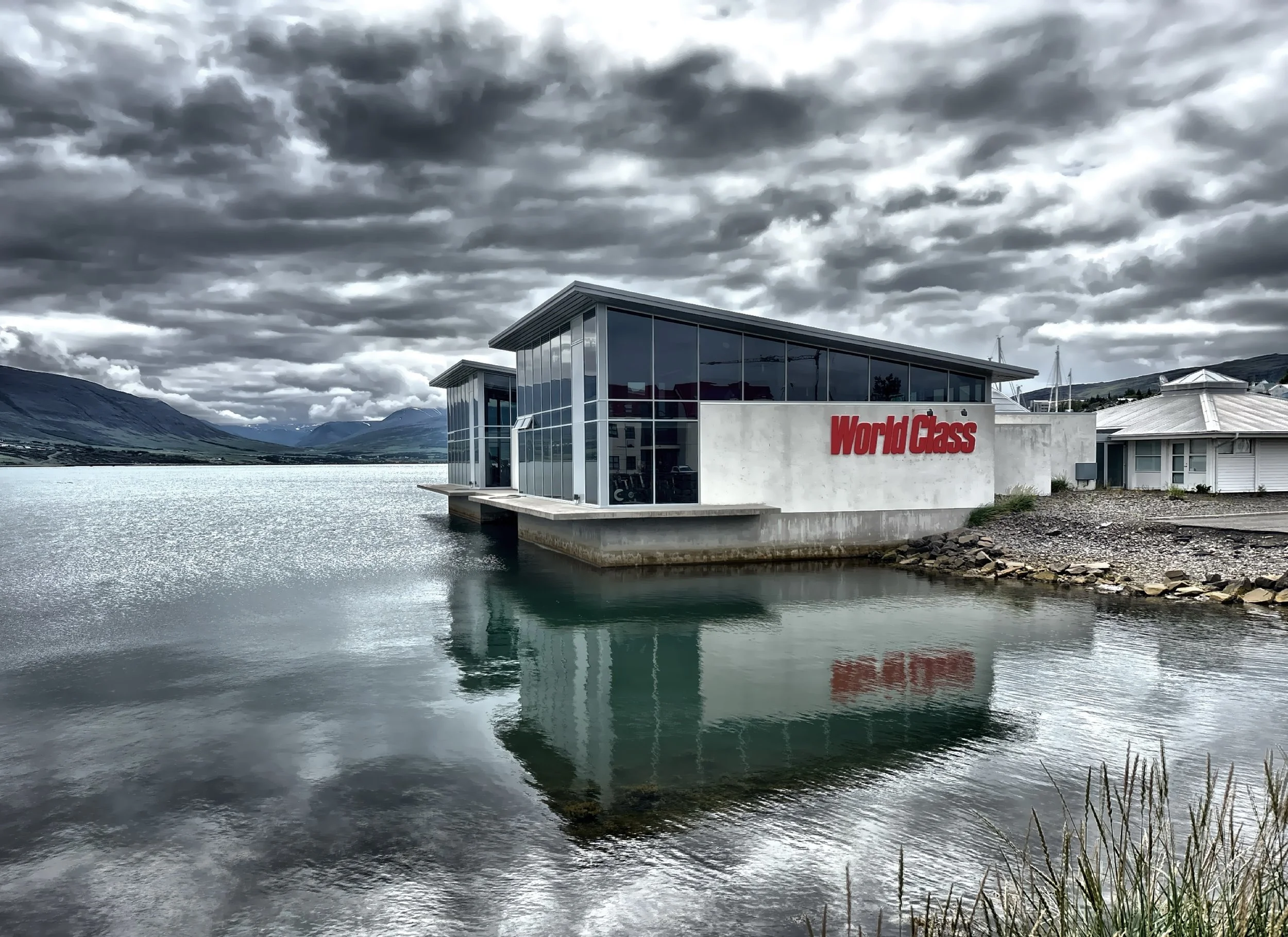
Ocean view workouts and a serene escape here at World Class Strandgata fitness center.
What you should know:
The best time to go is late spring through early fall when roads are more accessible.
Wear layers, the weather changes frequently—sun, cold, mist, and sudden wind are all part of the experience.
Entry to the botanical garden is free, and there is a cafe and there are walking trails.
Public restrooms are available at the botanical garden and the Hof Center.
Parking in town is not an issue.
You could spend one to two hours exploring the town.
There are a few different restaurant options.
The currency used here is the Icelandic króna (ISK).
The people here speak Icelandic, and some Danish, but nearly everyone speaks English.
Tipping is generally not expected, but rounding up is appreciated.
Food is pricey.
People here respect nature.
You will need a valid passport and a power converter if you are coming form the US.
The town is walkable, and a great way to get around.
For more information: Akureyri, Iceland
If you enjoyed this post, feel free to check out my previous posts by clicking here.