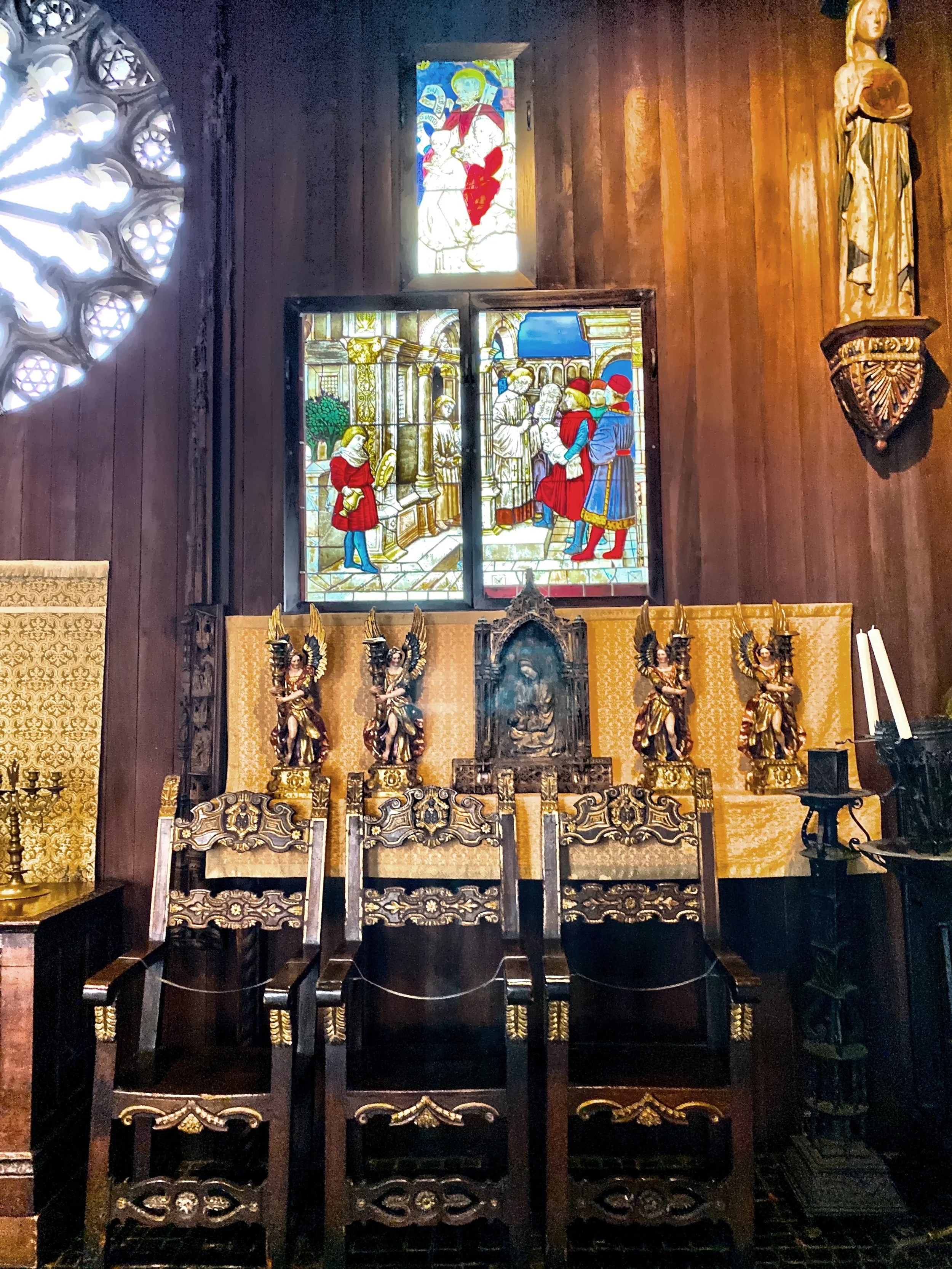
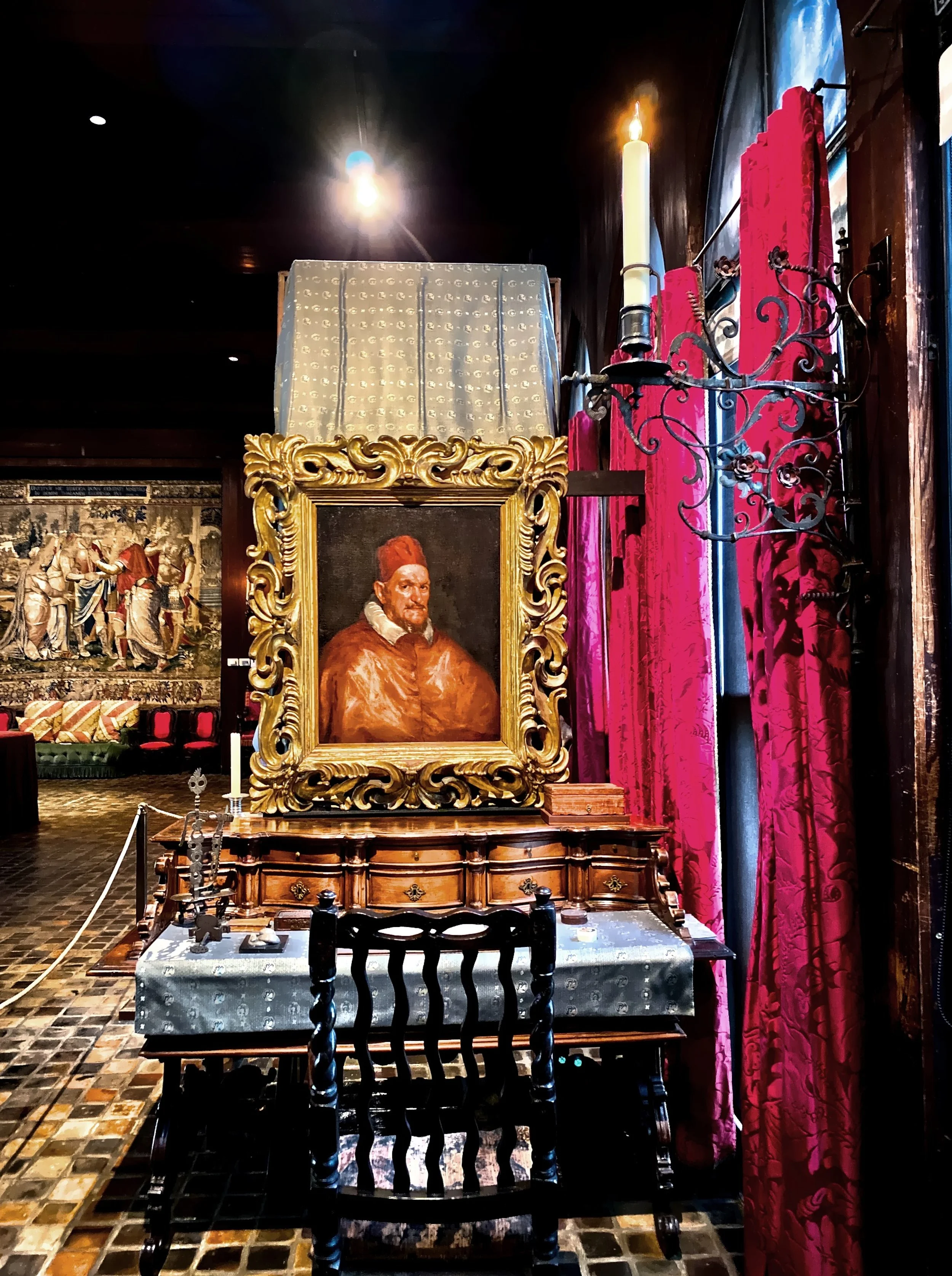
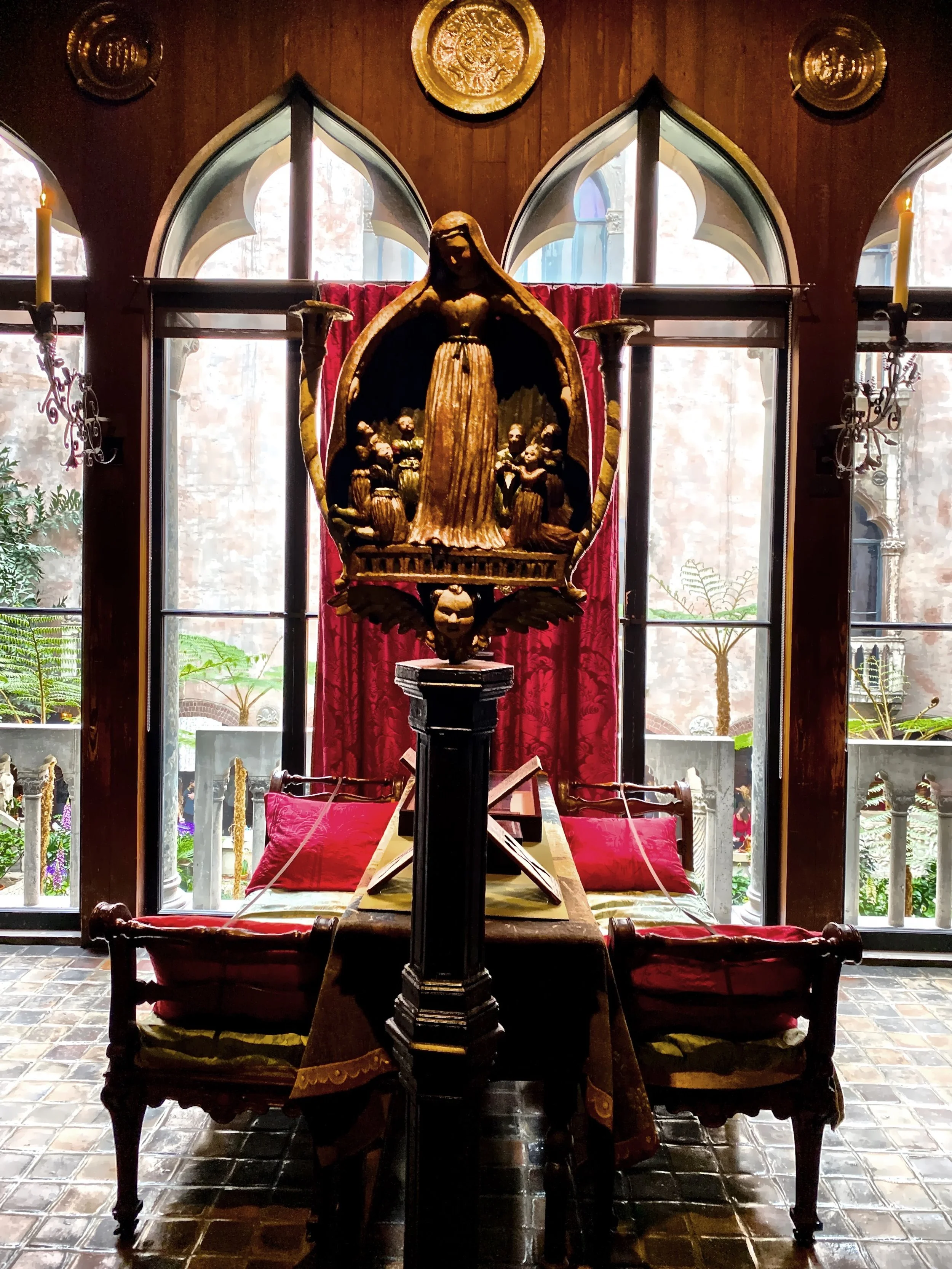
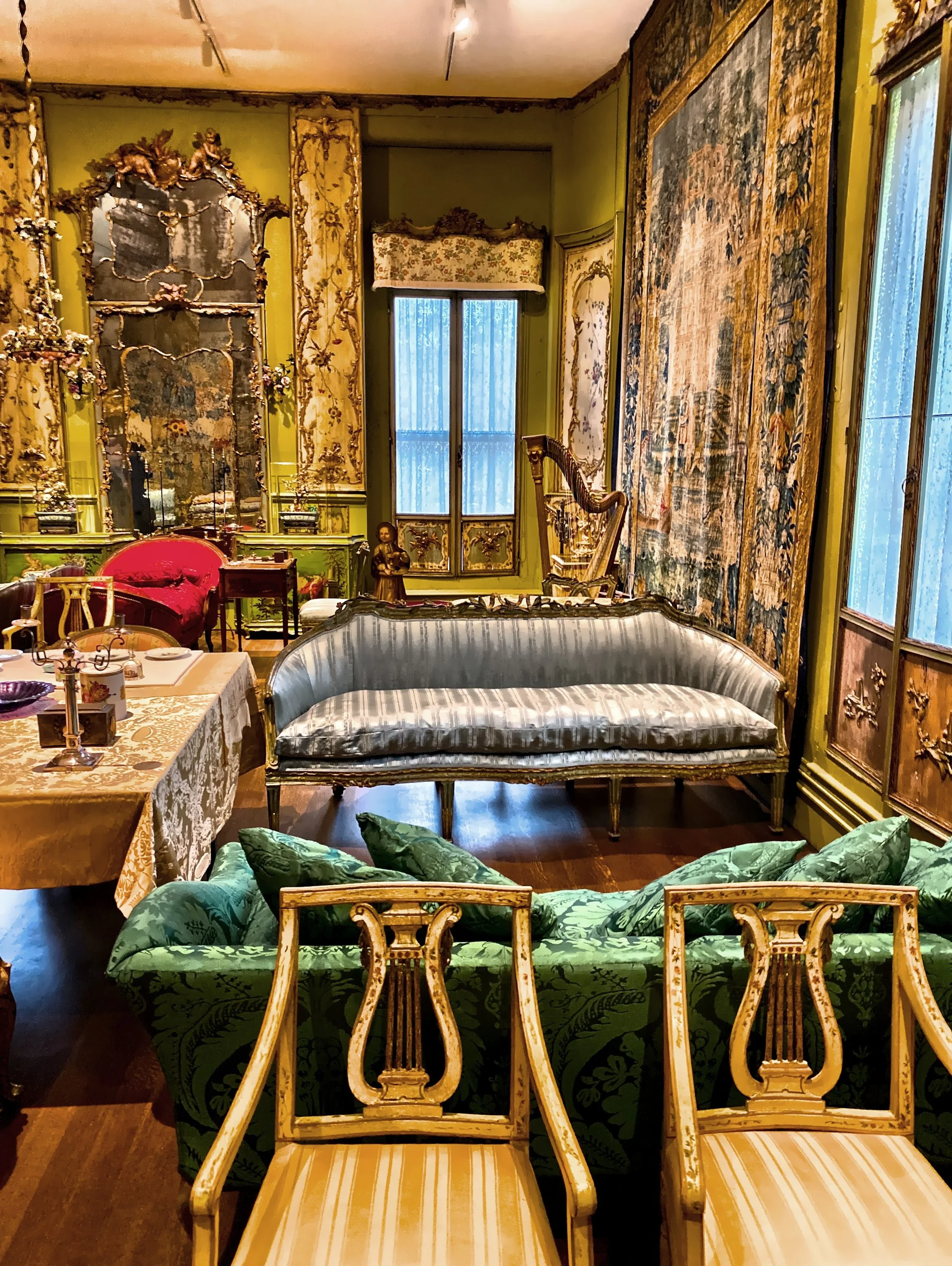
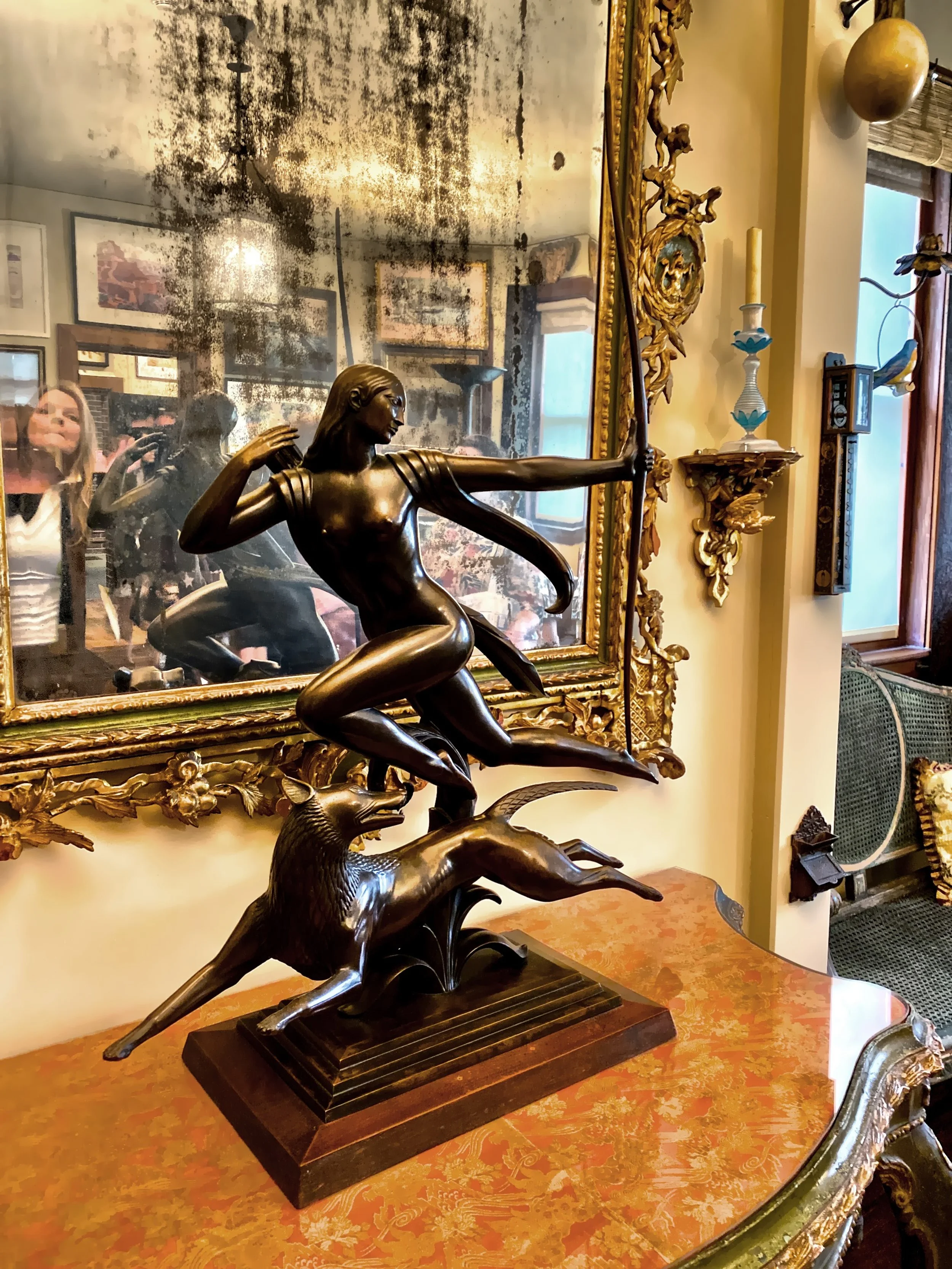
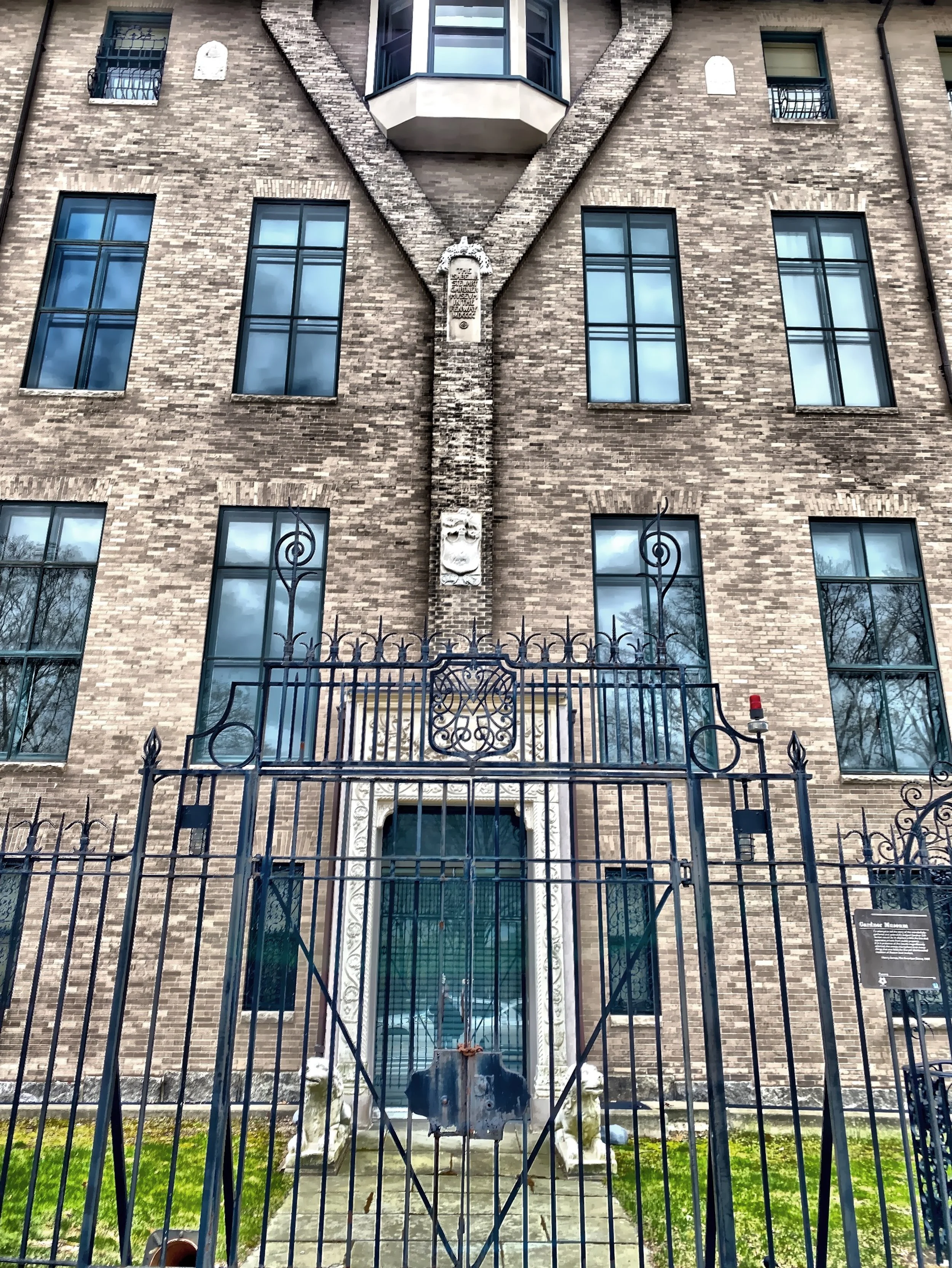
The Isabella Stewart Garner Museum, originally called Fenway Court when it opened in 1903. It was founded by Isabella Stewart Garner, whose will called for her art collection to be permanently exhibited ‘for the education and enjoyment of the public forever’. The building was constructed between 1896 and 1903.
Art collector and philanthropist, Isabella, began collecting art seriously after she received an inheritance from her father in 1891. After her husband John L. Garner’s death in 1898, she wanted to complete their dream of building a suitable space to exhibit their collection a reality. Willard T. Sears was hired to design a building modeled after a Venetian renaissance palace, and Isabella was deeply involved every step of the way. Once the building was completed, Isabella spent a year installing her collections in a unique way, mixing art, furniture, textiles and art from different cultures and periods.
The museum opened on January 1, 1903, with a grand celebration that included members of the Boston Symphony Orchestra performing while guest were served champagne and donuts.
Here is what caught my eye; I hope you enjoy!
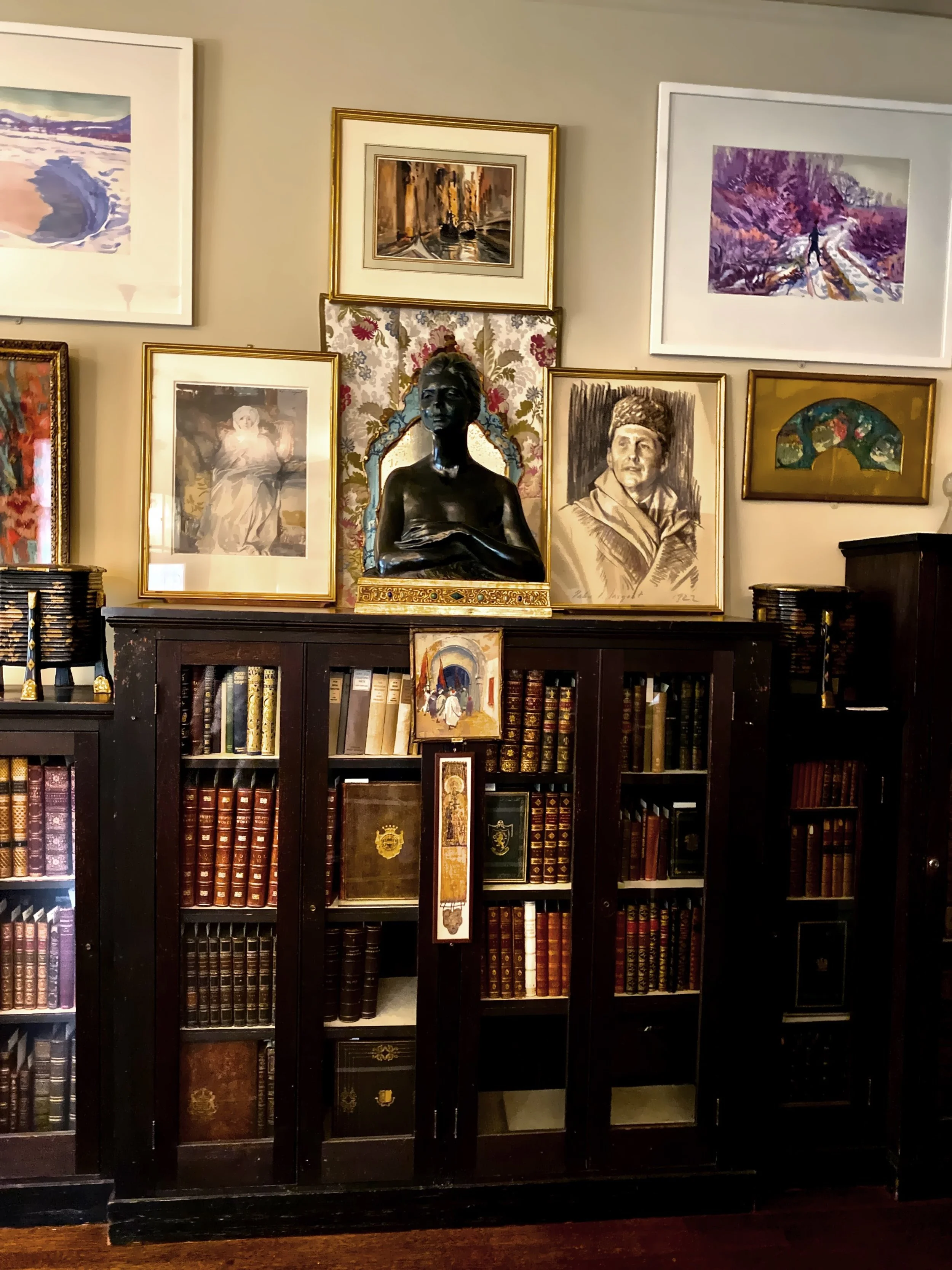
A portrait of Isabella Stewart Garner by John Singer Sargent displayed in the Gothic Room.
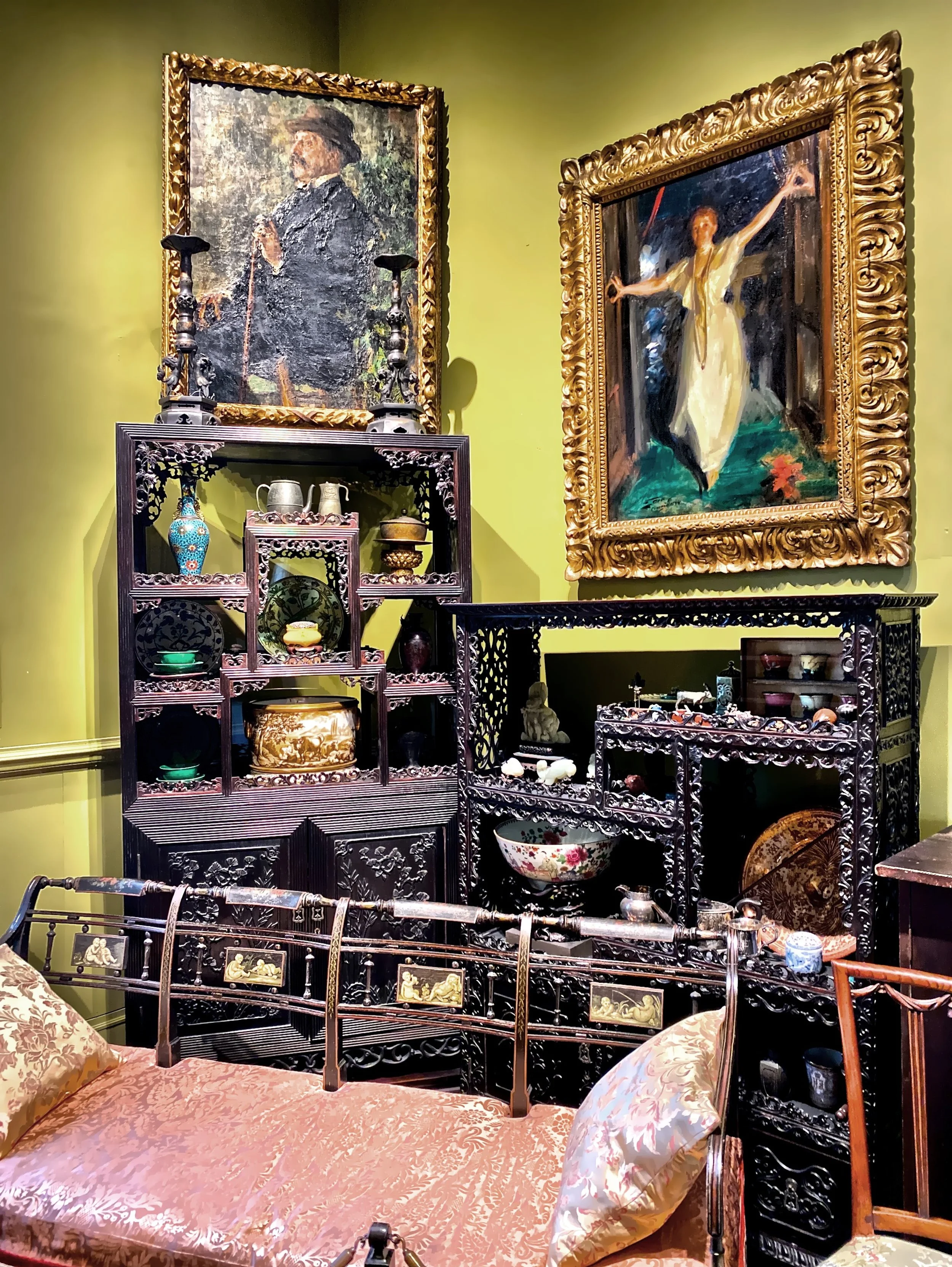
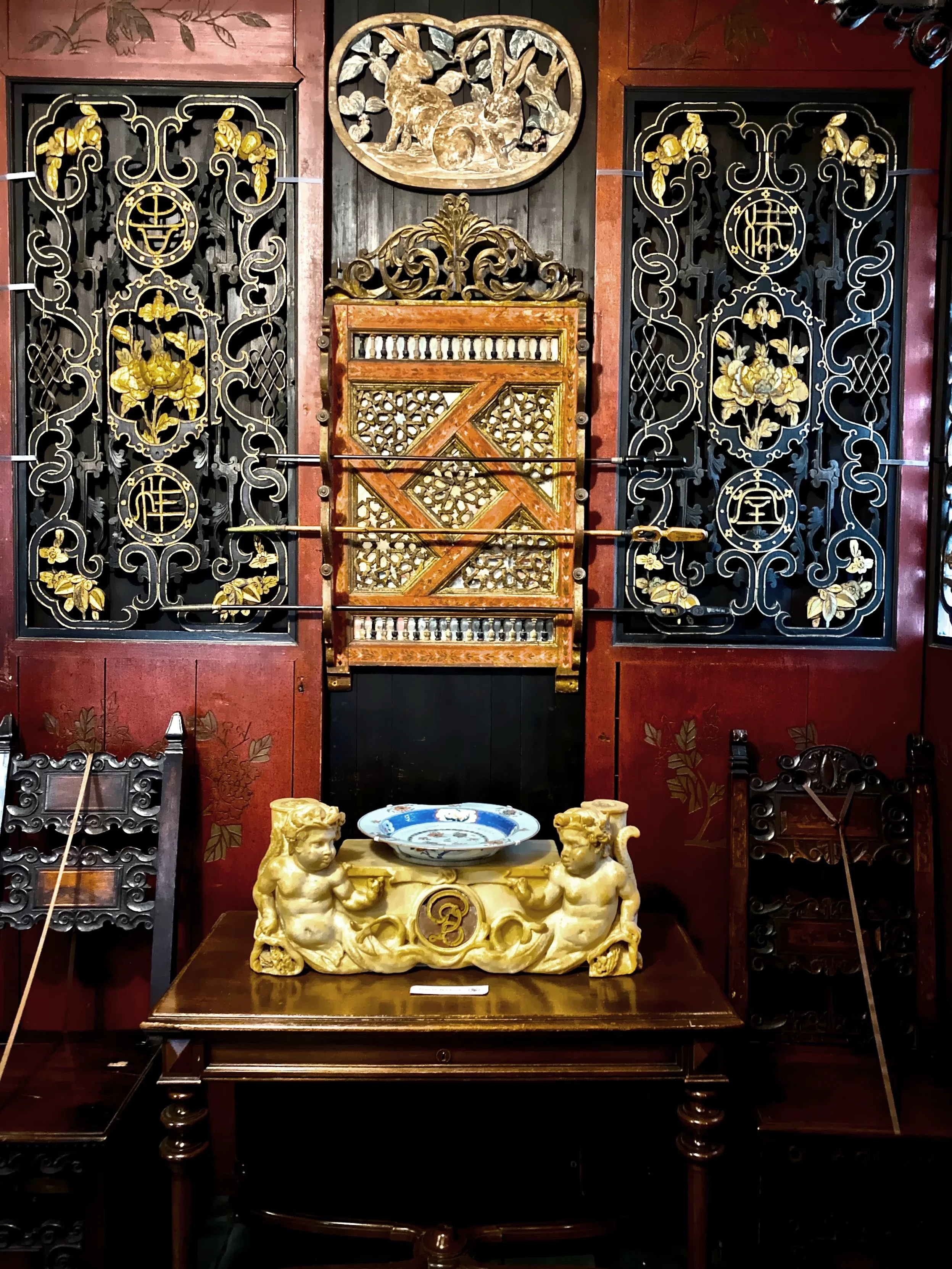
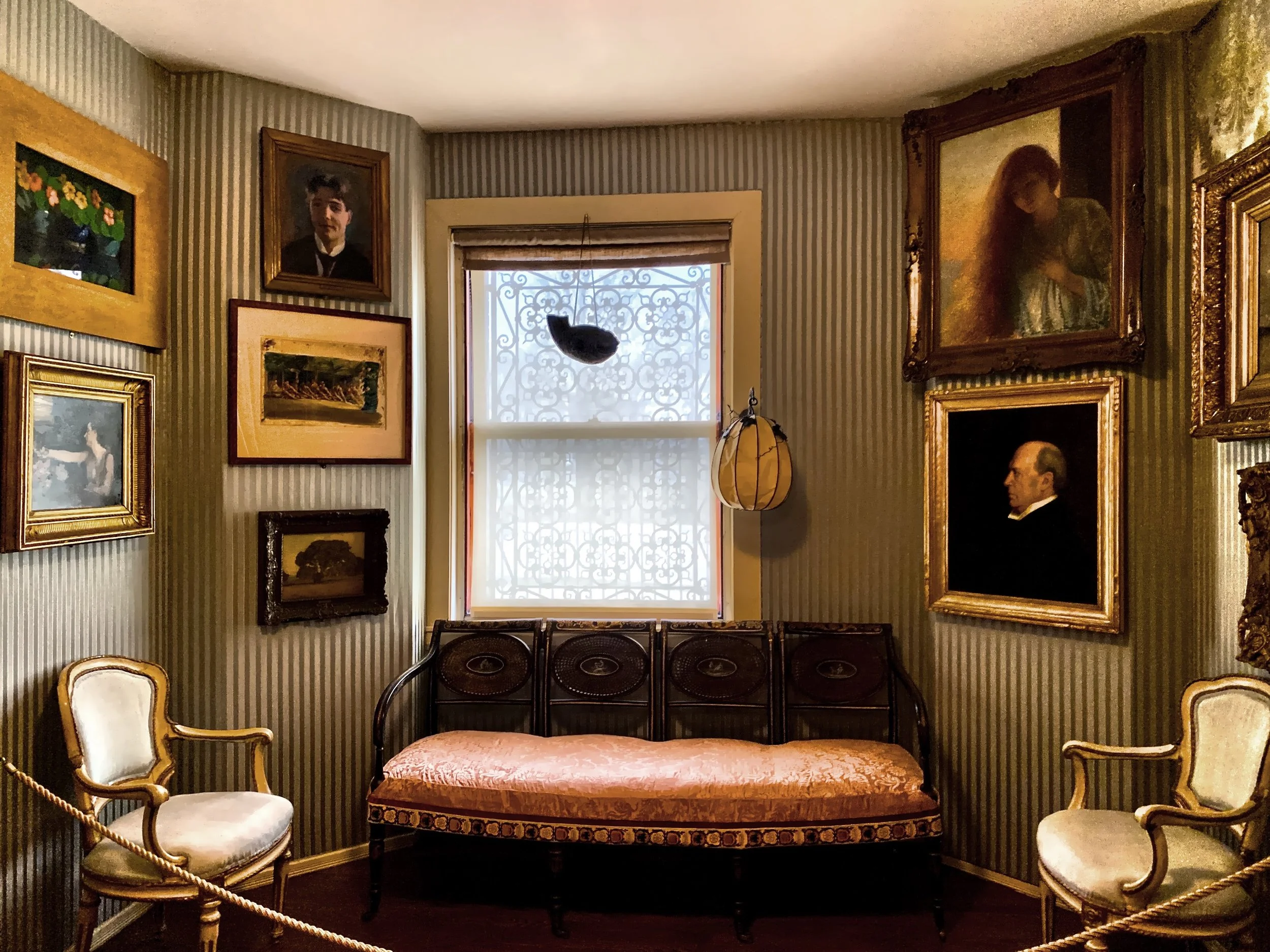
Each gallery is decorated in a very special way not like the usual museums with white walls and bright lights.
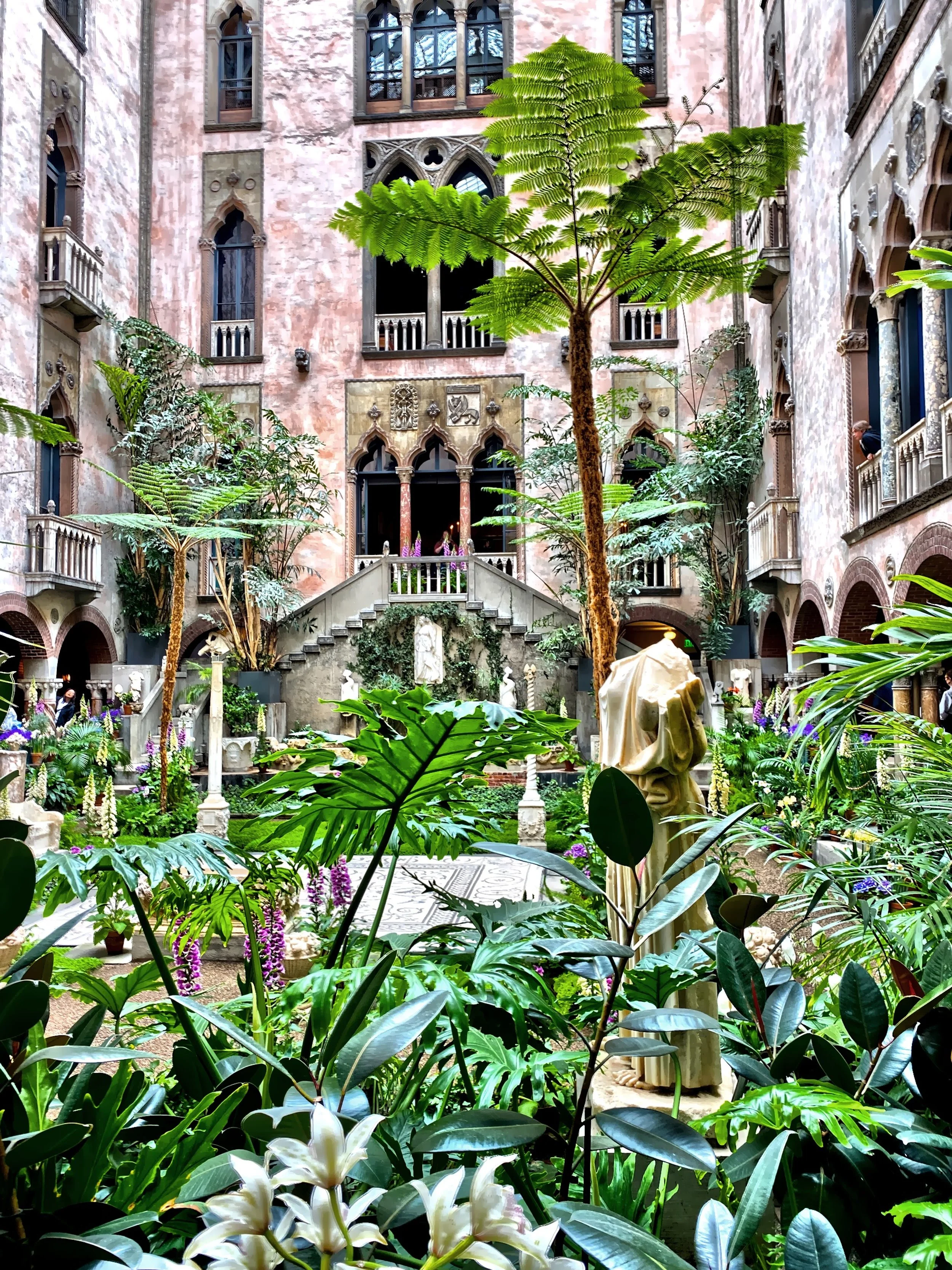
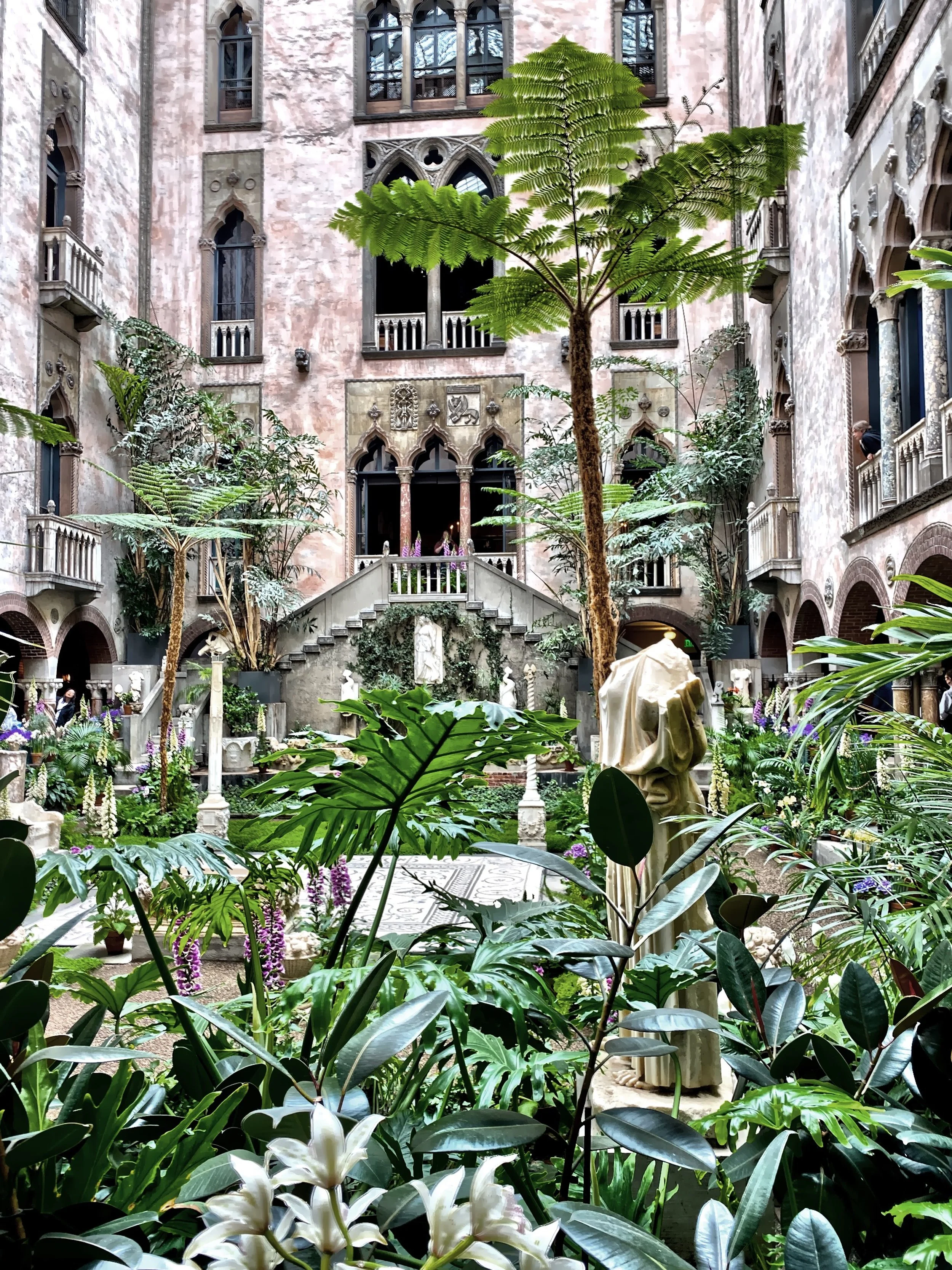
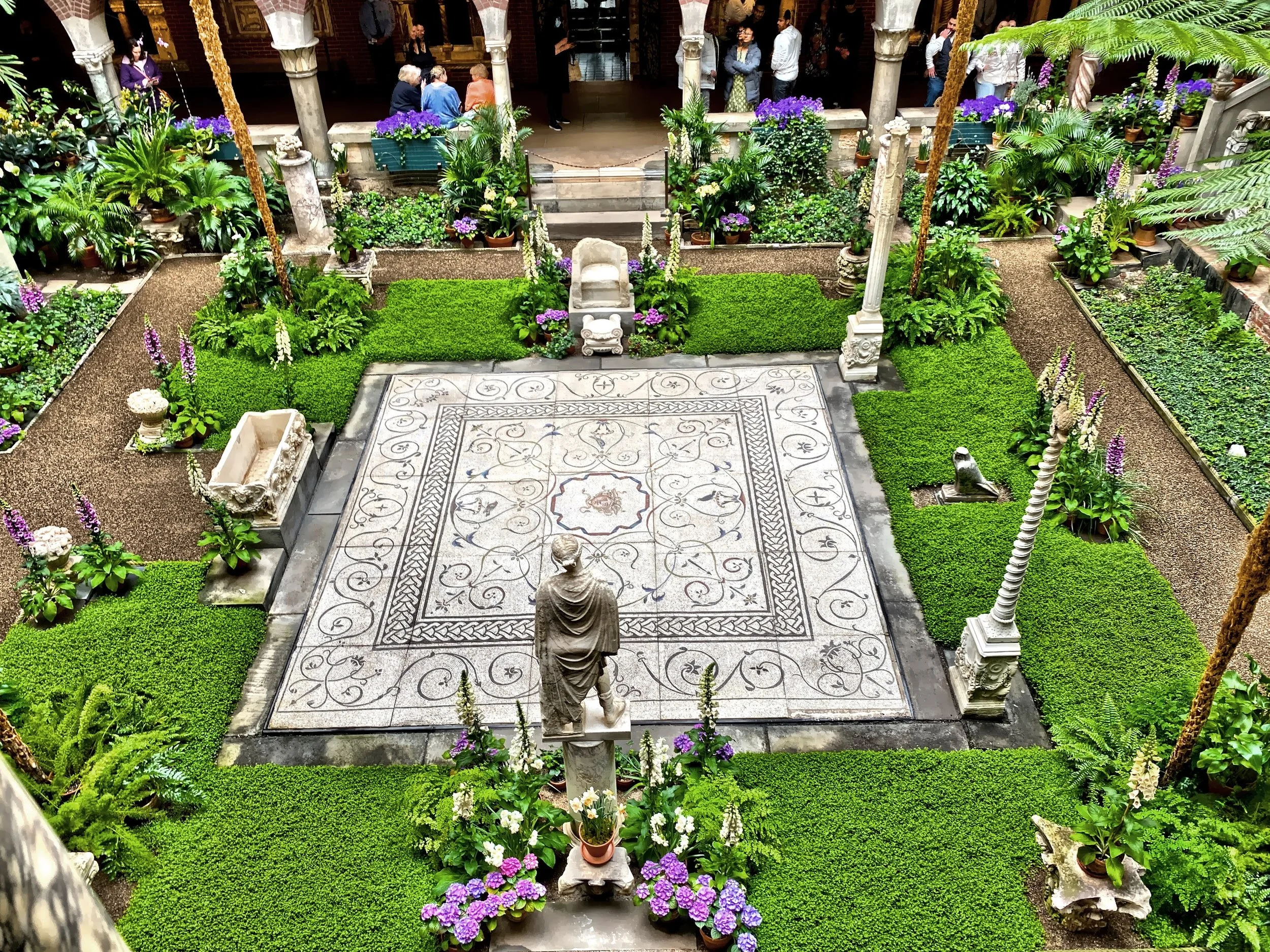
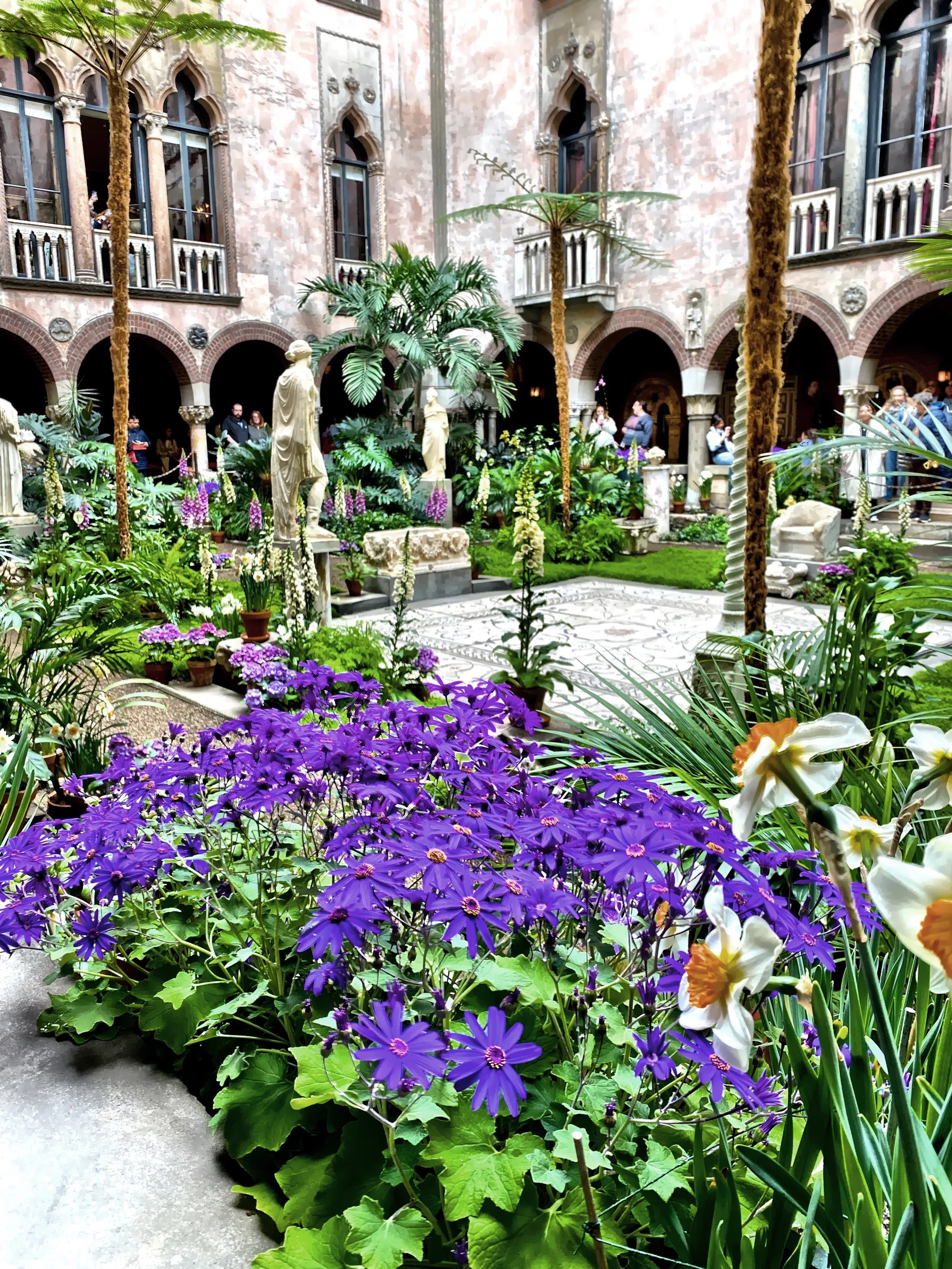
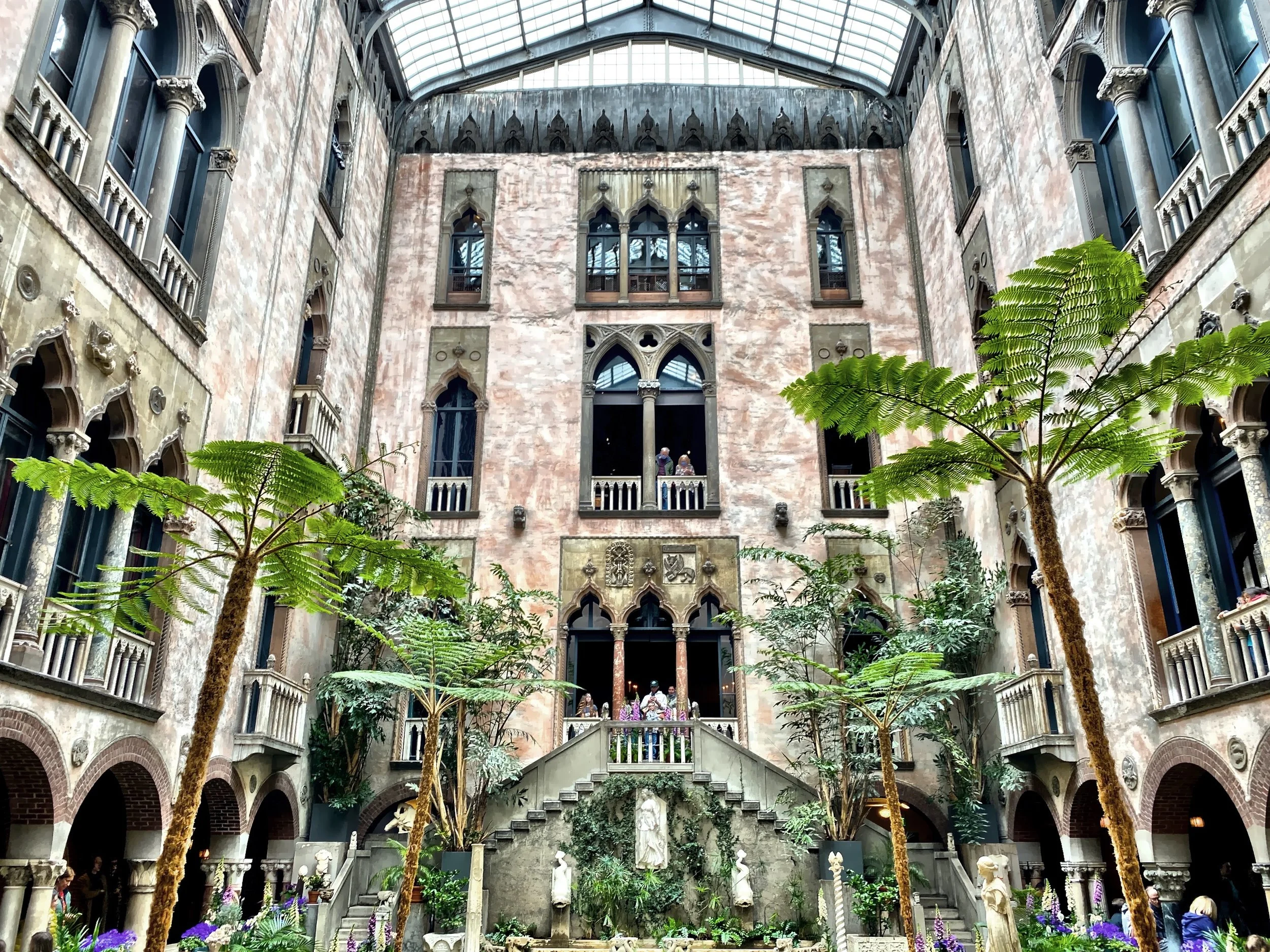
The first floor courtyard with skylight
The galleries were originally lit only by natural light and gas lighting fixtures now electrified.
Do you like the images posted?
Click here to explore the shop.
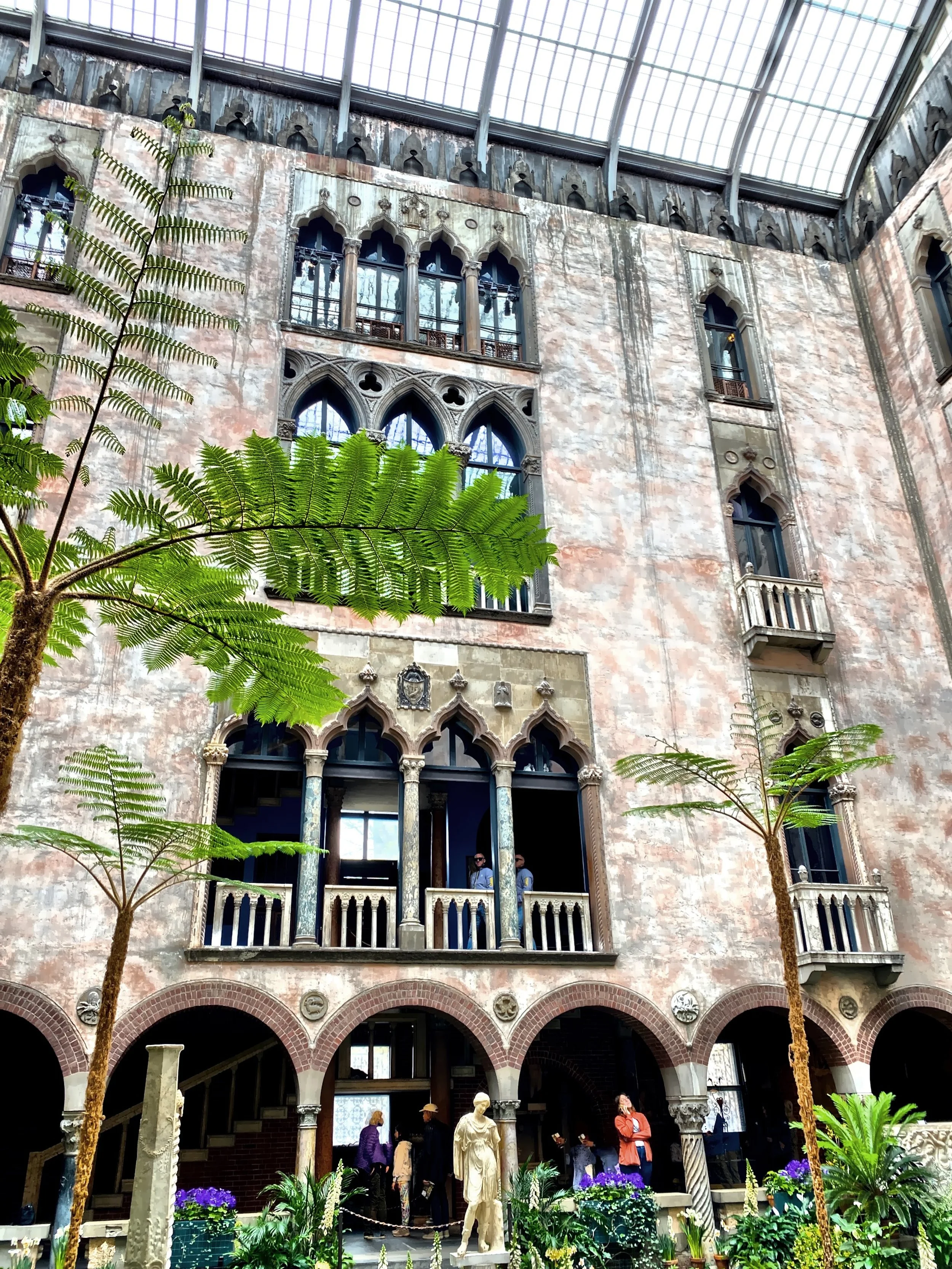
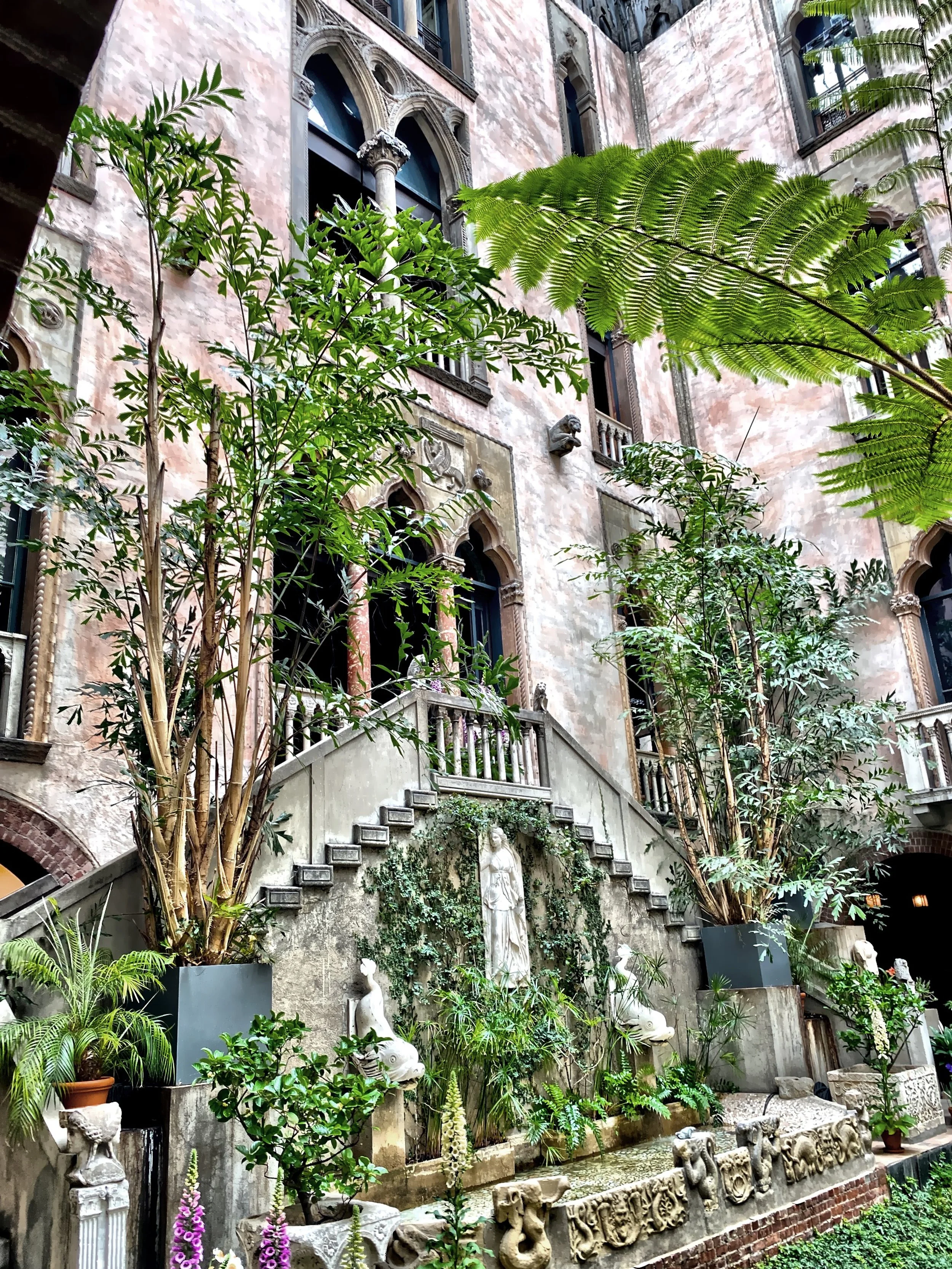
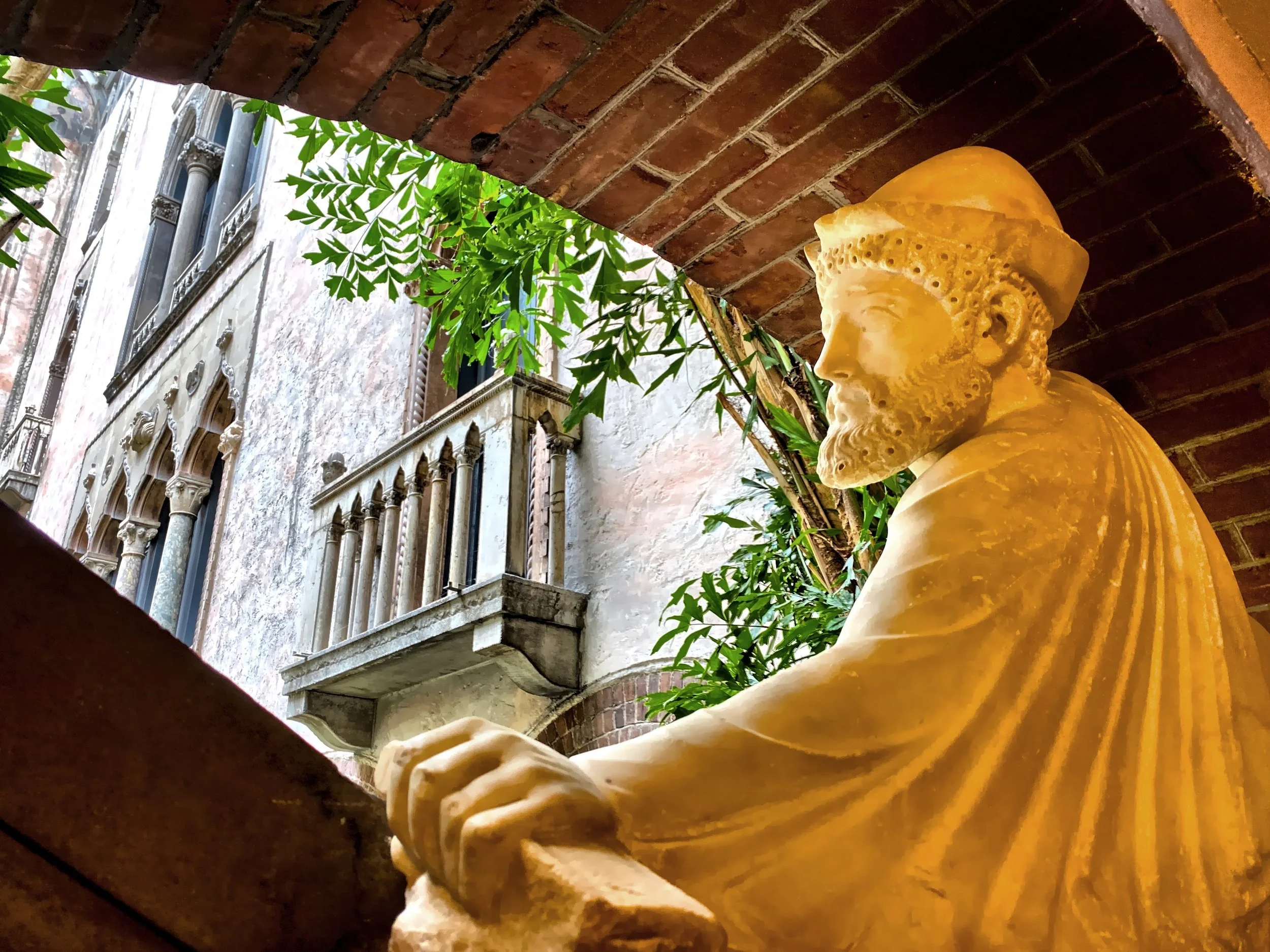
The interior courtyard and building itself are also works of art.
.
.
The collection is made up of over 3,500 items
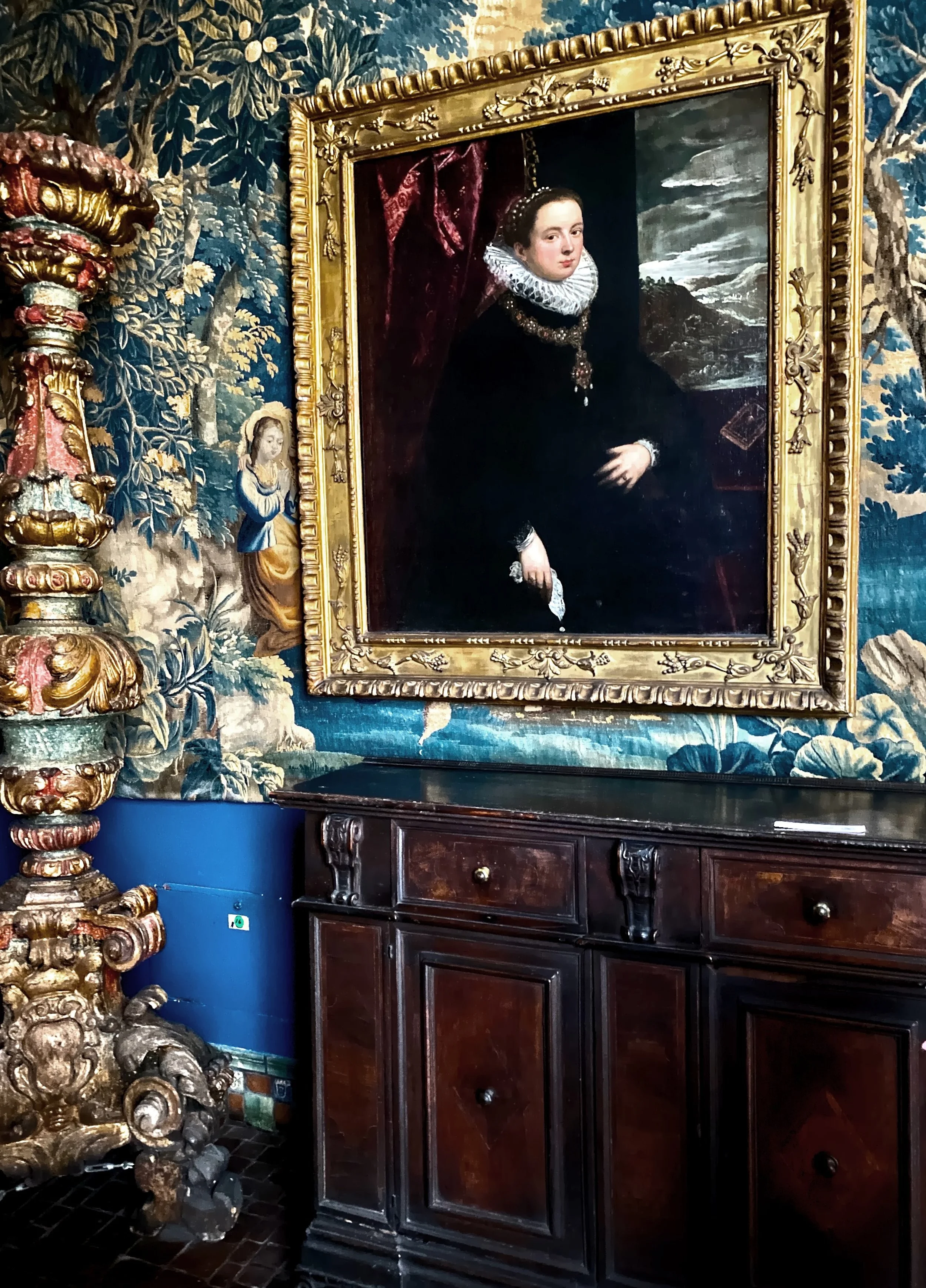
The Portrait of a Lady in Black by Domenico Tintoretto at the top of the stairs on the third floor.
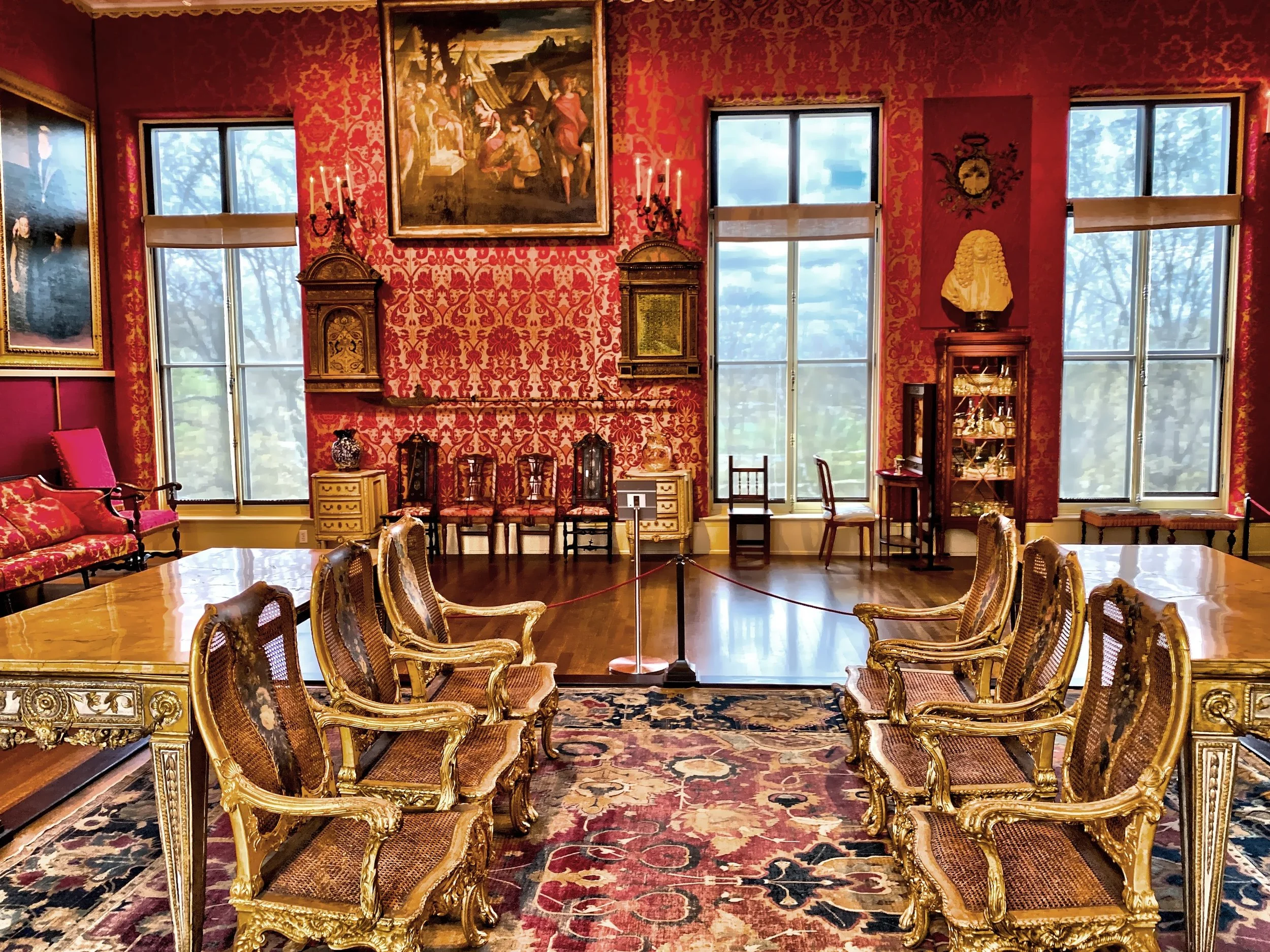
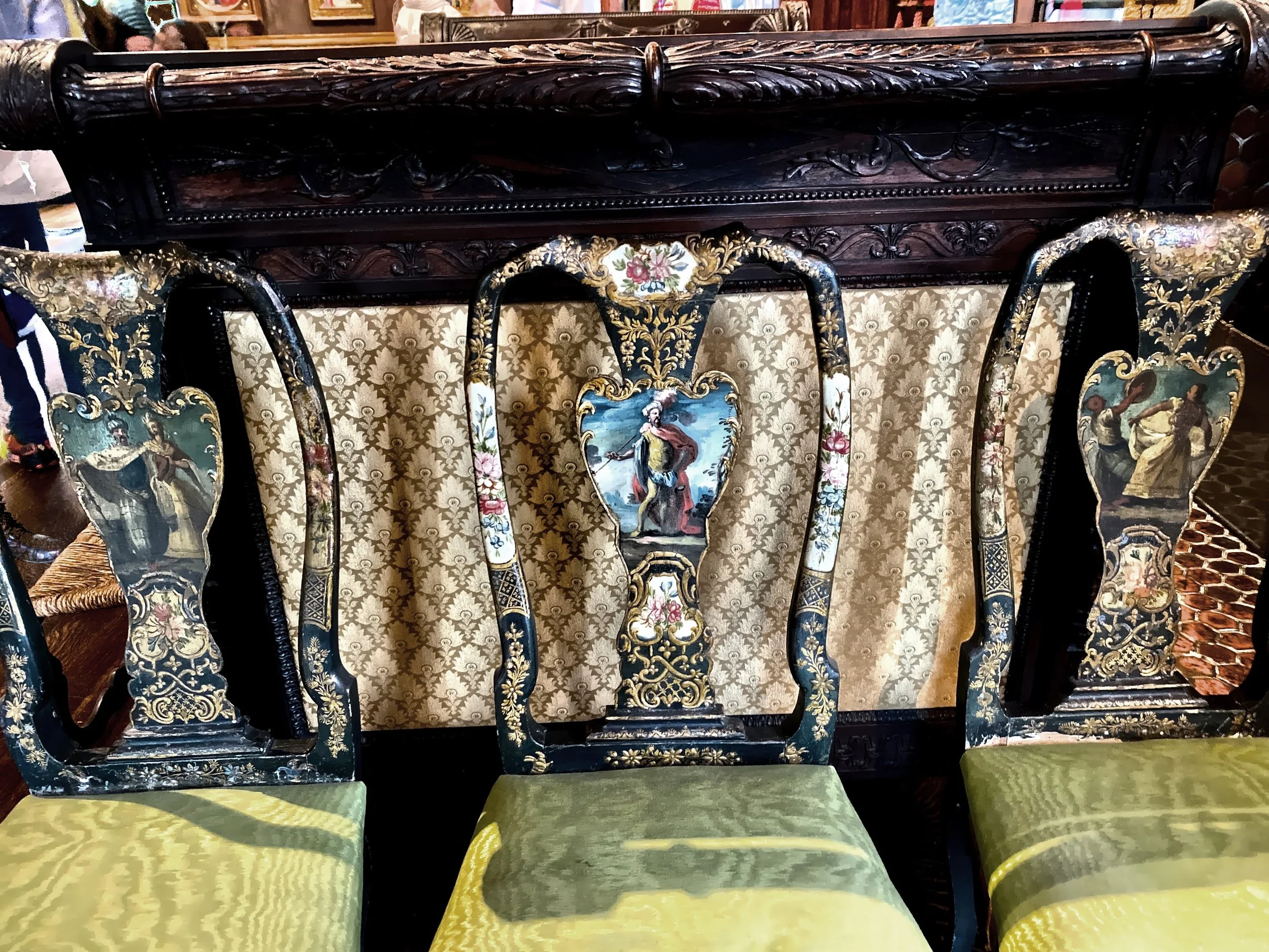
These six finely carved and gilded chairs made for the Borghese Palace in Rome, are in the Titan Room.
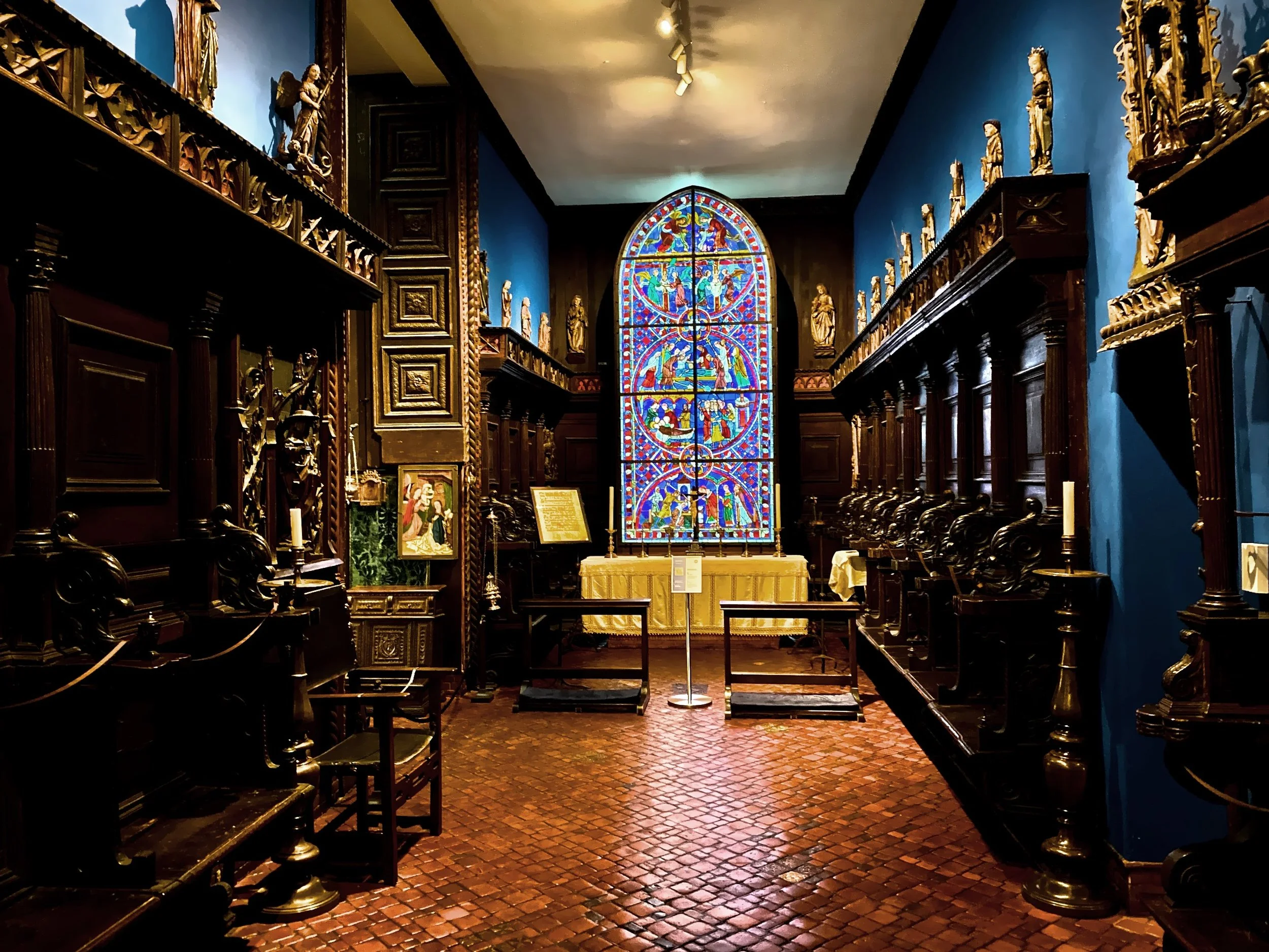
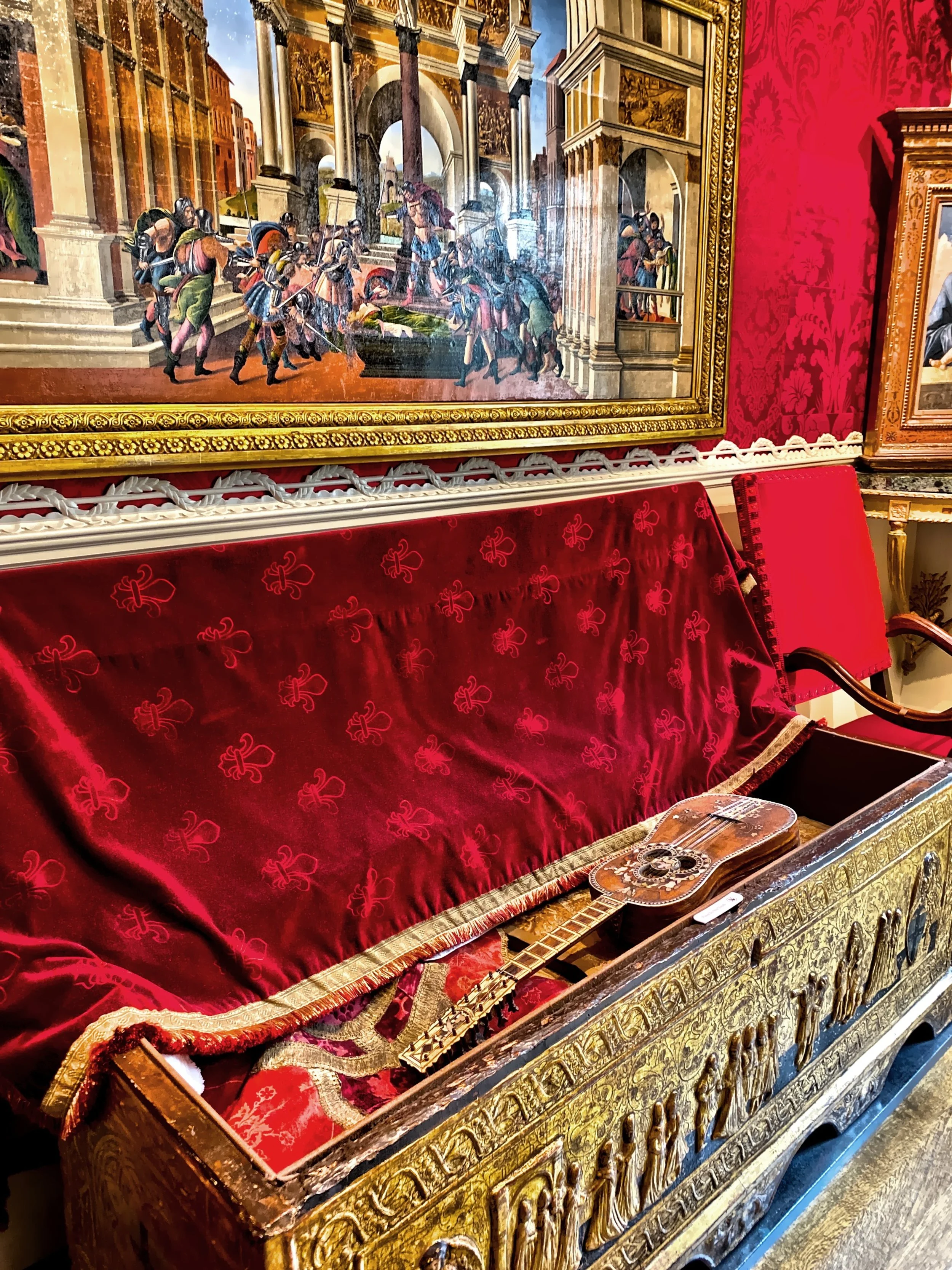
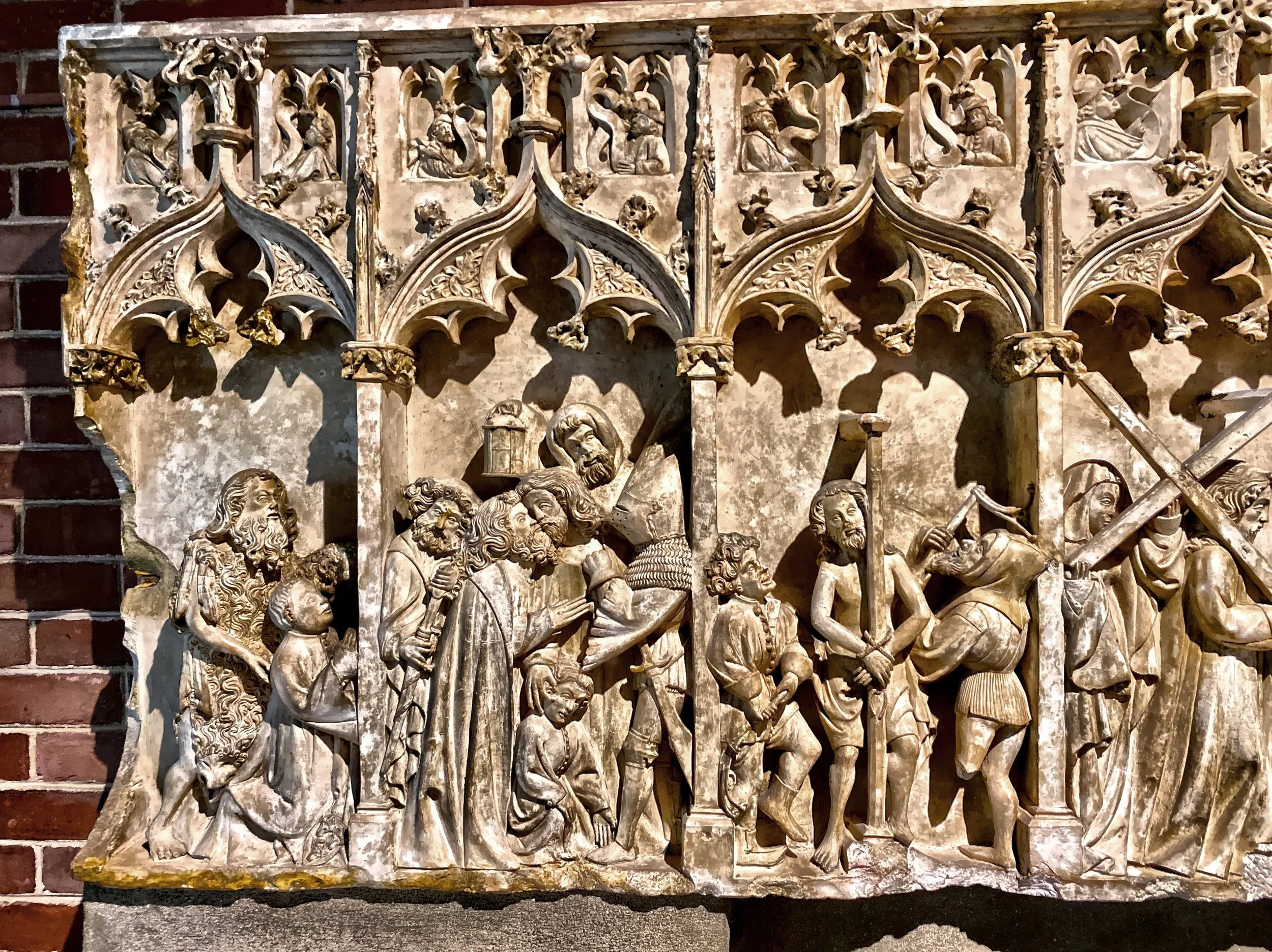
Deeply religious, Isabella installed many different items from different religions in the Long Gallery
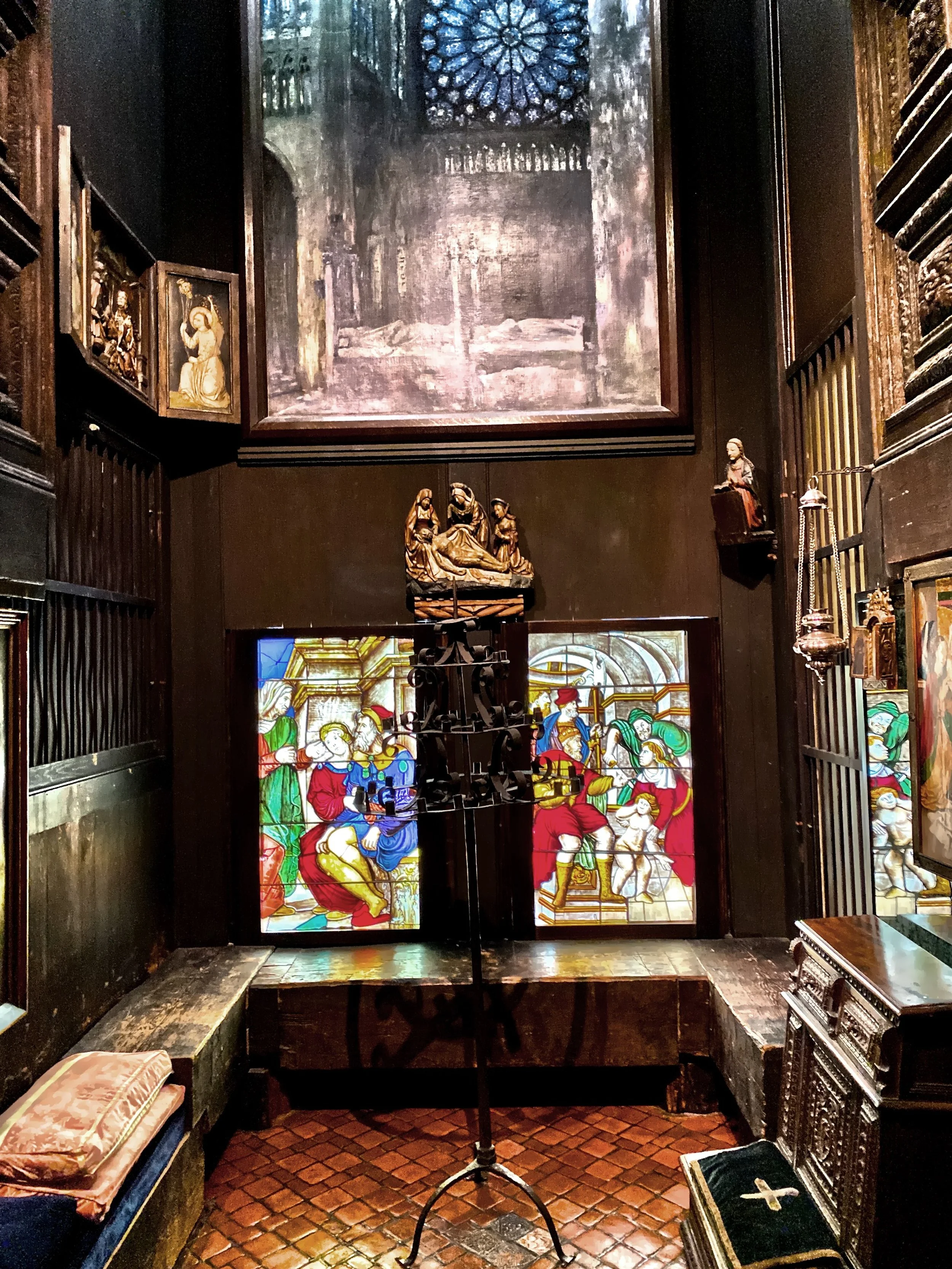
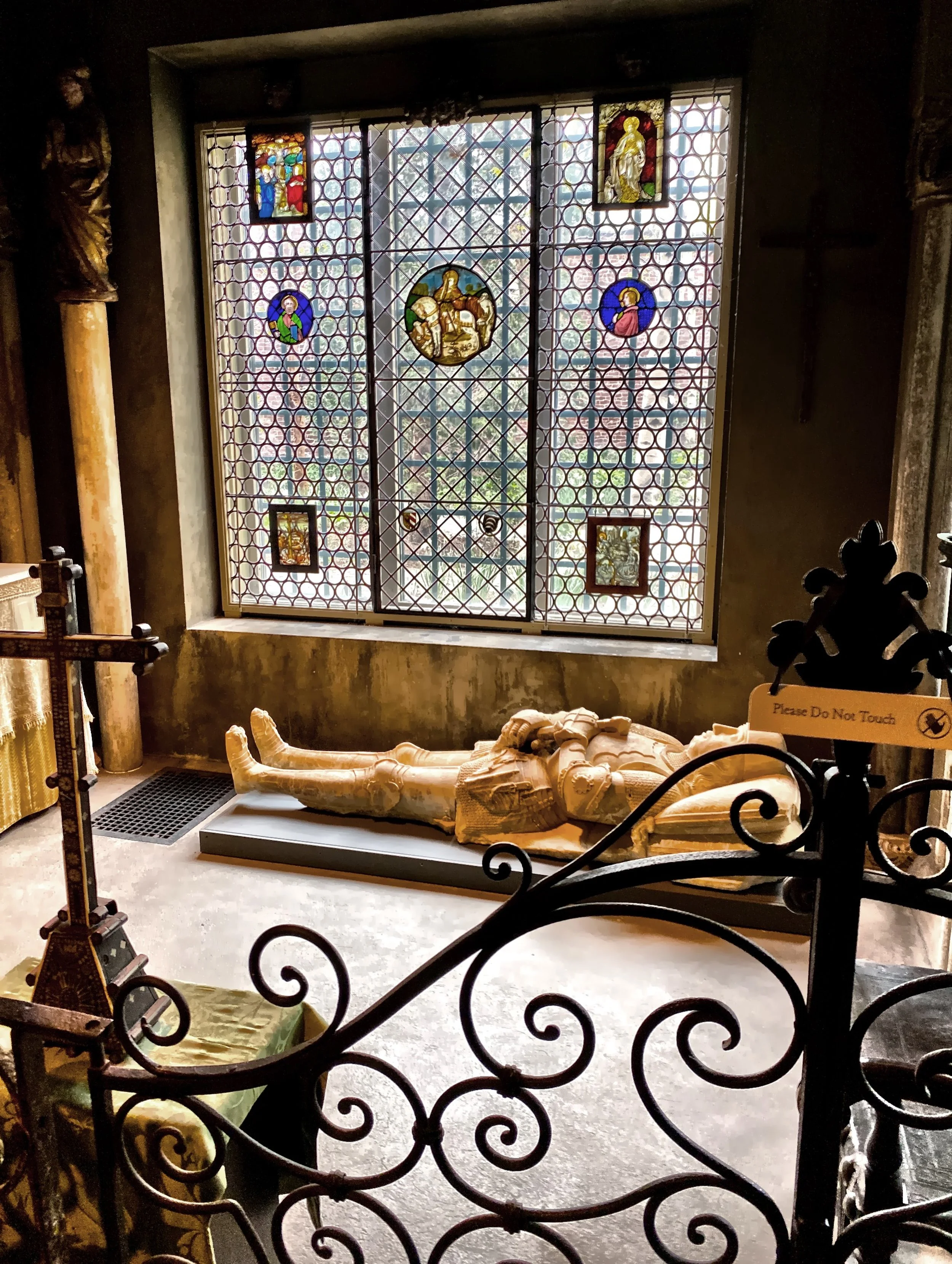
The Chapel
.
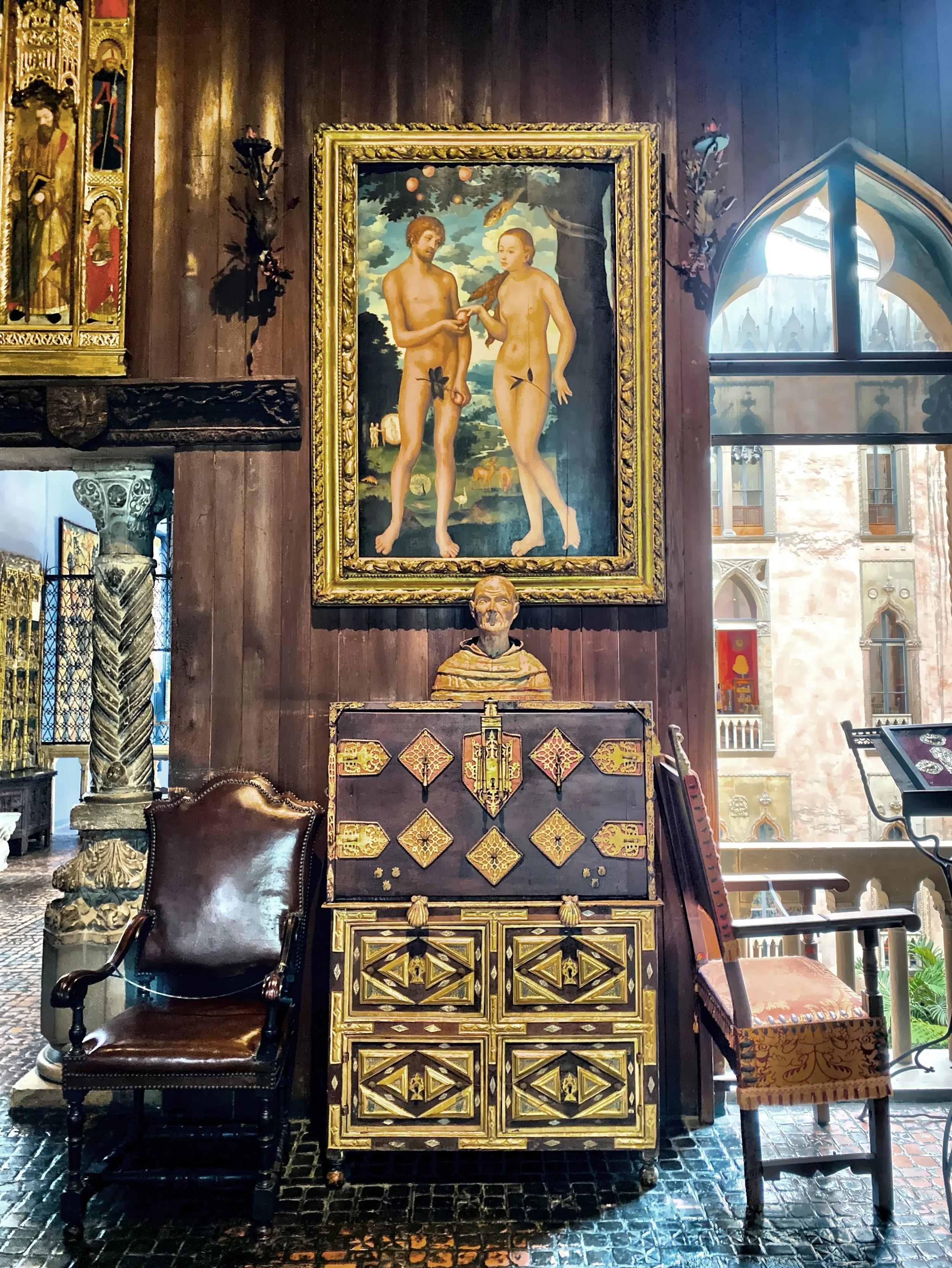
The 16th century Adam and Eve by Lucas Cranach hangs in The Gothic Room
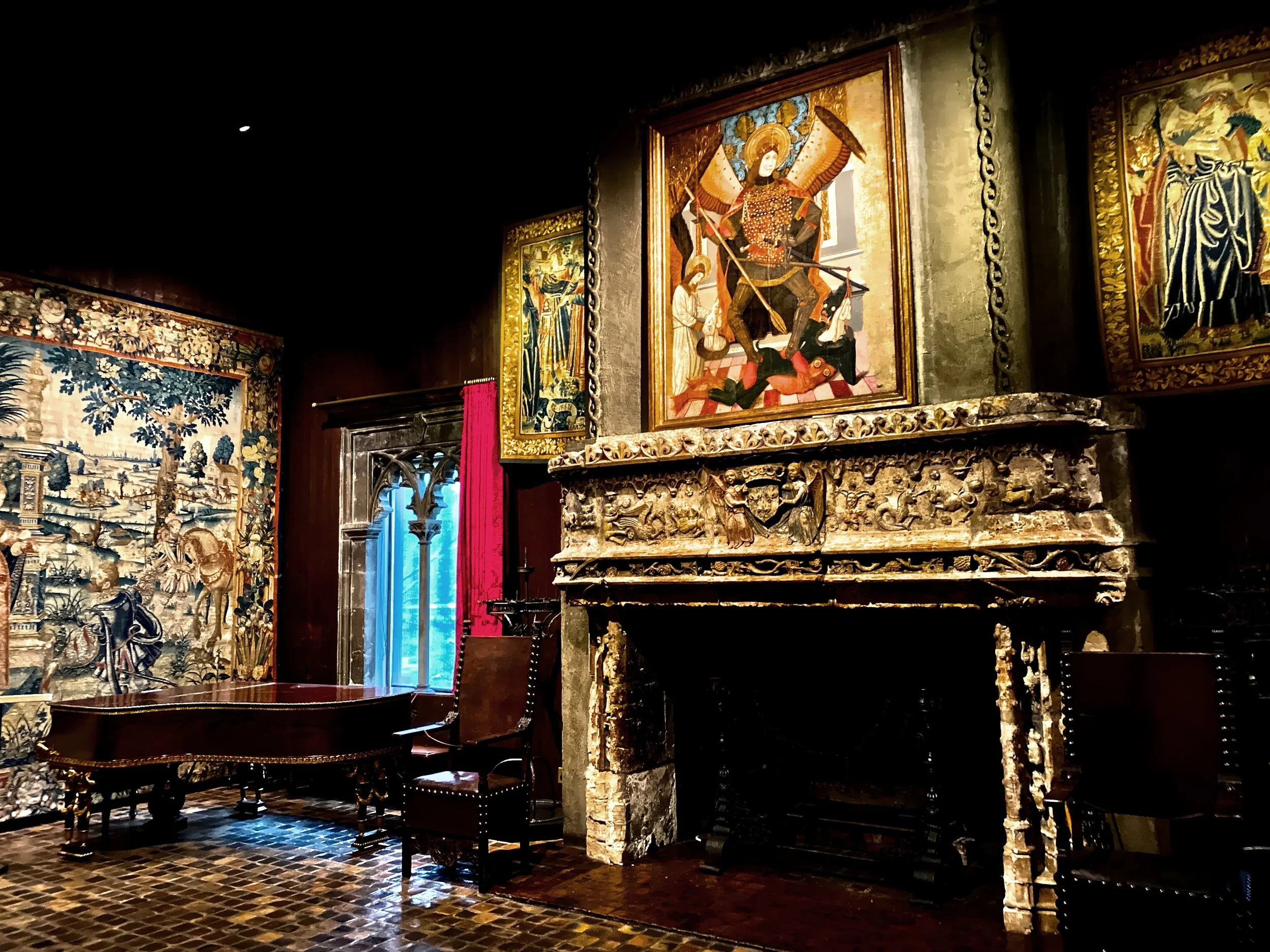
The Gothic Room was not open to the public during Isabella’s lifetime, it served as a private refuge for Isabella a few very close friends.
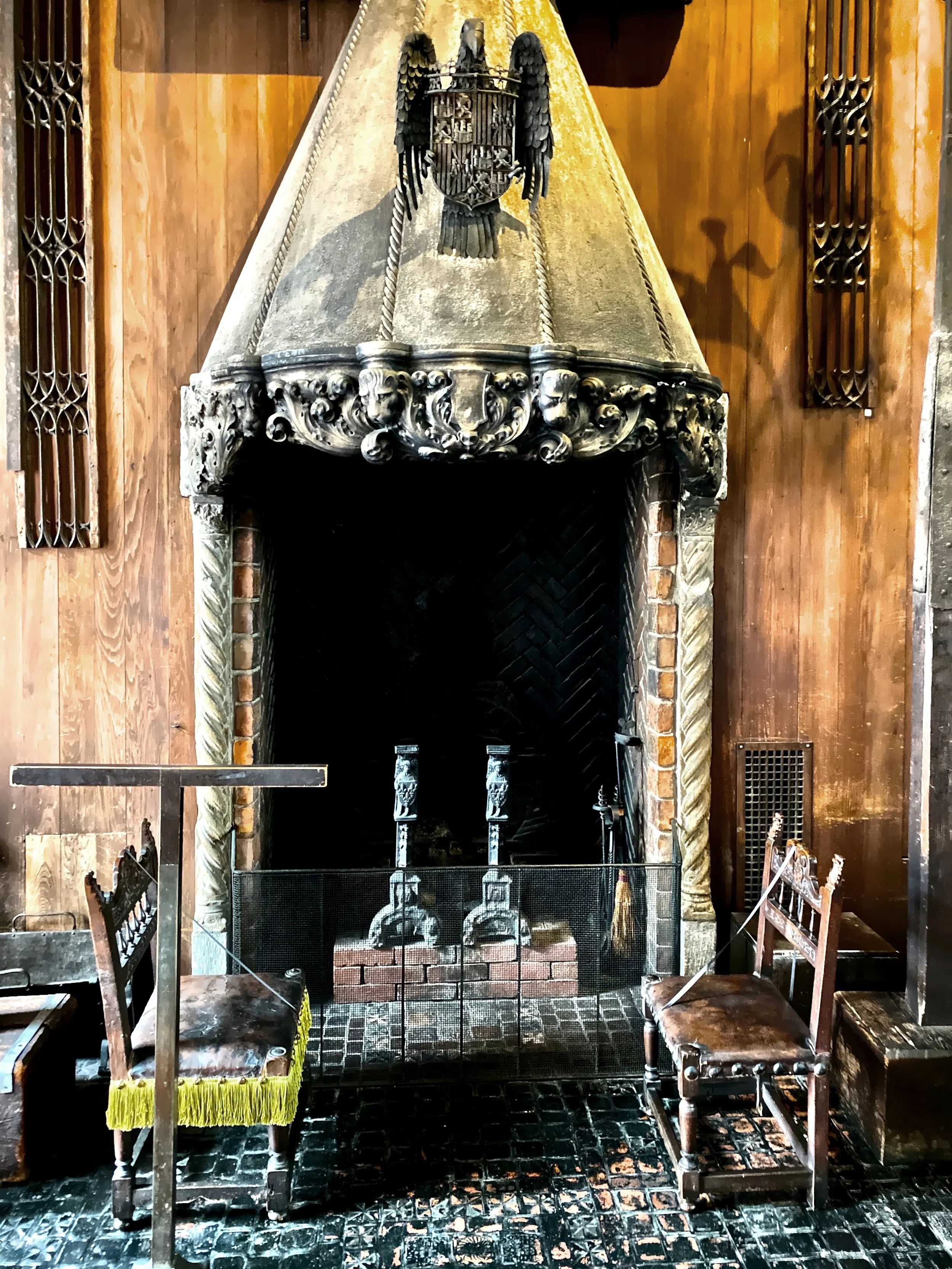
The Gothic Room fireplace
The Long Gallery
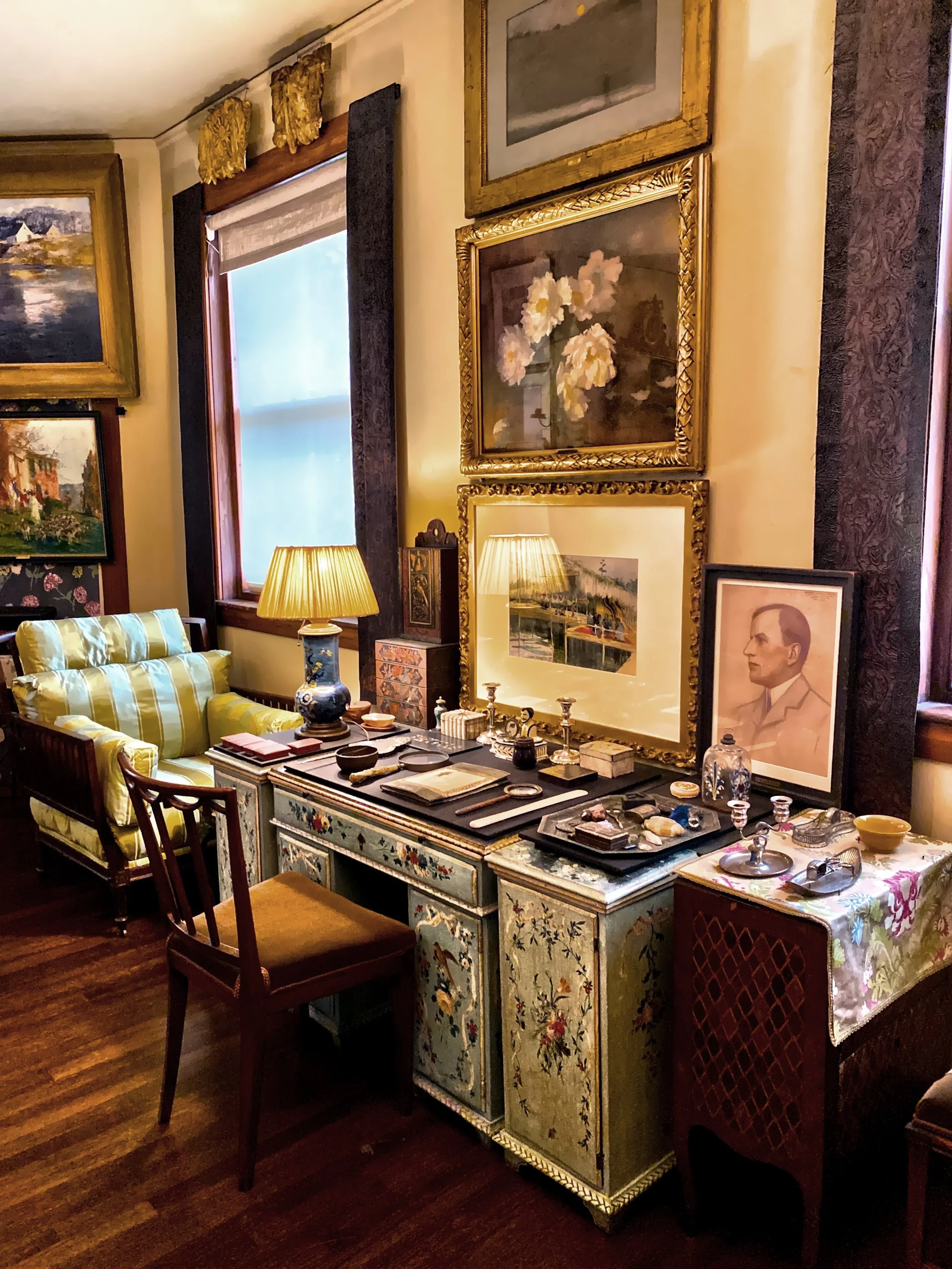
The galleries are all highly personal and atmospheric
The Long Gallery
The Tapestry Room
In the Short Gallery with the painting Isabella in Venice on display
As you move through each gallery room, it almost feels like you are a visitor in someone’s home.
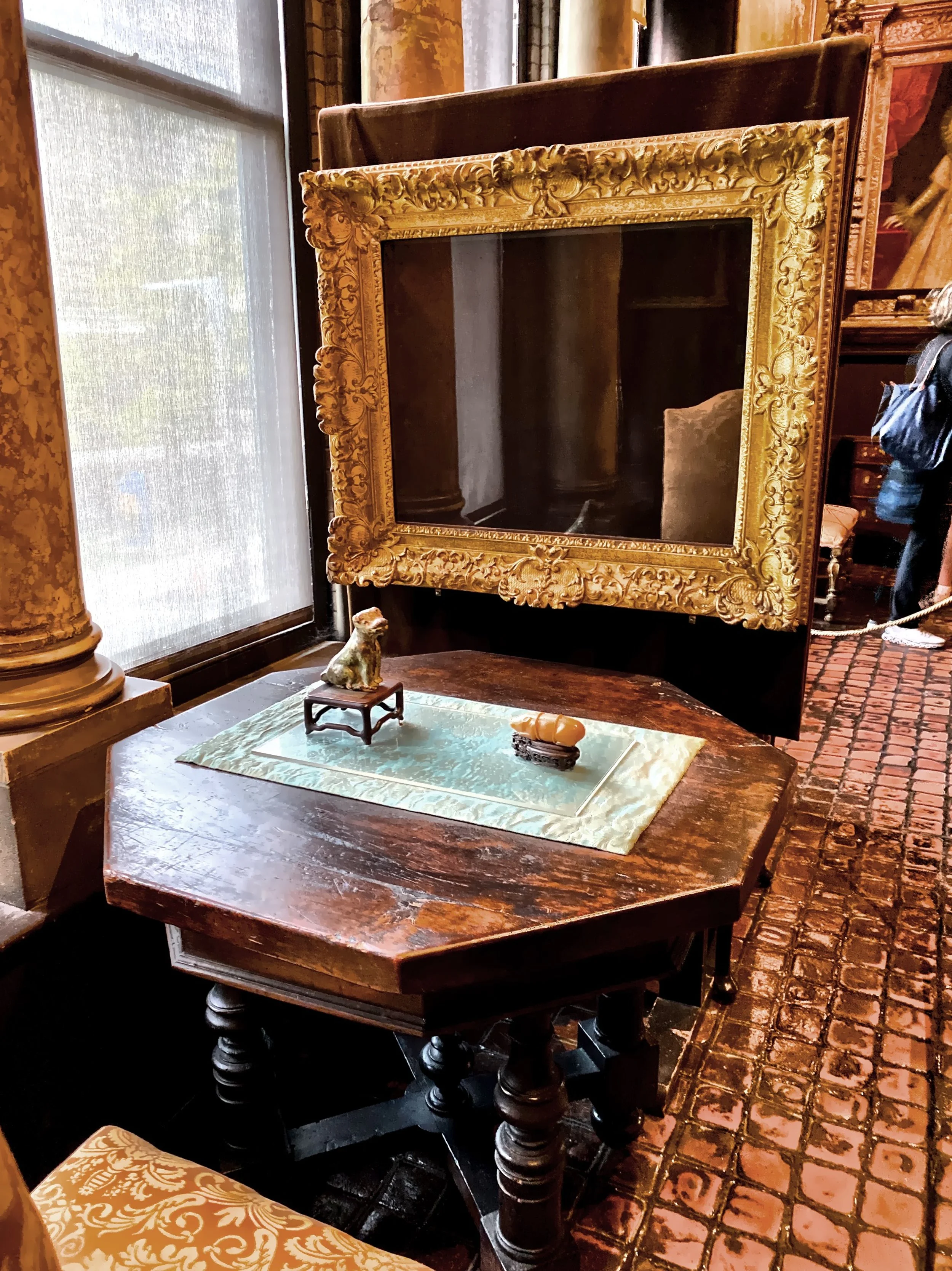
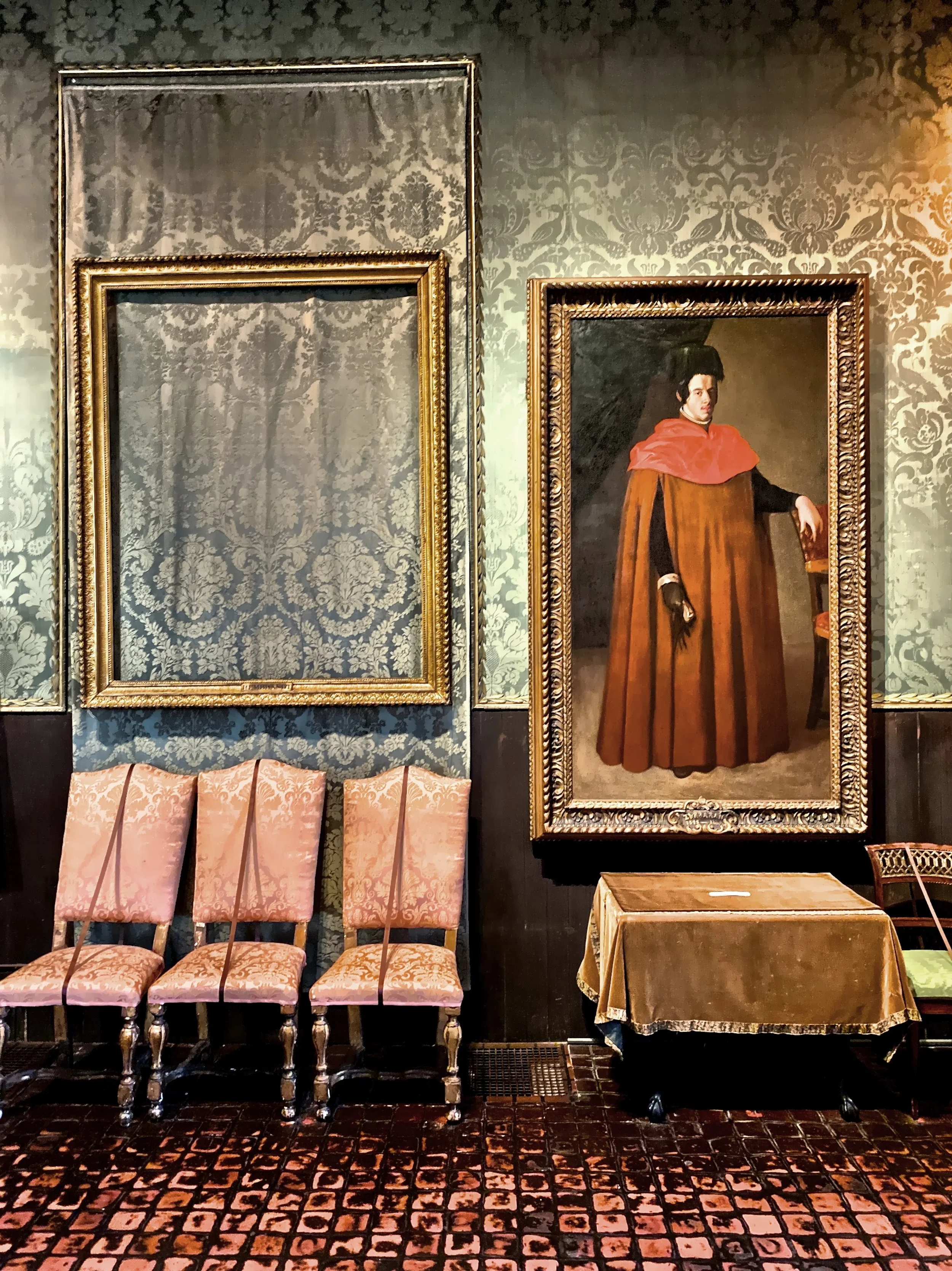
An empty frame on display in the Dutch Room is just one of thirteen empty frames handing where works were stolen in 1990. To this day the crime remains unsolved.
Another empty frame in the Dutch Room. The thirteen works were valued at $500 million dollars and a $10 million reward for information leading to the art’s recovery is still in places.
The mosaic tile floor in the courtyard is said to be from 117-138 AD, an it was purchased back in 1897.
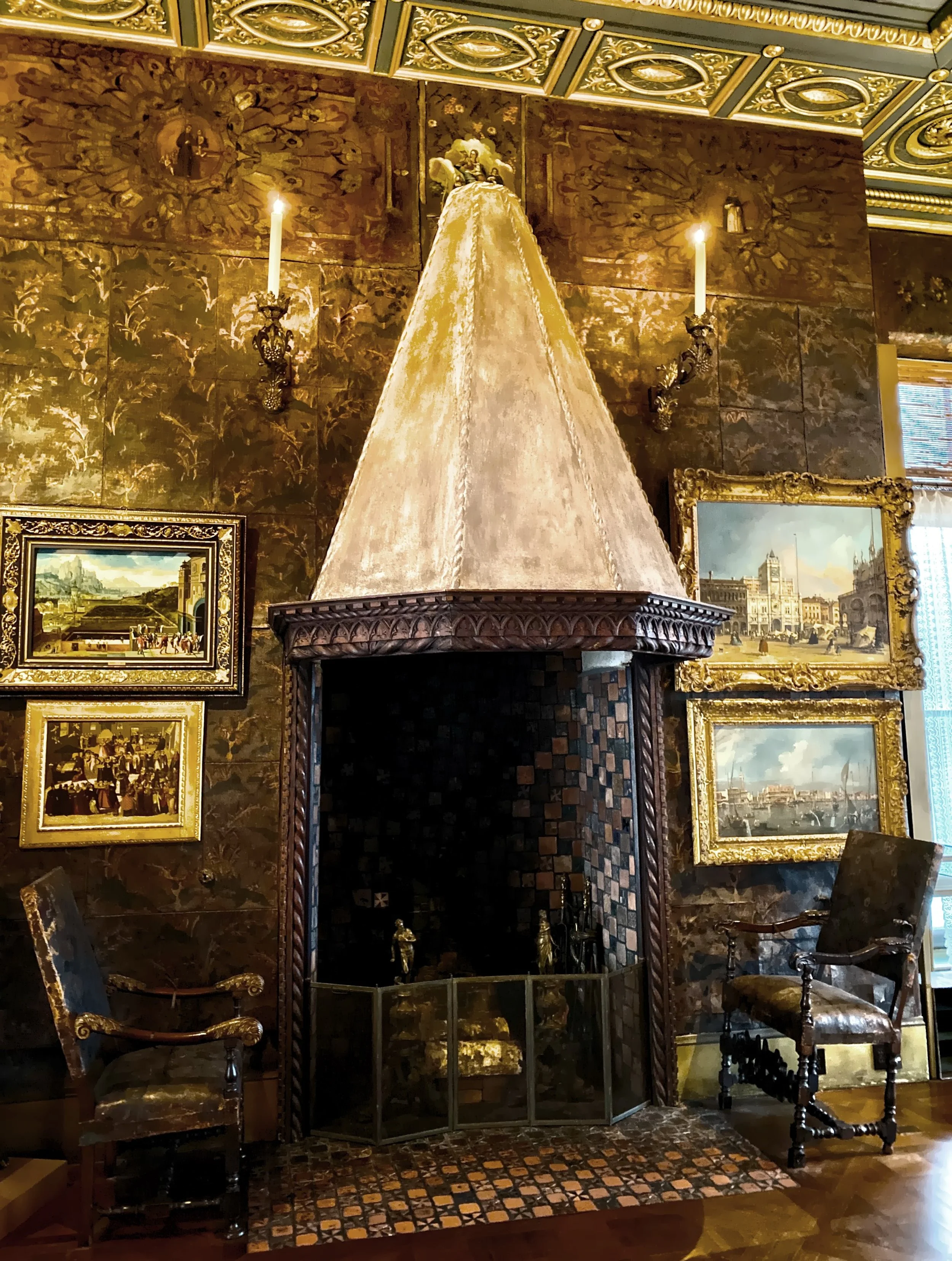
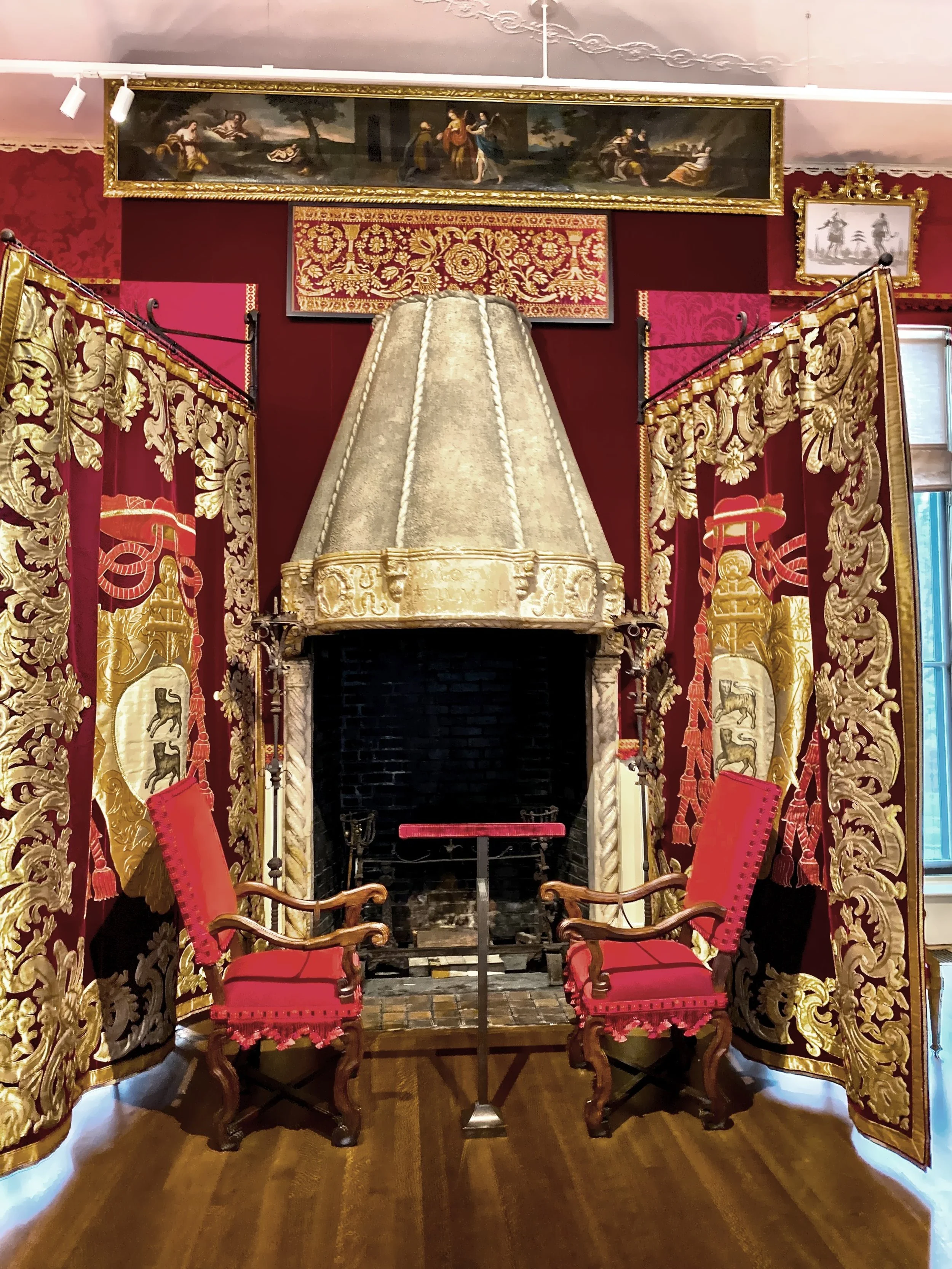
The Venitian-style fireplace in the Raphael Room
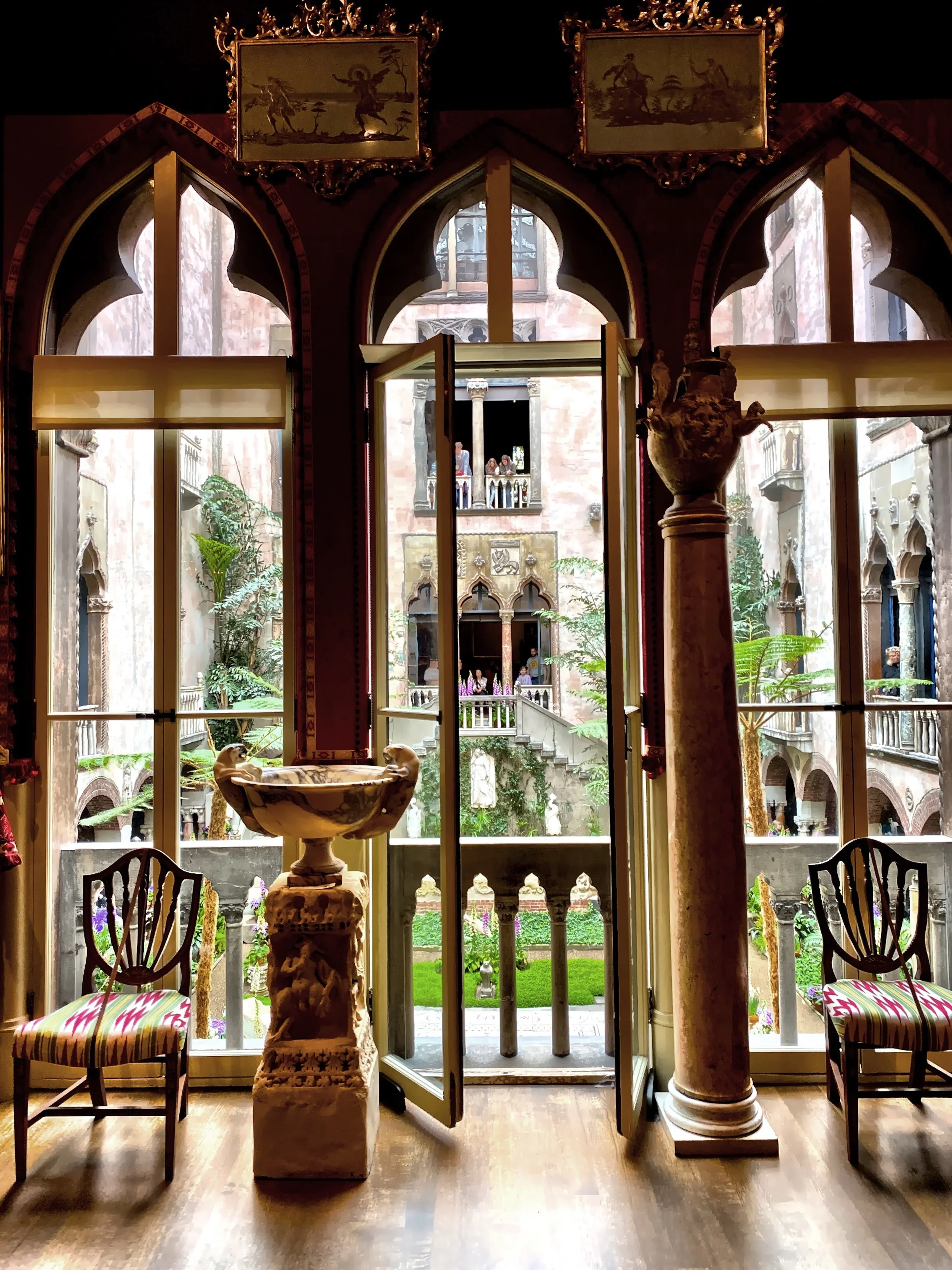
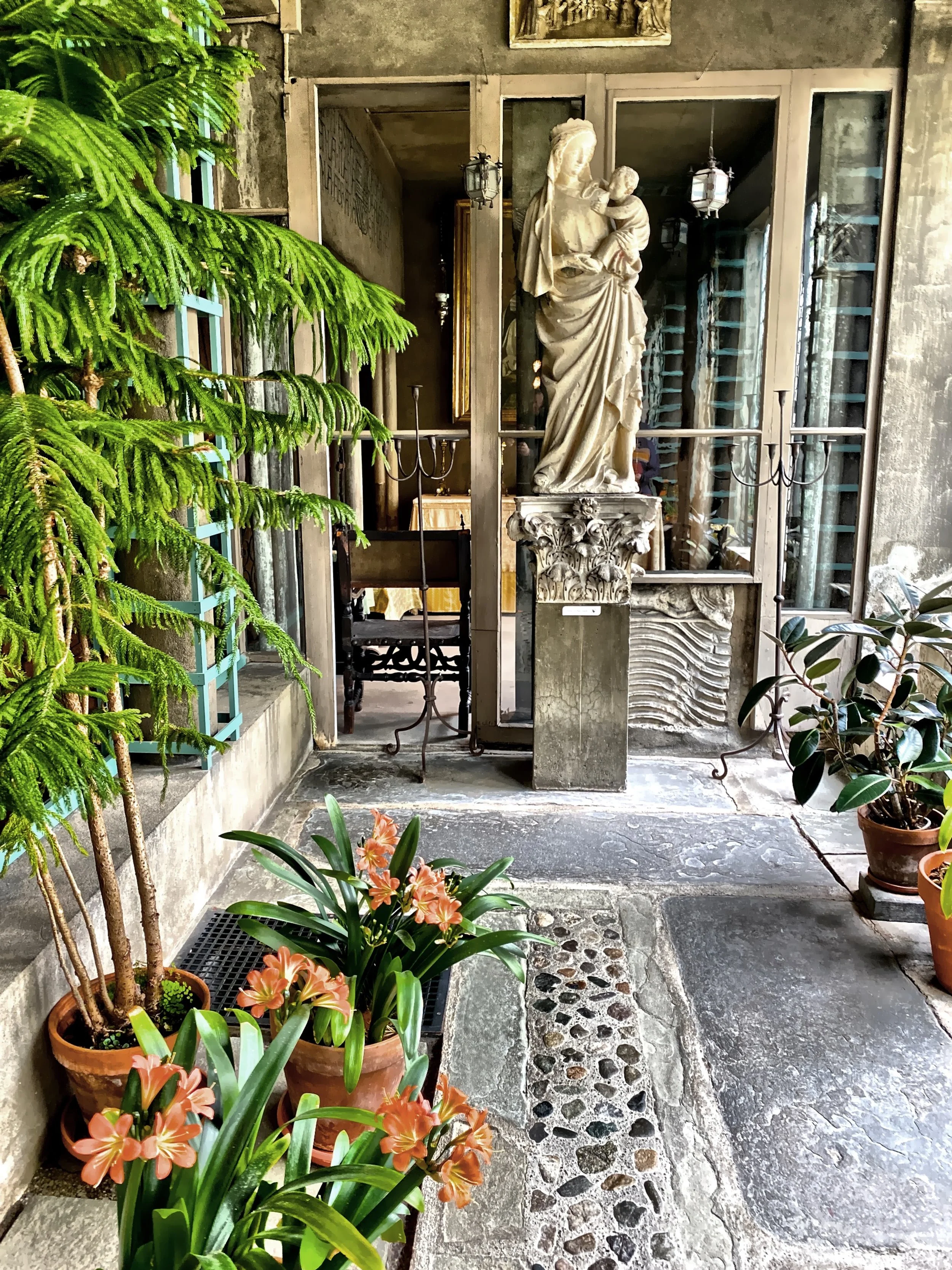
The doors looking out onto the courtyard from the Venetian Room
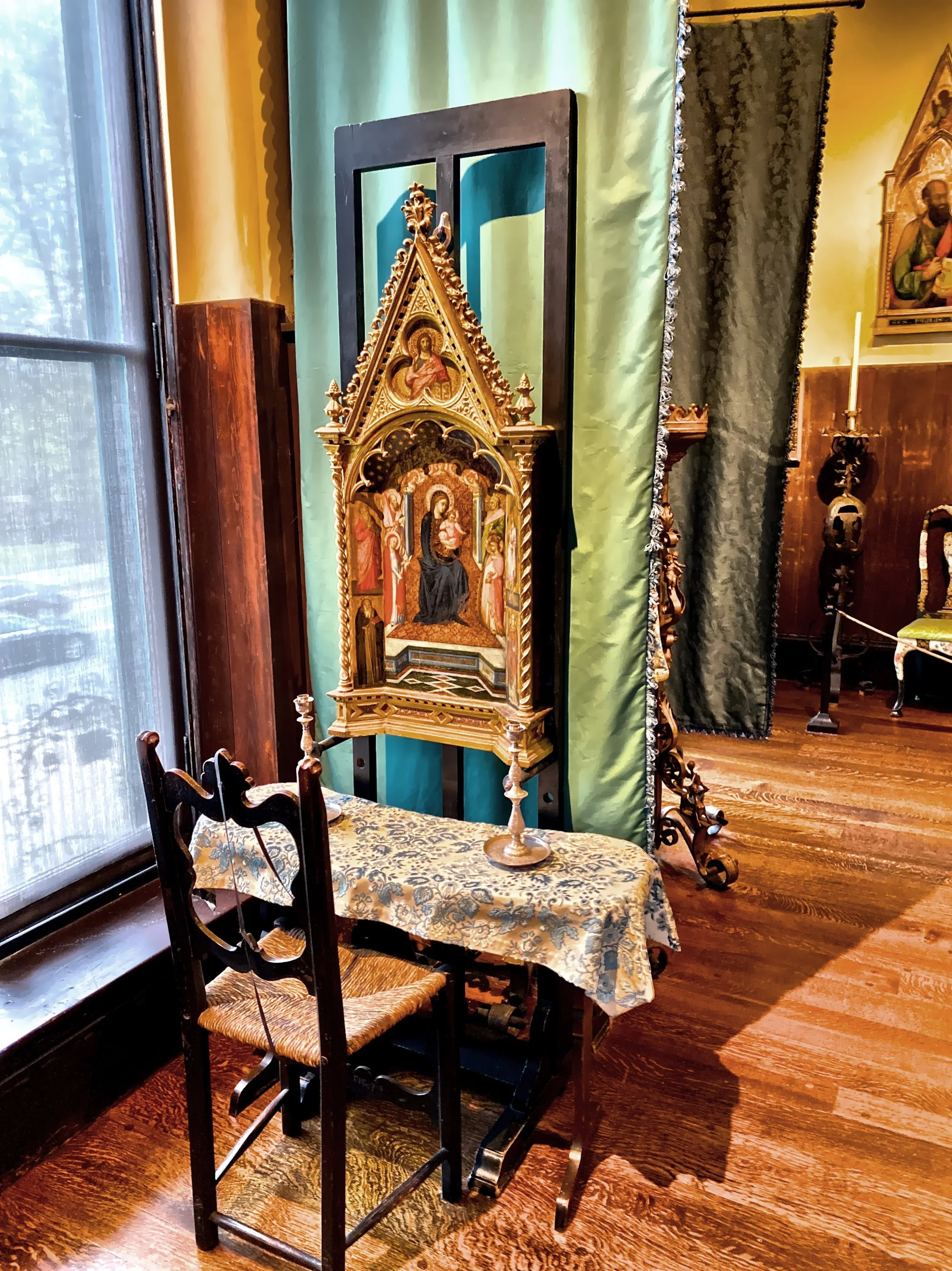
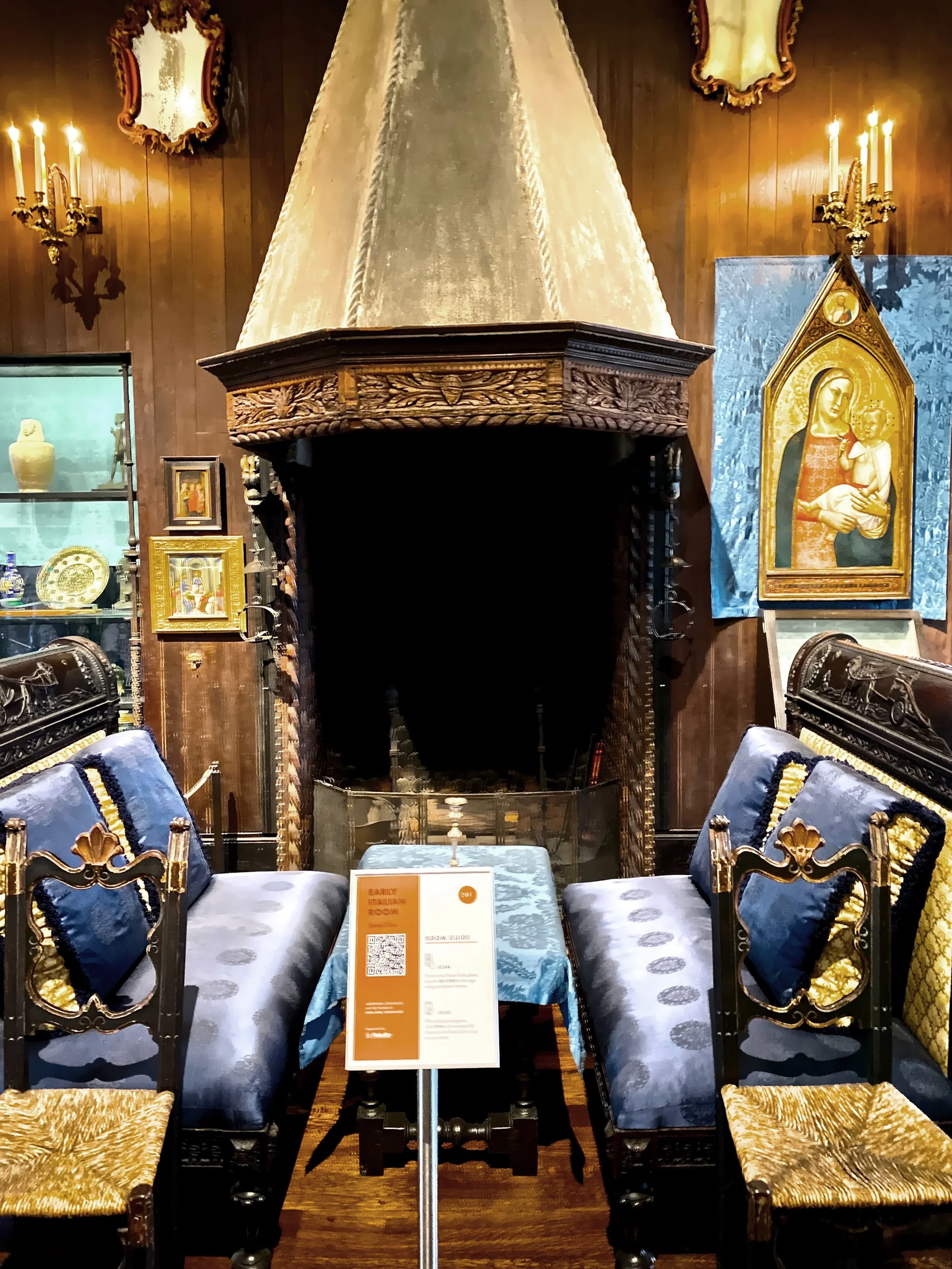
The Early Italian Room
.
The Early Italian Room
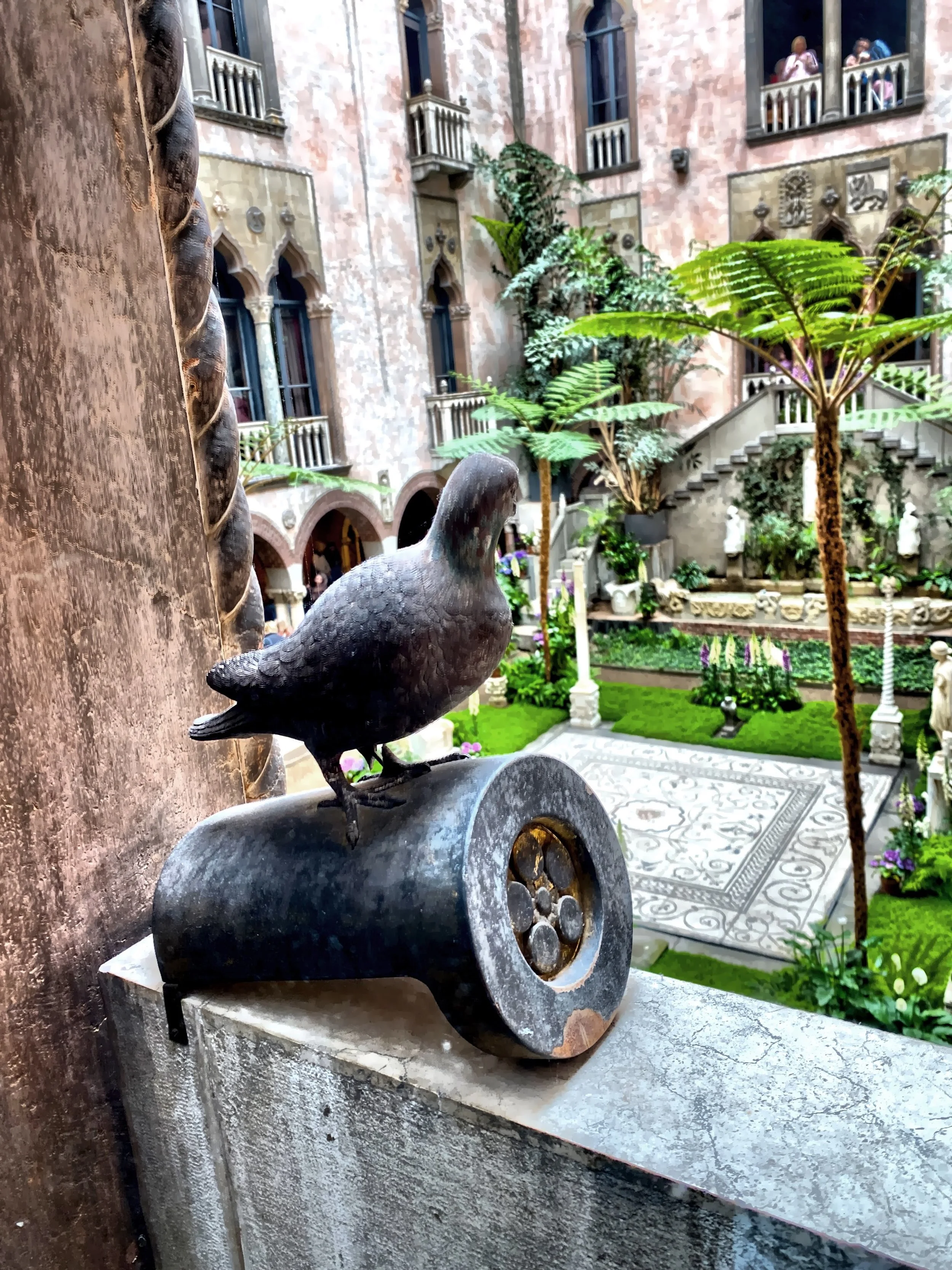
A bird’s eye view
The skylights allow the courtyard plants to be in bloom all year long.
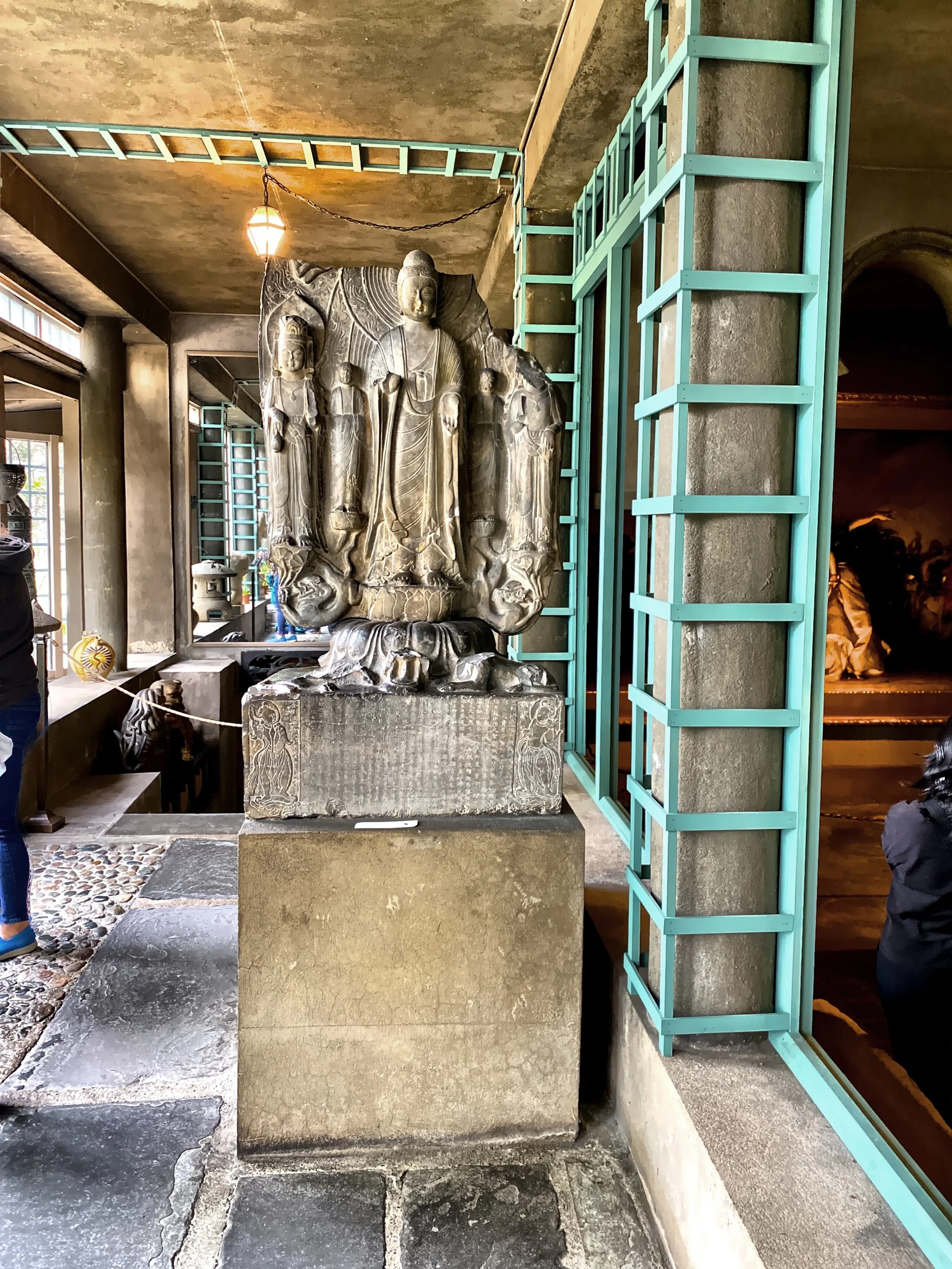
This passage way displays Asian art
Looking into the courtyard from behind the fountain
In the East Cloister
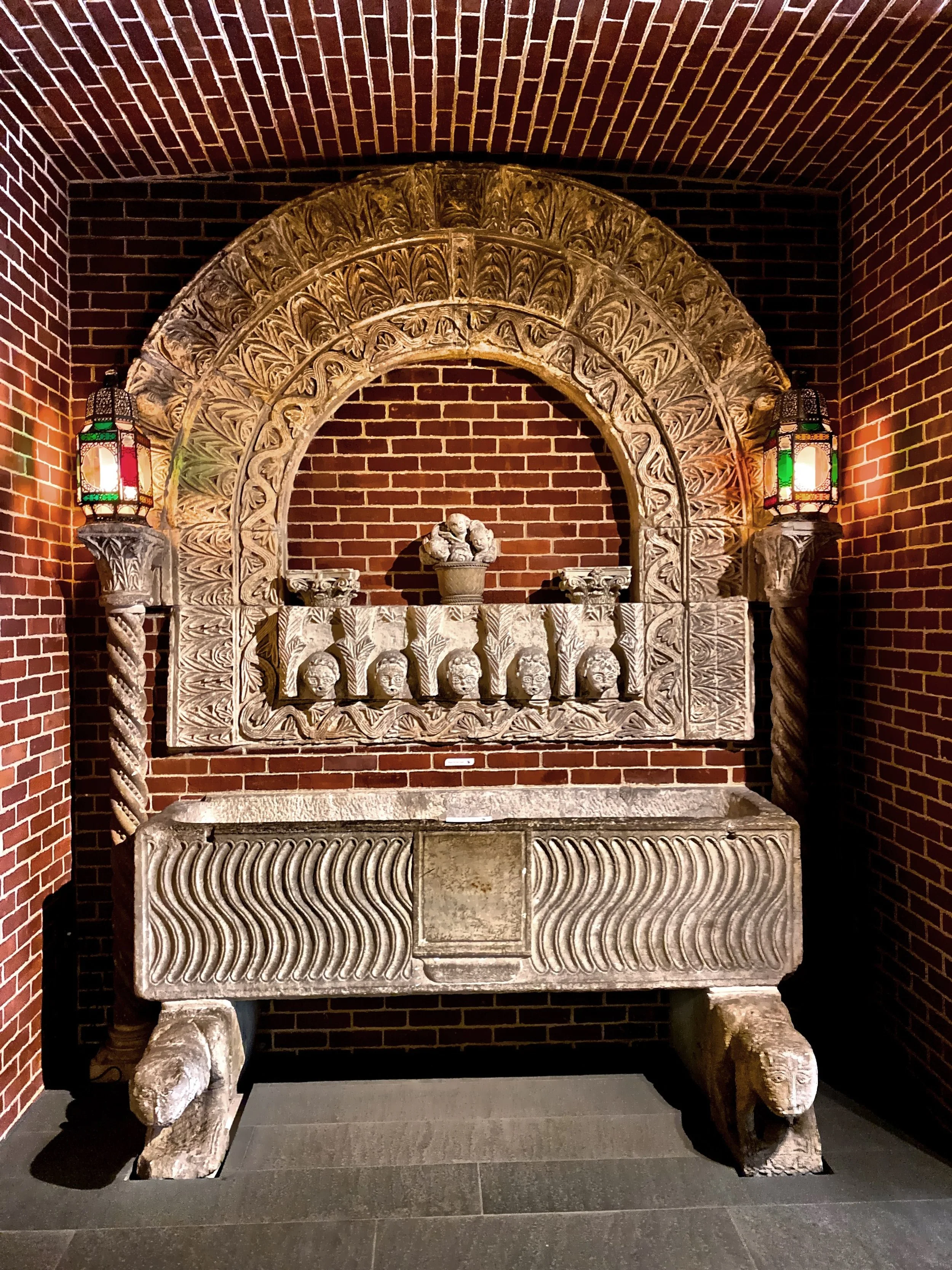
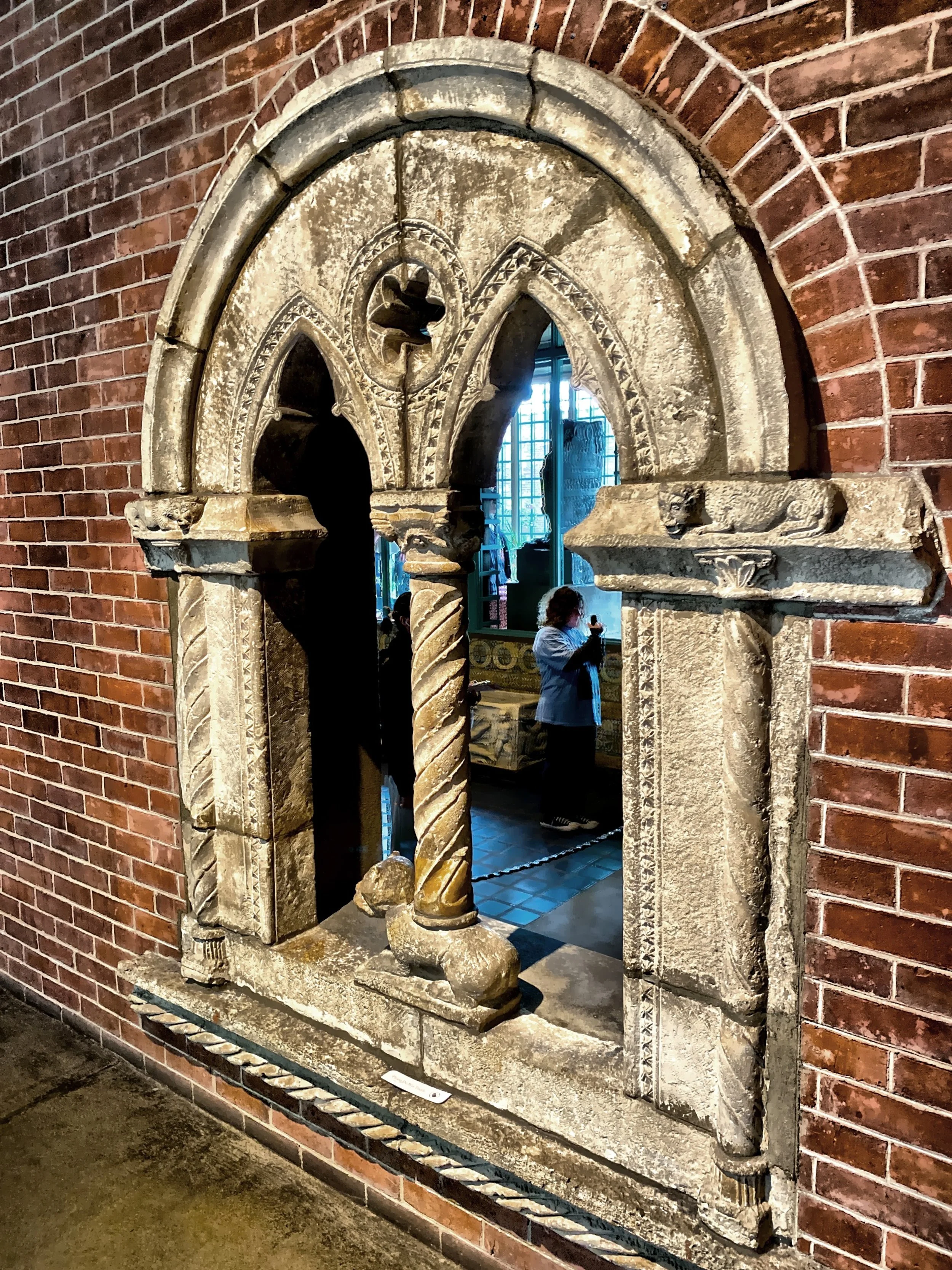
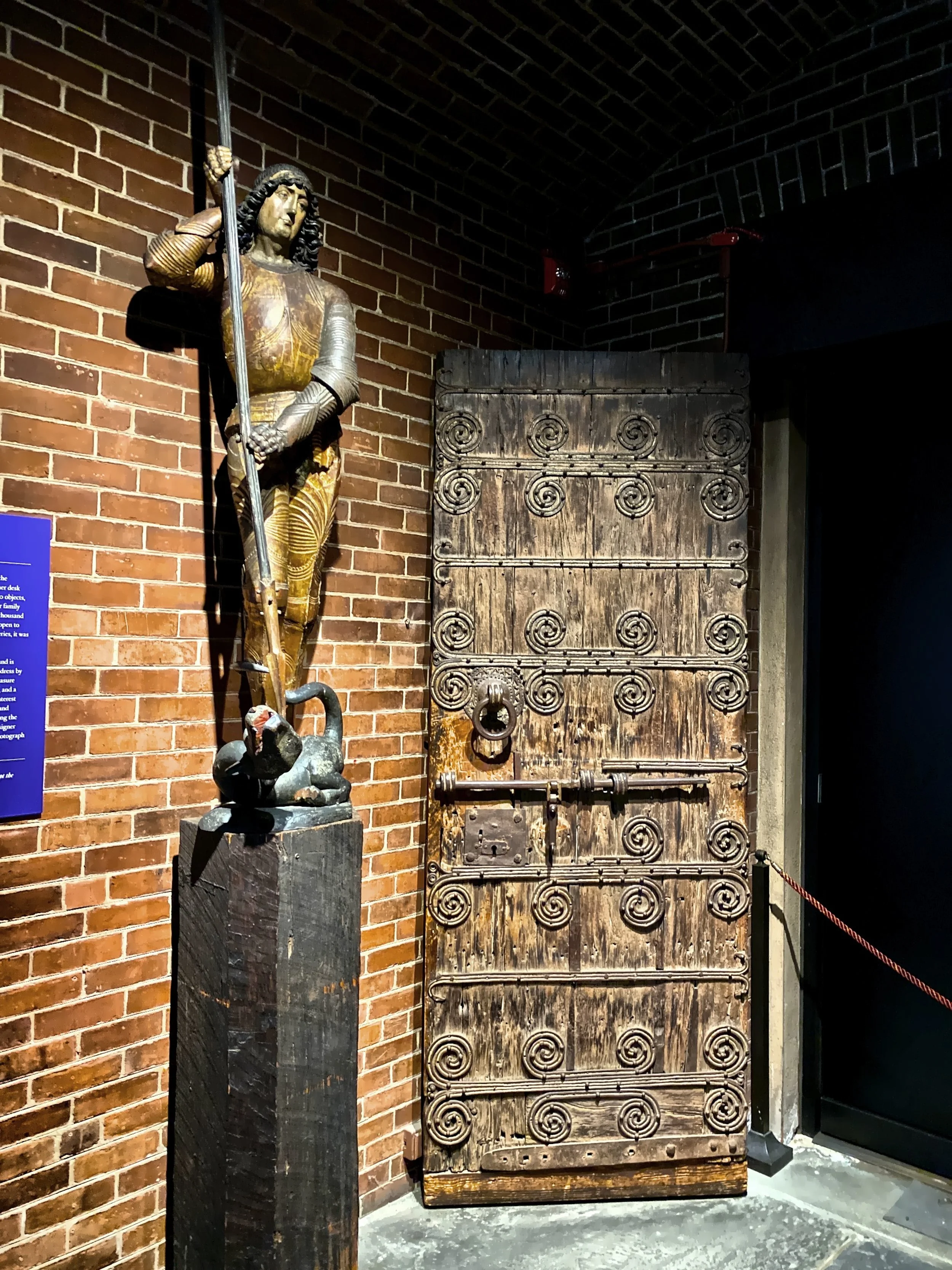
Her art collecting also include architectural items incorporated into the building itself.
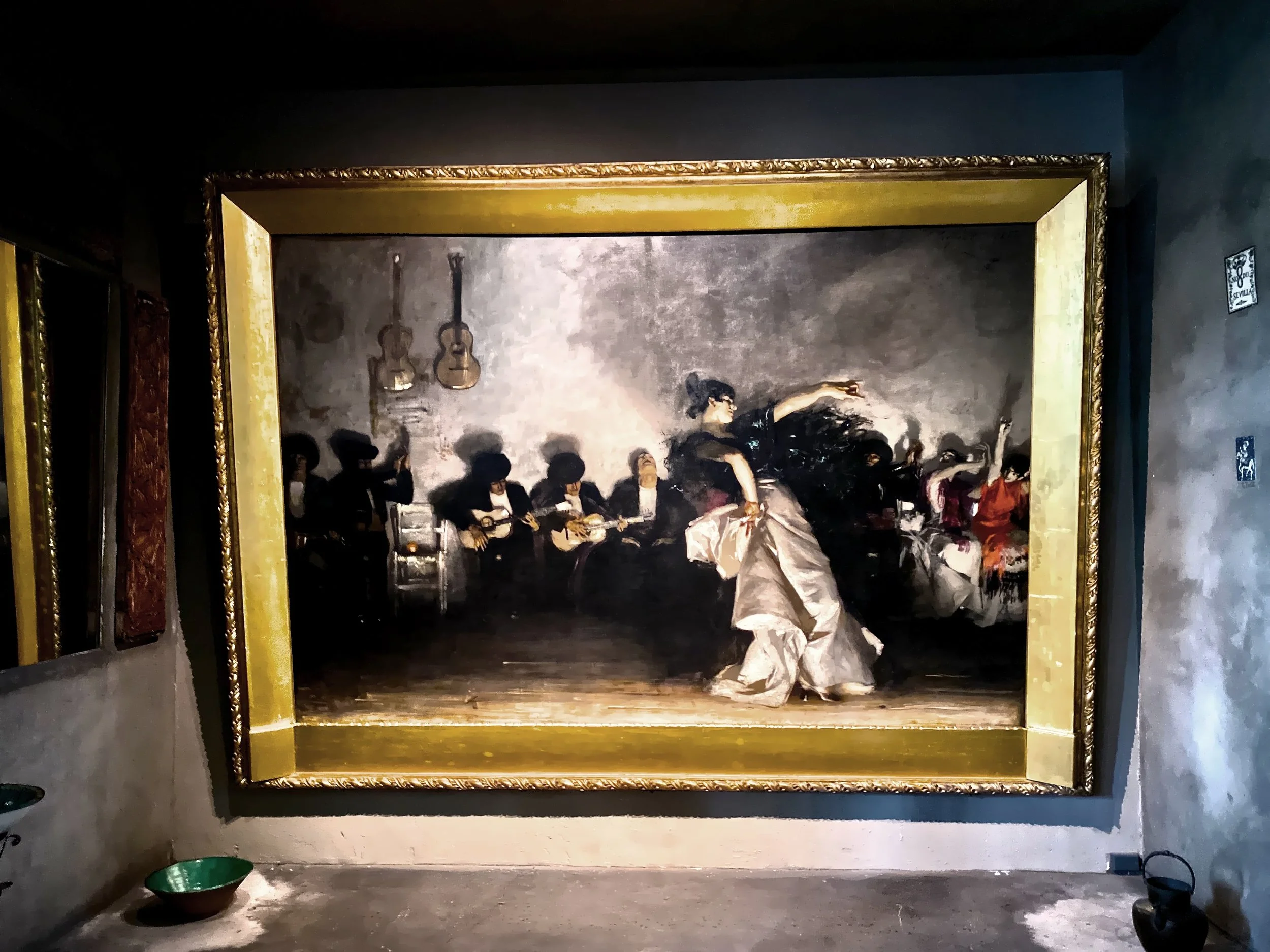
El Jaleo by John Singer Sargent in the Spanish Cloister
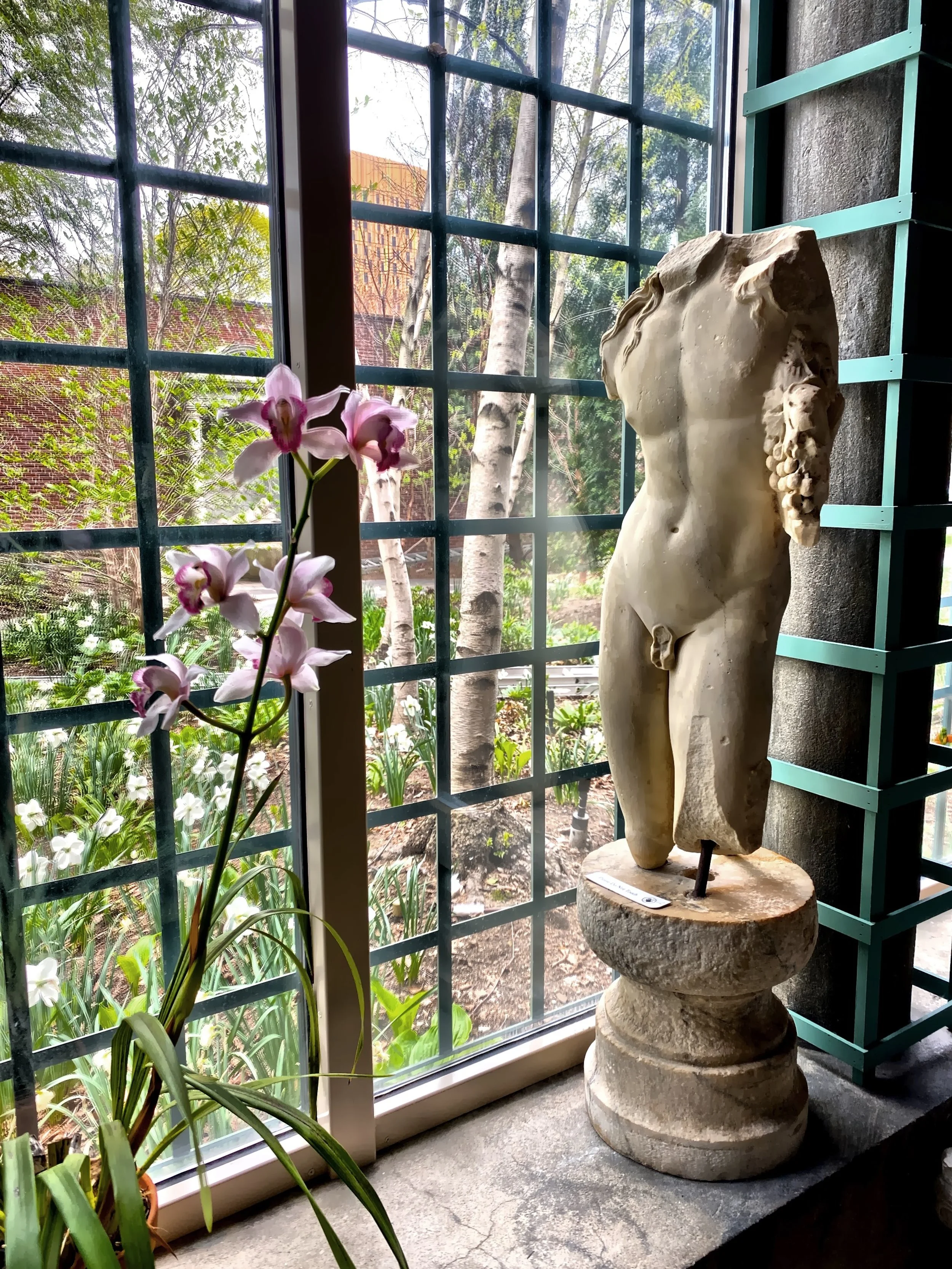
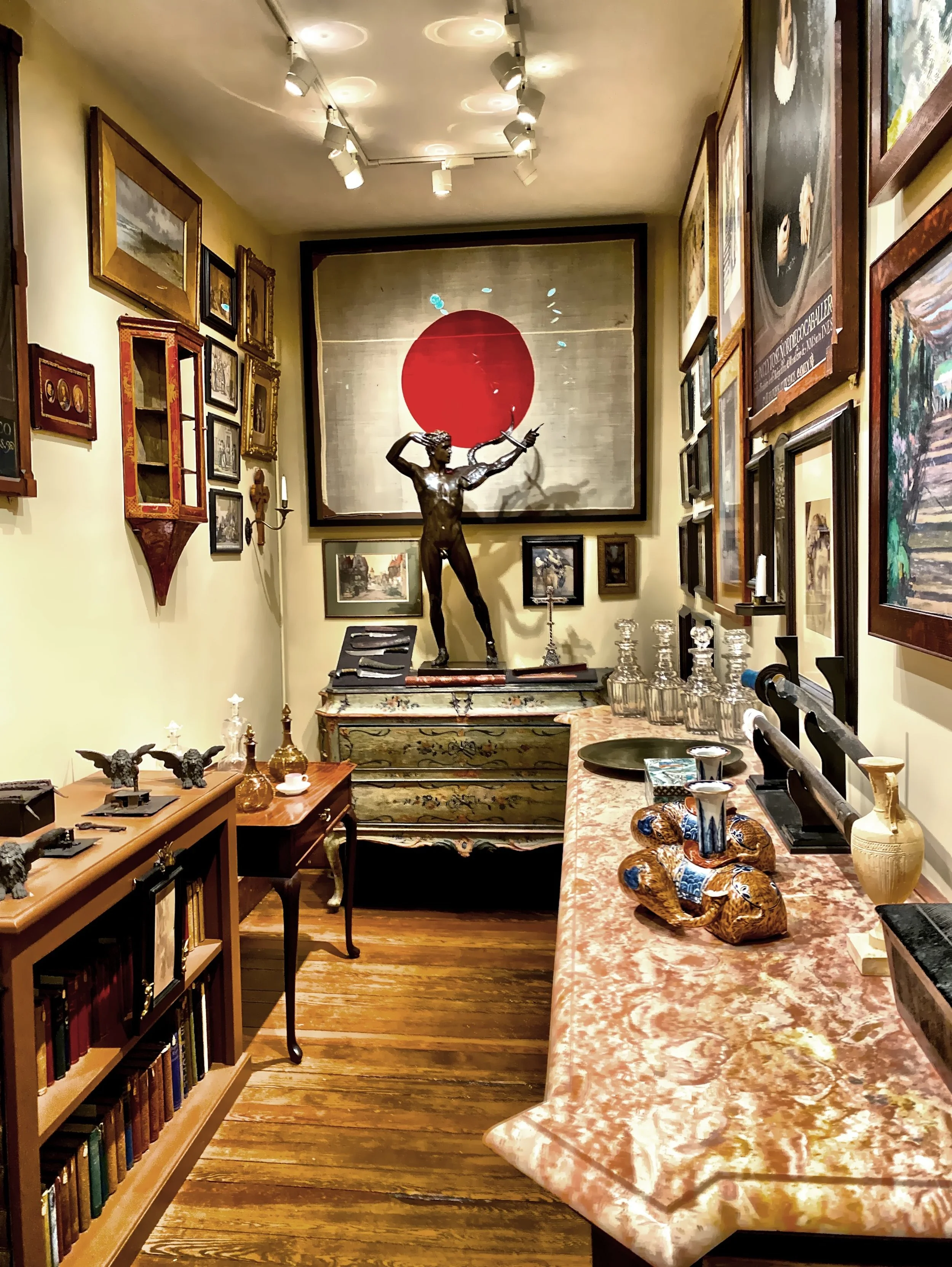
The torso of Dionysus in the Chinese Loggia
The Chinese Loggia
.
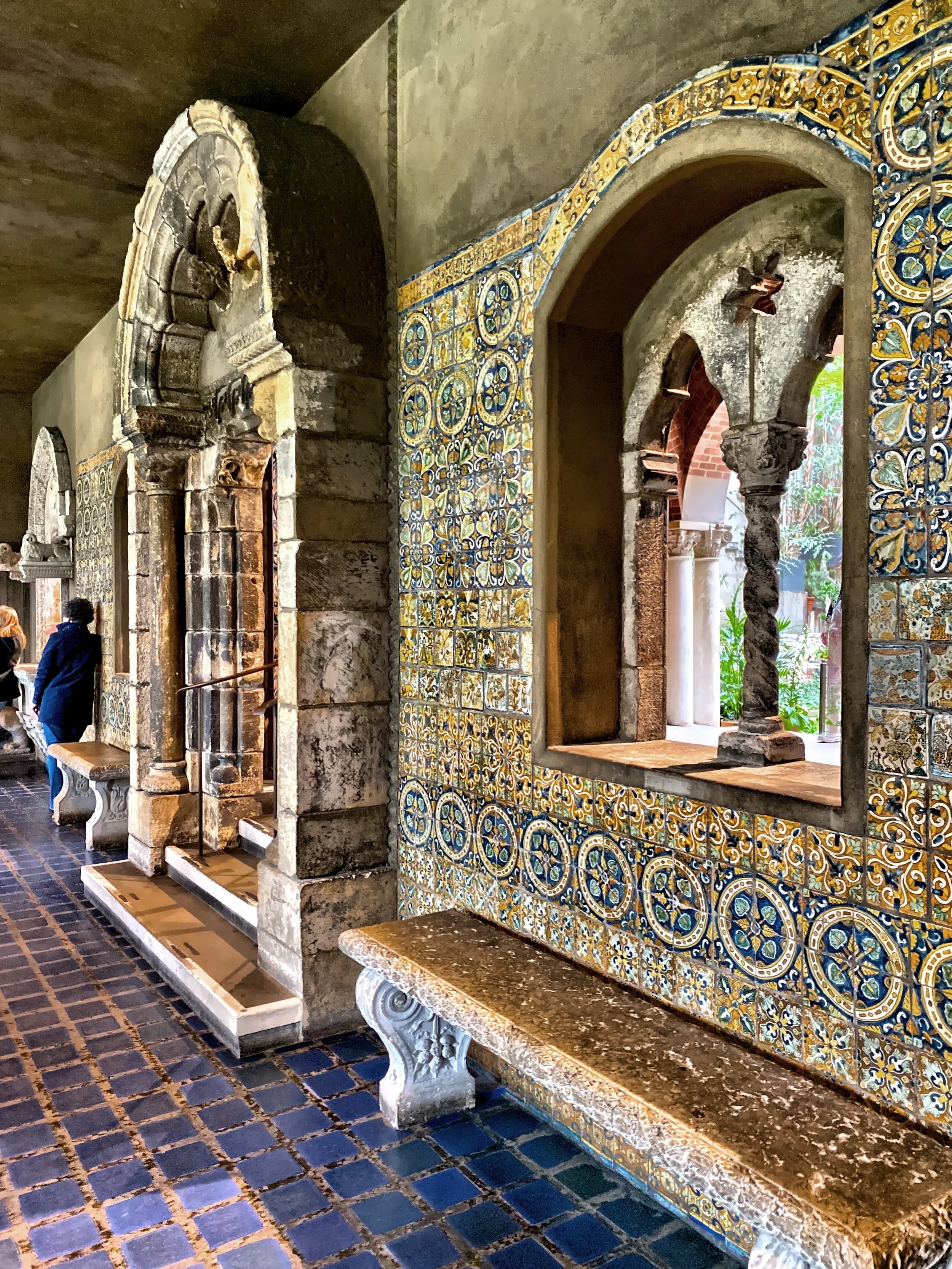
The colorful tiles in the Spanish Cloister
The Spanish Chapel is dedicated to her son, Jackie who died of pneumonia before in 1865. This death prompted her husband to take her on an extended European tour to recuperate. This trip sparked her interest in traveling and acquiring beautiful items.
In the North Cloister
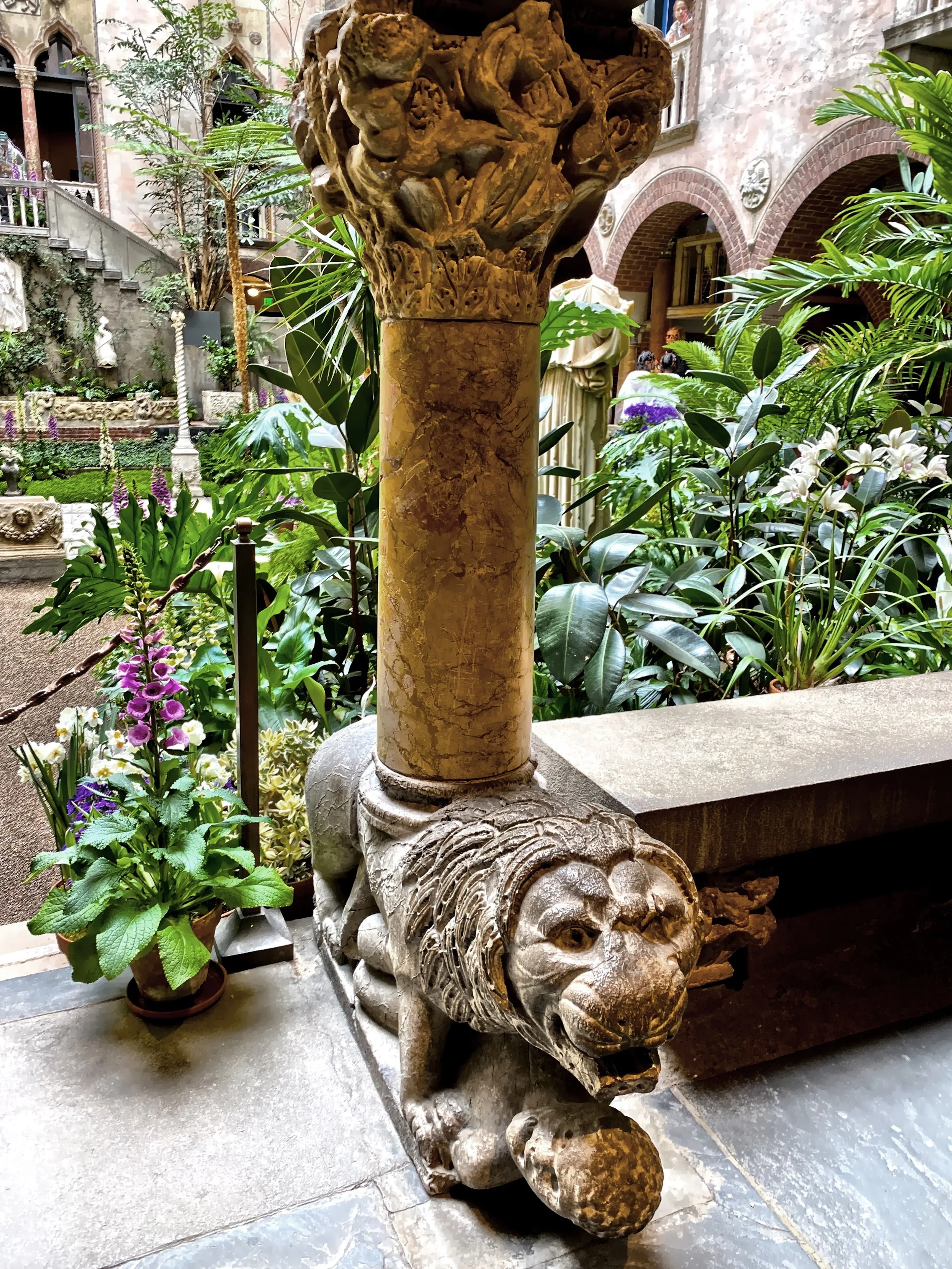
This column with Stylobate Lion at the courtyard entrance from the north cloister is from about 1200.
The courtyard view from the North Cloister
Isabella collected and carefully arranged a collection of approximately 7,500 paintings, sculptures textiles, ceramic, silver, and pieces of furniture.
.
.
Her collection consisted of over 3,000 rare books, and 7,000 archival objects.
.
The smaller rooms in the museum were used as studios for artist friends.
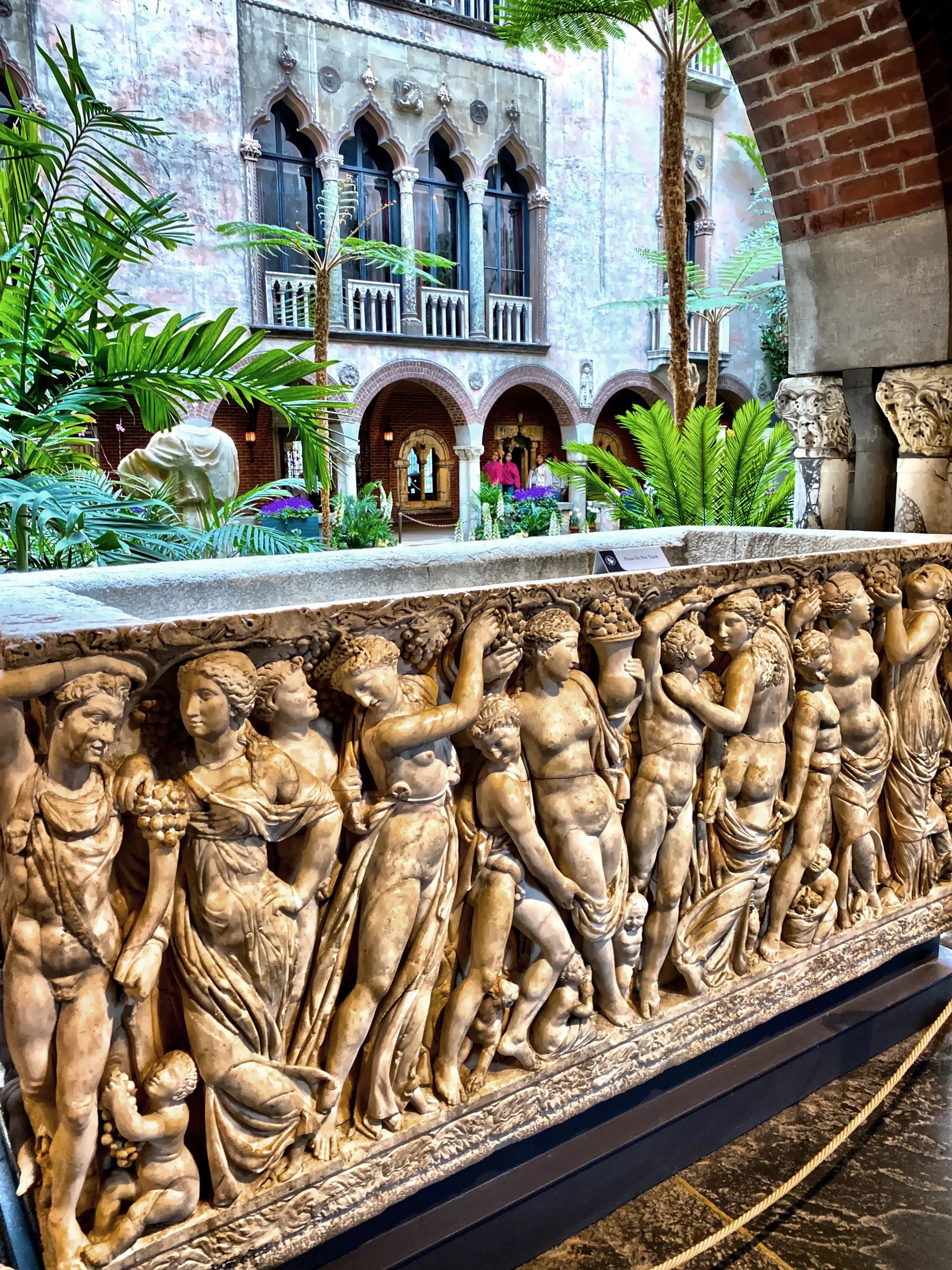
The Farnese Sarcophagus from around 225 AD is one of the most important works of art in the museum.
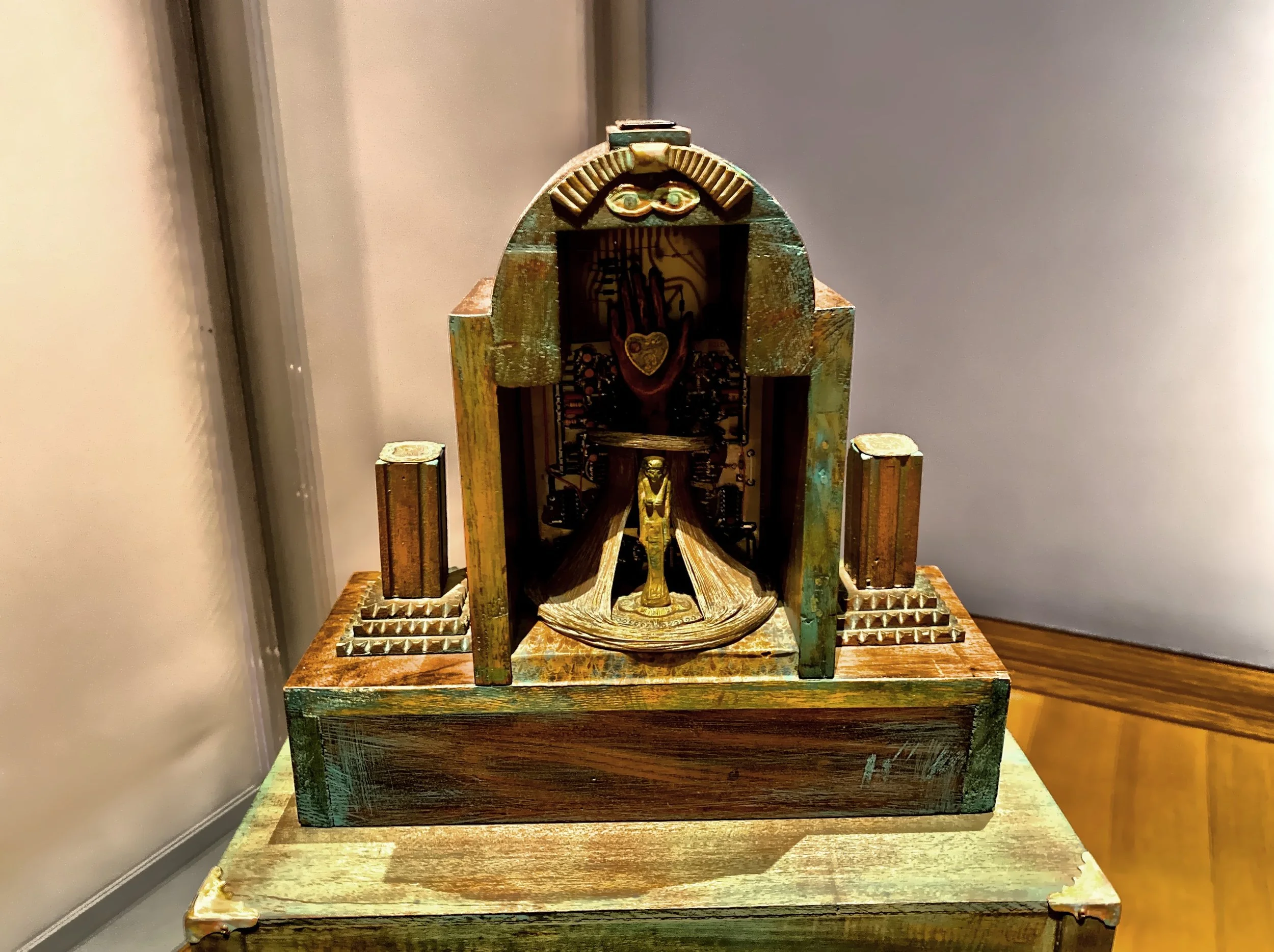
Part of the current exhibition in the New Wing, Betye Saar: Heart of a Wanderer
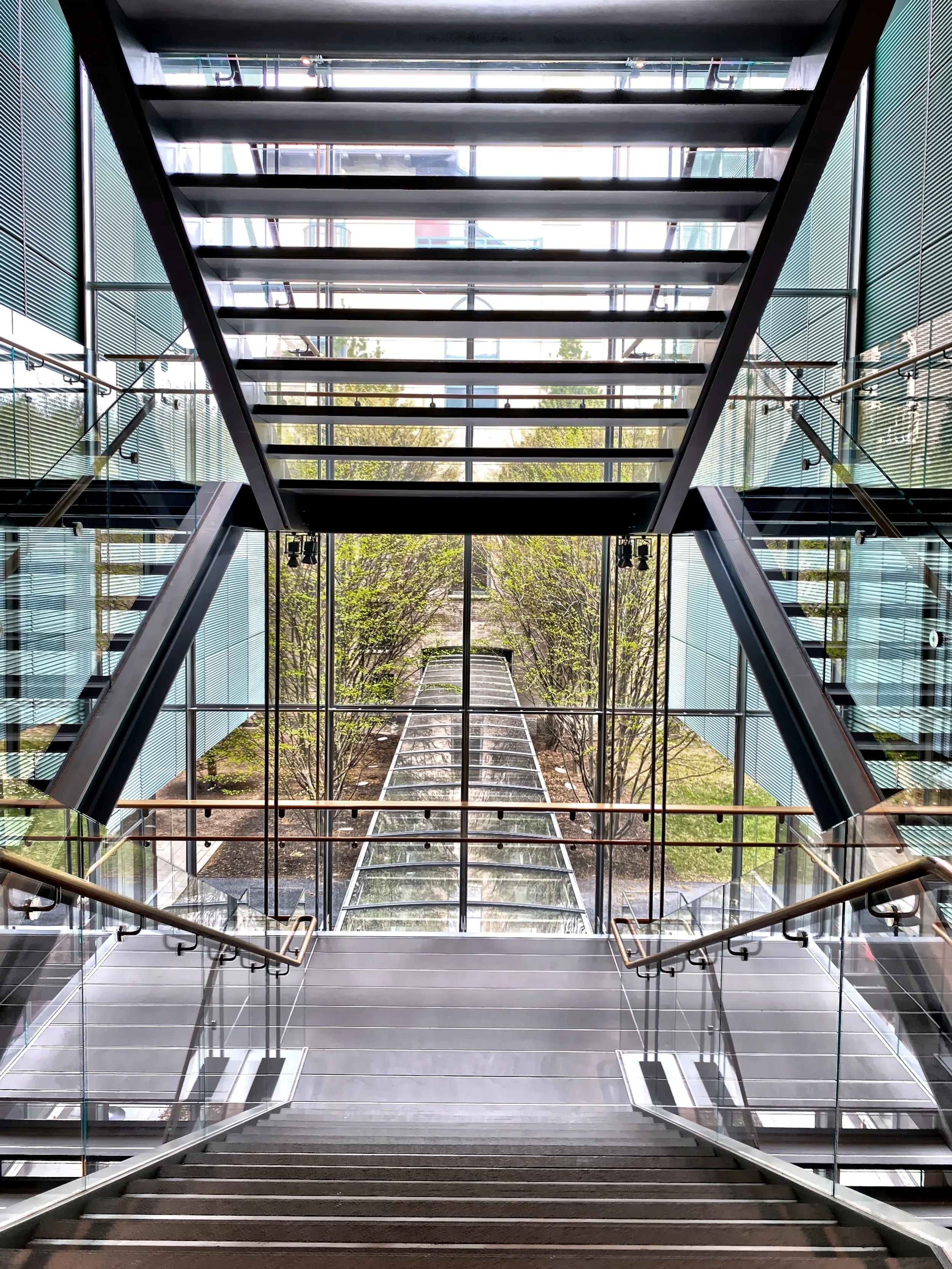
The glass staircase in the New Wing
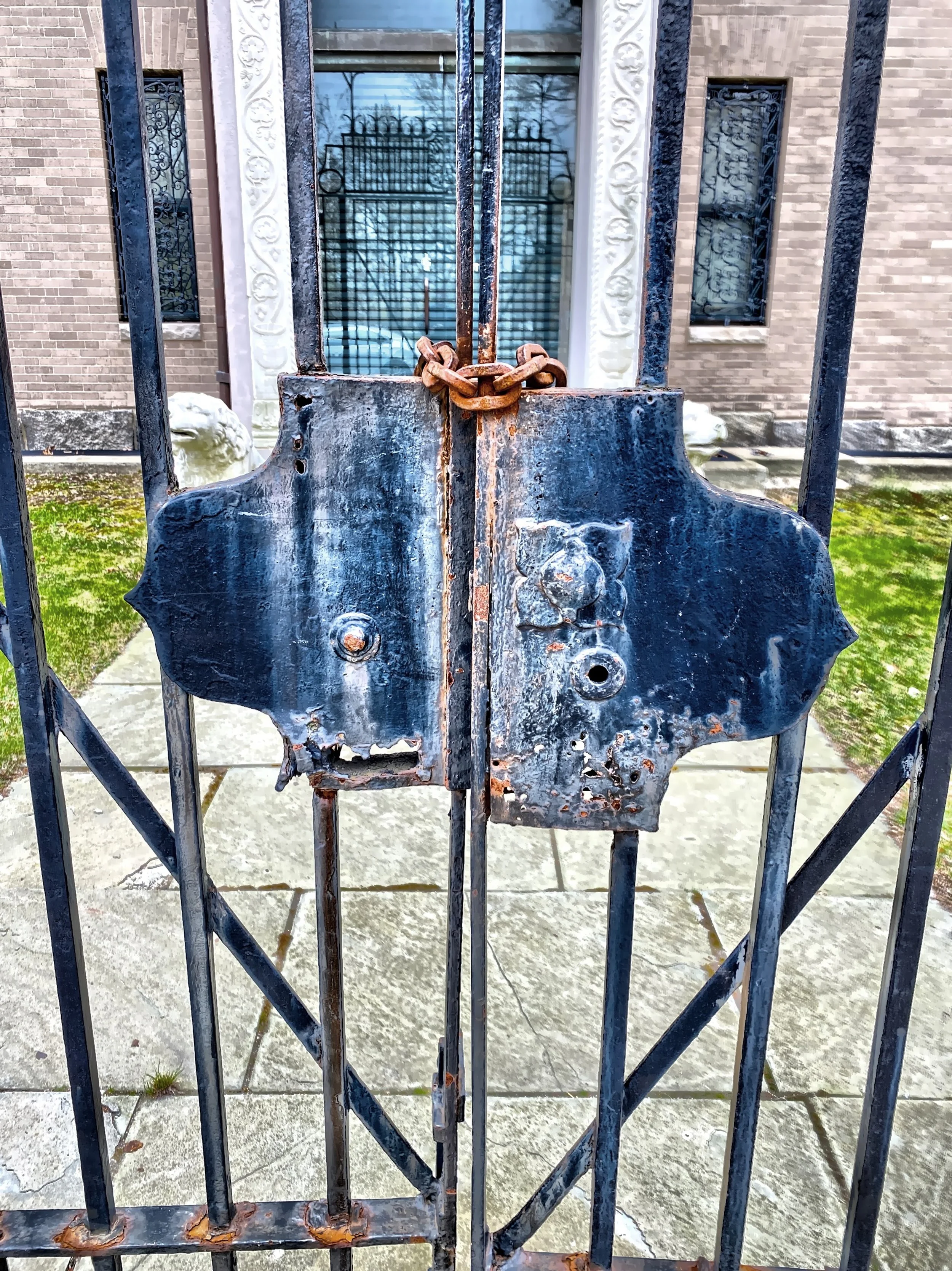
The front facade of the building. Gardner would use the fourth floor of the building as her own residence.
When Isabella died in 1924, her will created an endowment of $1 million and stipulated a few things: everything should remain in place as she installed it, any visitor wearing Red Sox memorabilia receives a discount, anyone with the name Isabella may enter free of charge and that a memorial service be performed, in the chapel, every year on her birthday, April 14th.
What you should know:
Restrooms are available.
The staff are friendly and informative.
You could spend a couple of hours to an entire day here, depending on your level of interest.
Tickets can be bought in person or online.
On the street metered parking is nearby.
Location: 25 Evans Way, Boston, MA 02115
For more information: Isabella Stewart Garner Museum