Raleigh was designated as the new state capital of North Carolina in 1792 and emerged as an important educational center during the 19th century, with St. Mary’s College being founded in 1842. During my visit to Raleigh, I explored several historic districts featuring beautiful and remarkable architecture. I also visited two former hospitals, a historic cemetery, and a historical park, each offering a glimpse into the city’s rich and varied past.
Here is what caught my eye; I hope you enjoy!
The Heck-Andrews House was built in 1869 for John McGee Heck and his wife social activist Fannie Heck.
The Merrimon Wtnne House was built in 1875.
The Capehart-Crocker House was built in 1898 and now is the offices of the North Carolina State Ethics Commission.
The Hawkins-Harness House was built in 1882 for Dr. and Mrs. Alexander B. Hawkins. The house now serves as the offices of the Lieutenant Governor.
Do you like the images posted?
Click here to explore the shop.
.
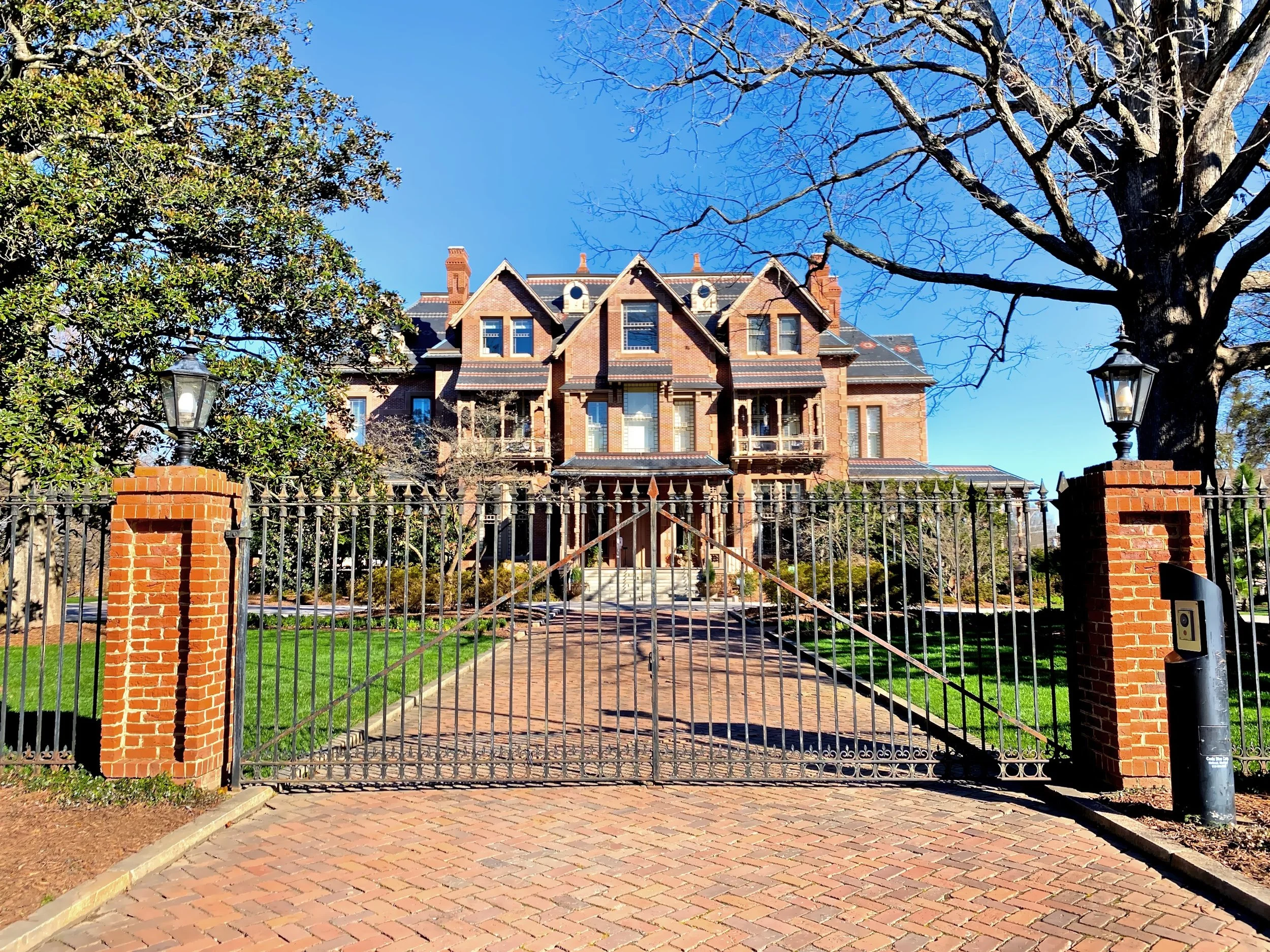
The Executive Mansion was built by convicts from the state penitentiary using bricks that were formed by hand. The house was finally completed in 1891 and the surrounding brick sidewalks have some bricks inscribed with the the convicts’ name.
Another view of the Heck-Andrews House
The L.L. Polk House was built in 1891.
The front porch of the L.L. Polk House
An old house converted for office use on N Blount Street
Street art in nearby Garner
.
Two grave markers of patients that died at the now closed Dorothea Dix Hospital in Raleigh. This is the final resting place for more than 900 people that were treated there beginning in 1859.
.
A few other buildings on the former Dorothea Dix Hospital campus.
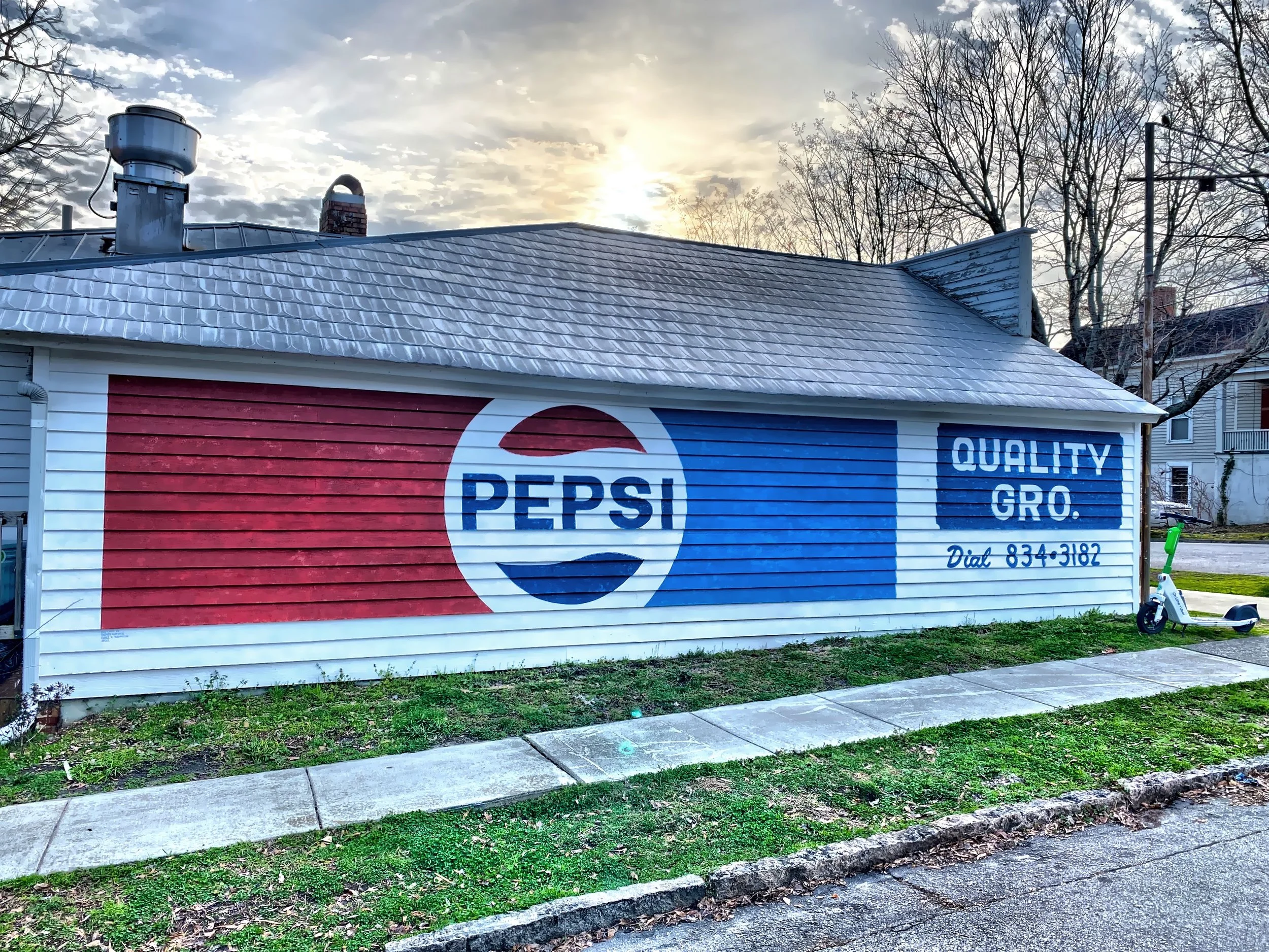
Vintage-style Pepsi advertisment on the side of Quality Grocery in Oakwood
Vintage-style Coke advertisment on the side of the Side Cafe in Old Oakwood
The historic Oakwood neighborhood
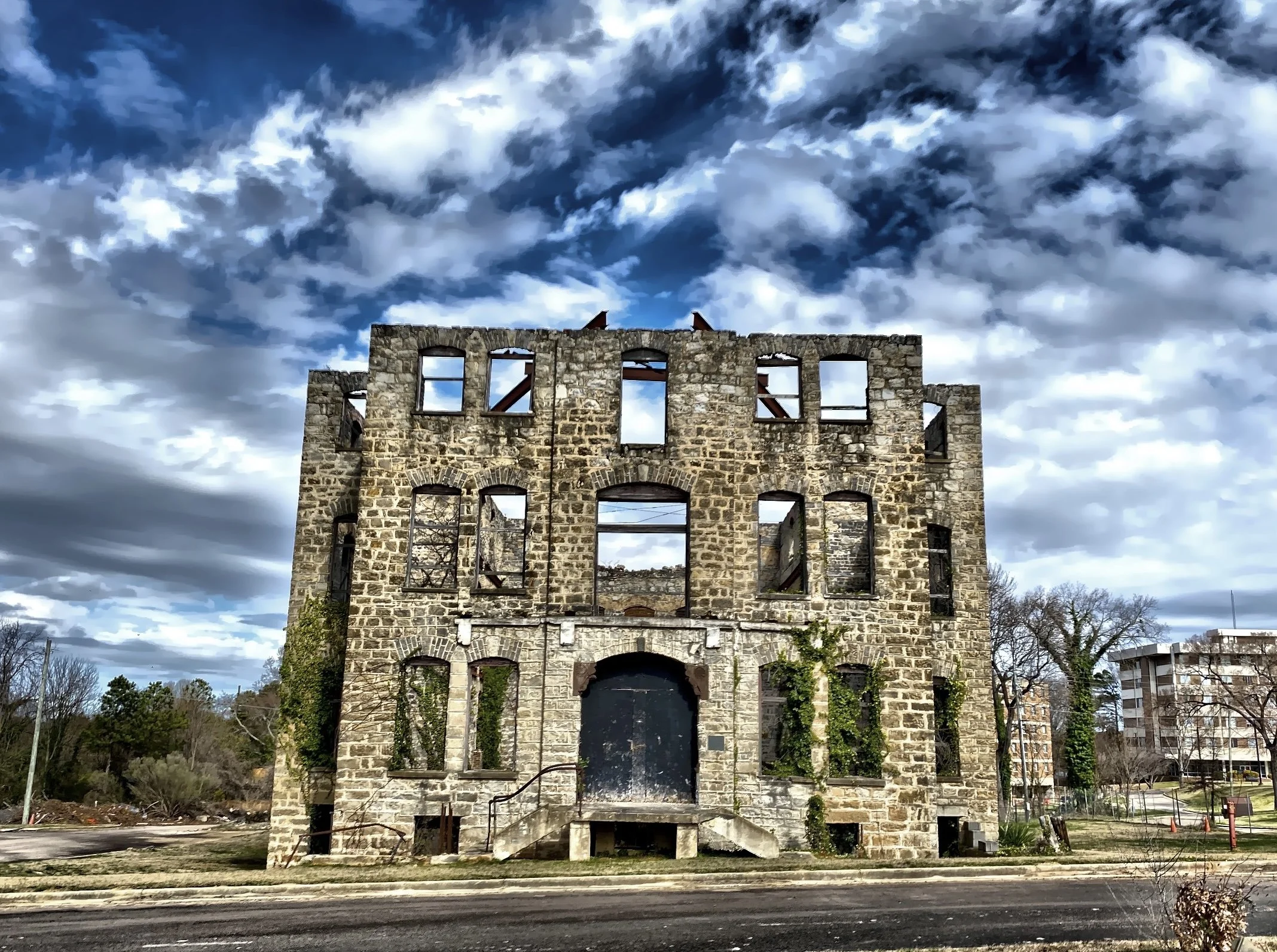
A monument to forgotten history, St. Agnes Hospital stands gutted, with no roof and floors. It opened its doors in 1896 serving as a hospital and nurse training center for African Americans.
The interior of Big Ed’s City Market Restaurant, where the food and atmosphere were both great!
The eastern section of Oakwood Cemetery is called ‘God’s Acre’ and was used for the burial of the poor.
For over 150 years Oakwood Cemetery has been the final resting place for more than 28,000 residents.
Oakwood Cemetery is an excellent example of Victorian landscaping and mortuary art.
The unusual grave marker for Rachel Blythe Bauer (1870-1897). She died in childbirth and her grief-stricken husband spent the following year building, by hand, this replica of the Greek Temple of Dianne. When he completed it, he wrote a letter to his sister and said ‘My work at Oakwood is complete, you will proud of this monument’ and then he committed suicide.
A close up of the building shows Rachel Blythe Bauer’s photo inserted in the front door of the building monument her husband created for her.
Durham sculptor Robert Mihaly created this sculpture at the grave of Elizabeth Edwards. It depicts 27 doves being released from outstretched hands.
Some street art
What you should know:
You could spend a couple of hours to a couple of days exploring the city.
On the street parking, some metered, are available.
People are friendly and helpful.
There are many restaurant options.
Walking is a great way to see the city.
Public restrooms are available in some of the city’s parks.
For more information: Raleigh, NC