
There are certain places I remember hearing about on TV as a kid, never imagining I would one day have the chance—or even the desire—to visit them. For me, Vietnam and Belfast were two of those places.
Both carried a kind of historical weight in the background of my childhood understanding of the world. Depending on what you were exposed to growing up, Vietnam was often associated with war footage and its aftermath, while Belfast was frequently tied to the period known as The Troubles. They weren’t framed as destinations so much as headlines—places defined by conflict rather than culture.
What’s striking now is how much both places have transformed in how they’re perceived. Vietnam today is known just as much for its landscapes, food, and rapidly evolving cities as it is for its history.
There’s something almost surreal about revisiting these “TV places” in real life. It feels like stepping into a story you only half-understood as a child—filling in the gaps with experience rather than imagination.
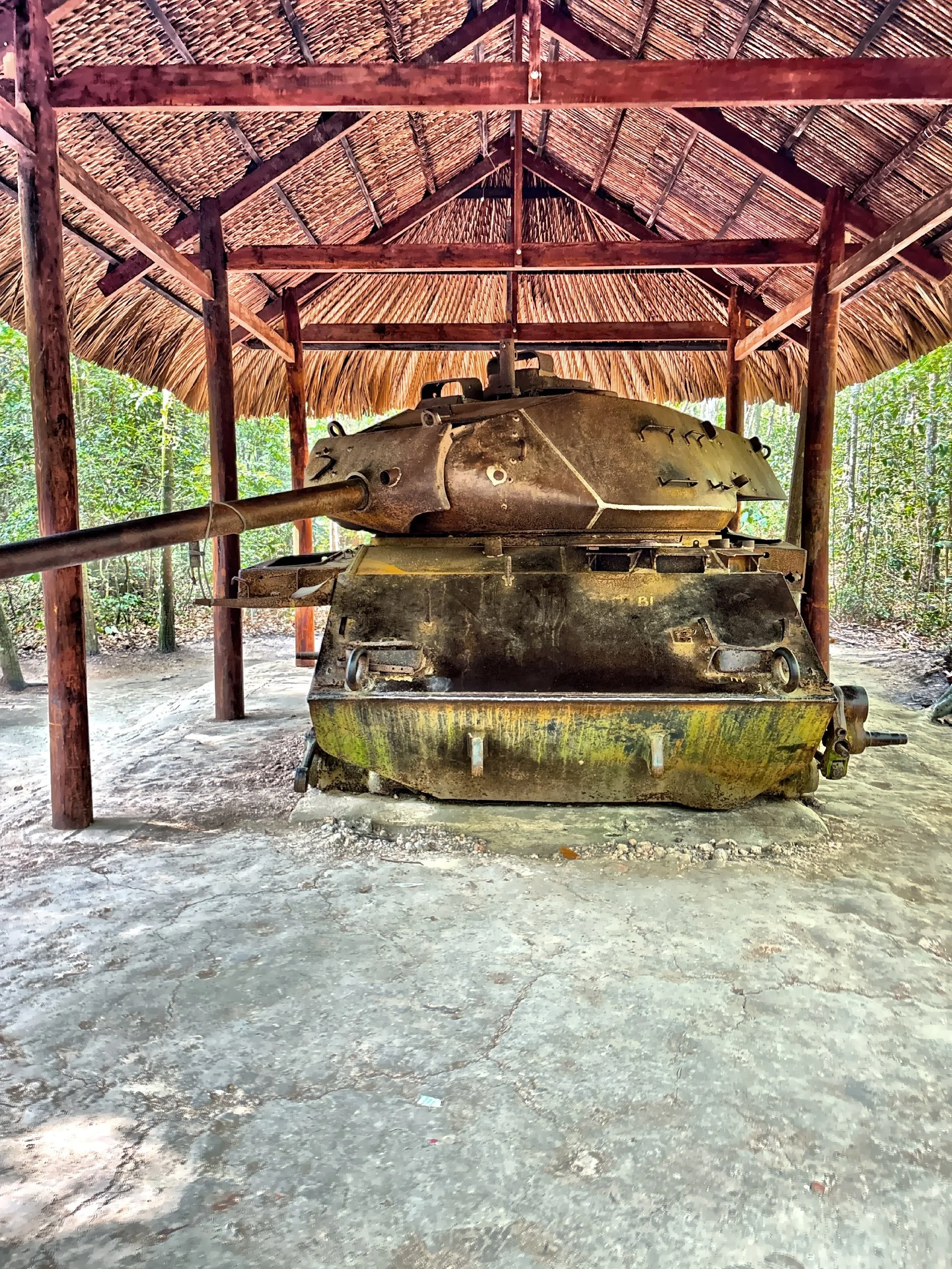
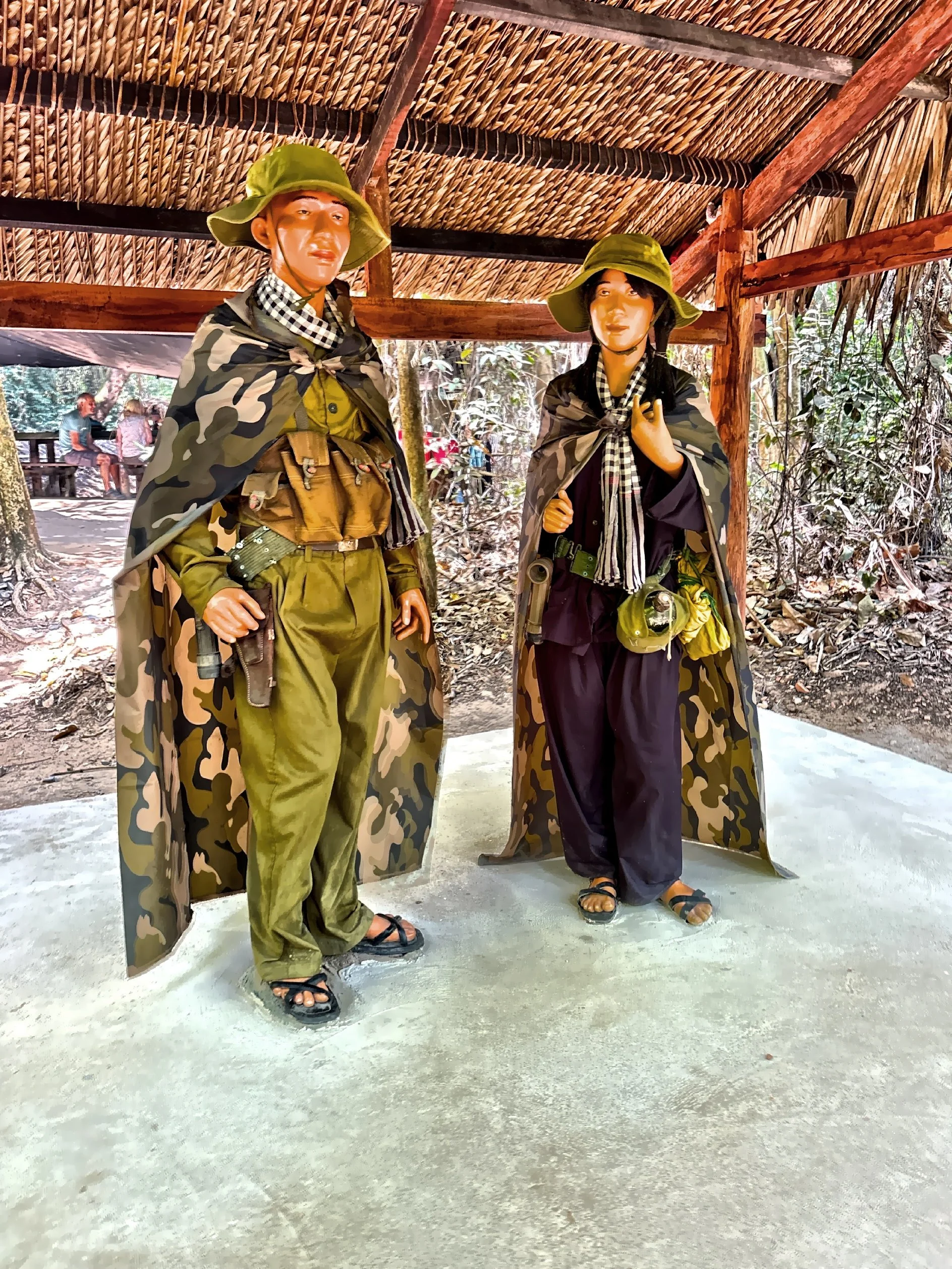
Growing up, my understanding of Vietnam came in fragments: phrases, images, and documentary clips that were difficult to fully process at the time. Tunnel rats, Guerrilla warfare, Viet Cong, farmers by day, fighters by night. It all sounded almost unreal, more like cinema than lived reality. But being there changes that completely.
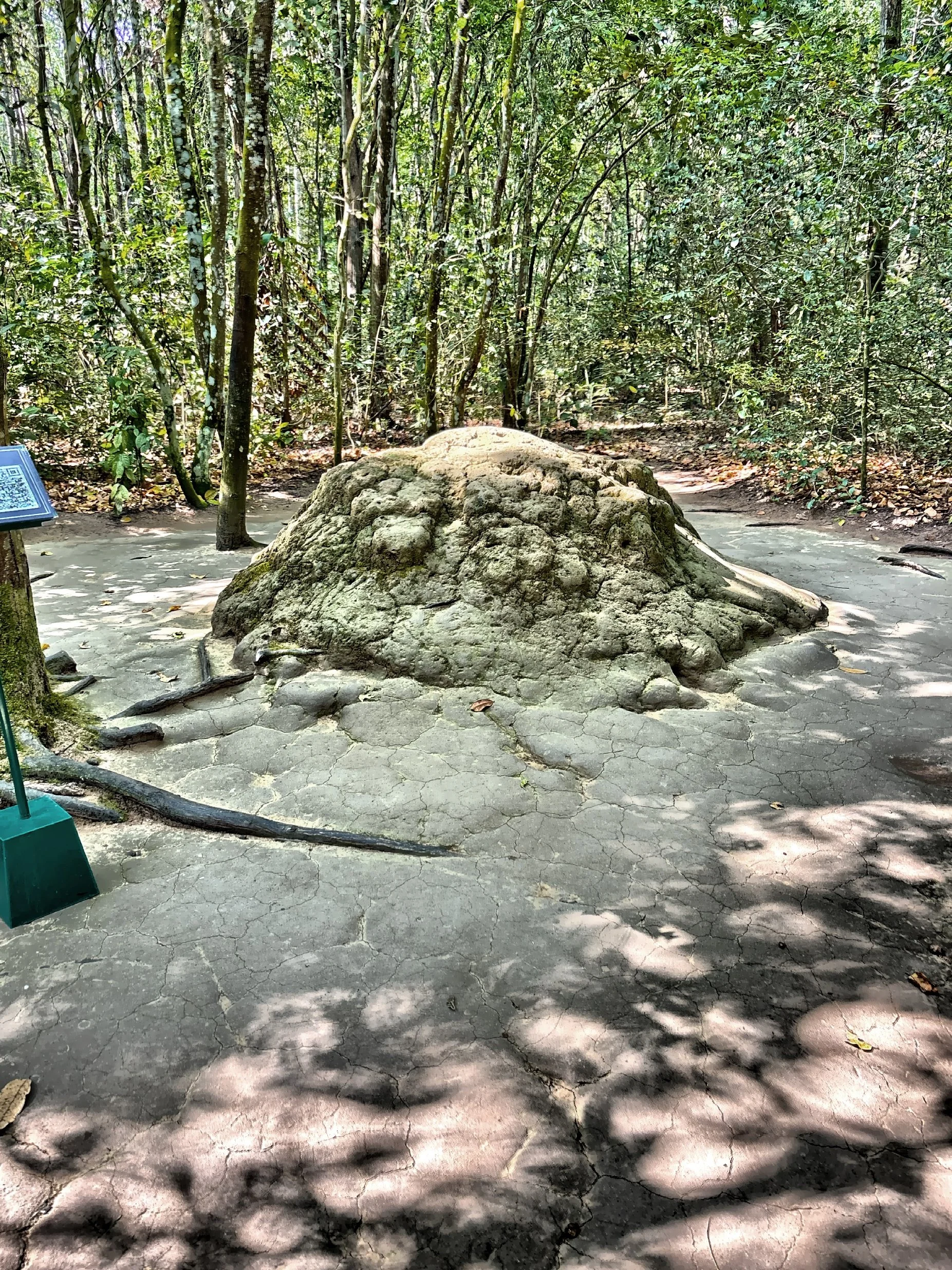
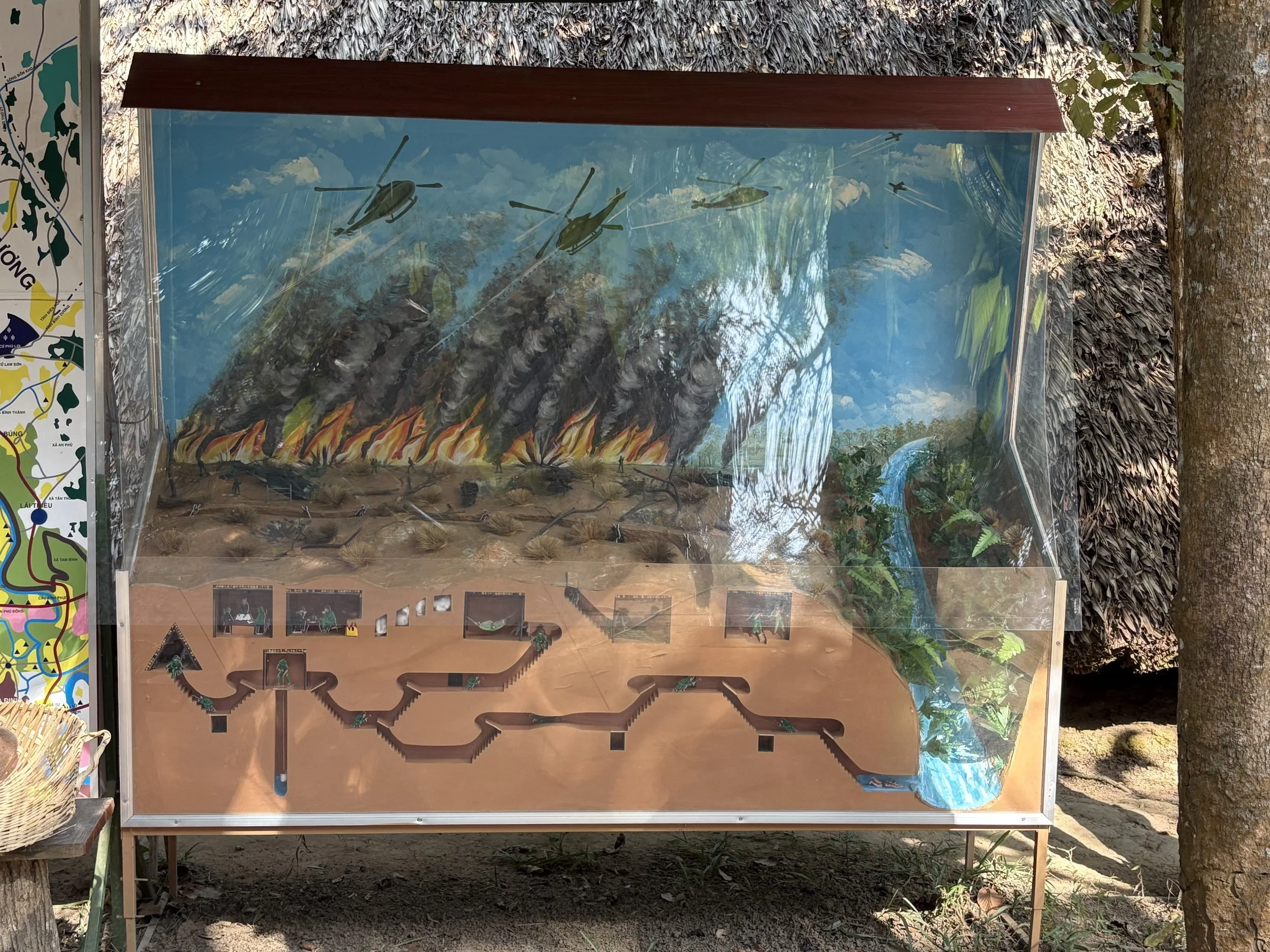
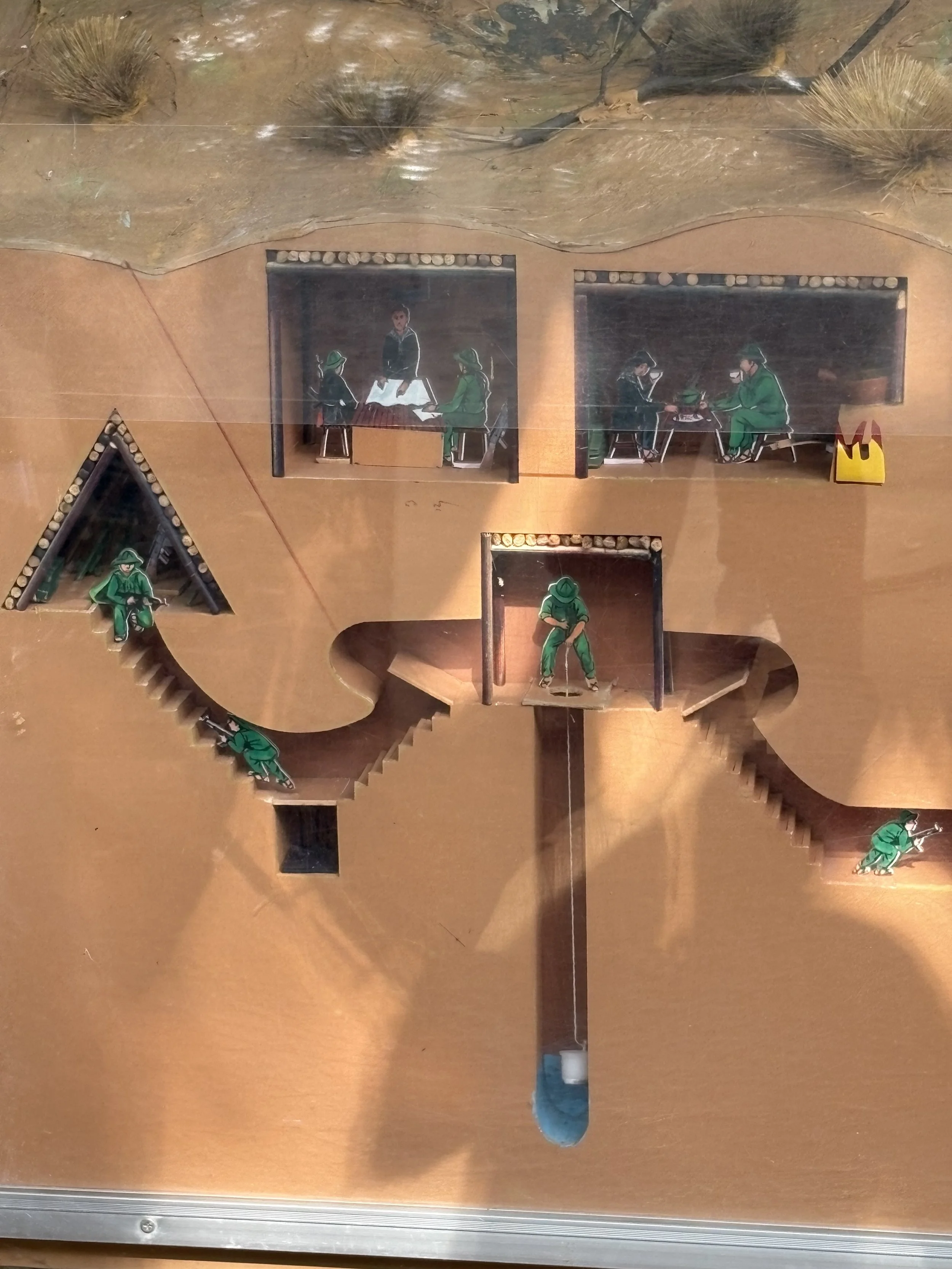
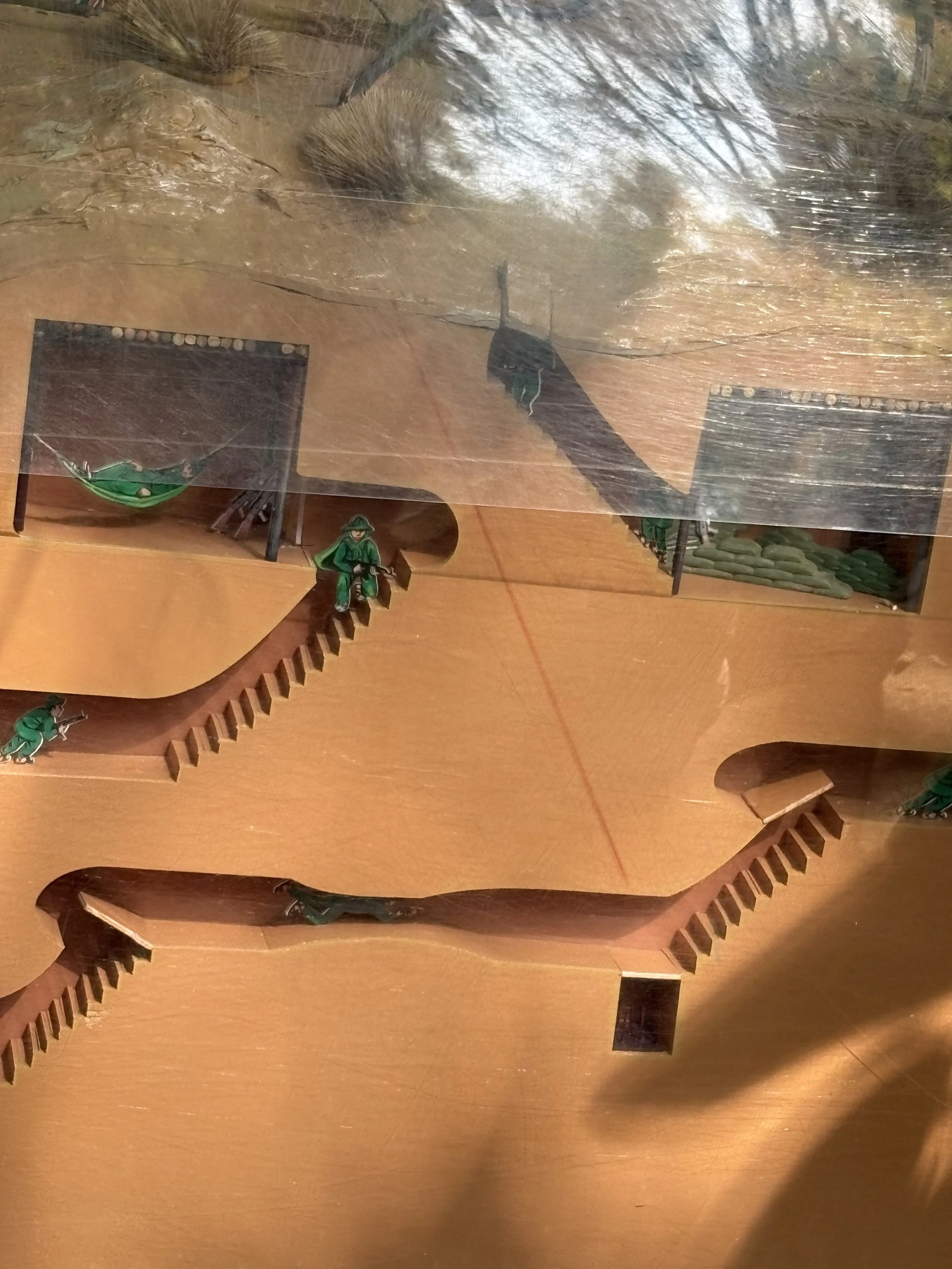
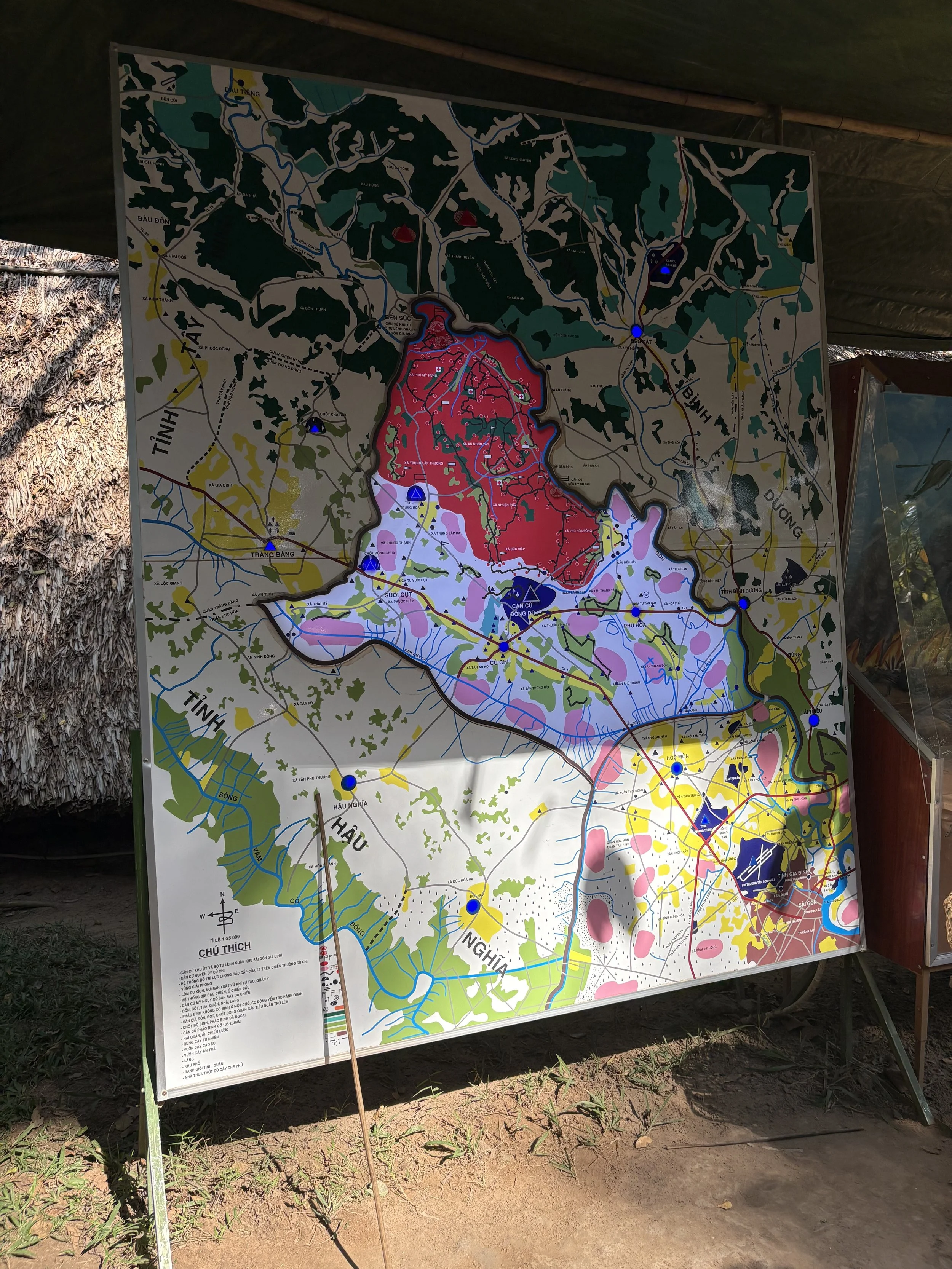
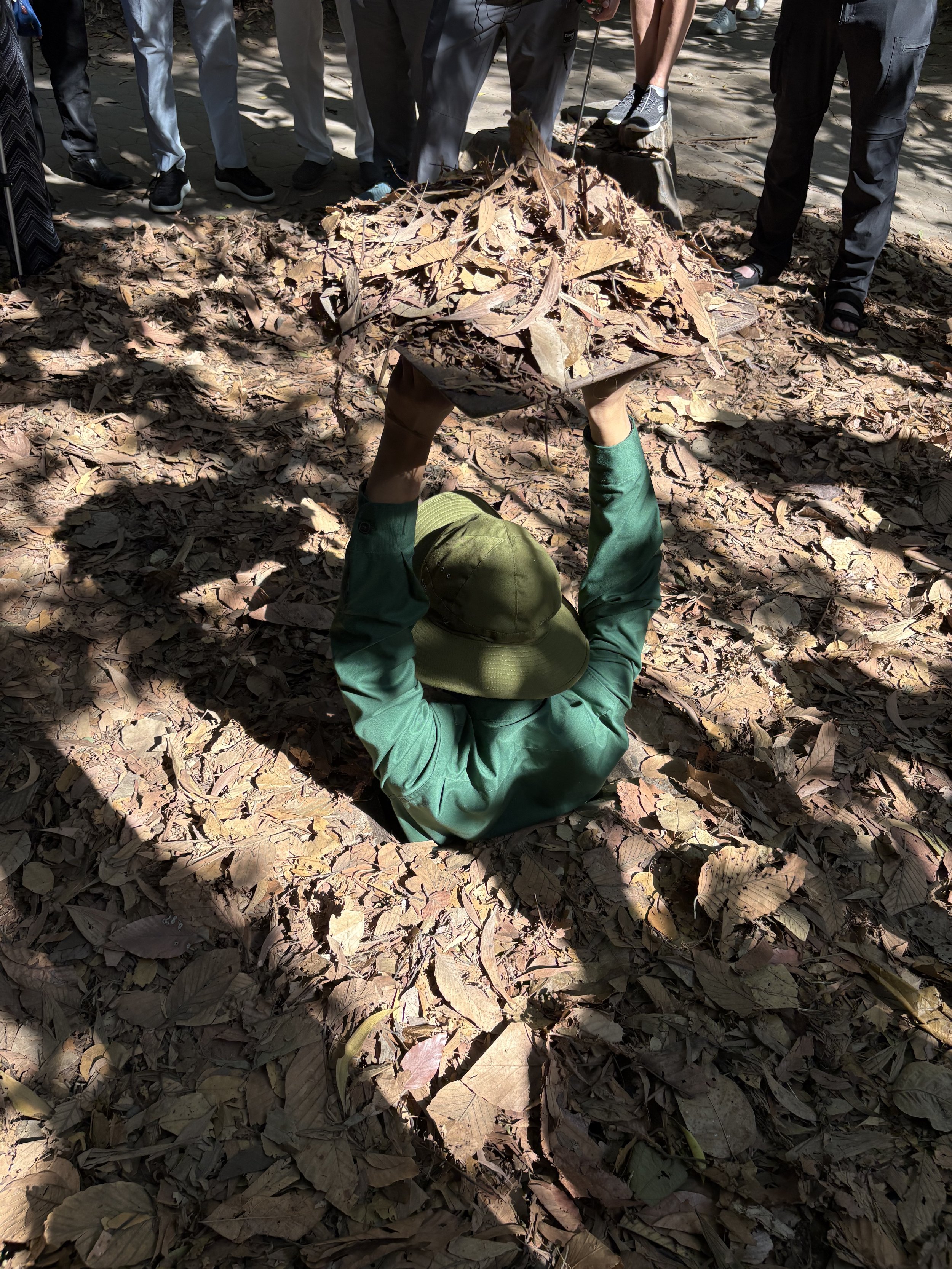
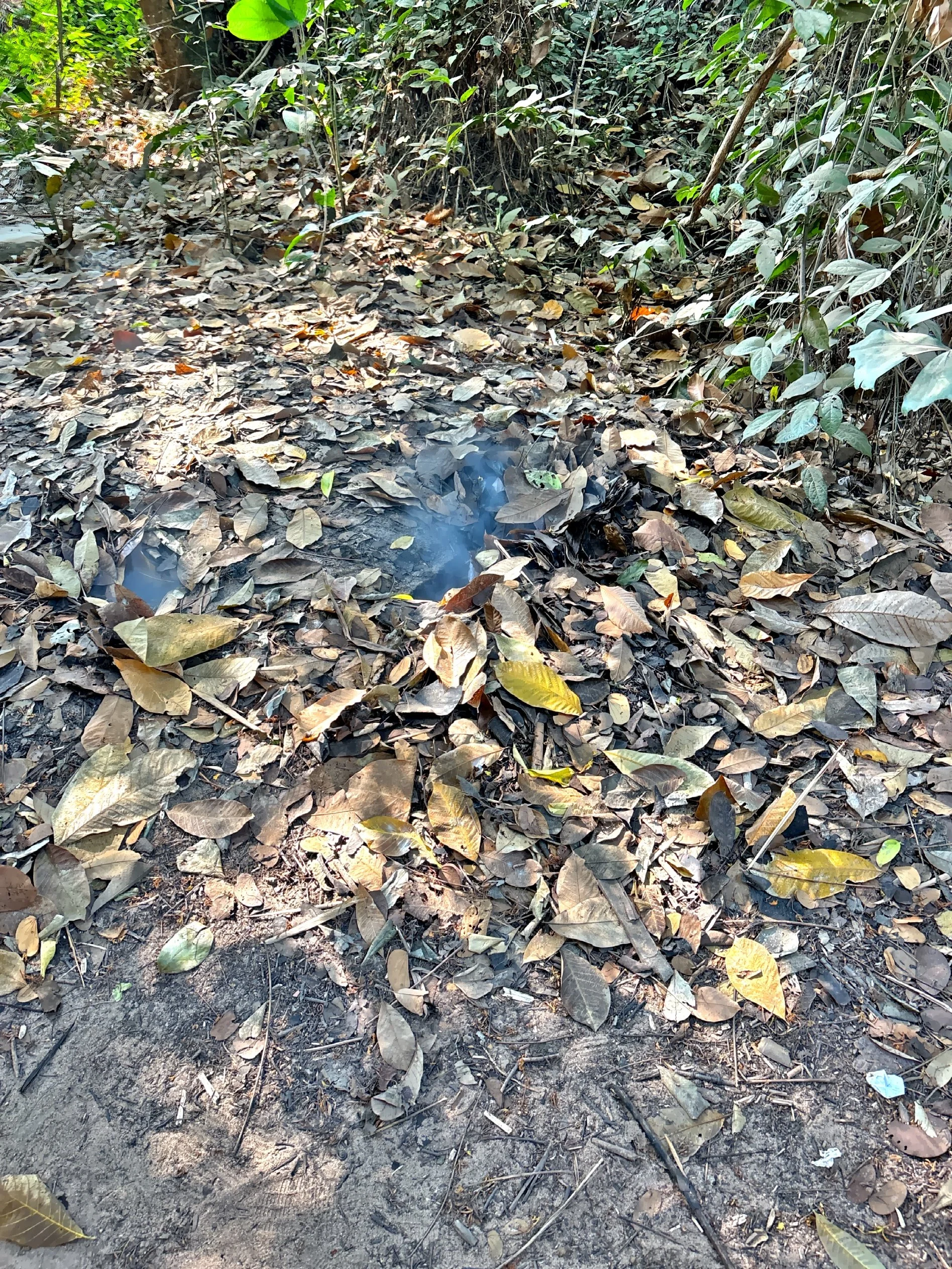
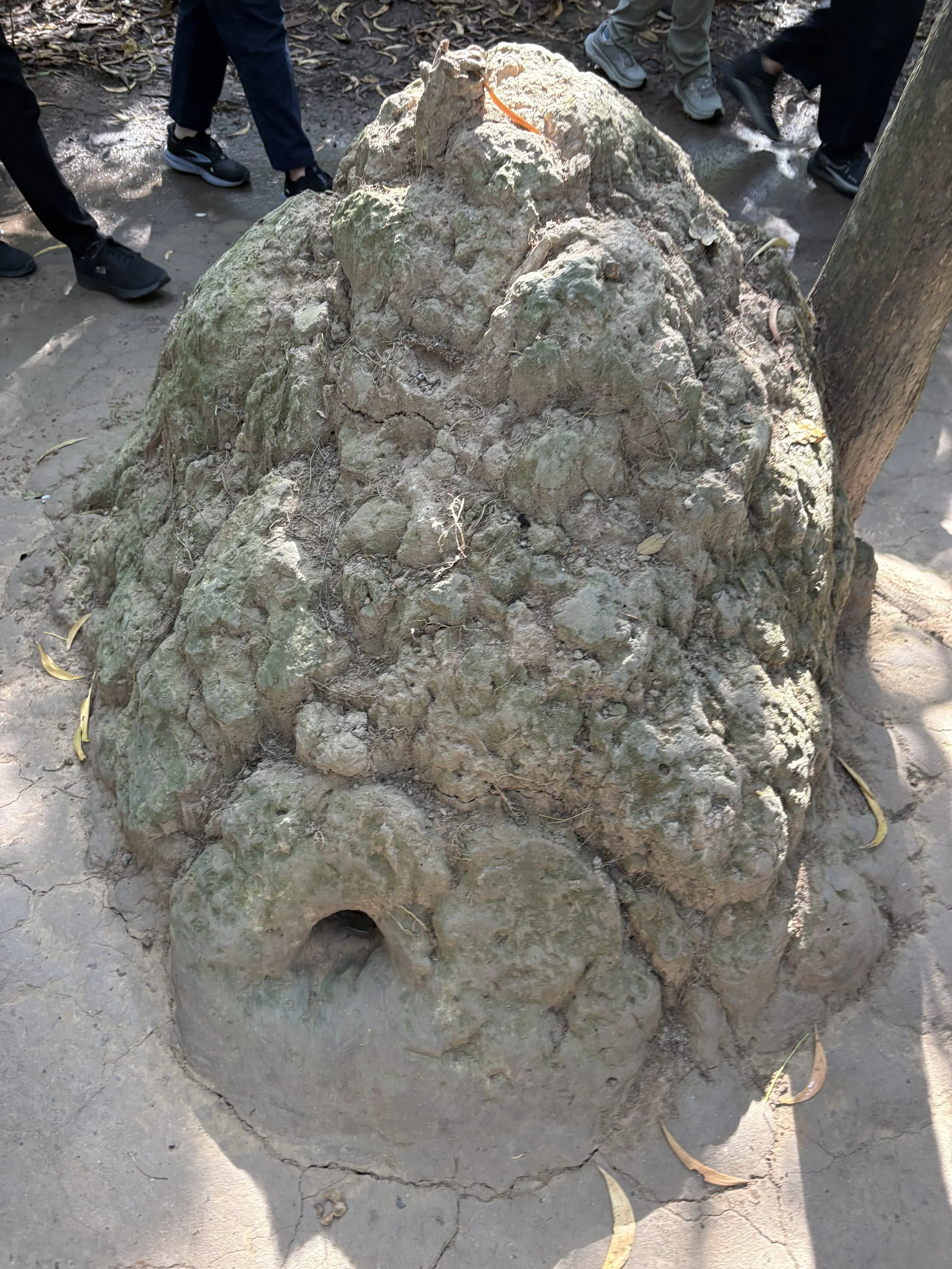
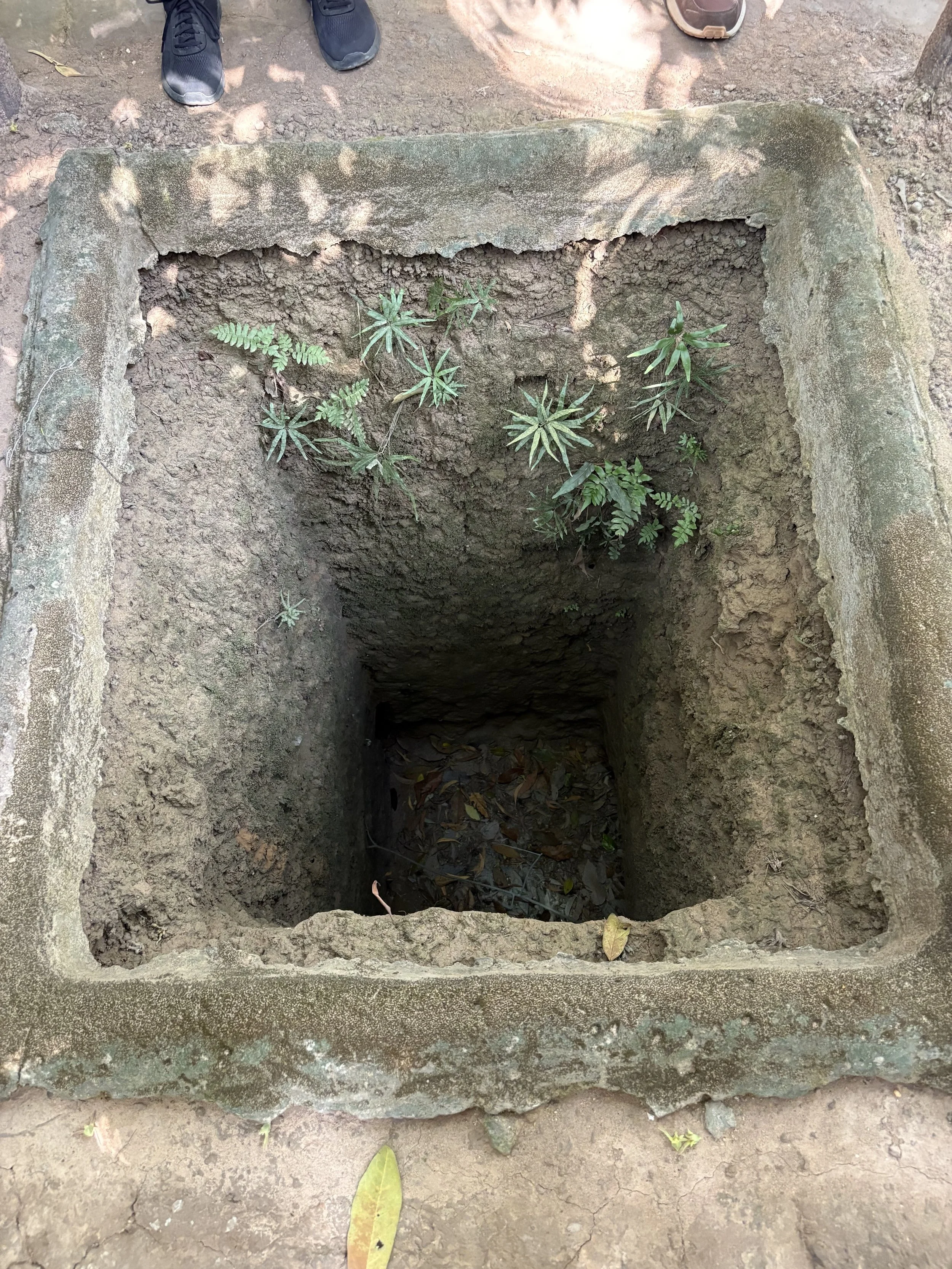
Nowhere is that more evident than at the Cu Chi Tunnels. What once sounded like an abstract reference to “tunnel systems” becomes something tangible when you are standing above the ground where they were built—and even more so when you descend into them.
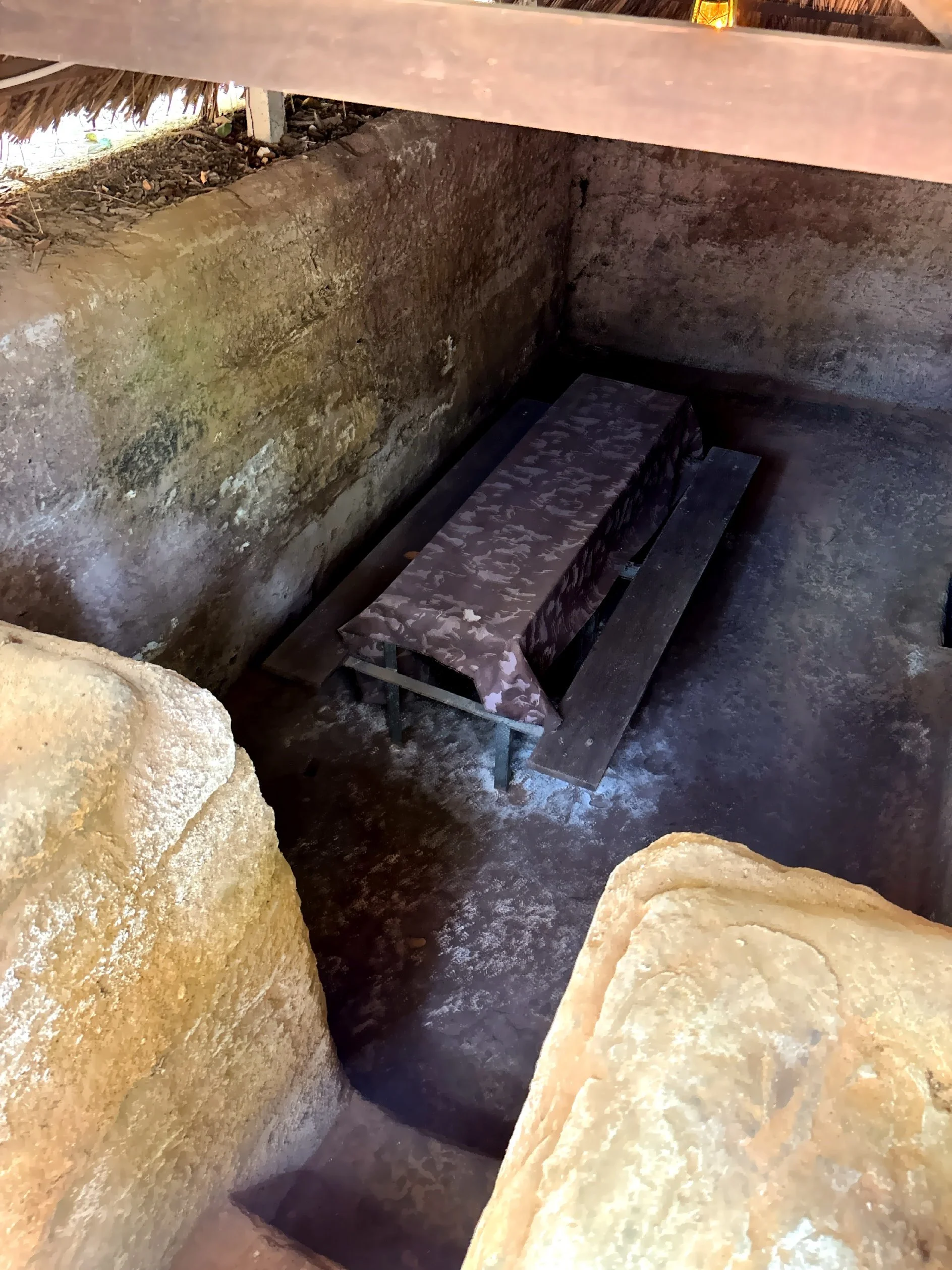
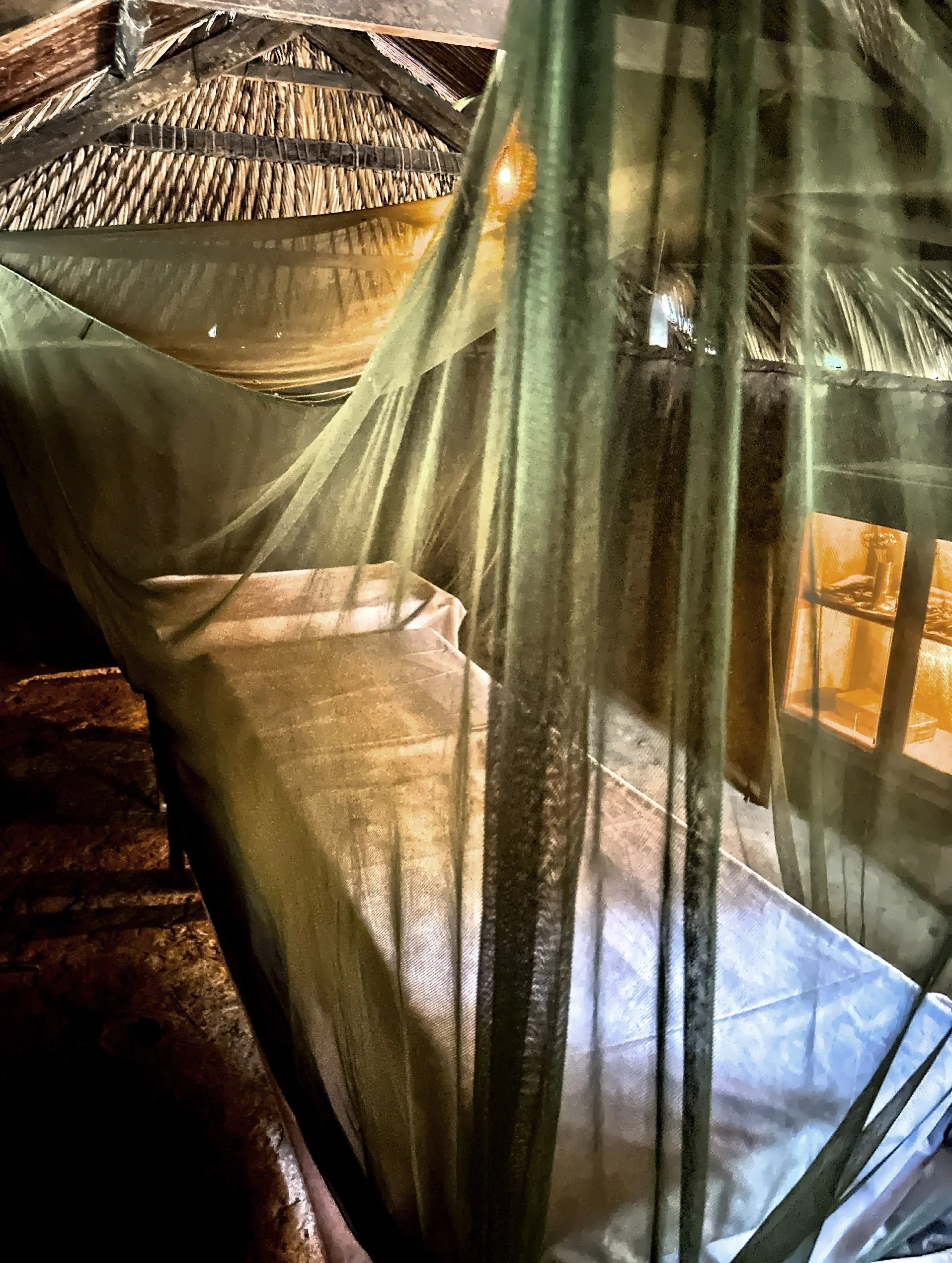
Originally dug by villagers in Cu Chi District during resistance against French colonial forces in the late 1940s, the tunnel network was later expanded extensively during the 1960s and used throughout the Vietnam War. Over decades, it became the Viet Cong underground world—living quarters, supply routes, medical stations, and escape paths all hidden beneath the earth.
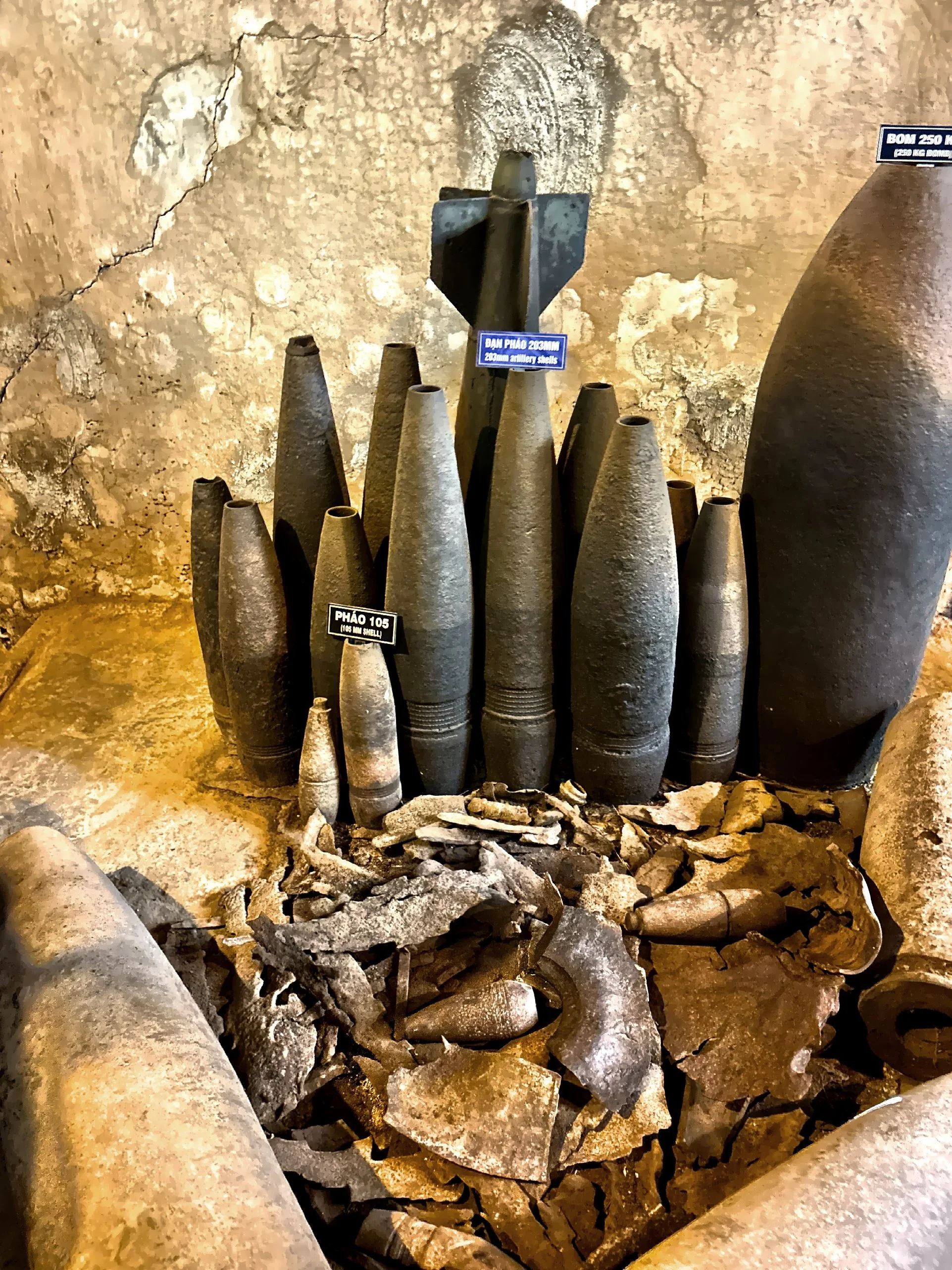
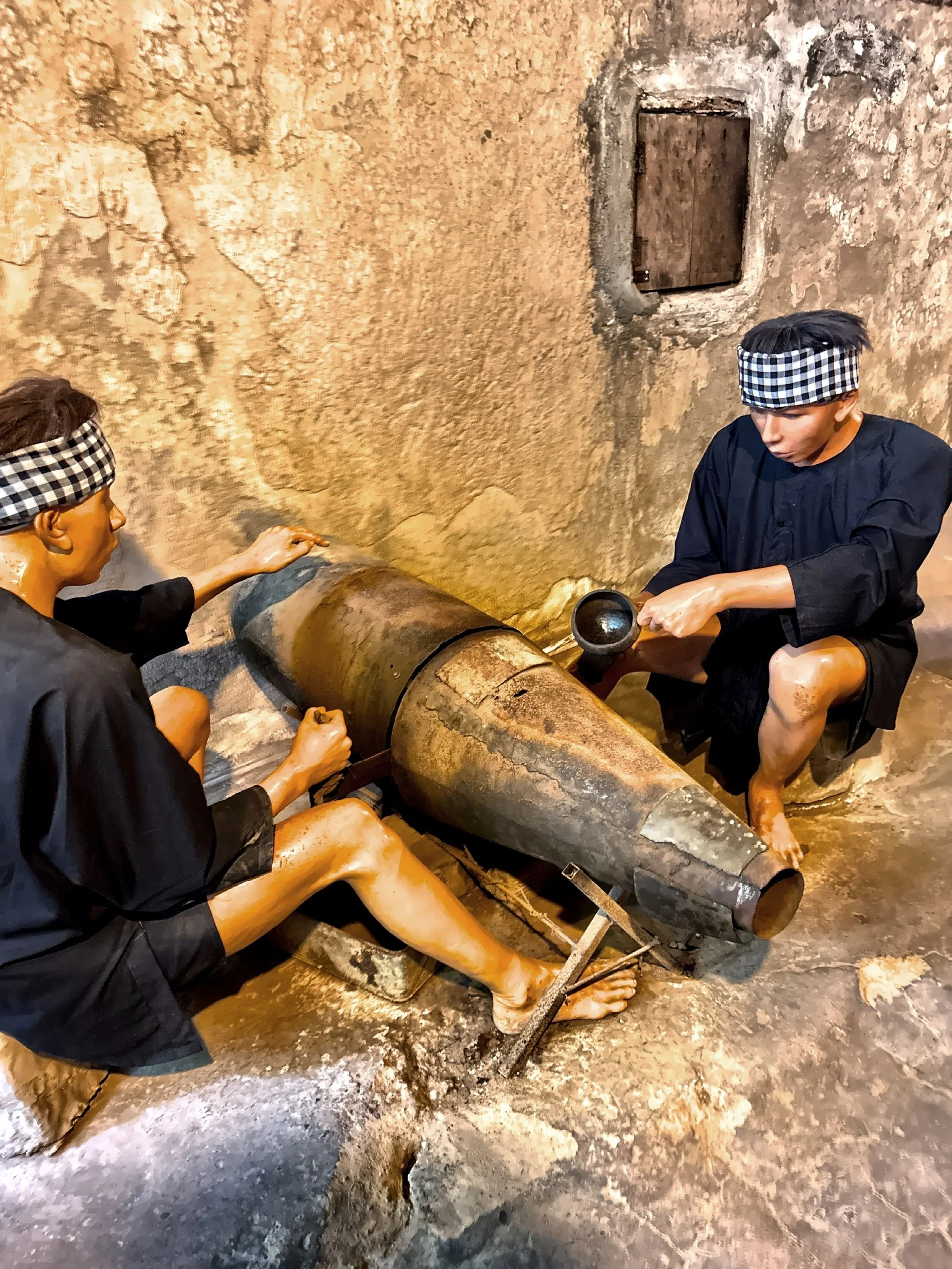
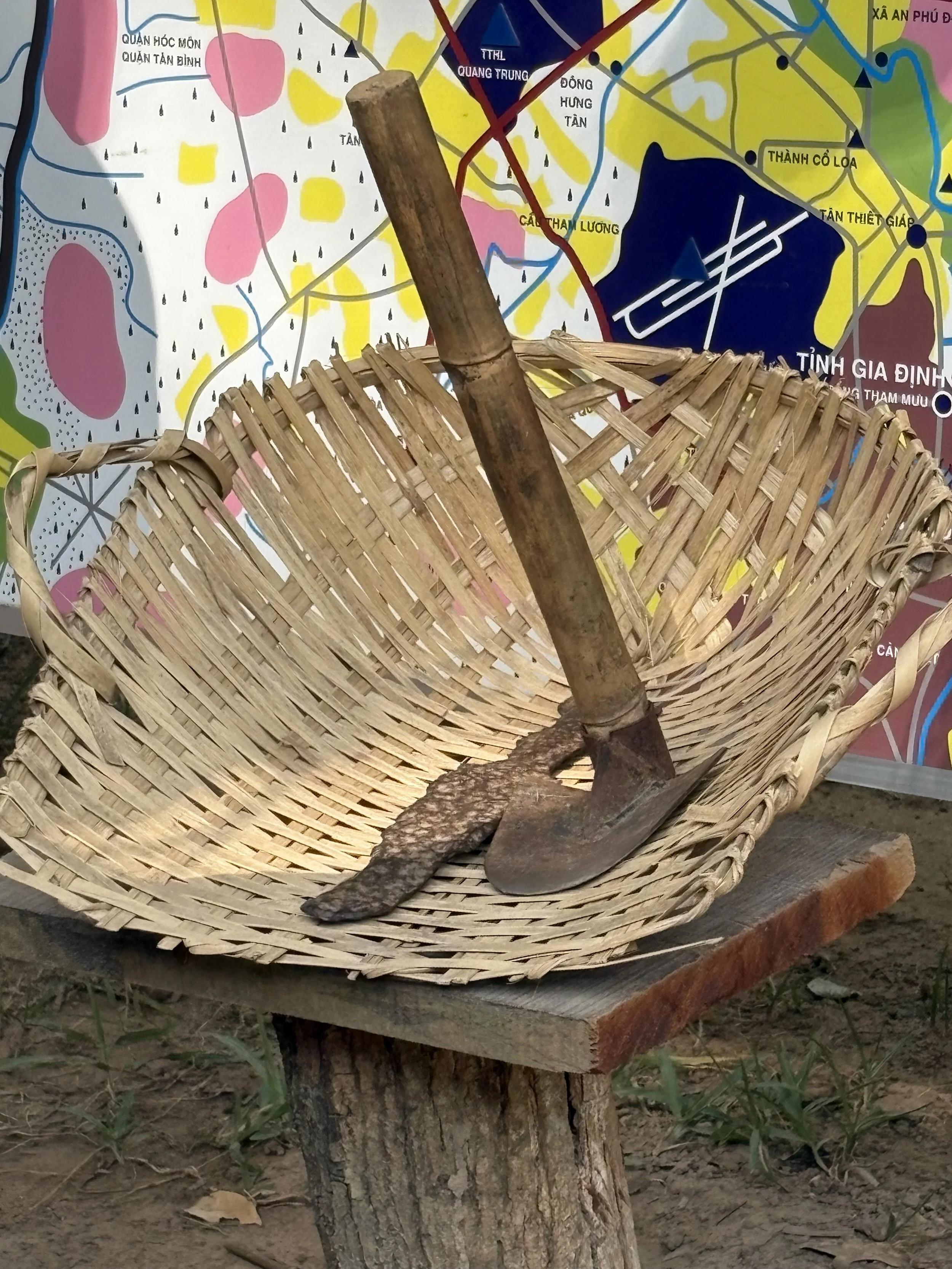
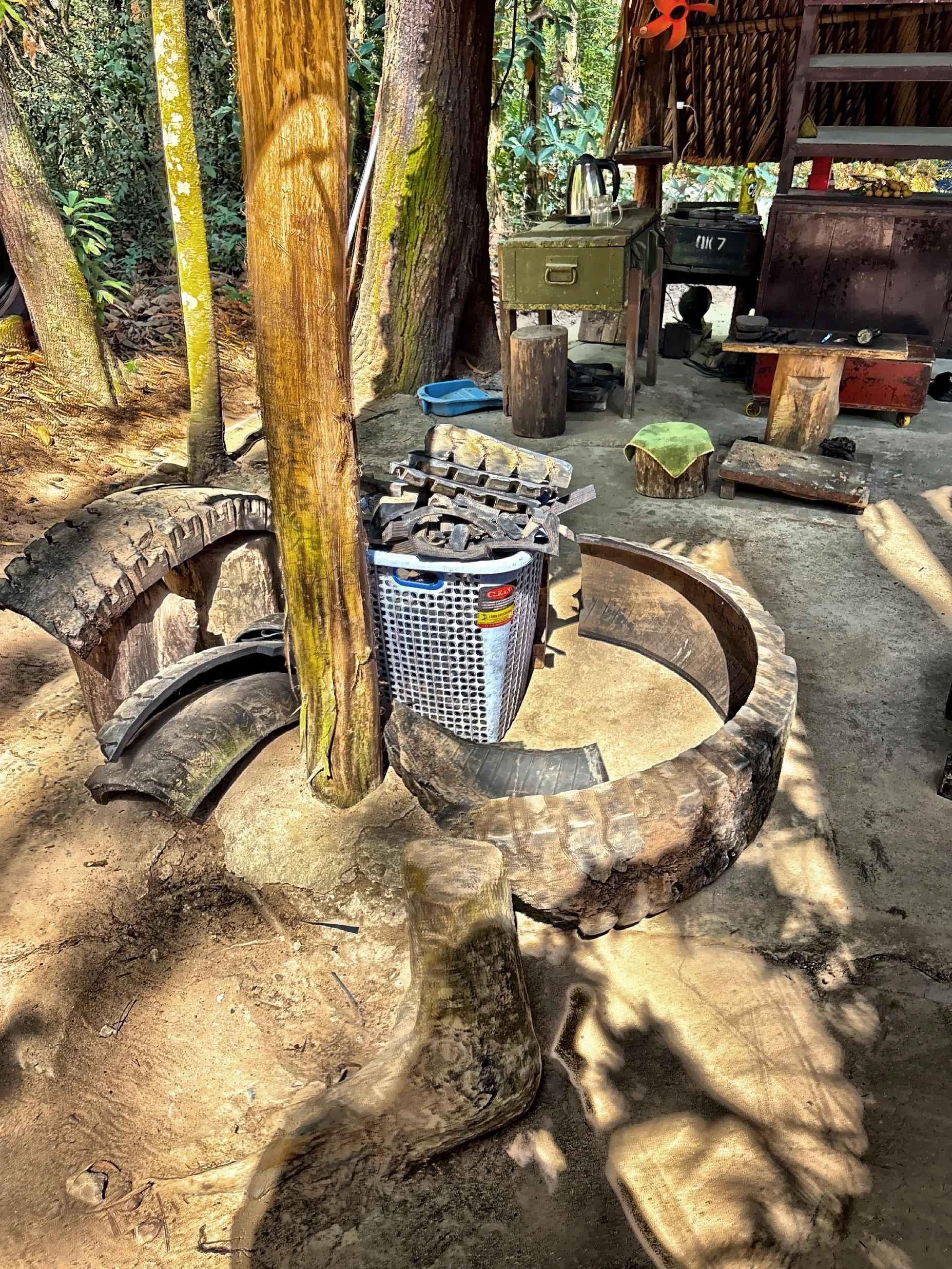
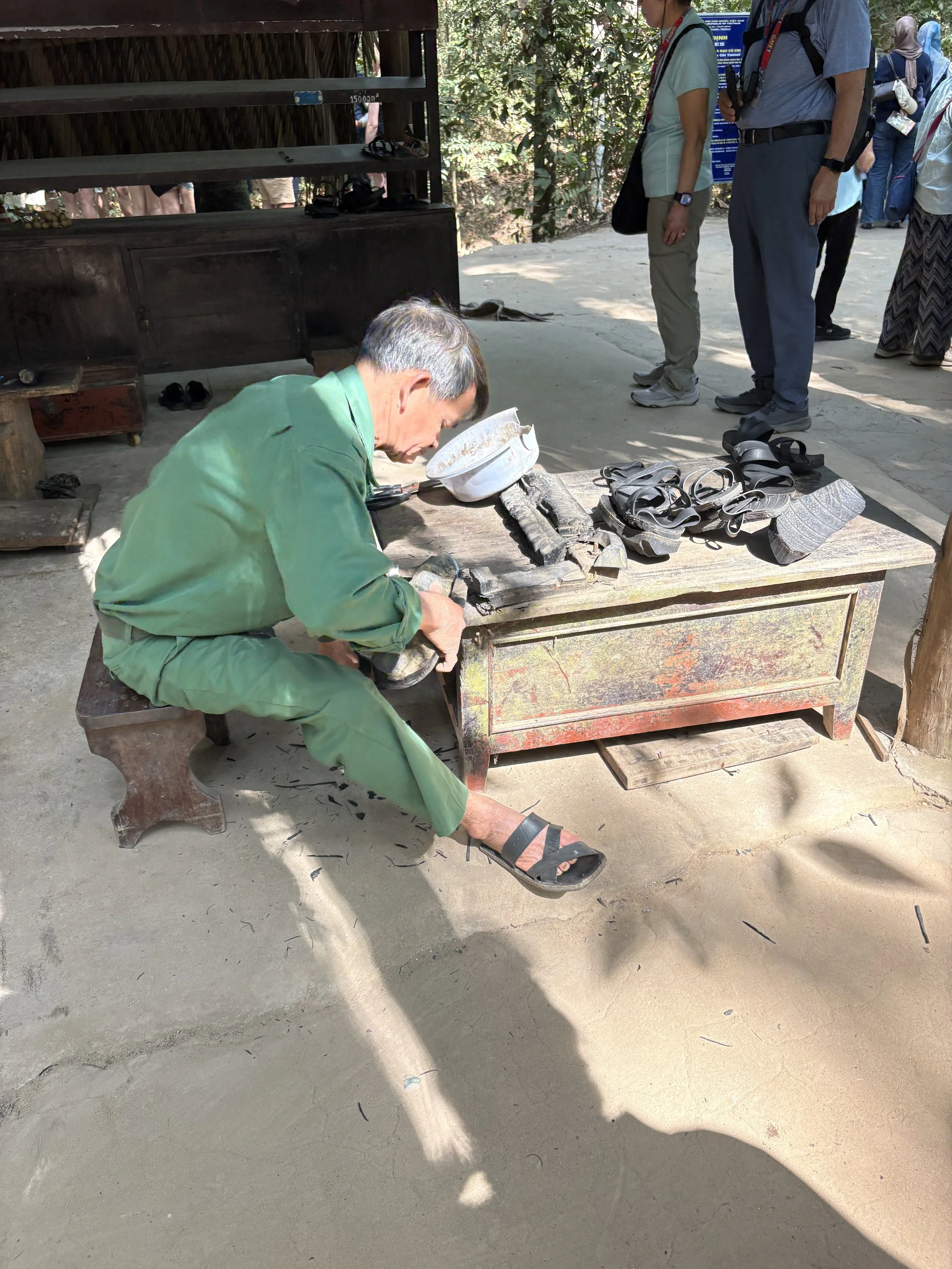
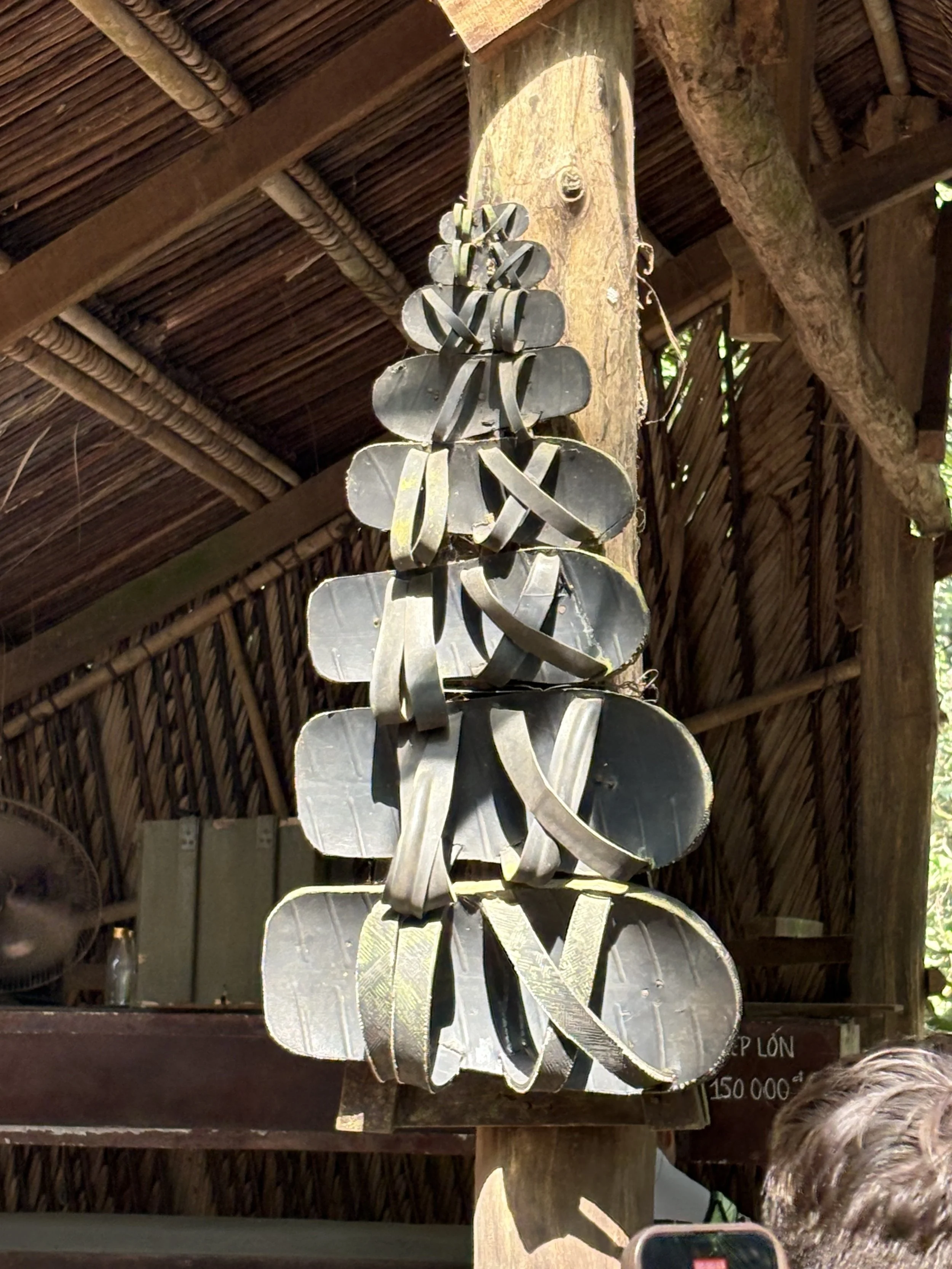
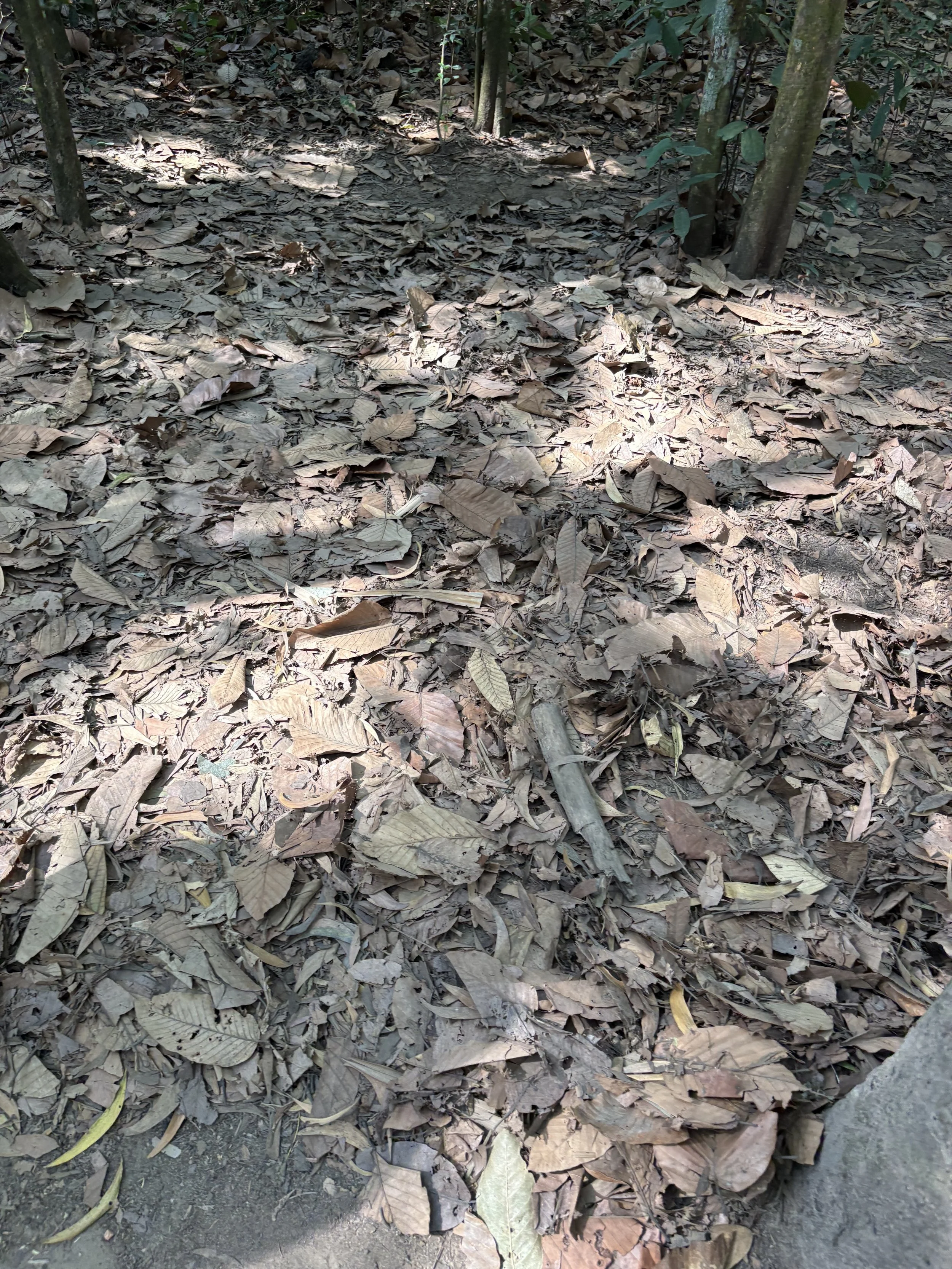
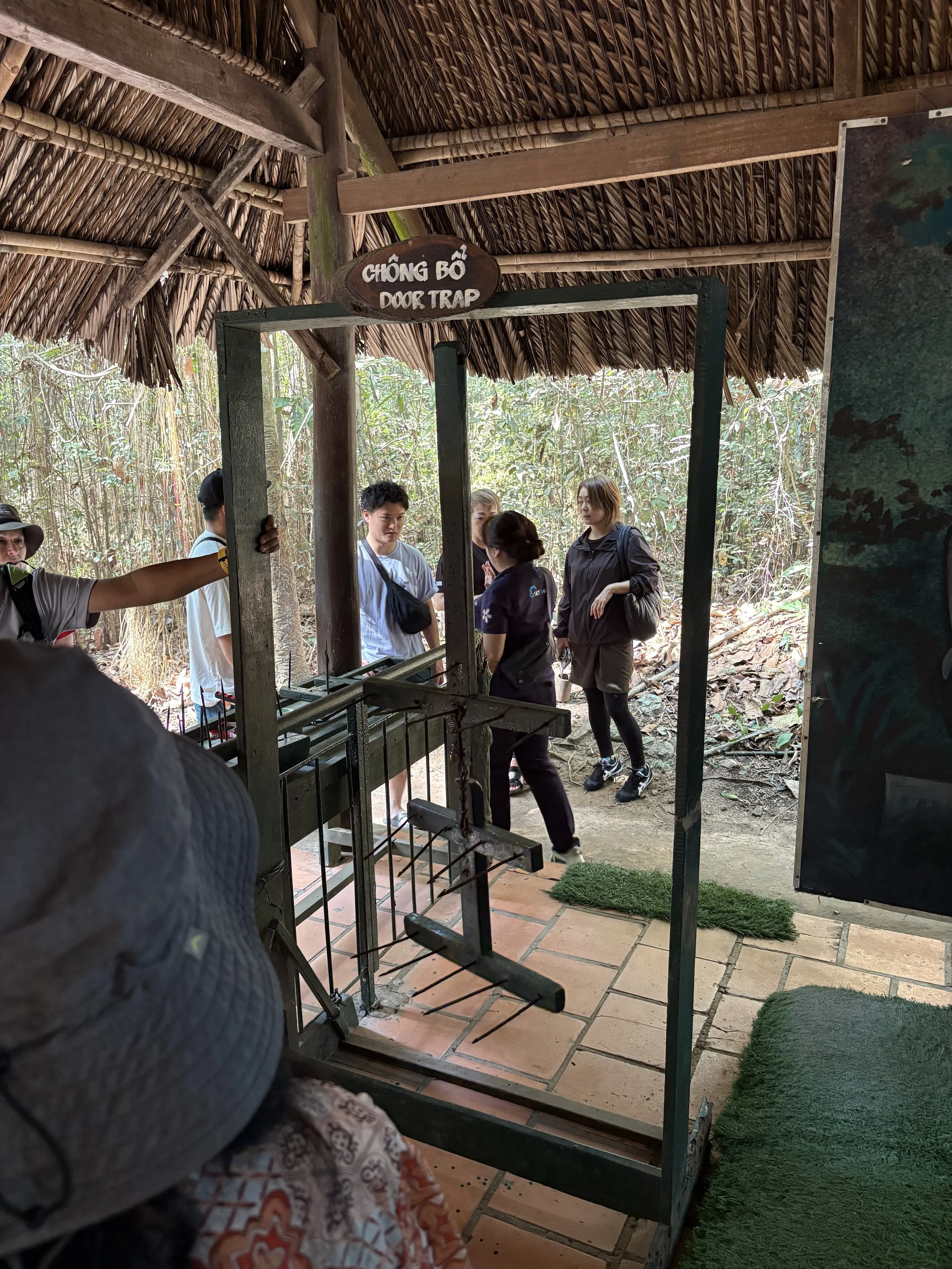
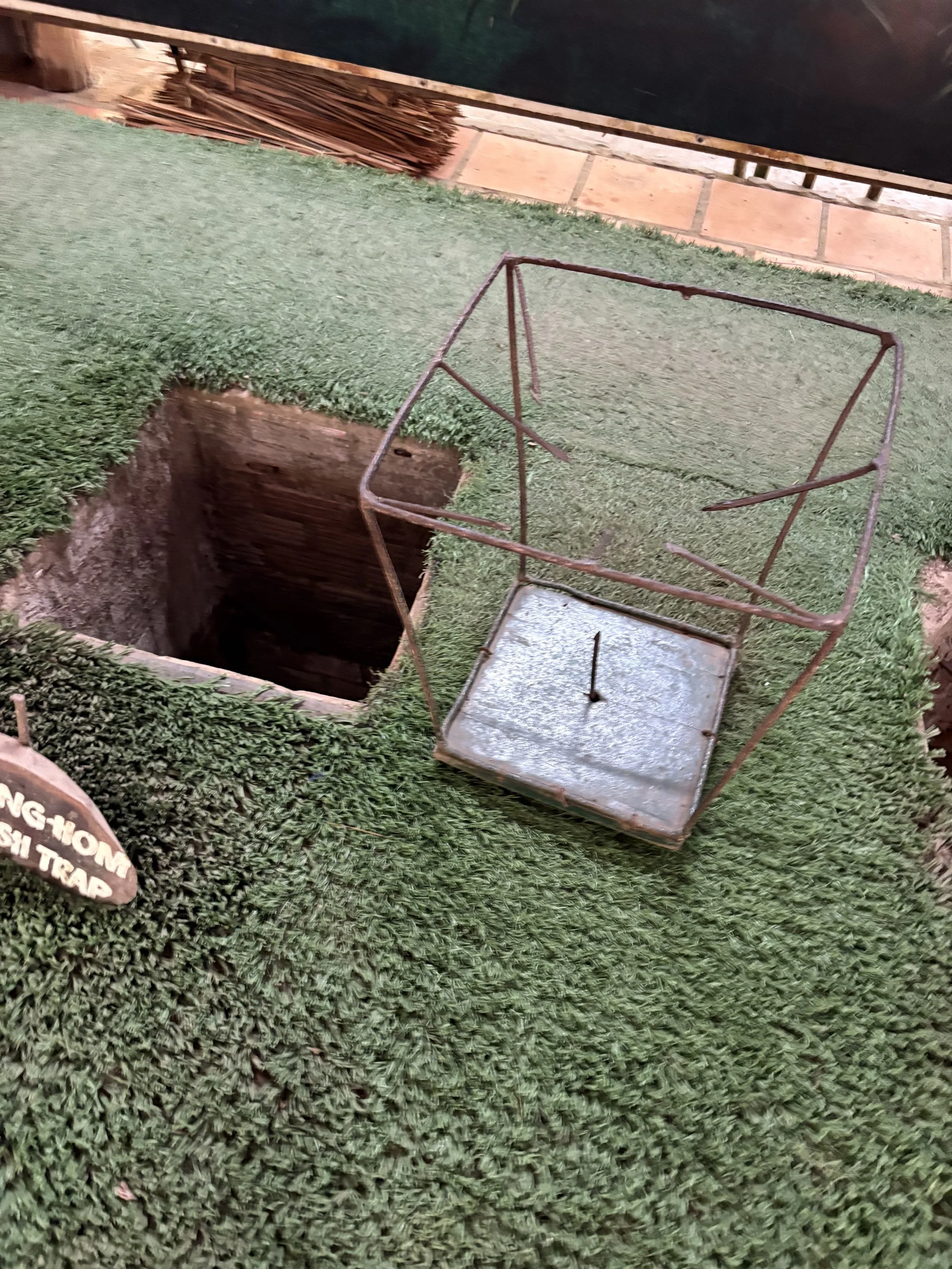
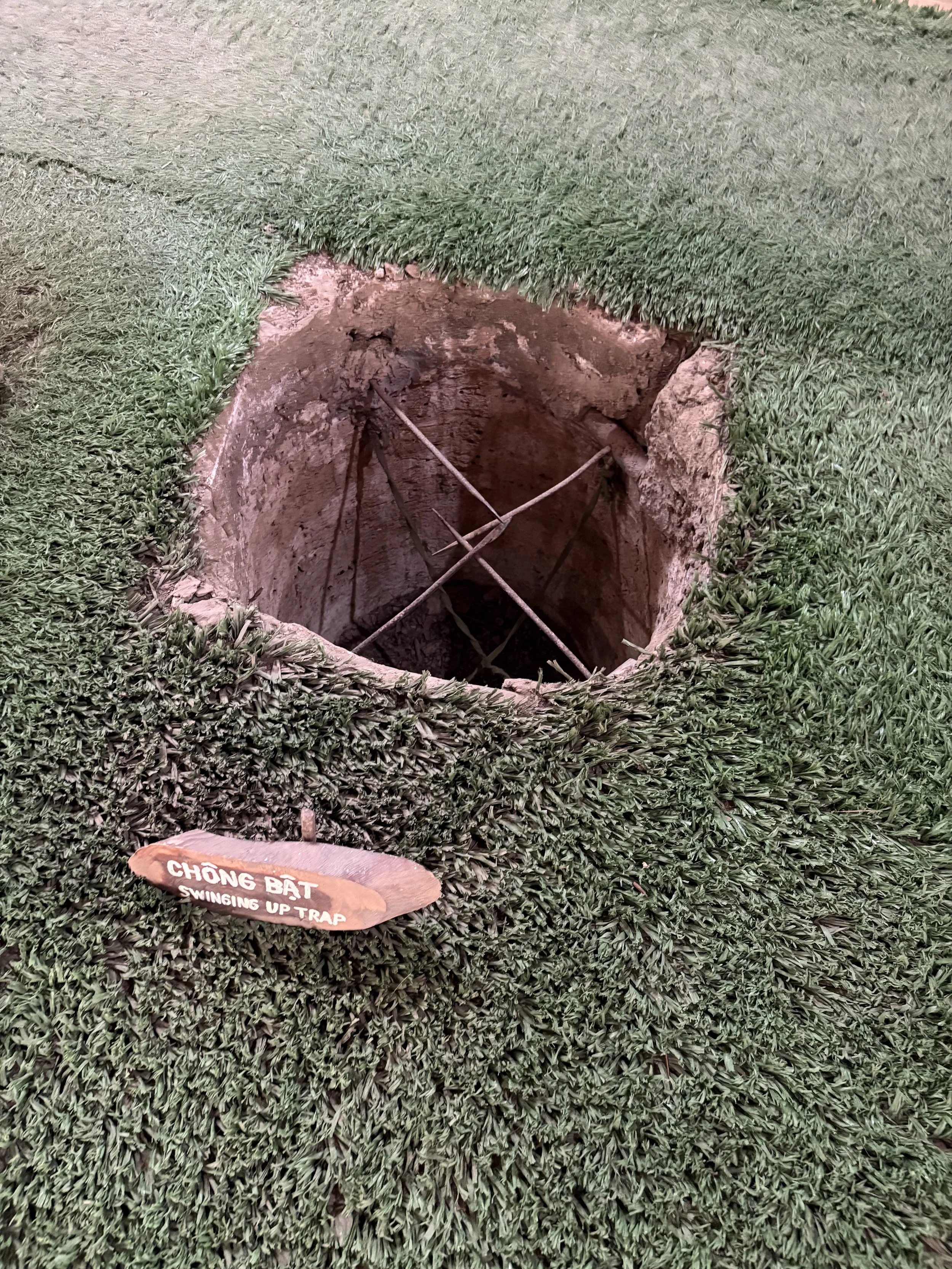
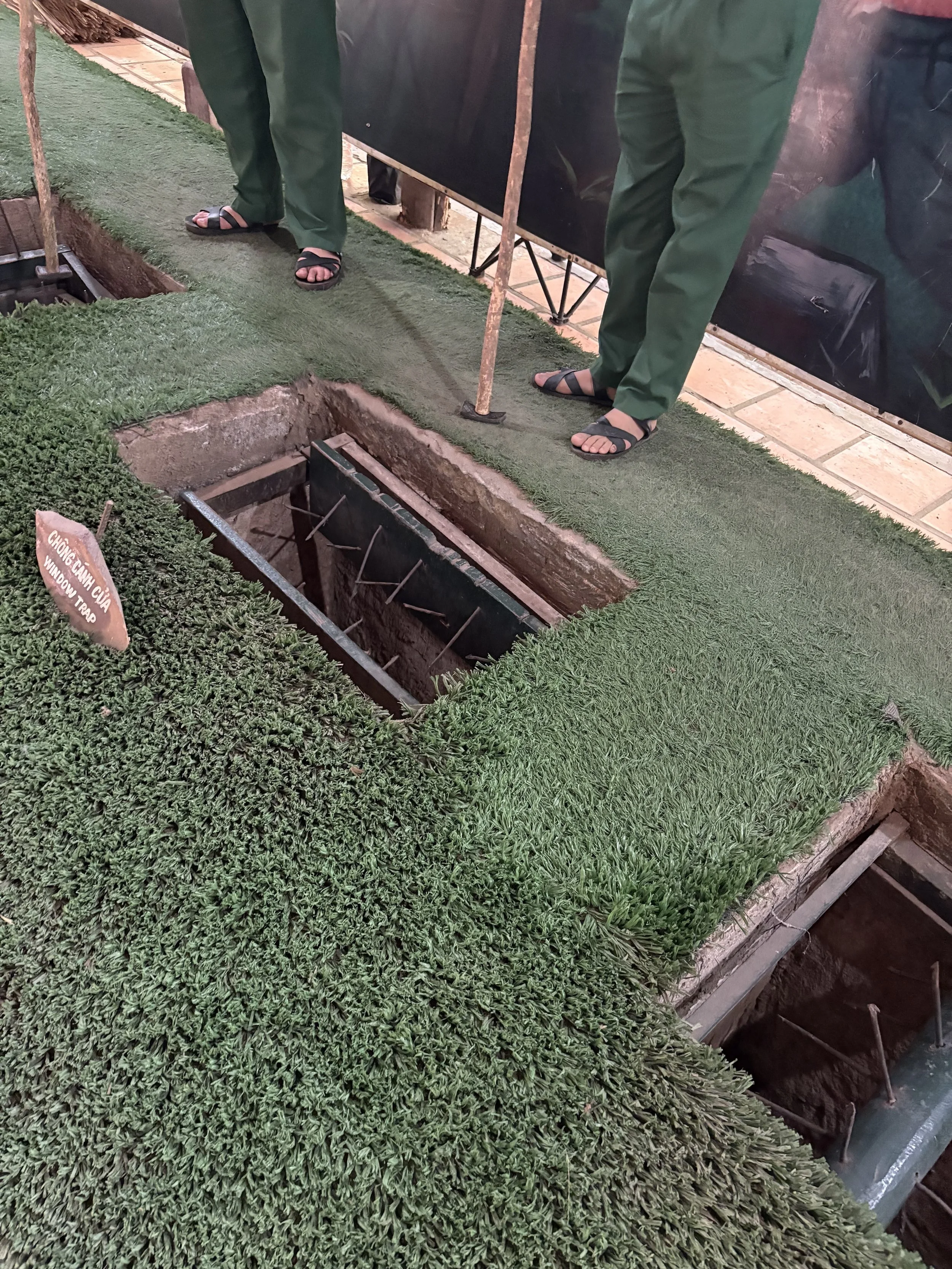
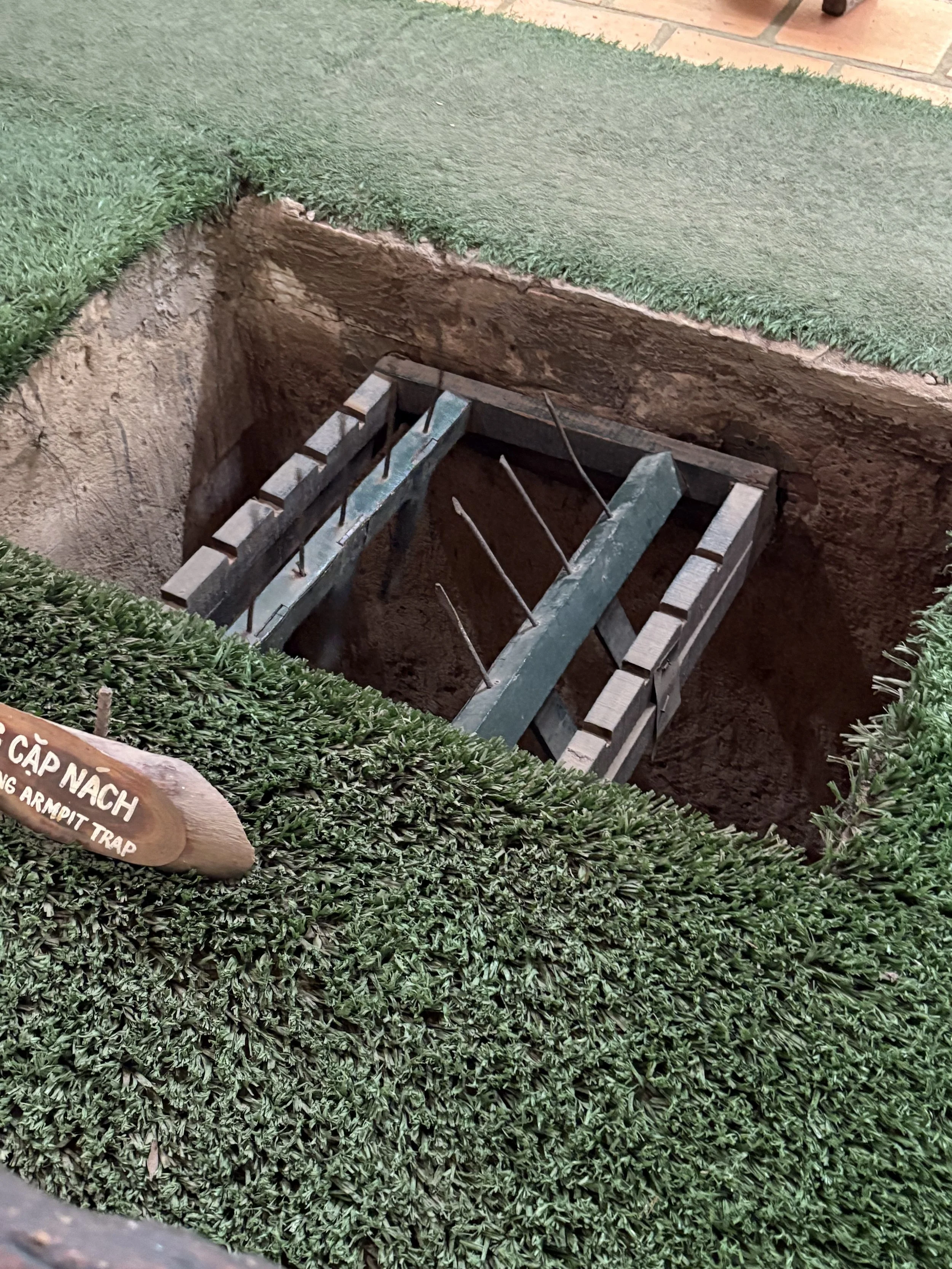
Walking the site today, guides demonstrate the kinds of traps that were used, how entrances were concealed, and how life was sustained in conditions most of us would struggle to imagine. It connects directly to those childhood fragments of language and imagery—guerrilla tactics, constant movement, adaptation under pressure. Seeing it in person transforms those distant concepts into something far more grounded and human.
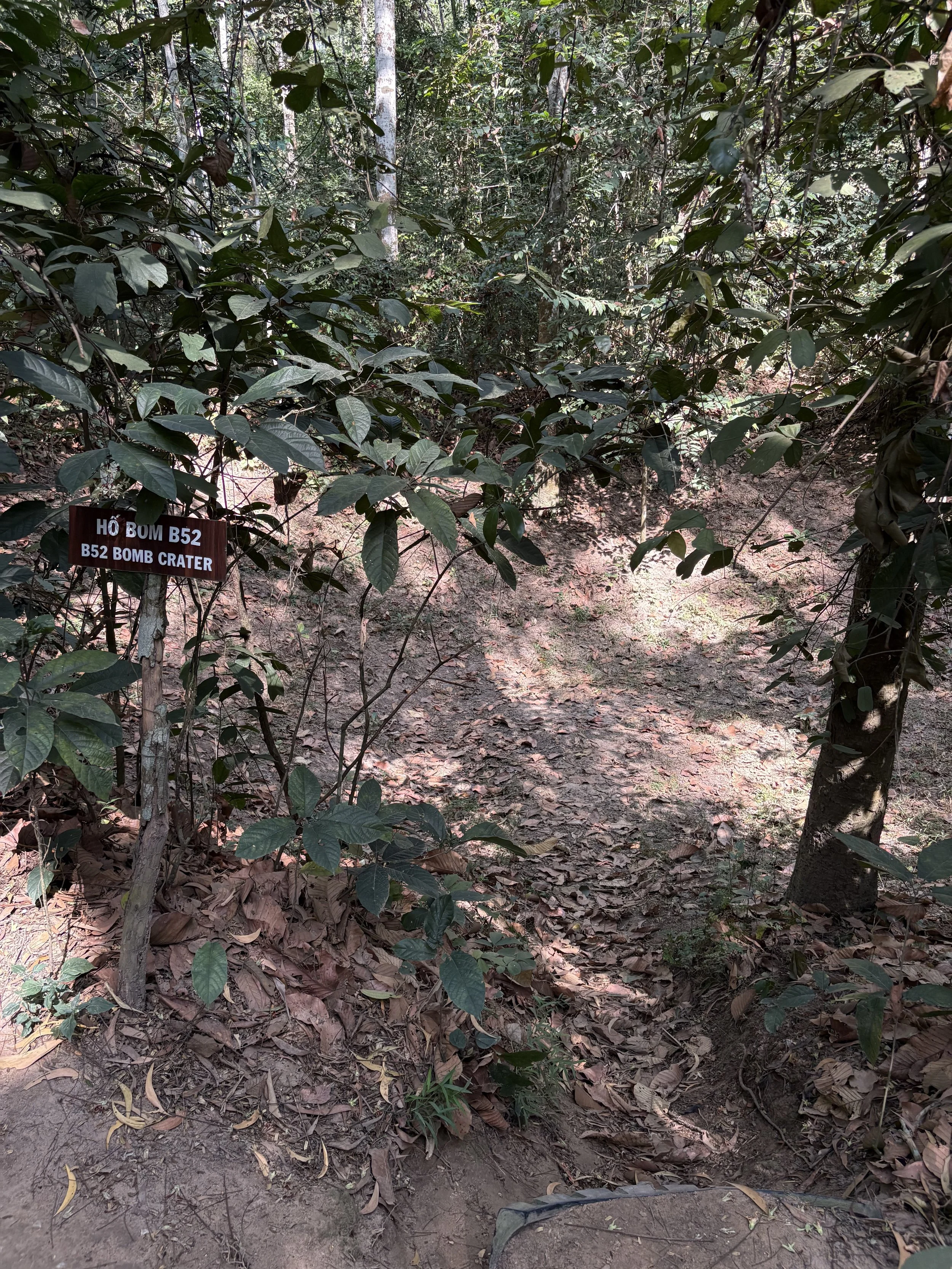
The legacy of the war is still present, not only in preserved sites like Cu Chi, but in the lives of people across the country. One of the most sobering reminders is the long-term impact of Agent Orange, a powerful chemical defoliant used by the U.S. military during the war. Decades later, its effects continue across generations here, shaping lives in ways that are often quiet, persistent, and not always visible to visitors.
Another chapter that rarely appeared in the simplified narratives of history I grew up with is that of Amerasian children—those born to Vietnamese mothers and American fathers during the war. Because they were visibly linked to American soldiers, many faced deep discrimination in Vietnam after the conflict ended and were often viewed as living reminders of a painful past. They could be denied schooling, jobs, and social acceptance, and some ended up in orphanages or on the streets. Their mothers were also frequently marginalized.
This is by no means a “light” stop on any itinerary, but it is a meaningful one. Like Belfast, it is a place where history is not just explained—it is felt. And where what once seemed distant and abstract becomes, in person, deeply human.
This is what caught my eye - I hope you enjoy!
Do you like the images posted?
Click here to explore the shop.
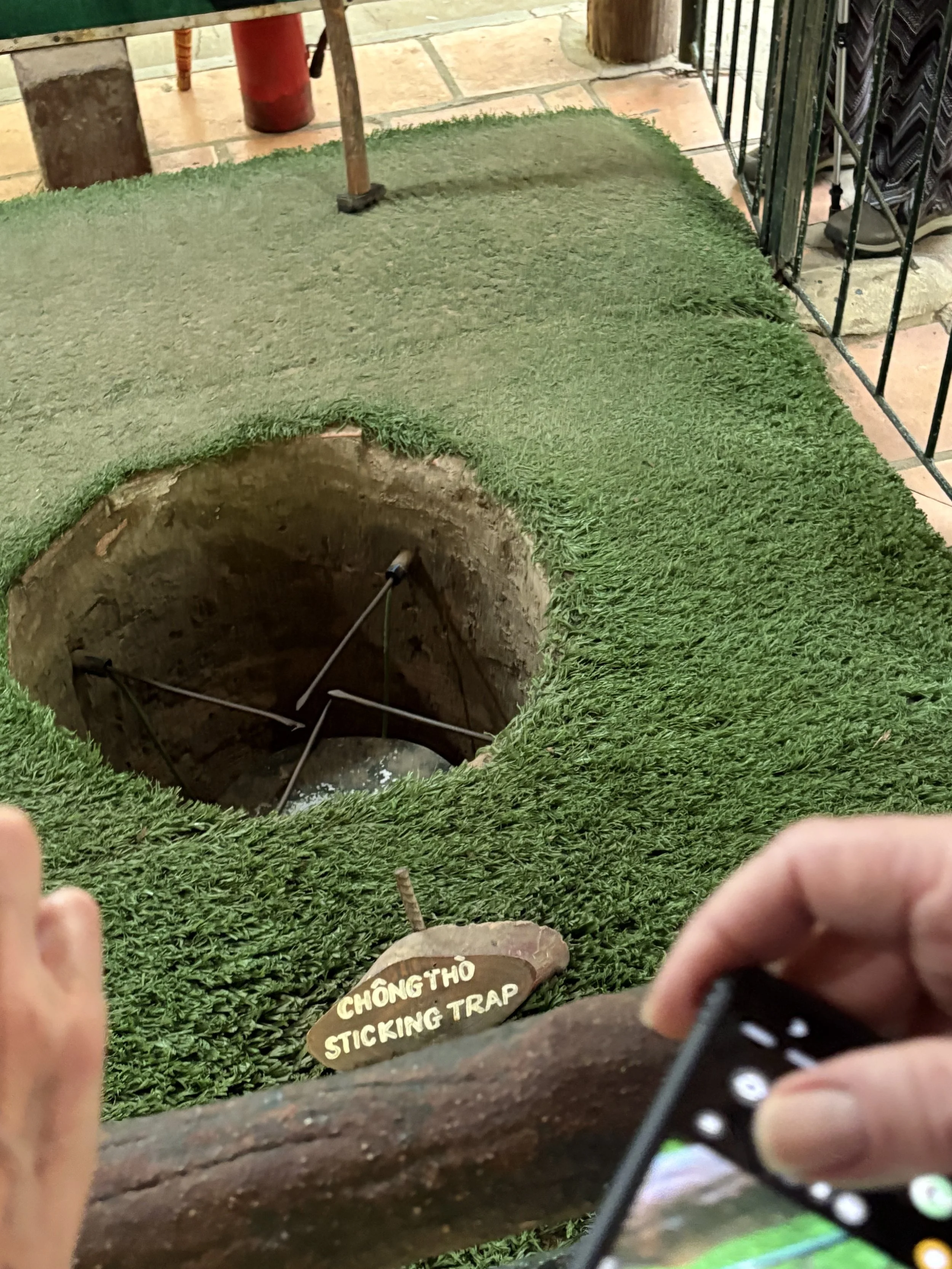
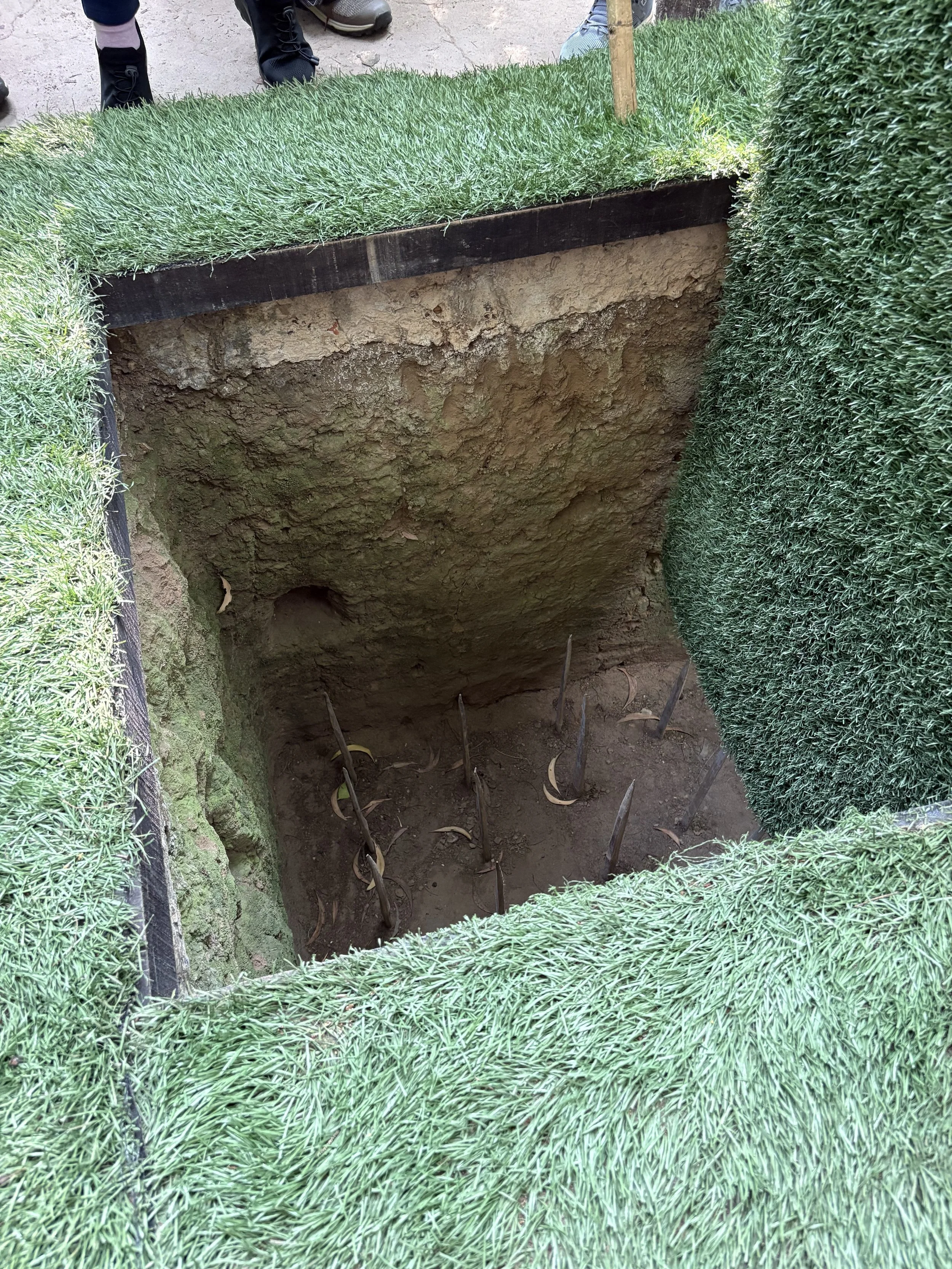
What you should know:
If you’re even a little claustrophobic, you might want to skip going deep into the tunnels—the entrances can feel intense pretty quickly. I am not claustrophobic, but once the guy ahead of me stopped, I freaked out and backed out of the tunnel.
Wear clothes you don’t mind getting dusty, and expect heat and humidity.
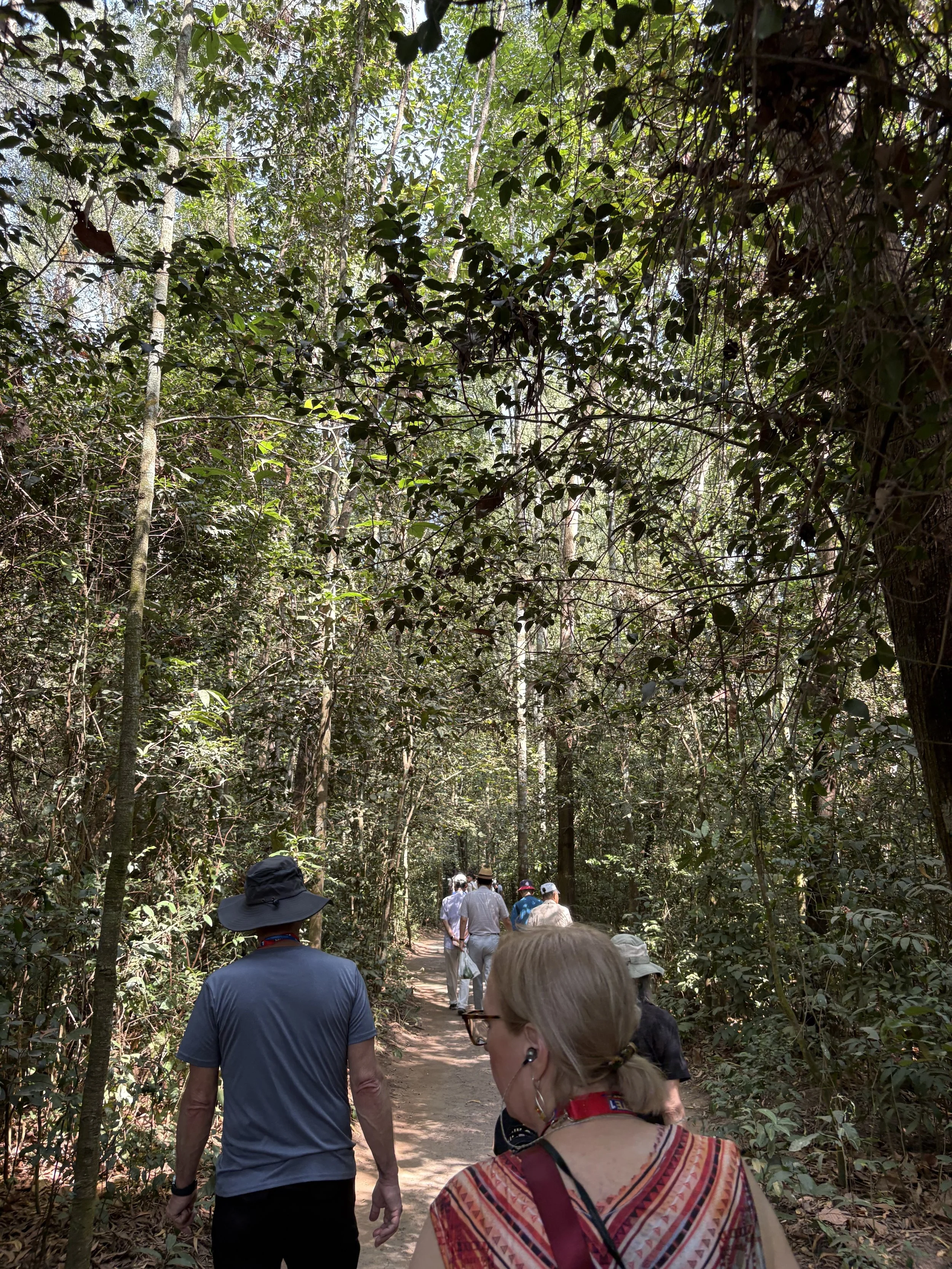
The site involves quite a bit of walking in humid conditions. Stay hydrated and take breaks when you need them. Drink bottled water only.
There’s a shooting range on-site where visitors can fire historical weapons. The gunshot kind of added to the story for me.
Some displays and demonstrations can be graphic or unsettling. It’s part of understanding the reality of what happened there.
There is designated pay parking available.
Admission can be purchased on site.
Public bathrooms in Vietnam often do not have toilet paper, so it is essential to carry your own tissues or toilet paper at all times. While tourist-oriented cafes, hotels, and restaurants usually have it, many public, local, or rural bathrooms do not. Most toilets use a bidet sprayer ("bum gun") instead of paper.
Location: Phu Hiep, Cu Chi, Ho Chi Minh, Vietnam
For more information: Cu Chi Tunnels
If you enjoyed this post, feel free to check out my previous posts by clicking here.