Lewes is a charming small town that is located where the Delaware Bay meets the Atlantic Ocean. When you stroll the streets of the historic district you will see unique shops, museums, and restaurants to please every palate. There are some buildings and houses that date back as far as the 17th century. The area also has beaches on both the bay and the ocean as well as preserves filled with hiking/walking trails. Lewes was the site of a British bombardment during the war of 1812. The story is told in the Cannonball House on Front Street.
Here is what caught my eye; I hope you enjoy!
Buildings on Front Street
Inviting front porch
A few buildings of the historic Shipcarpenter Street Campus of the Historical Society
The ocean beach
Do you like the images posted?
Click here to explore the shop.
The town clock
The Lightship Overfalls was the last lightship built for the U.S. Lighthouse Service in 1938.
The Zwaanendael Museum was created to honor the 300th anniversary of Delaware’s first European settlement, Zwaanendael, founded in 1631. The museum building is modeled after the former City Hall in Hoorn, Netherlands.
The Lewes Life-Saving Station was the fourth station to be established (in 1884) on the Delaware coast.
The Lewes Maritime Museum at the Cannonball House on Front Street was built in 1765.
Inside the Cannonball House Maritime Museum
The Bramble & Brine restaurant on 2nd Street was once the Trader Mansion home to many generations of the family.
The Queen Anne Victorian building that now houses Raas restaurant on Savannah Road was built in 1899 for Captain Johnson and his wife, Isabella.
Some other town’s interesting architecture
.
Lewes Presbyterian Church was built in 1832
.
.
The Dr. Hiram Rodney Burton House built in 1720, was home to a prominent Lewes physician who served in the 59th and 60th U.S. Congresses. This and the next few images are part of the Historical Society’s properties.
The Doctor’s Office is a Grecian temple looking building constructed about 1836.
Inside the doctor’s office
The Blacksmith shop (built around 1780) and the Plank House (built around 1700)
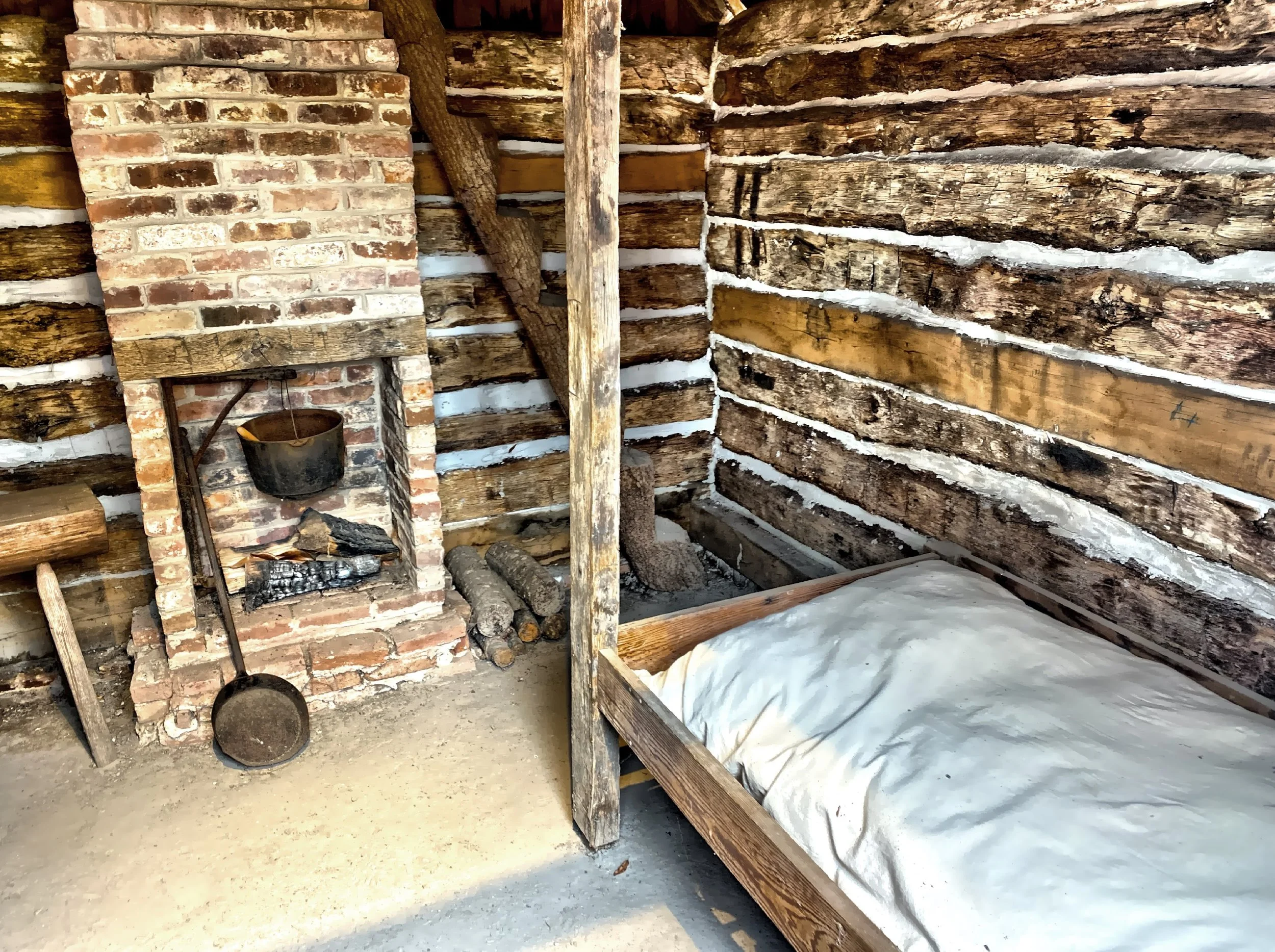
A look inside a few of the Society’s buildings
.
.
.
.
St Peter’s Episcopal Church was founded in 1708
What you should know:
There are walking trails in the preserve and at the beaches.
There are public restrooms at the beaches.
You could spend a couple of hours to an entire day exploring here.
There is on the street parking and parking lot options, some metered and some free.
Parking in-season may be difficult.
People are friendly and helpful.
There are quite a few nearby restaurant options.
For more information: Historical Lewes