In the pre-Civil War days, the property that Central Park now occupies was a thriving African-American community called Seneca Village. This community, which existed from 1825 to 1857, was the largest community of Black property owners in New York at the time. Approximately 1,600 residents were forcibly displaced through the use of eminent domain to make way for the construction of Central Park.
The plans for the park were approved in 1853, making Central Park the country’s first sizable urban park. Frederick Law Olmsted and Calvert Vaux were chosen to design the 843-acre plot, transforming it into a park featuring sweeping lawns, meandering paths, and broad lakes. It was inspired by urban designs from places like Paris and London, which featured ample green spaces for wealthy people to stroll through and enjoy. Although it appears completely natural, all of the park’s natural features are, in fact, man-made.
This is what caught my eye; I hope you enjoy!
Set in the middle of bustling Manhattan, its grounds serve as a safe haven, not only for athletes, daydreamers, musicians, and strollers, but also for many migratory birds each year.
.
Central Park was the first public landscaped park in the United States.
Do you like the images posted?
Click here to explore the shop.
Details of the Naumburg Bandshell.
The Plaza Hotel across from Central Park.
Horses and carriages
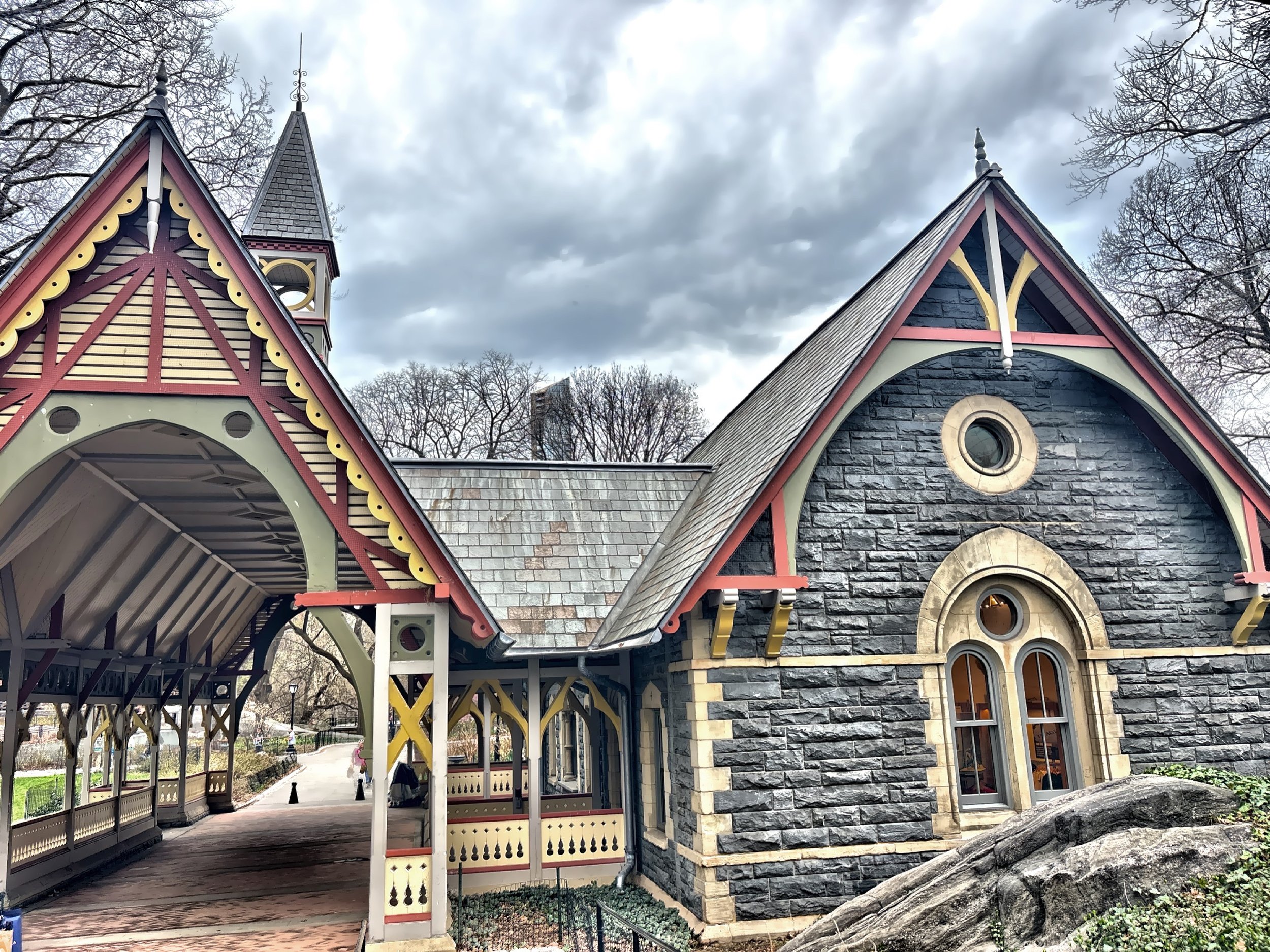
The Dairy Visitor Center designed by Calvert Vaux and was completed in 1871. It was originally intended to provide fresh milk and snack for children.
The Dakota apartment building peeking through the trees.
There are 58 miles of pedestrian routes in Central Park.
.
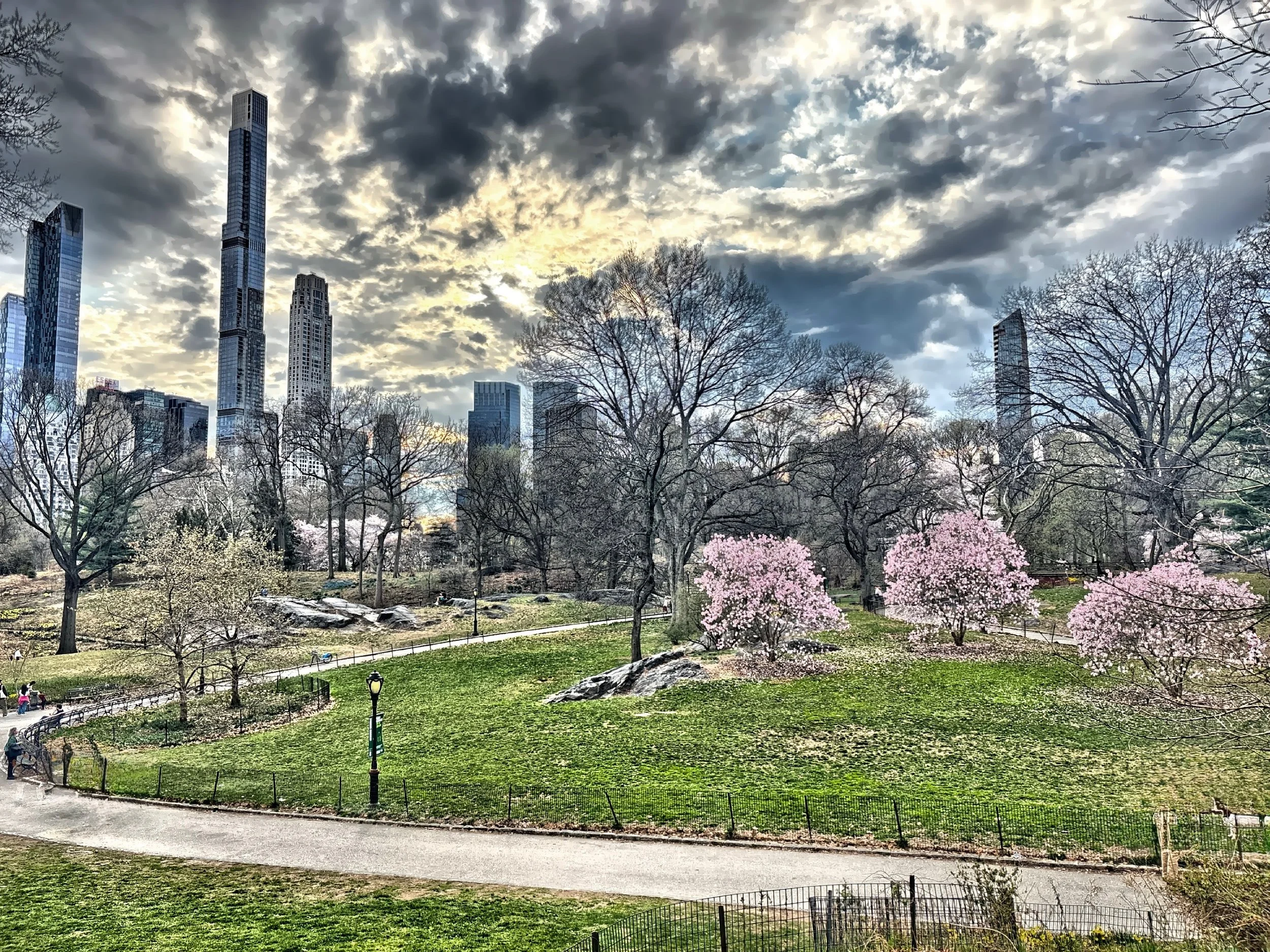
Towering building surround the park.
.
.
.
.
An entire day can be spent exploring the park with almost 50 fountains, monuments, and sculptures and the 36 bridges and arches.
Alice in Wonderland sculpture donated by philanthropist and publisher George Delacorte.
.
The entrance to the Tisch Children’s Zoo
The hippo sculpture, part of the Delacorte Clock was dedicated in 1965 outside the children’s zoo.
.
Conservatory Water
Imagine - Strawberry Fields
The boathouse
Bethesda Terrace balustrades carvings designed by architect Jacob Wrey Mould.
.
Inside the Bethesda Terrace which overlooks the lake.
.
.
.
The Bethesda Fountain, also known as “Angel of the Waters” commemorates the opening of the Croton Aqueduct in 1842.
The John Purroy Mitchel Memorial dedicated in 1928. Mitchel was mayor of New York from 1914 to 1917.
The Arsenal building built between 1847 and 1851 for storage of arms and ammunition. It is the second oldest building in the park.
Horse-drawn carriage traveling along a winding lane.
.
.
The 79th Street Transverse Road cutting through the park.
.
.
Playmates Arch locate din the Children’s District, connecting the Carosel and the Dairy.
.
The Summerhouse serves as a scenic, often quiet spot in the park.
The Manhattan skyline captured under Gapstow Bridge.
.
.
.
.
The Women’s Rights Pioneers Monument unveiled in 2020 features Sojourner Truth, Susan B Anthony, and Elizabeth Cady Stanton.
The 107th New York Infantry Regiment Memorial dedicated in 1927.
The Richard Morris Hunt Memorial dedicated to the prominent architect of the Gilded Age who designed many of the mansions that once lined Fifth Avenue, the Metropolitan Museum of Art and the base of the Statue of Liberty.
What you should know:
The park is open 24 hours, 7 days a week
There are walking trails.
There are restrooms available.
Wear comfortable shoes.
You could spend a couple of hours to an entire day.
Picnicking is allowed.
It is free to enter, but some attractions require a separate entrance fee. These attractions may have limited operating days and hours.
Location: Stretches from 59th Street to 110th Street, between Fifth Avenue and Central Park West.
For more information: Central Park
If you enjoyed this post, feel free to check out my previous posts by clicking here.