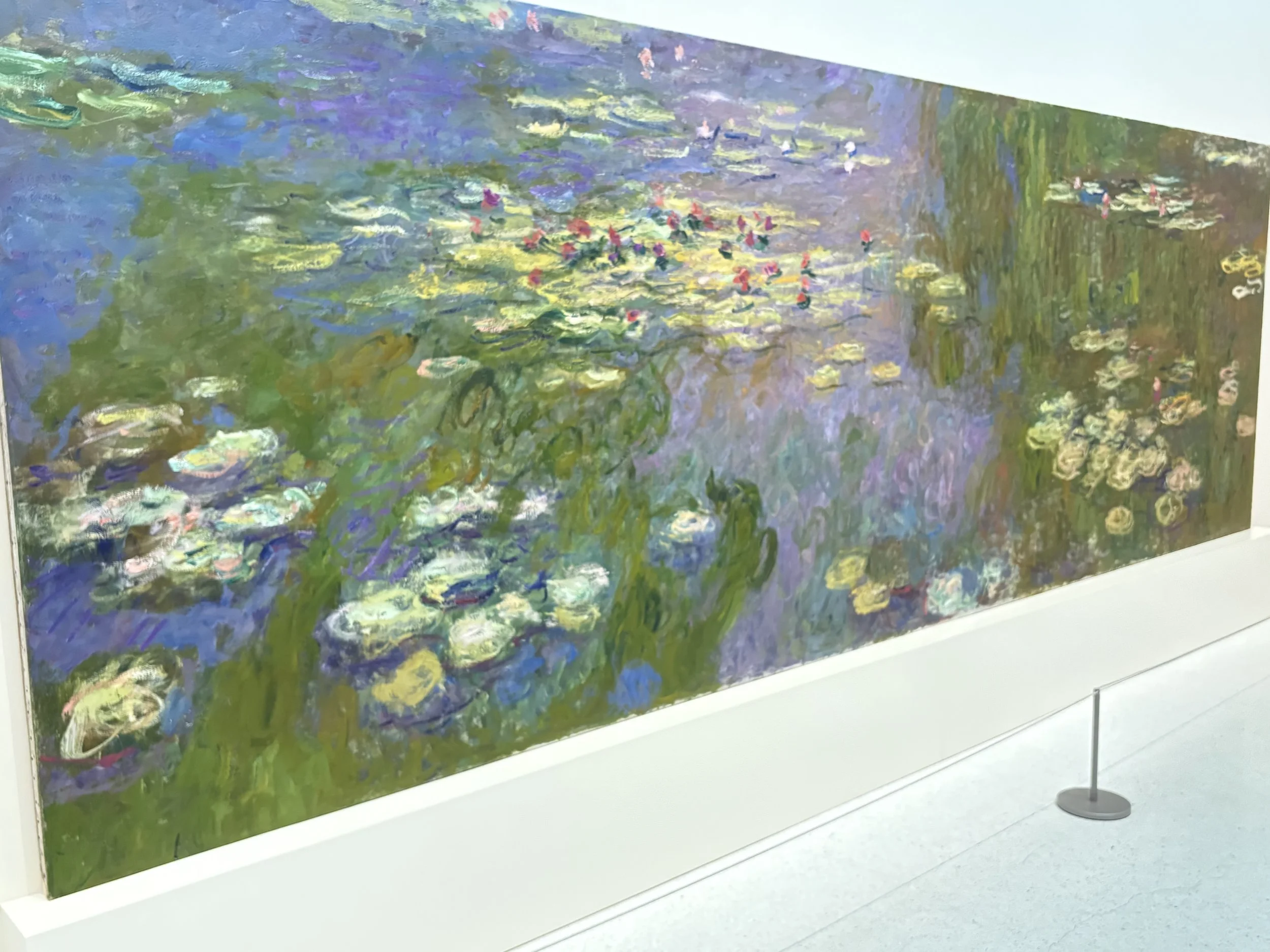
Pittsburgh is known as the "Steel City" due to its industrial past, but today, it has reinvented itself with a strong presence in the tech, healthcare, and education sectors. The city blends its blue-collar roots with modern, tech-savvy growth, creating a distinctive and authentic atmosphere.
Pittsburgh dominated the steelmaking industry due to its abundance of natural resources—coal and ore—its strategic location at the junction of major rivers that facilitated transportation, and technological advancements such as the Bessemer process and the rise of integrated mills.
A visit to Pittsburgh feels like discovering a well-kept secret. It’s affordable, full of personality, refreshingly free from crowds, and visually striking—thanks to its iconic bridges, scenic rivers, and dramatic skyline.
The city boasts a rich cultural scene, featuring venues like Heinz Hall for the Performing Arts and the Benedum Center, as well as museums such as the Andy Warhol Museum, the Heinz History Center and the Carnegie Museums of Art, Natural History, and Architecture. Architectural attractions include the Cathedral of Learning, Phipps Conservatory, Hartwood Acres, the Carrie Blast Furnaces and Frick’s Clayton Mansion and Museum.
This is what caught my eye—I hope you enjoy!
The Gothic-stlye Trinity Cathedral was built in 1927, replacing the smaller one in built 1825 on the same site.
Sculptures in Agnes R. Katz Plaza, a former half-acre parking lot.
The First Presbyterian Church of Pittsburgh was constructed in 1905.
The Roberto Clement Bridge spans the Allegheny River.
Architectural details of the Heinz Hall for the Performing Arts.
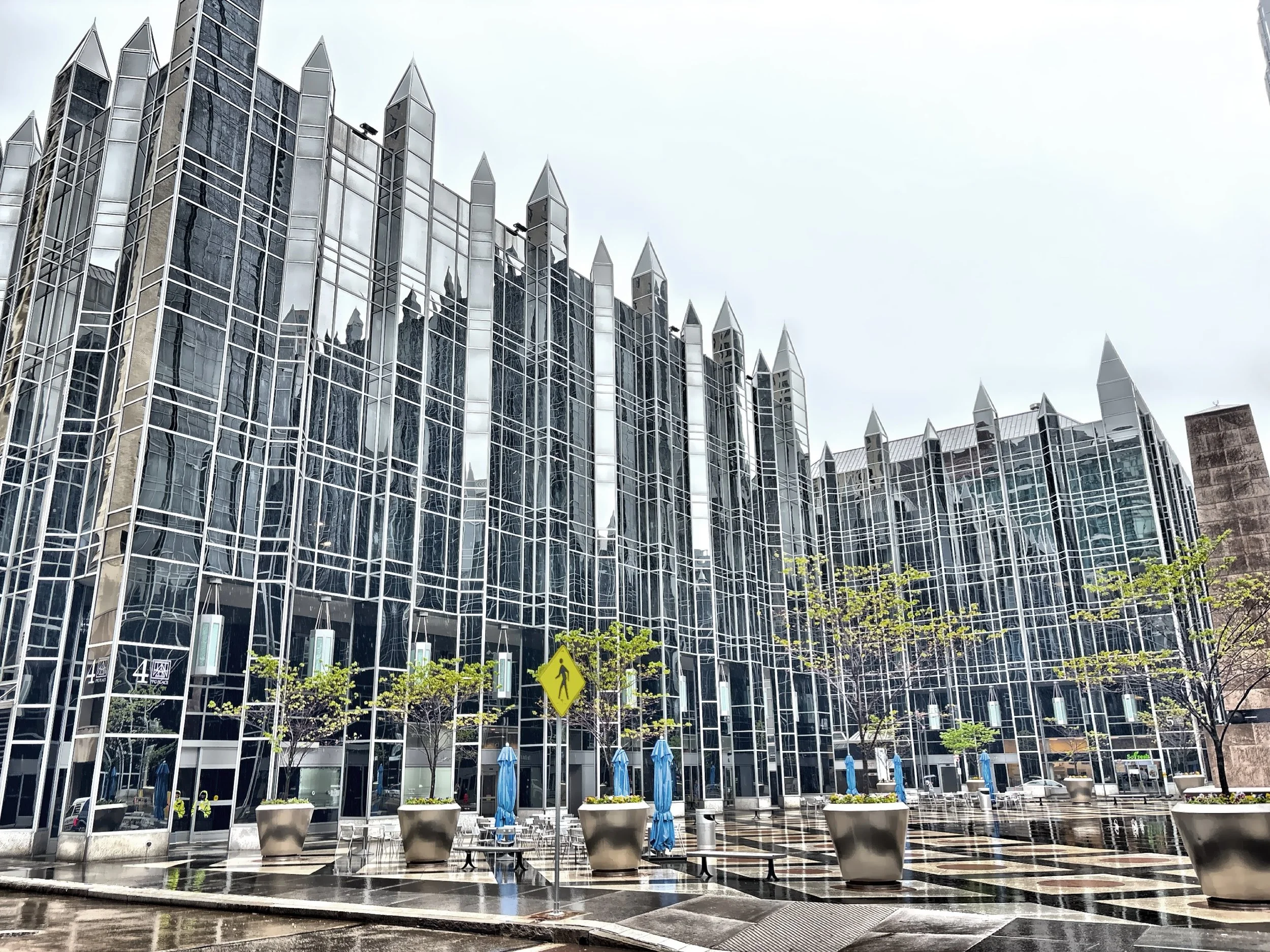
PPG Place complex designed by Philip Johnson and John Burgee features 231 glass spires.
Do you like the images posted?
Click here to explore the shop.
More of PPG Place complex
The First National Bank Building built in 1909.
The Duquesne Club is a private club founded in 1873.
The Benedum Center theater and concert hall was originally opened in 1928 as the Stanley Theater.
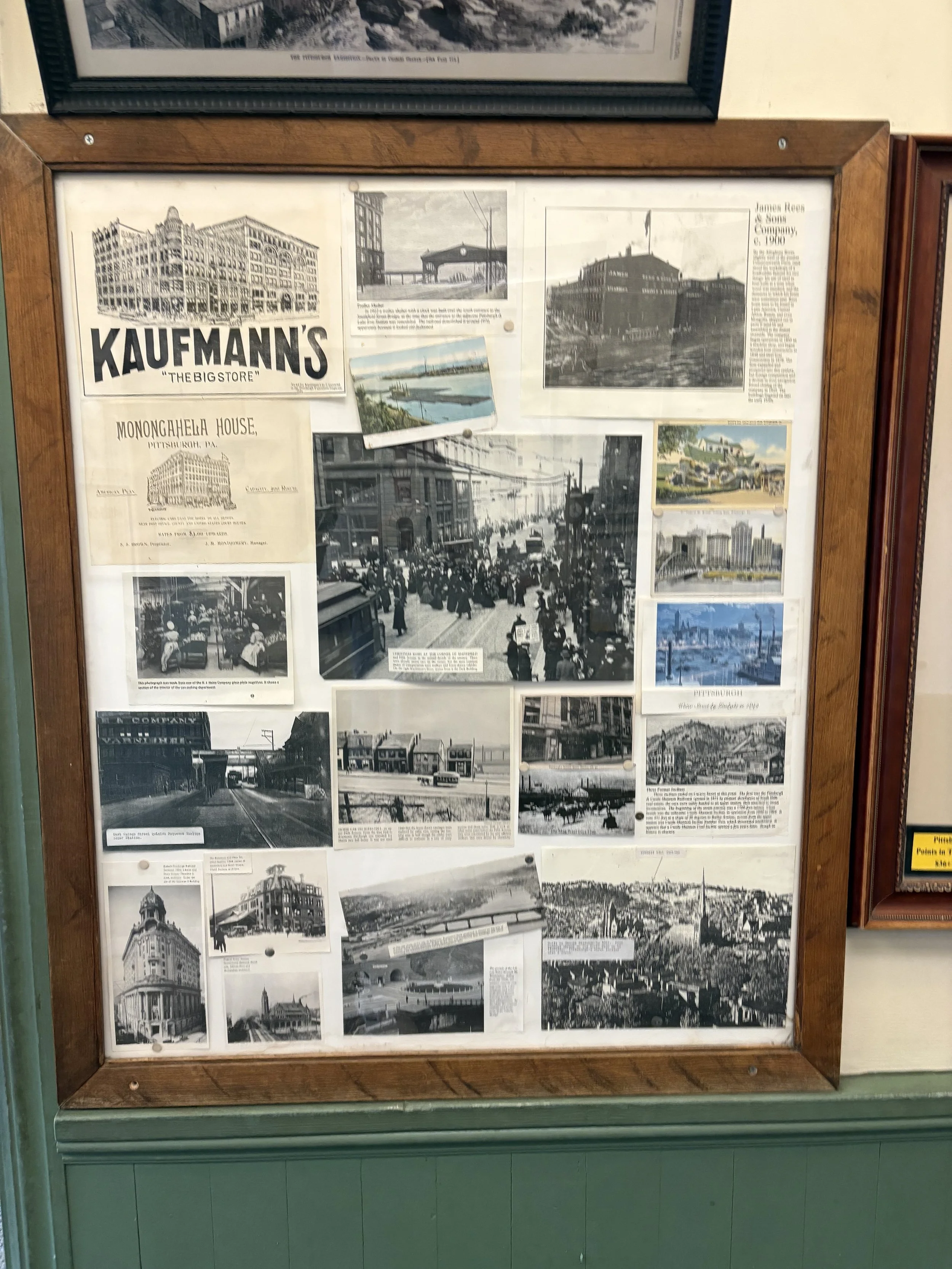
A poster of photos related to Kaufmann’s Department Store.
.
On the Duquesne Incline for a bird’s eye panoramic view of downtown.
.
The Duquesne Funicular car
.
.
The First Hungarian Reformed Church in Homestead was built in 1904.
The Homestead suburb was the site of the Homestead Steel Works, established by Andrew Carnegie. The area attracted immigrant workers as It quickly became one of the largest steel mills which later became part of U.S. Steel. These workers needed places of worship. Here are a few.
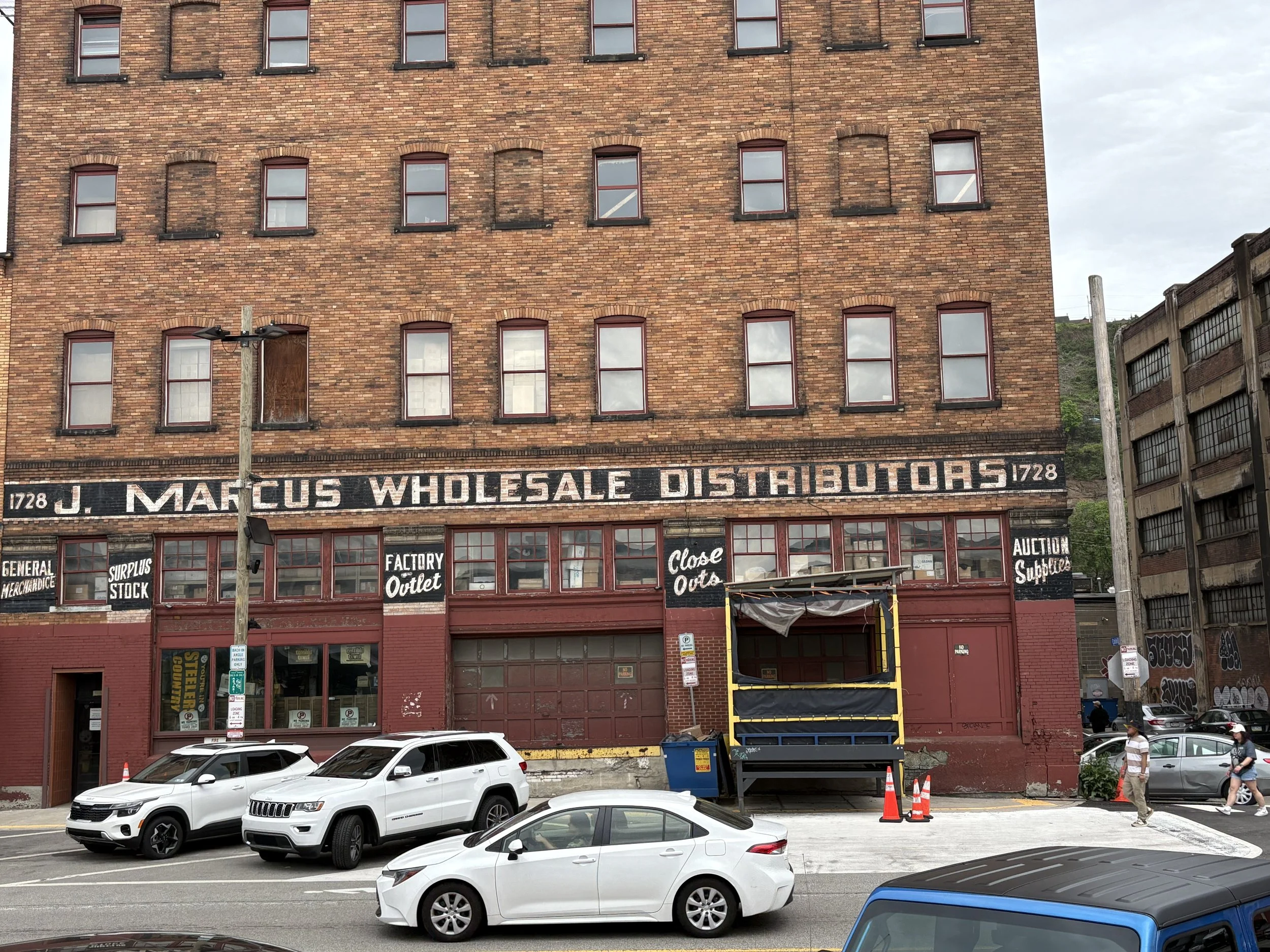
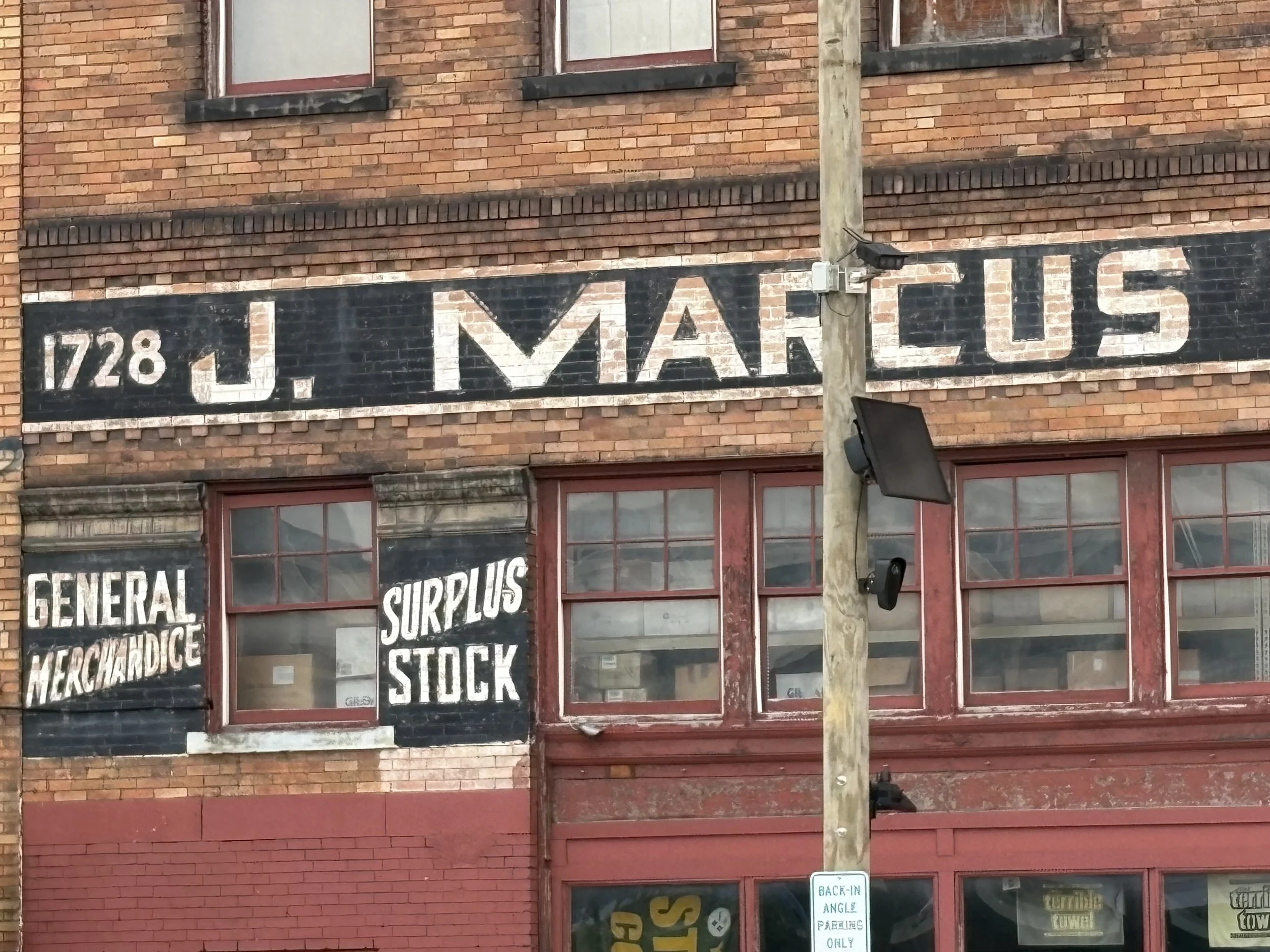
The Park Place AME Church was built in 1920.
St. Mary Magdalene Roman Catholic Church was established in 1873 to serve the German Catholics.
St. John the Baptist Byzantine Catholic Cathedral serving the Greek community.
St Michael’s Catholic Church served the Slovak immigrants.
.
.
The Omni William Penn Hotel facing Mellon Square was built in 1916 and an addition in 1929.
.
Dari Delight ice cream building in Swissvale.
The Allegheny, Monongahela, and Ohio meet downtown – offering incredible views.
The Carnegie Library of Homestead opened in 1898.
.
.
Inside the Library.
.
In the window at the Bost Building National Historic Landmark in Homestead.
.
The Andy Warhol Bridge
.
.
.
.
.
.
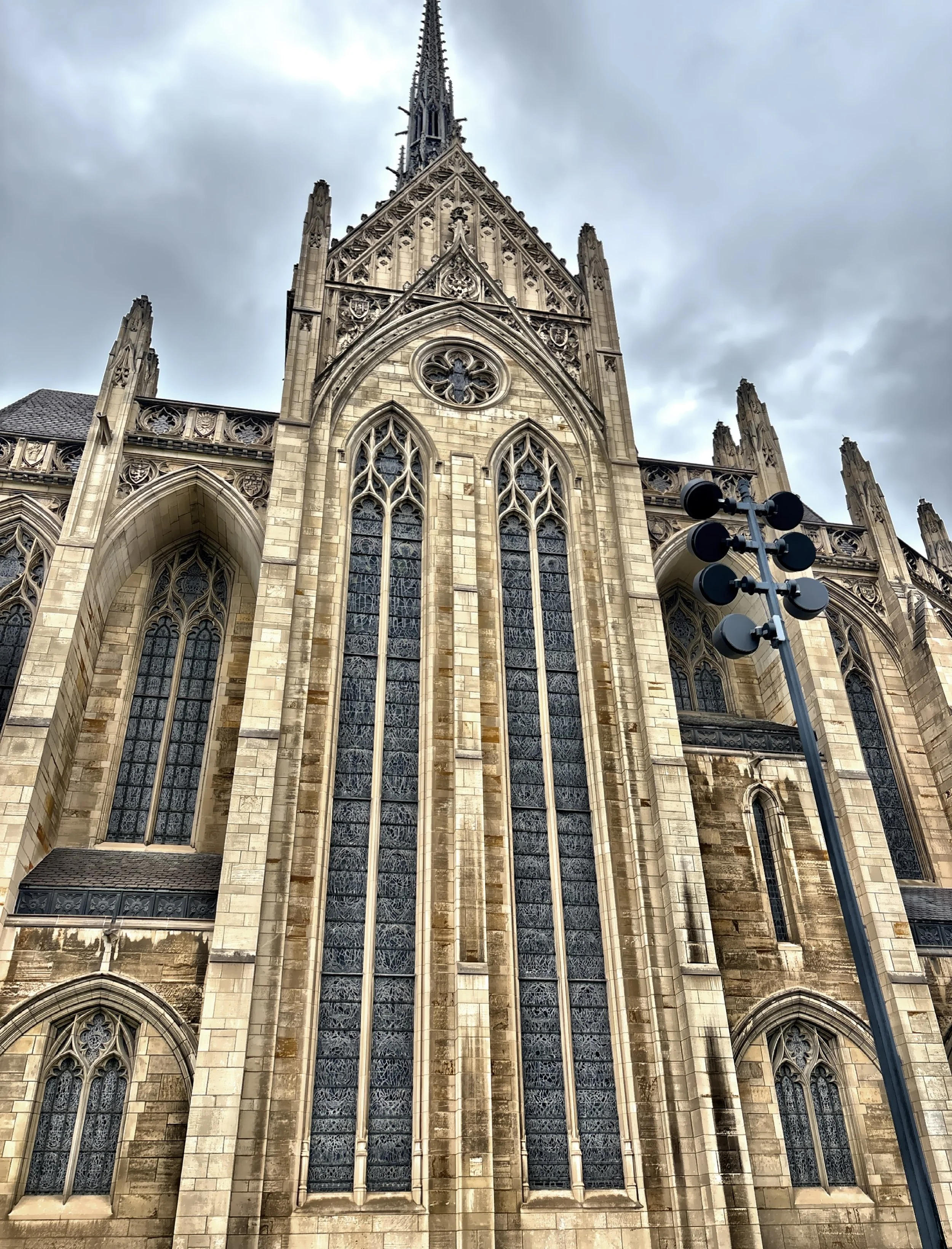
The non-sectarian Heinz Memorial Chapel on the University of Pennsylvania campus was a gift from the Heinz family.
The Strip District is a vibrant area for food markets, quirky shops, and local eateries.
.
.
Pittsburgh was once the epicenter of American steel production, with countless mills and foundries lining the city’s landscape including the Carrie Blast Furnaces.
.
Expect black and gold gear everywhere.
It’s not a fast-paced like but there’s a lot going on.
Bellefield Presbyterian Church
The Mary Schenley Memorial Fountain (aka A Song to Nature) is a public landmark since 1918.
The first Carnegie Library
The Cathedral of Learning is a 42-story Gothic-style building on Pitt’s campus.
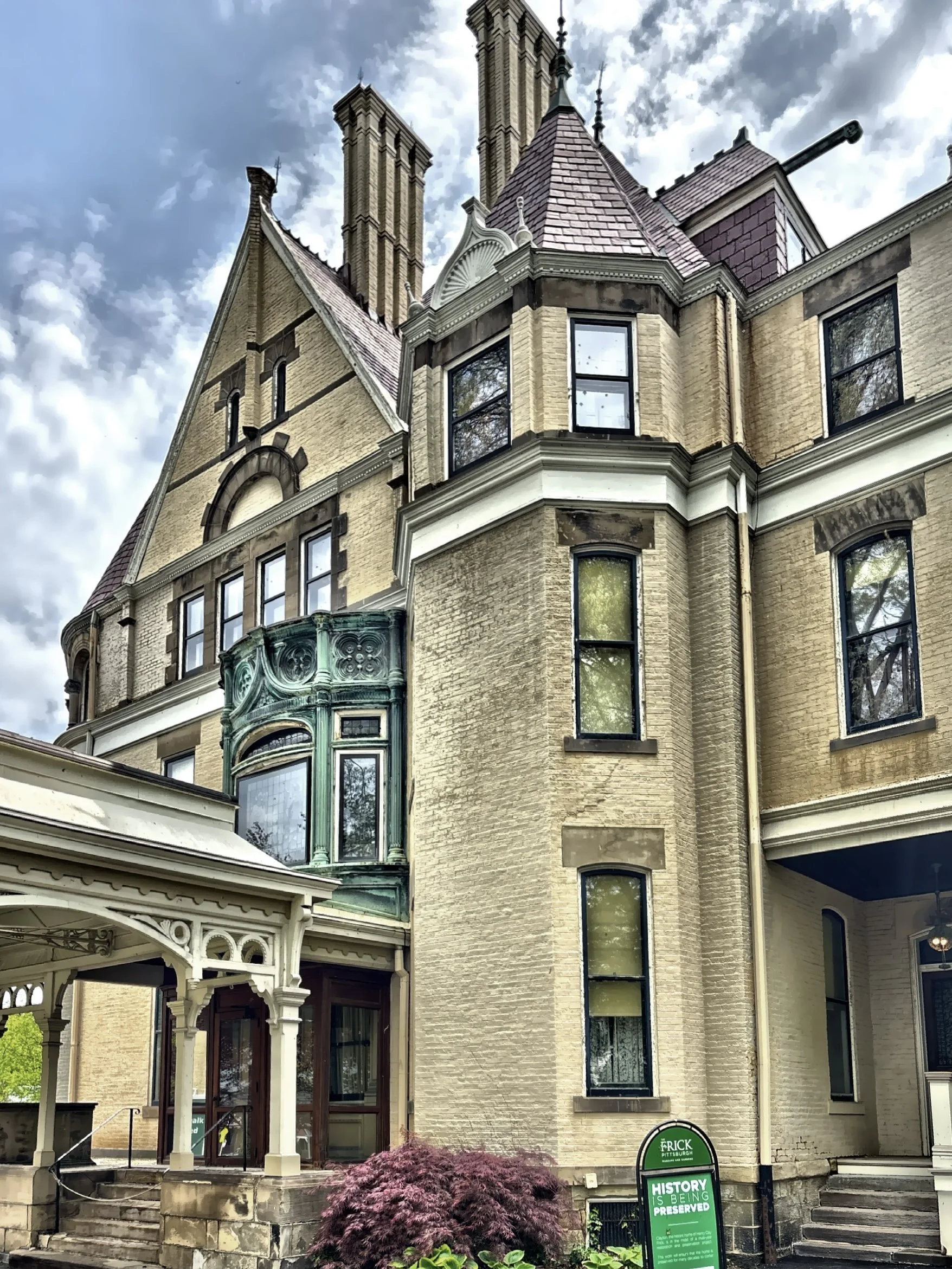
The Frick Mansion - Clayton
The entrance of Frick Park
The Andy Warhol Museum
Heinz History Museum
Phipps Conservatory
The Carnegie Art Museum
.
The Carnegie Hall of Architecture
Hardwood Acres
What you should know:
The downtown section is very walkable, and is a great way to get around.
Parking options include on the street metered and garage.
You could spend an afternoon to a week exploring the city depending on your level of interest.
There are many restaurant and entertainment options.
There are walking trails both in the city and surrounding areas.
Compared to many U.S. cities, it’s relatively inexpensive.
There are walking trails in Frick Park, Hartwood Acres Park, and Point State Park
For more information: Pittsburgh, PA
If you enjoyed this post, feel free to check out my previous posts by clicking here.