
City Of Lanterns - Hoi An, Vietnam
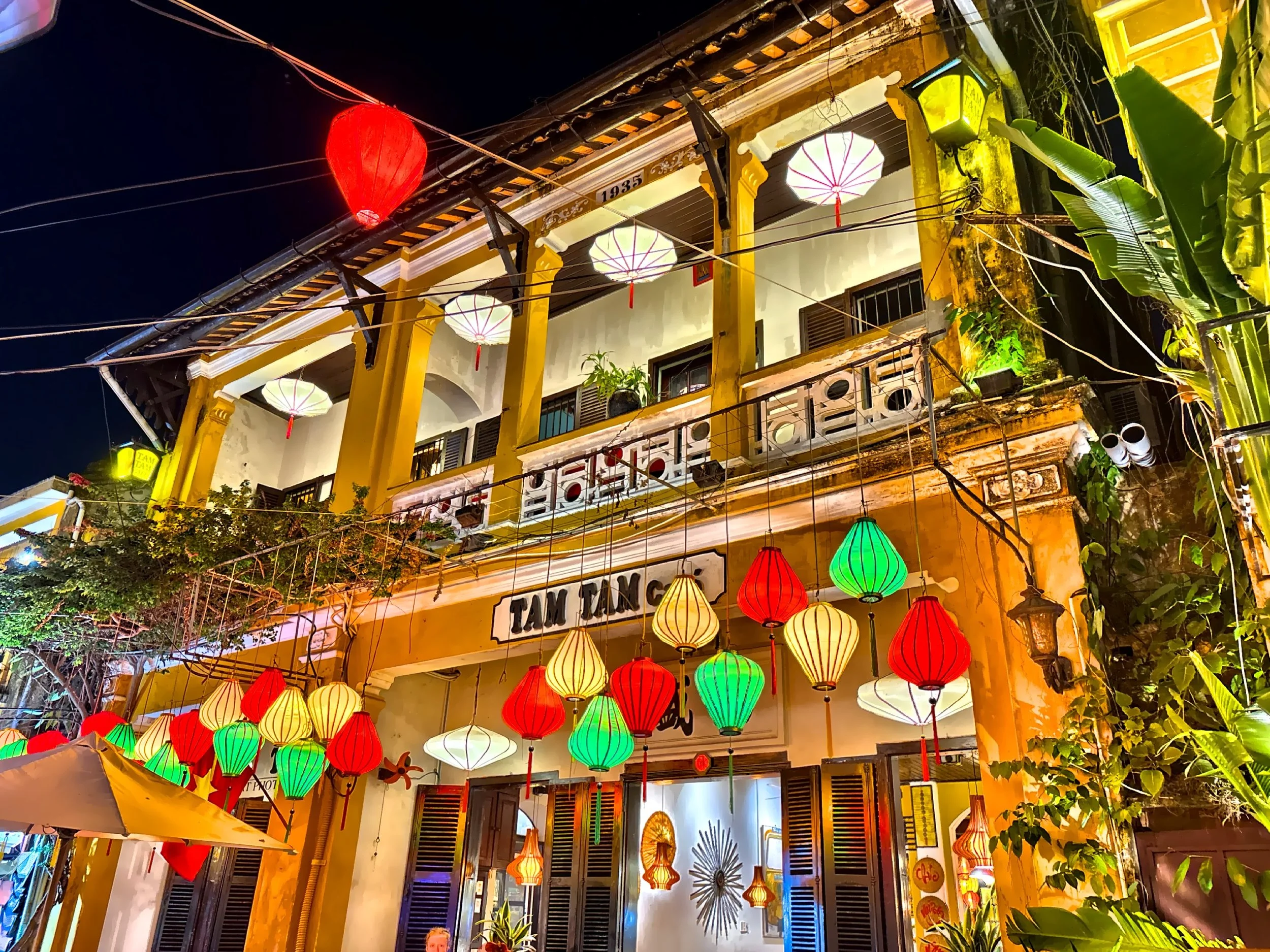
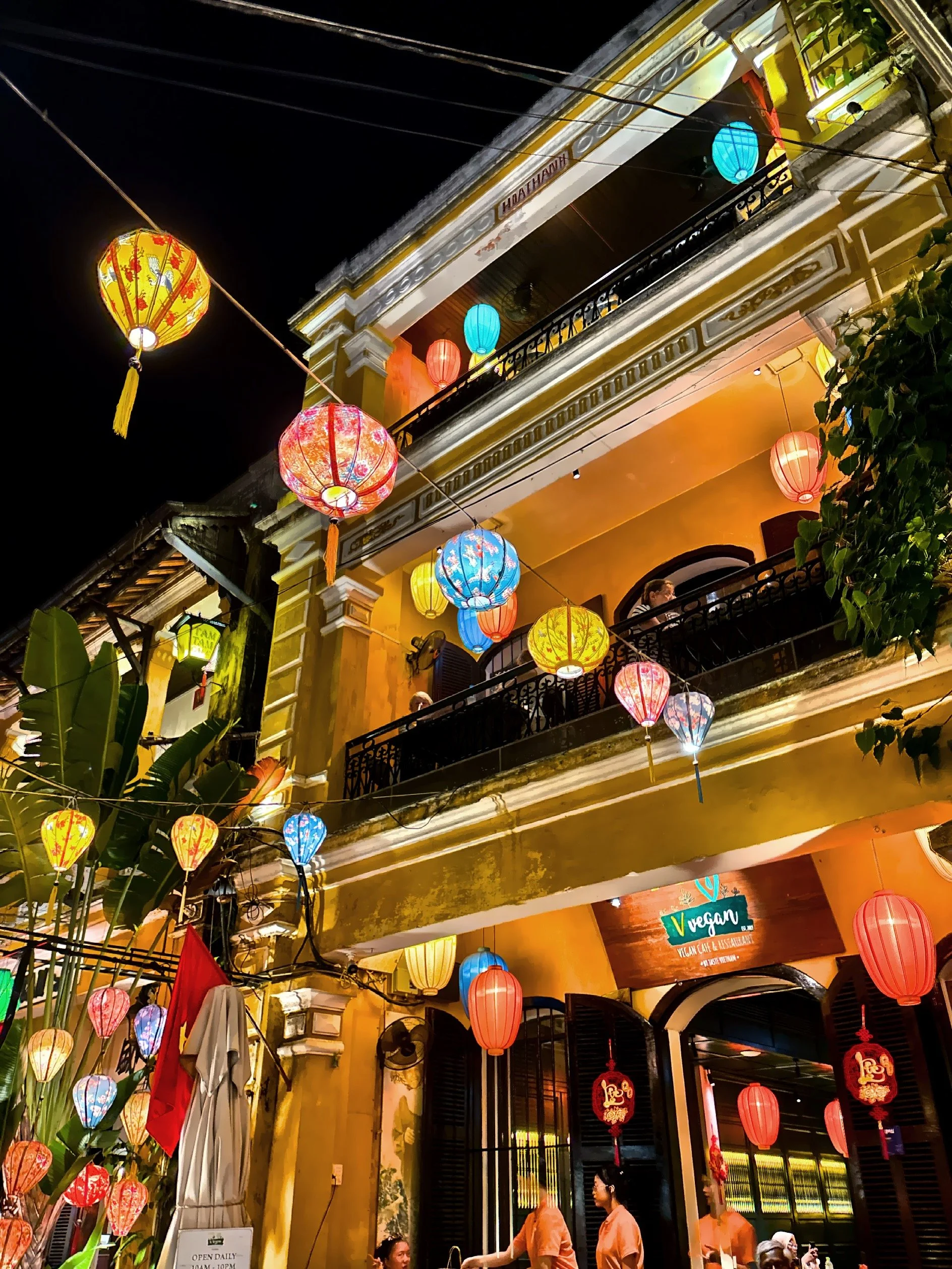
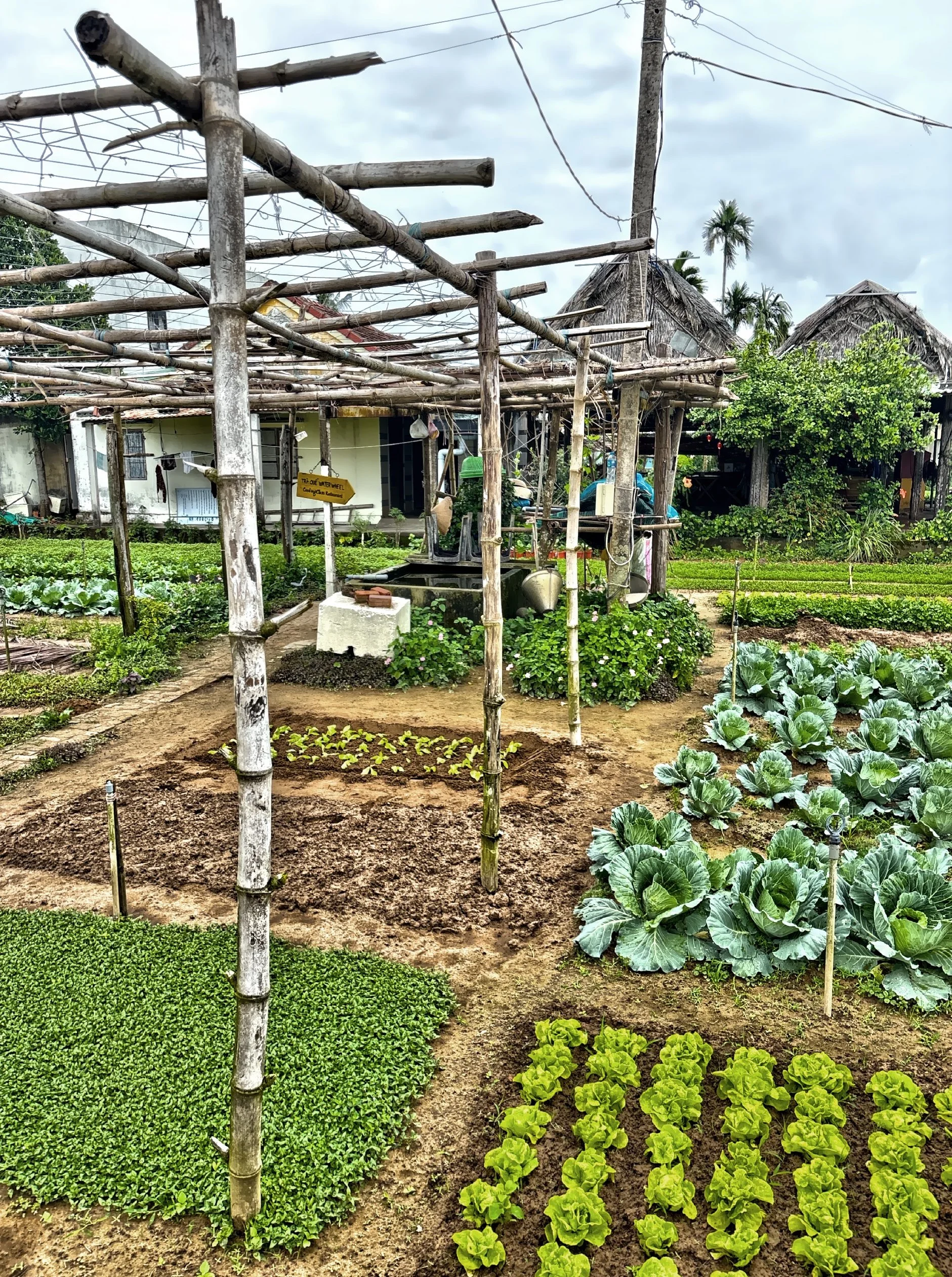
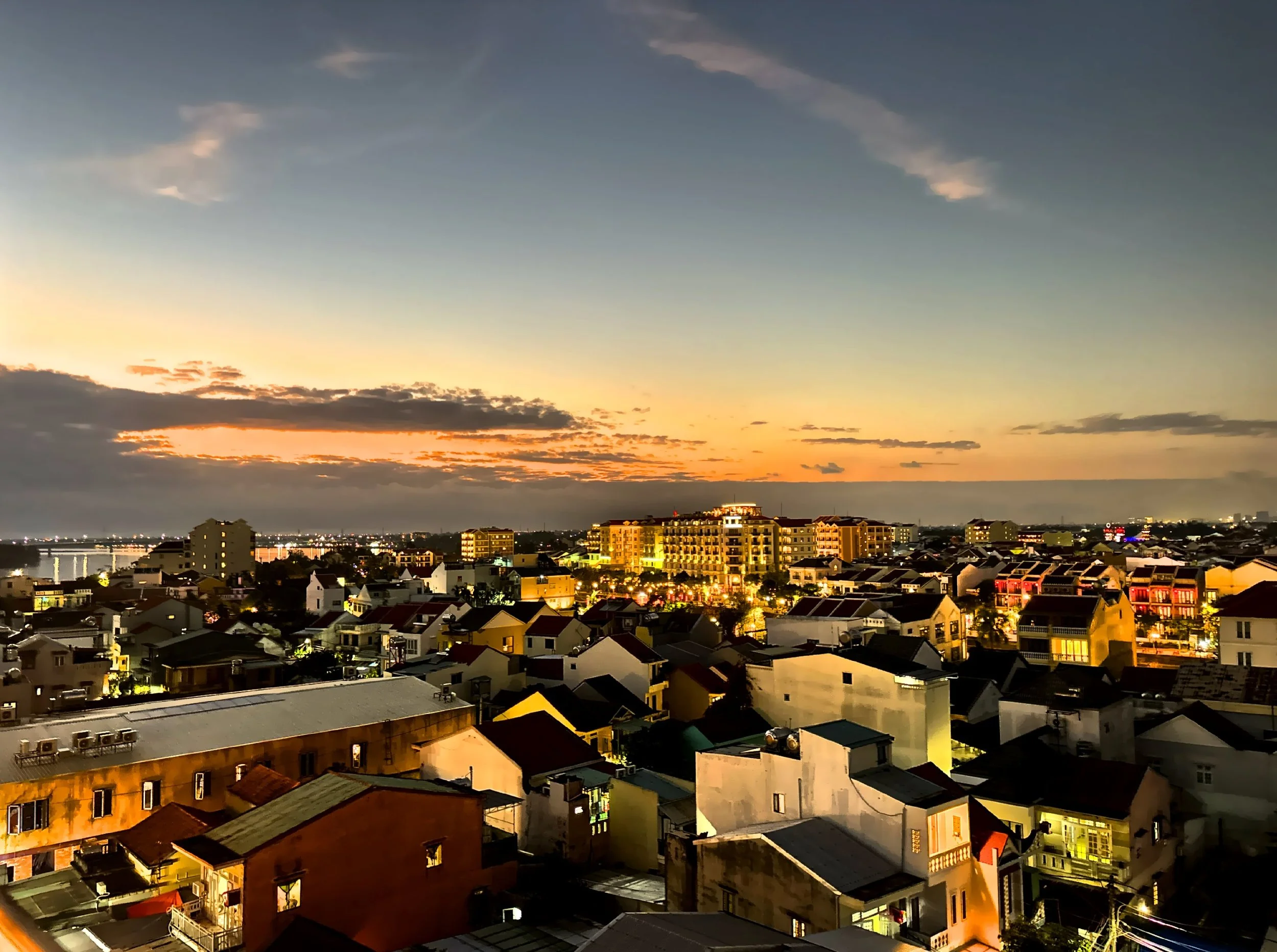
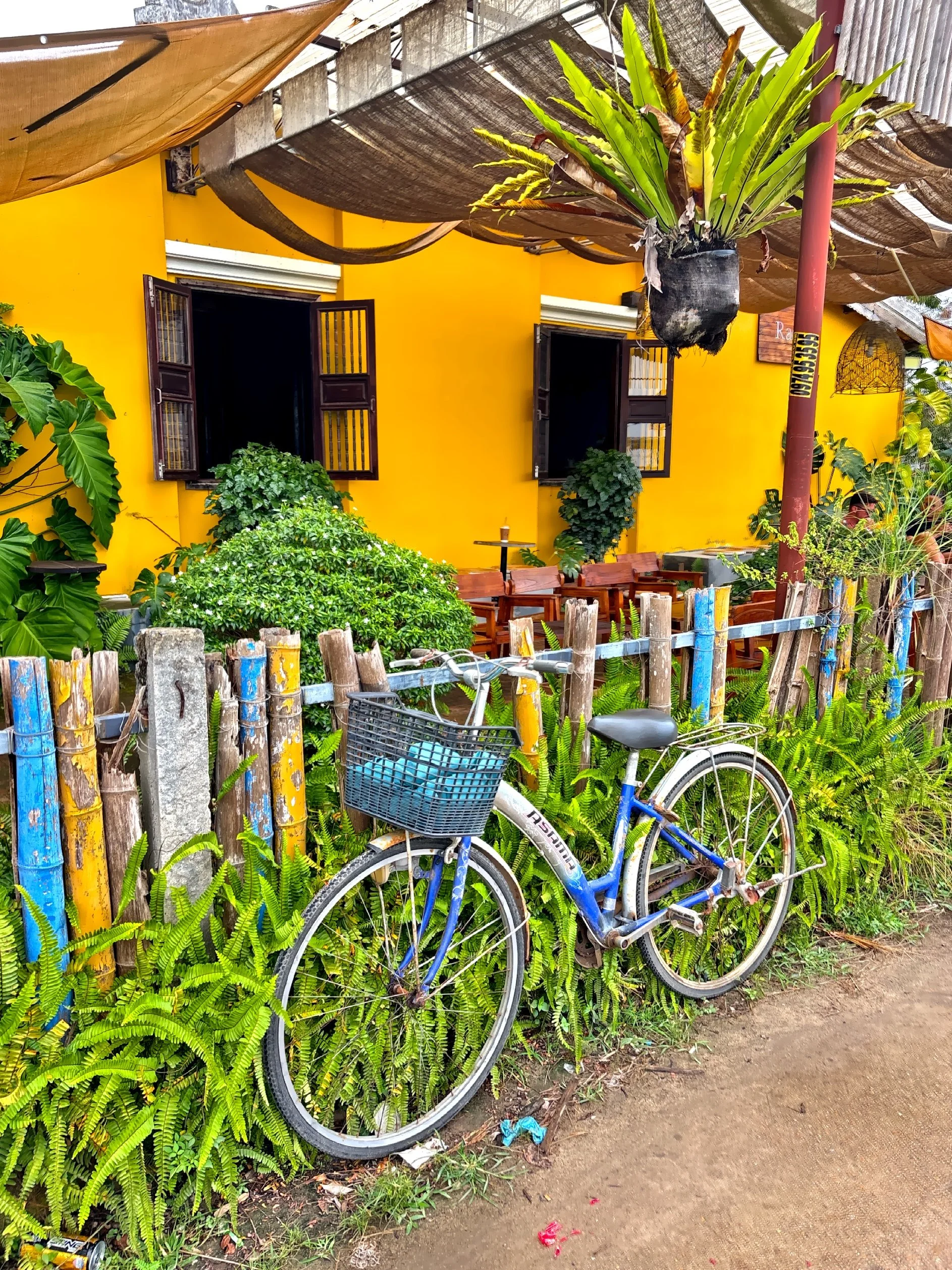
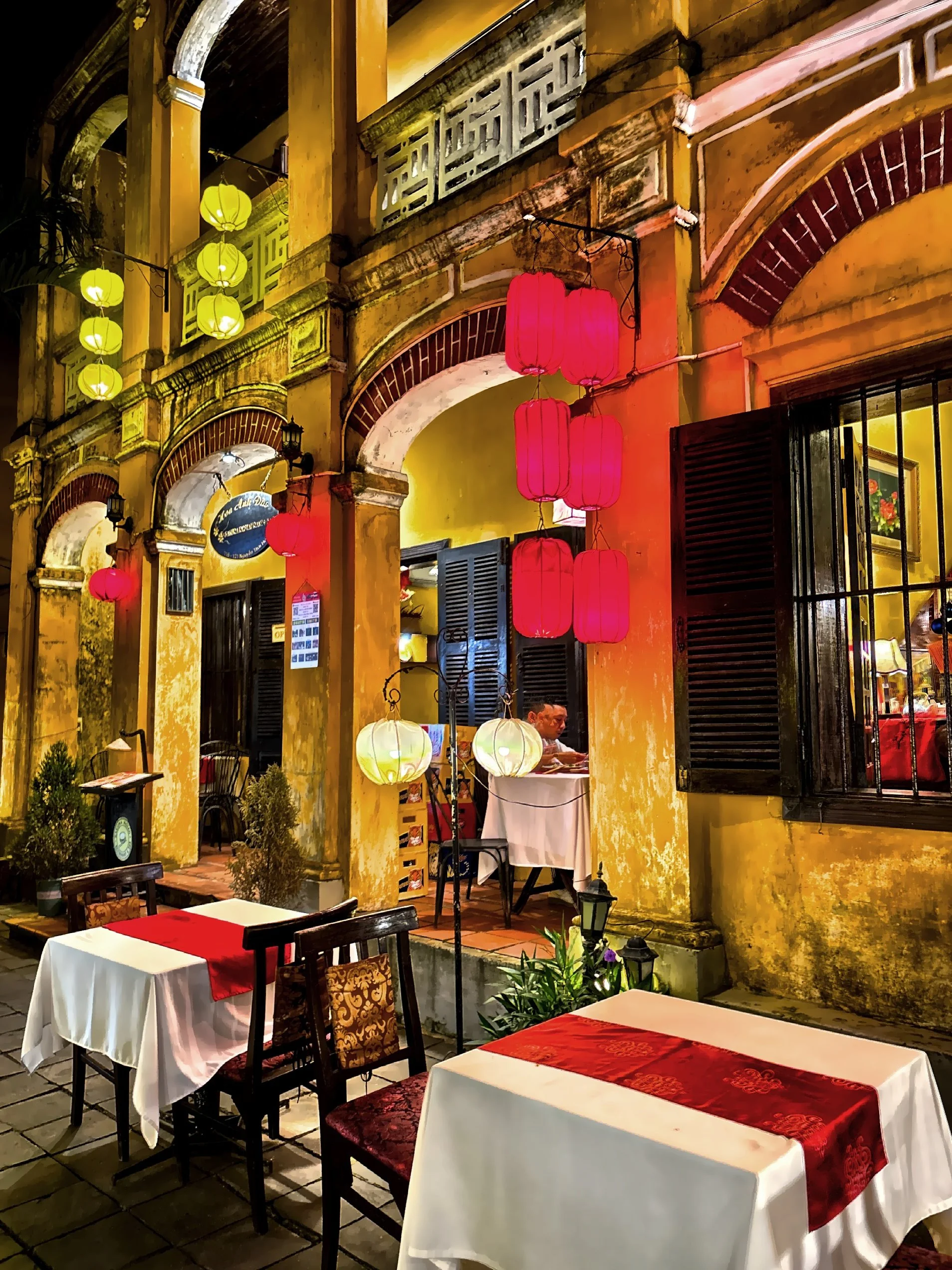
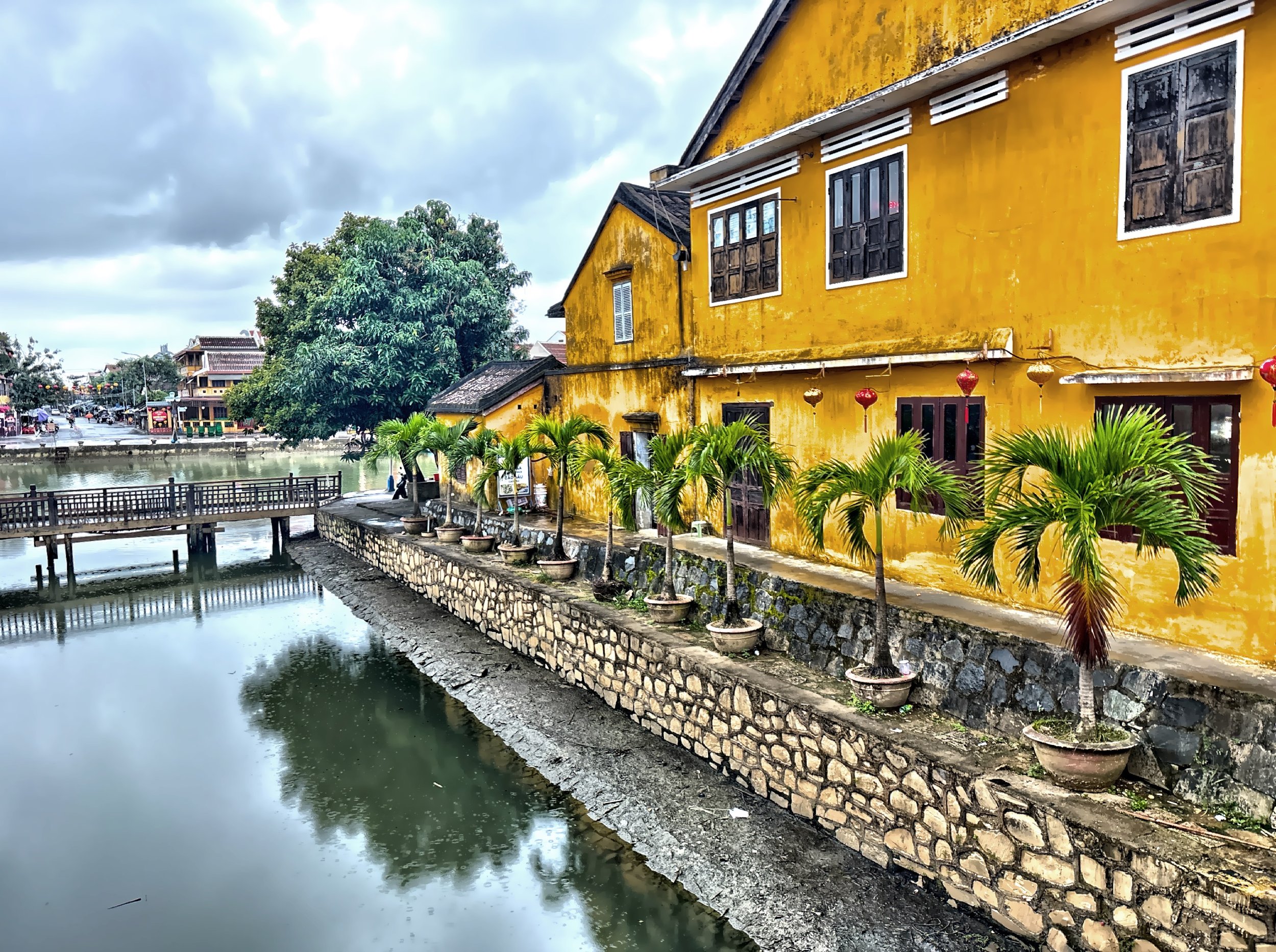
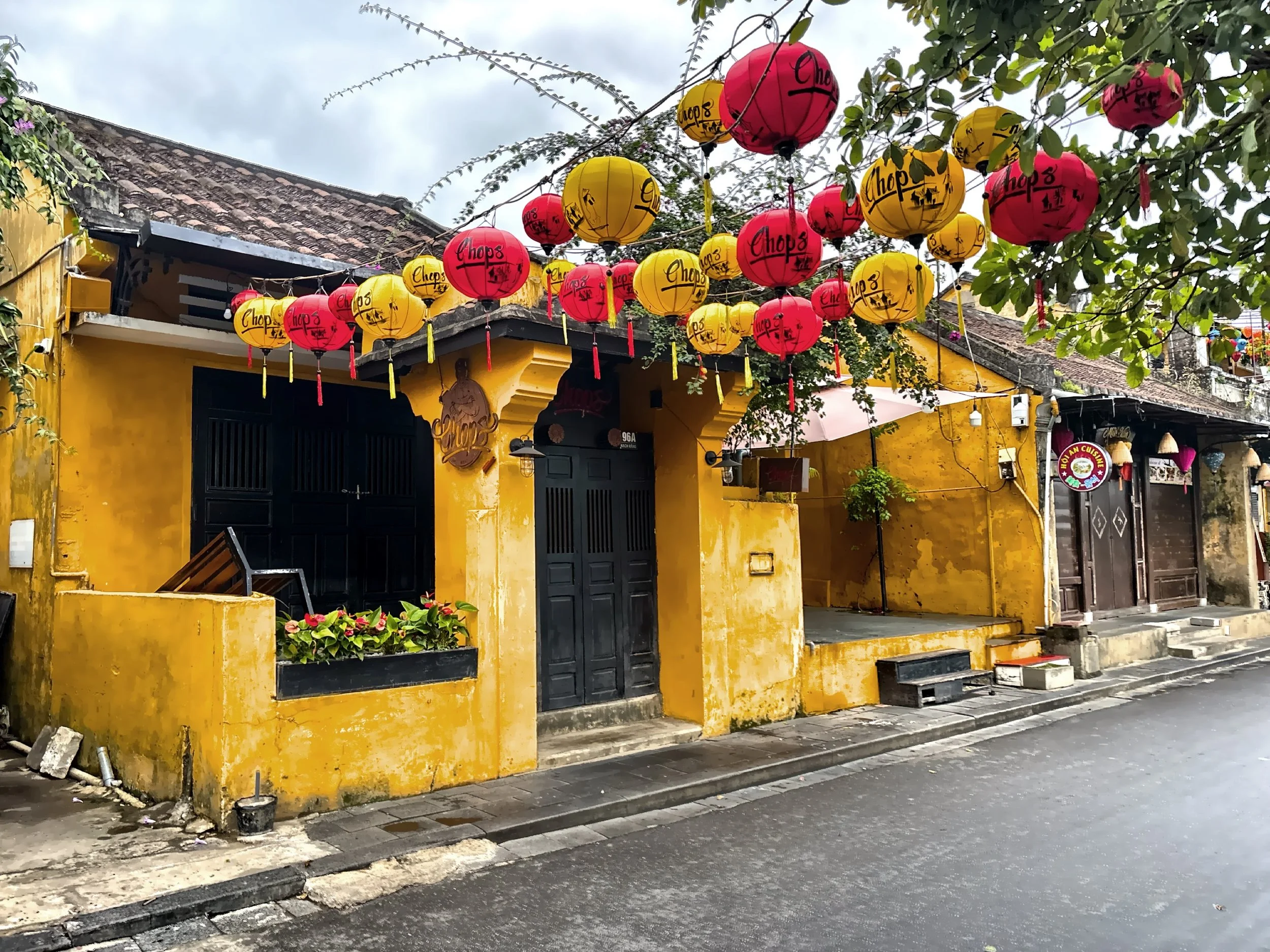
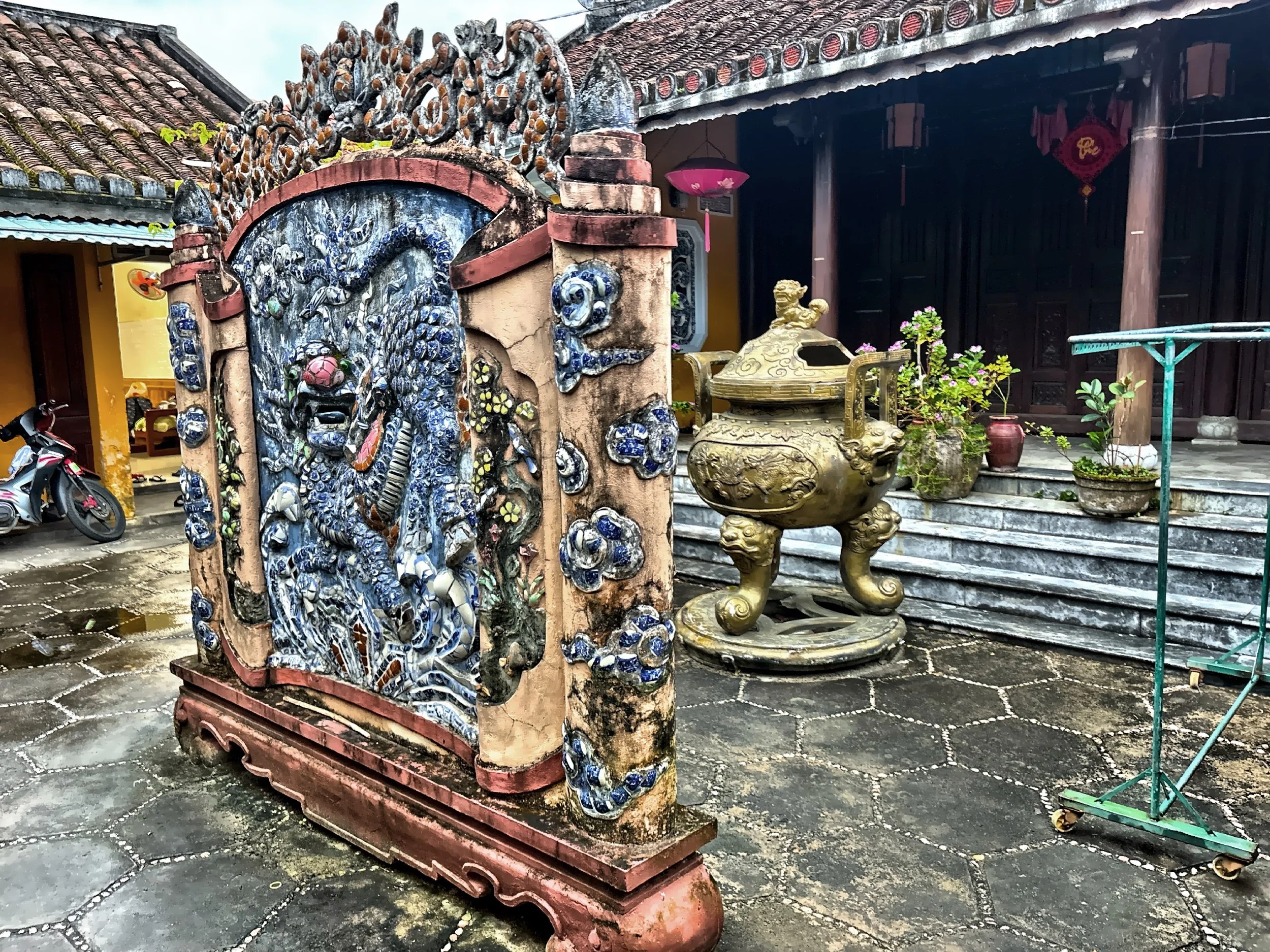
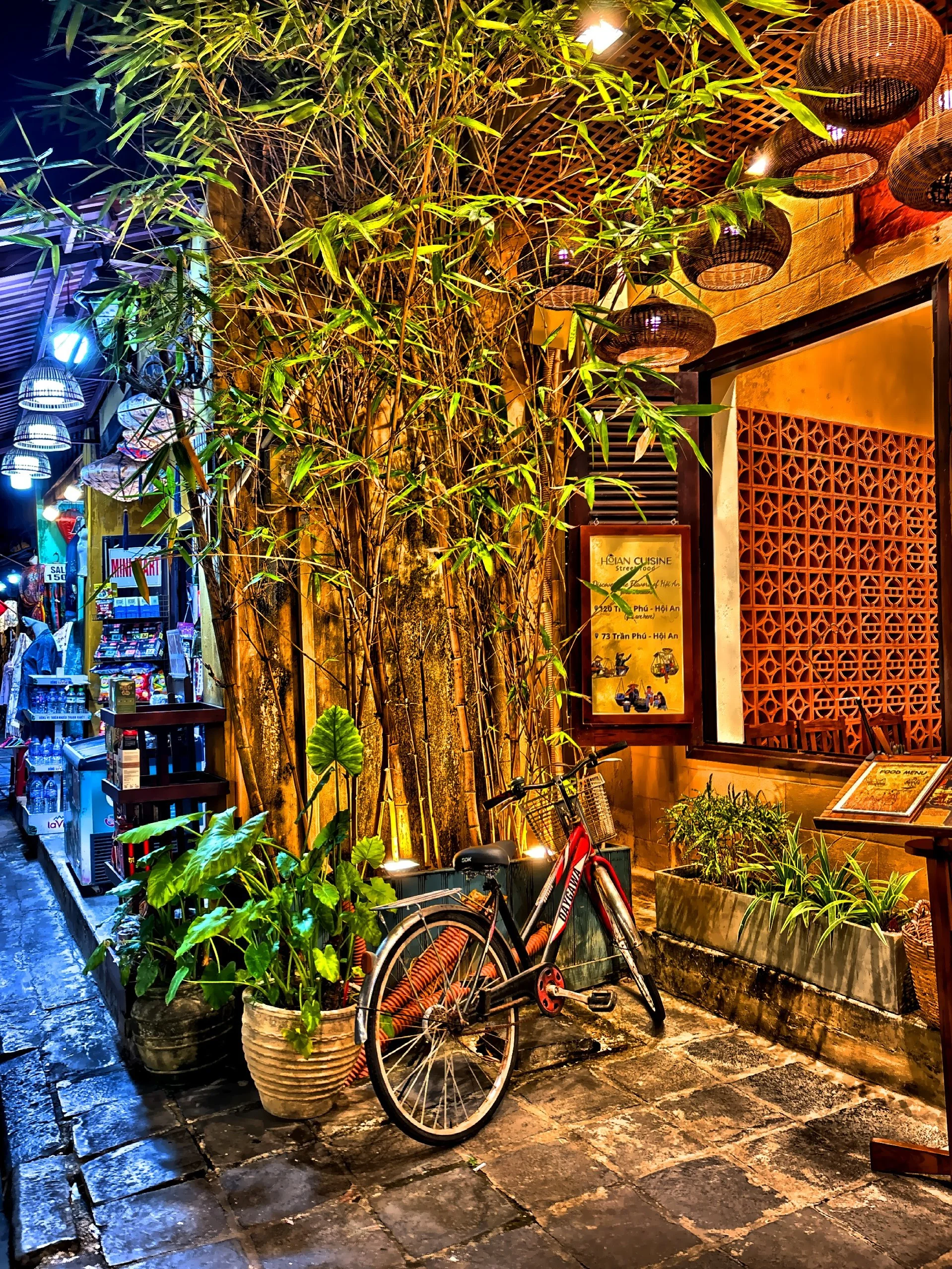
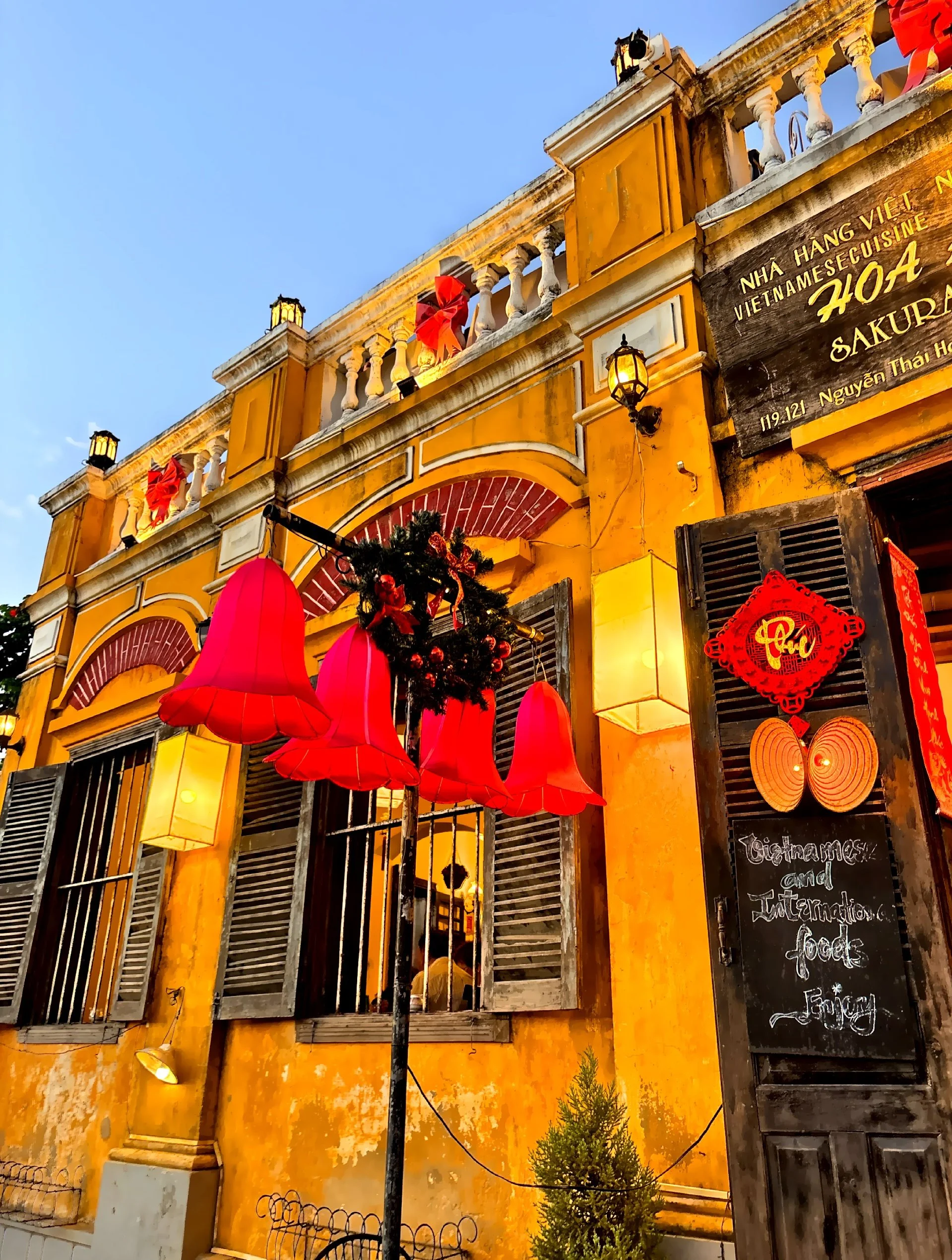
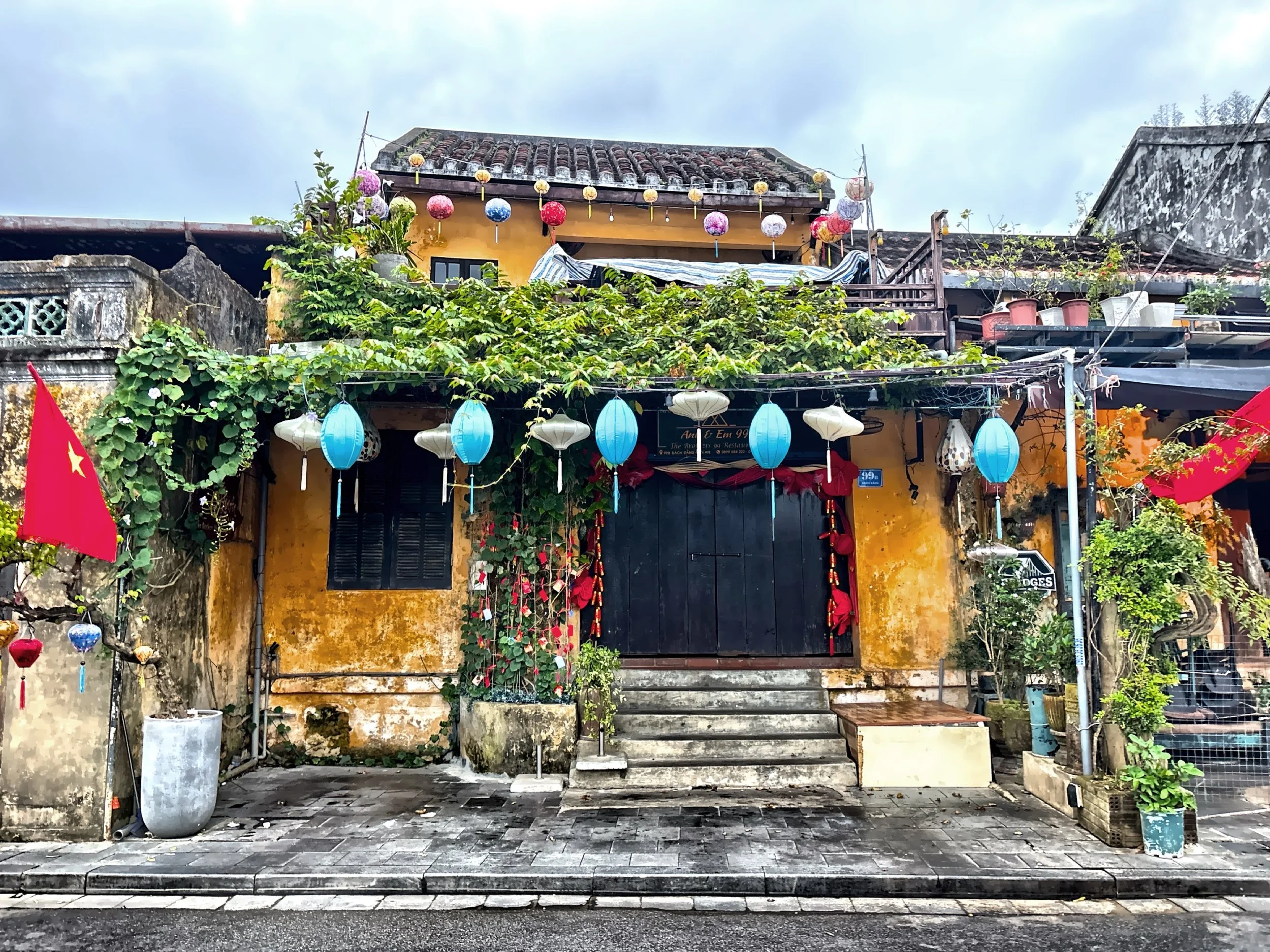
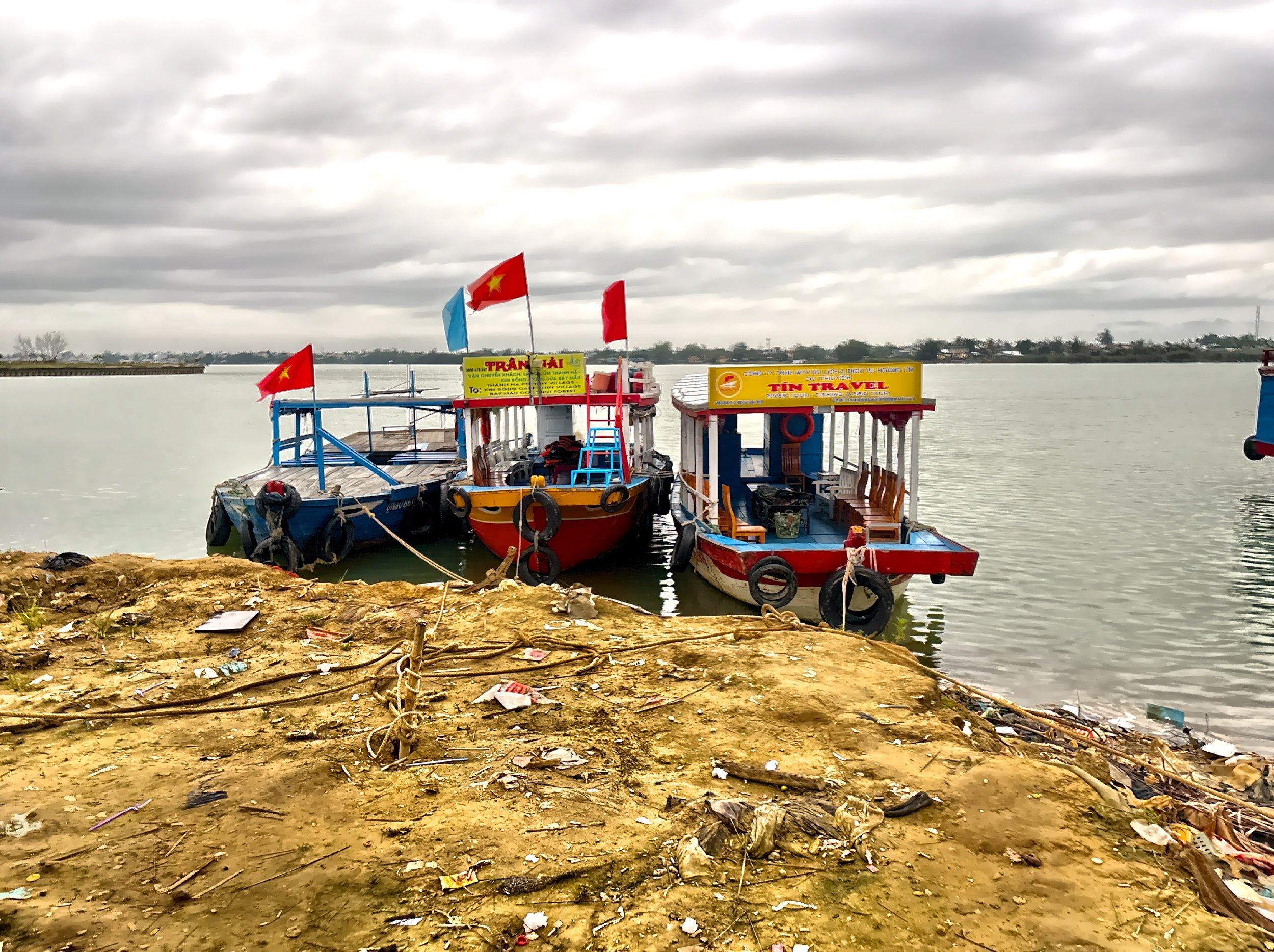
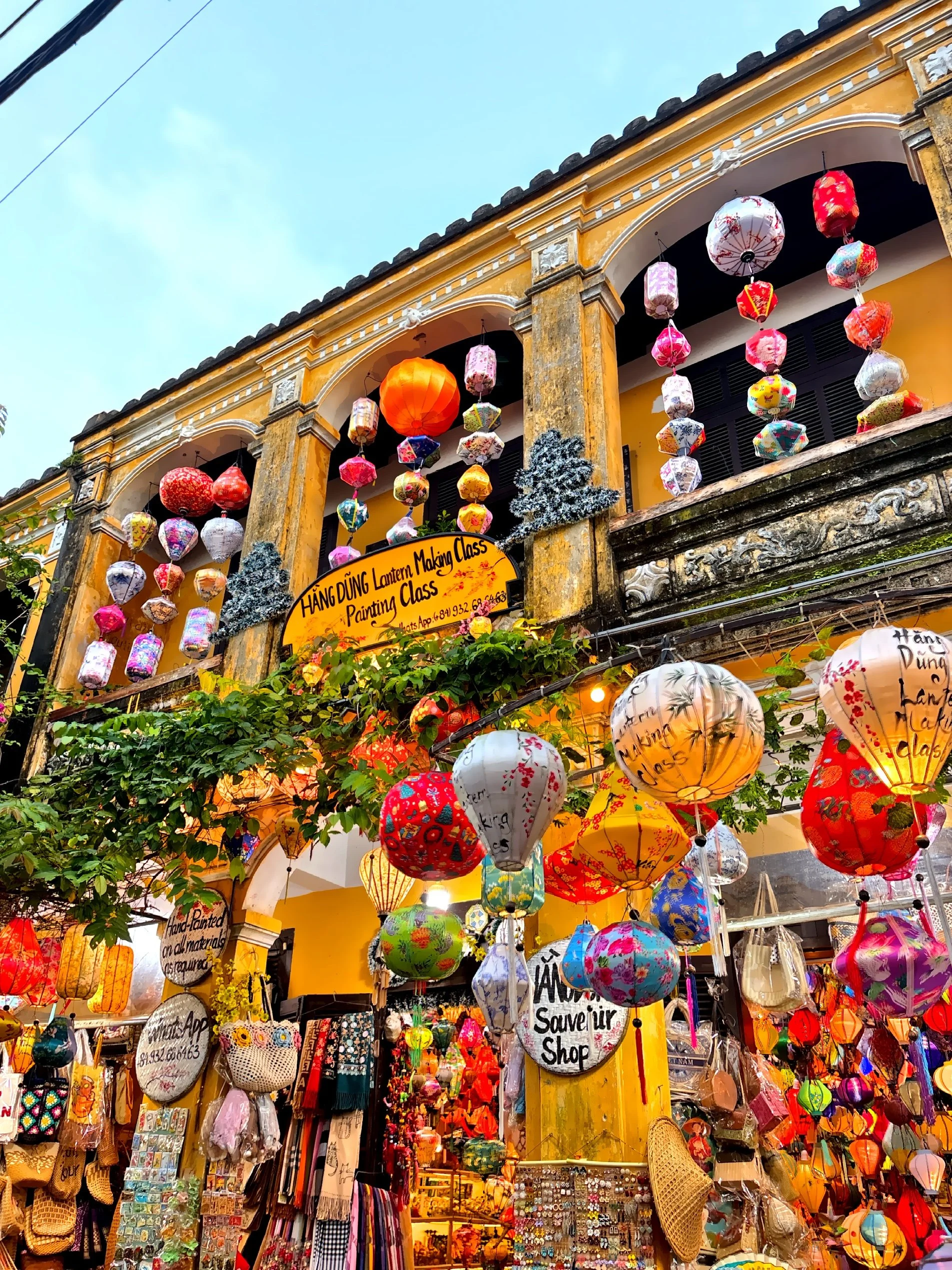
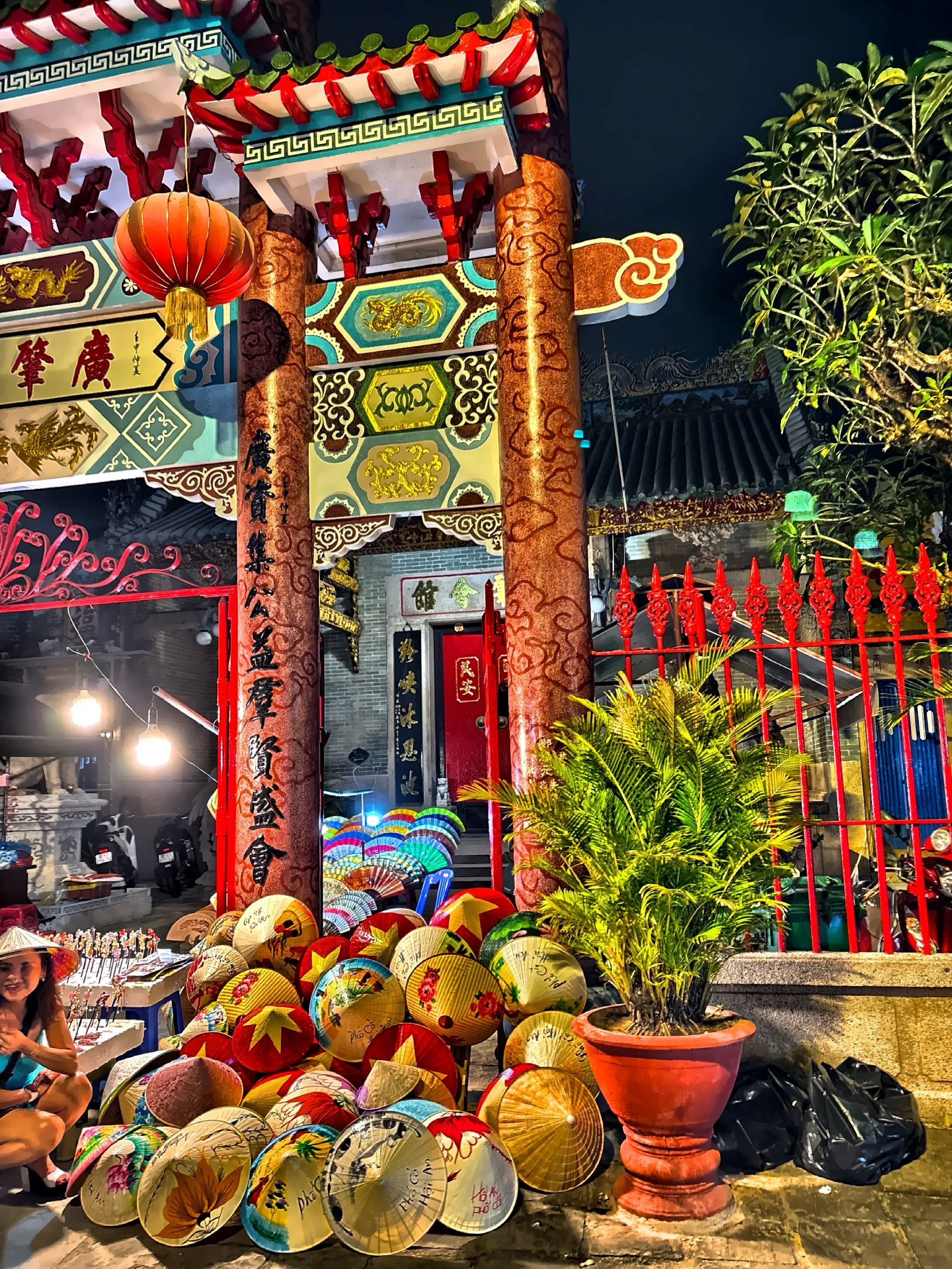
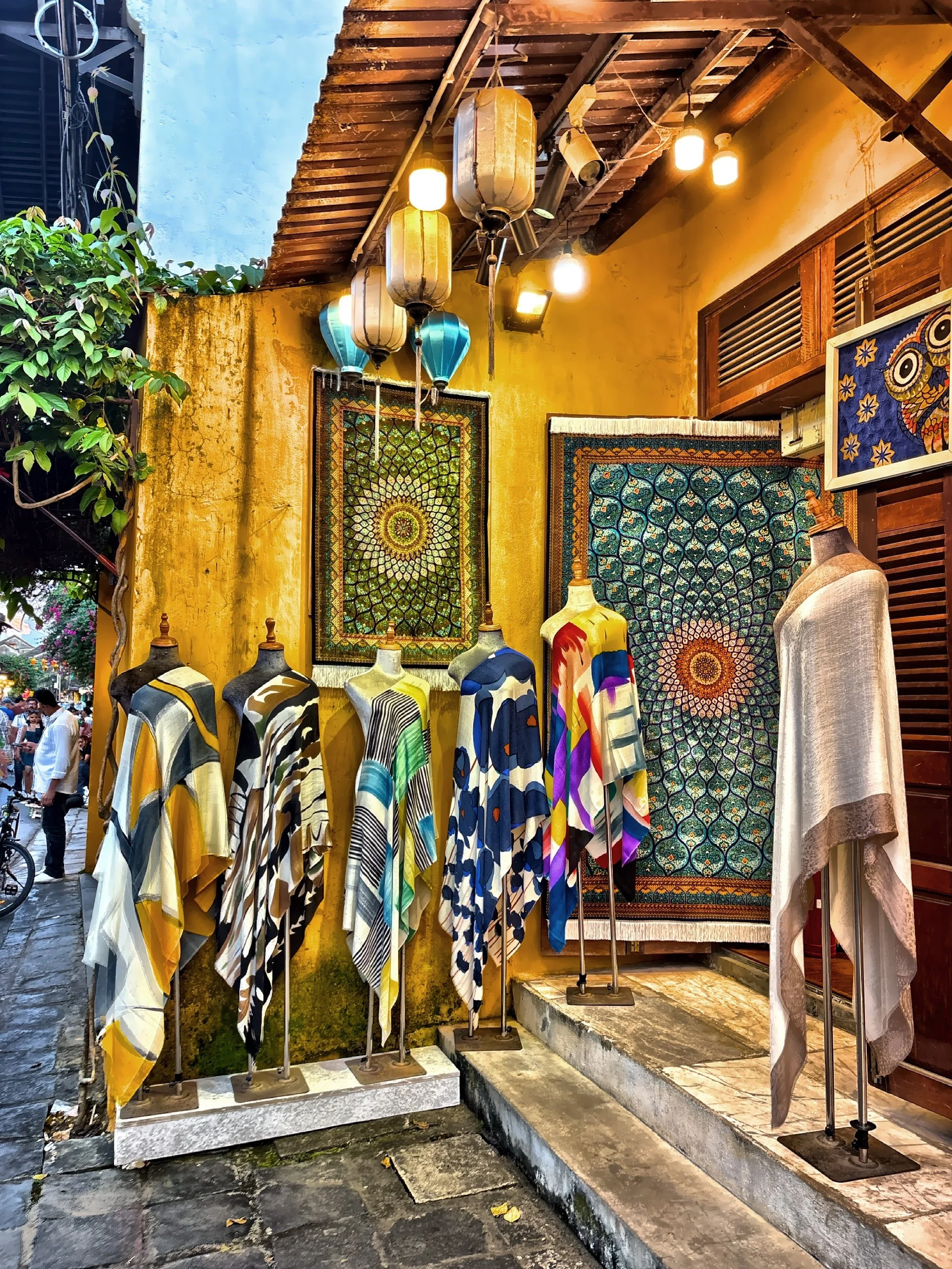
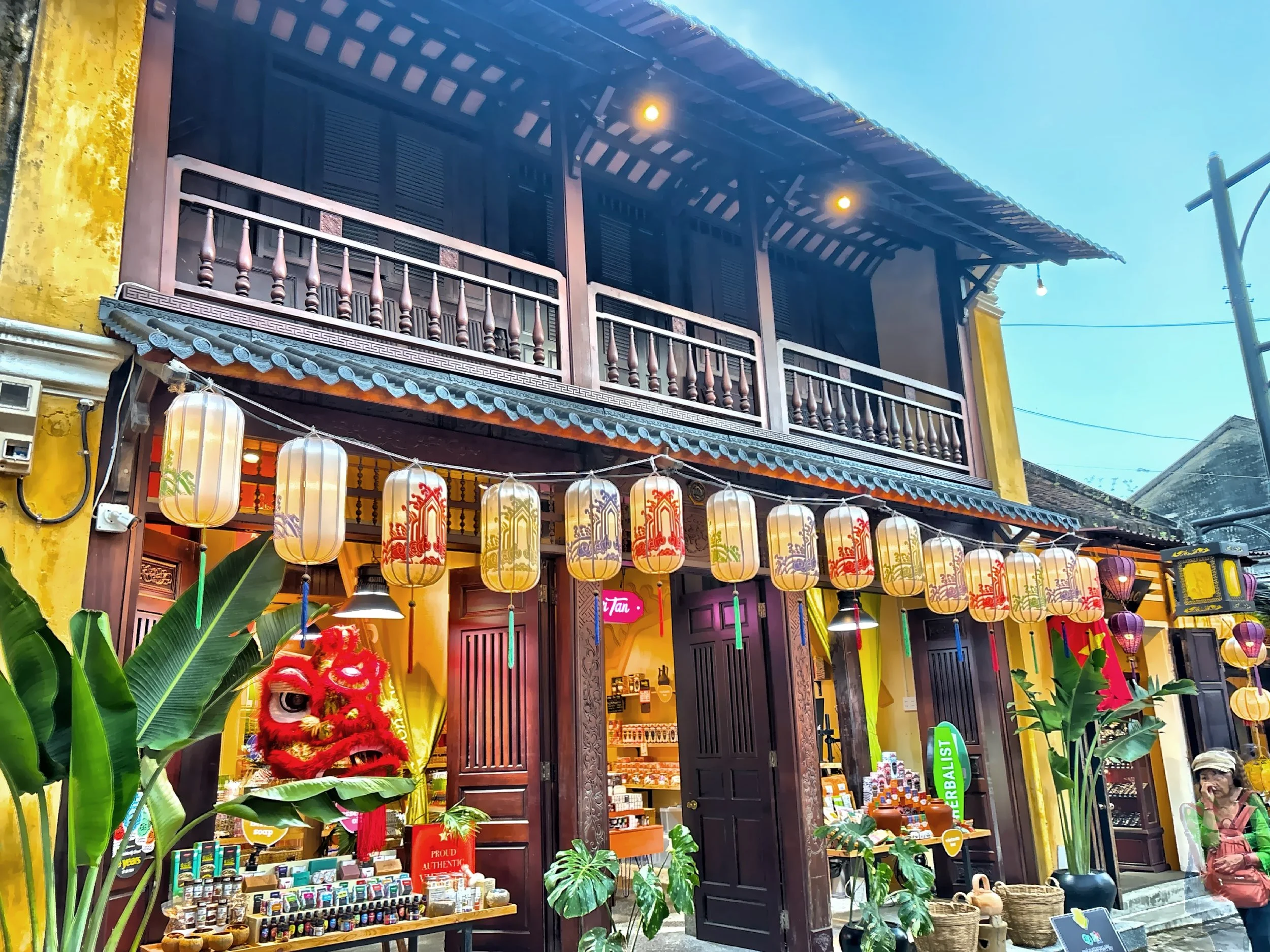
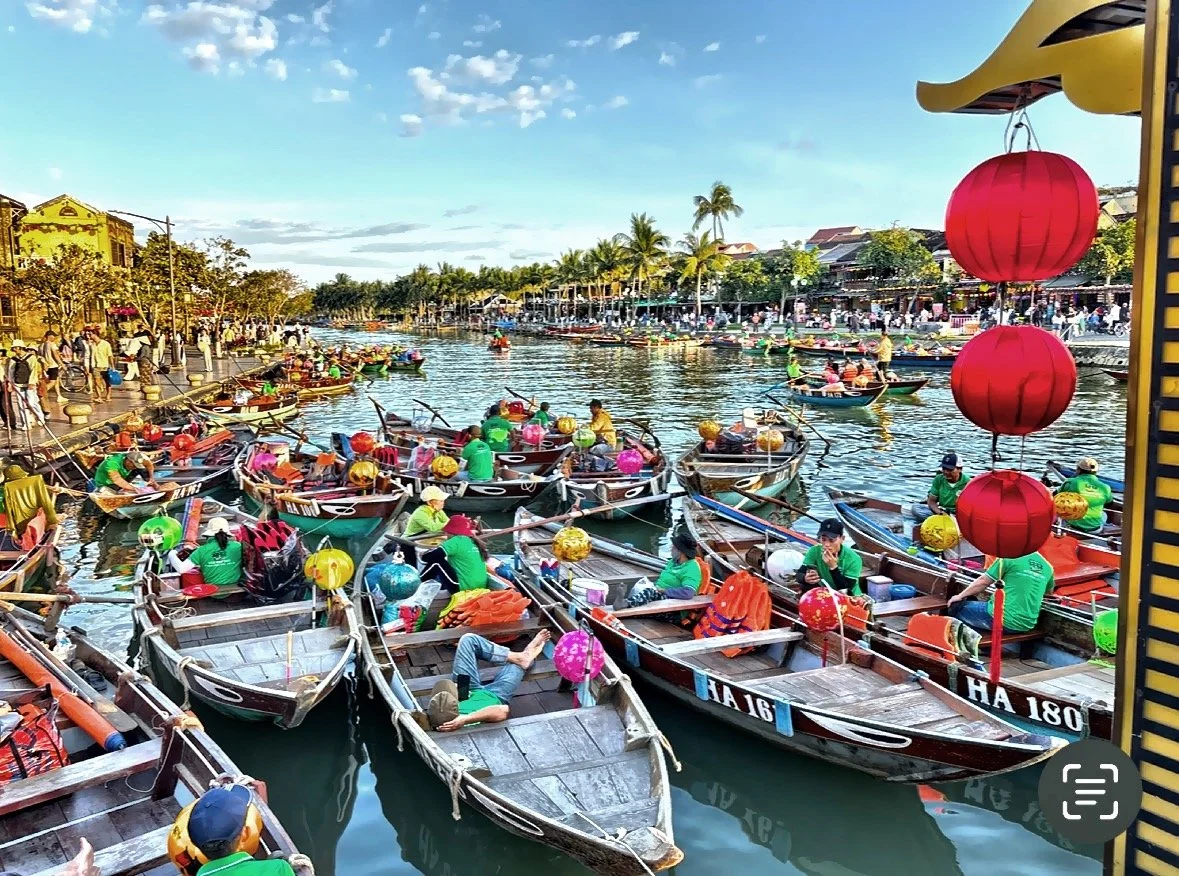
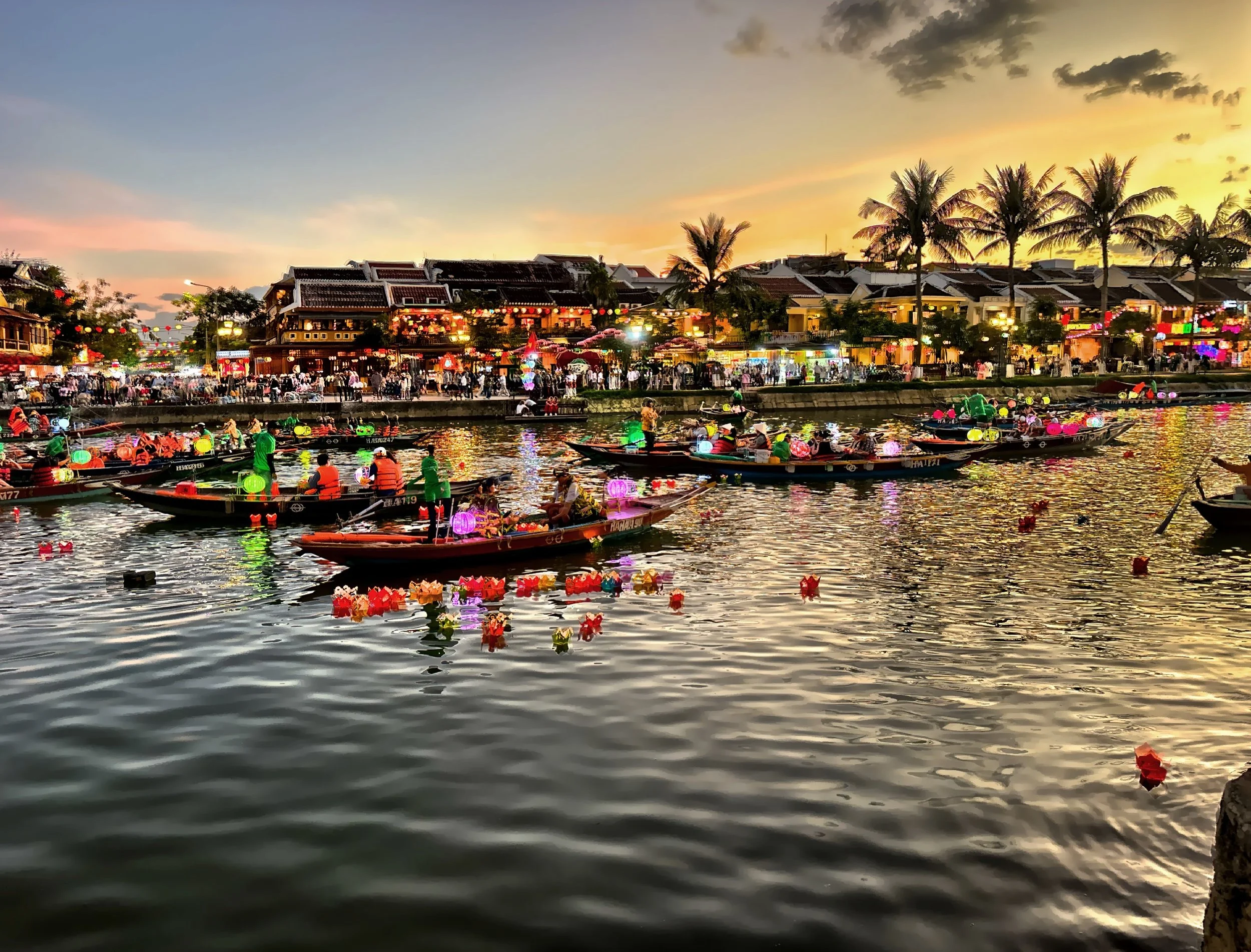
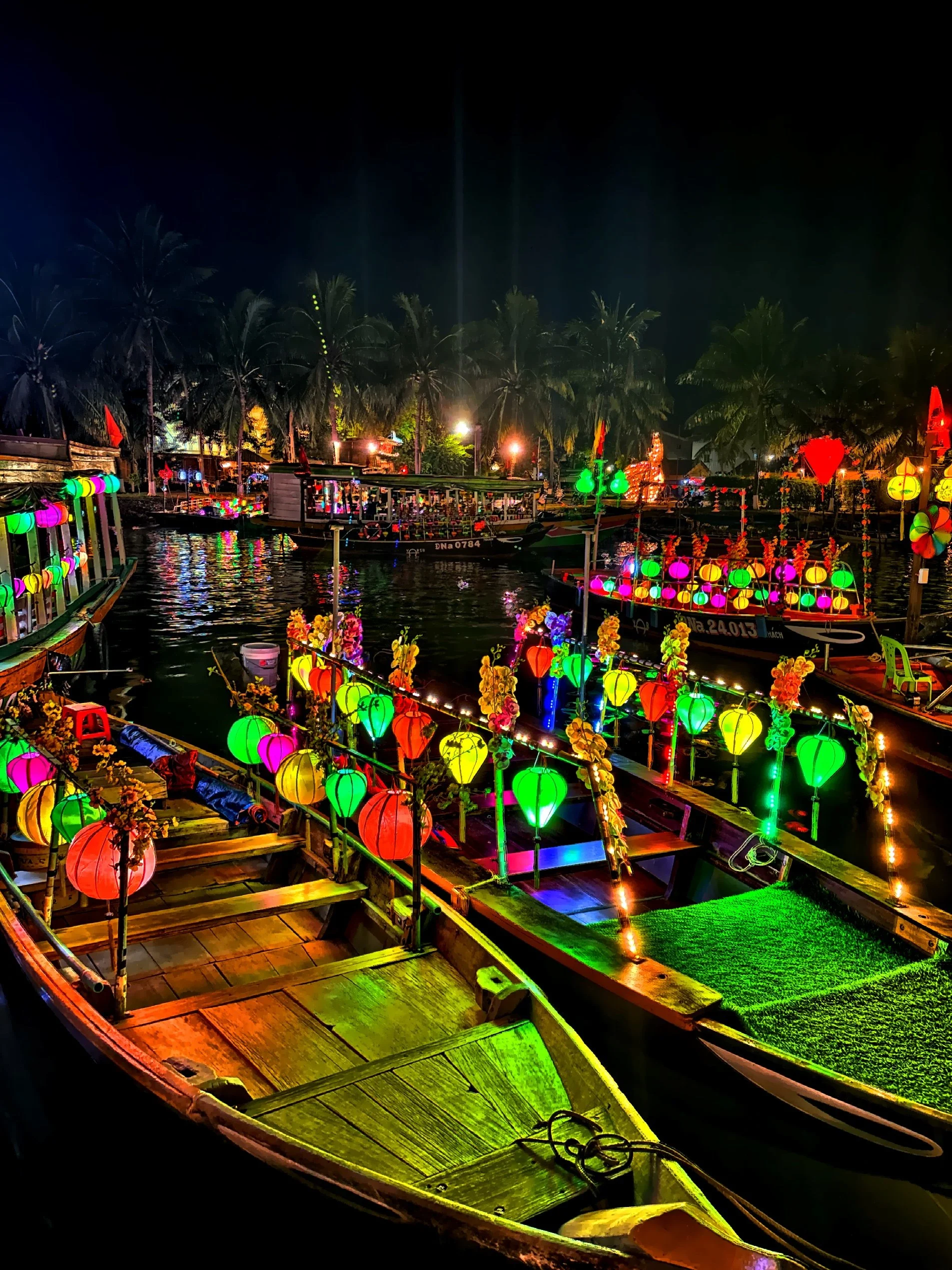
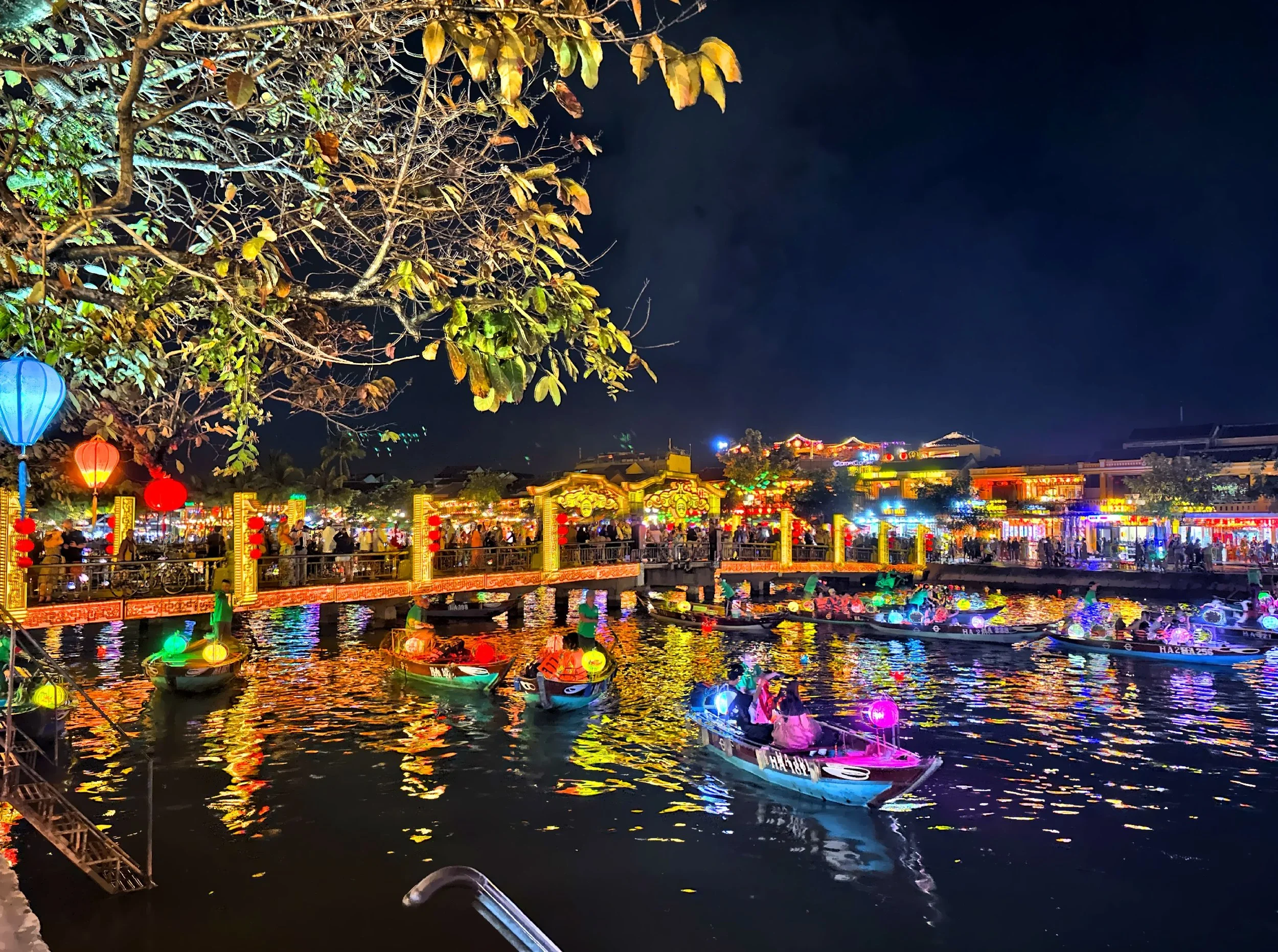
Tucked along the central coast of Hoi An, a quiet kind of magic reveals itself as you wander through its narrow, winding streets. Mustard-yellow buildings line your path, their weathered walls glowing warmly beneath rows of vibrant lanterns that sway gently overhead. There’s a softness to the light here—especially as evening approaches—that makes everything feel almost cinematic, as if the town exists just slightly outside of time. In the evening, Hoi An Ancient Town transforms into something almost unreal—a magical scene where warm light spills across the river and every corner feels suspended in time.
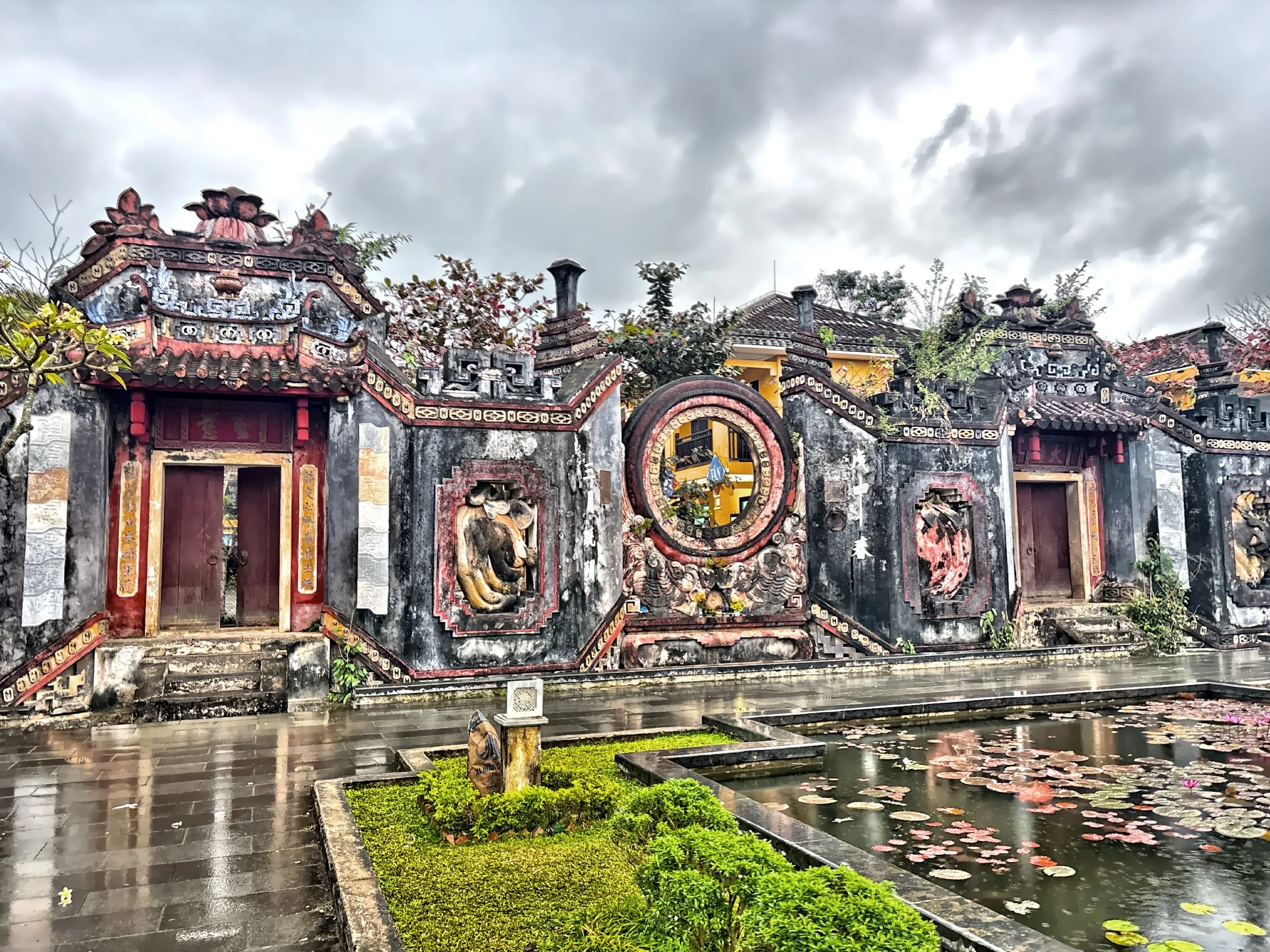
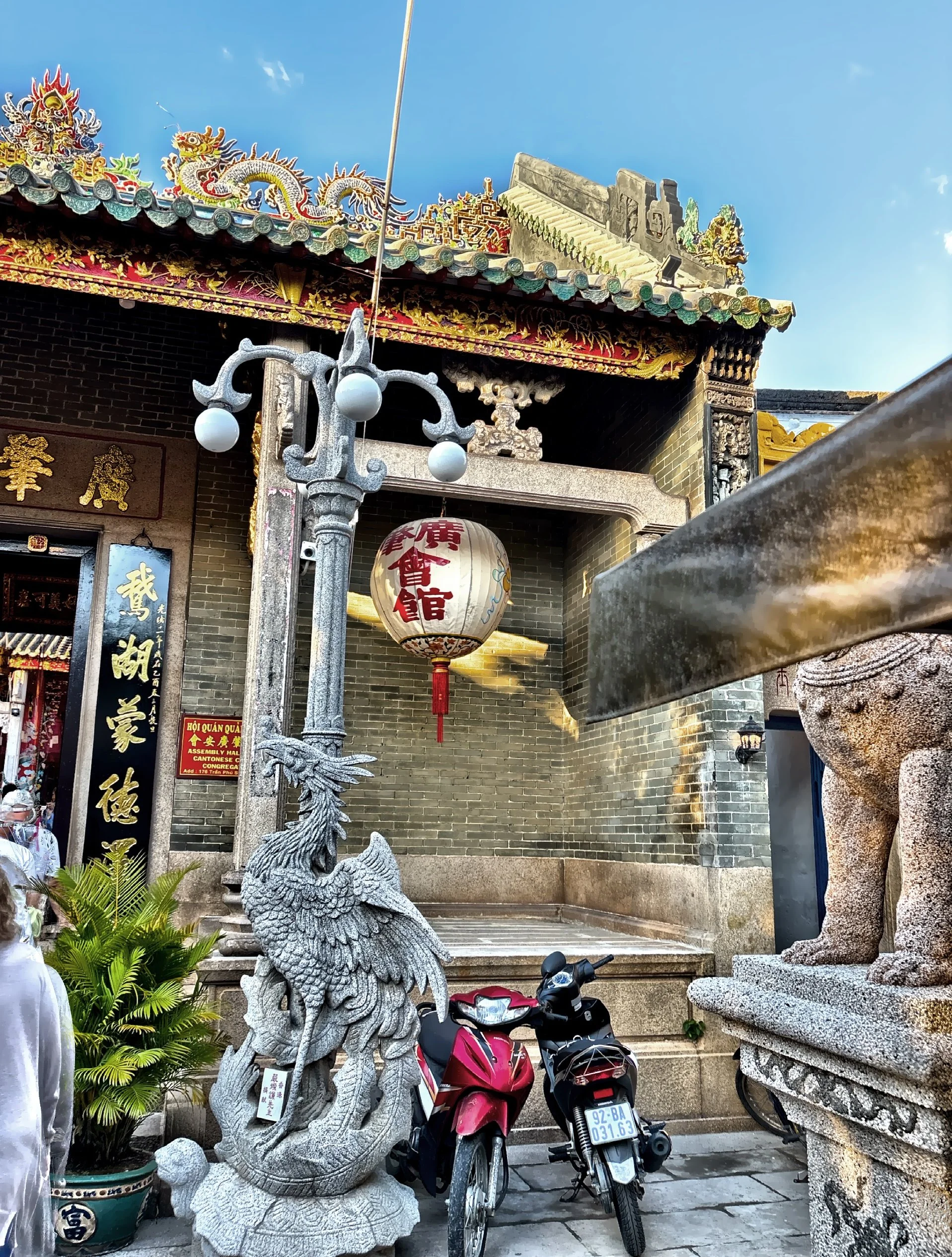
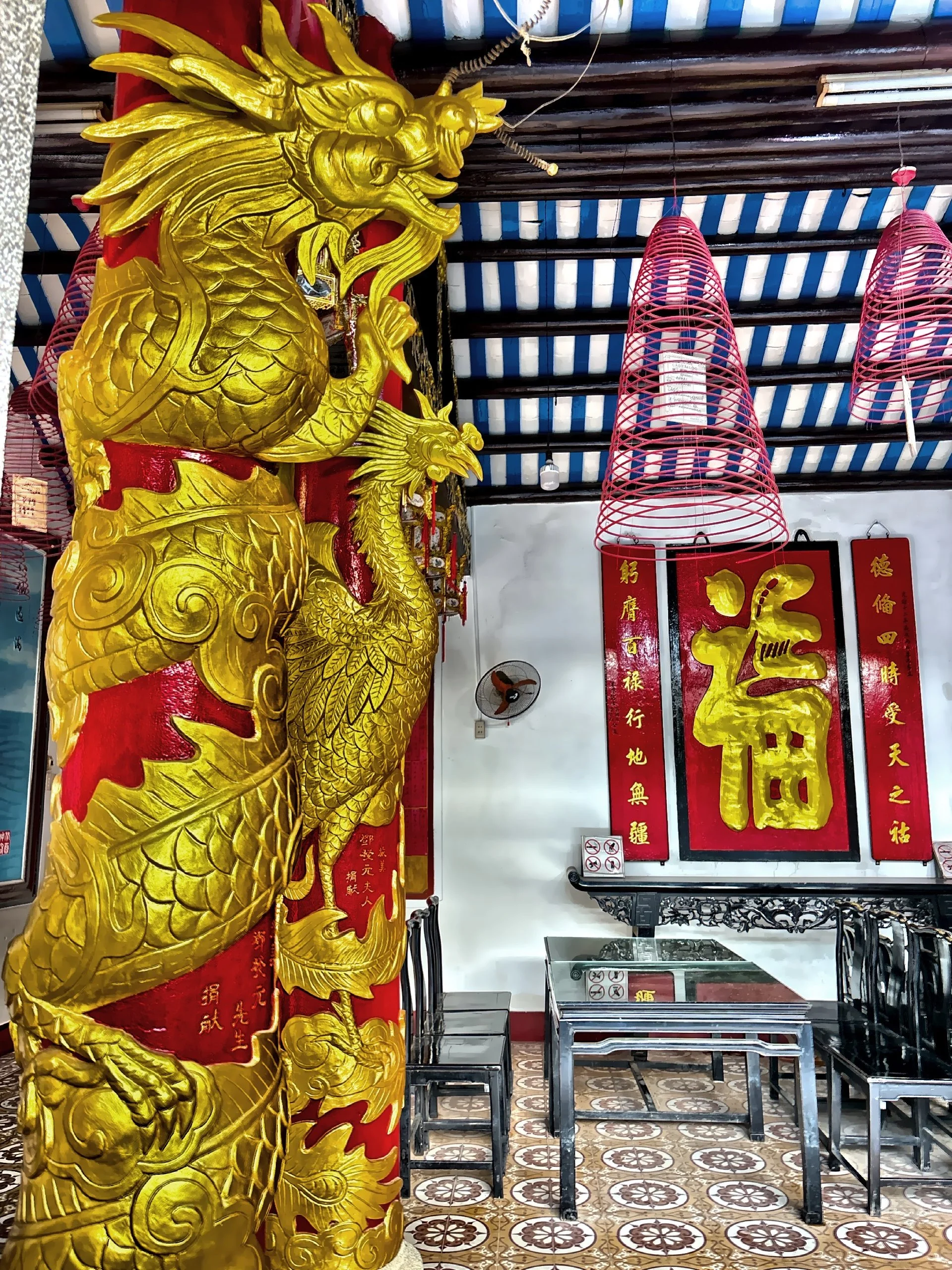
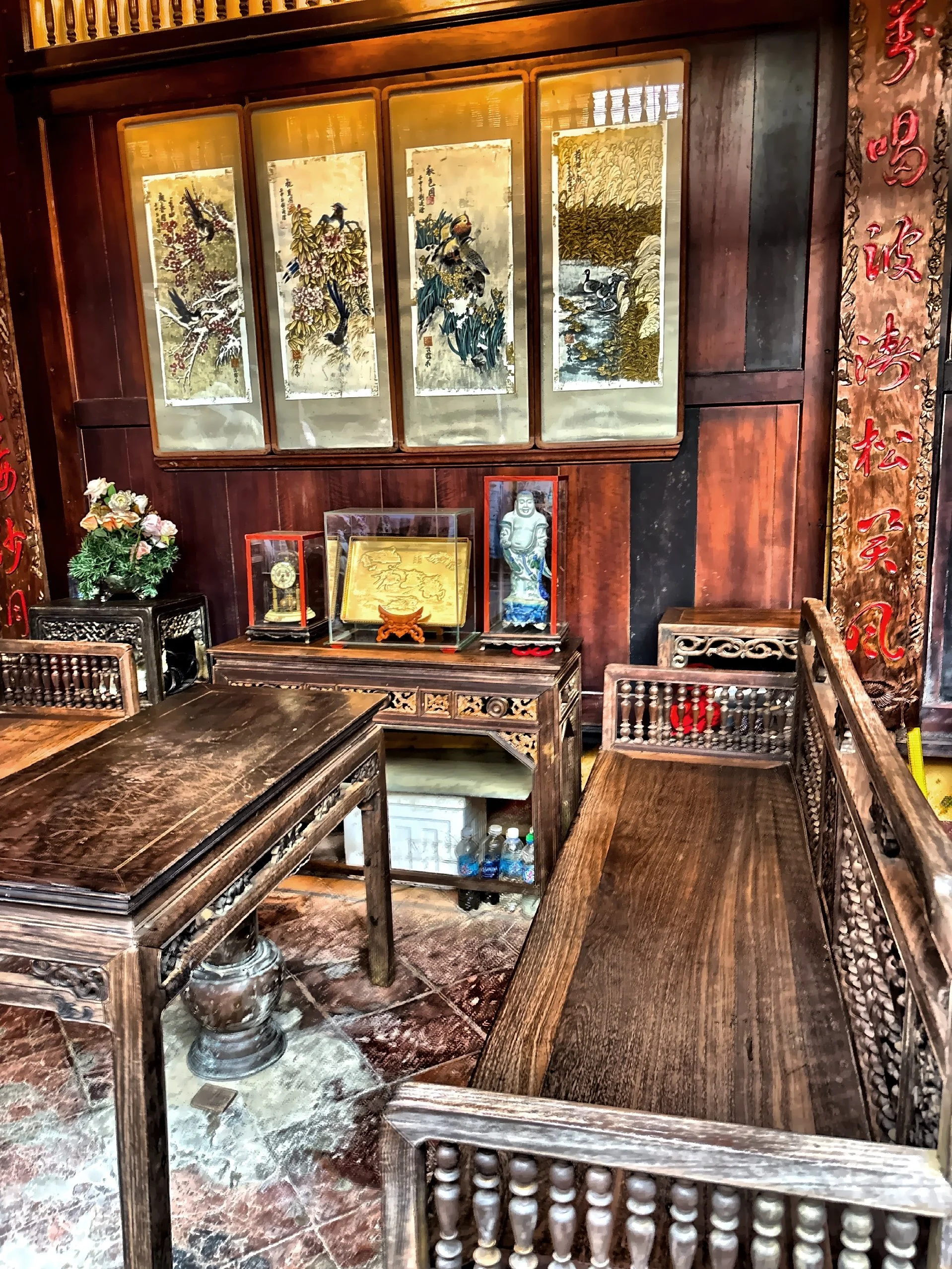
This enchanting atmosphere is rooted in centuries of history. Between the 15th and 19th centuries, Hoi An flourished as a thriving international trading port, welcoming merchants from China, Japan, and Europe. Their presence left an enduring mark, shaping the town’s architecture, culture, and rhythms of daily life. Today, that layered heritage remains beautifully intact, earning the area recognition as a UNESCO World Heritage Site and preserving its identity as one of Vietnam’s most treasured destinations.
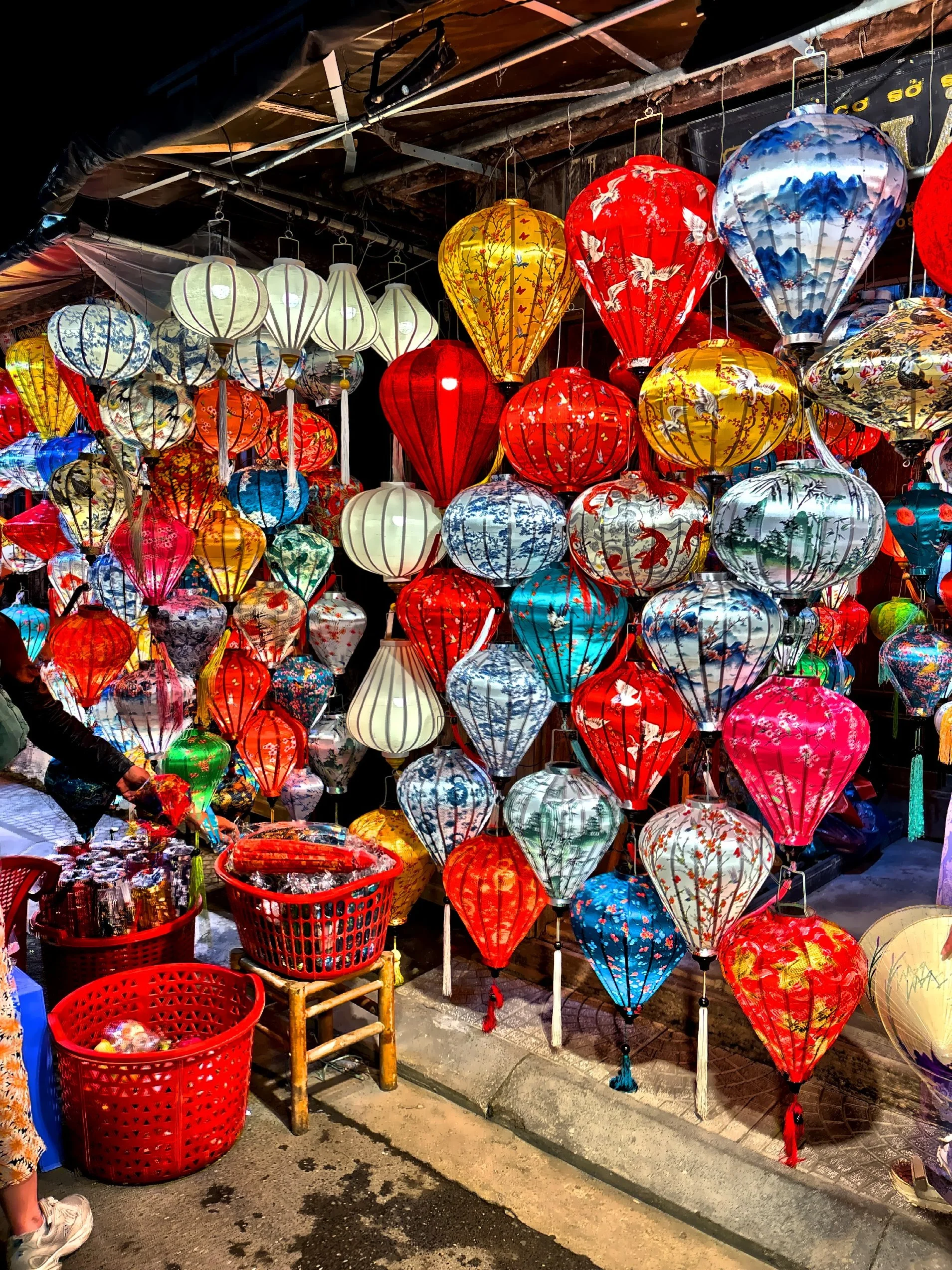
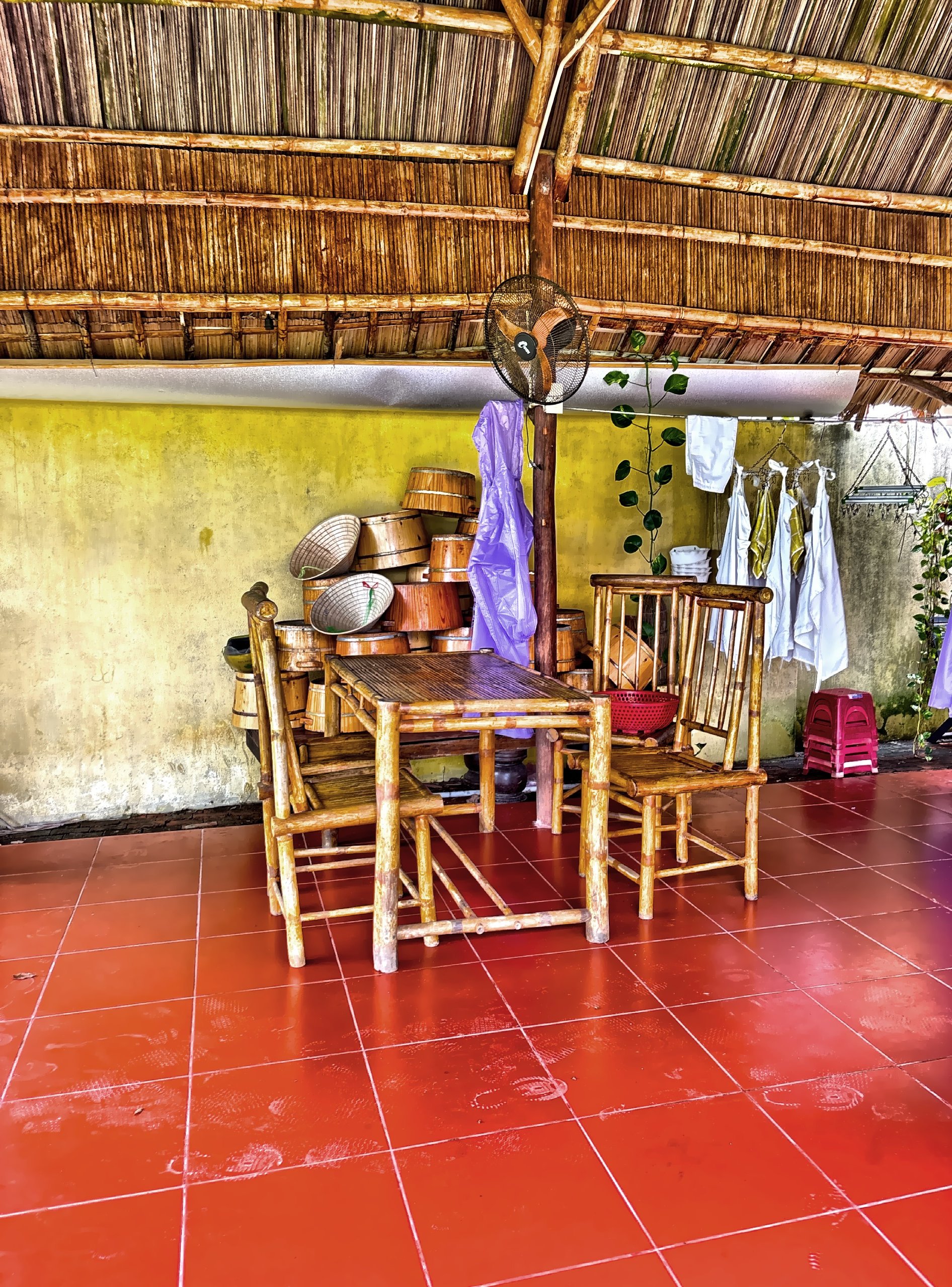
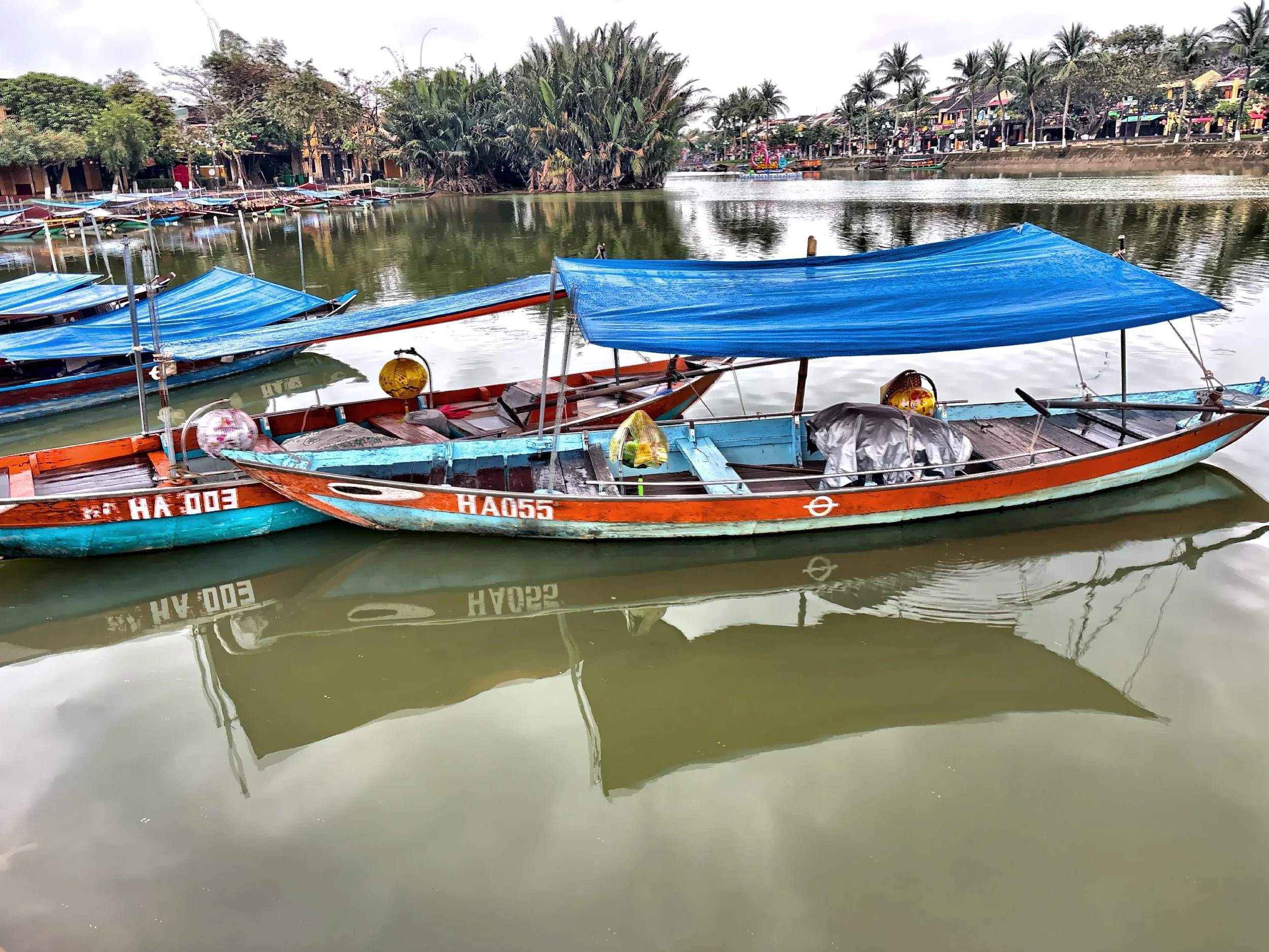
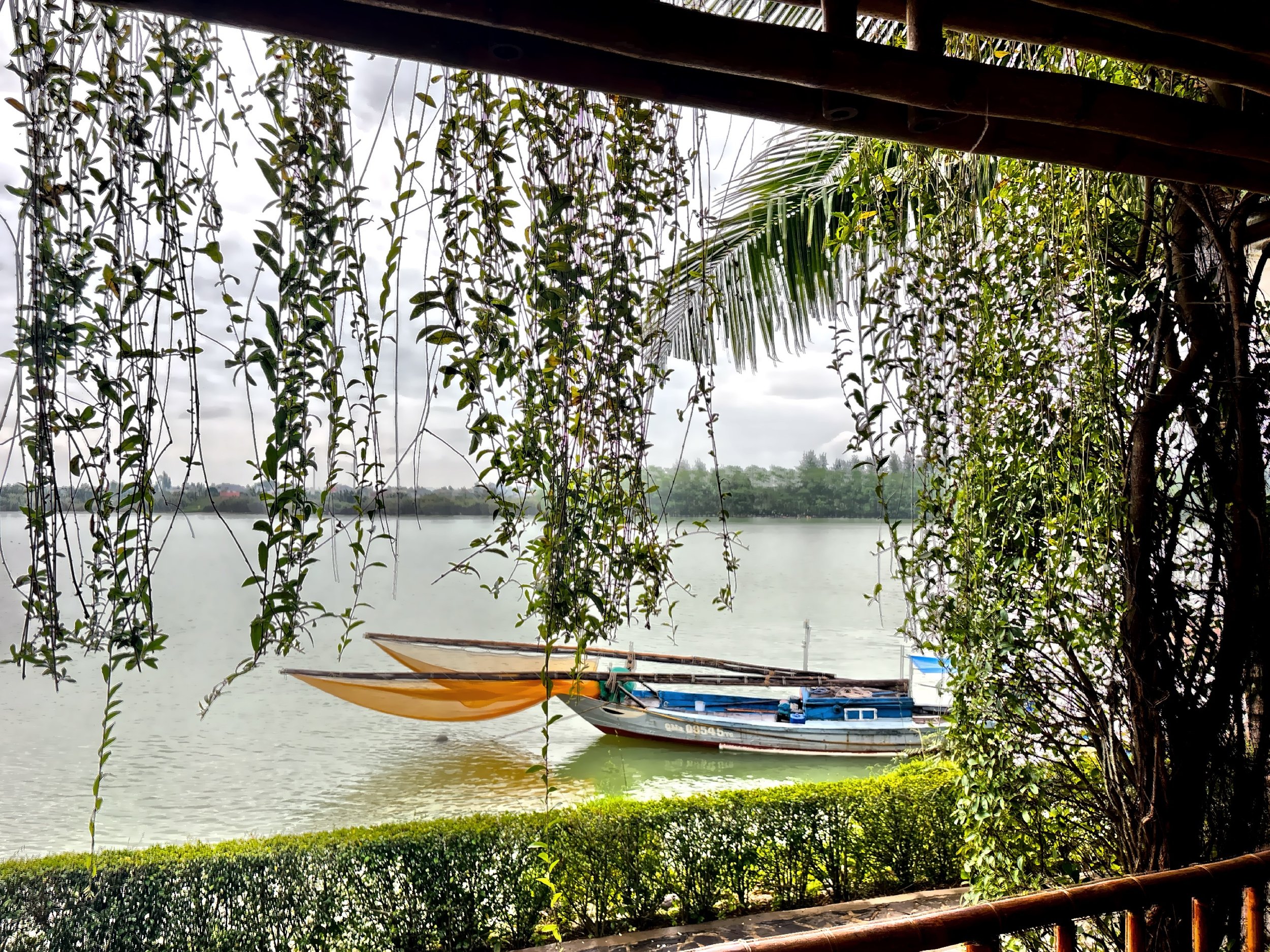
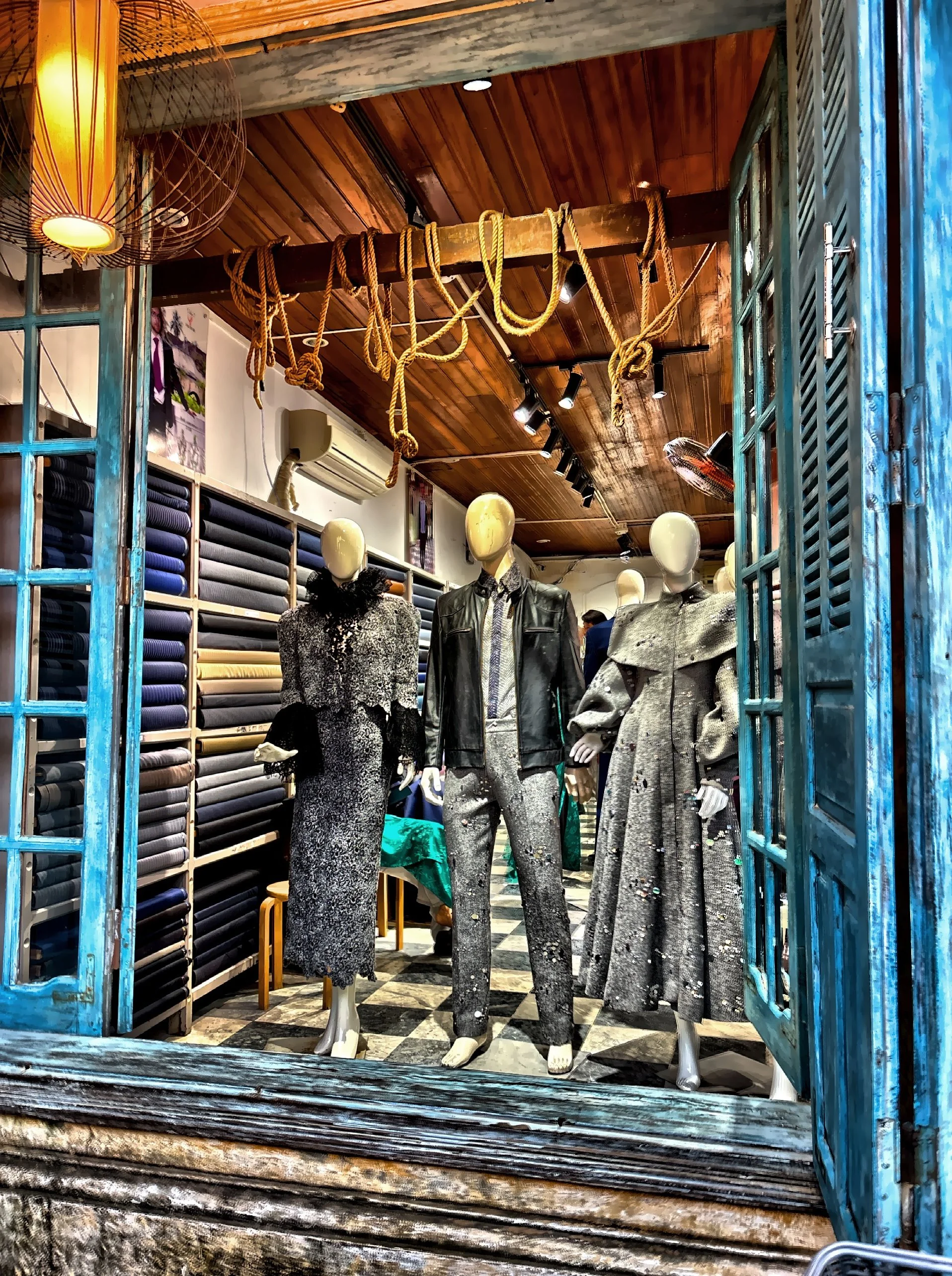
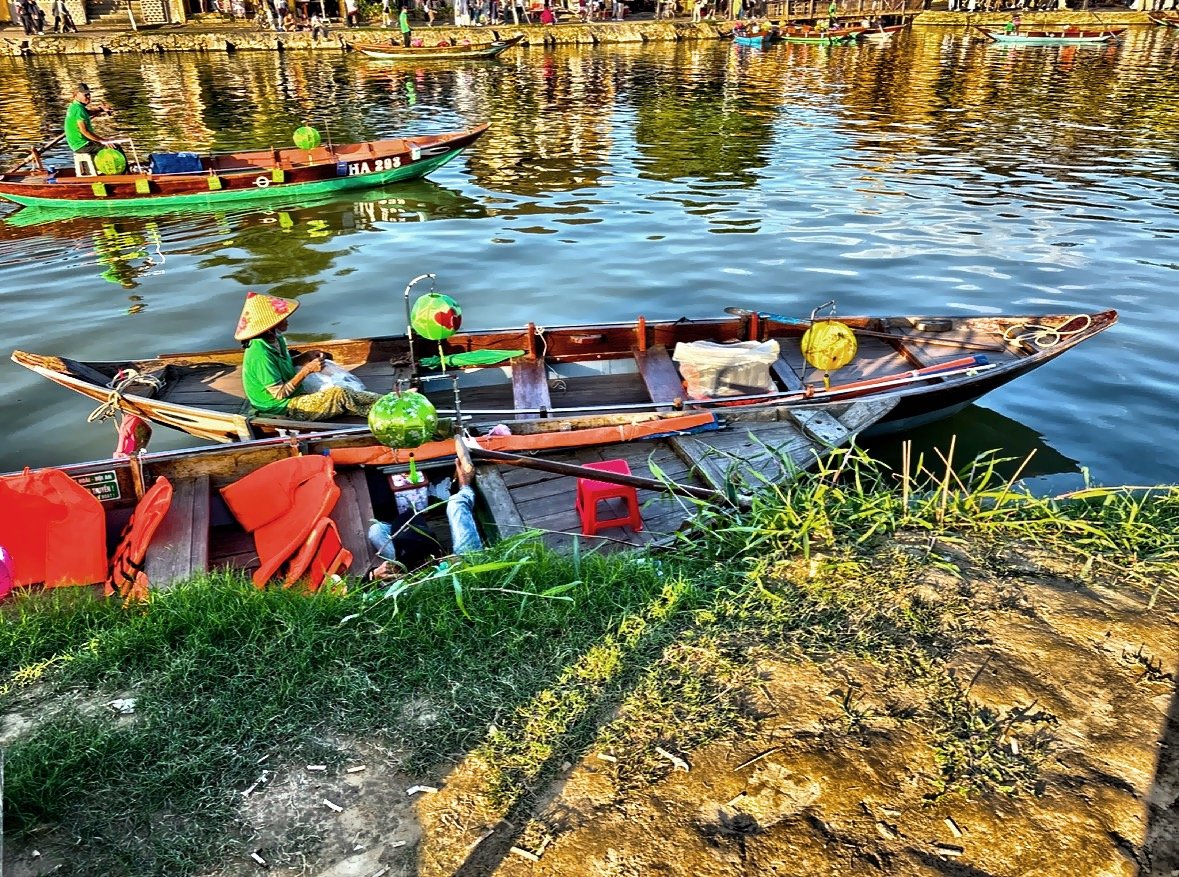
Yet what lingers long after a visit isn’t just the history—it’s the feeling. It’s wandering beneath lantern-lit skies as the river reflects flickers of red, gold, and blue. It’s lingering over a quiet riverside meal, or stepping into a tailor’s shop where fabric and craftsmanship come together in a matter of hours.
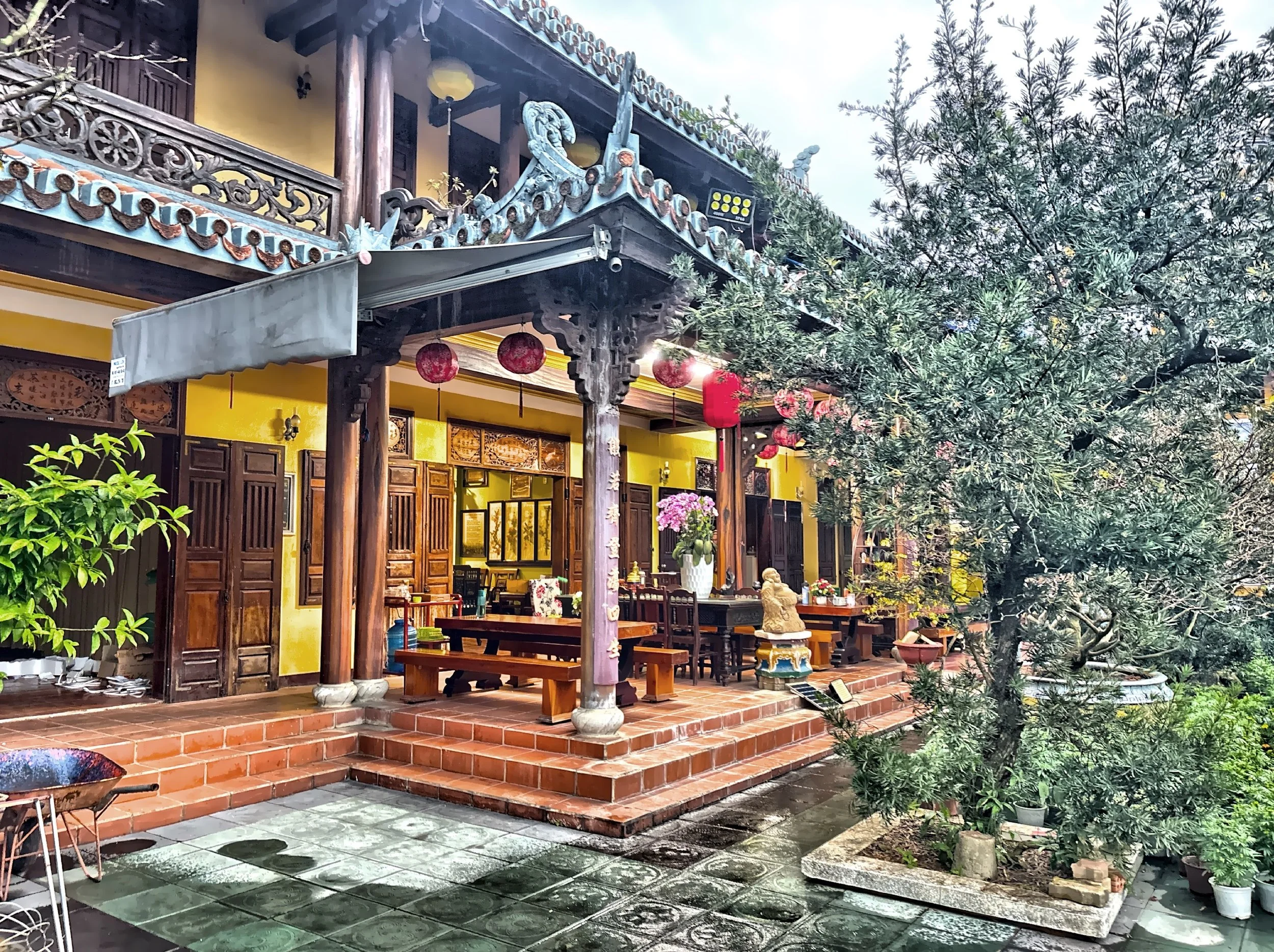
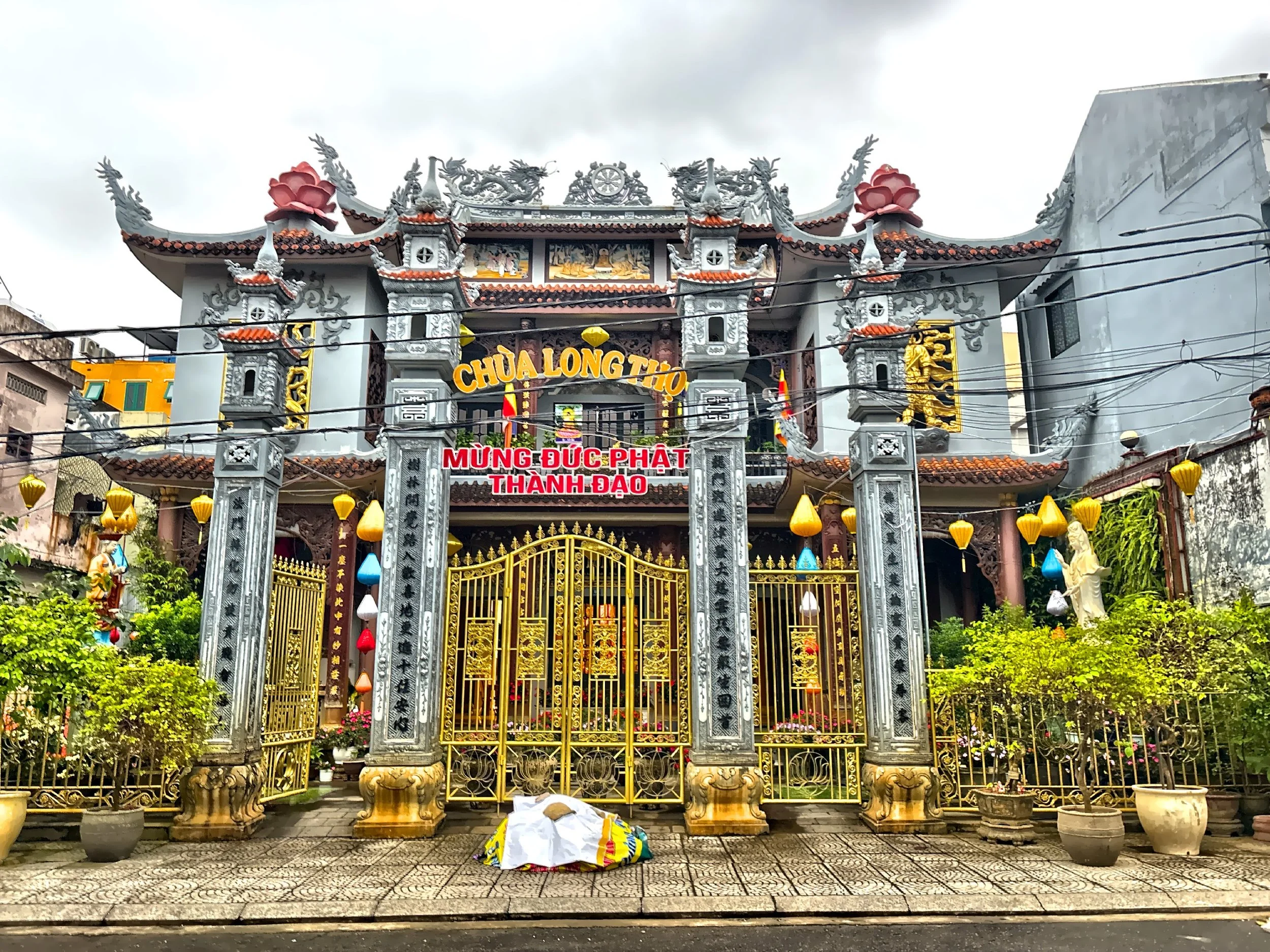
Blending Japanese, Chinese, and Vietnamese influences into a seamless cultural tapestry, Hoi An offers more than a glimpse into the past. It invites you to take a closer look and lose yourself in its unmistakable charm.
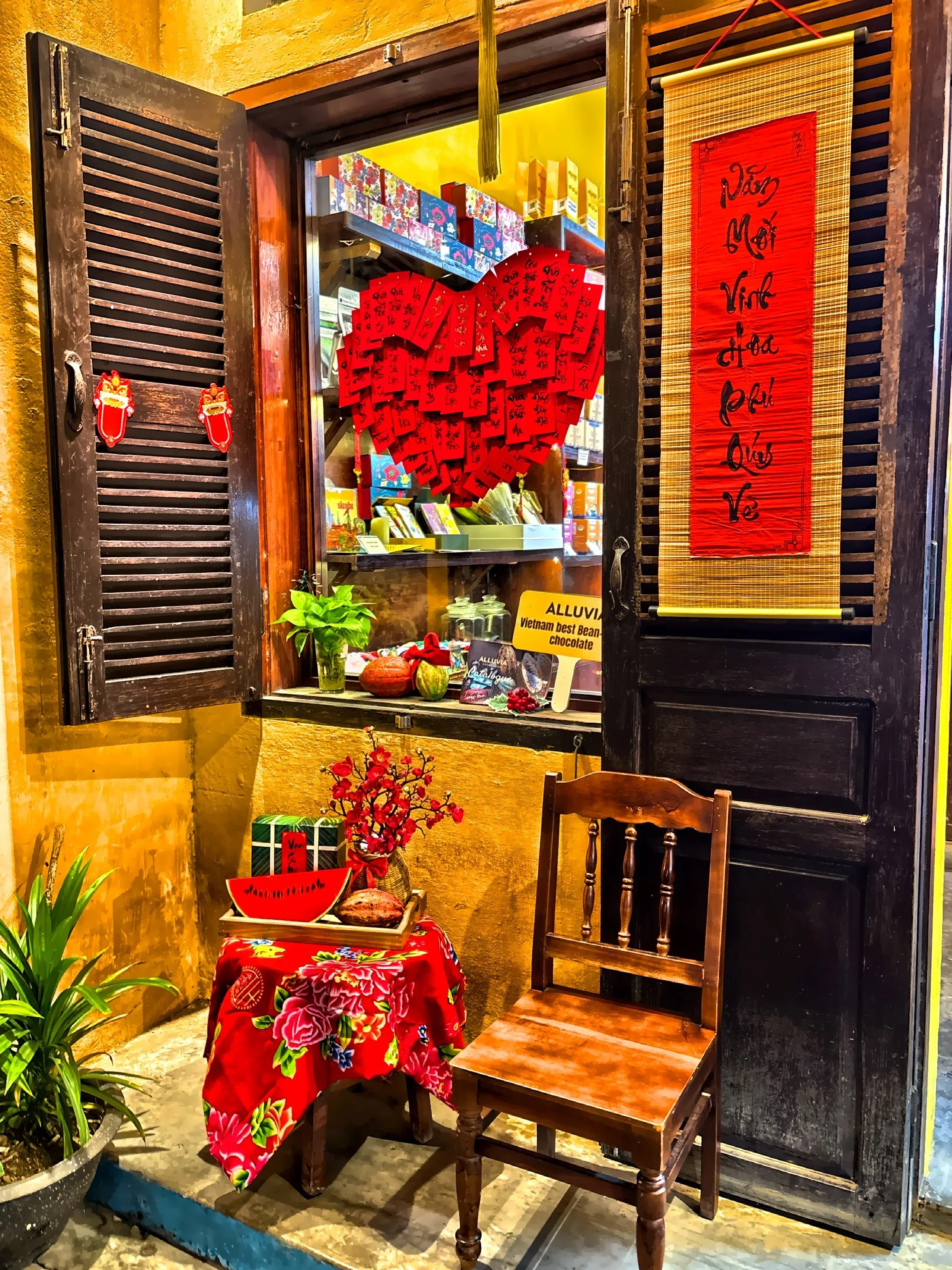
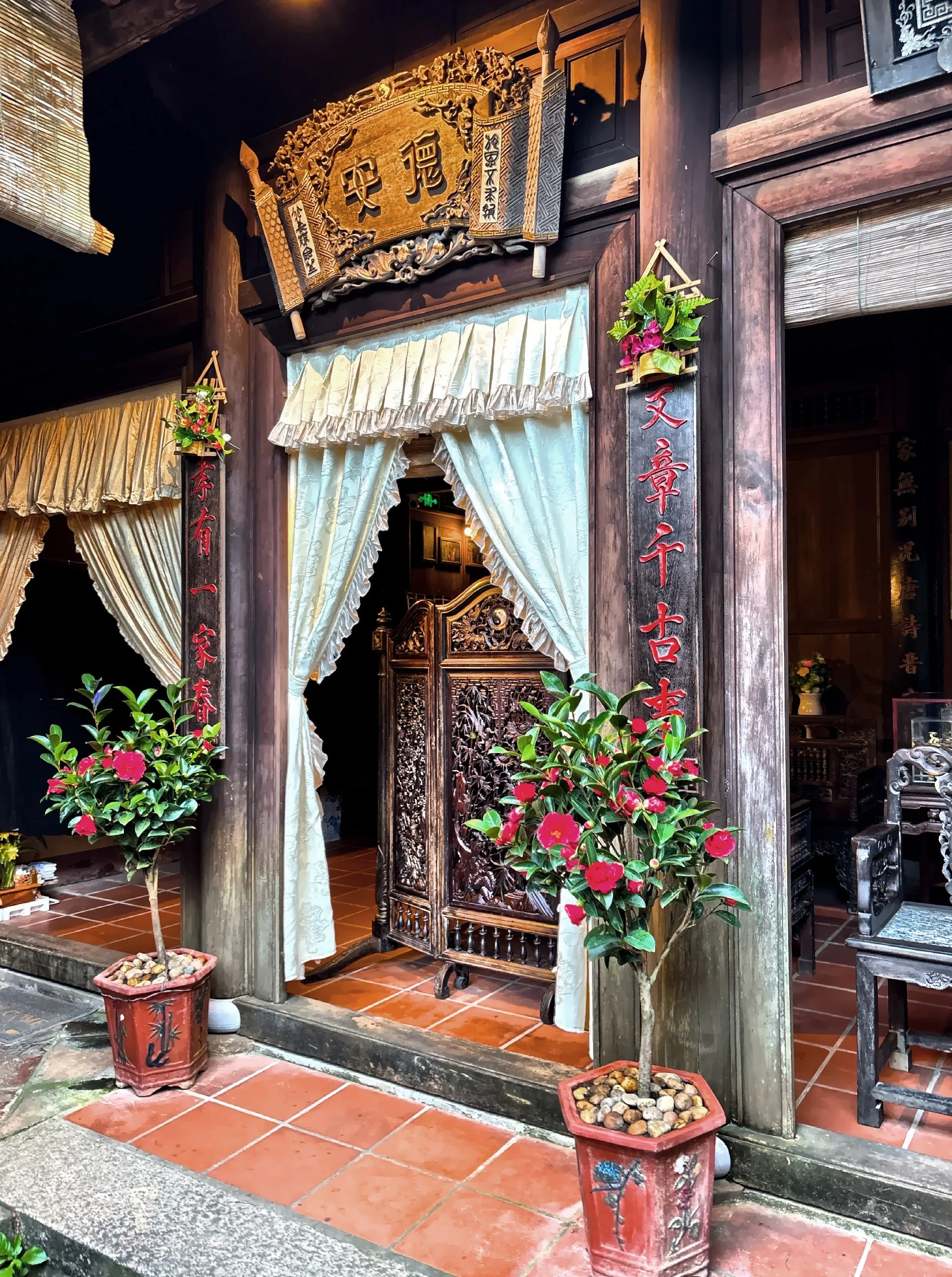
This is what caught my eye - I hope you enjoy!
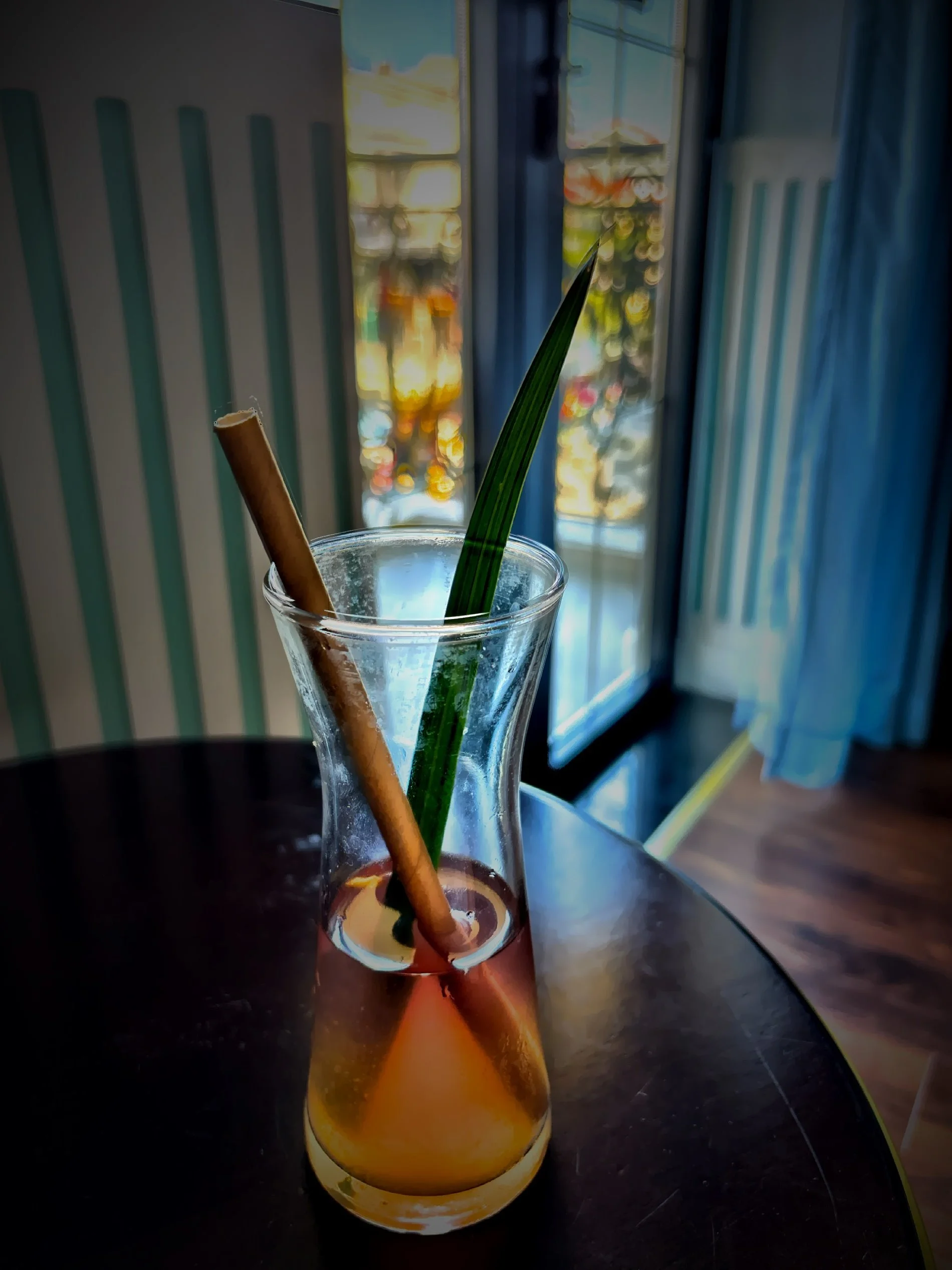
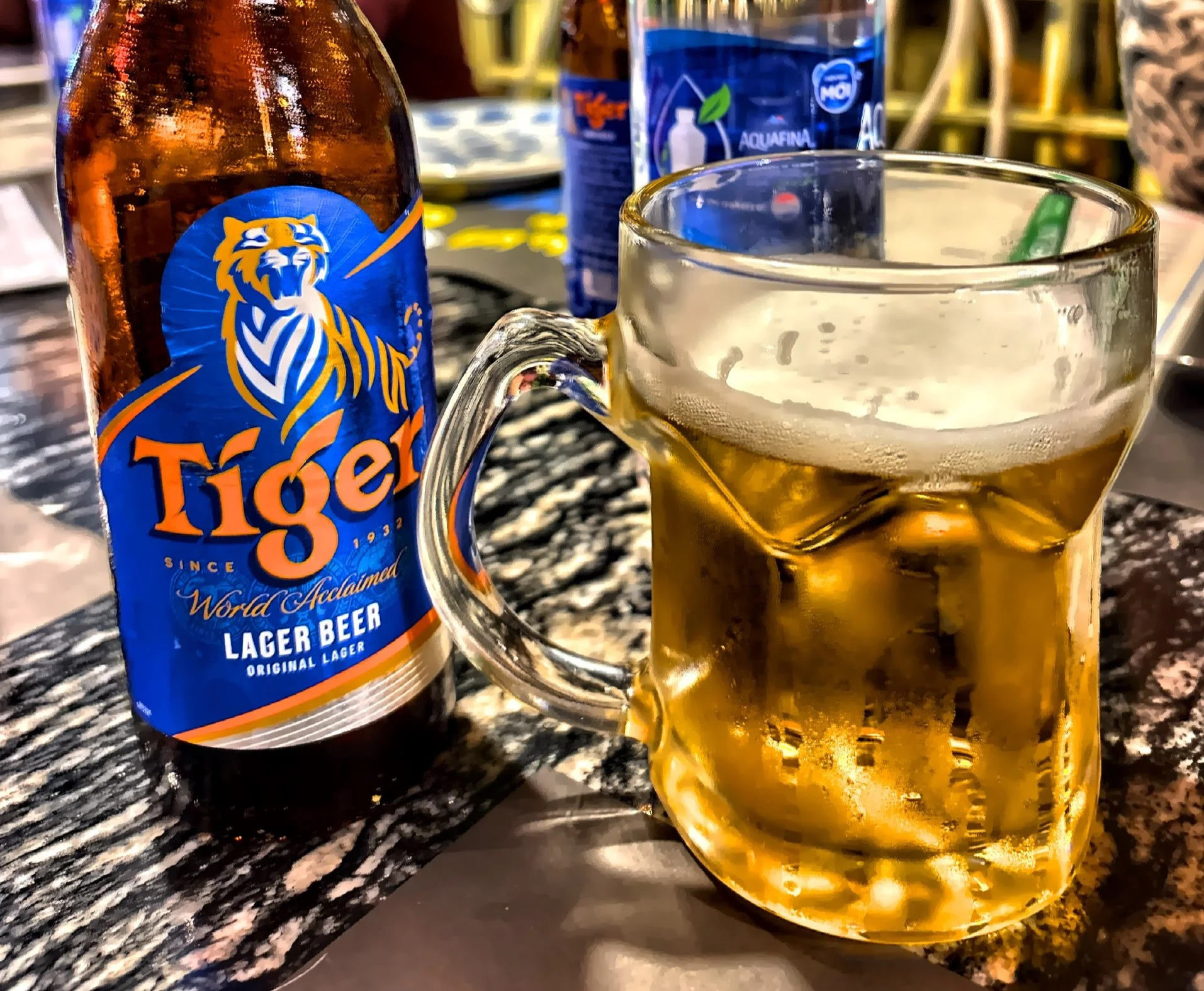
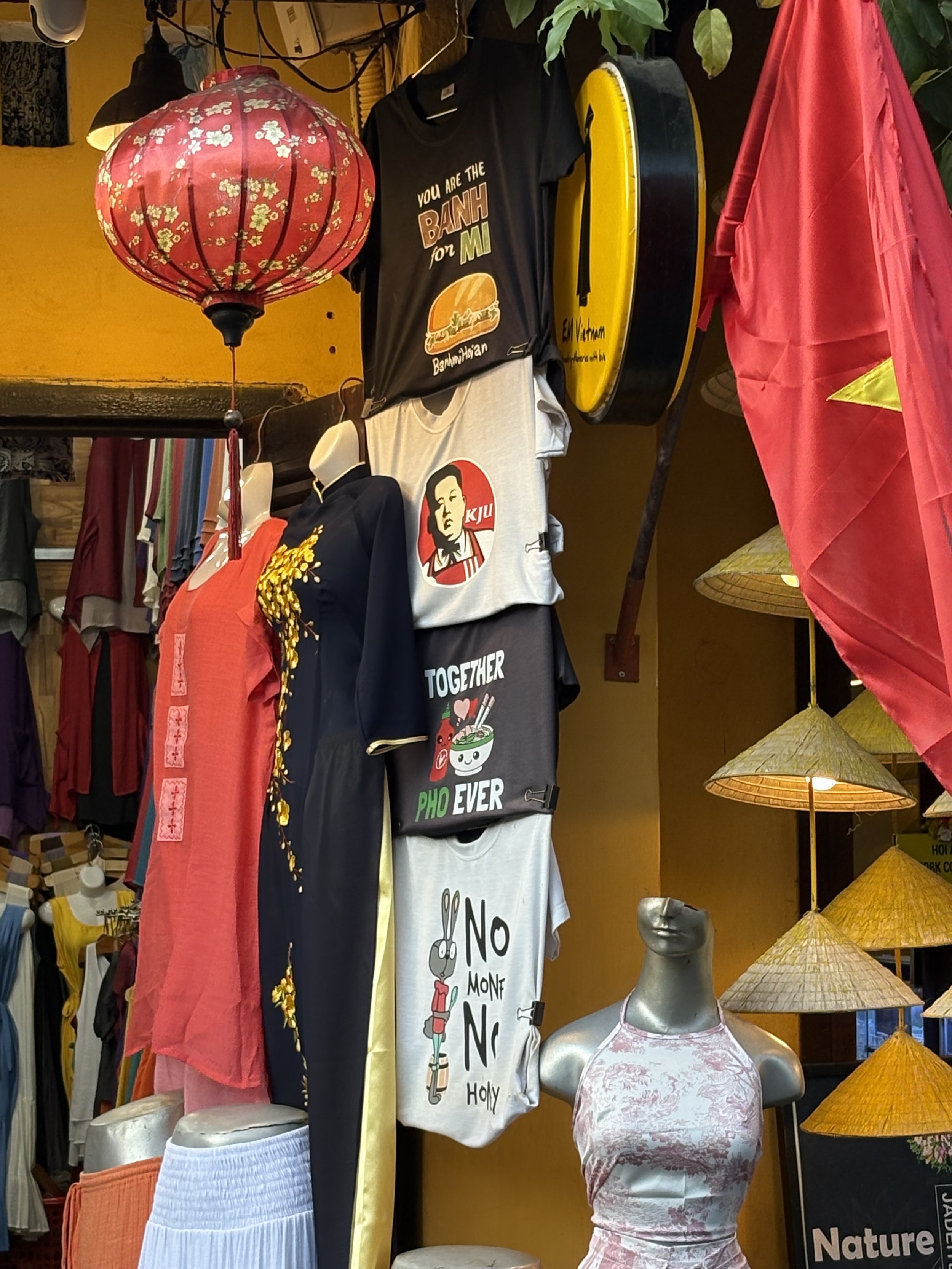
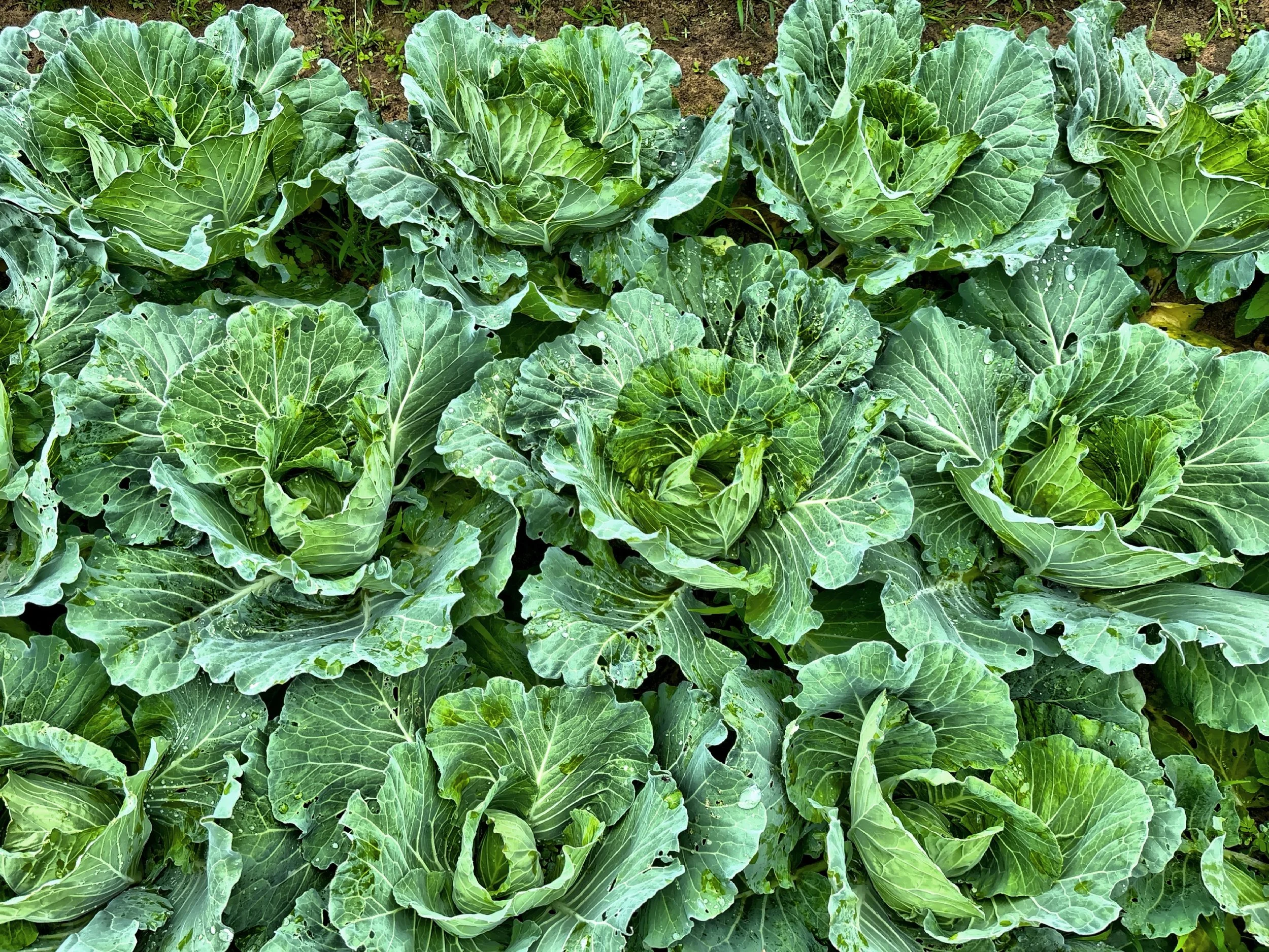
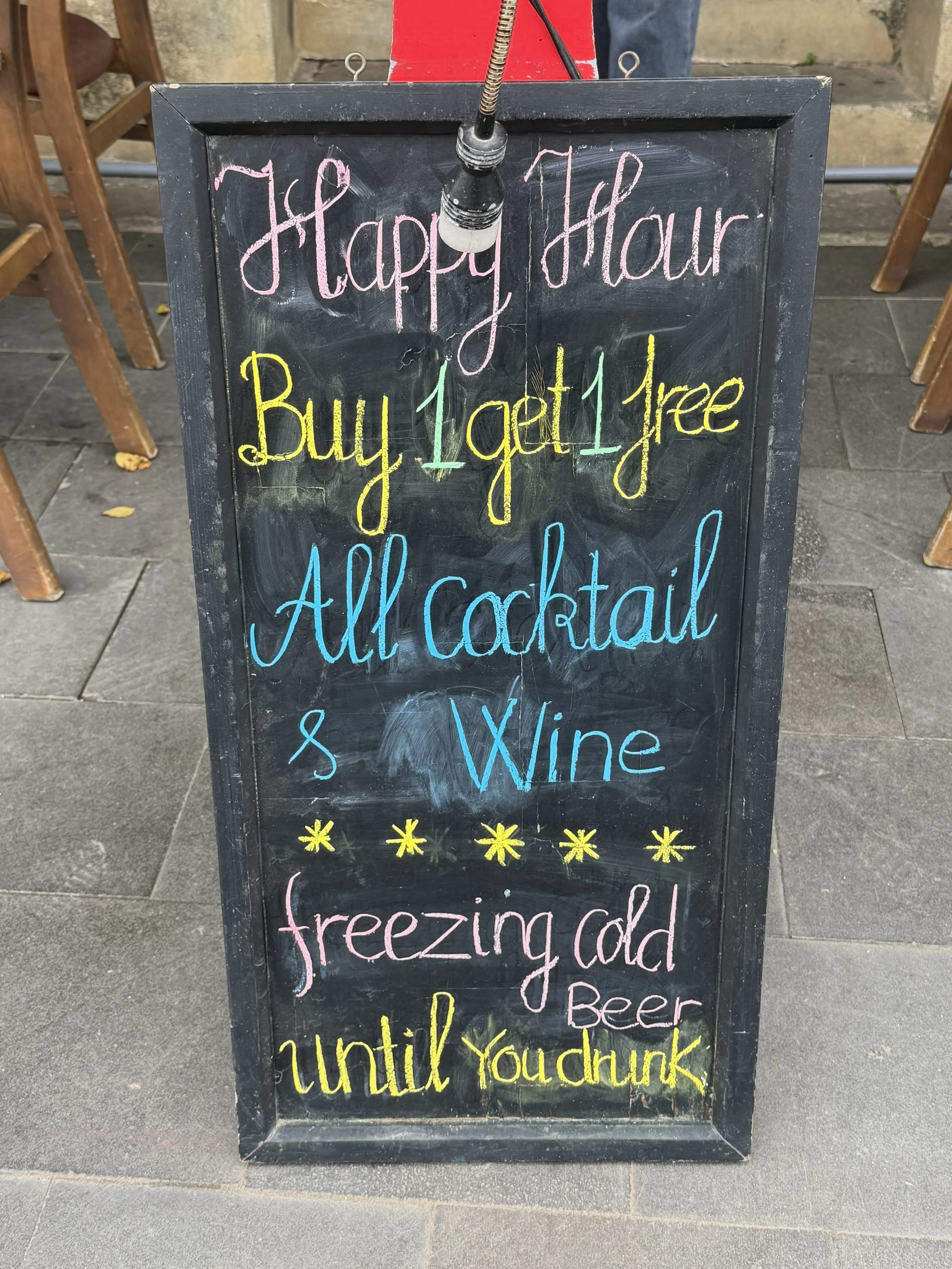
Do you like the images posted?
Click here to explore the shop.
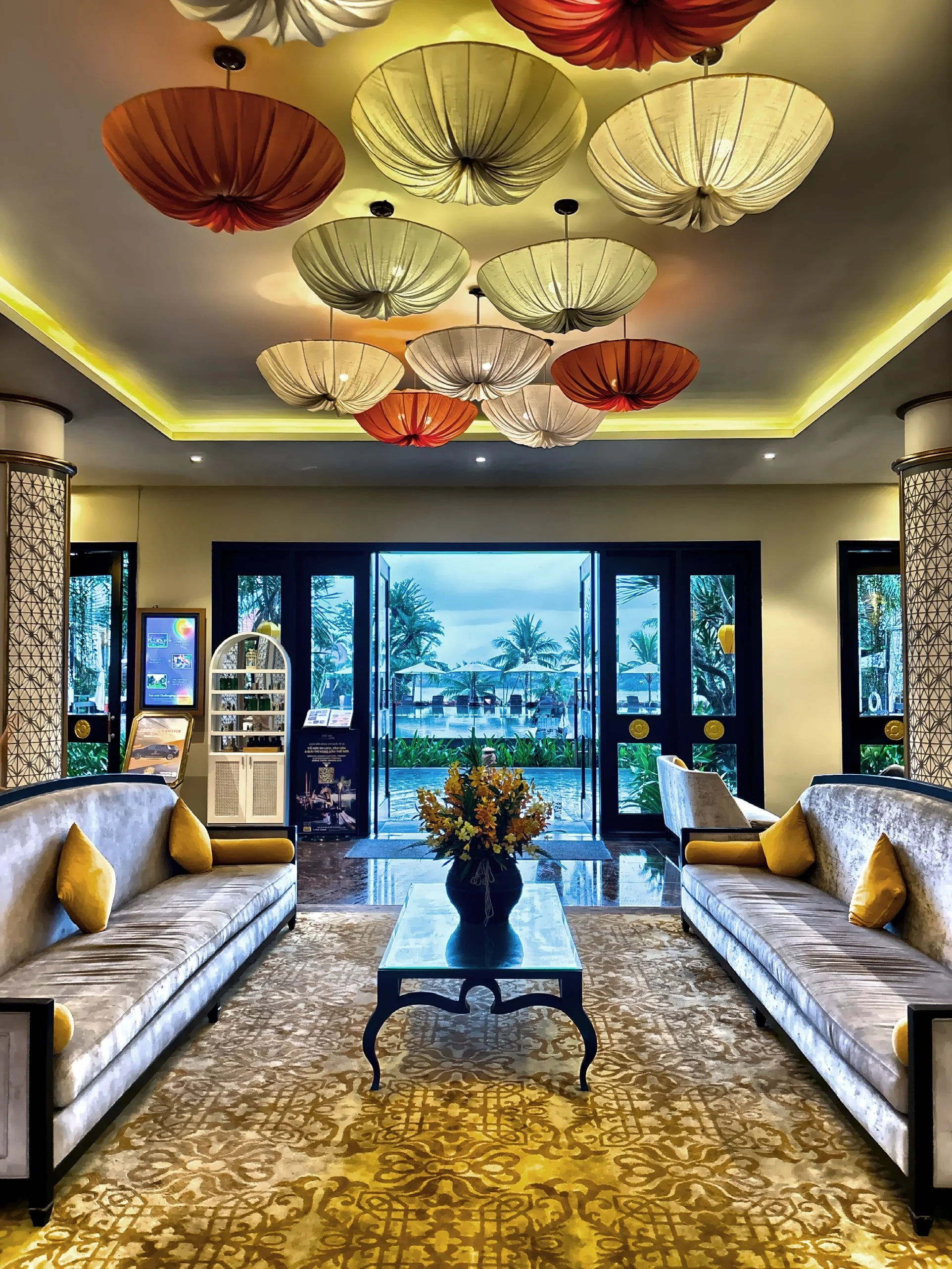
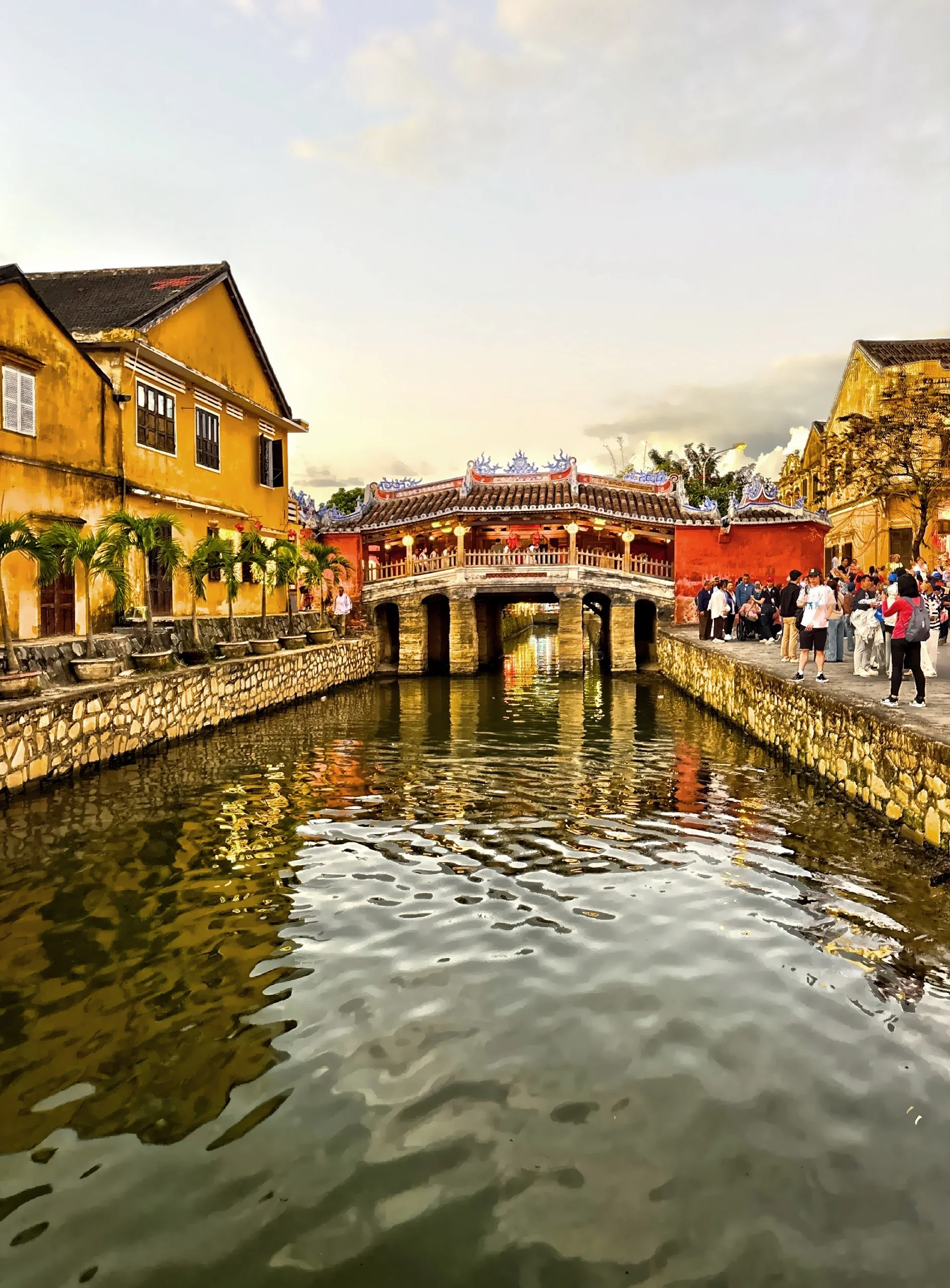
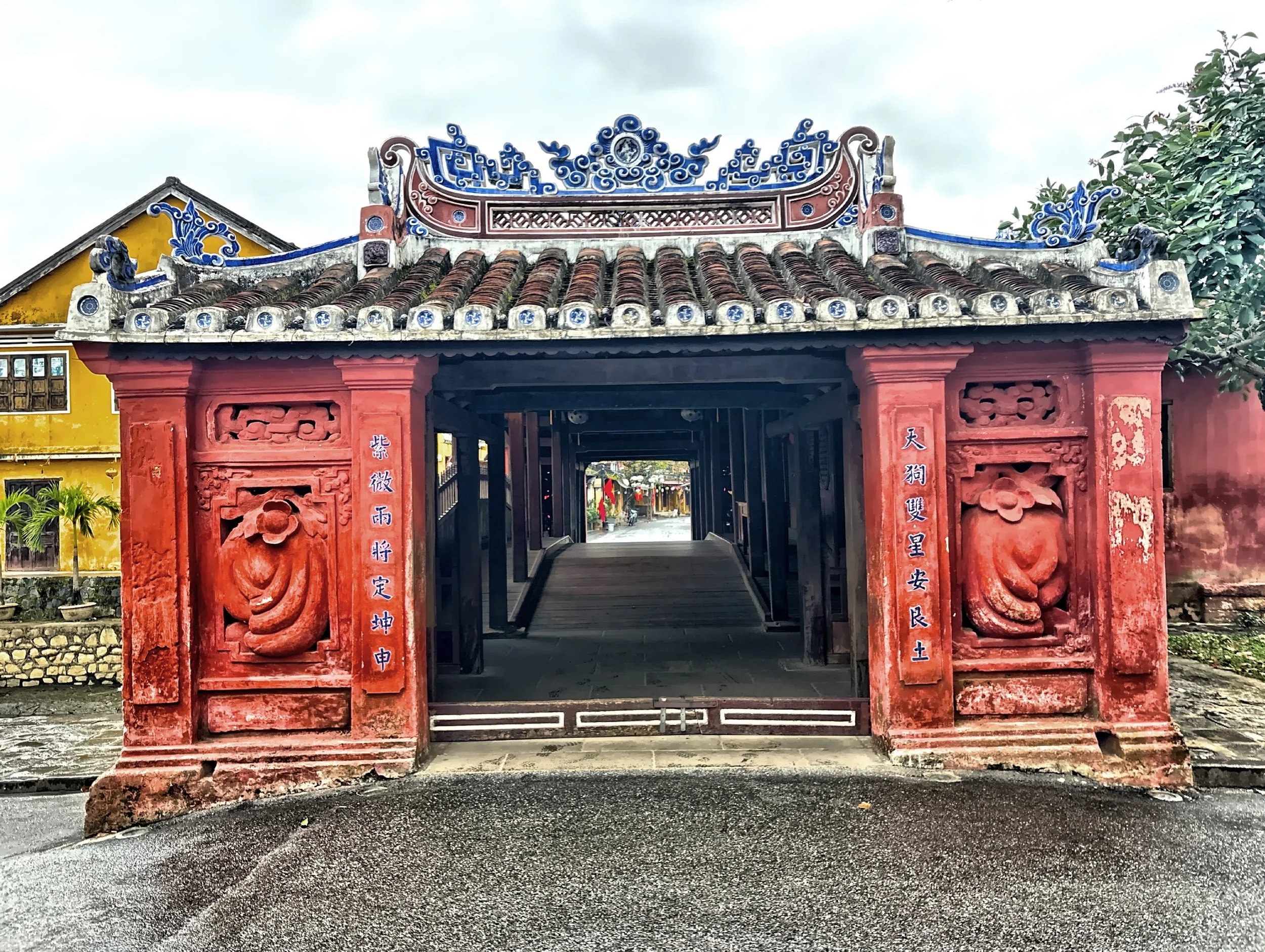
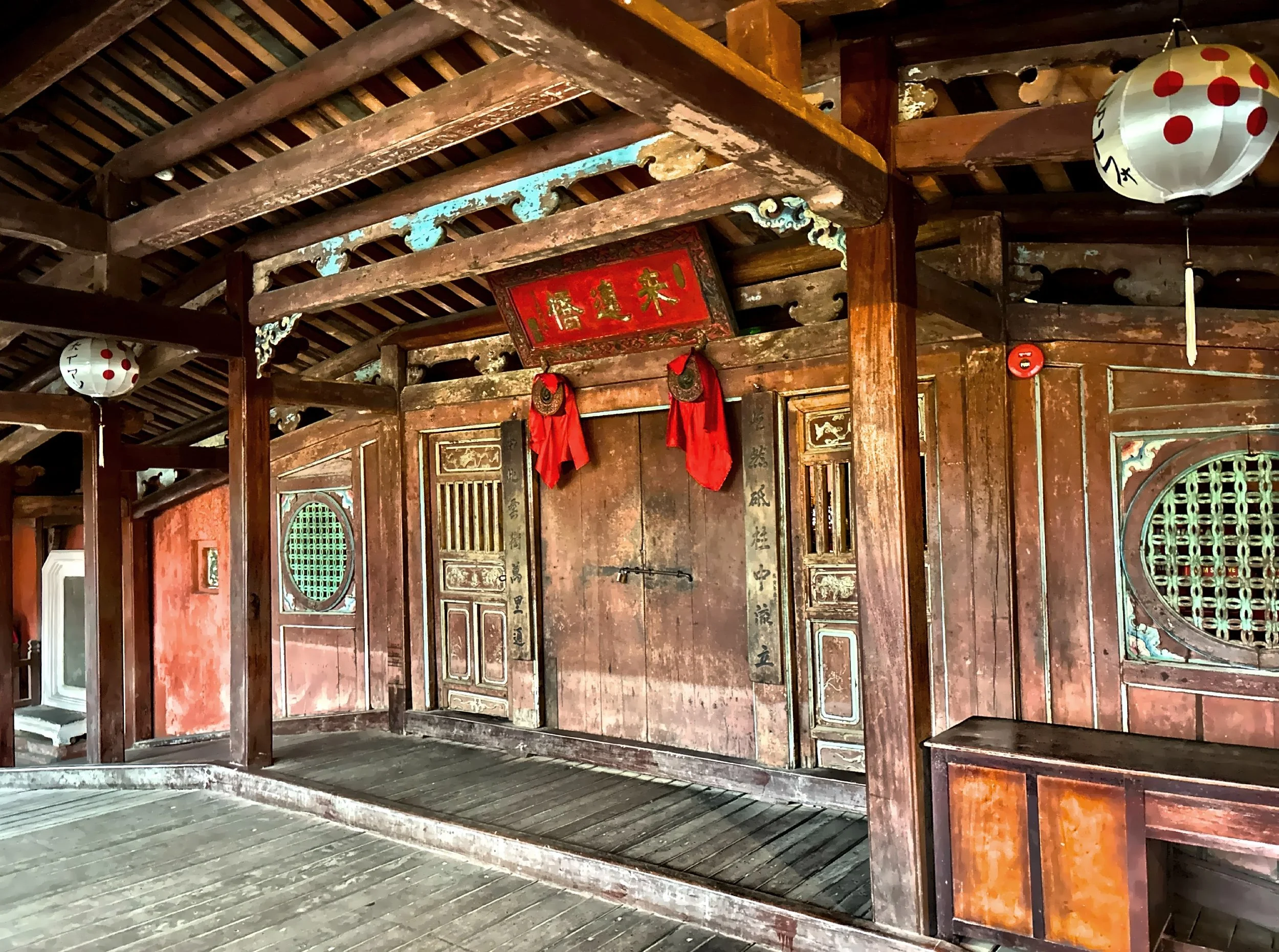
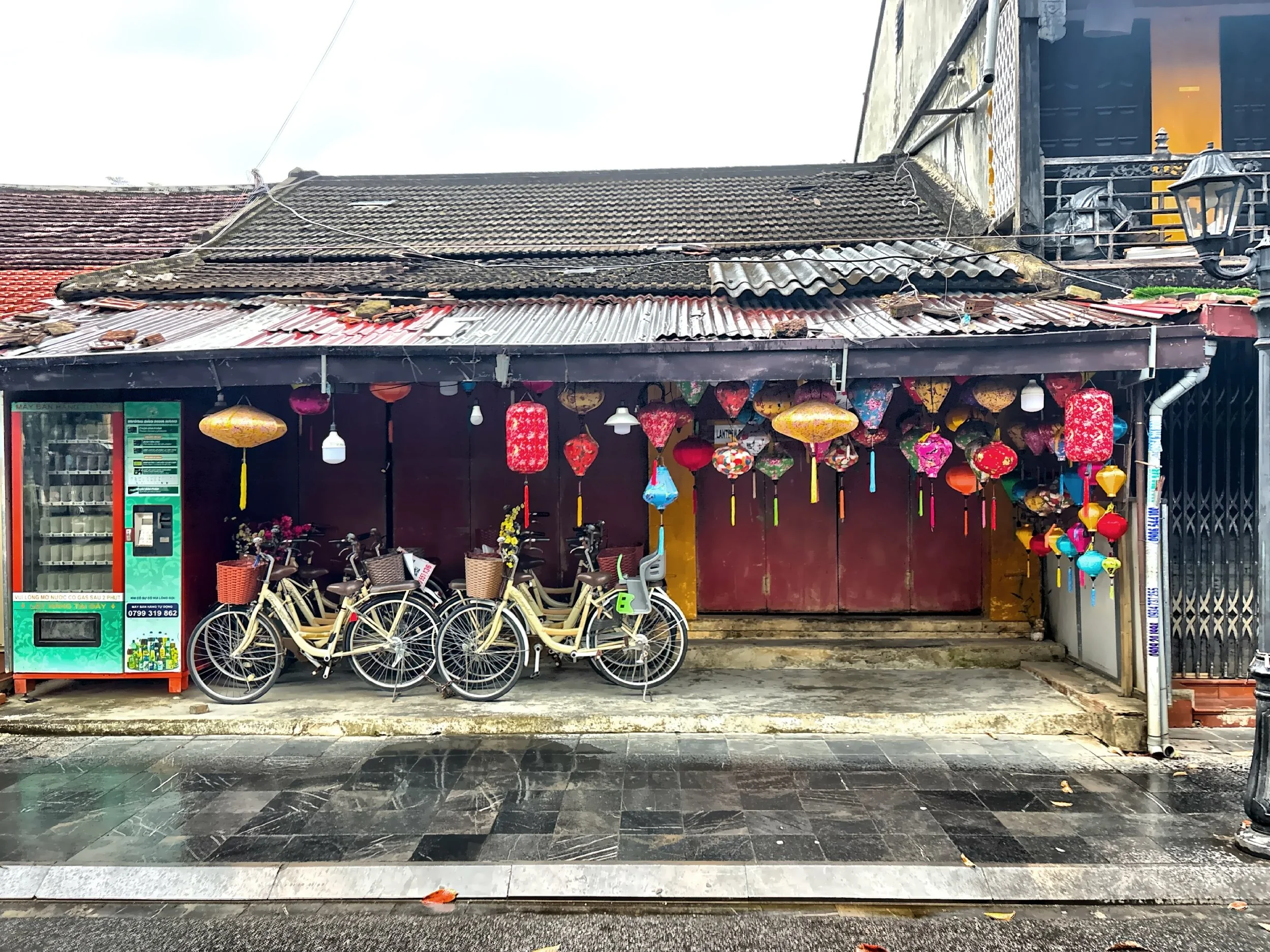


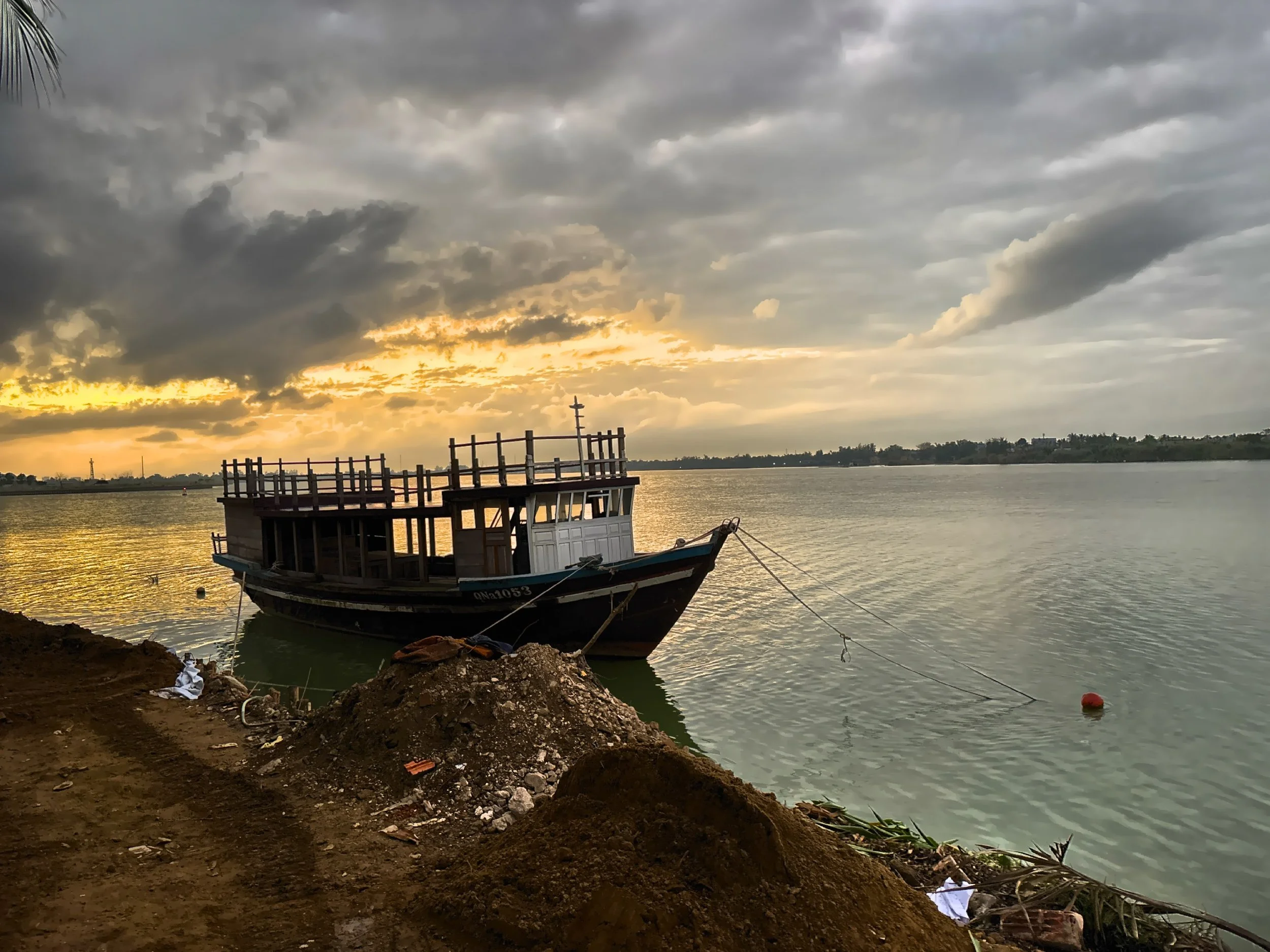
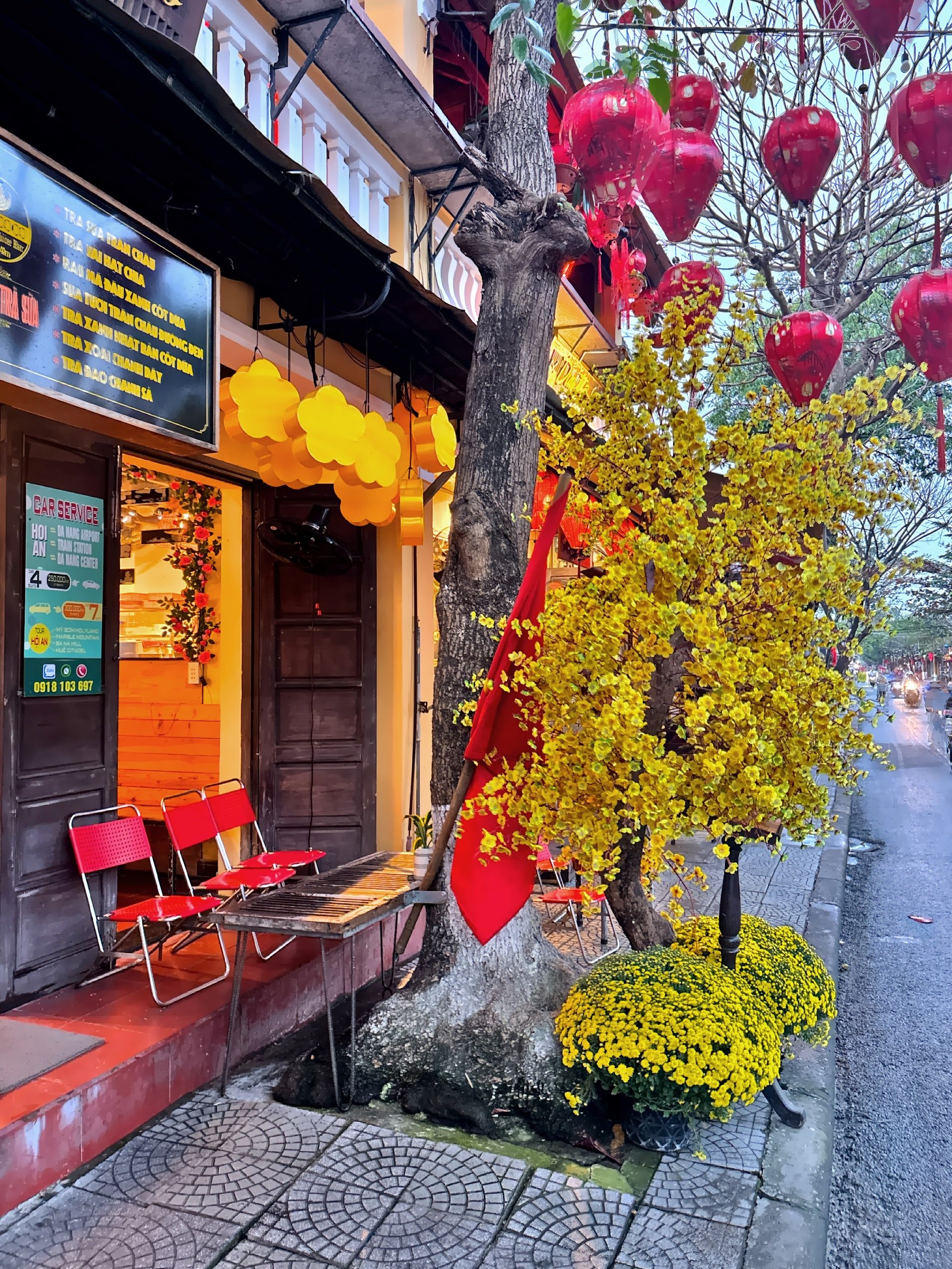
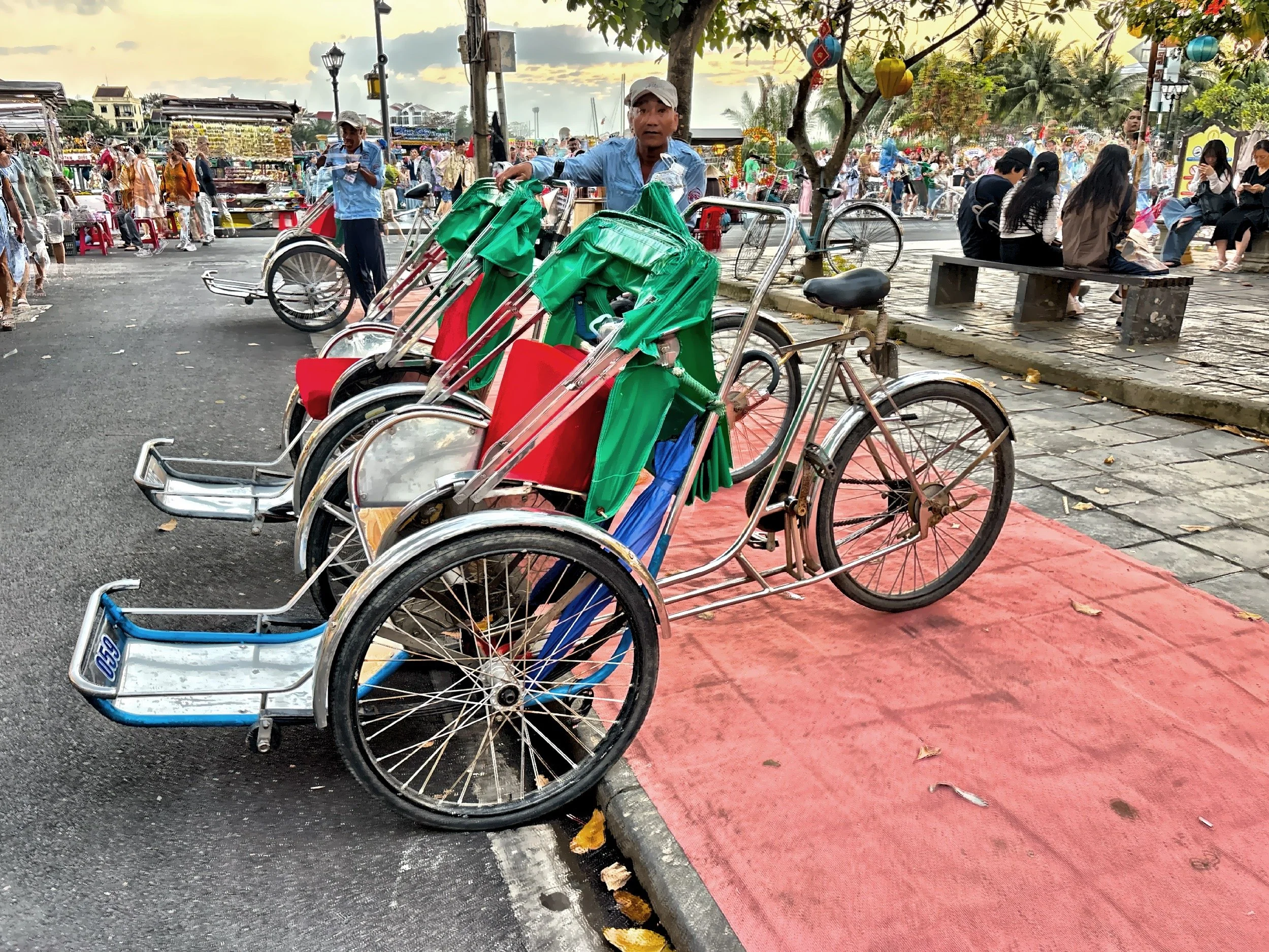
What you should know:
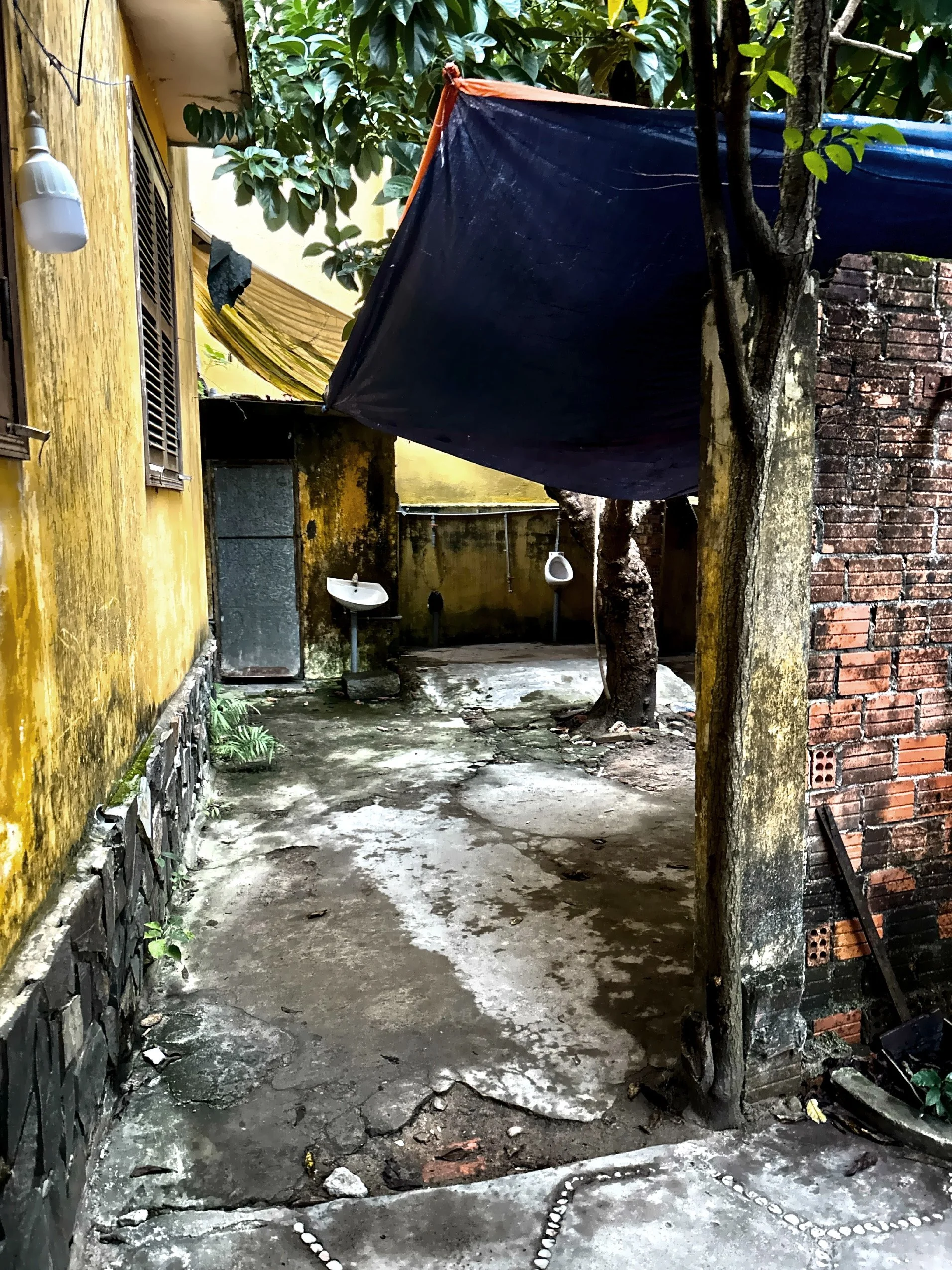
Public bathrooms in Vietnam often do not have toilet paper, so it is essential to carry your own tissues or toilet paper at all times. While tourist-oriented cafes, hotels, and restaurants usually have it, many public, local, or rural bathrooms do not. Most toilets use a bidet sprayer ("bum gun") instead of paper. Some may also charge to use them.
Locals are generally friendly but reserved – polite and helpful.
Vienamese is the official language, and it is a tonal language, meaning the pitch you use can change the meaning of a word. English is commonly taught here and used in tourism and business.
Credit cards are widely accepted in malls, hotels, and nicer restaurants.
The currency used in Vietnam is the Vietnamese dong (symbol: ₫, code: VND). Cash is still king in many places (street food, markets).
Parking can sometime be difficult at times in certain neighborhoods.
You will need a valid passport, a visa, and a power convertor if you are coming from the US.
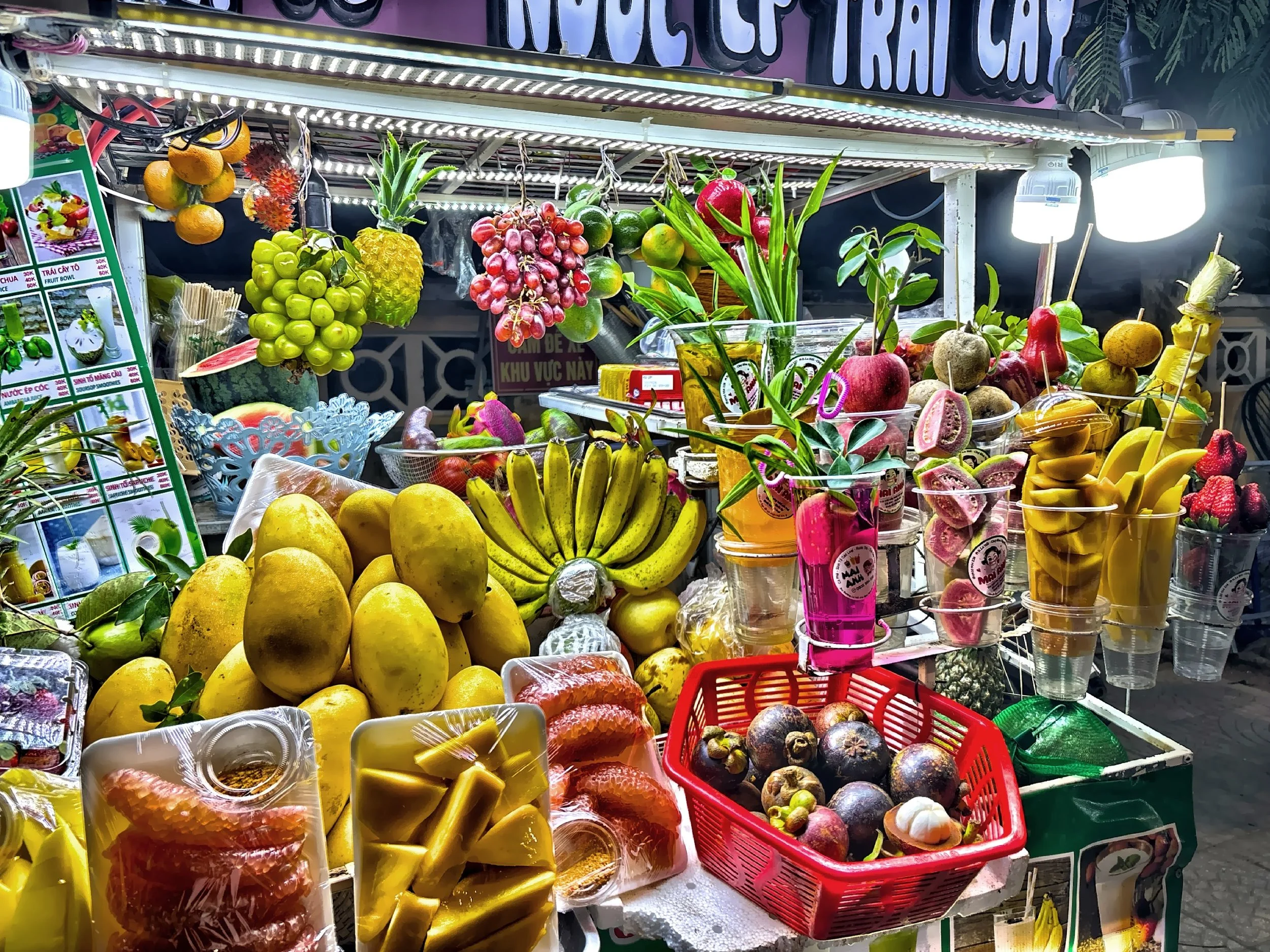
There are many restaurant and food options.
Tipping is not expected but some people do round up.
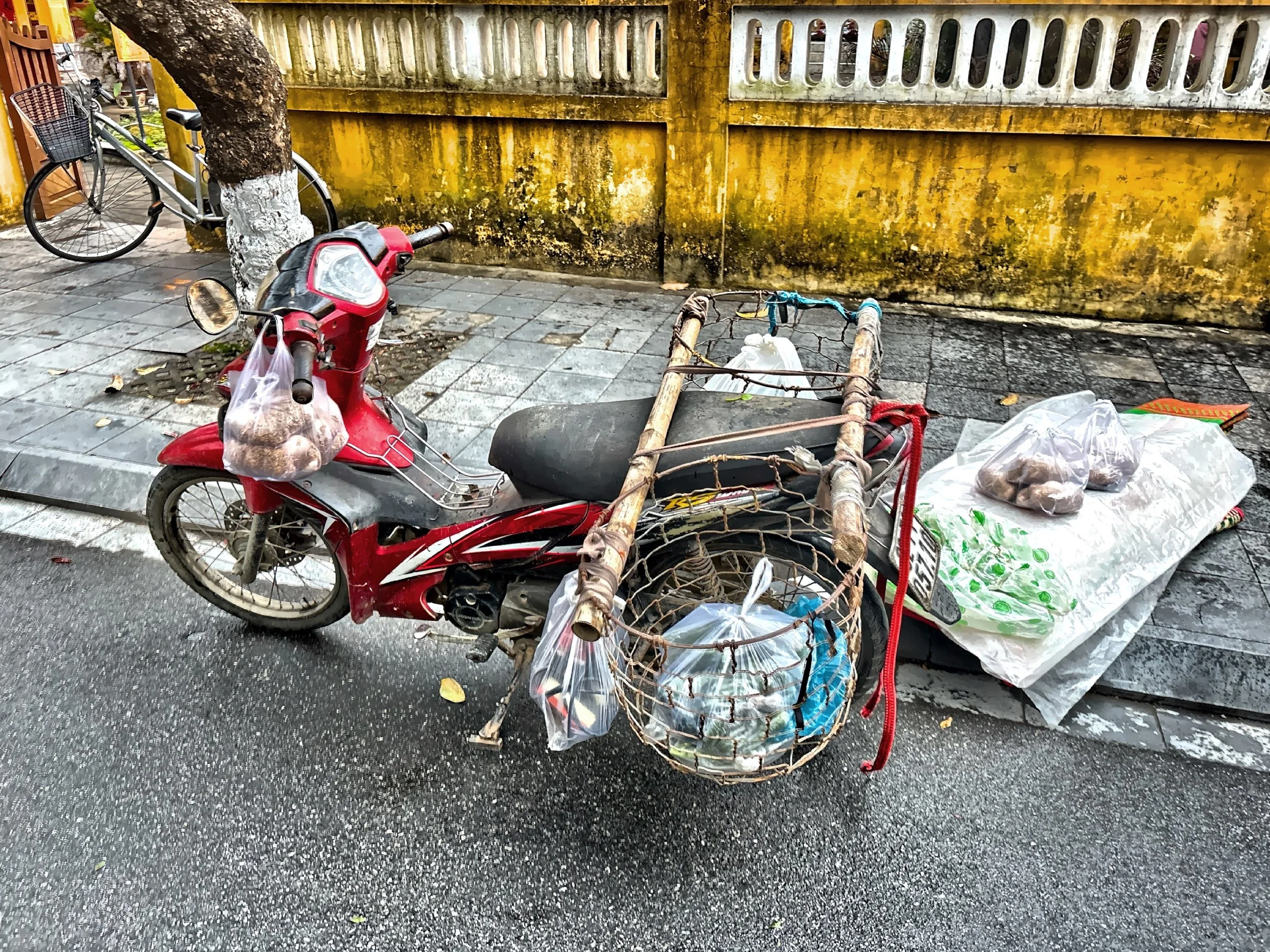
Options for getting around include motor bike taxis, bicycles, cycle, and tuk-tuks are available. There is also Grab, an Uber-type app that reliable option.
Dress modestly when visiting temples, covered shoulders and knees.
Remove shoes before entering temples.
Bargaining is common in markets—but do it politely and with a smile.
It’s hot and humid year-round—hydrate constantly and only use with bottled water.
Wear lightweight clothes and sunscreen.
Smile goes a long way—Thai culture values politeness and calmness.
If you enjoy a good massages, make sure to get at least one here because they are cheap!
For more information: Hoi An, Vietnam
If you enjoyed this post, feel free to check out my previous posts by clicking here.