The capital of France sits along the River Seine in northern France and is often called “the City of Light” because of its historic role in art, learning, and innovation.
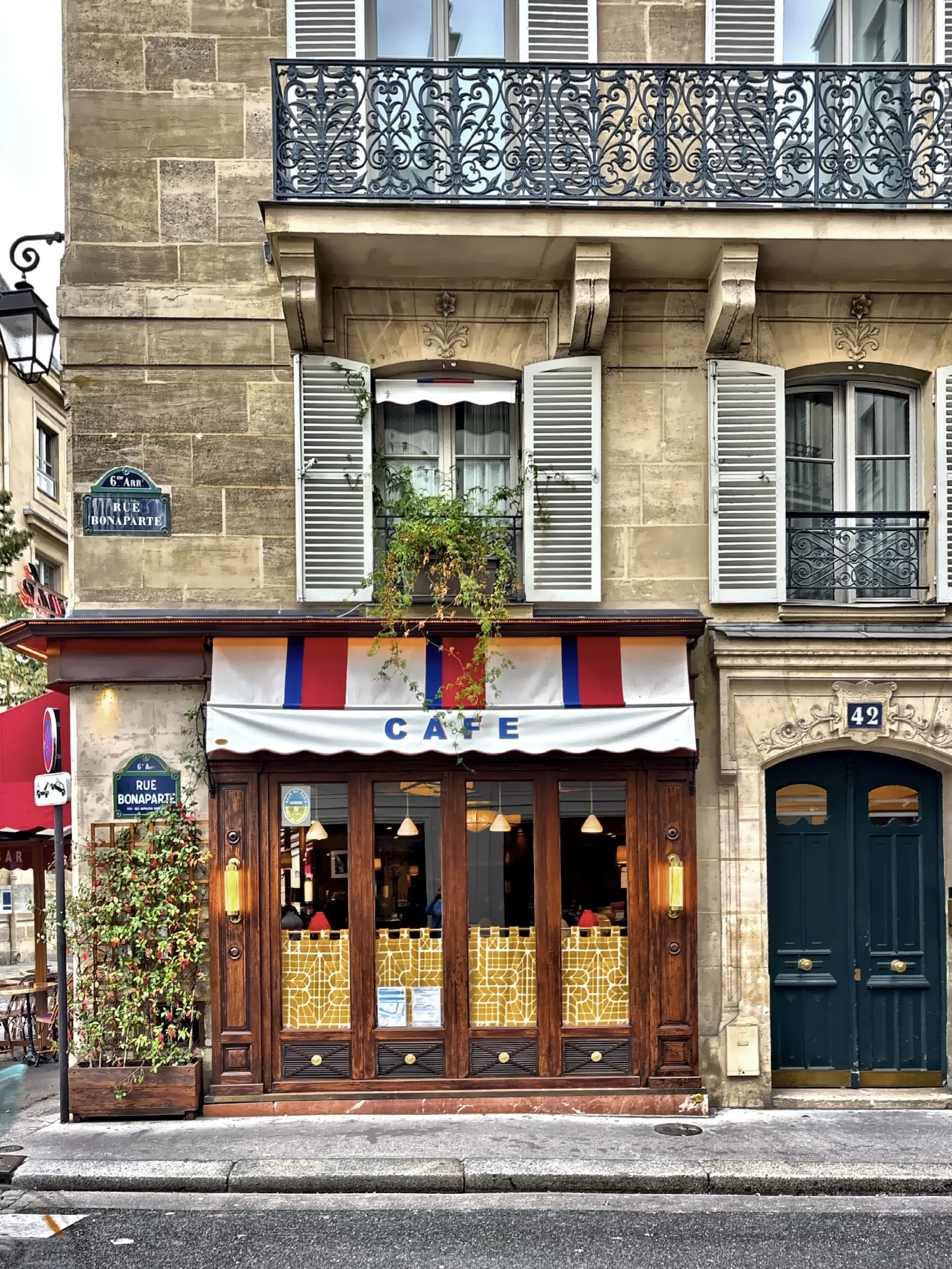
Paris is known for its iconic landmarks, including the Eiffel Tower, Notre-Dame Cathedral, the Louvre Museum (home to the Mona Lisa), and the Arc de Triomphe. The city is made up of neighborhoods, each with its own personality—from the artistic streets of Montmartre to the elegant cafes of Saint-Germain-des-Pres.
Culturally, Paris has had a huge influence on art, fashion, literature, and food. It has world-class museums, historic bookstores, theaters, and entertainment venues. French cuisine is a big part of daily life, with bakeries selling fresh bread and pastries, and cafes lining the streets.
Overall, Paris is known for its beauty, history, and vibrant everyday life.
This is what caught my eye - I hope you enjoy!
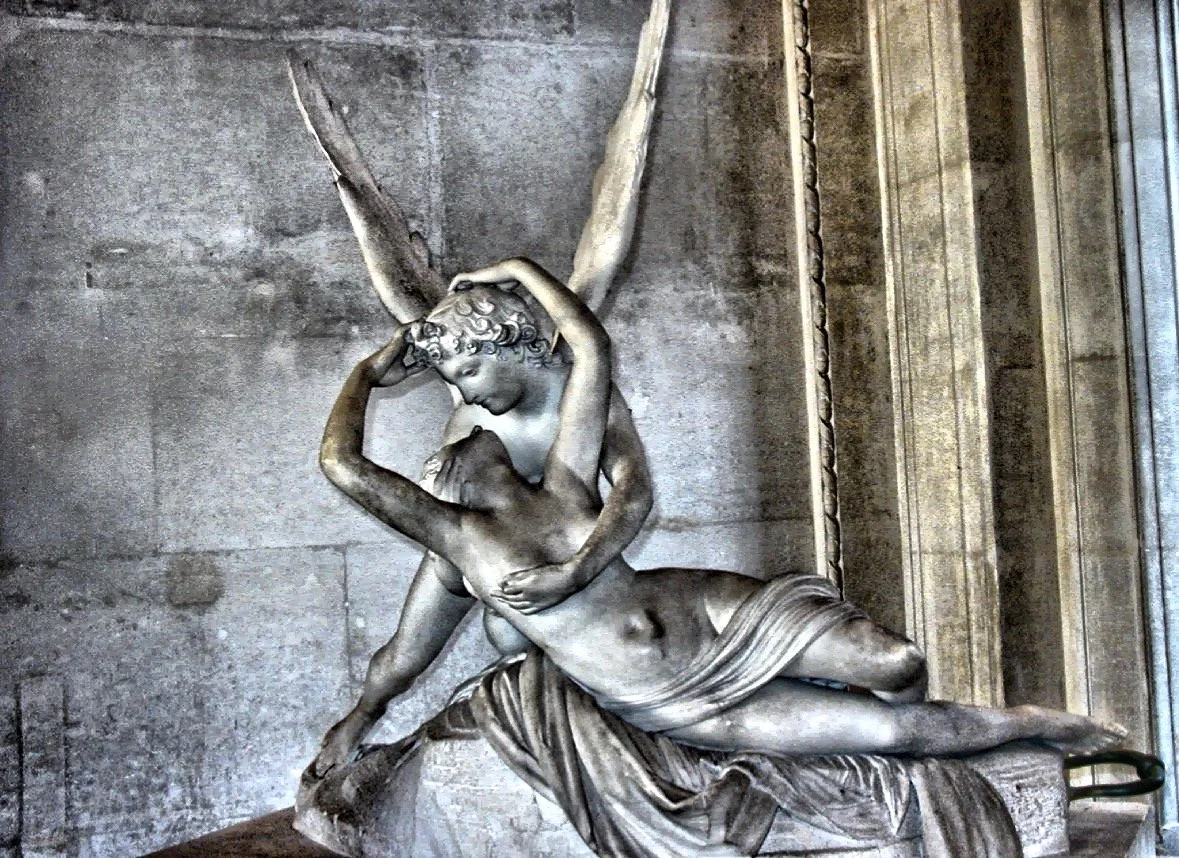
The Antonio Canova sculpture ‘Psyche Revived By Cupid’s Kiss’ housed in the Louvre Museum.
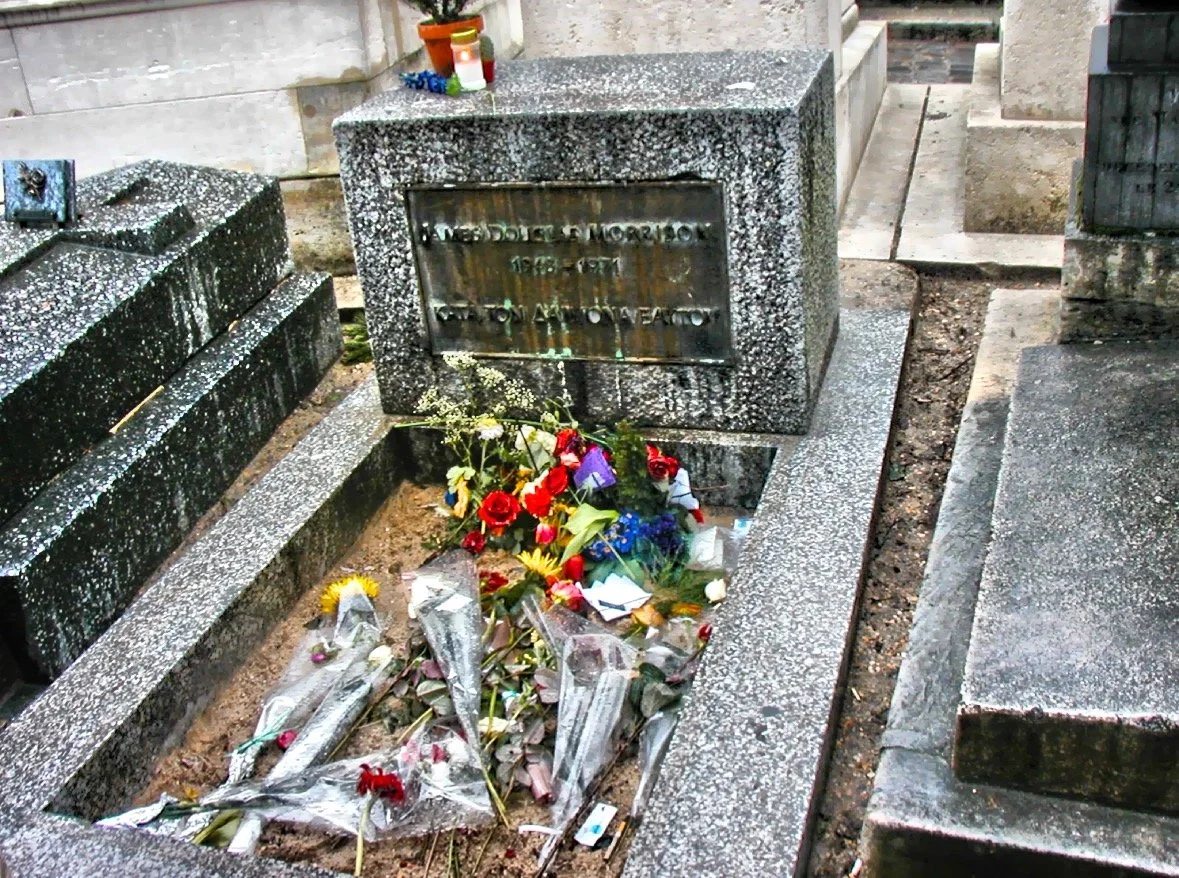
The grave of American singer Jim Morrison at Pere Lachaise Cemetery.
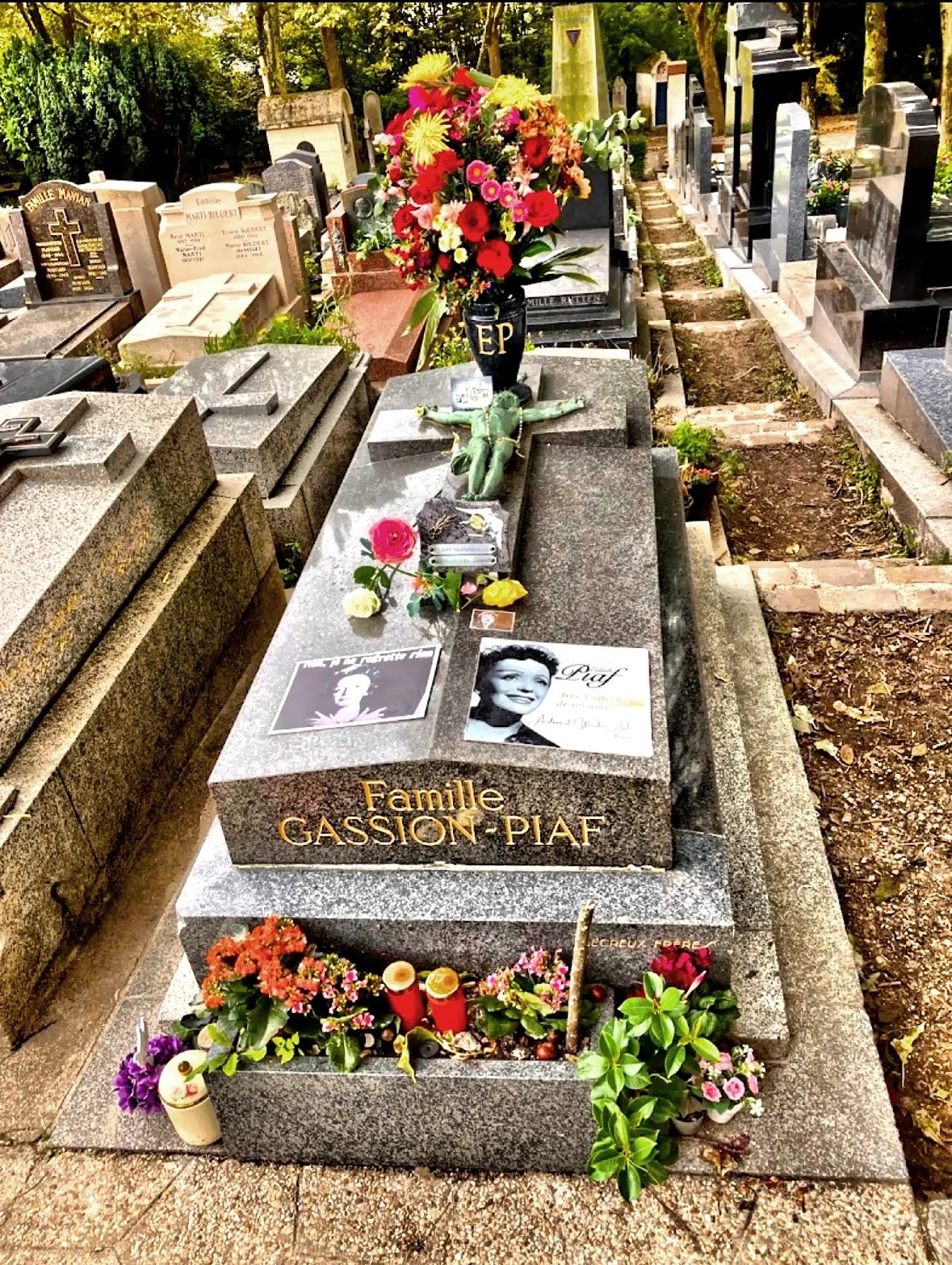
The grave of famous French singer Edith Piaf, also at at Pere Lachaise Cemetery.
The Pantheon construction began in 1790.
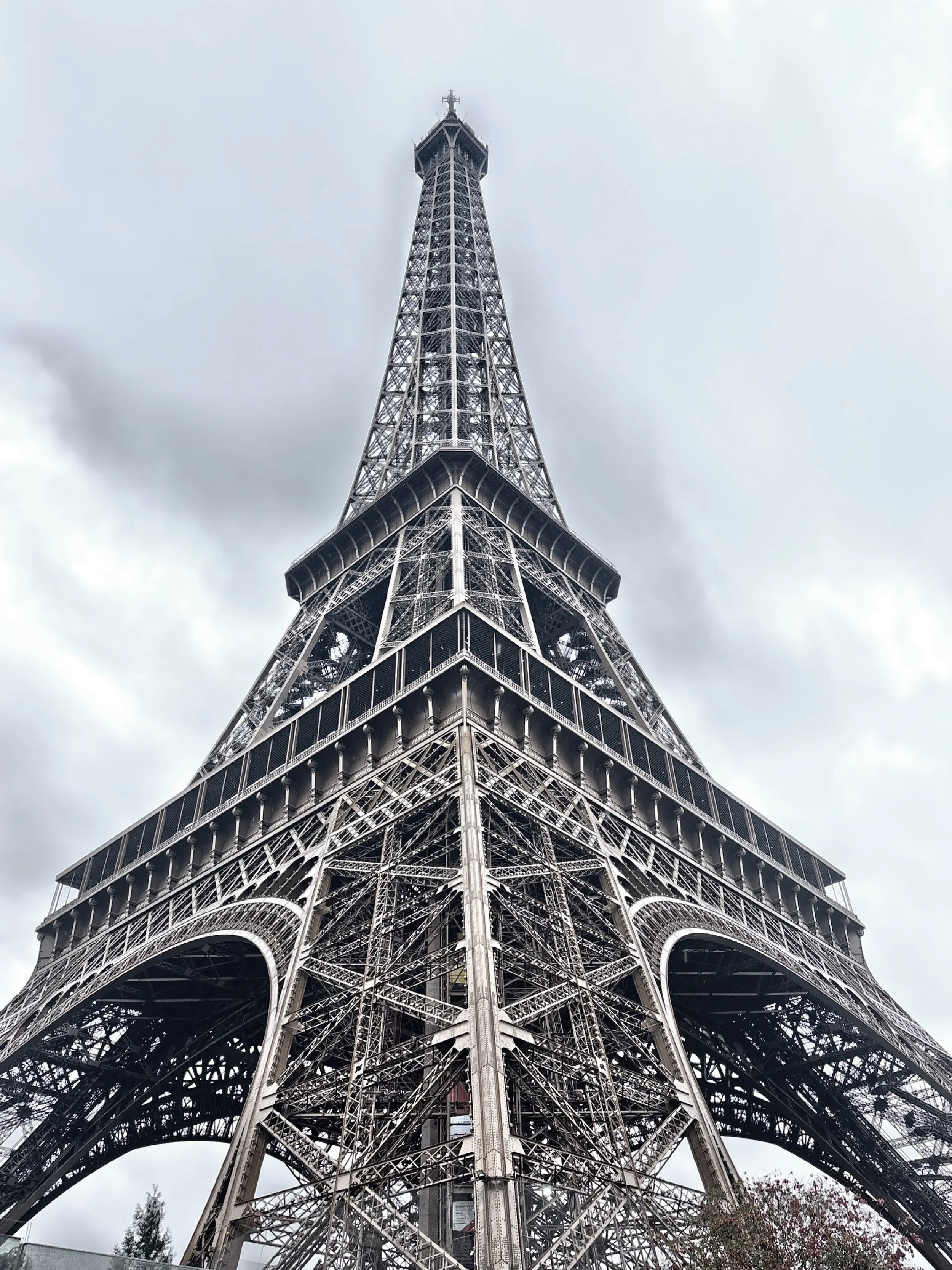
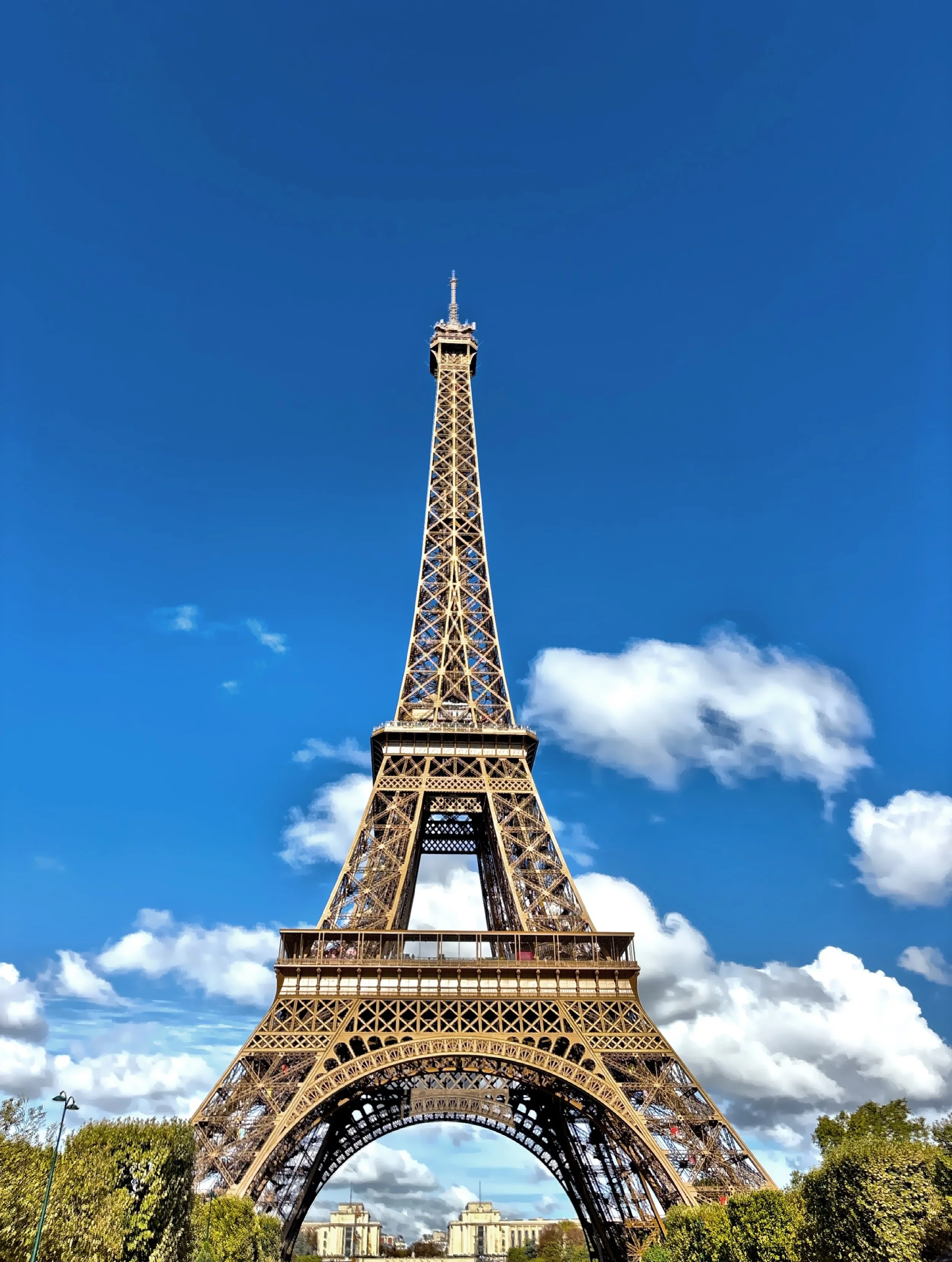
The Eiffel Tower was built in 1889 to mark the 100th anniversary of the French Revolution.
.
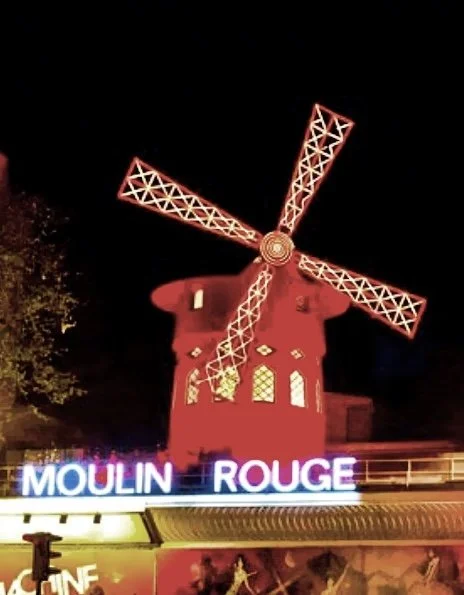
The world-famous cabaret Moulin Rouge opened in 1889 and is a symbol of Parisian nightlife.
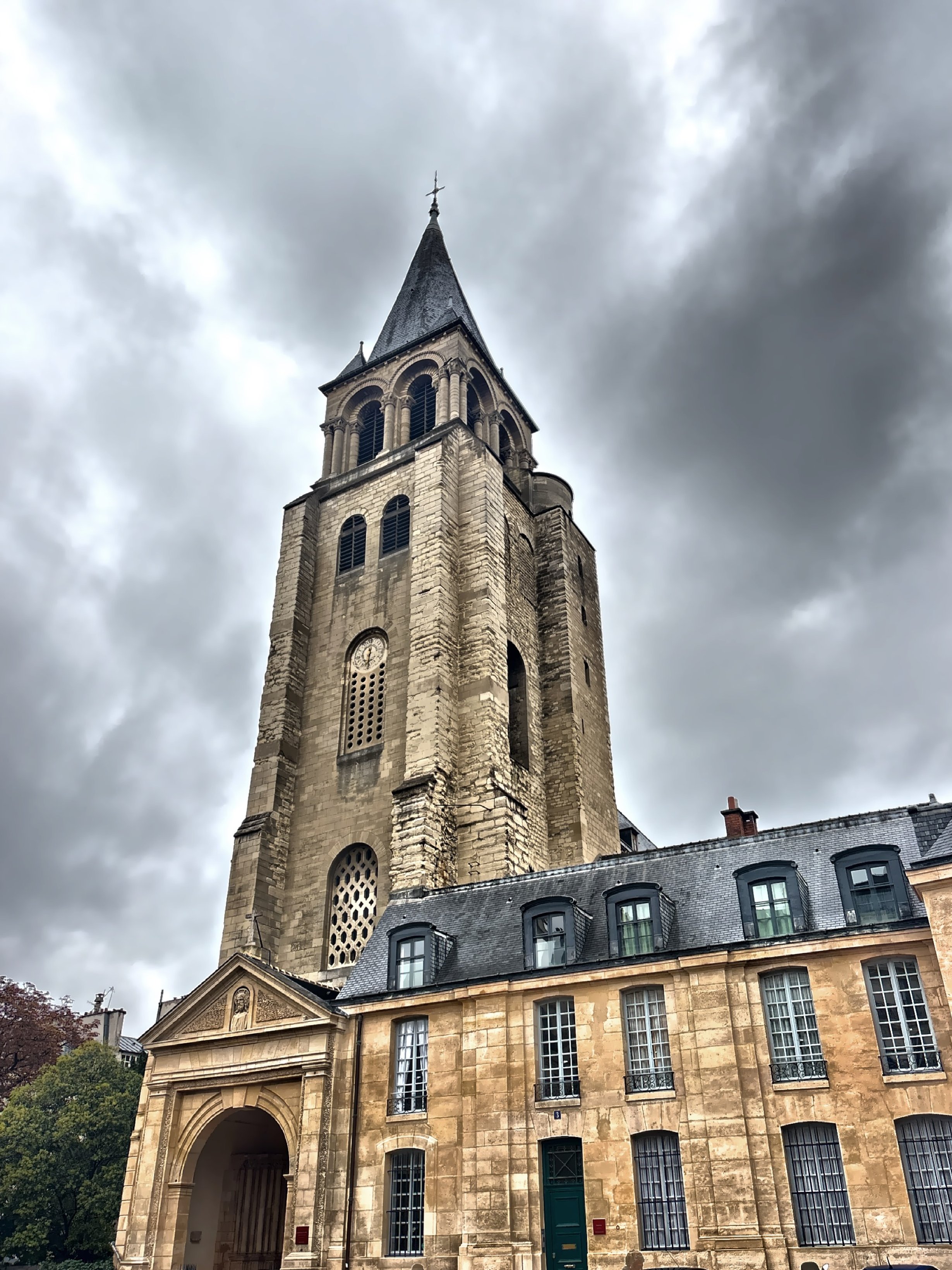
The Abbey of Saint-Germain-des Pres is considered the oldest church in Paris with its foundation dating back to 558 AD.
Do you like the images posted?
Click here to explore the shop.
The Cathedral of Saint Volodymyr the Great was built in 1613.
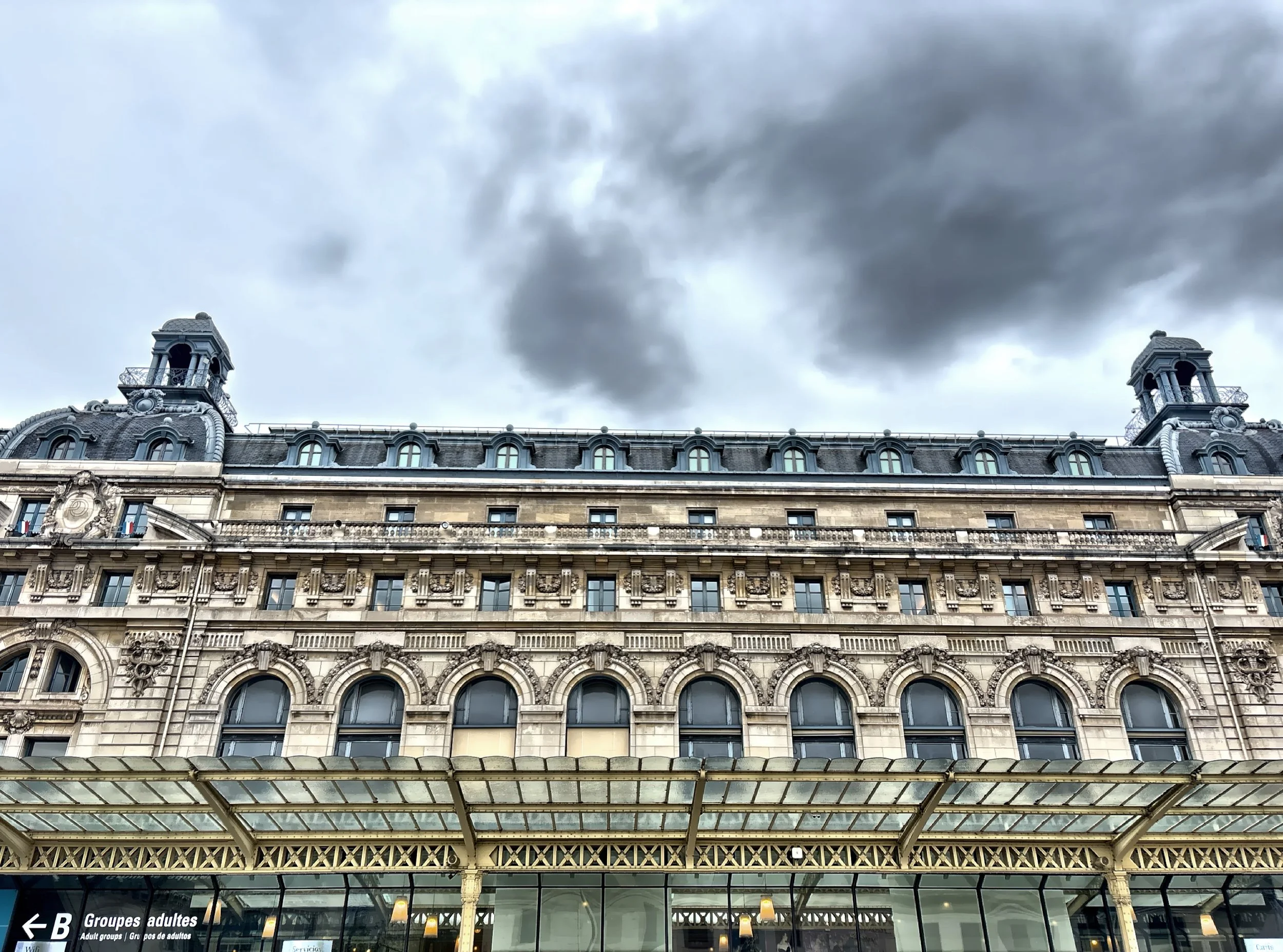
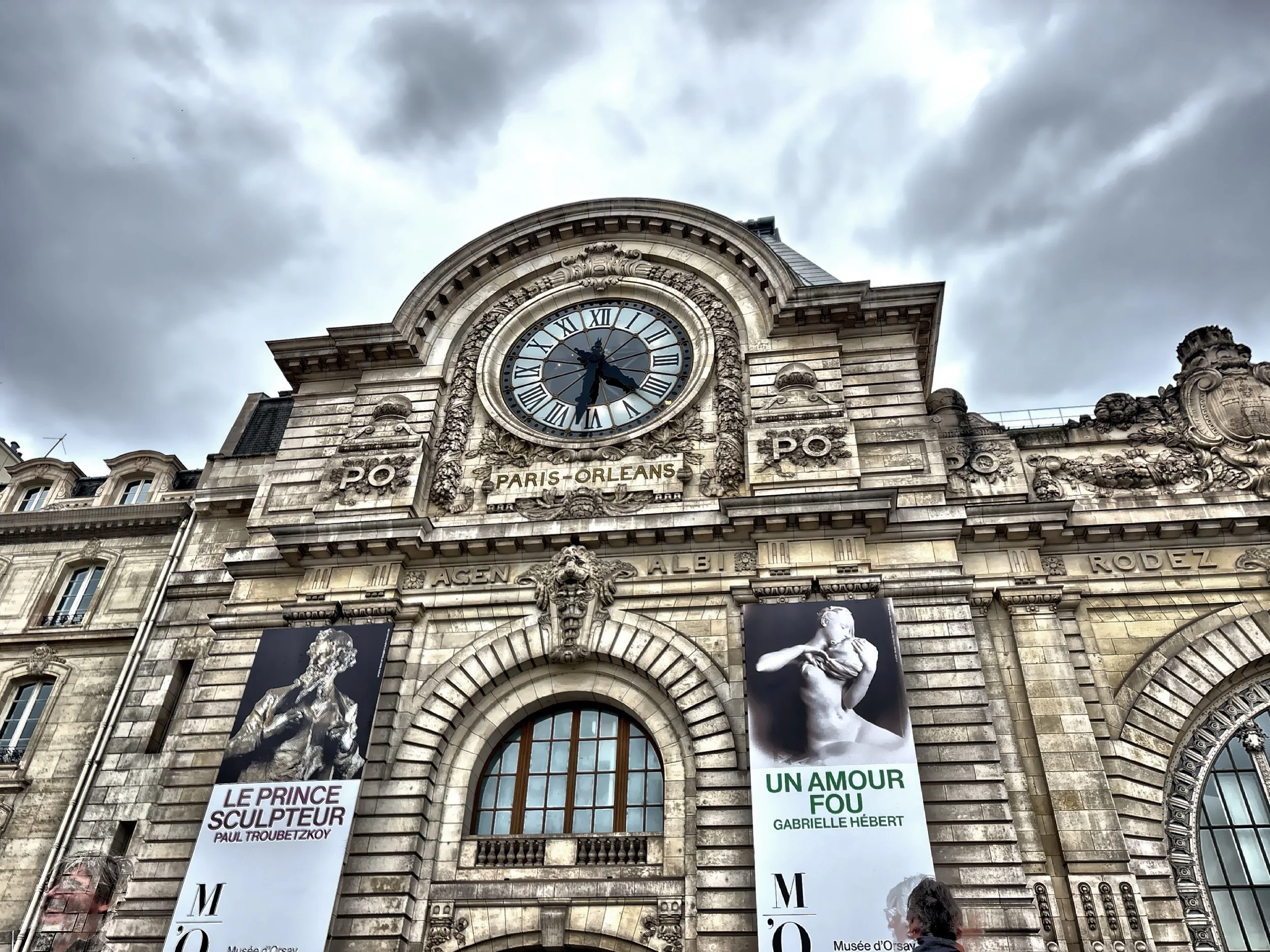
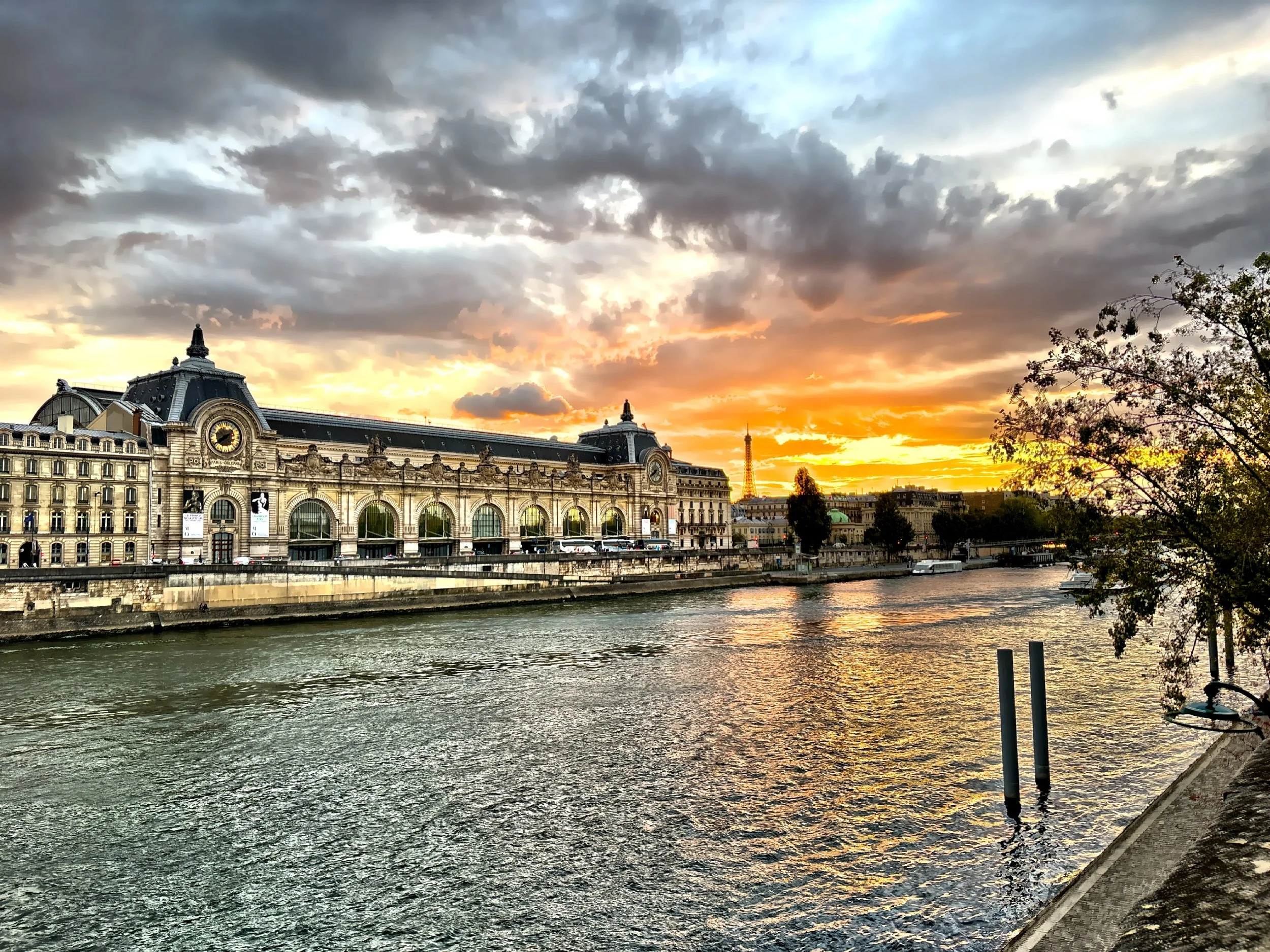
The Musee d’Orsay is housed in the former Gare d’Orsay, a Beaux-Arts railway station built between 1898 and 1900.
.
.
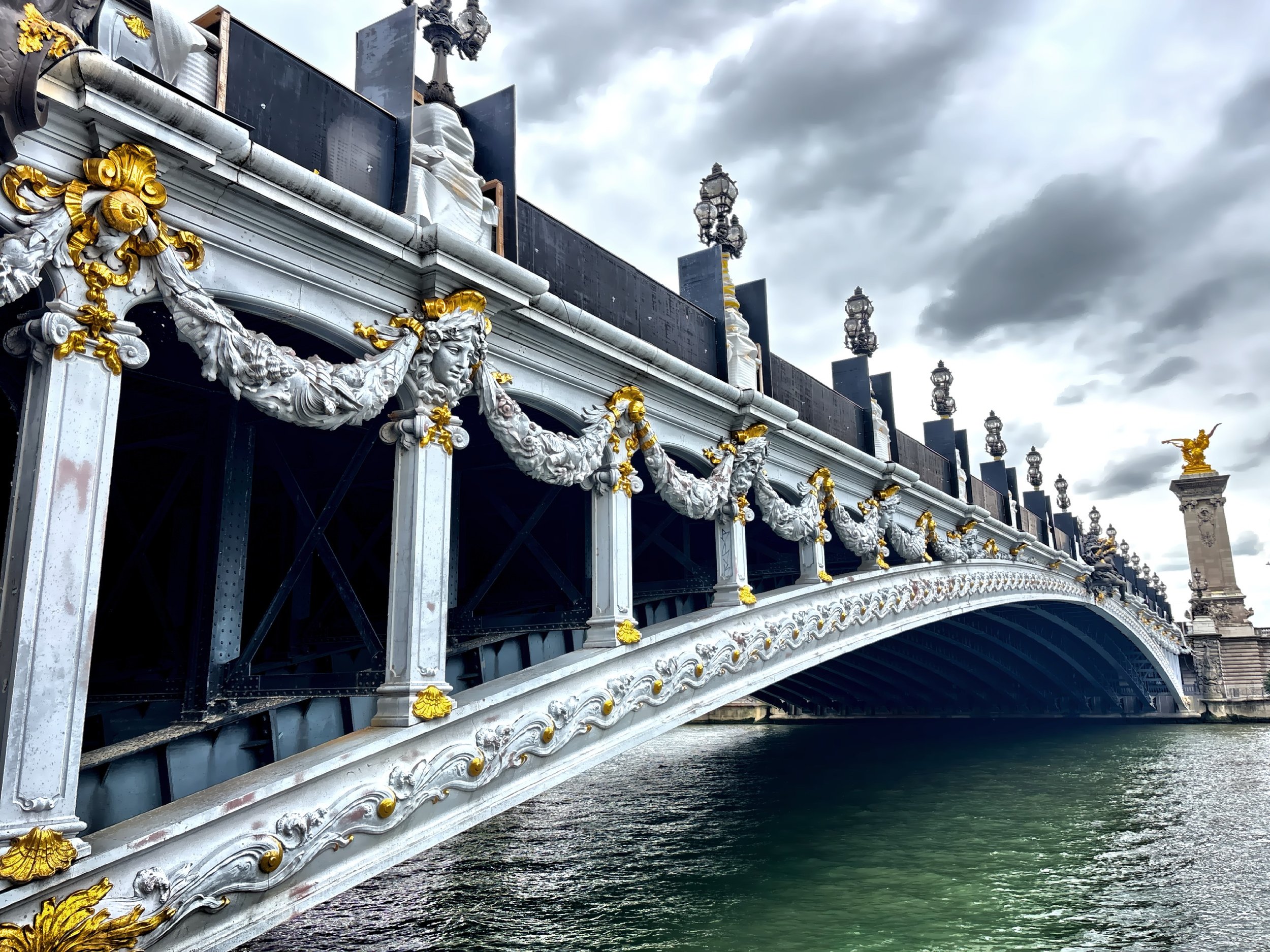
The Pont Alexandre III, considered the most ornate and extravagant bridge in the city.
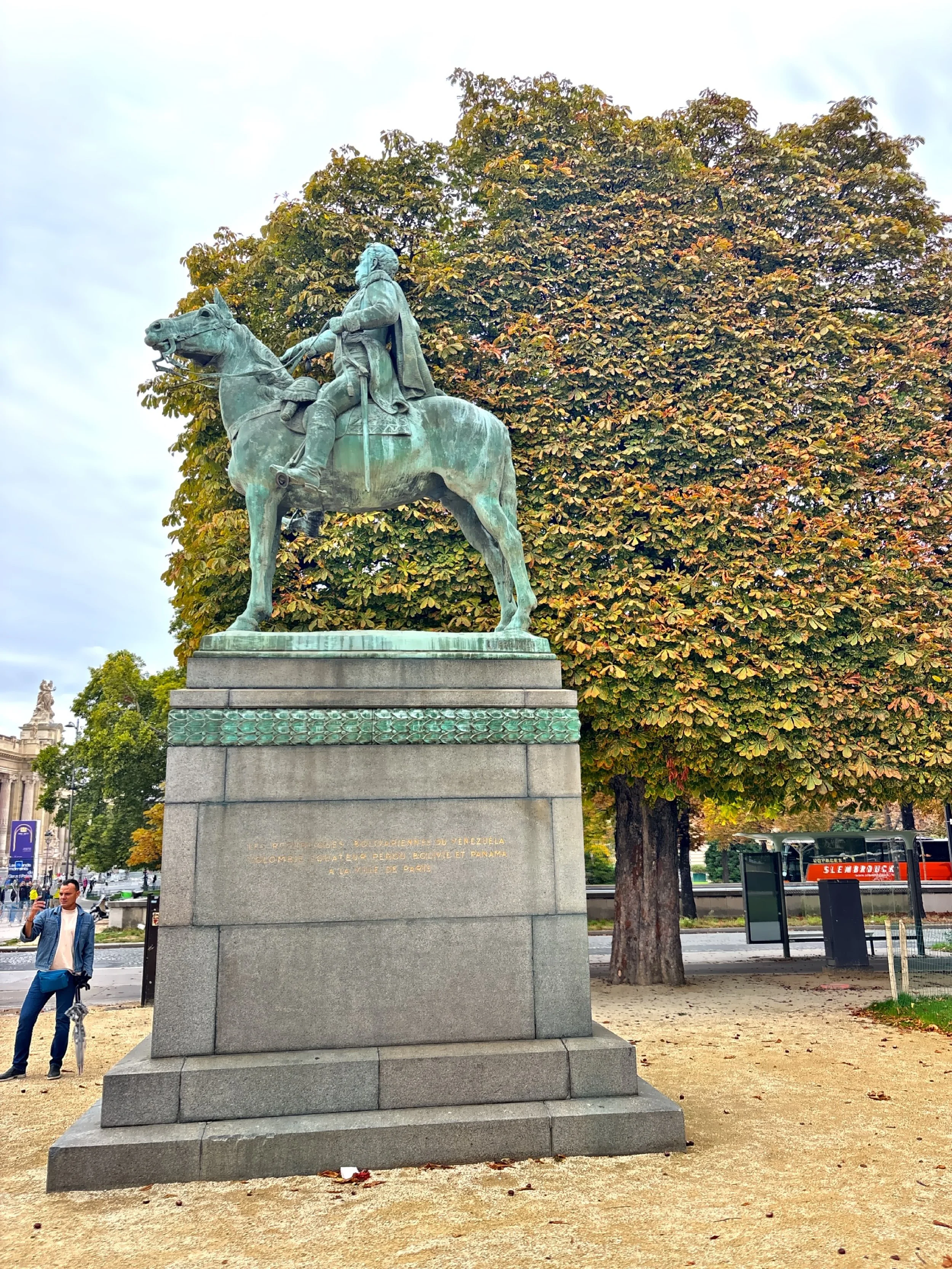
This statue of Venezuelan military and political leader Simin Bolivar was gifted to Paris in 1930.
The classic interior of Notre-Dame-des-Blancs-Manteaux church rebuilt between 1685 and 1689.
.
.
.
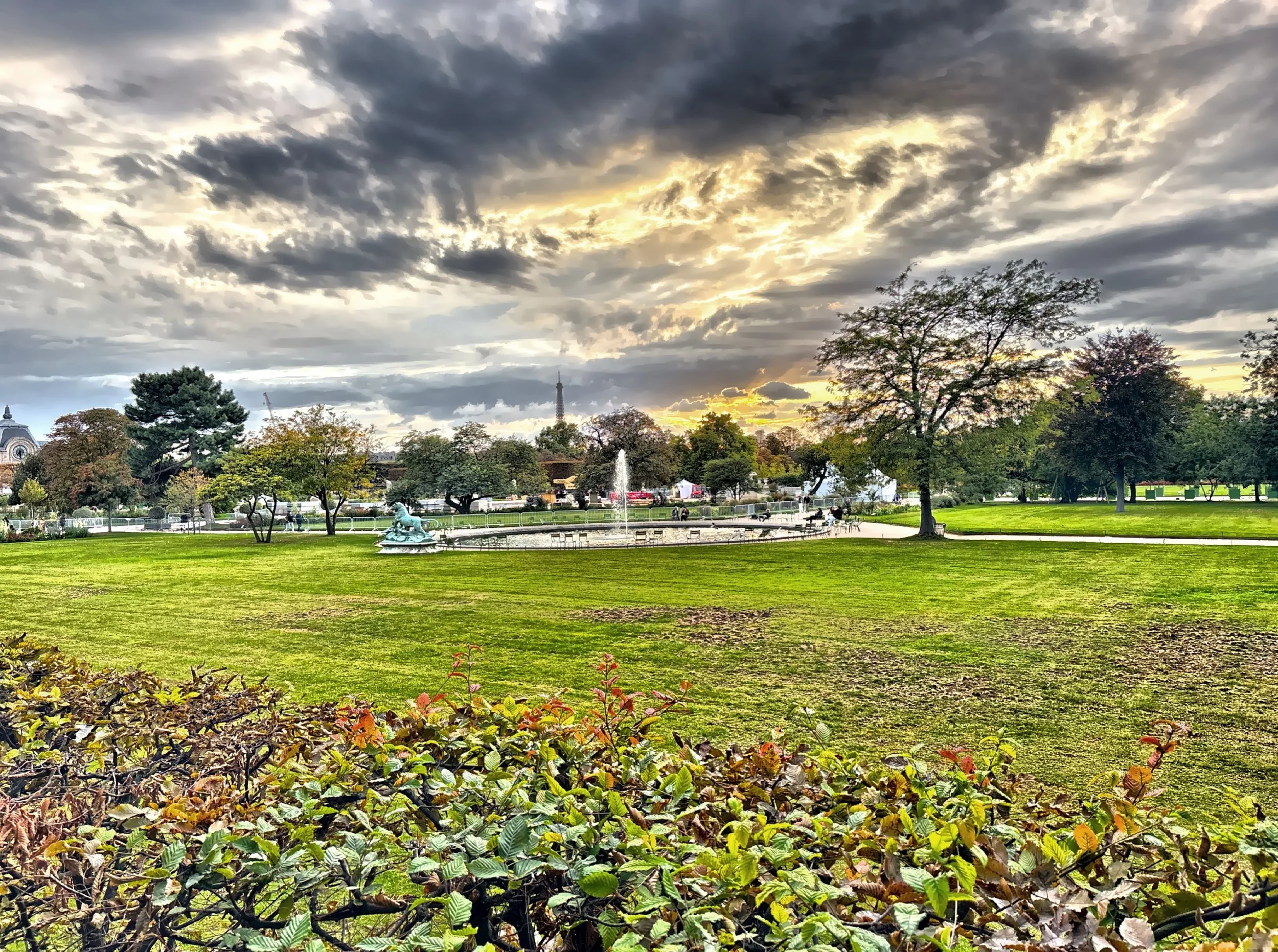
The Jardin des Tuileries was created by Catherine de Medici in 1564 and became a public park after the French Revolution.
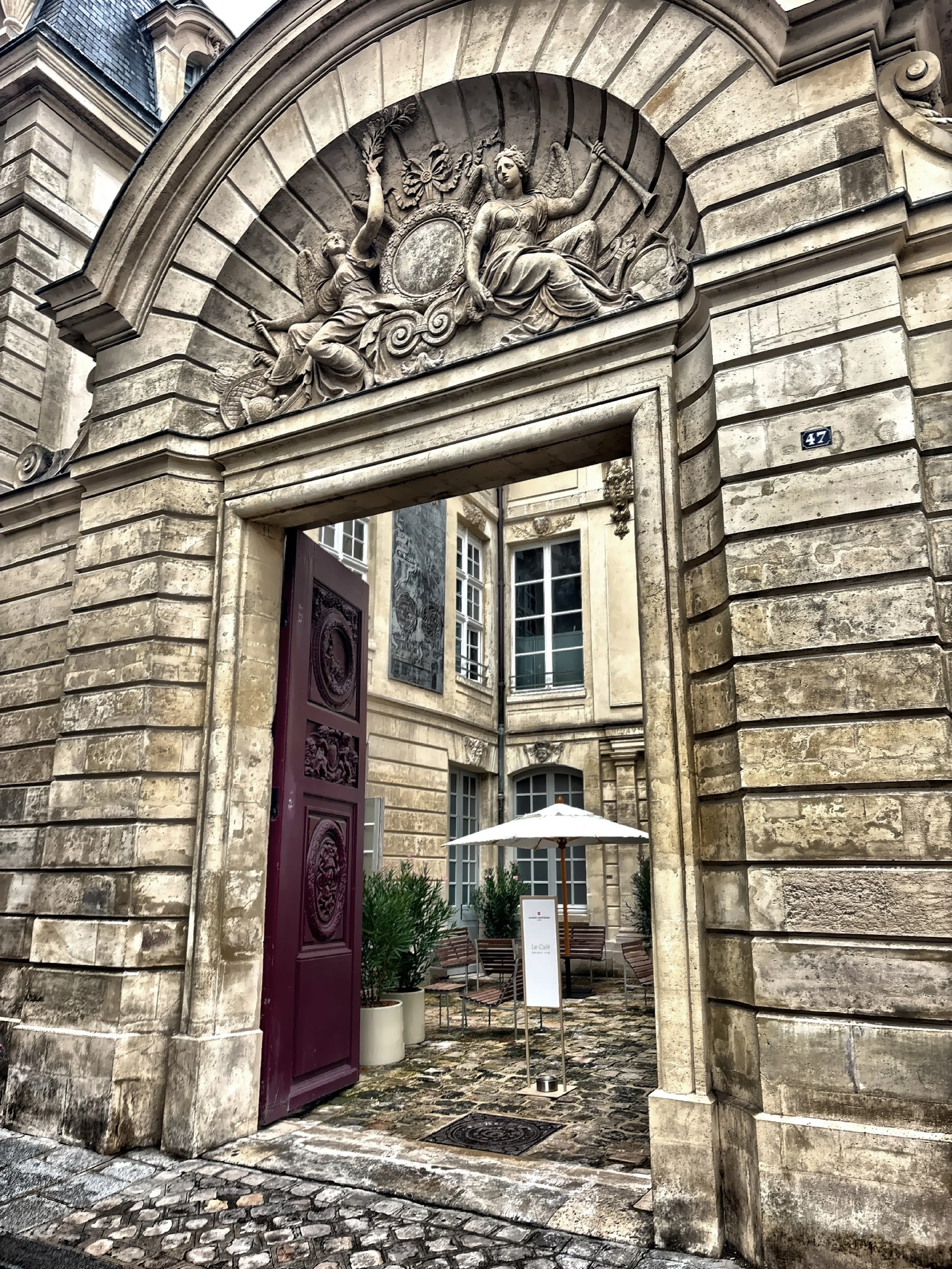
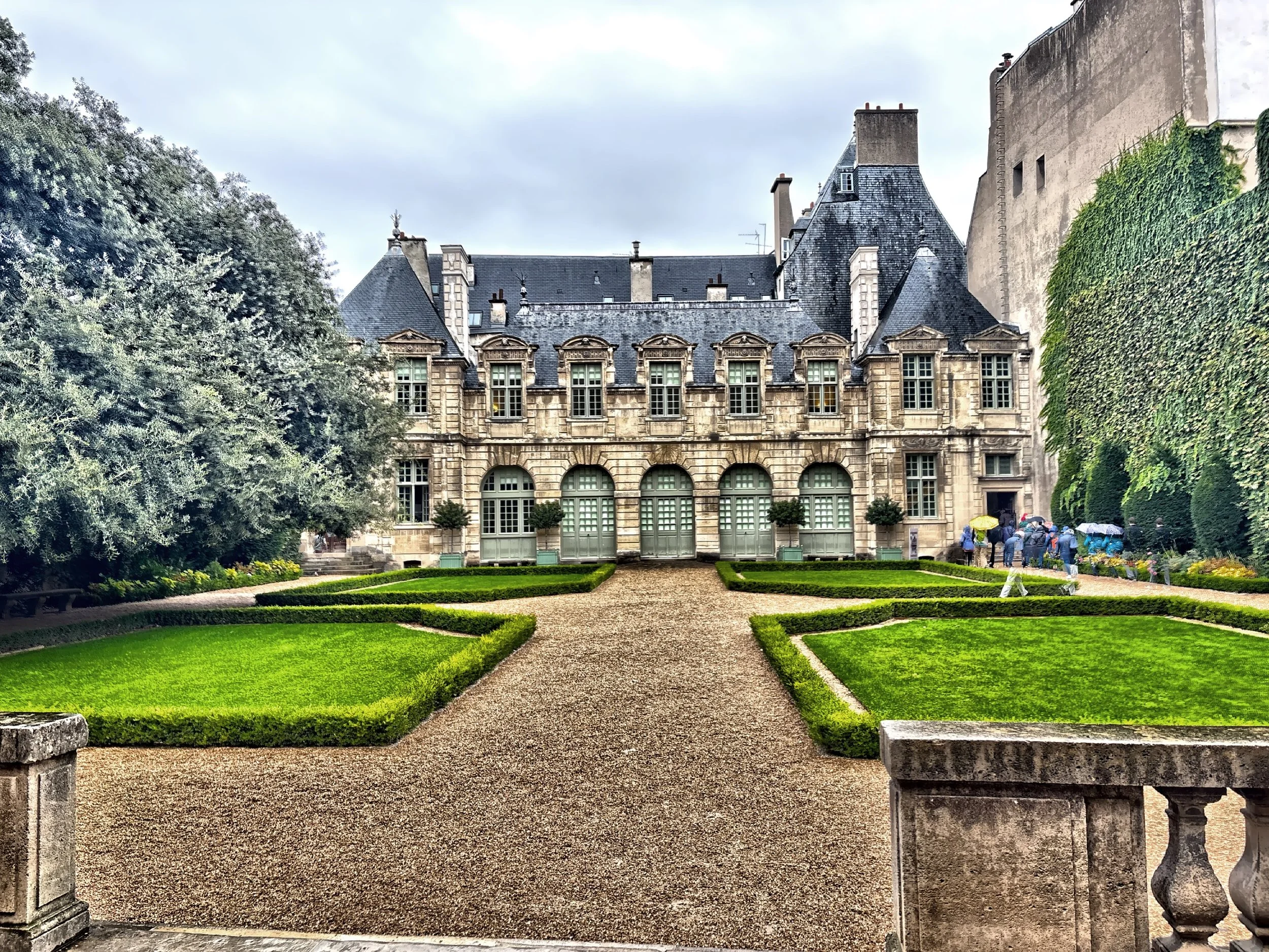
The courtyard entrance of the Hotel de Guenegaud.
.
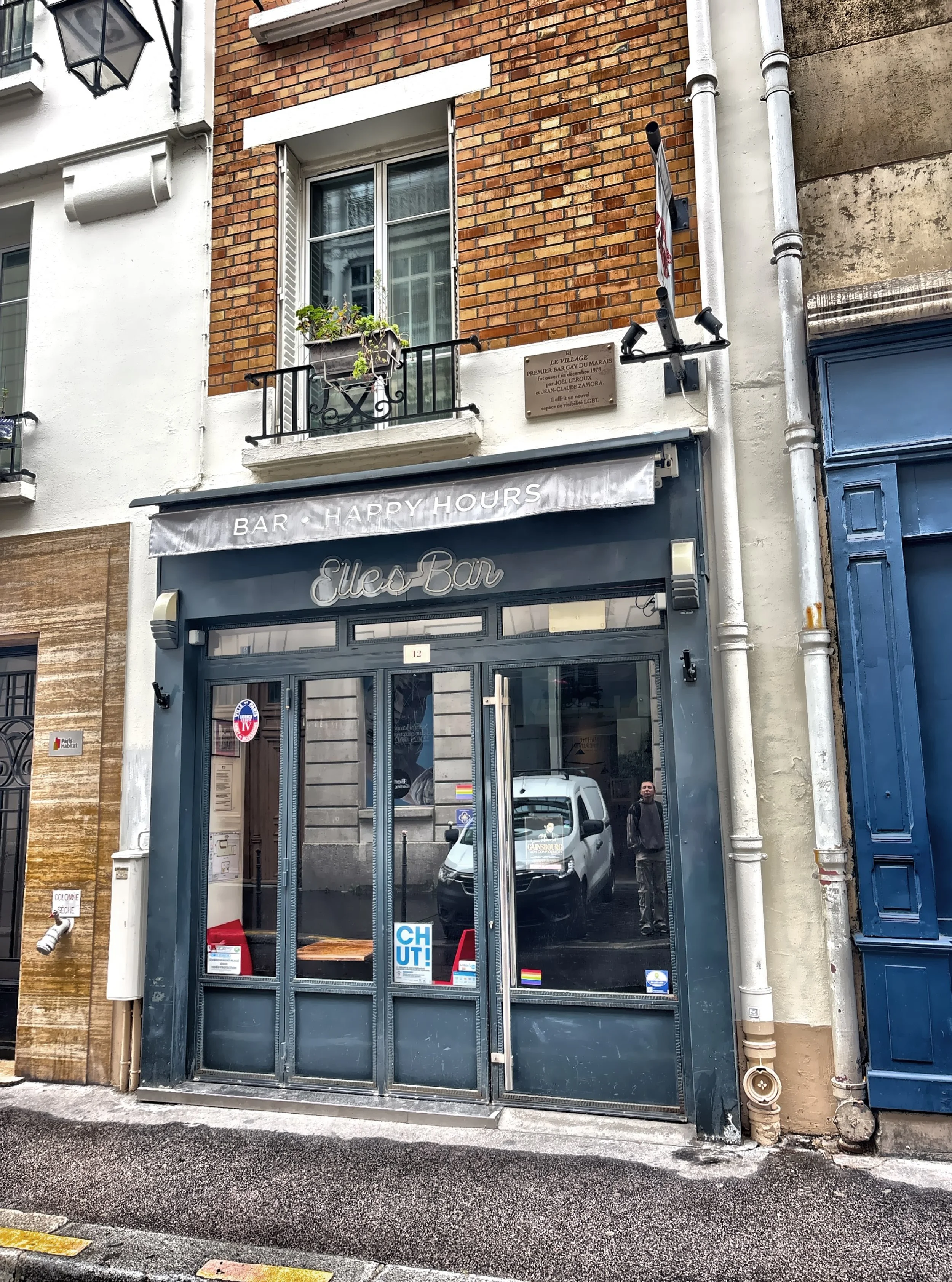
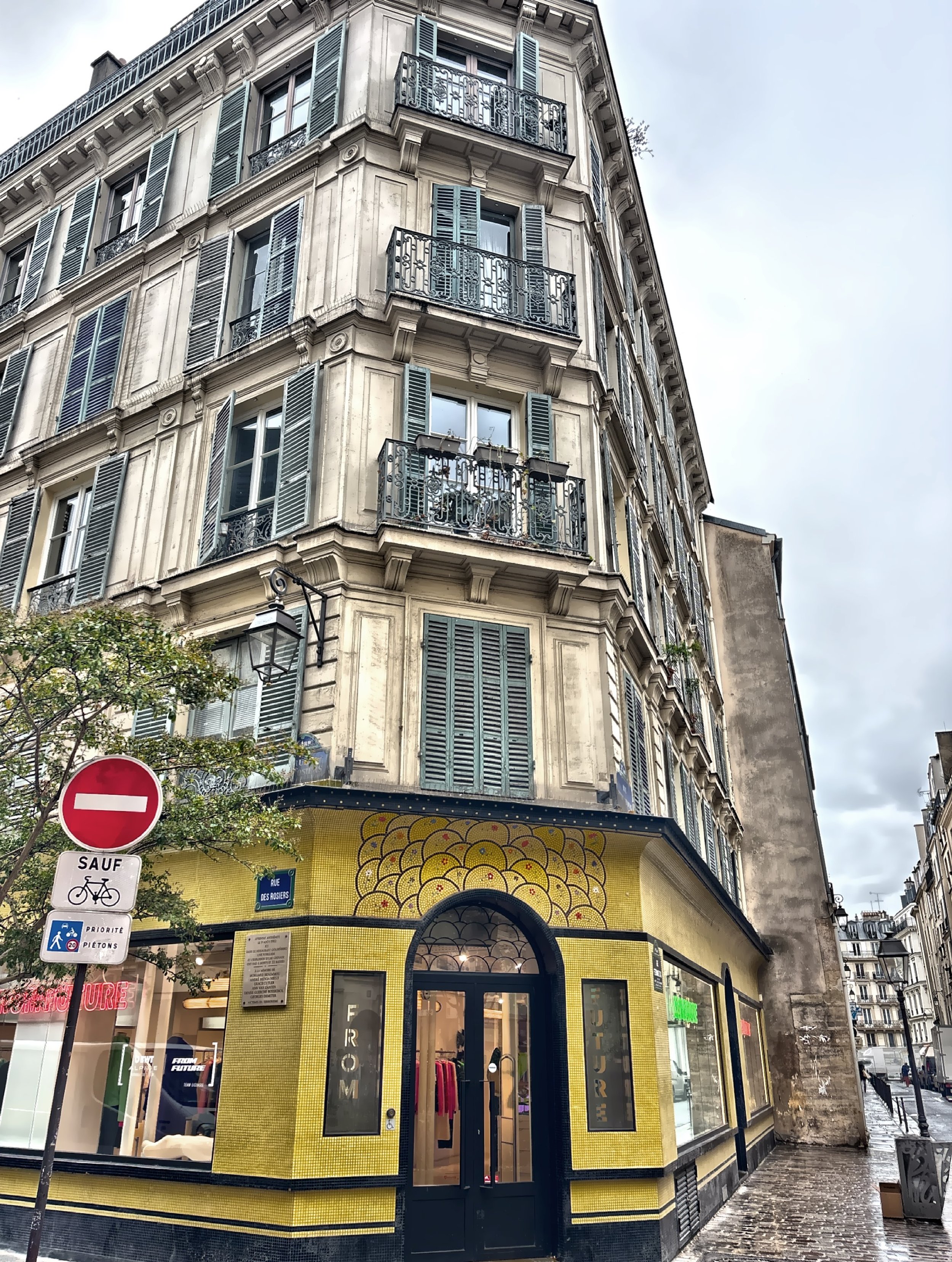
Elle’s Bar originally opened in the Marais under the name Le Village, becoming Paris’s first openly gay business. It marked a turning point in the city’s social history as the first gay bar to have windows facing the street and to charge the same drink prices as other neighborhood bar-cafés. Before this, gay bars in Paris largely operated as discreet, old-style vice establishments—hidden from view and known for inflated prices.
.
.
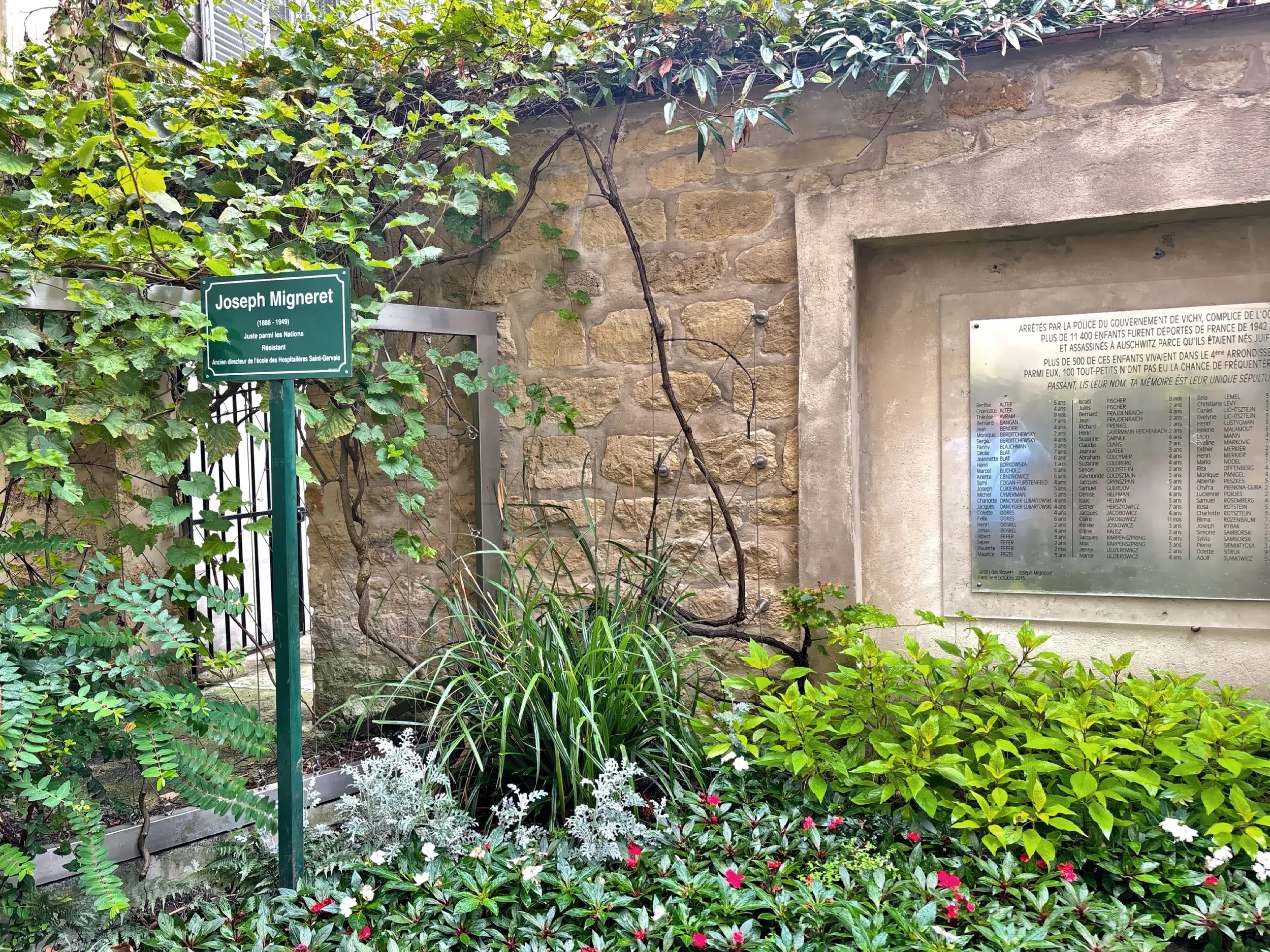
Jardin des Rosiers - Joseph-Migneret is a small public garden honoring Joseph Migneret, a school director who sheltered students and helped save Jews during WWII.
.
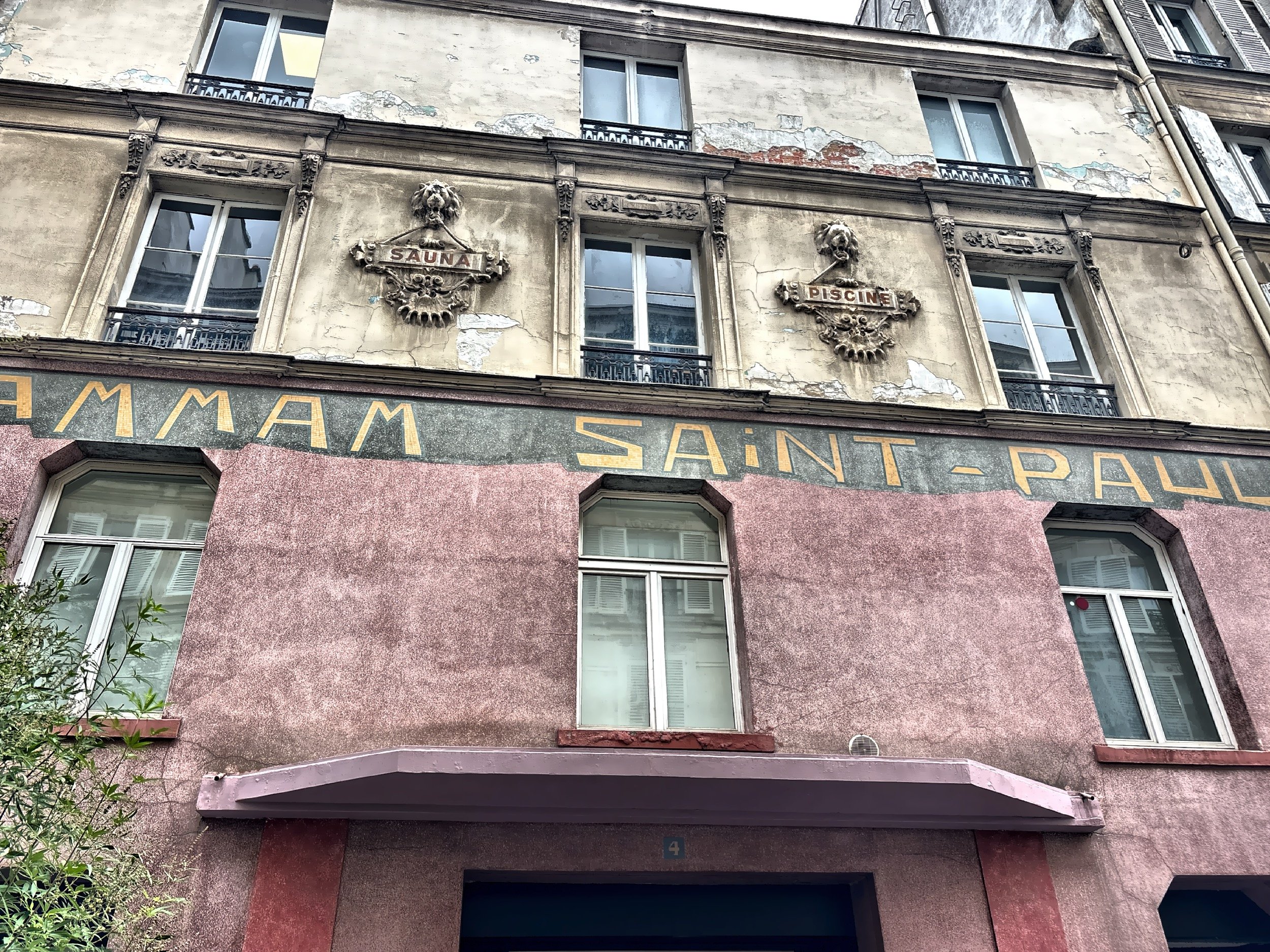
The former Hammam Saint-Paul, built in 1856, offered a sauna and a swimming pool before closing in 1990.
.
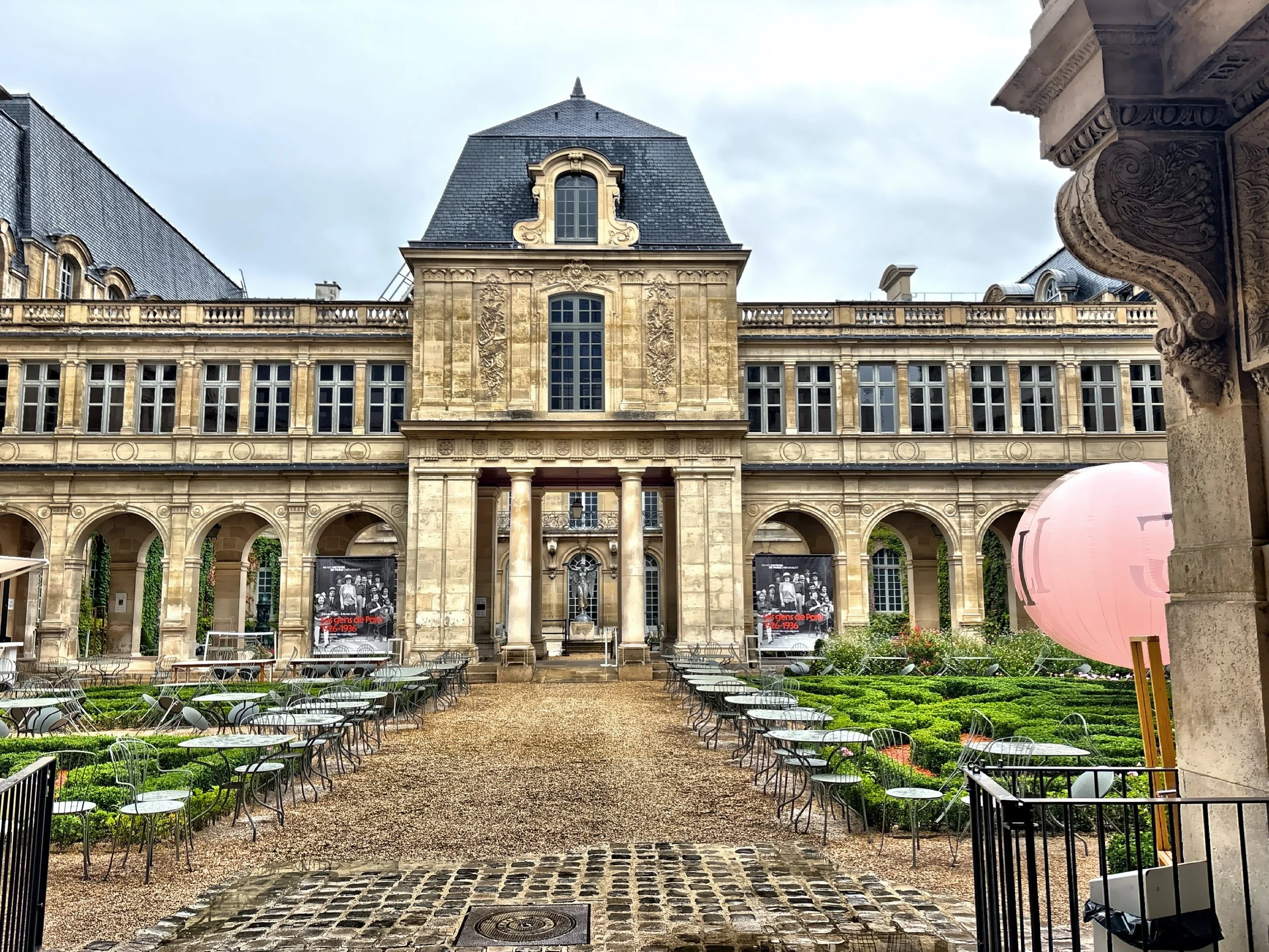
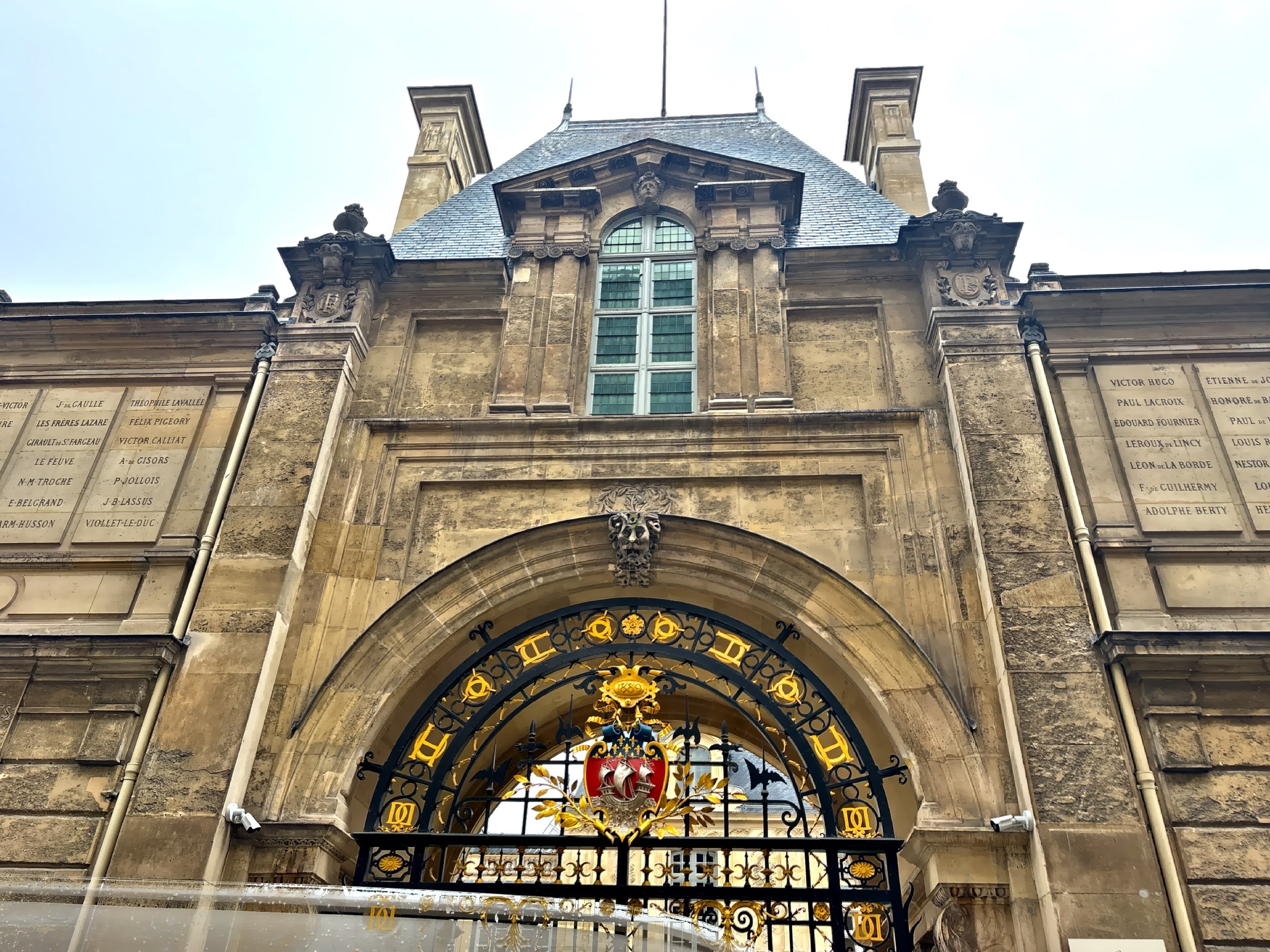
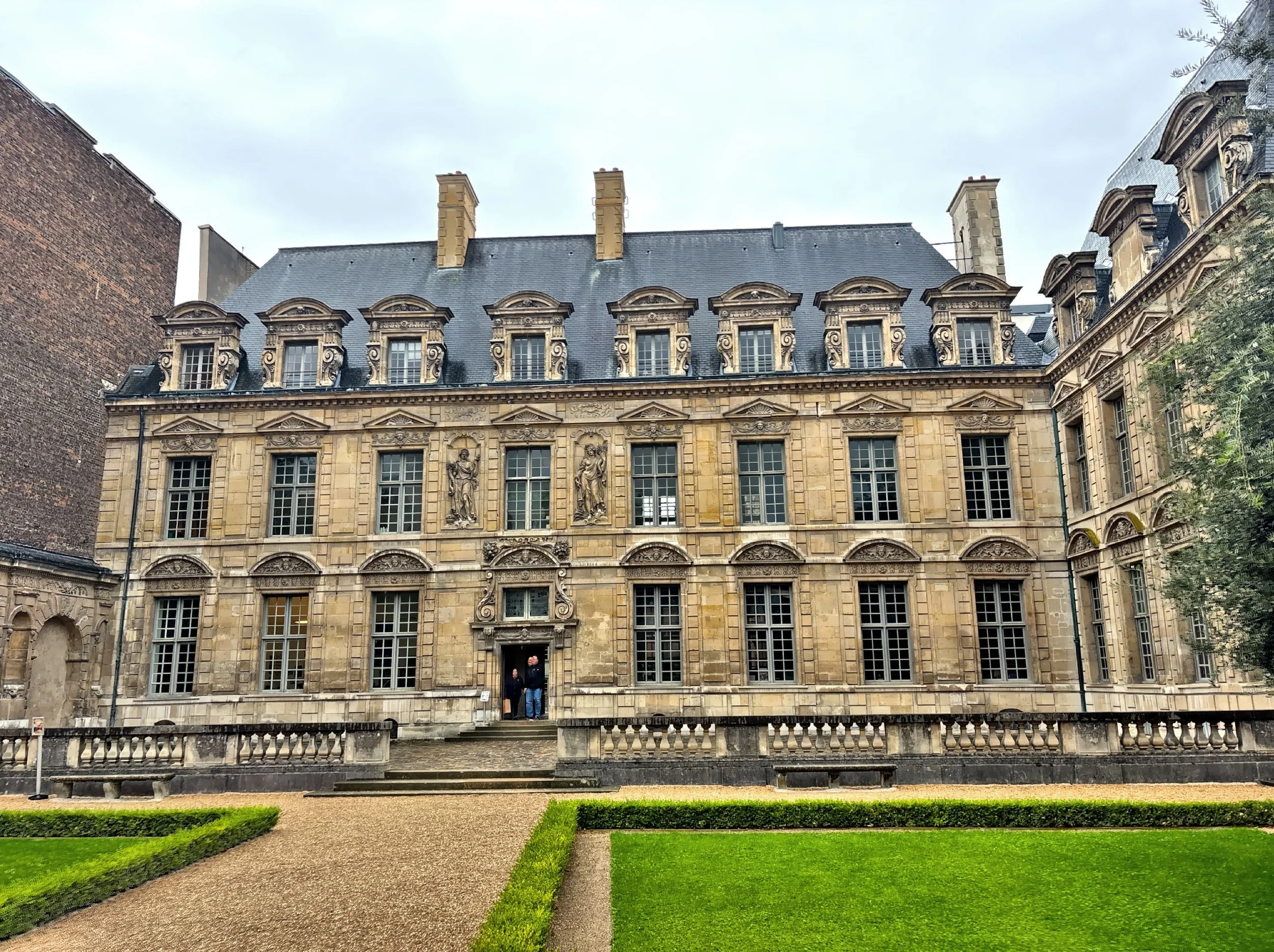
The entrance to Musee Carnavalet, the museum of the City of Paris. The museum is the oldest in the city, opening in 1880.
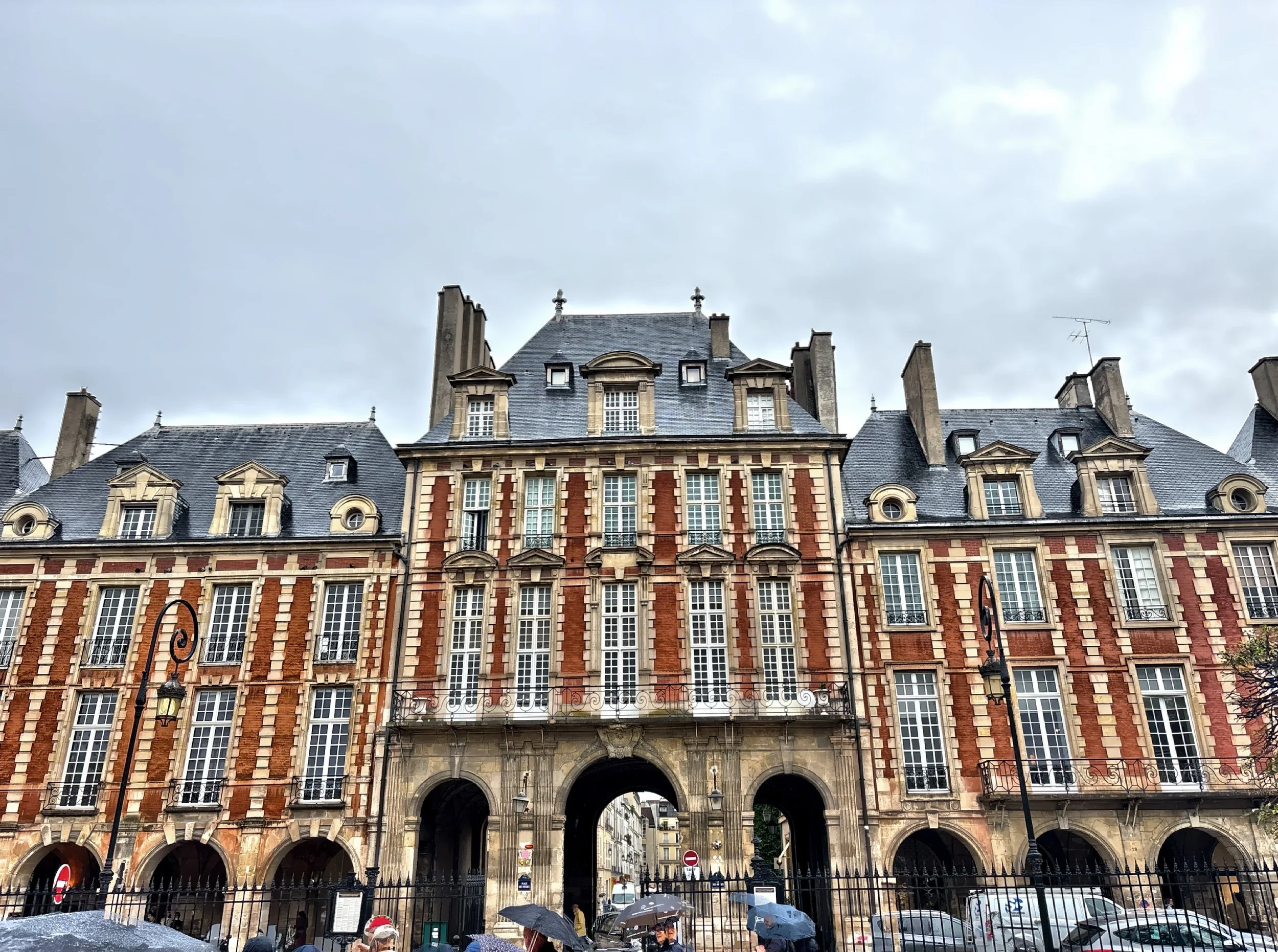
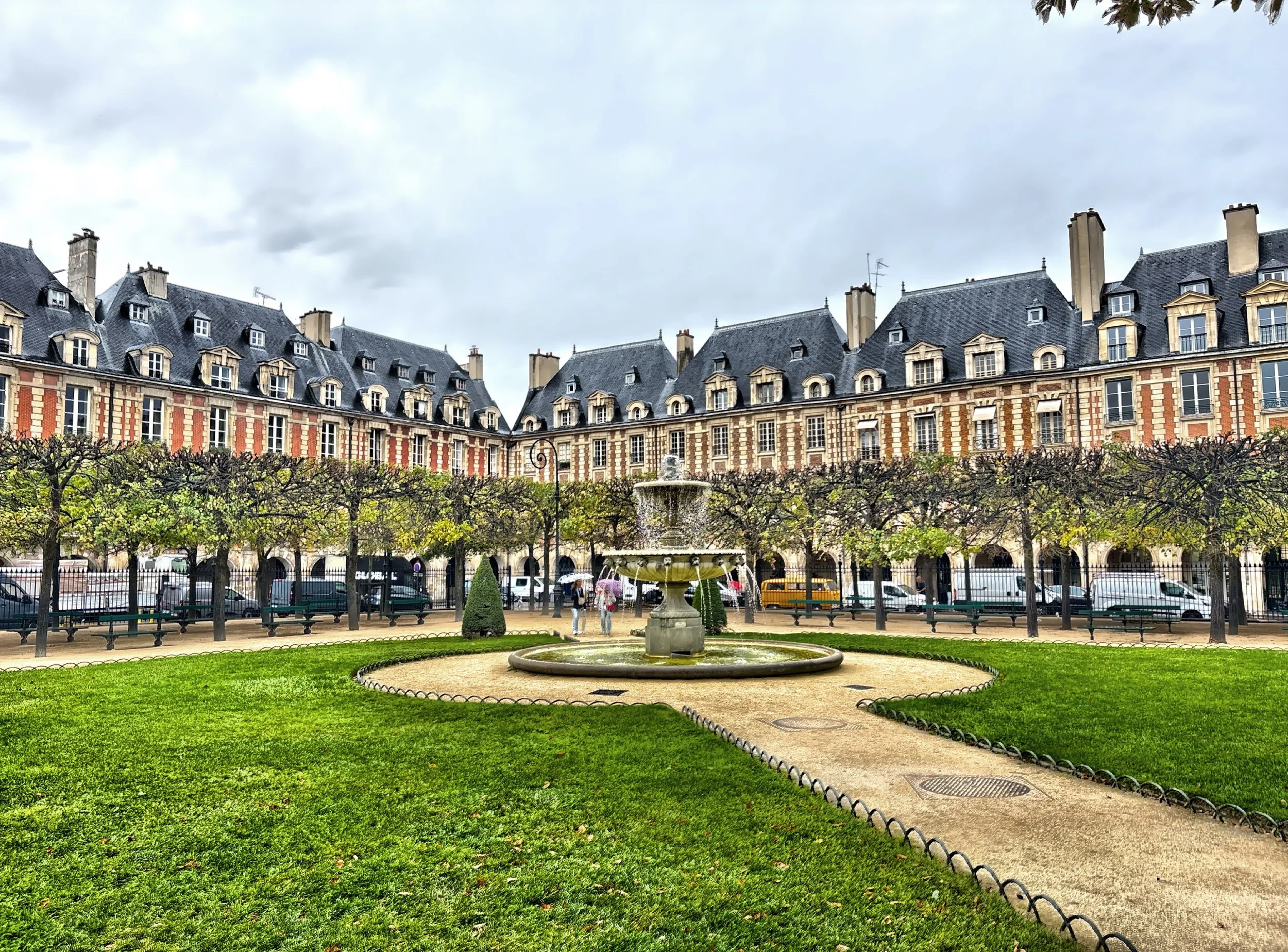
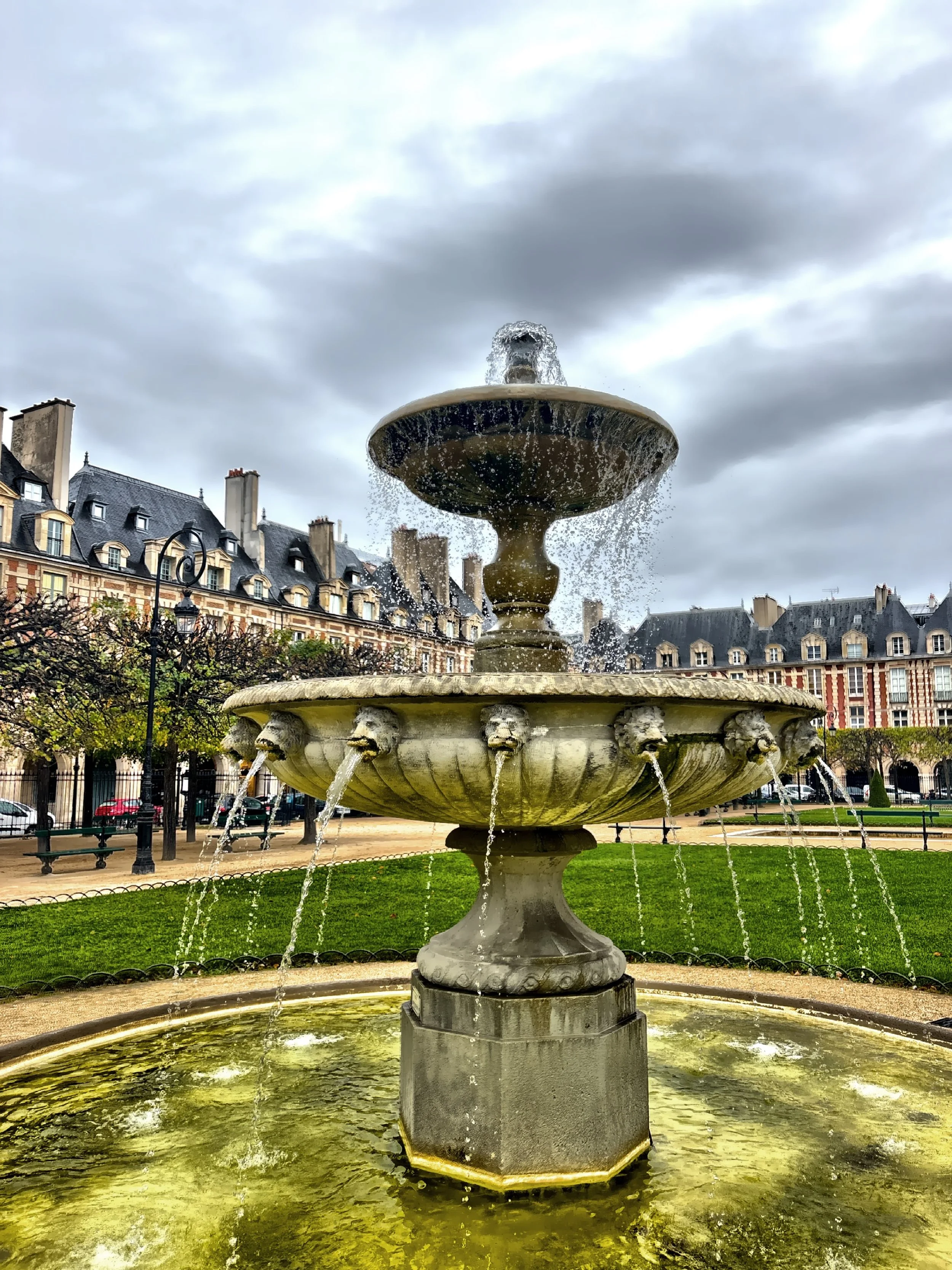
Place des Vosges is the oldest planned square in Paris.
.
.
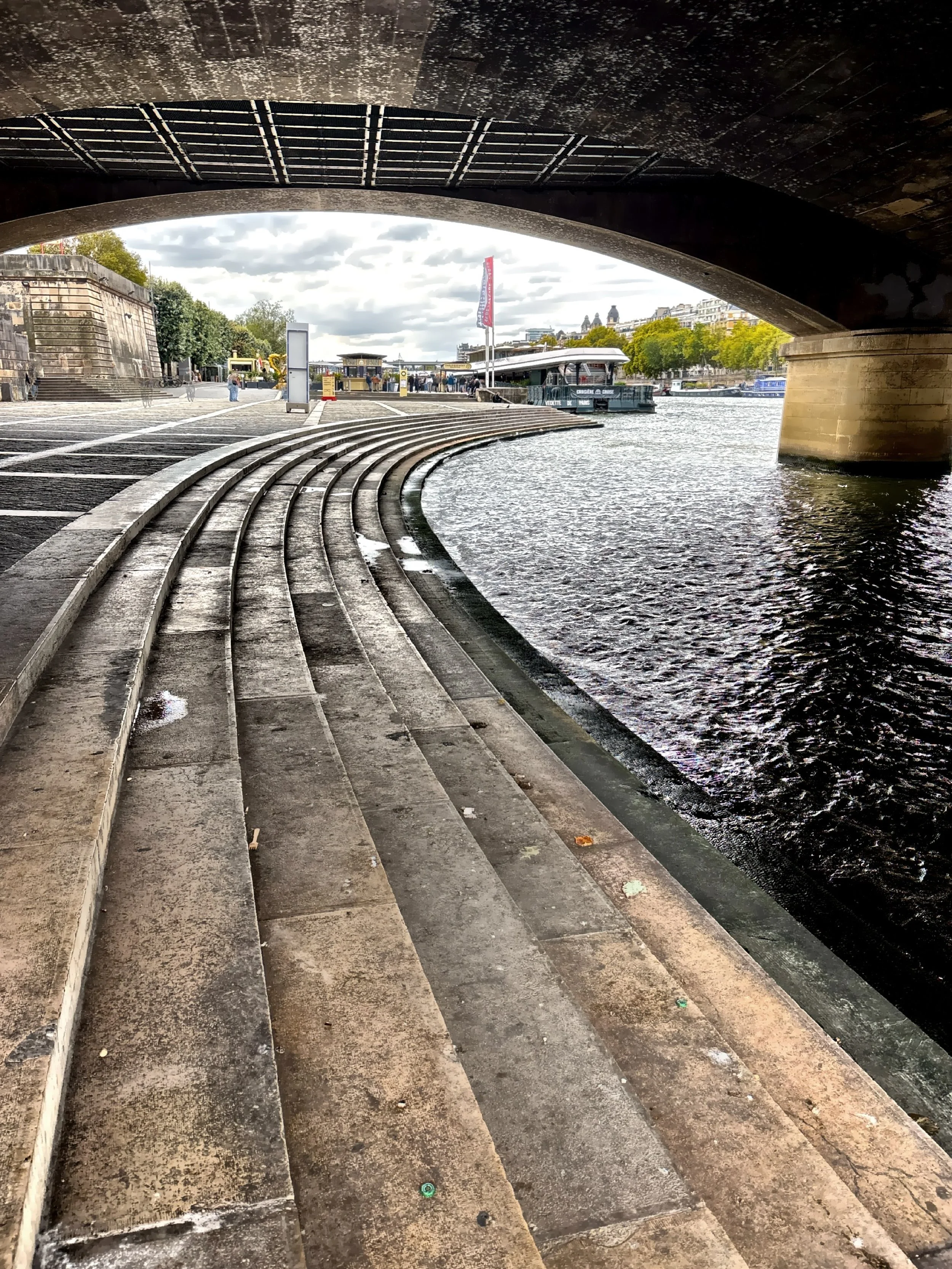
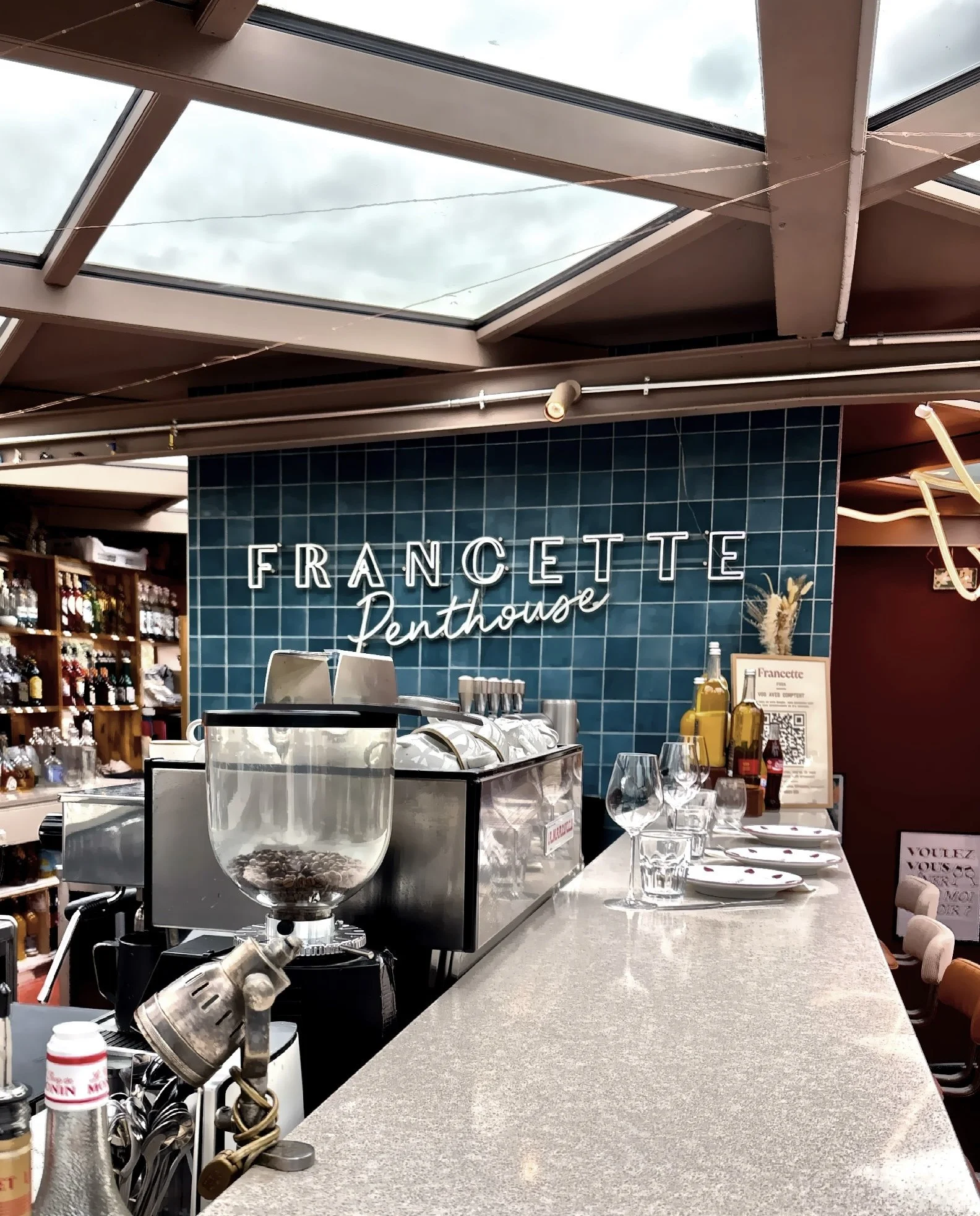
Francette is a restaurant and bar located in a floating barge on the Seine River near the Eiffel Tower.
.
Hotel de Sully was once a historic 17th-century private mansion.
.
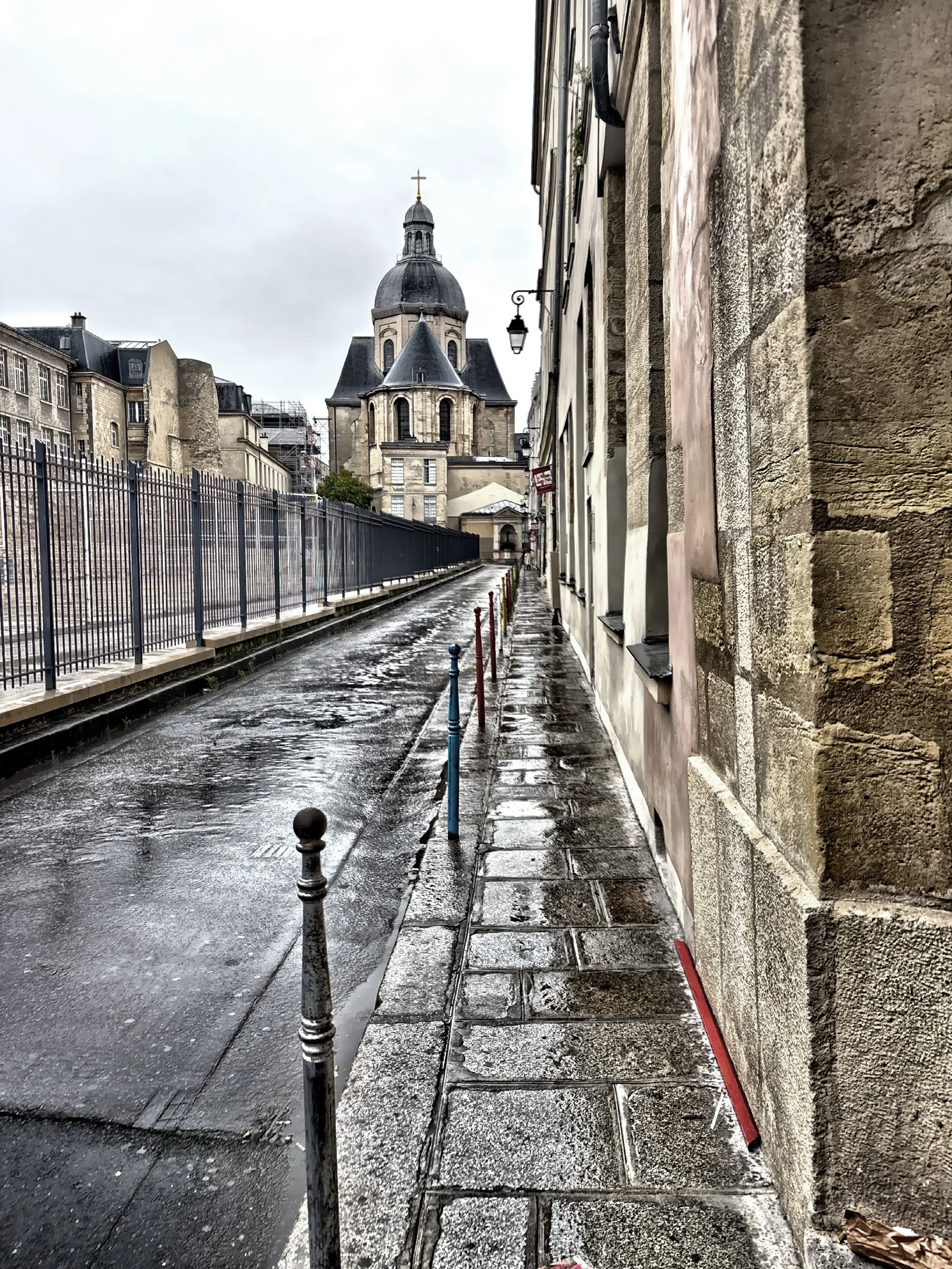
Saint Paul Saint Louis Church constructed between 1627 and 1641.
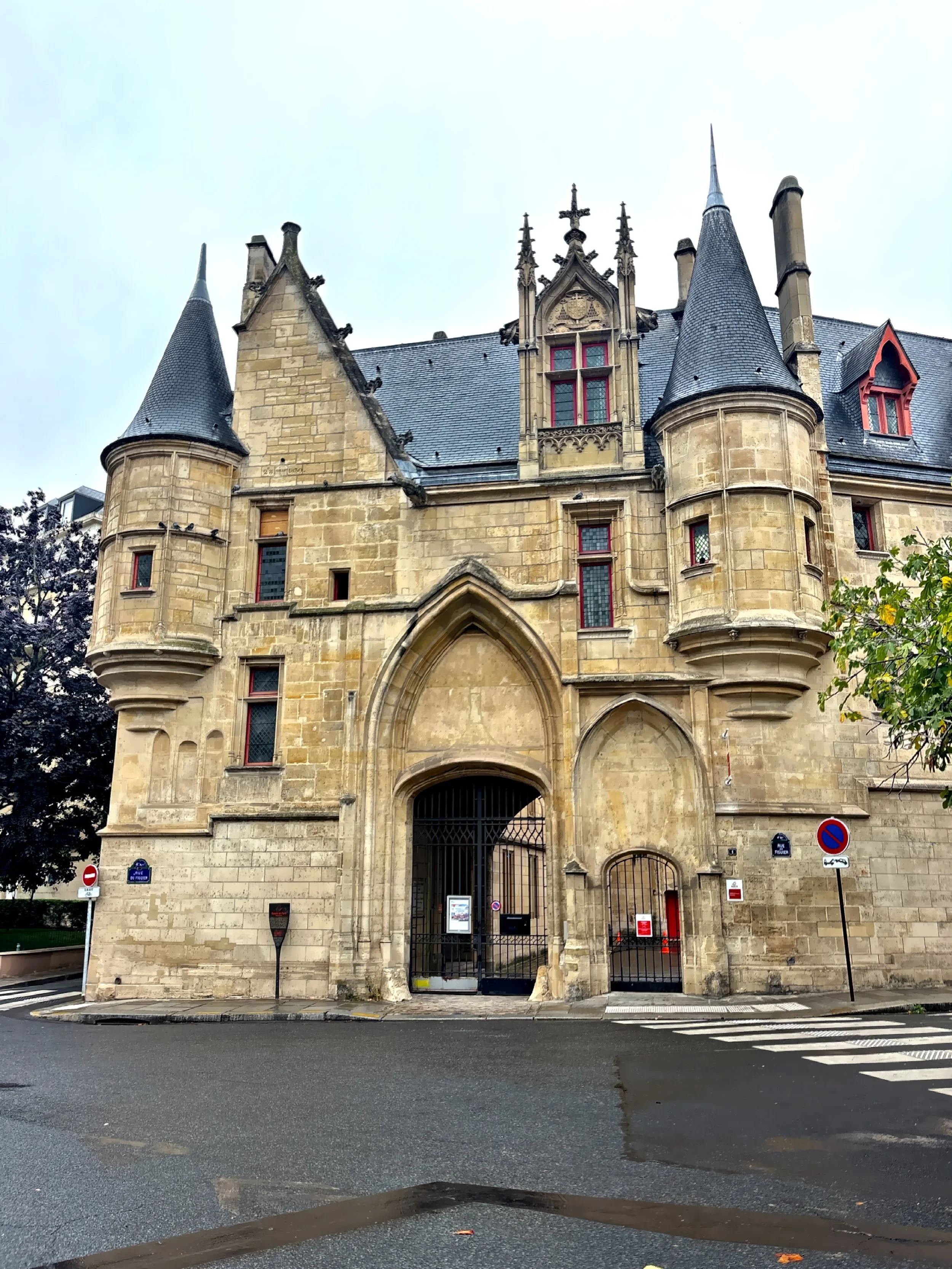
This 15th-century mansion once served as the archbishop of Sens’ residence and now houses the Bibliotheque Forney, a public library specializing in the decorative arts and handicrafts which opened in 1961. There is a small cannonball embedded in the facade from the French Revolution.
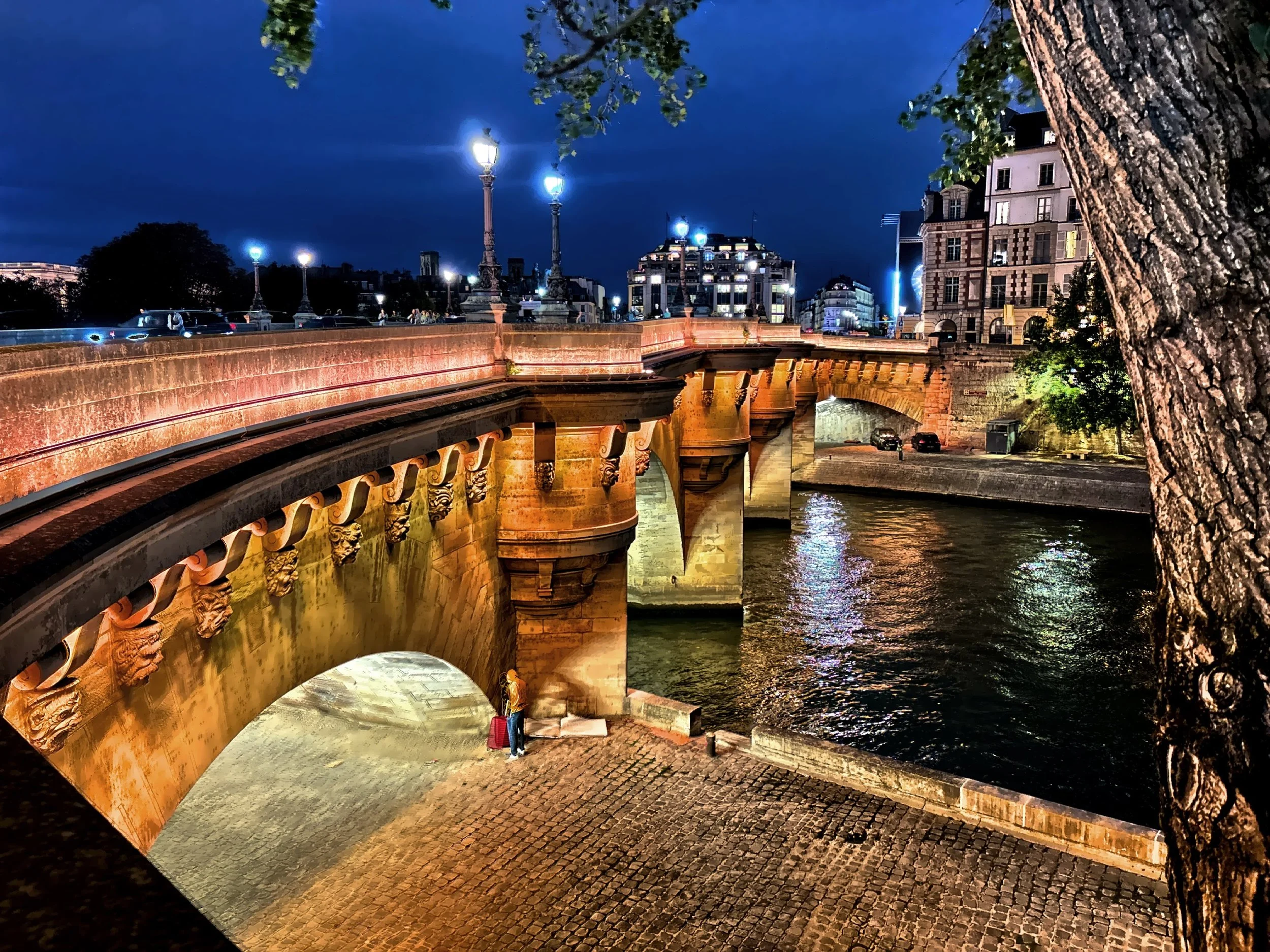
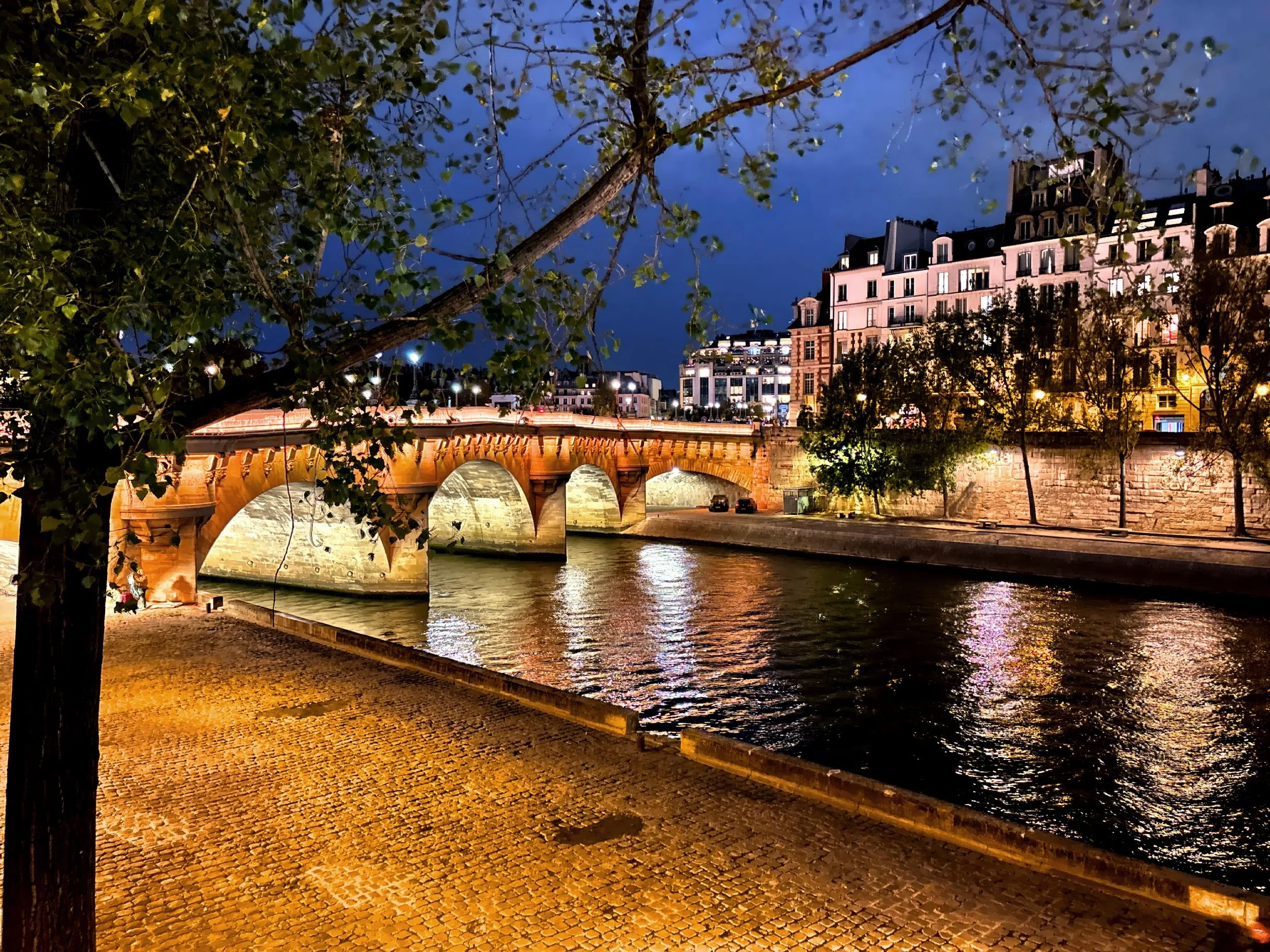
The Pont Neuf at night, which is paradoxically the oldest standing bridge across the Seine.
.
.
.
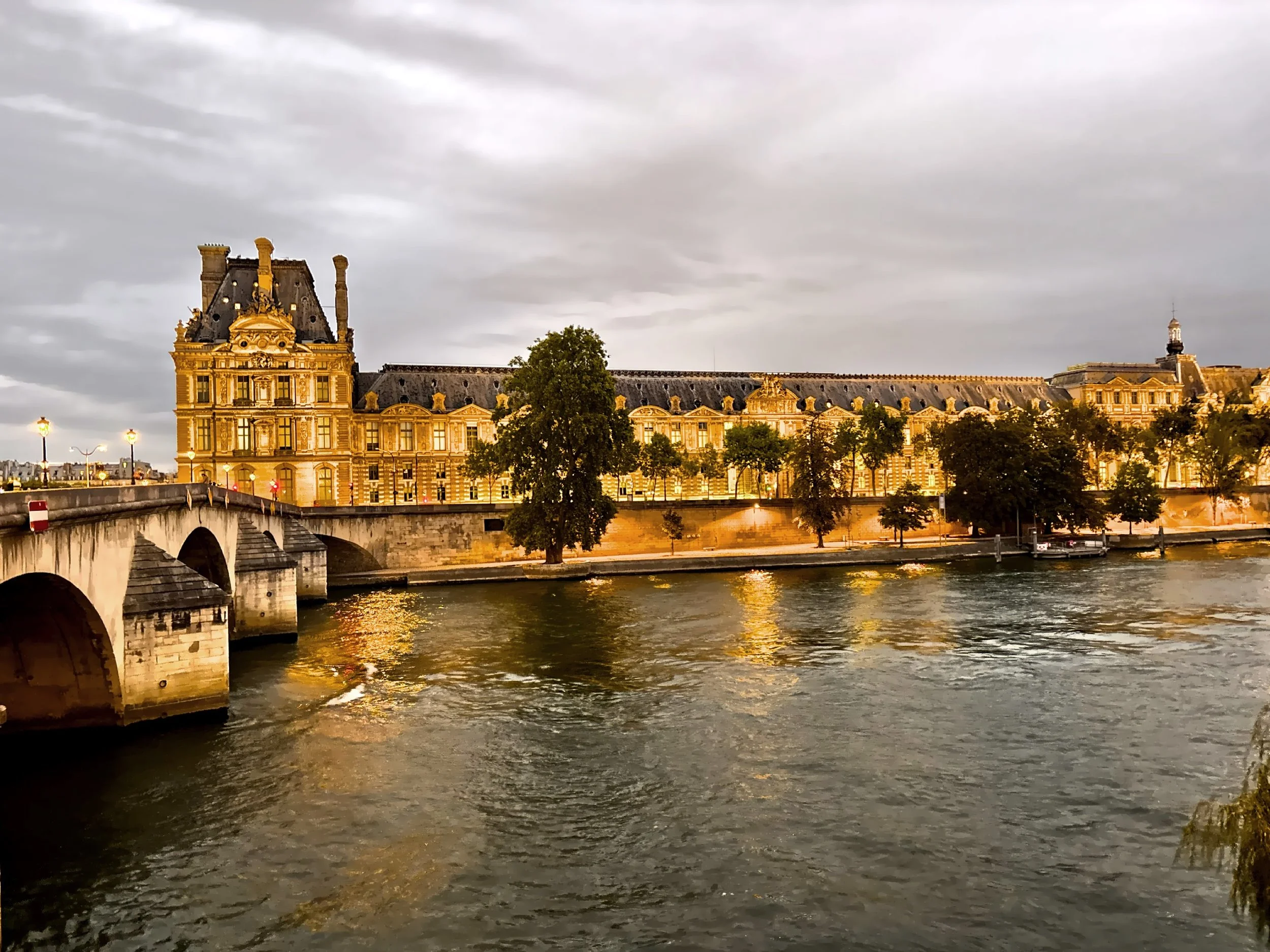
The Louvre Palace as seen from across the Seine River.
.
The sun setting behind the Musee d’Orsay.
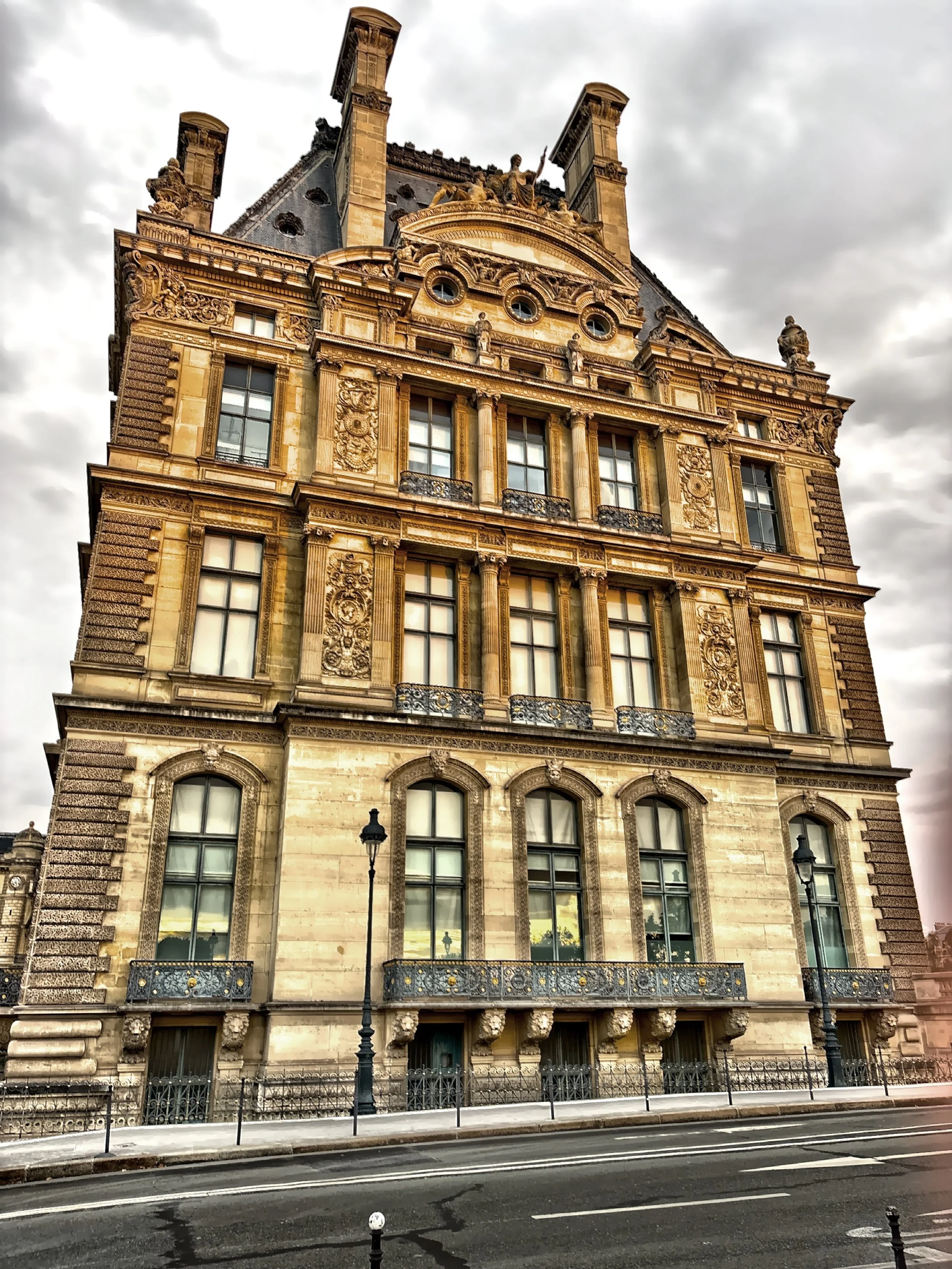
The Pavillon de Flore, a historic part of the Louvre Palace.
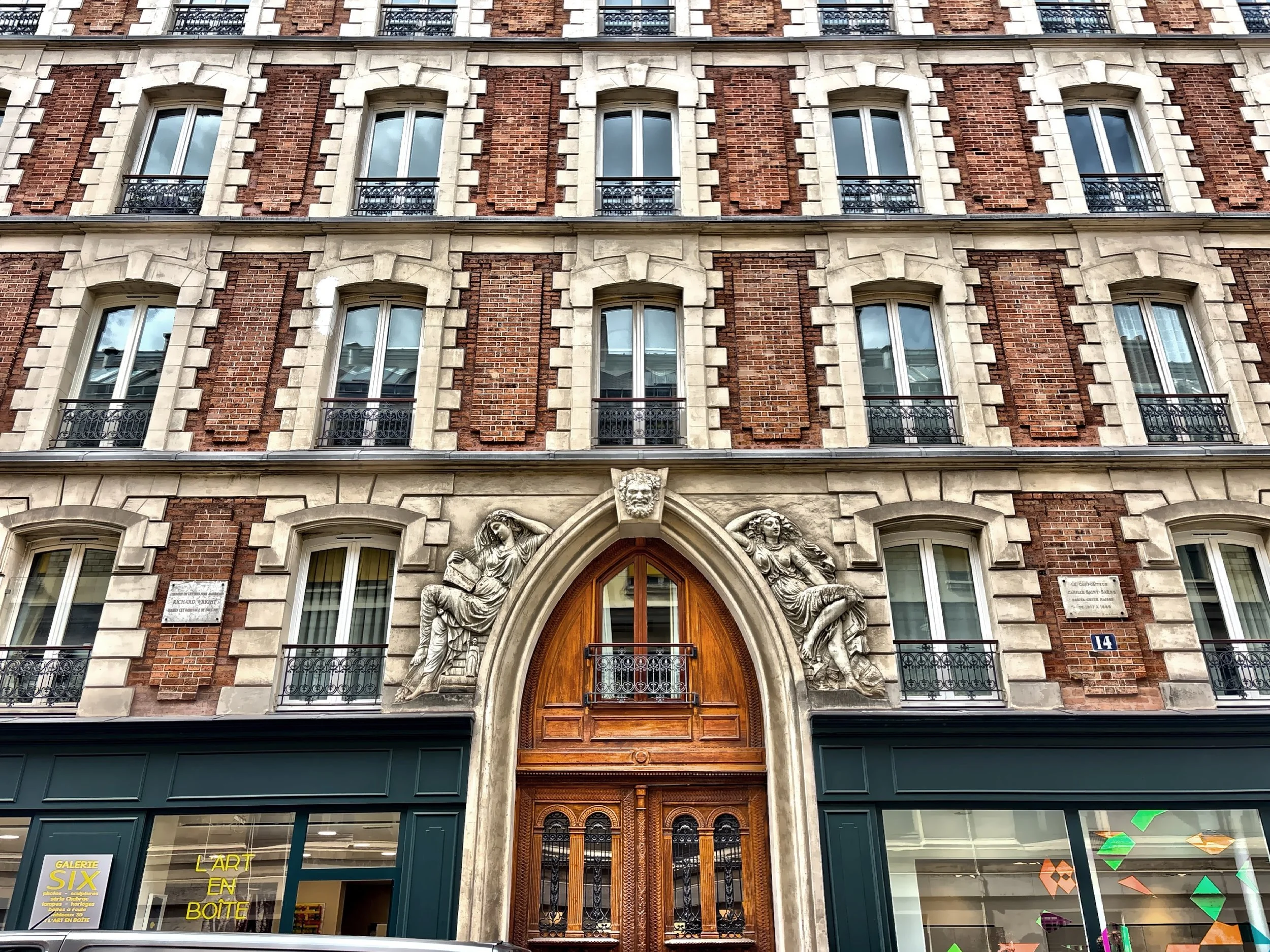
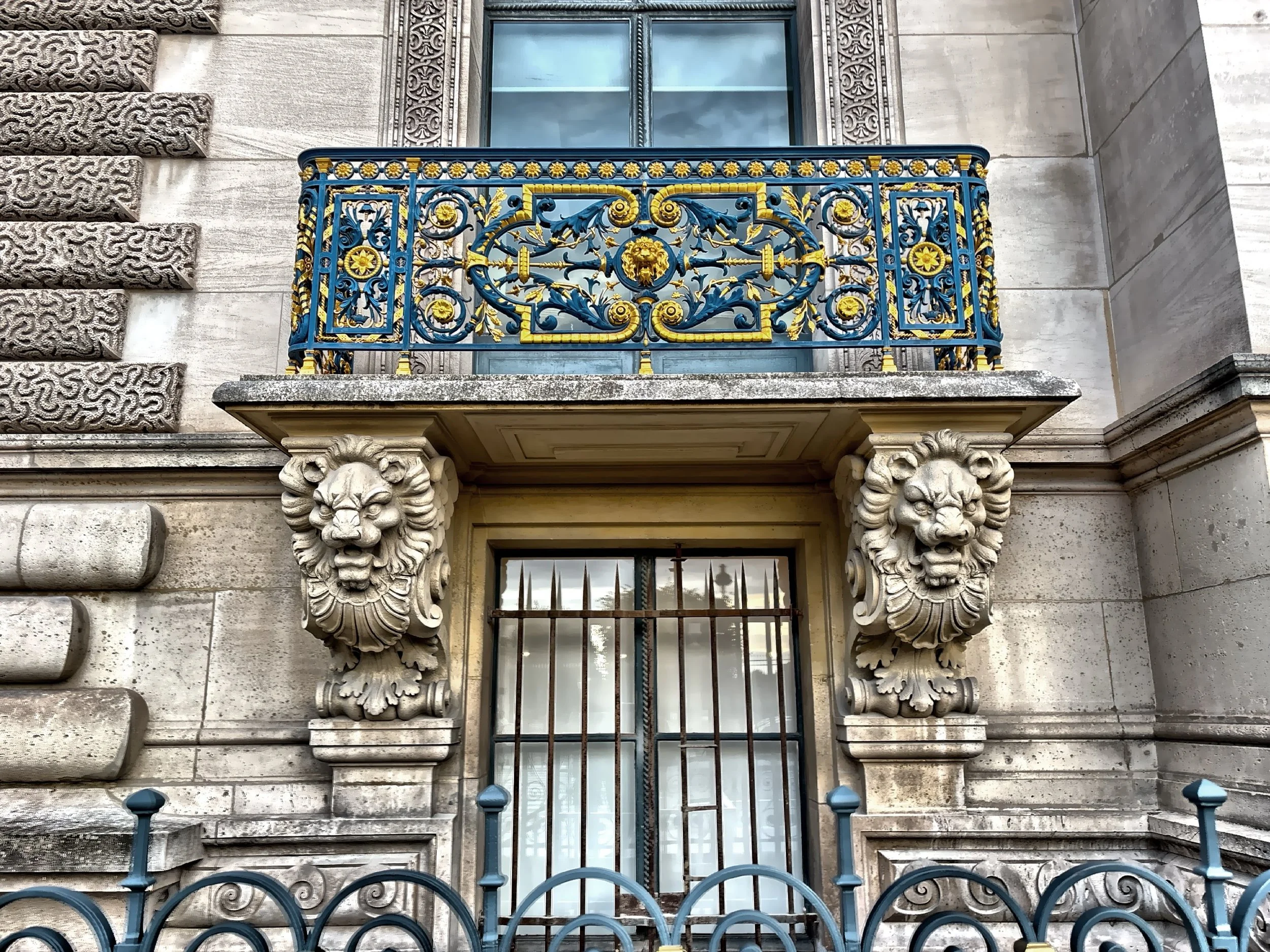
An ornate balcony with lion head sculptures in the typical Parisian Second Empire style.
.
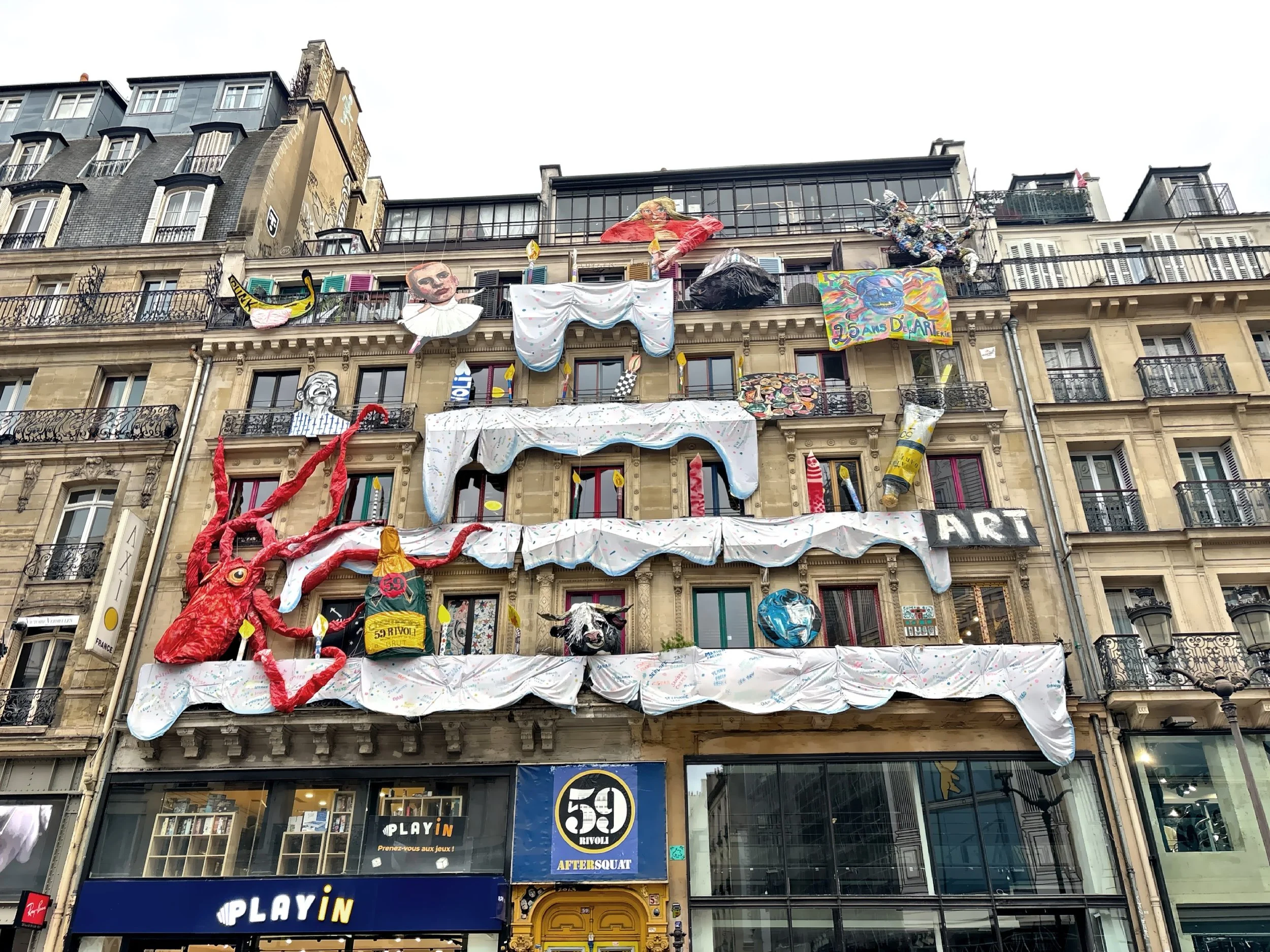
59 Rivoli, an iconic contemporary art gallery and artist residence.
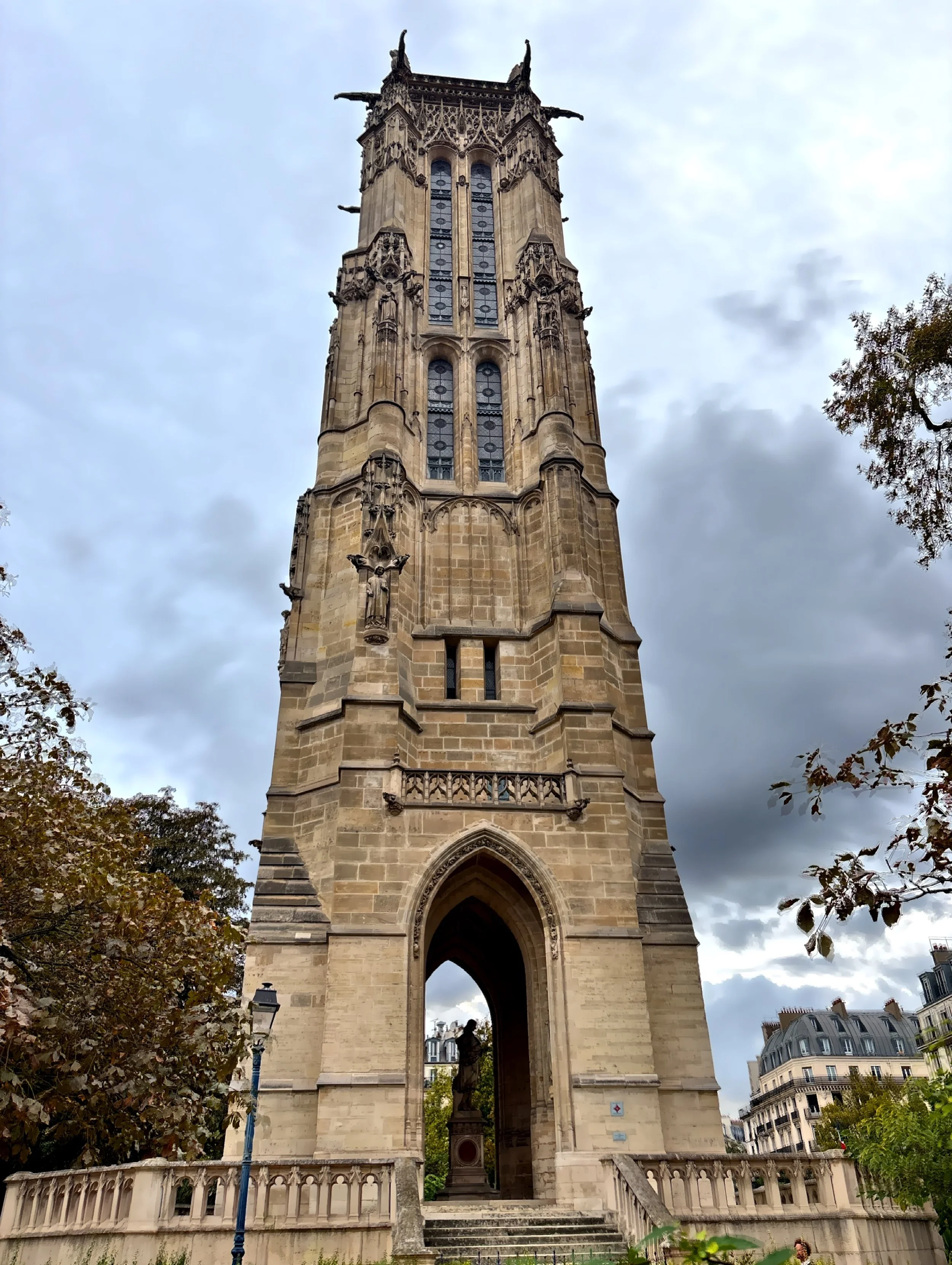
The Gothic-style Tour Saint-Jacques.
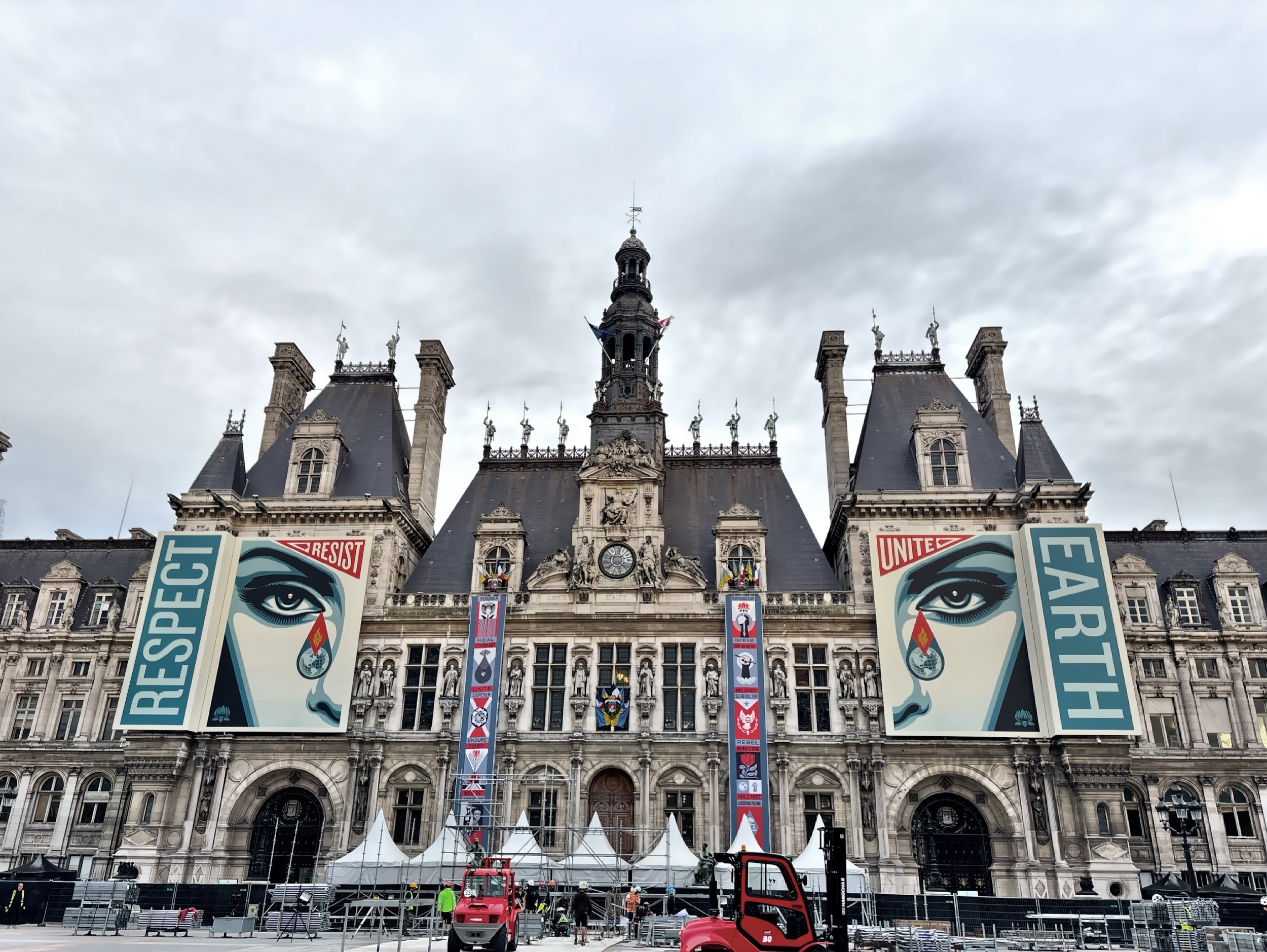
Paris City Hall adorned with a climate change exhibition.
.
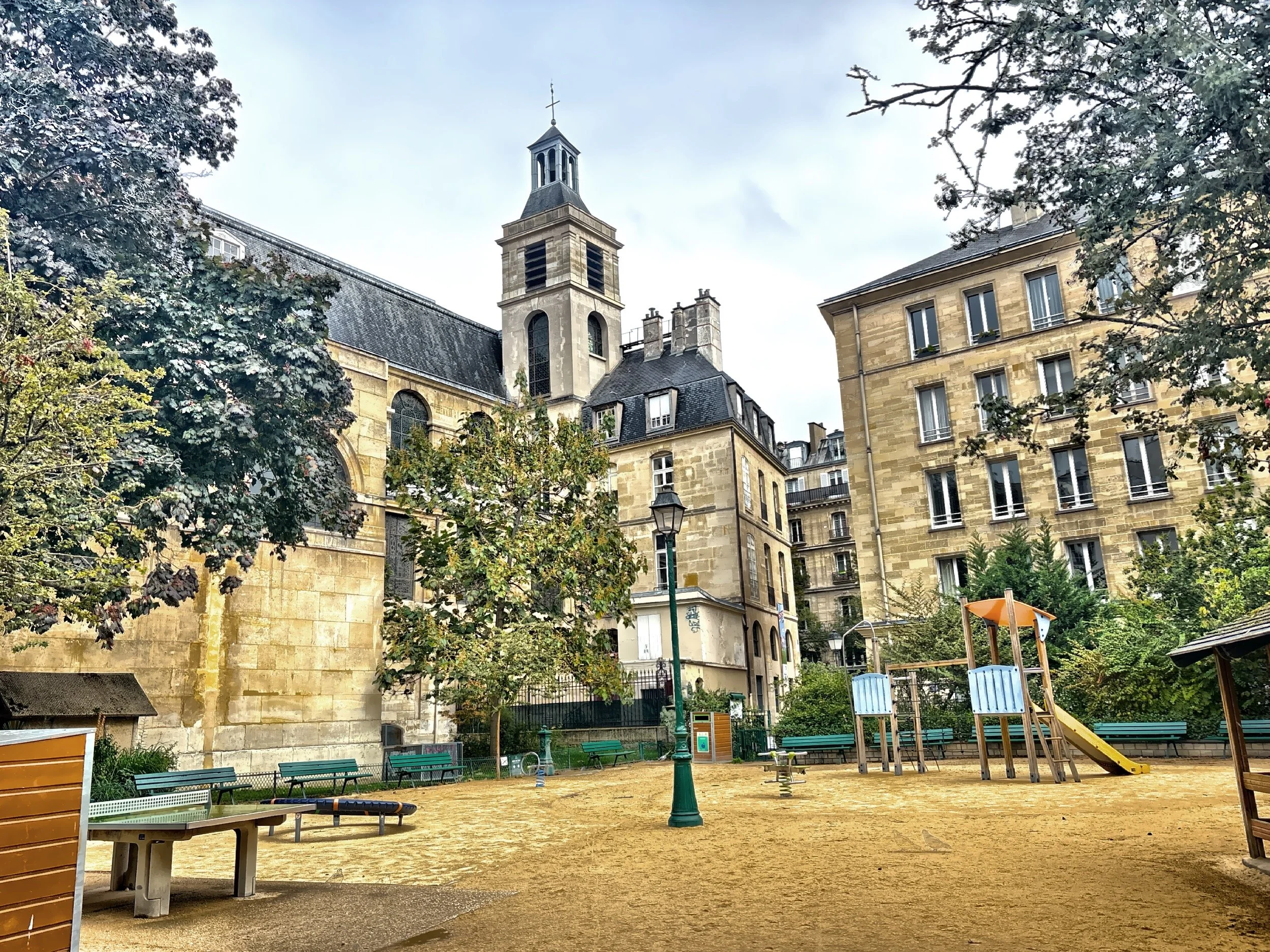
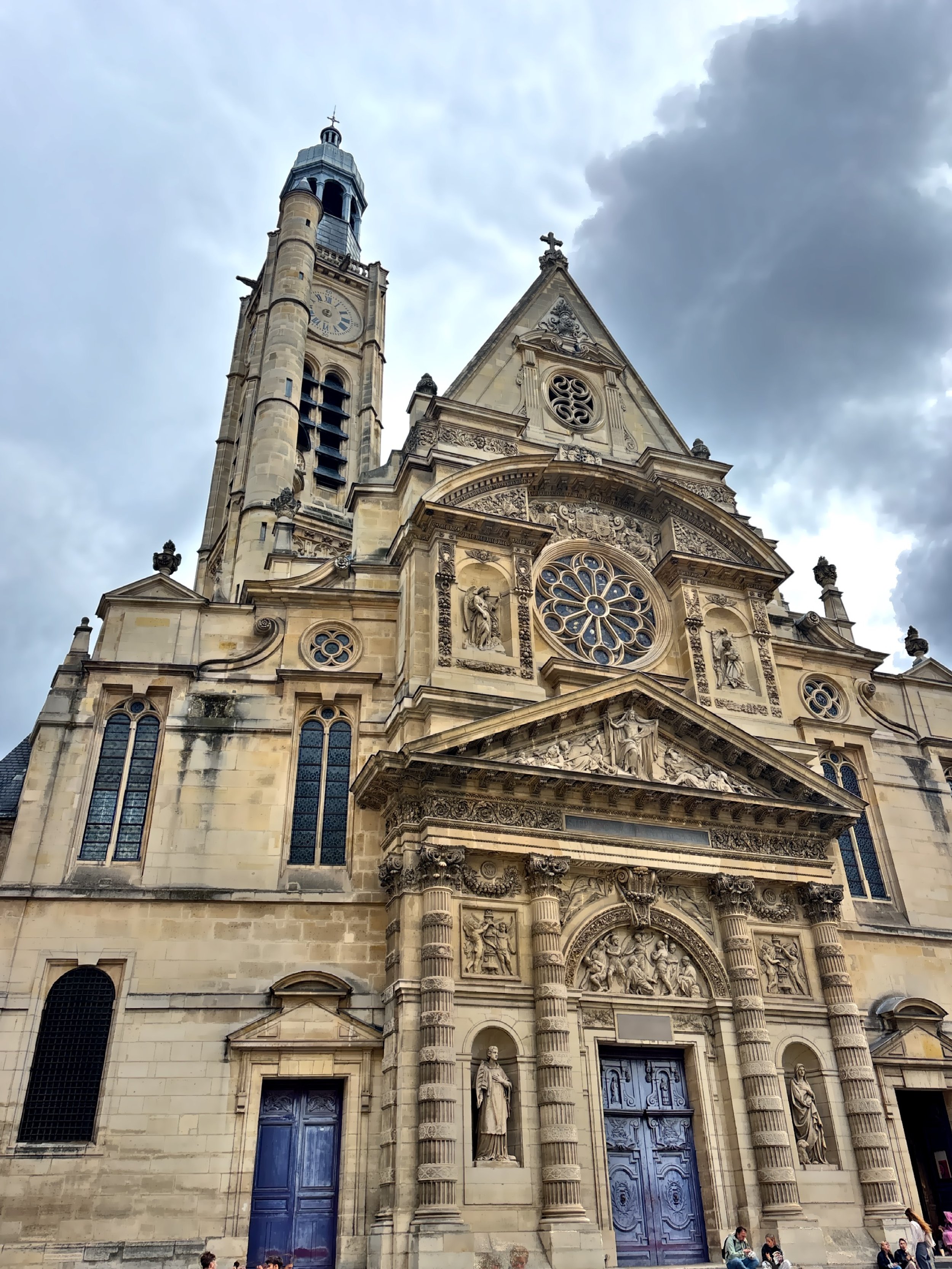
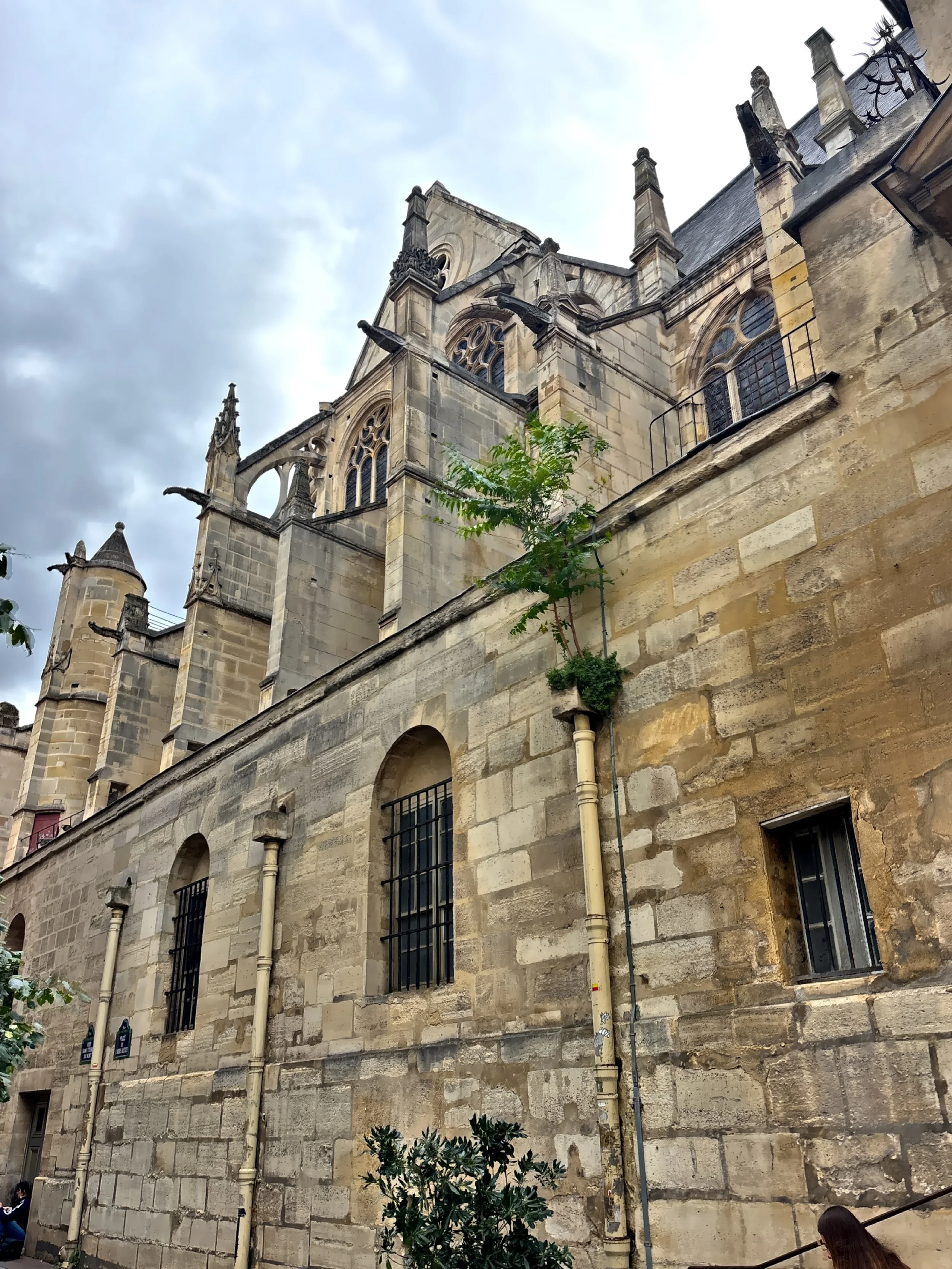
The Church of Saint Stephen of the Mount construction was started in 1494 and was completed in 1624.
.
.
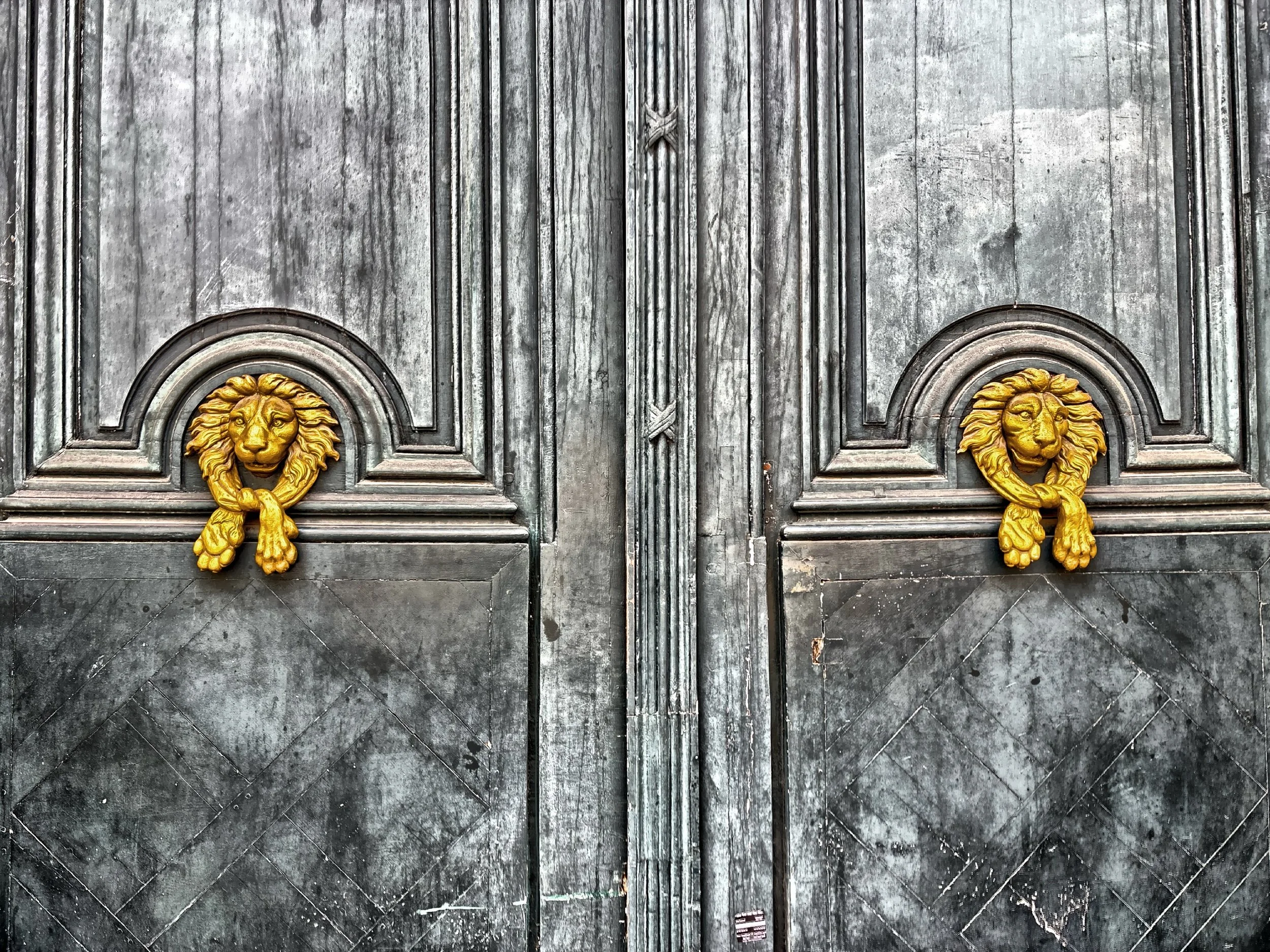
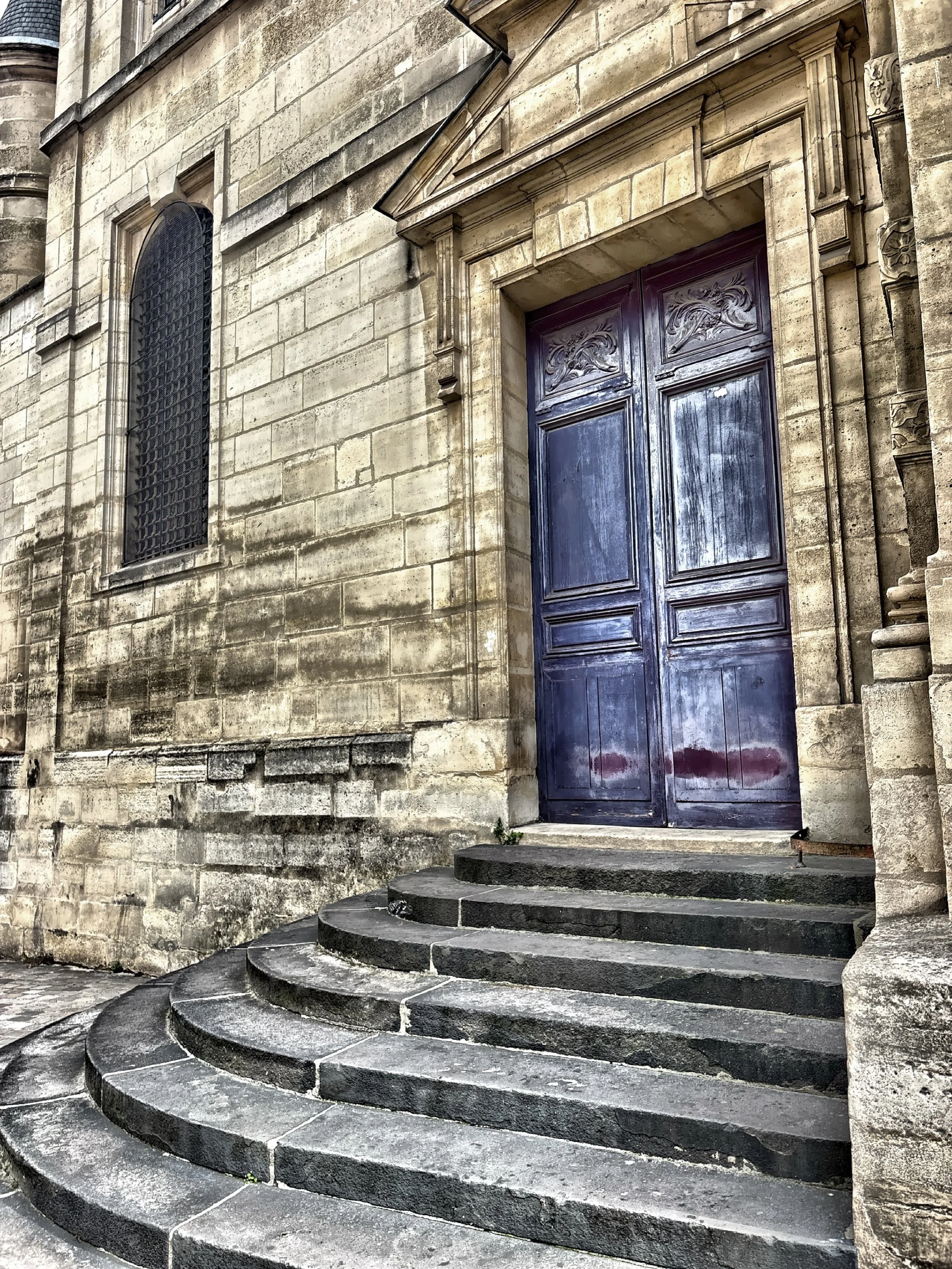
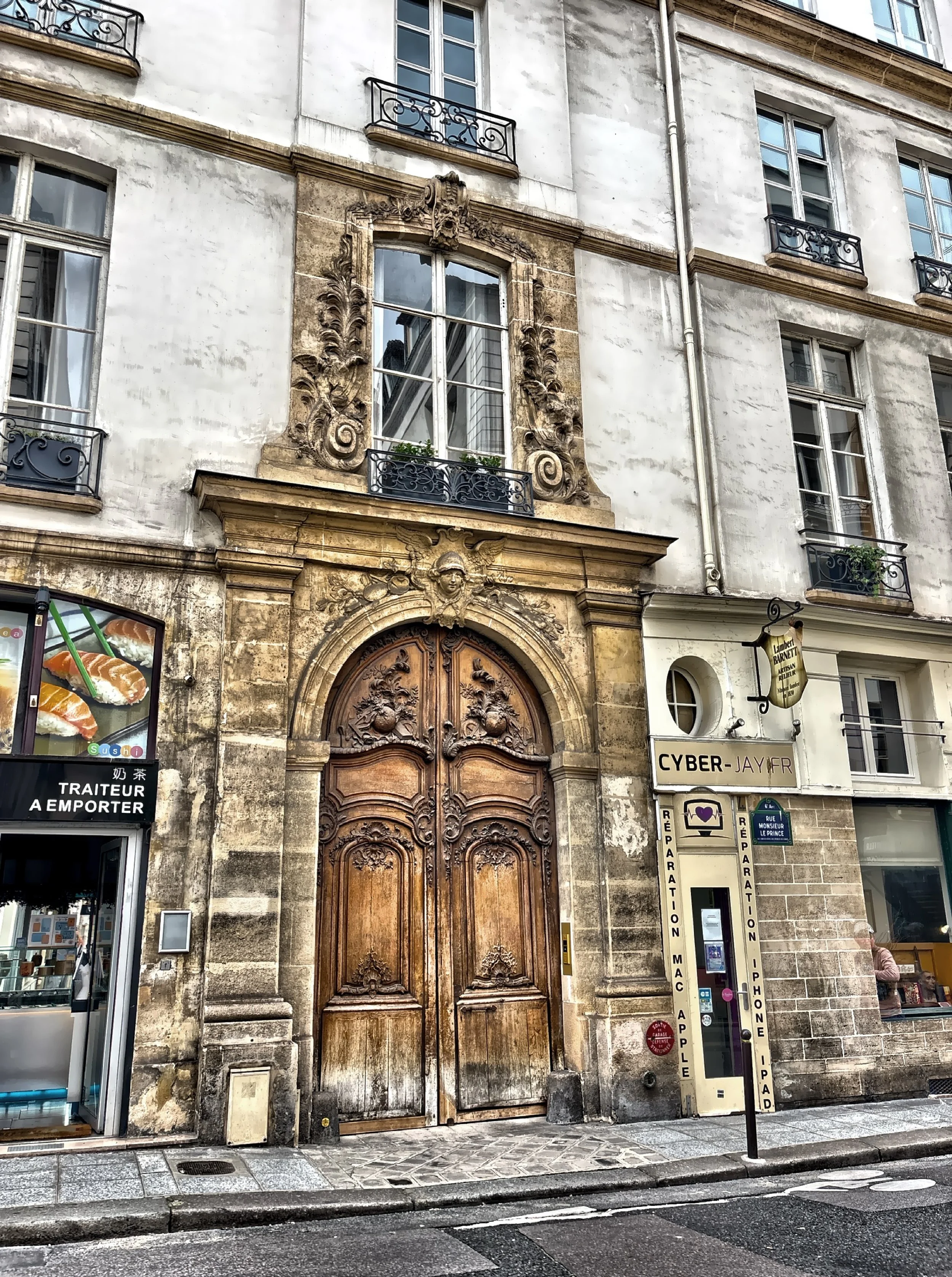
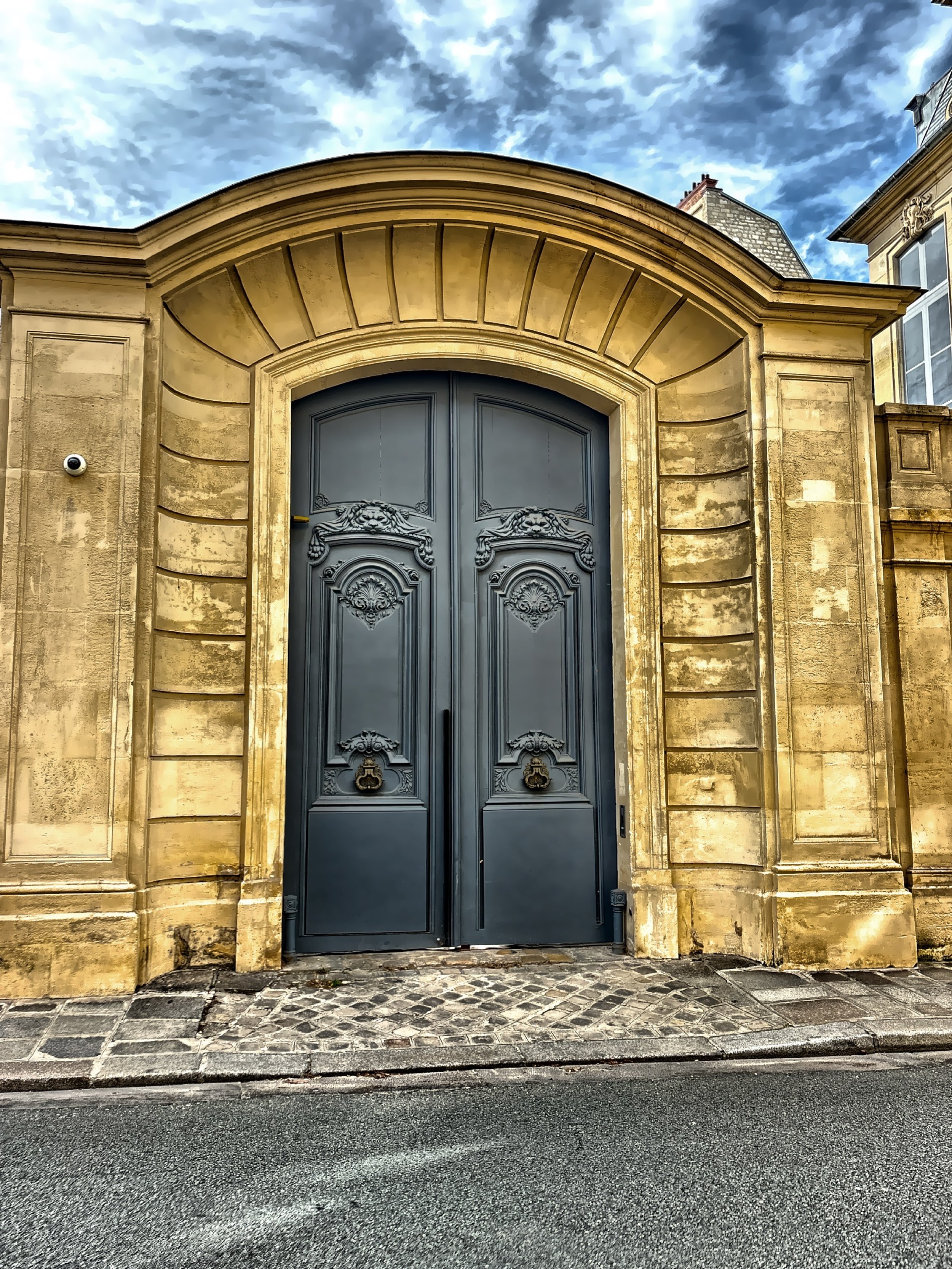
Some of the many highly ornate, carved wooden doors.
.
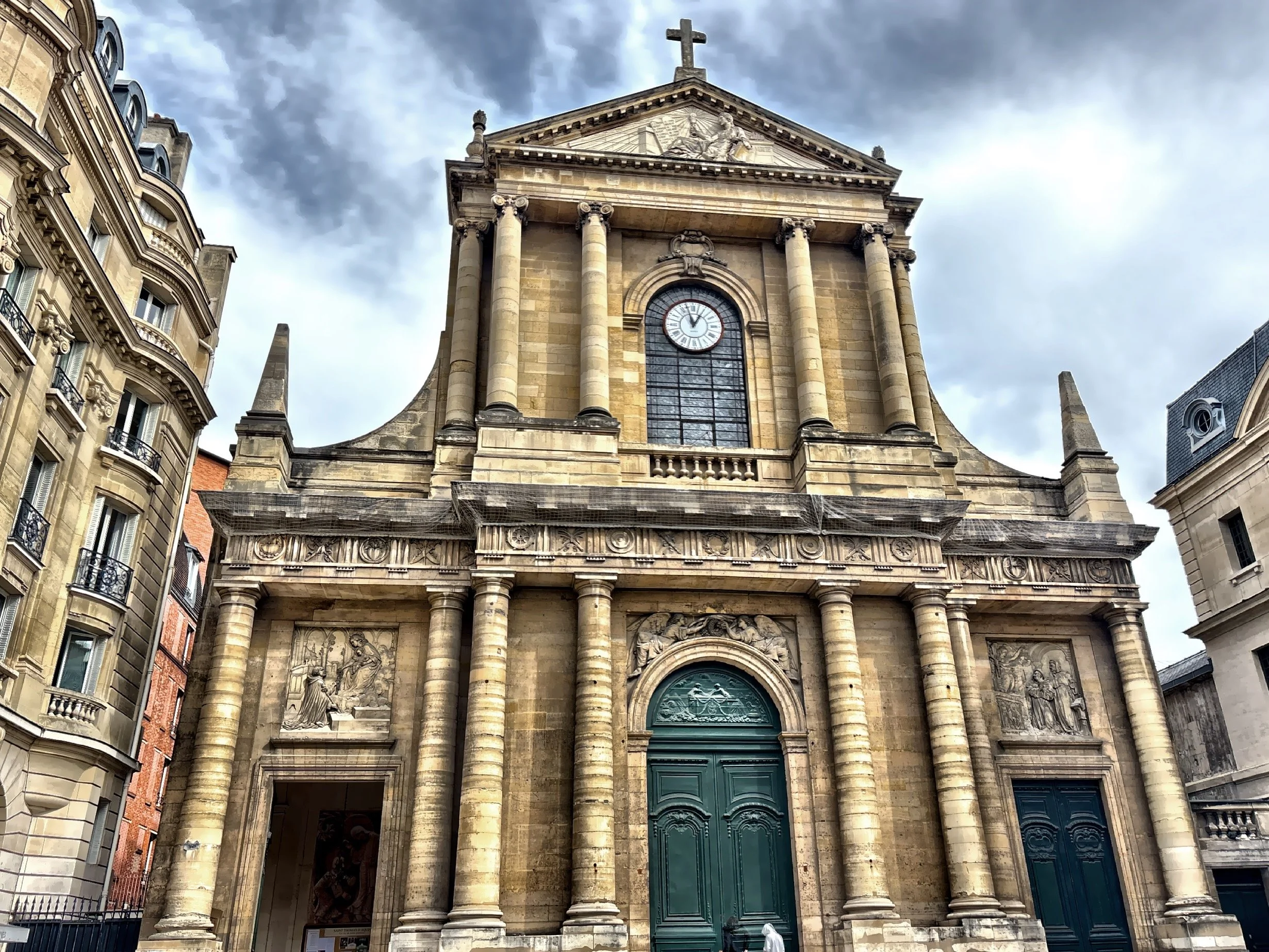
Saint-Thomas-d’Aquin Church
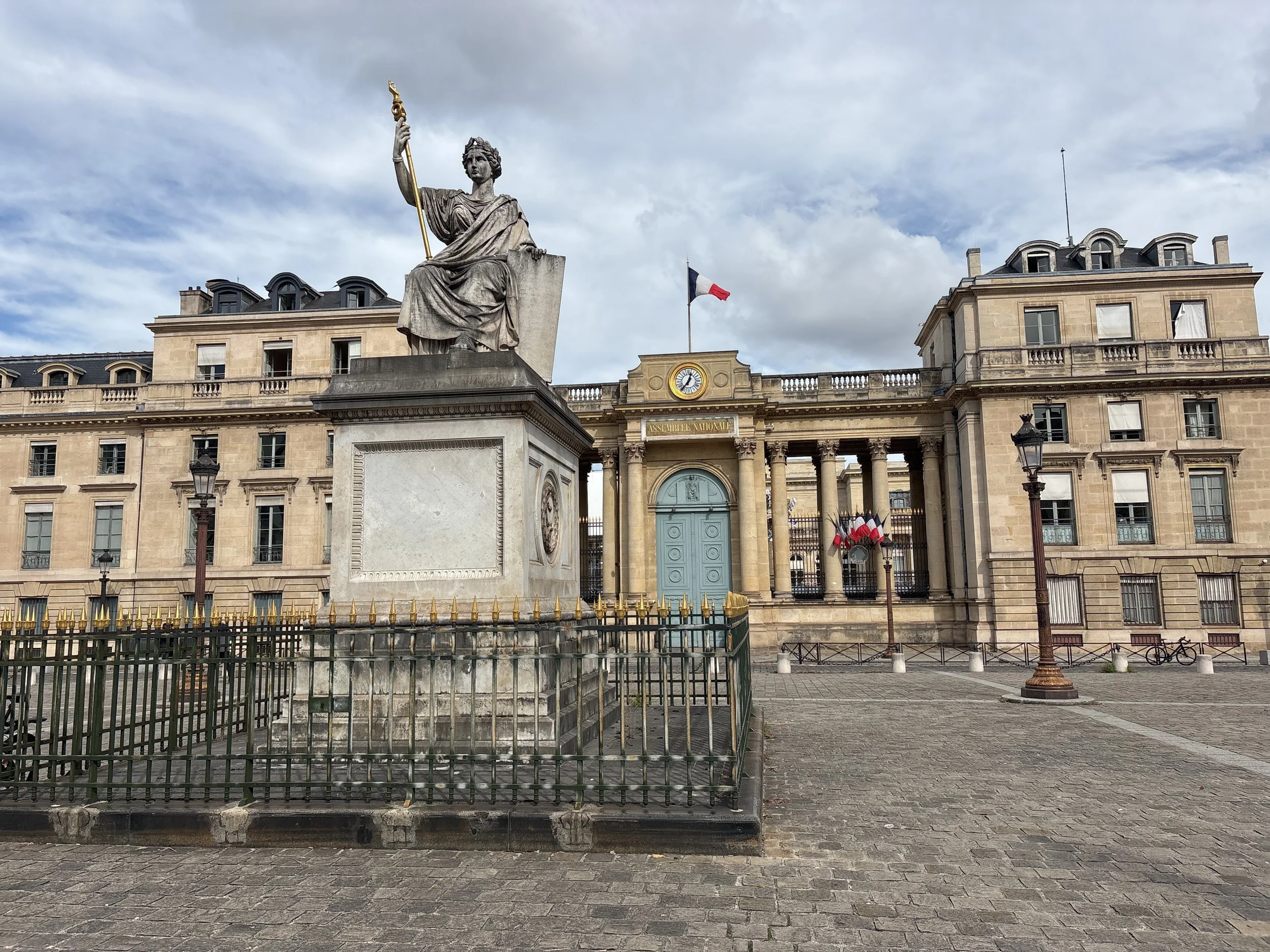
Palais Bourbon, the seat of the French National Assembly
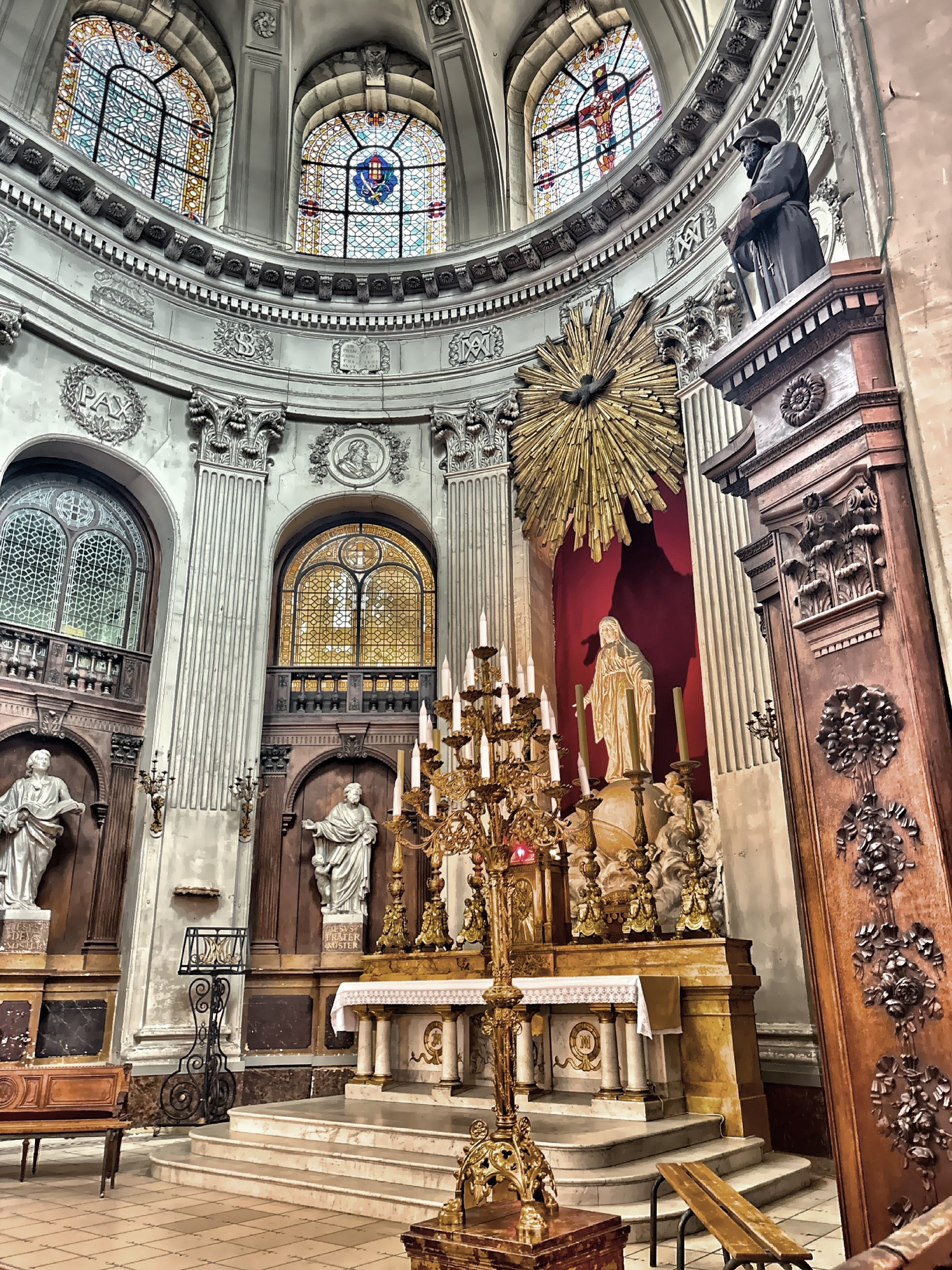
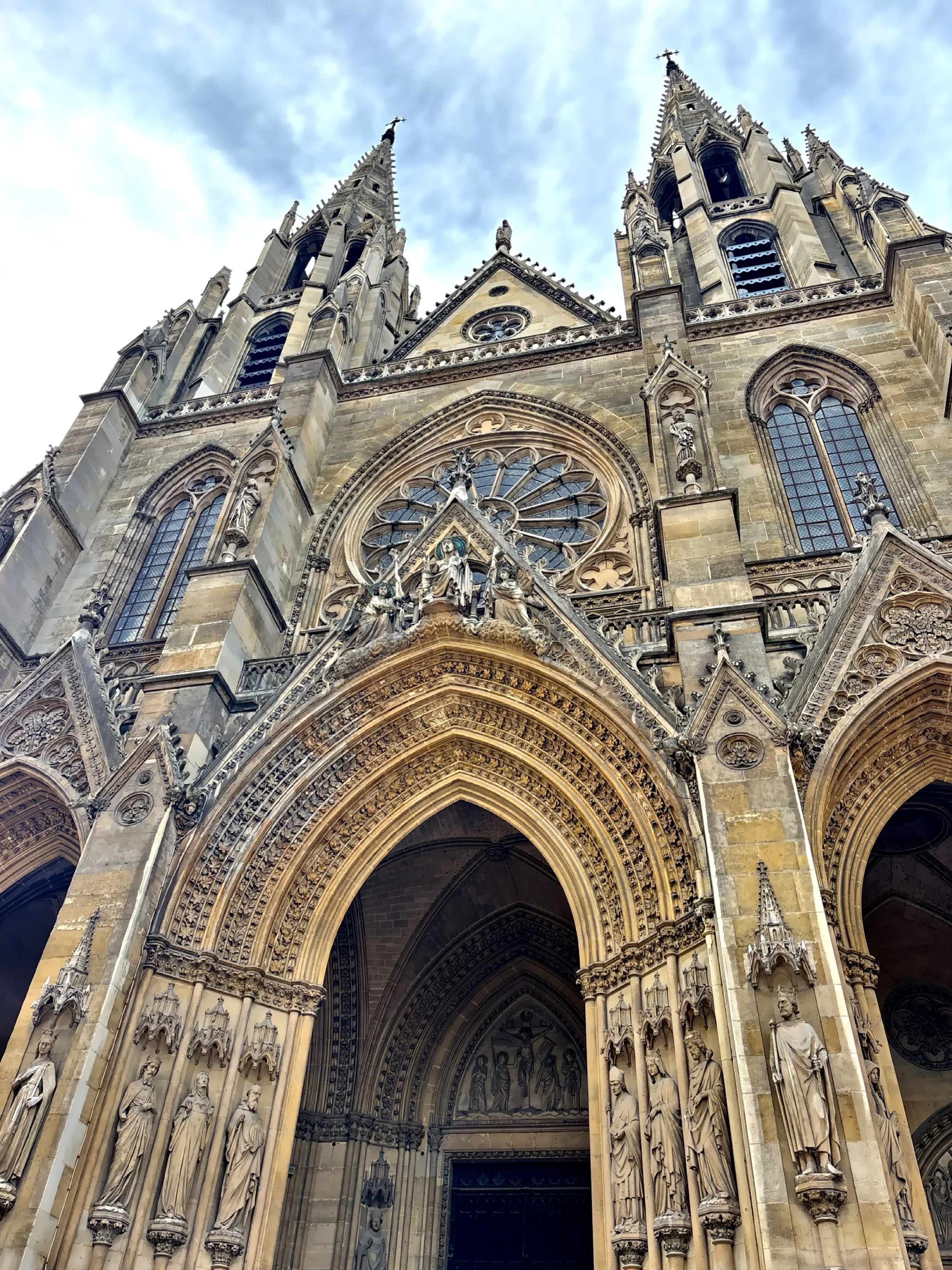
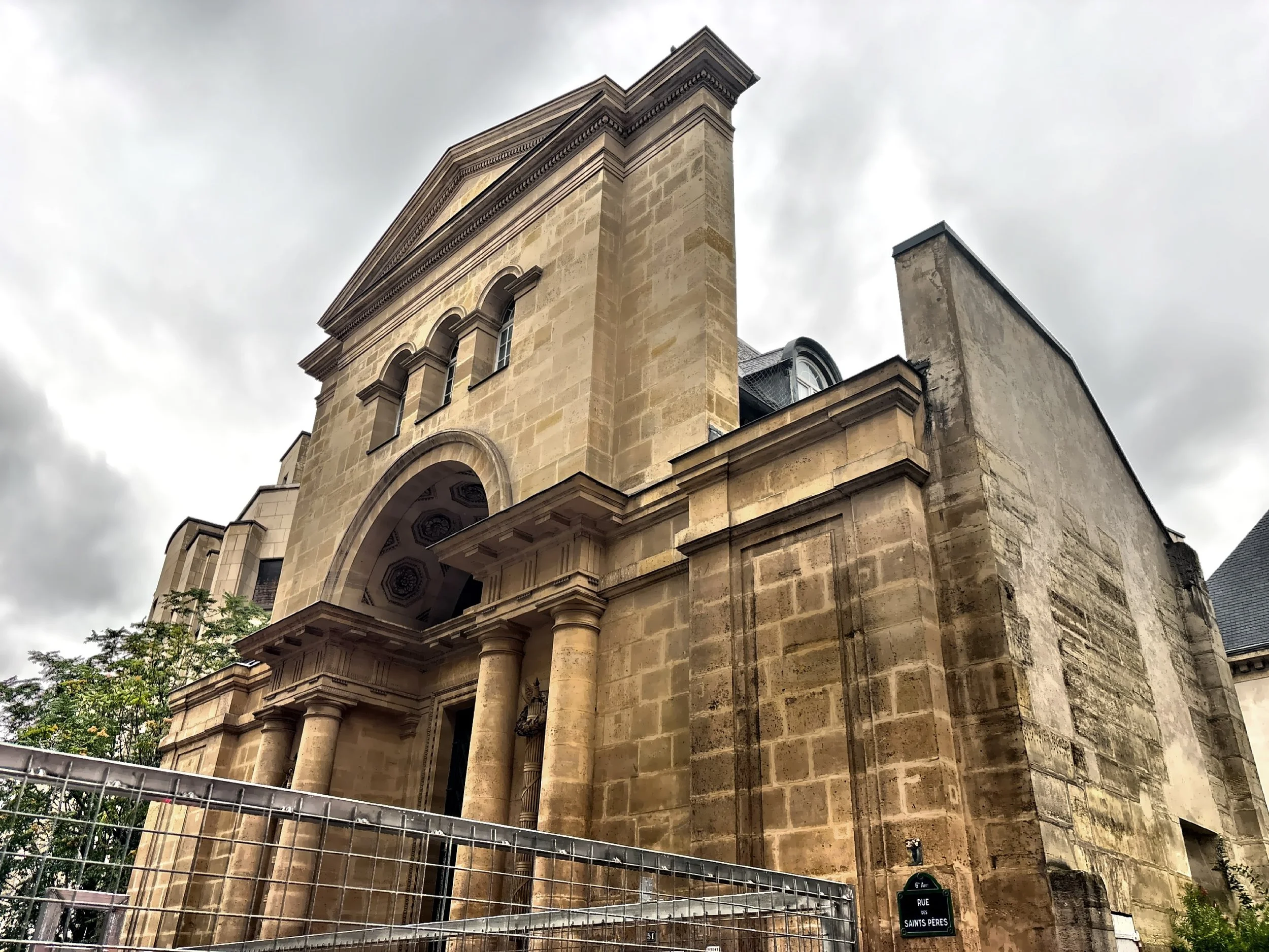
The exterior of Chapelle du Jesus-Enfant built between 1878 and 1881.
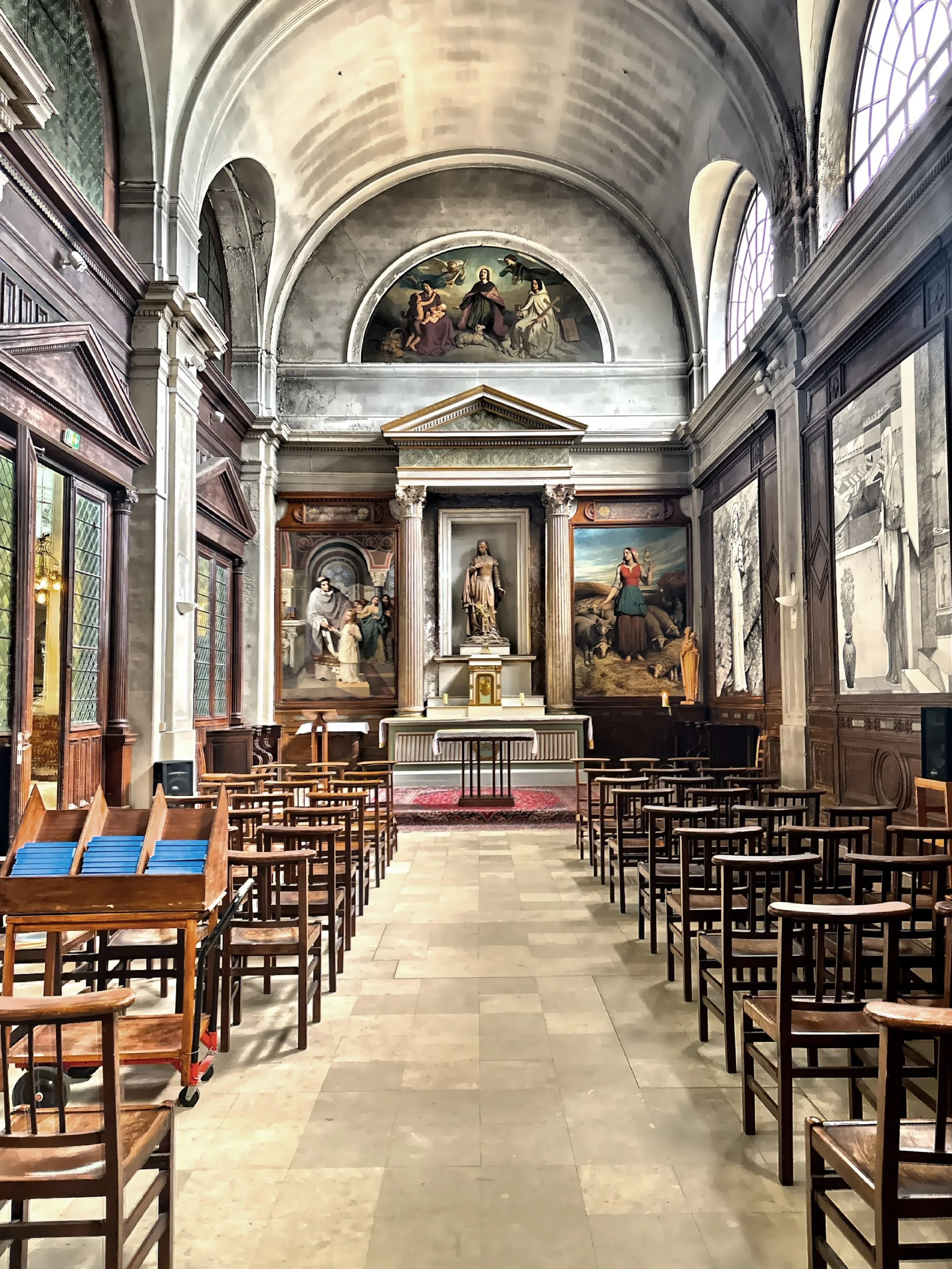
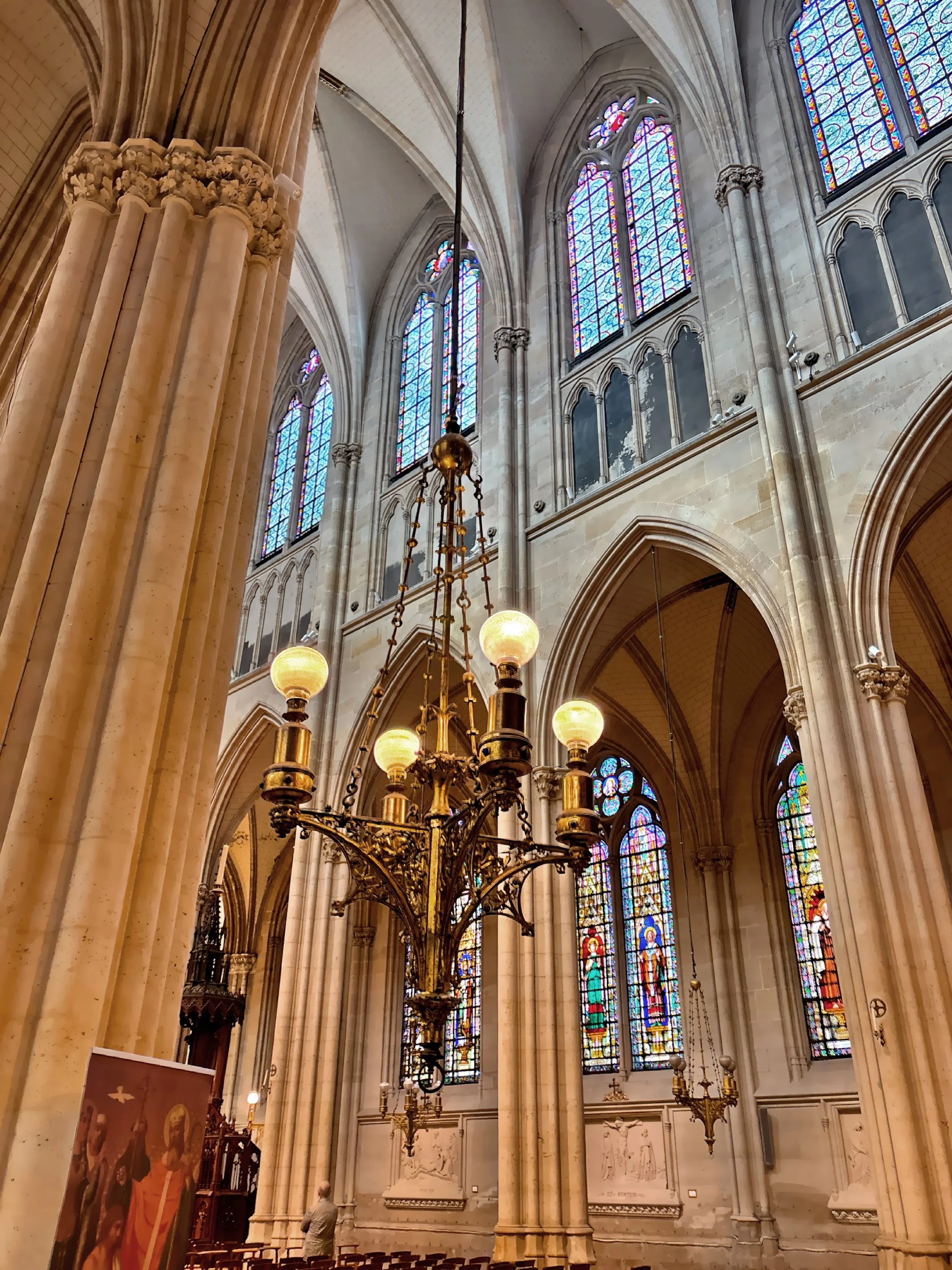
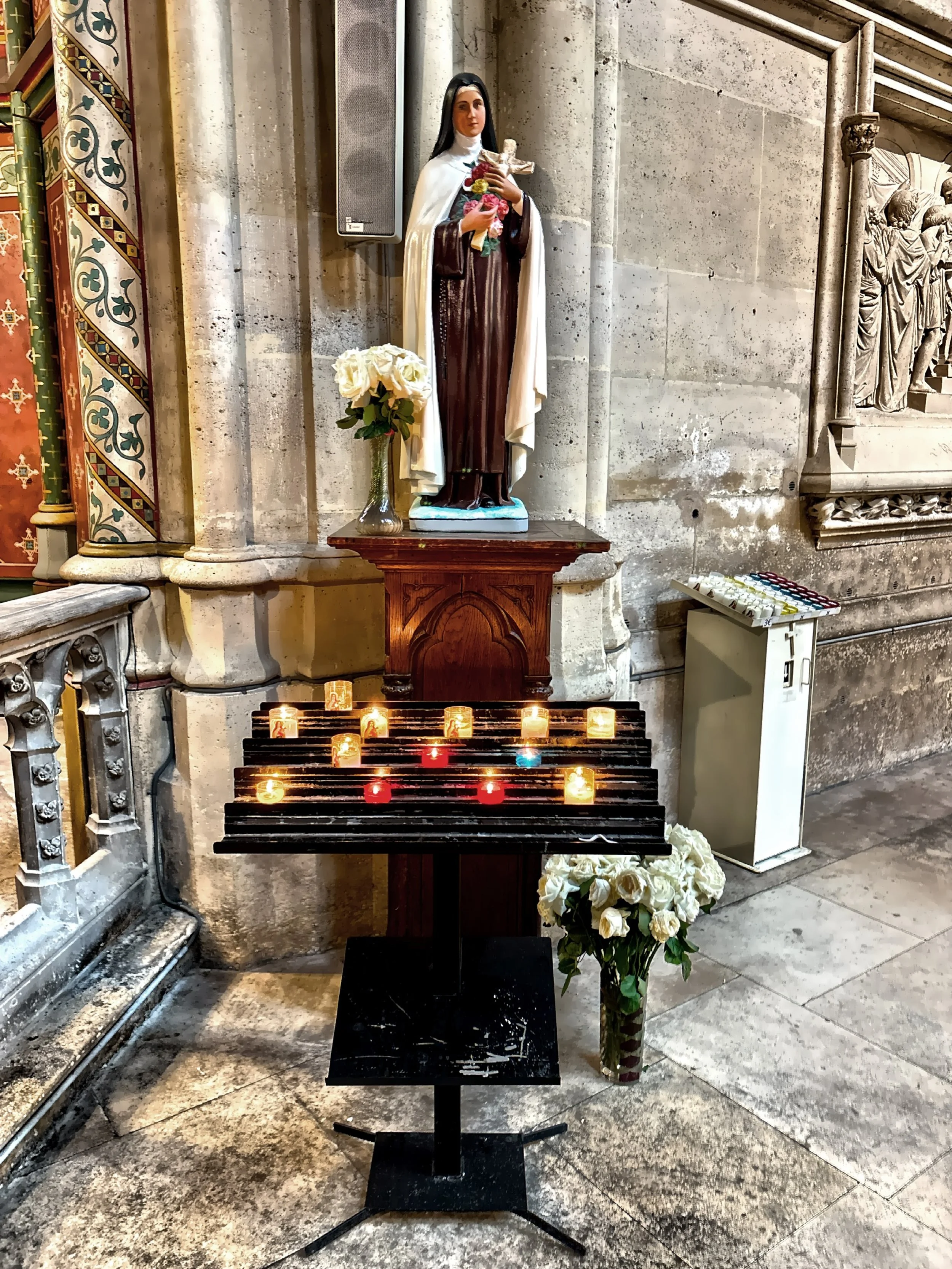
The interior of Chapelle de Jesus-Enfant.
.
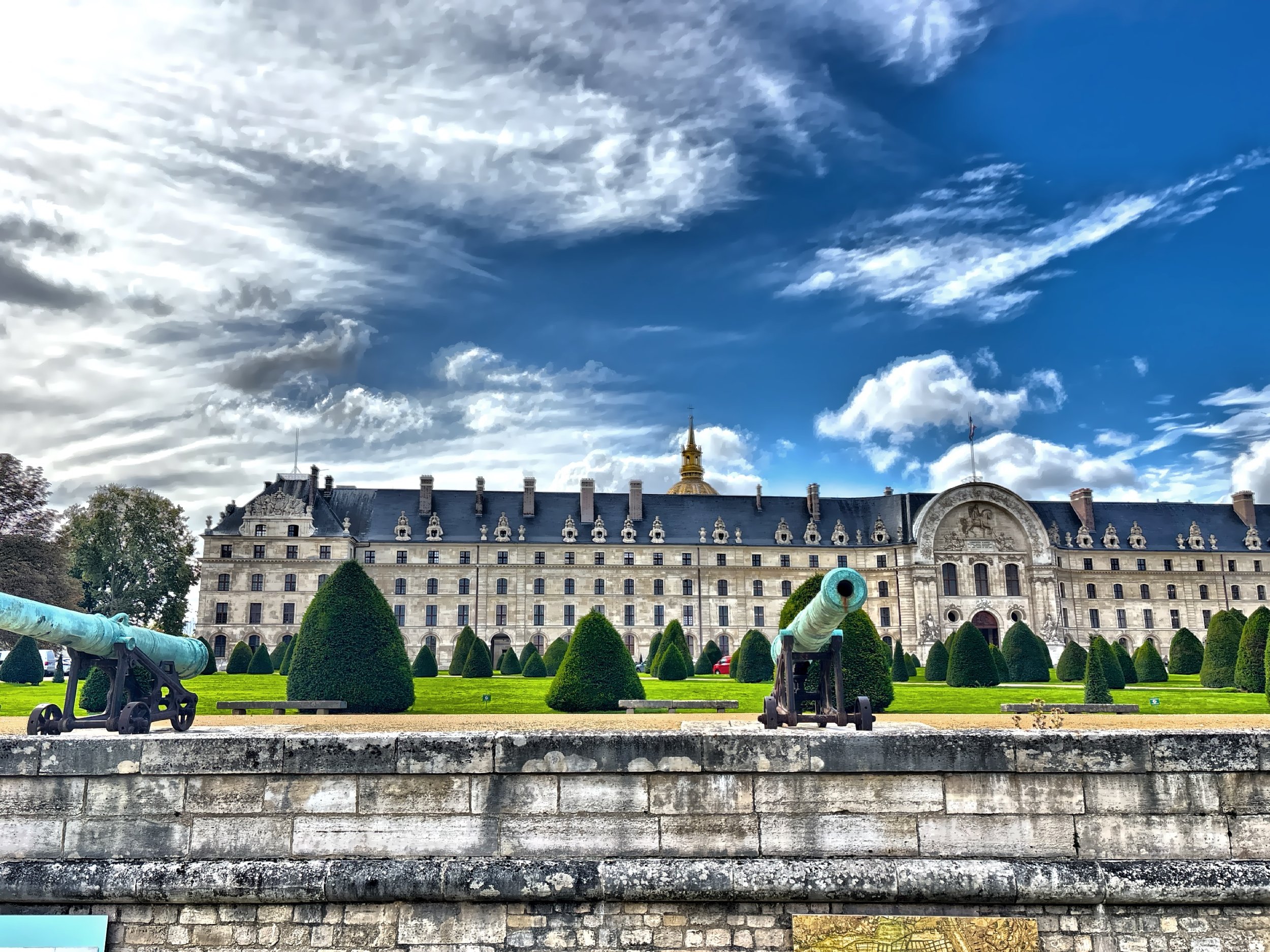
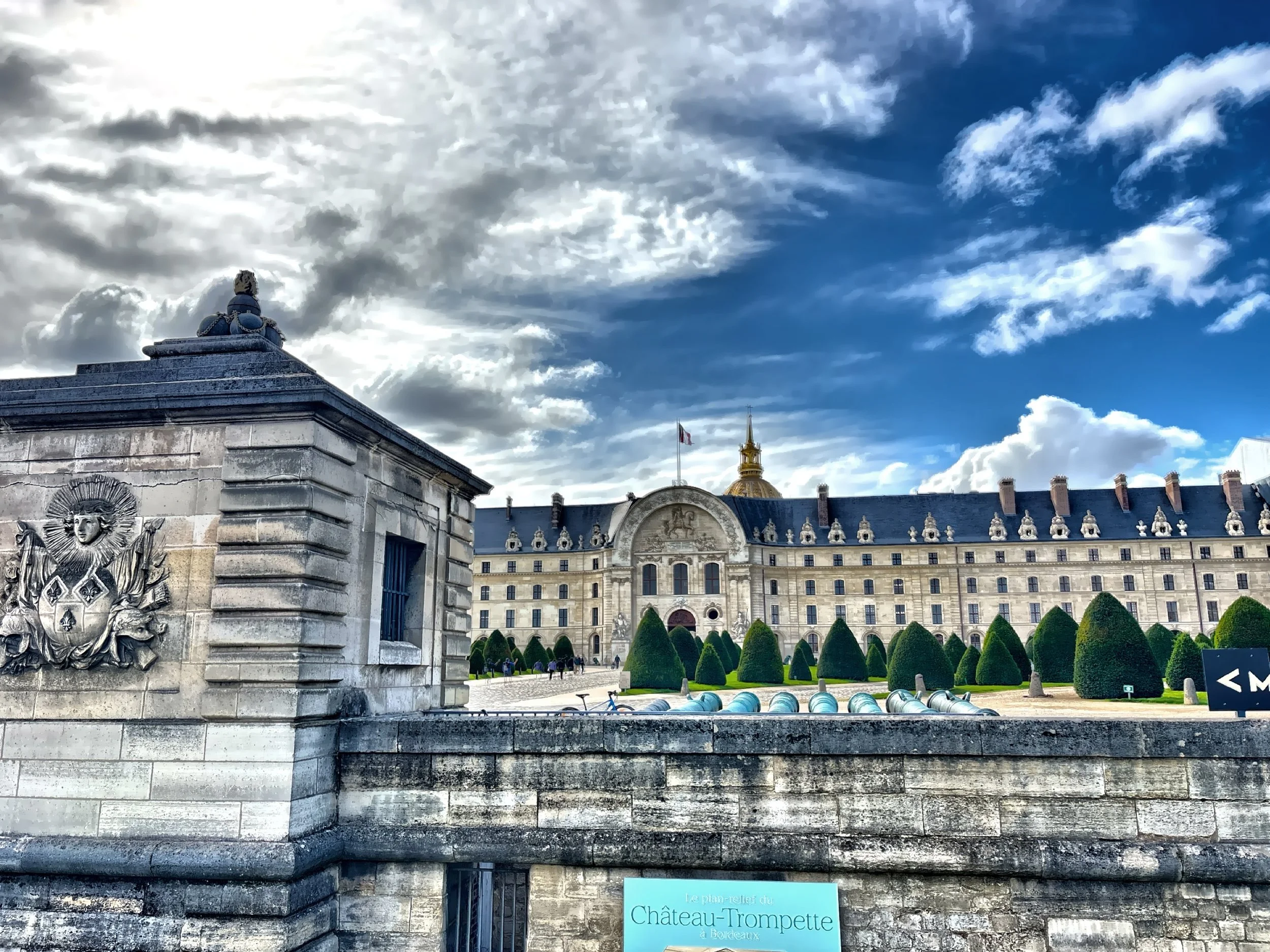
Musee de L’Armee, one of the world’s largest military history museums.
.
What you should know:
Credit/debit cards are widely accepted.
Contactless payments (Apple Pay, Google Pay, etc.) are very common.
Locals are generally friendly but reserved – polite and helpful.
The official language is French, but many people do speak English.
The currency is the Euro (EU).
There are pricey paid parking one the street and cheaper park and ride free options outside the city.
Walking or biking is a great way to get around the city.
There are walking paths along the River Seine, Jardin des Tuileries, Canal Saint-Martin, and Promenade Plantee.
You will need a valid passport and a power convertor if you are coming from the US.
There are many entertainment, restaurant and food options.
Tipping is not expected but some people do round up.
You may be interested in Paris Part II.
For more information: Paris, France
If you enjoyed this post, feel free to check out my previous posts by clicking here.