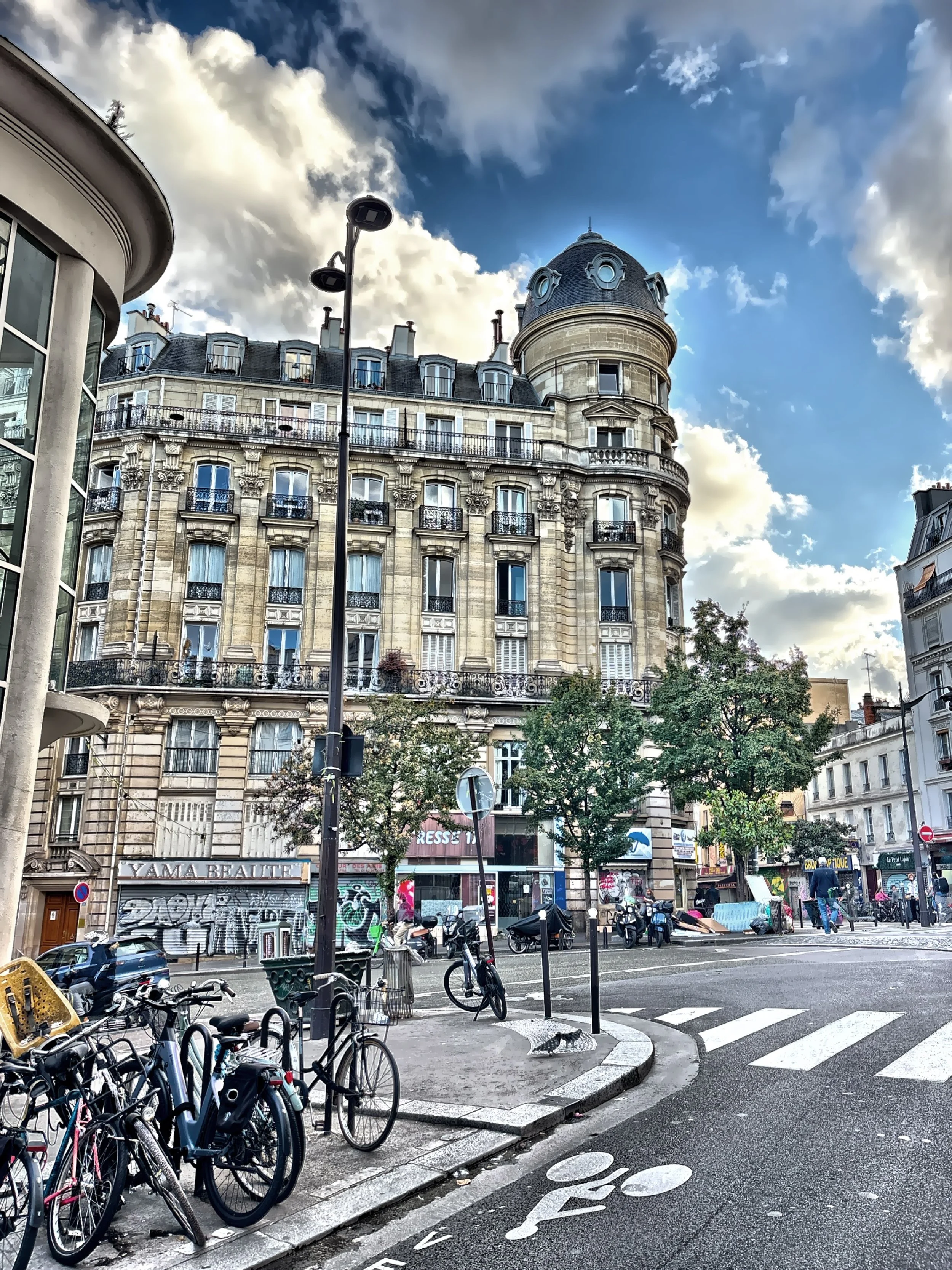
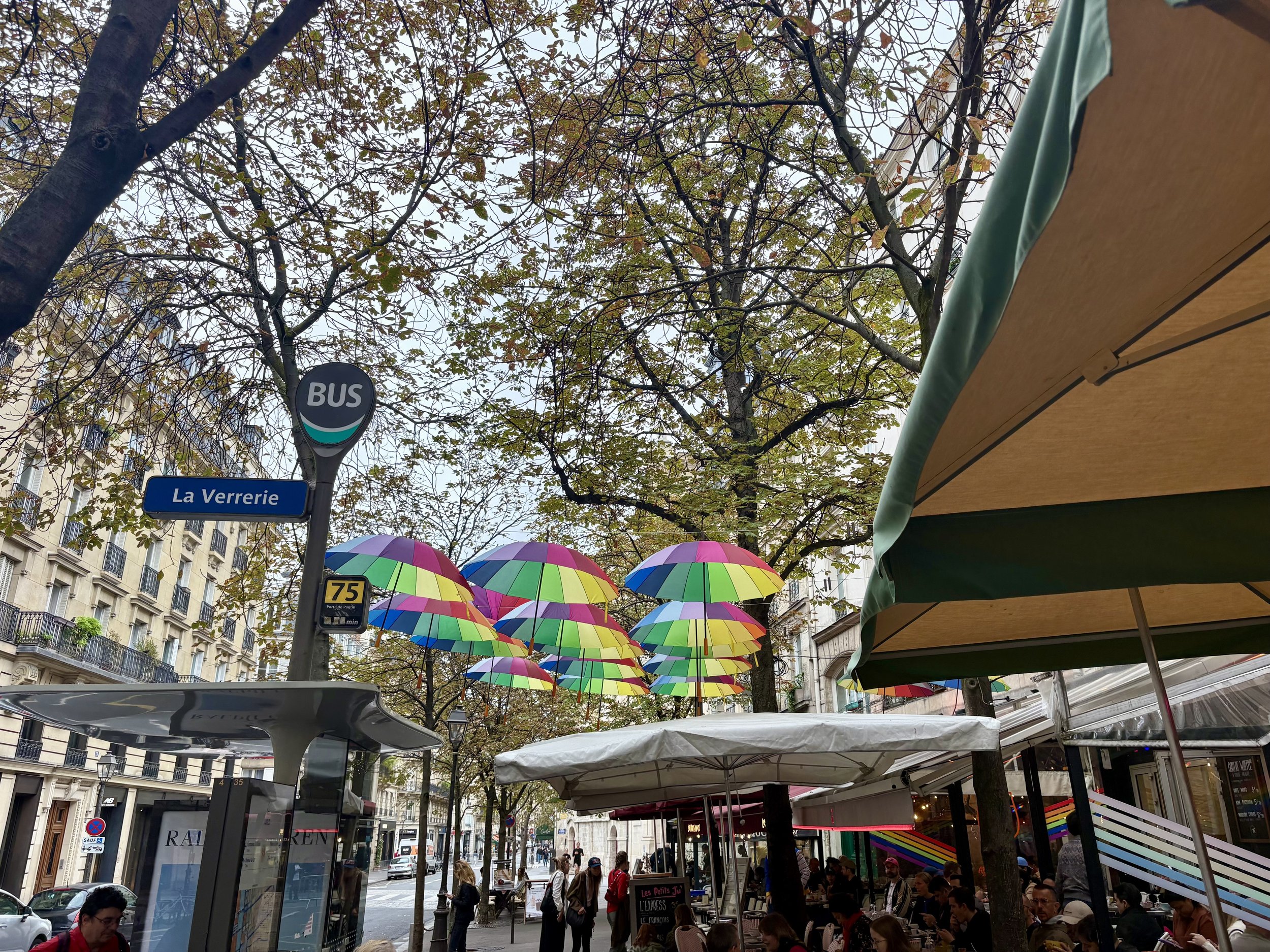
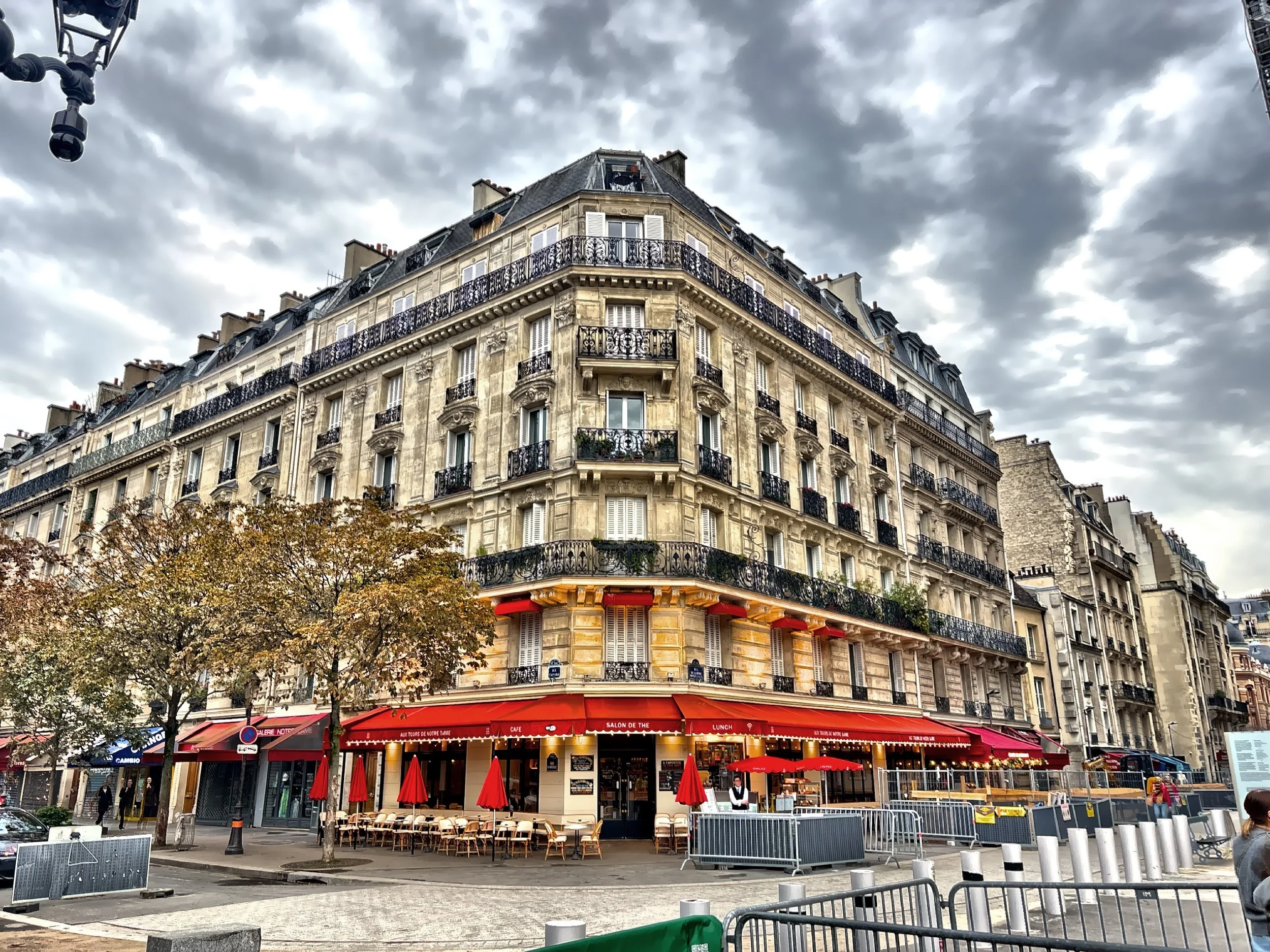
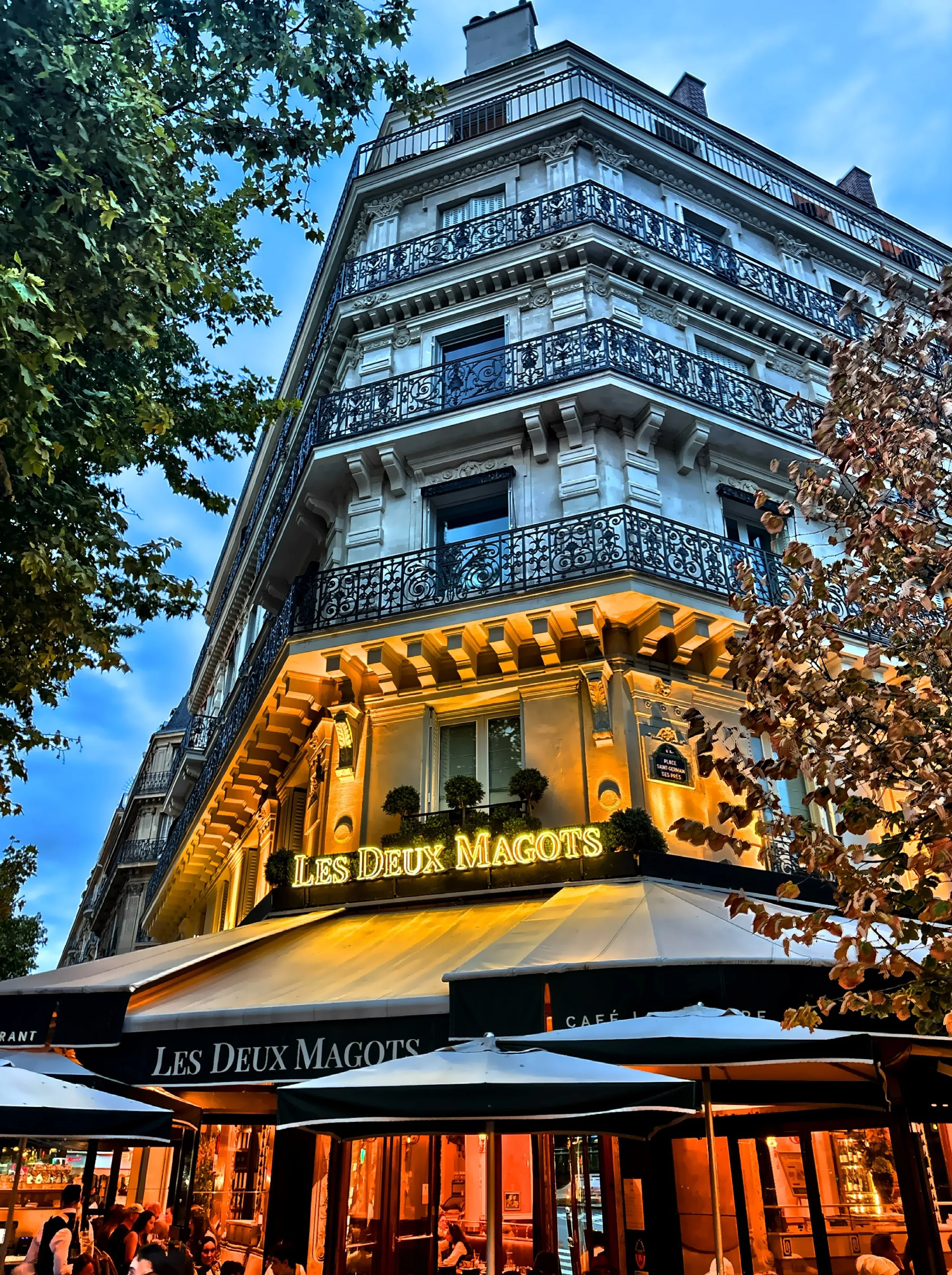
A walk through Paris, France feels calm, lively, and full of small discoveries. As you stroll along the sidewalks, you pass elegant buildings with iron balconies, colorful shop windows, and cafes where people sit talking for hours.
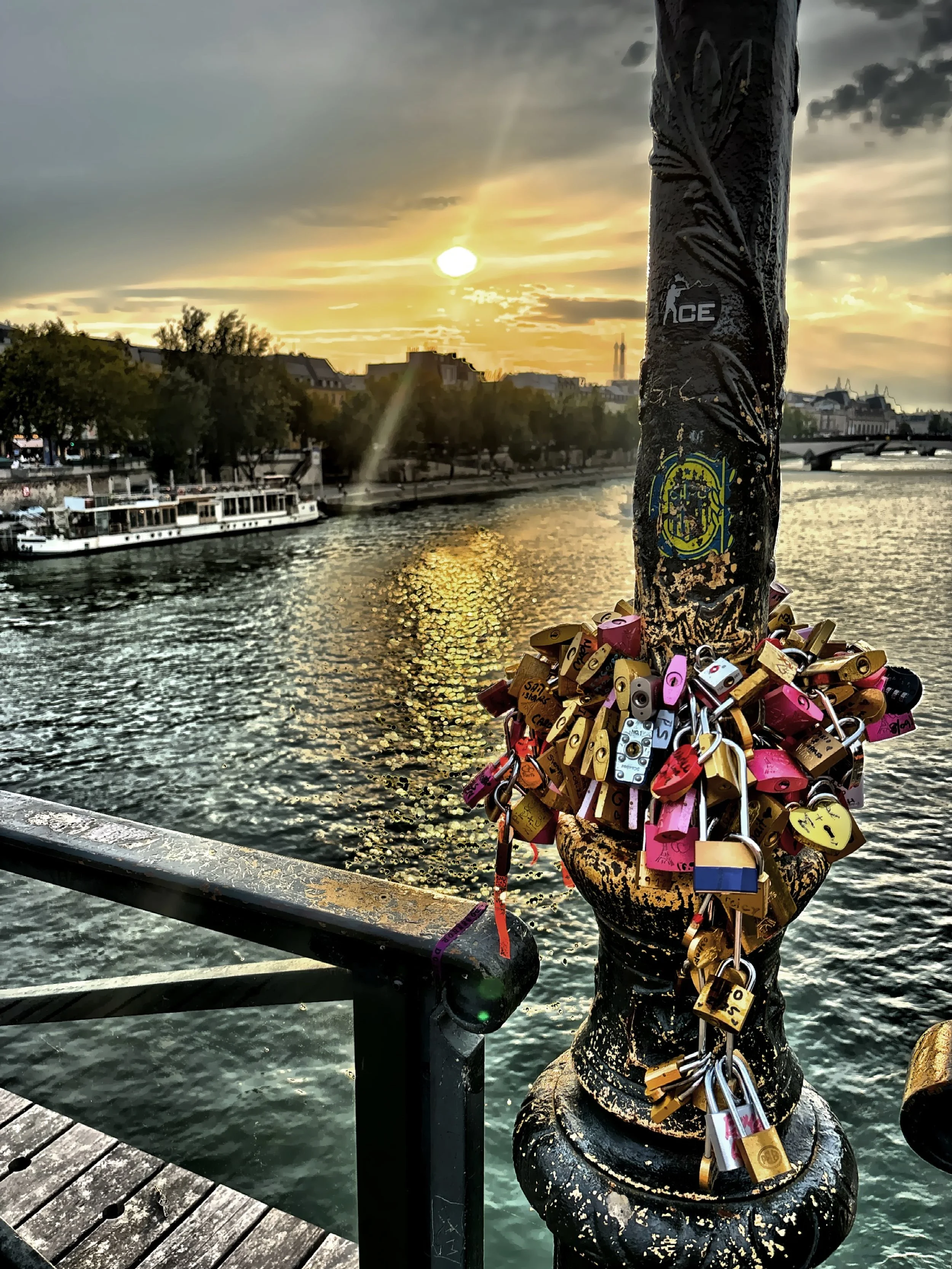
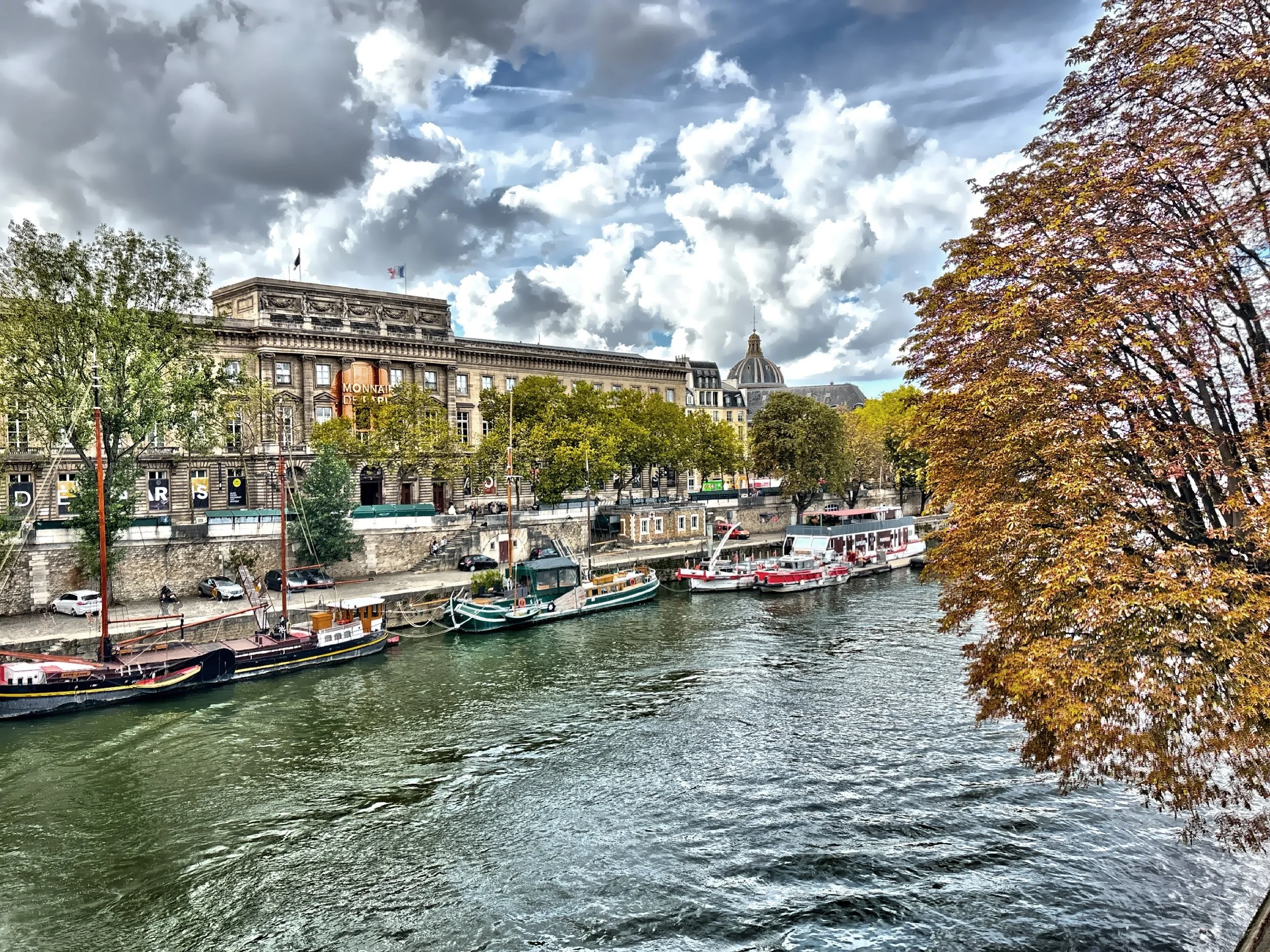
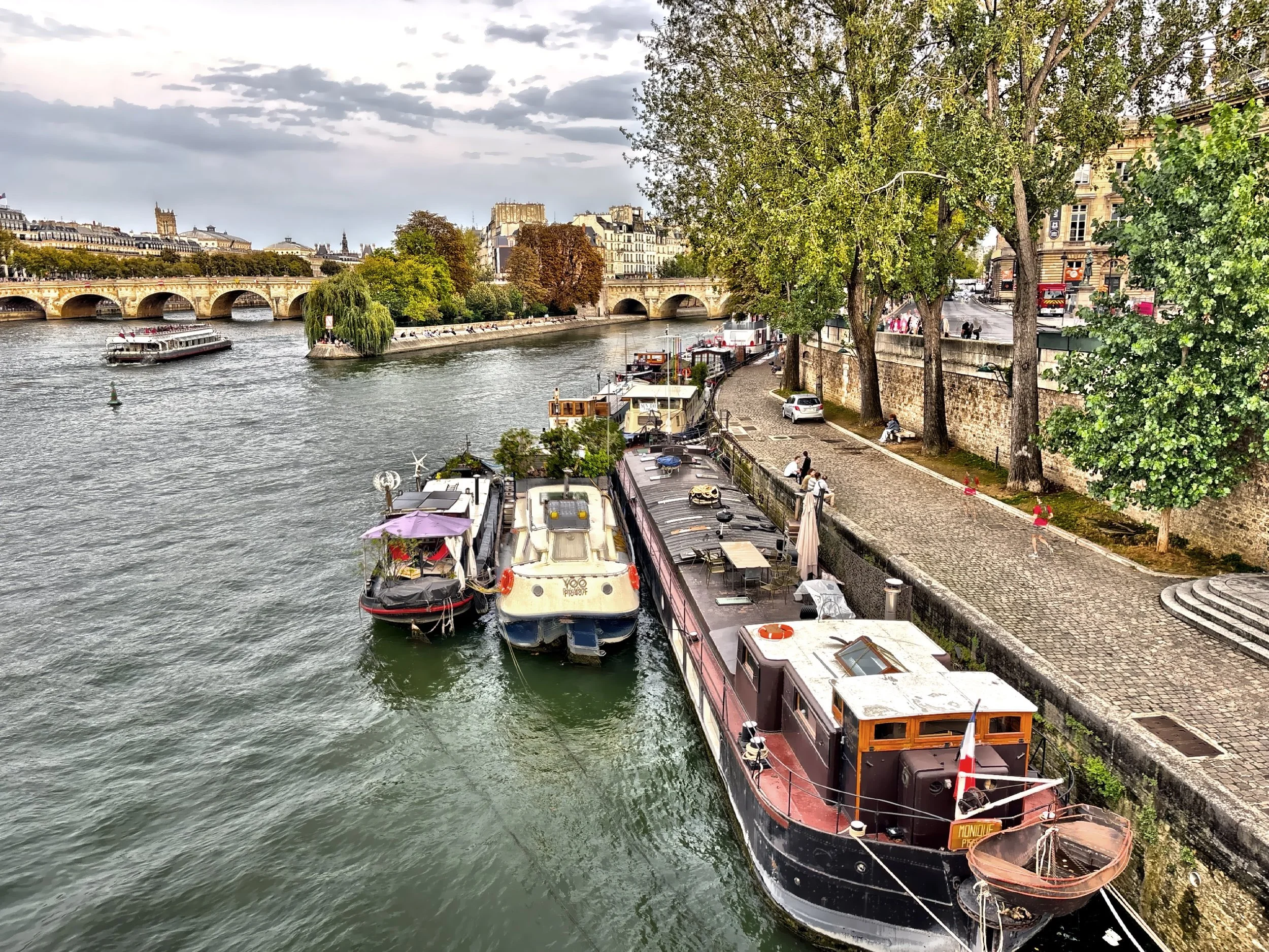
Along the River Seine, boats glide gently across the water while rows of green bookstalls display old novels and art prints. Stone bridges connect different parts of the city, each offering a beautiful view. A turn down a side street might lead to a quiet square, a bubbling fountain, or a hidden bakery.
As you continue walking, the neighborhoods slowly change. Busy streets give way to peaceful parks, and historic churches appear unexpectedly around corners. In places like Montmartre, the streets rise and twist, revealing sweeping city views and artists sketching nearby.
As the day fades, streetlights begin to glow, and the city feels warm and welcoming. A walk through Paris is less about reaching a destination and more about enjoying the atmosphere, the details, and the gentle rhythm of the city itself.
This is what caught my eye - I hope you enjoy!
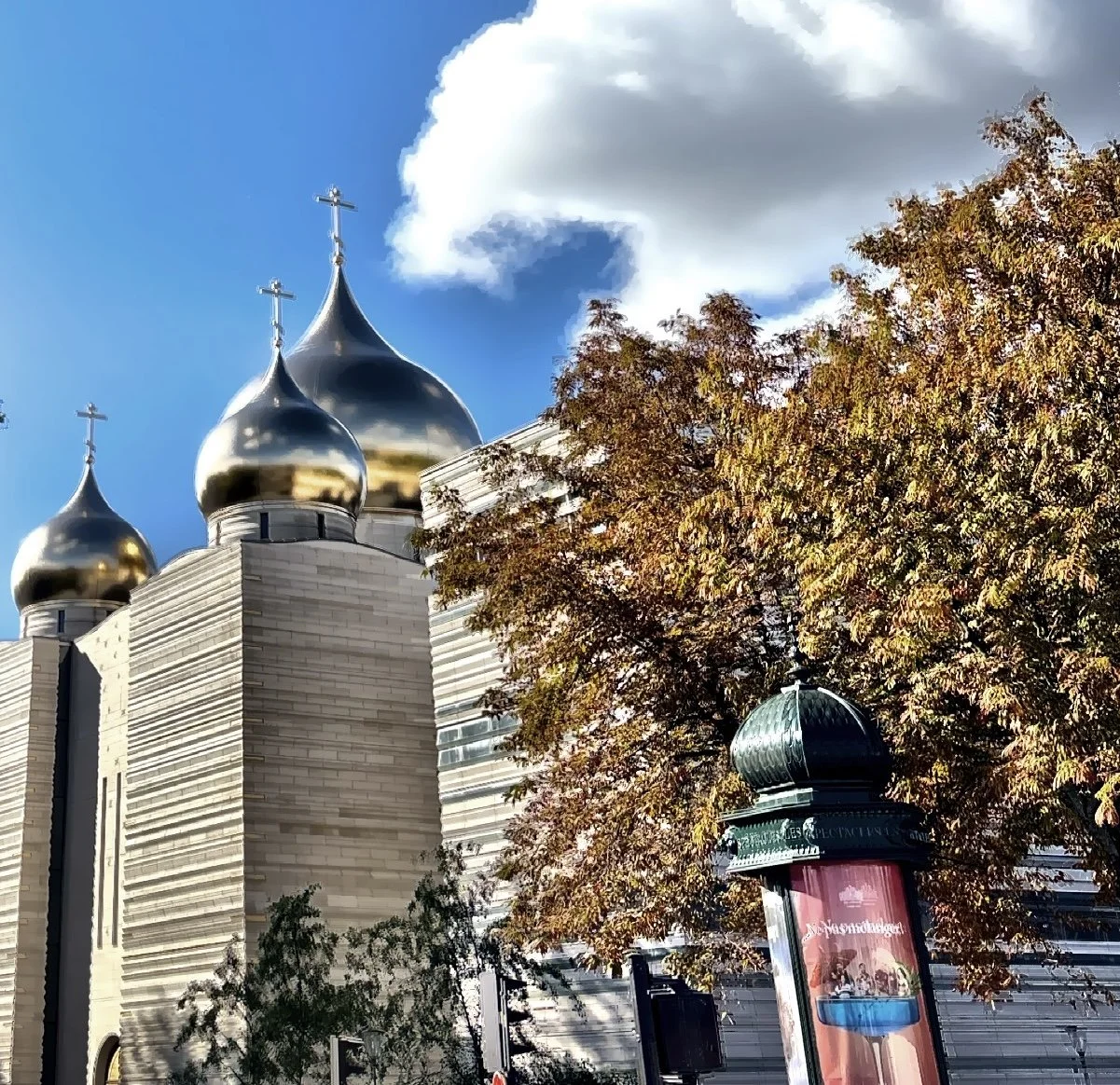
The Holy Trinity Cathedral and the Russian Orthodox Spiriual and Cultural Center.
.
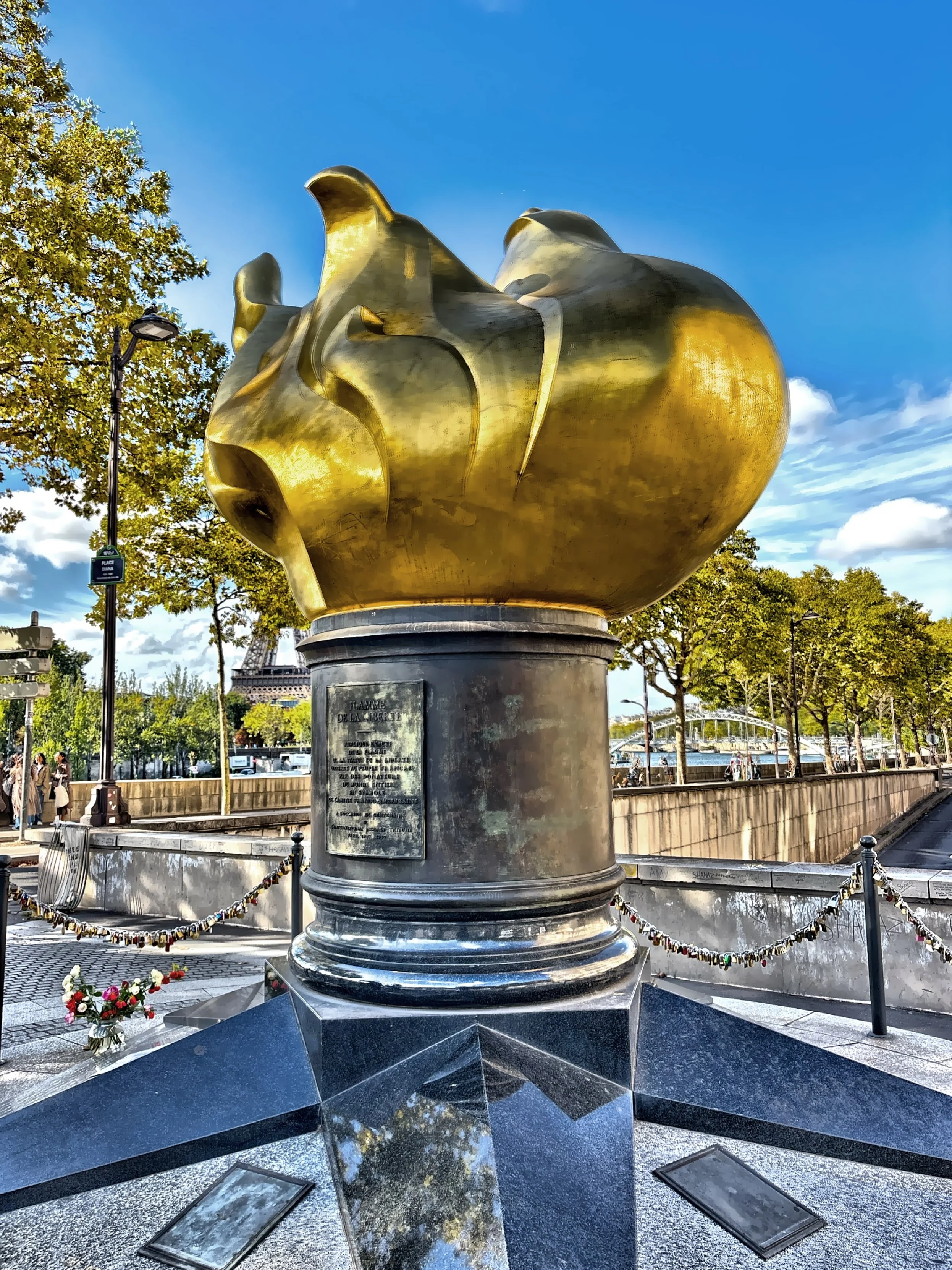
The Flame of Liberty is a full-sized, gold-leaf-covered replica of the torch flame from the Statue of Liberty, located at Place Diana near the Pont de l’Alma tunnel.
.
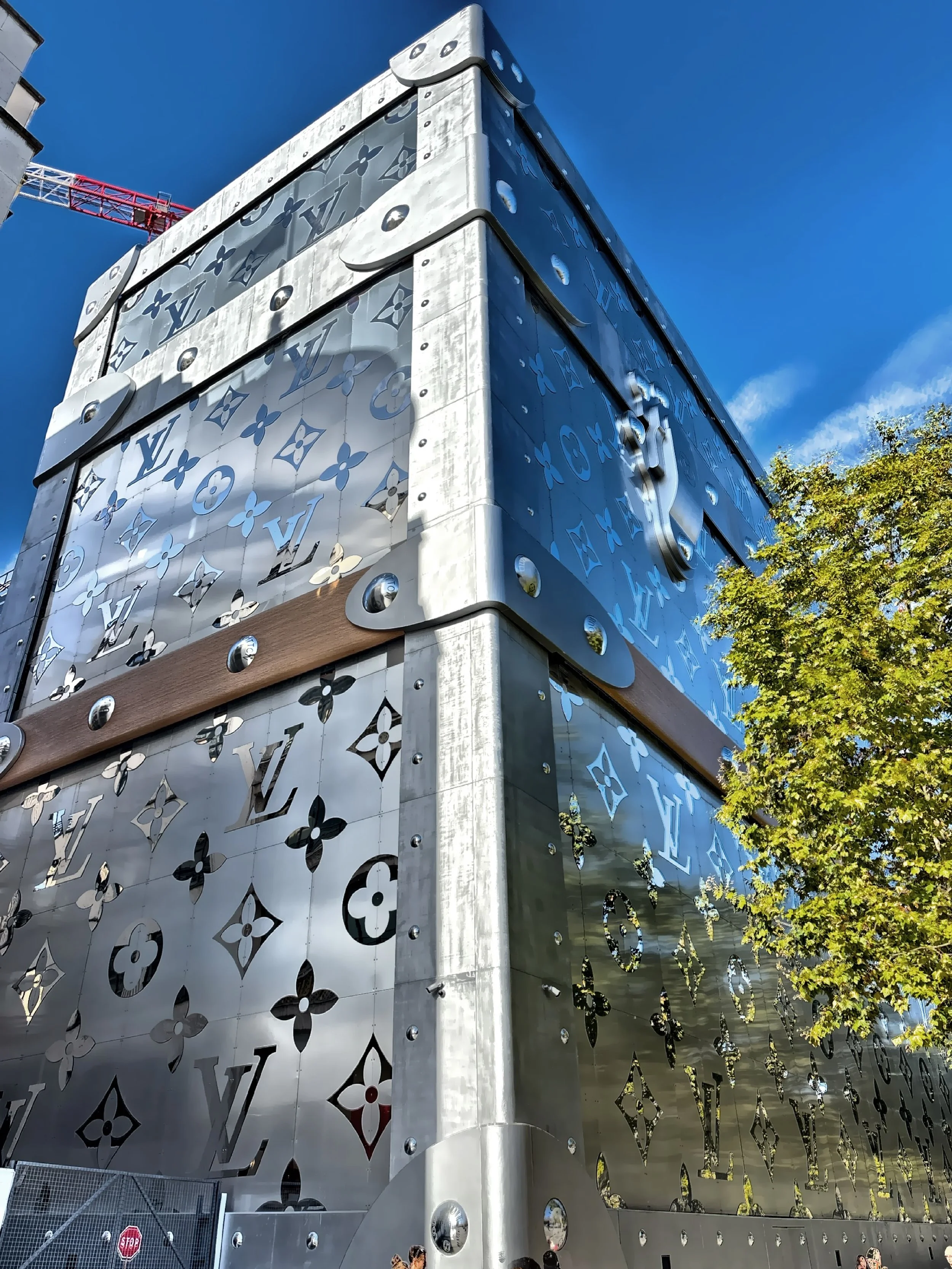
The Louis Vuitton Hotel on Avenue des Chamos-Elysees.
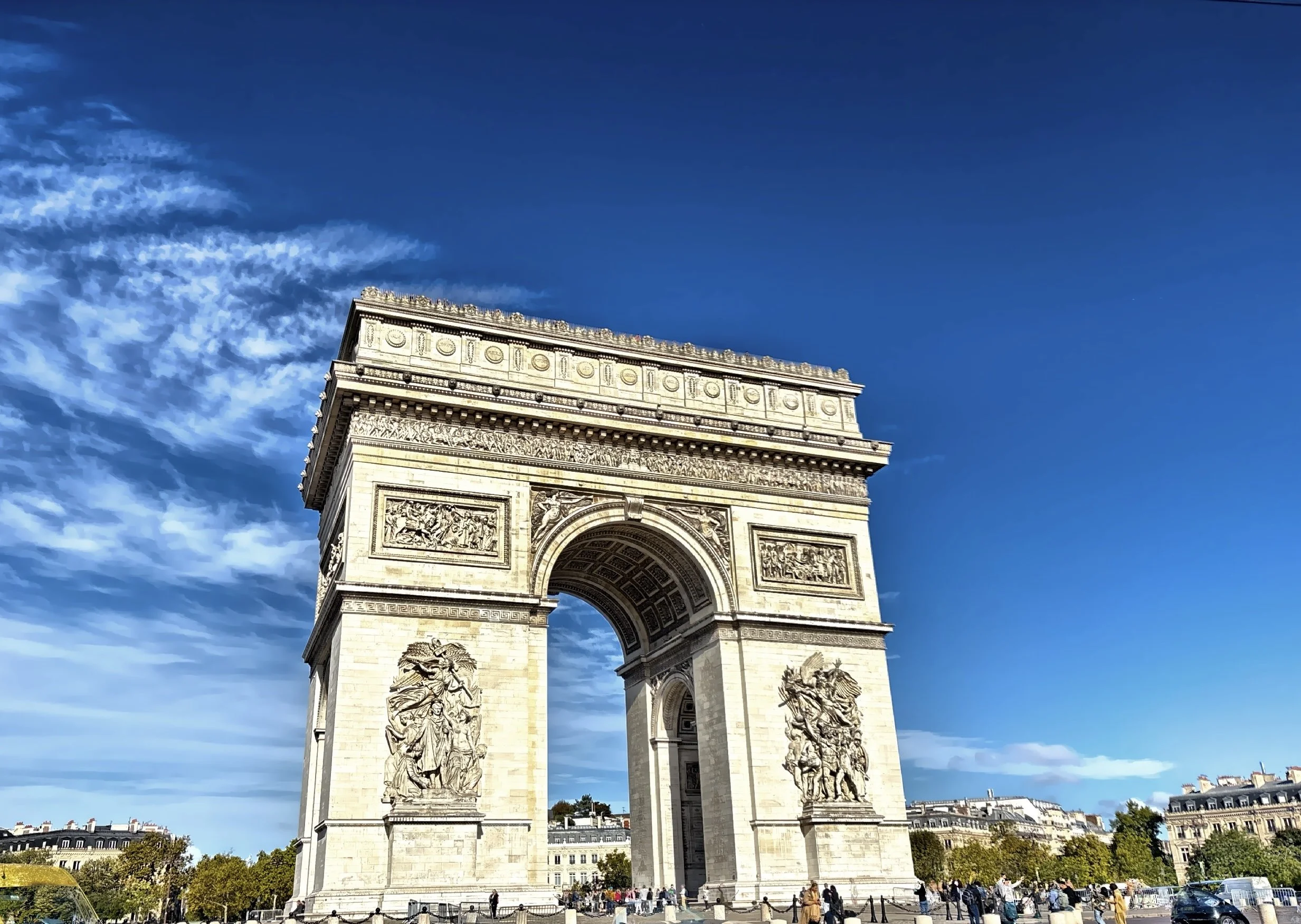
The Arc de Triomphe at the western end of the Champs-Elysees was commissioned ny Napoleon in 1806.
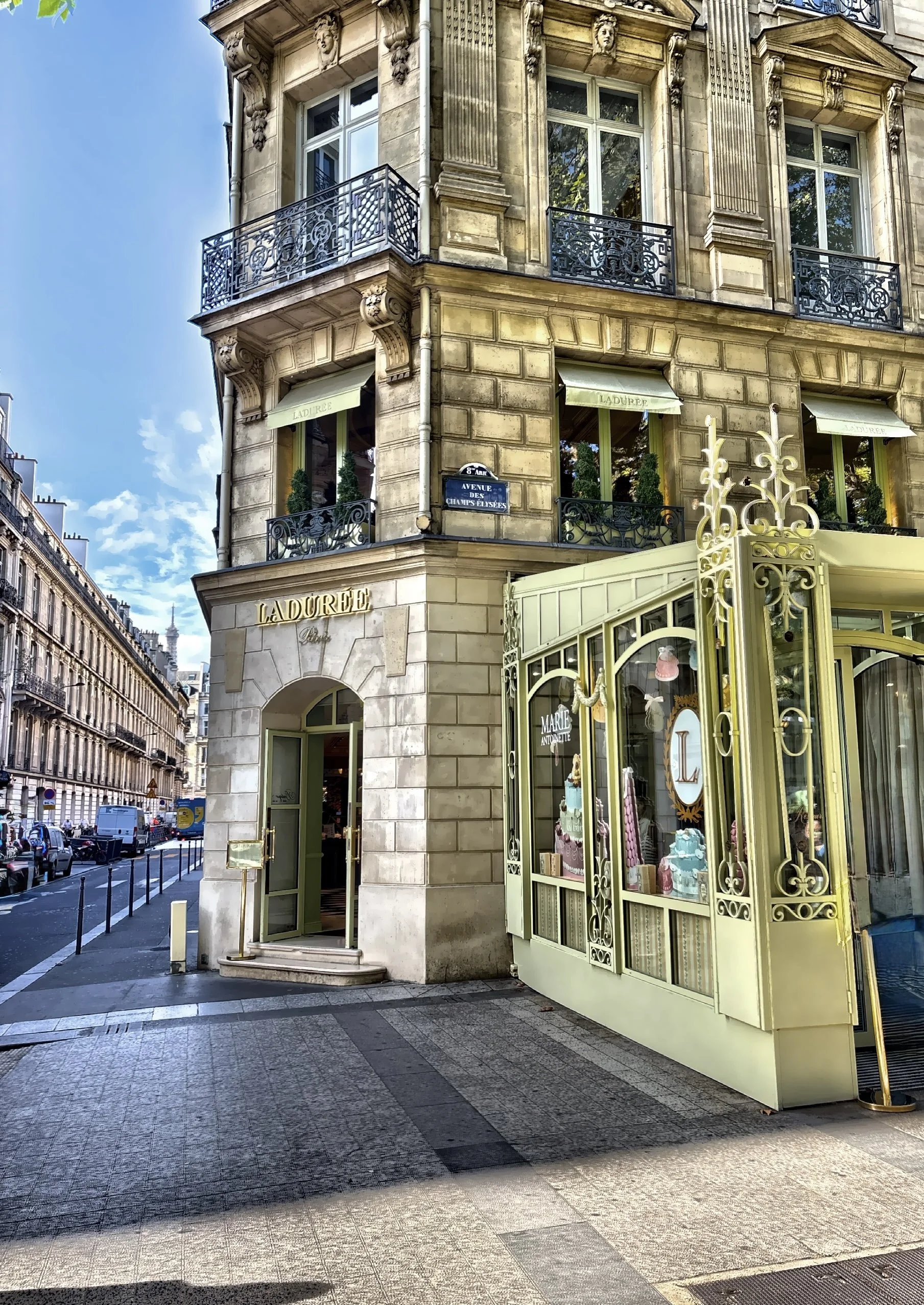
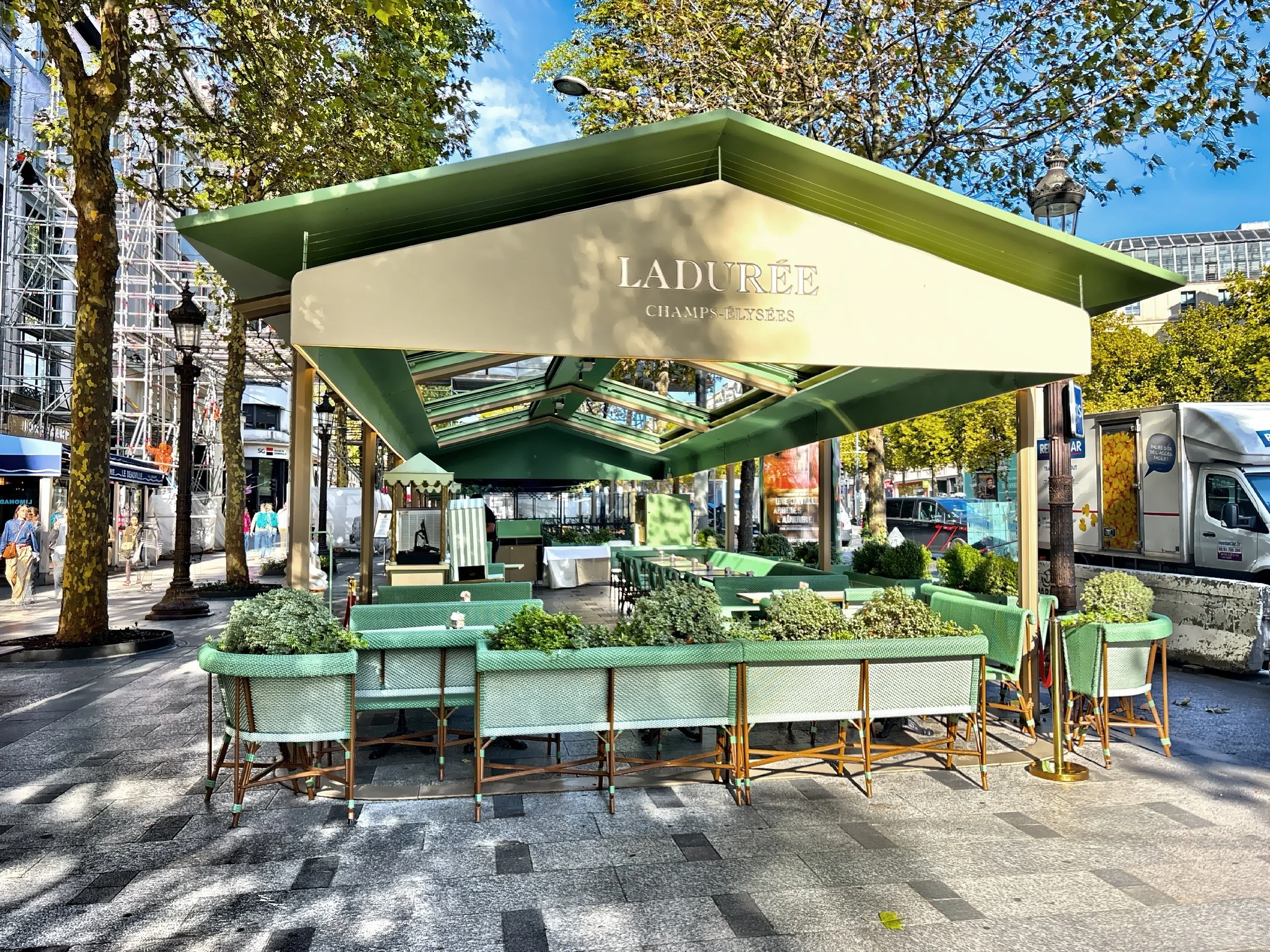
Laduree, the world renowned luxury pastry shop.
Do you like the images posted?
Click here to explore the shop.
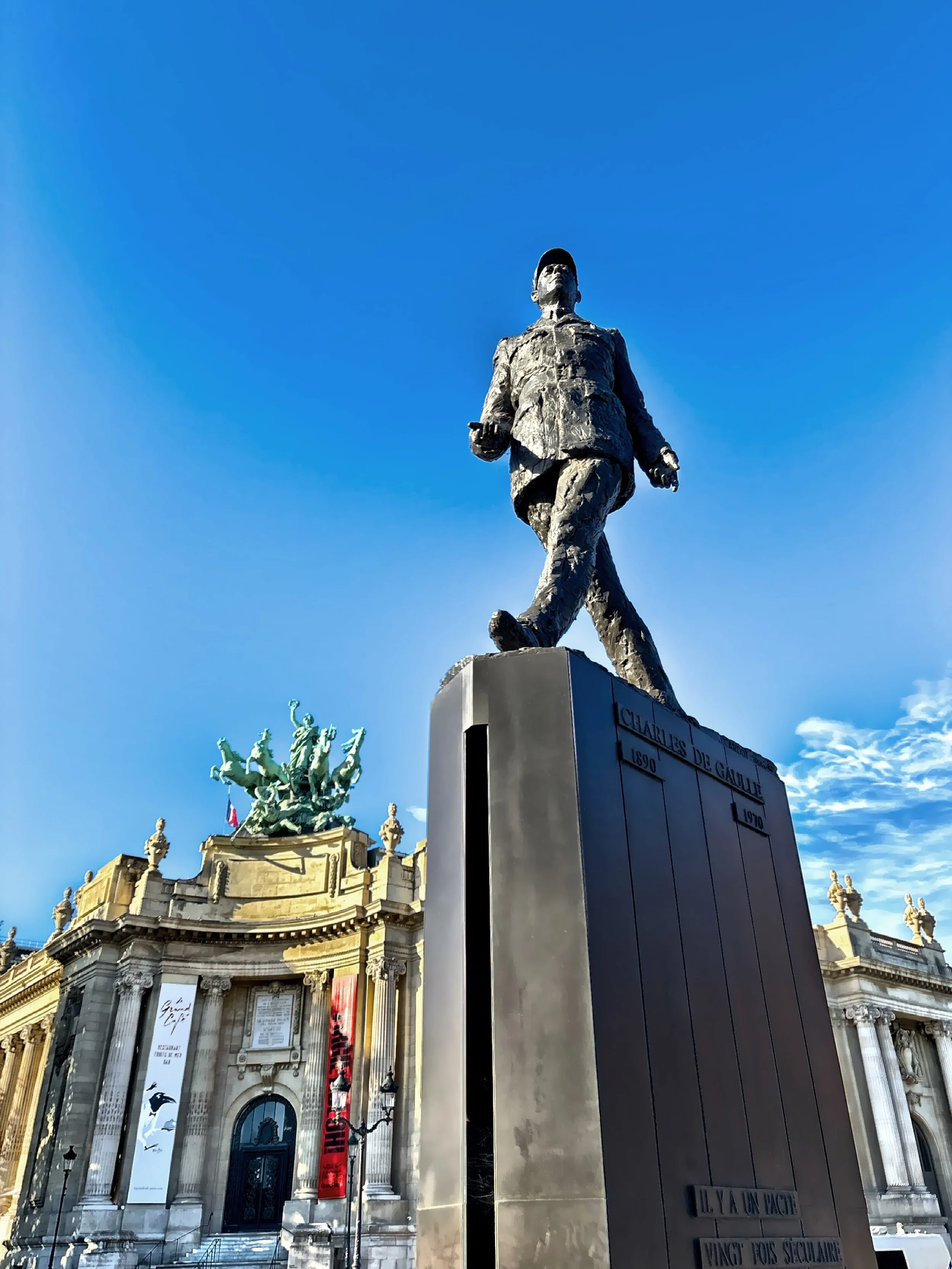
Monument of Chales de Gaulle.
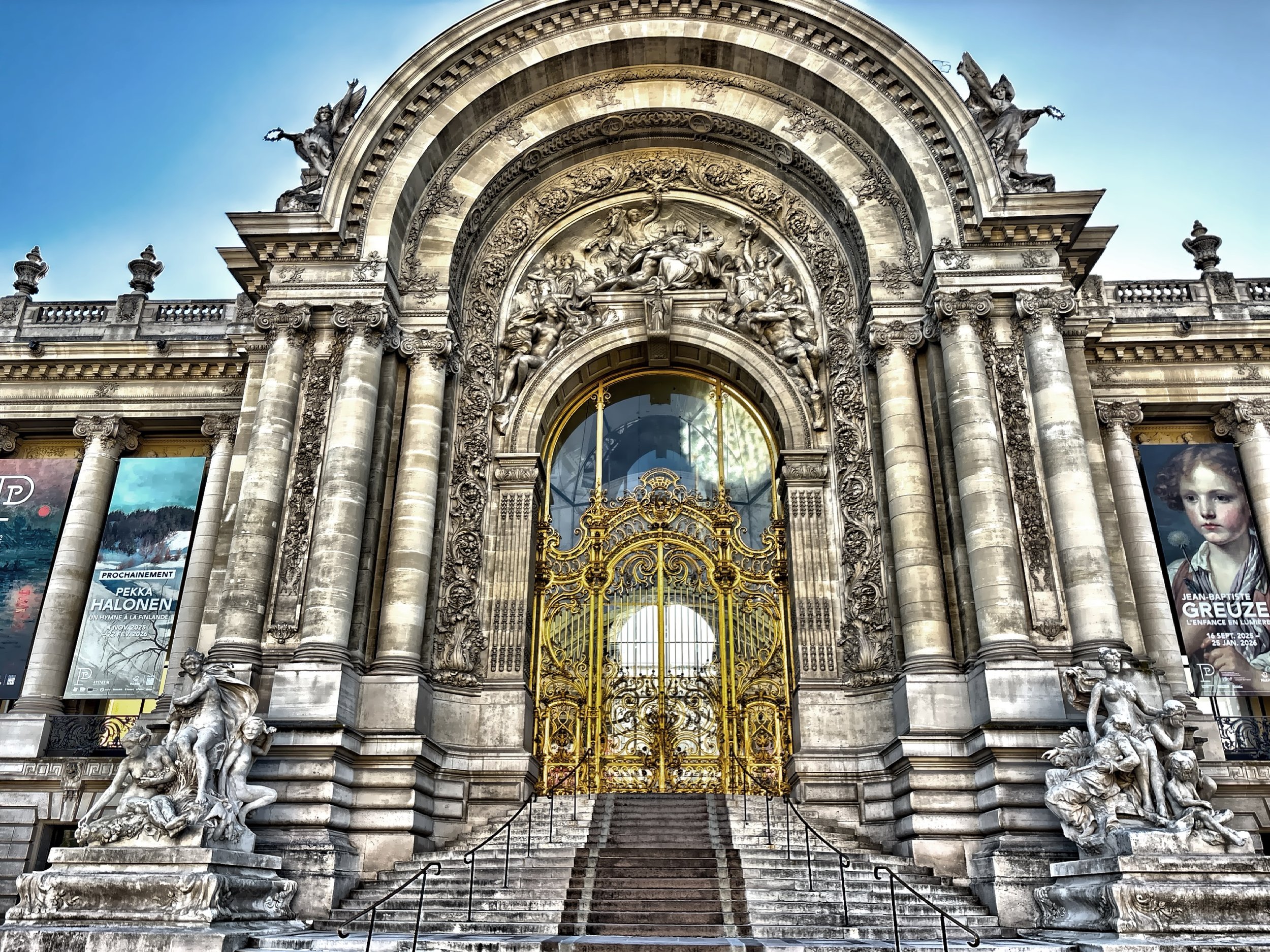
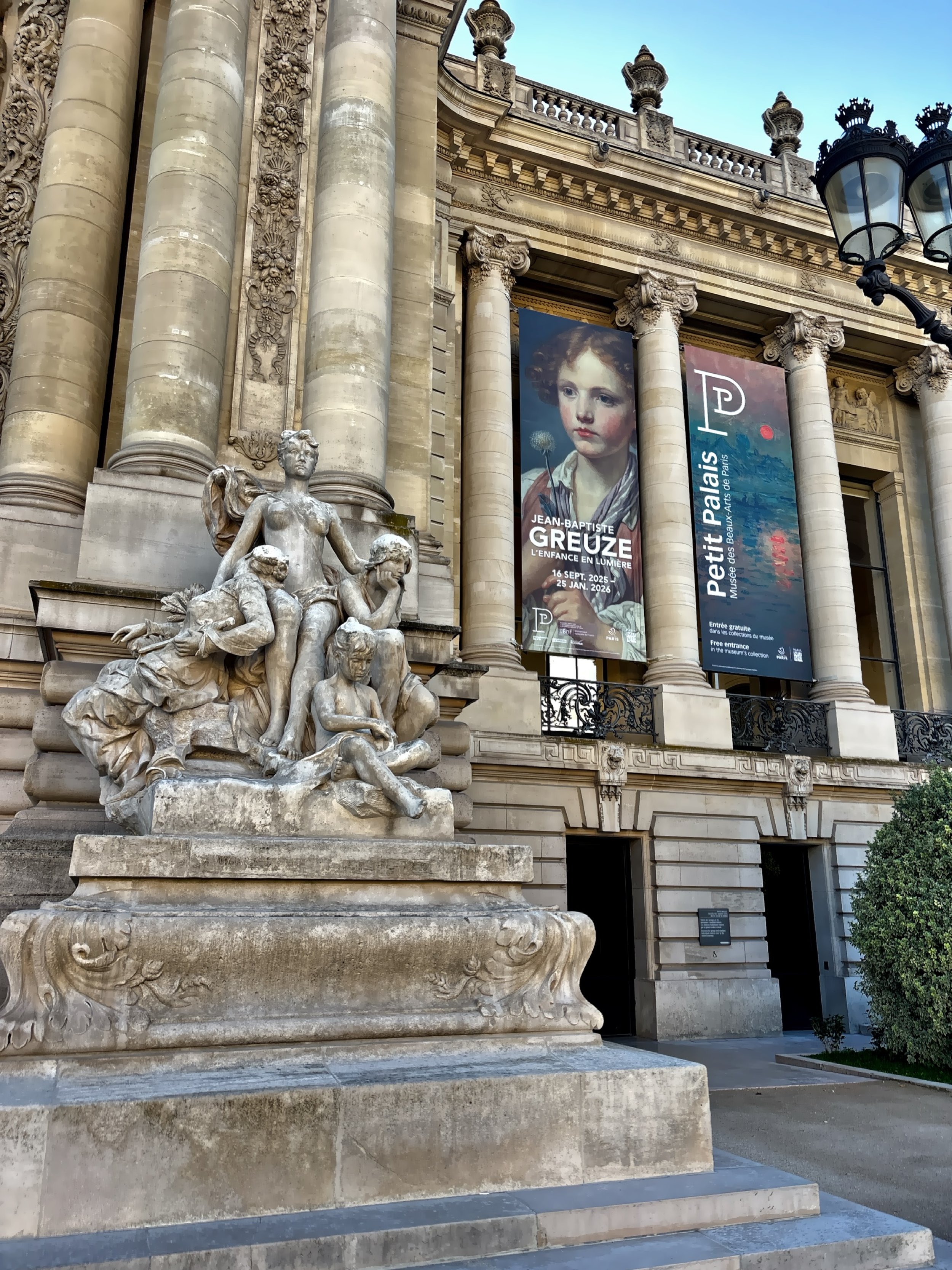
The ornate entrance for the Petit Palais which was built for the 1900 Exposition is now the Fine Arts Museum.
The sculpture of ‘La Seine et ses affluents’ by Desire-Maurice Ferrary in front of Petit Palais.
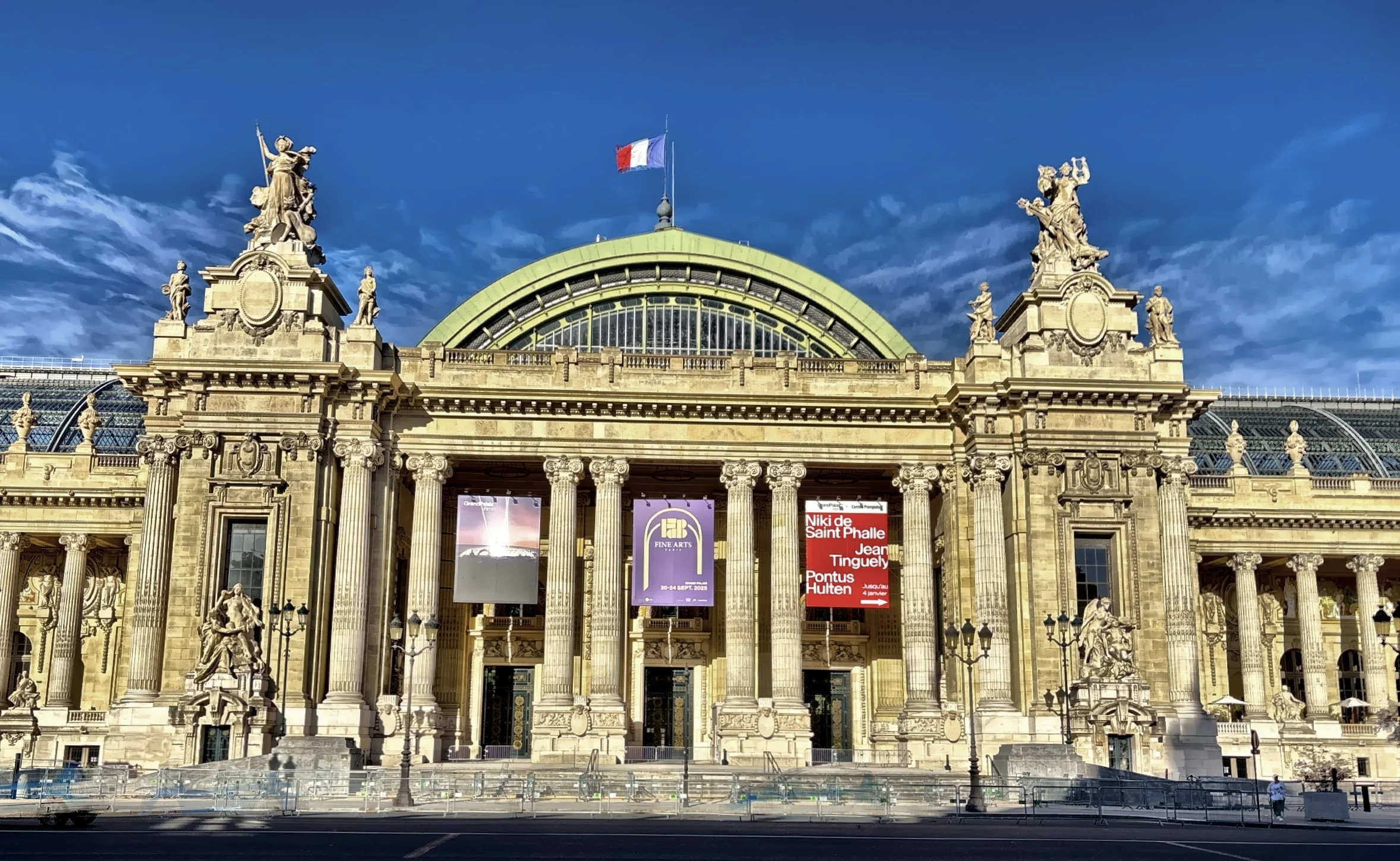
The Grand Palais was also built for the 1900 Exposition and is now a museum complex.
.
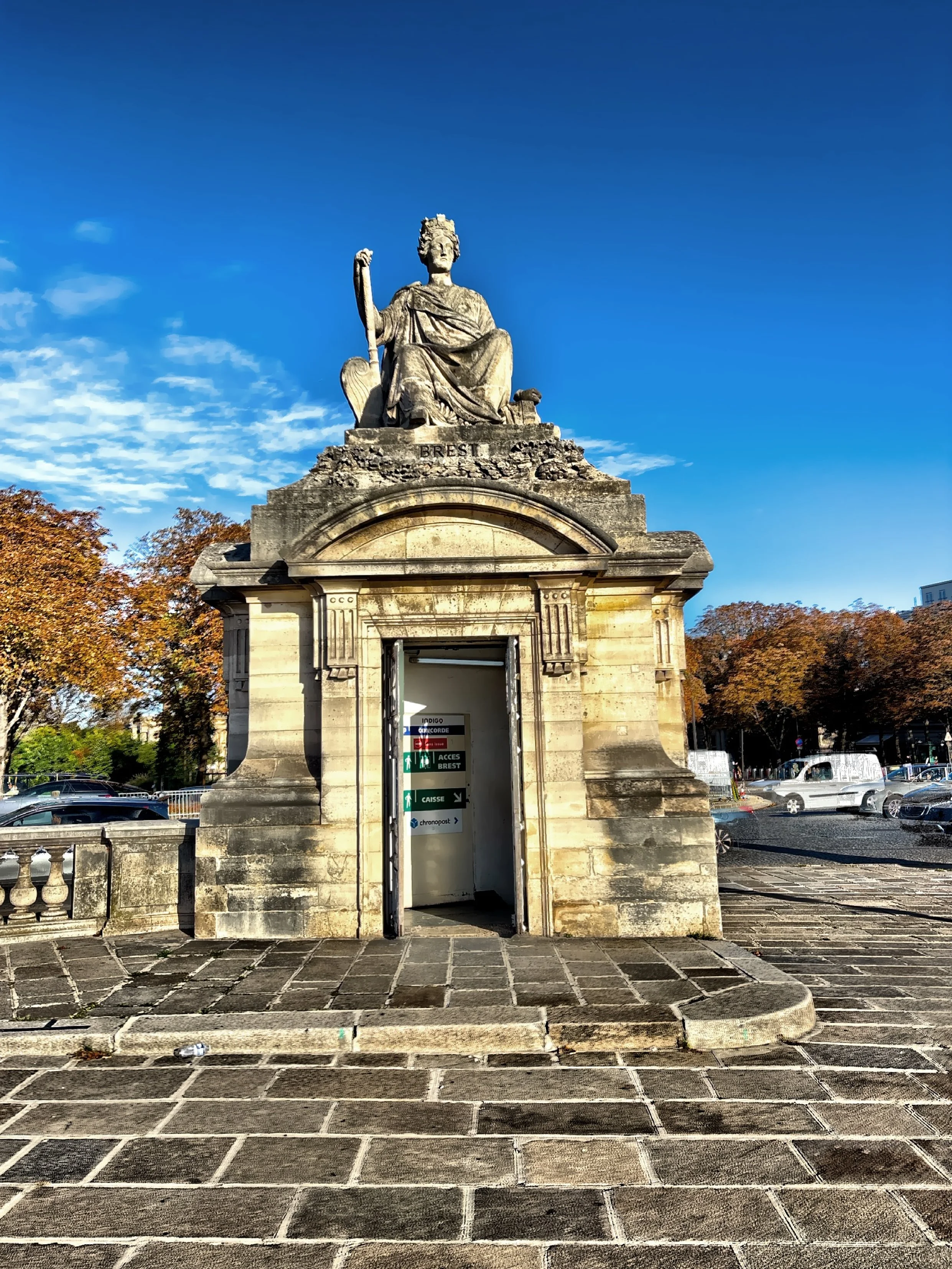
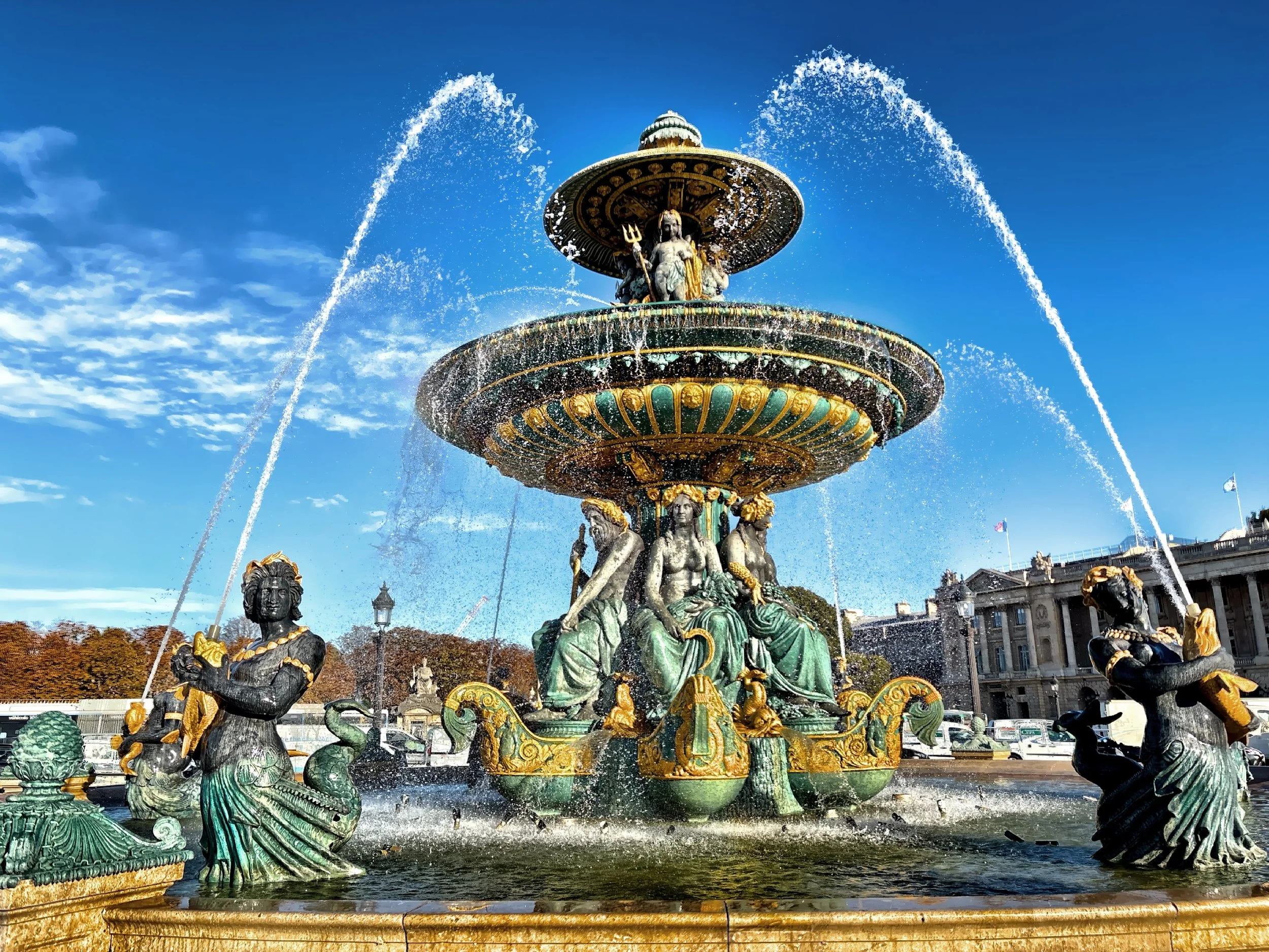
Place de la Concorde, the larges square in the capital city.
Fontaines de la Concorde designed by Jacques Ignace Hittorff and completed in 1840..
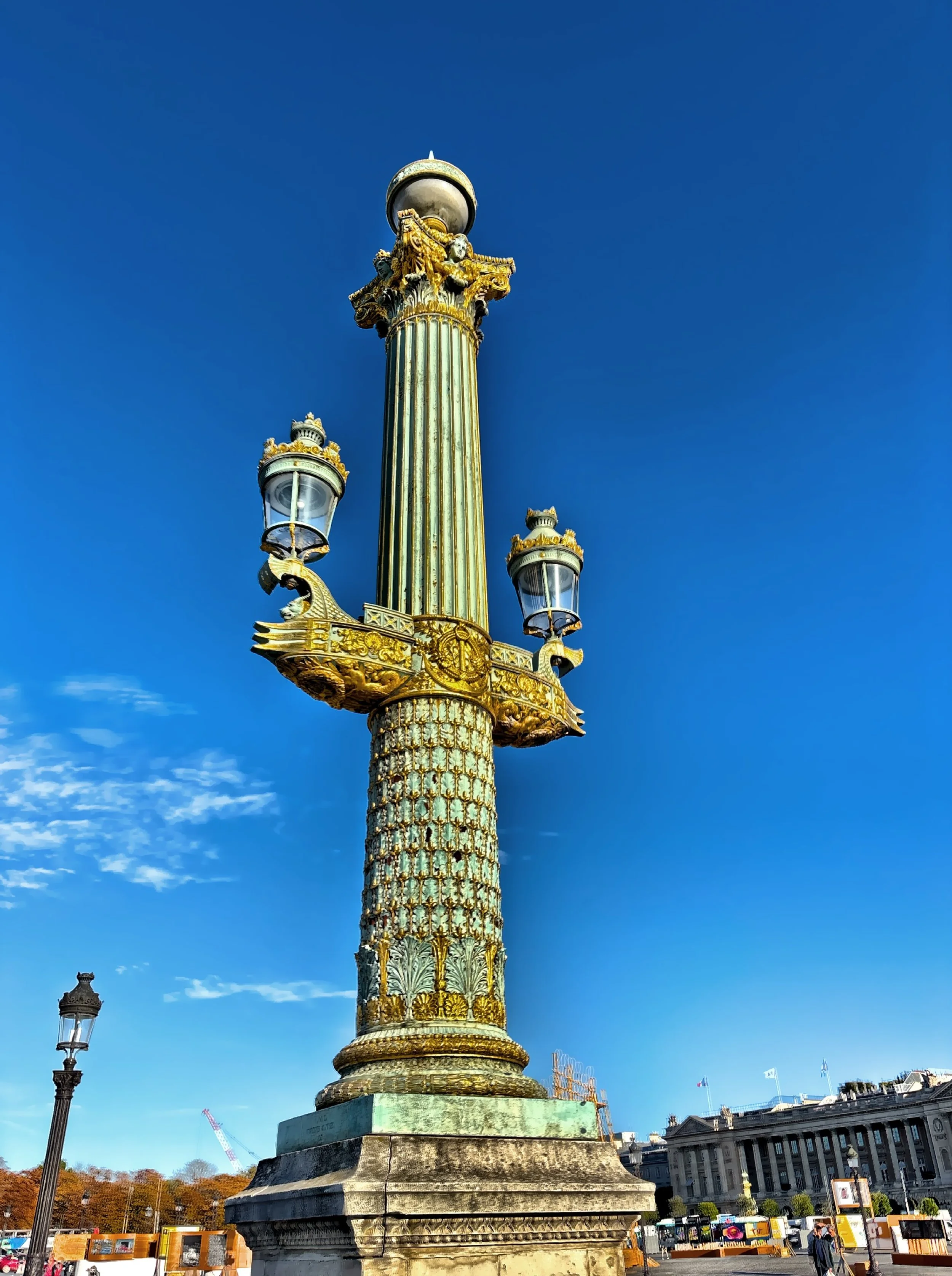
The gilded lampposts located in the square.
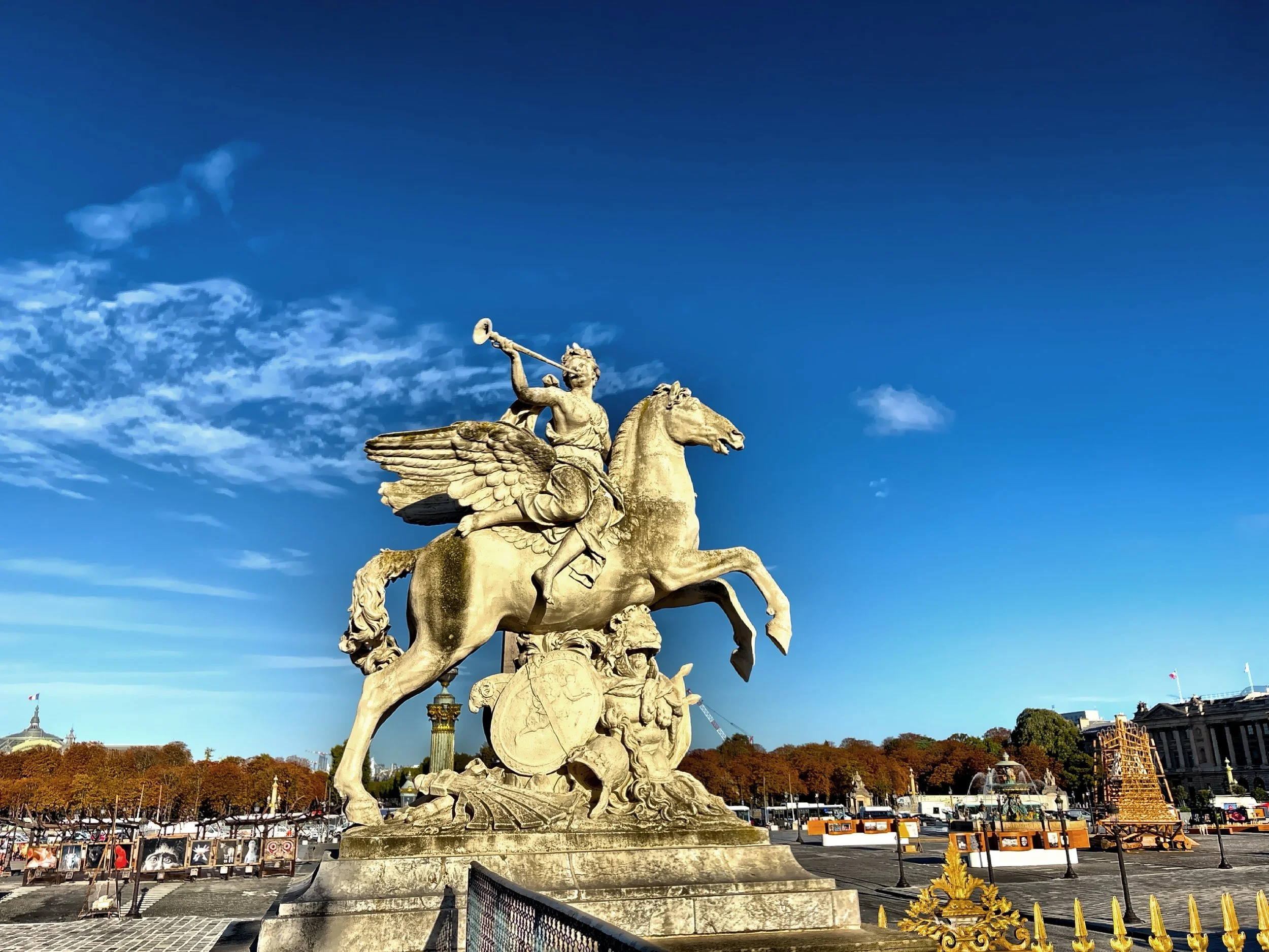
A copy of ‘Flame Riding Pegasus’ by Antoine Coysevox in the Tuileries Gadens. The original marble sculpture is housed in the Louvre.
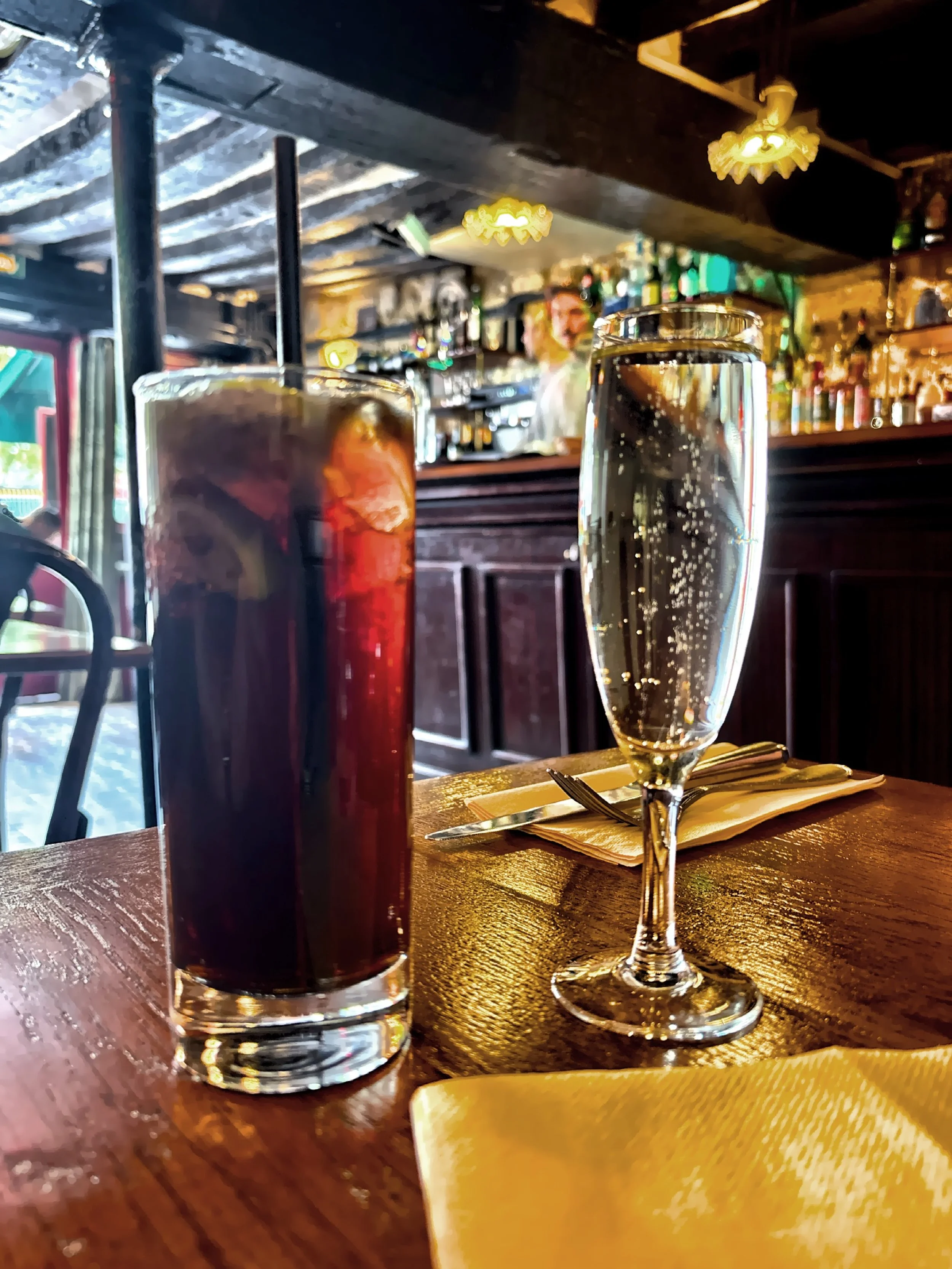
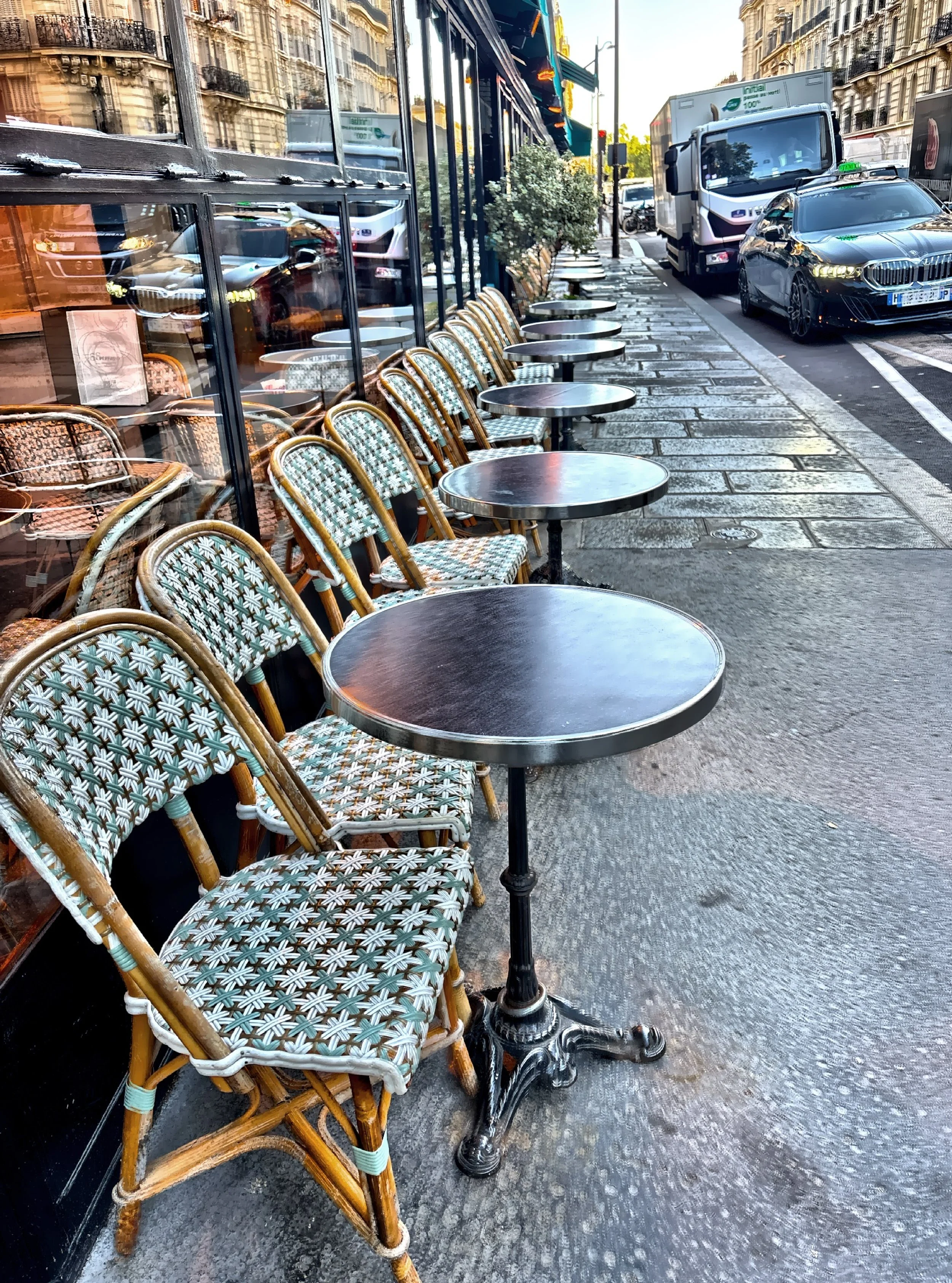
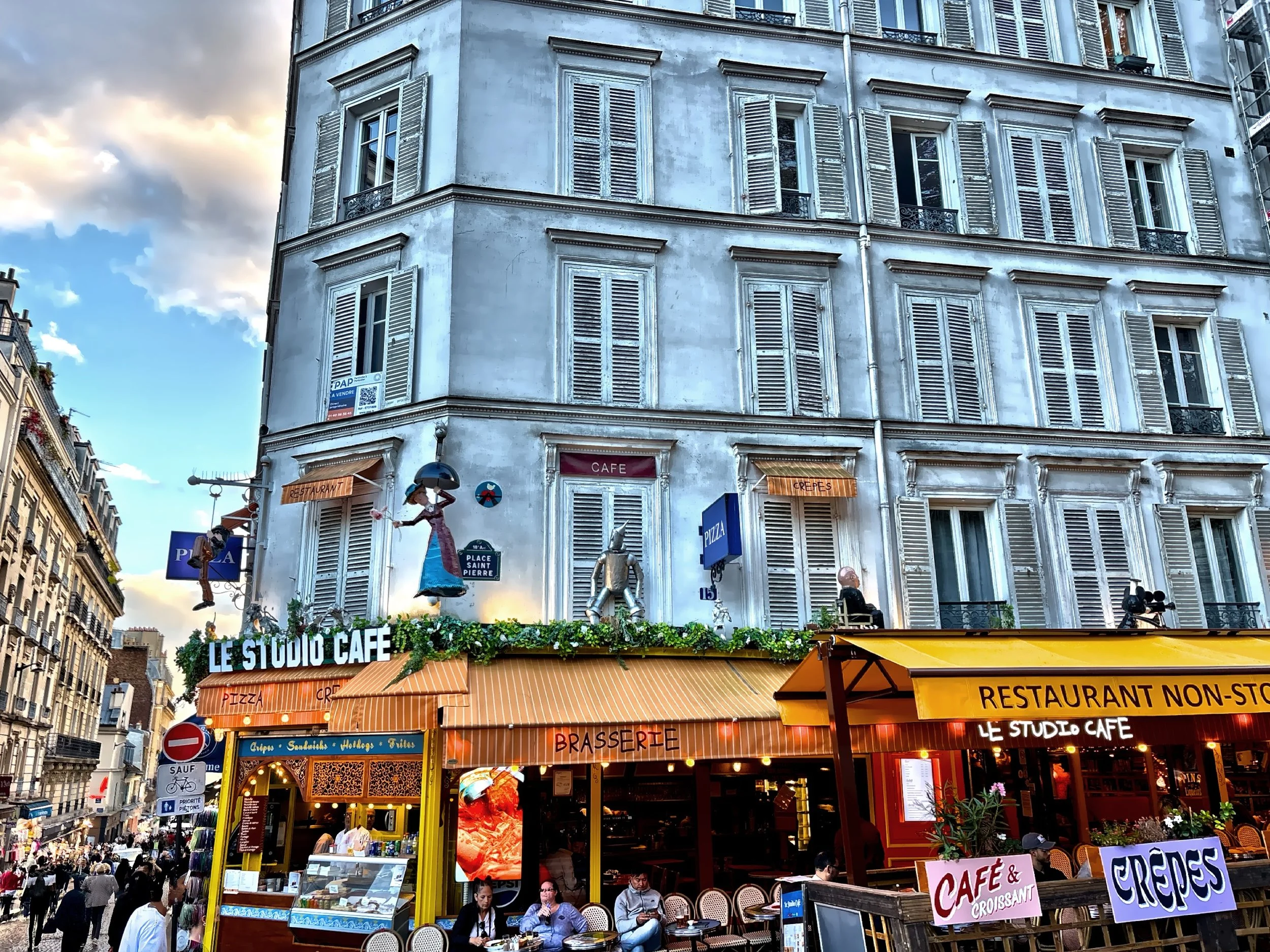
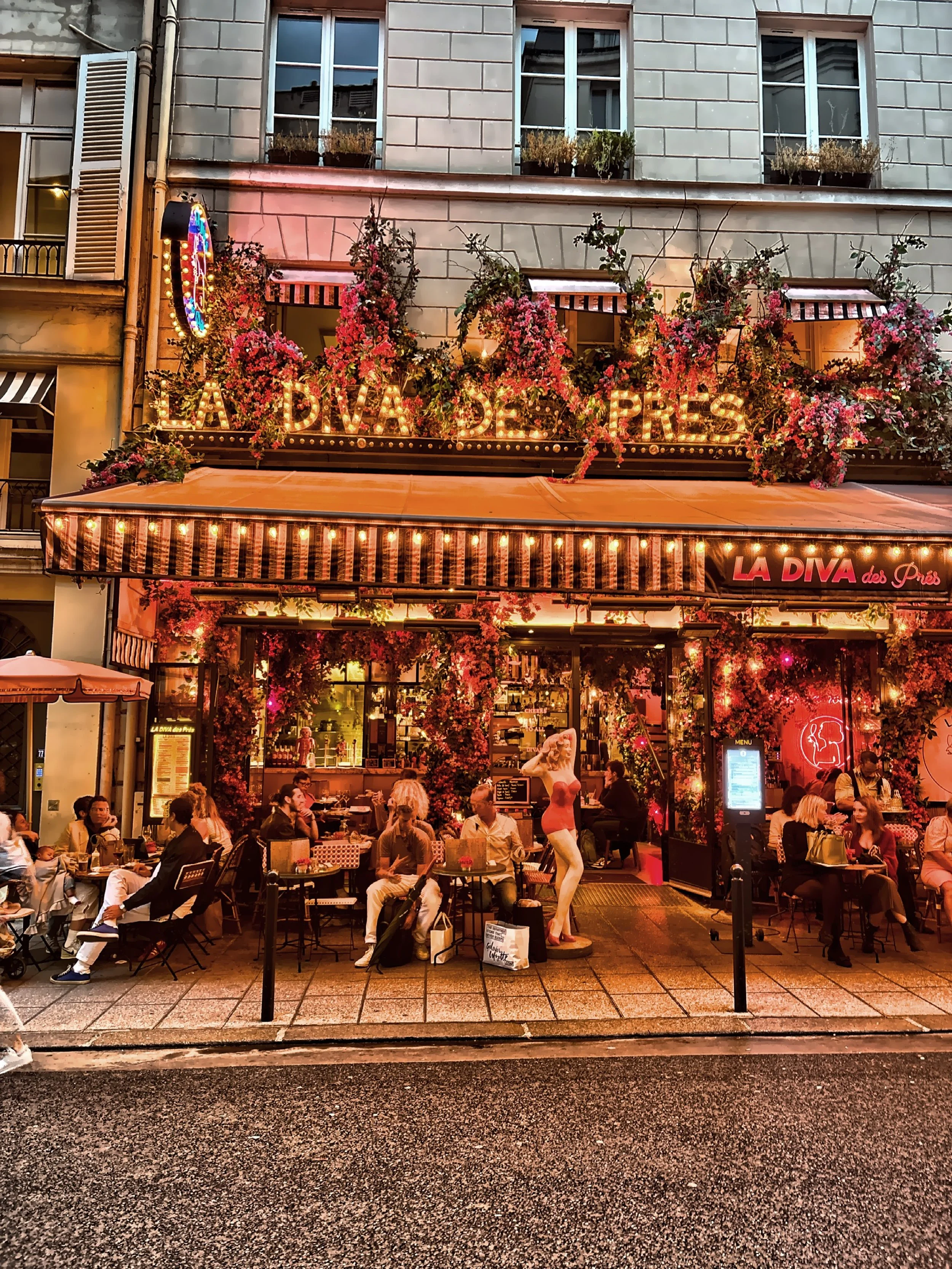
In Paris, sitting at a cafe isn’t mainly about eating or drinking—it’s about watching city life go by. Facing the street lets you observe pedestrians, fashion, dogs, conversations, and the general rhythm of the neighborhood. The street is treated almost like a live theater
.
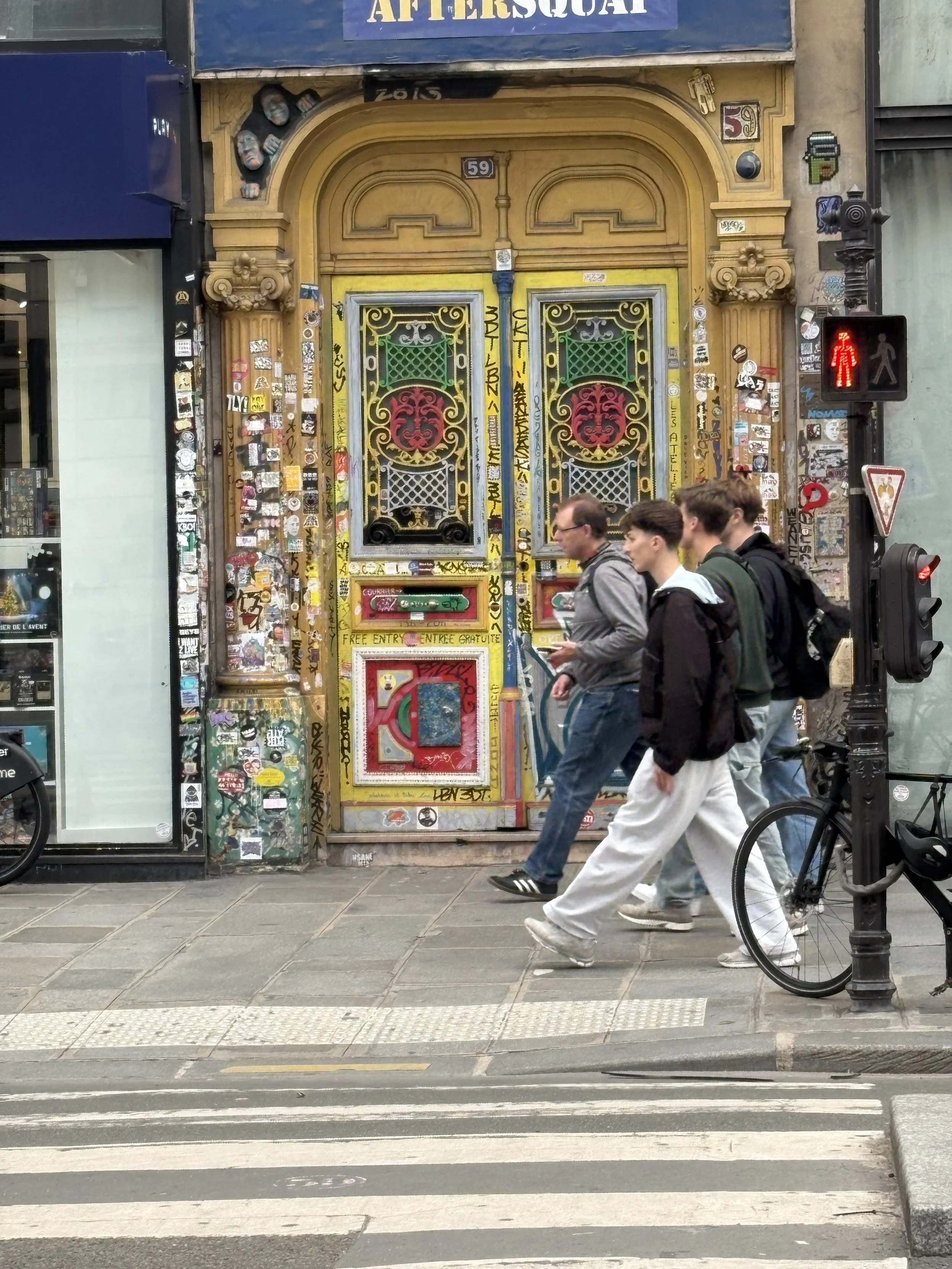
The entrance to 59 Rue de Rivoli, a well known art center.
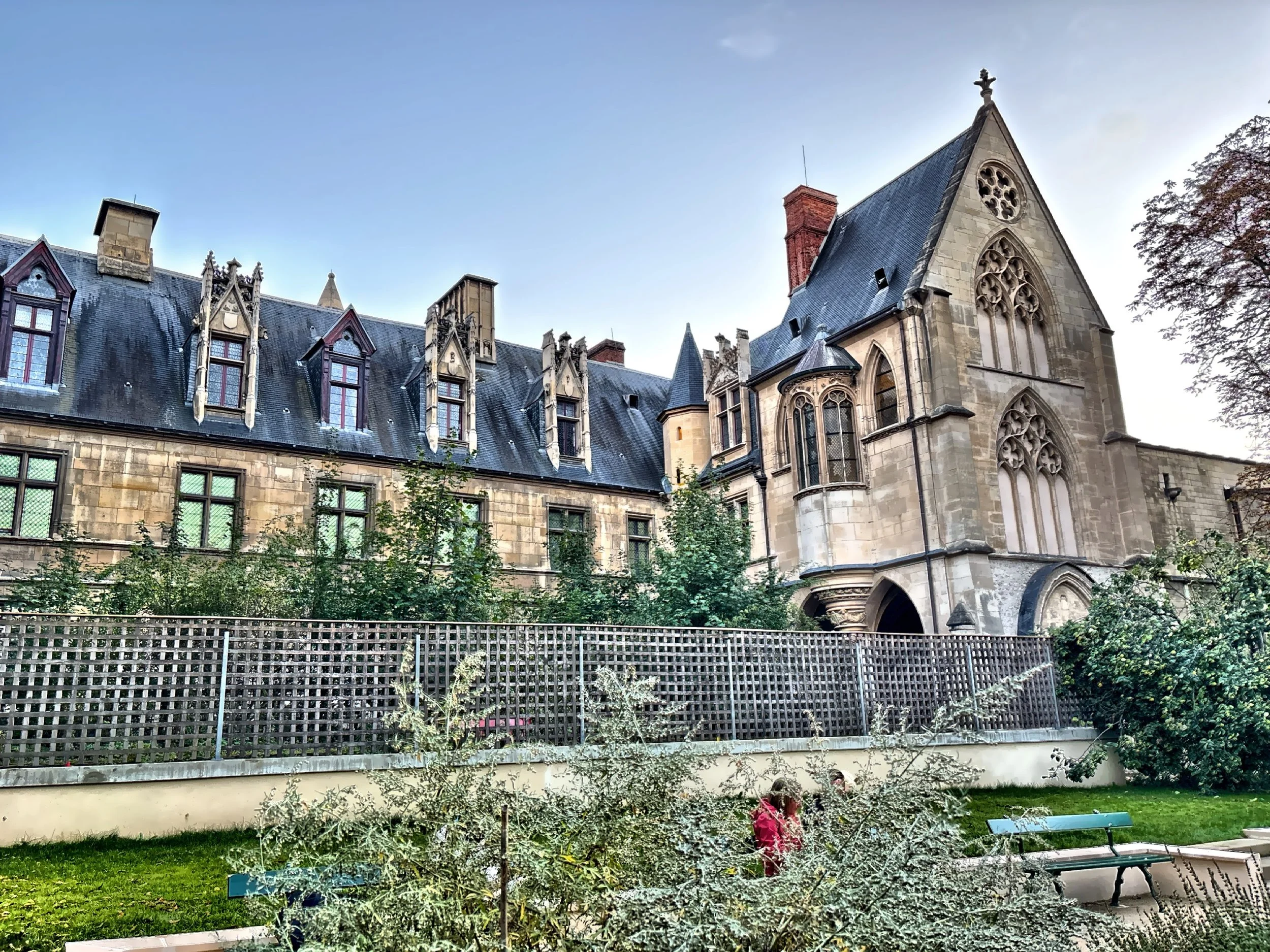
The Musee de Cluny, also known as the National Museum of the Middle Ages, is house in a former medieval mansion.
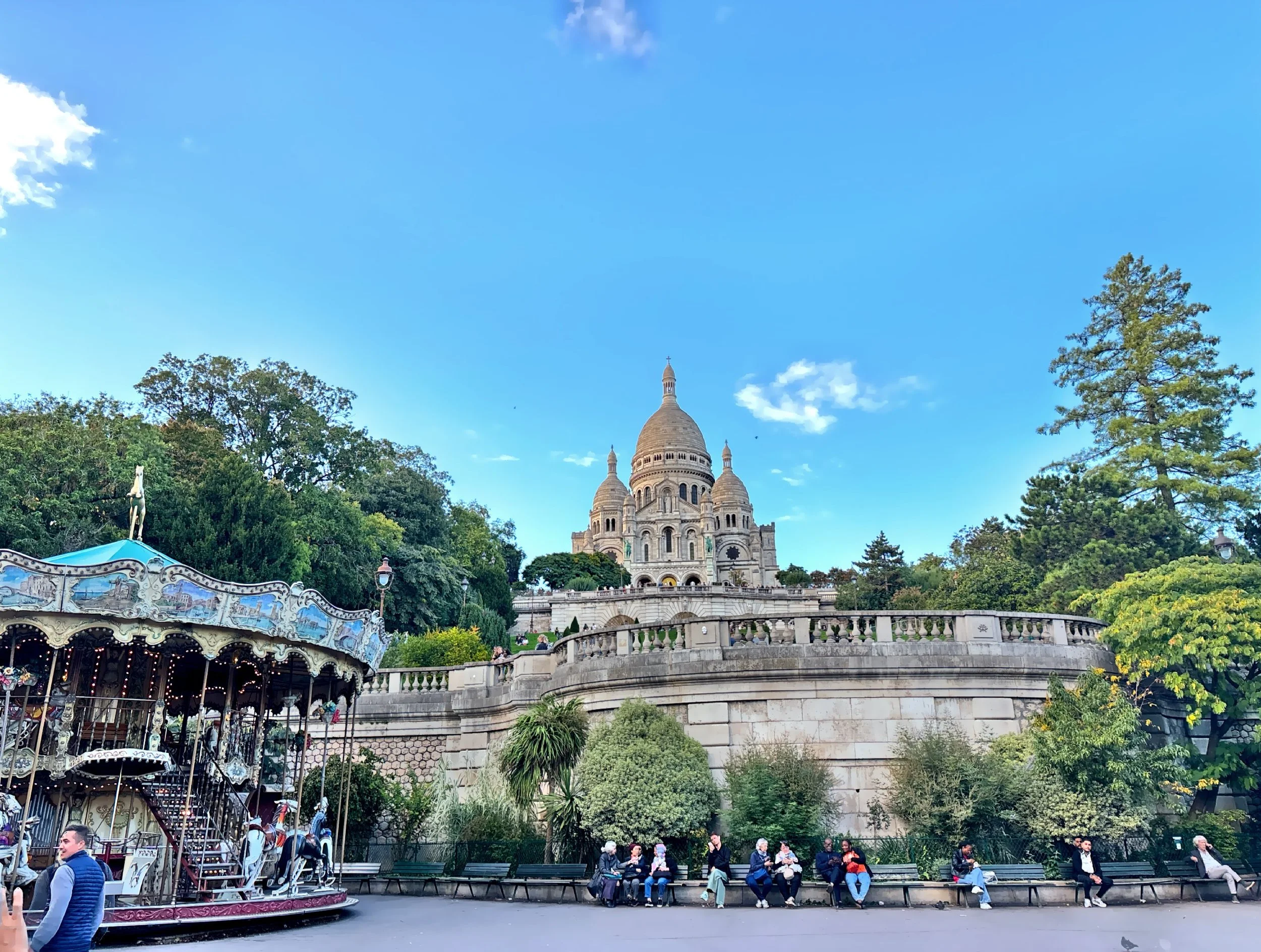
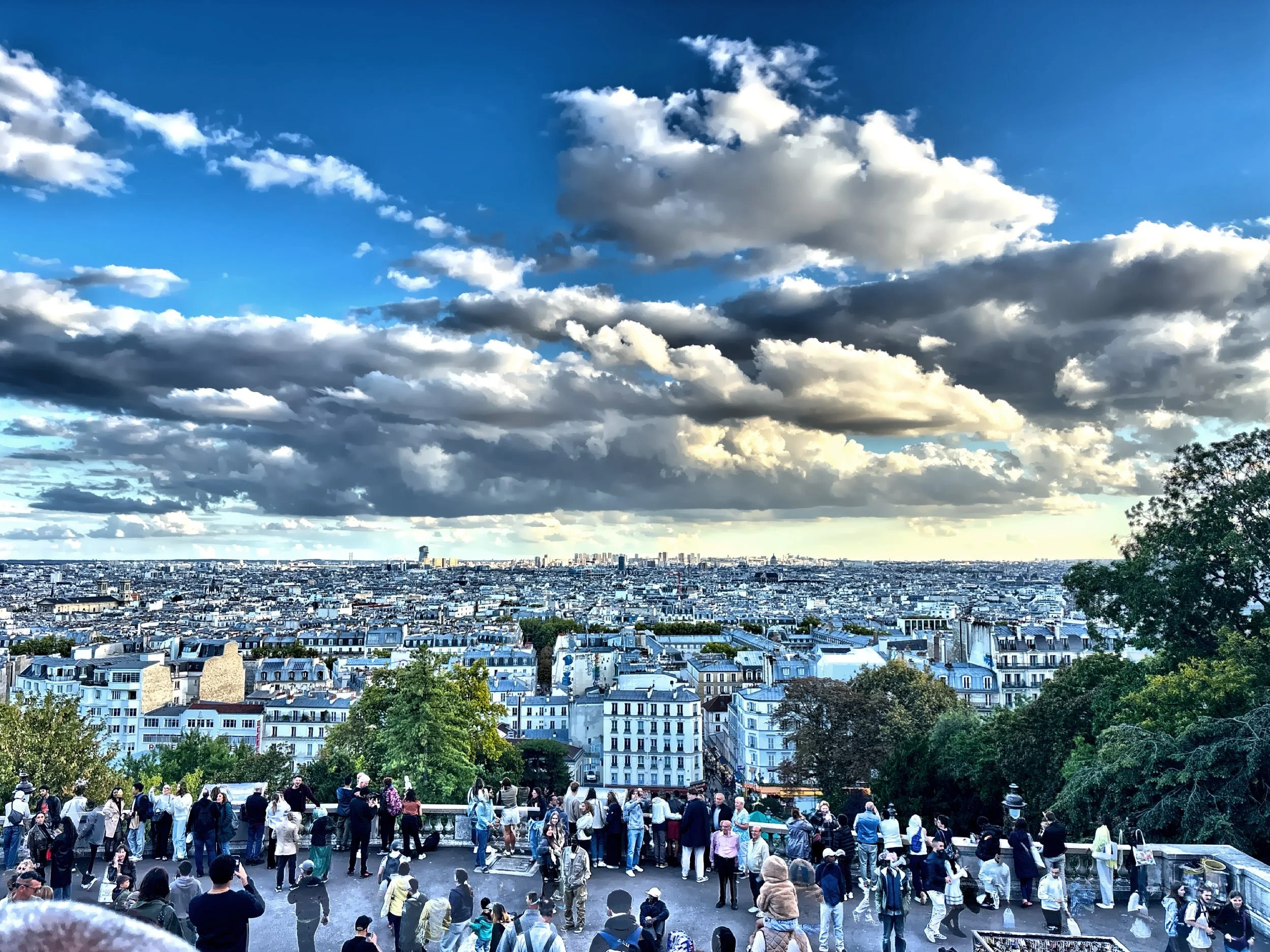
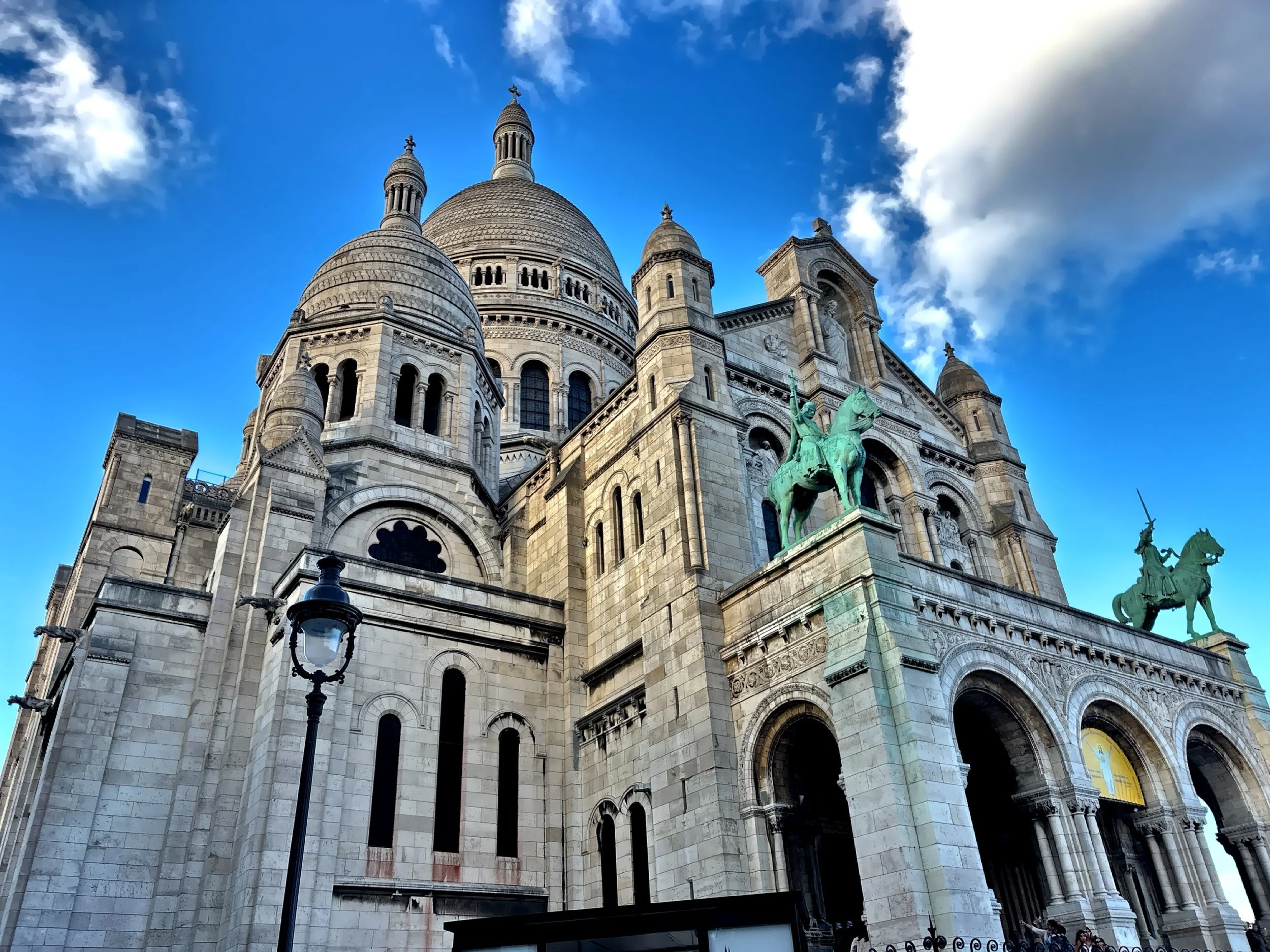
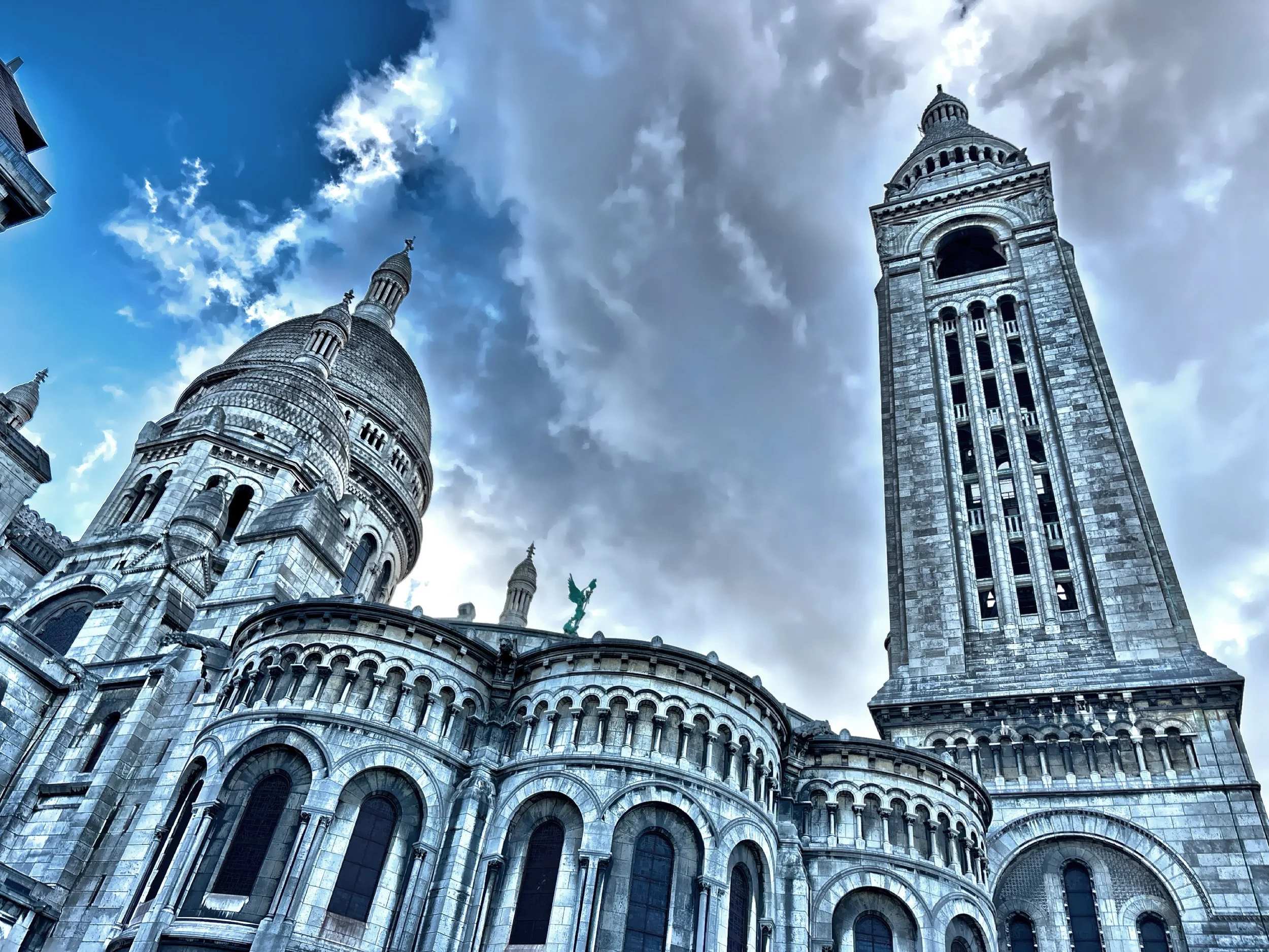
Completed in 1914 and consecrated in 1919, the Sacré-Cœur Basilica stands atop Montmartre, one of the highest points in Paris, making it one of the city’s most visually prominent landmarks.
The city view
More of the Basilica
.
.
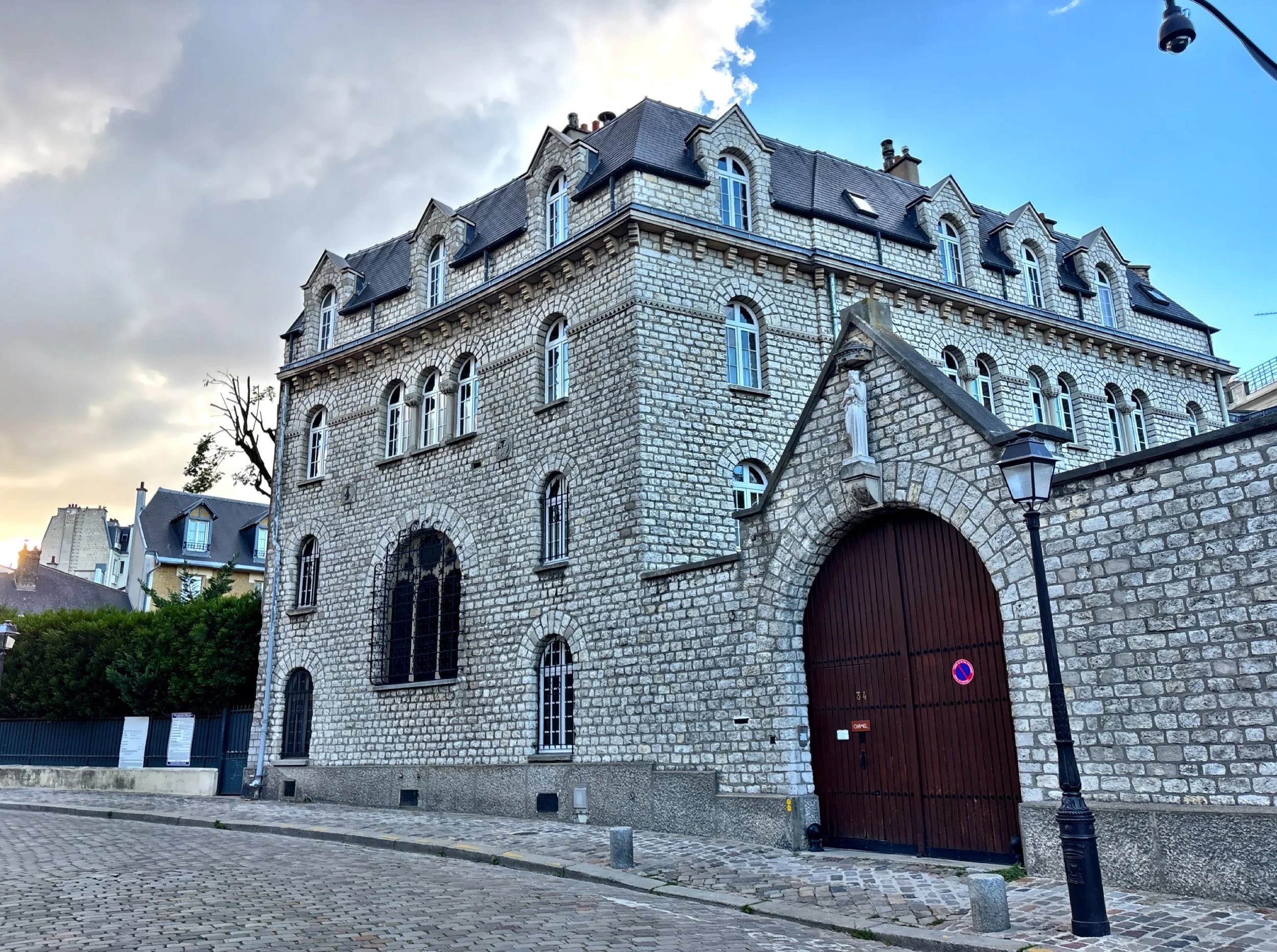
Carmel de Montmatre monastery was founded in 1919.
.
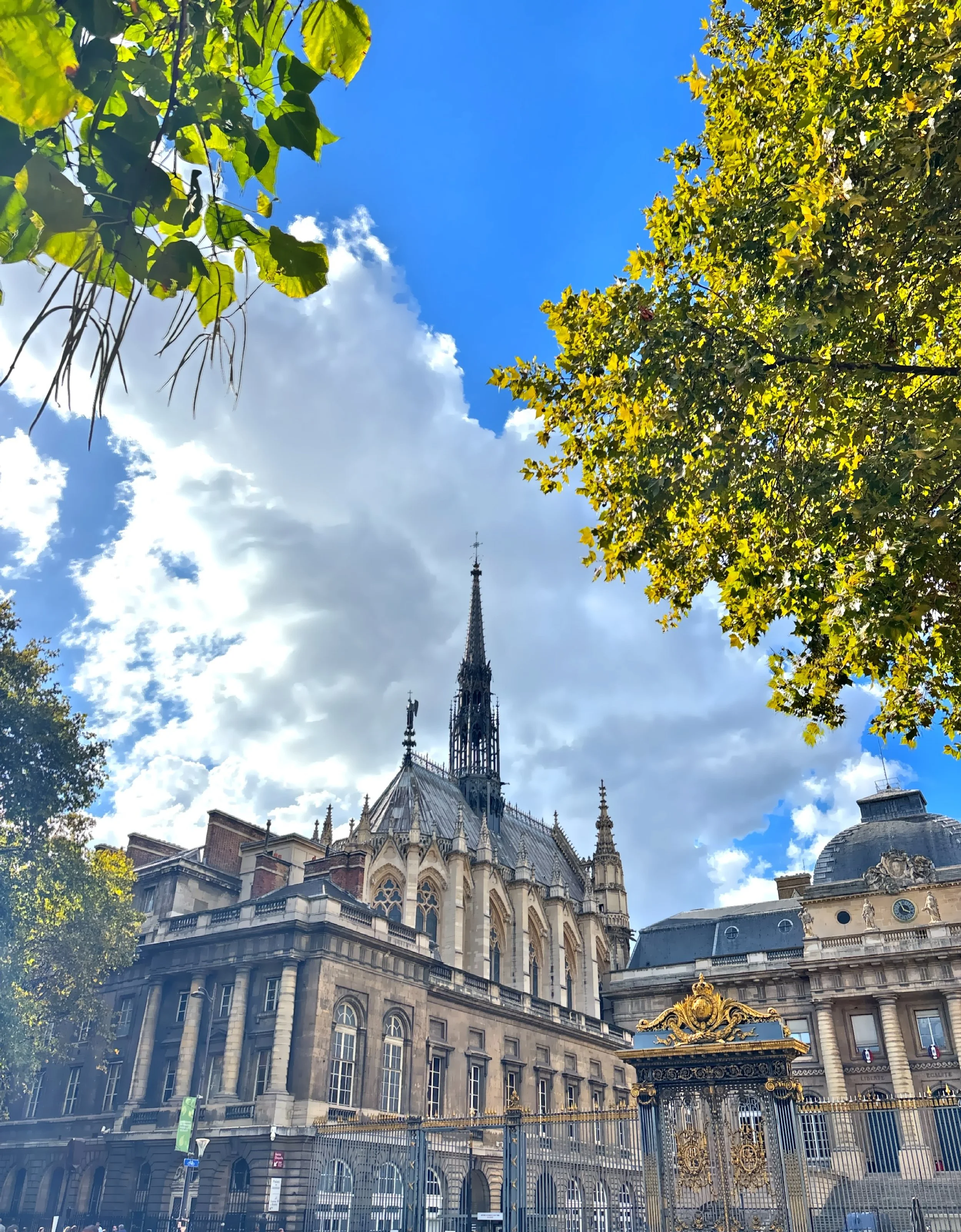
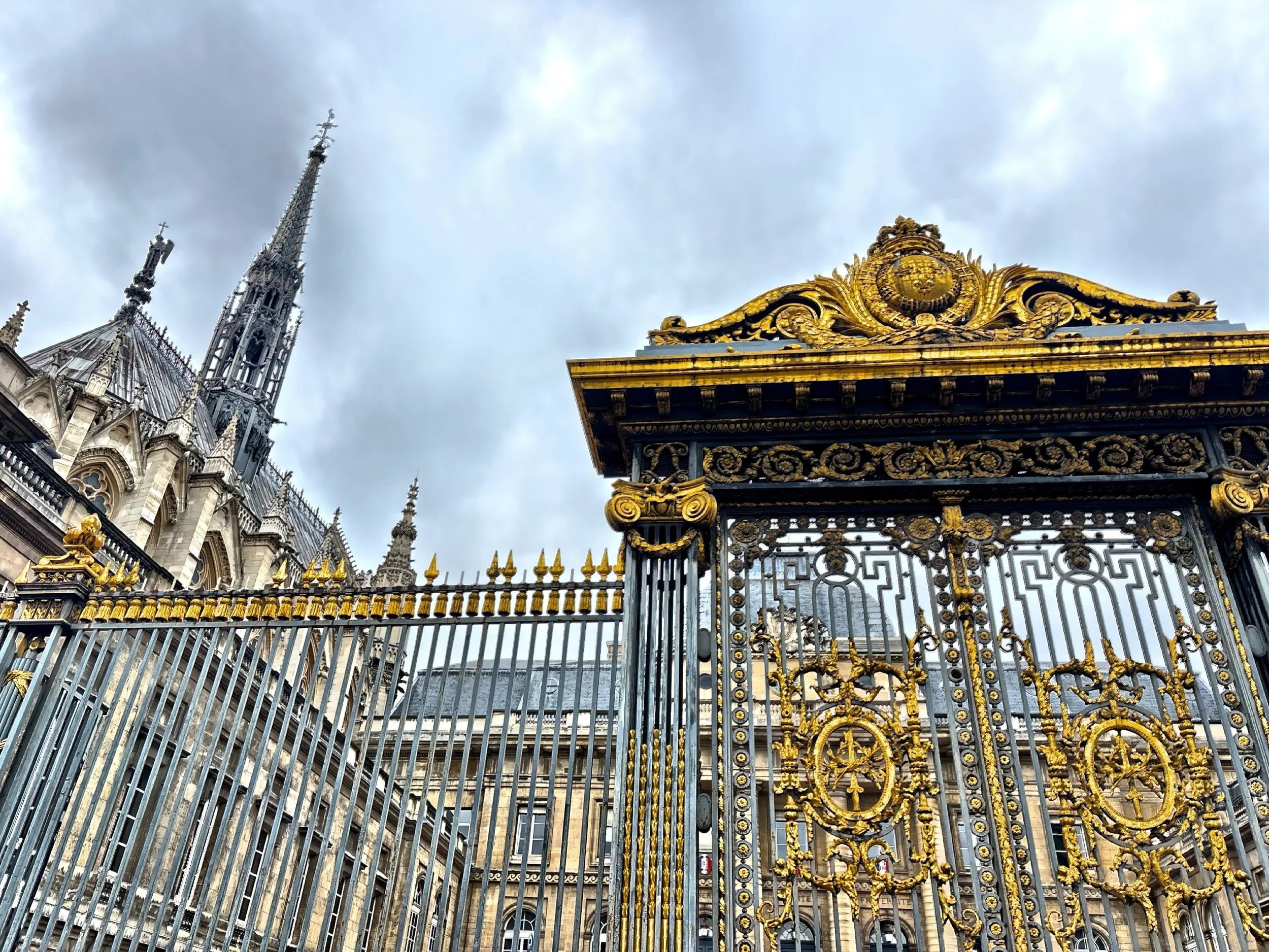
Sainte-Chapelle, a royal chapel built in the mid-13th century by King Louis IX to house the precious relics including the presumed Crown of Thorns.
.
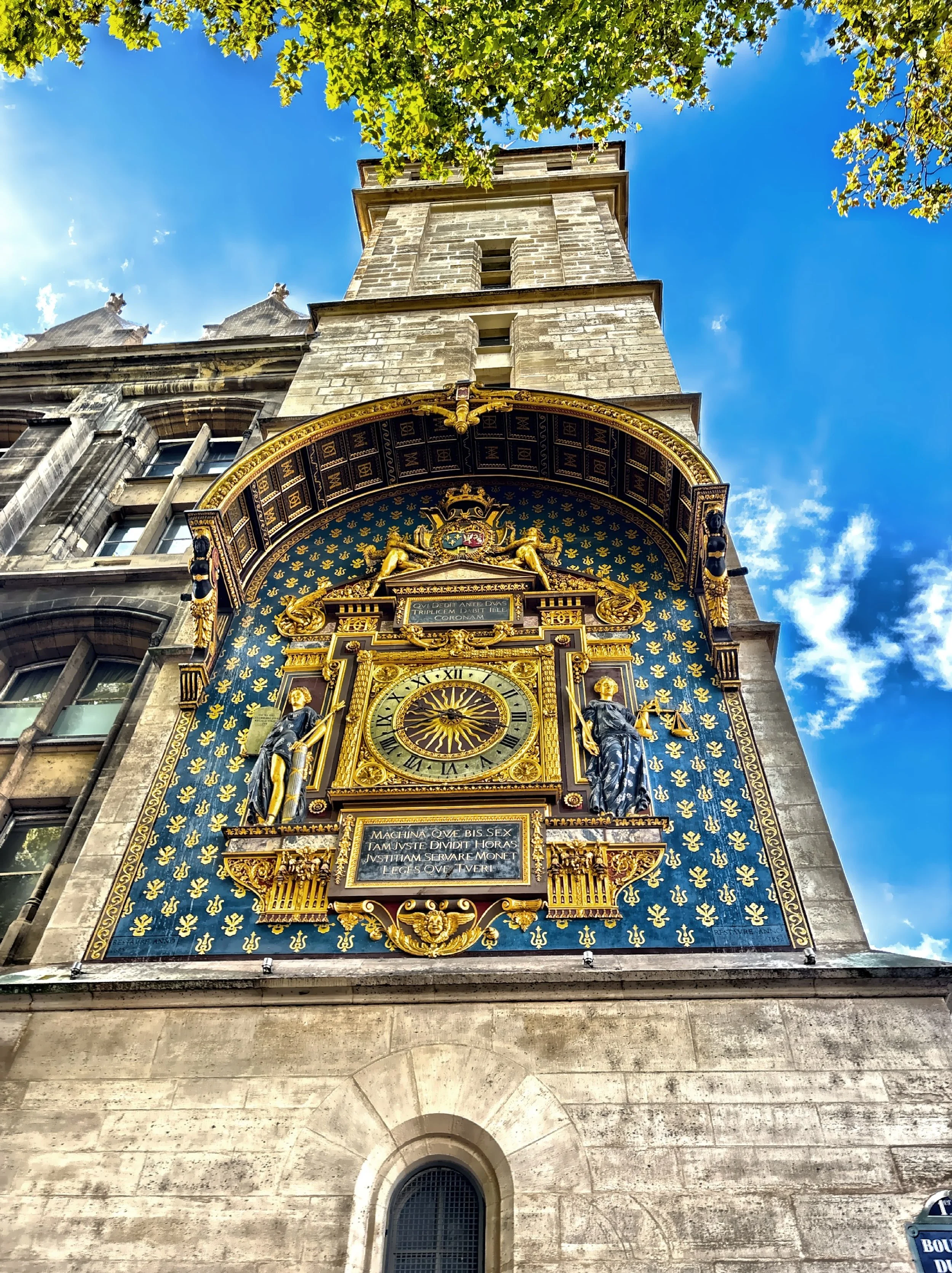
The Tour de I’Horloge is the first public clock in Paris commissioned by King Charles V in 1370 and installed in 1371.
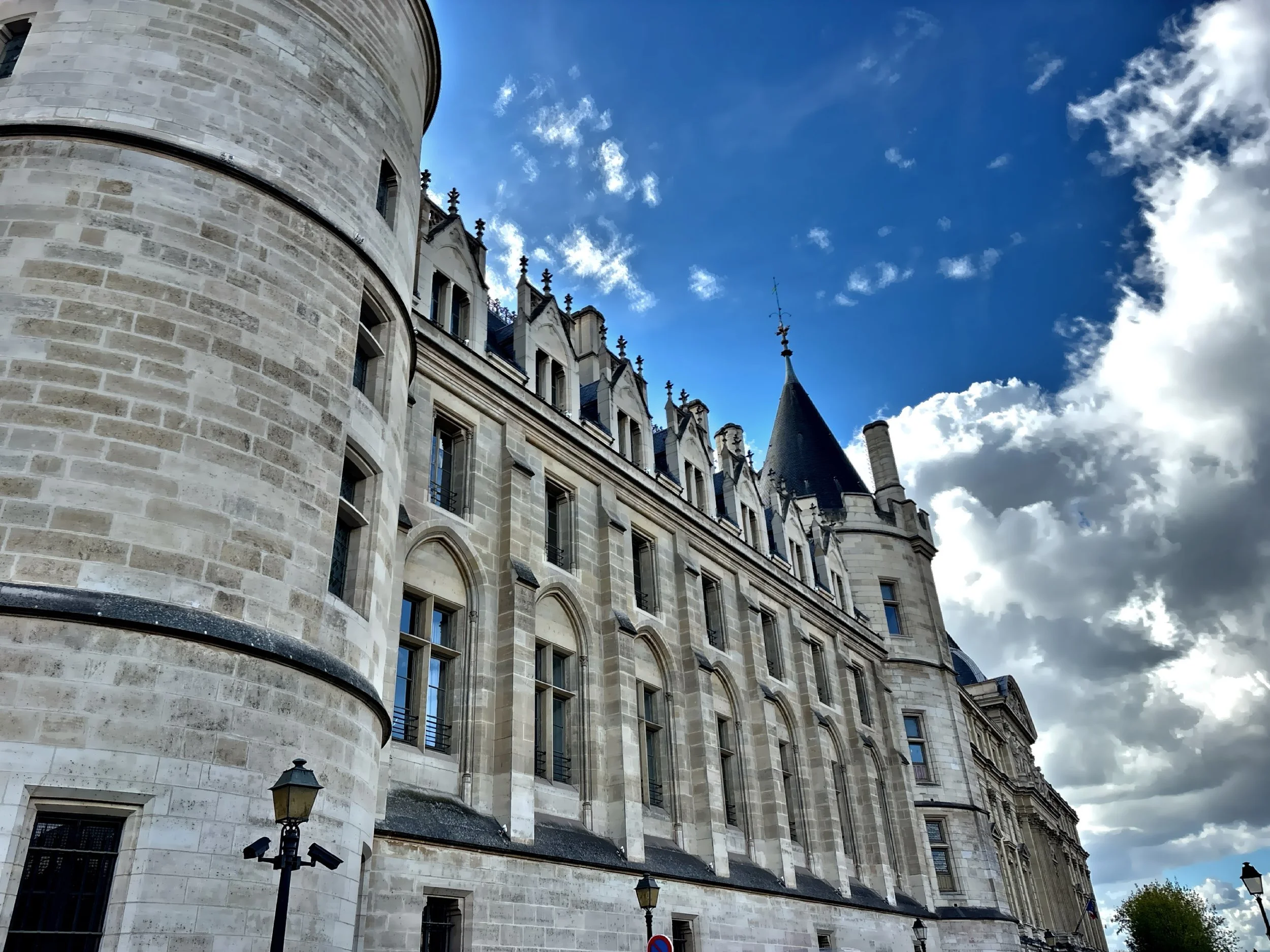
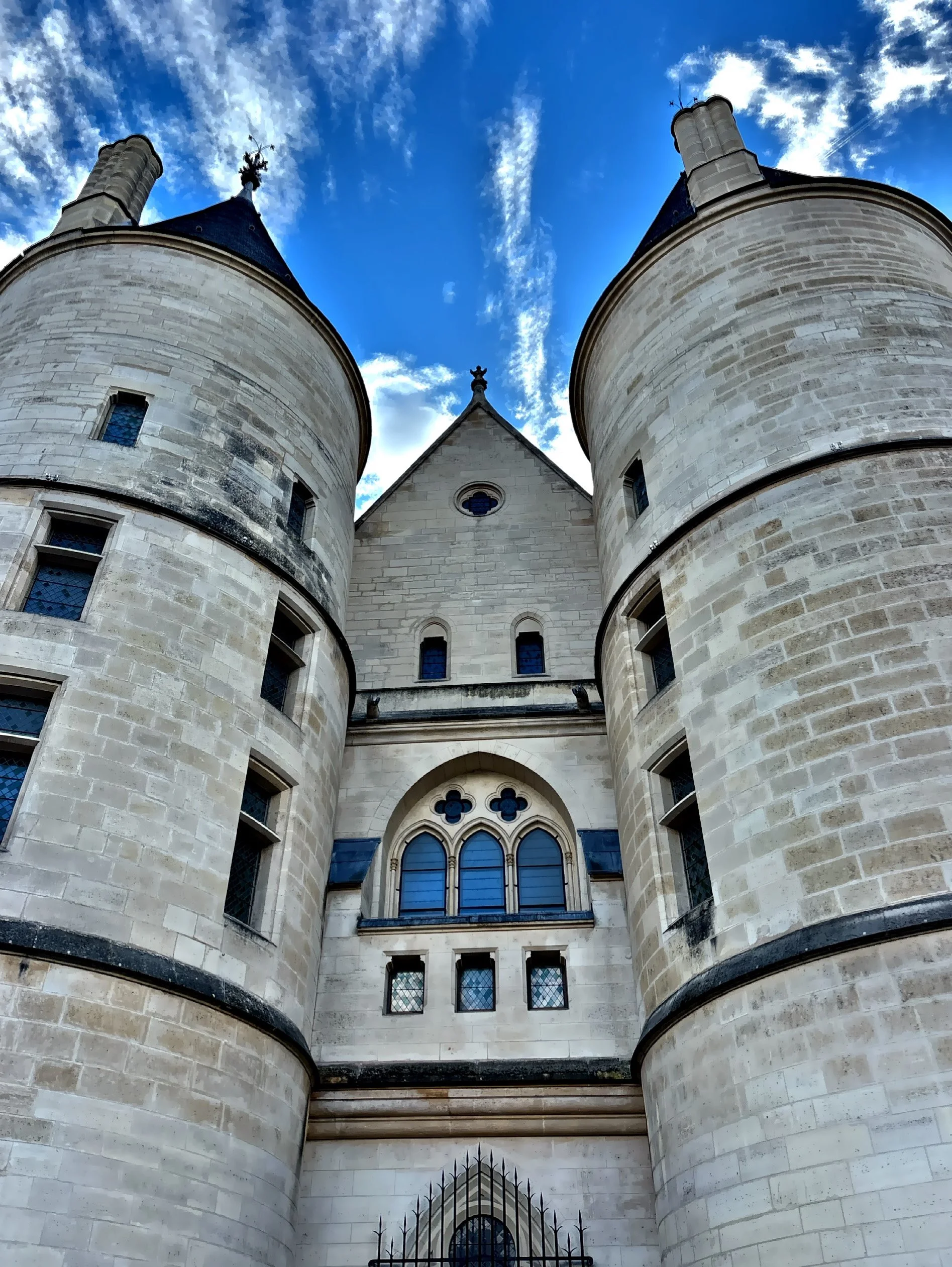
The Conciergerie is the oldest remaining part of the Palais de la Cite, the royal palace and residence of the kings of France from the 6th to the 14th century.
.
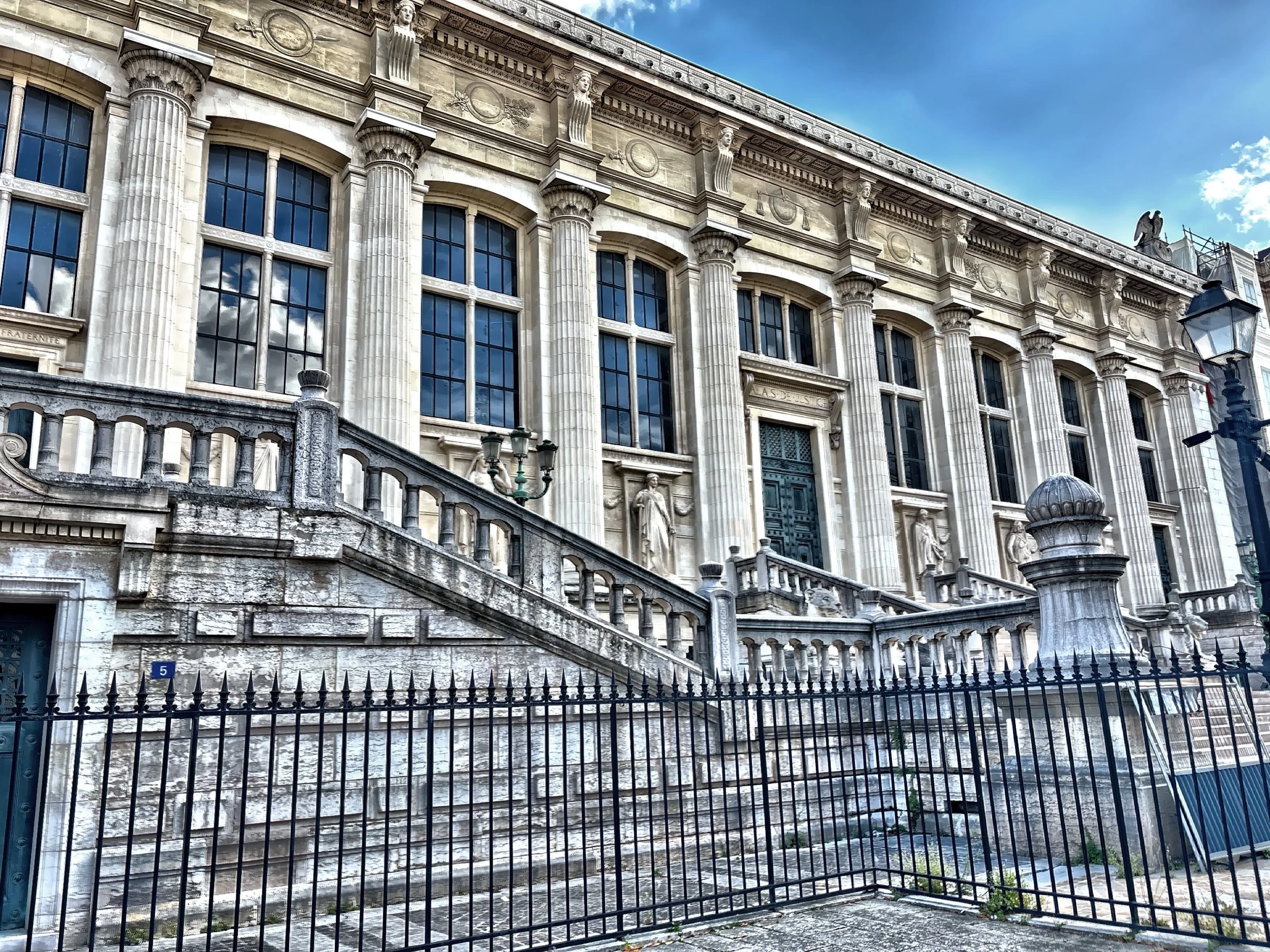
The Palais de Justice is the busiest appellate court in France. It occupies a large part of Palais de la Cite.
.
.
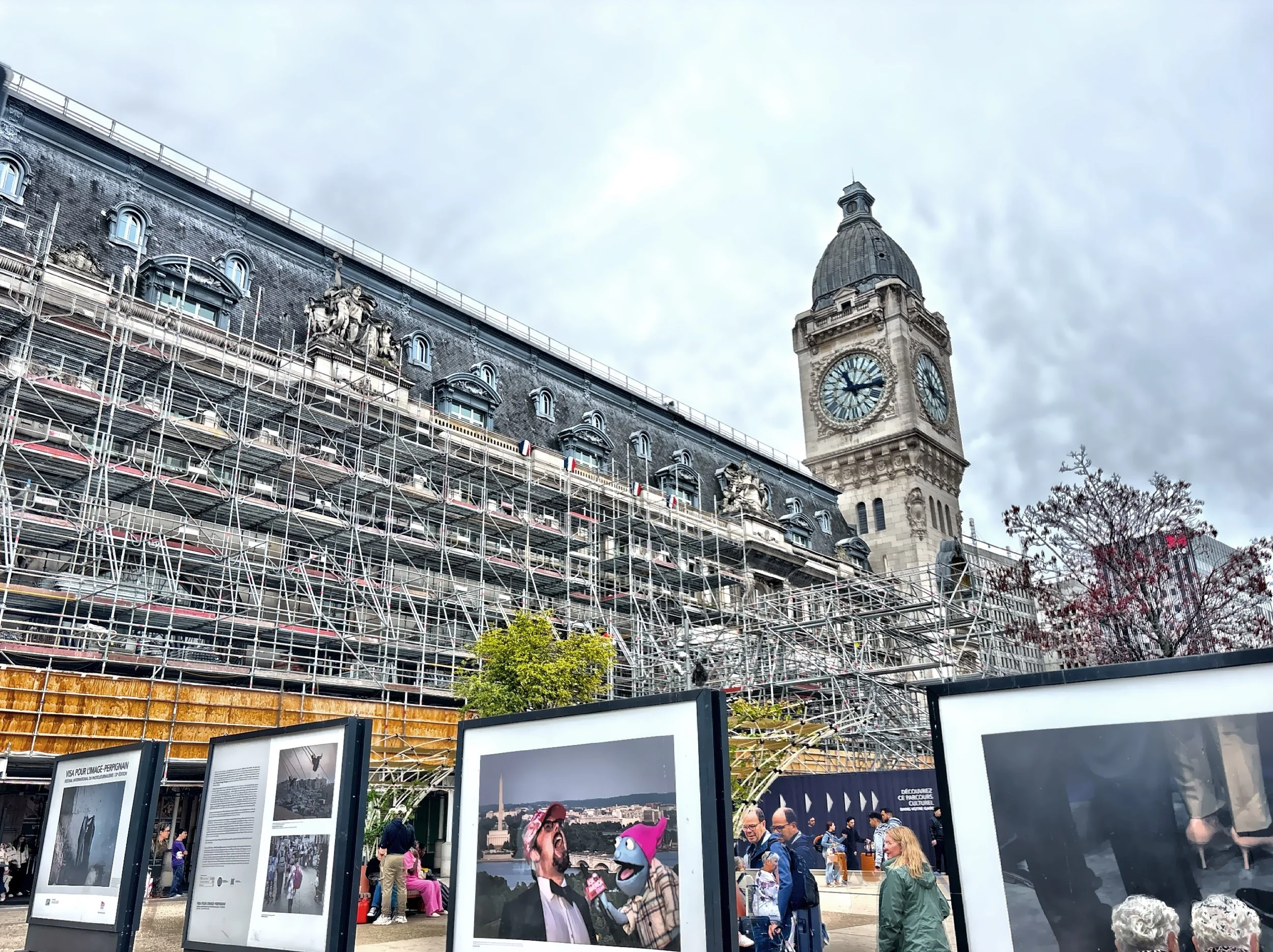
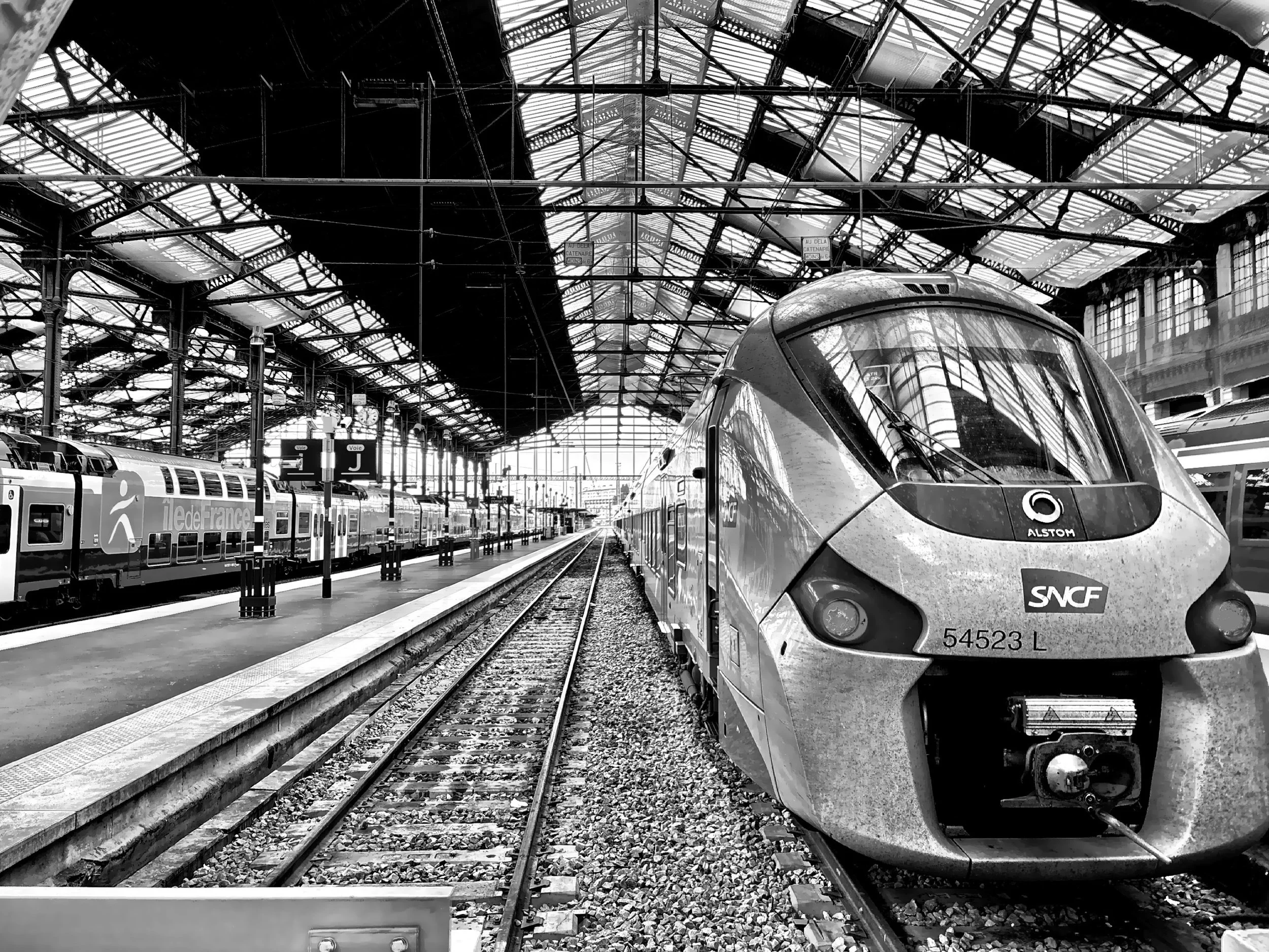
The Gare de Lyon railway station with its distinctive clock tower. It is the third busiest station in France.
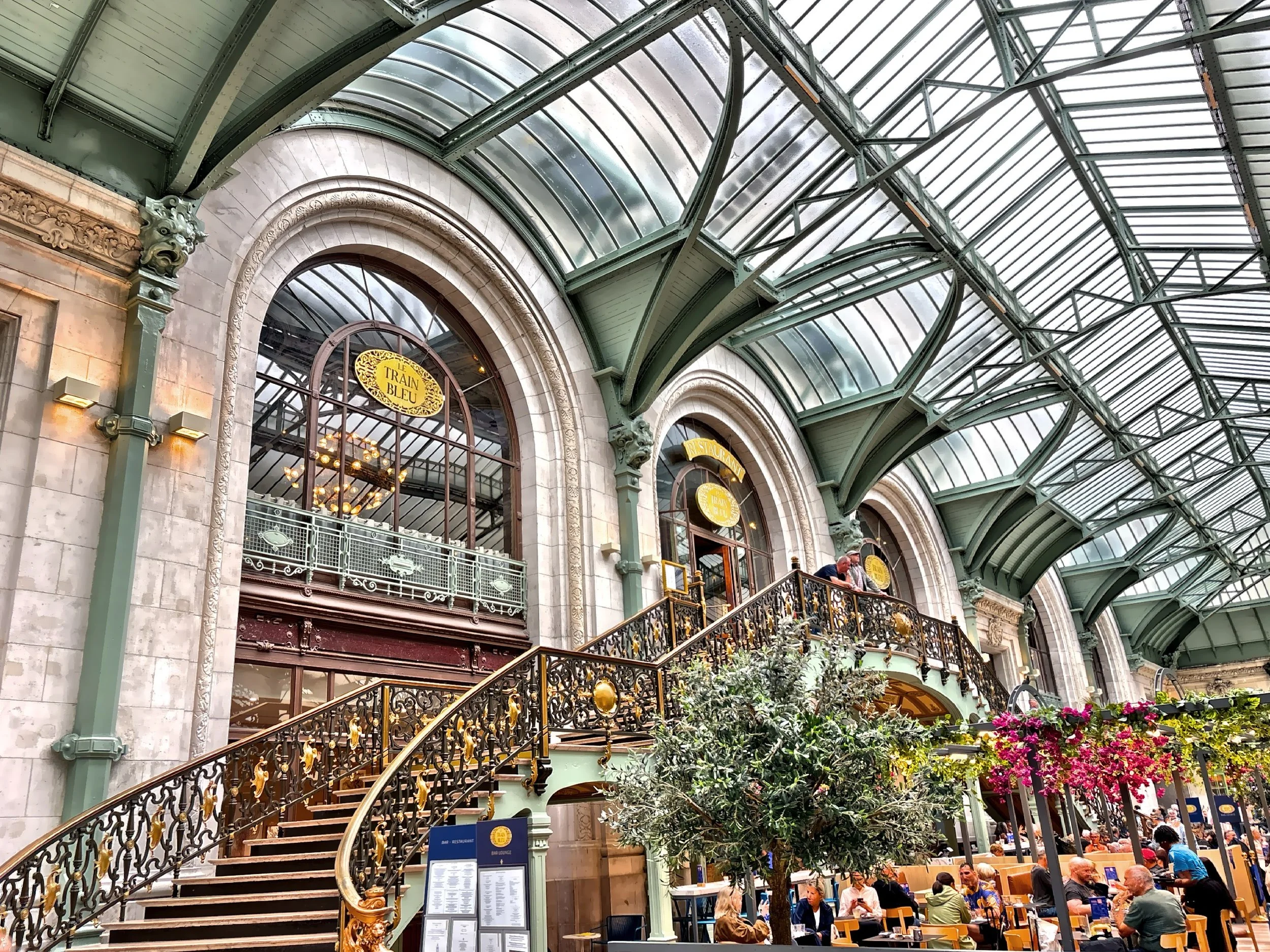
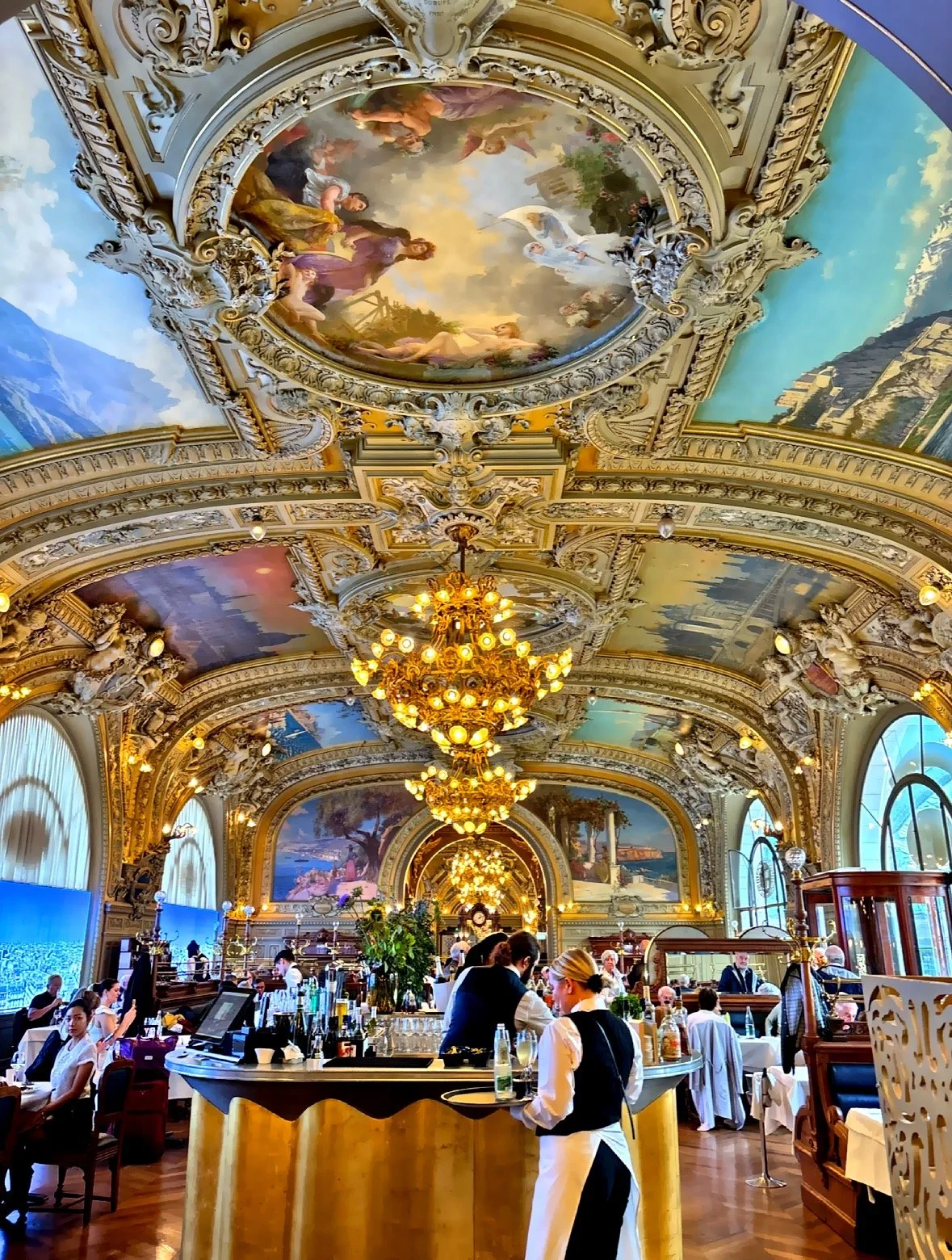
The entrance to the famous, ornate restaurant called Le Train Bleu.
.
The historic Belle Epoque restaurant famous for its lavish decor, including ceilings , frescoes and chandeliers designed to impress travelers since 1901.
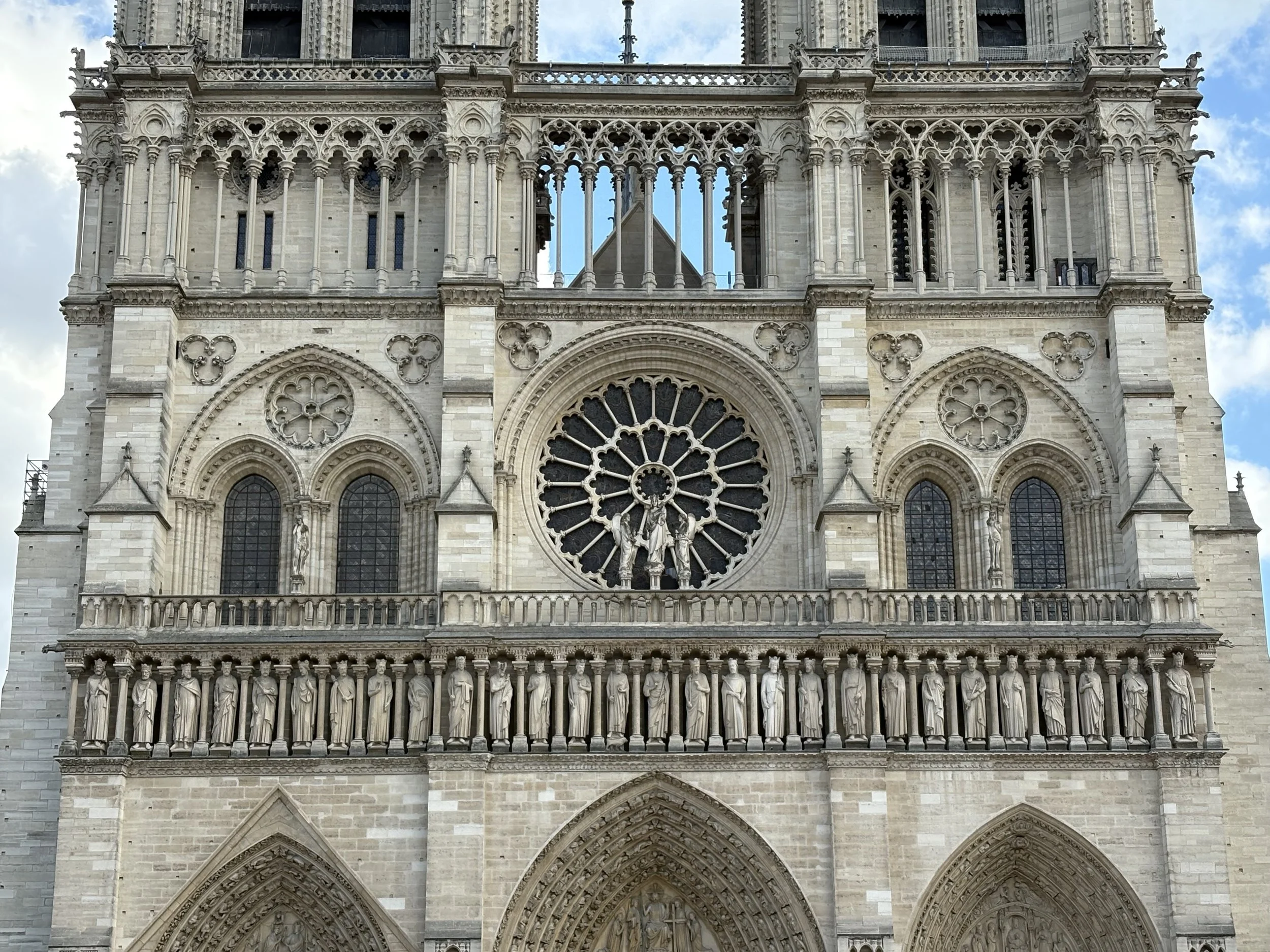
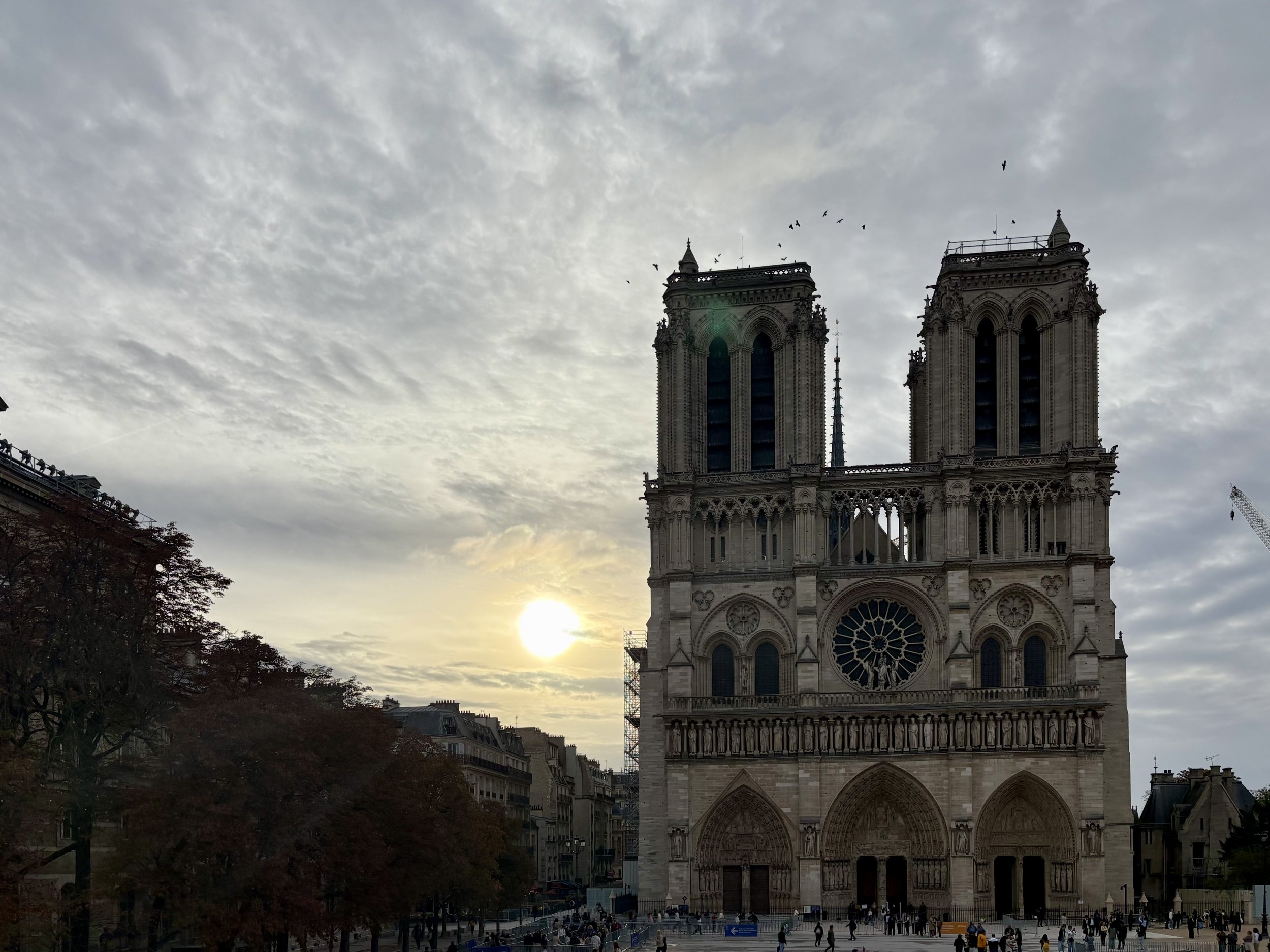
Construction began on Notre-Dame de Paris cathedral in 1163 and was largely completed by 1345.
.
.
.
.
.
.
.
.
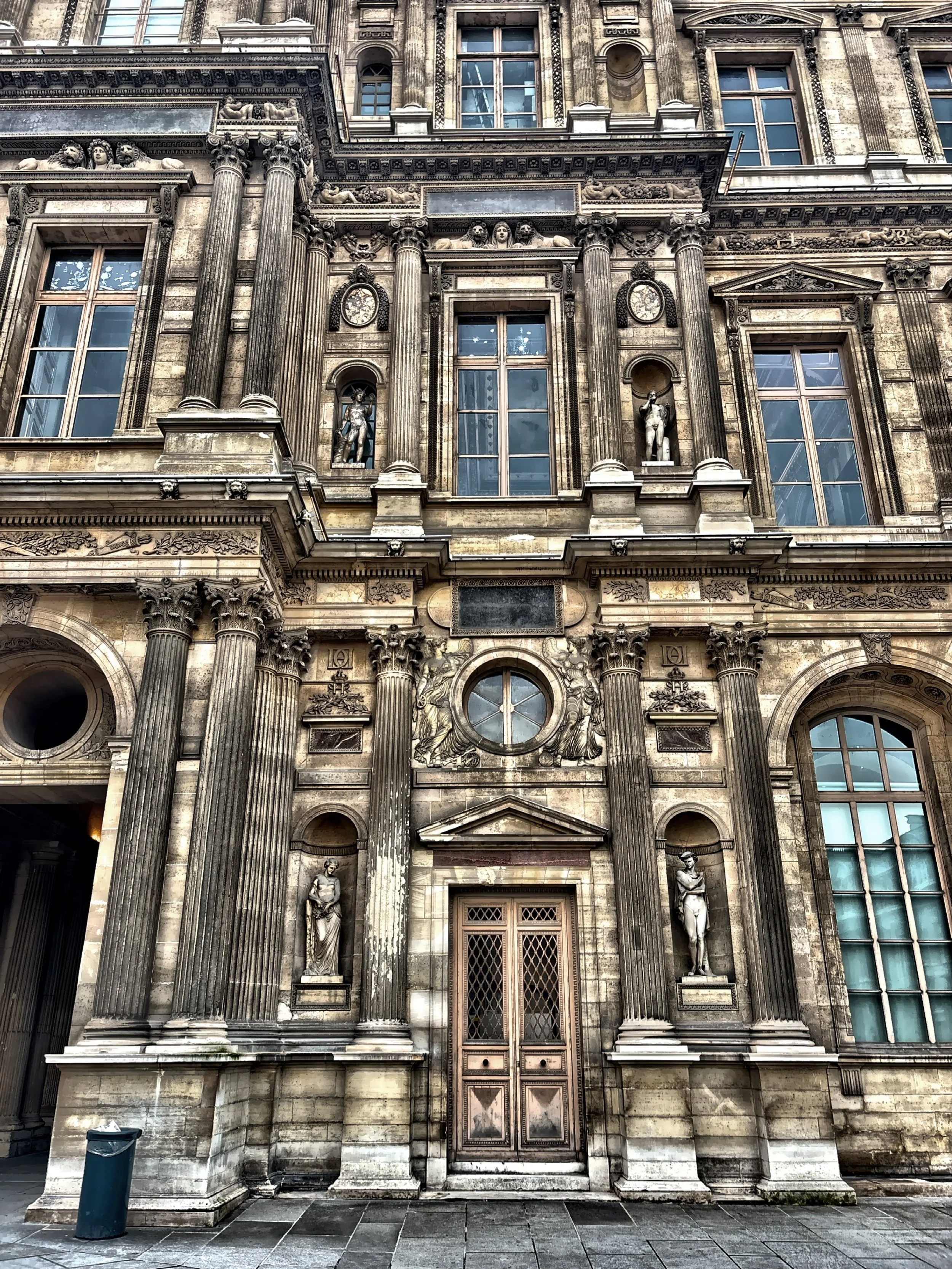
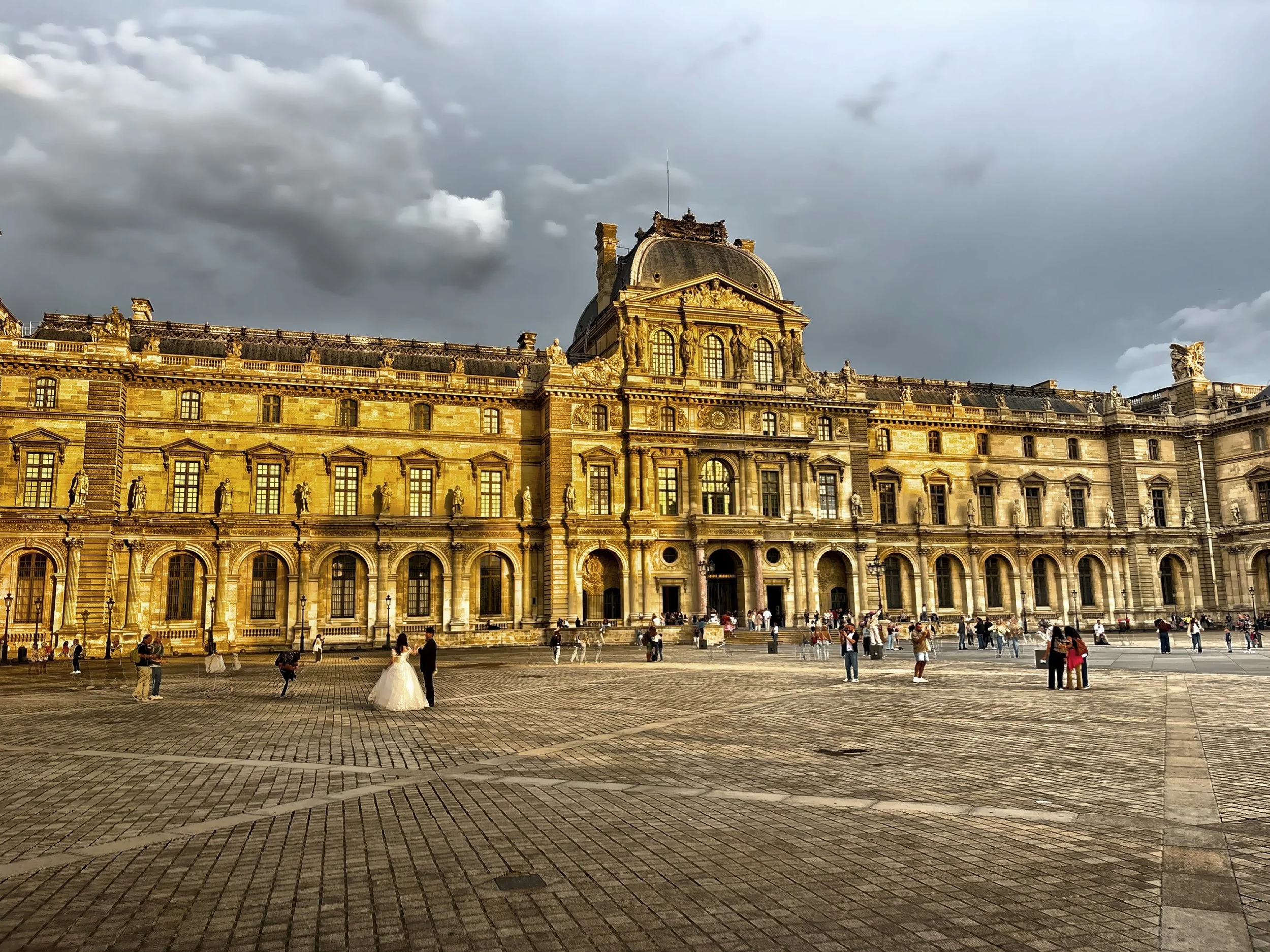
The Sully Pavilion, part of the extensive Louvre Palace complex.
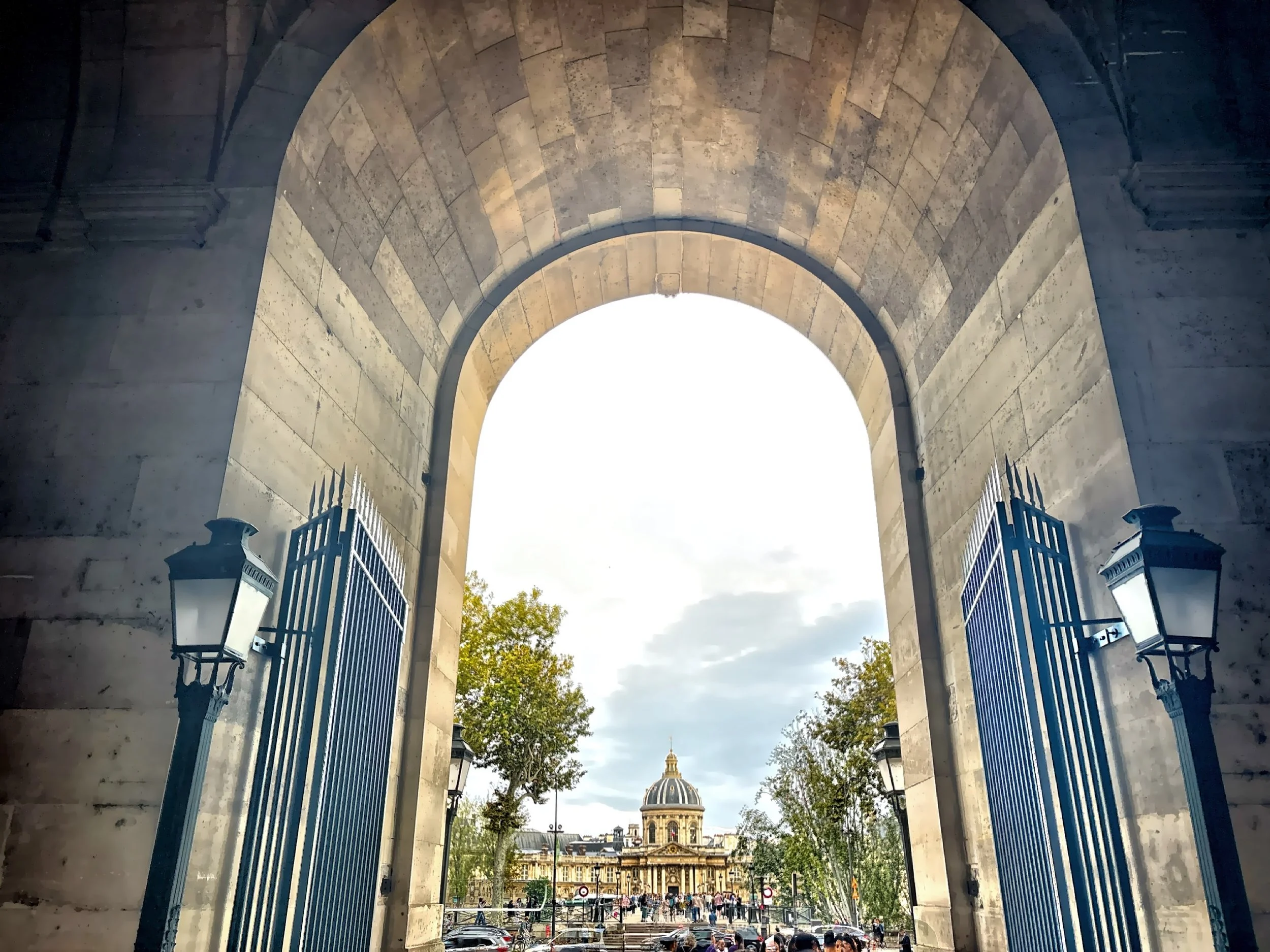
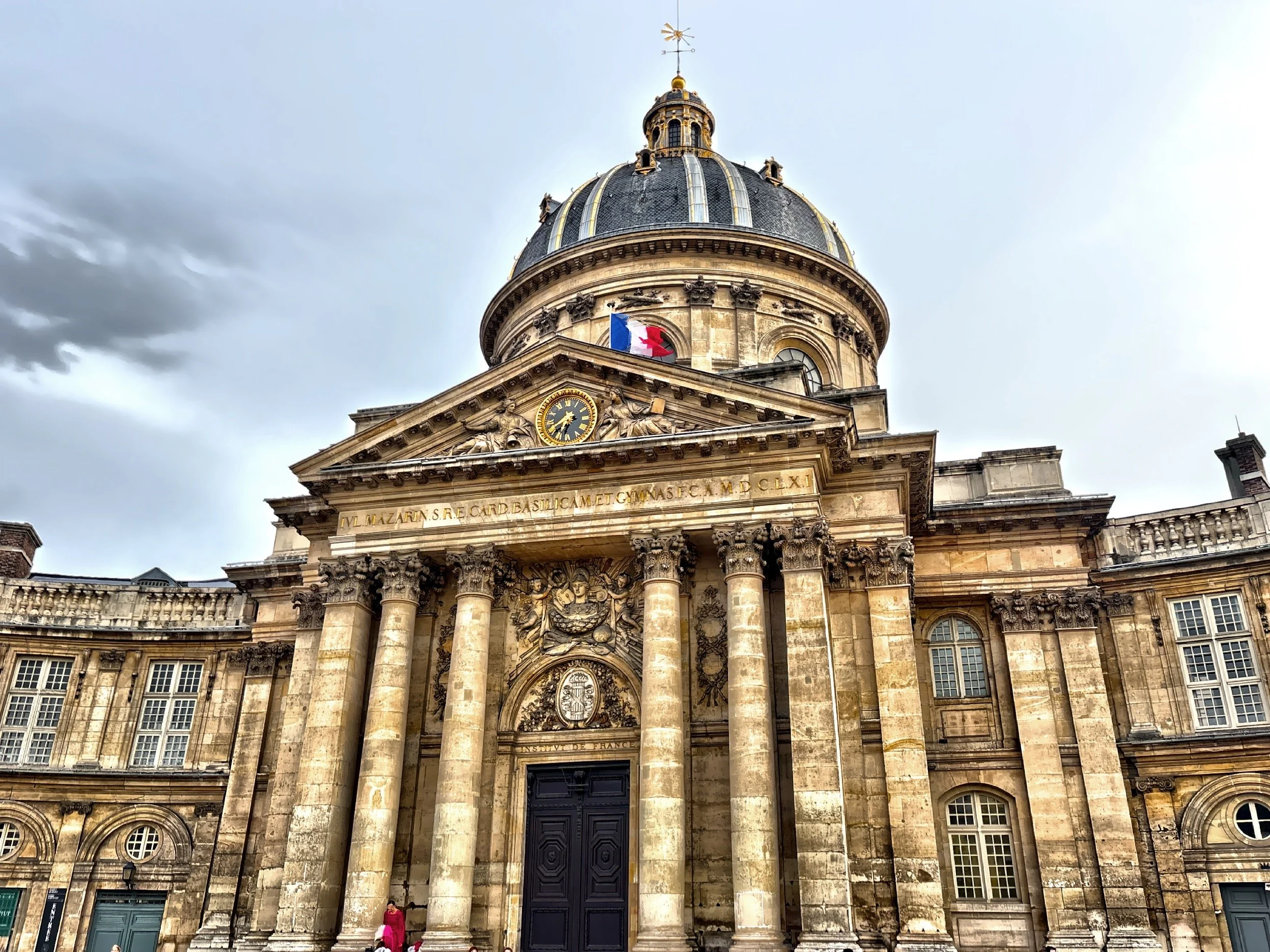
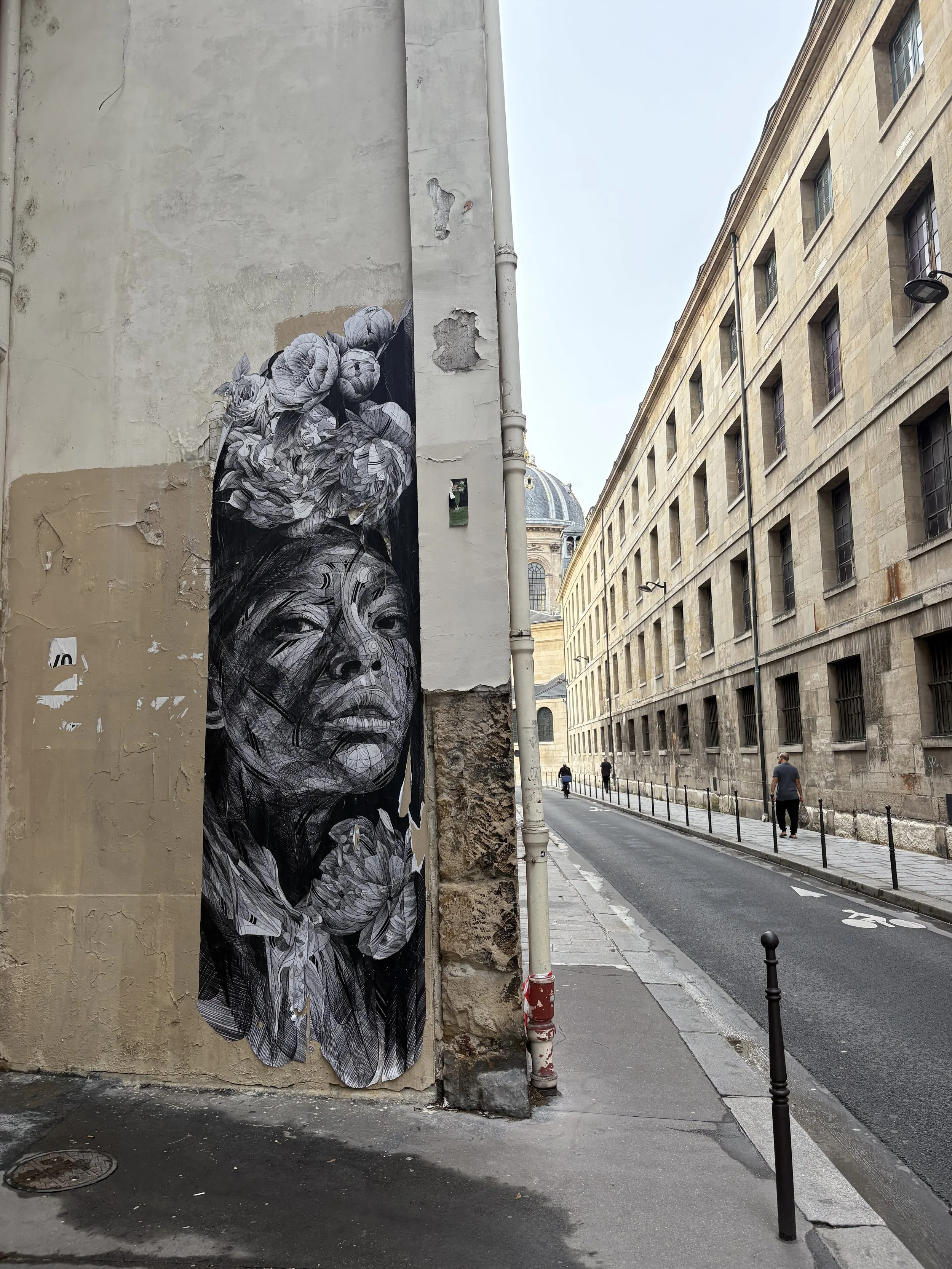
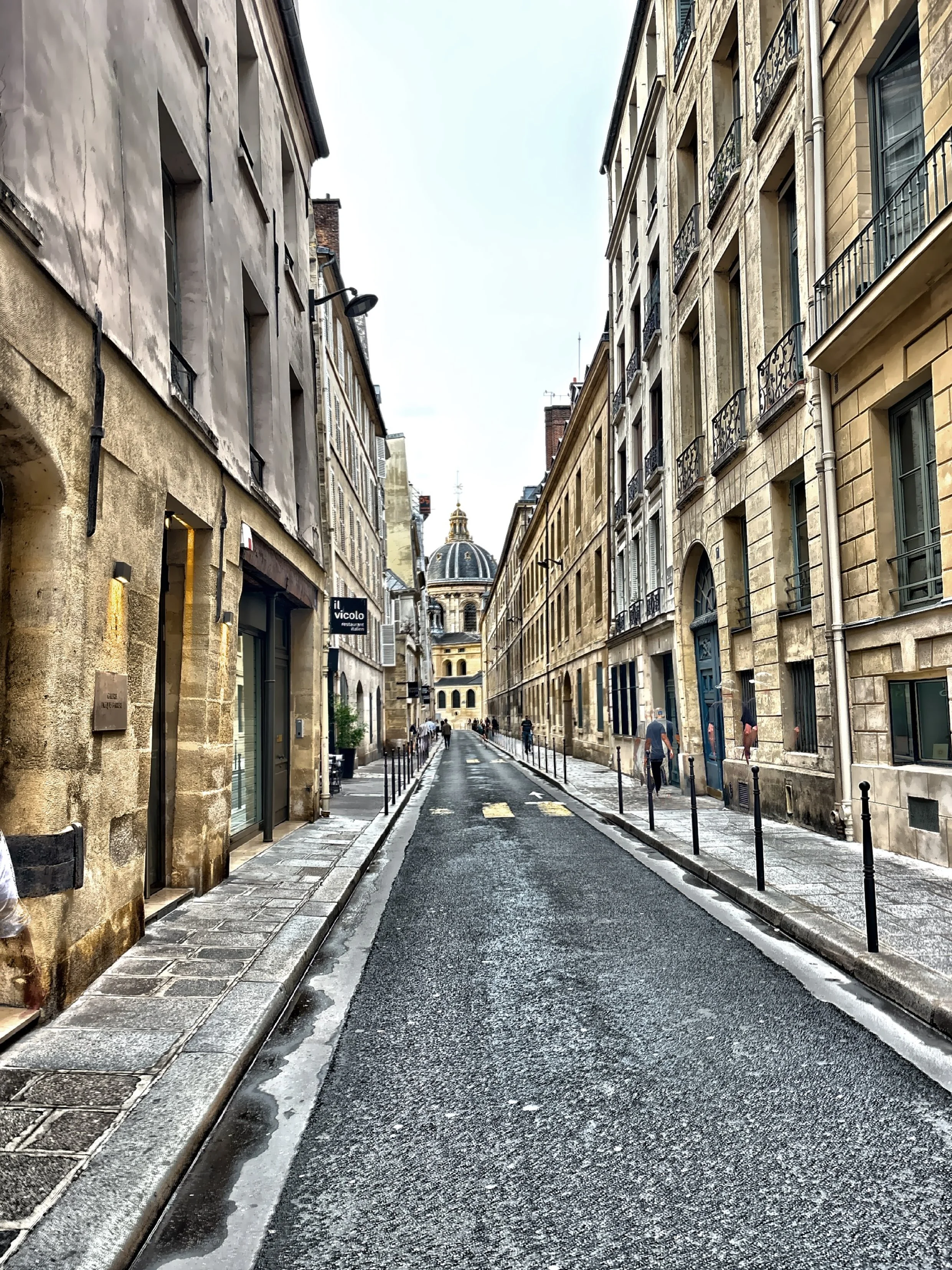
The Institute of France, designed by architect Louis Le Vau in the late 17th century, is seen through the arched gateway.
.
.
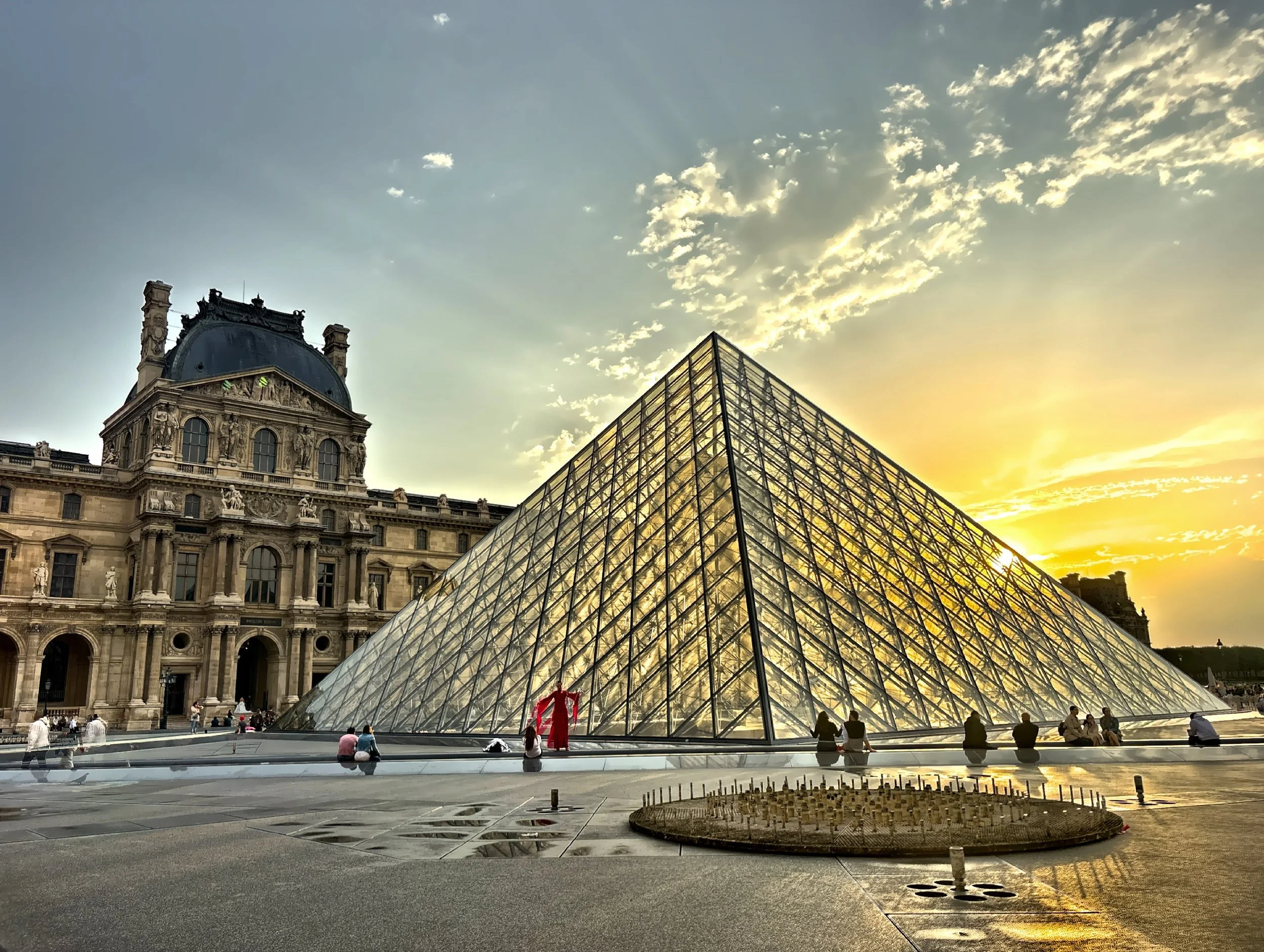
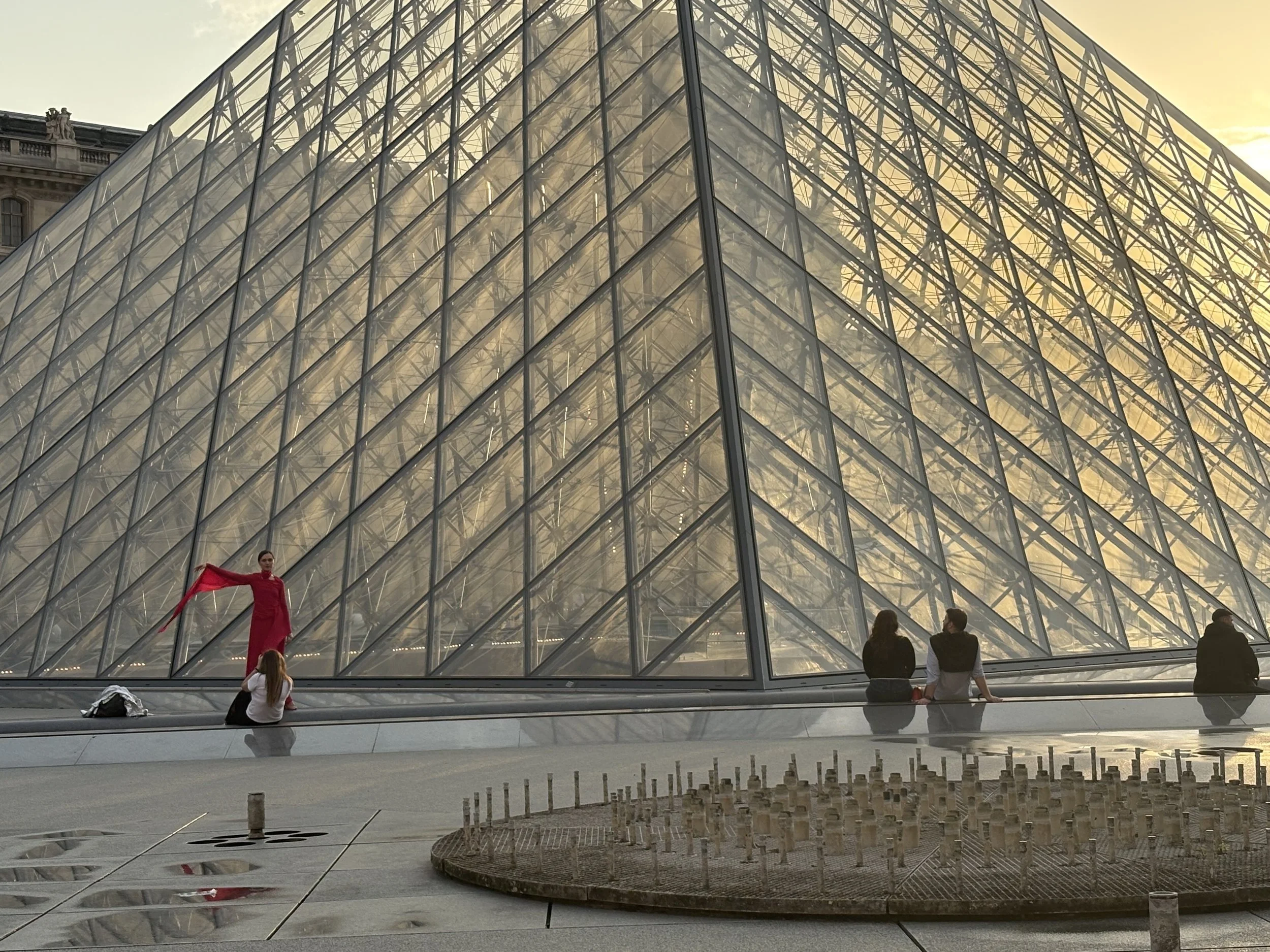
The famous Louvre Pyramid is a large glass and metal structure designed by Chinese-American architect I. M. Pei, completed as part of the Grand Louvre modernization project.
.
.
.
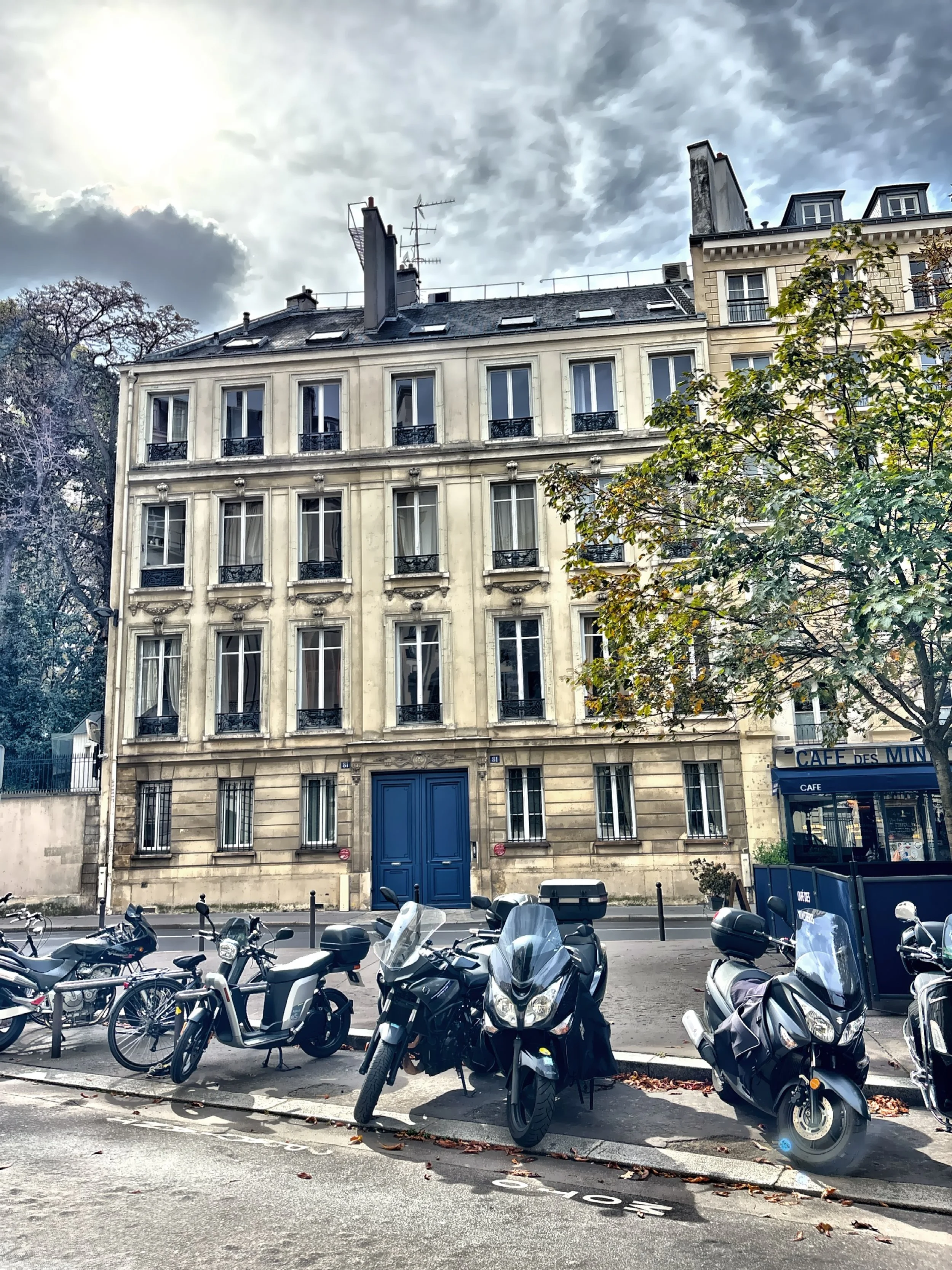
Julia Child’s Paris apartment at 81 Rue de l’Universite, which she affectionately called ‘Roo de Loo’.
What you should know:
Credit/debit cards are widely accepted.
Contactless payments (Apple Pay, Google Pay, etc.) are very common.
Locals are generally friendly but reserved – polite and helpful.
The official language is French, but many people do speak English.
The currency is the Euro (EU).
There are pricey paid parking one the street and cheaper park and ride free options outside the city.
Walking or biking is a great way to get around the city.
There are walking paths along the River Seine, Jardin des Tuileries, Canal Saint-Martin, and Promenade Plantee.
You will need a valid passport and a power convertor if you are coming from the US.
There are many restaurant and food options.
Tipping is not expected but some people do round up.
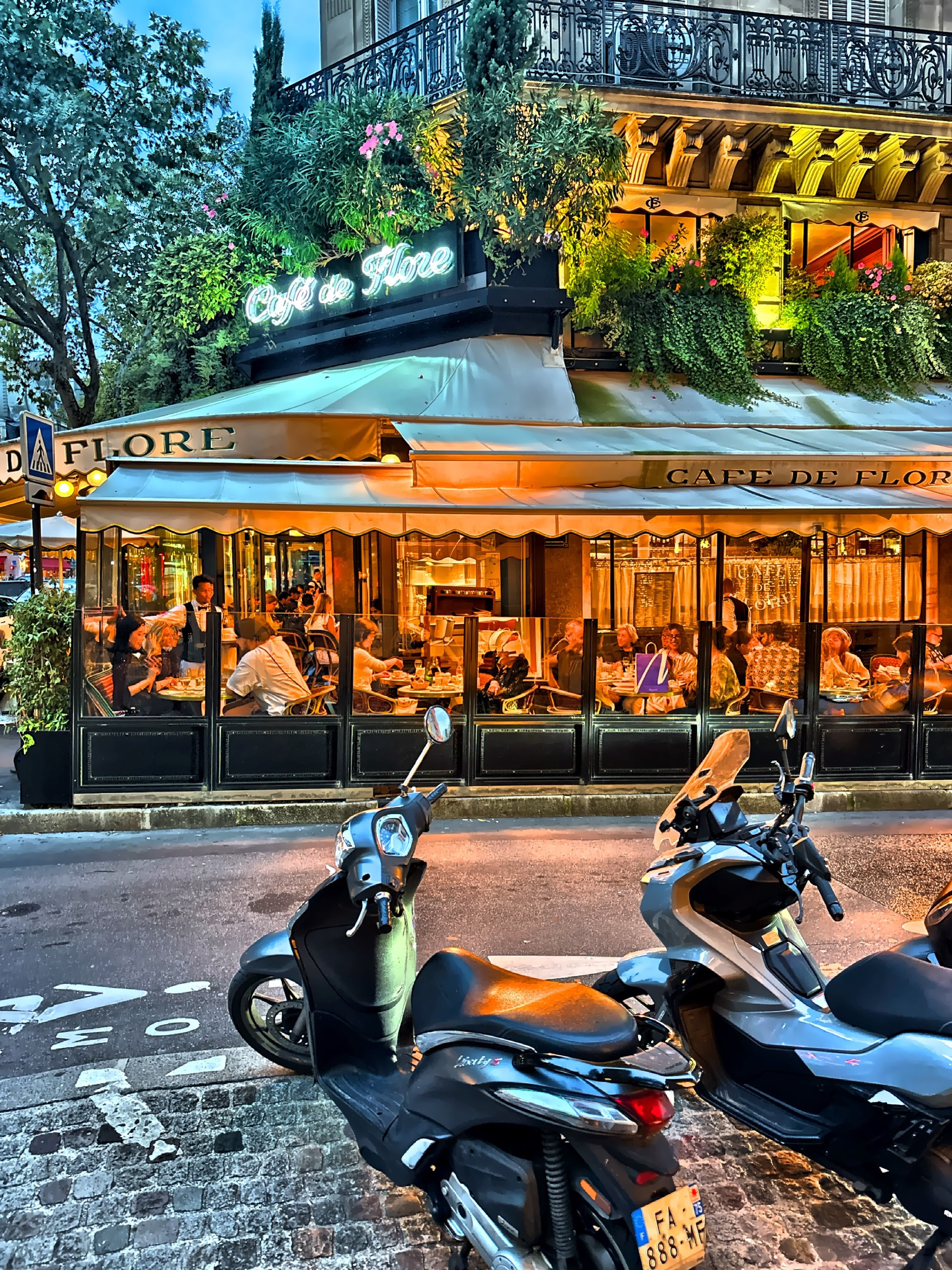
You may be interested in Paris Part I
For more information: Paris, France
If you enjoyed this post, feel free to check out my previous posts by clicking here.