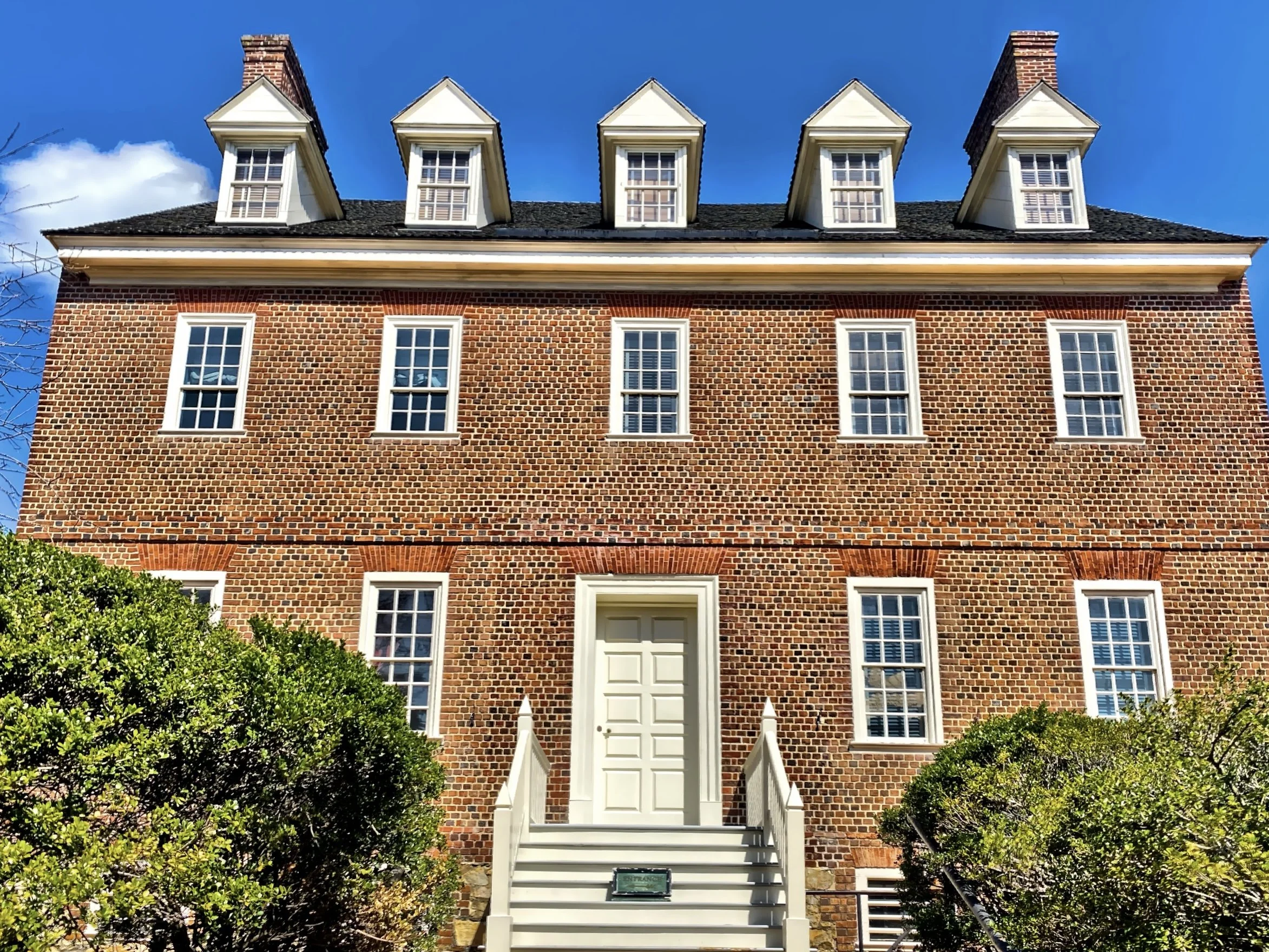
William Paca was a founding father of the United States, a signer of the Declaration of Independence, a delegate to the First and Second Continental Congress, district judge as well as a governor of Maryland. This five-part Annapolis Georgian mansion was built in the 1760s and then carefully restored by Historic Annapolis beginning in 1965. Today, it is recognized as one of the finest 18th-century homes in the country and a National Historic Landmark. The house tour includes a walk through the parlor, historic kitchen, grand foyer and many bedrooms, while hearing stories of those who lived and labored in this home.
This is what caught my eye; I hope you enjoy!
The view of the home from the street
The Summer House
The kitchen
Do you like the images posted?
Click here to explore the shop.
The main entry hall
The house features period furnishings and paintings, reveal the inner workings of an upper-class household in colonial and revolutionary Annapolis.
.
Construction of the house occurred between 1763-1765 using the inherited wealth of Paca’s wife, Mary Chew.
.
.
.
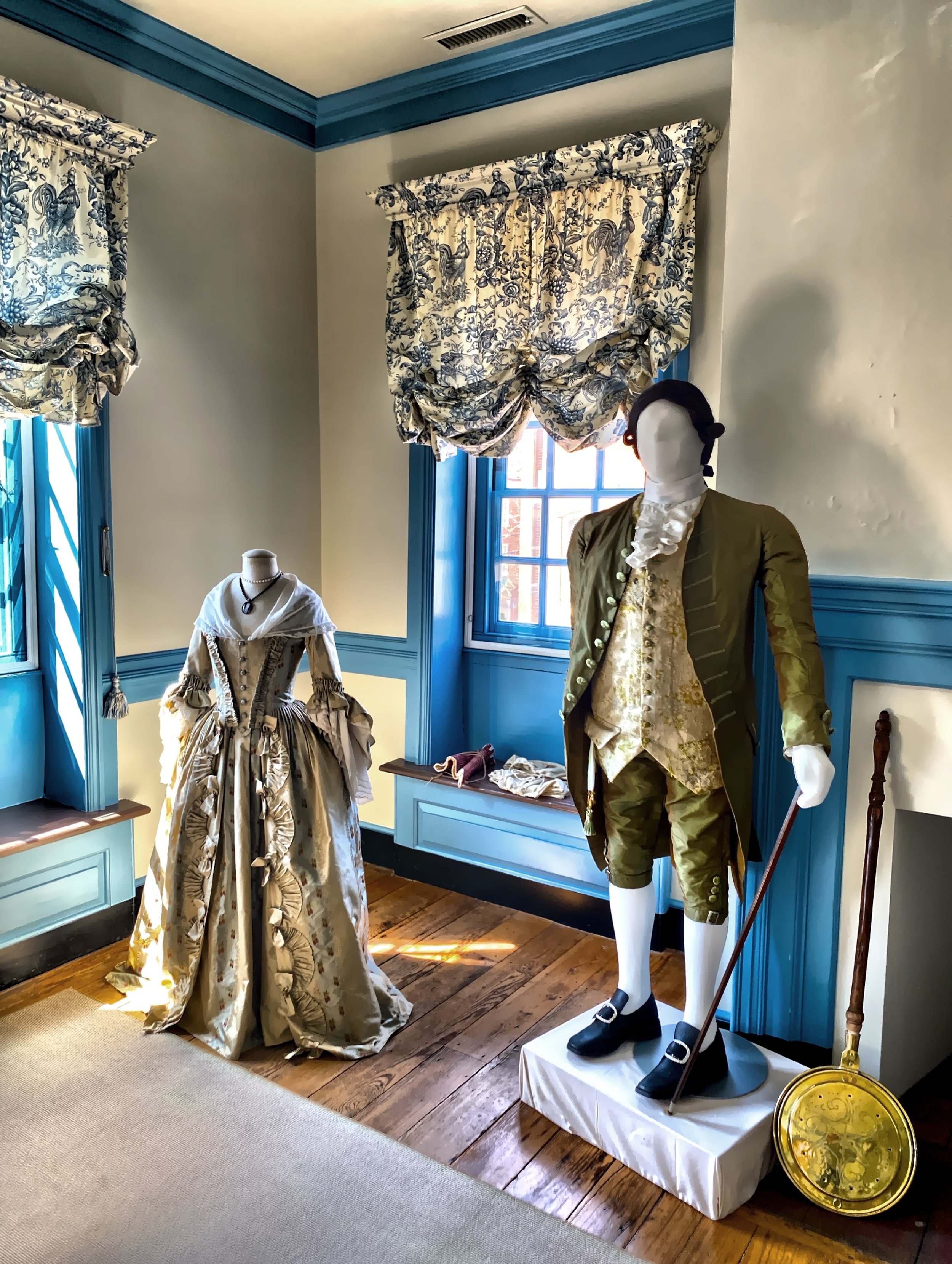
Some of the period clothing displayed
The house remained a residence and then was converted into a rental property as many large, old houses were done at the time.
In the kitchen
The unique rotisserie device that utilizes a weight, attached to the wall over the open hearth.
.
In the dining room
.
.
One of the second floor bedrooms
Staff assigned to family members would use bedrolls to sleep on their bedroom floor.
Healers and some housewives practiced the skills of drying, brewing, distilling and compounding plants to treat the ills of patients.
.
.
Stairway leading to the third floor
Second floor tea room
.
Second floor hall
The rear facade of the home from the garden.
The rose, flower and boxwood parterres with the house in the background.
The garden is a two-acre oasis that was laid out by William Paca.
The garden included a holly parterre, orchard, psychic, kitchen and a wilderness gardens.
.
.
.
The Summer House serves a focal point in the rear of the garden. On the upper floor the Paca family could view the garden, entertain guests and enjoy the cool summer breezes.
.
.
The property was converted into the grand Carvel Hall Hotel around 1901. A huge hotel addition was attached to the back of the colonial house and covered much of the old garden. Historic Annapolis and the State of Maryland bought the property in 1965 and had the addition removed, and the gardens restored.
There is a small gallery at the end of the tour that contains items and information on the house's life.
.
.
What you should know:
There are walking trails through the gardens.
Restrooms are available.
On the street parking is available, some metered. Be sure to check posted parking regulations signs.
Mansion tours are guided; gardens are self-guided.
Tickets can be purchased online or in person.
Check website for days and hours or operation; and for any special events.
Location: 186 Prince George Street
Annapolis, MD 21401
For additional information: William Paca House & Garden