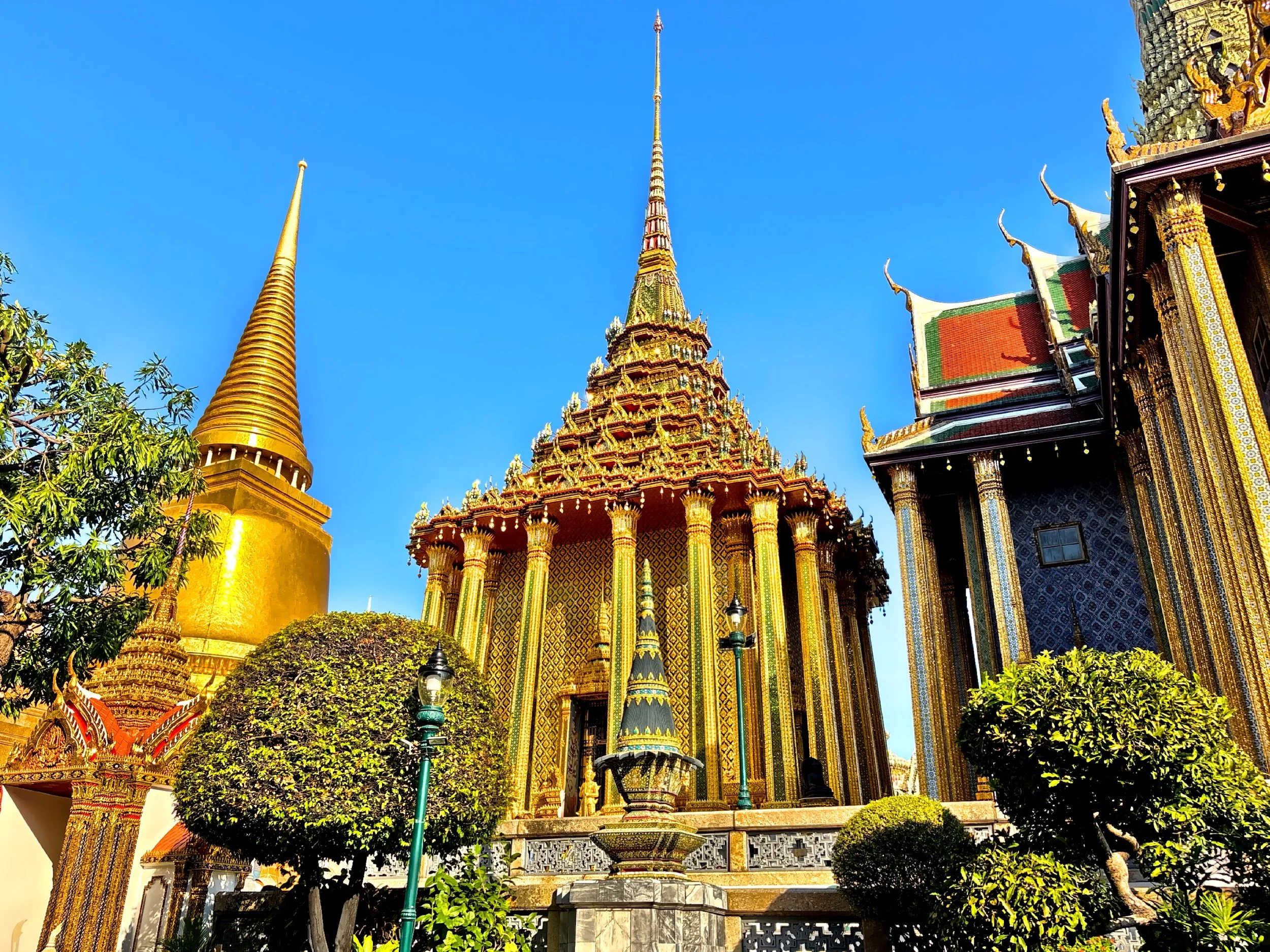
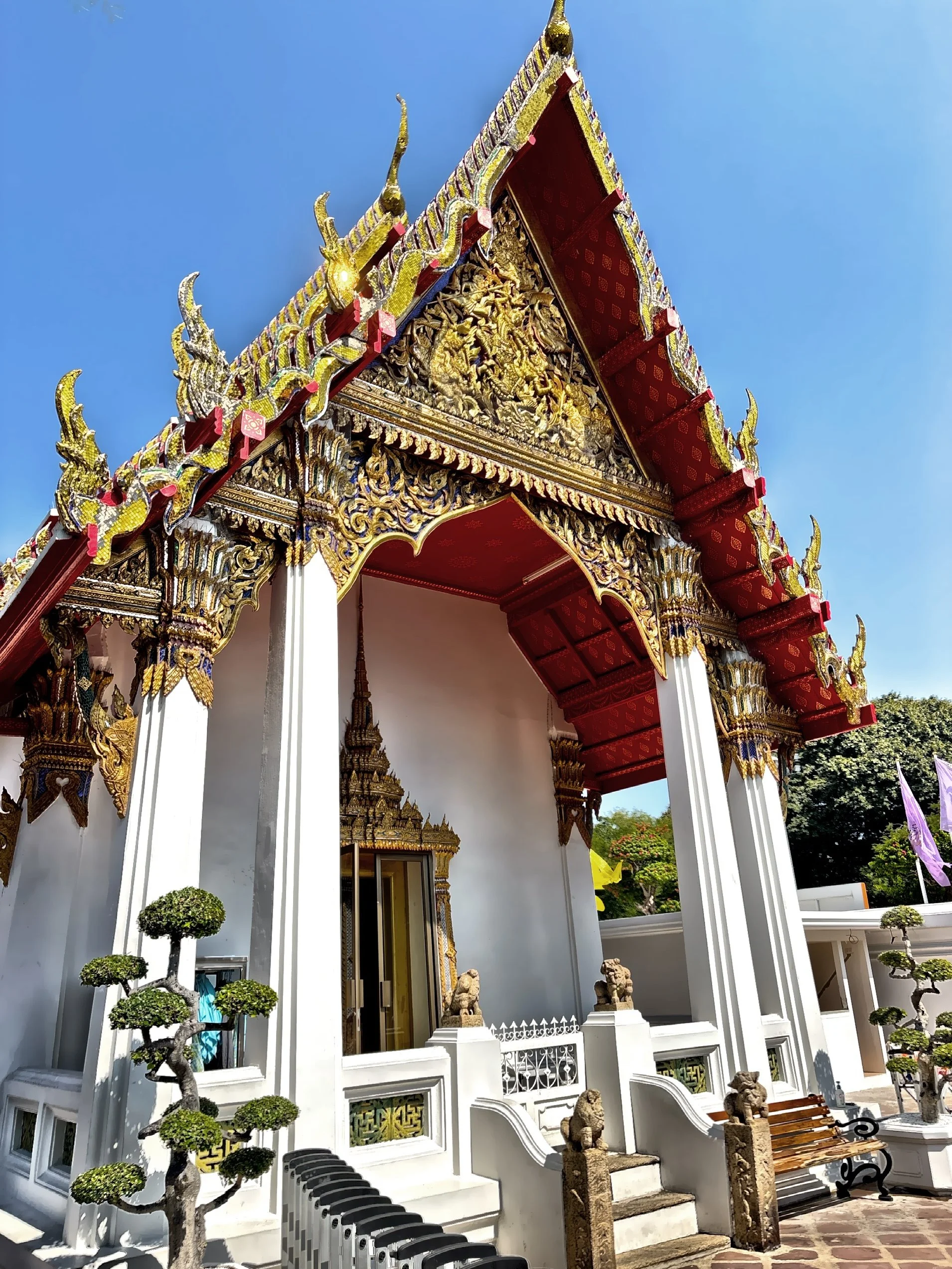
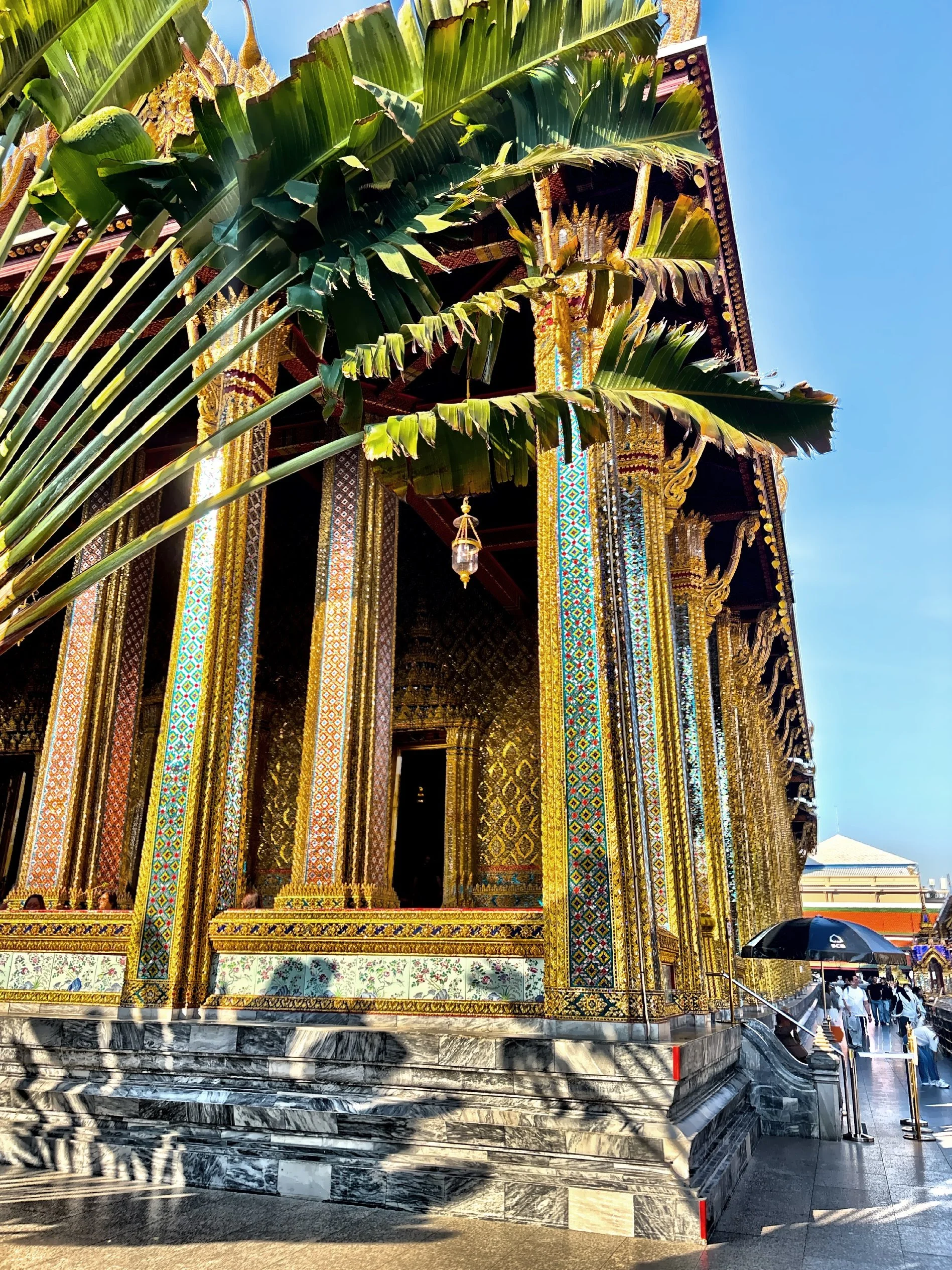
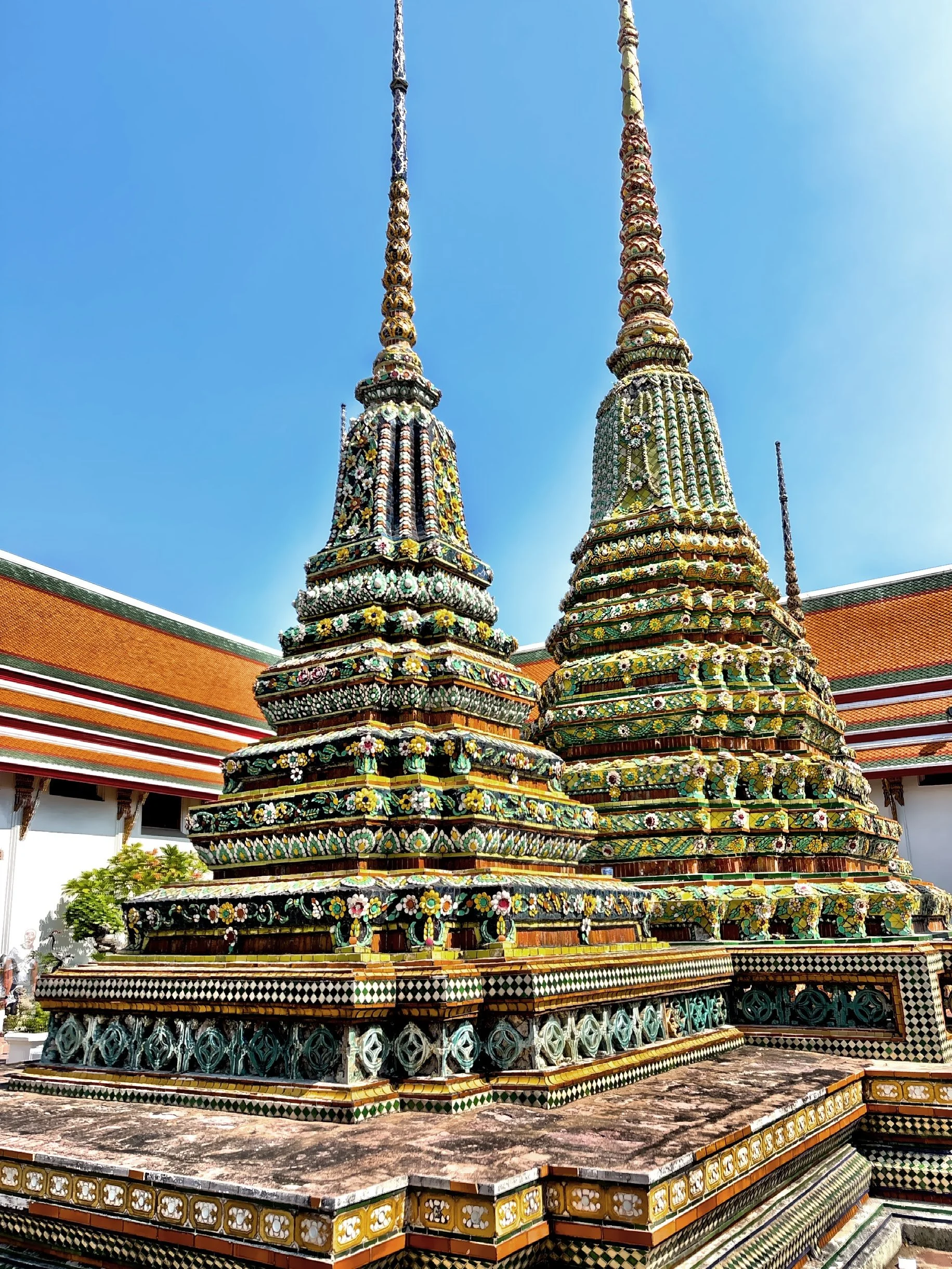
Few landmarks capture the grandeur of Thailand’s royal history quite like the Grand Palace. Built in 1782, when King Rama I established Bangkok as the nation’s capital, the sprawling palace complex served as the official residence of Thai kings for more than 150 years. Walking through its ornate courtyards feels less like visiting a monument and more like stepping into a living chapter of Thai history.
At the heart of the complex lies Wat Phra Kaew, also known as the Temple of the Emerald Buddha. Inside sits the revered Emerald Buddha — a relatively small yet deeply sacred statue carved from a single block of jade, despite its famous name. Considered Thailand’s most important religious artifact, the statue represents both the spiritual soul and political unity of the nation. Only the King of Thailand is permitted to touch the Buddha, carrying out an elaborate ceremonial changing of its seasonal robes three times each year.
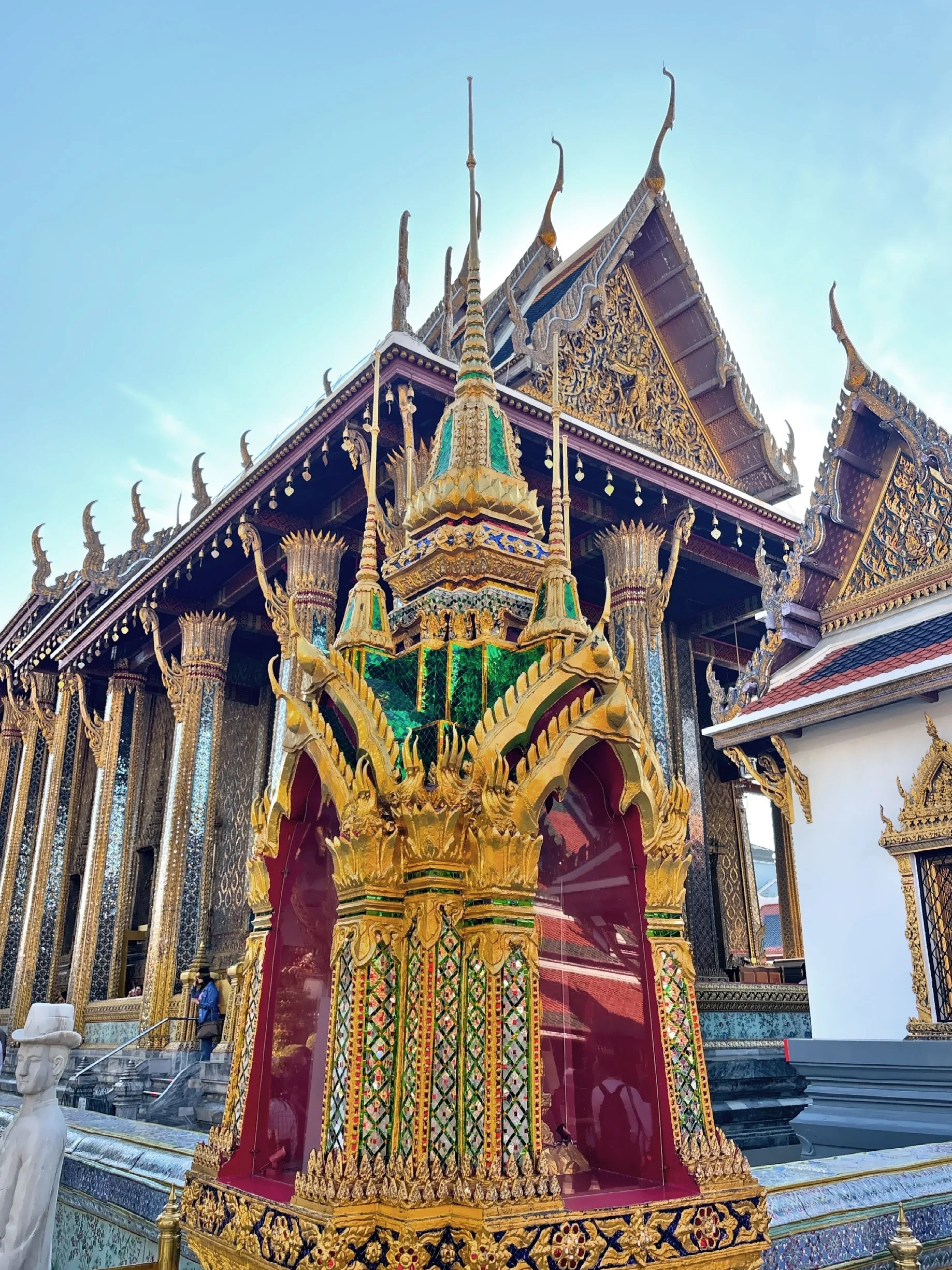
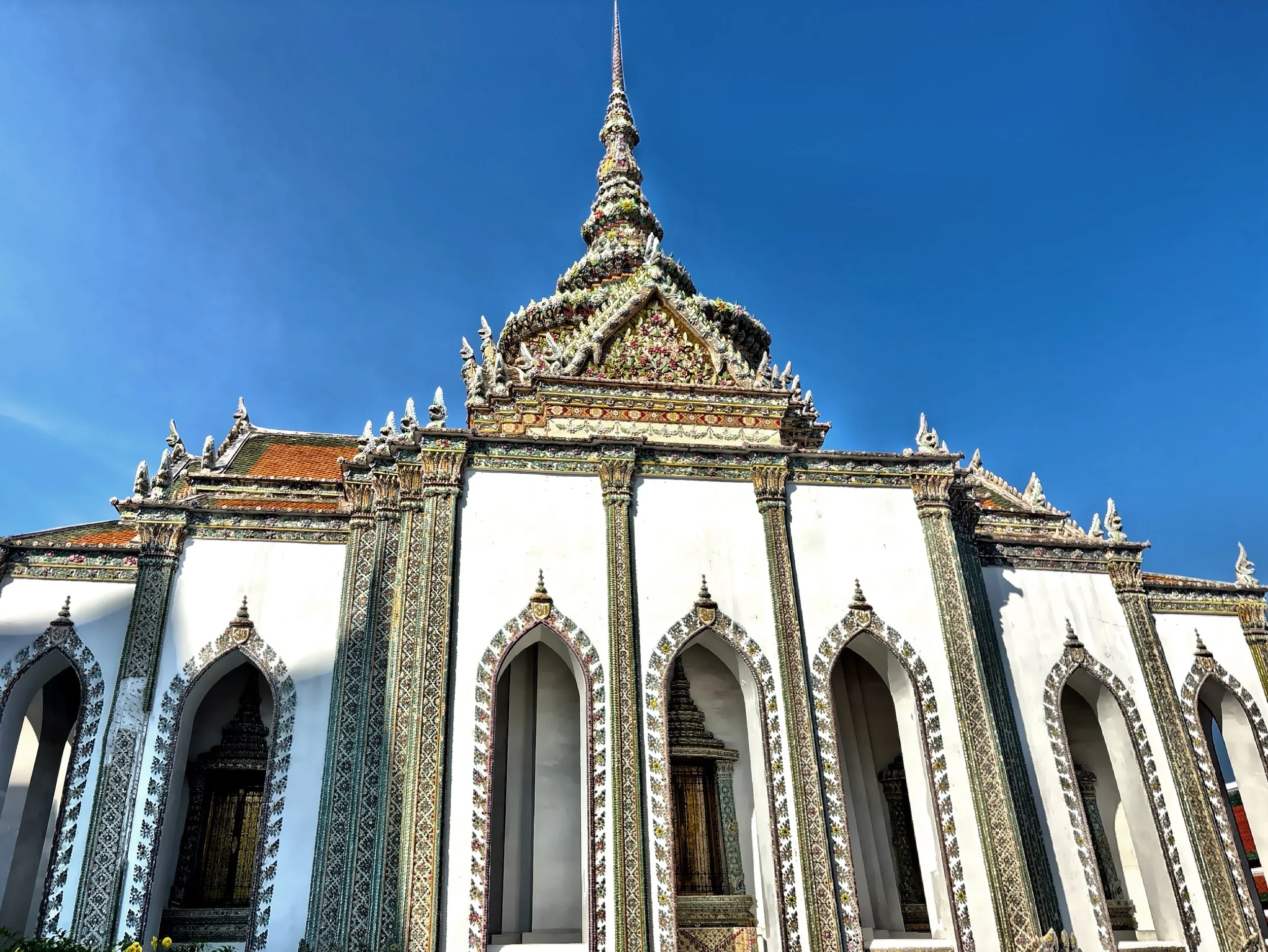
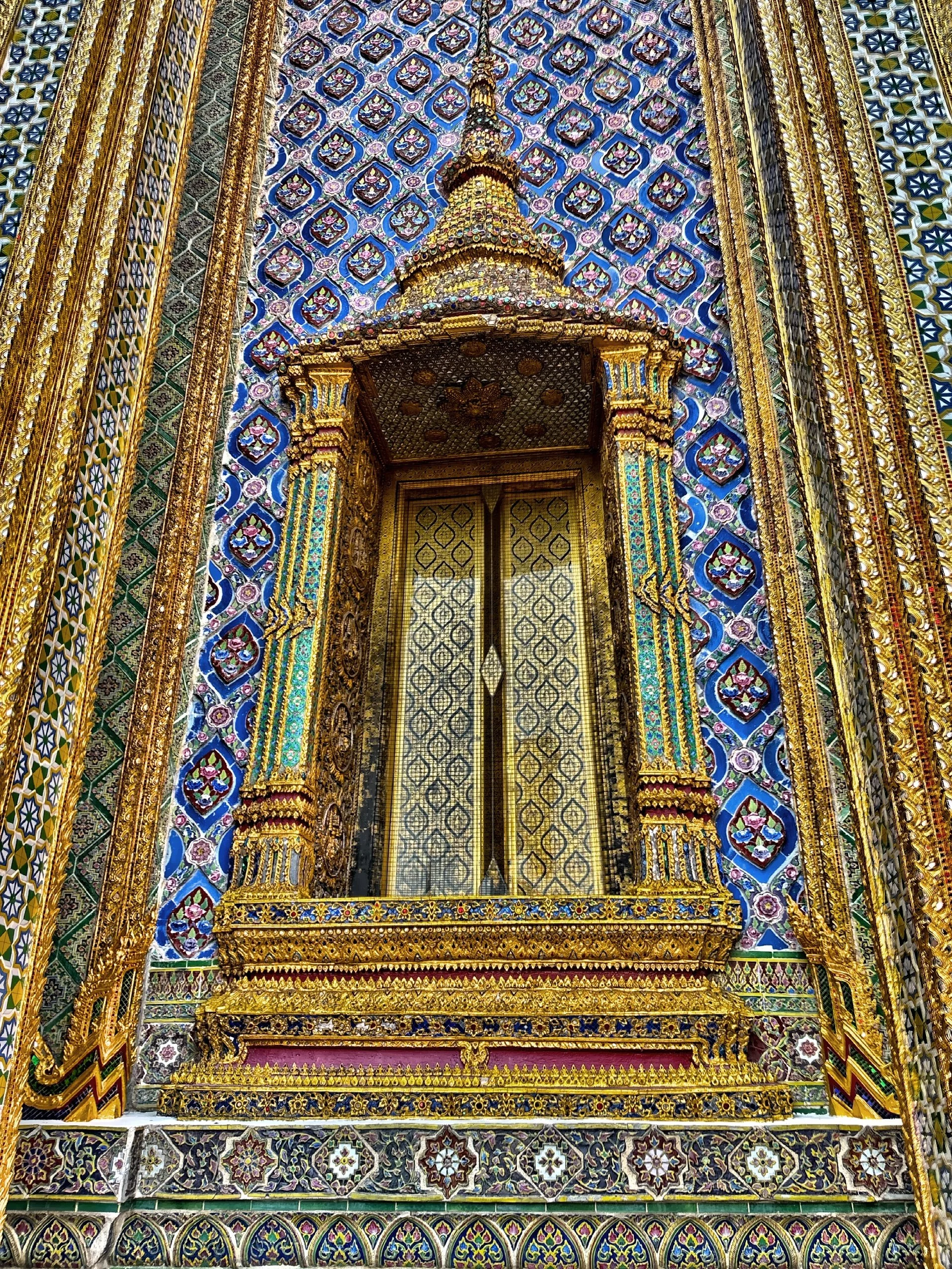
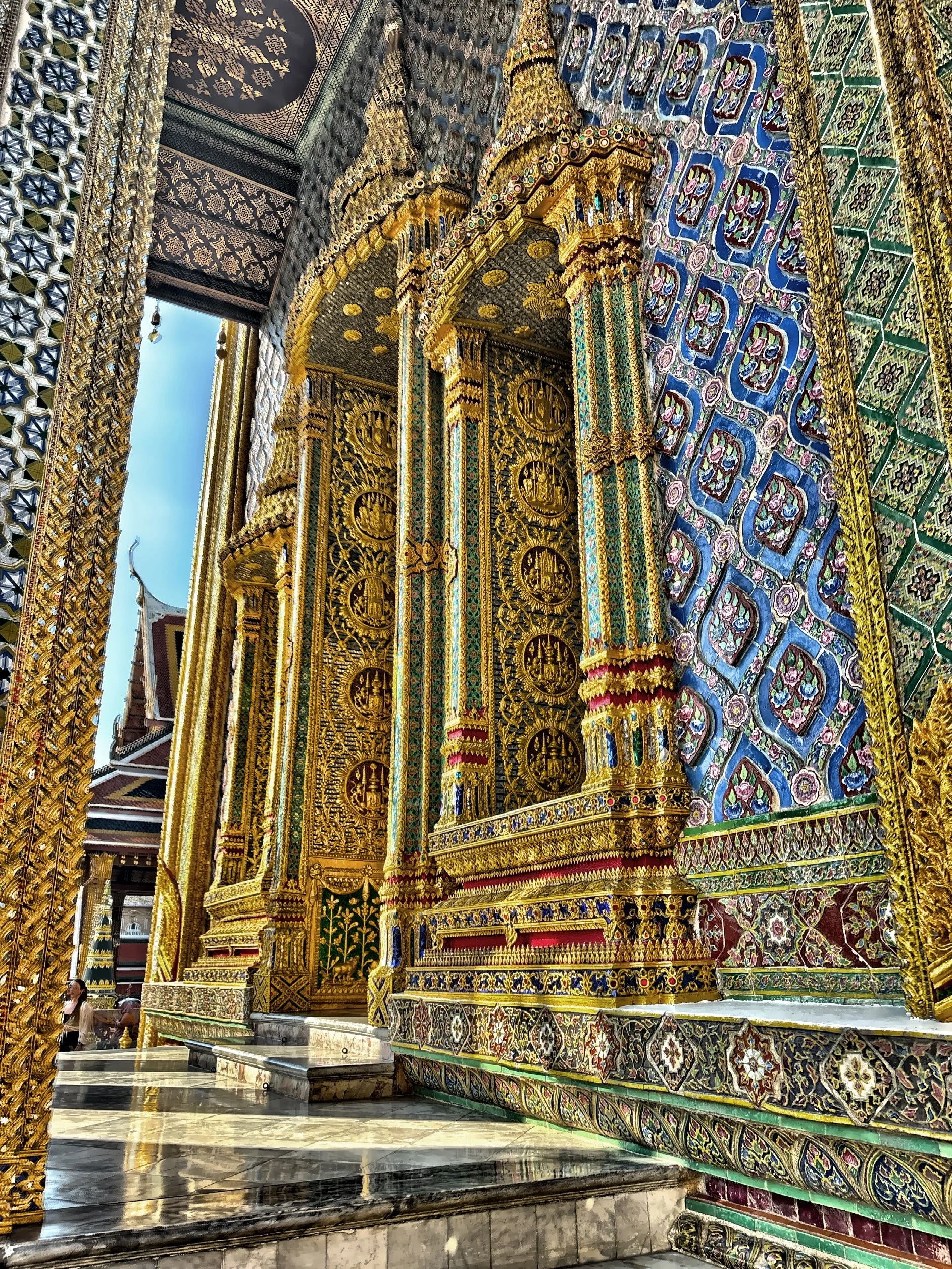
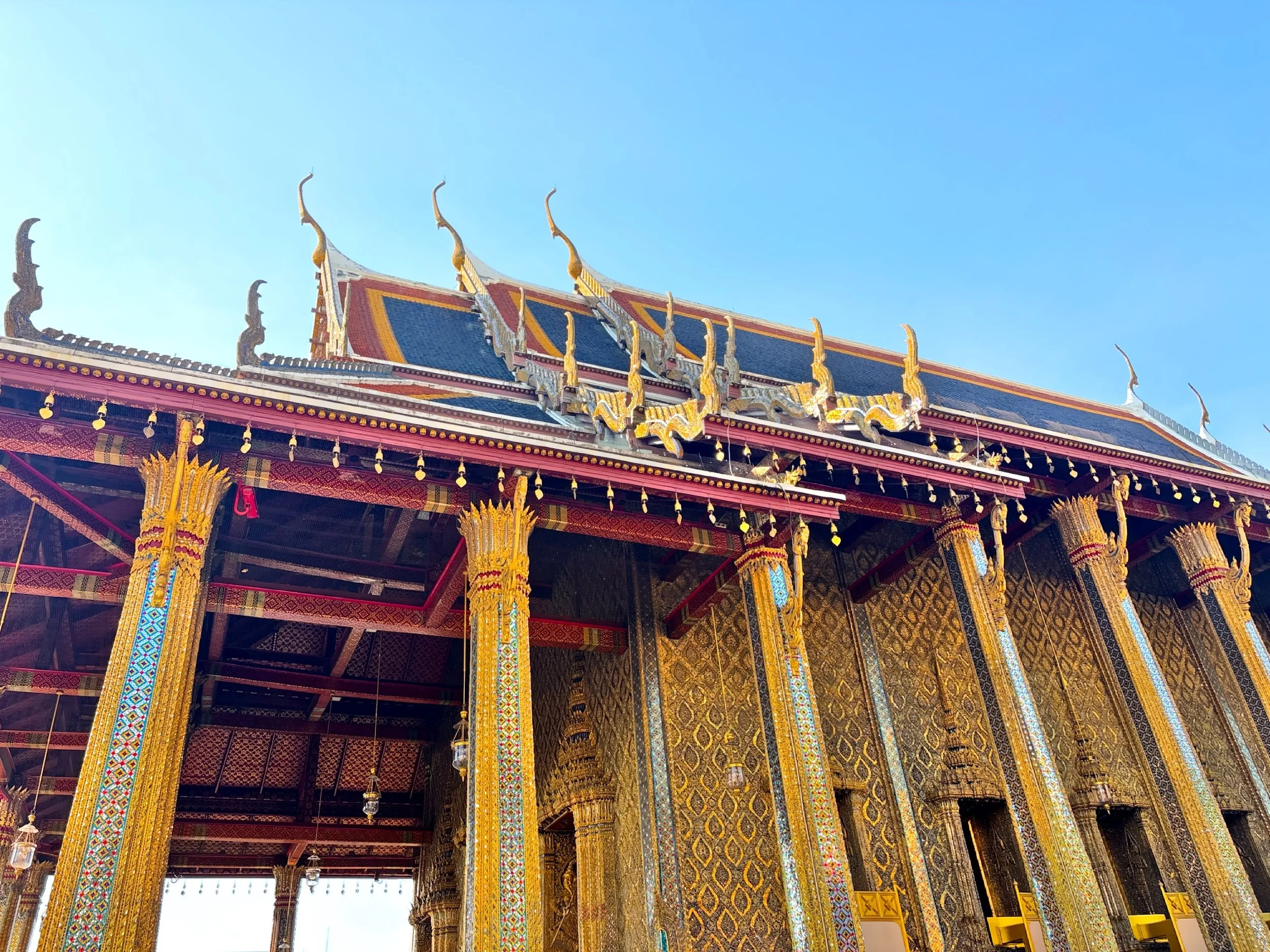
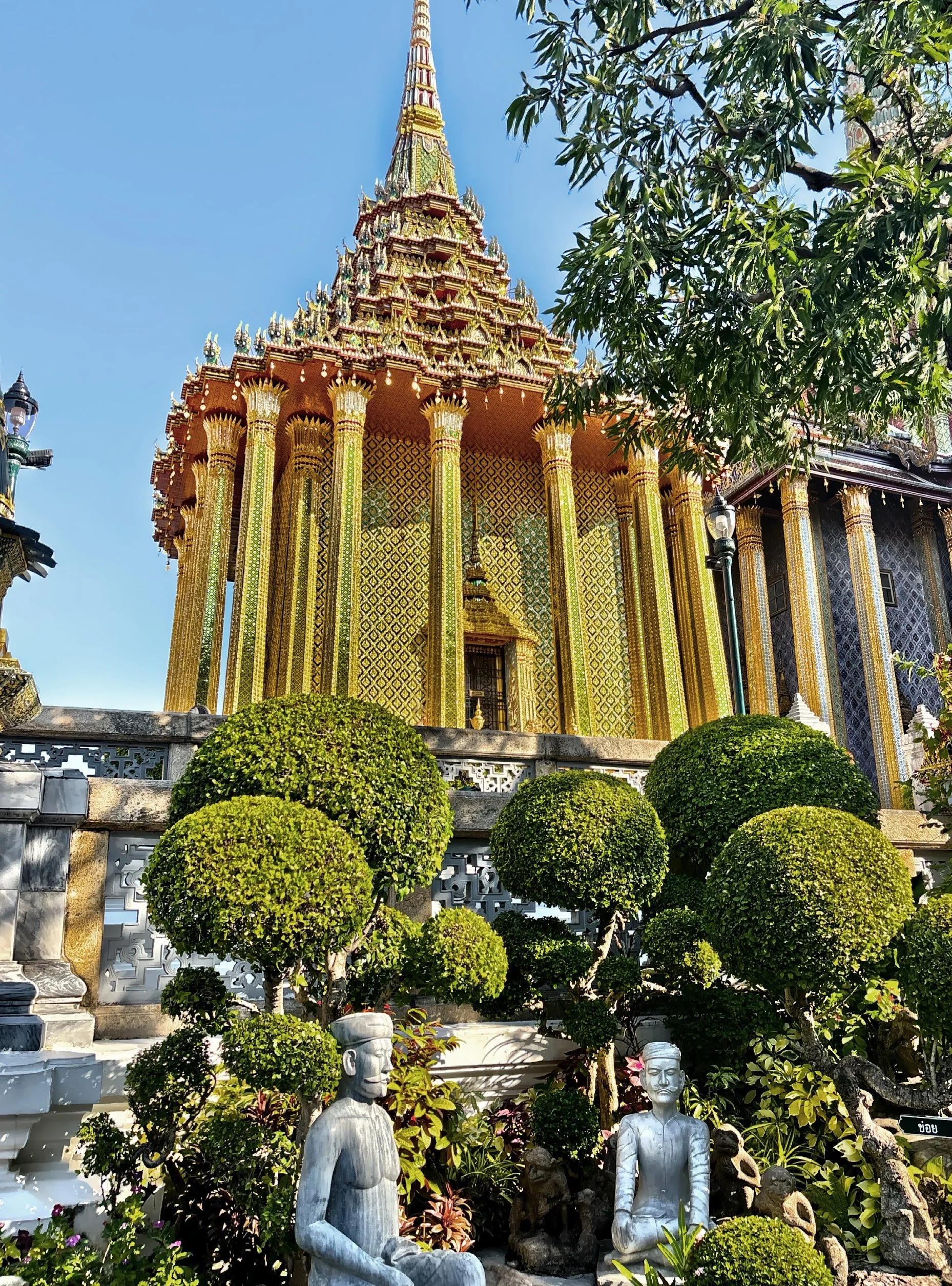
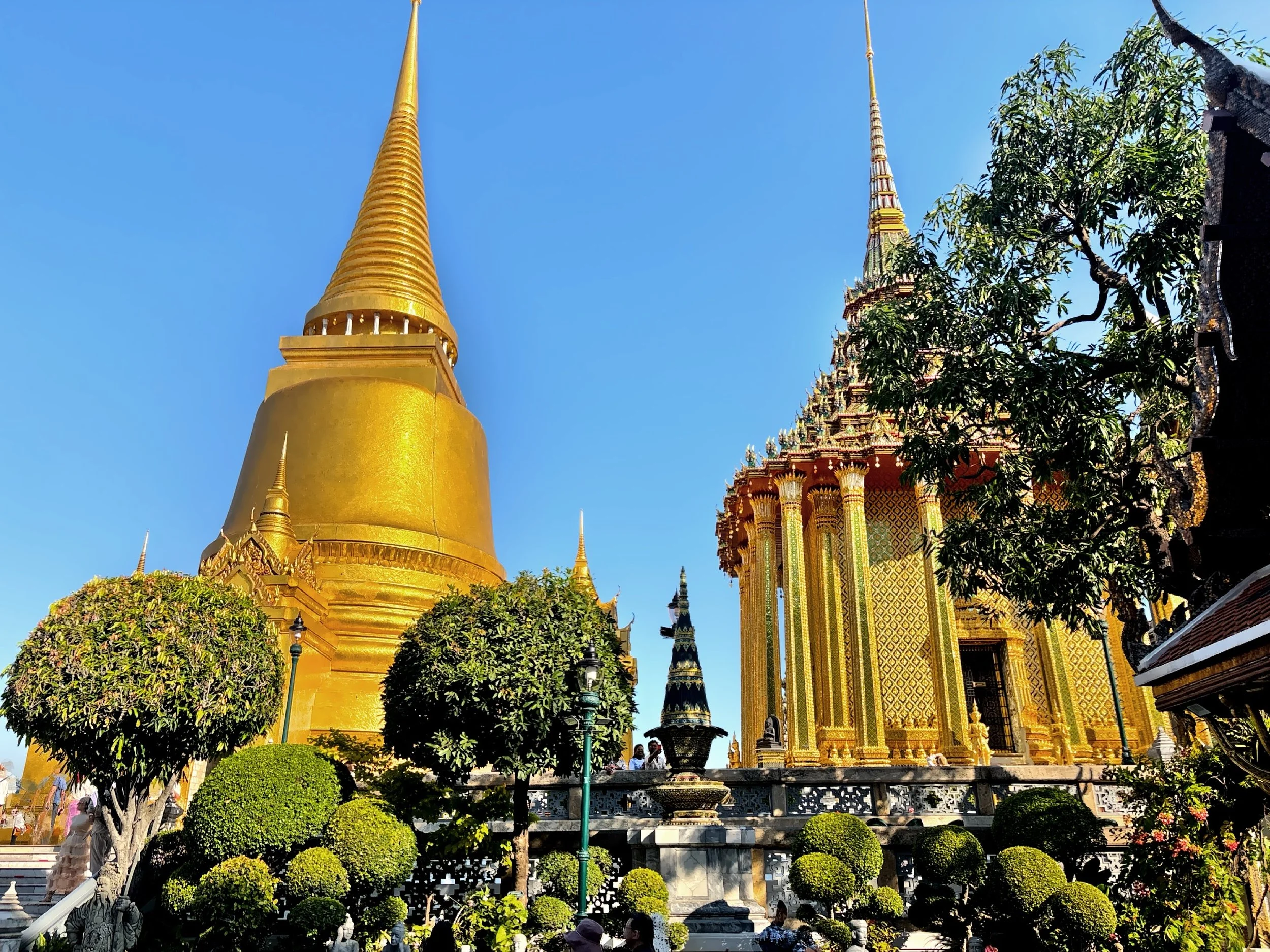
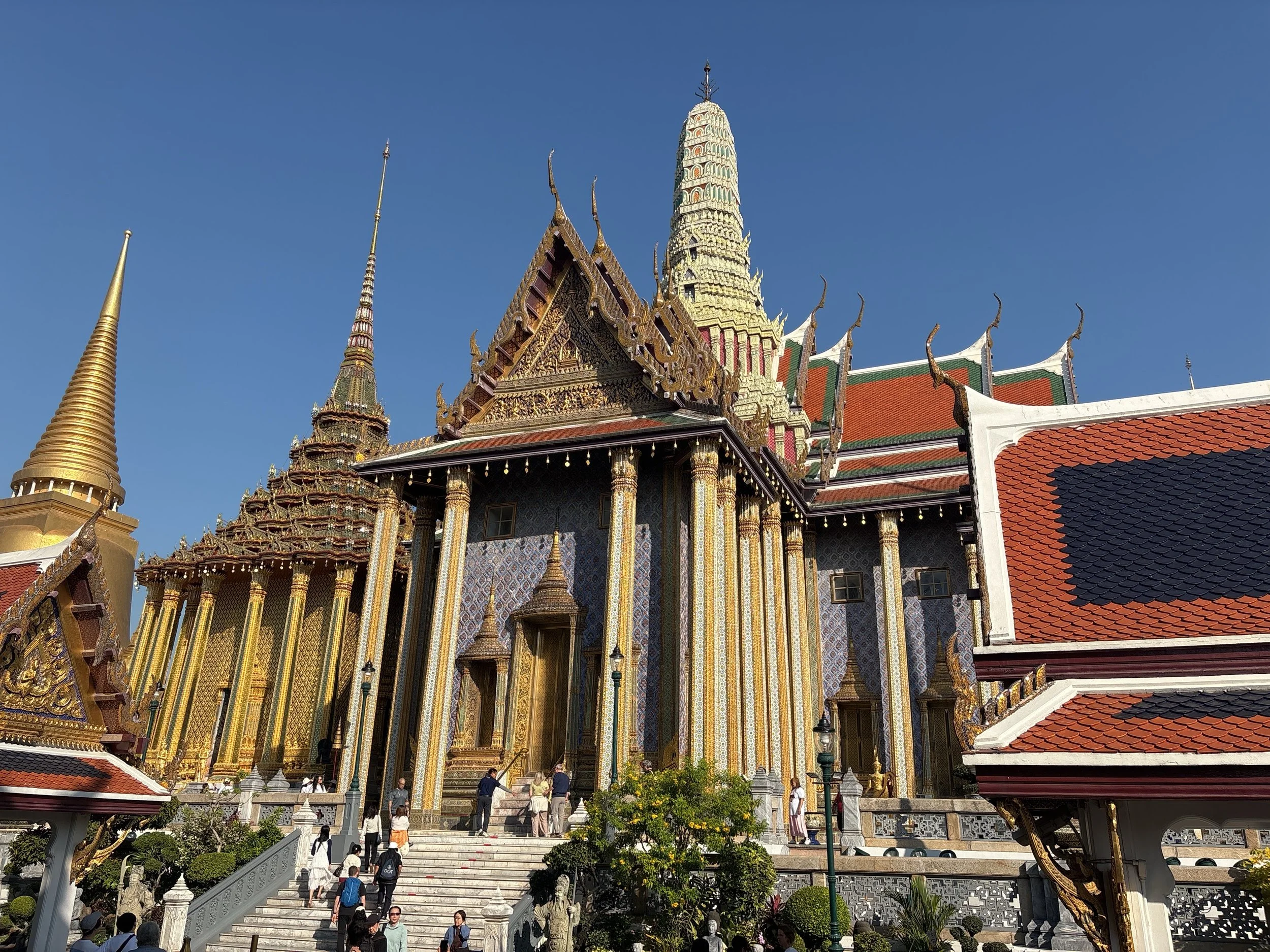
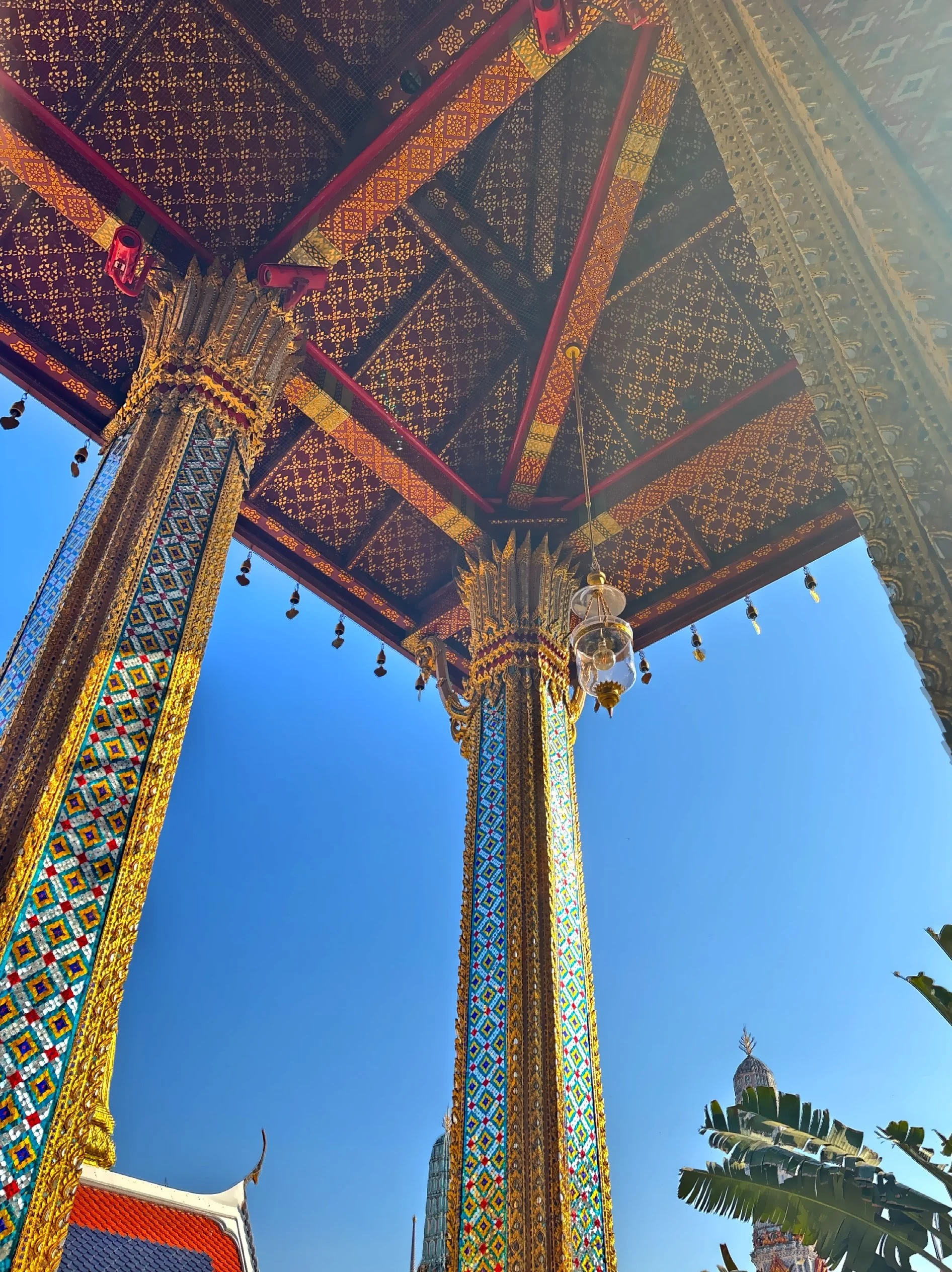
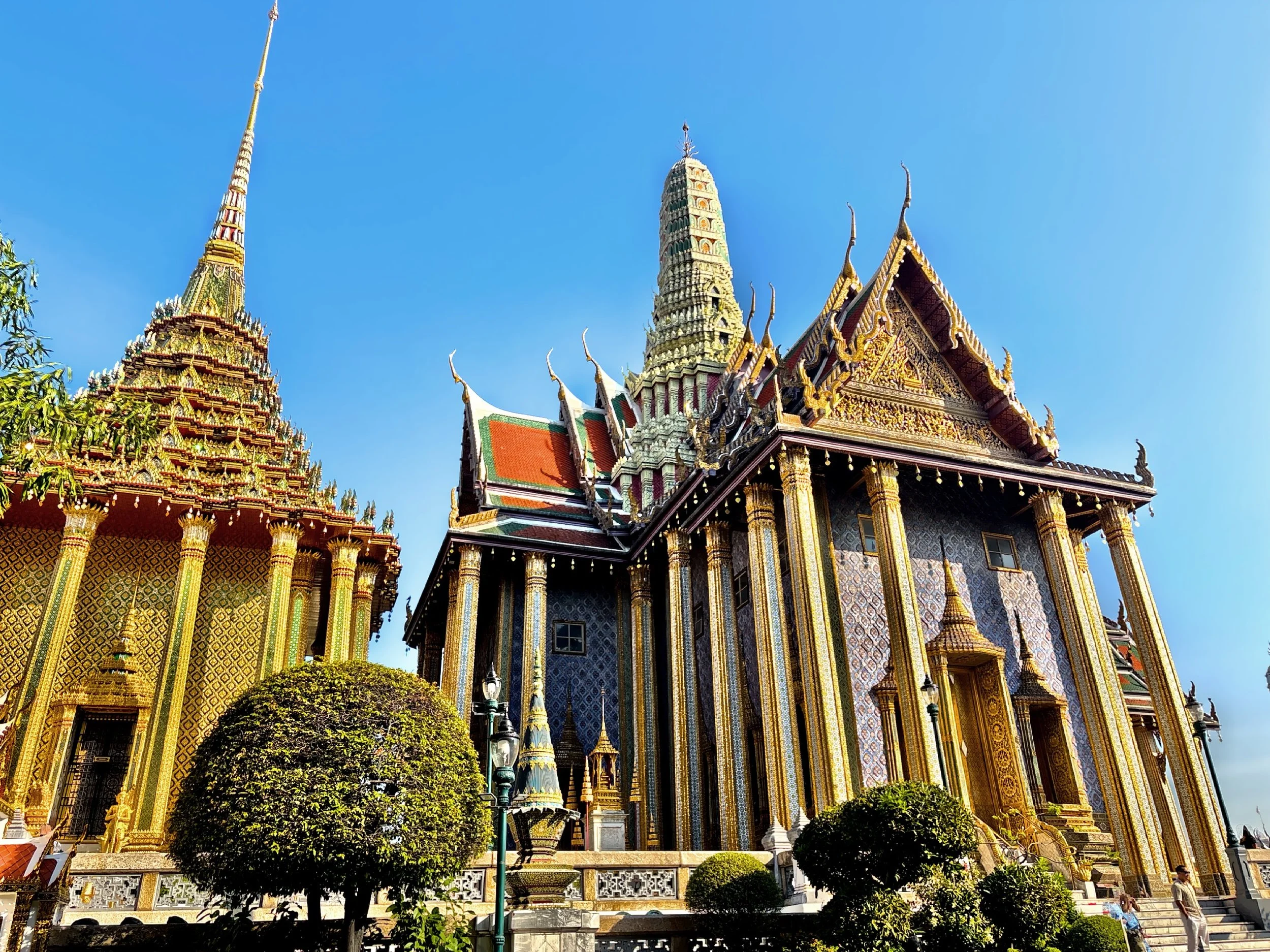
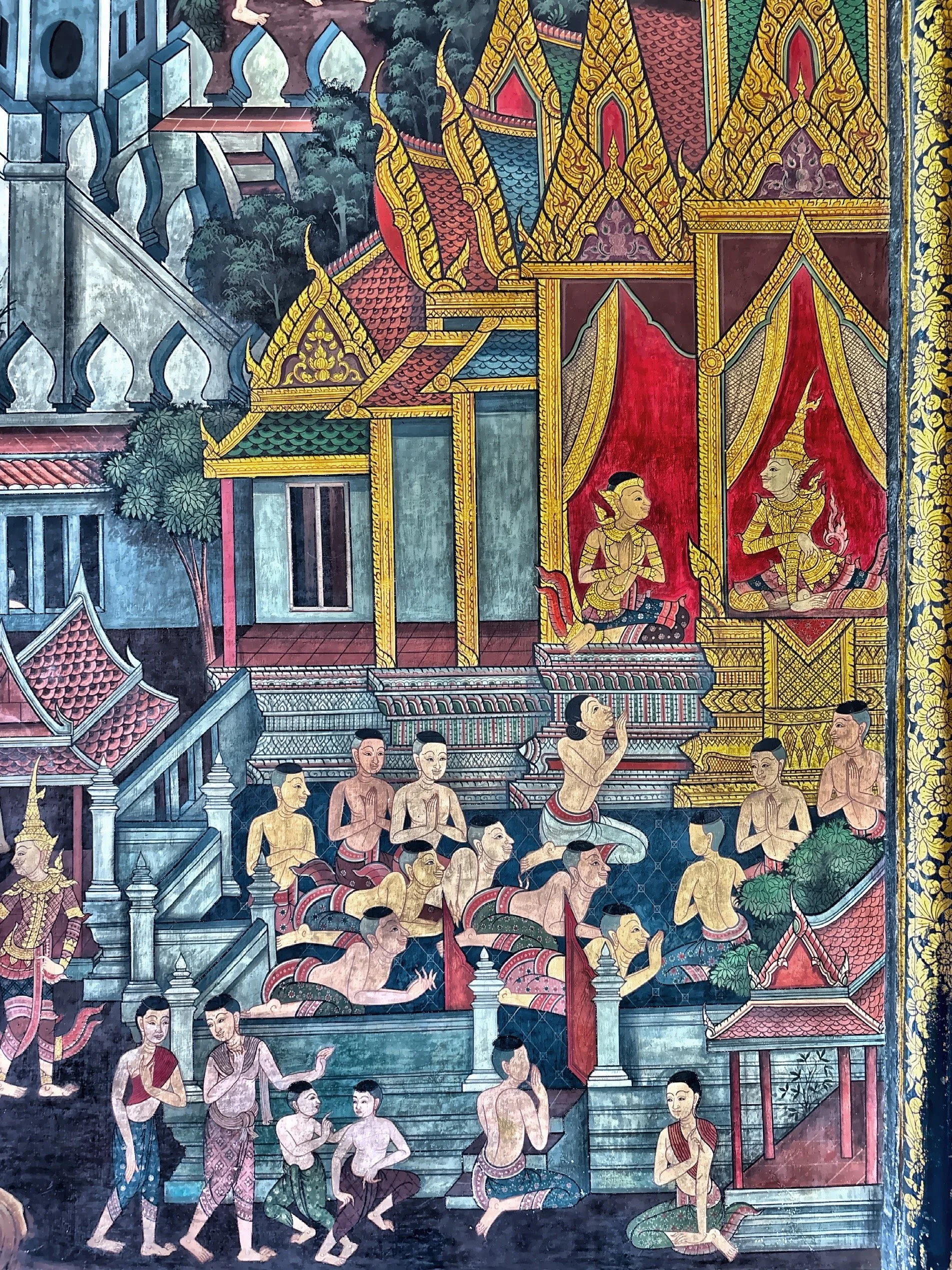
What makes the Grand Palace unforgettable is its extraordinary attention to detail. Glittering golden spires rise against the Bangkok sky, mirrored mosaics shimmer in the tropical light, and every hall is adorned with intricate craftsmanship that reflects the elegance of traditional Thai architecture. Around every corner, there is something to admire — from delicate murals to richly decorated temple roofs layered in gold and vibrant color.
Although the Thai royal family no longer resides within the palace grounds, the Grand Palace continues to host important state ceremonies and remains one of Bangkok’s most iconic cultural landmarks. For visitors, it is more than just a tourist attraction — it is a place where history, spirituality, and artistry come together in spectacular fashion.
This is what caught my eye - I hope you enjoy!
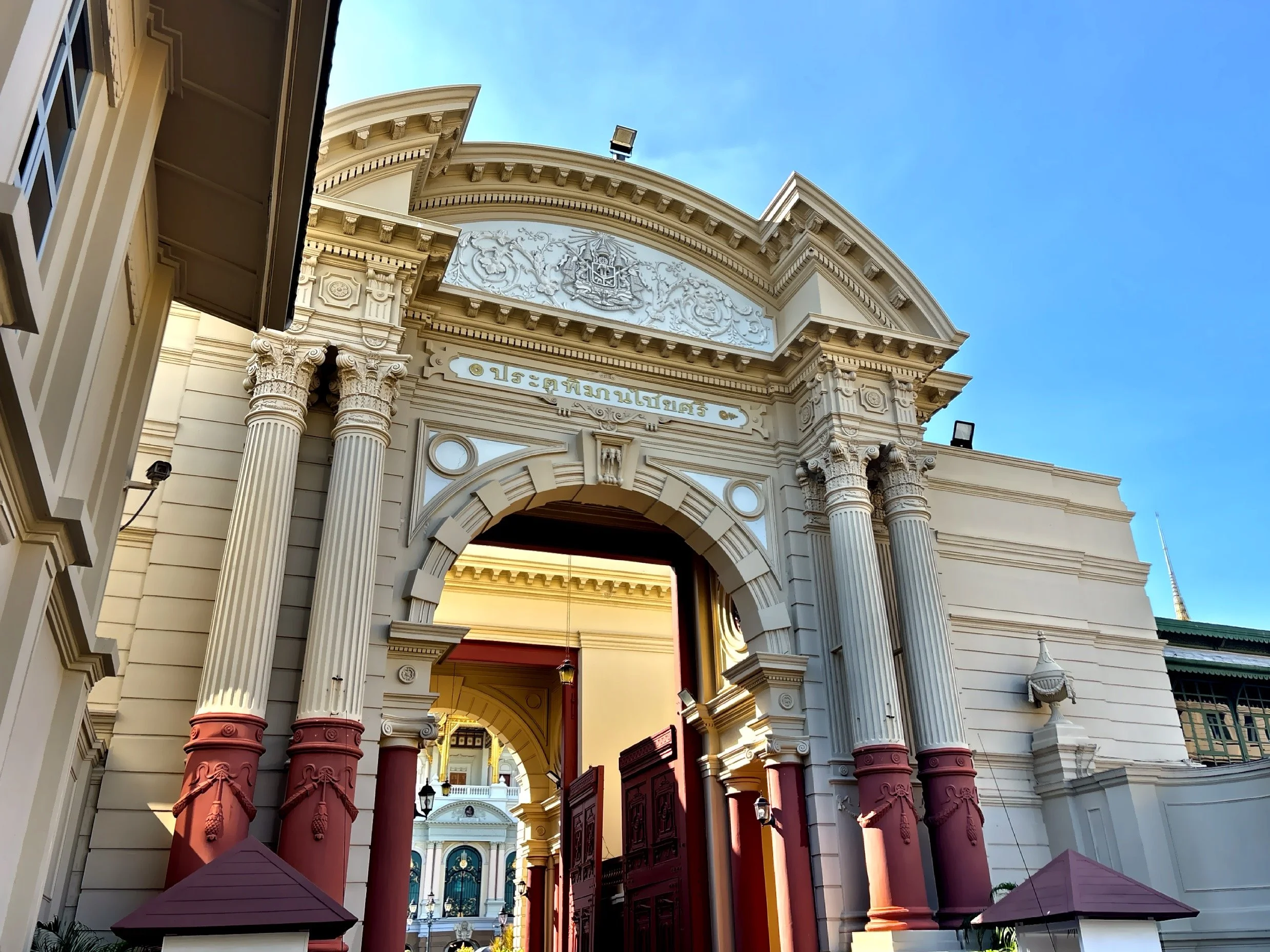
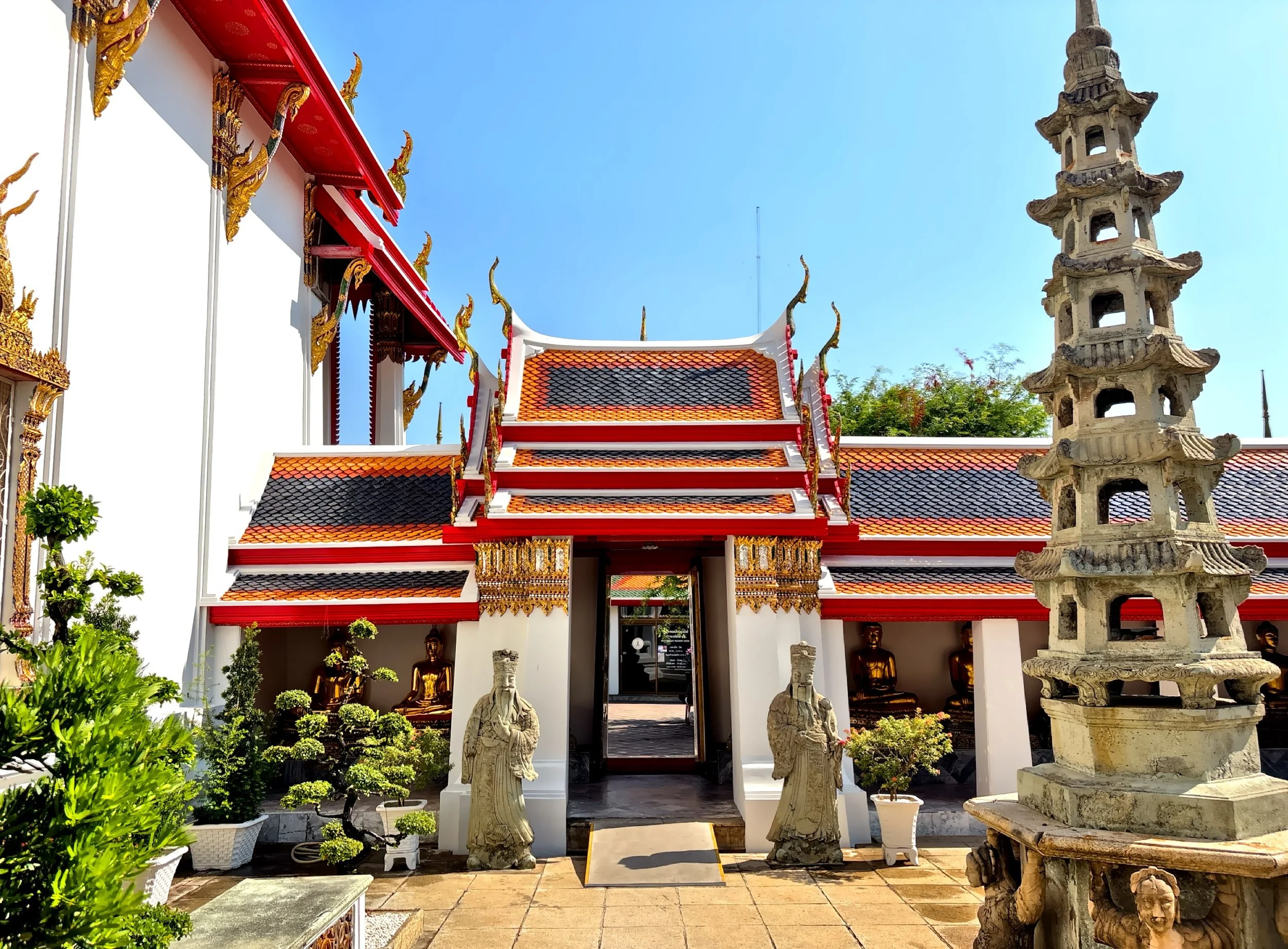
Phimanchaisri Gate connects the Outer Court to the Central Court, and historically serves as the entrance and exit for the King during processions or special occasions. The Outer Court is used for government offices and now serves as the visitor gateway.
.
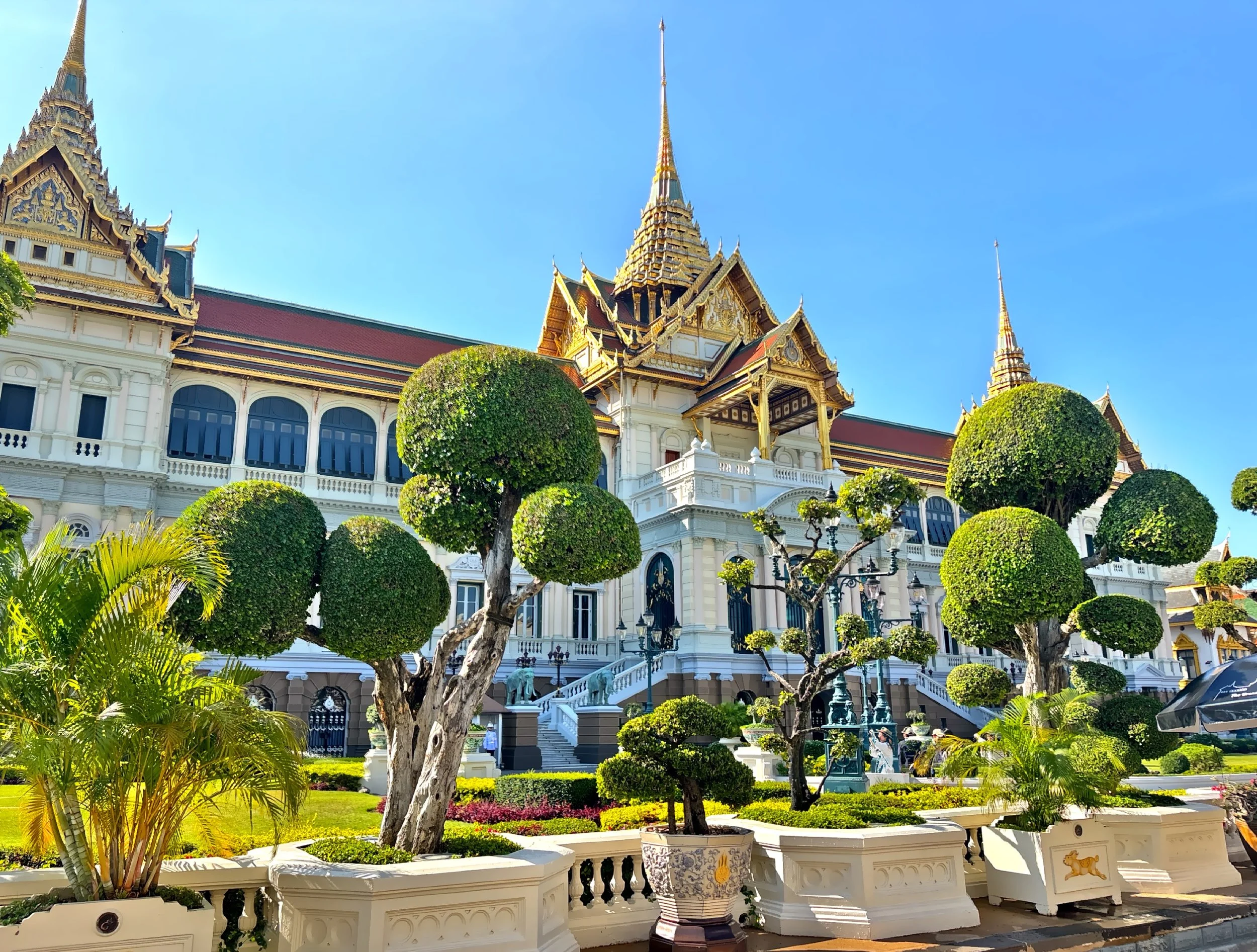
The Chakri Maha Prasat Throne Hall, with its blend of traditional Thai and European architecture.
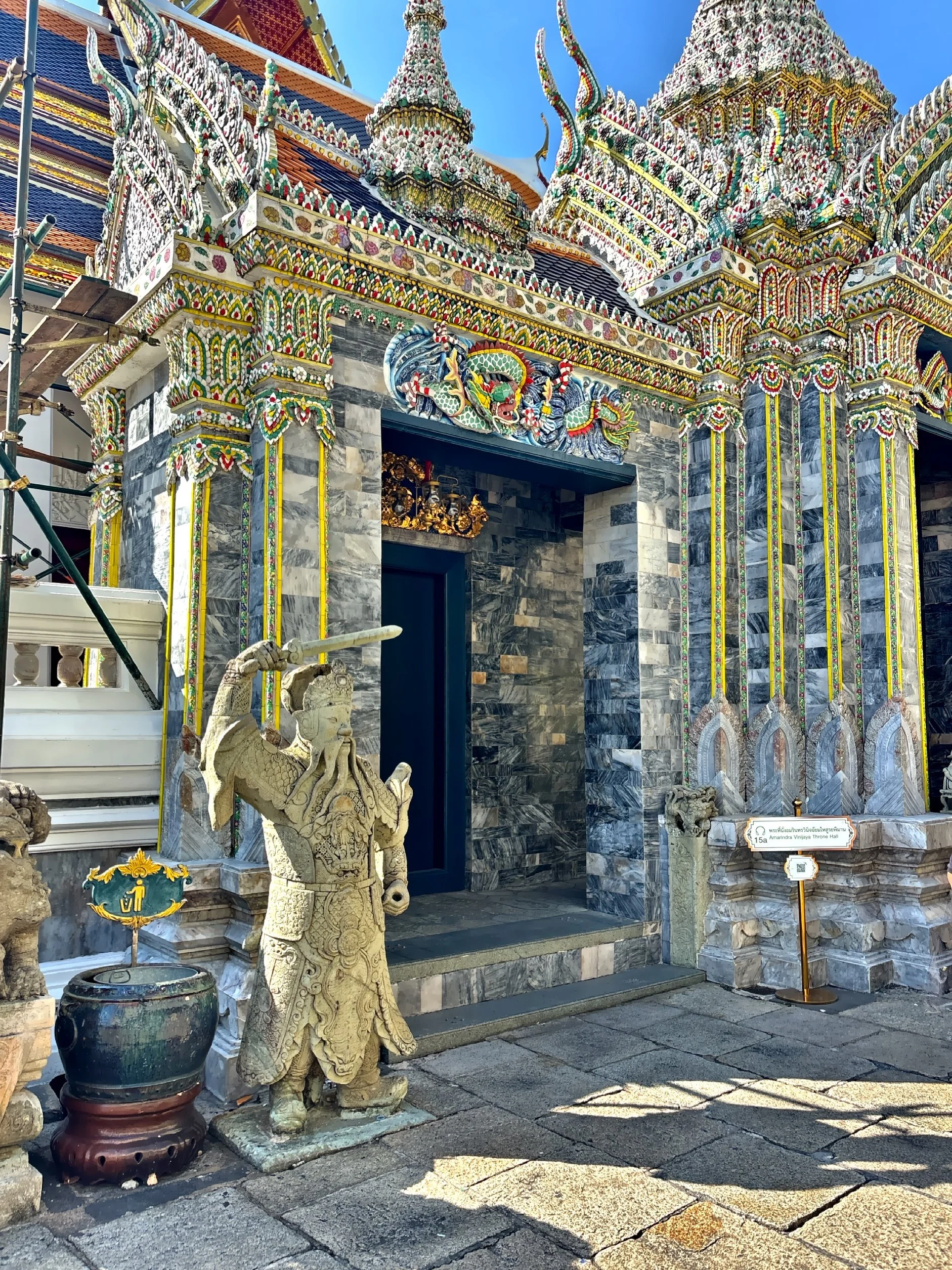
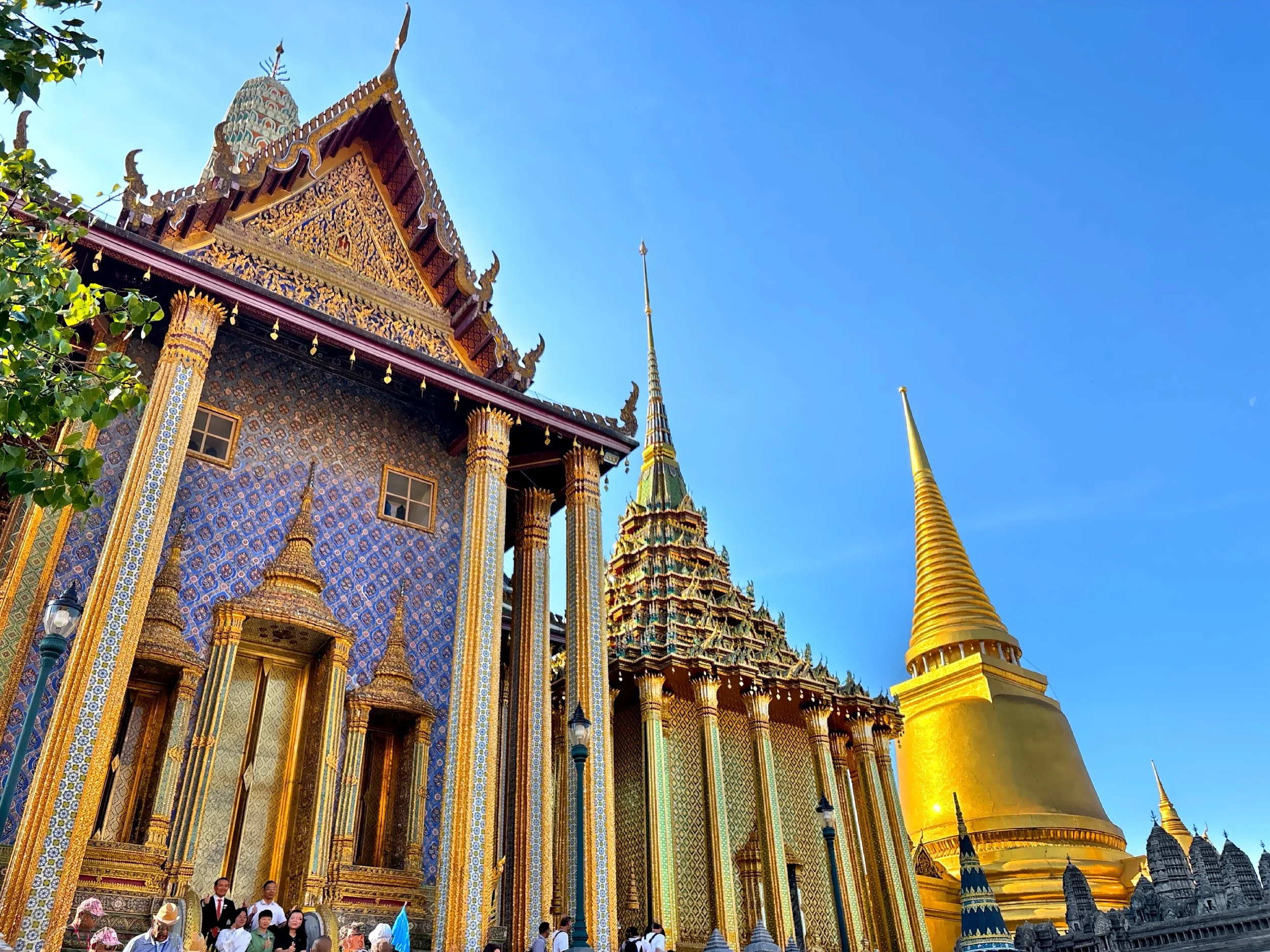
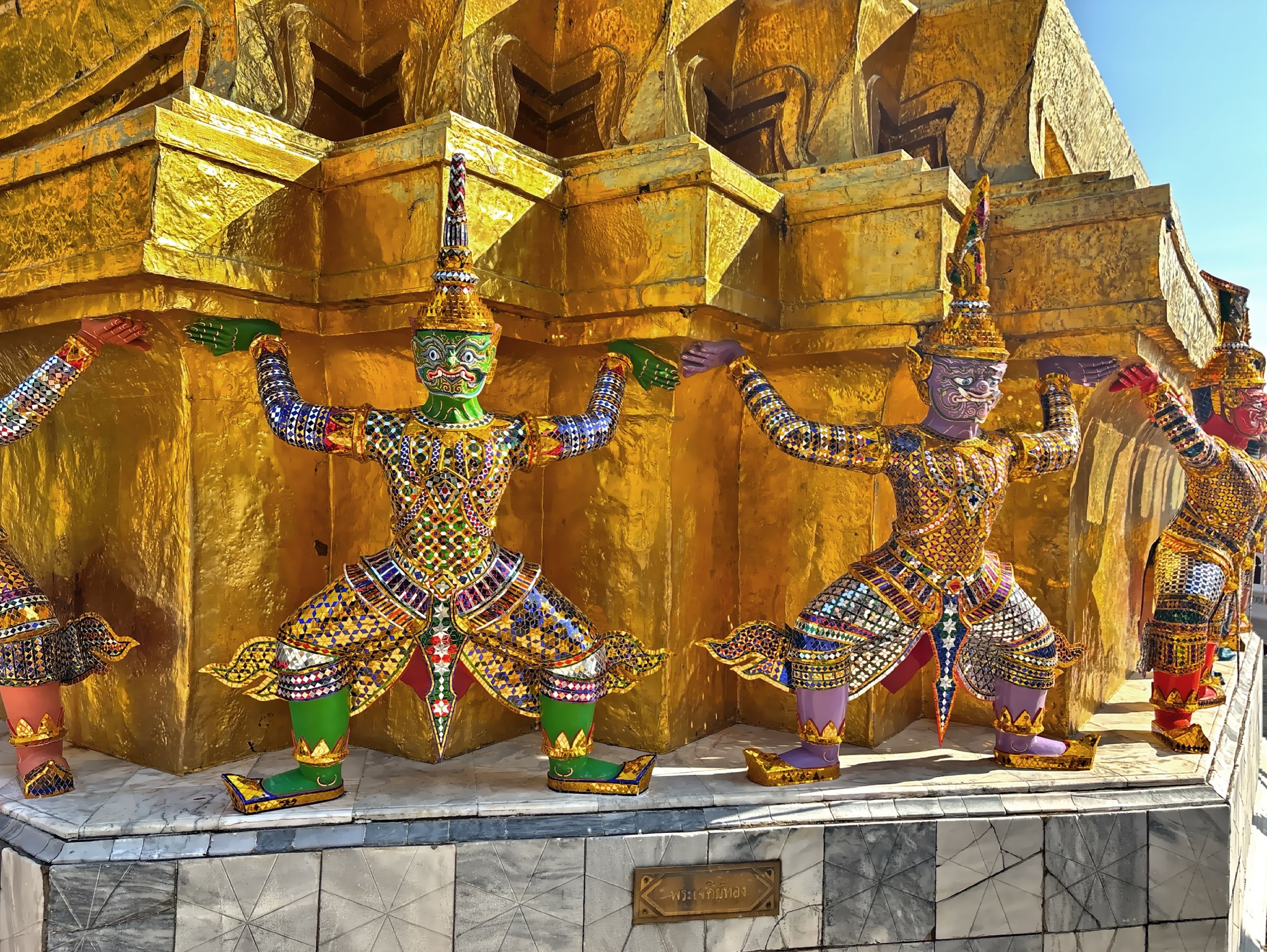
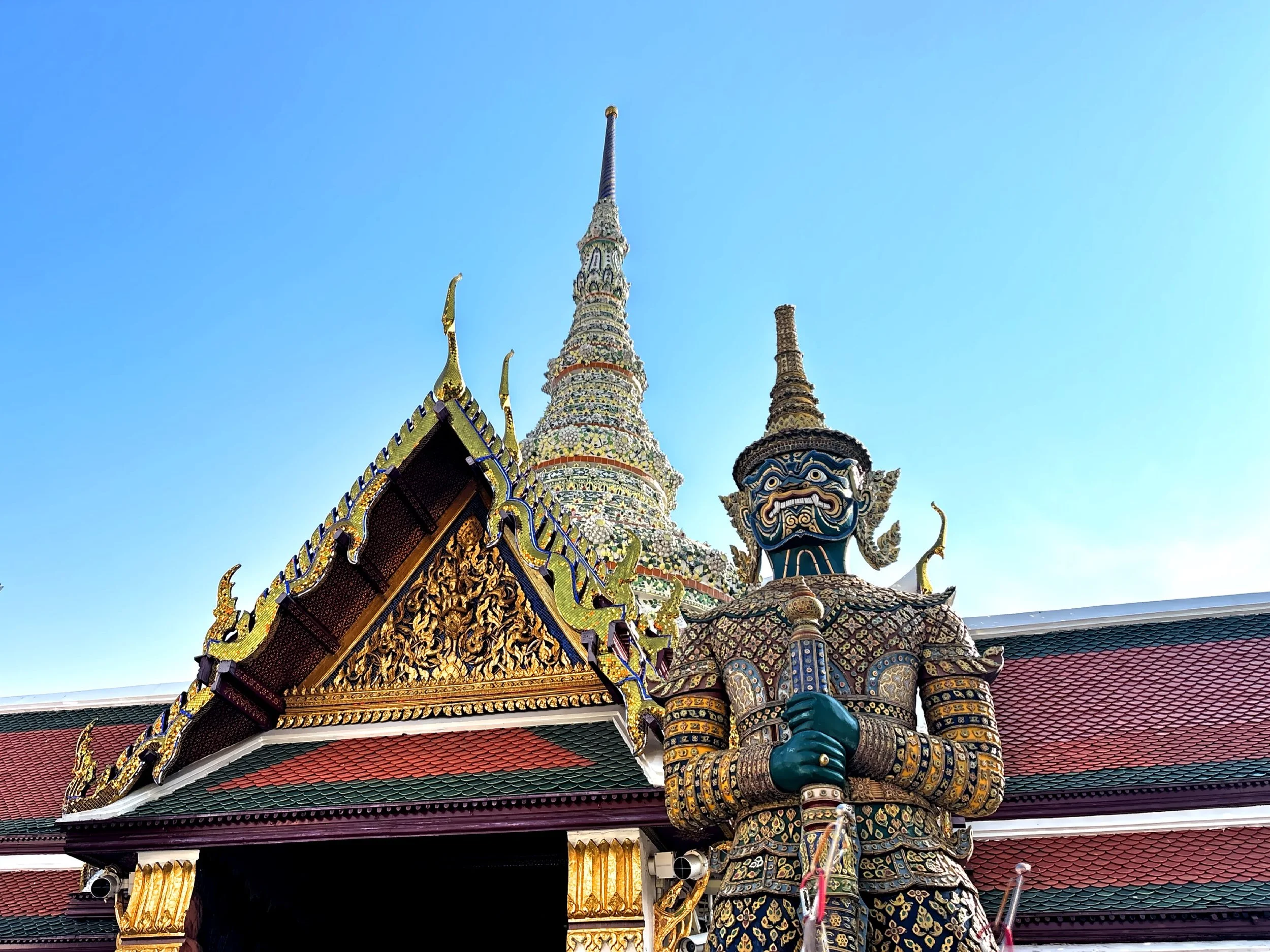
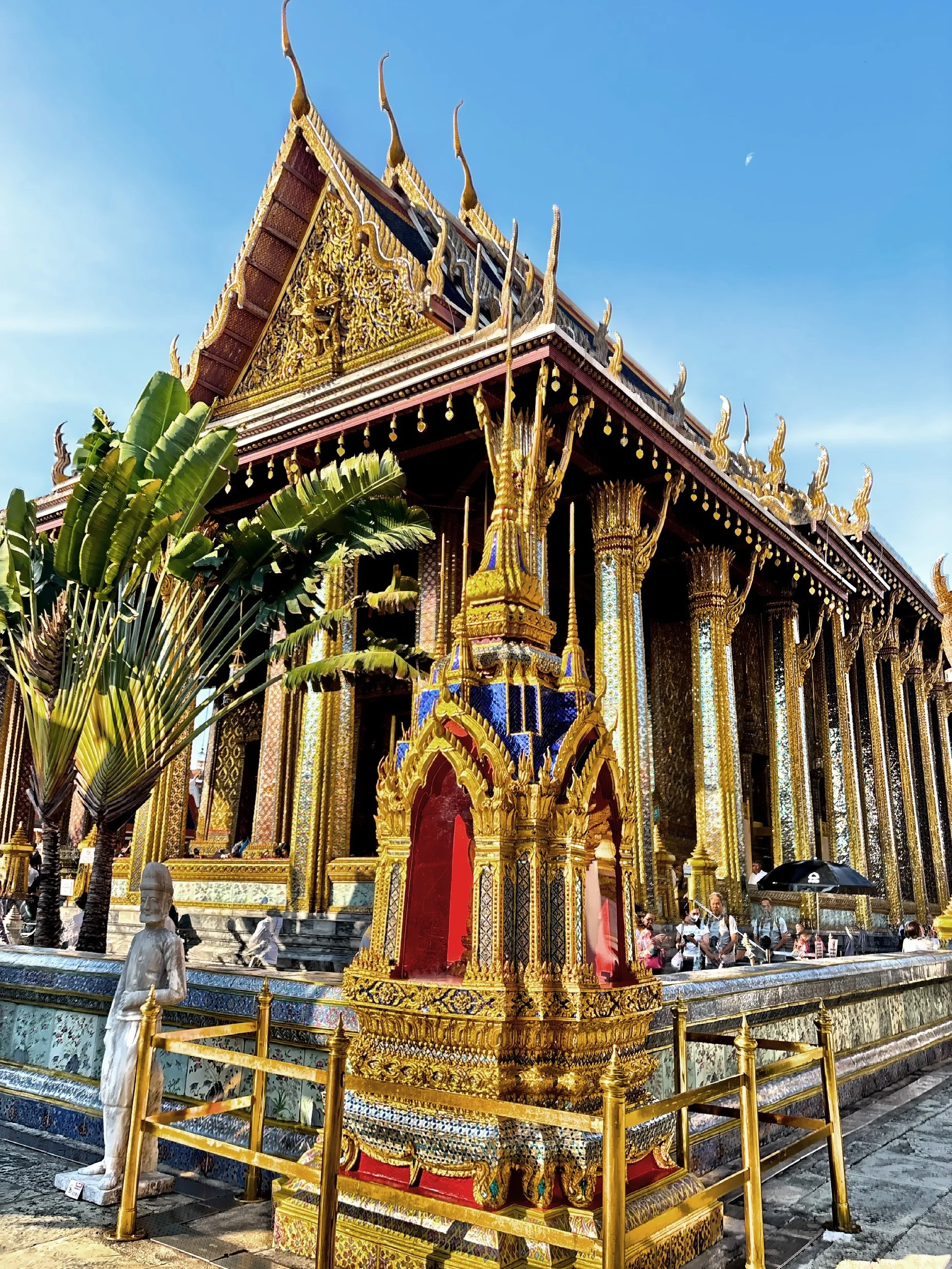
The intricate architecture of Wat Kaew (Temple of the Emerald Buddha) guarded by the warrior statue.
The Middle Court is traditionally associated with the king’s administrative and ceremonial functions. It contains important royal buildings, throne halls, and reception spaces used for state occasions.
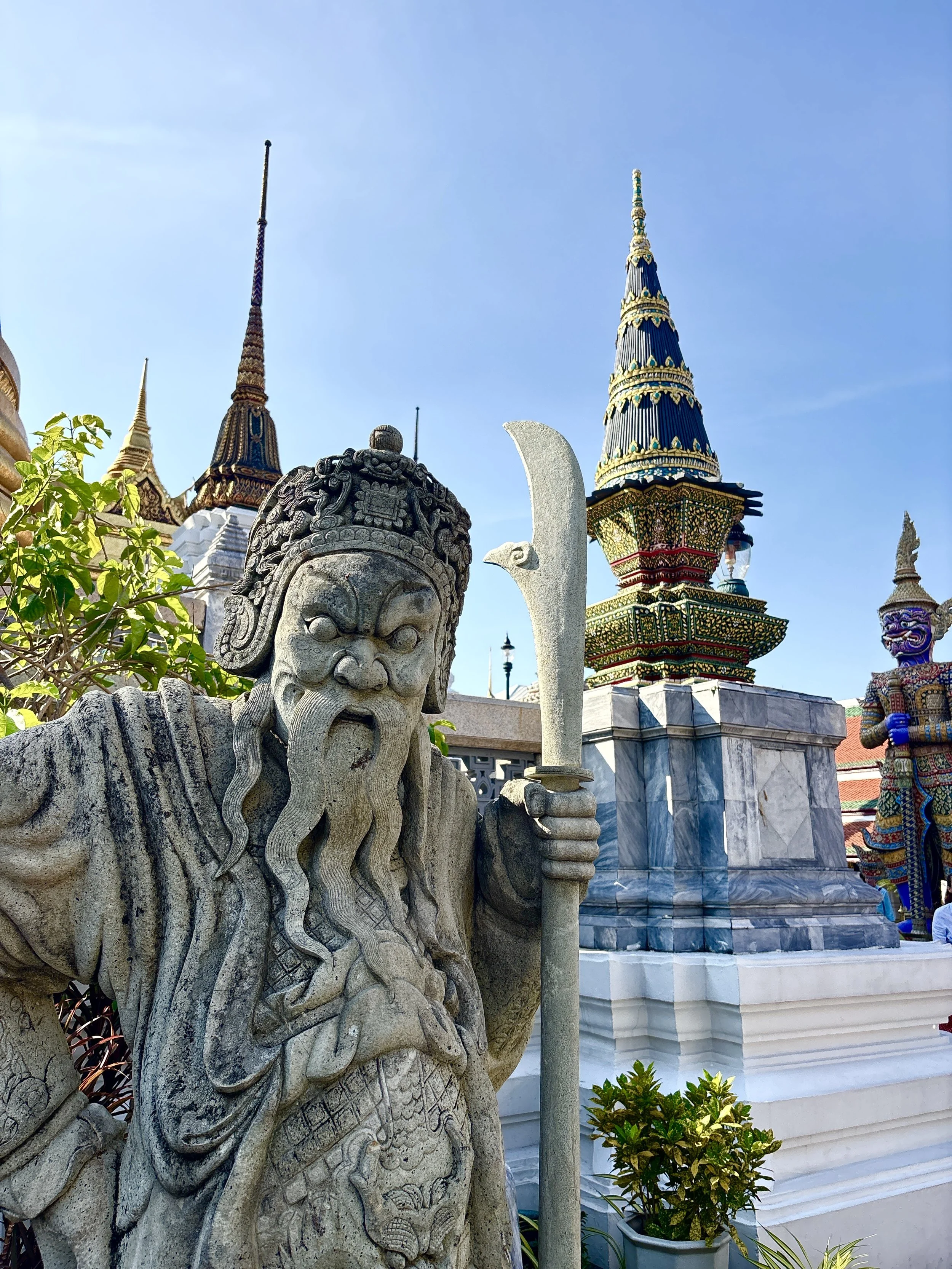
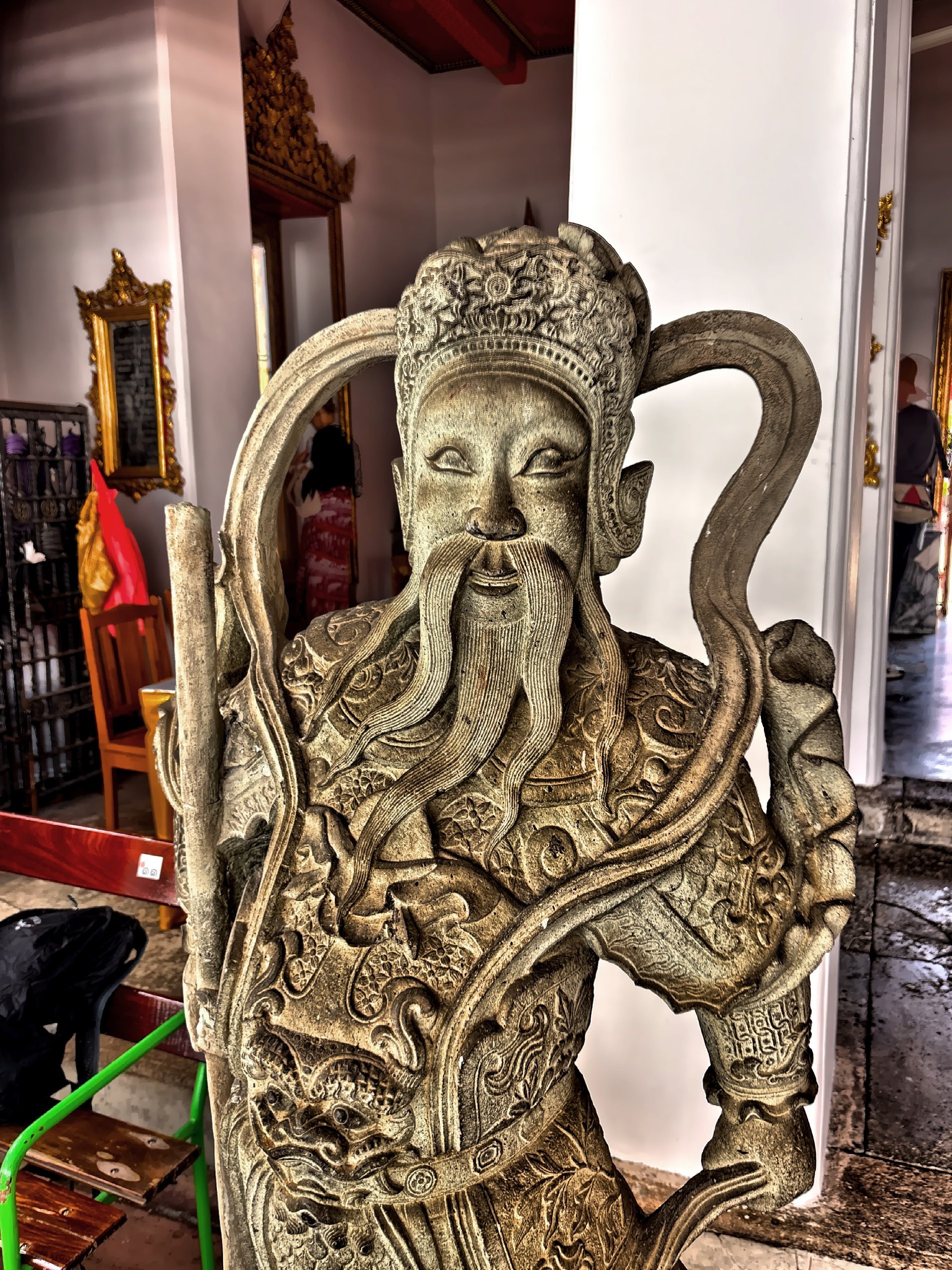
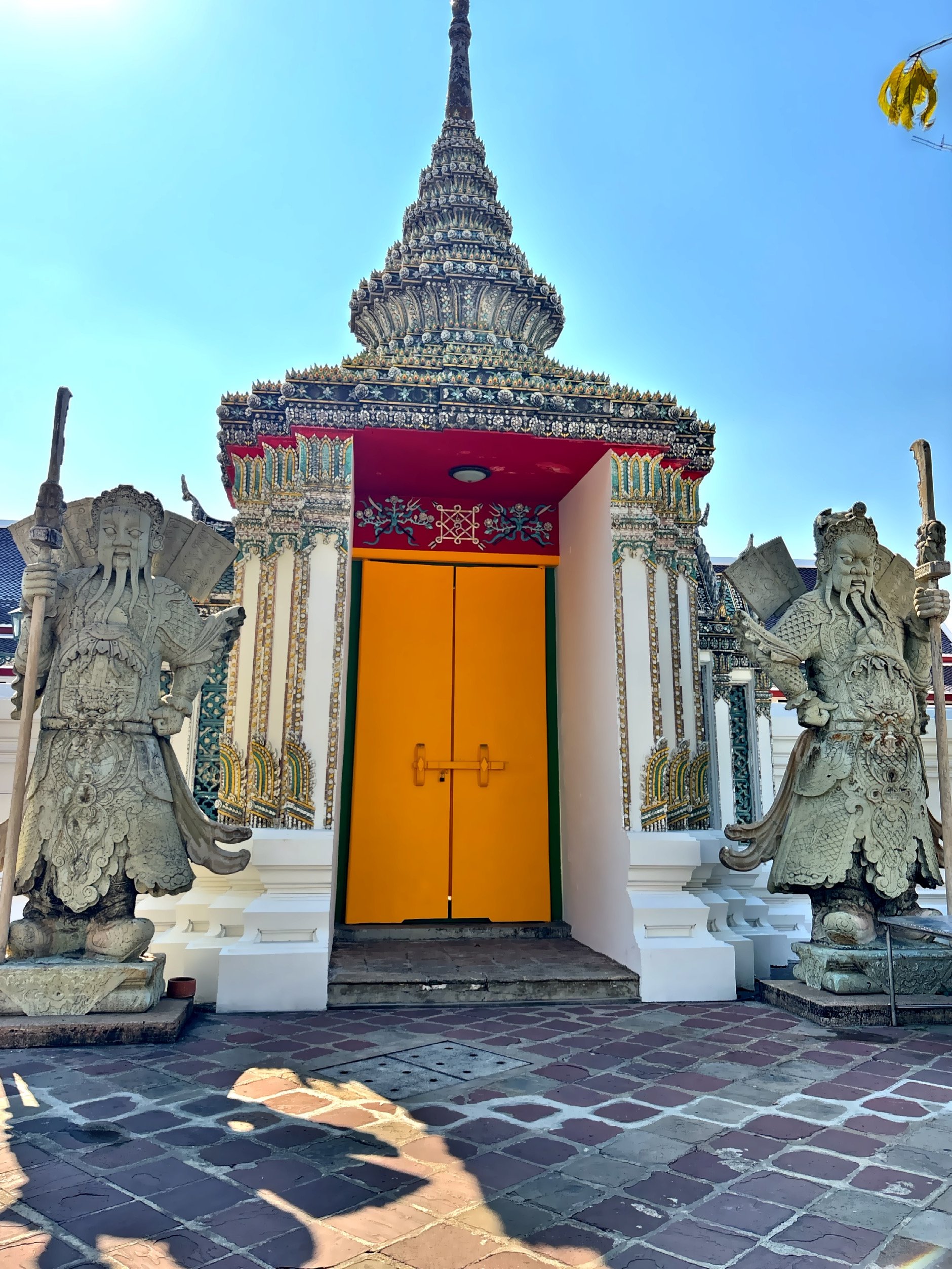
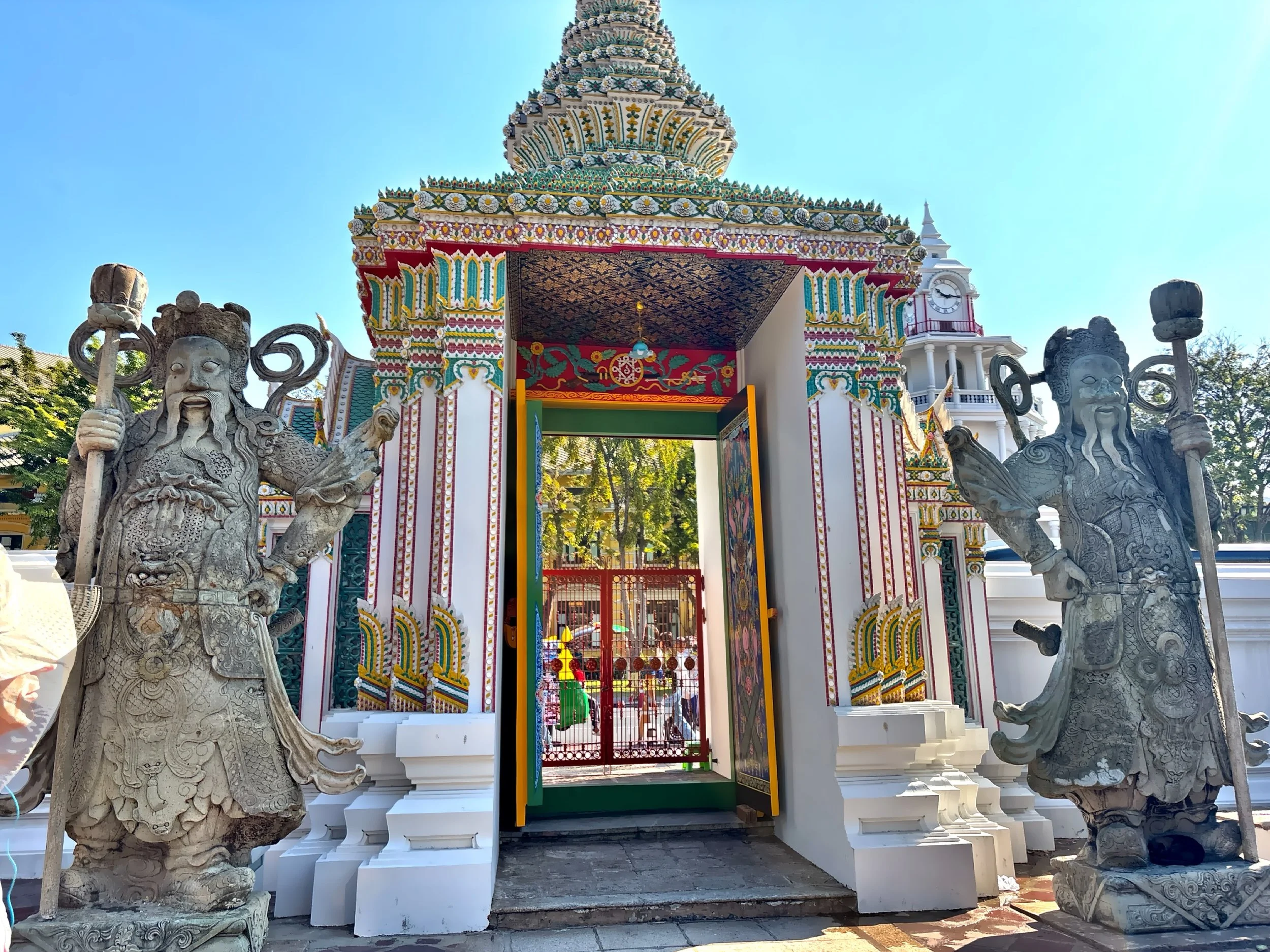
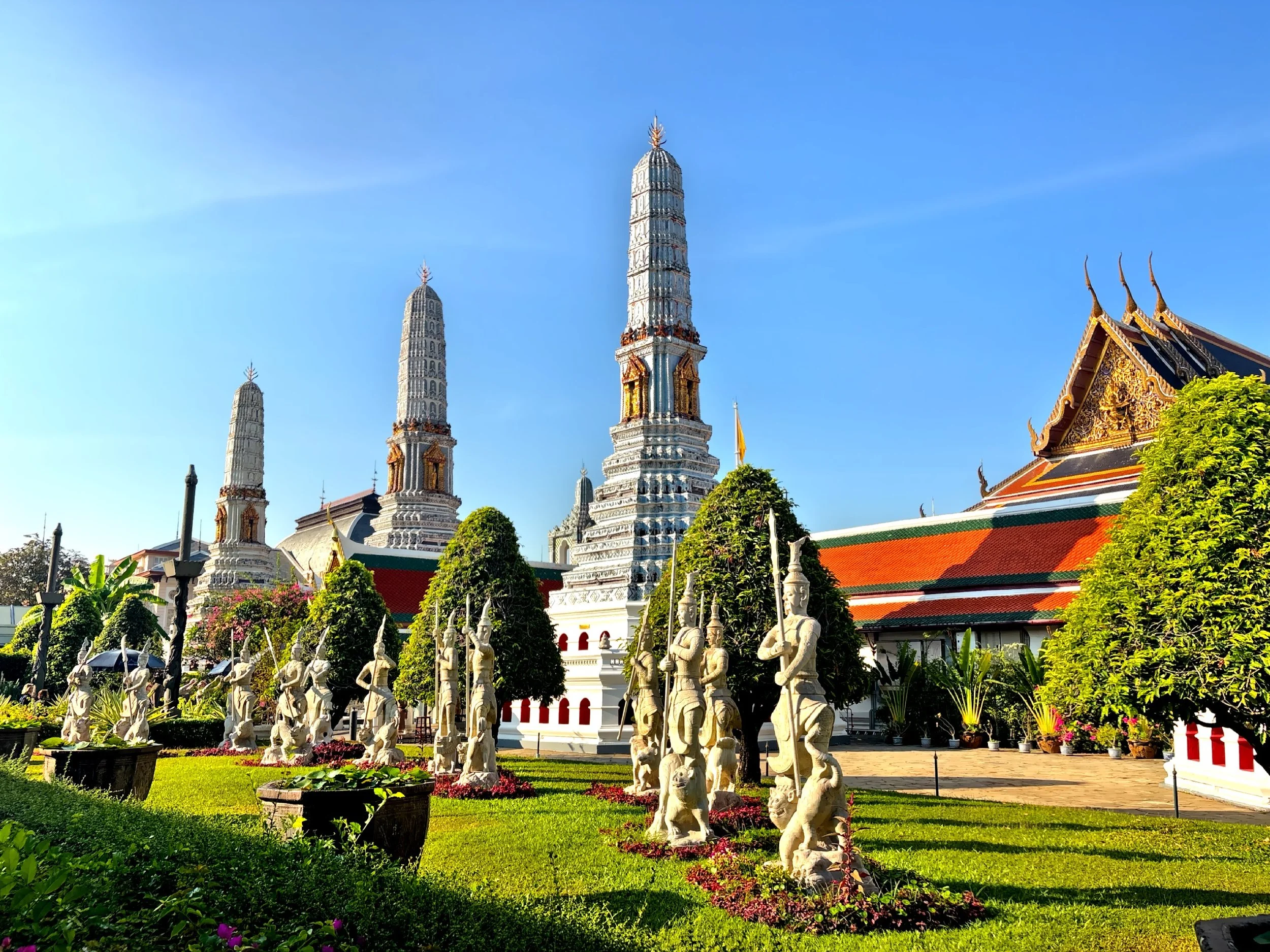
A traditional Chinese stone guardian statue serves as symbolic protectors of the temple grounds.
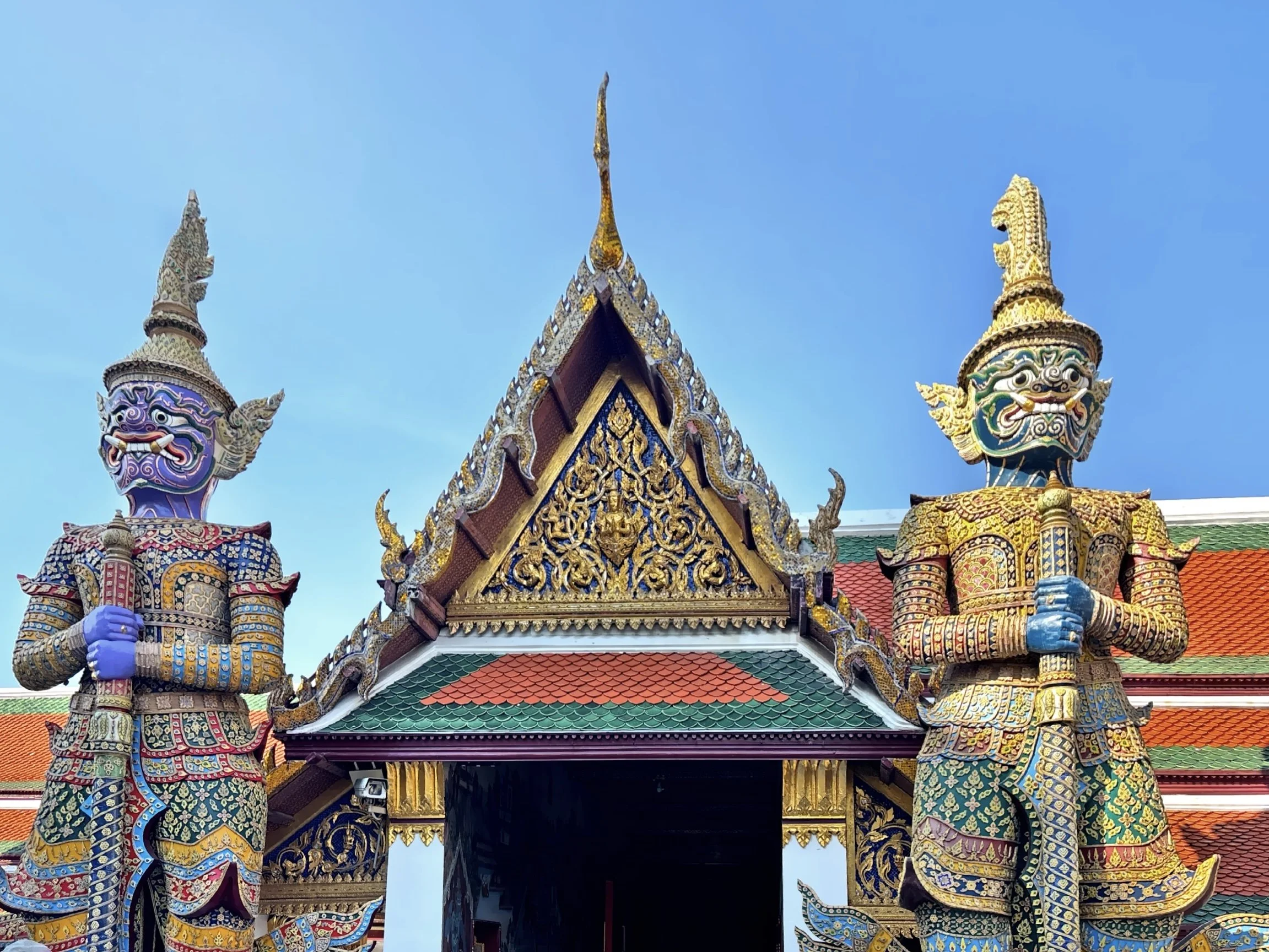
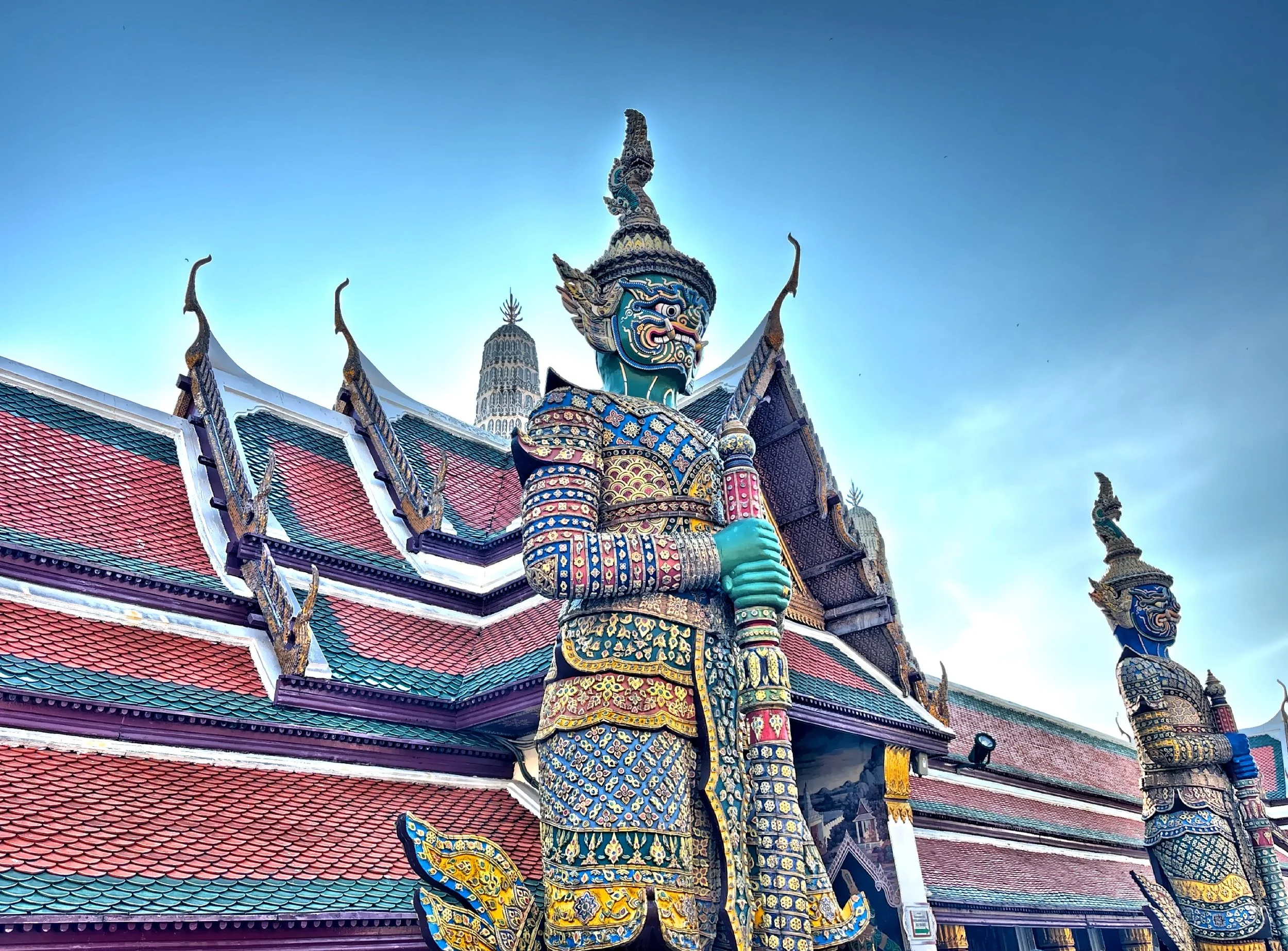
The guardian statues, Yaksha, at the entrance to Wat Phra Knew.
Do you like the images posted?
Click here to explore the shop.
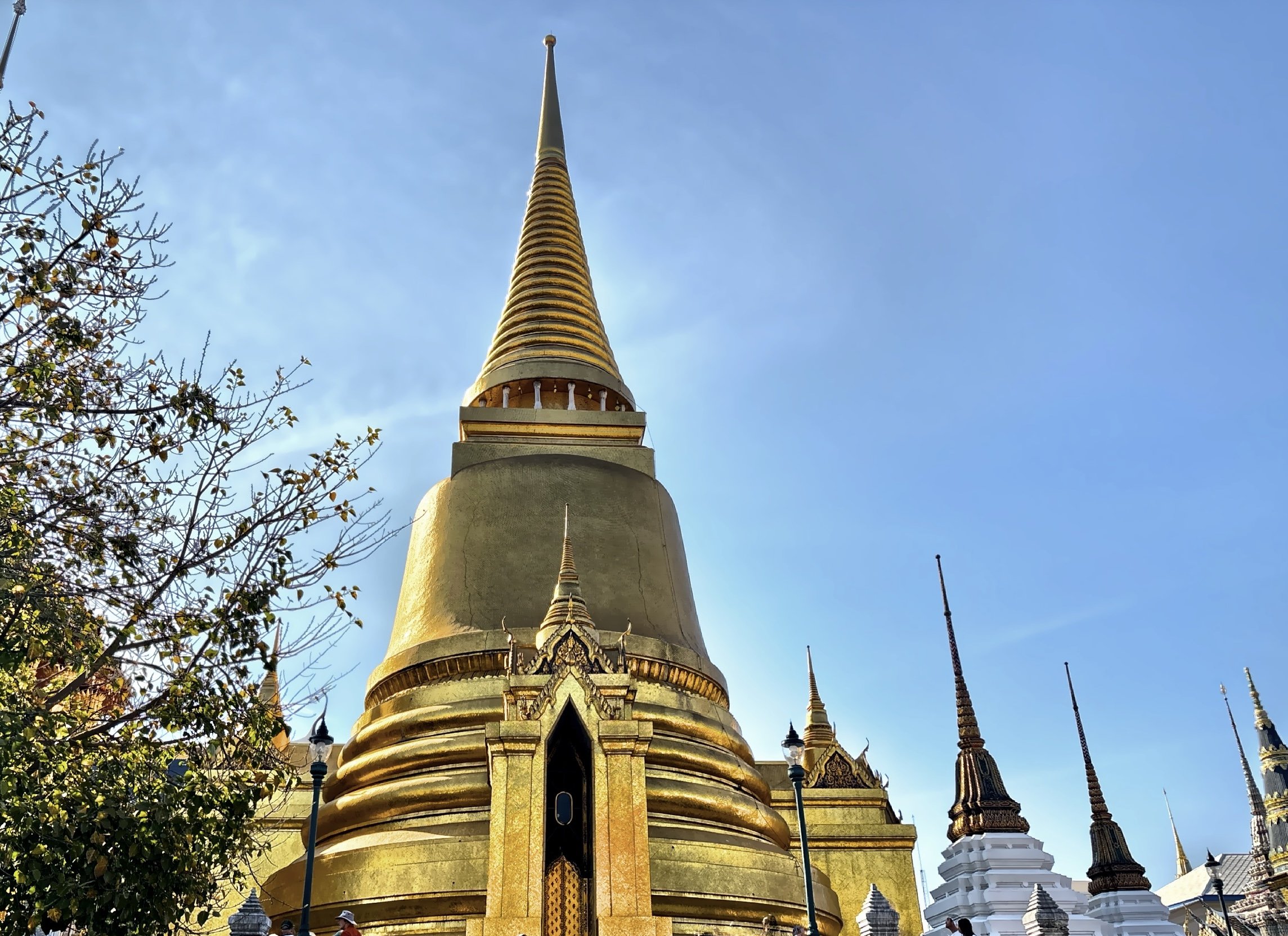
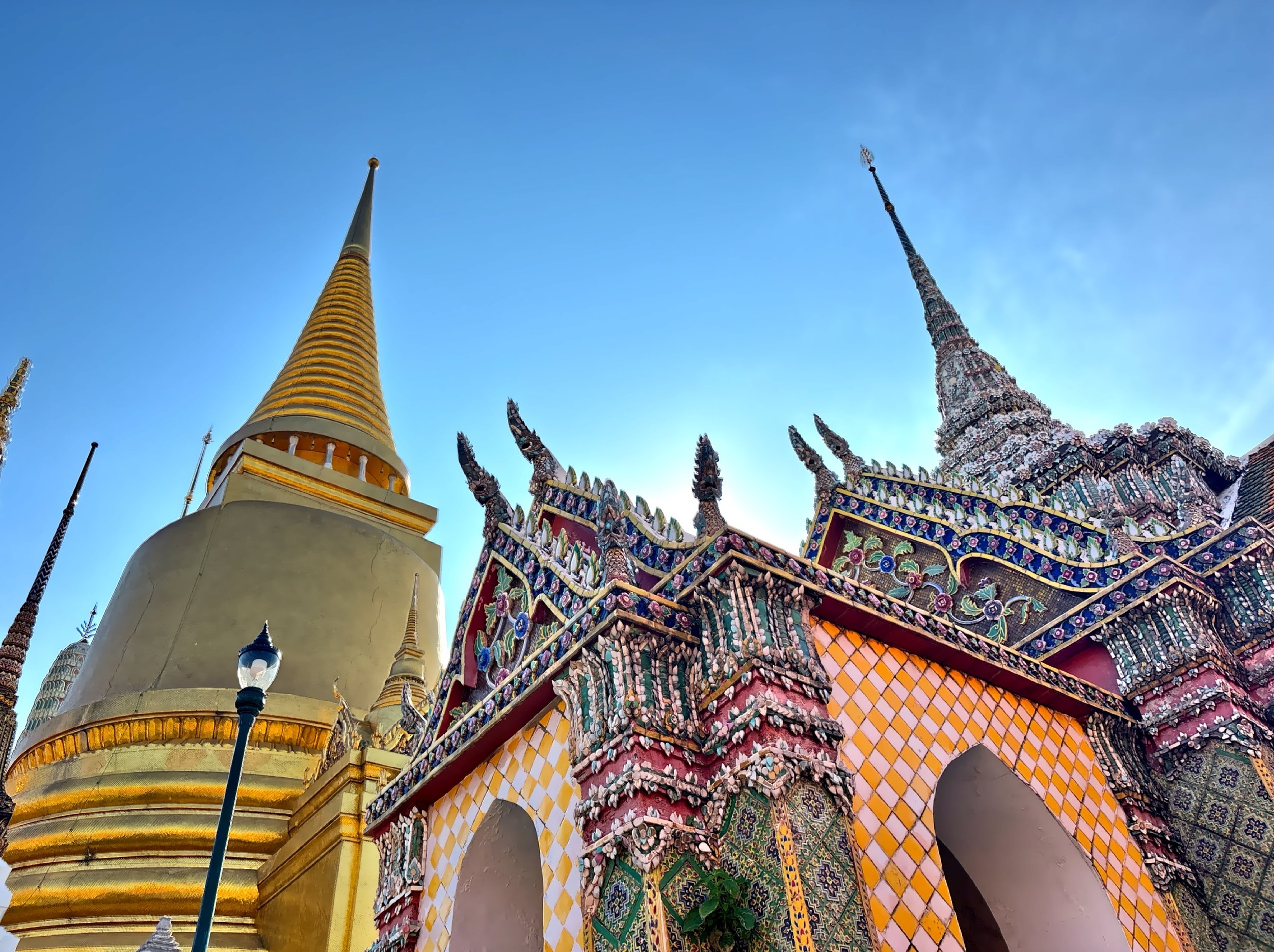
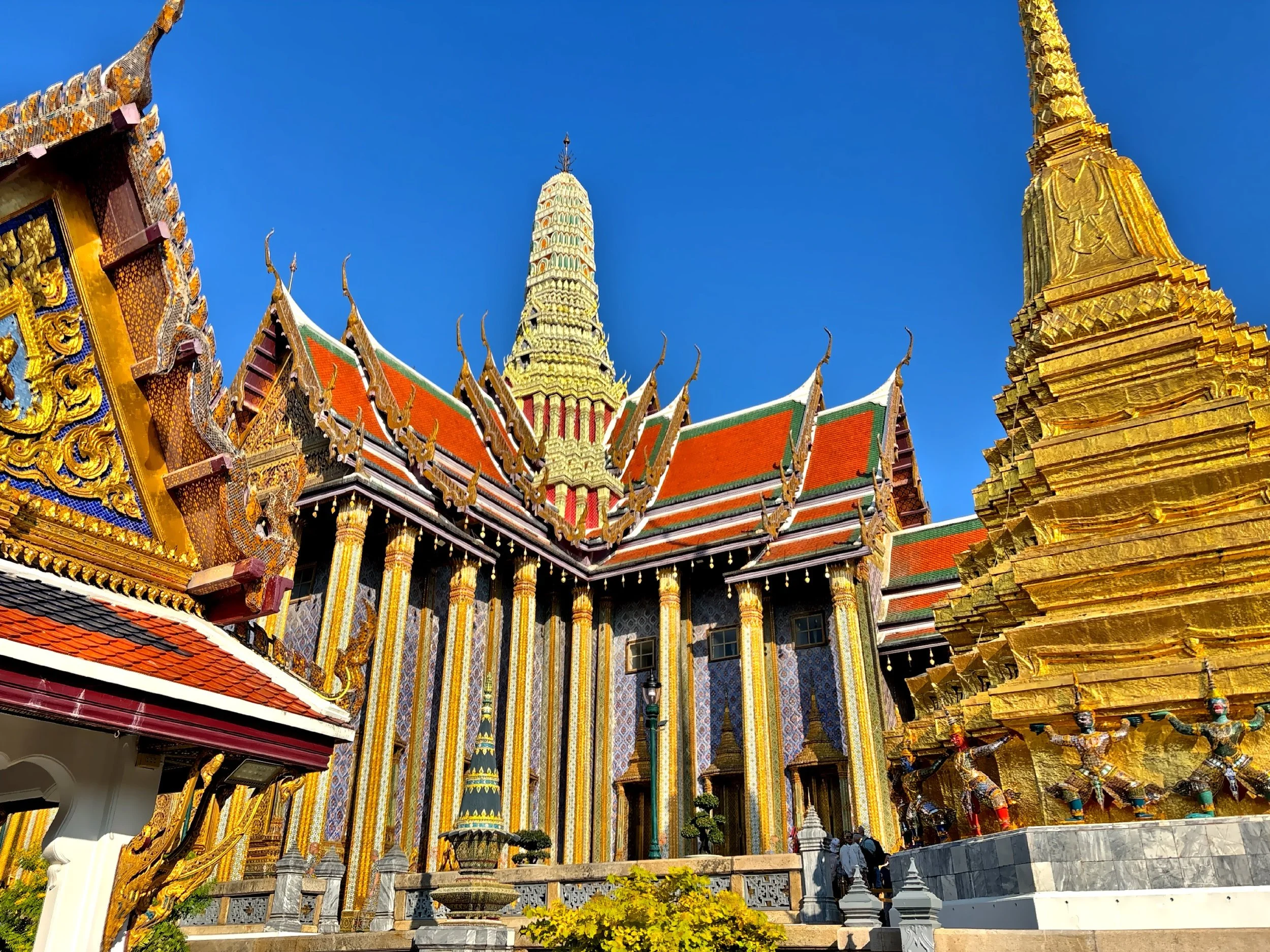
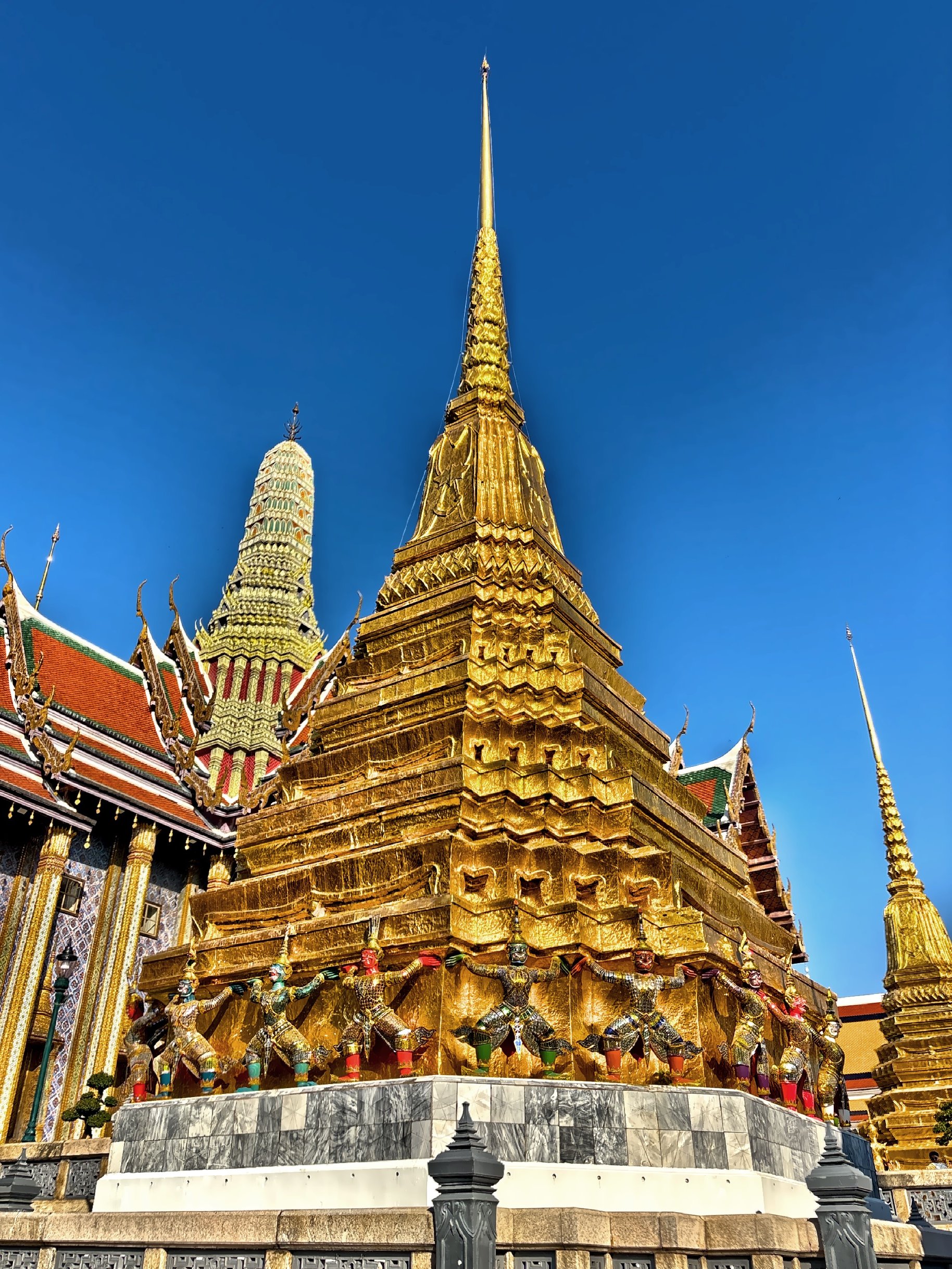
The bell-shaped Phra Sri Rattana Chedi (Golden Stupa) covered in gold leaf was added to the palace complex in 1855.
.
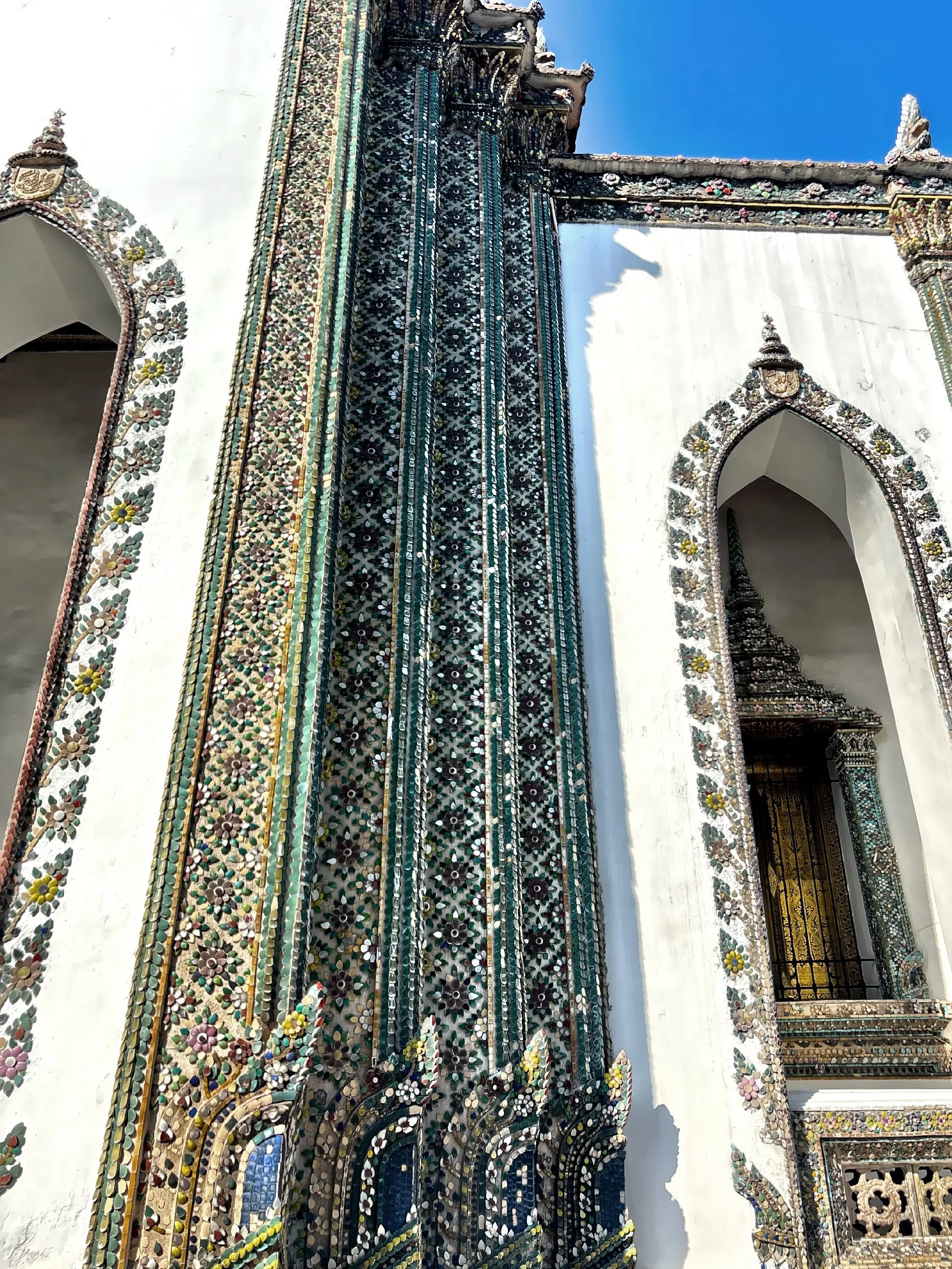
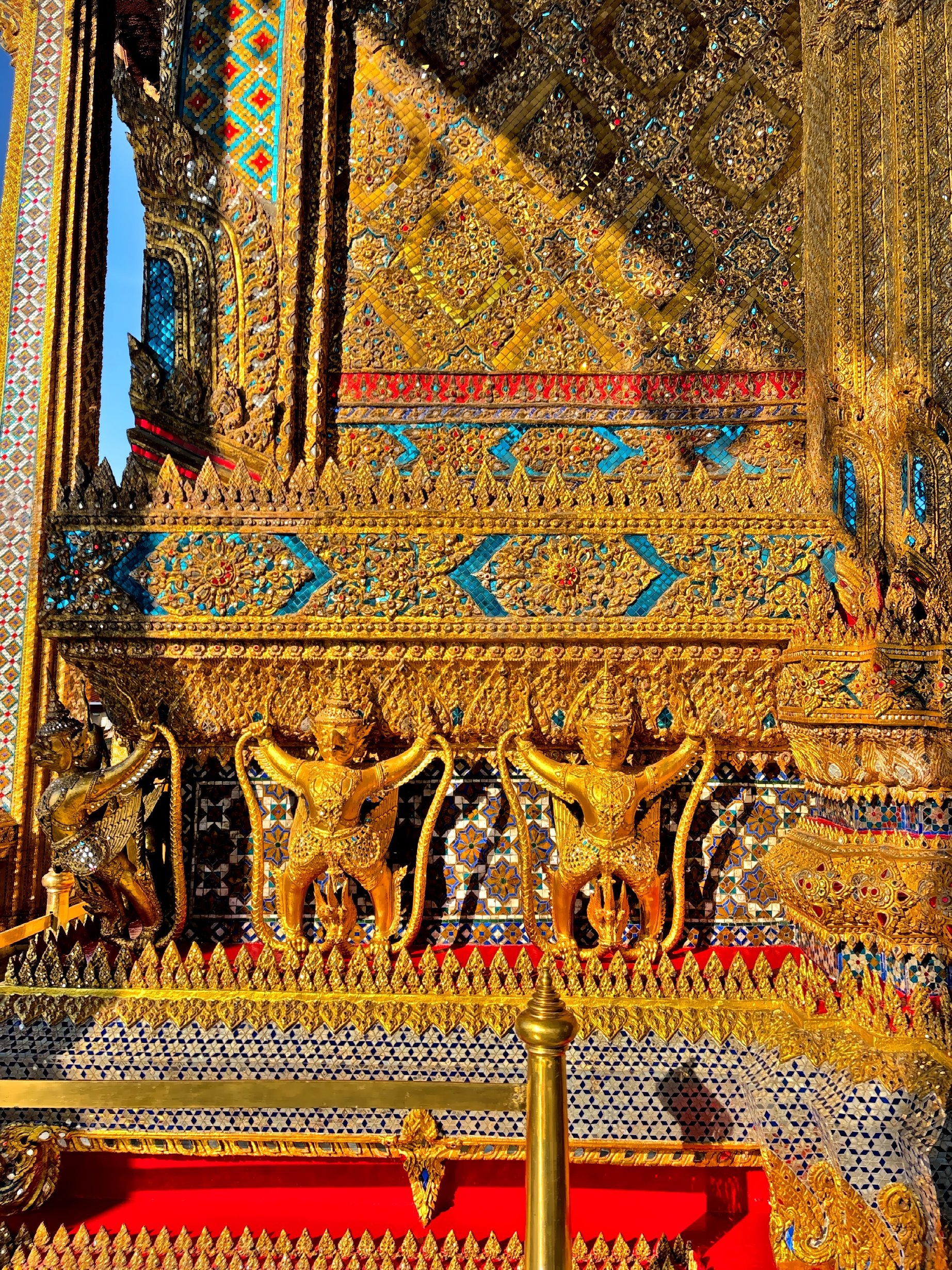
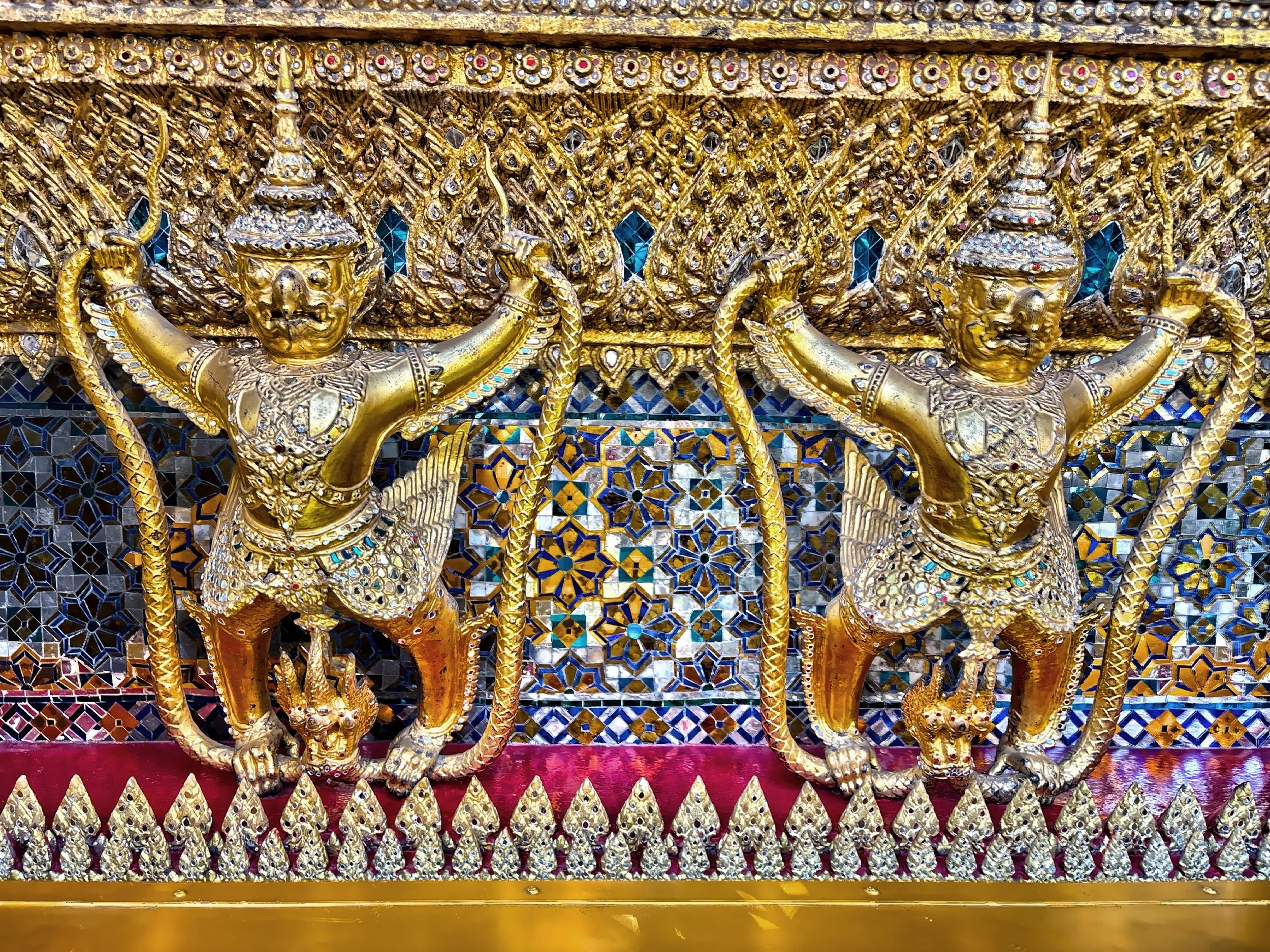
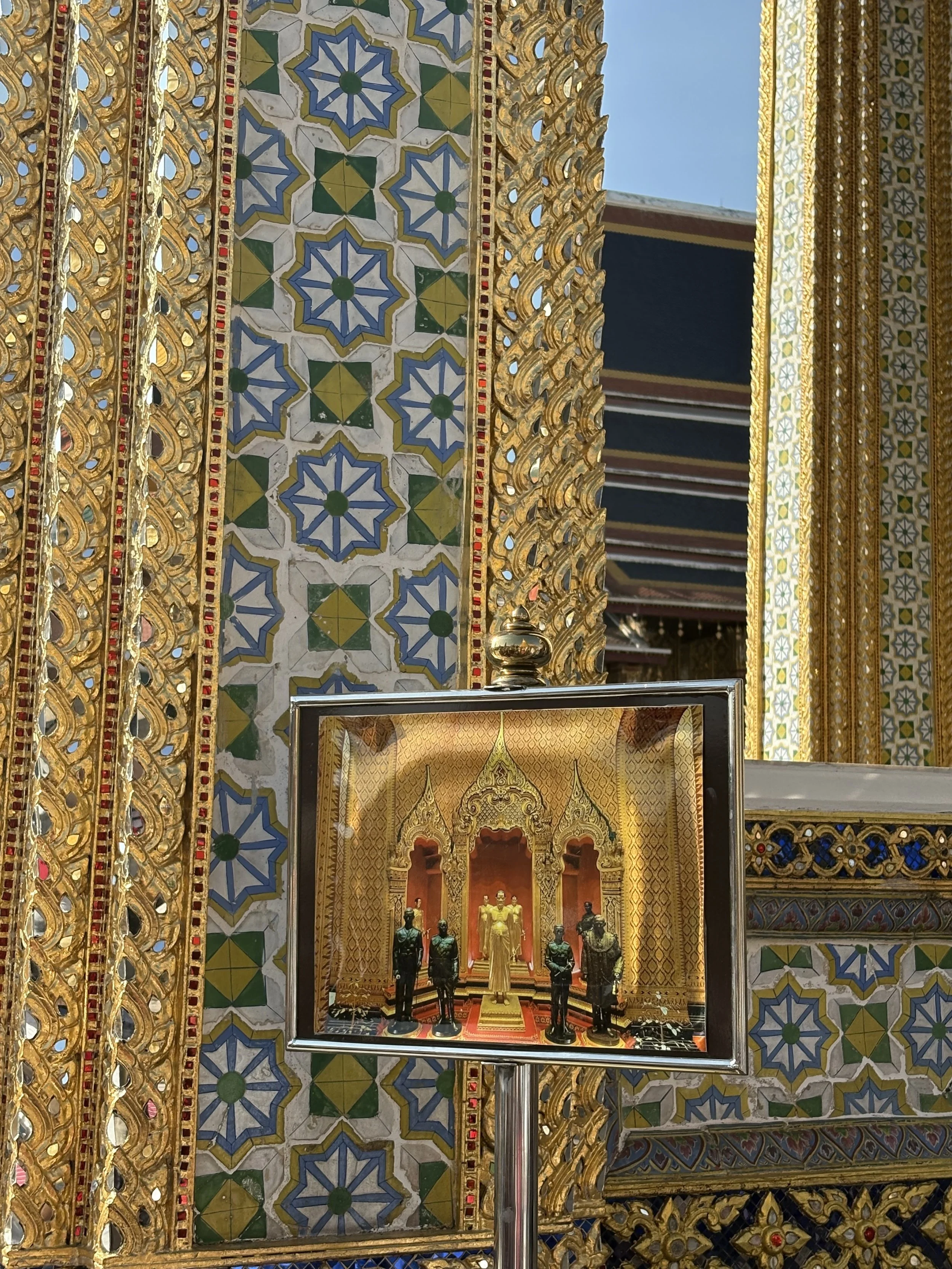
The highly detailed mosaics made of colored glass and porcelain, the hallmark of Thai temple architecture.
.
Phra Viharn Yod Chapel located in the upper terrace
.
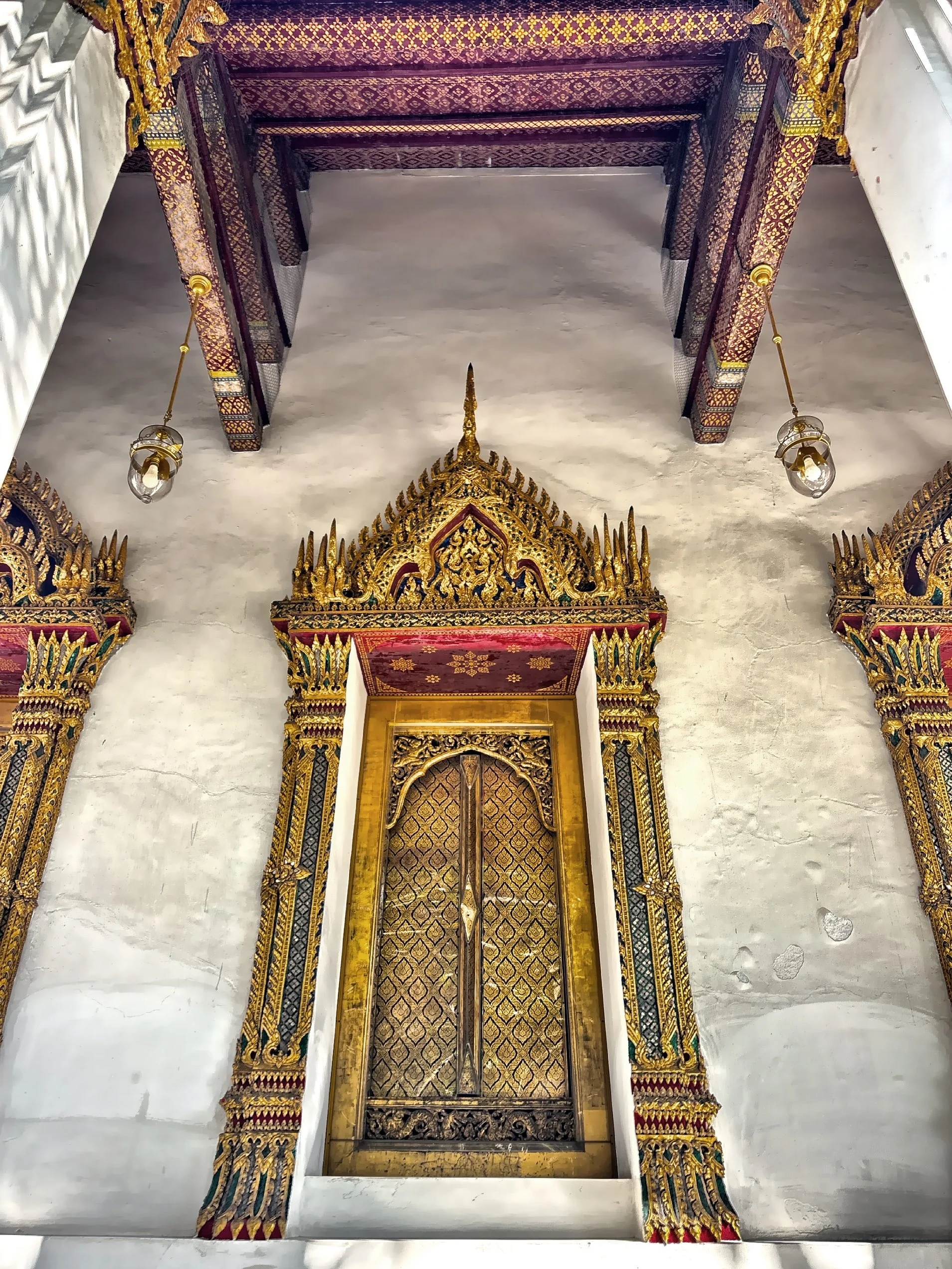
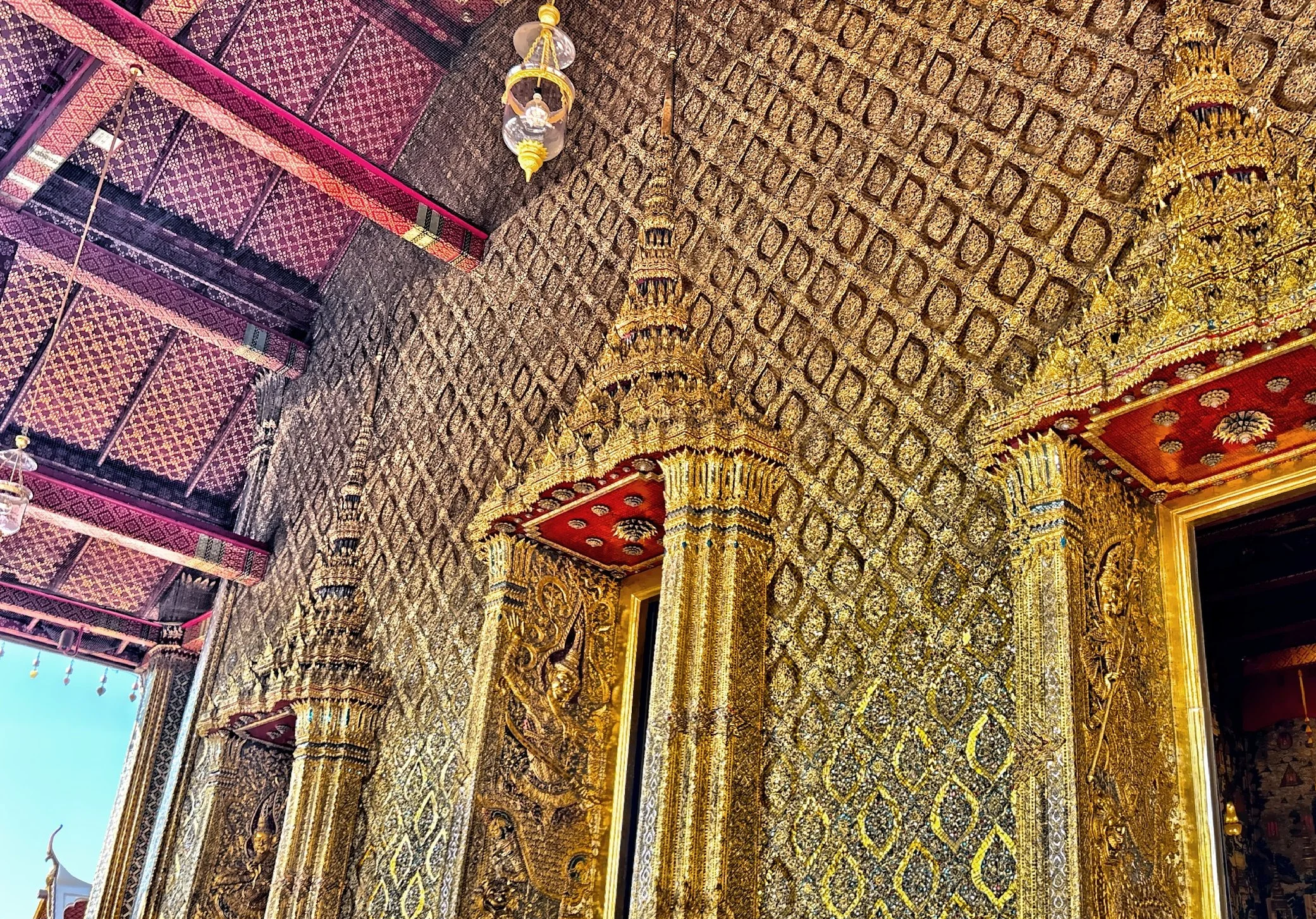
An ornate, traditional Thai temple door.
.
Yaksha guardian statues supporting a golden Chedi (stupa).
.
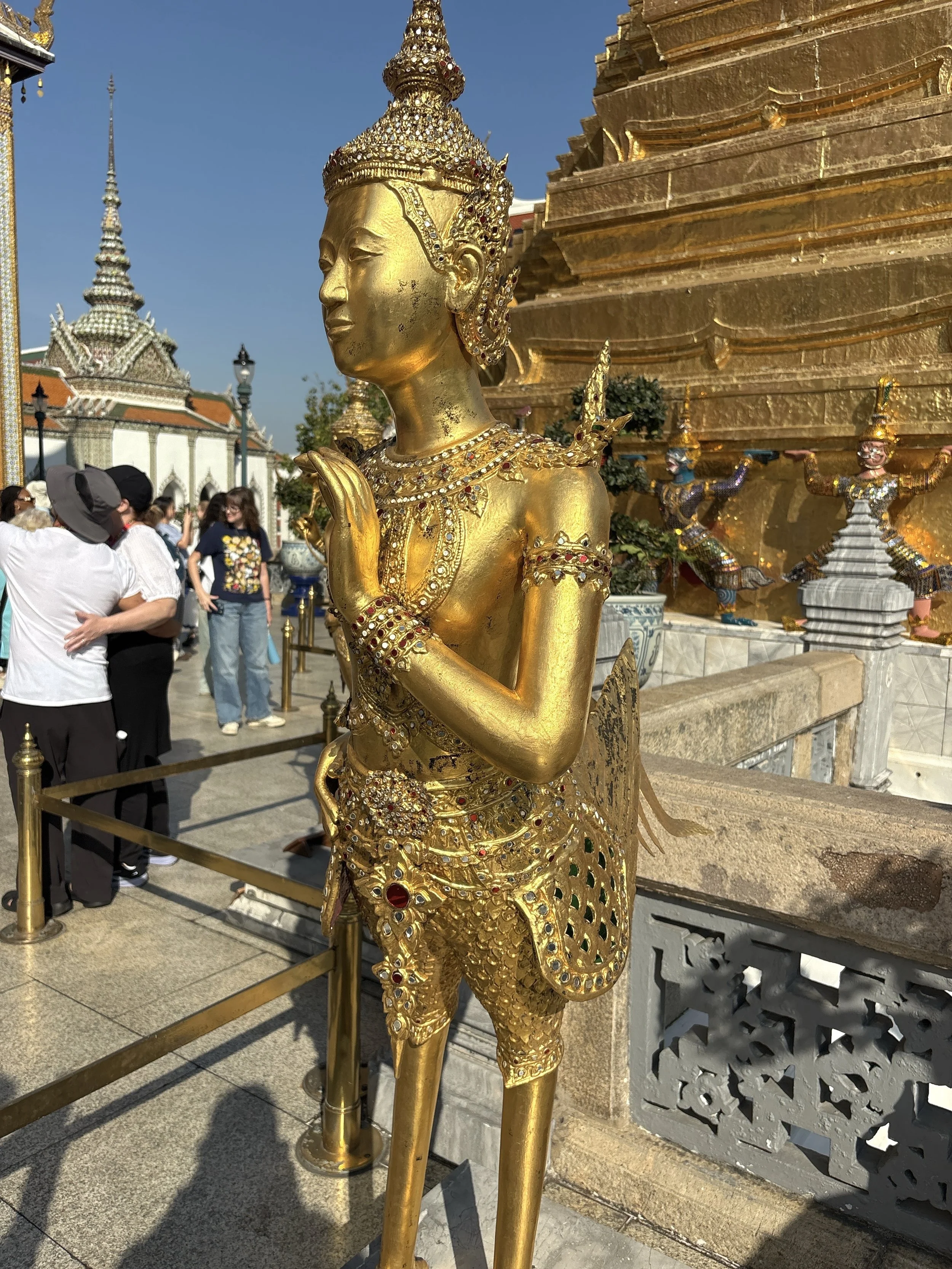
A Kinnari statue, a half-bird creature, are benevolent figures in Buddhist mythology.
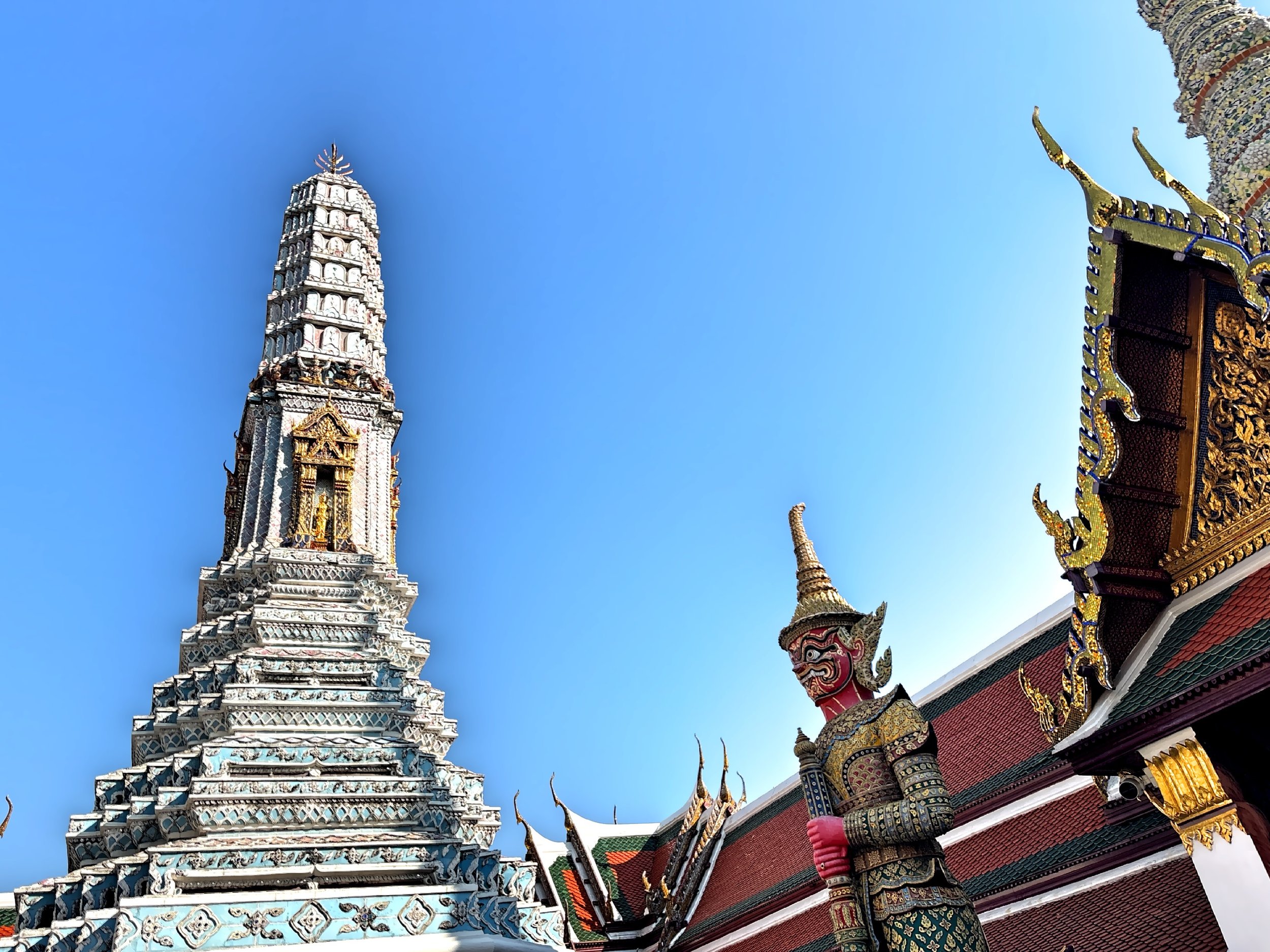
A Yaksha guarding the pagoda entrance
The central prong of Wat Arun, commonly known as the Temple of Dawn.
.
.
The Phra Mondop serves as the repository for sacred scriptures.
This massive bell-shaped golden stupa is called Phra Sri Rattana Chedi.
The Temple of the Emerald Buddha (Wat Phra Kaew).
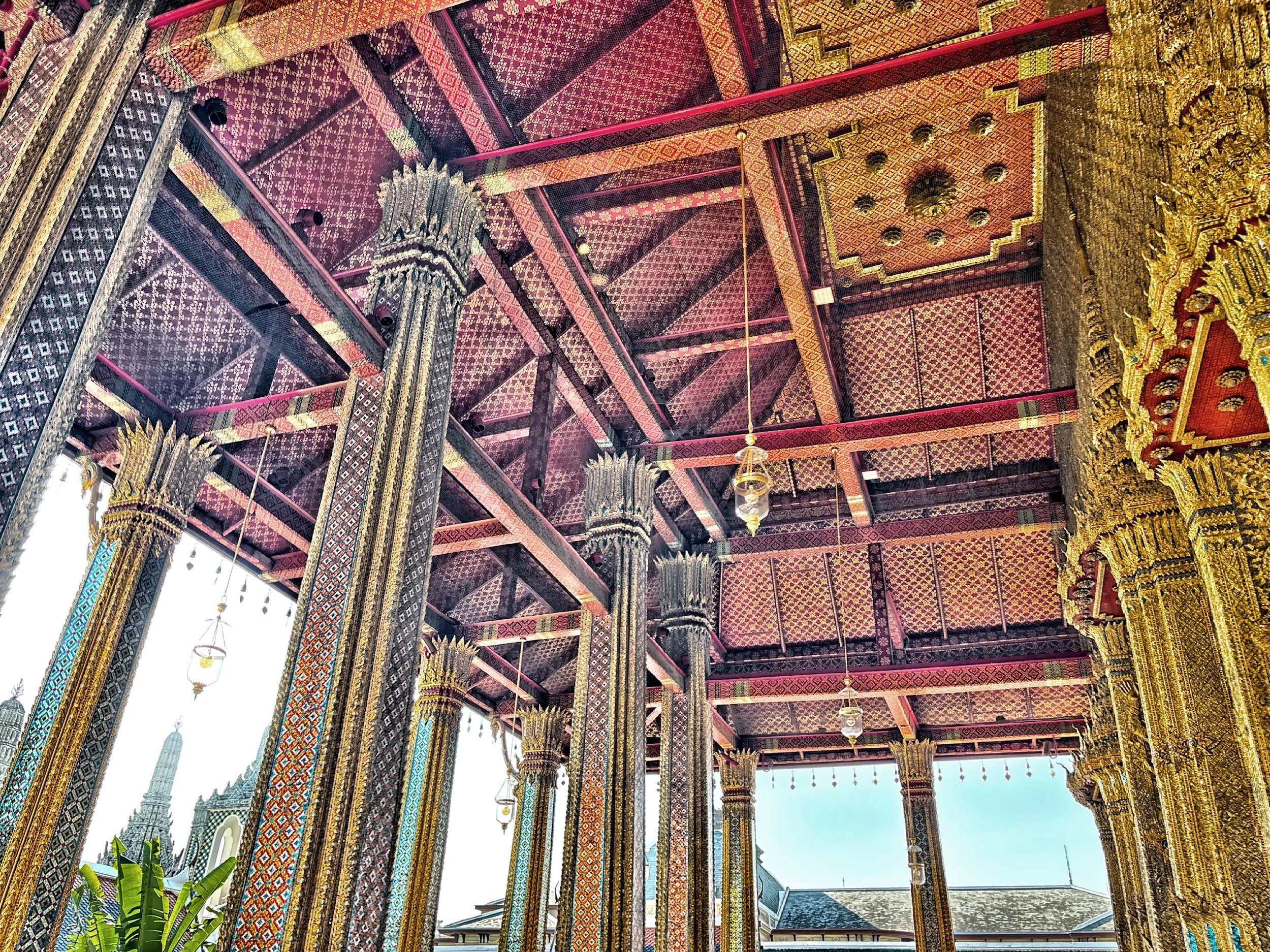
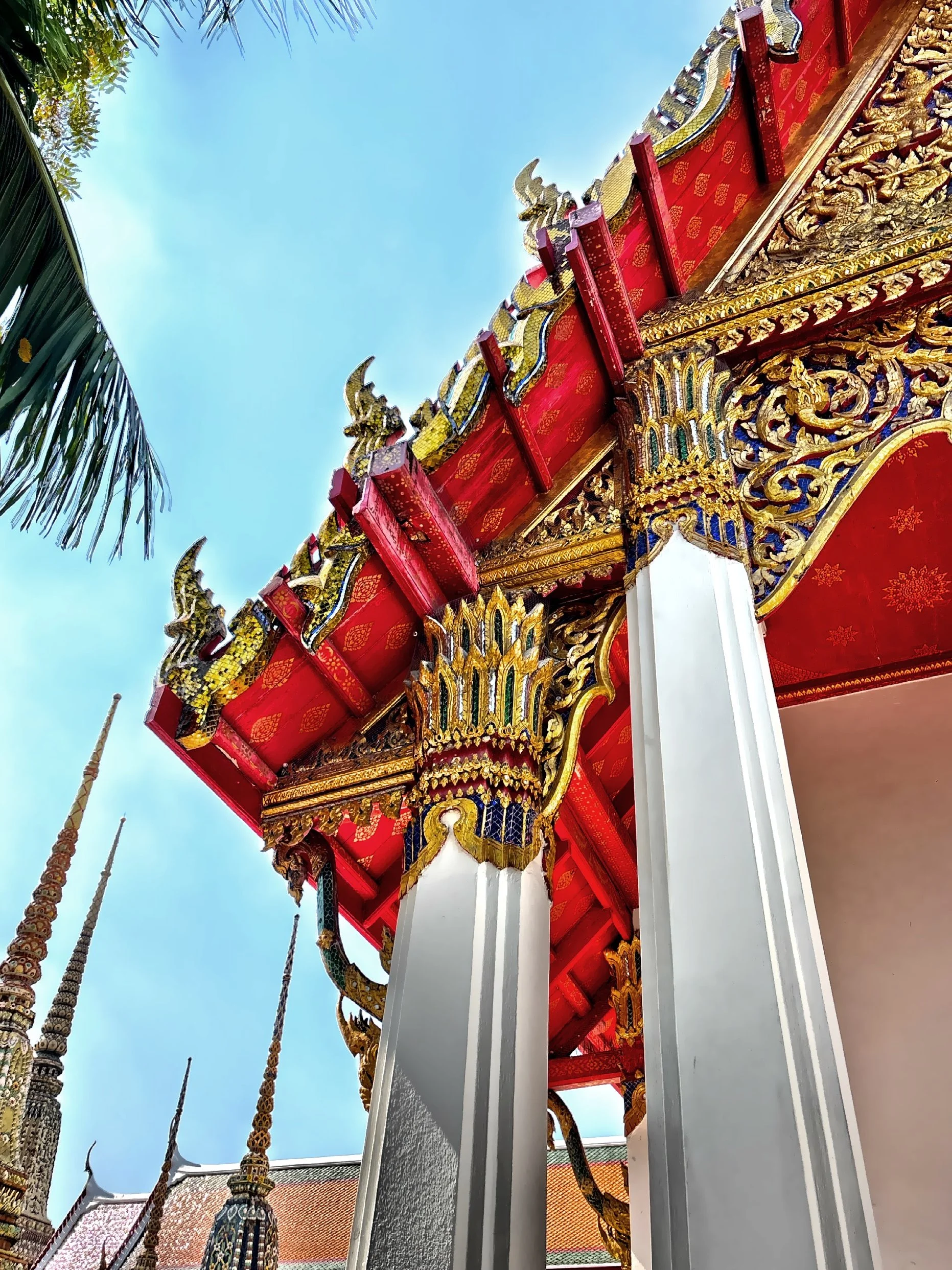
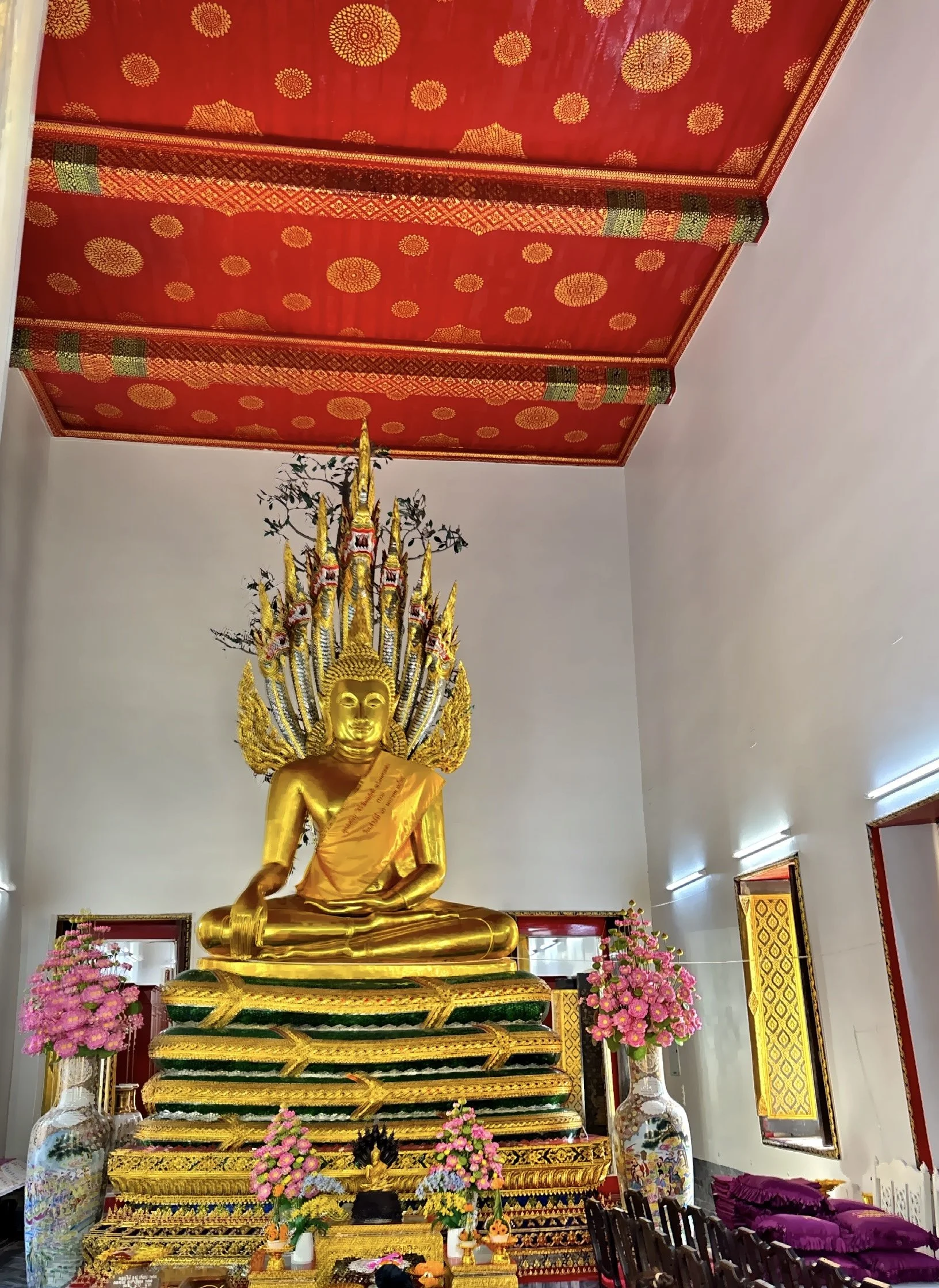
The ornate ceiling of the Wat Phra Kaew with intricate wood carvings, red lacquer and gold leaf.
.
The golden figures of Garuda, a mythical bird-diety in Thai mythology.
The Inner Court was formerly reserved exclusively for the king’s consorts, wives and children. While no, longer used, is is closed to the public.
.
.
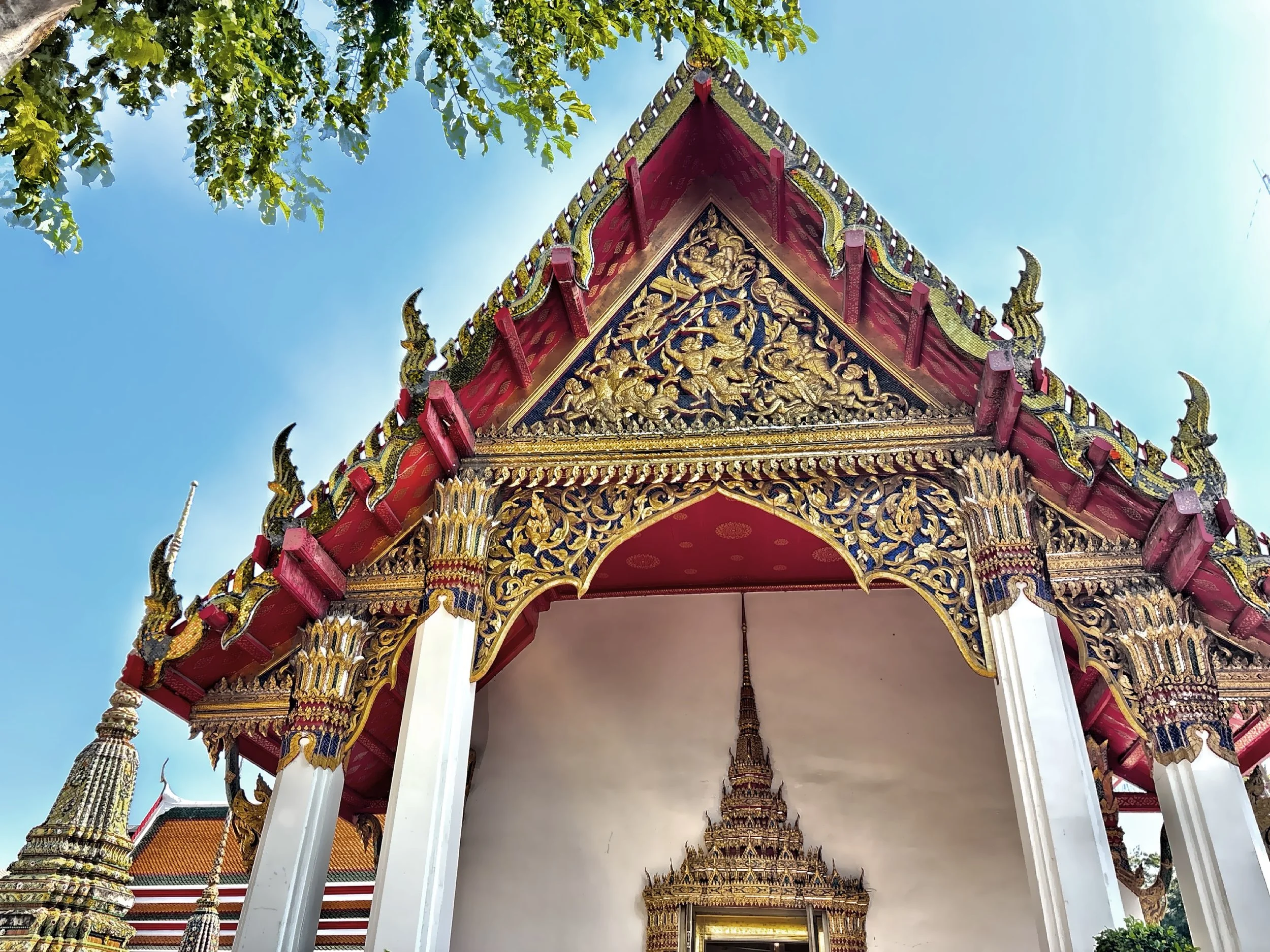
Wat Chetuphon Simon Mangkhalaram Rajwaramahawihan, beter known as the Temple of the Reclining Buddha.
.
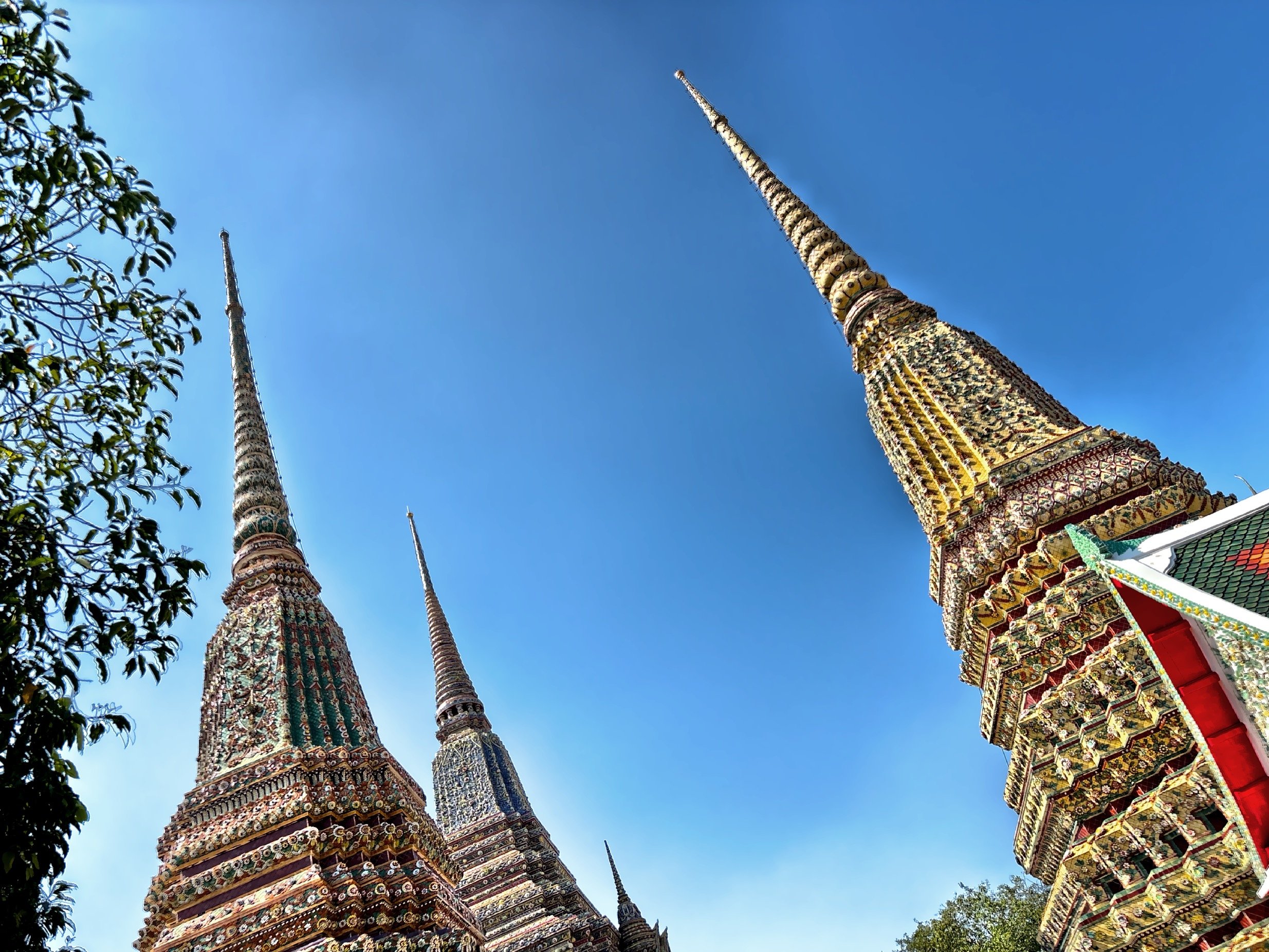
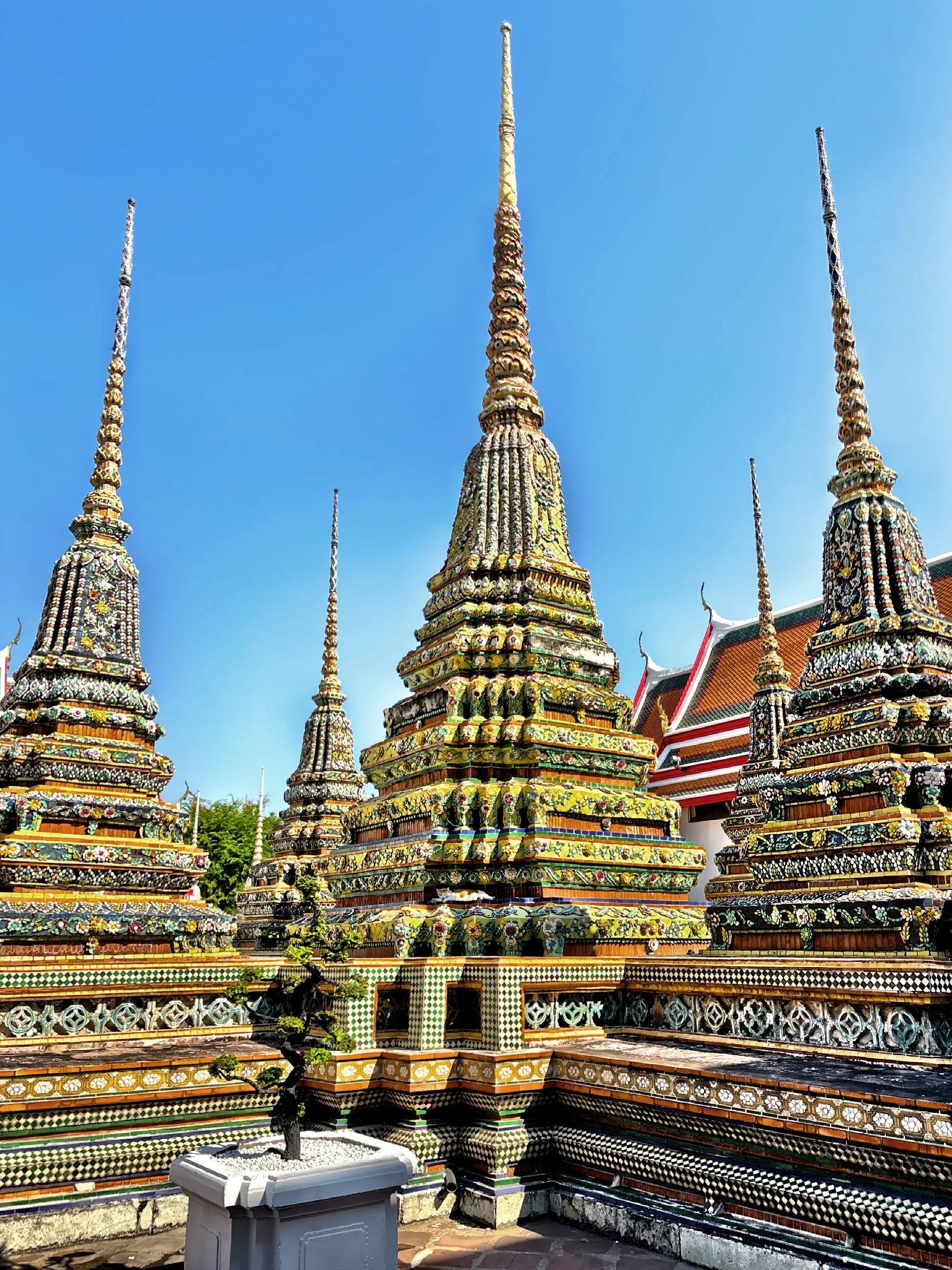
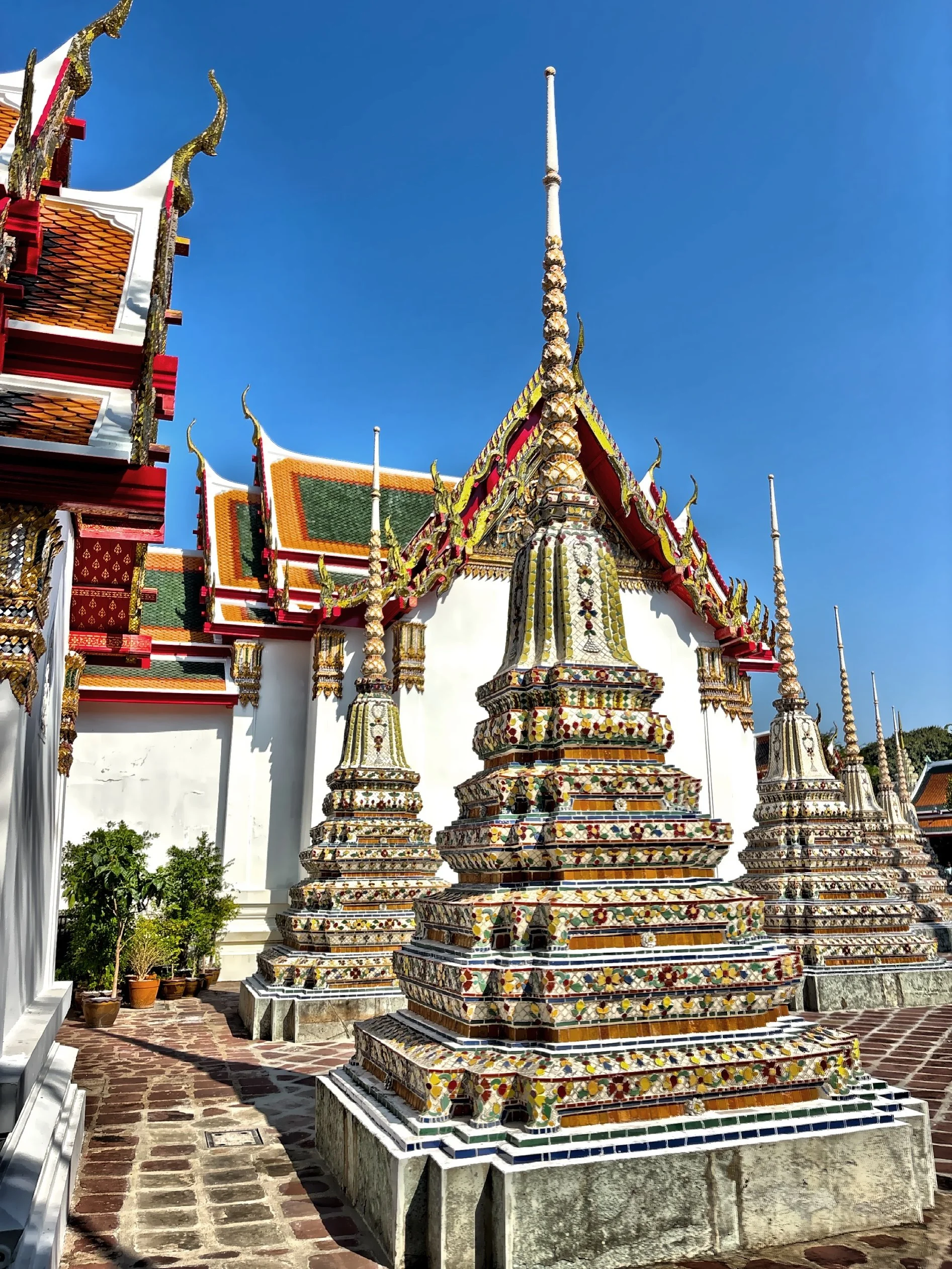
The ornate Thai stupas located within the Temple of the Reclining Buddha.
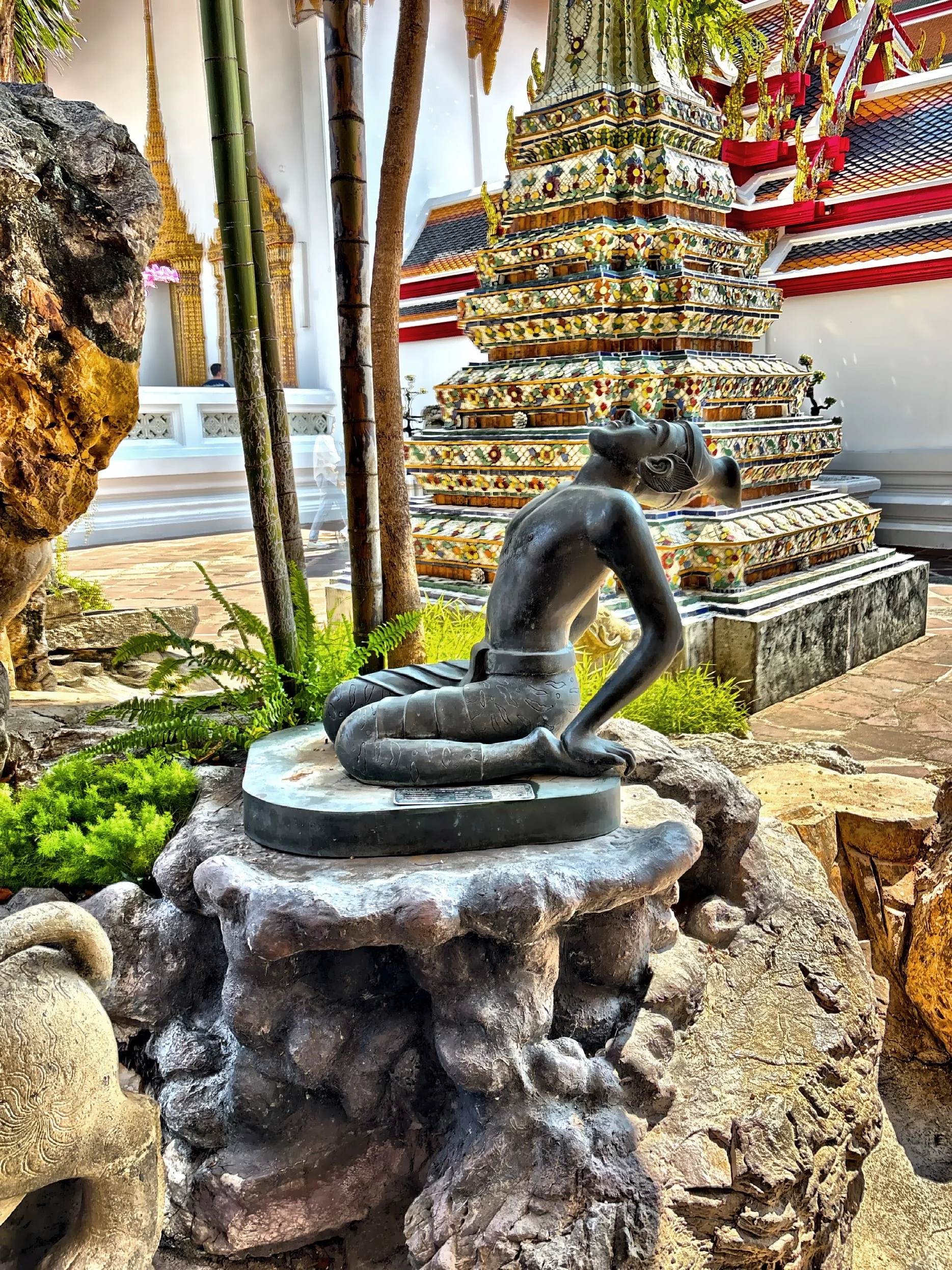
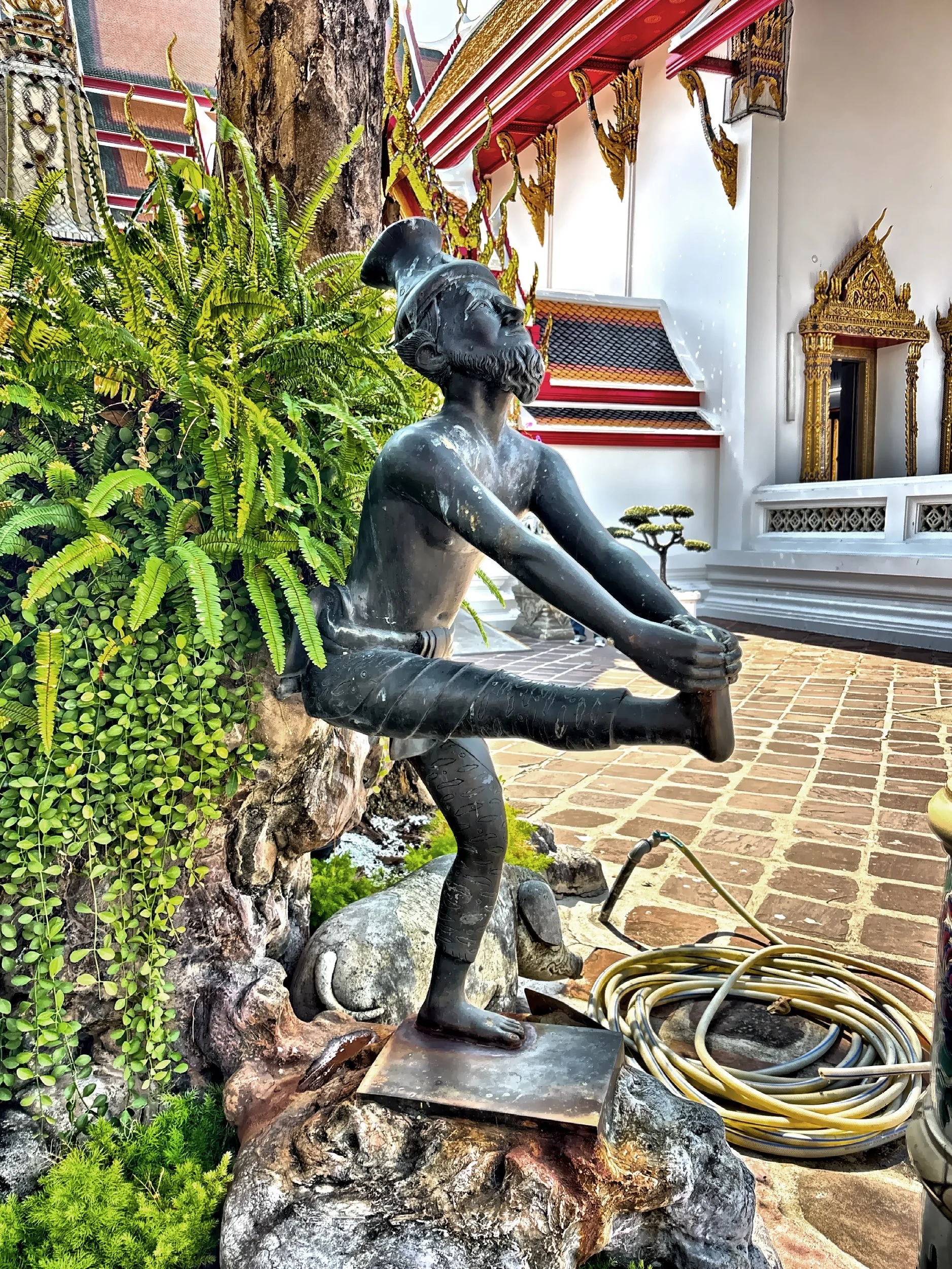
These statues represent traditional Thai healing and yoga positions.
.
.
.
.
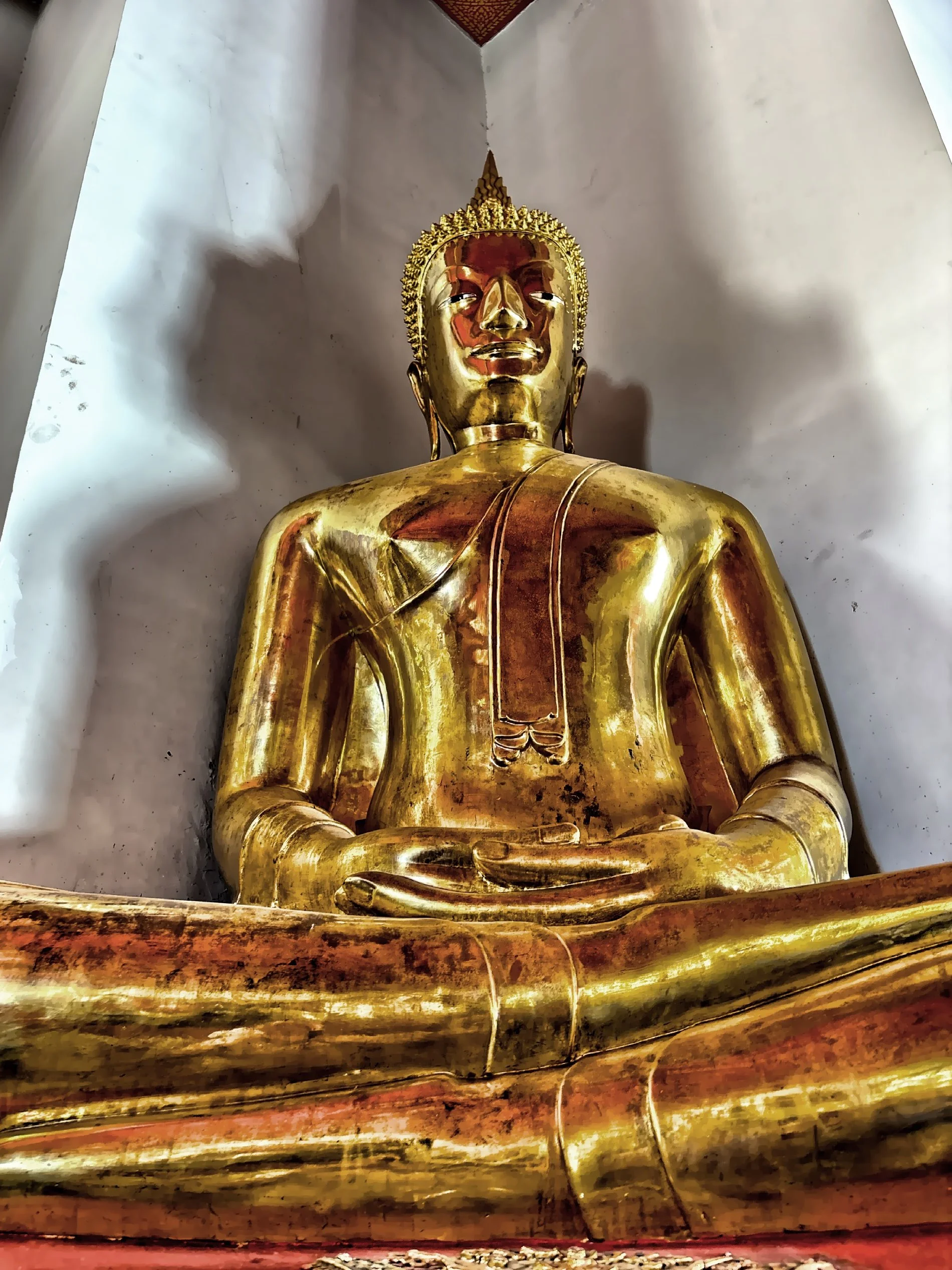
Phra Buddha Chinnasri Muninat located in Wat Pho.
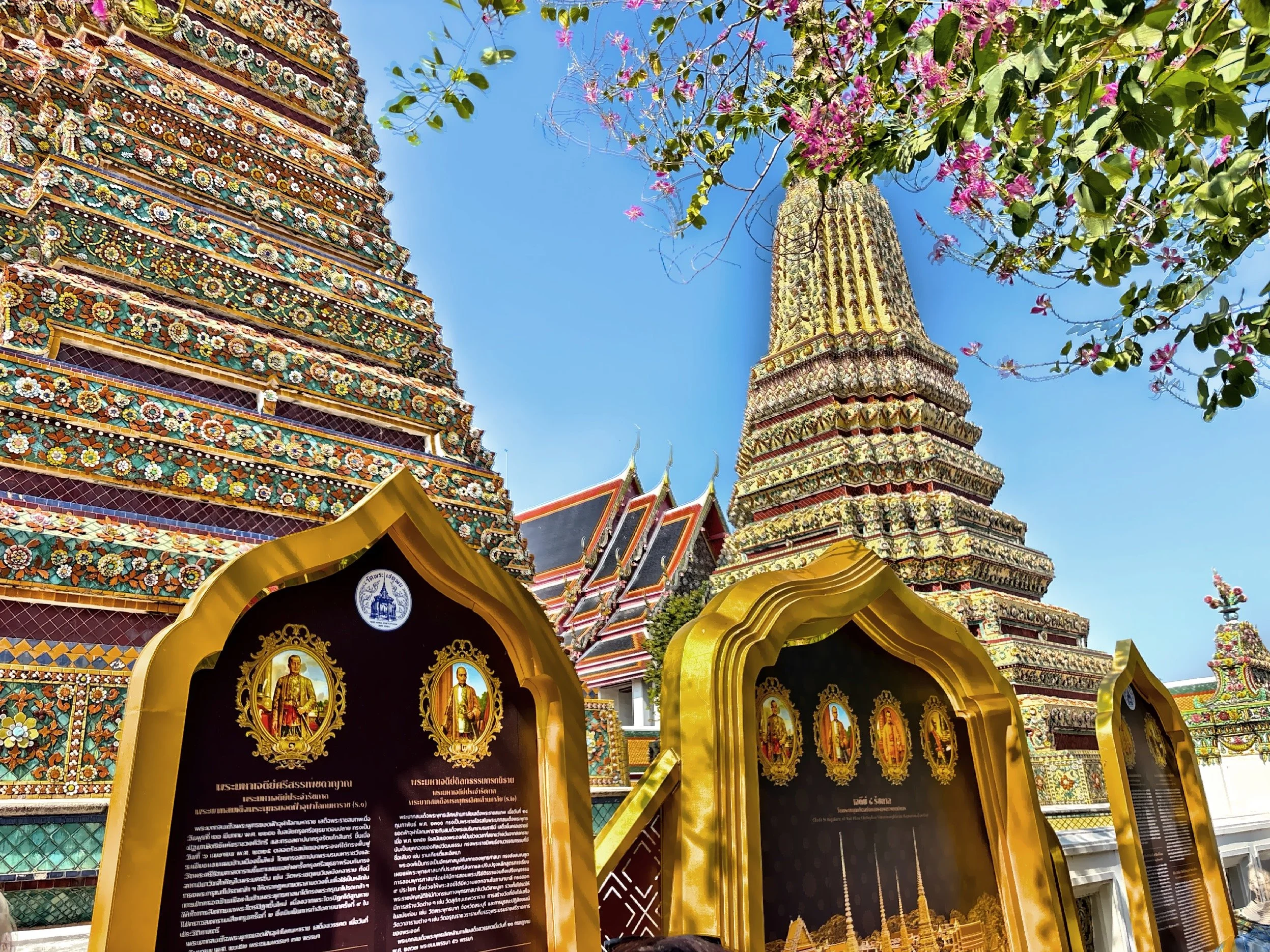
Phra Maha Chedi Si Rajakarn
.
.
The Phra Buddha Maravichai
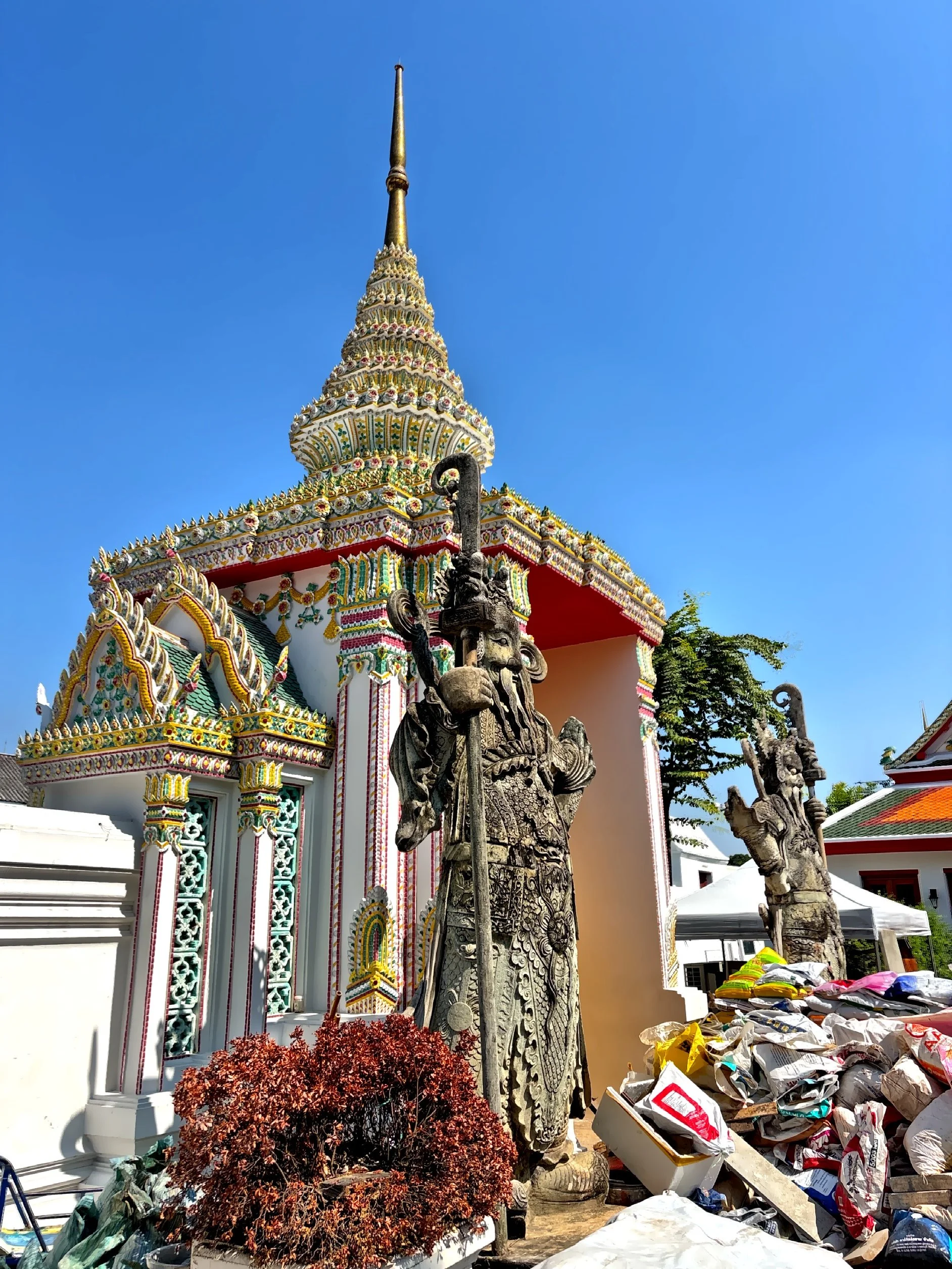
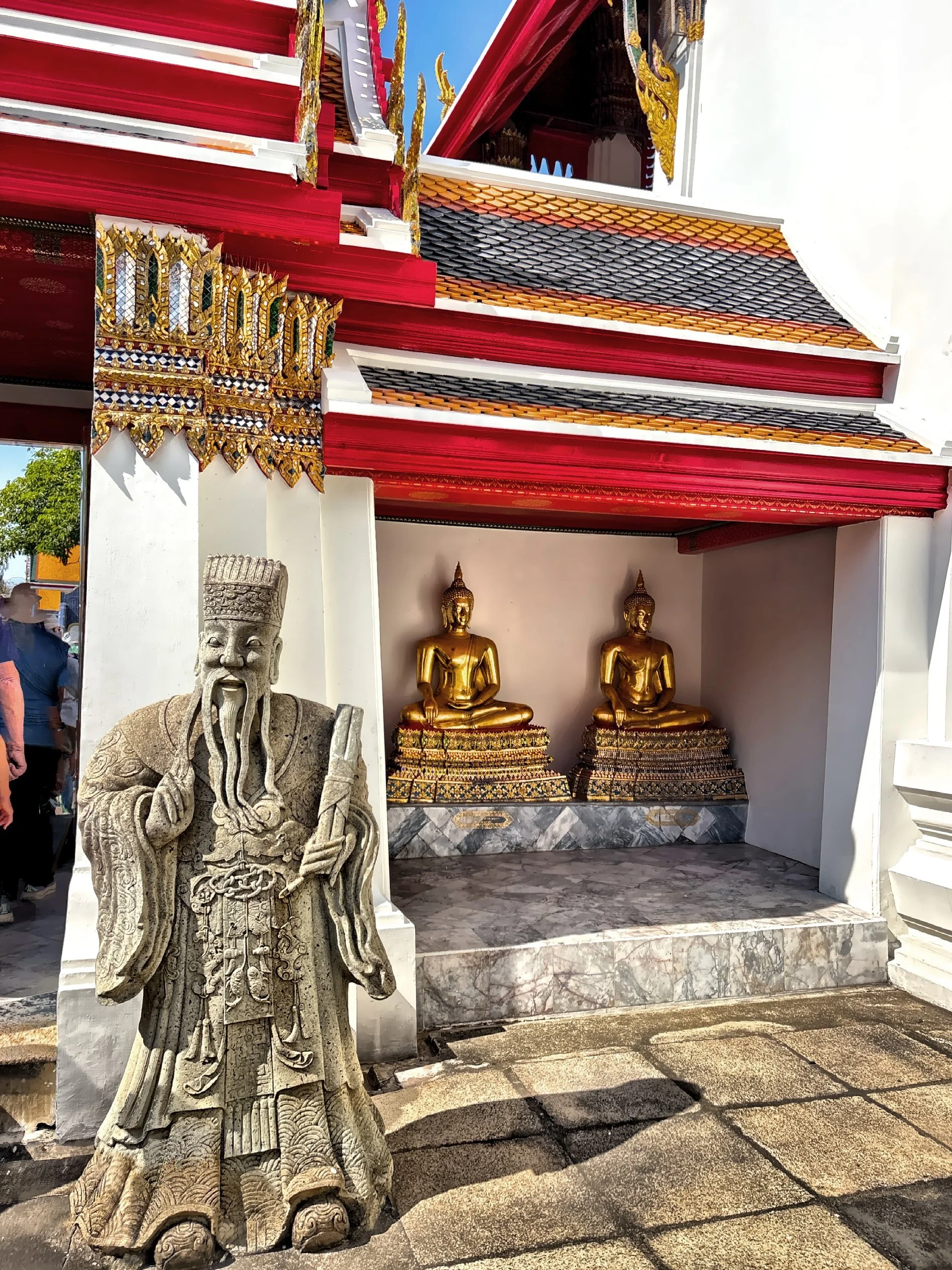
A traditional Chinese-style guardian sculpture often called ‘Chinese Giants’ or ‘Warriors'. These statues were often originally imported from China as ballast in trading ships during the 19th century and repurposed as decorations for Thai temples.
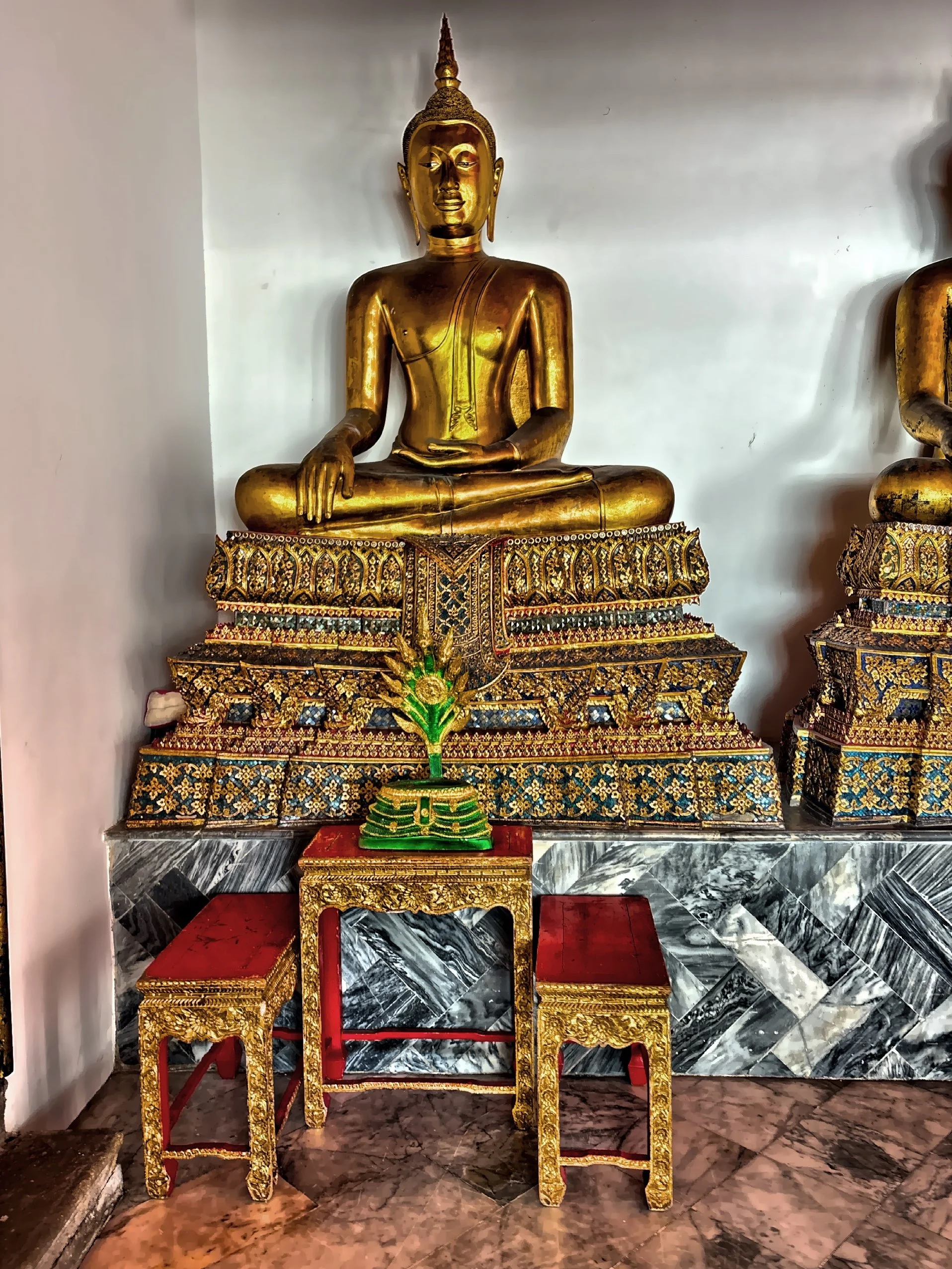
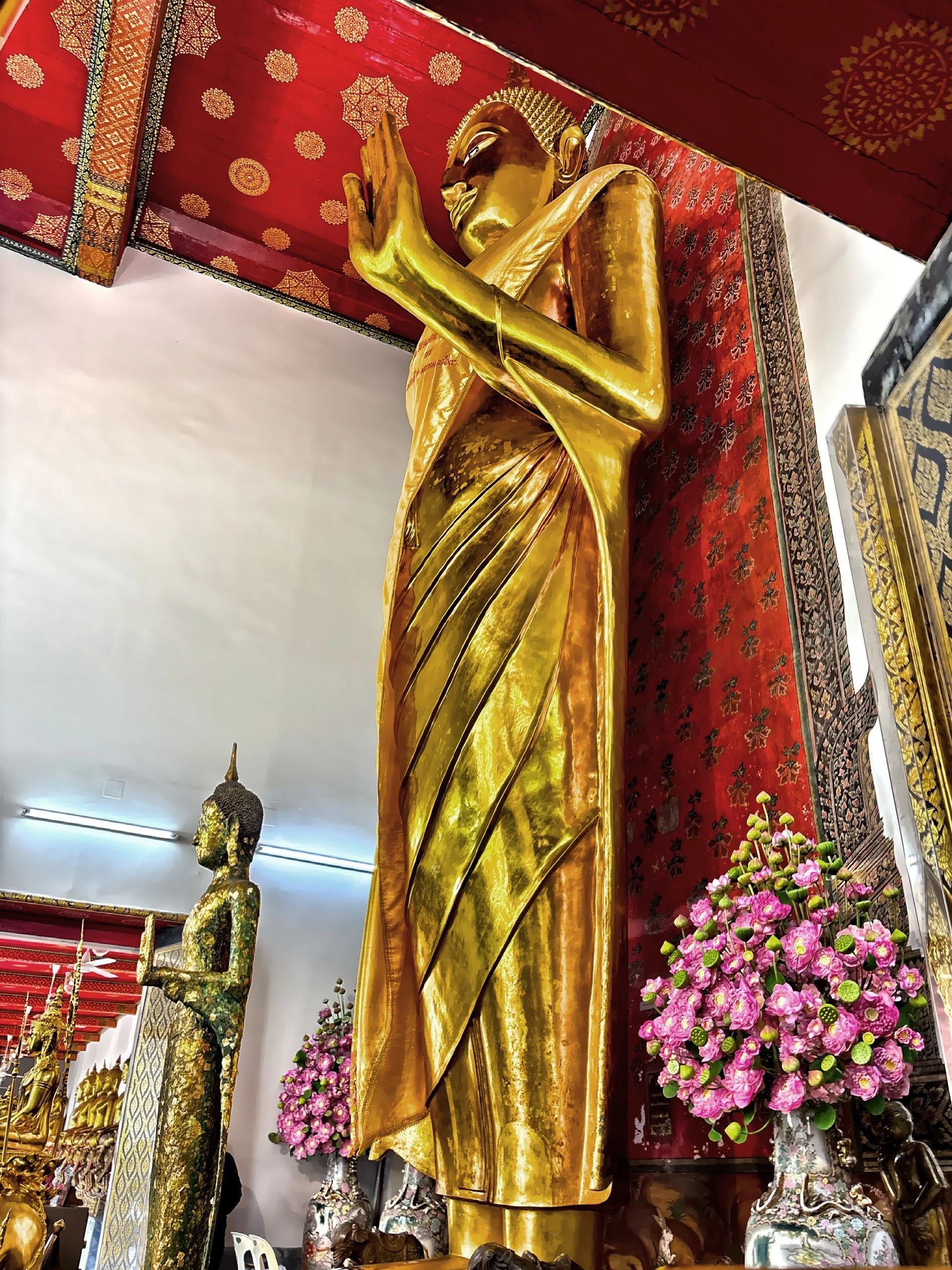
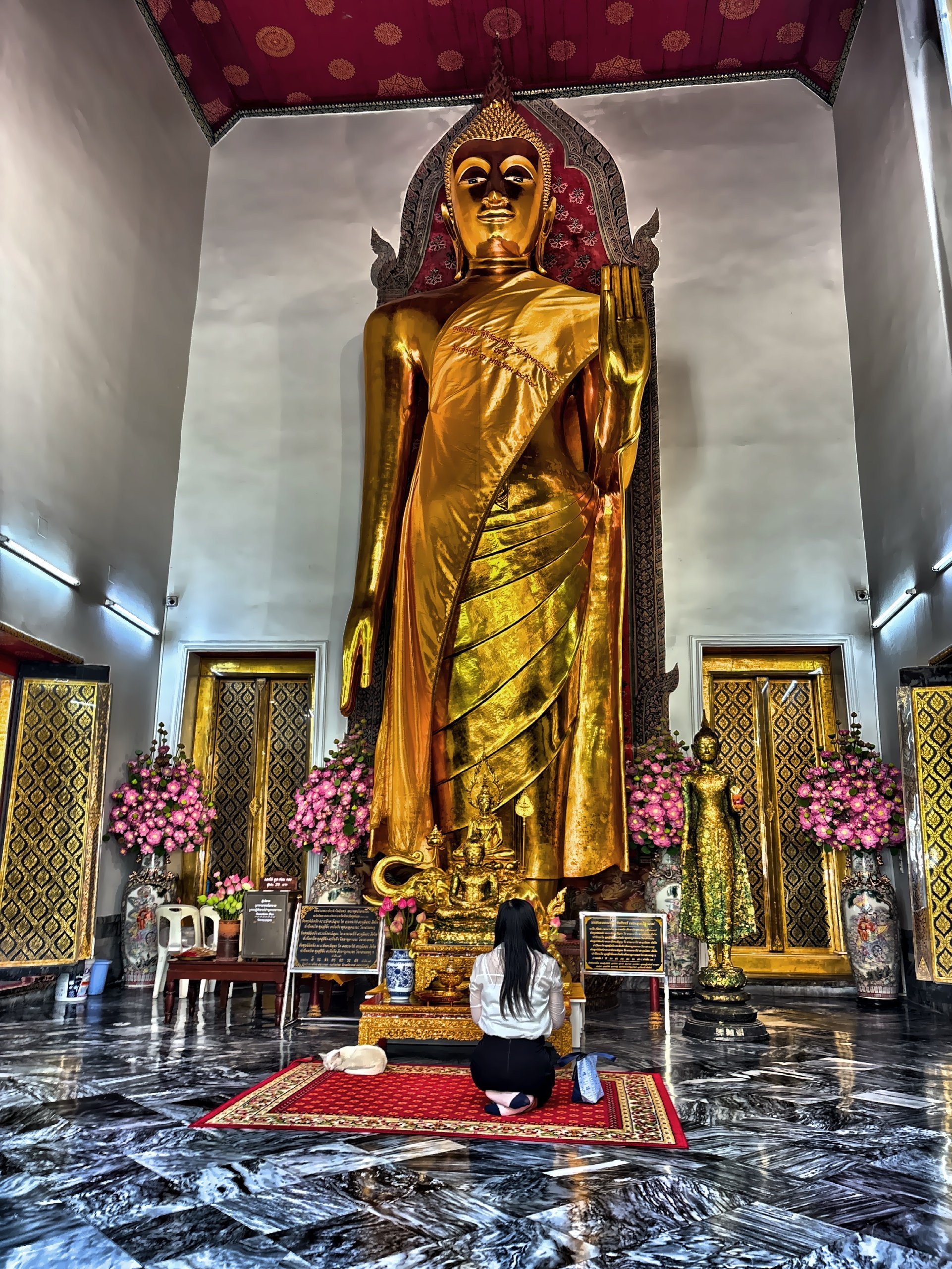
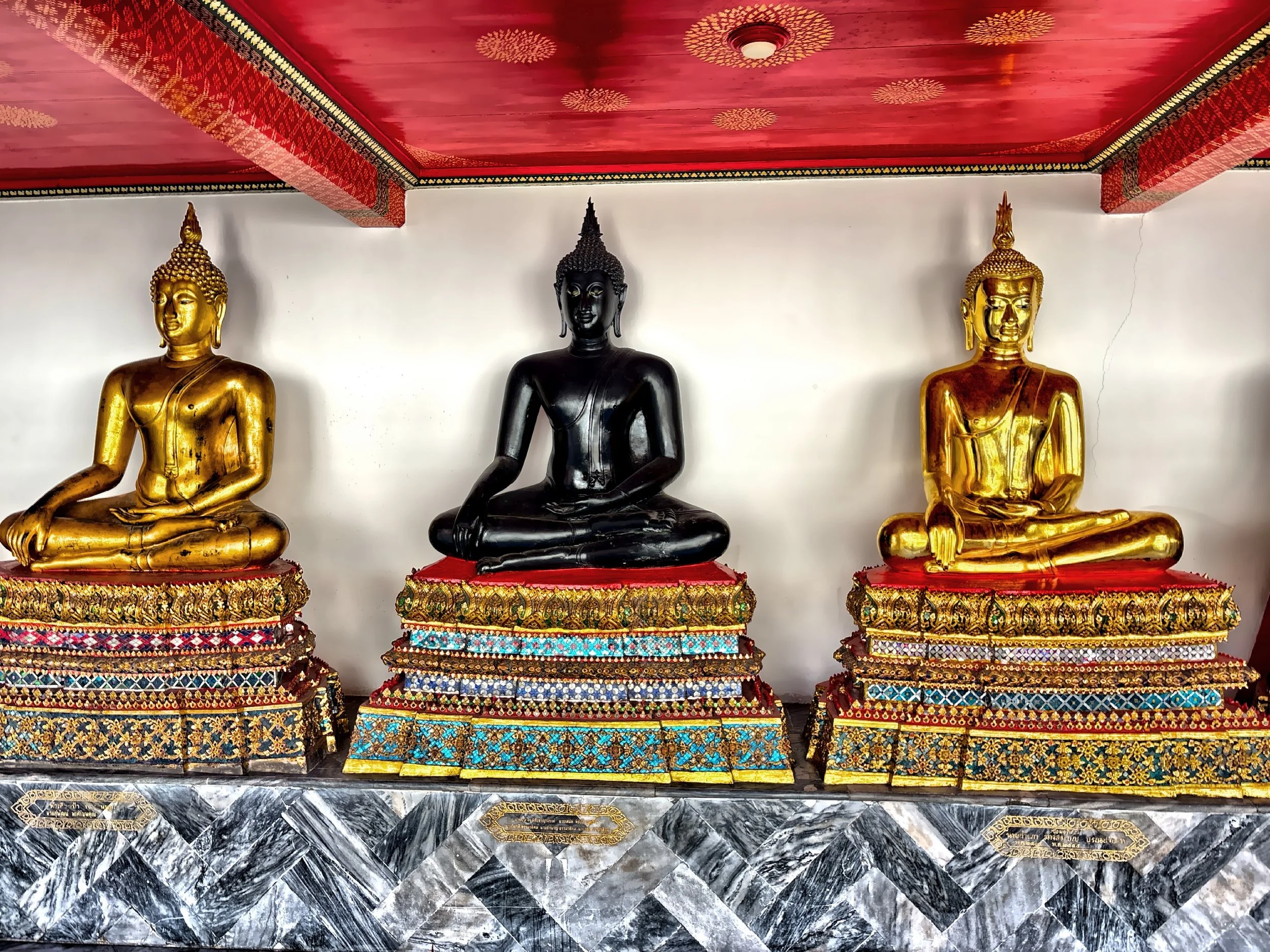
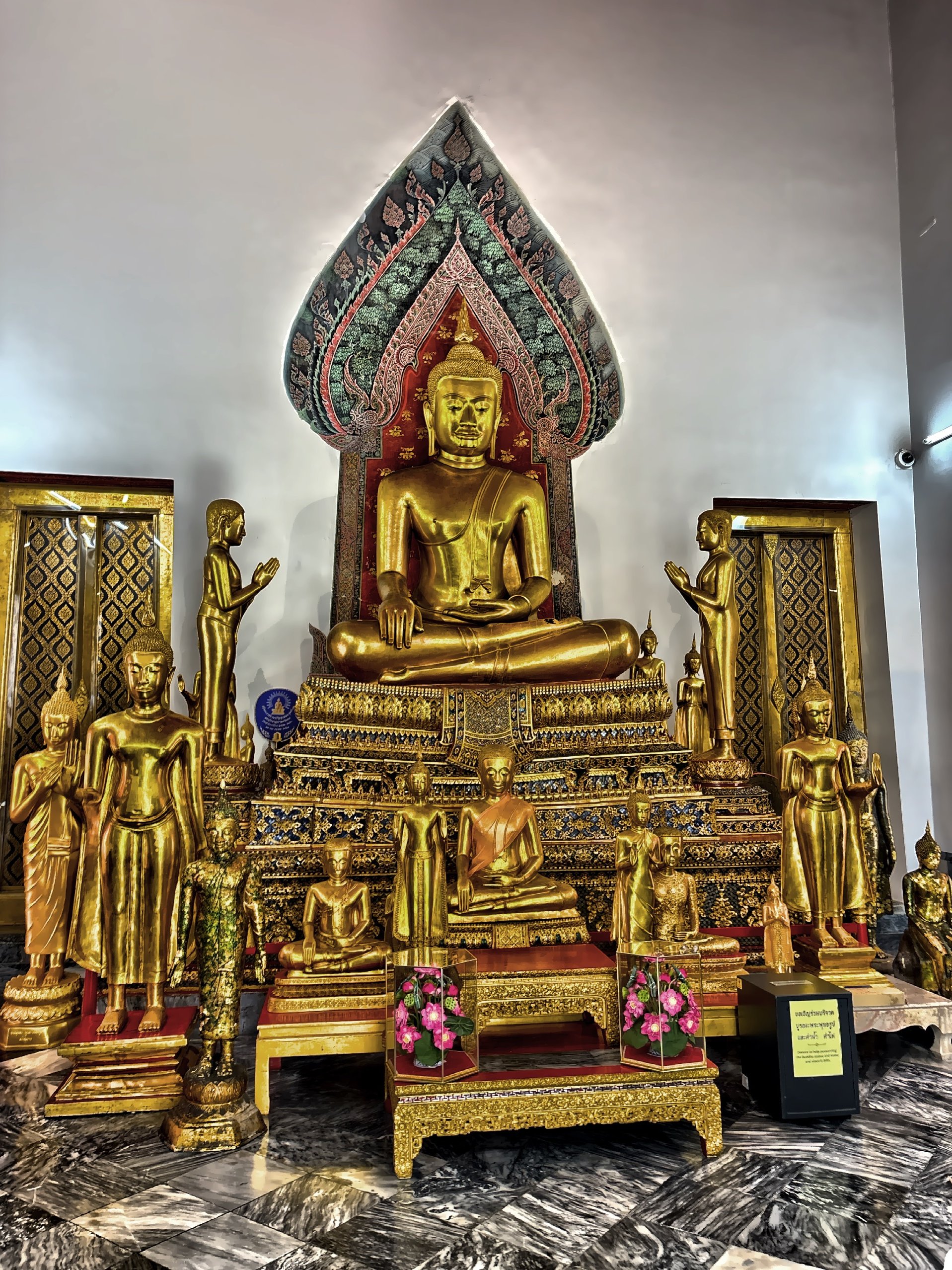
While famous for the reclining Buddha, Wat Pho also contains numerous other significant Buddha images in various postures.
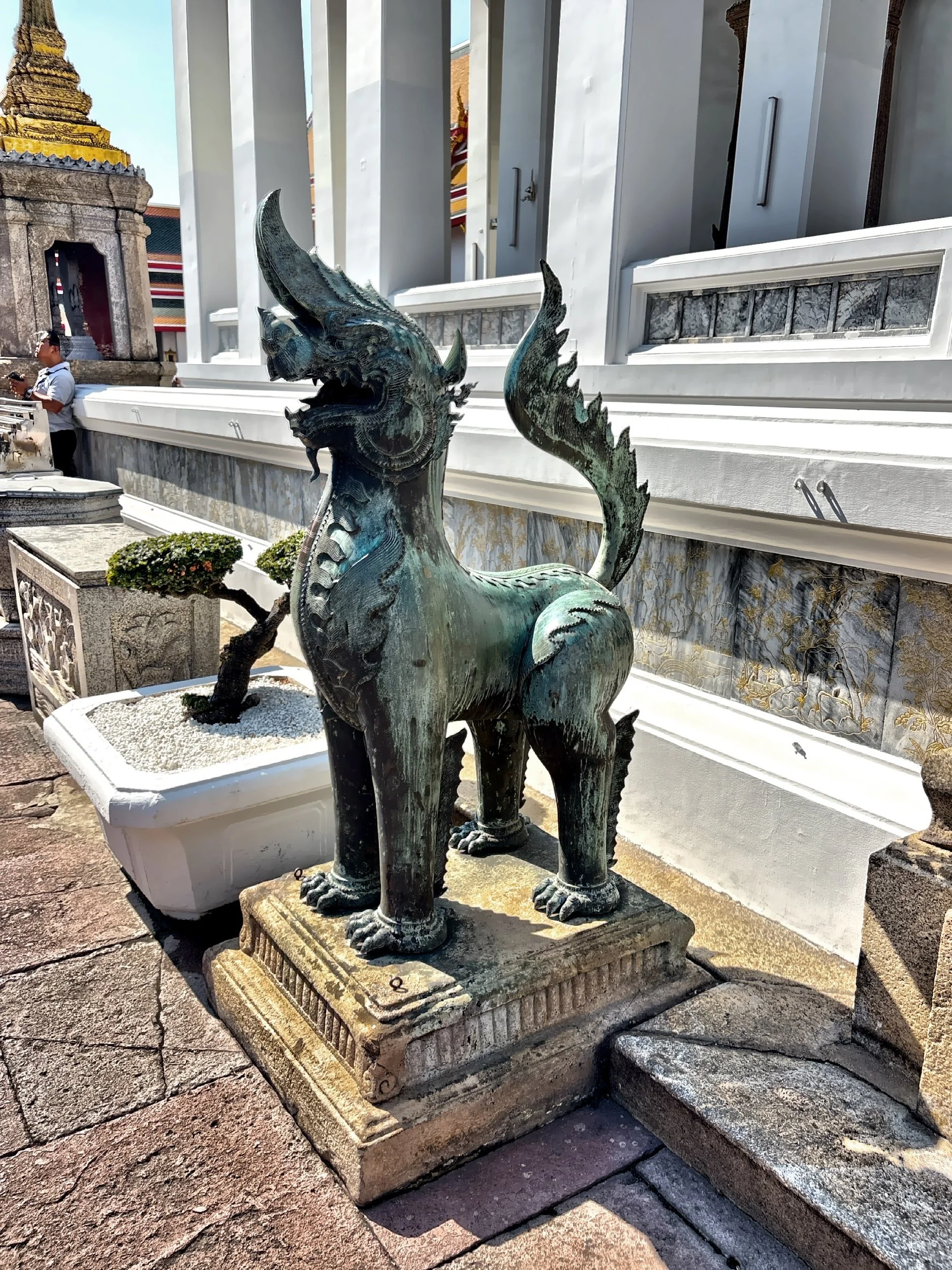
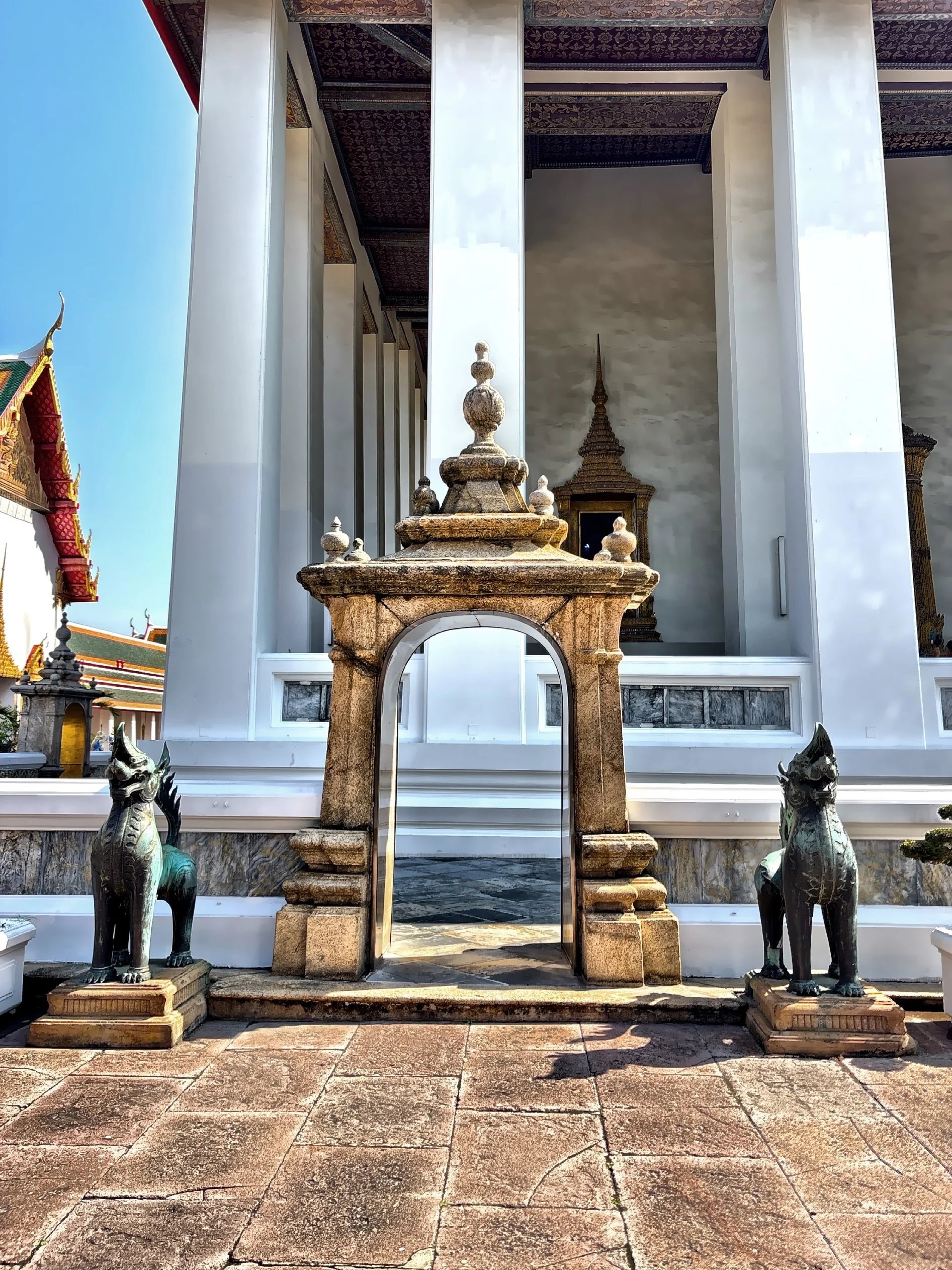
A bronze Singha guardian lion statue
.
A golden standing Buddha
.
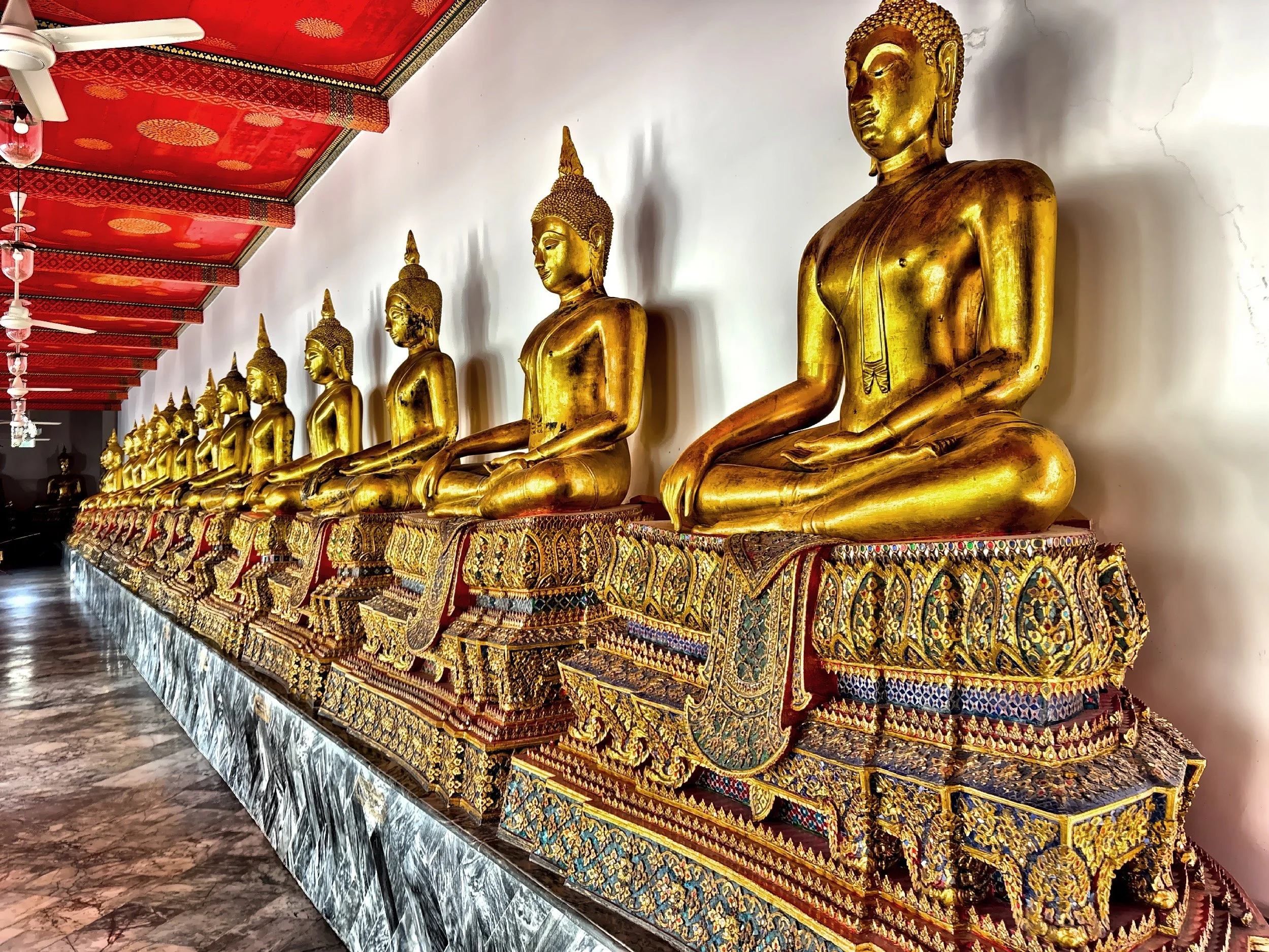
A row of golden Buddha statues inside the cloister of Wat Pho.
.
.
.
Every inch of these chides are covered in intricate mosaics made of Chinese porcelain which originally came to Bangkok as ballast on merchant ships.
.
Decorative gates
.
.
The Grand Palace
.
.
.
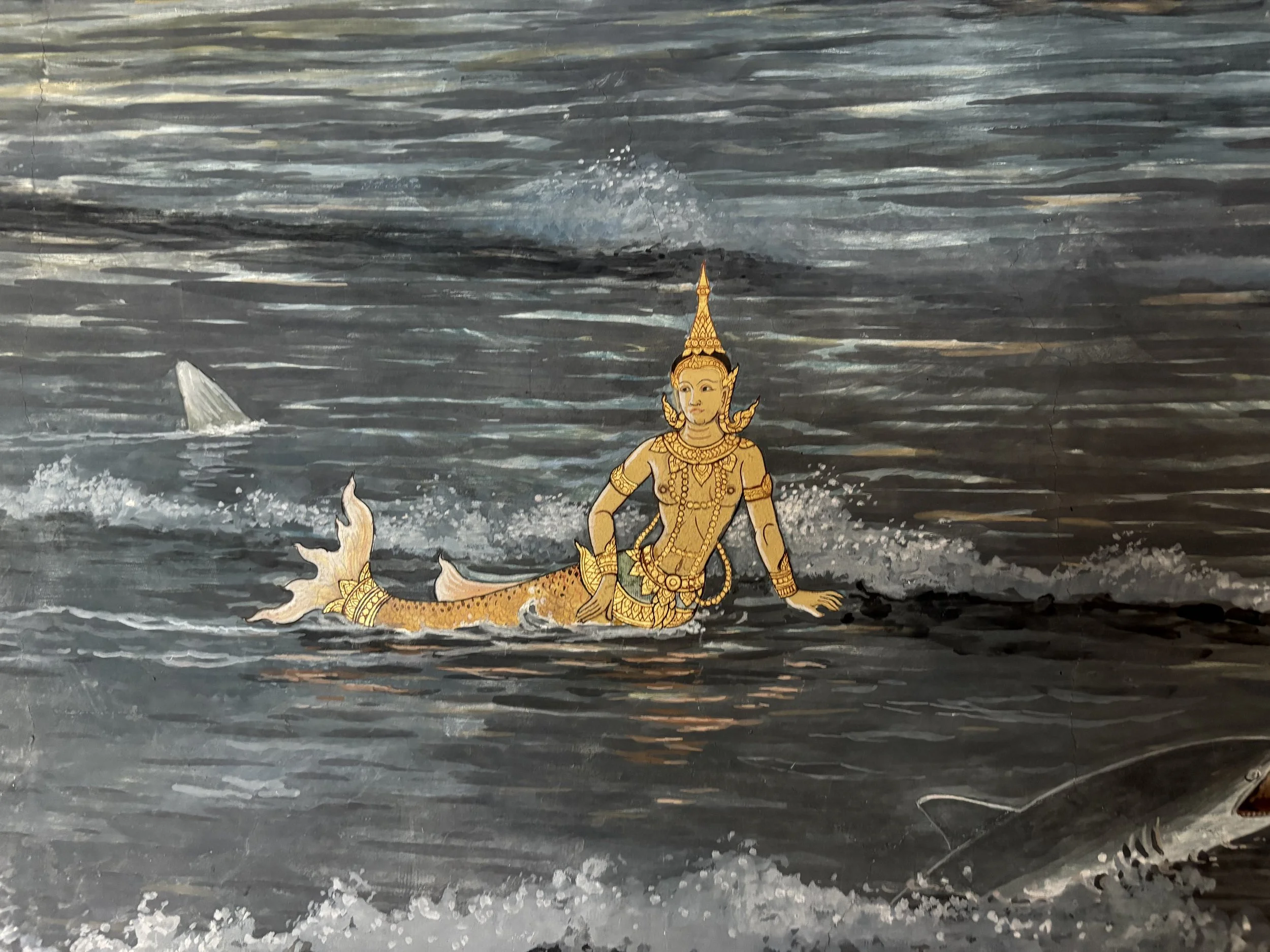
An image of Suphanmacha, the mermaid daughter of Ravana from the Thai epic Ramakien.
.
The Royal Pantheon
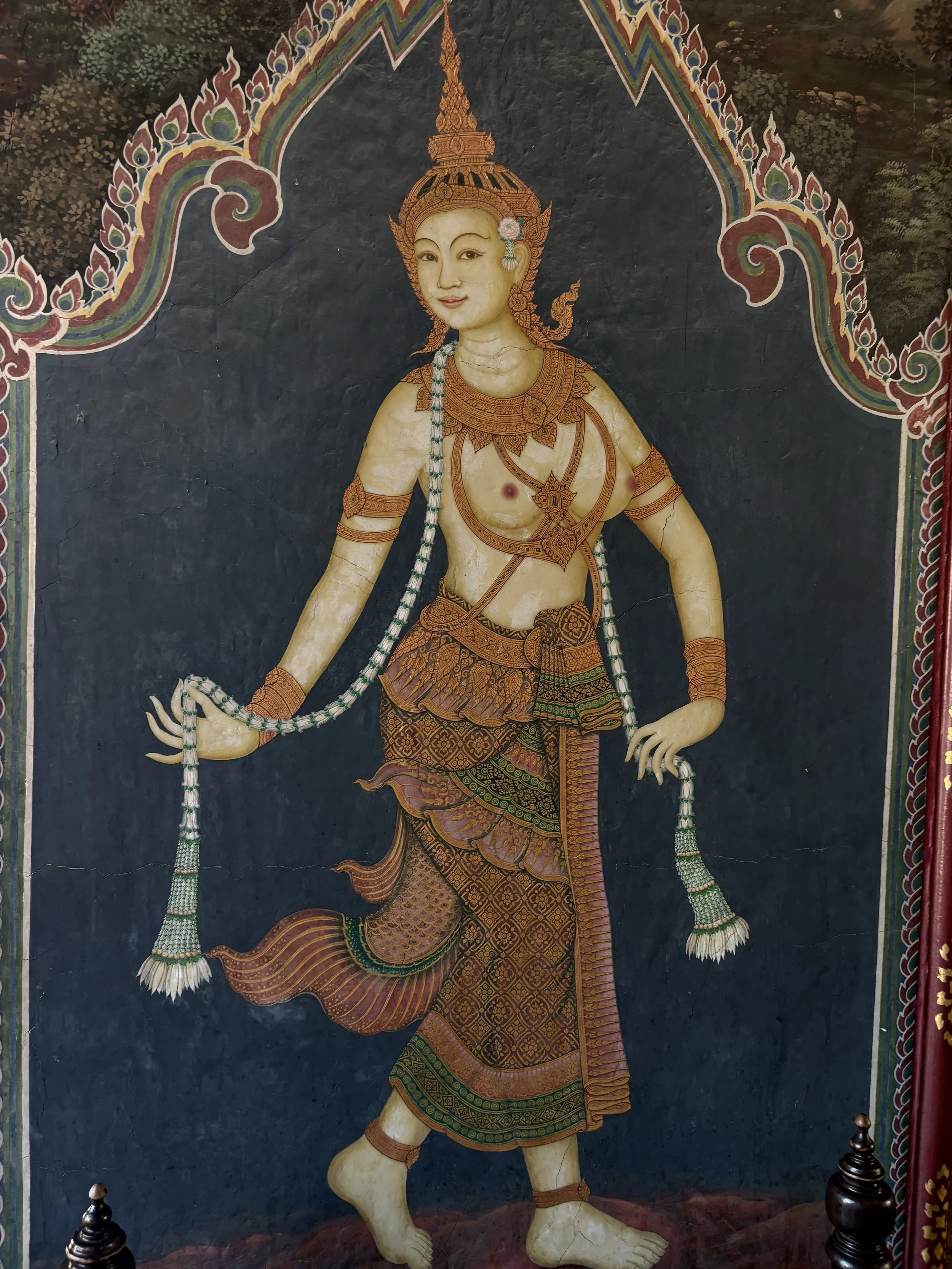
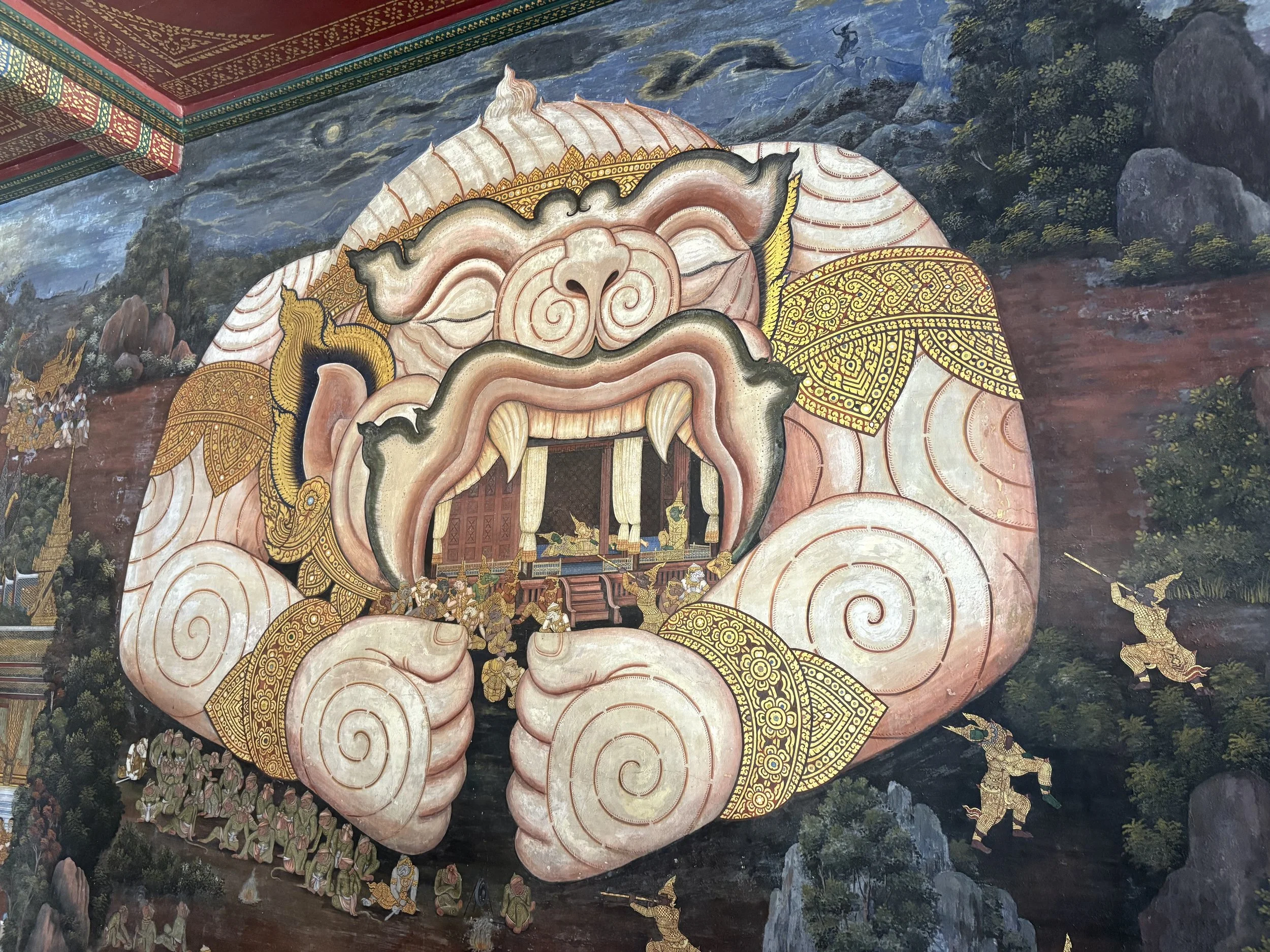
A mural depicting Hanuman protecting Phra Ram
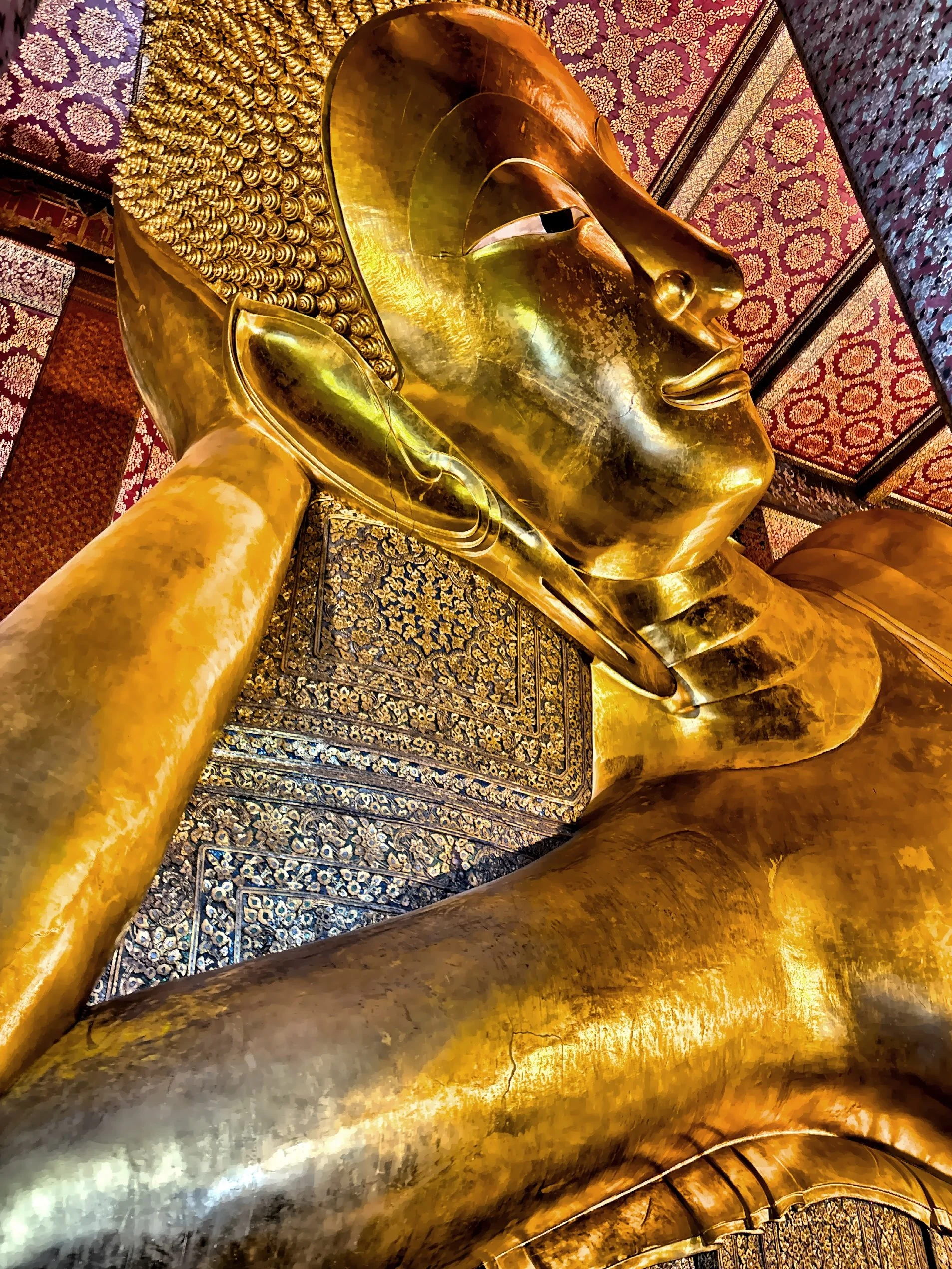
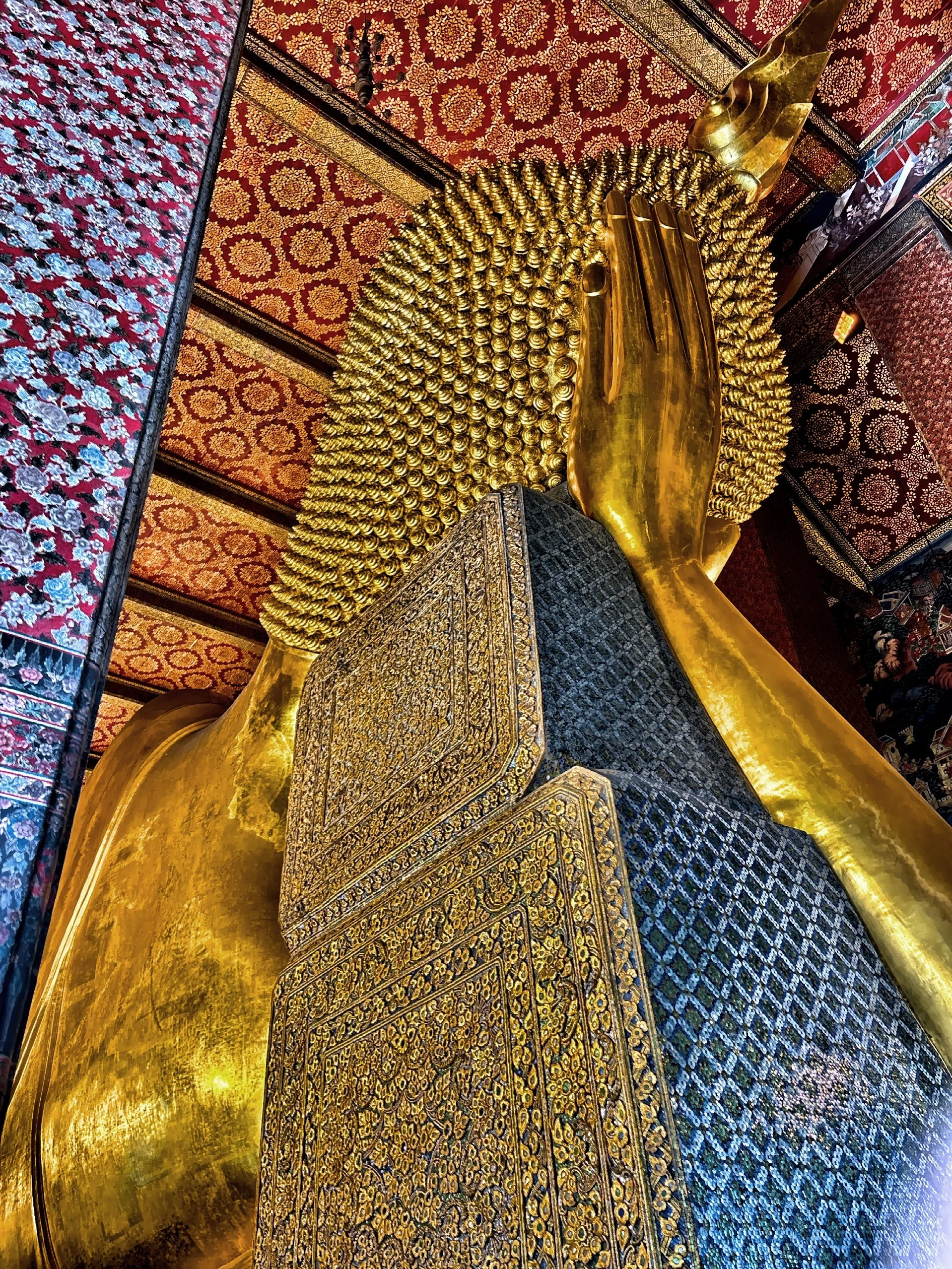
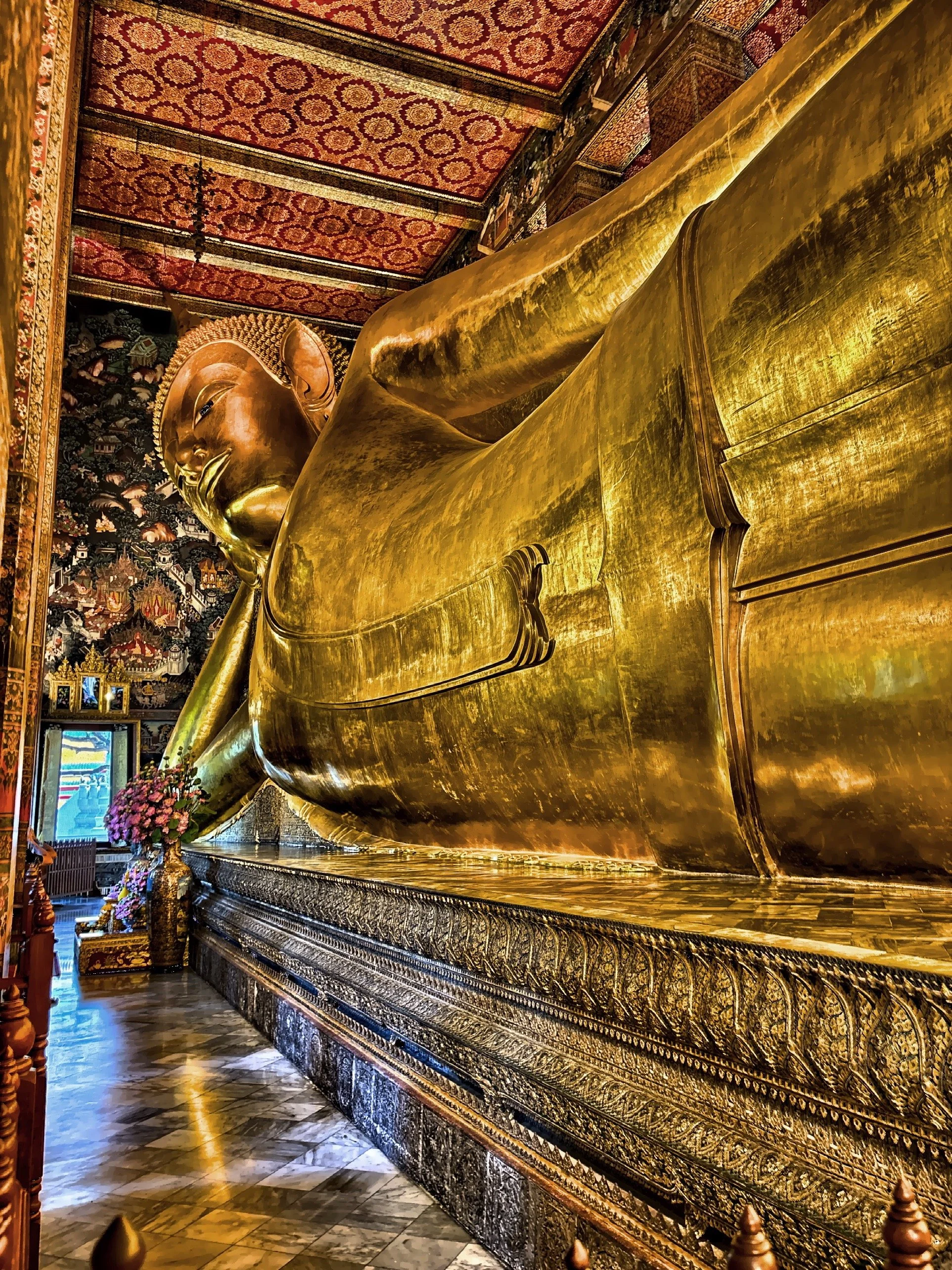
The massive gilded statue of the Reclining Buddha, known as Phra Buddha Saiyas, represent the Buddha’s entry into Nirvana at the end of all reincarnations.
.
The 150-foot long Reclining Buddha is made of brick, plaster, and gold-plating.
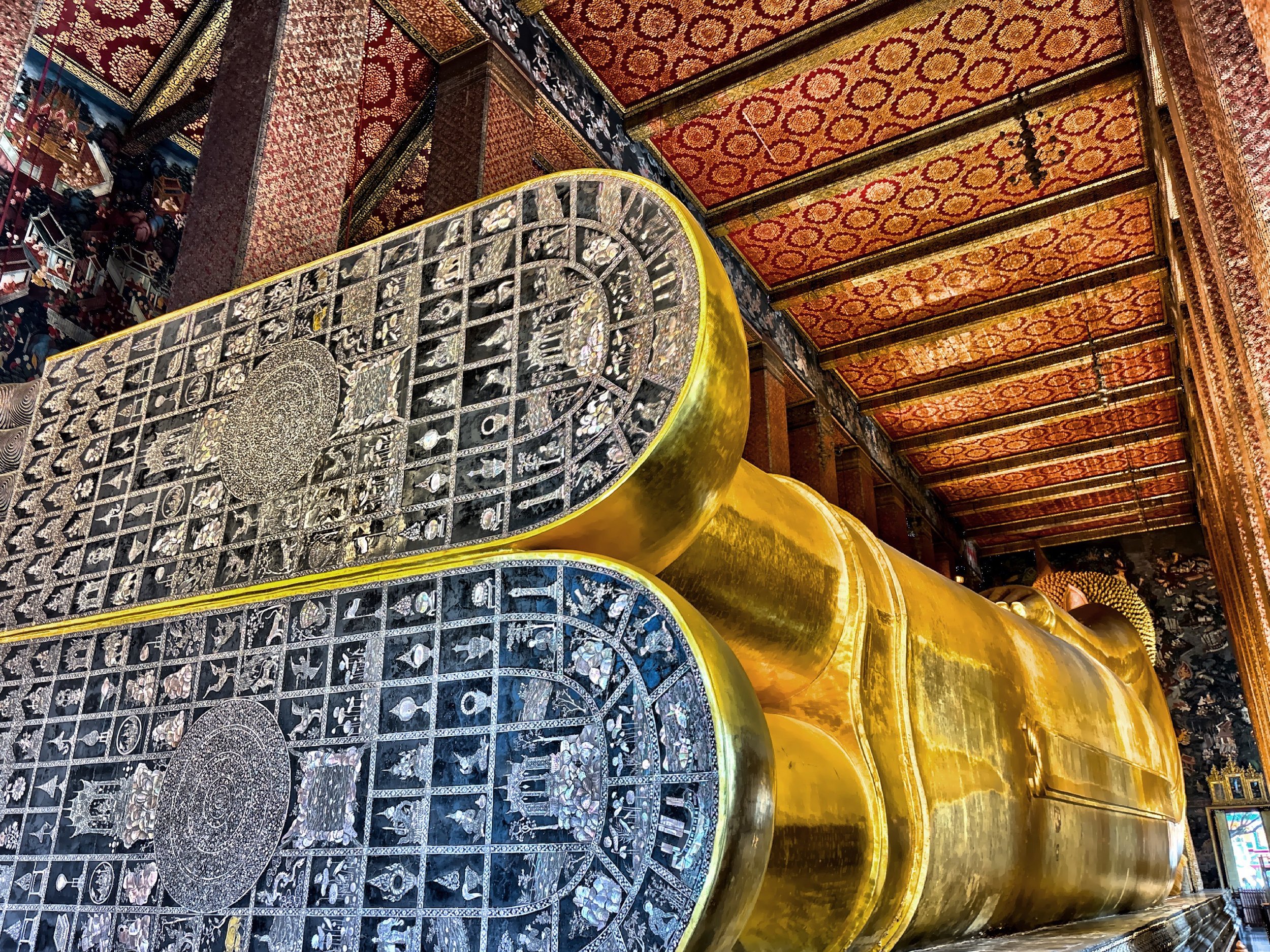
These are the soles of the Reclining Buddha’s feet which are inlaid with mother-of-pearl, depicting 108 auspicious symbols that represent Buddha’s divine nature.
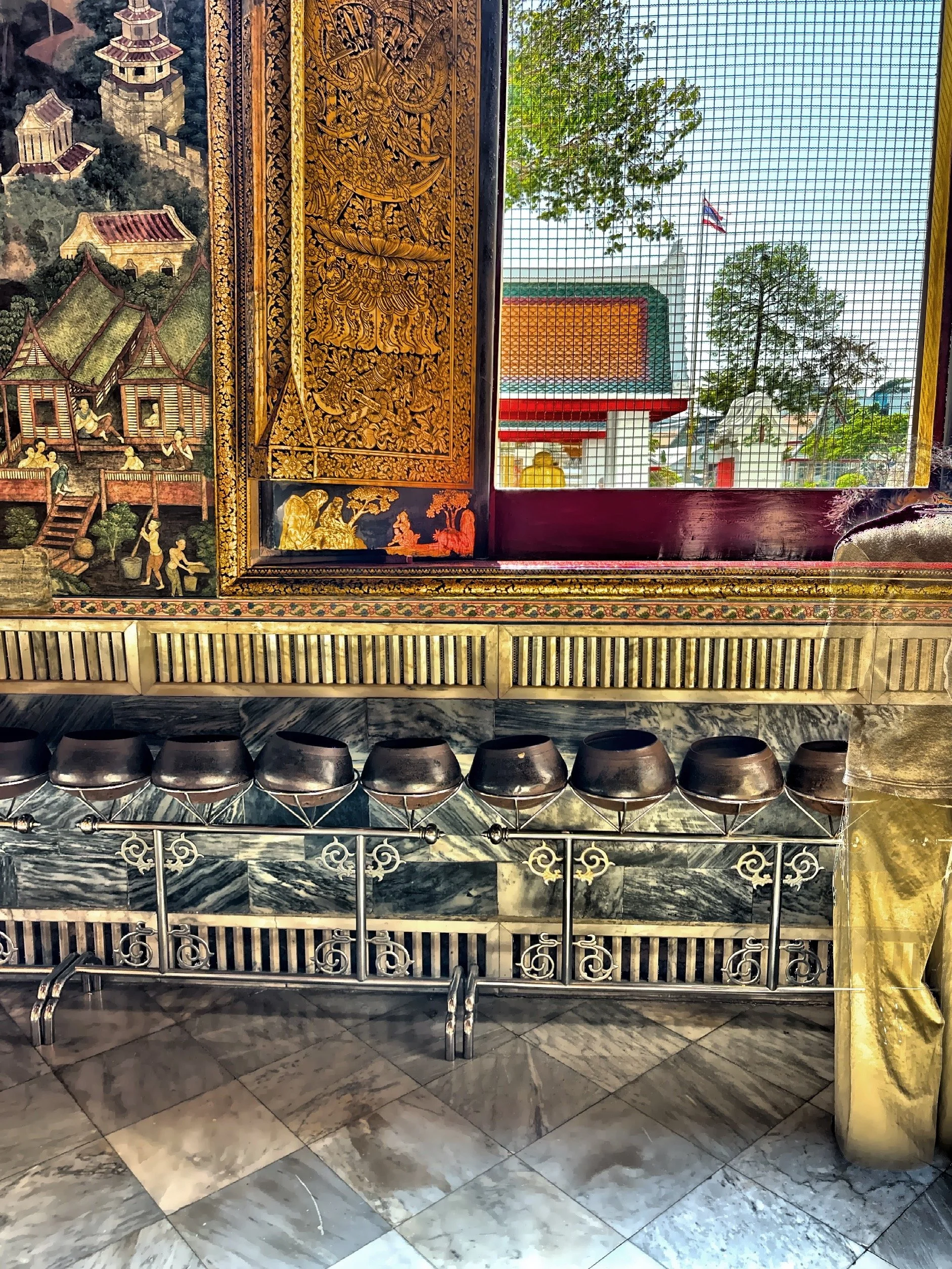
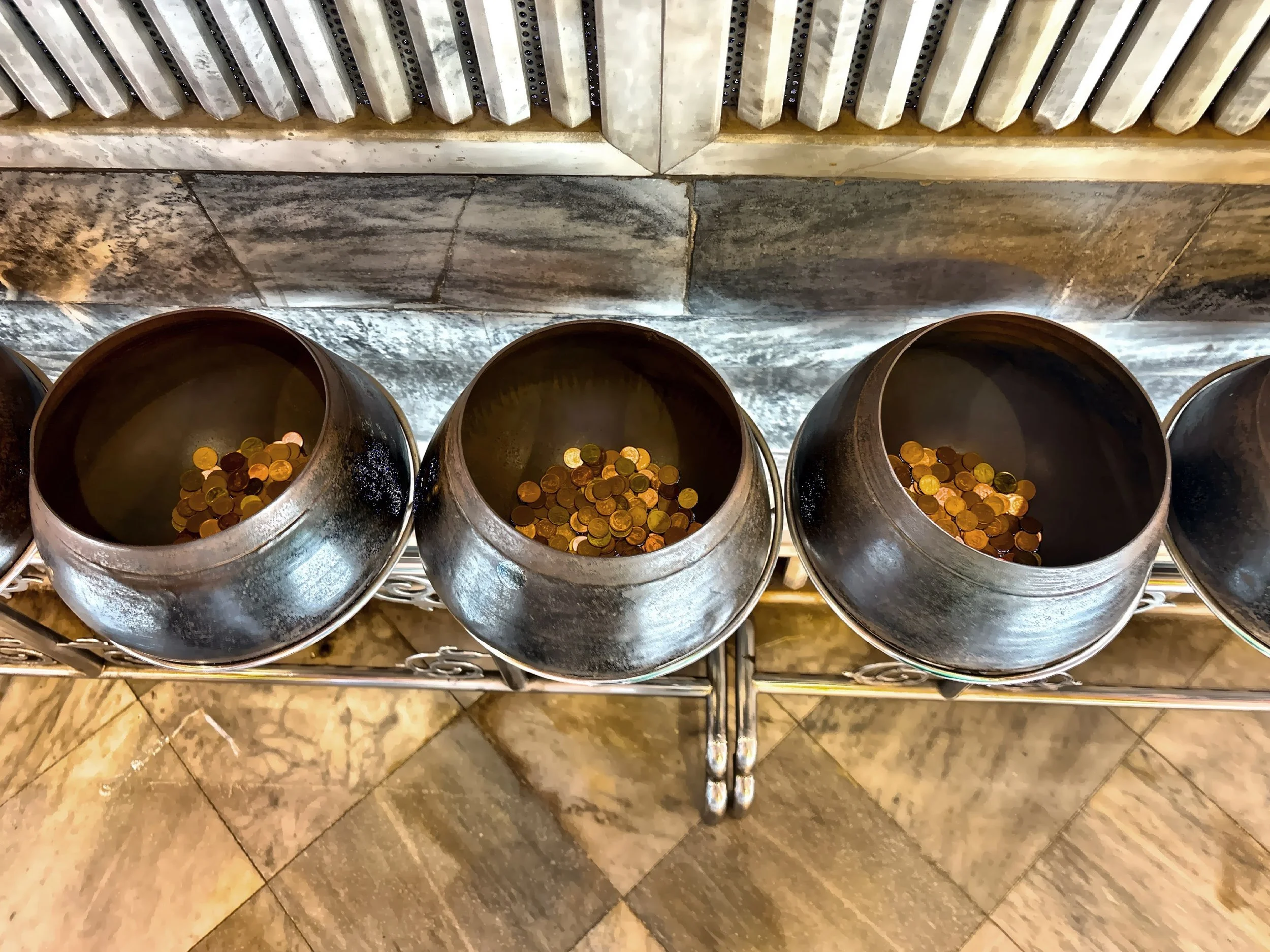
The 108 bronze fortune bowls located inside Wat Pho. Each bowl represents one of the 108 auspicious characteristics of the Buddha.
What you should know:
Public restrooms are available. You should try and carry your own toilet paper when traveling in Thailand and you will be asked to place in provided bins and not be flushed in most places because of the septic systems.
The Grand Palace is a highly sacred site. Both men and women must cover shoulders and knees. Avoid shorts, sleeveless tops, or flip-flops. Scarves or long skirts/pants are recommended if you need extra coverage.
Shoes must be removed before entering certain halls and temples inside the palace complex, such as the Wat Phra Kaew.
Photography is allowed in most outdoor areas, but some indoor halls, always look for signs or ask staff.
Admission can be purchased on site or online.
On-site restrooms are available.
Food and drink are restricted inside the palace; eat beforehand or in nearby cafés.
Water bottles are allowed—stay hydrated with bottled water only.
Allow 2–3 hours to fully explore the palace complex.
Respect monks, worshippers, and ceremonial activities.
Check website for days and hours of operation and if are any special events.
Staff are generally friendly and helpful.
There is no dedicated parking.
Location: Na Phra Lan Road, Phra Borom Maha Ratchawang, Phra Nakhon, Bangkok 10200, Thailand
For more information: The Grand Palace
If you enjoyed this post, feel free to check out my previous posts by clicking here.