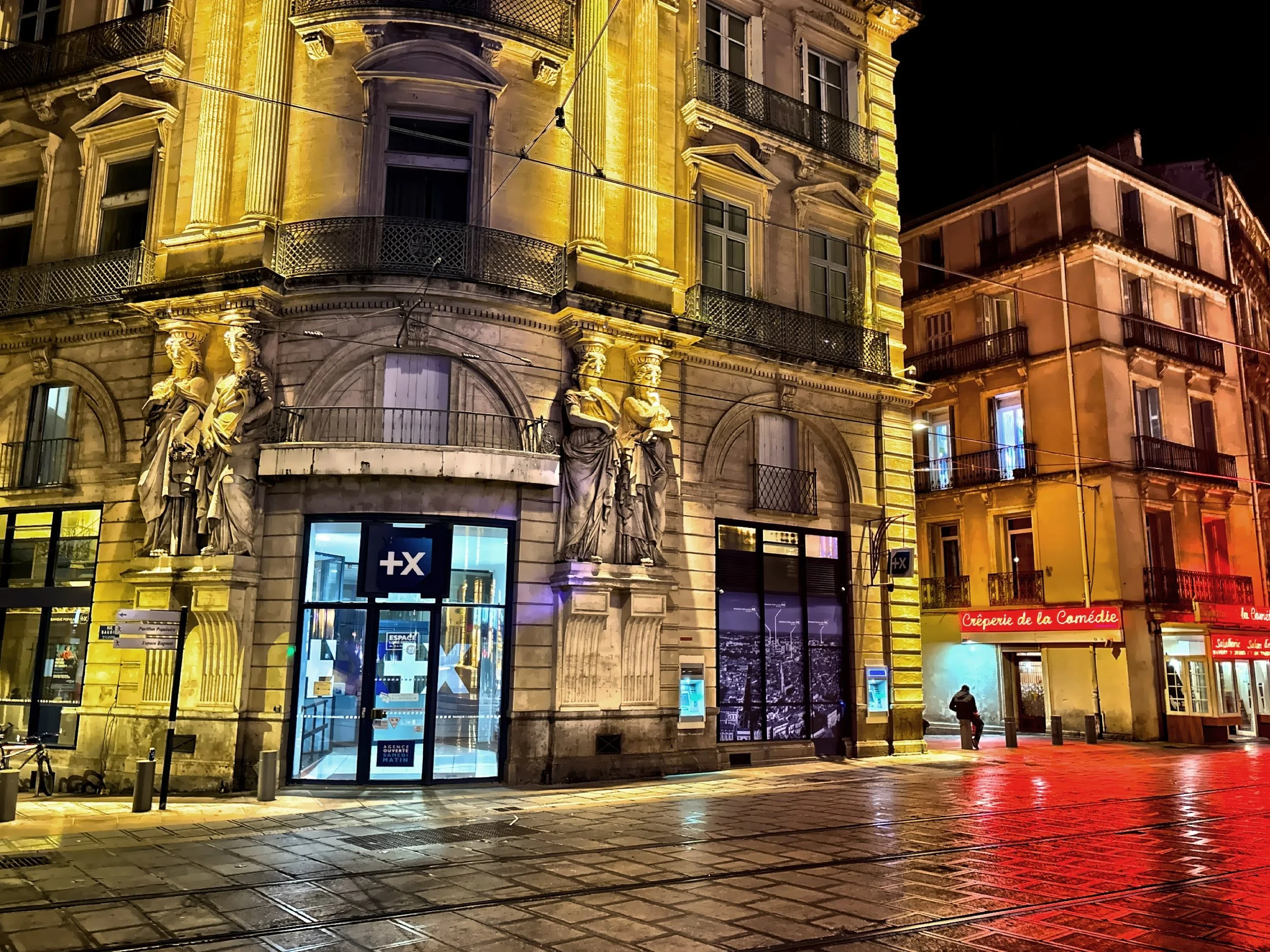
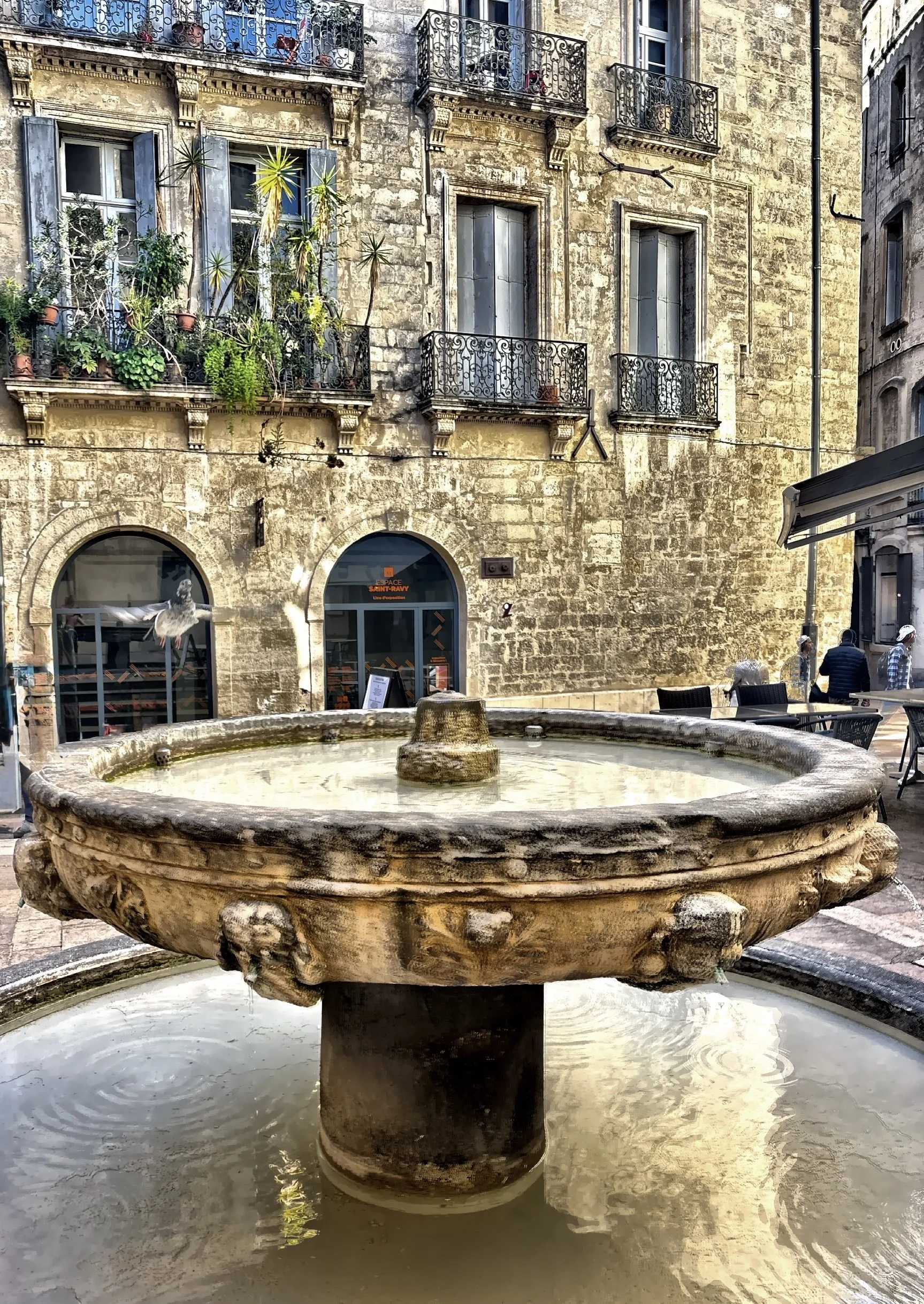
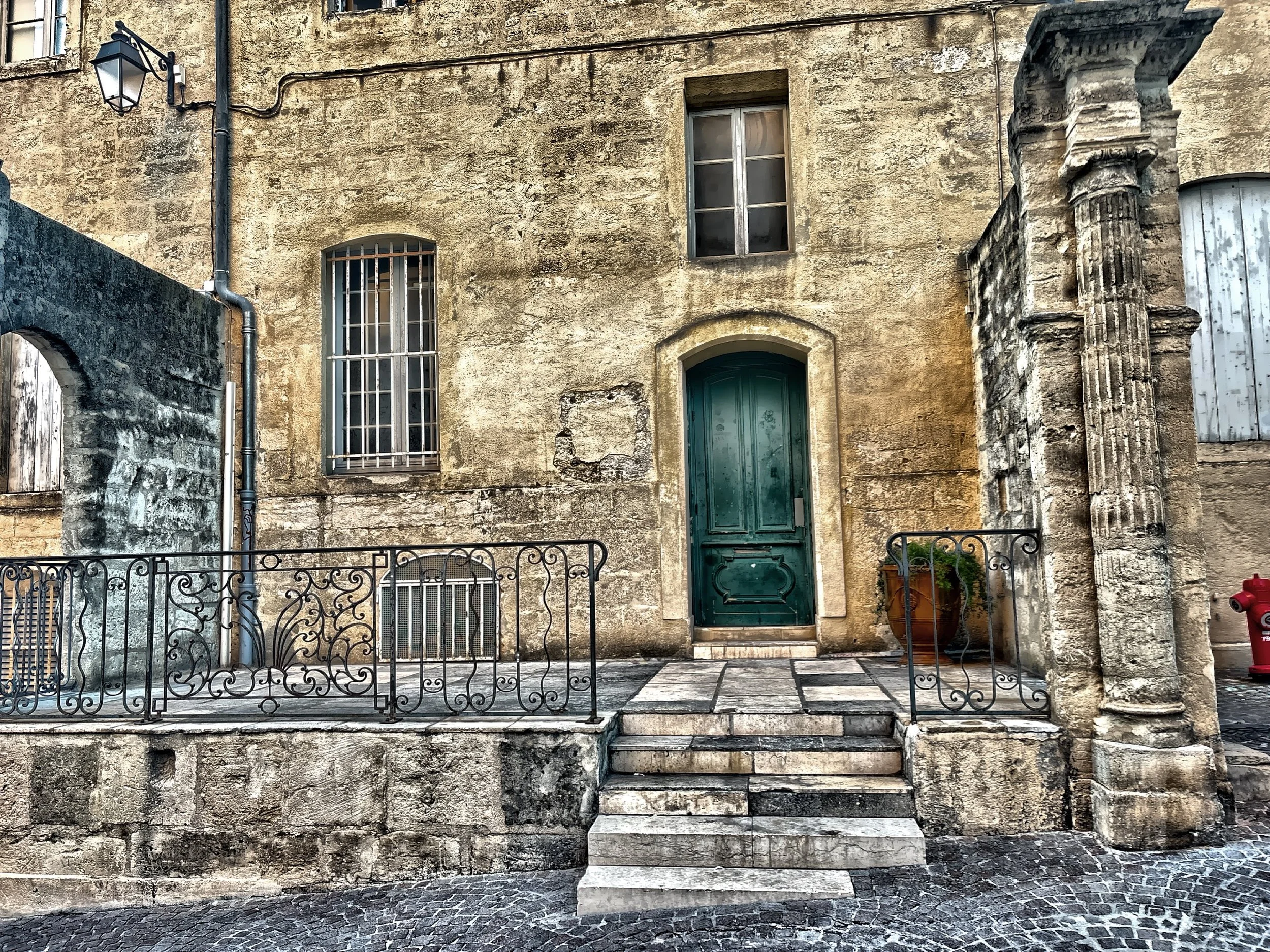
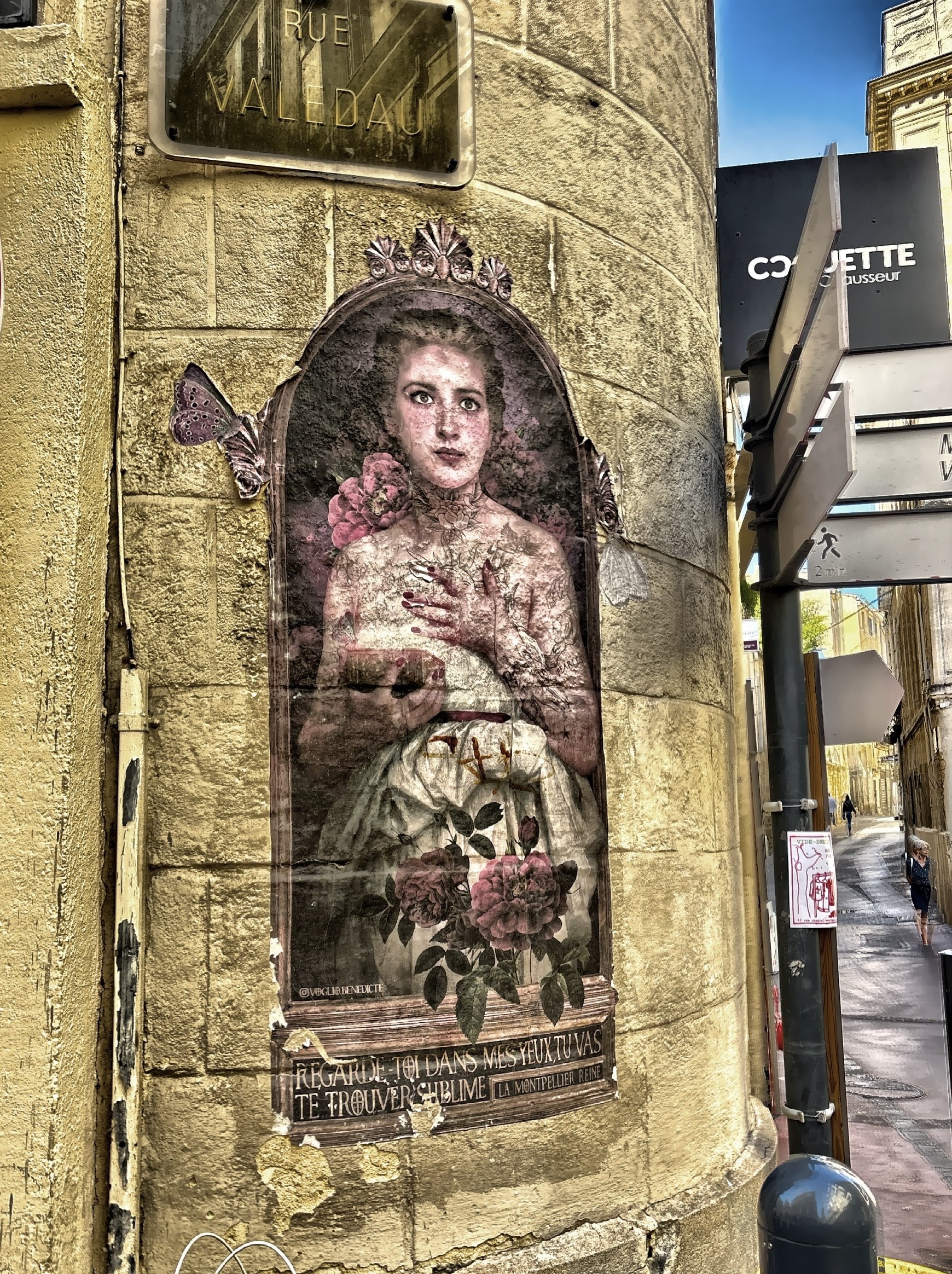
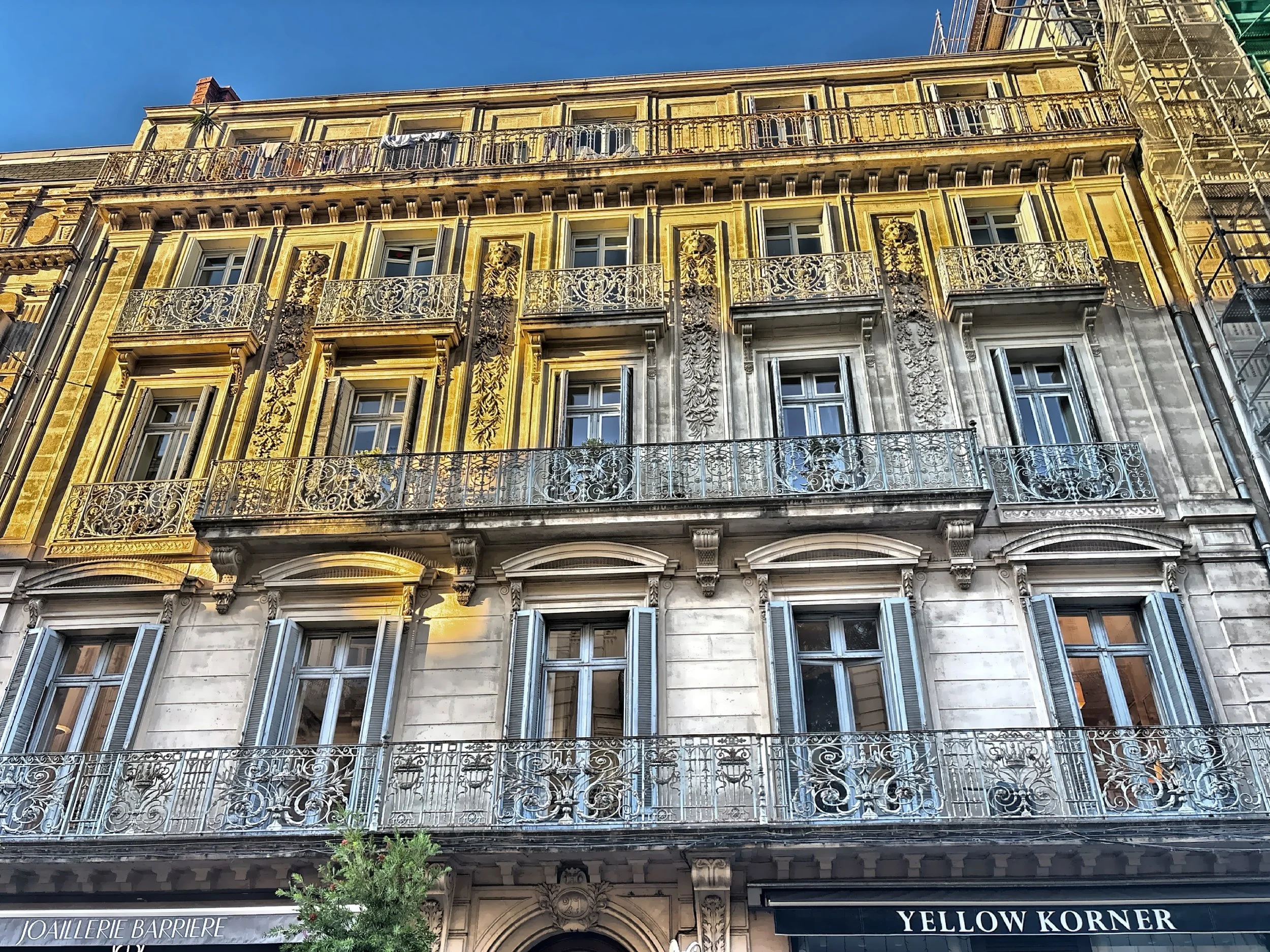
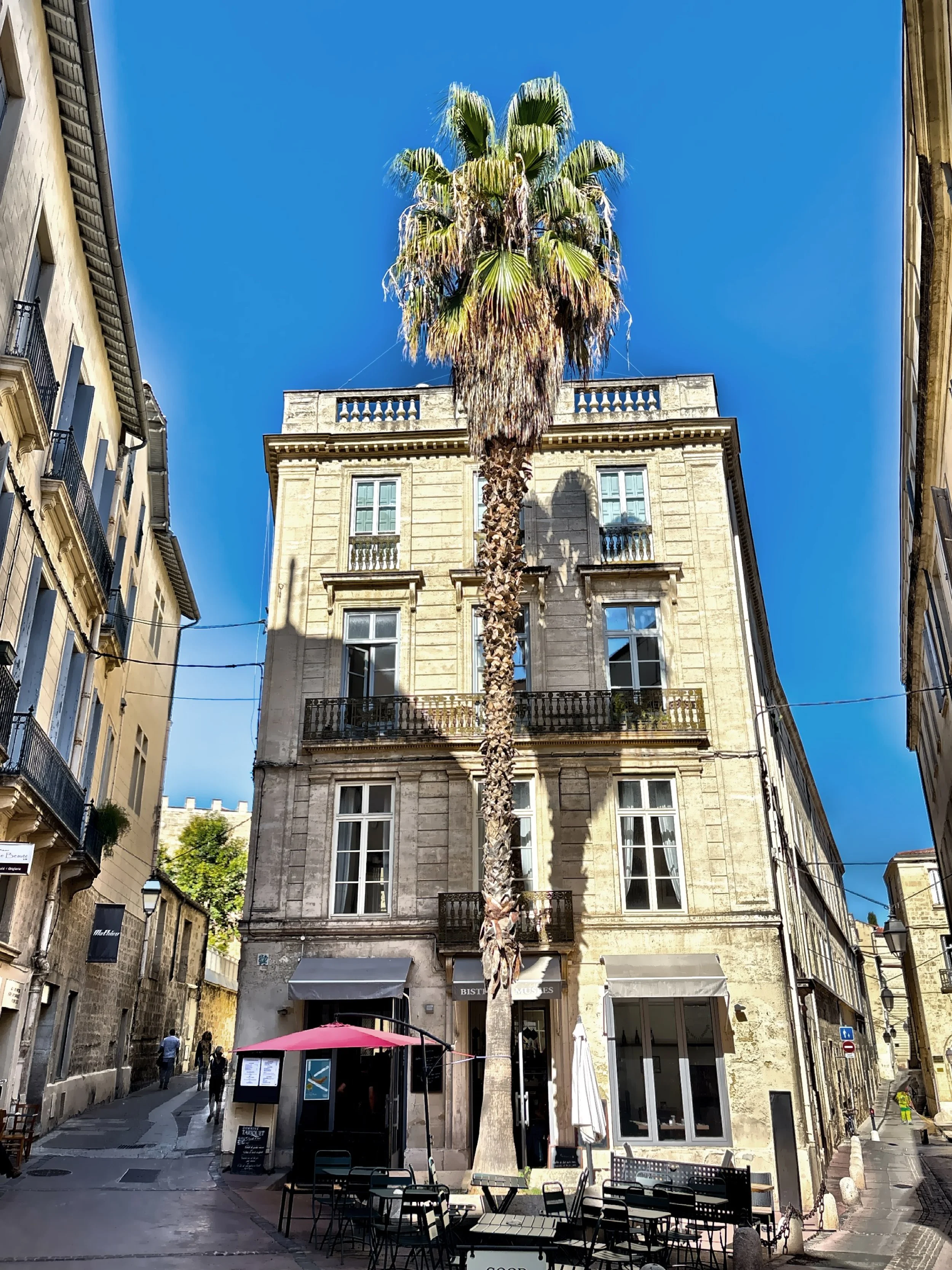
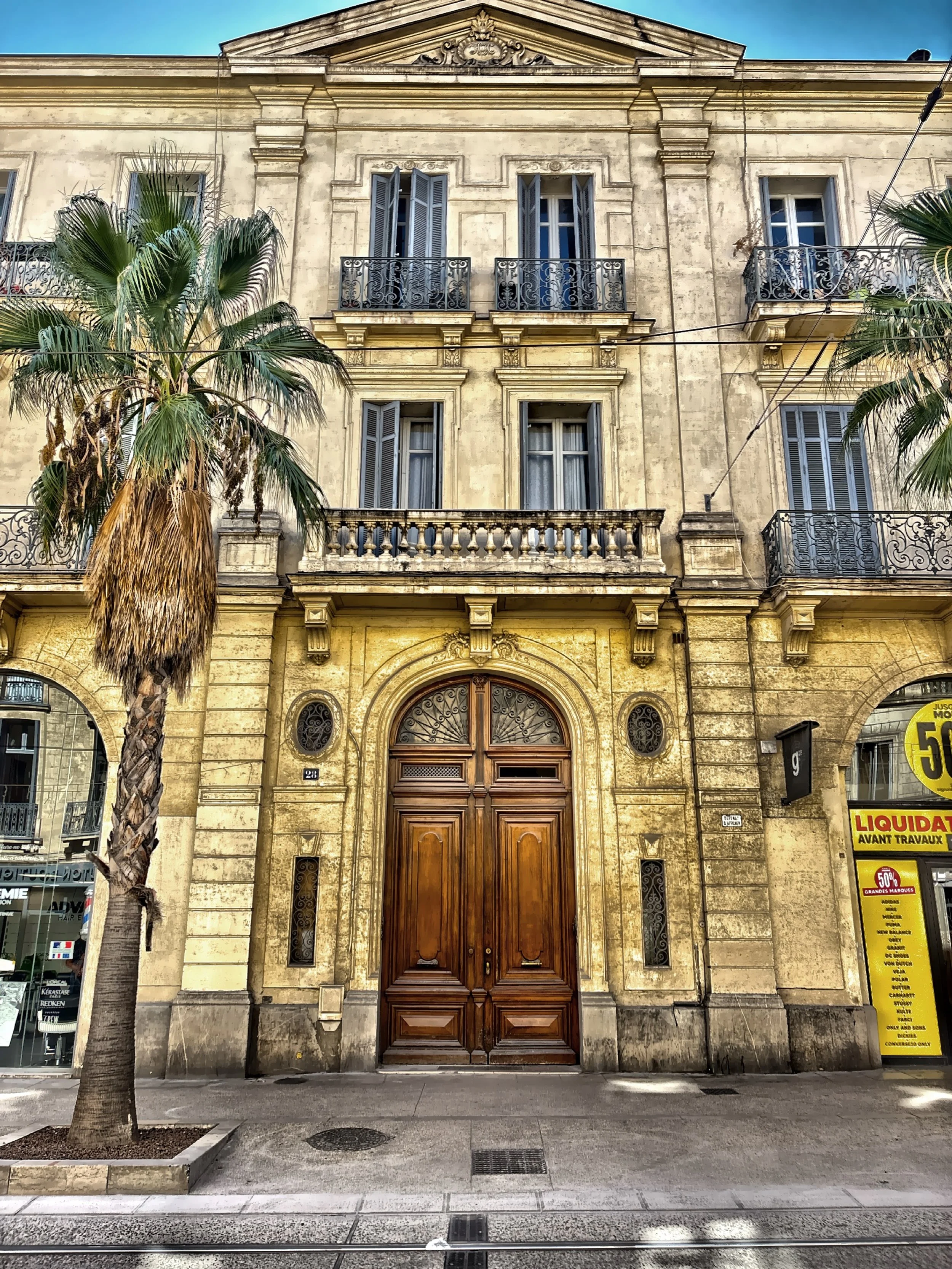
Montpellier is a city of contrasts — medieval and modern, scholarly and laid-back, sun-drenched yet full of cool, shaded spots — and that’s exactly what makes it so easy to love. With a population made up of roughly 40% students and about 30% retirees, the city hums with an unusual energy: part youthful buzz, part unhurried Mediterranean calm.
It’s big enough to explore but intimate enough to feel like you’ve discovered your own secret places. And no matter how long you stay, you’ll leave with a sense that the city still has more to show you.
This is what caught my eye - I hope you enjoy!
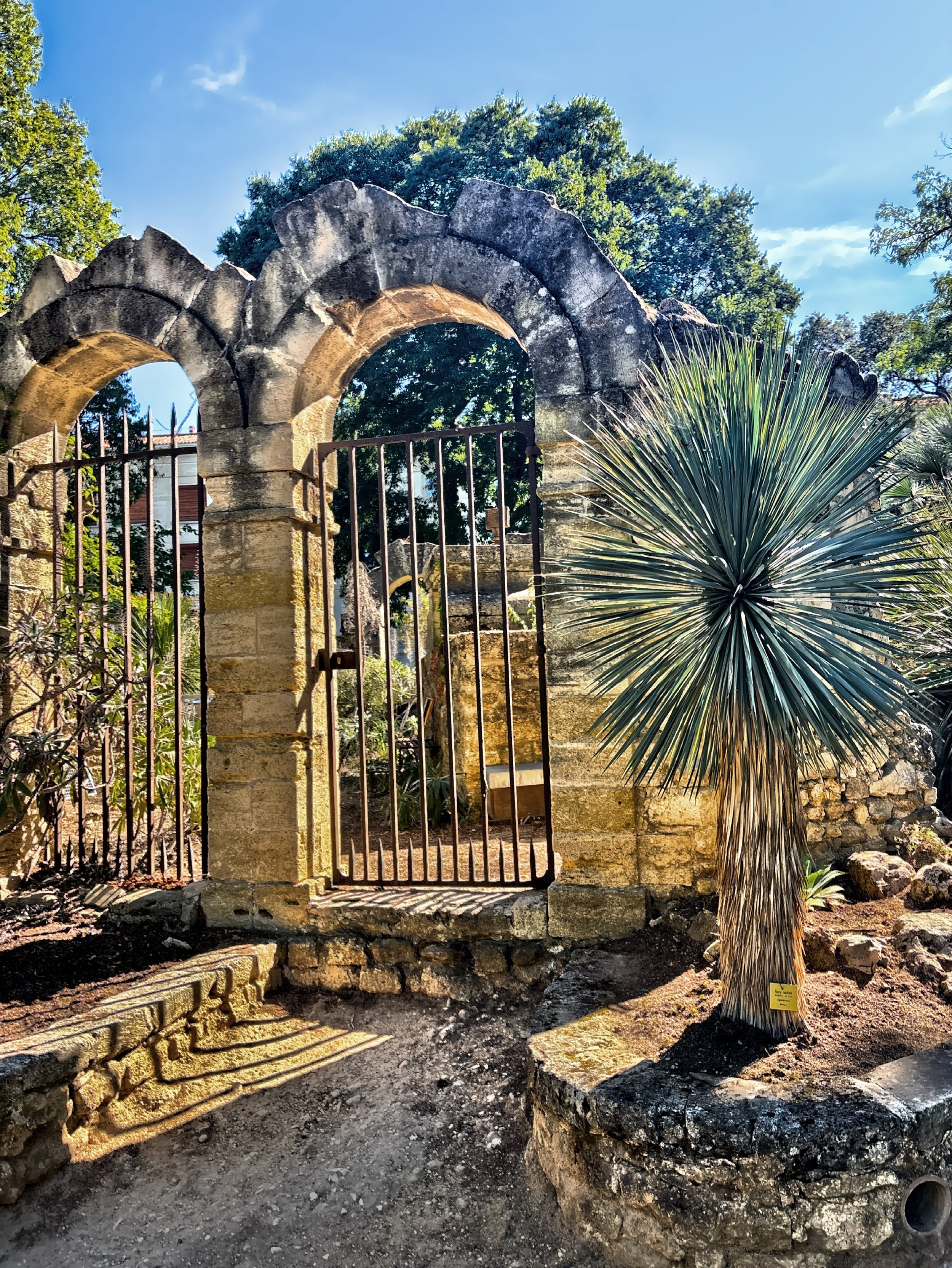
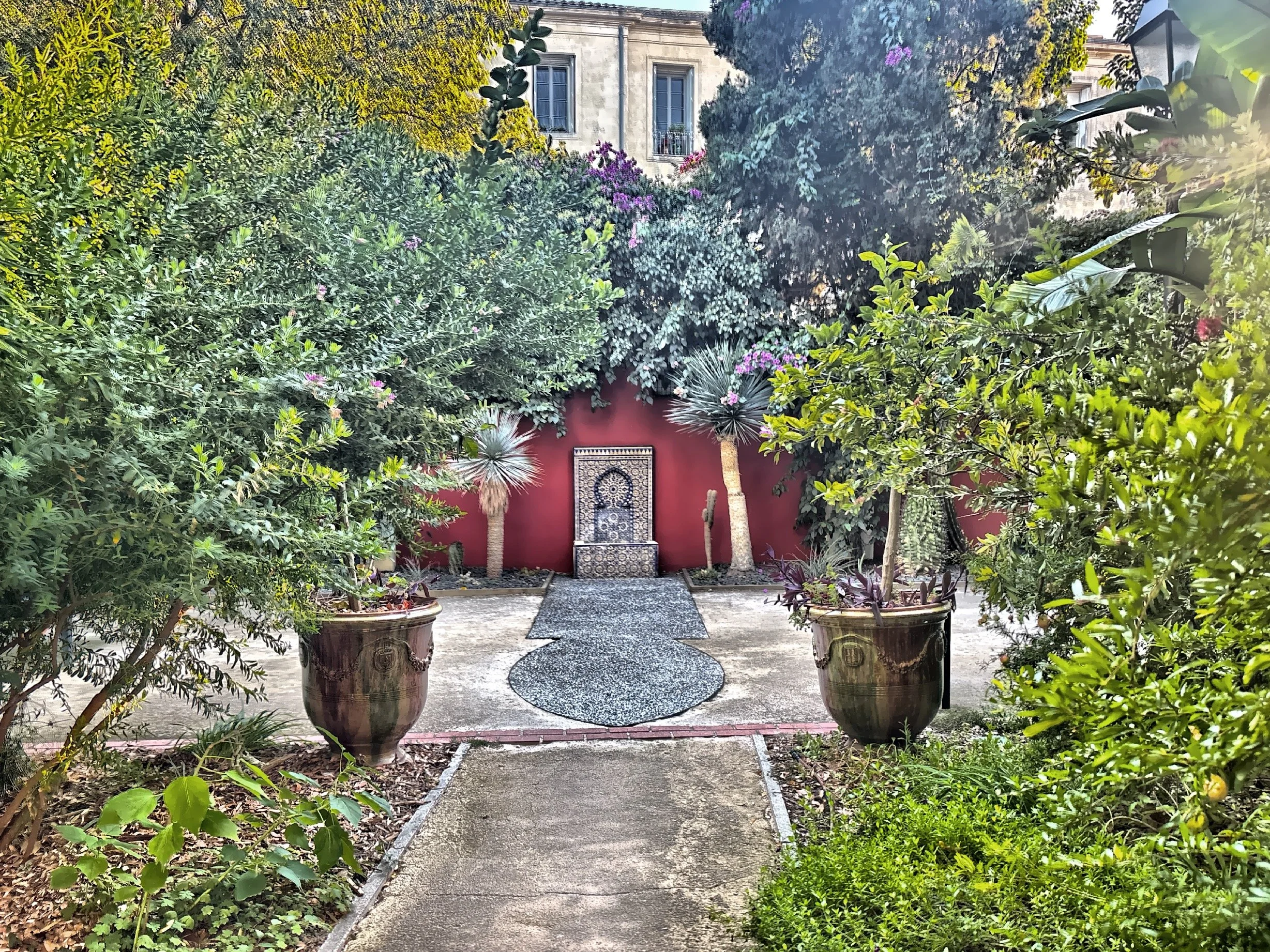
Jardin des Plantes, the oldest botanical garden in France was created in the 16th century for medical students to study plants and remedies, it remains an oasis with medicinal beds, greenhouses, and quiet pathways.
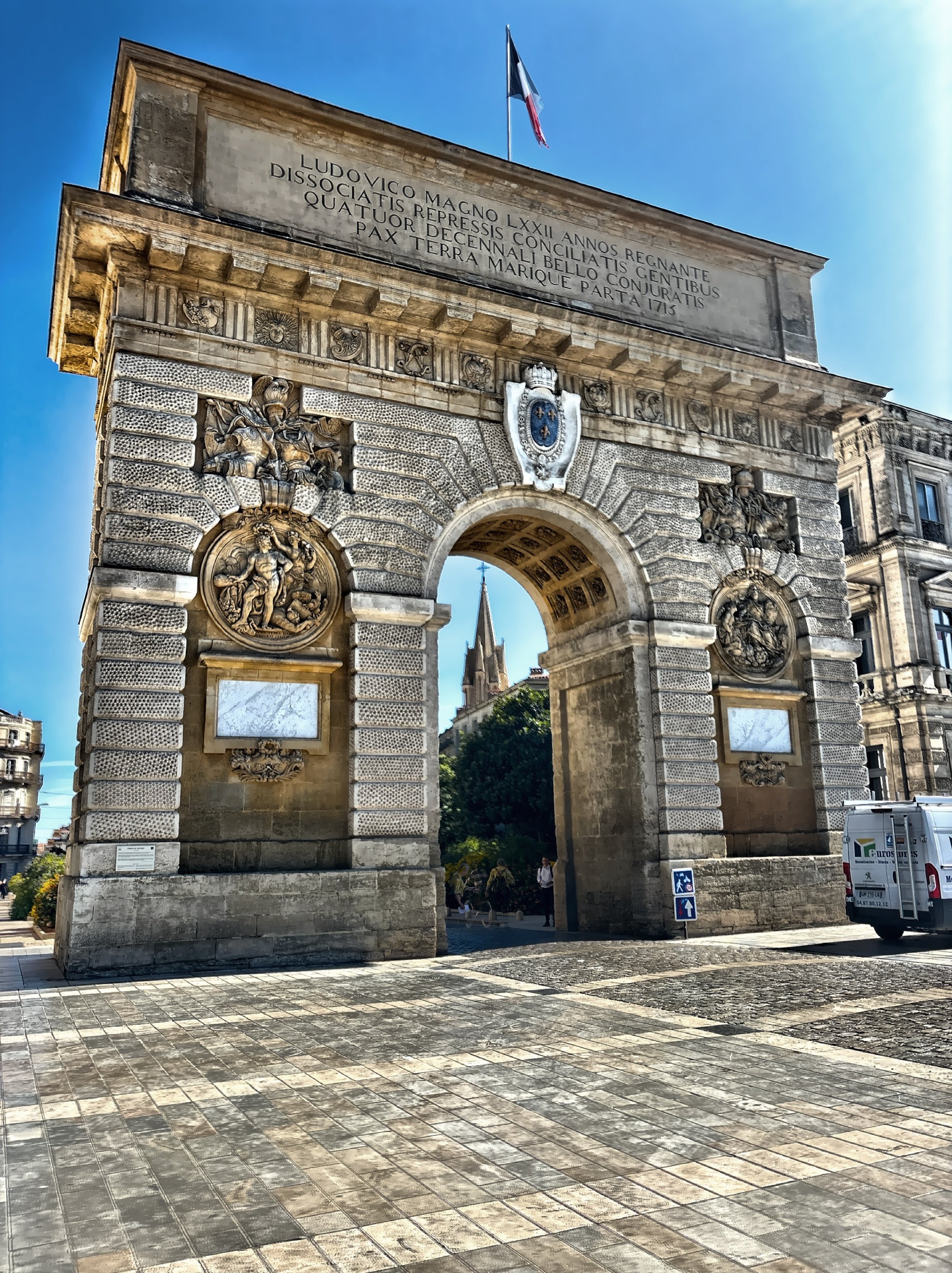
Promenade du Peyrou with palm trees and a regal arc de triomphe.
.
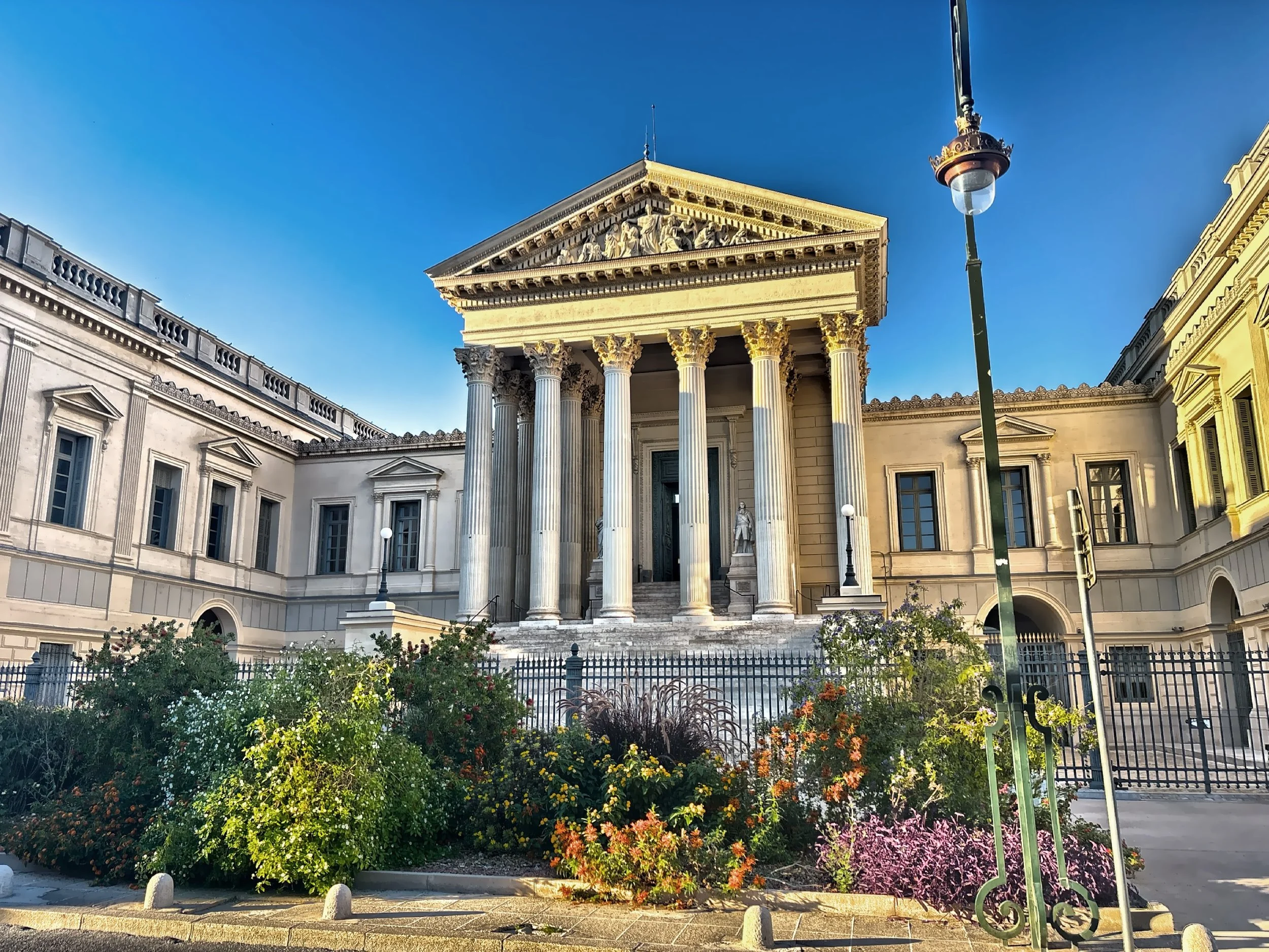
The Palace of Justice was built between 1846 and 1853.
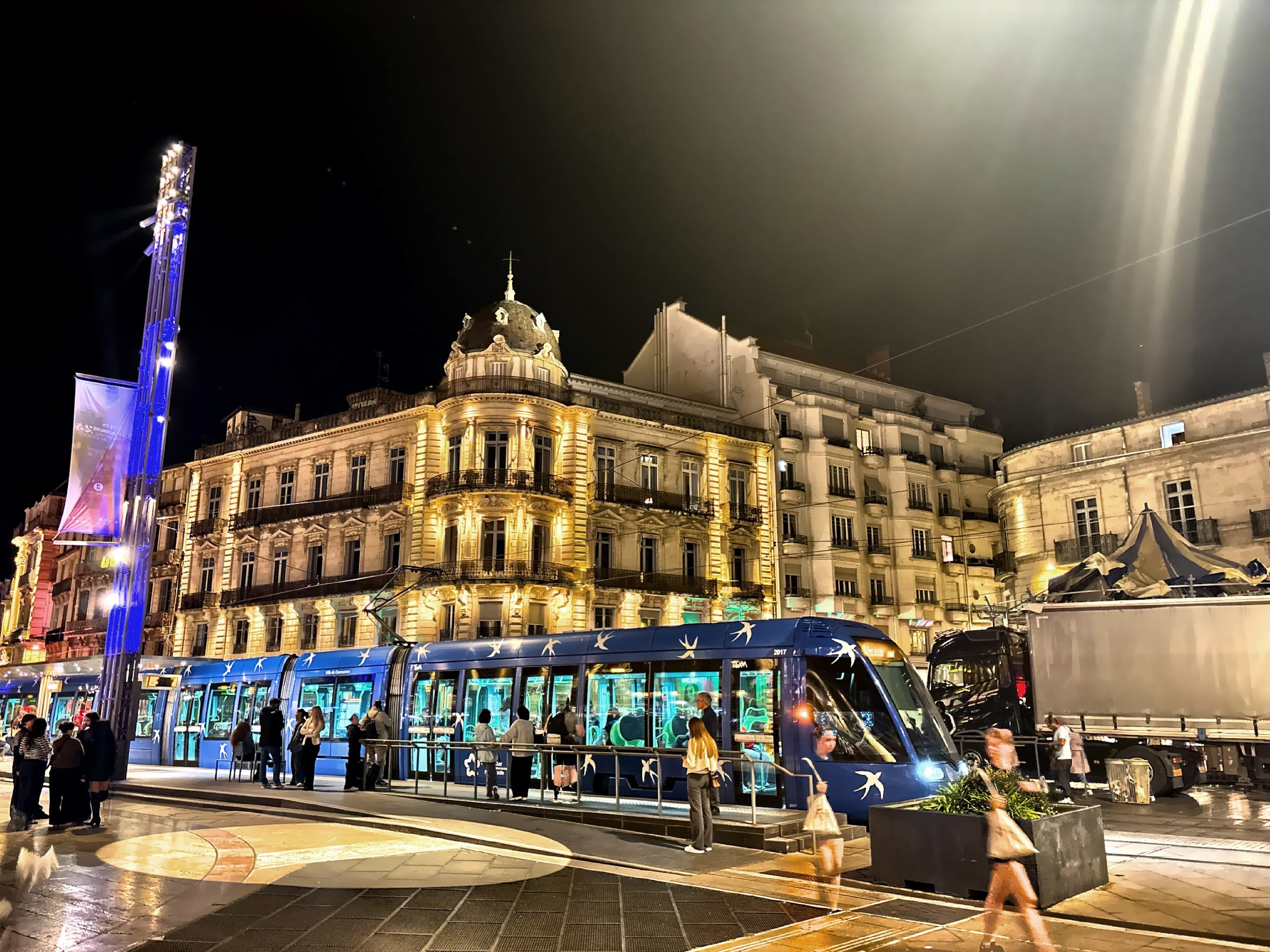
Trams glide by with cheerful colors and designs like moving street art — a reminder that Montpellier never gets stuck in its own history.
.
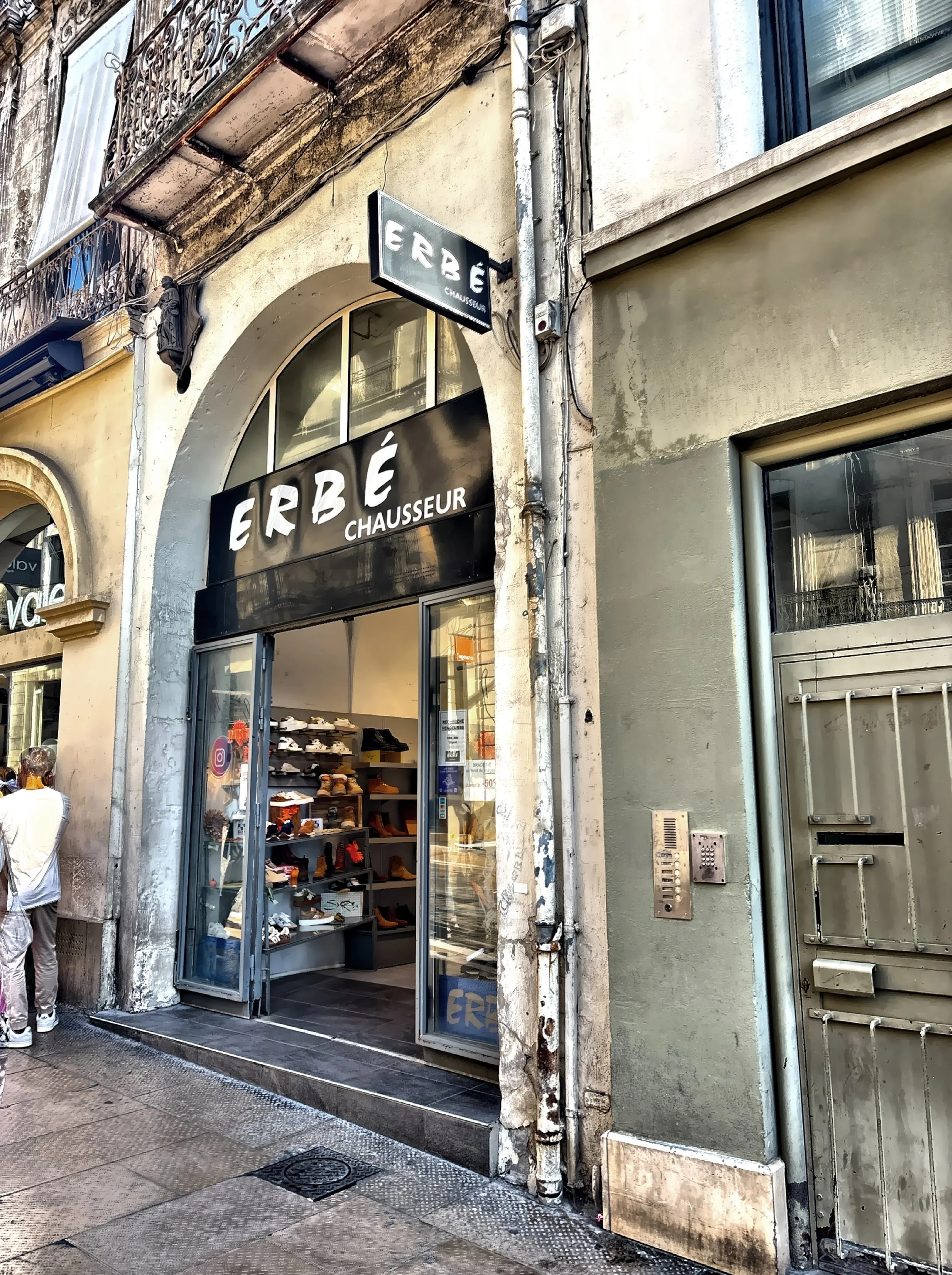
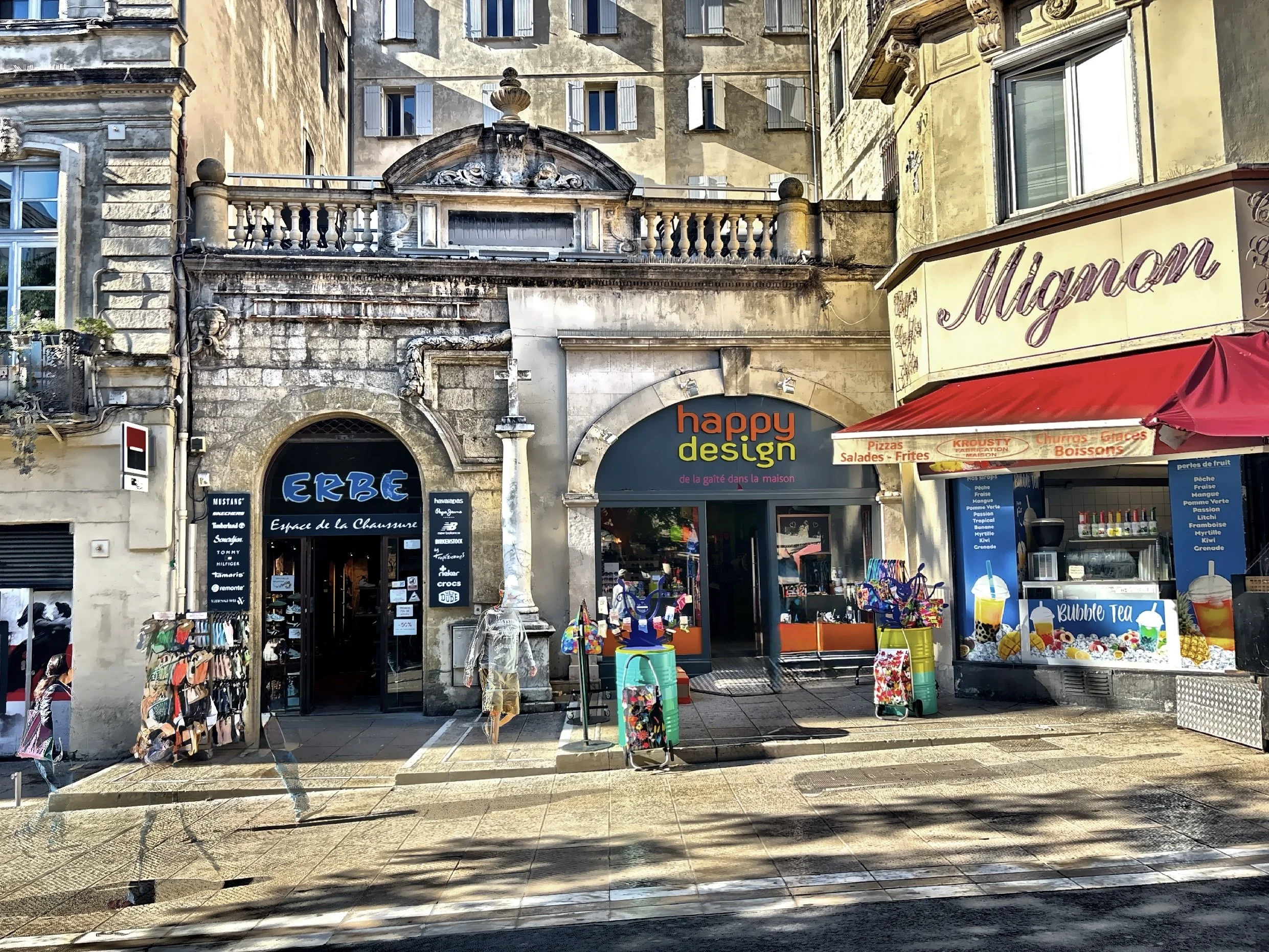
Erbe Chaussures is considered by some as more than just a shoe store. It is said that behind the store lies an old well associated with Saint Roch. Notice the statue of Saint Roch up high to the left of the entrance.
Do you like the images posted?
Click here to explore the shop.
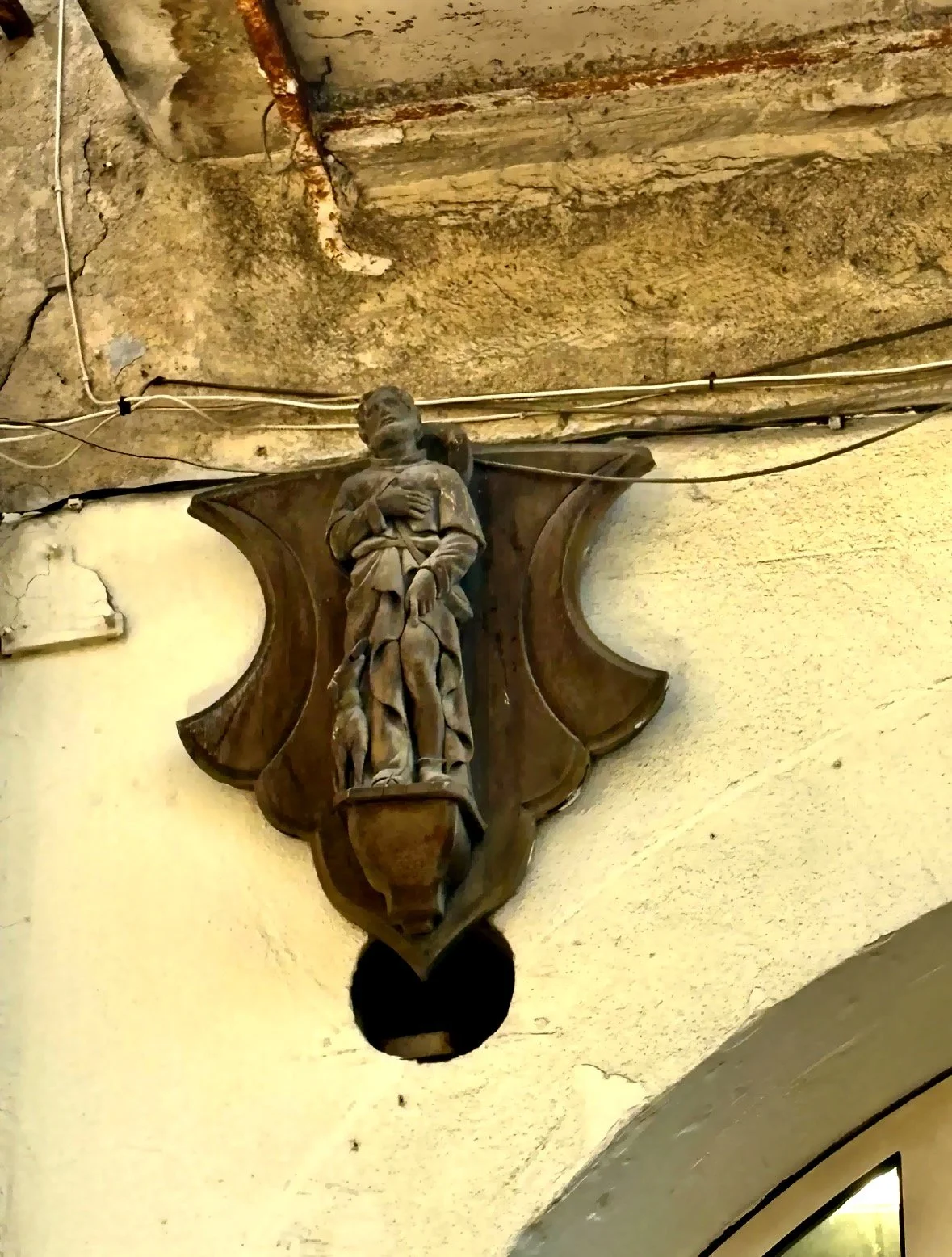
A closer look at the Saint Roch statue on the facade of Erbe Chaussures.
.
.
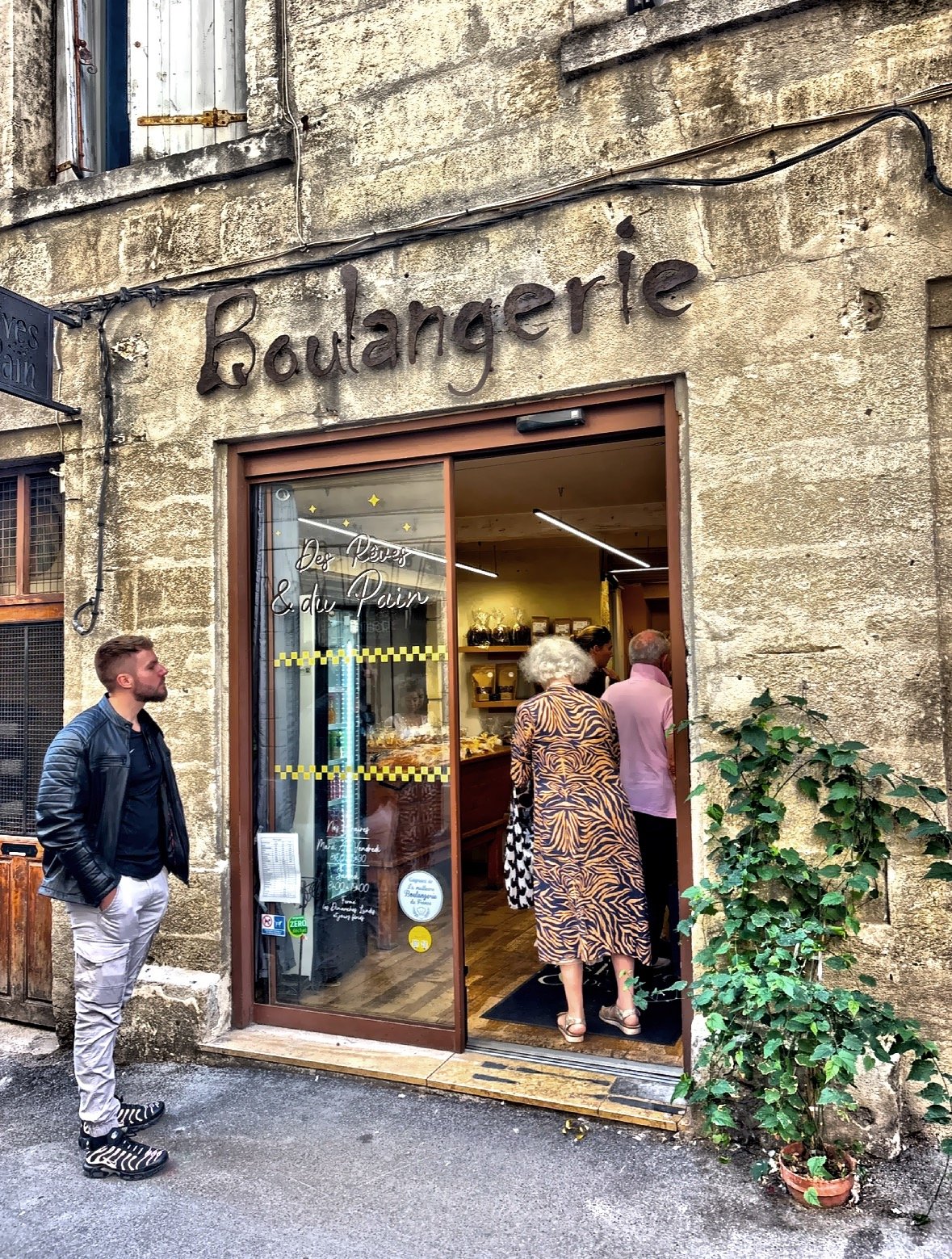
Des Reves et du Pain has received recognition and was awarded the Best Bakery in France.
.
.
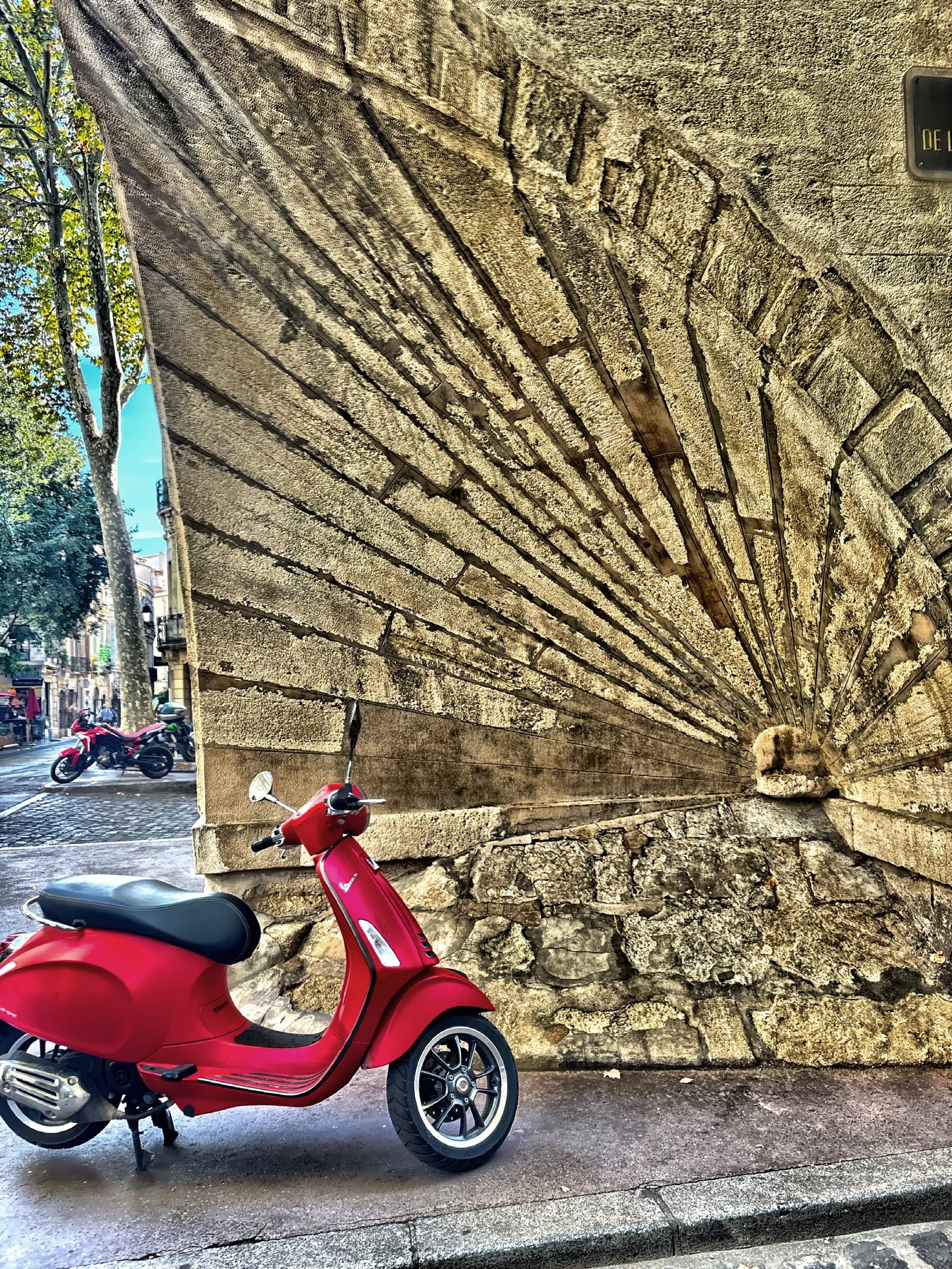
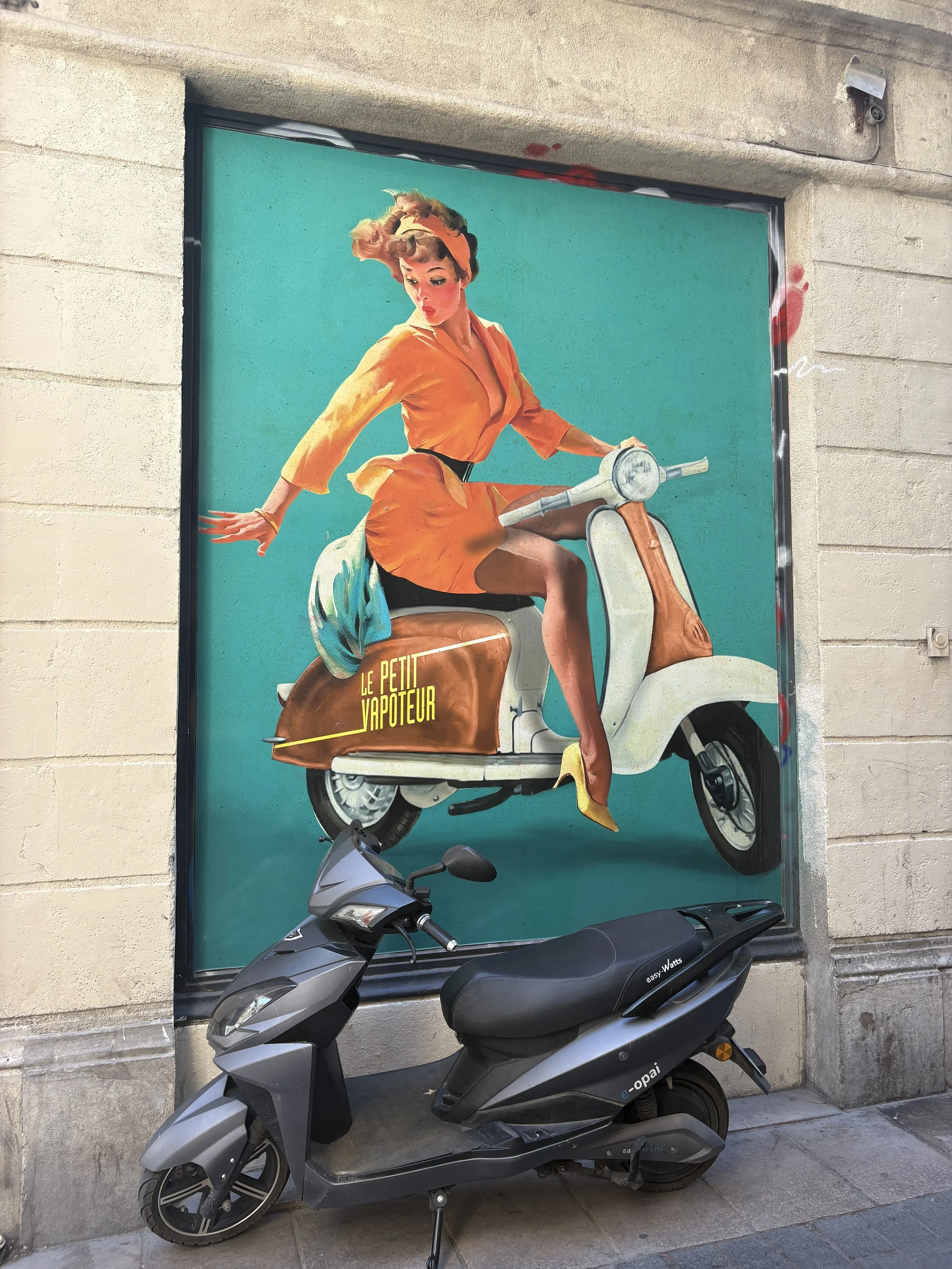
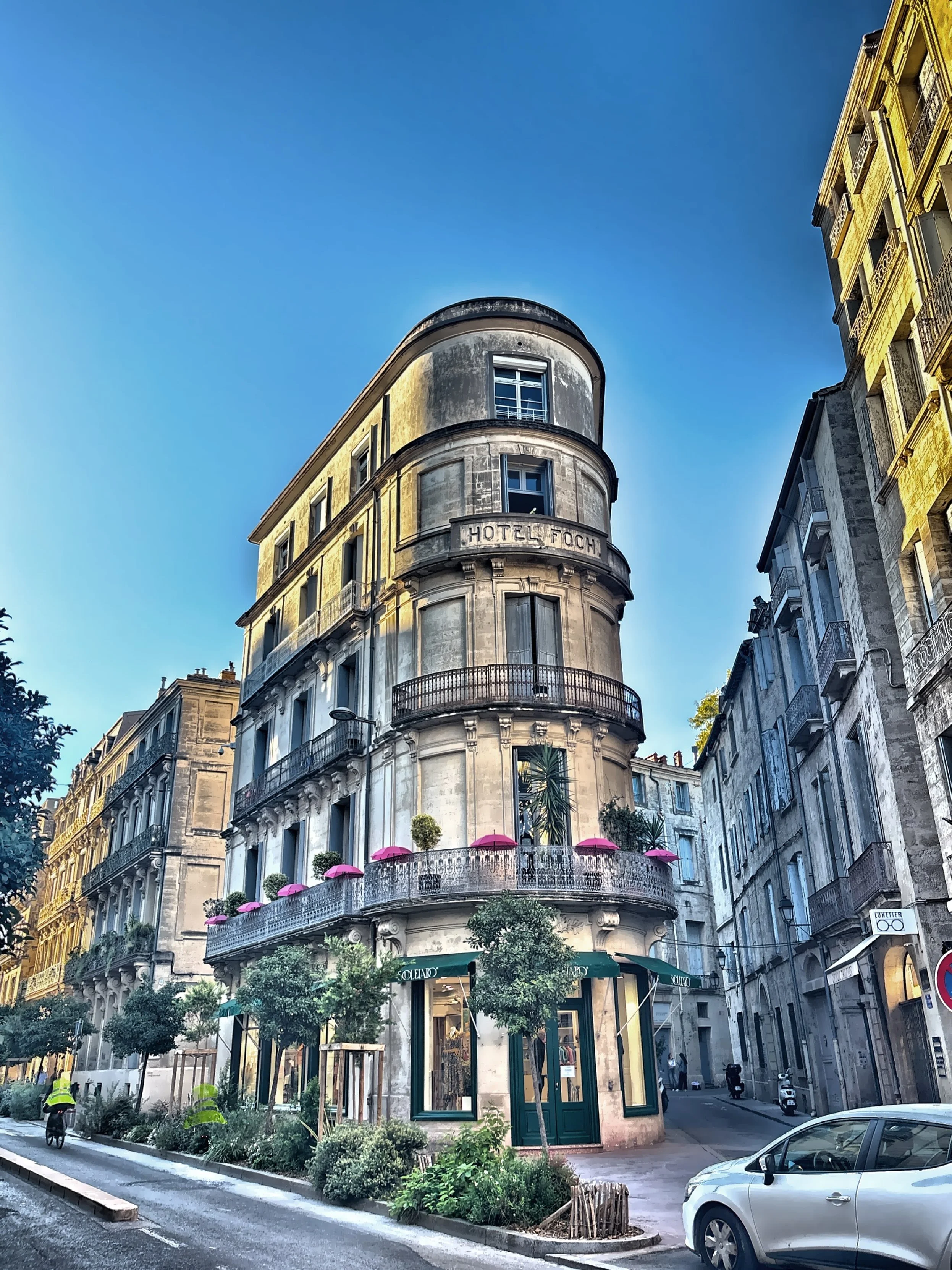
In medieval times streets were only wide enough to fit a cart, so some builders trimmed the corner of a building to prevent carts from scraping the building. Today some people use these niches for a modern day parking spot for their Vespa or bicycle.
.
.
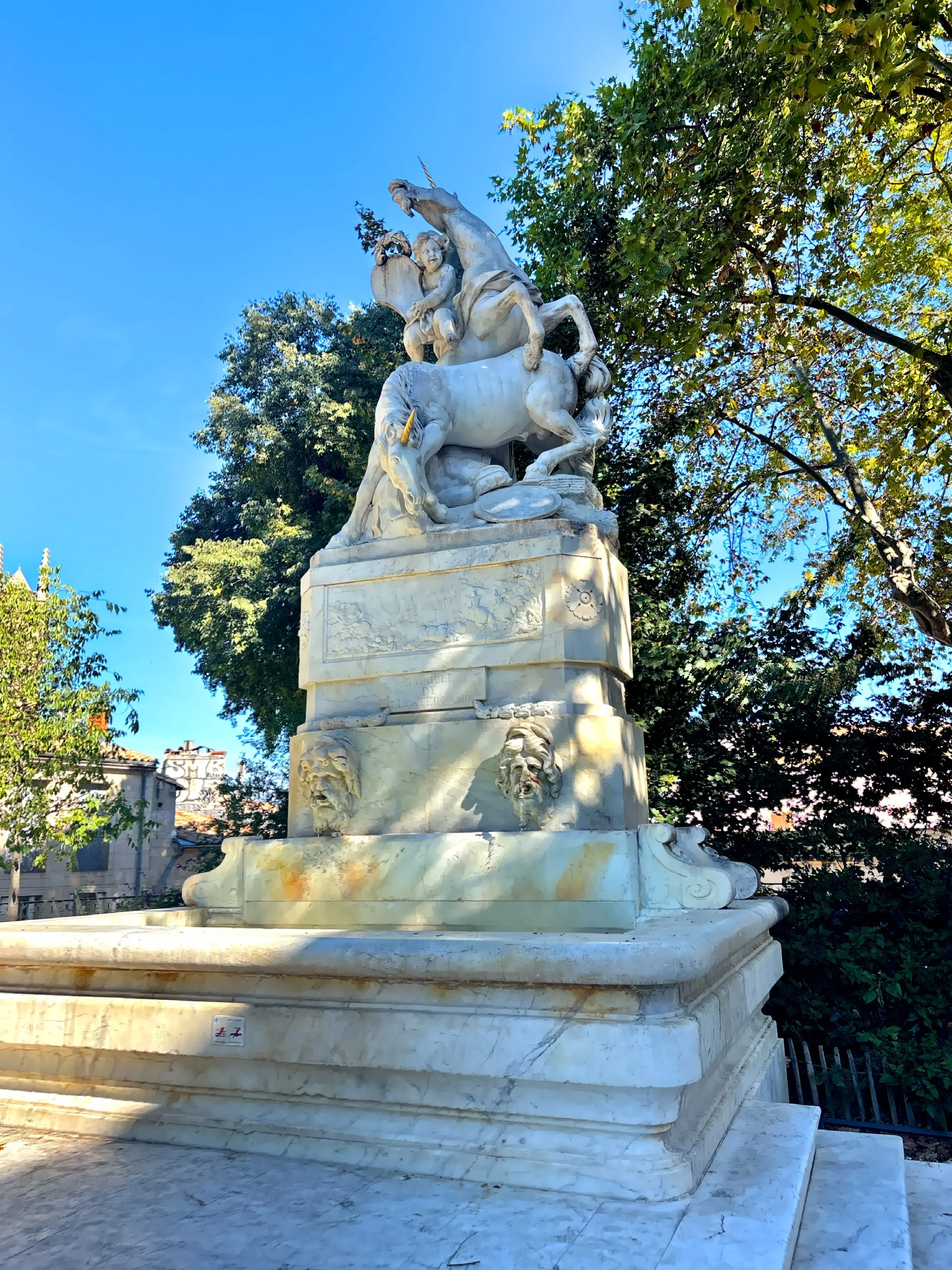
The Unicorn Fountain created in 1773 by sculptor Etienne d’Antoine.
.
.
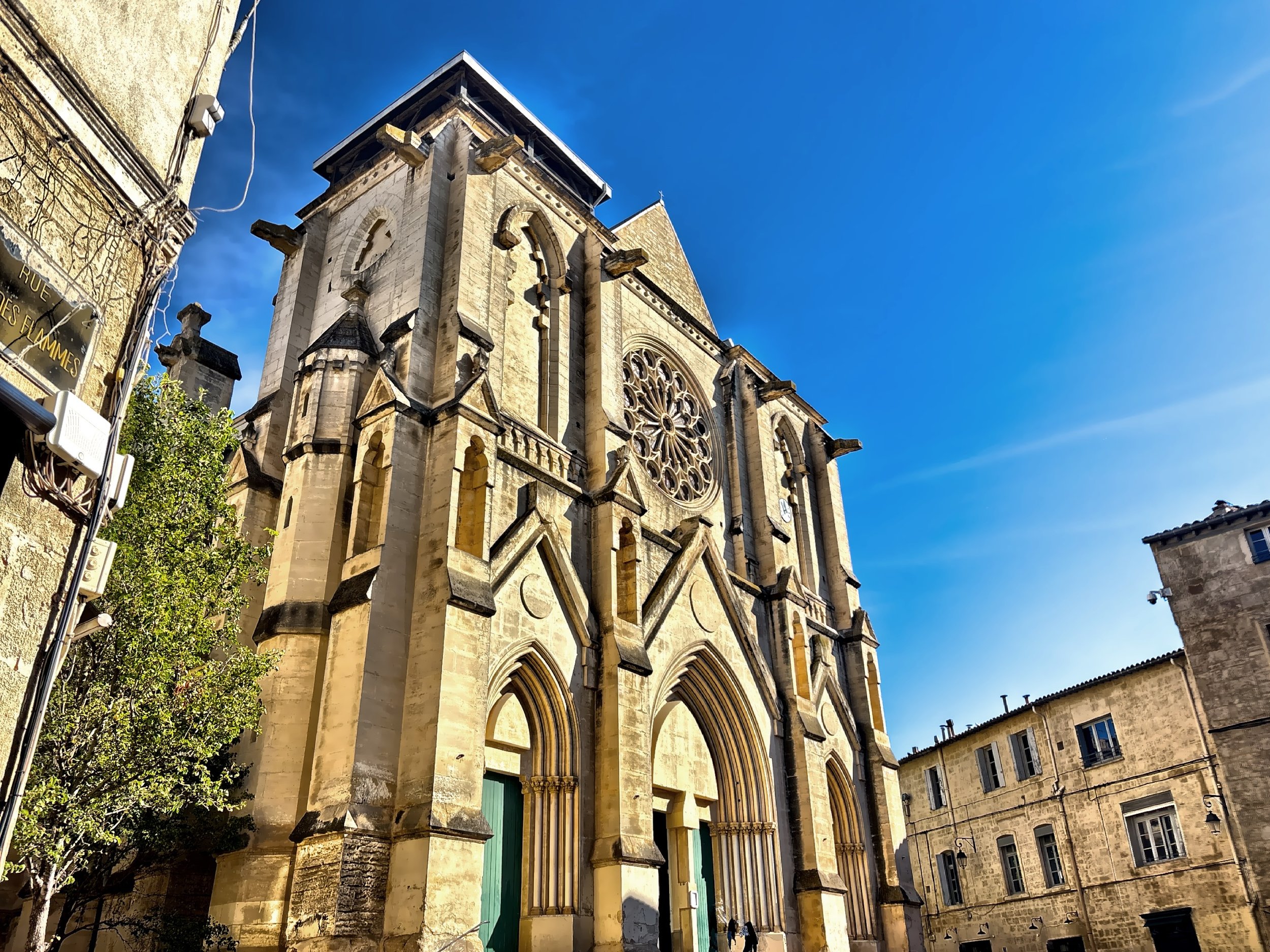
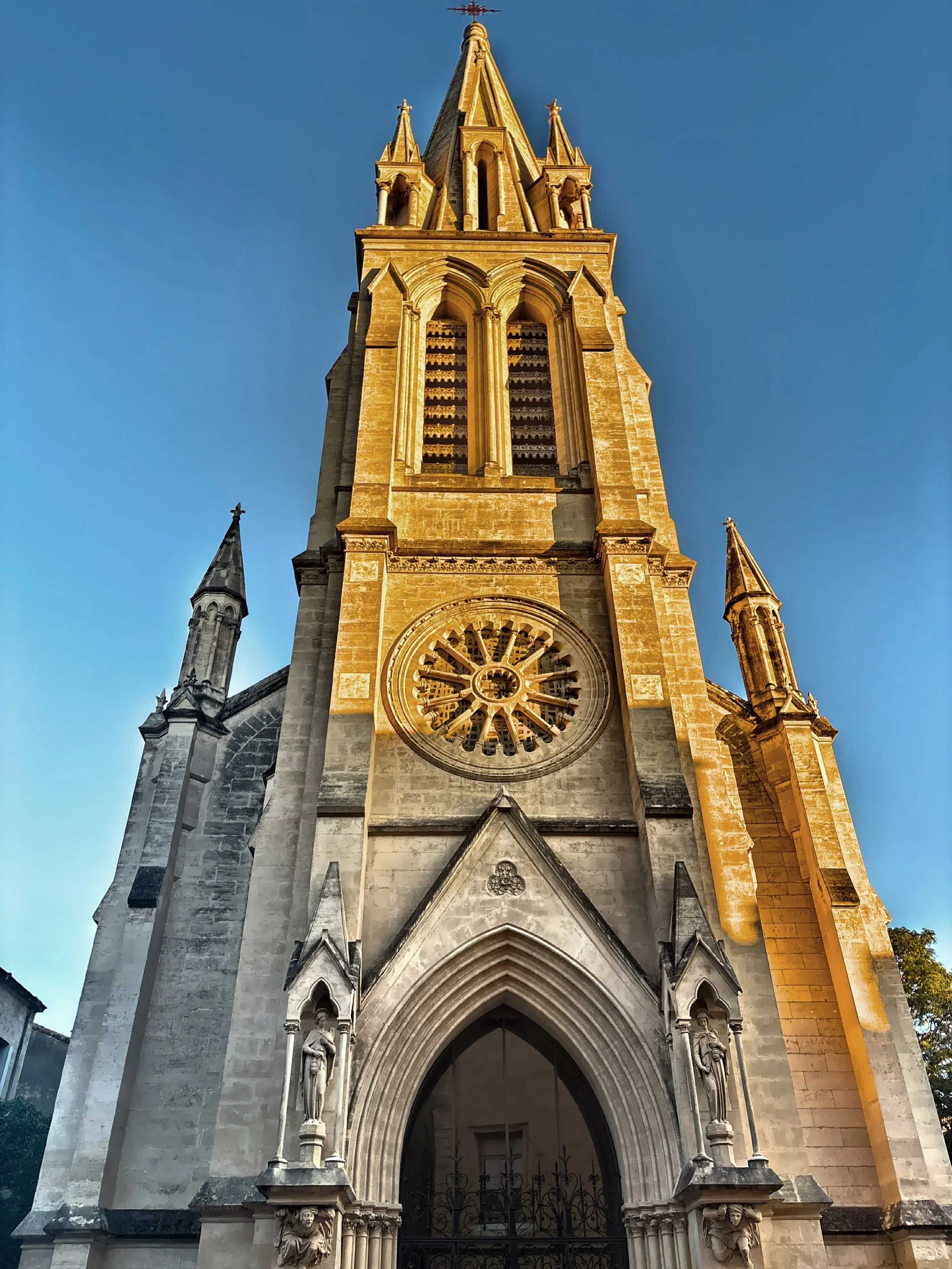
The Church of Saint Roch built in the 19th century and dedicated to the patron saint of the city.
.
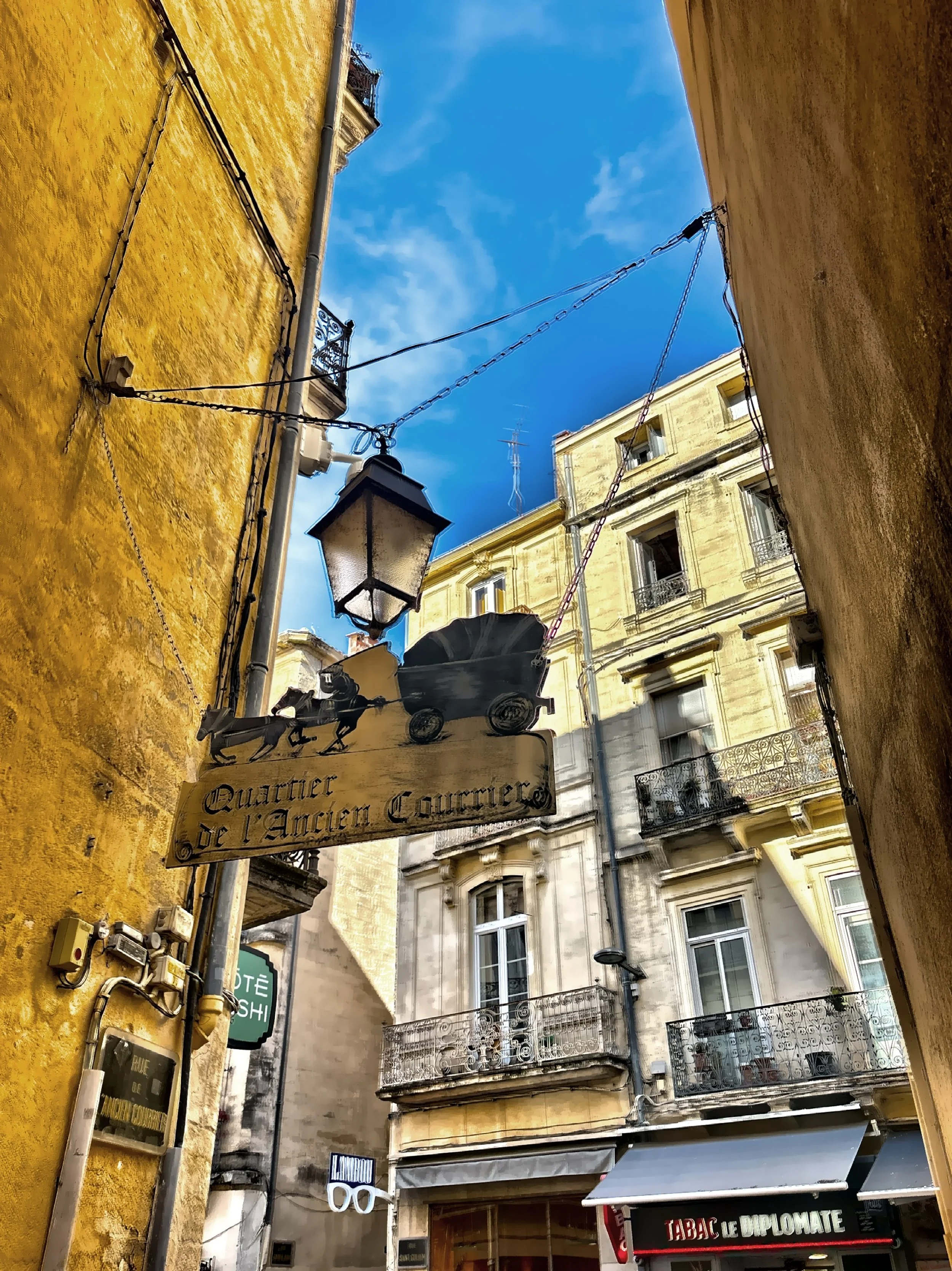
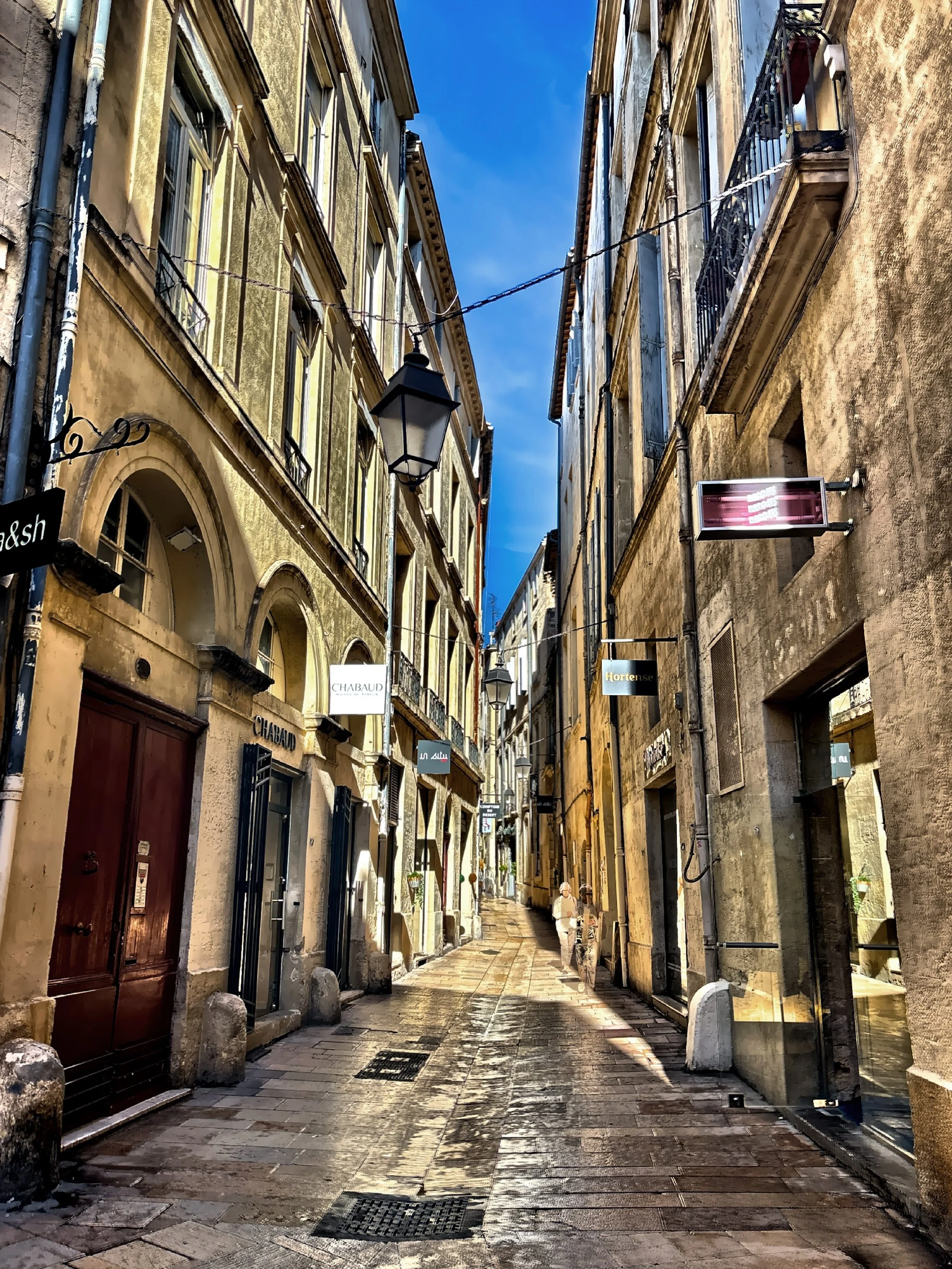
The old town is a Roman-era medieval labyrinth that still shapes the flow of the city.
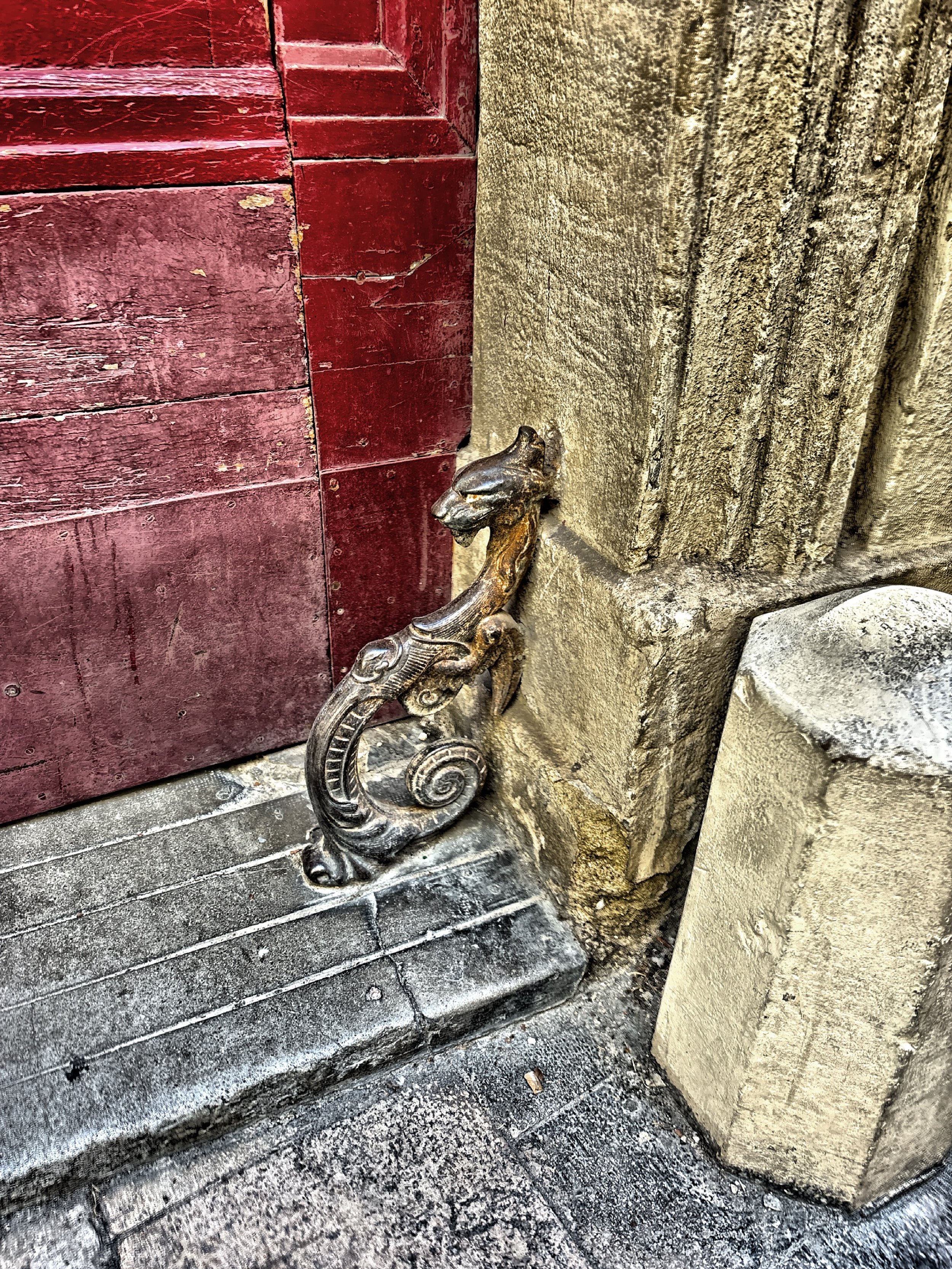
This decorative metal guard is known as a wheel chaser which was installed at the base of a building to protect the stone walls from the scraping wheels of passing carriages — a small but clever detail from the days when Montpellier’s streets echoed with hooves and wooden carts.
.
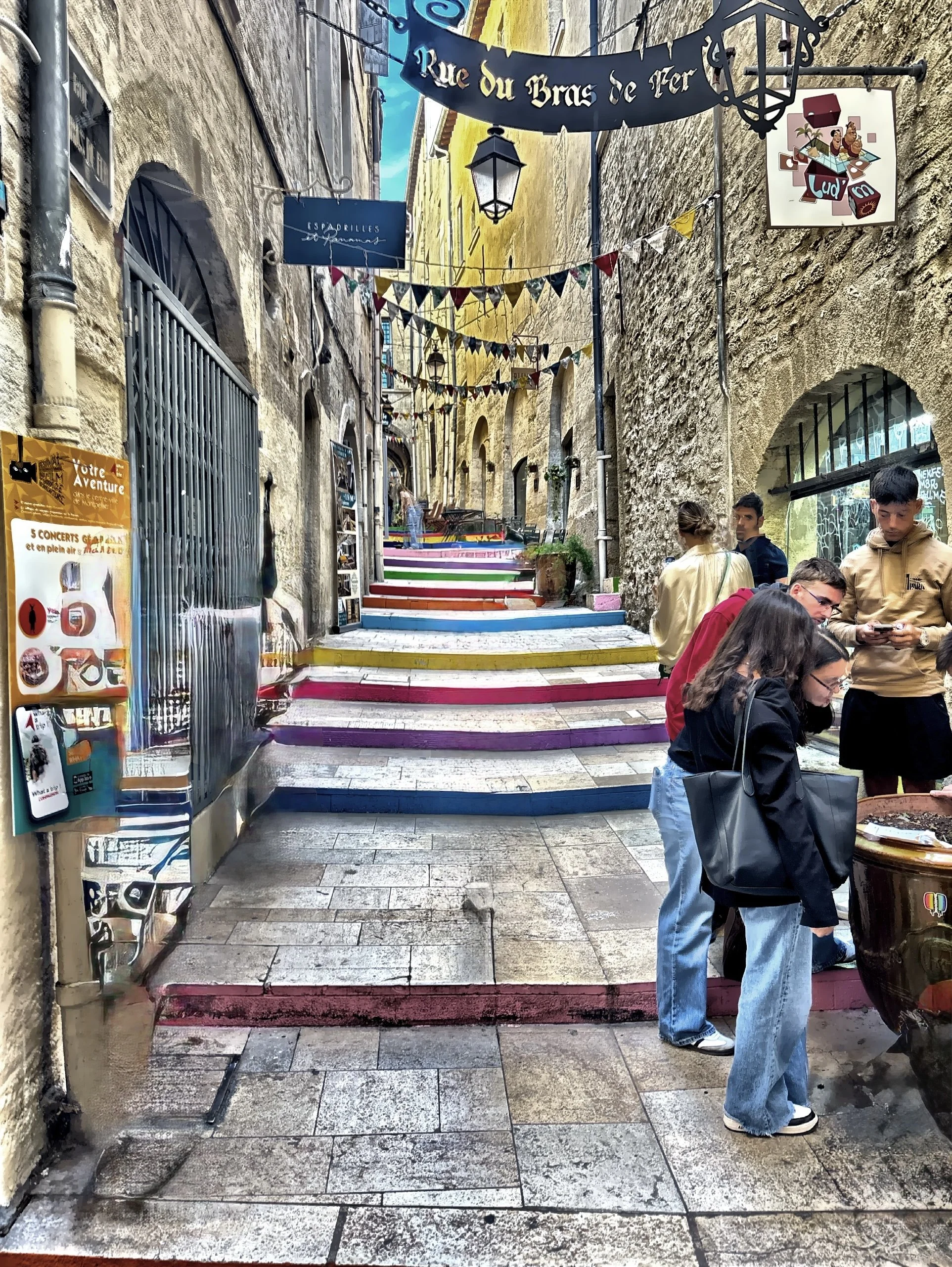
The Rainbow Stairs at Rue du Bras de Fer.
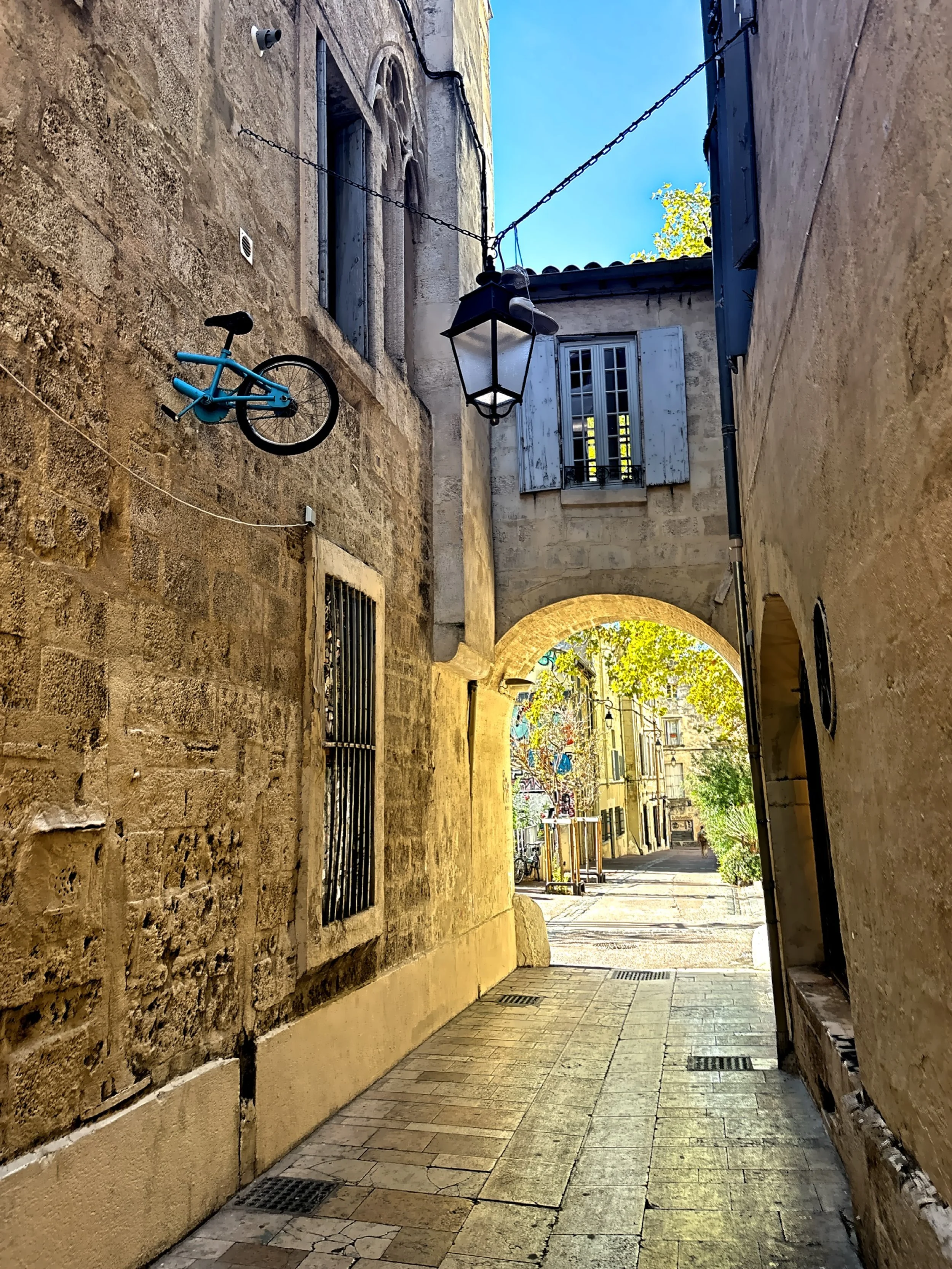
Half Bike art by French artist Monsieur BMX.
.
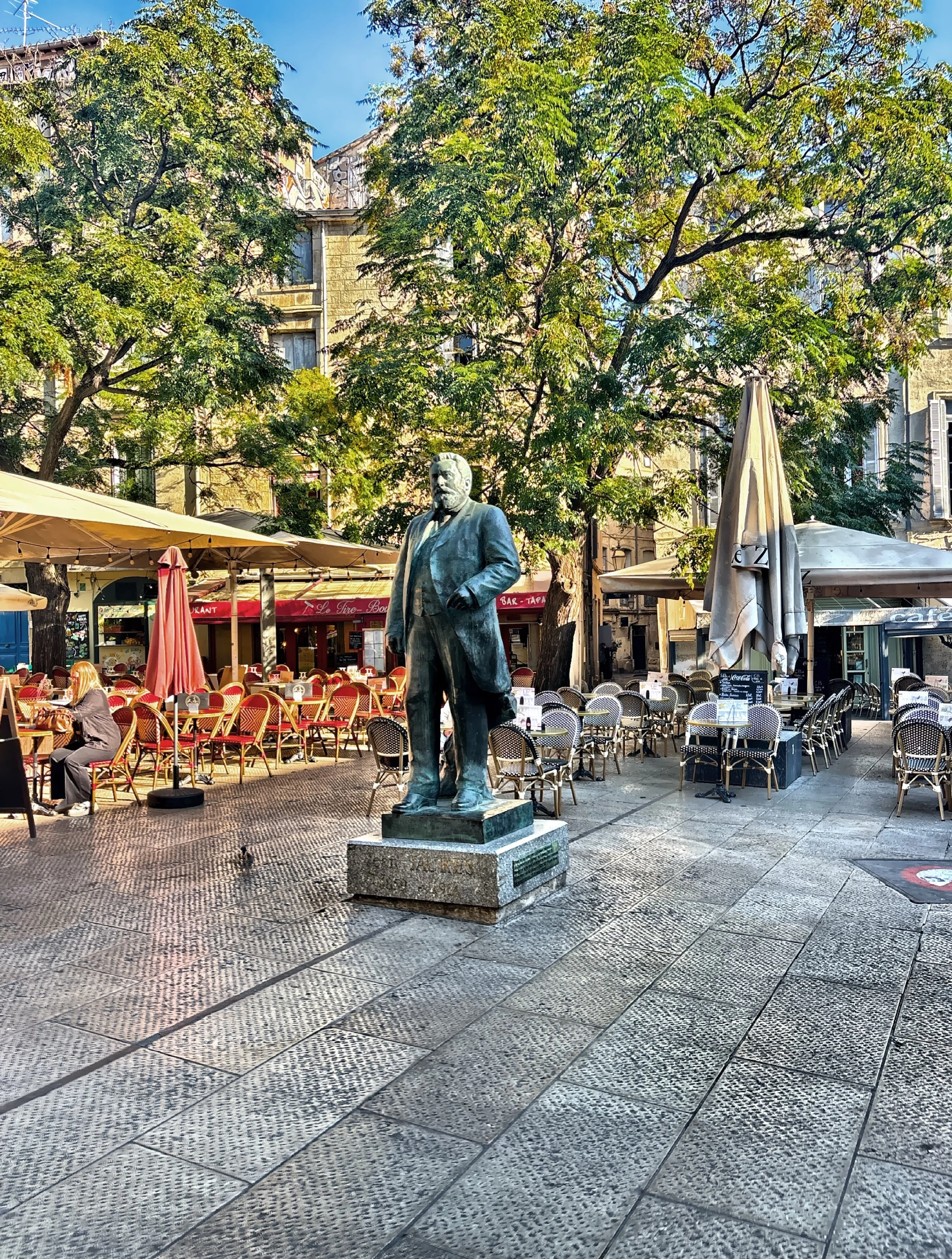
A statue of prominent French Socialist leader Jean Jaures in the Place Jean Jaures square.
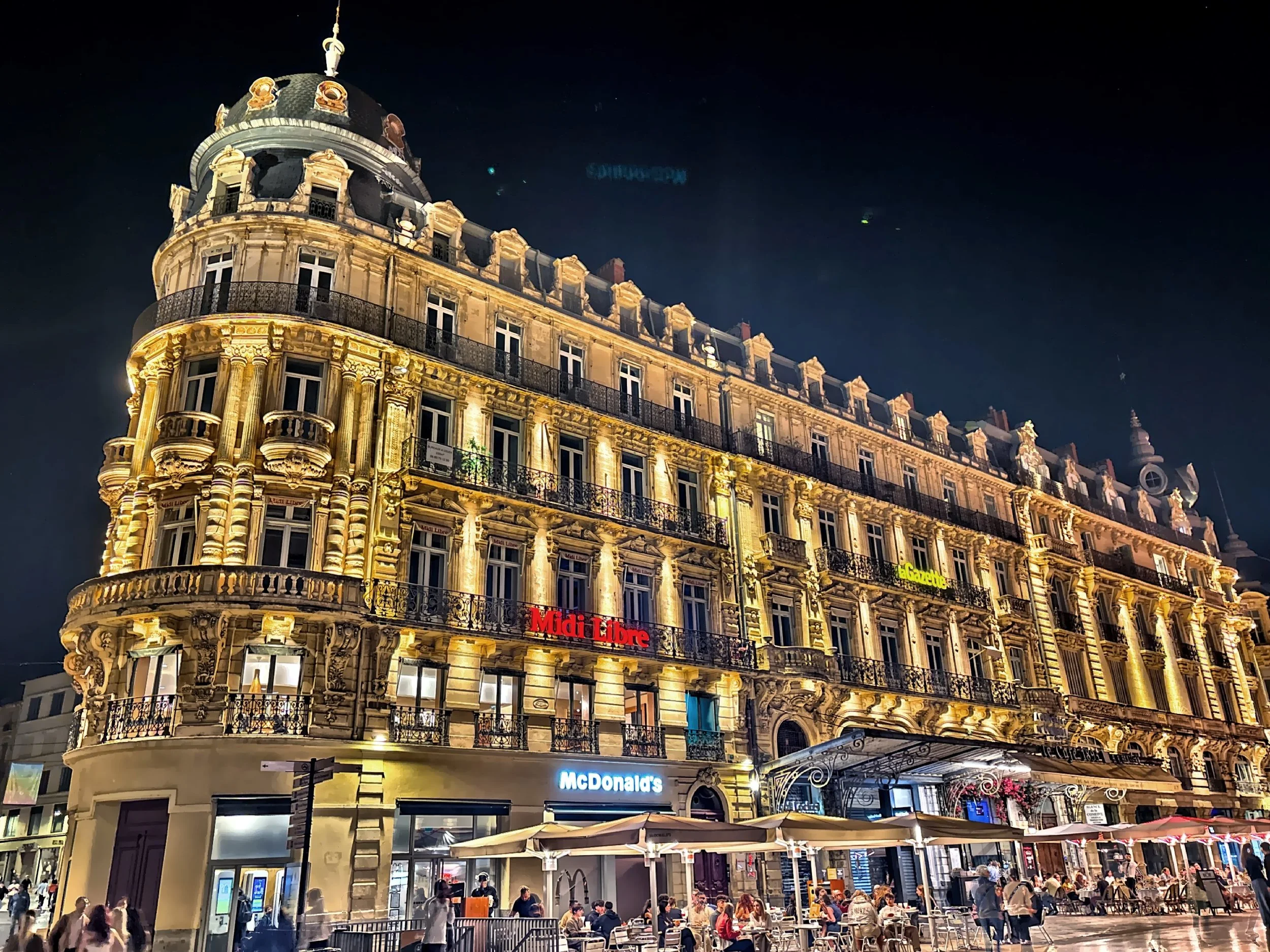
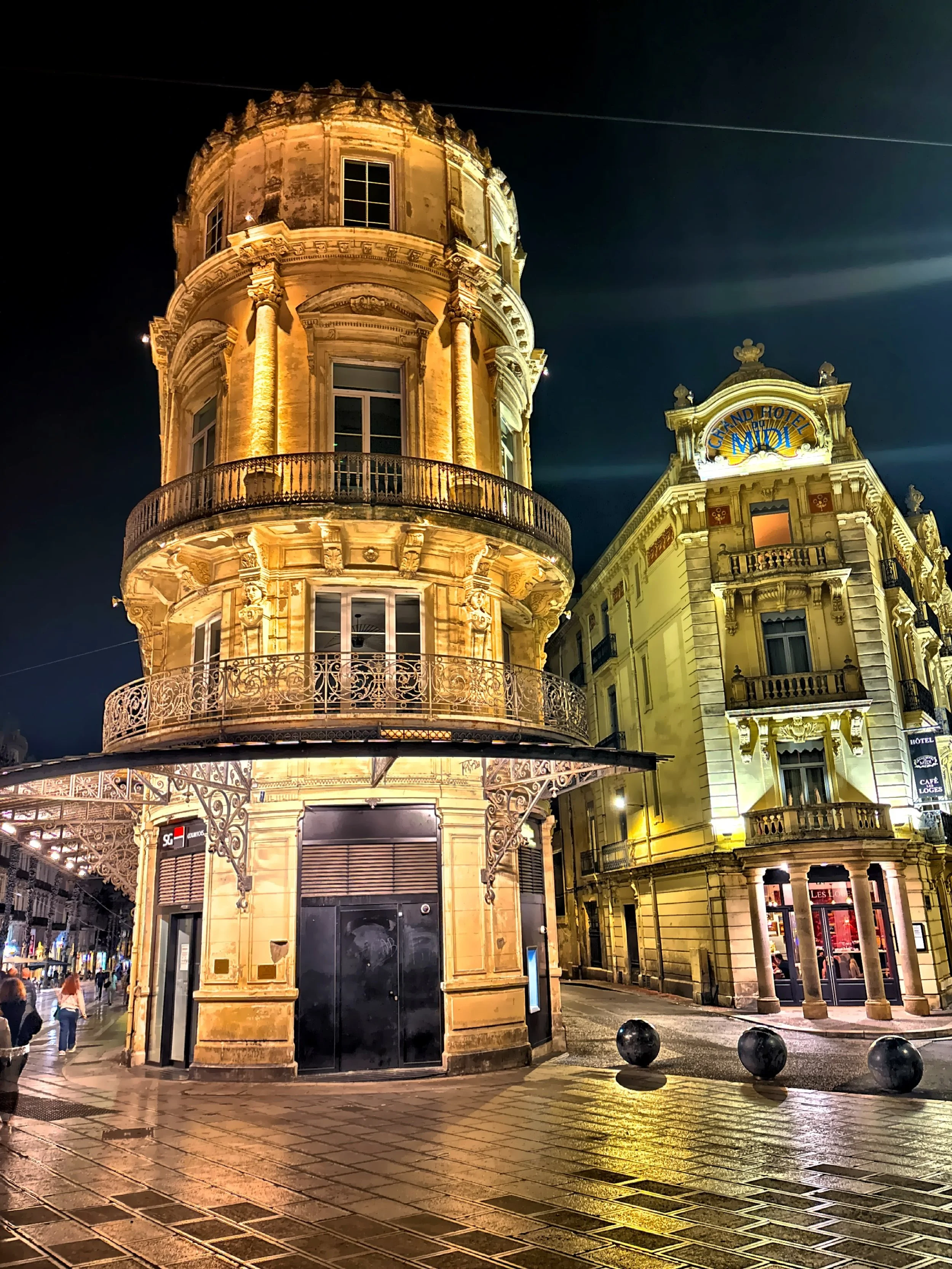
The Grand Hotel du Midi a historic hotel in the Place de la Comedie.
.
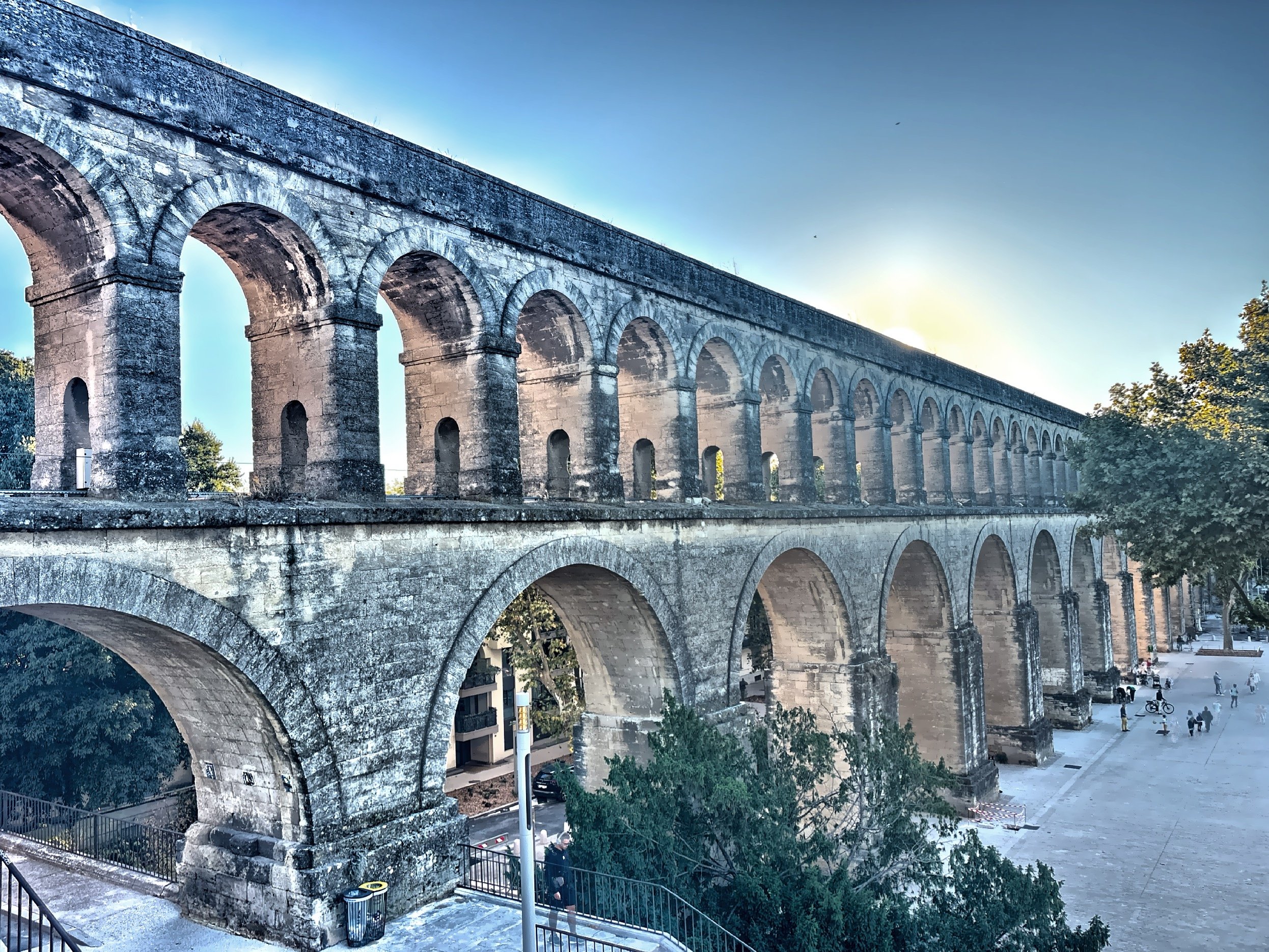
The 18th-century aqueduct known locally as The Arches, which was originally built to supply water to the city’s fountains and the water tower, Chateau d’eau.
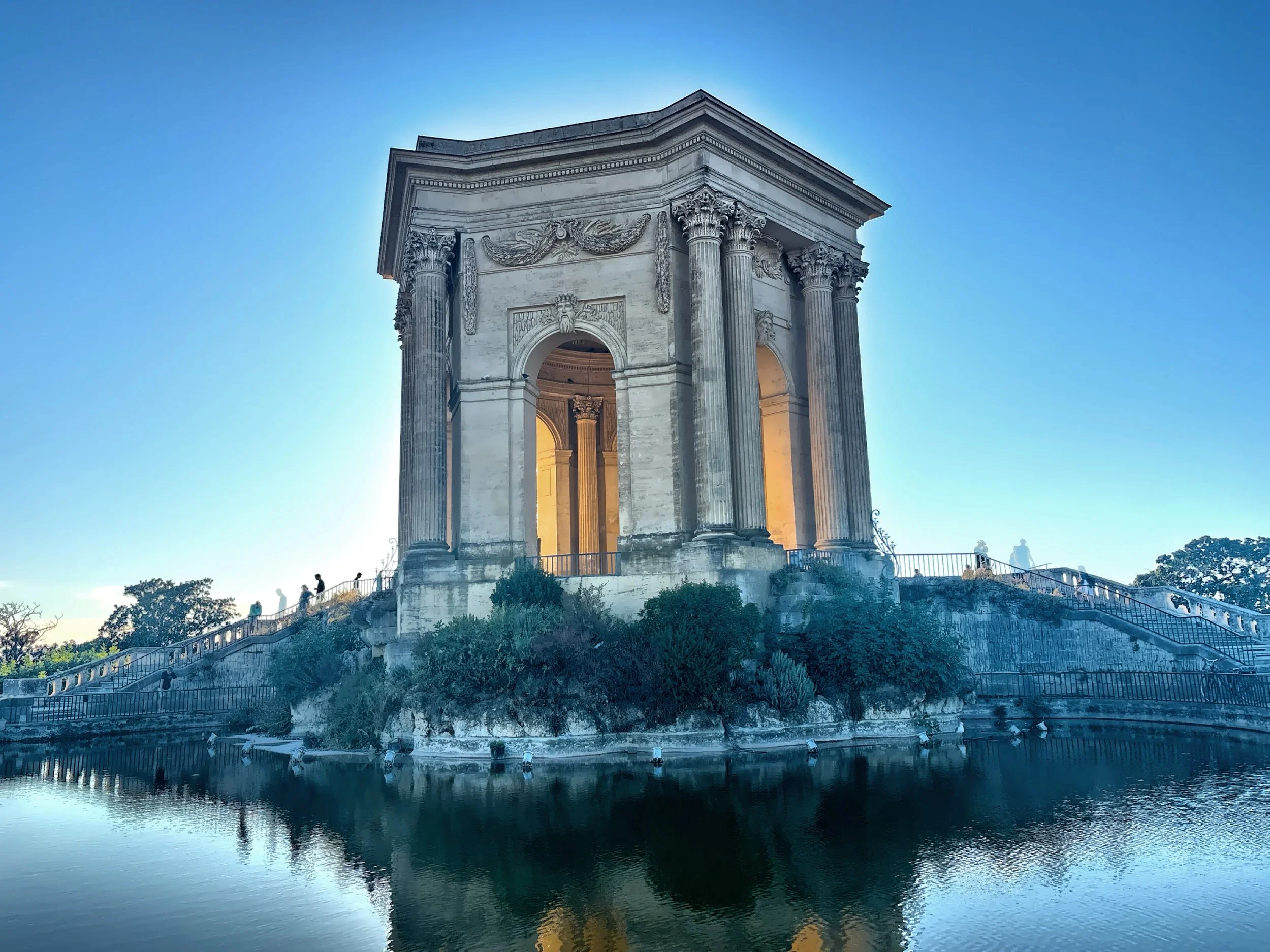
Chateau d’eau at the end of the Promenade du Peyrou.
Saint Anne’s Church was converted into an exhibition space in 2011.
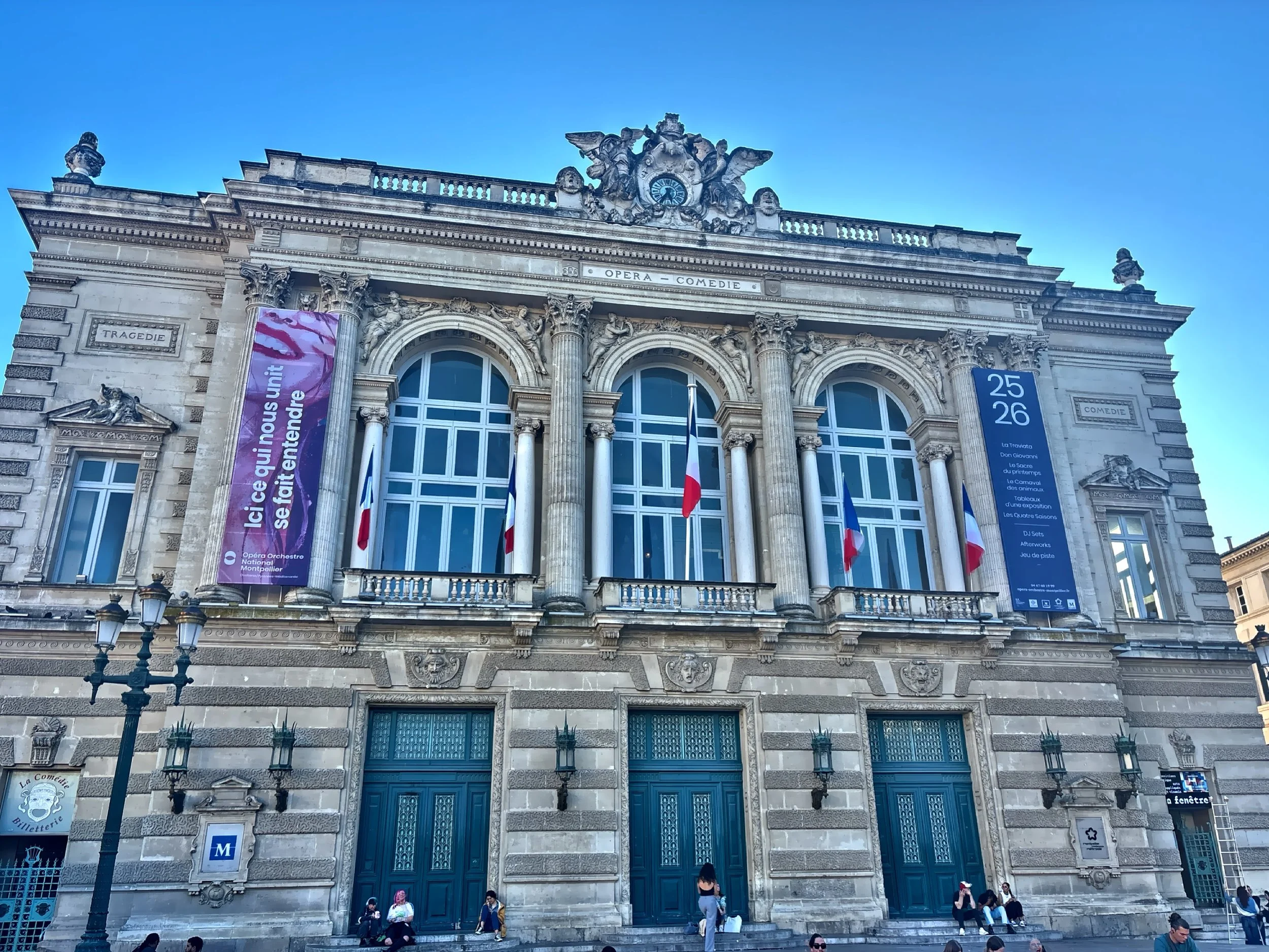
Opera Comedie built between 1884 and 1888.
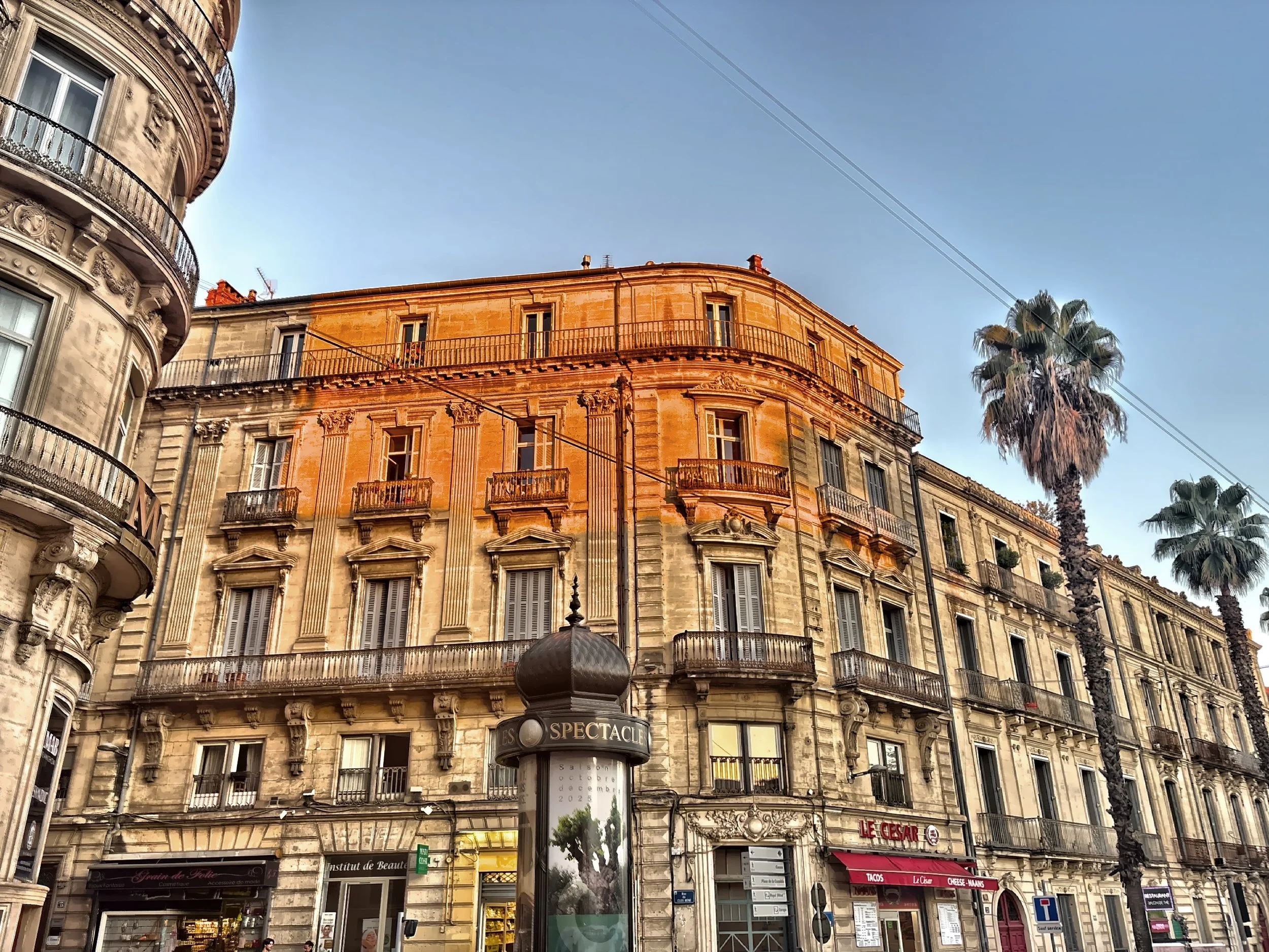
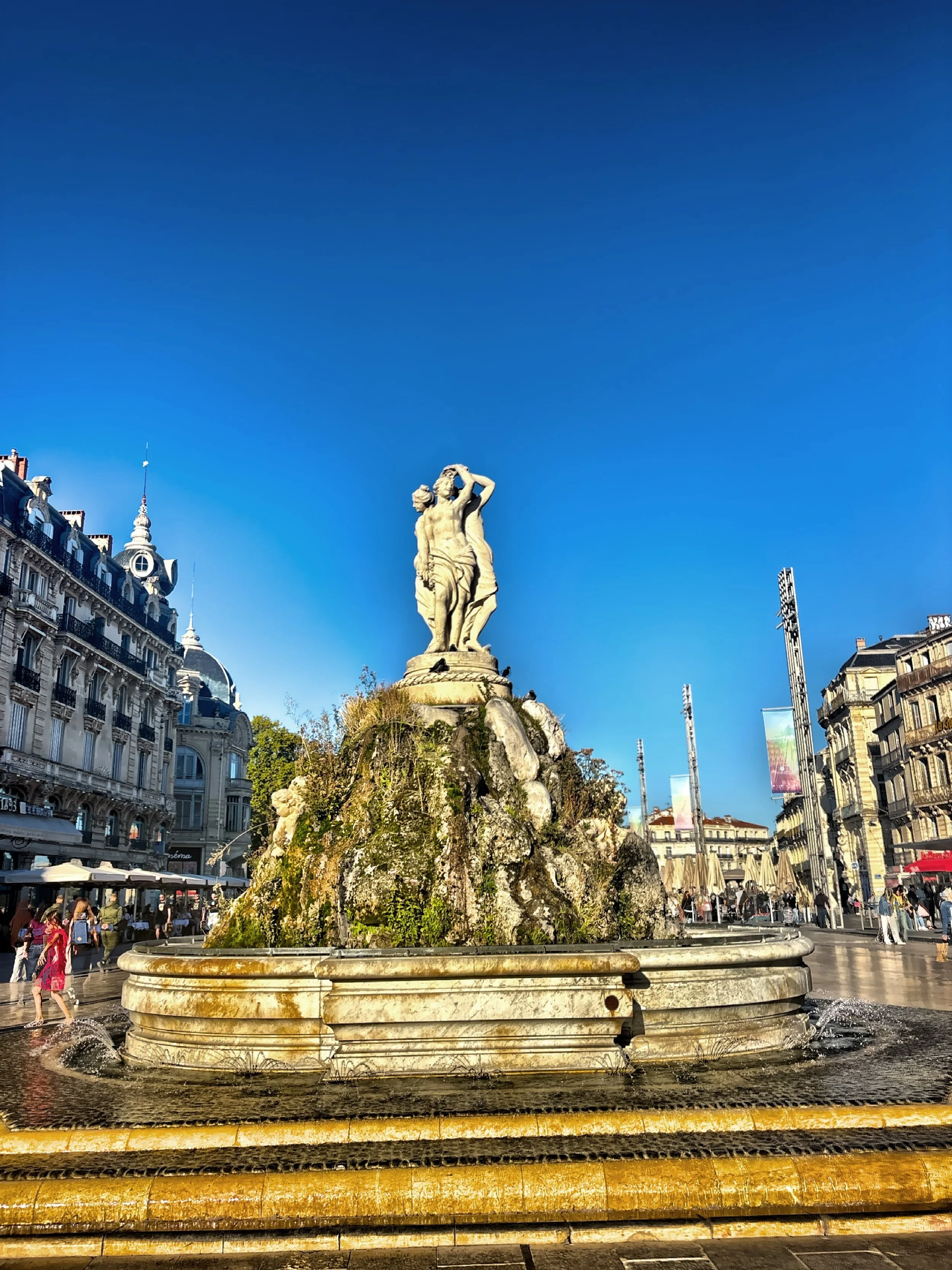
Place de la Comedie — the largest pedestrian plaza in France — is Montpellier’s living room, buzzing from sunrise to midnight.
.
The Jardin du Champ de Mars is a green park-space along the Esplanade Charles-de-Gaulle.
.
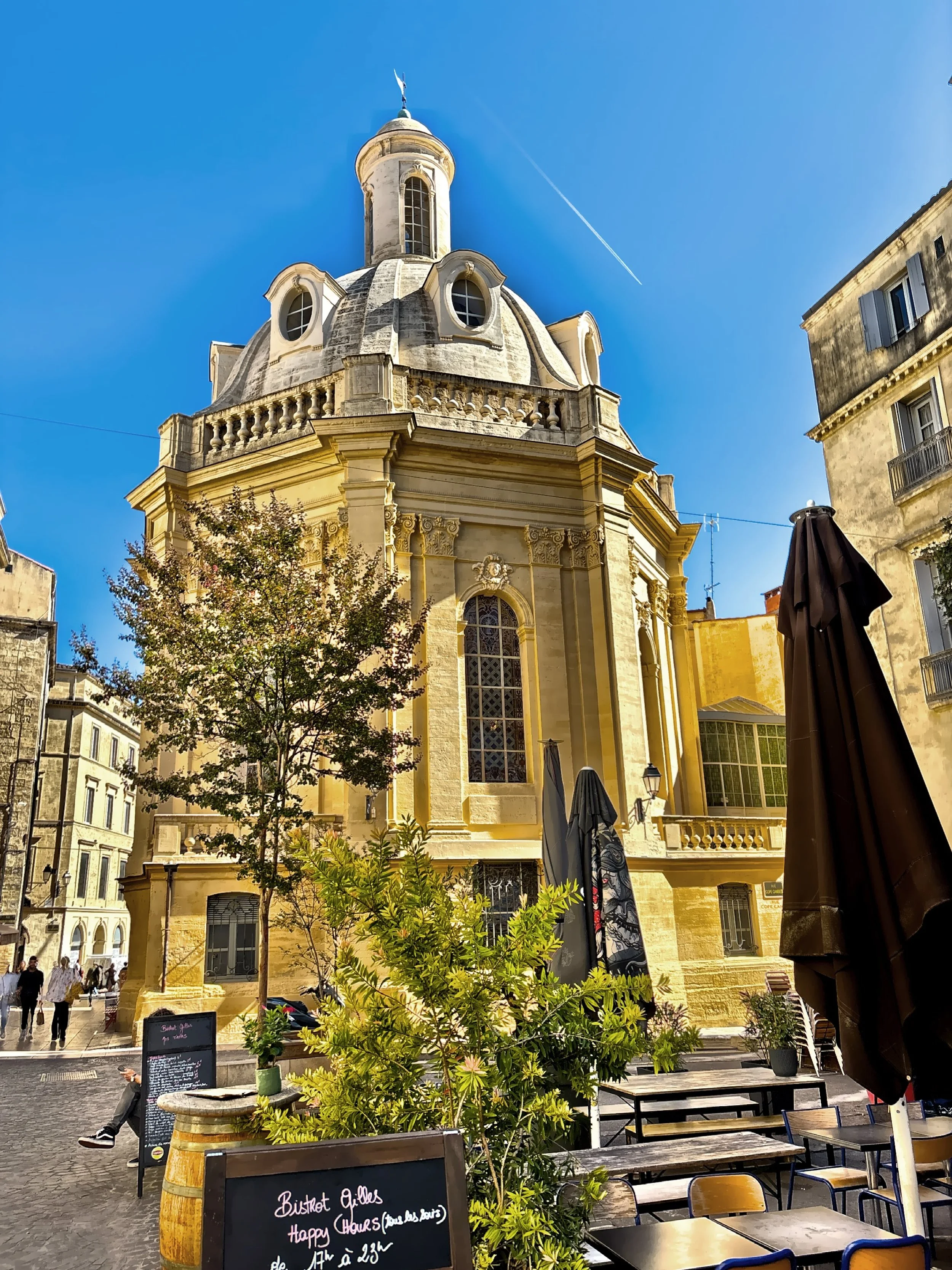
The octagonal Amphitheater d’anatomic Saint Come building was built between 1751 and 1757 as a college for the city’s Royal Society of Sciences.
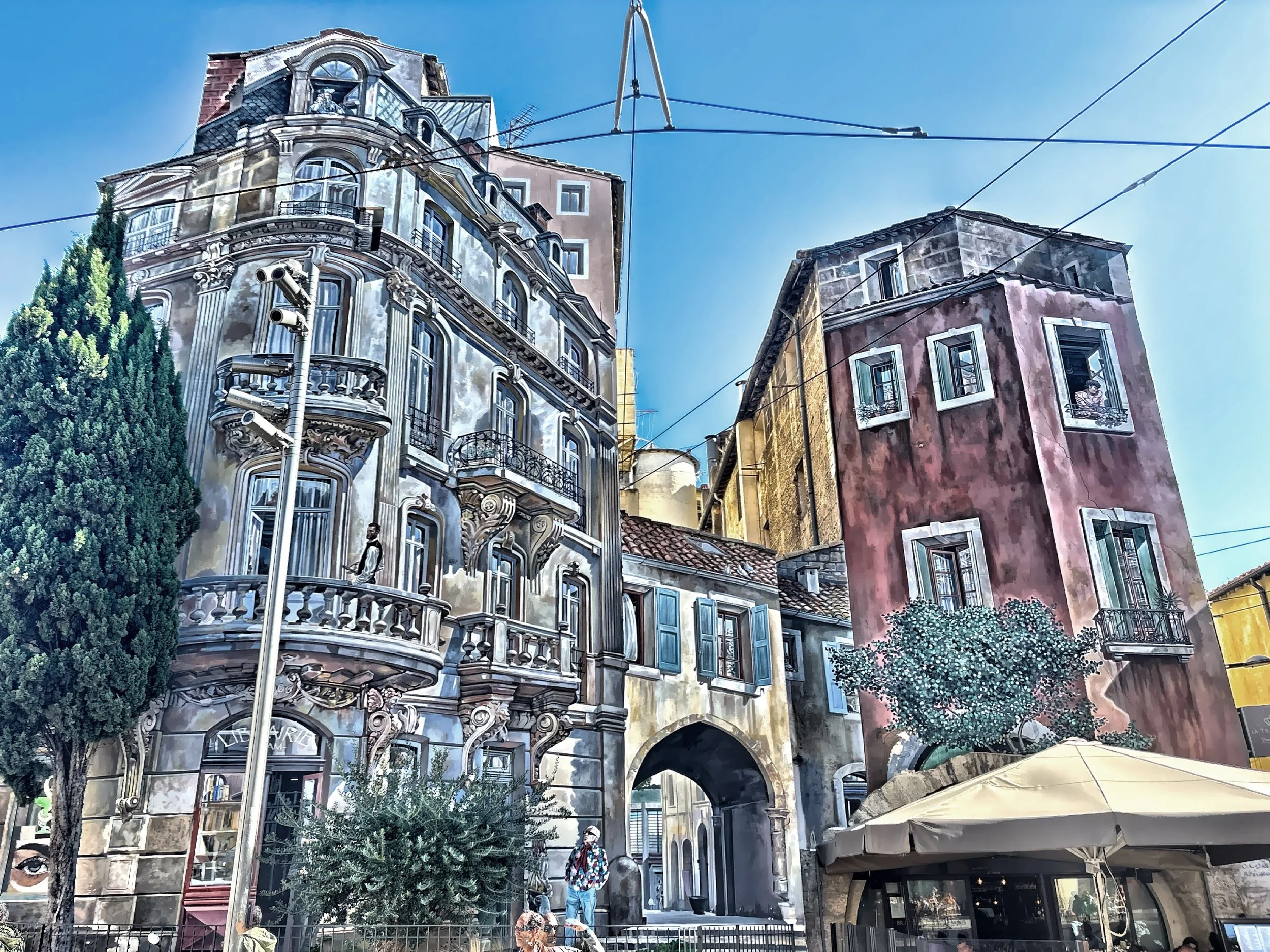
This is a famous example of trope l’oil on the side of these buildings.
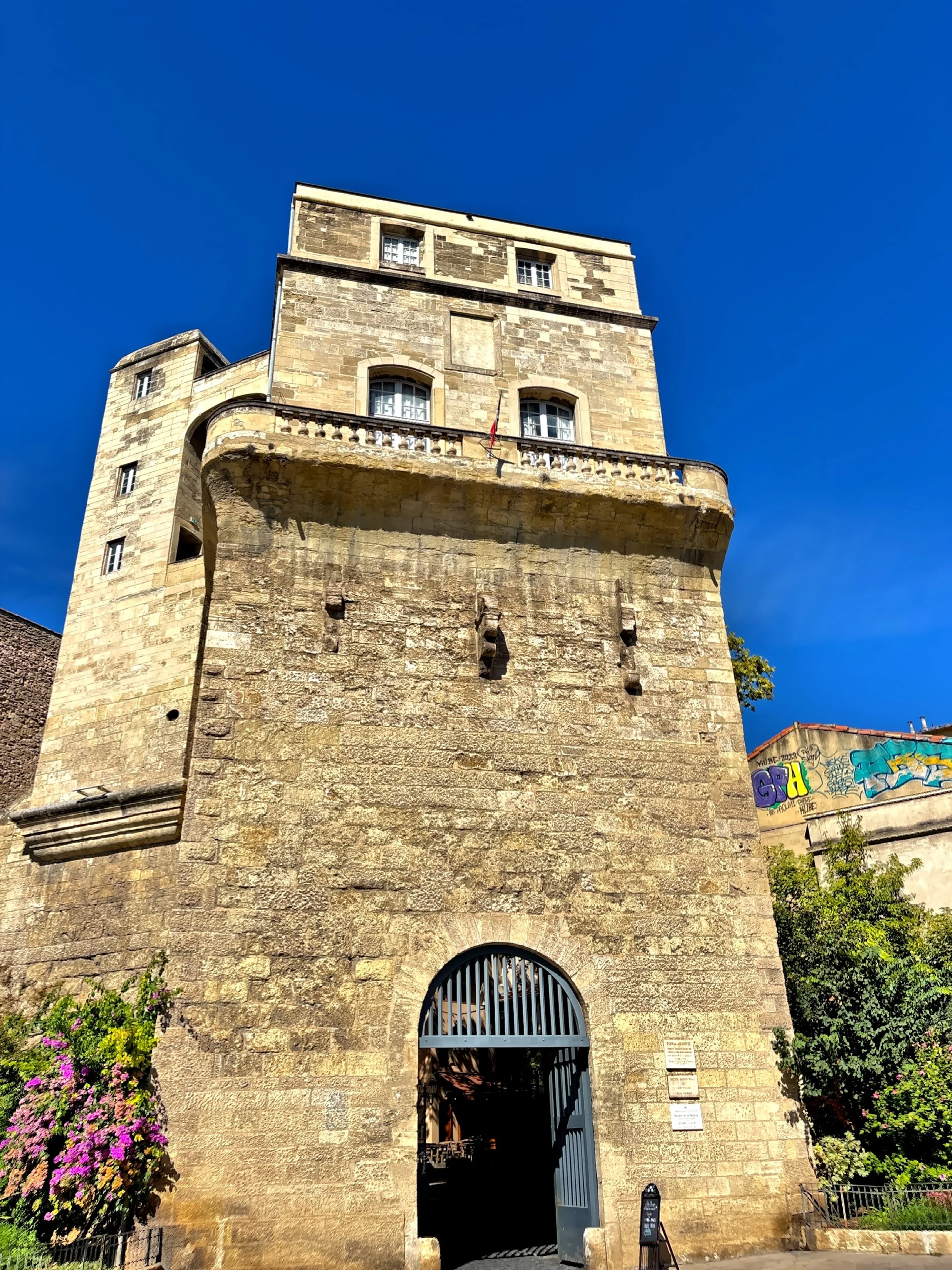
This tower is a remnant of the 12th-century city fortification.
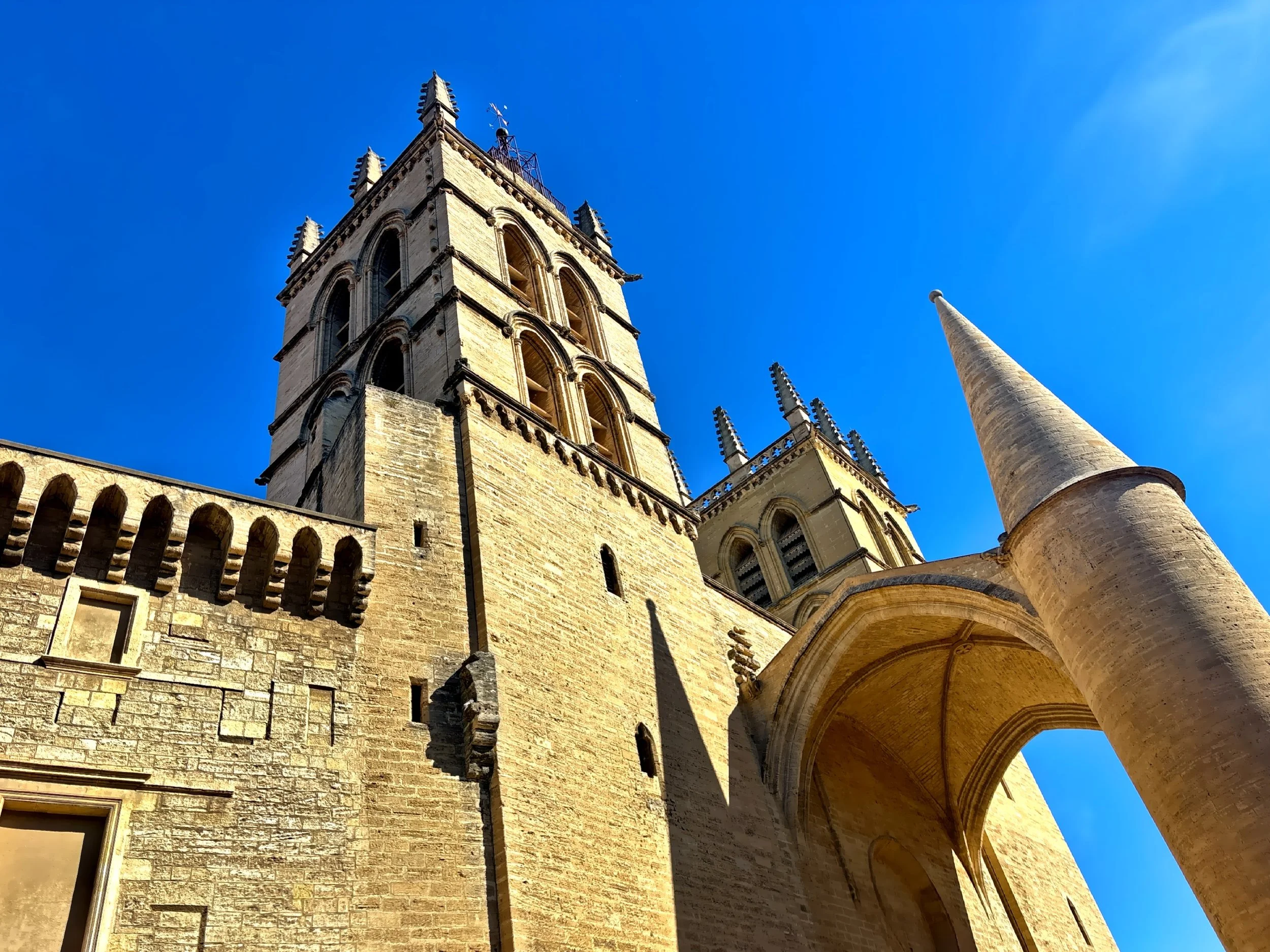
Saint-Pierre Cathedral rises like a stone guardian over the old town with its towering porch and fortress-like pillars while just steps away stands the Faculty of Medicine — one of the oldest in Europe.
Montpellier is easily one of France’s most desirable cities, thanks to its sunshine (300 sunny days per year), its quick access to the sea, and the fact that both Barcelona and northern Italy are practically neighbors.
What you should know:
Credit/debit cards are widely accepted.
Contactless payments (Apple Pay, Google Pay, etc.) are very common.
Locals are generally friendly but reserved – polite and helpful.
The main official language is French, but many people do speak English.
The currency is the Euro (EU).
Free on the street parking is available, along with metered and the paid parking option.
Walking or biking is a great way to get around the city.
You will need a valid passport and a power convertor if you are coming from the US.
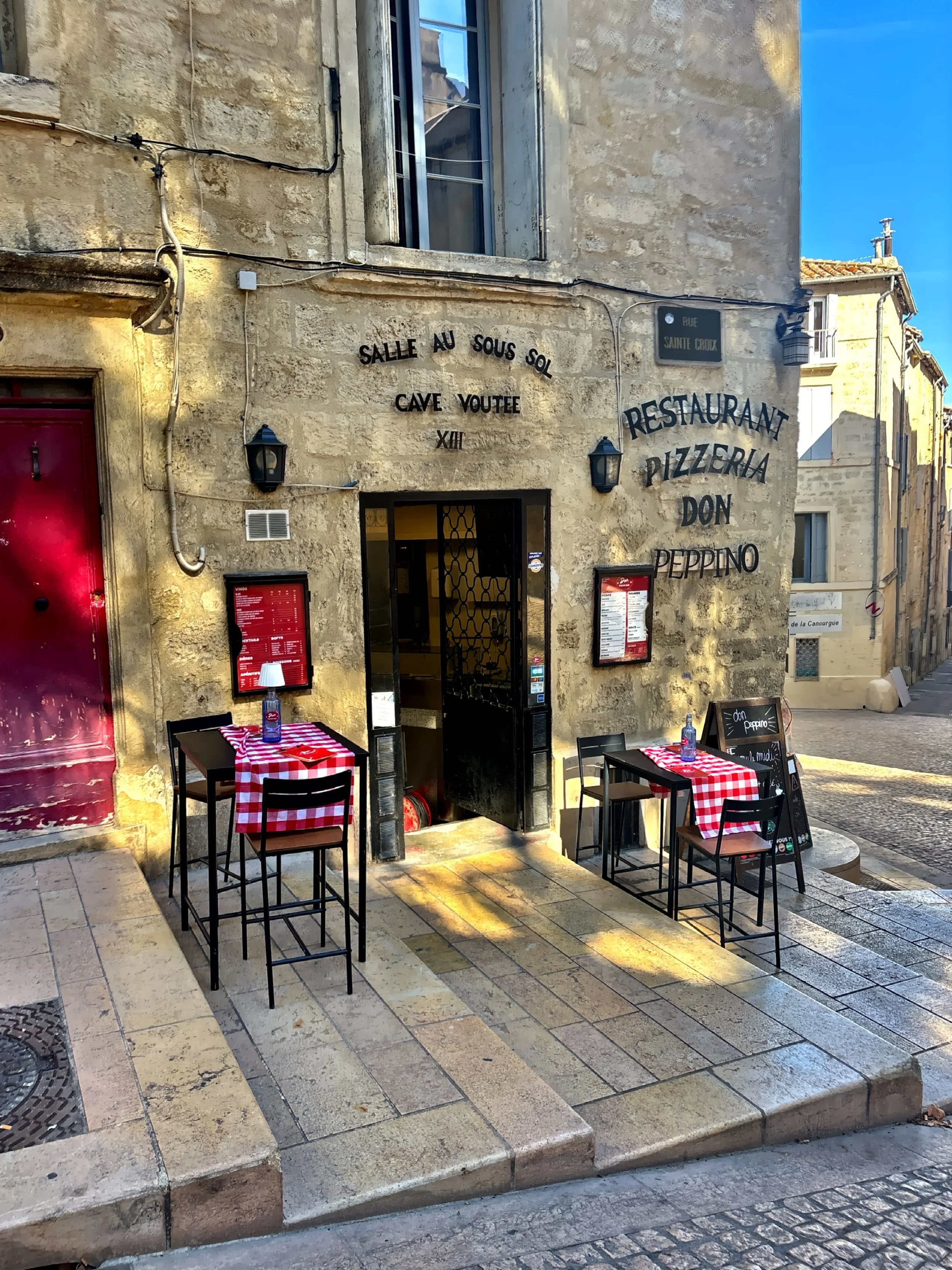
There are many restaurant and food options.
Tipping is not expected but some people do round up.
For more information: Montpelier, France
If you enjoyed this post, feel free to check out my previous posts by clicking here.