
The Capital Of North Thailand - Chiang Mai
Tucked into the misty mountains of northern Thailand, Chiang Mai is a destination where history, culture, and modern creativity come together with effortless harmony. As the largest city in the north—and Thailand’s second-largest after Bangkok—it offers a refreshing alternative to the capital’s fast-paced, high-energy atmosphere.
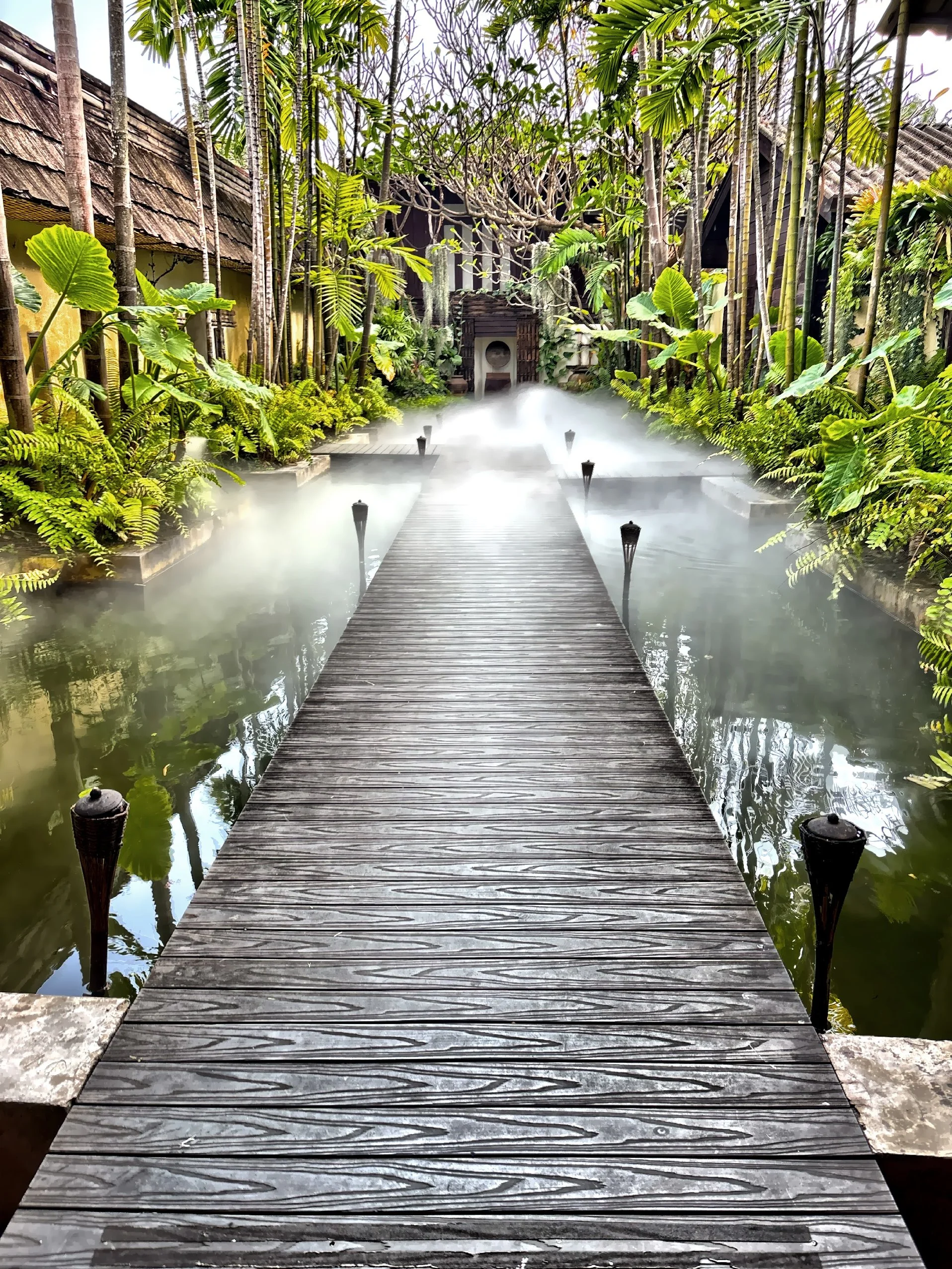
Yet Chiang Mai is far from stuck in the past. In recent years, it has blossomed into a global hub for digital nomads, creatives, and entrepreneurs, all drawn by its unique balance of affordability and quality of life. Across the city, neighborhoods hum with quiet energy—lined with stylish cafés, boutique hotels, and contemporary art spaces that give Chiang Mai a distinctly modern character. Despite this evolution, it still moves at a slower, more grounded rhythm than Bangkok, making it easy to settle in and stay awhile.
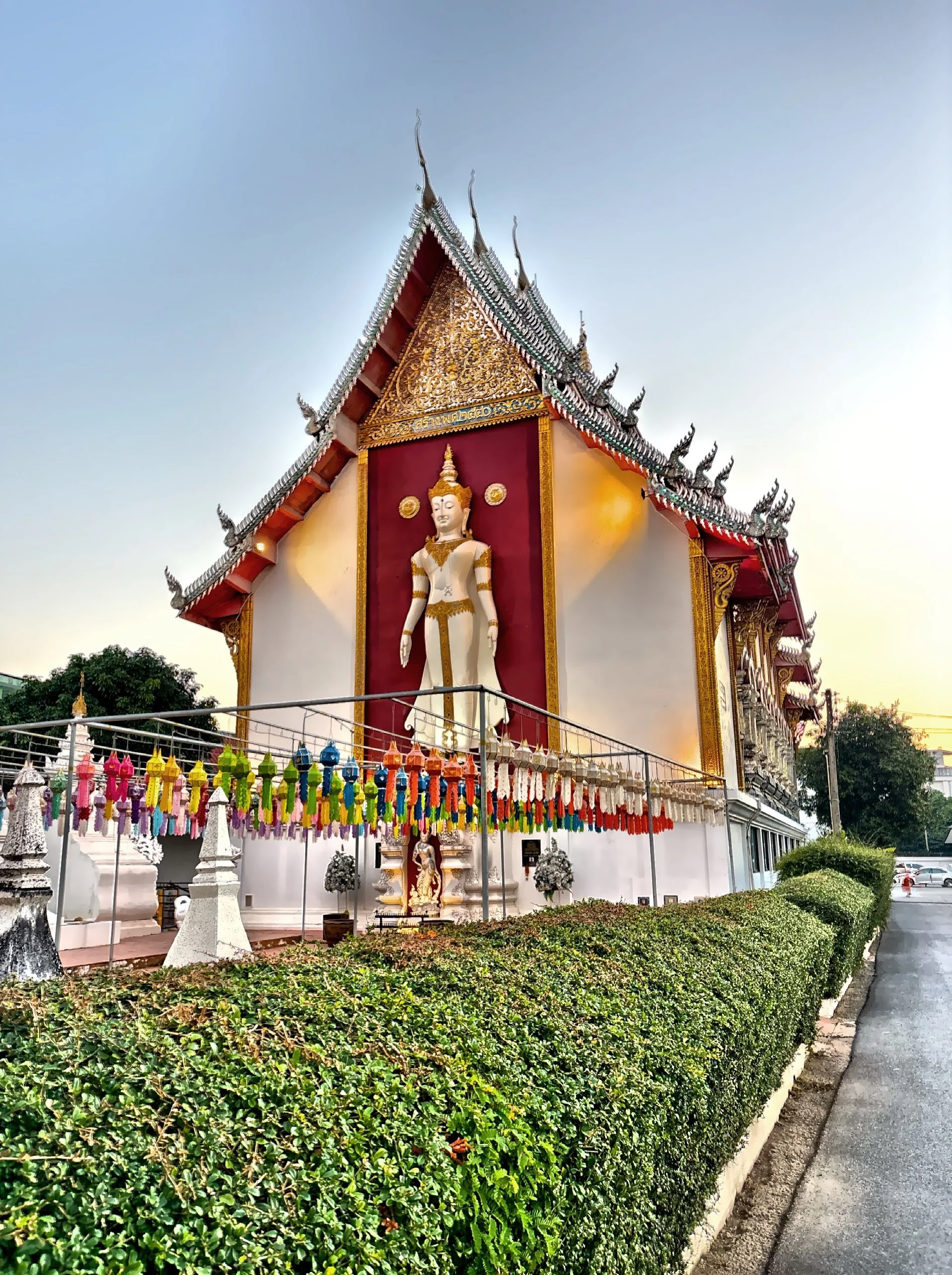
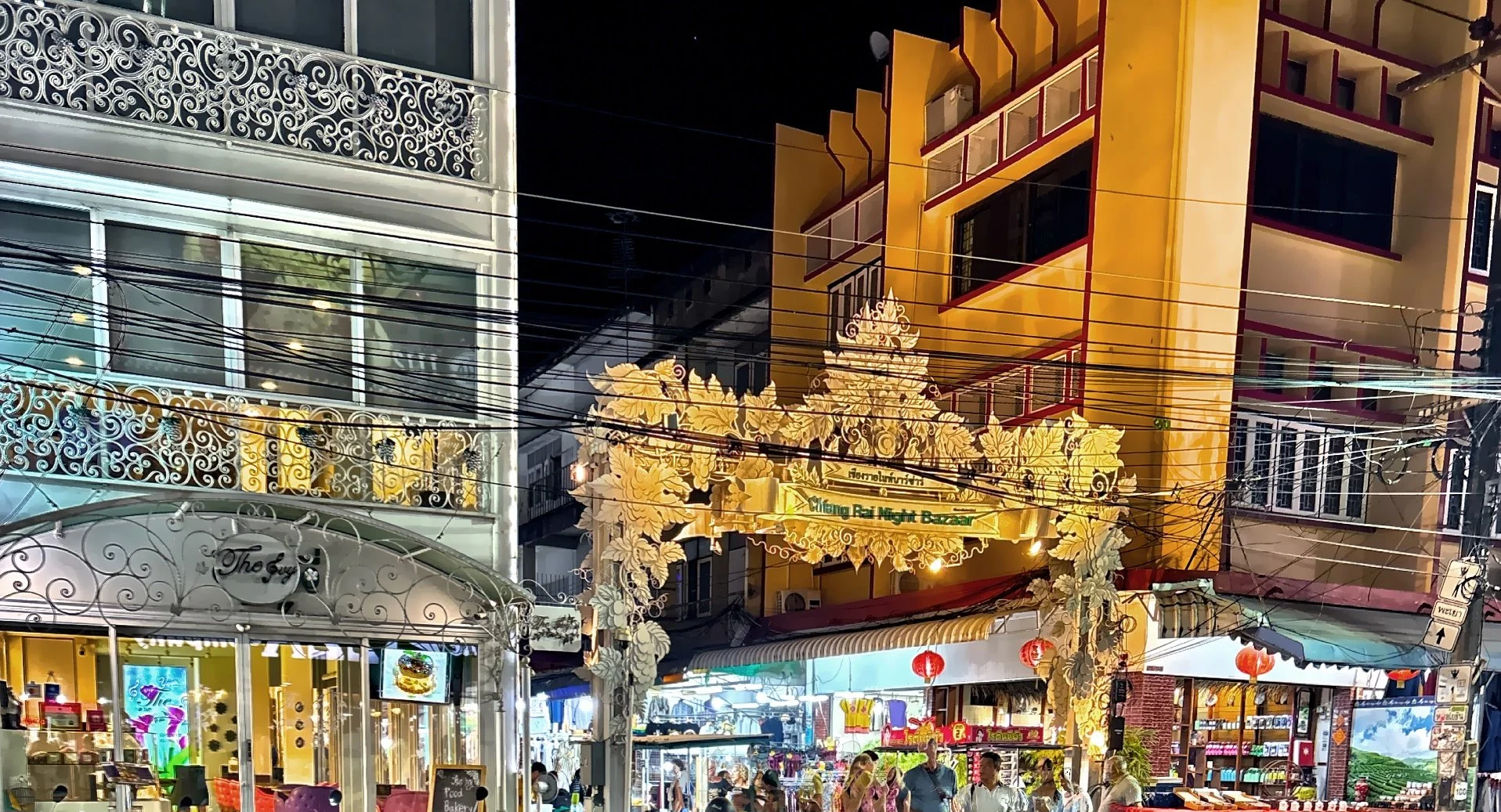
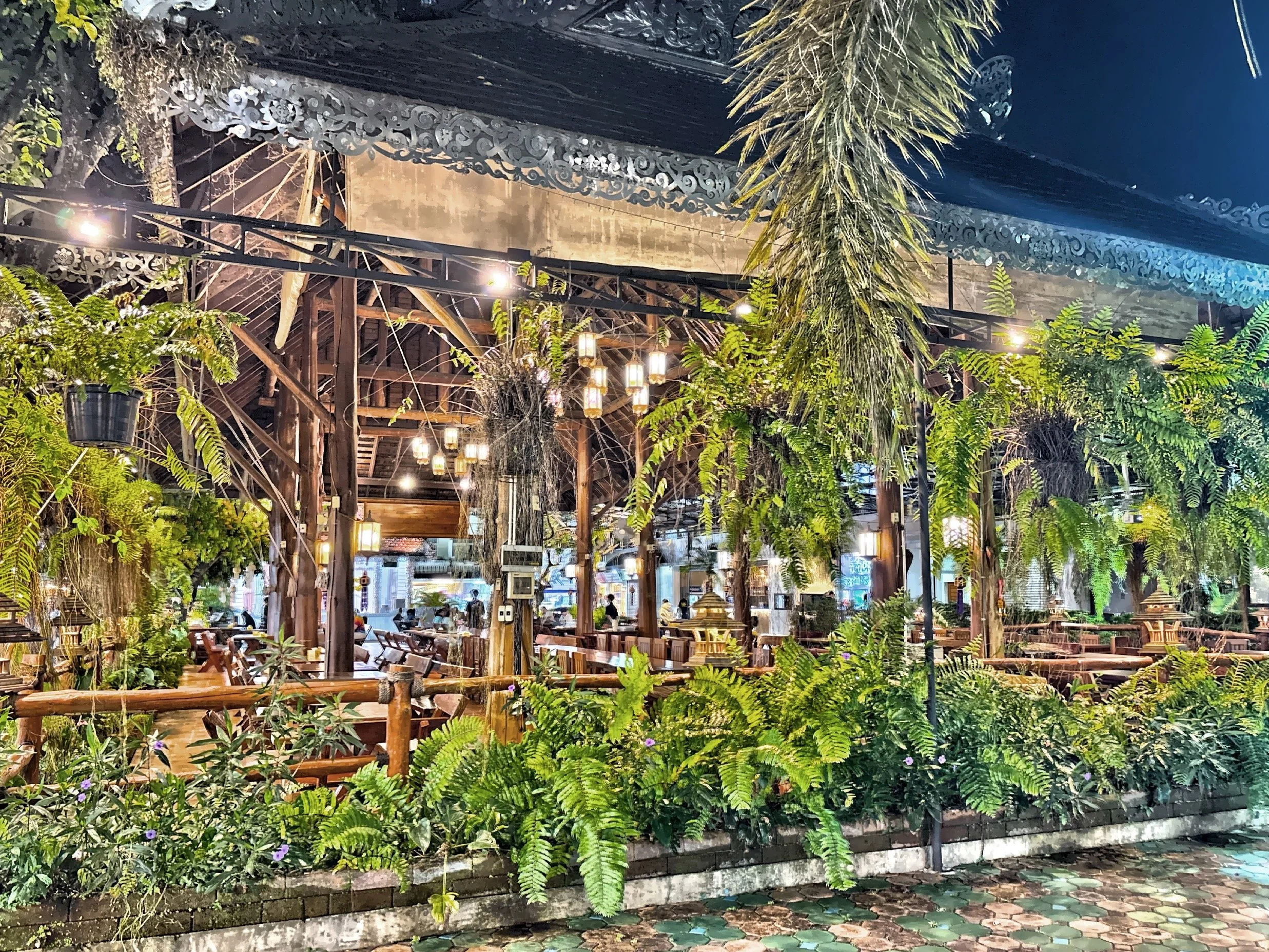
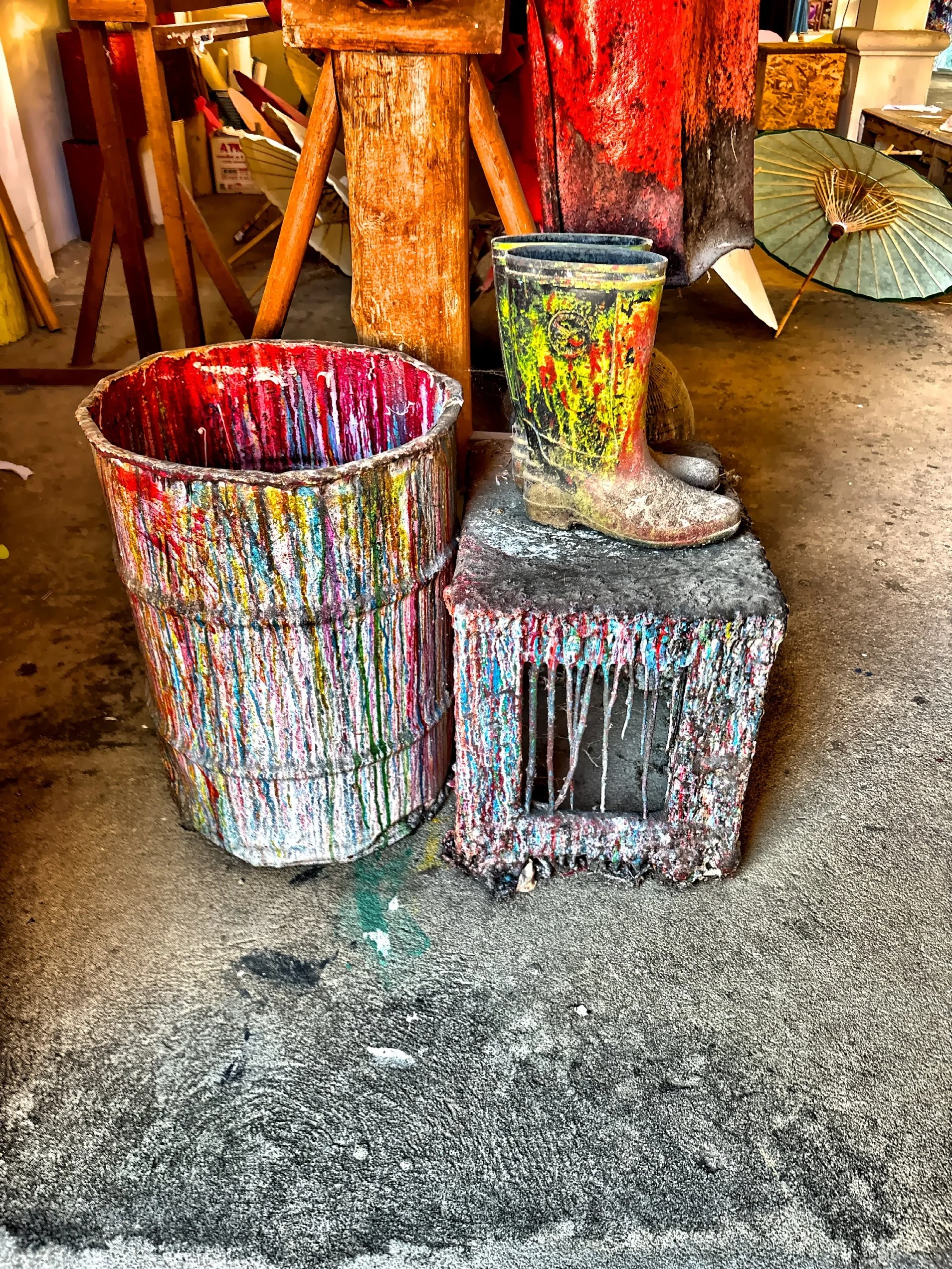
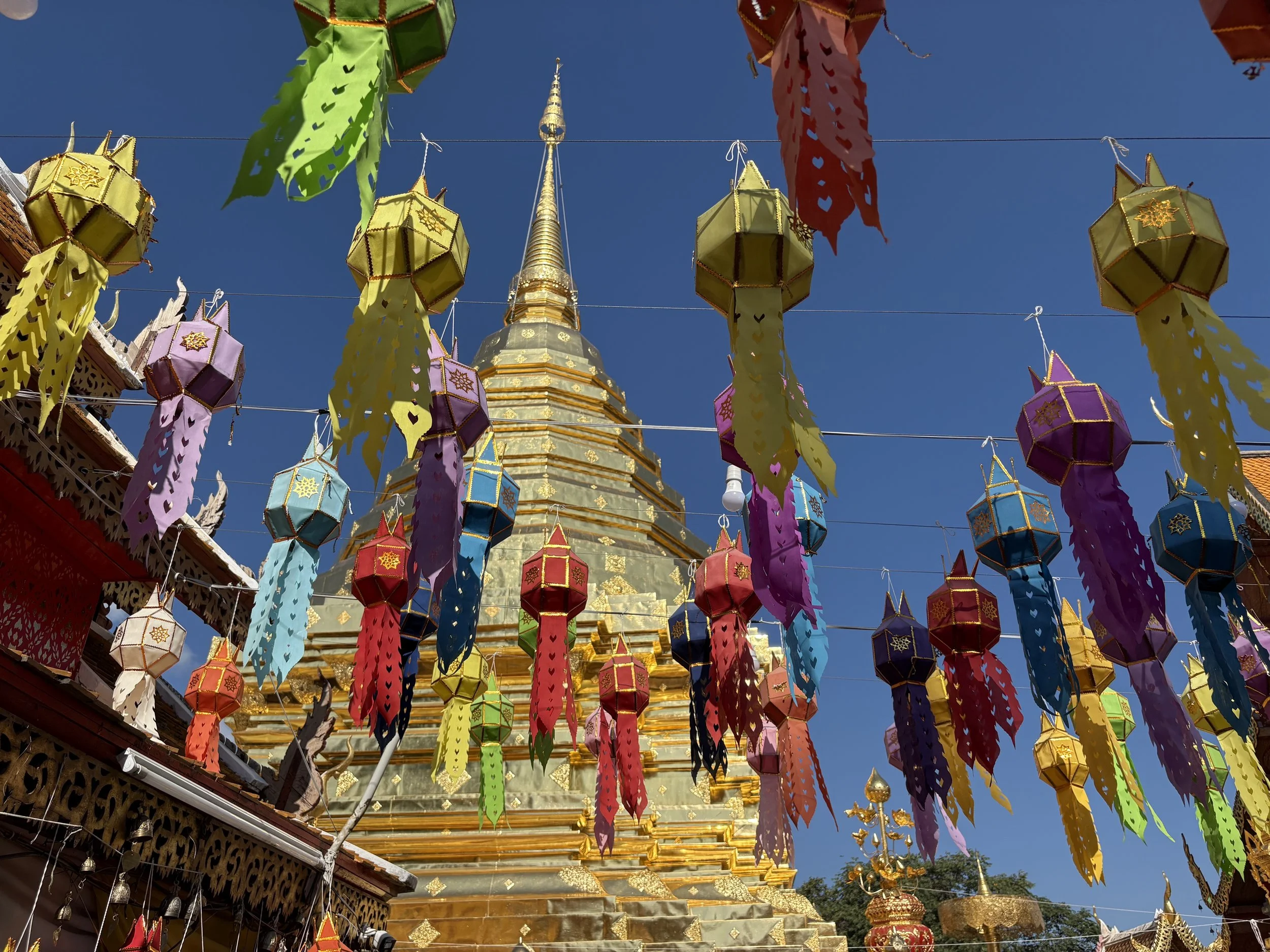
Beyond the city limits, Chiang Mai reveals another side of itself. Surrounded by lush countryside and rolling mountains, it serves as a gateway to northern Thailand’s natural beauty and deep-rooted cultural traditions. From the iconic Wat Phra That Doi Suthep watching over the city to the vibrant Chiang Mai Sunday Night Market filled with local crafts and flavors, the region offers an immersive cultural experience. Visitors can also explore the artisan heritage of the Bo Sang Umbrella Village or connect with nature at the ethical Ran-Tong Elephant Sanctuary, where conservation and care take center stage.
Ancient walls stand beside modern design, centuries-old traditions exist alongside innovation, and every corner offers something both familiar and new. It’s a city that doesn’t just preserve its heritage—it lives it, inviting travelers to experience a place where time feels layered, rich, and beautifully alive.
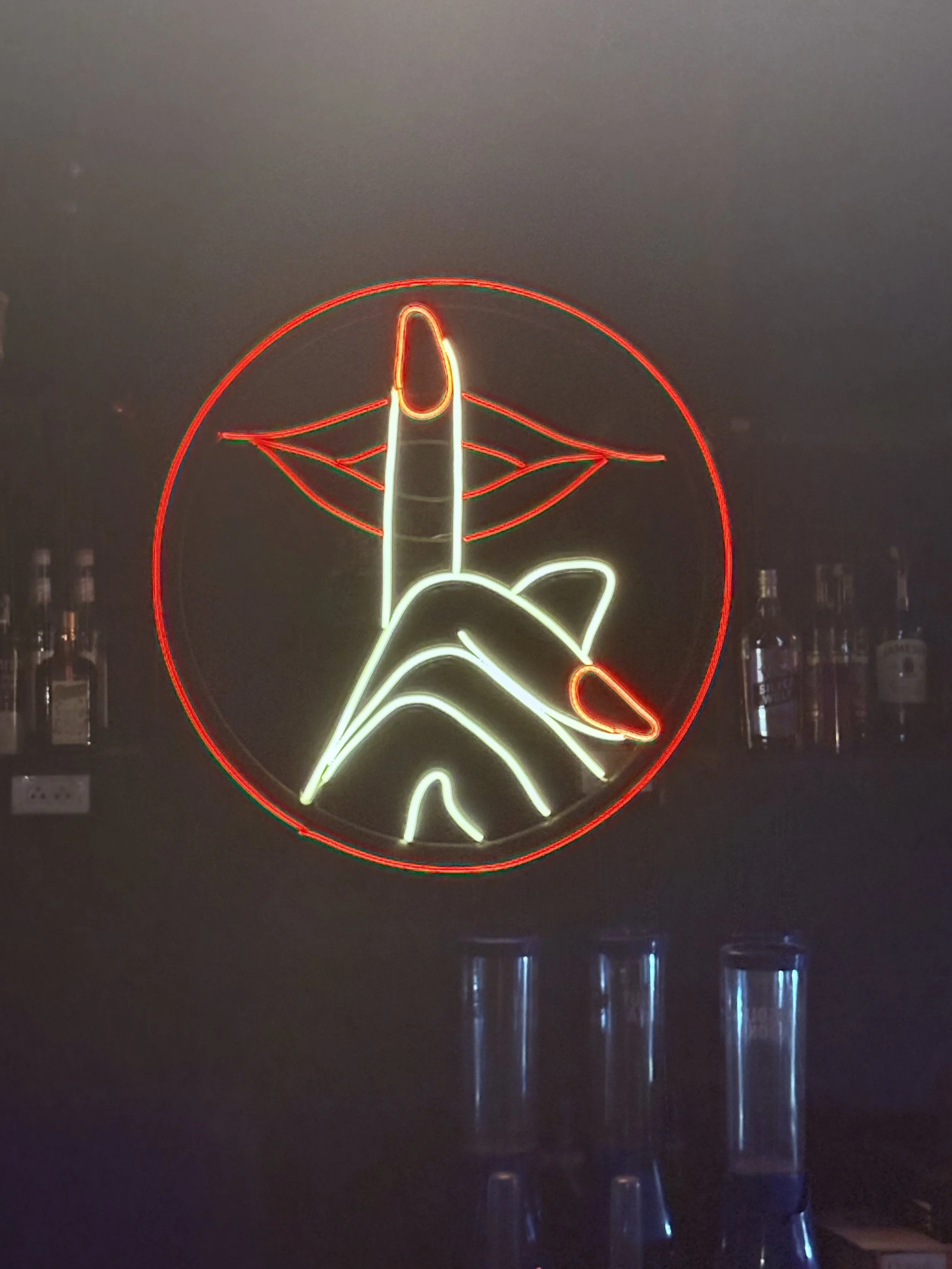
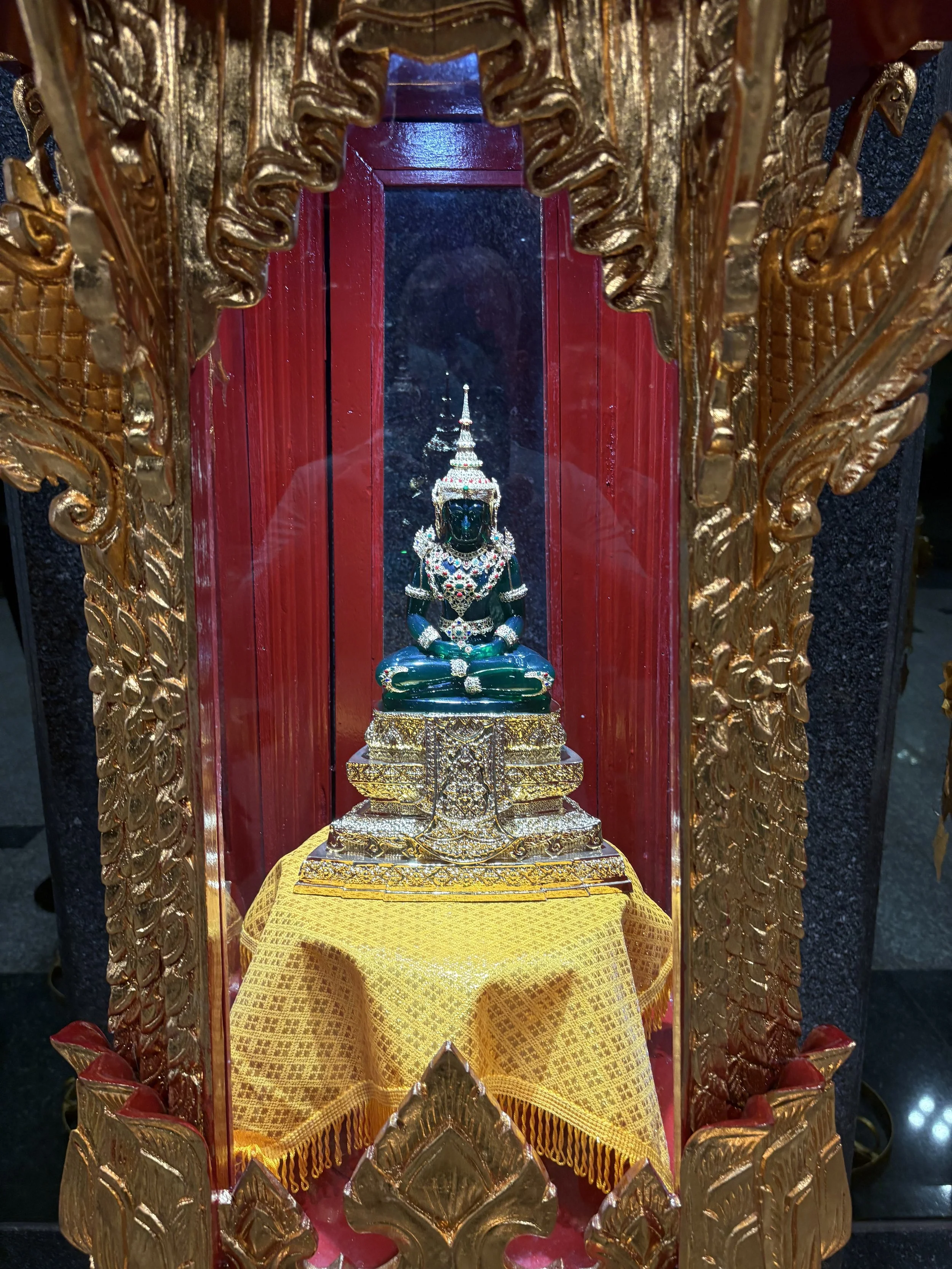
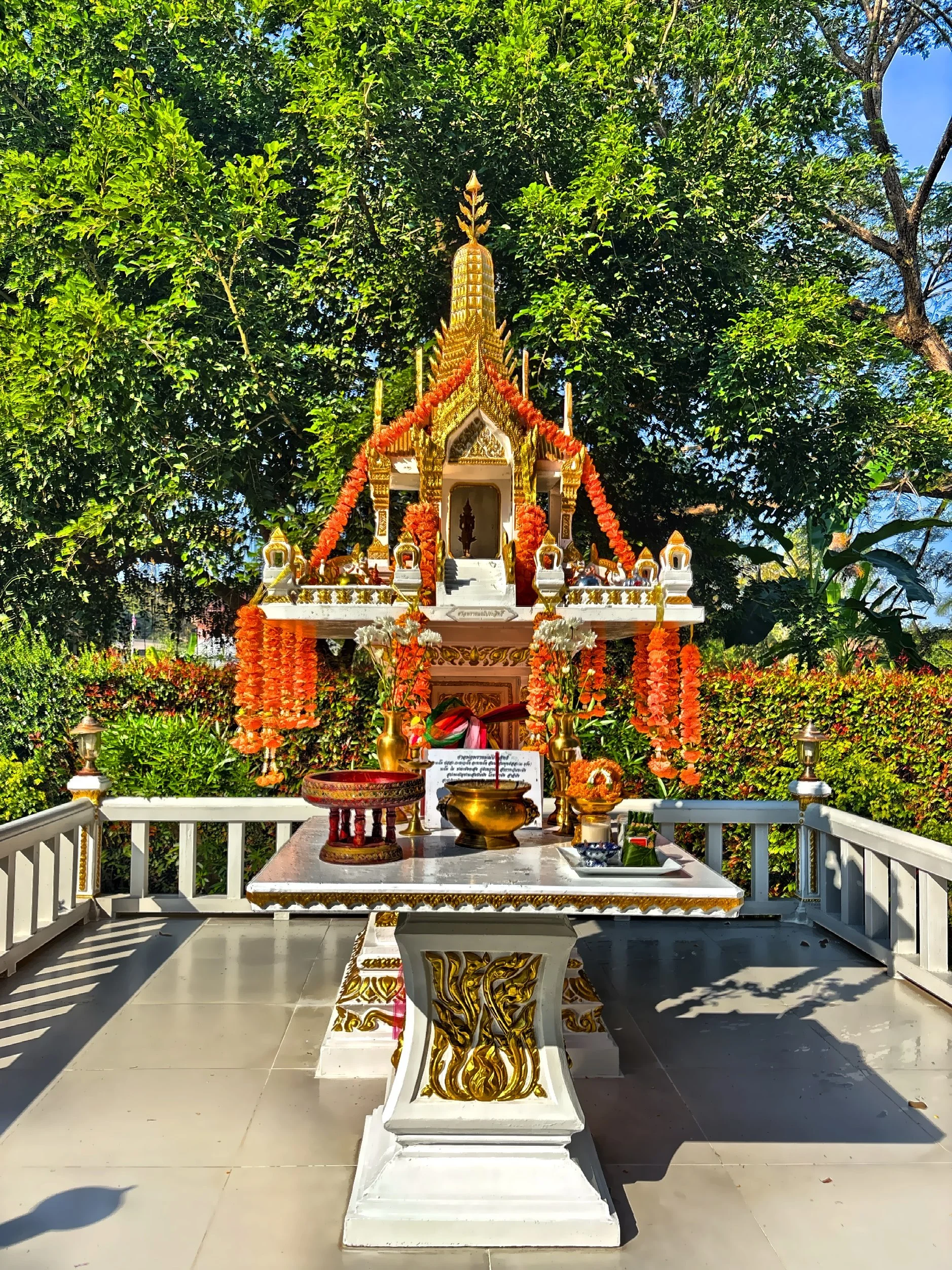
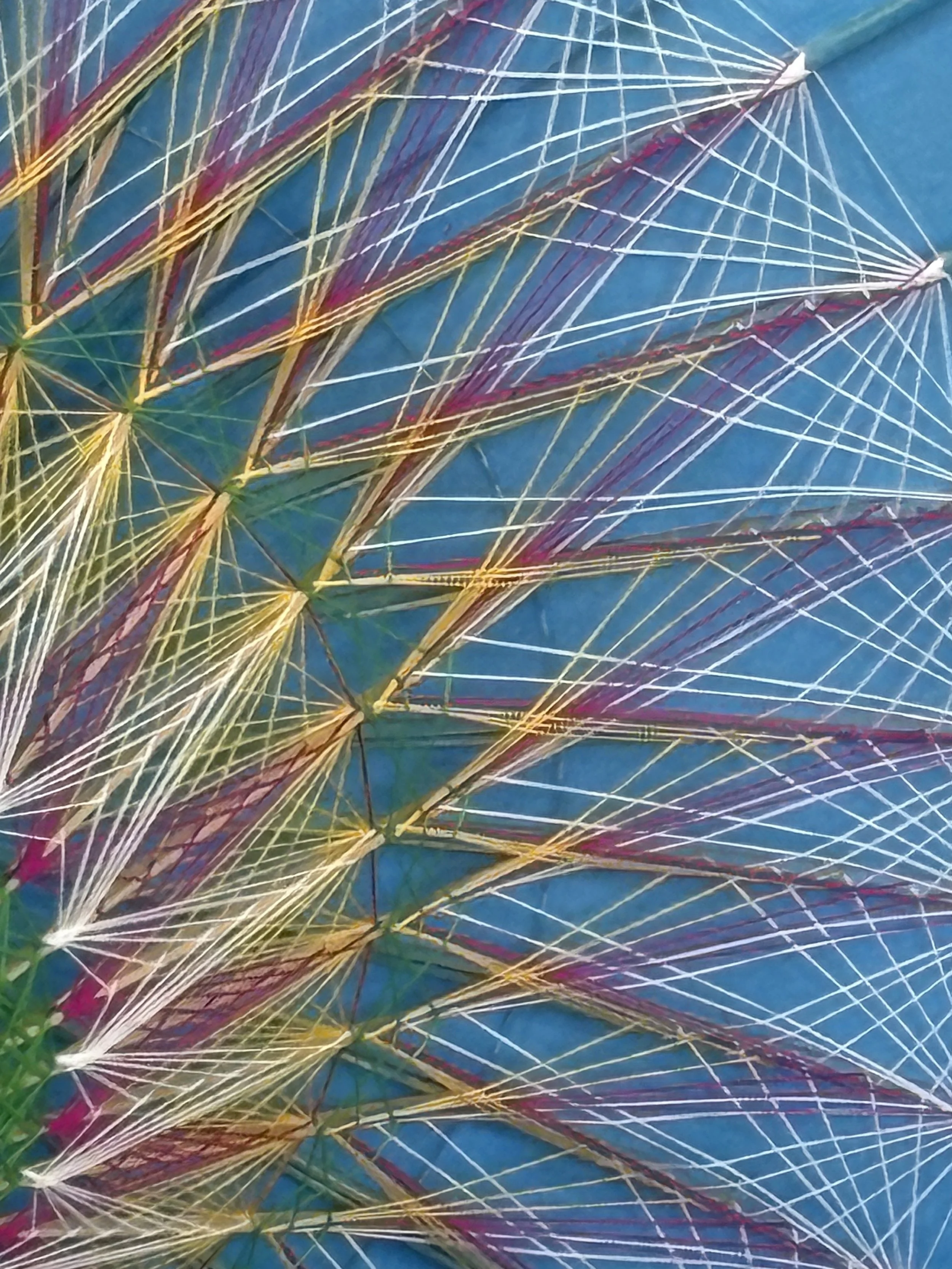
This is what caught my eye - I hope you enjoy!
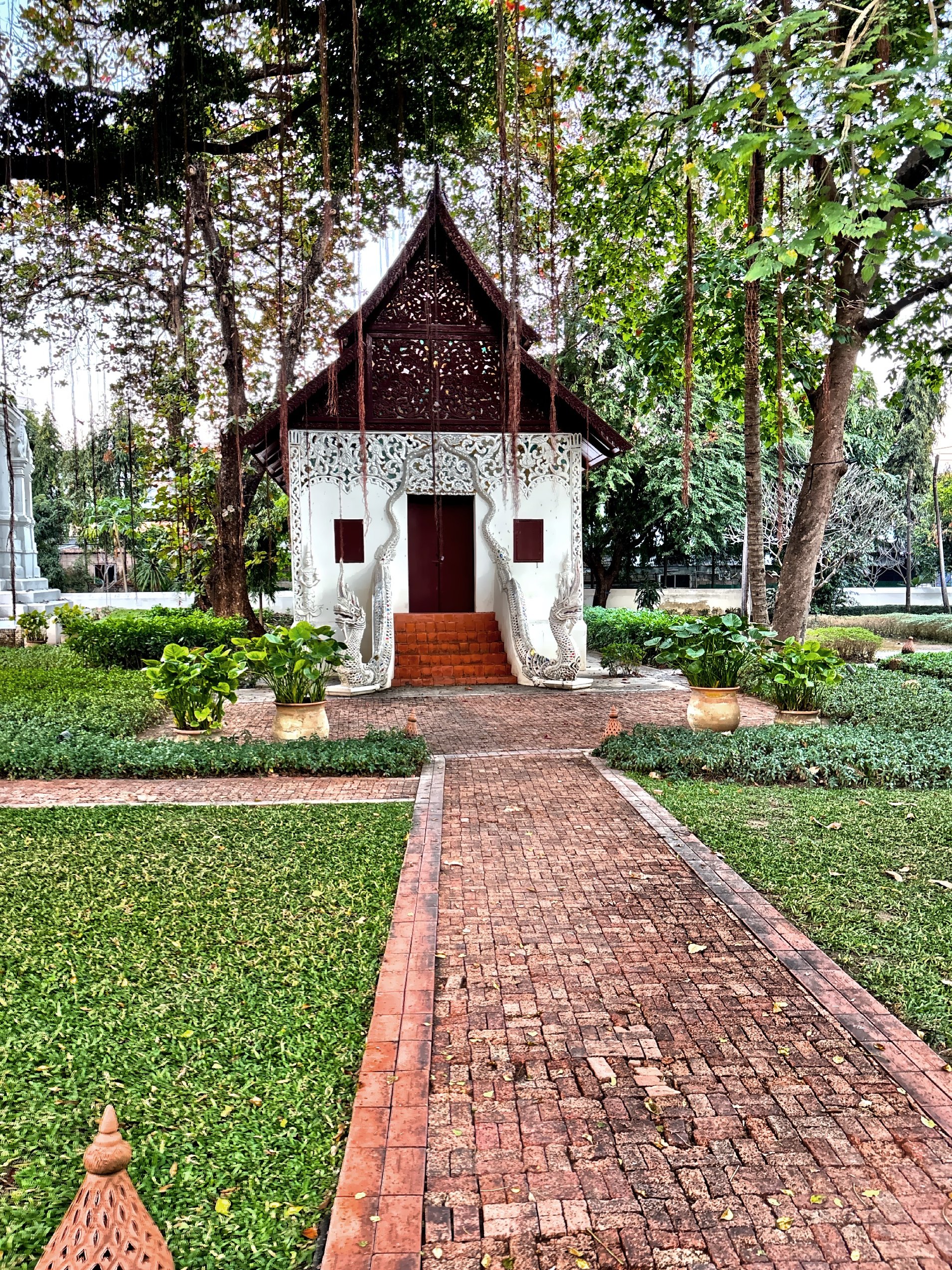
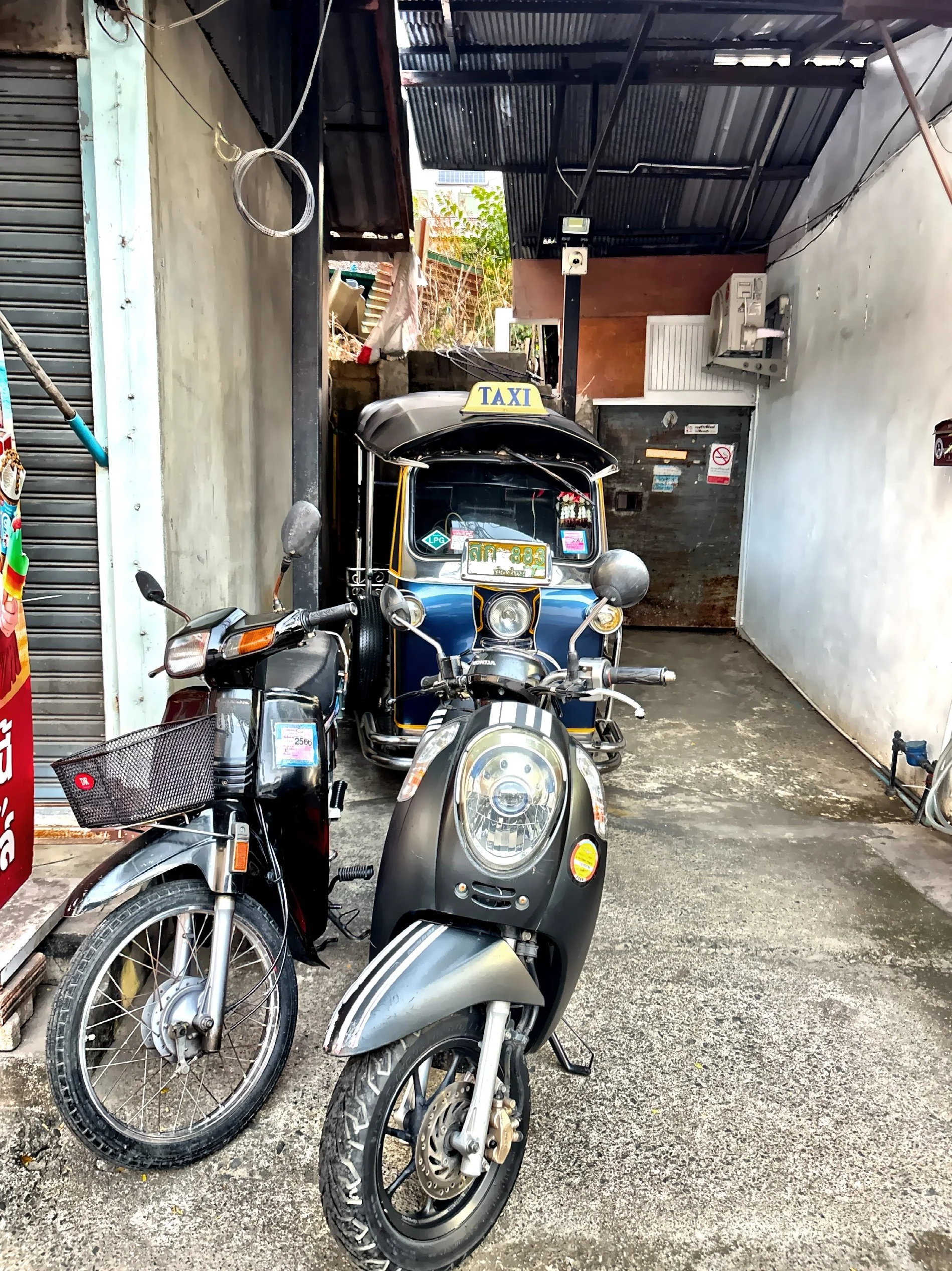
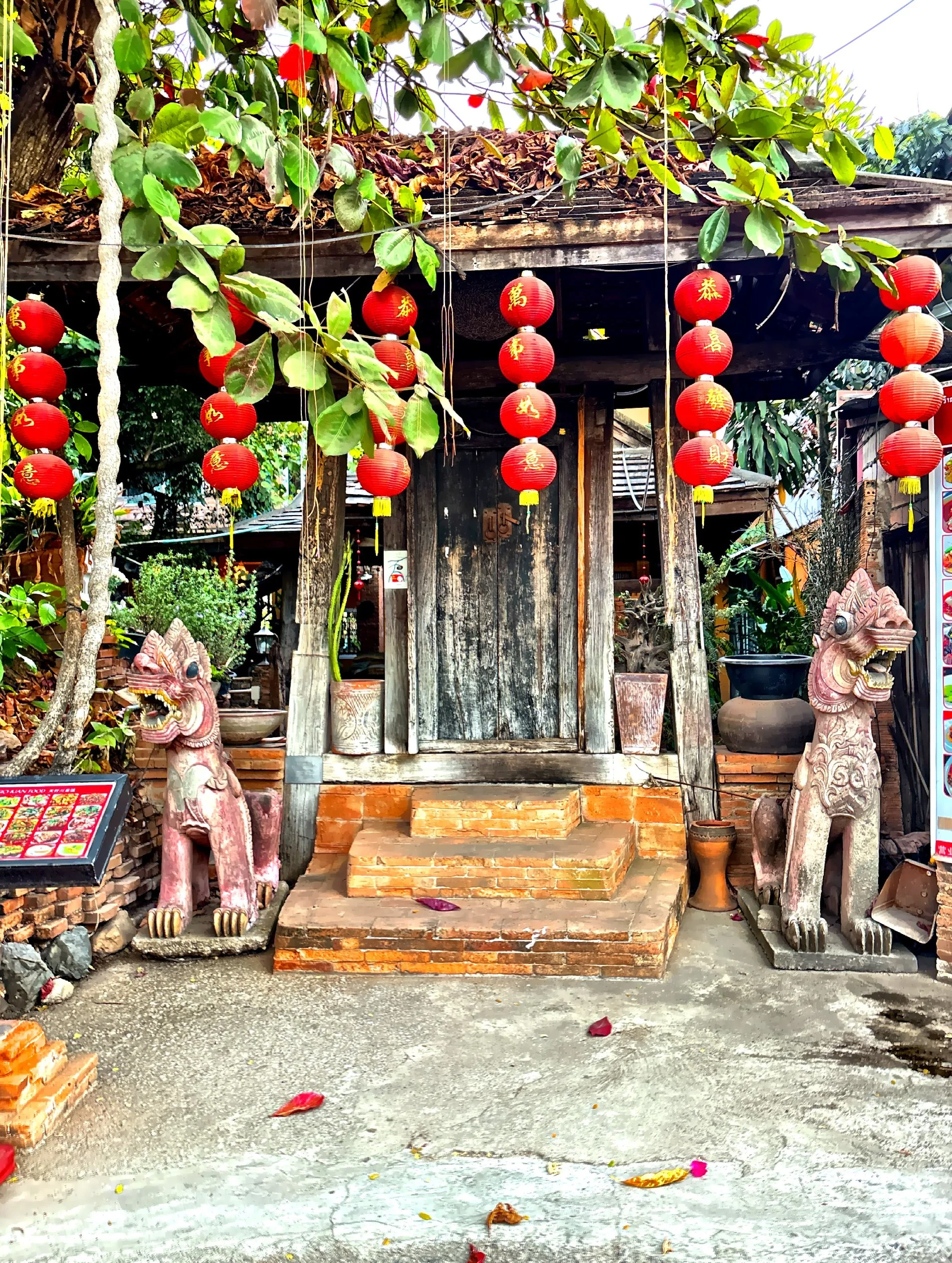
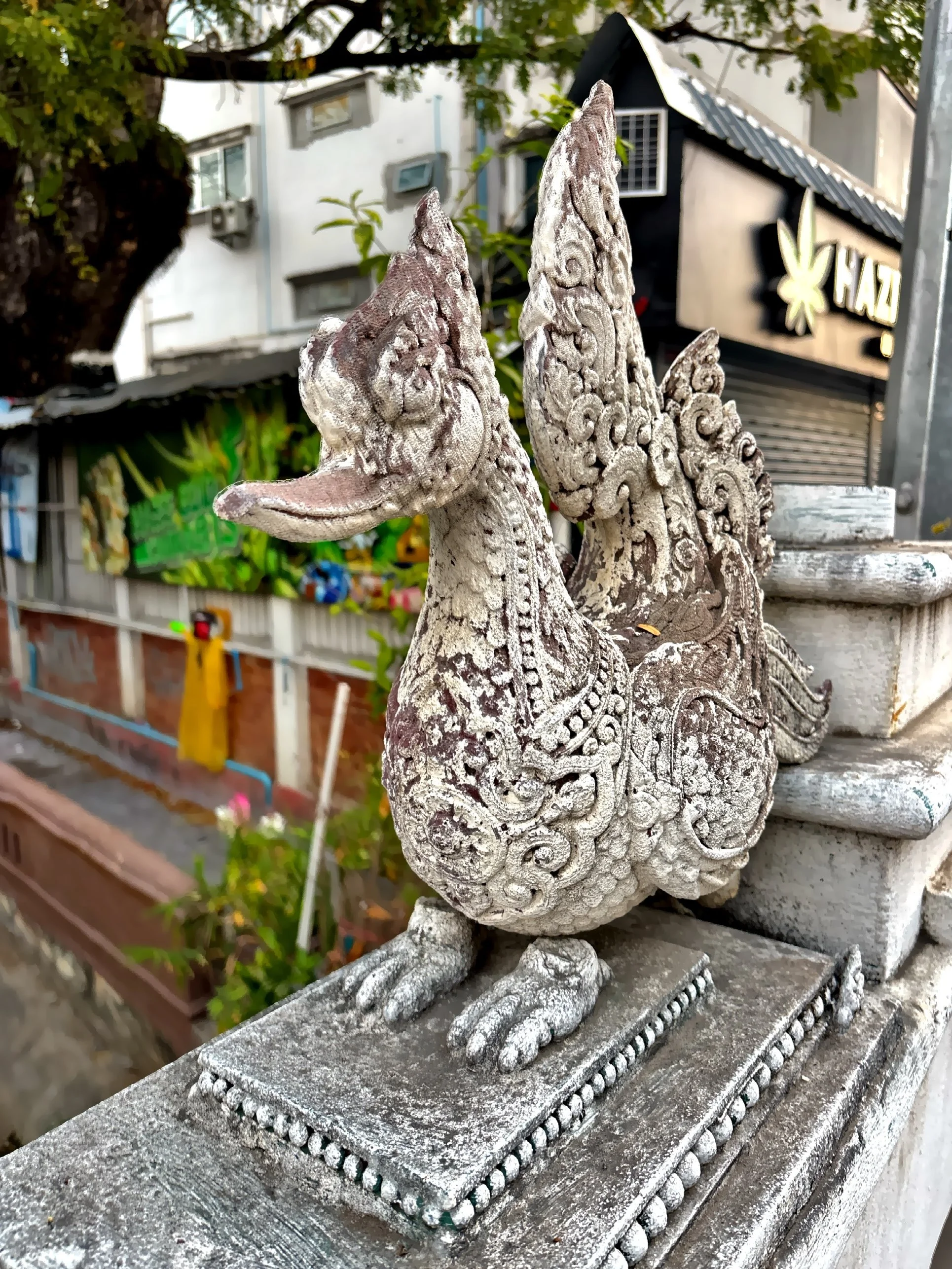
Do you like the images posted?
Click here to explore the shop.


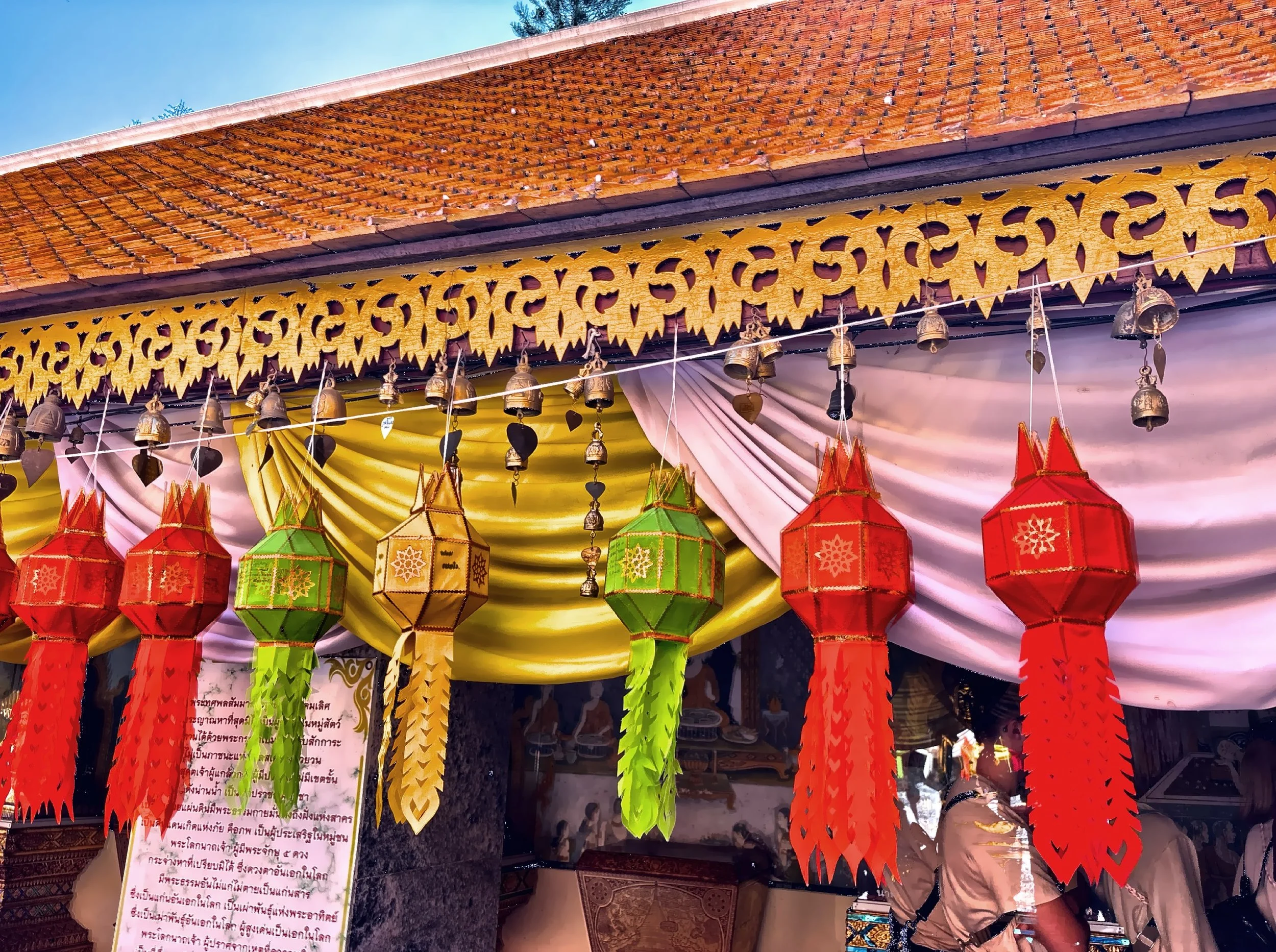
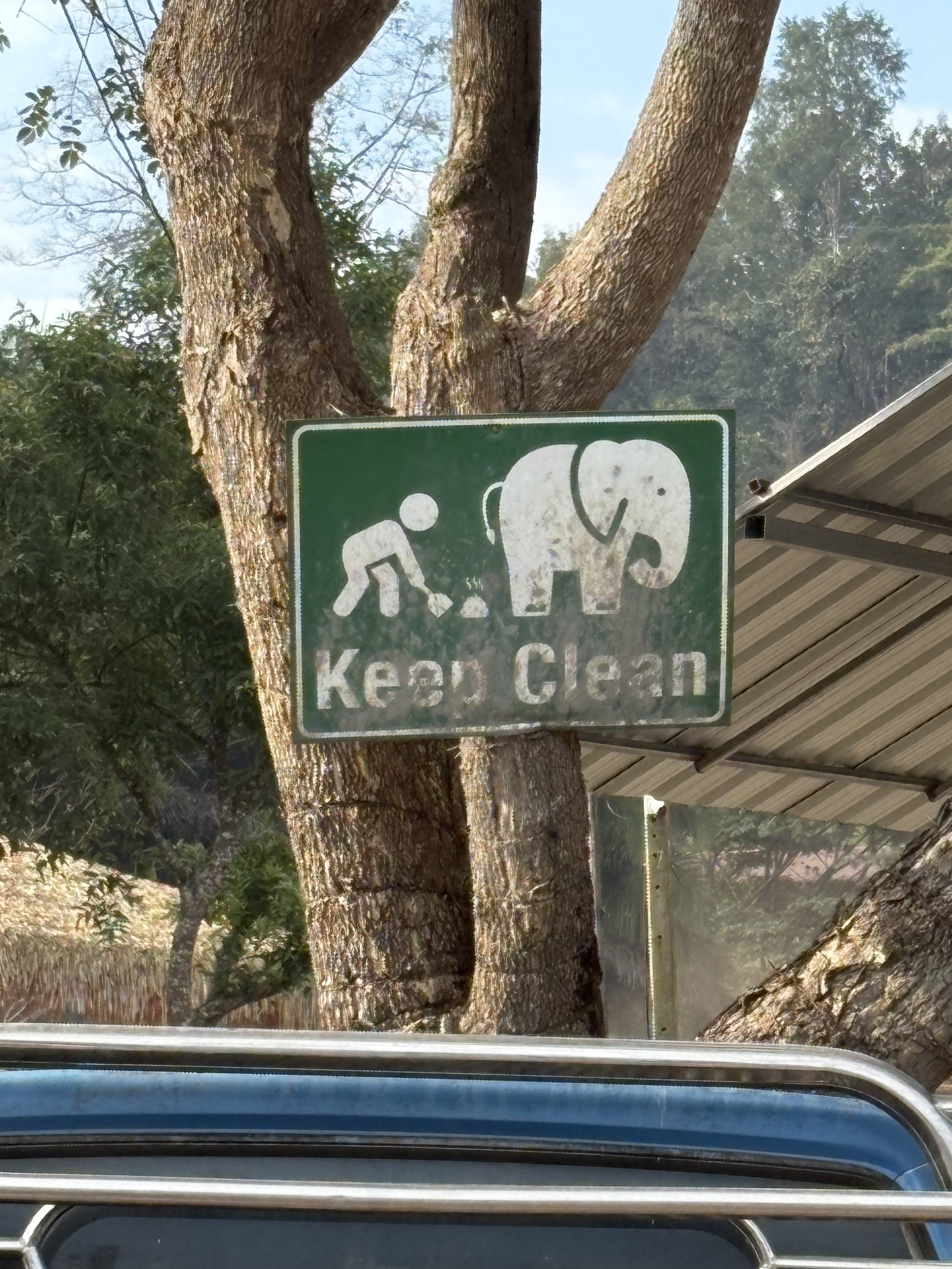
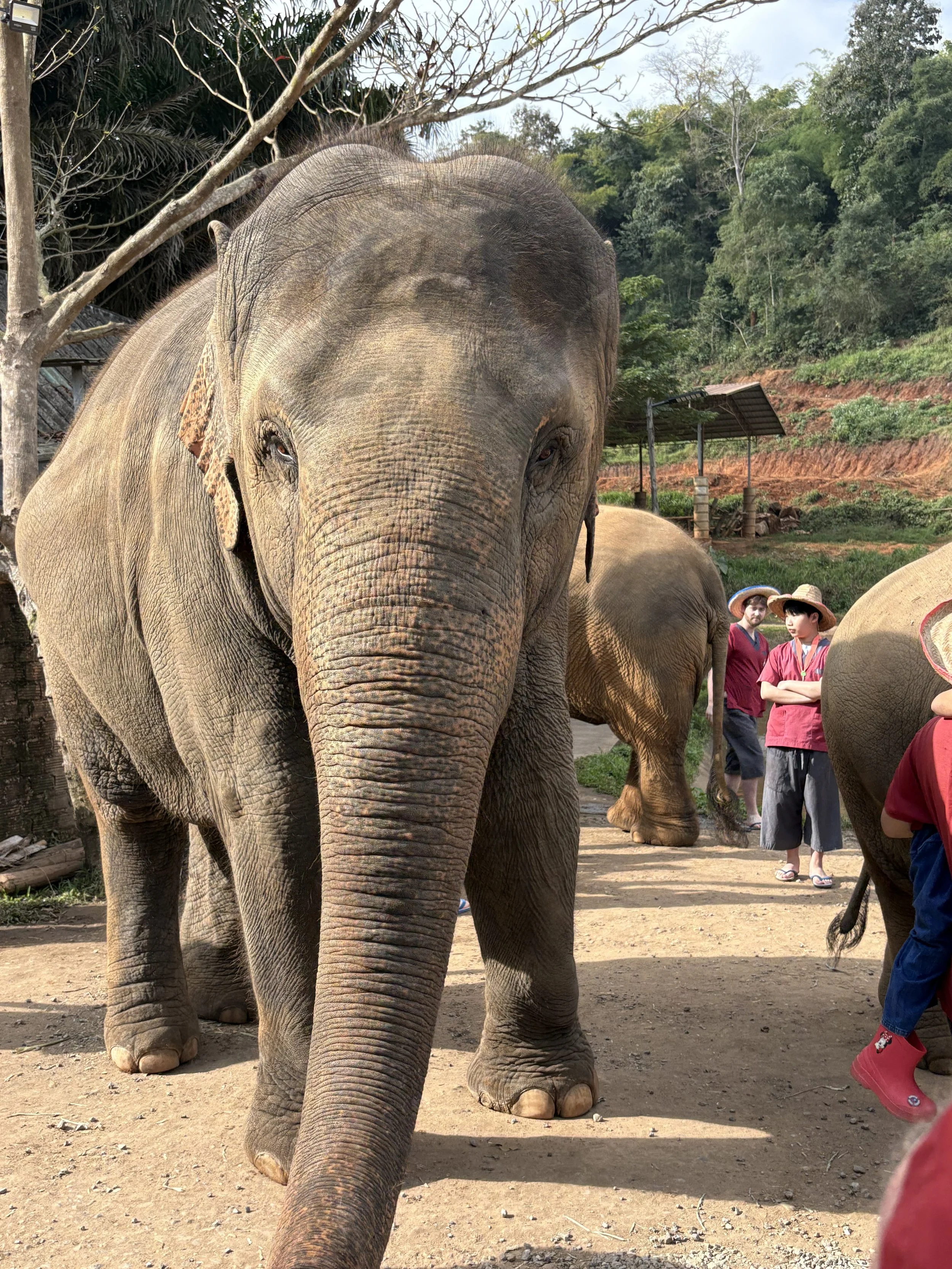
What you should know:
You should try and carry your own toilet paper when traveling in Thailand and you will be asked to place in provided bins and not be flushed in most places because of the septic systems.
Locals are generally friendly but reserved – polite and helpful.
Thai is the official language, and it is a tonal language, meaning the pitch you use can change the meaning of a word. English is commonly taught here and used in tourism and business.
Credit cards are widely accepted in malls, hotels, and nicer restaurants.
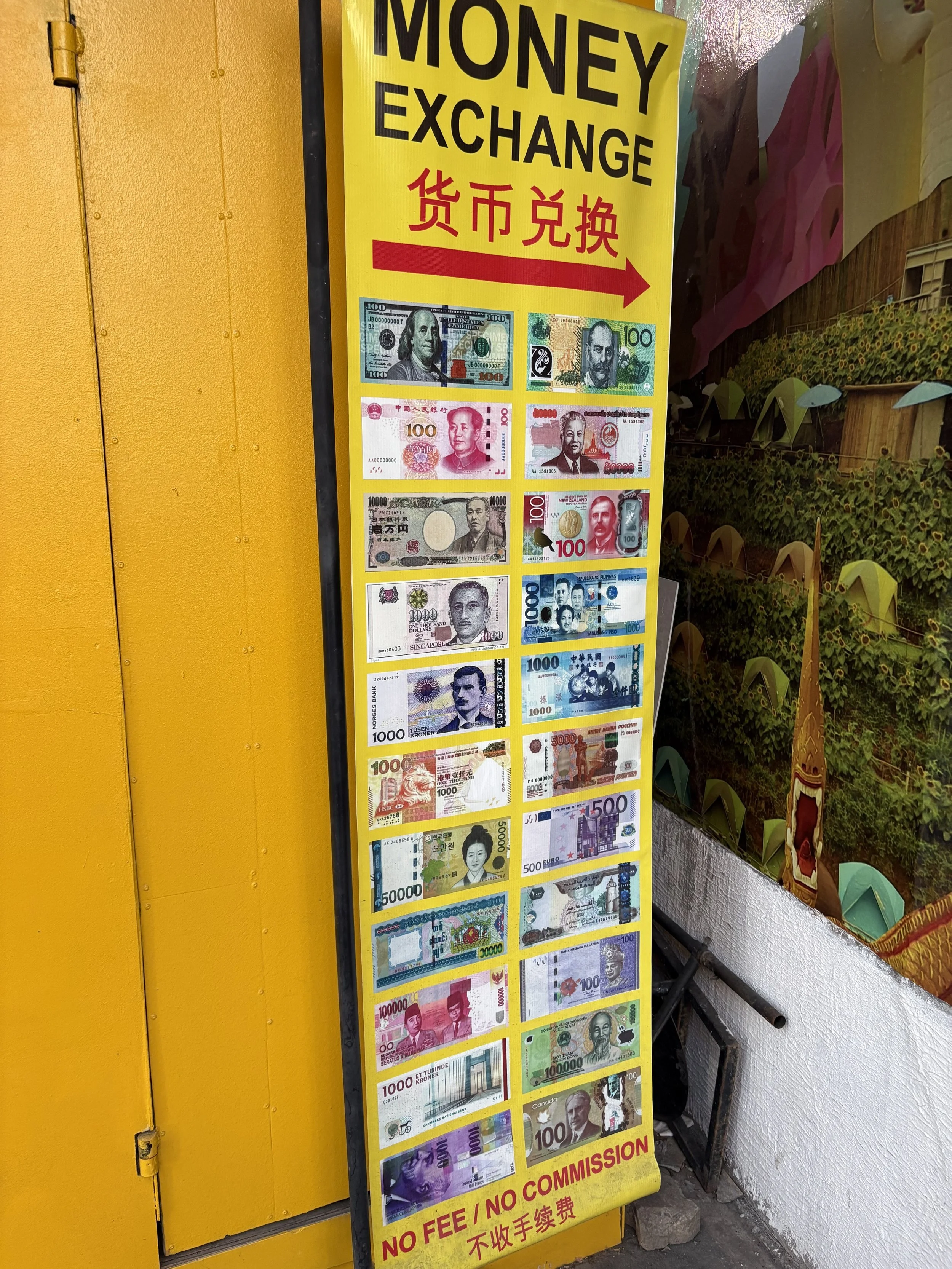
The currency used is the Thai baht (symbol: ฿, code: THB). Cash is still king in many places (street food, markets).
Parking can sometime be difficult at times in certain neighborhoods.
You will need a valid passport, a Thailand Digital Arrival Card (TDAC), and a power convertor if you are coming from the US.
There are many restaurant and food options.
Tipping is not expected but some people do round up.
Chiang Mai is walkable—but there are other options like motor bike taxis, bicycles, modern trains and tuk-tuks are available. Shared pickup trucks, songthaews, can be the cheapest option with fixed or semi-fixed routes. There is also Grab, an Uber-type app that reliable option.
Dress modestly when visiting temples, covered shoulders and knees.
Remove shoes before entering temples.
Bargaining is common in markets—but do it politely and with a smile.
It’s hot and humid year-round—hydrate constantly and only use with bottled water.
Wear lightweight clothes and sunscreen.
Smile goes a long way—Thai culture values politeness and calmness.
If you enjoy a good massages, make sure to get at least one here because they are cheap!
For more information: Chiang Mai
If you enjoyed this post, feel free to check out my previous posts by clicking here.