
One Of The Best Known Mountains In The Alps - The Matterhorn
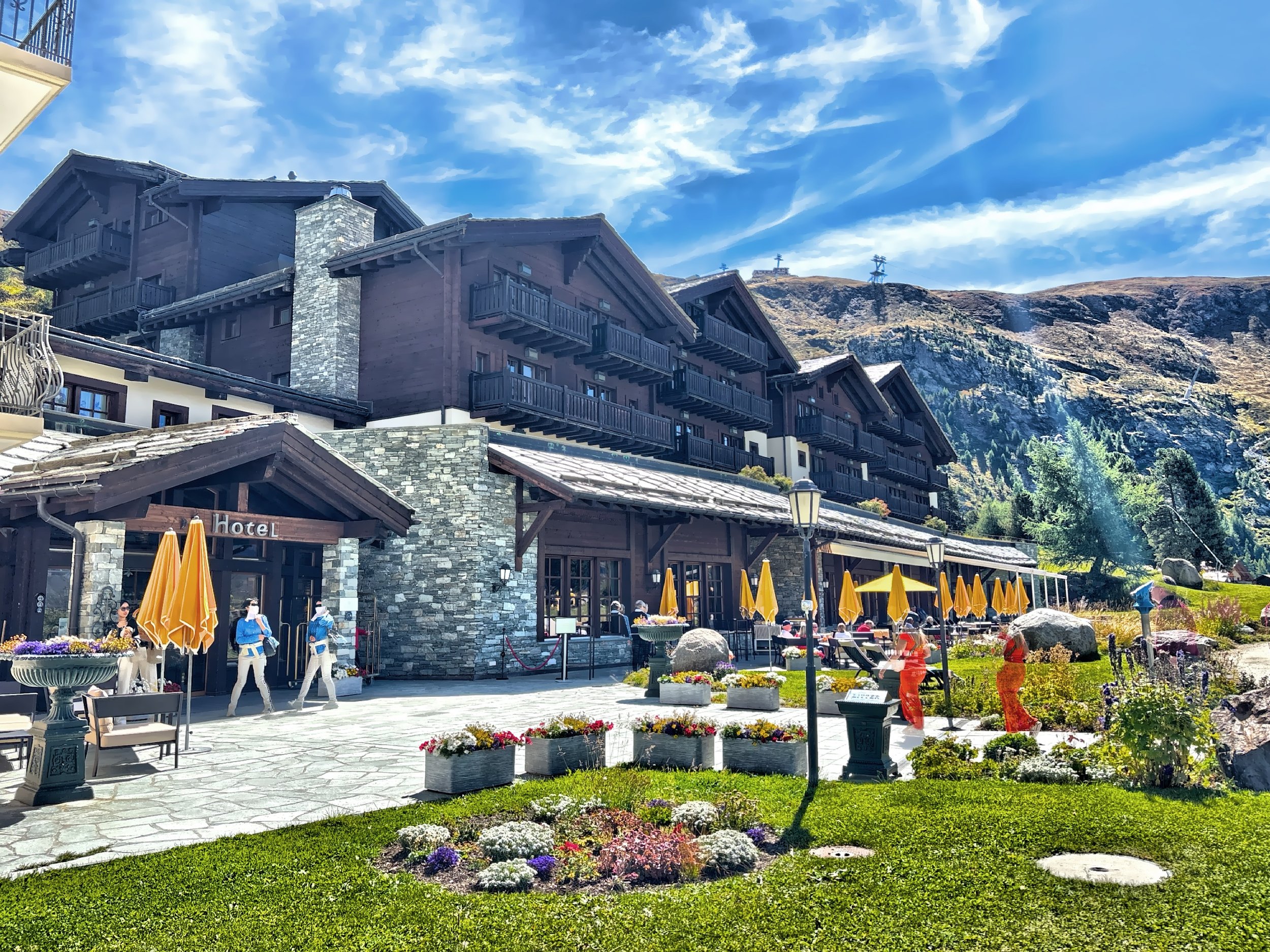
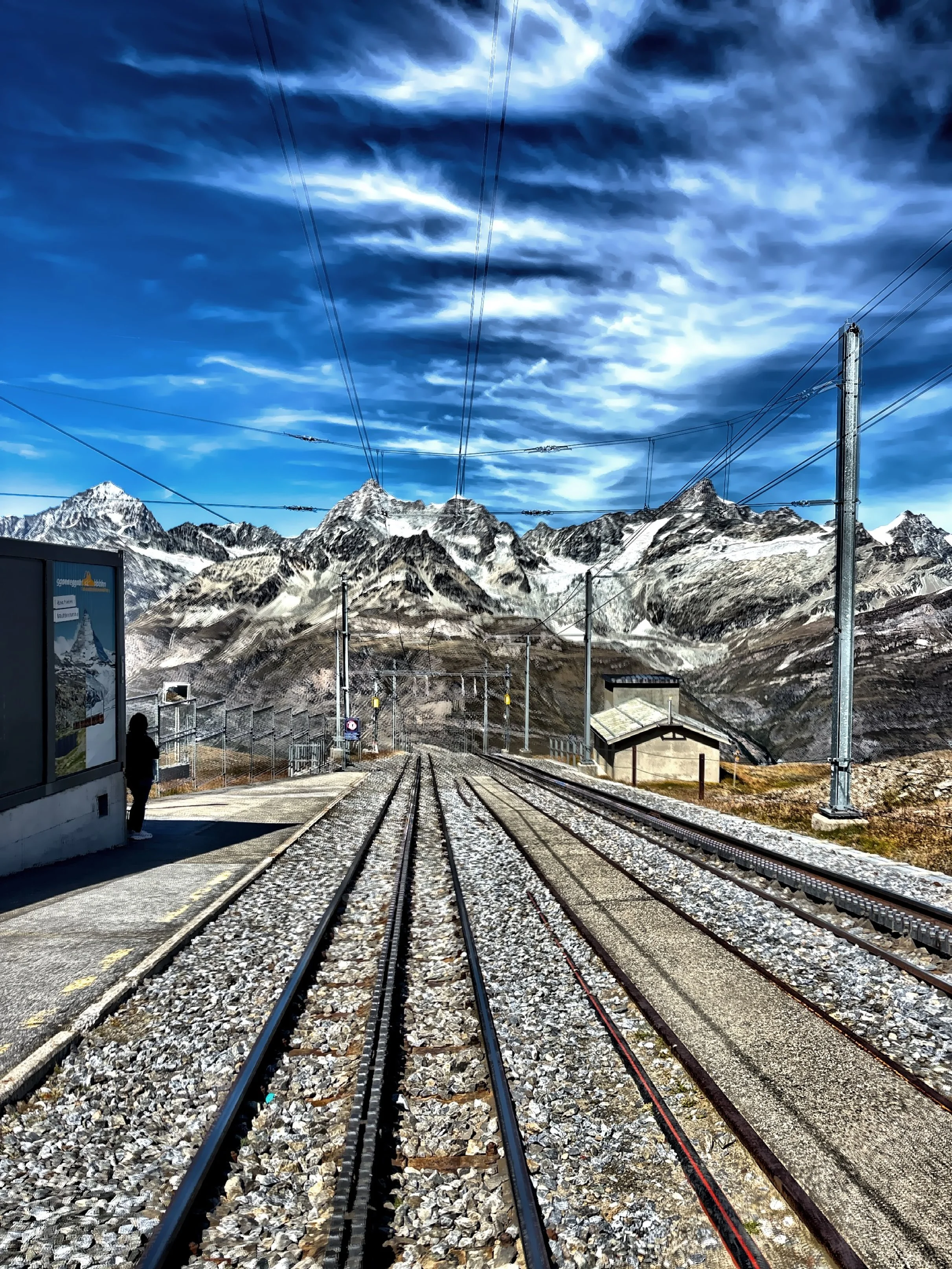
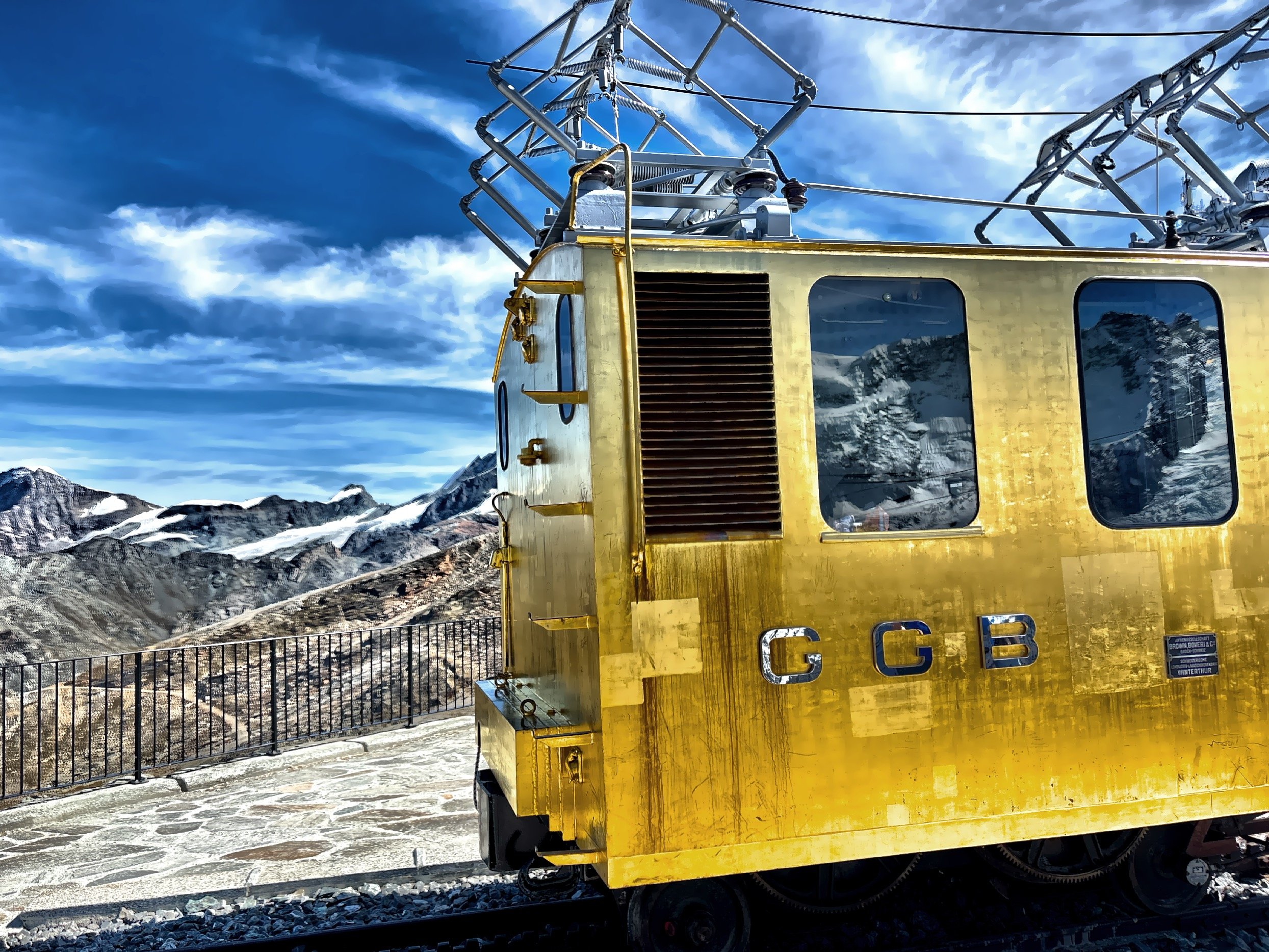
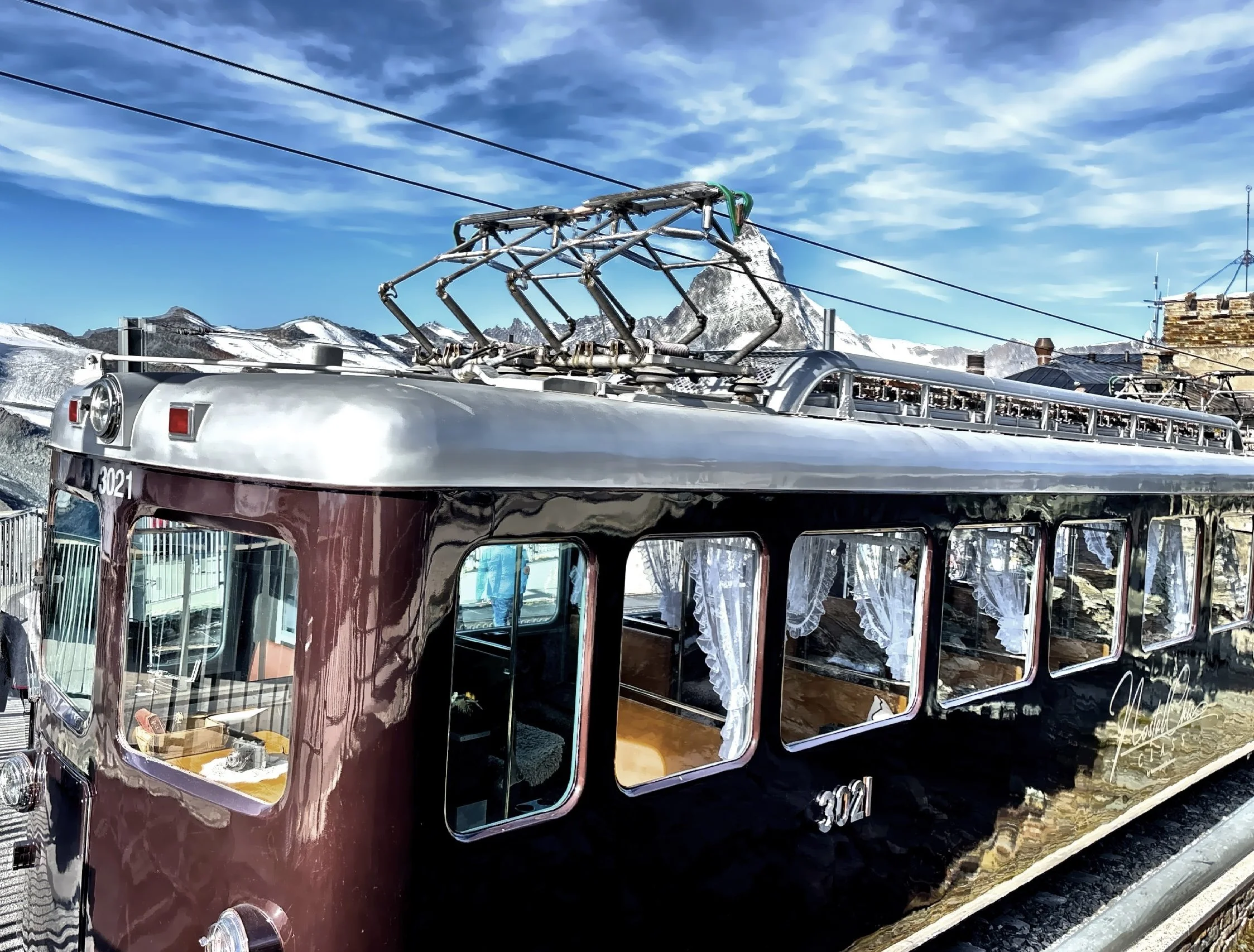
We had been staying in one of the small hotels in Zermatt, tucked between chalet rooftops and the sound of church bells echoing off the valley walls. From the moment we arrived, the Matterhorn hovered in the distance like a jagged silhouette. Bright and early we boarded the Gornergrat Railway, one of Europe’s highest and most historic cogwheel trains, to get closer to it. More than a century old, the rail line winds its way up from Zermatt with a slow, steady confidence. As we climbed, the village slipped away behind us, replaced by pine forests, wooden huts, and meadows that still held a hint of green despite the altitude. With every turn, the air grew cooler, the light brighter, and the views wider.
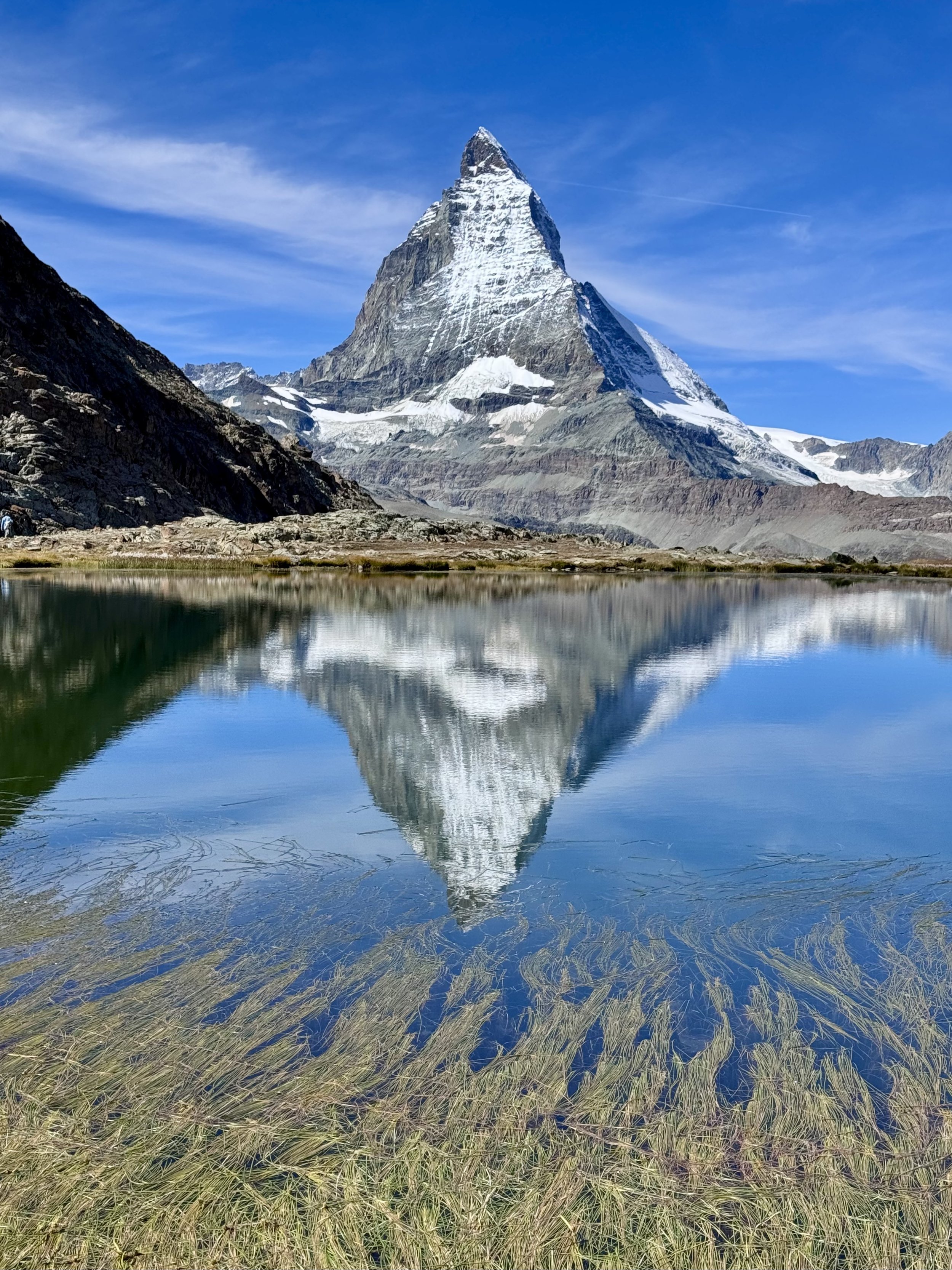
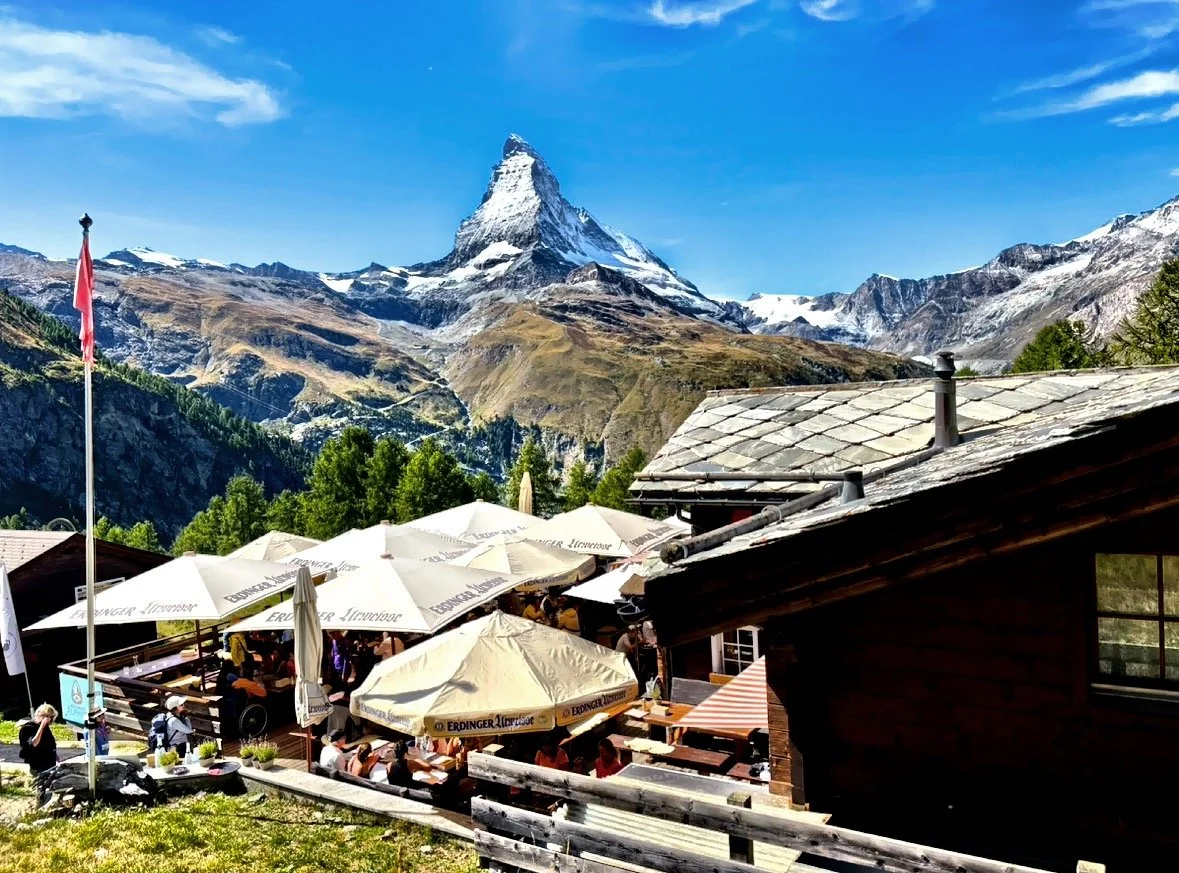
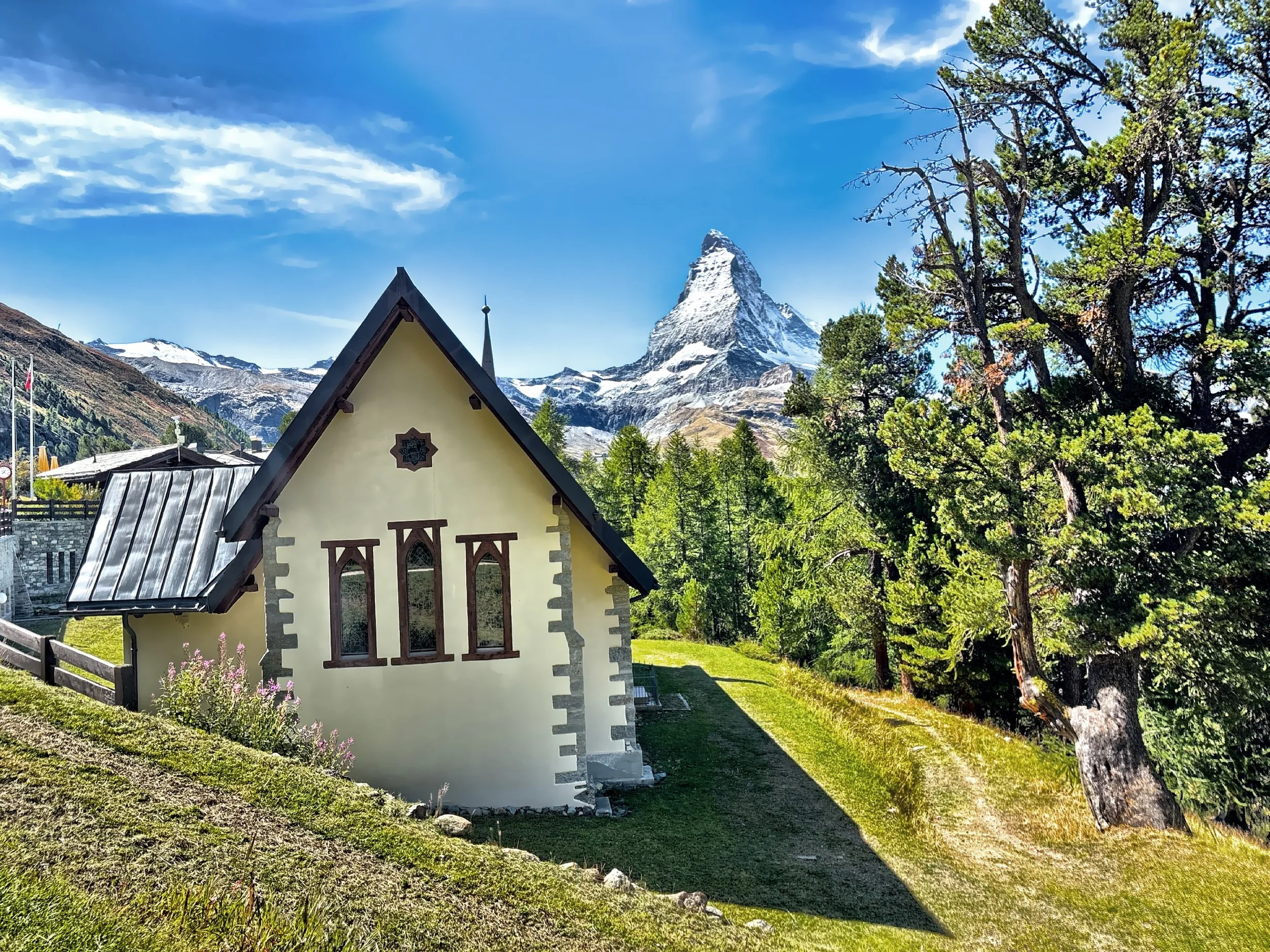
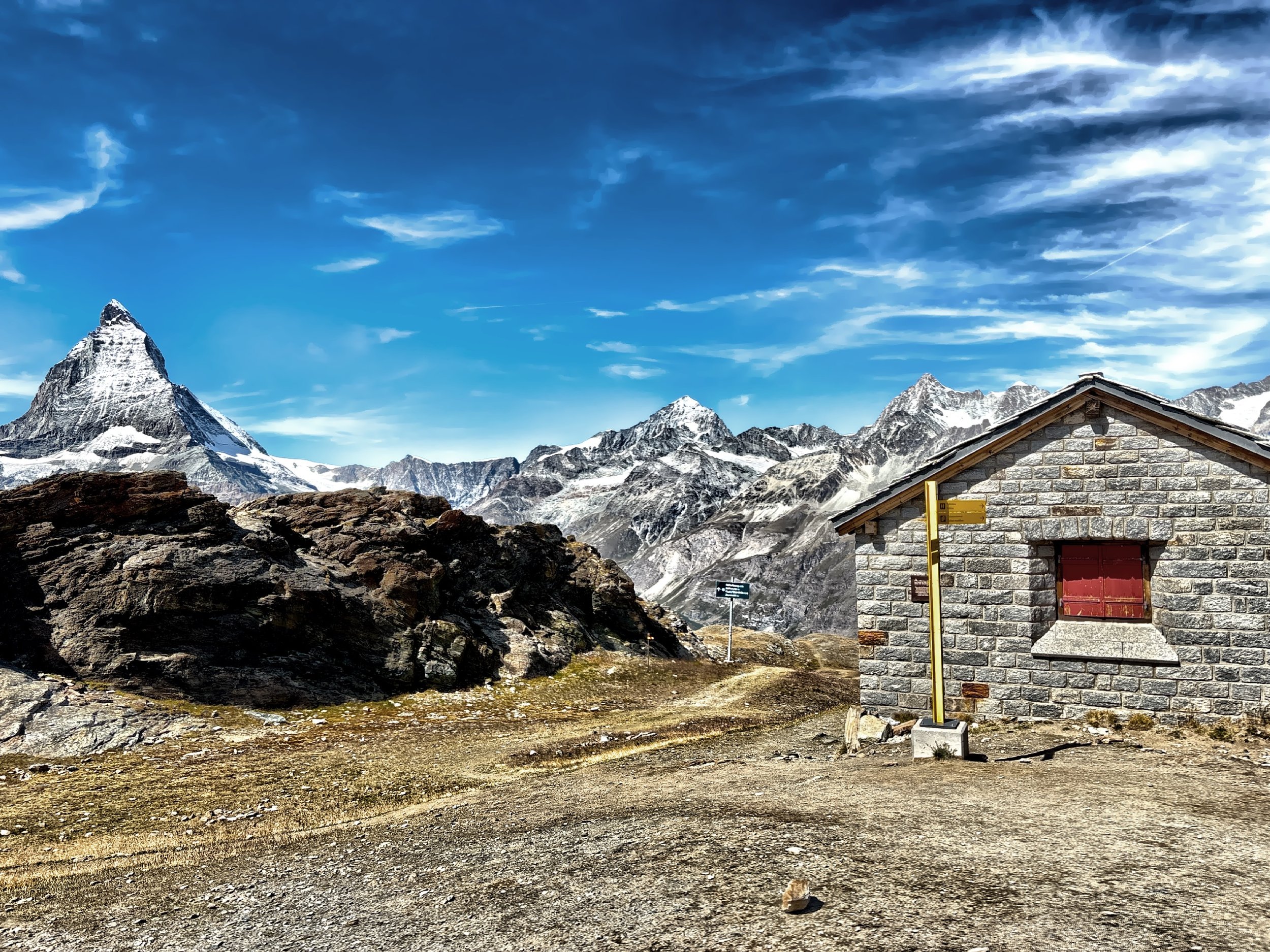
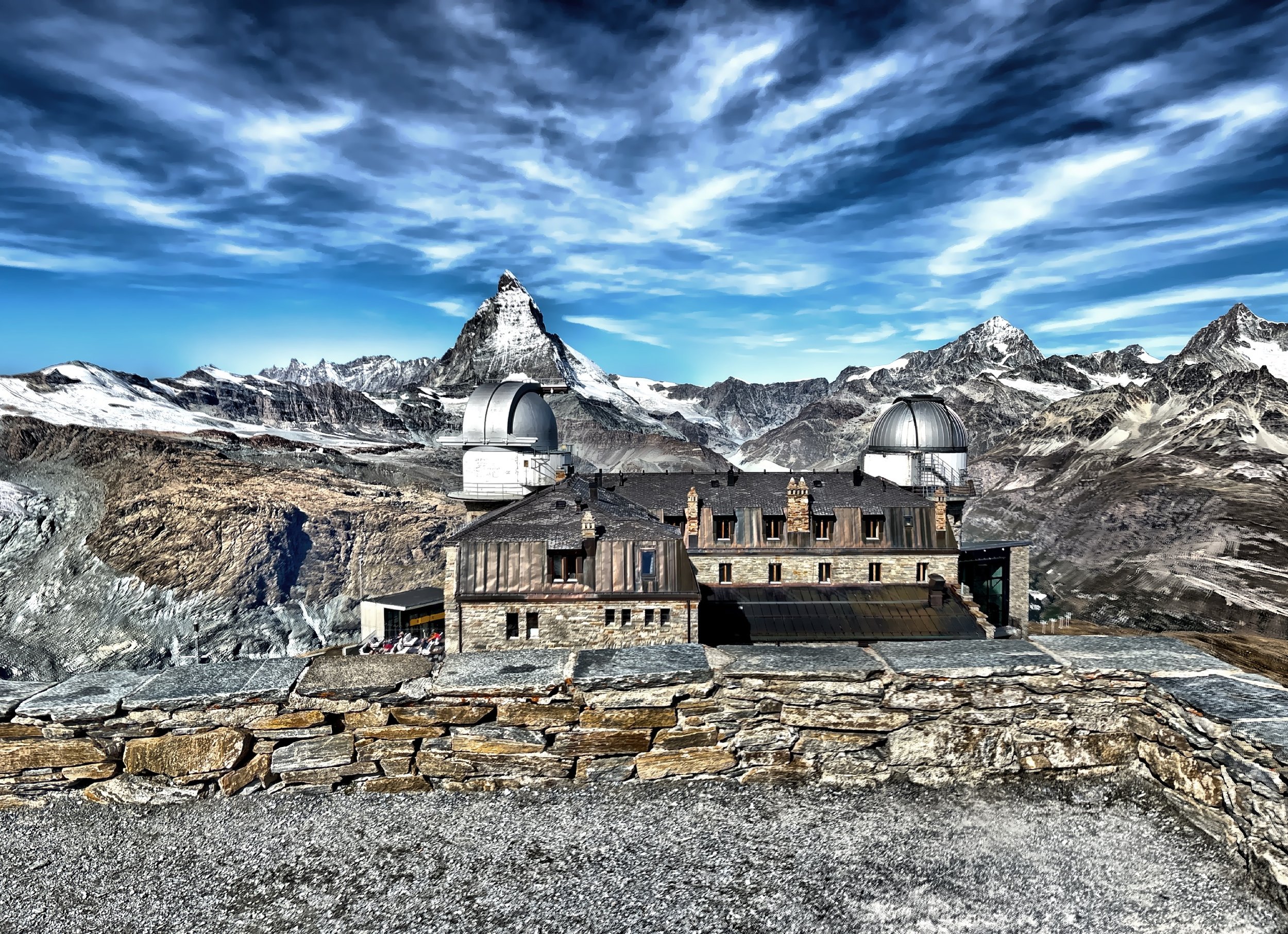
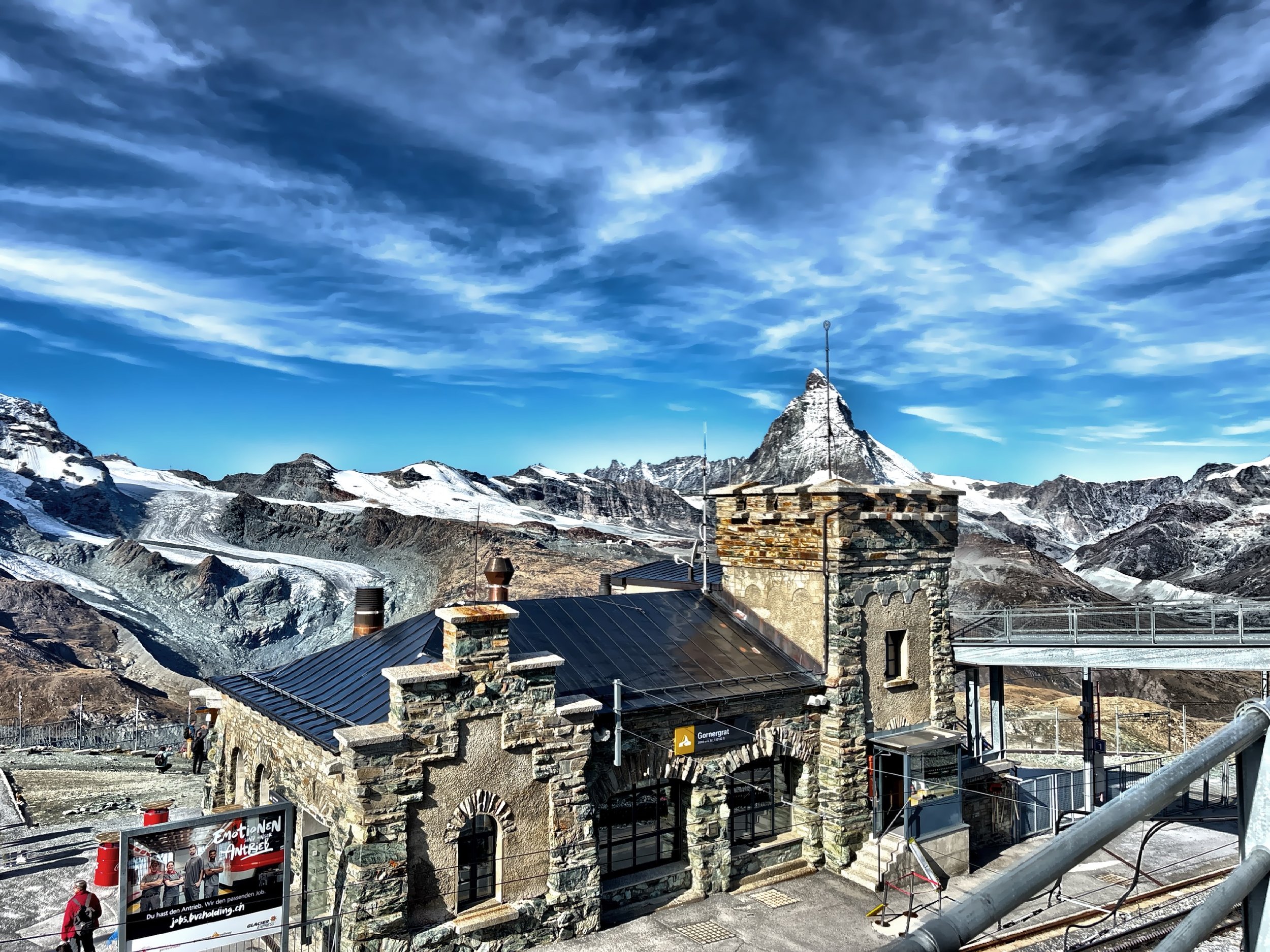
Then the Matterhorn began to appear — first as a distant shape, then a towering presence filling the windows. It didn’t look real. It looked sculpted, sharpened, perfected.
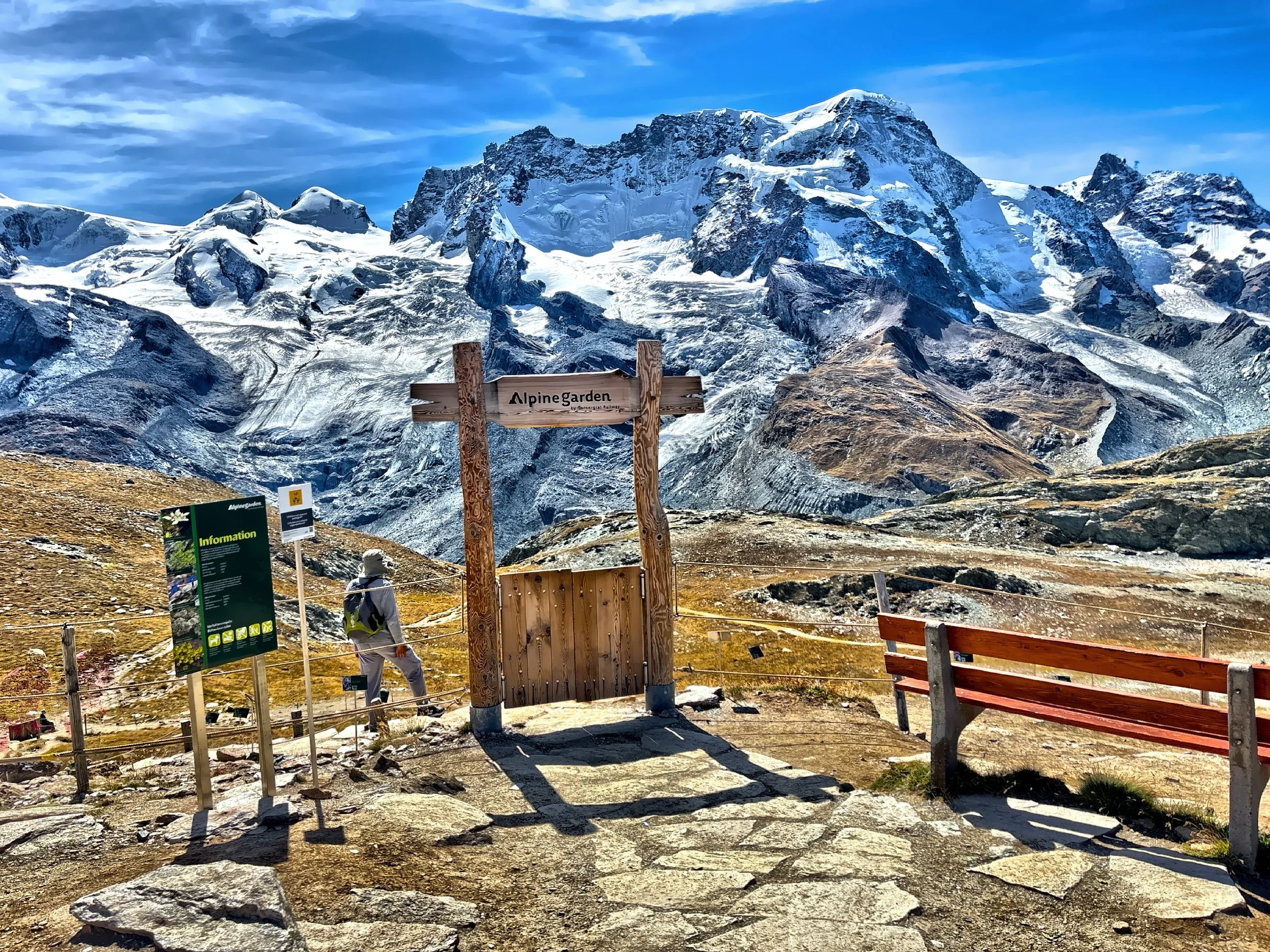
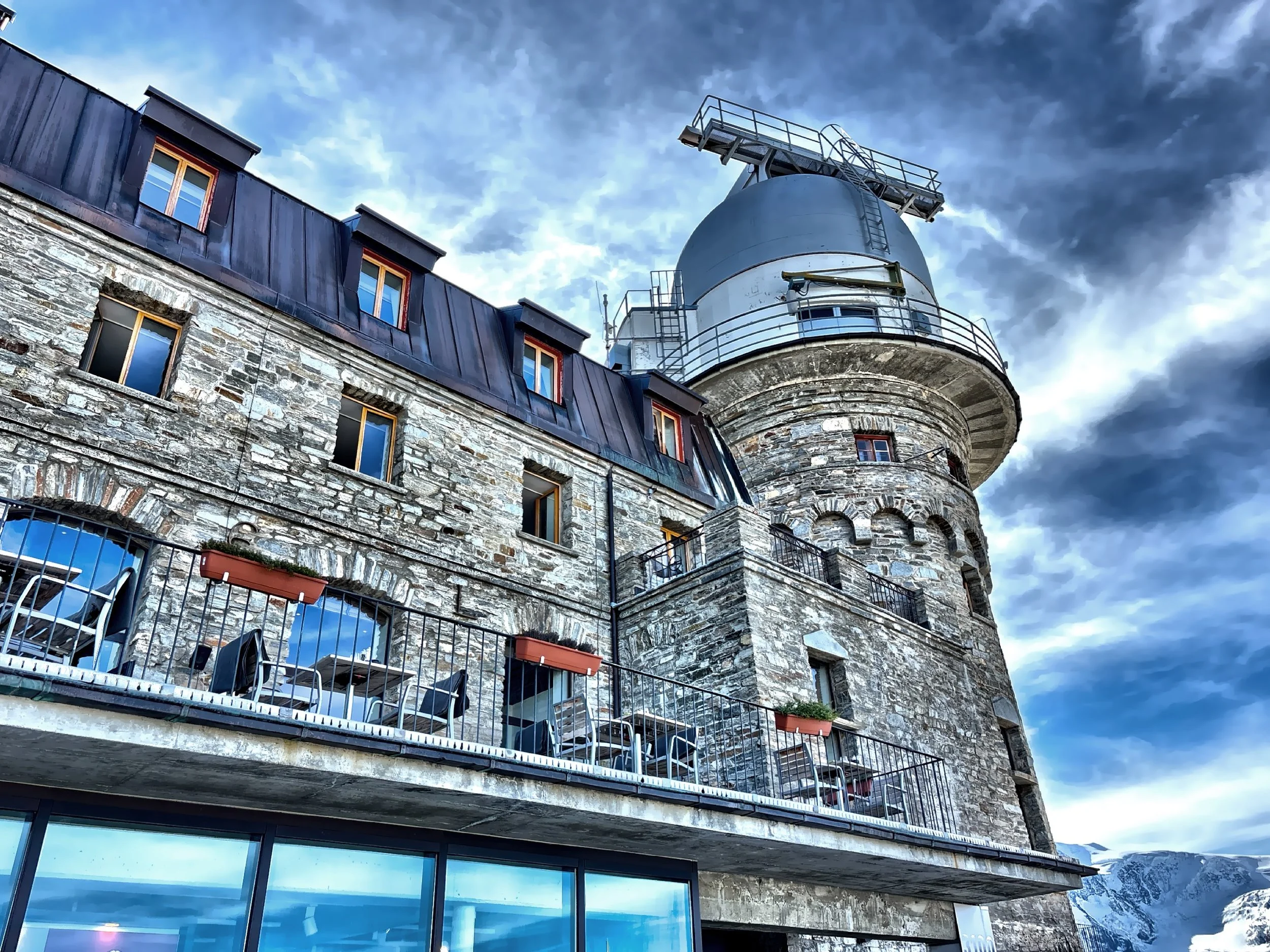
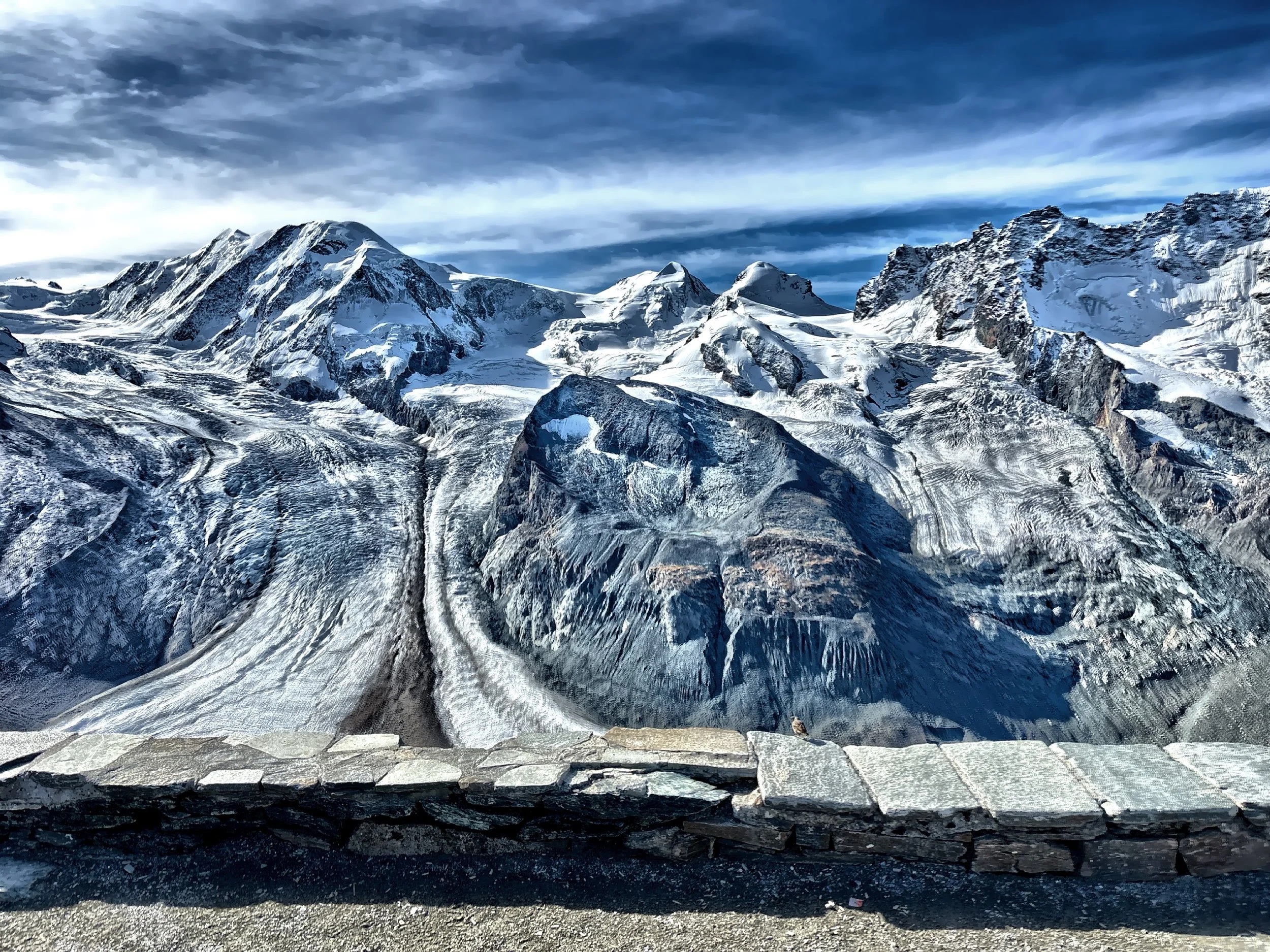
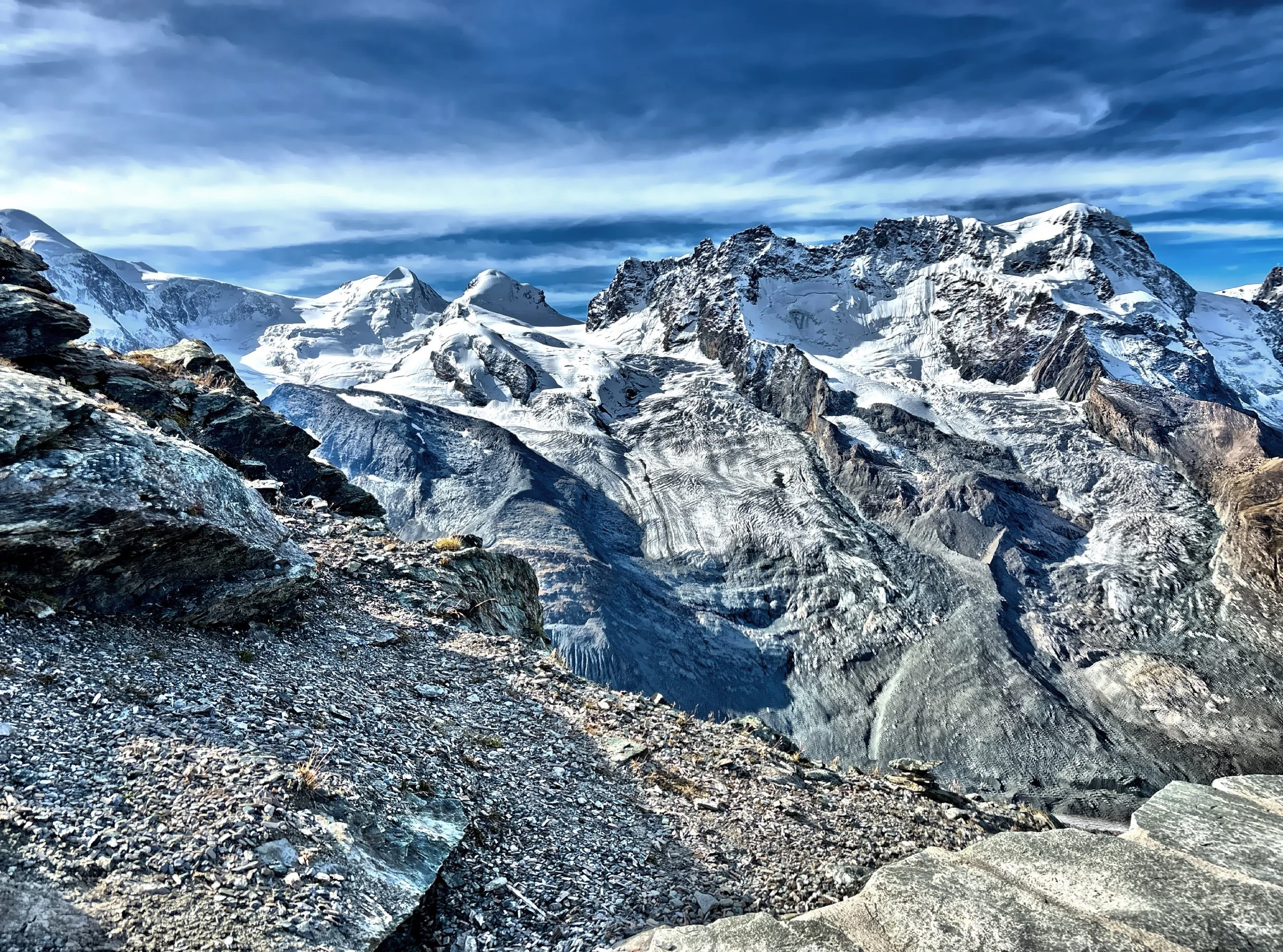
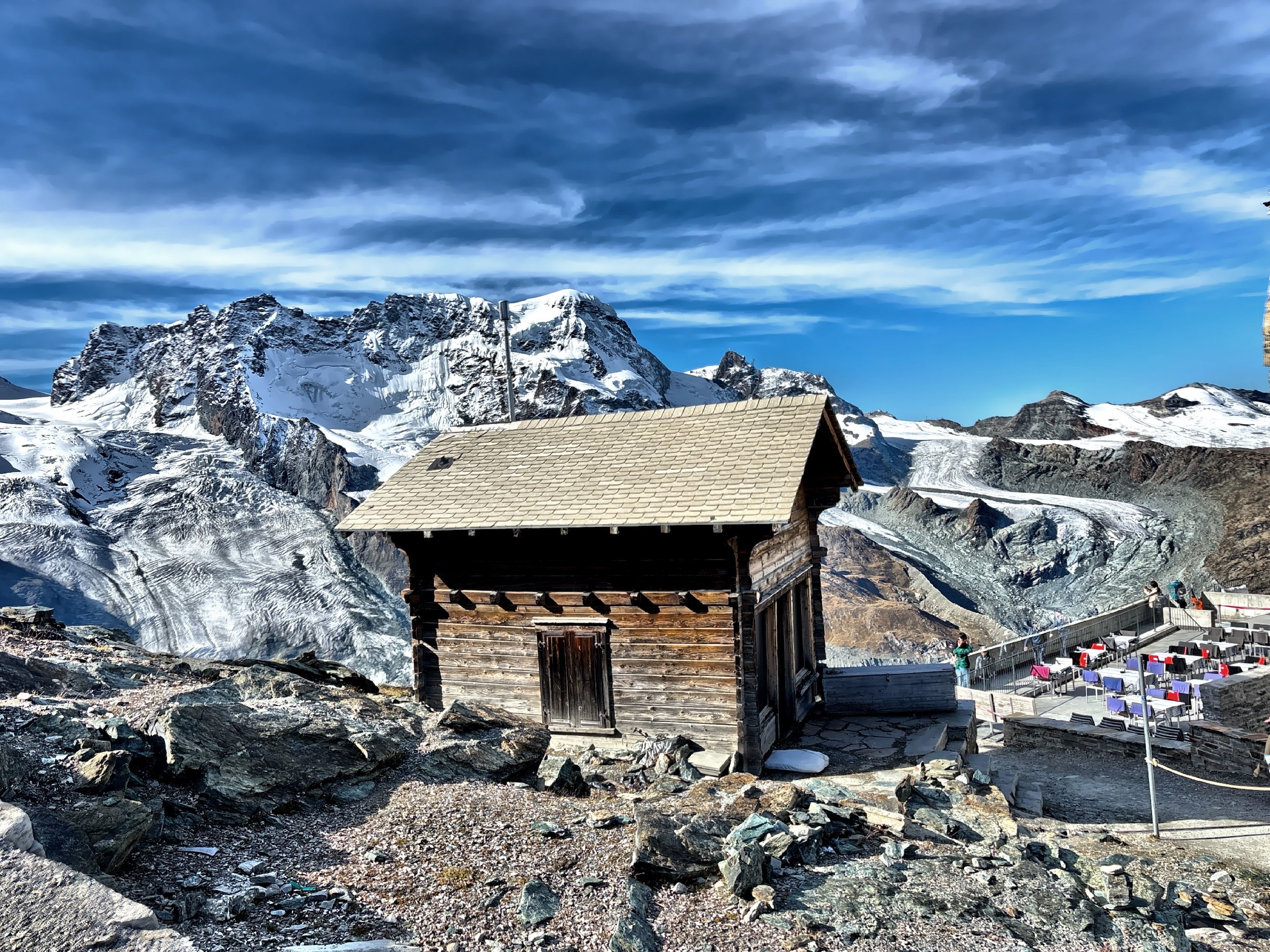
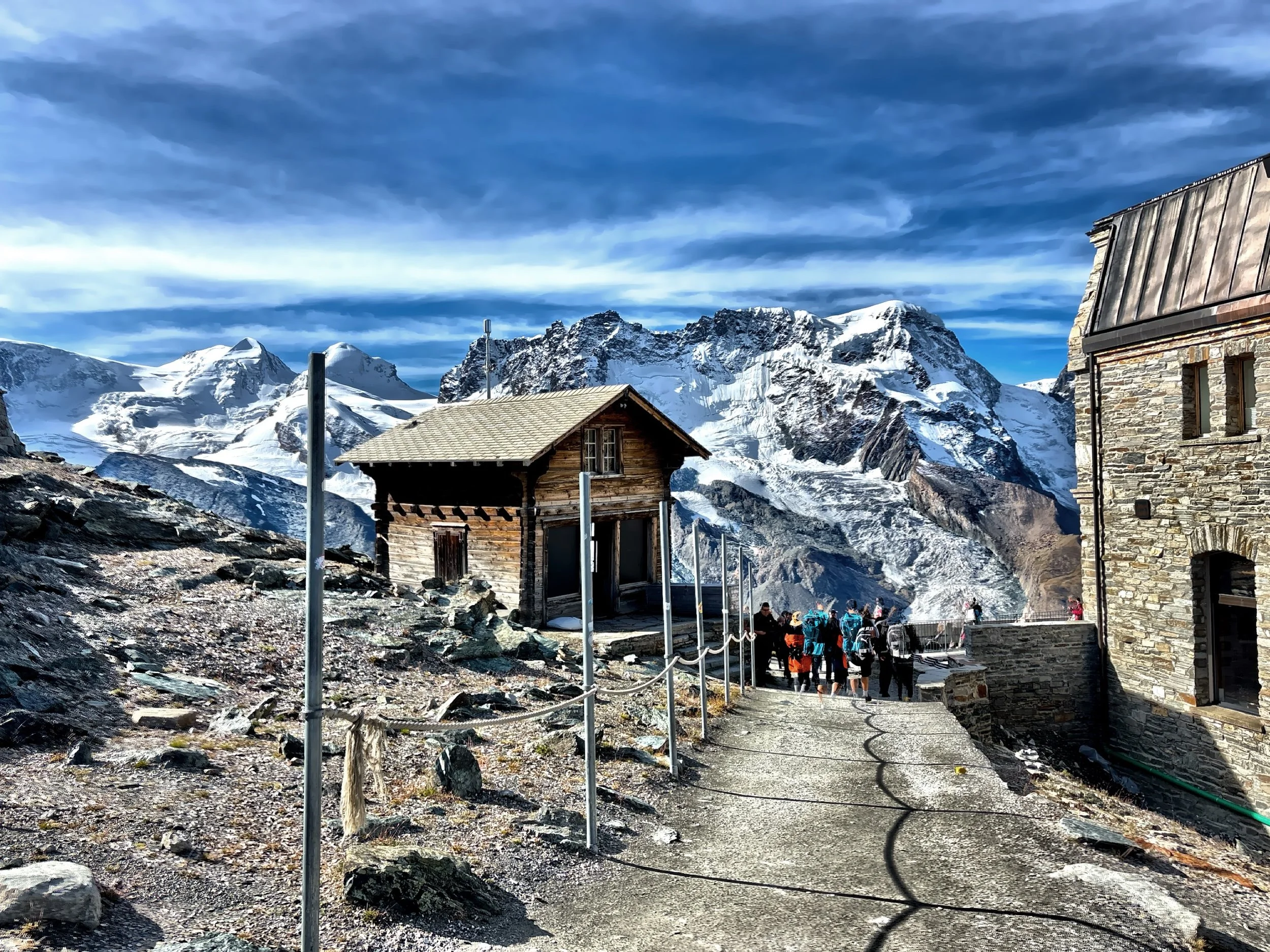
By the time we reached Gornergrat, the world felt rearranged. Up here, everything is bigger: the silence, the sky, the sweep of glaciers spilling between peaks. The Gorner Glacier snakes below the viewing platform in a frozen river of creases and blue shadows, while the Monte Rosa massif rises across from it — a wall of ice and rock that makes you instinctively draw a breath. And above it all, the Matterhorn stands completely alone, as if every line and angle were placed with artistic precision.
Standing there, it’s impossible not to feel small — and completely awestruck. There’s a stillness at the summit that makes you aware of how ancient and immense this landscape is. You feel it more than you see it: the altitude in your lungs, the wind brushing past your jacket, the sense that the mountains don’t care who you are, yet somehow welcome you anyway.
Visiting the Matterhorn isn’t just about seeing a mountain; it’s about feeling one. It’s about standing before something wild, immense, and timeless — something that has lured climbers, dreamers, artists, and travelers for generations — and realizing instantly why so many have called this one of the most beautiful places on Earth.
This is what caught my eye - I hope you enjoy!
Do you like the images posted?
Click here to explore the shop.


What you should know:
Check weather website before going — this is not a cheap adventure, so you want to make sure you have a clear day.
Dress warm and in layers, even in summer, temperatures at the top are often below freezing.
You could allow yourself at least a half day to enjoy the sights without rushing.
Trains depart fairly regularly, be sure to check all schedules before making the trip.
The air on top of the mountain the air is thinner and you may feel lightheaded or short of breath when you first arrive.
There are cafes, restaurants, and shopping at the top.
Public restrooms are available.
Parking is available near the train stations.
Check website for days and hours of operation, and if there are closings or any special events.
Staff are friendly and informative and most speak English.
Make sure and see the exhibitions.
There is a hiking trail across the glacier.
Stay hydrated, move slowly, and rest if needed.
The village of Zermatt is car-free. You will need to park your car in the nearby town of Täsch and take a shuttle train to Zermatt.
Location: Zermatt Gornergrat Railway Station in the center of town
For more information: The Gornergrat Railway and The Matterhorn
If you enjoyed this post, feel free to check out my previous posts by clicking here.