
The City Once Known As Saigon - Ho Chi Minh City
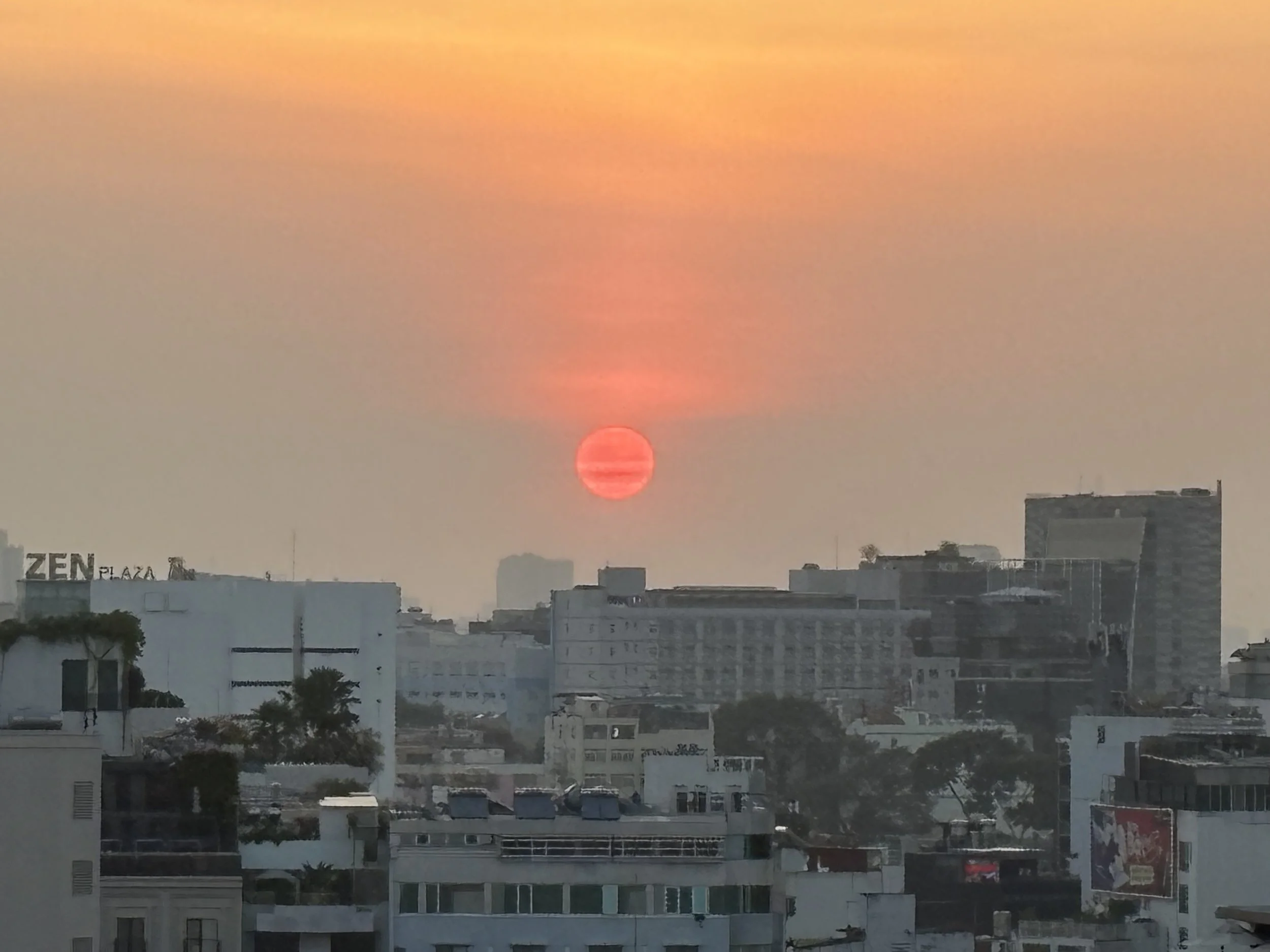
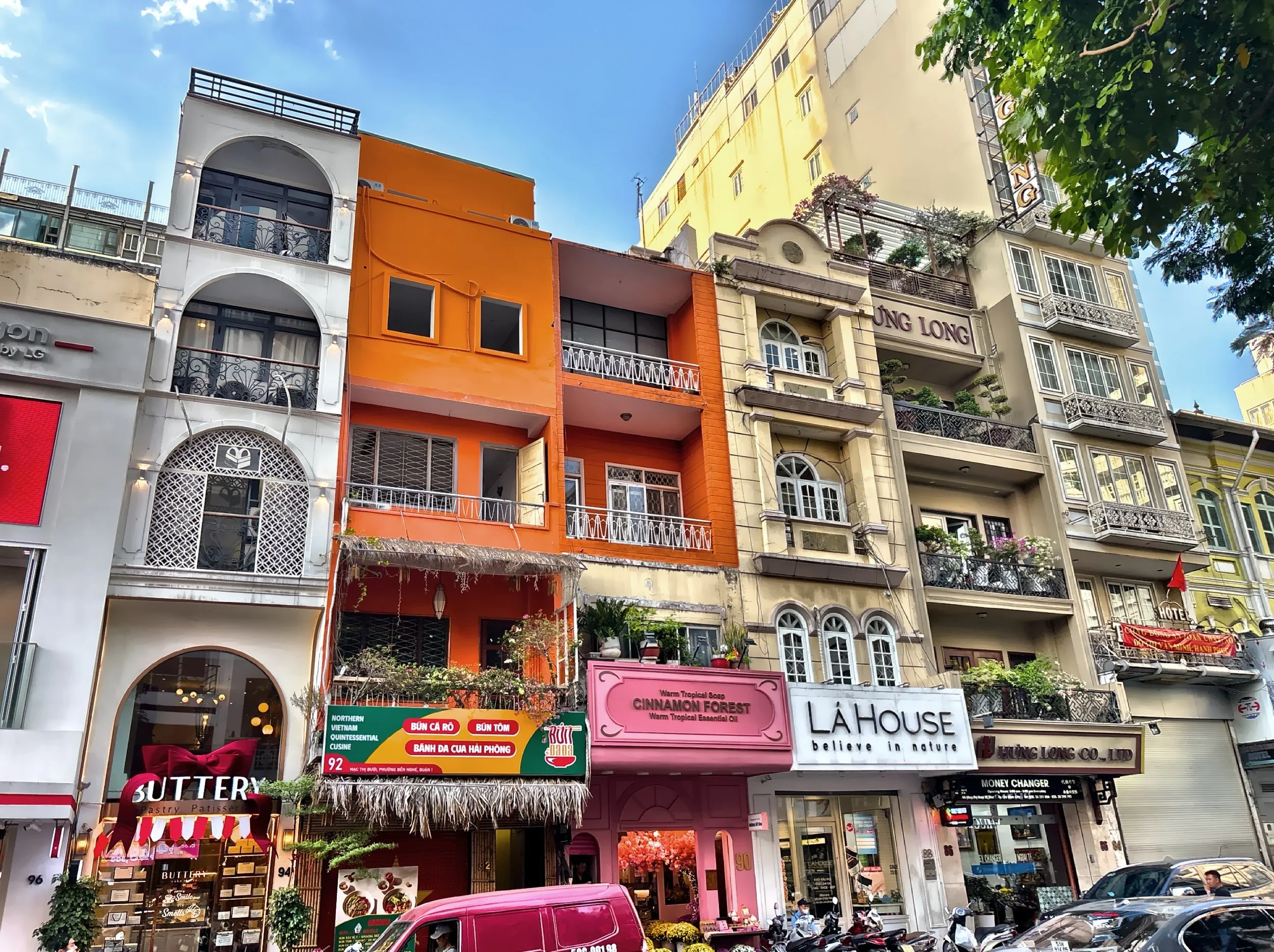
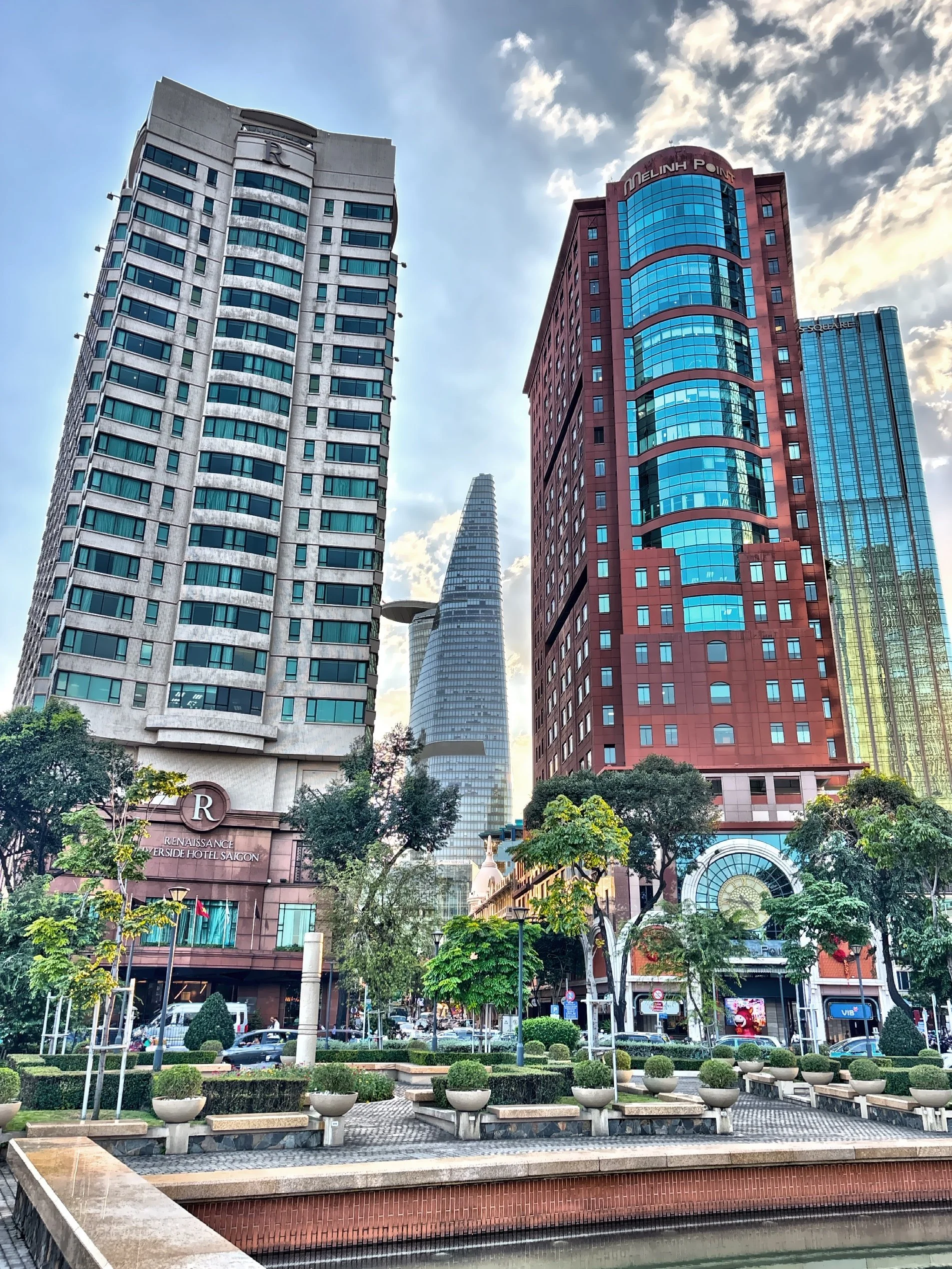
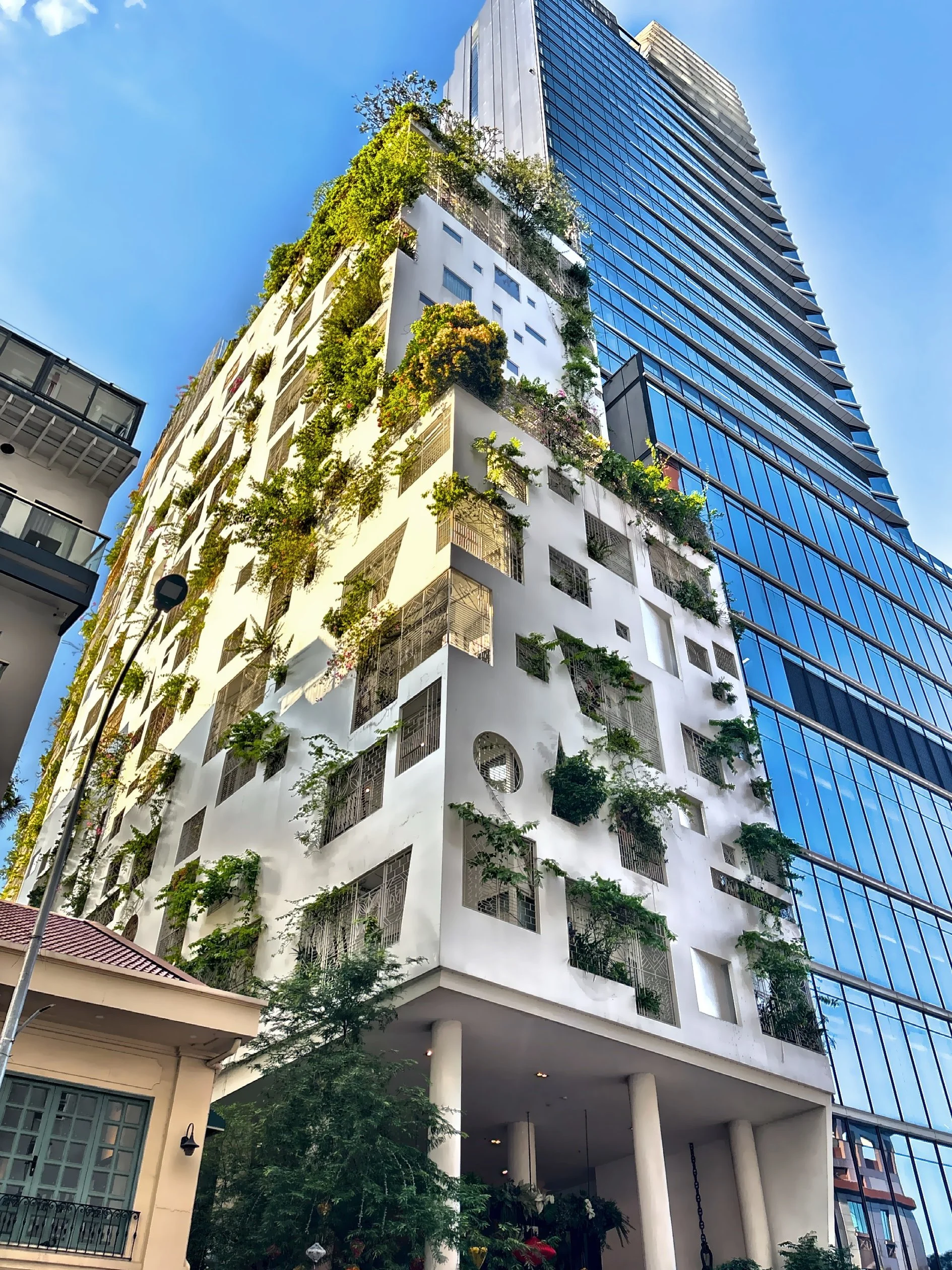
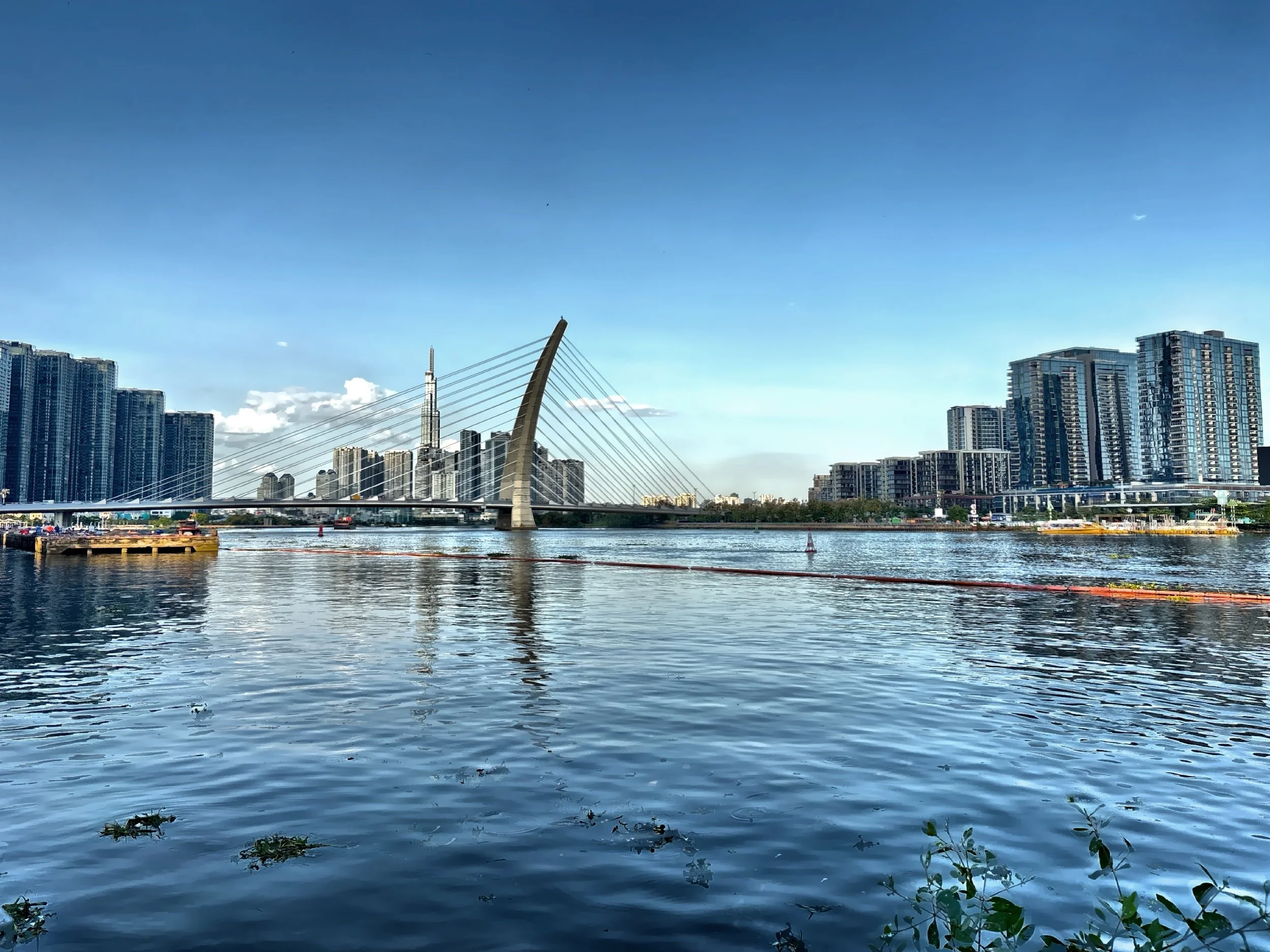
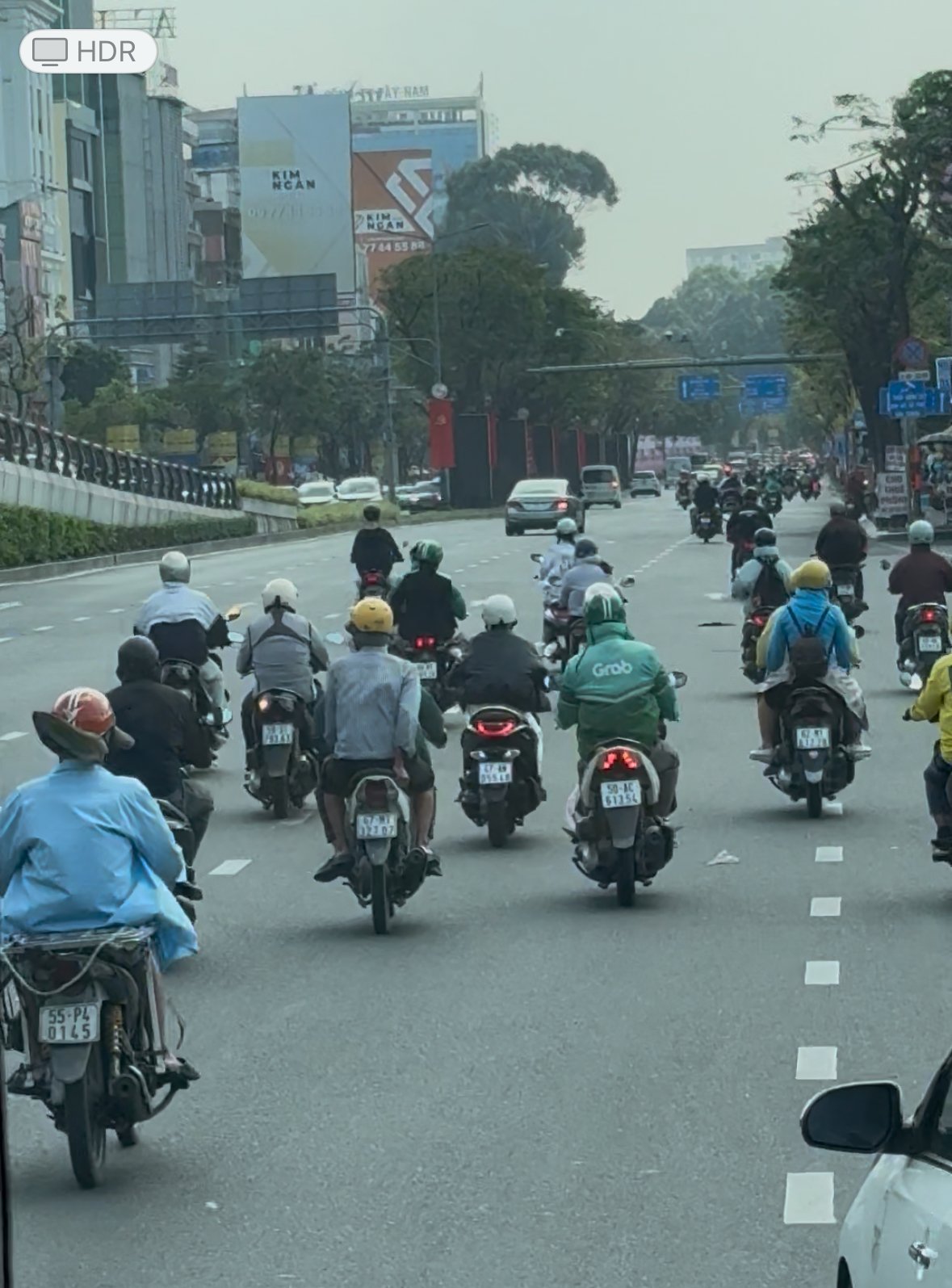
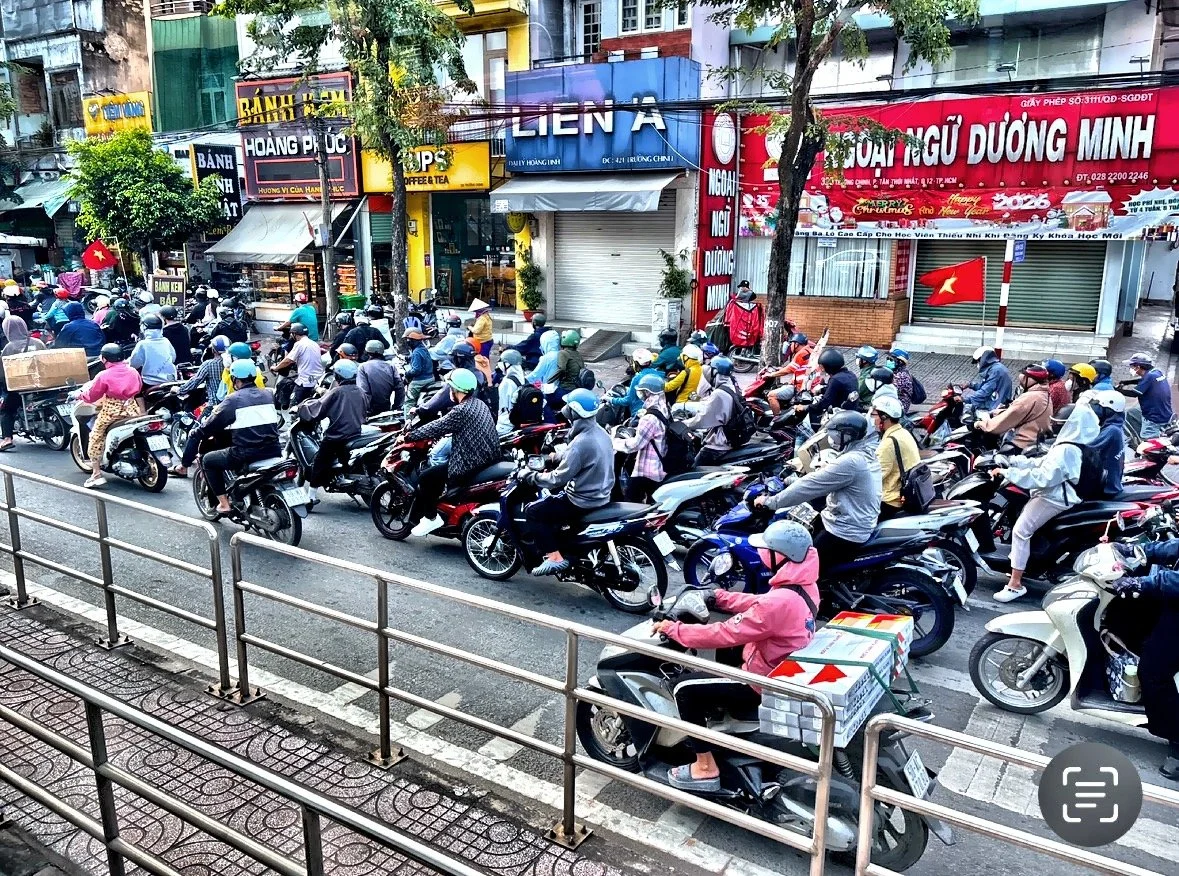
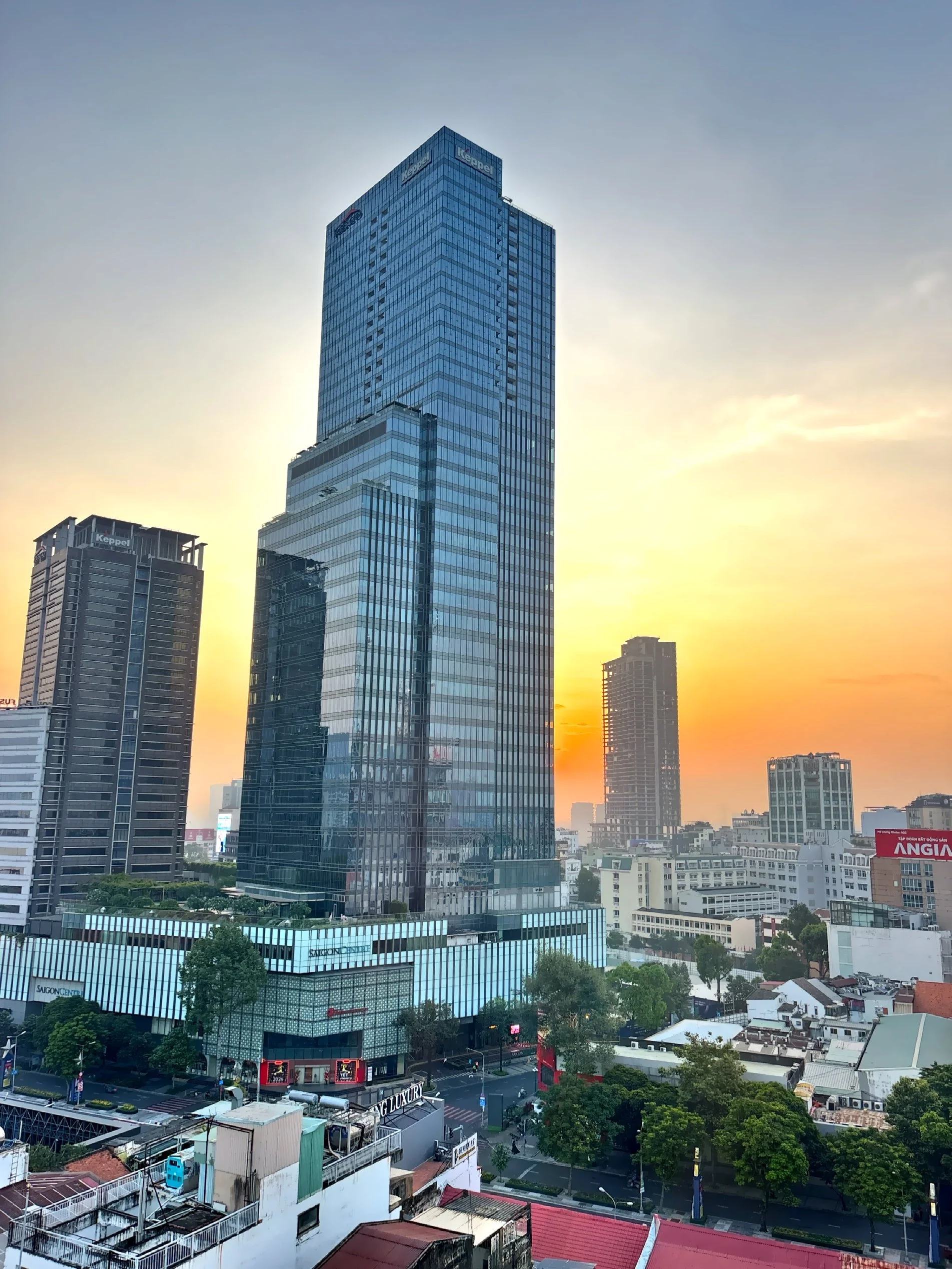
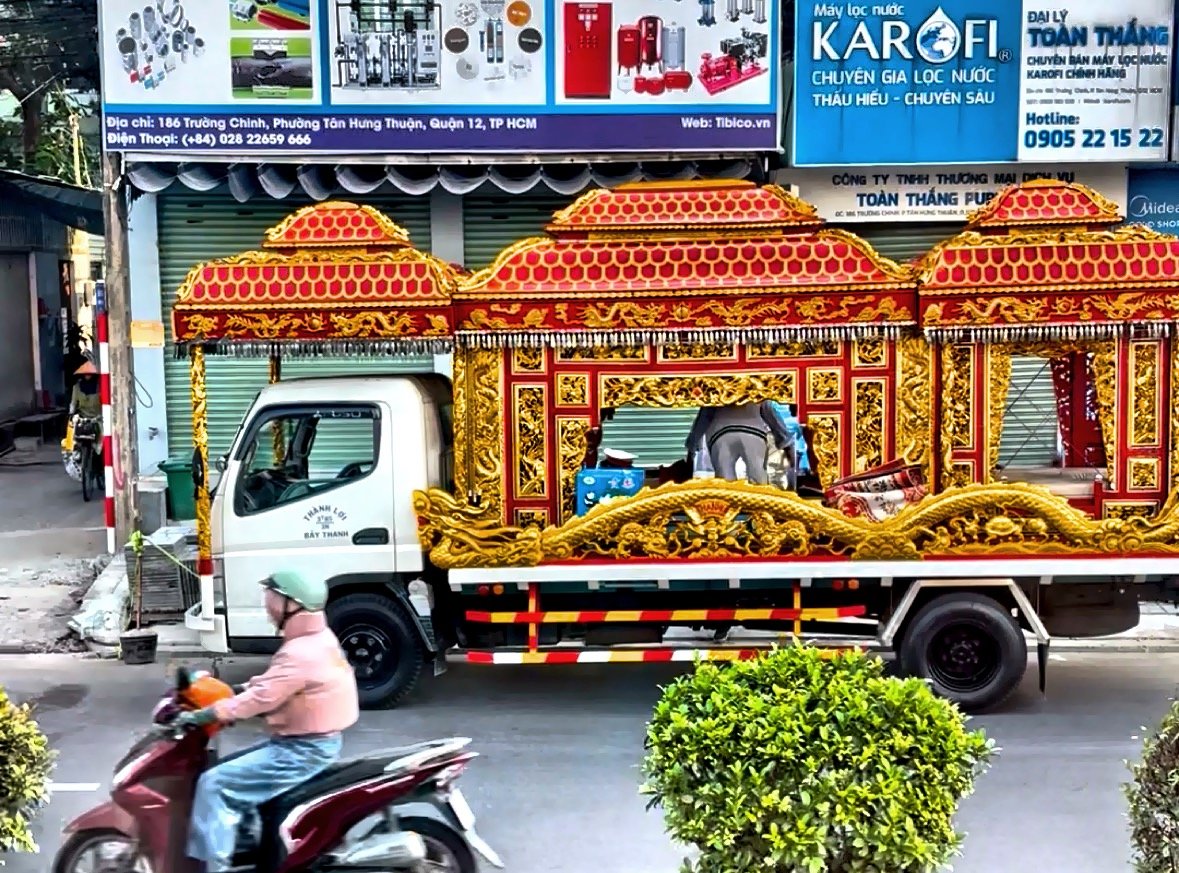
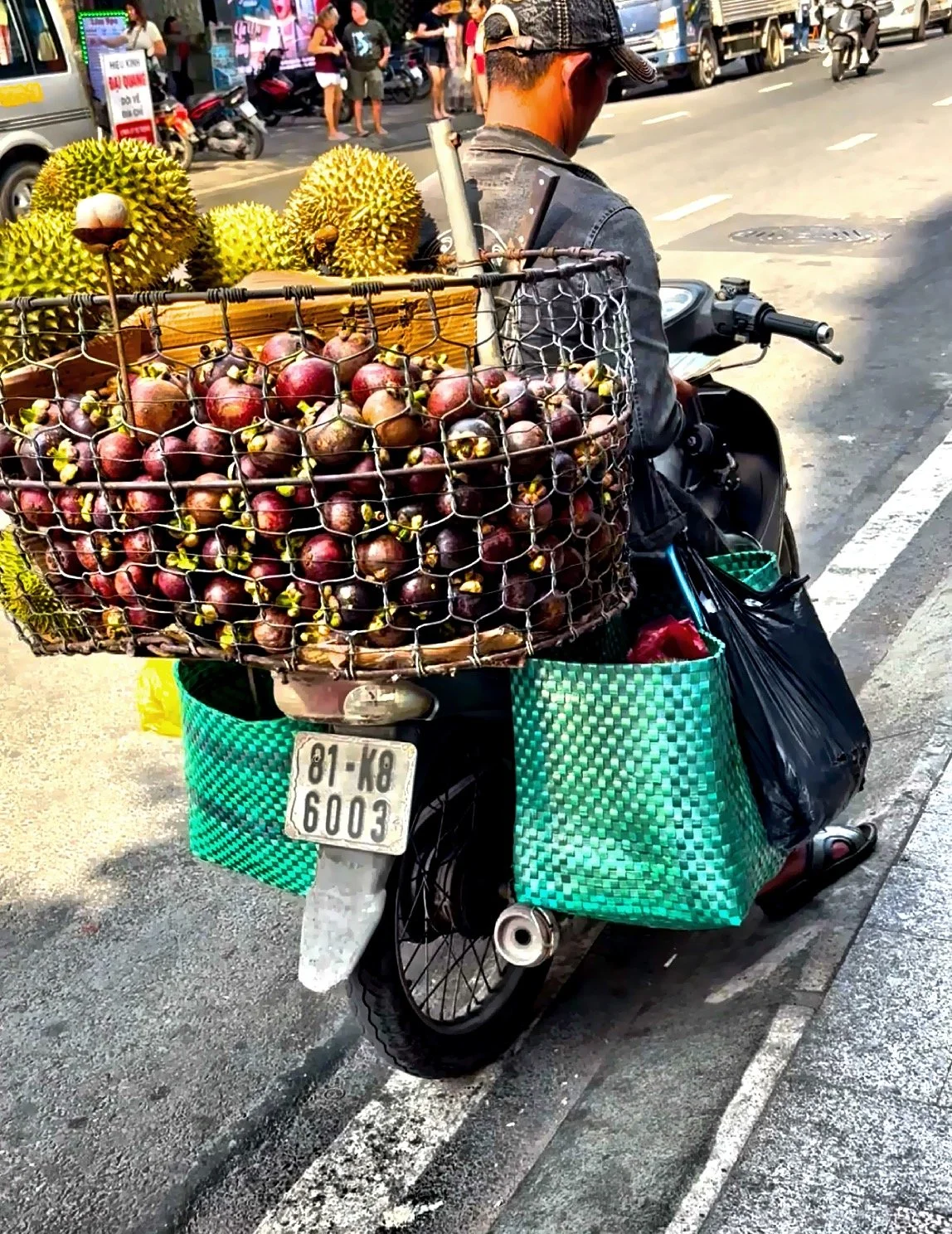
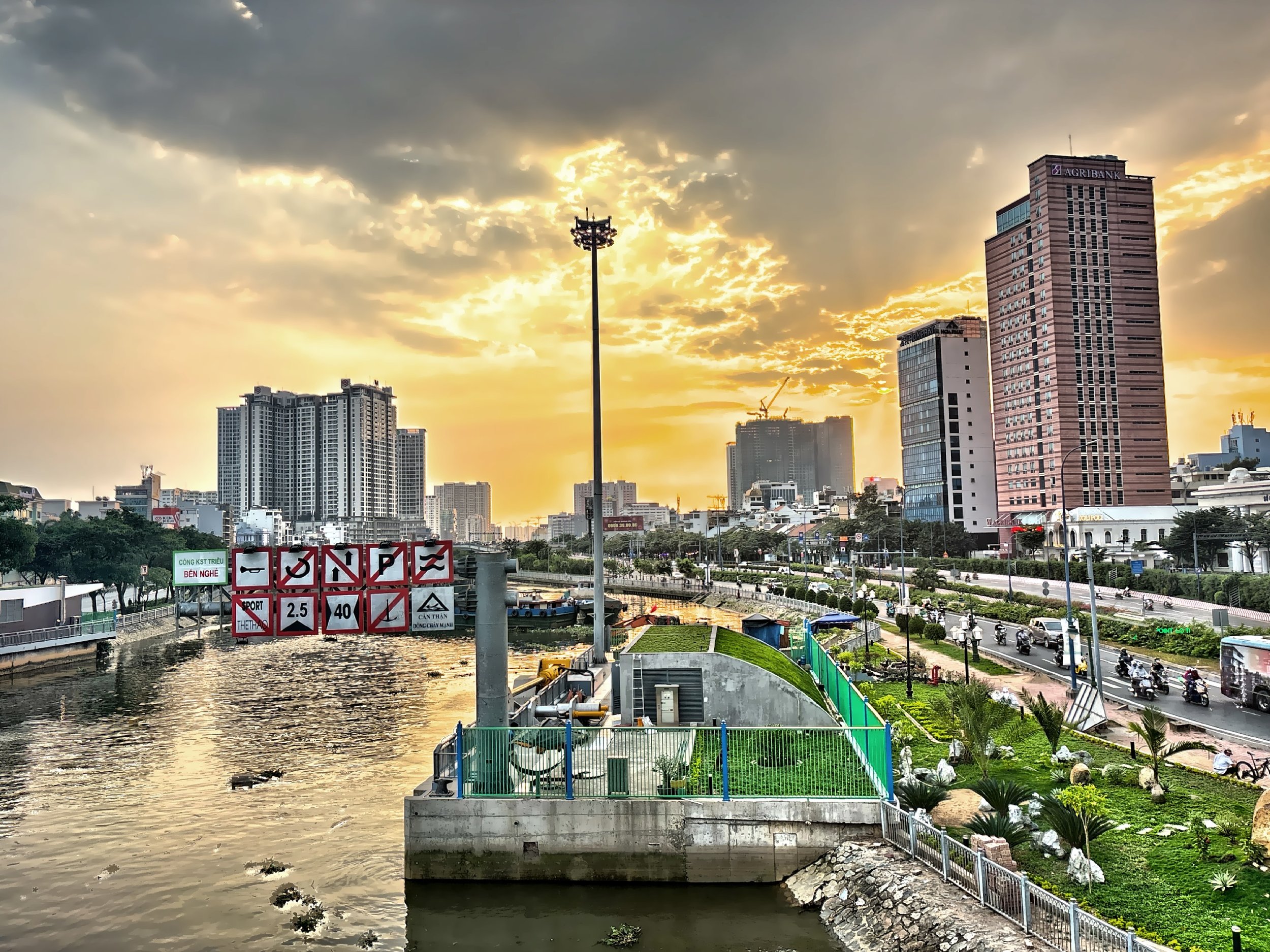
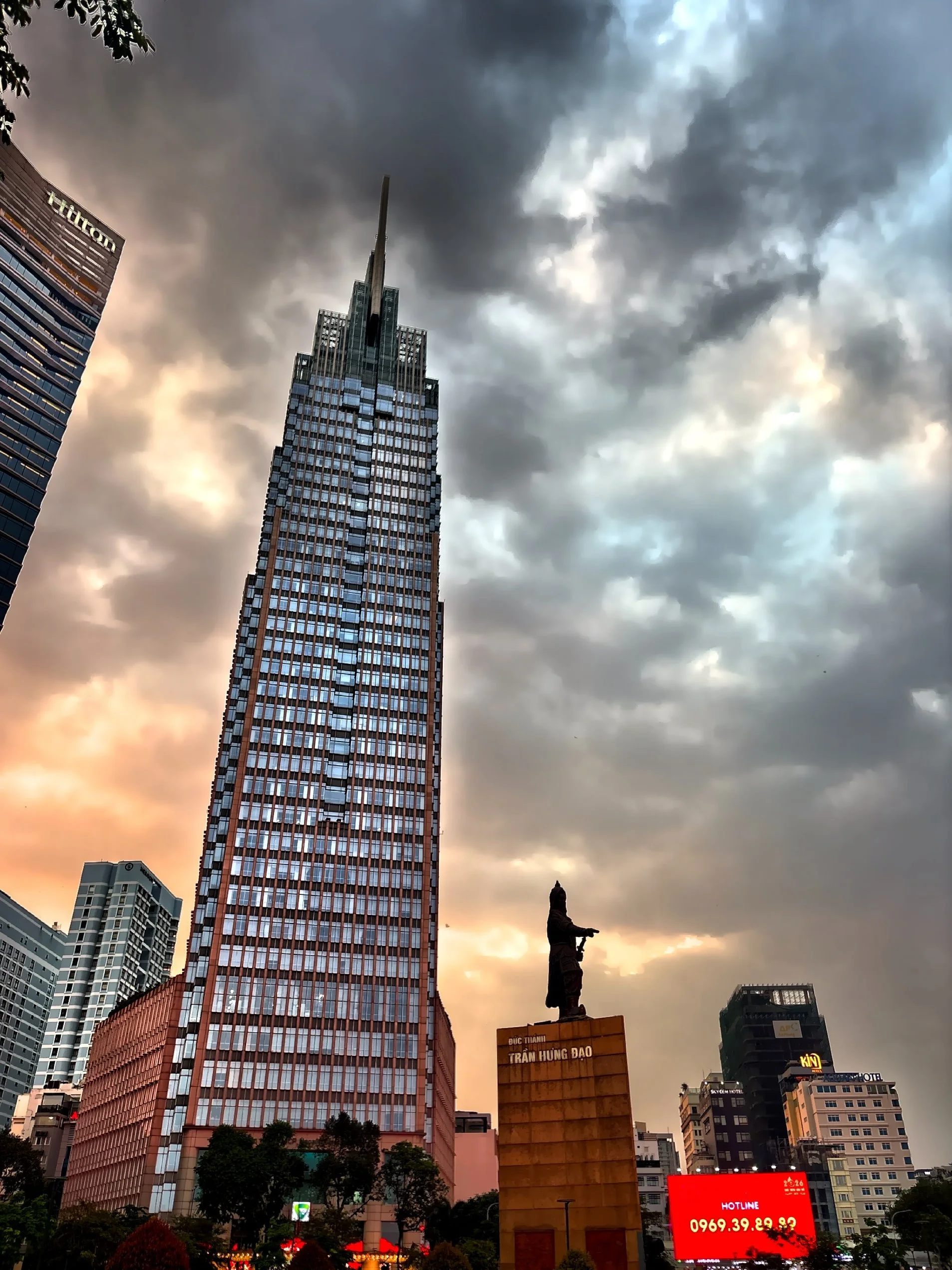
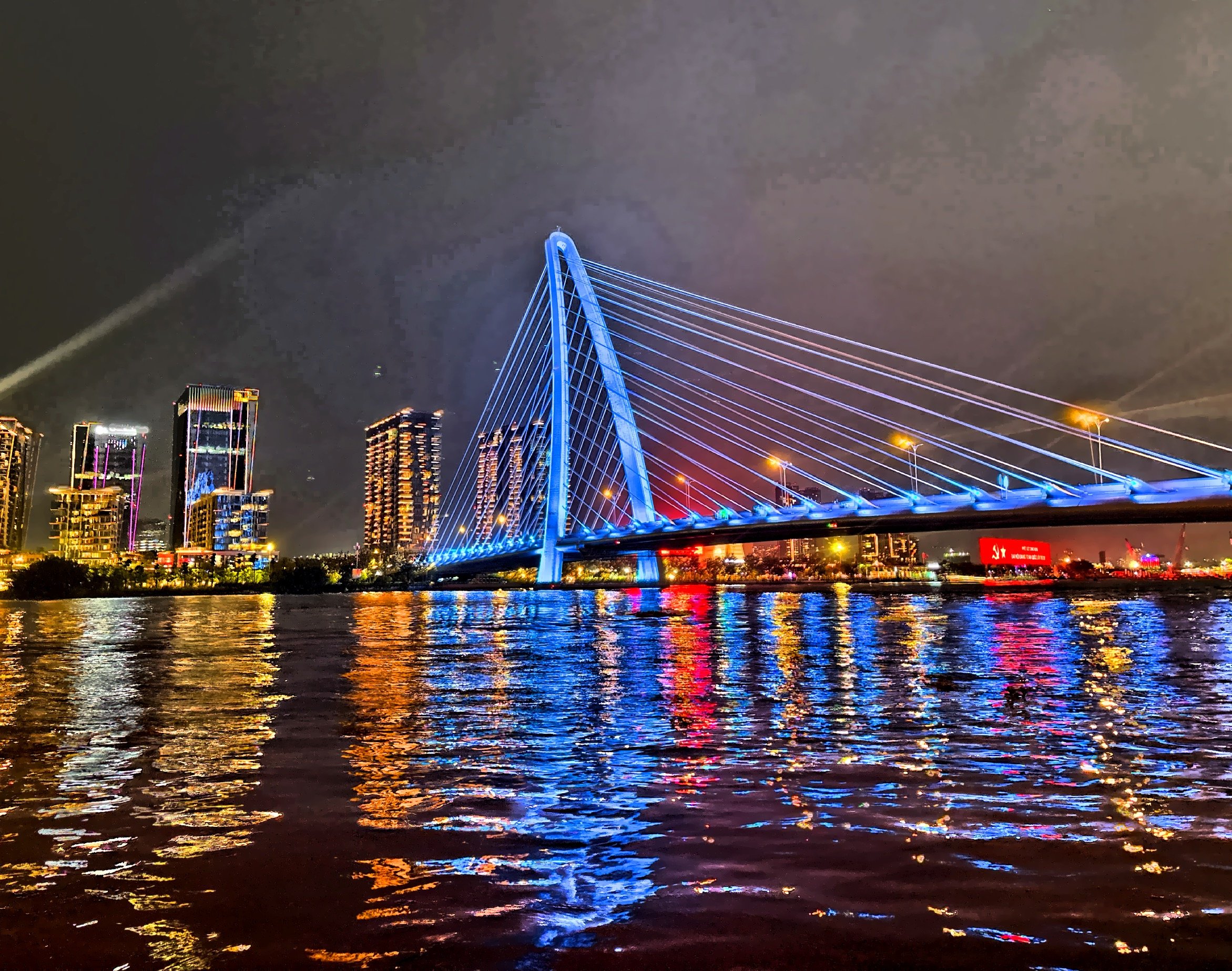
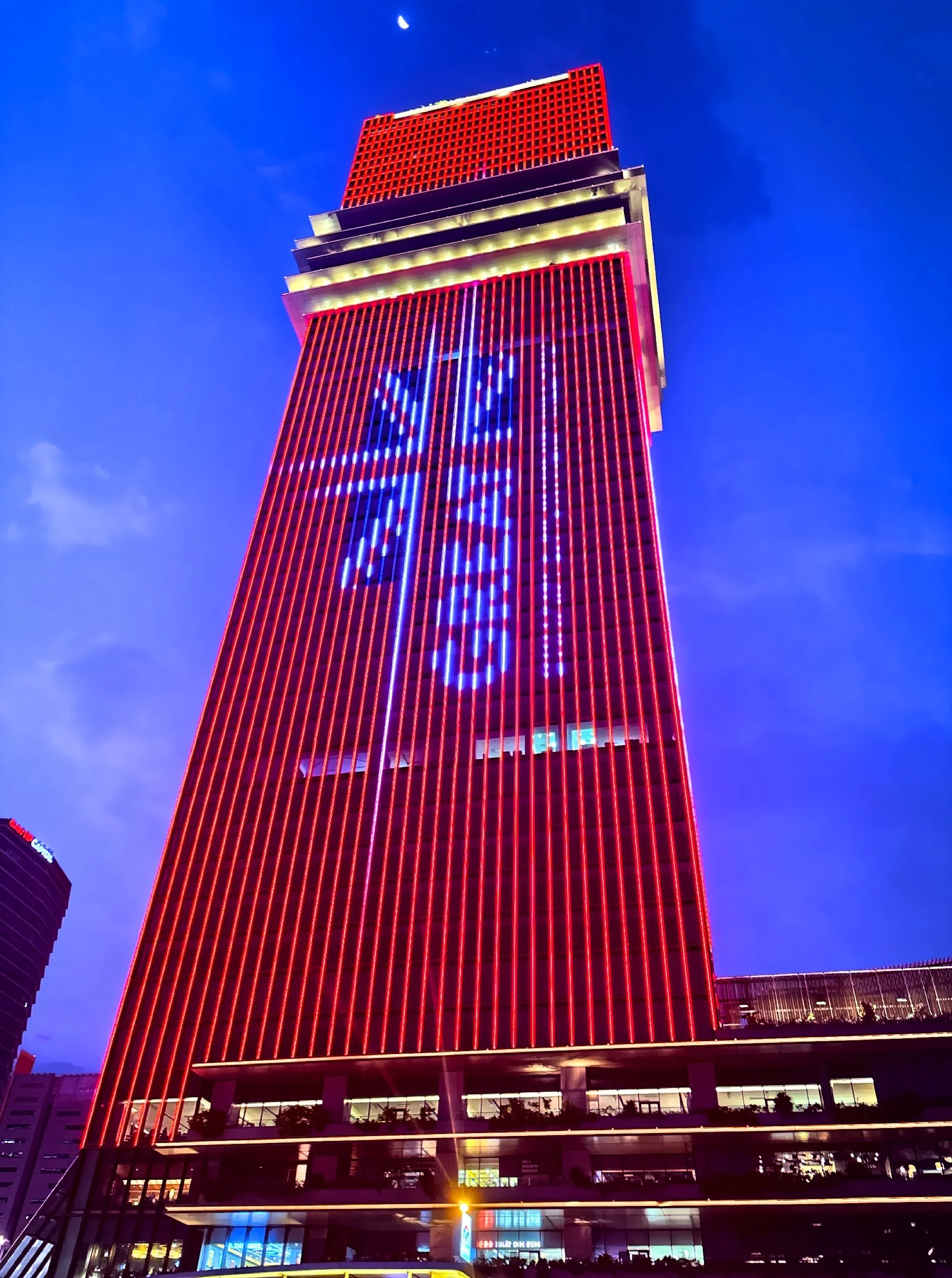
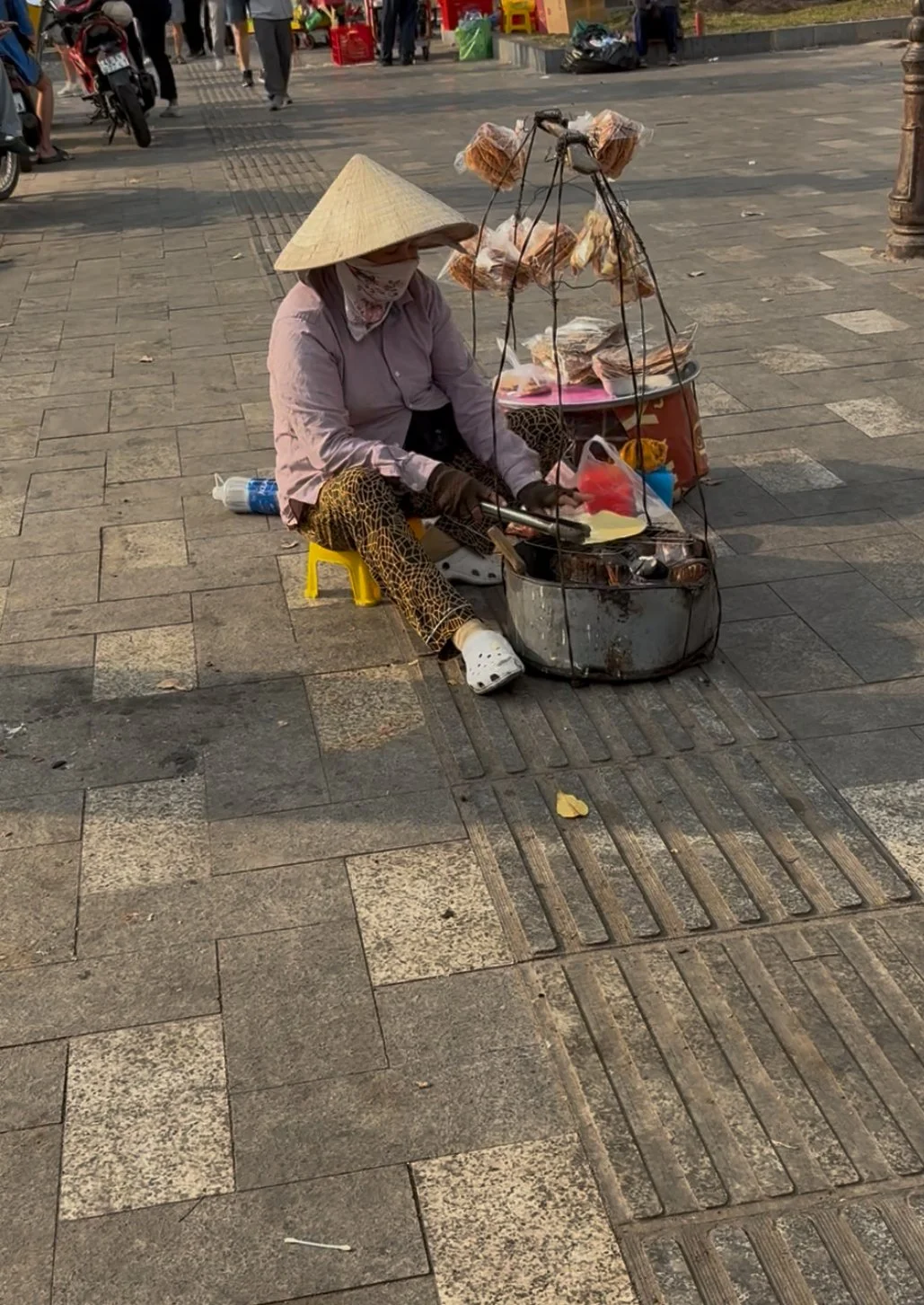
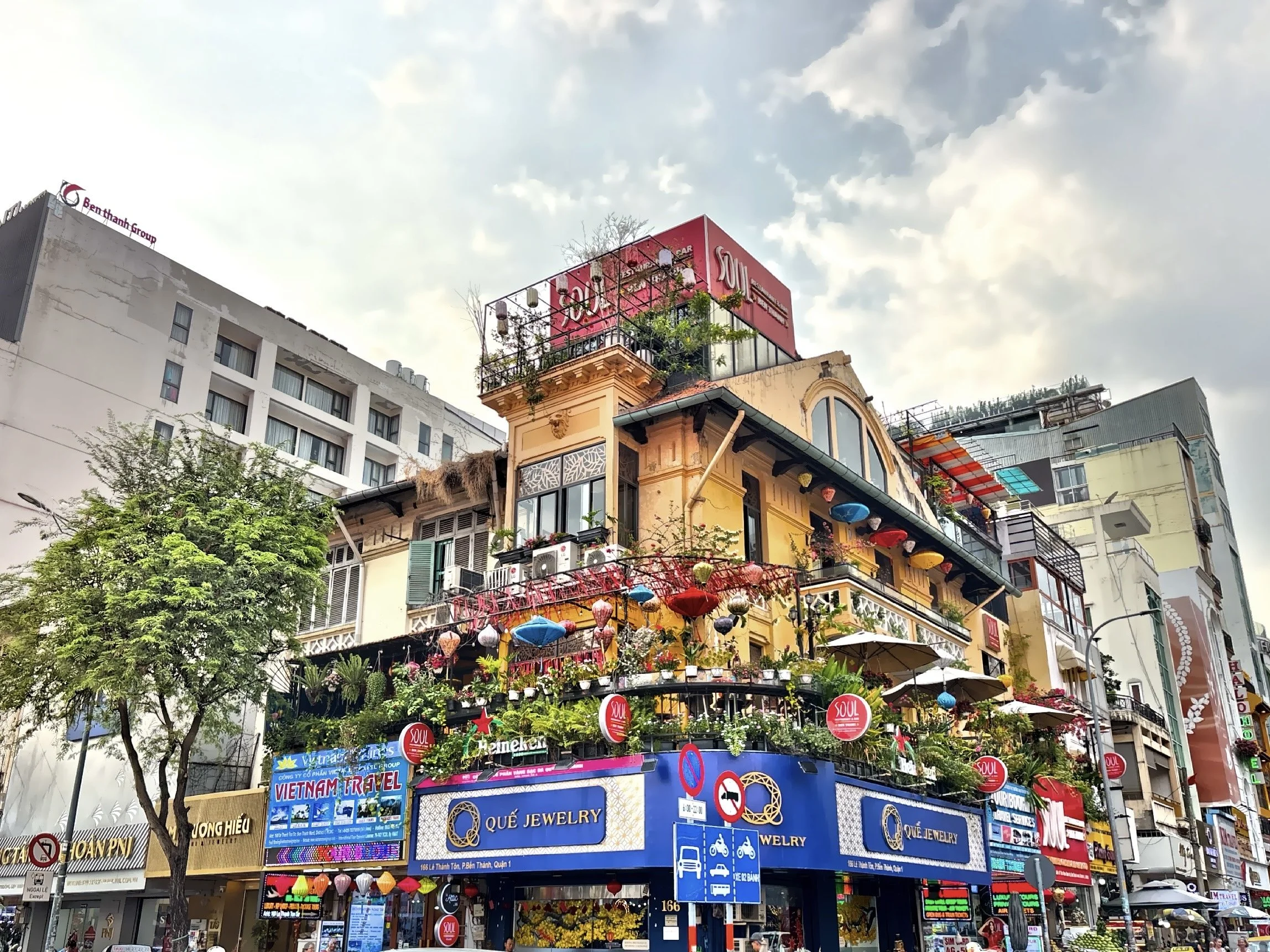
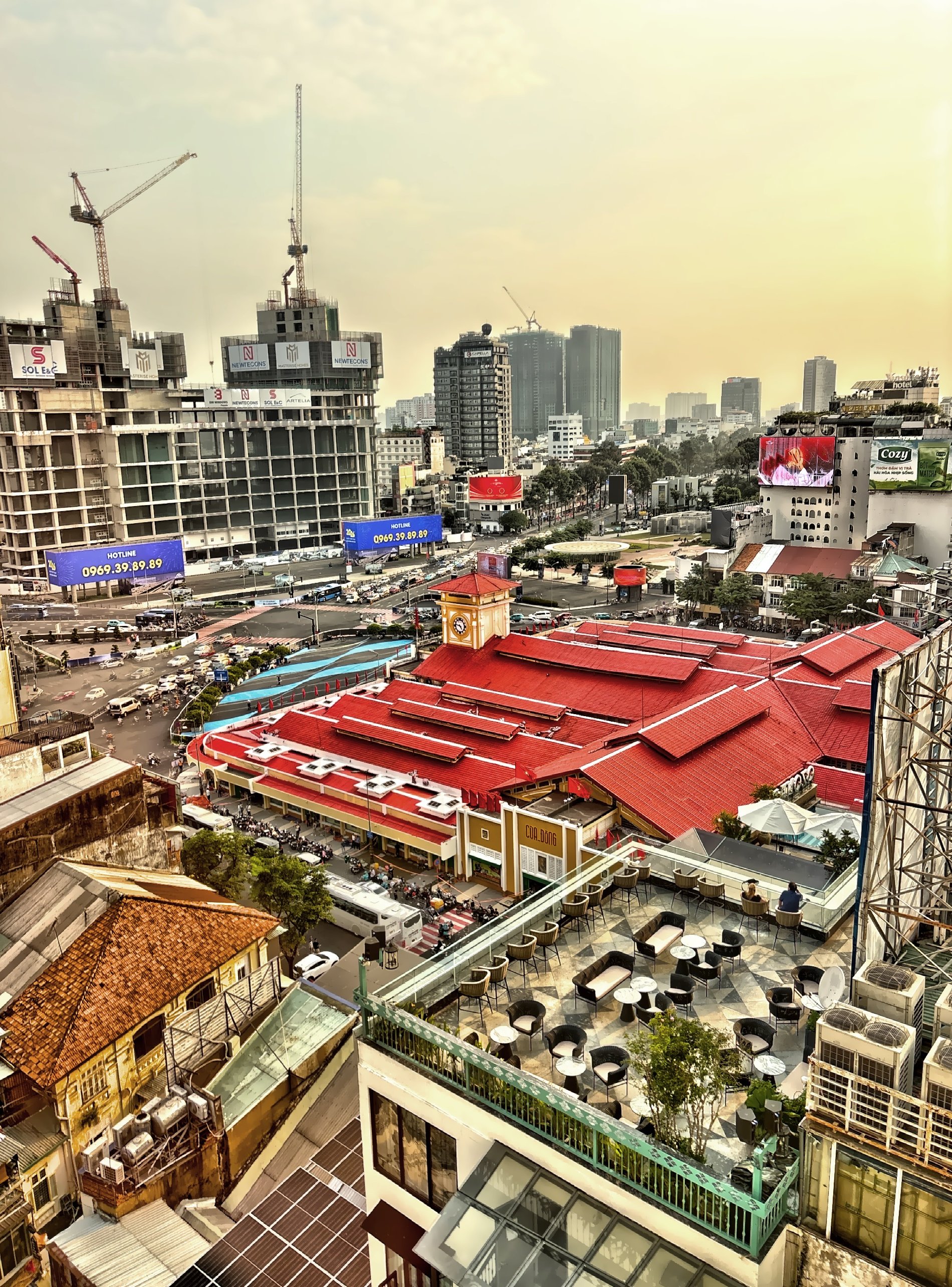
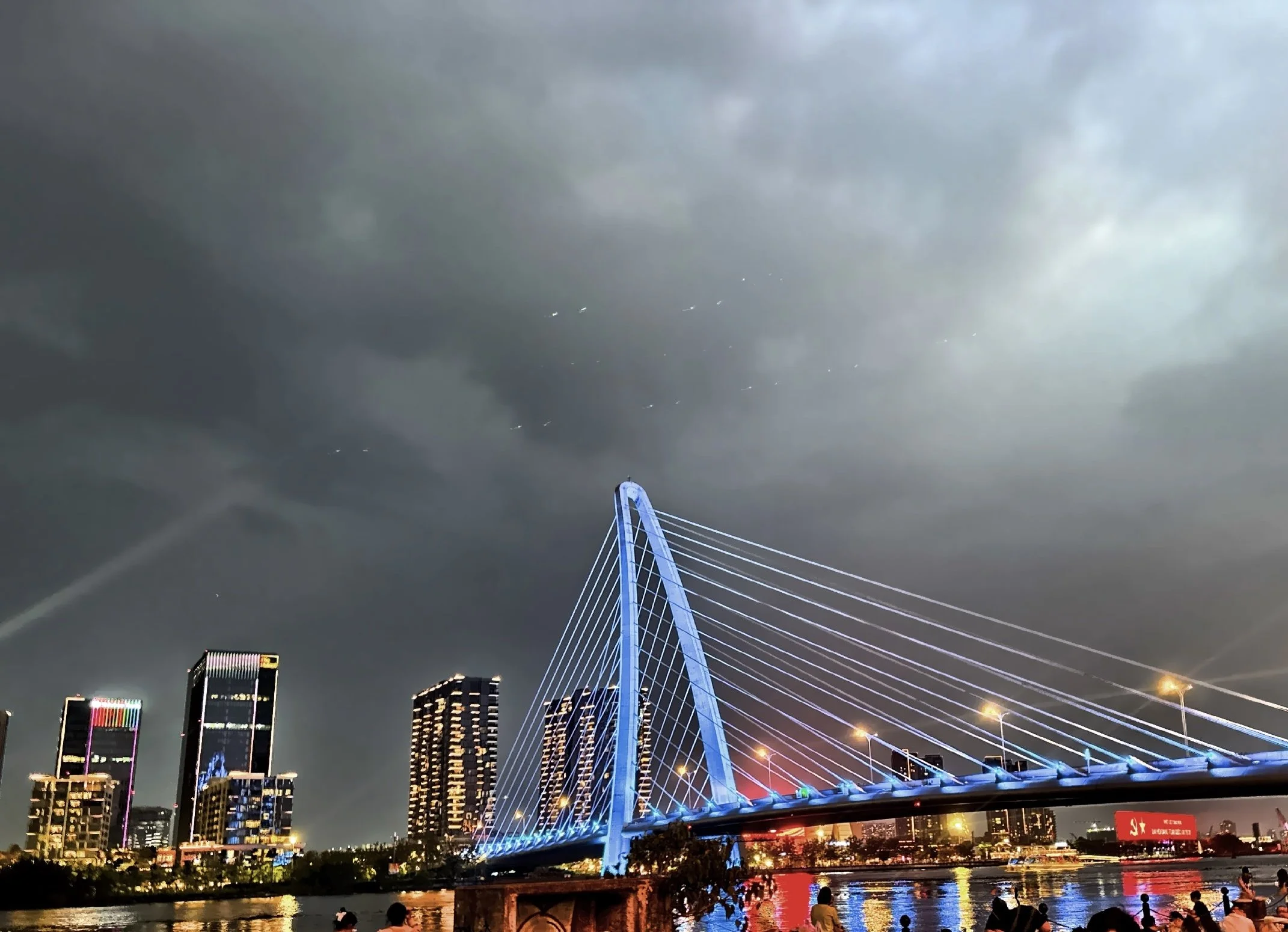
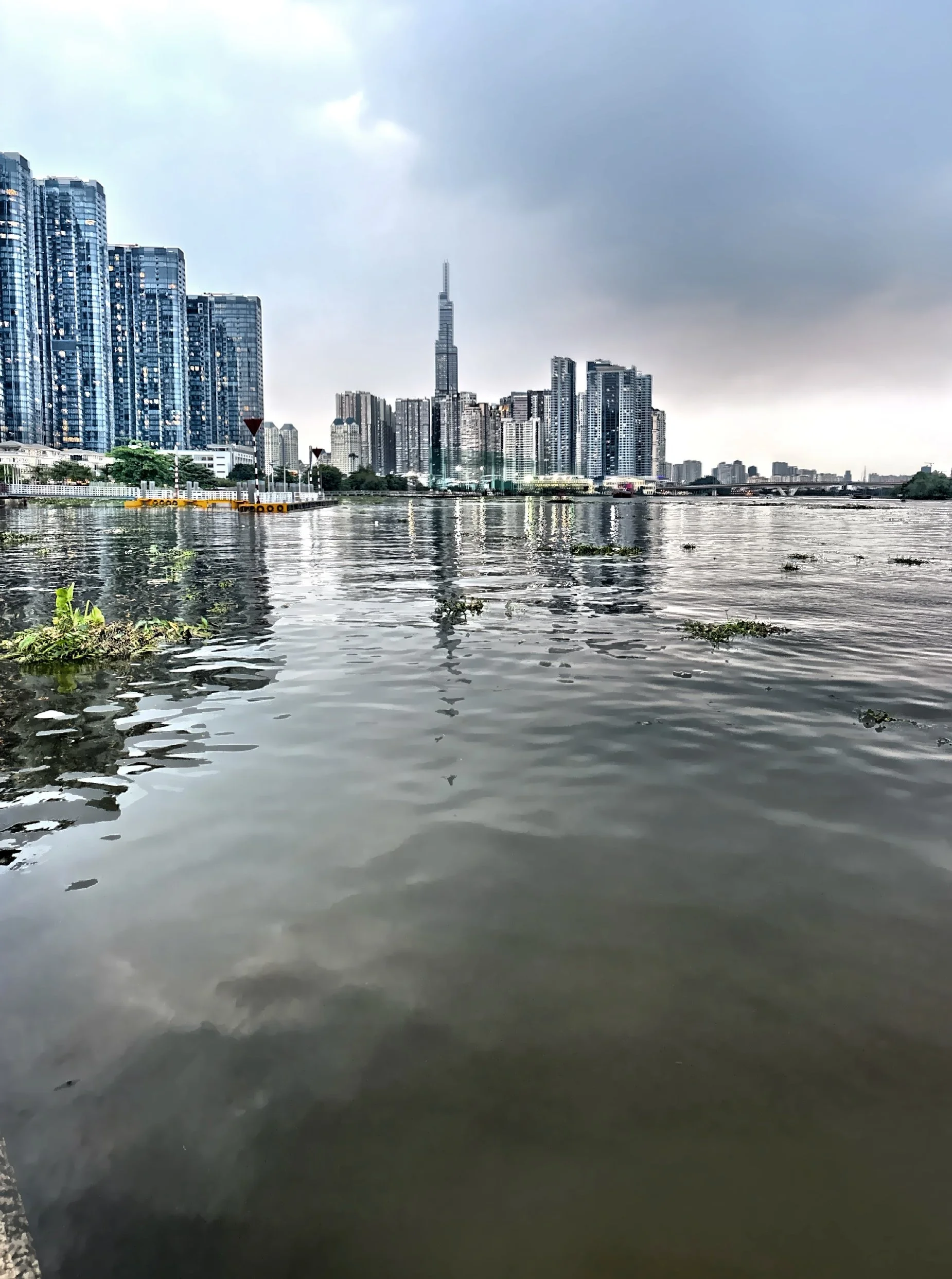
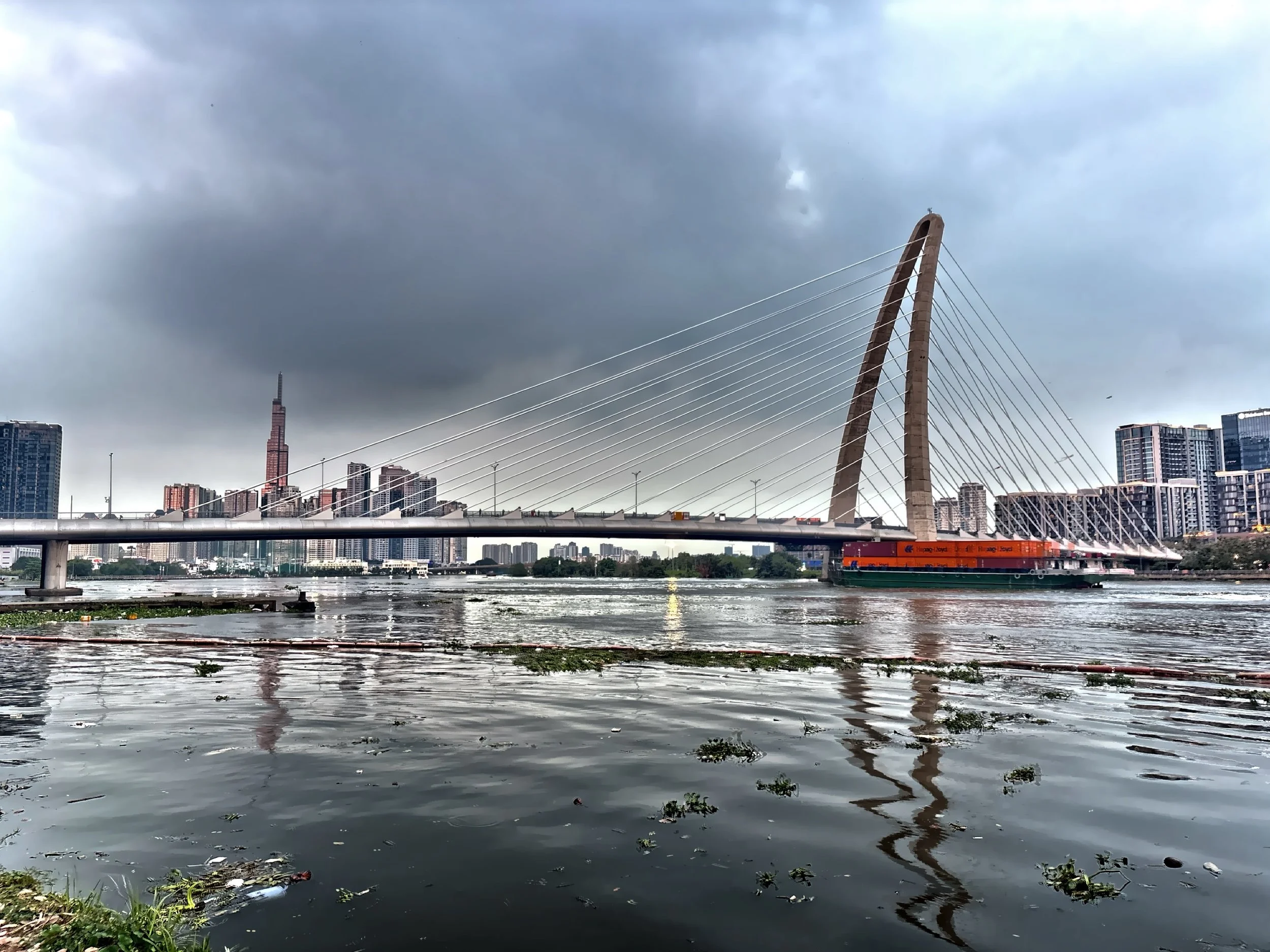
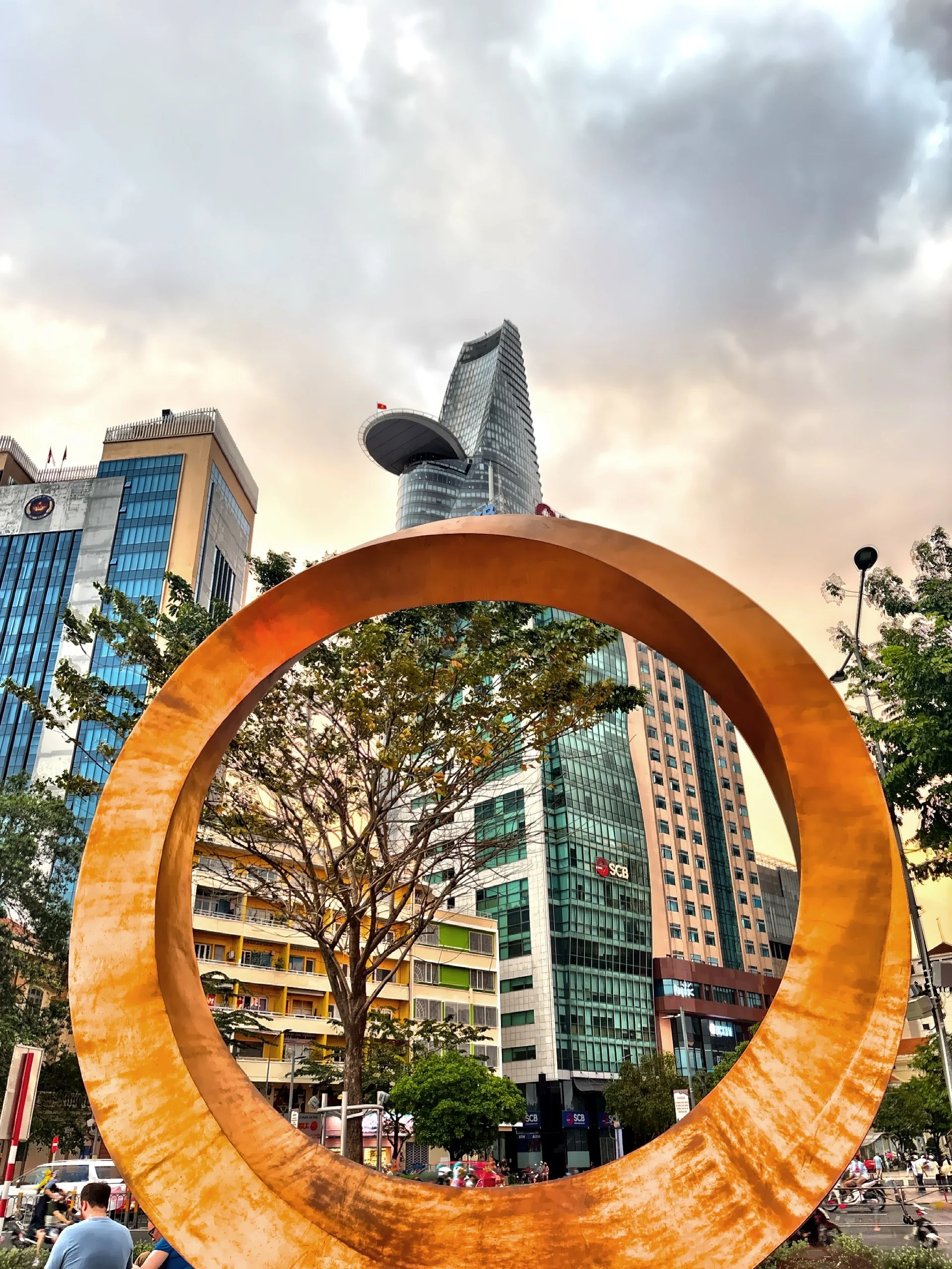
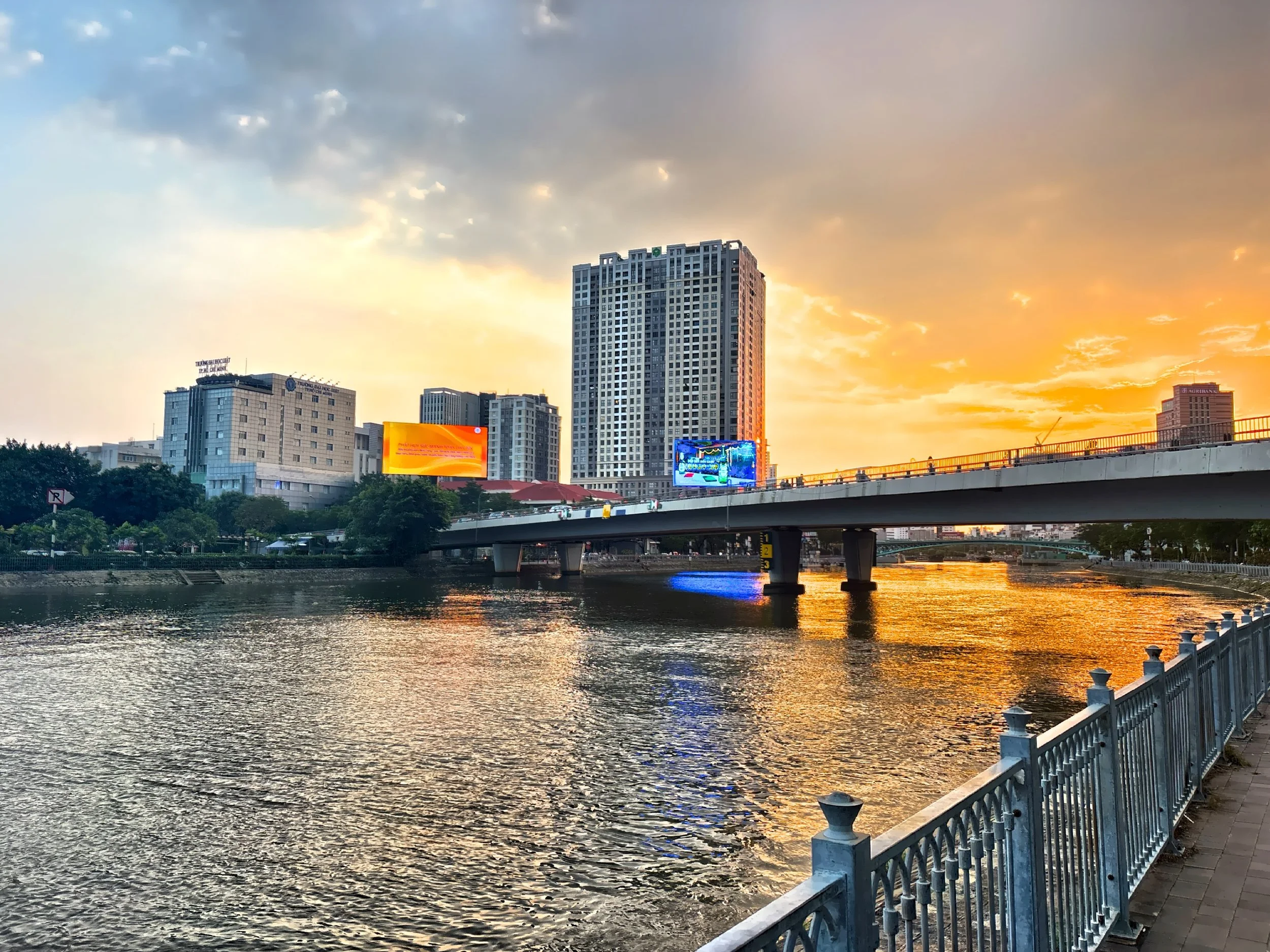
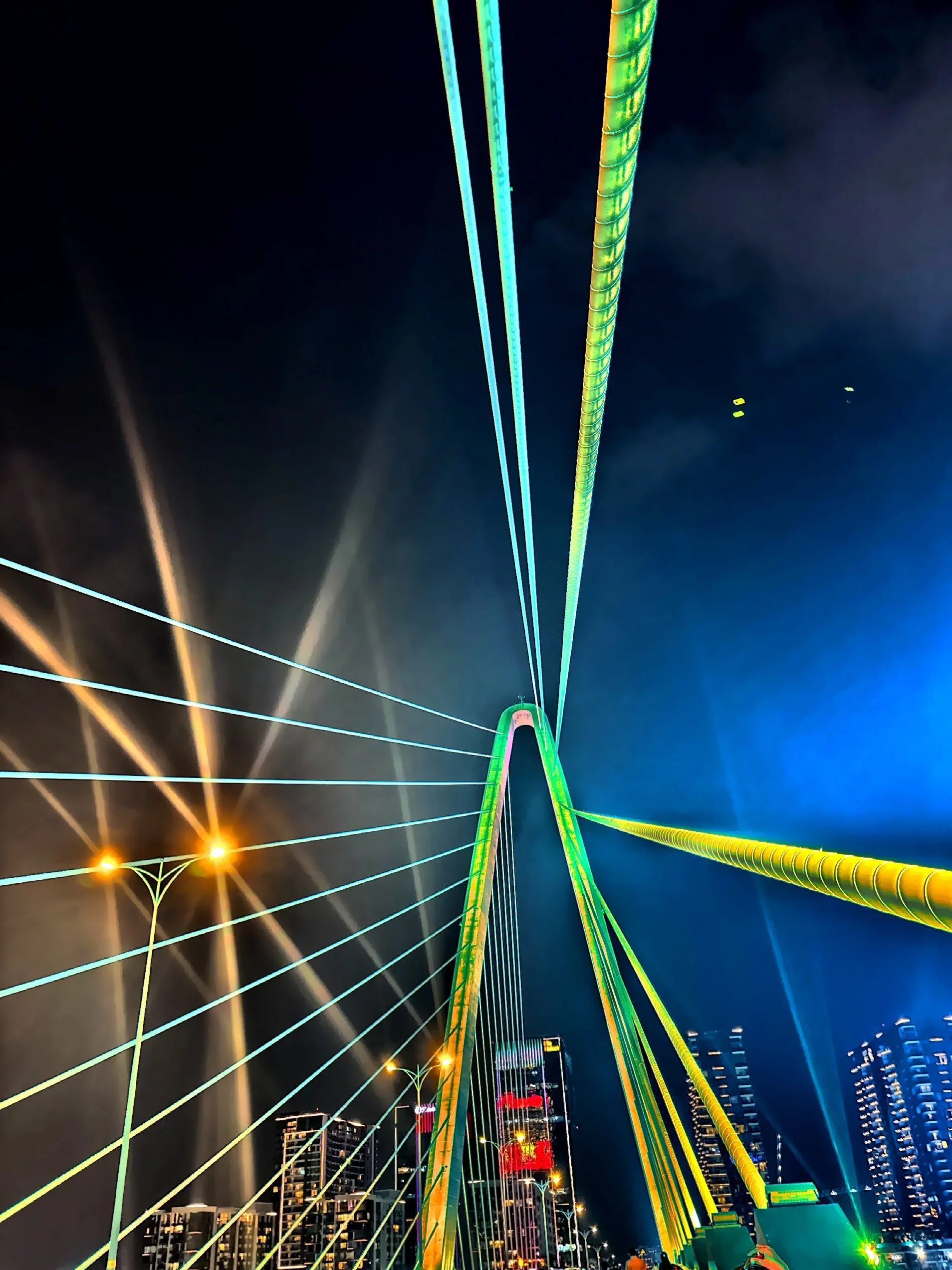
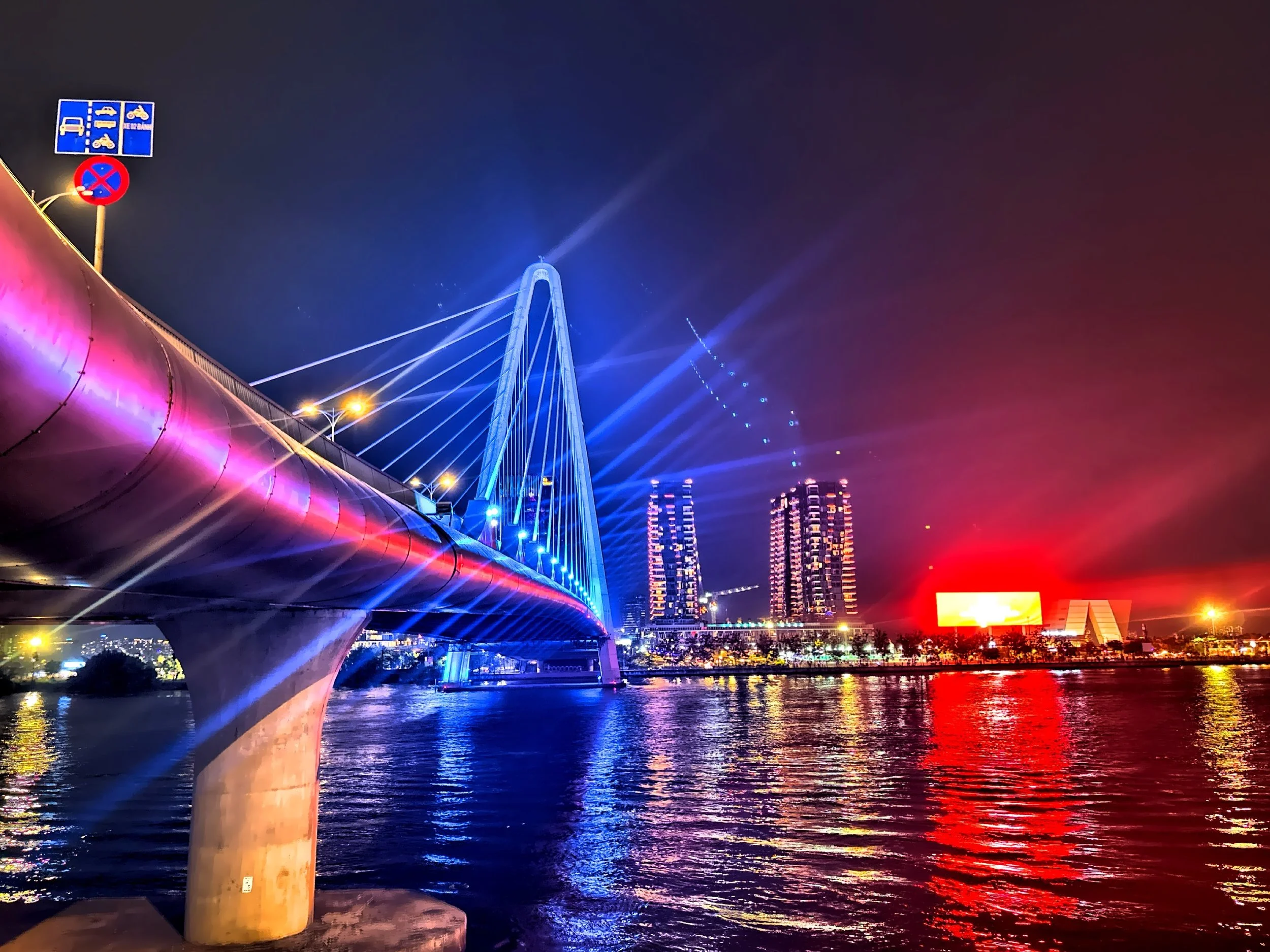
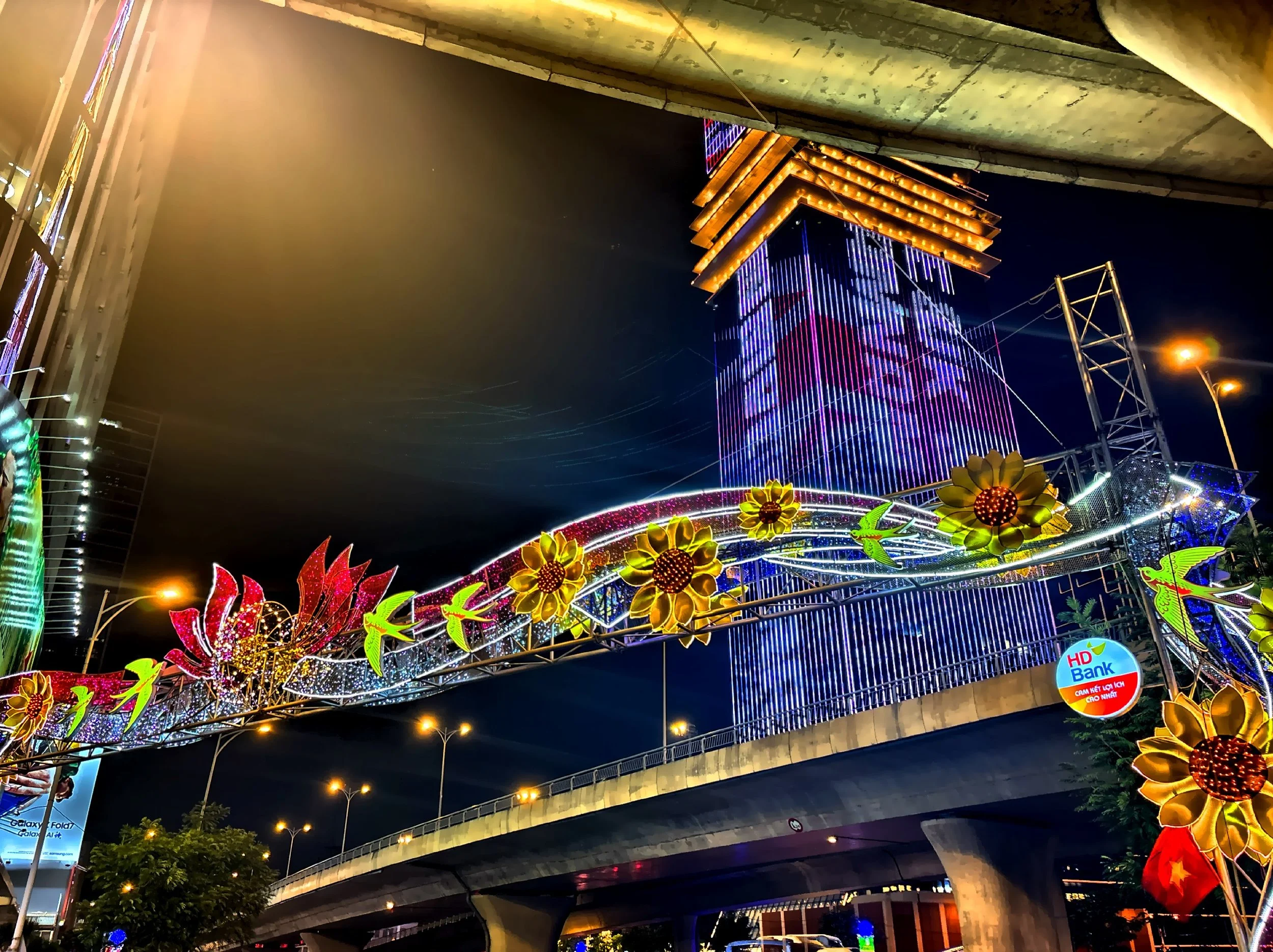
I didn’t know what to expect when heading to Ho Chi Minh City—formerly Saigon—but the moment I arrived, I was swept into a whirlwind of sights, sounds, and smells. Motorbikes surge through the streets like rivers of silver and black, street vendors call out over the constant hum of traffic, and towering skyscrapers rise unexpectedly above faded French-colonial facades. It’s loud, chaotic, and undeniably exciting.
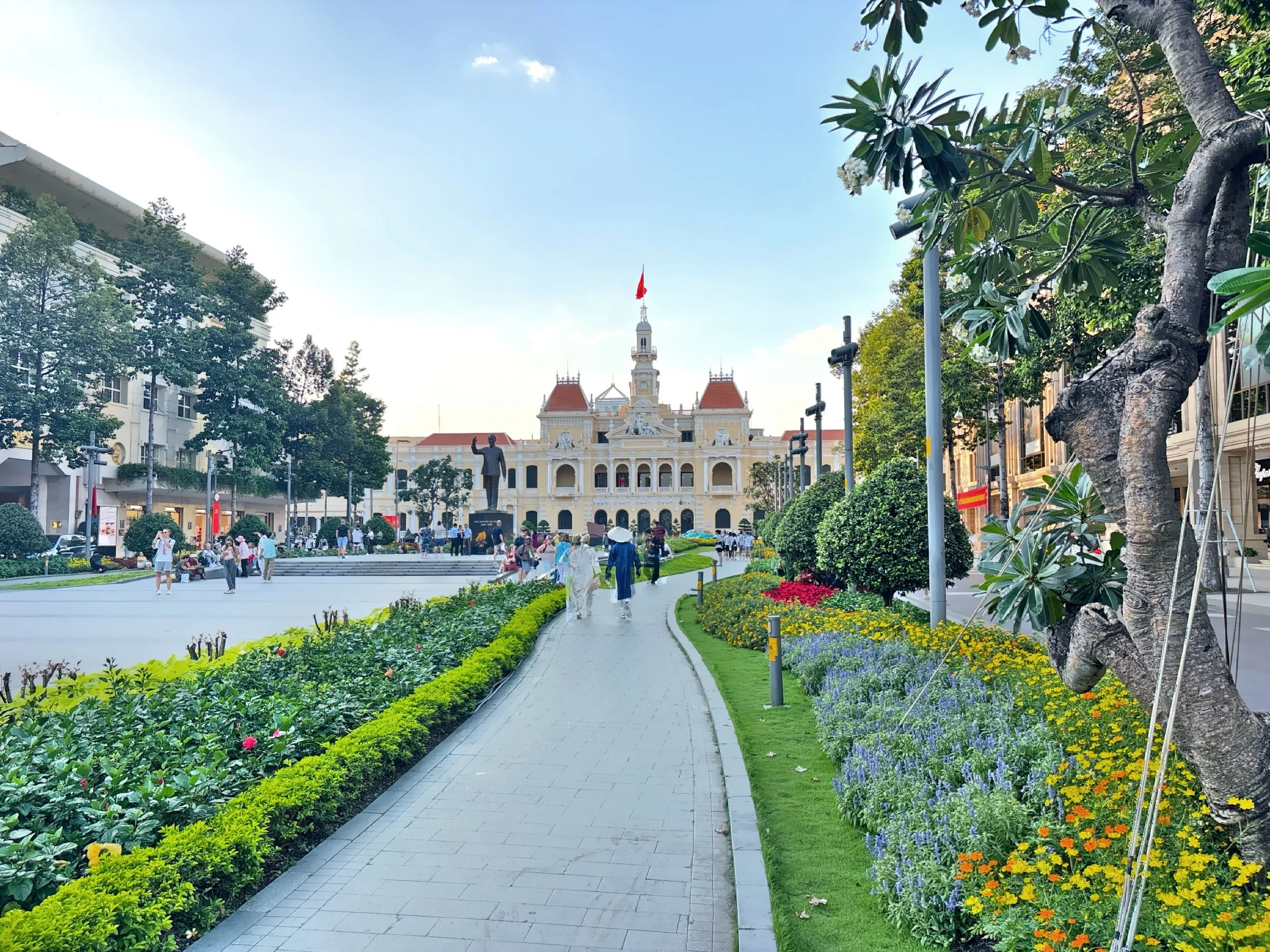
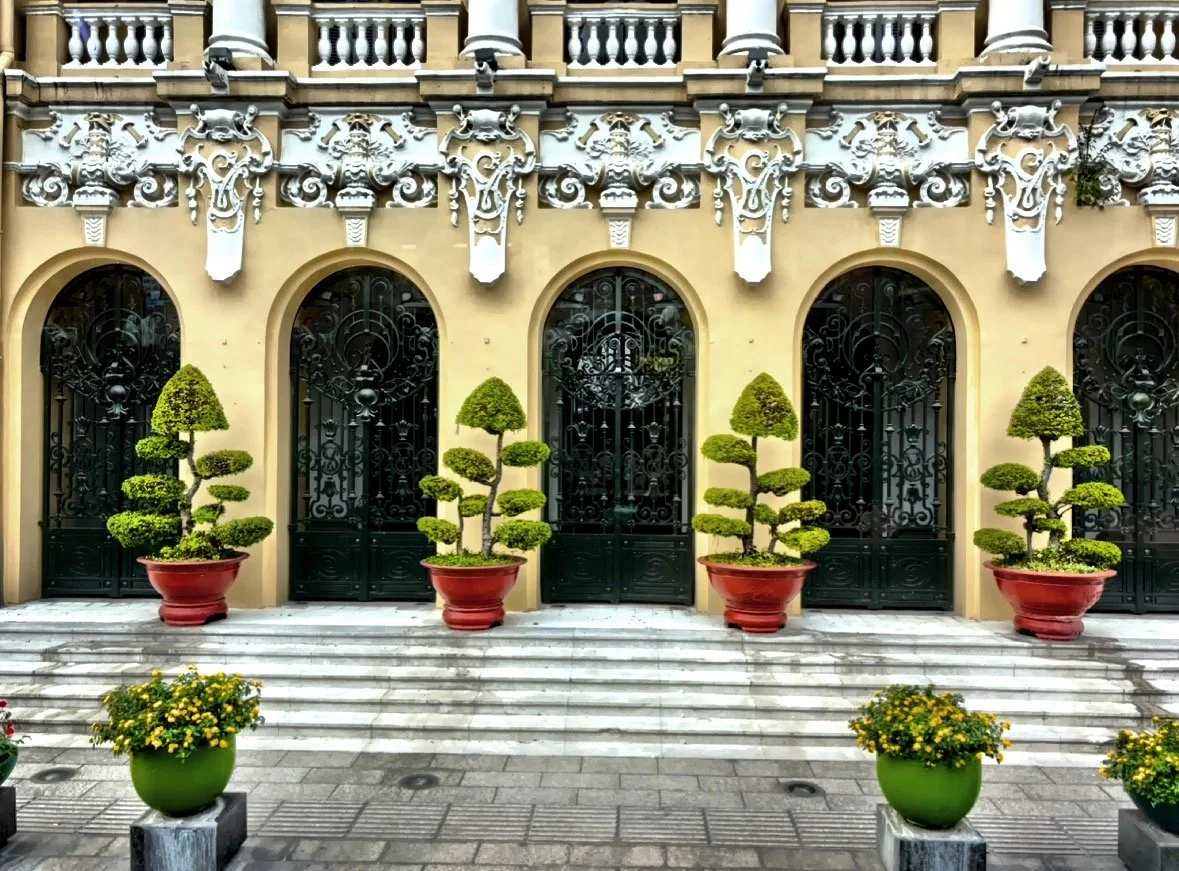
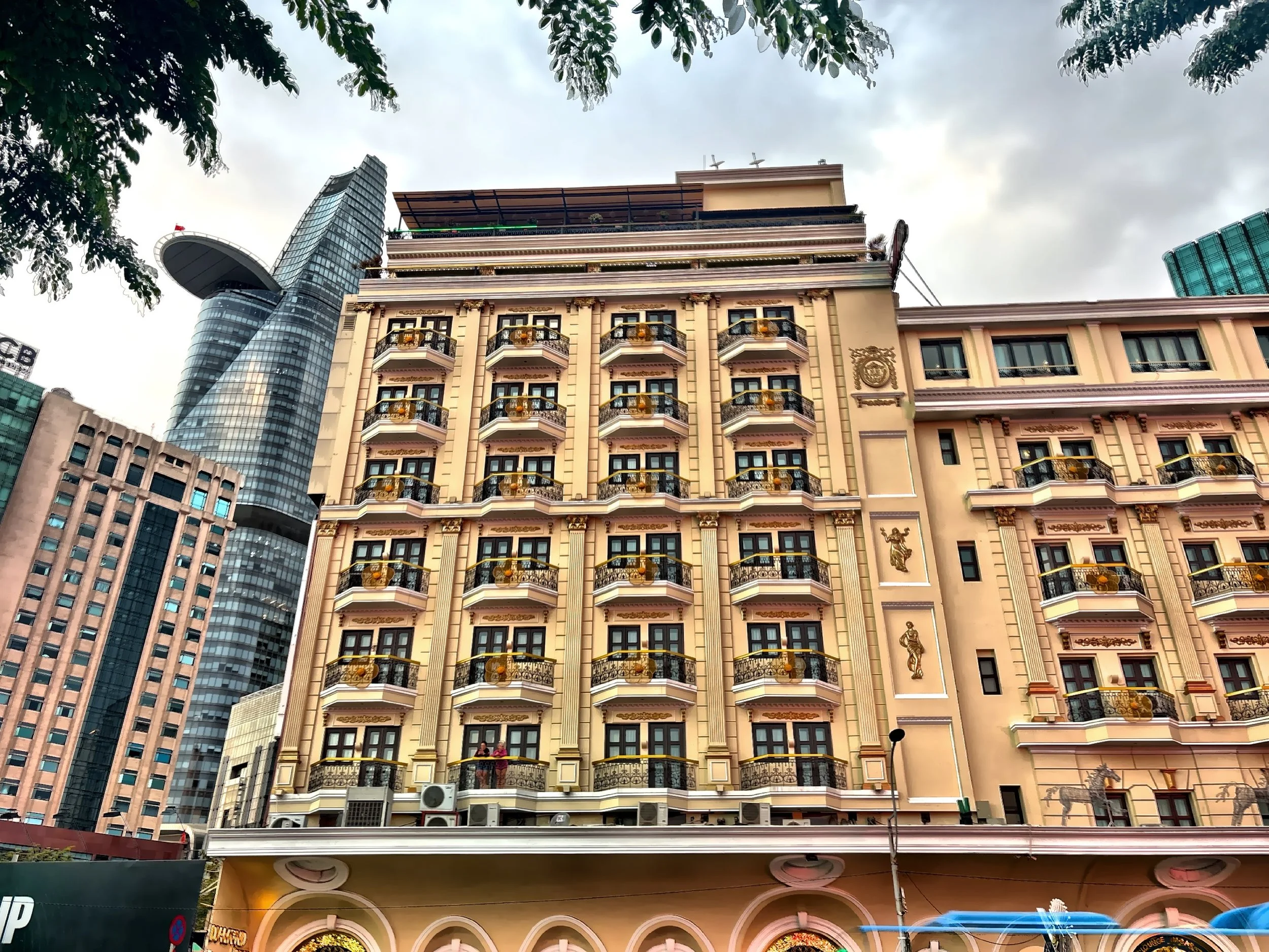
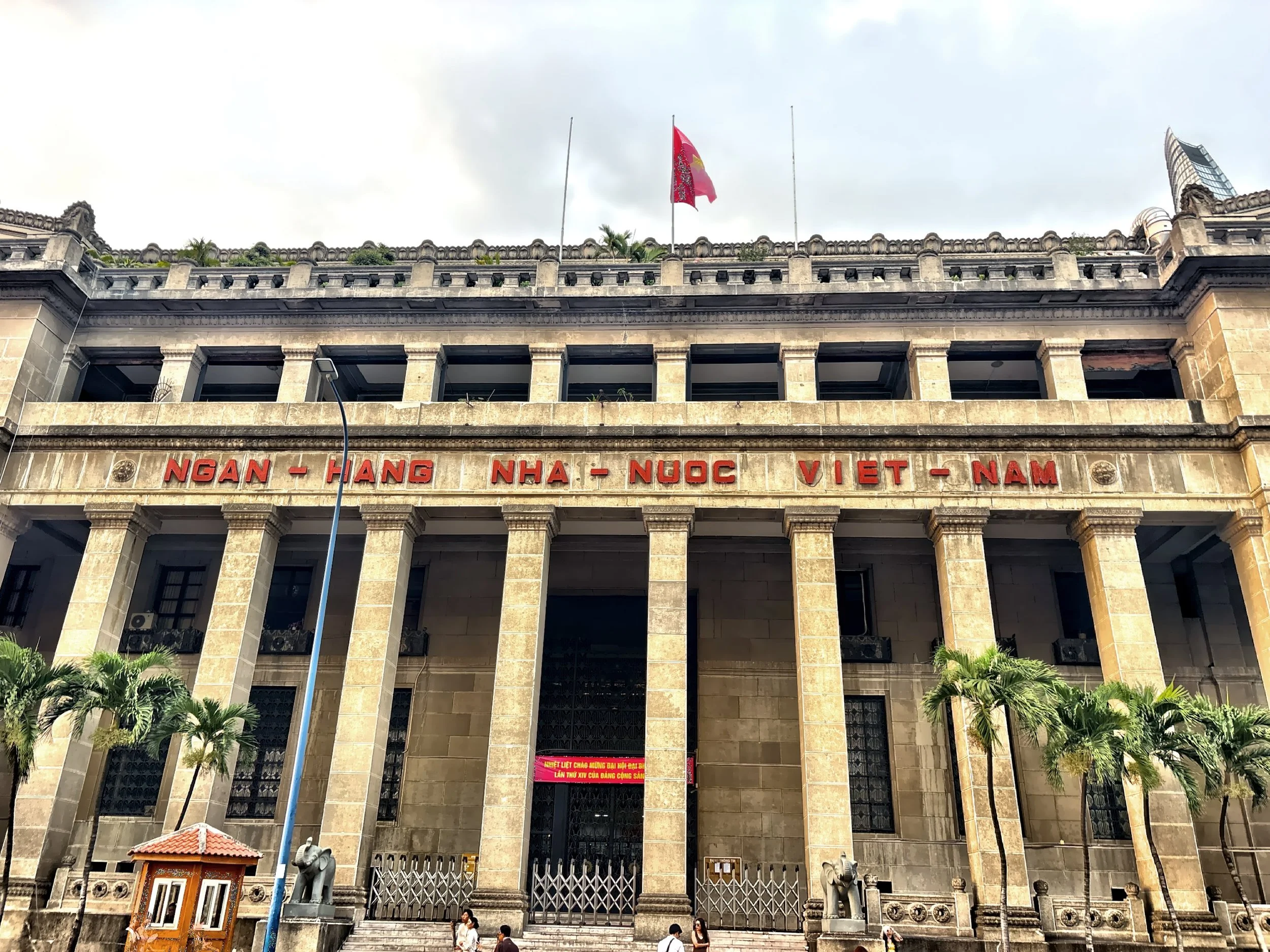
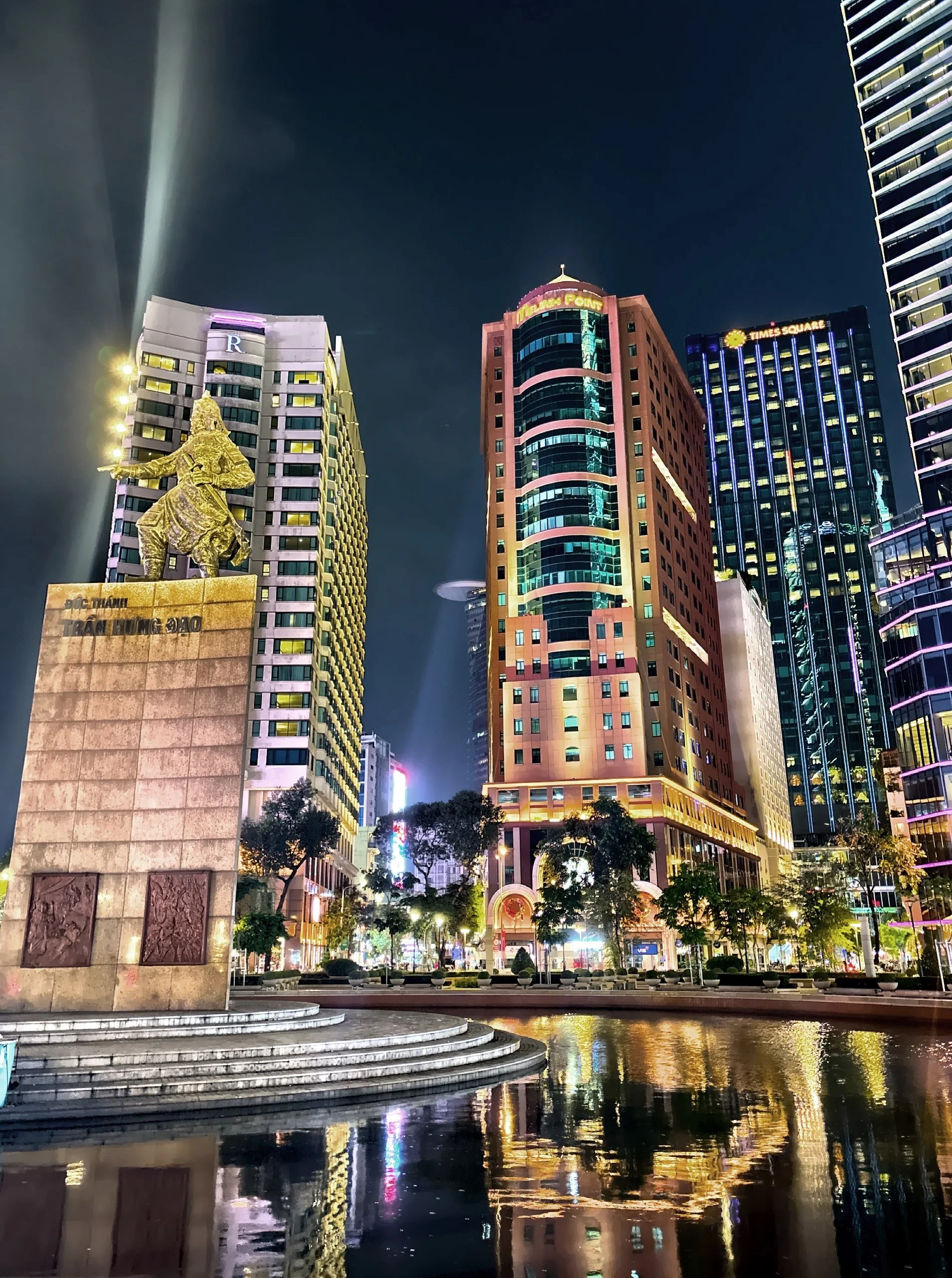
Beneath the energy of the present, the city carries its history in plain view. For nearly a century, Saigon was under French colonial rule, an influence that still shapes the city today—in its architecture, education, language, and even its cuisine. Grand colonial buildings stand alongside modern developments, creating a landscape where past and present continuously overlap.
Later, Saigon became the capital of South Vietnam and the political, military, and cultural center of the U.S.-backed government, further layering the city’s identity with the imprint of war and global conflict.
Vietnamese culture itself is deeply rooted in a blend of Buddhism, Taoism, and Confucianism, traditions that quietly shape daily life. With more than 14,000 pagodas and temples across the country, spirituality remains a visible and active part of the community.
Some traditions are especially striking. One I learned about is “bone washing,” a ritual where families exhume a loved one’s remains after several years, carefully clean the bones with alcohol or scented water, and reinter them in a more honored place. It reflects a profound respect for ancestry and the enduring importance of family ties.
Even social interactions carry cultural meaning. It’s common for people to ask your age early in conversation—not as intrusion, but as a way to determine respectful forms of address.
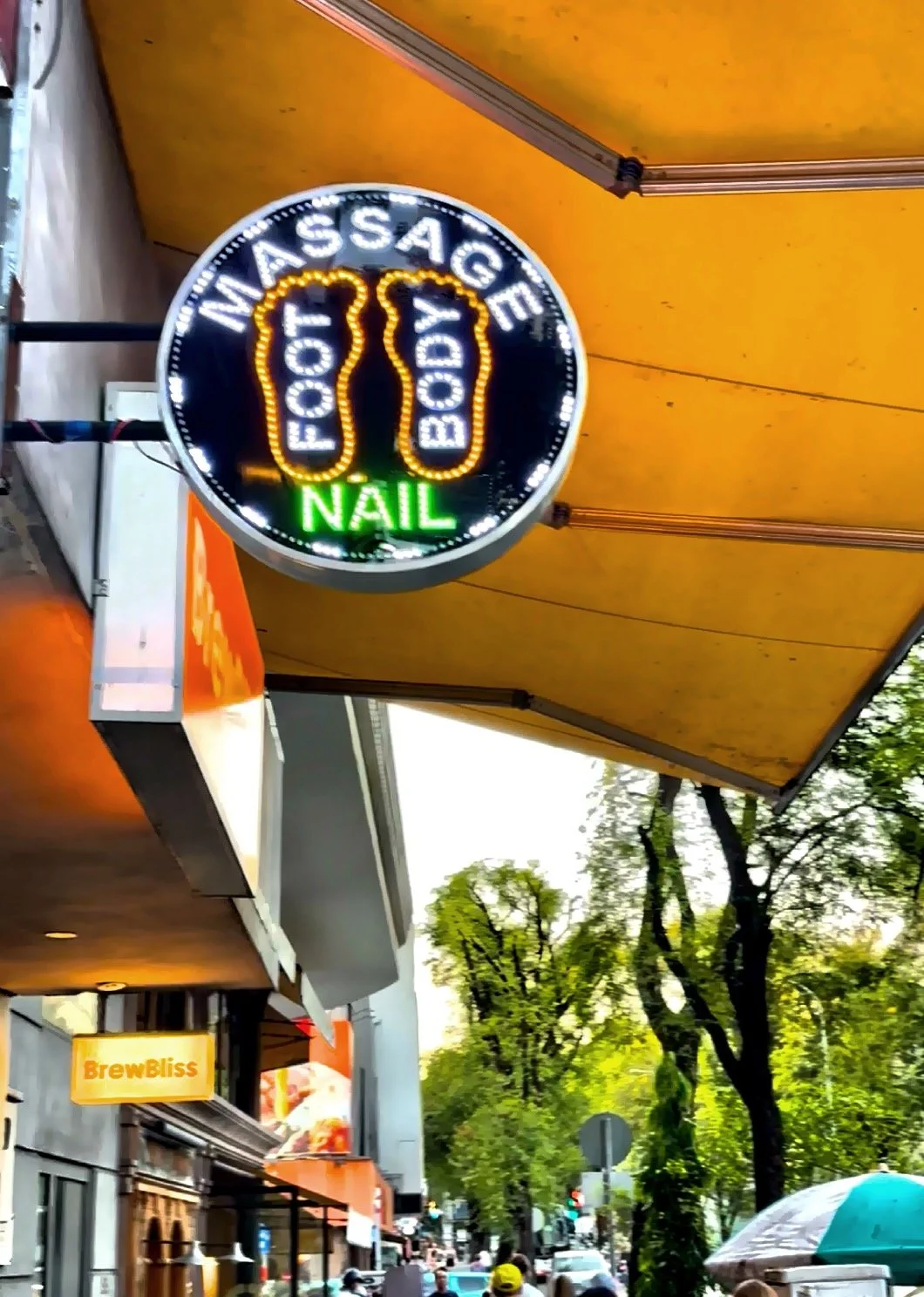
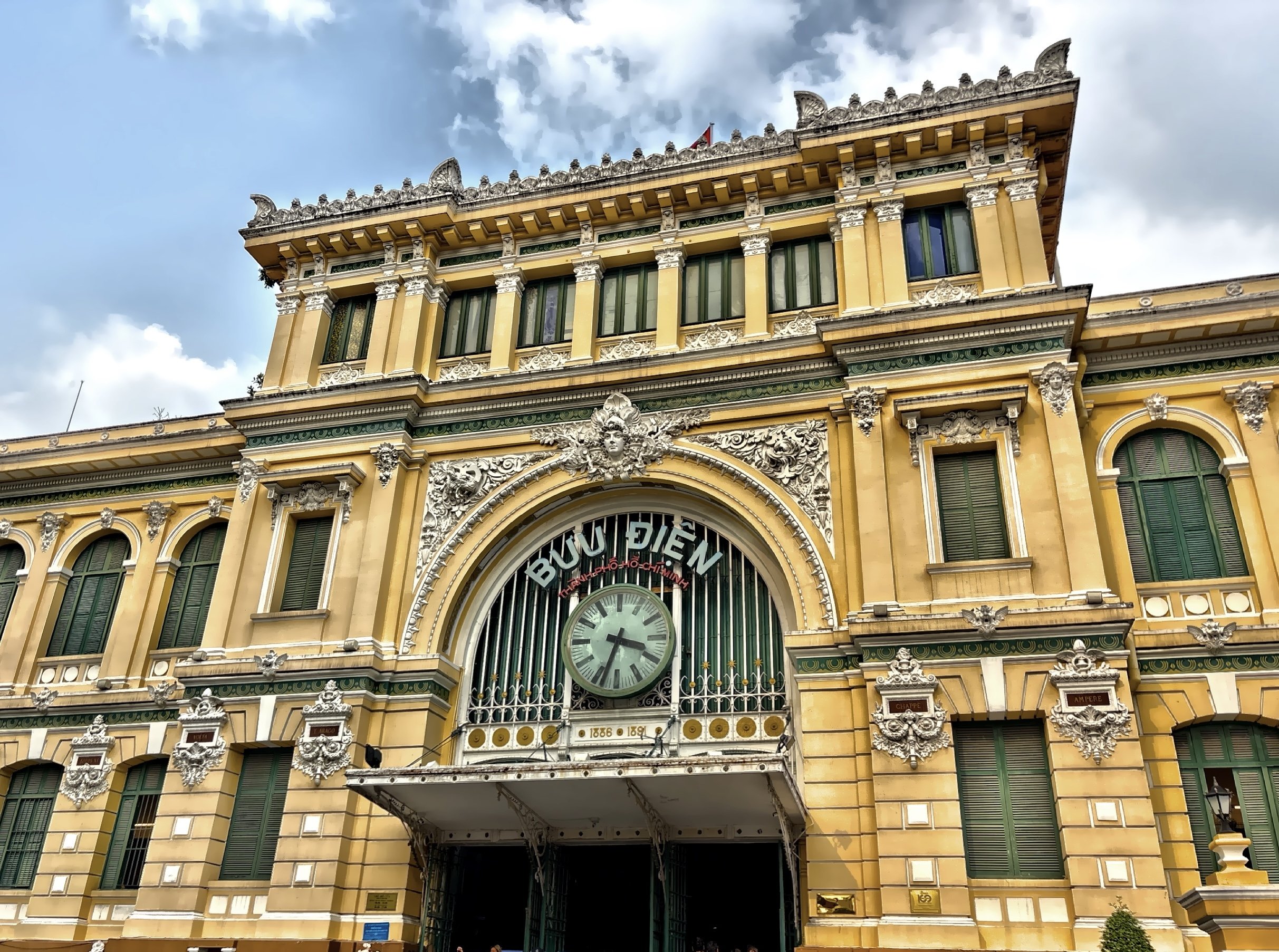
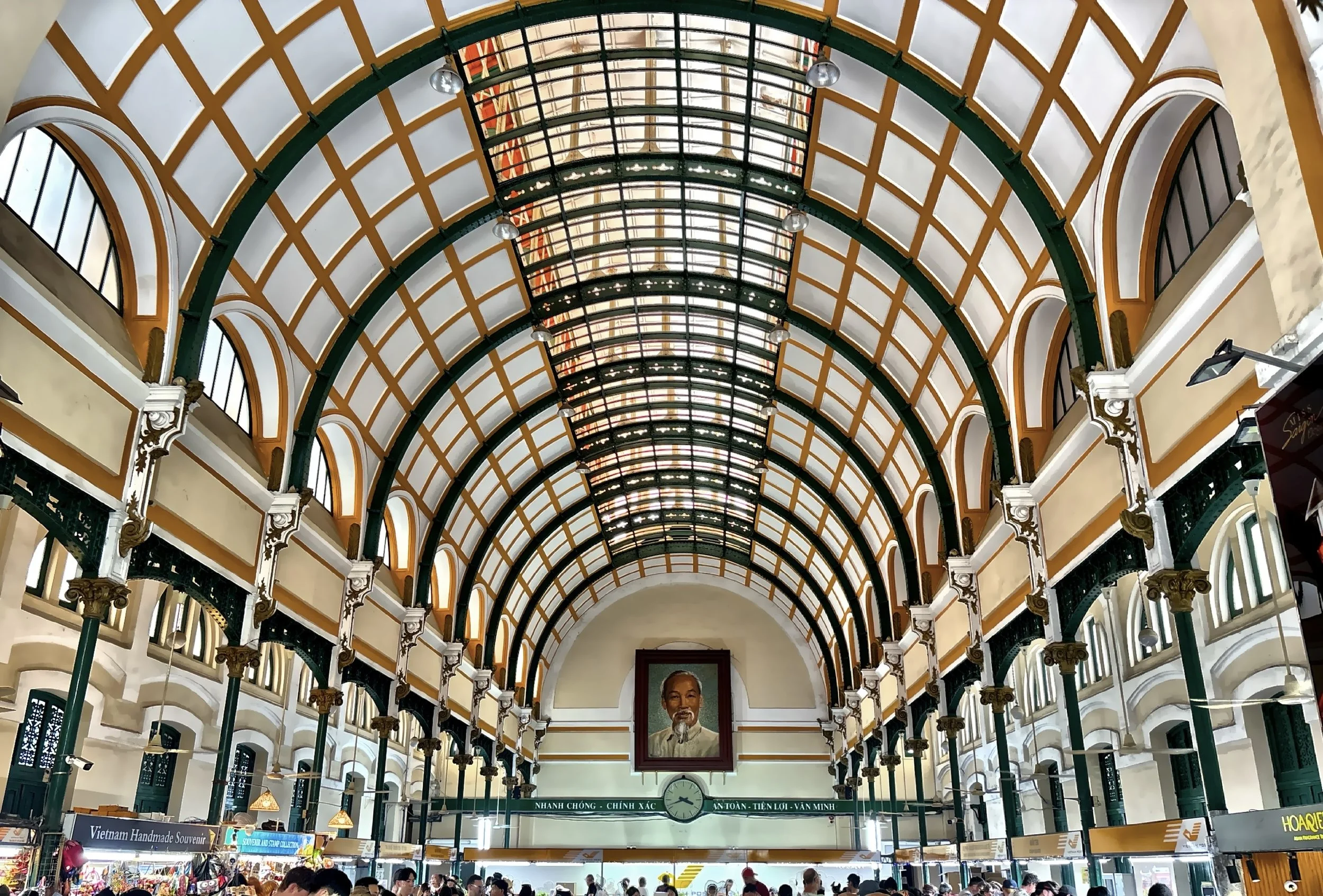
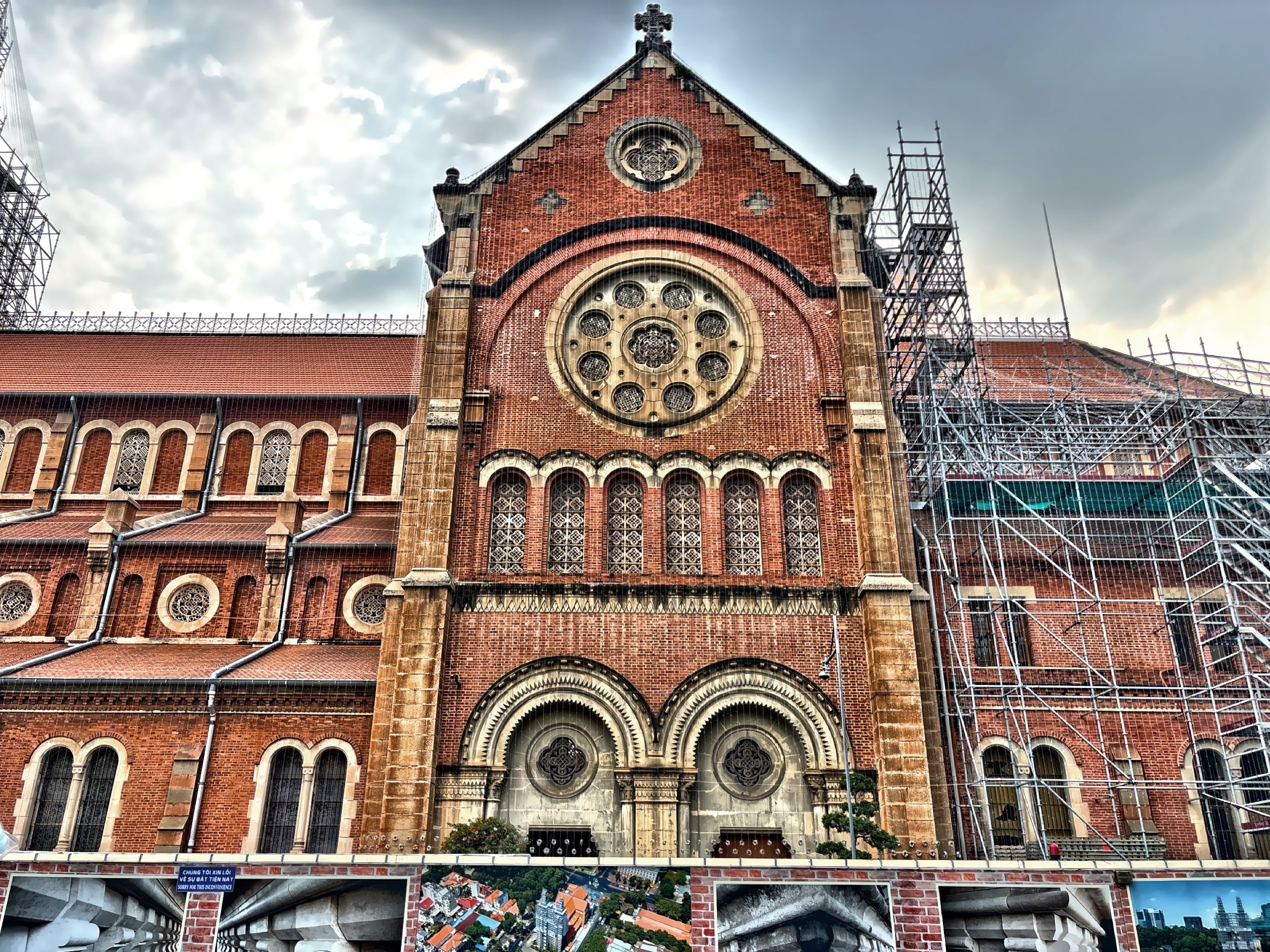
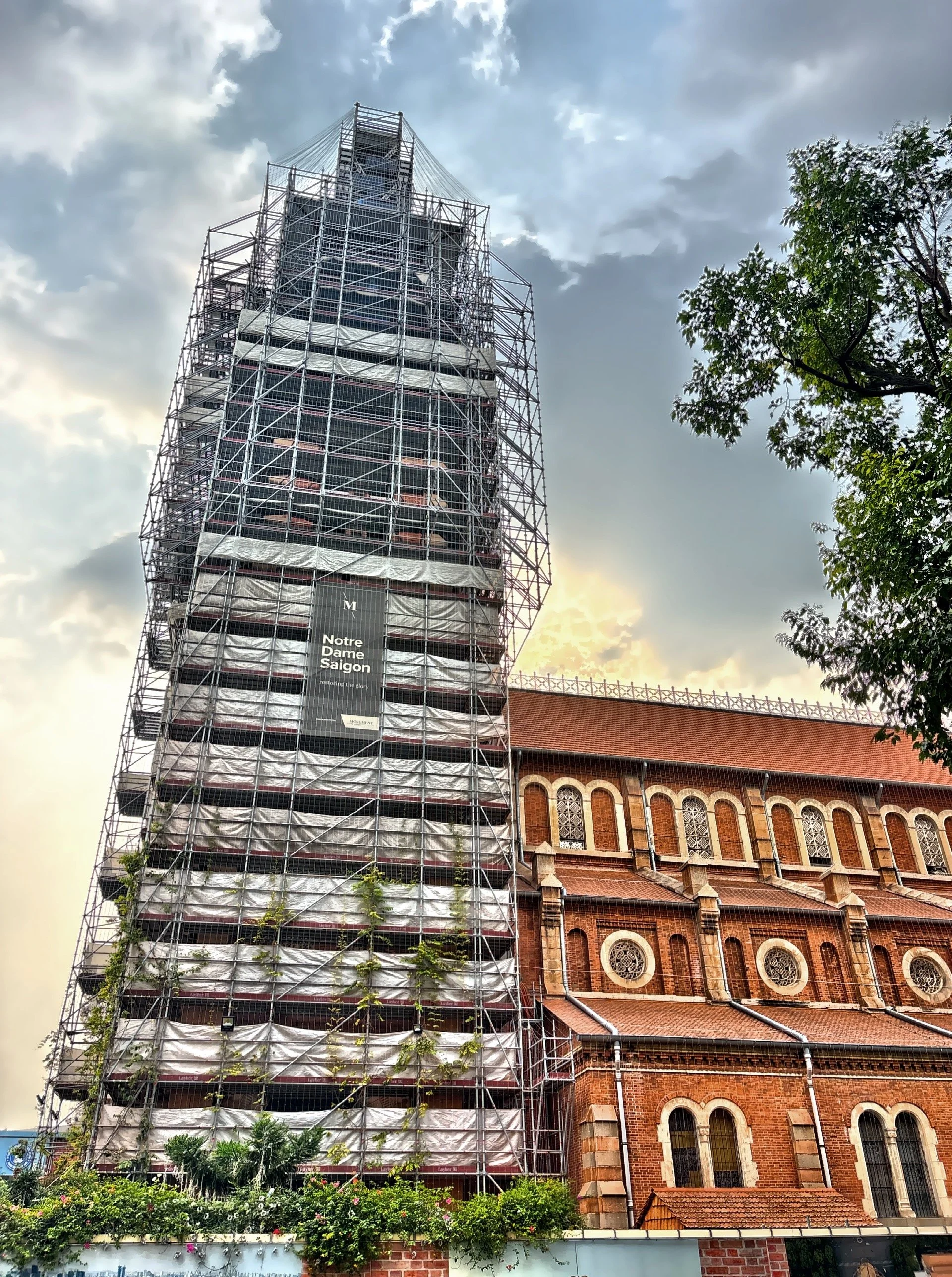
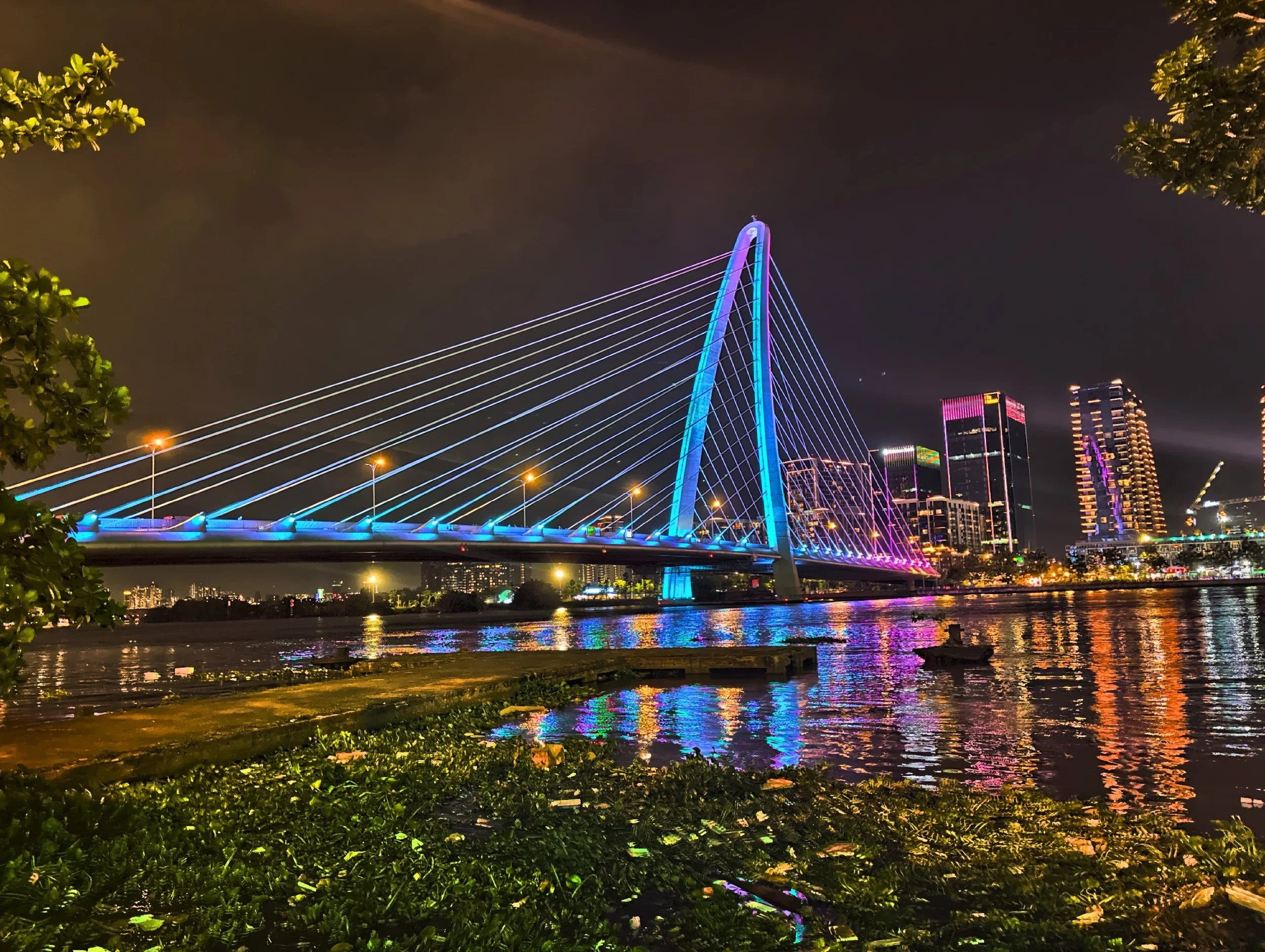
What is obvious about this city is the contrast. One moment you’re standing in front of the elegant Notre-Dame Cathedral Basilica of Saigon or the beautifully preserved Saigon Central Post Office—both remnants of French colonial influence—and the next you’re stepping into neon-lit streets filled with scooters, markets, massage establishments and modern malls.
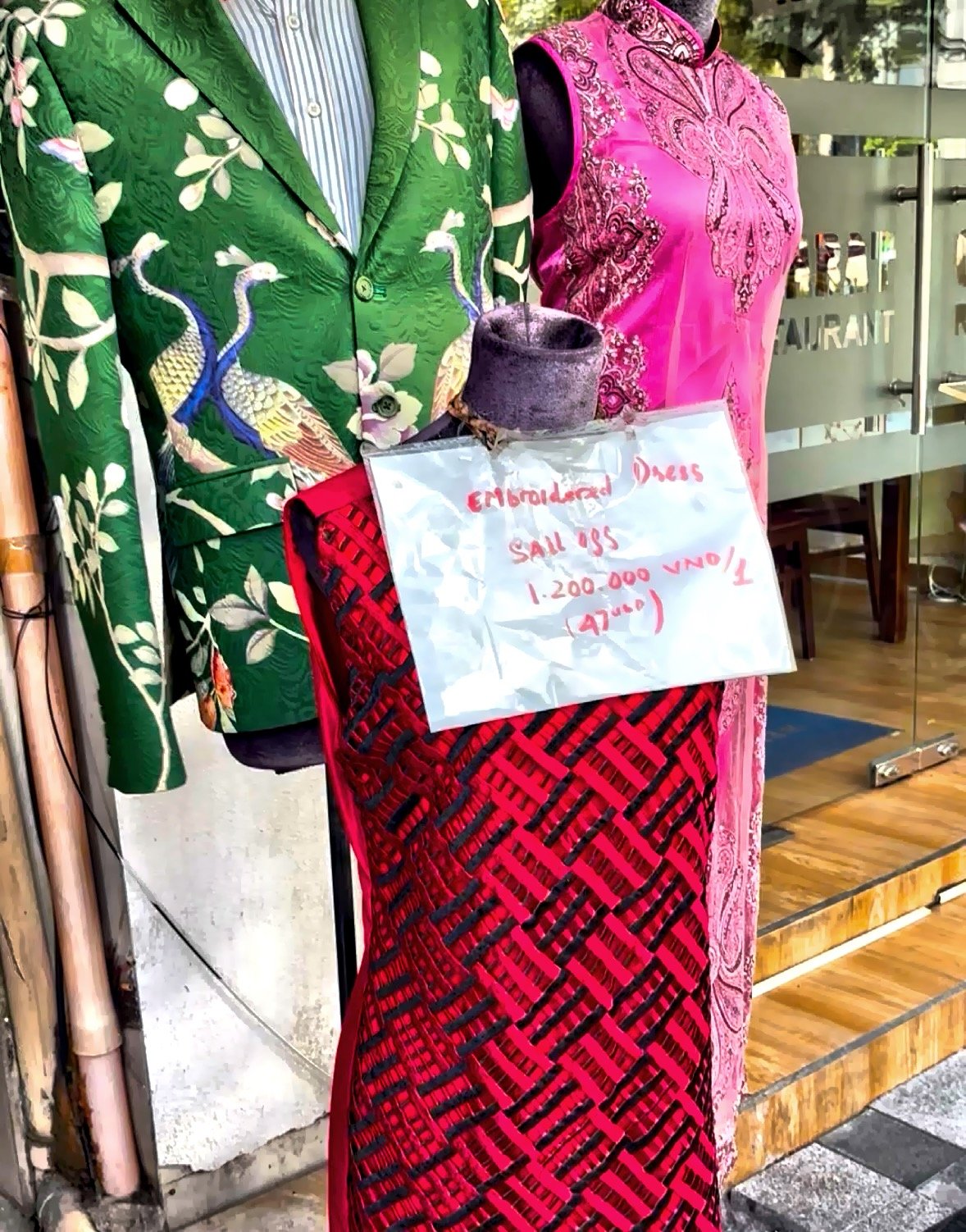
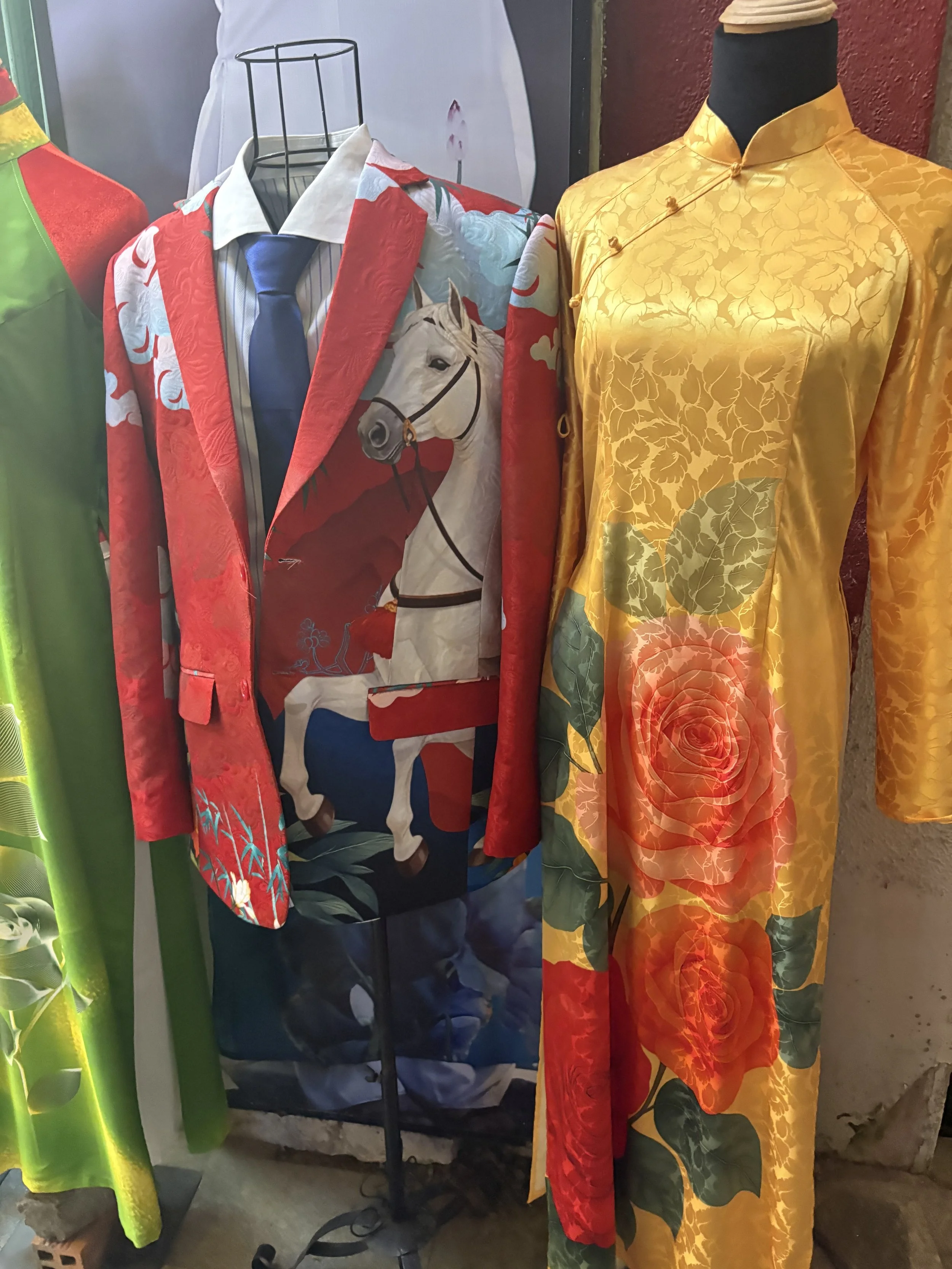
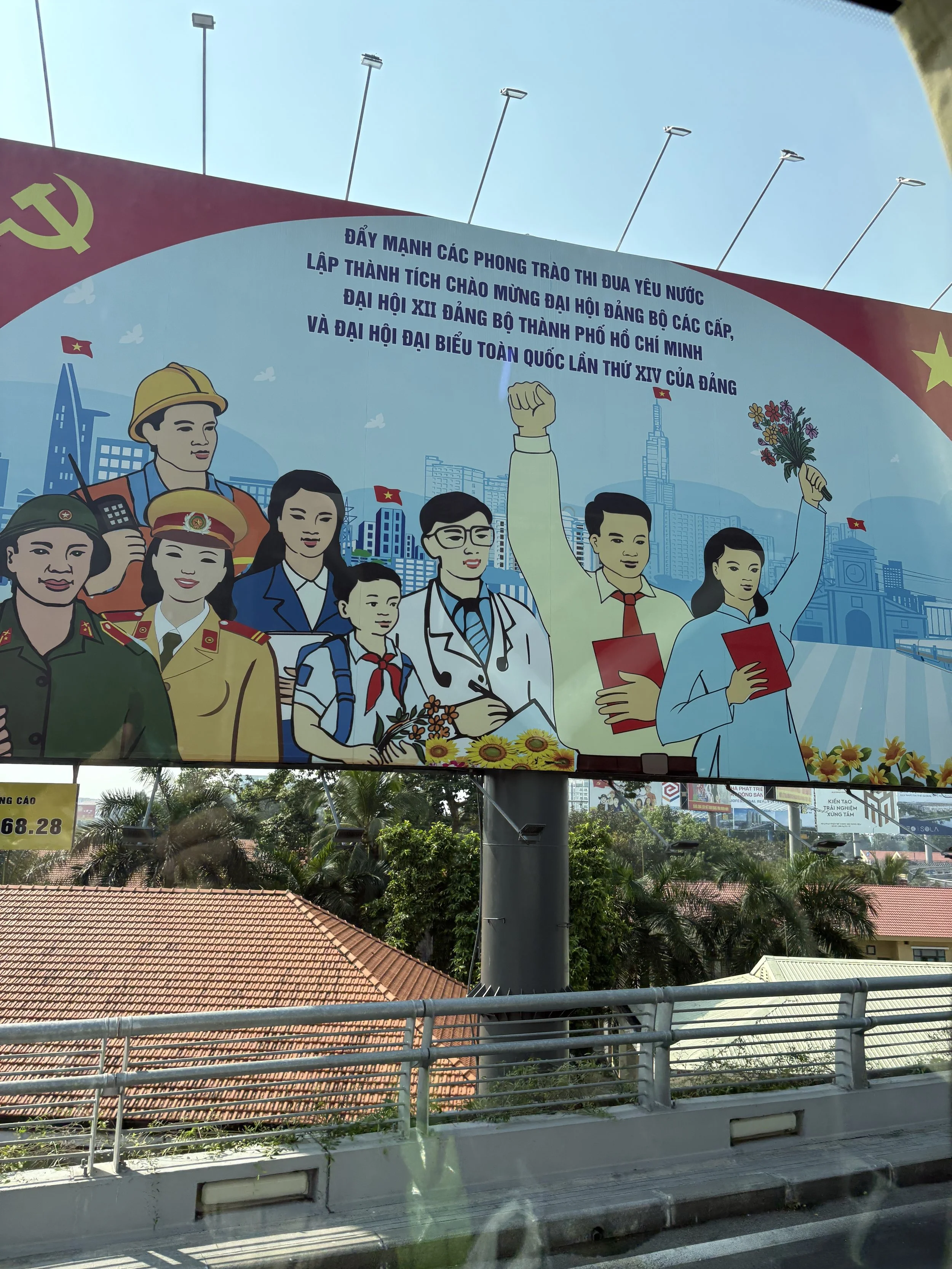
Today’s Vietnam is a socialist-oriented, capitalistic country, and that duality is reflected everywhere. It’s a global manufacturing hub for textiles, garments, and footwear, yet many of these products are beyond local reach, giving rise to a widespread parallel market of knockoffs.
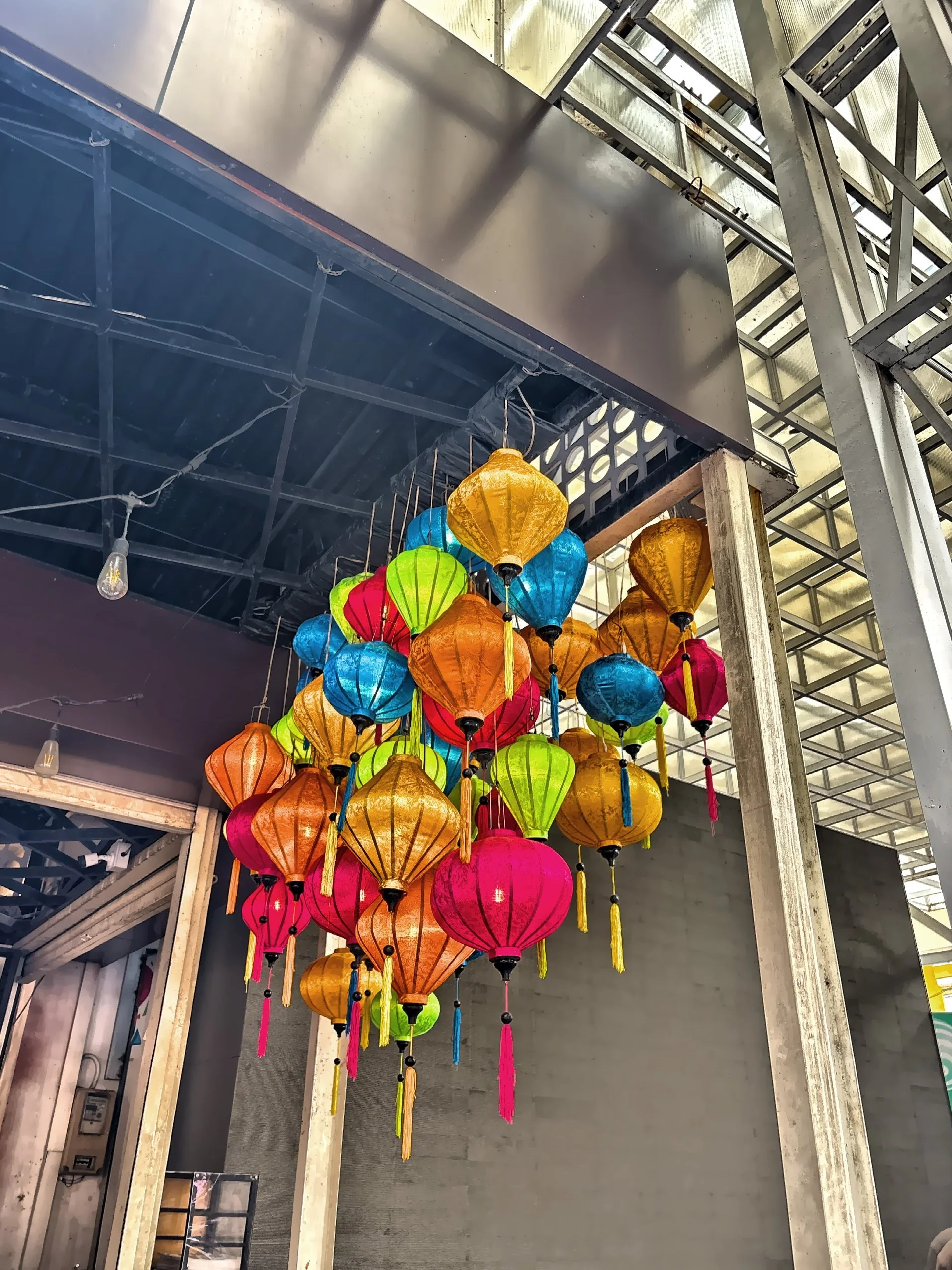
This is what caught my eye - I hope you enjoy!
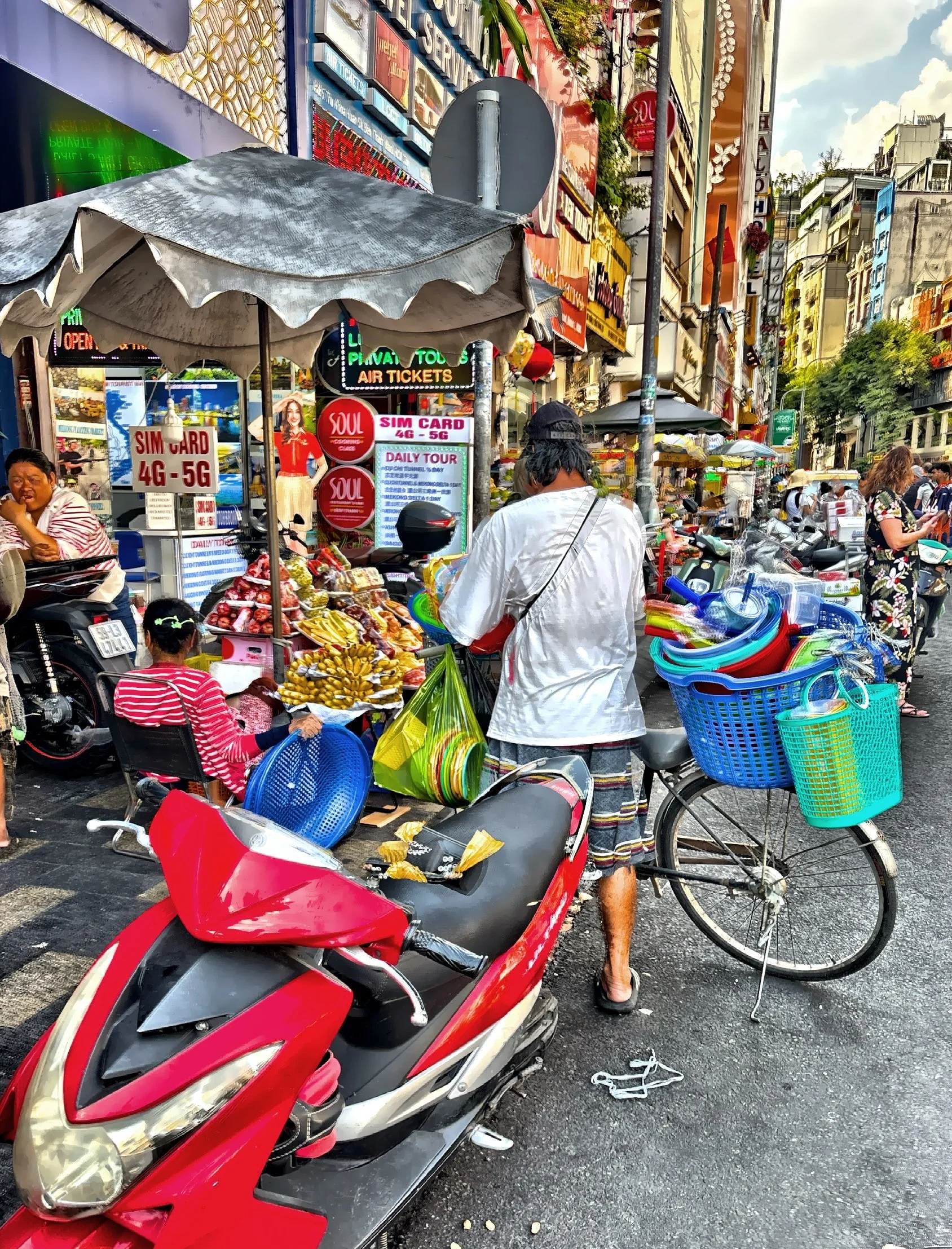
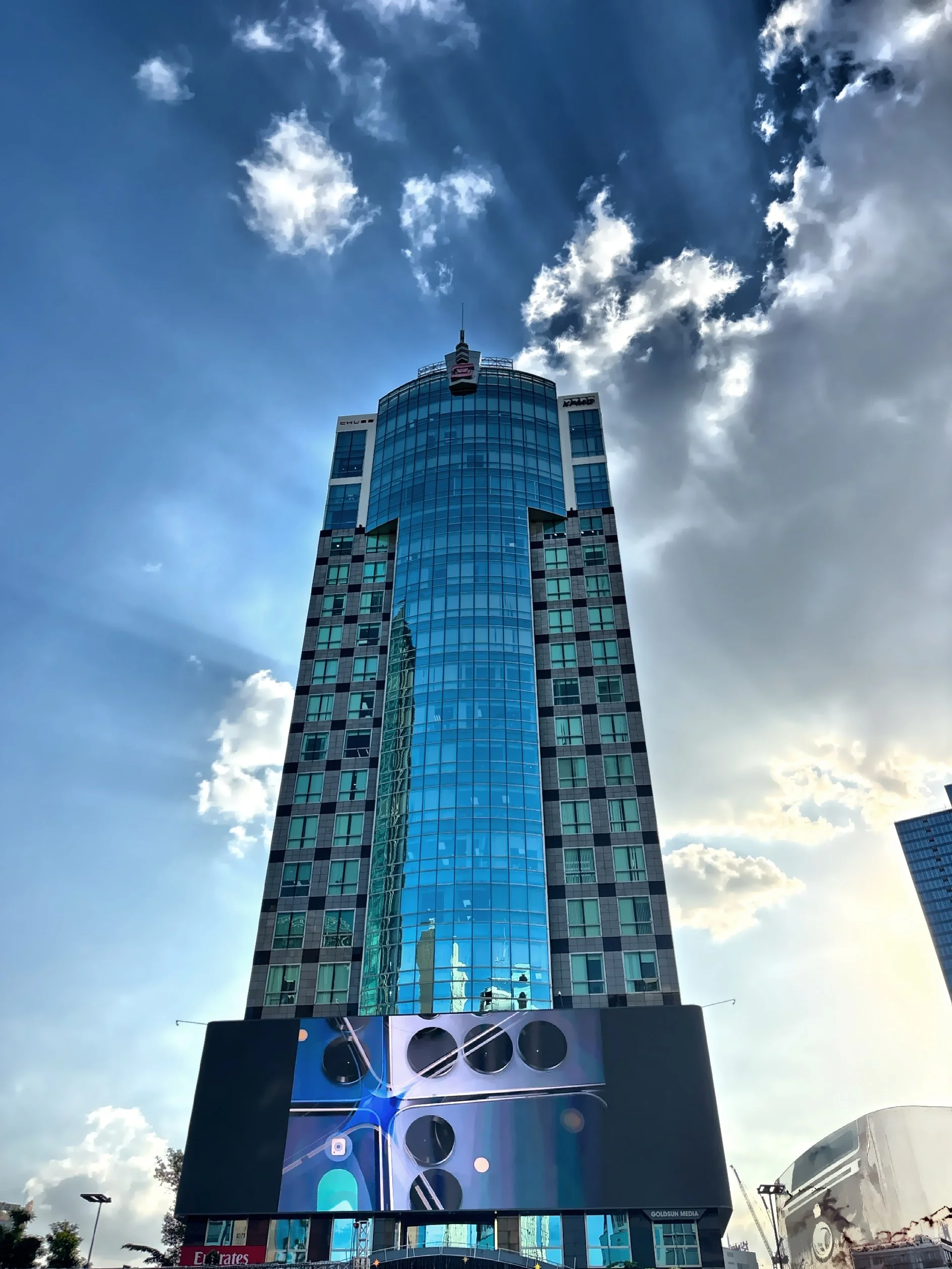
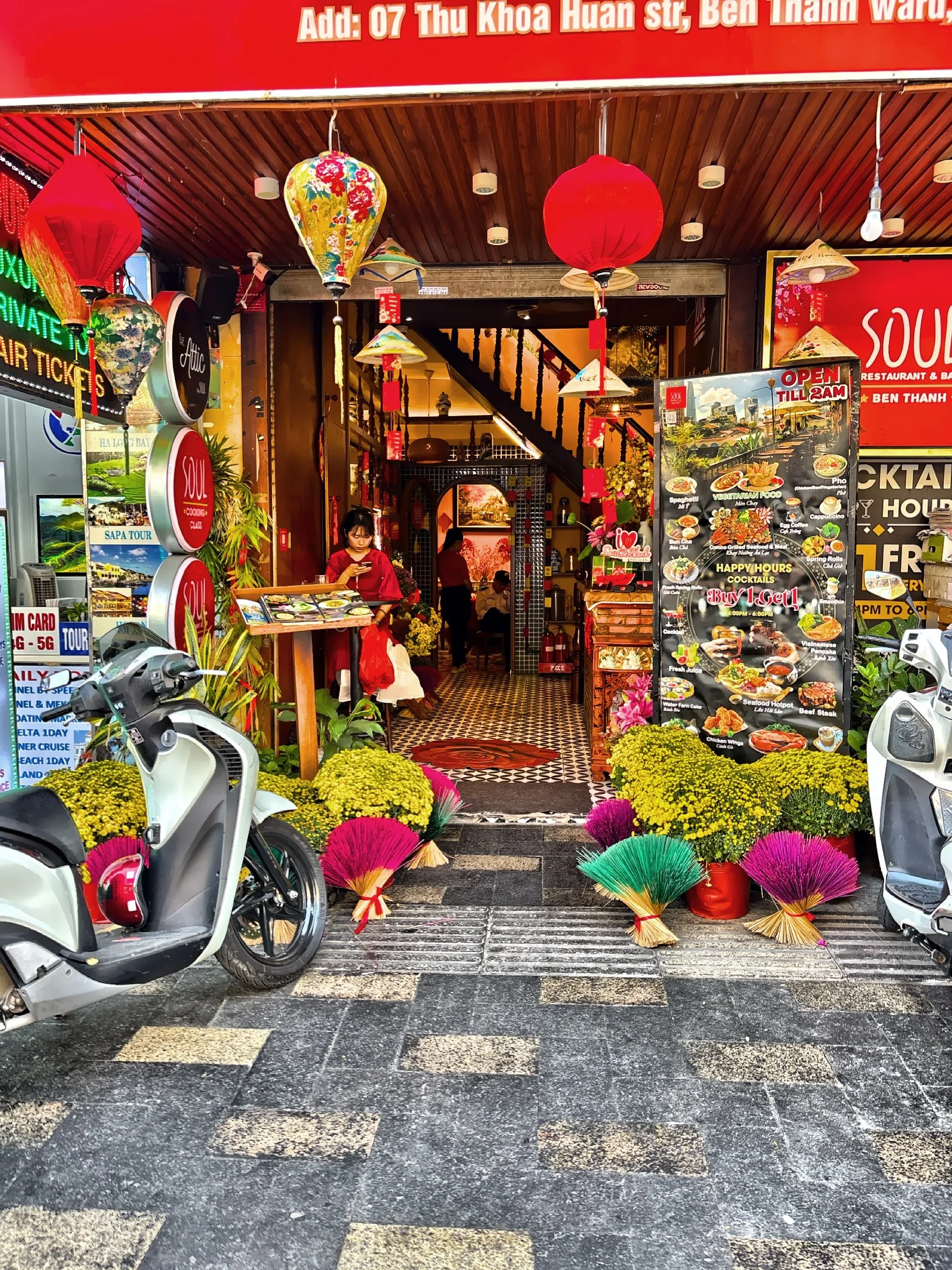
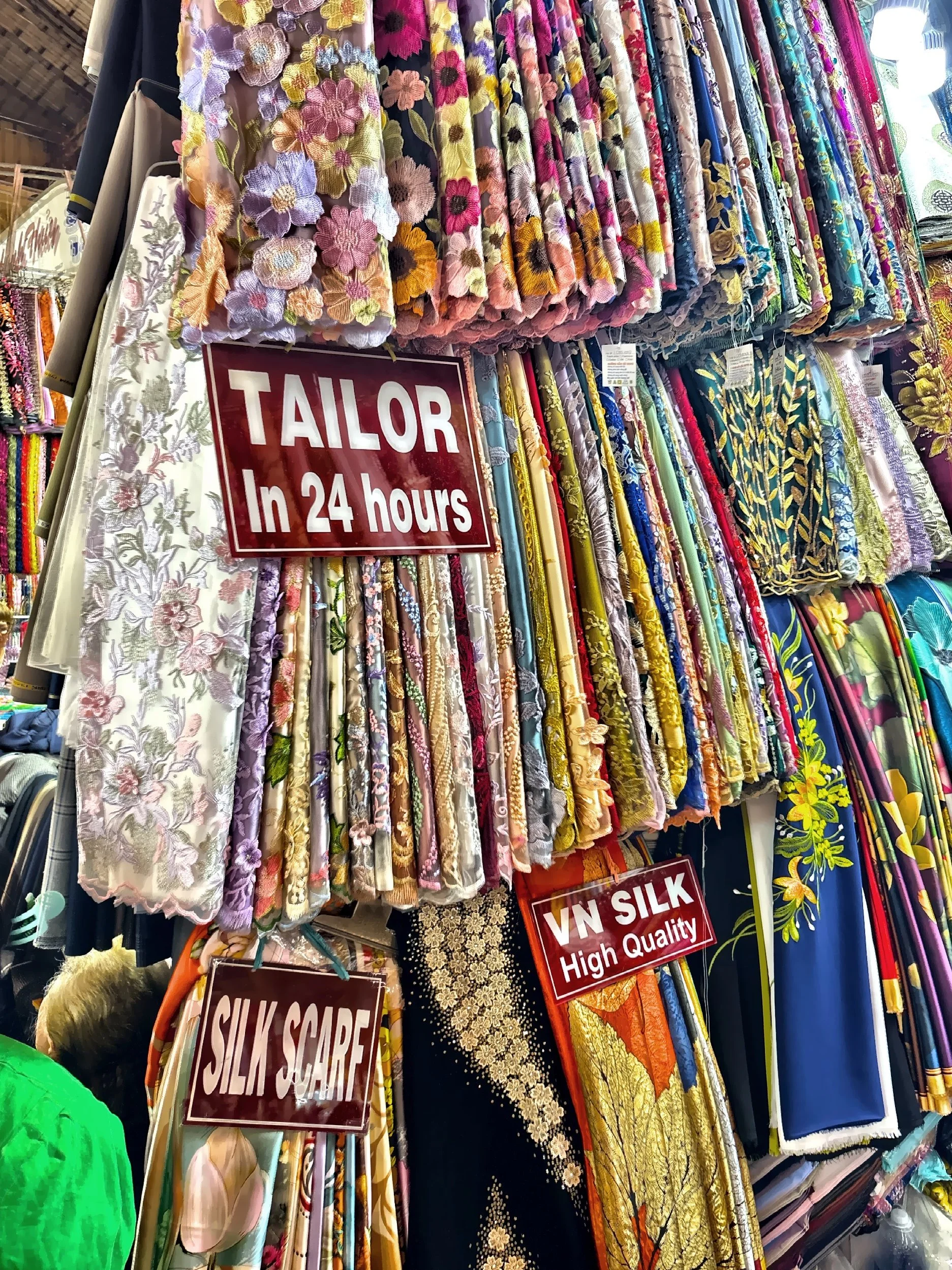
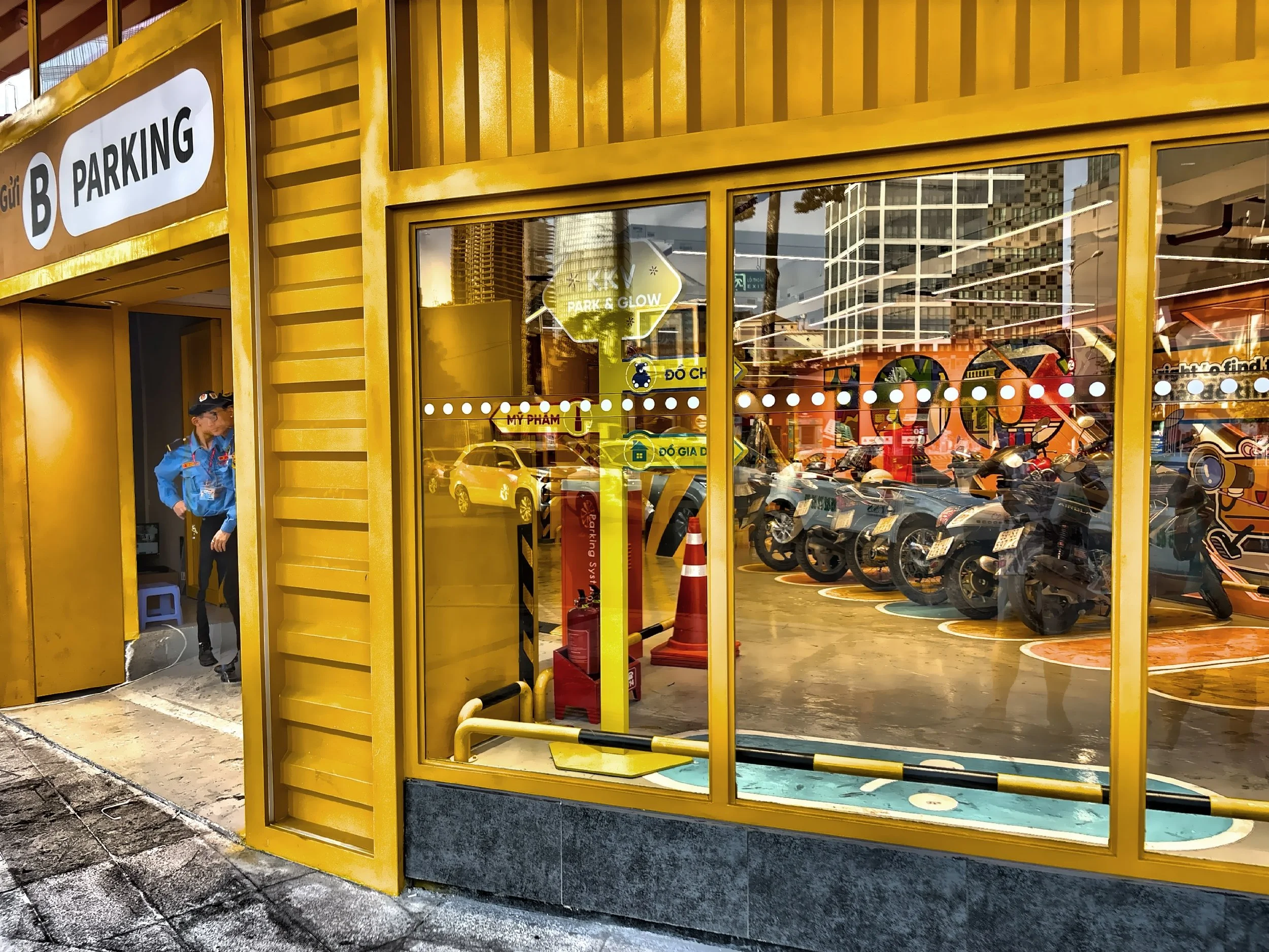
Do you like the images posted?
Click here to explore the shop.
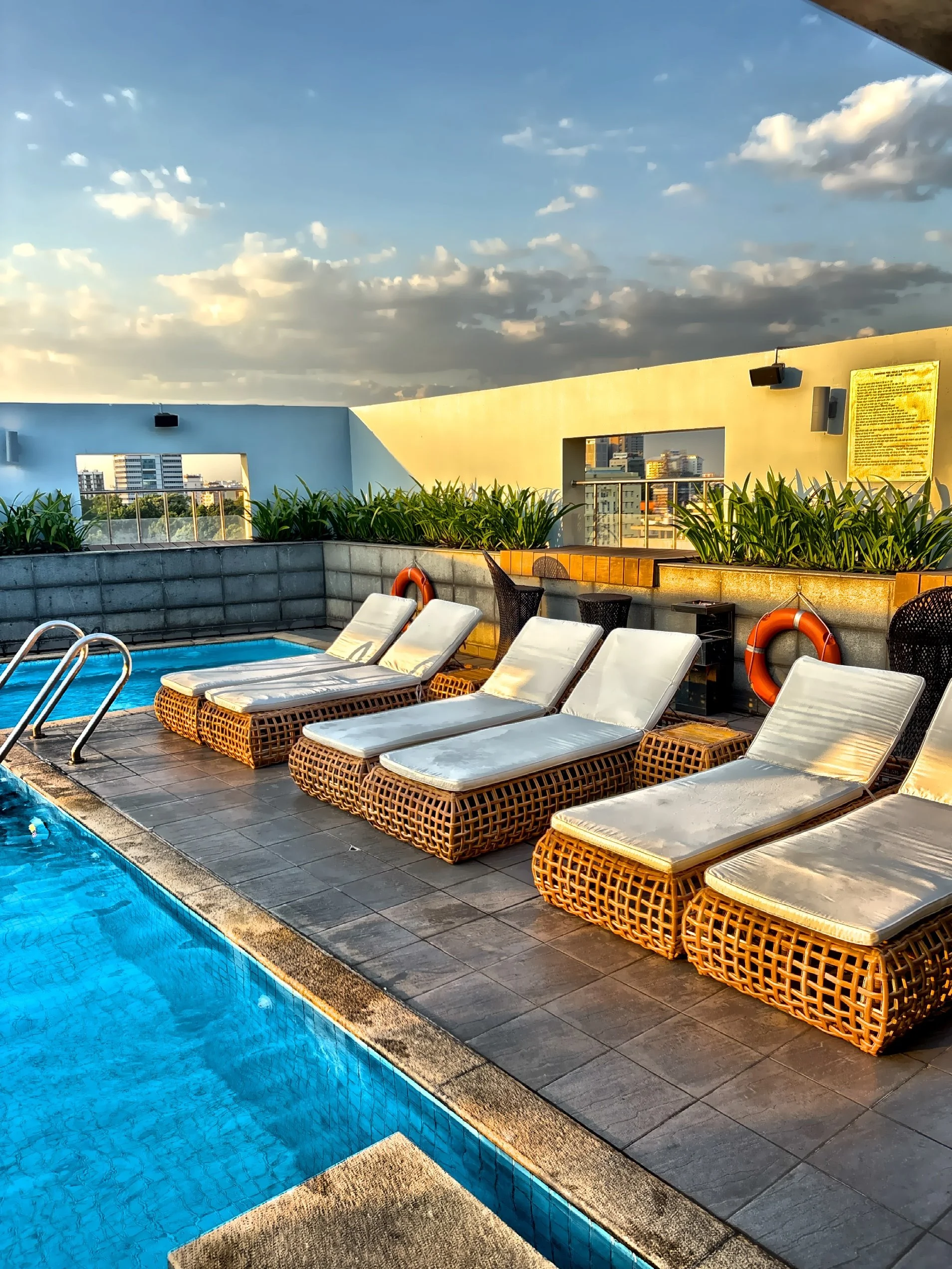
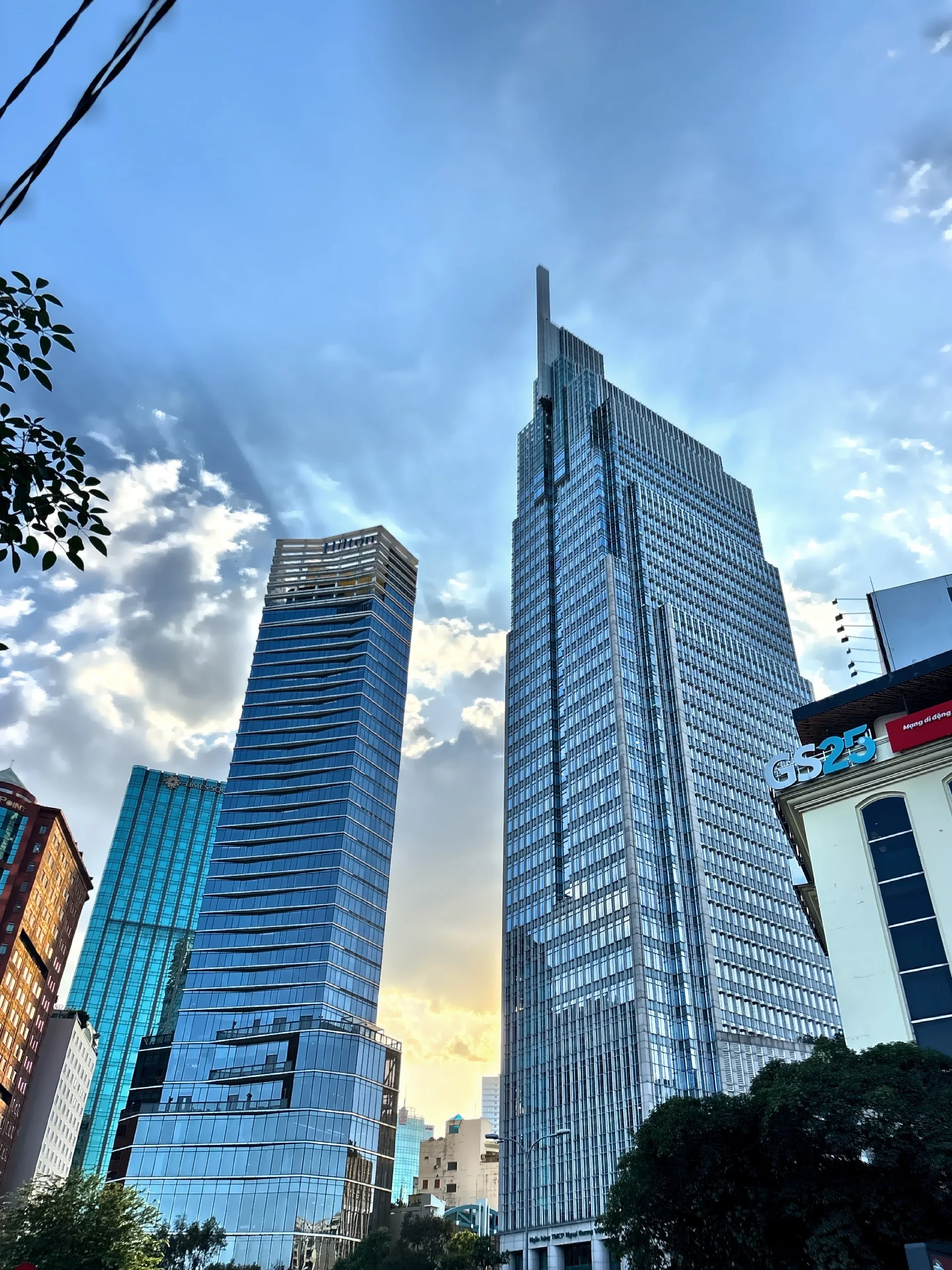
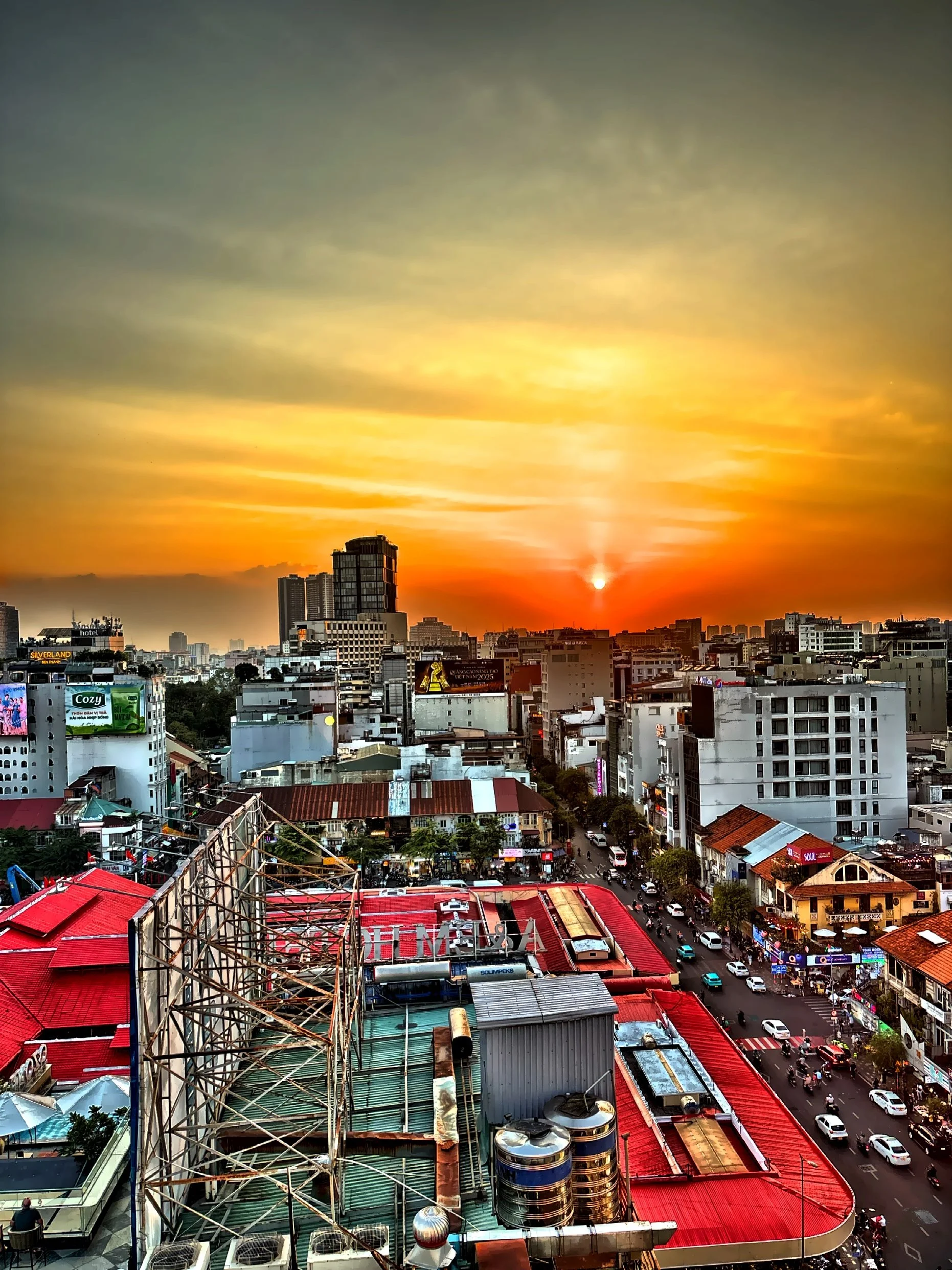
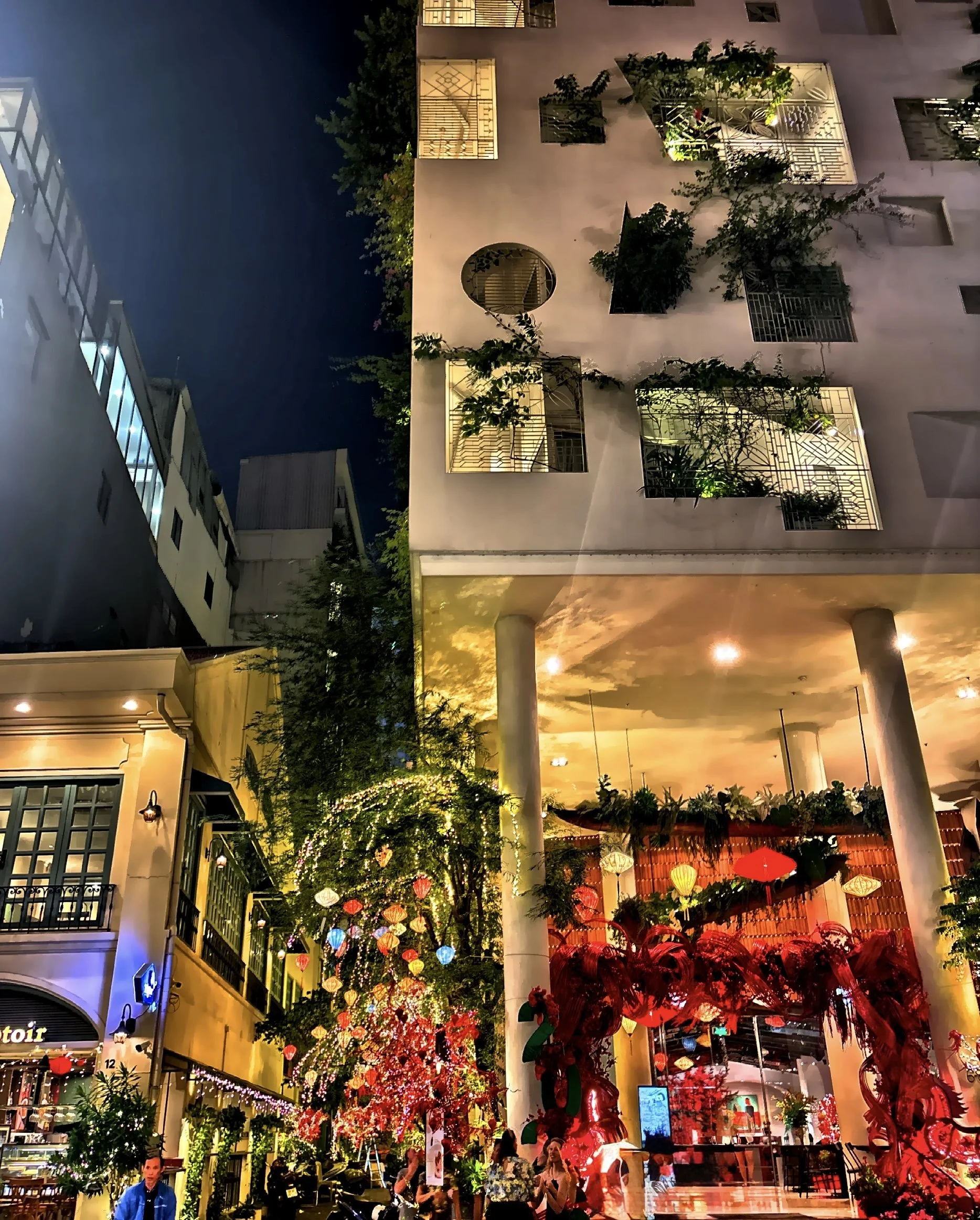
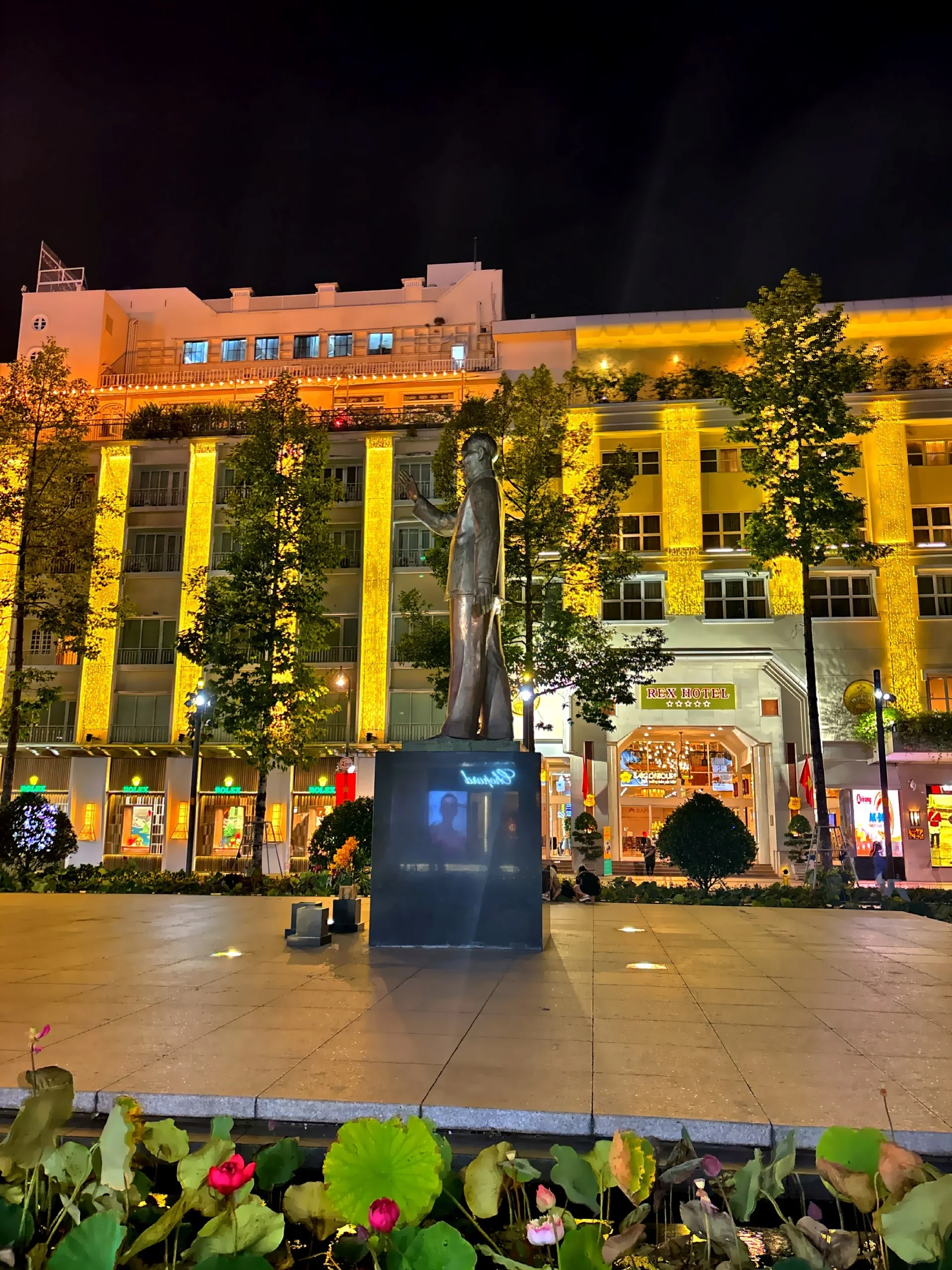
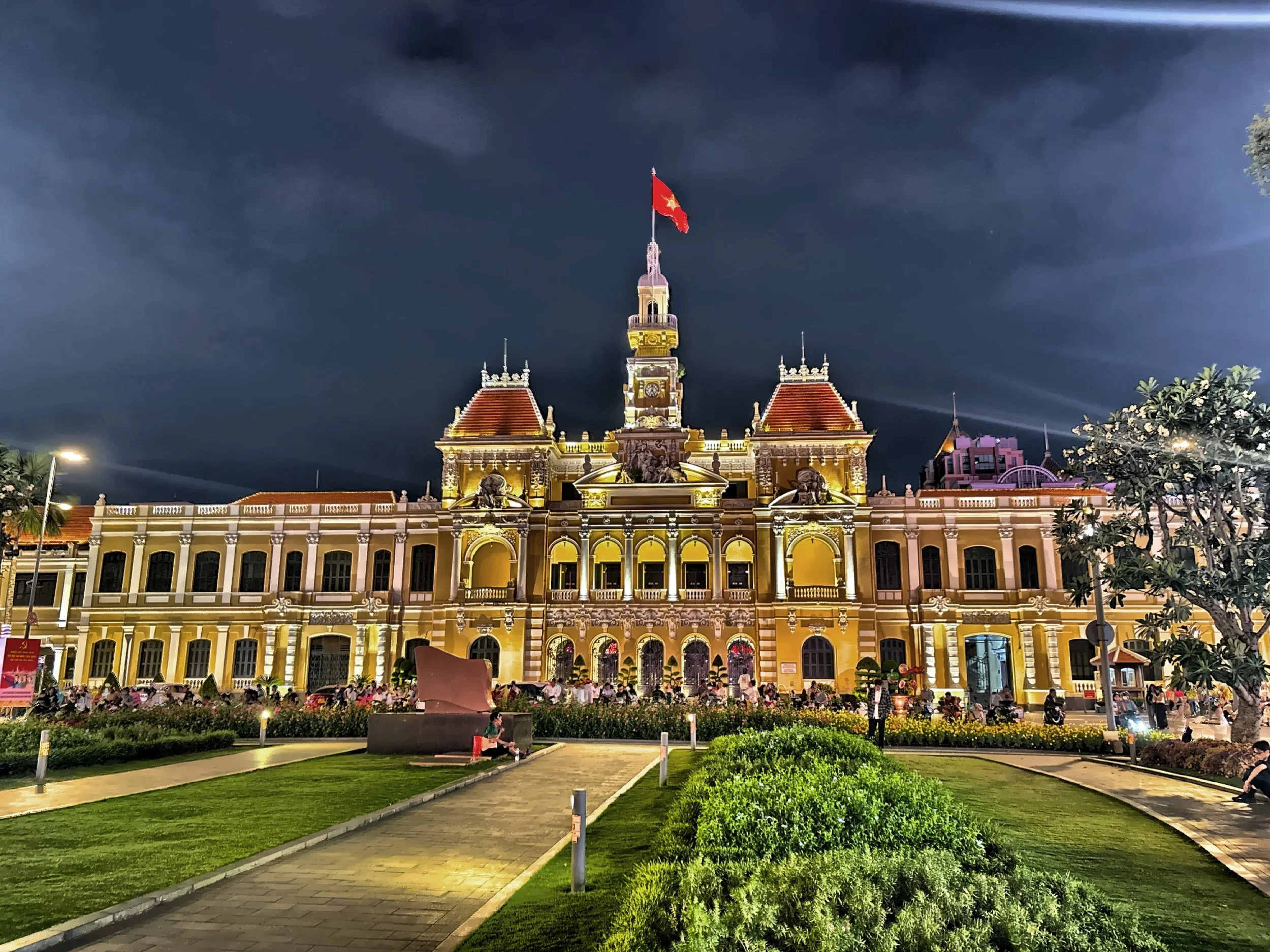
What you should know:
Traffic can look overwhelming—but there’s a trick: Walk slowly and steadily, motorbikes will flow around you and cars will stop.
Public bathrooms in Vietnam often do not have toilet paper, so it is essential to carry your own tissues or toilet paper at all times. While tourist-oriented cafes, hotels, and restaurants usually have it, many public, local, or rural bathrooms do not. Most toilets use a bidet sprayer ("bum gun") instead of paper. Some may also charge to use them.
Locals are generally friendly but reserved – polite and helpful.
Vienamese is the official language, and it is a tonal language, meaning the pitch you use can change the meaning of a word. English is commonly taught here and used in tourism and business.
Credit cards are widely accepted in malls, hotels, and nicer restaurants.
The currency used in Vietnam is the Vietnamese dong (symbol: ₫, code: VND). Cash is still king in many places (street food, markets). Cash is king so it is always good to keep some on you for street food and markets.
Parking can sometime be difficult at times in certain neighborhoods.
You will need a valid passport, a visa, and a power convertor if you are coming from the US.
There are many restaurant and food options.
Tipping is not expected but some people do round up.
Options for getting around include taxi, motor bike taxis, bicycles, cyclo, and tuk-tuks are available. There is also Grab, an Uber-type app that reliable option.
Dress modestly when visiting temples, covered shoulders and knees.
Remove shoes before entering temples.
Bargaining is common in markets—but do it politely and with a smile.
It’s hot and humid year-round—hydrate constantly and only use with bottled water.
Wear lightweight clothes and sunscreen.
If you enjoy a good massages, make sure to get at least one here because they are cheap!
For more information: Ho Chi Minh City
If you enjoyed this post, feel free to check out my previous posts by clicking here.