
Before Jackson Hole became synonymous with ski lodges, designer boutiques, and summer crowds, it was a demanding place to make a living. The mountains dictated where roads could run, where cattle could graze, and what kinds of buildings could withstand the long Wyoming winter. Here, architecture was never merely decorative. It was shaped by snow, timber, isolation, and the practical demands of life in the American West.
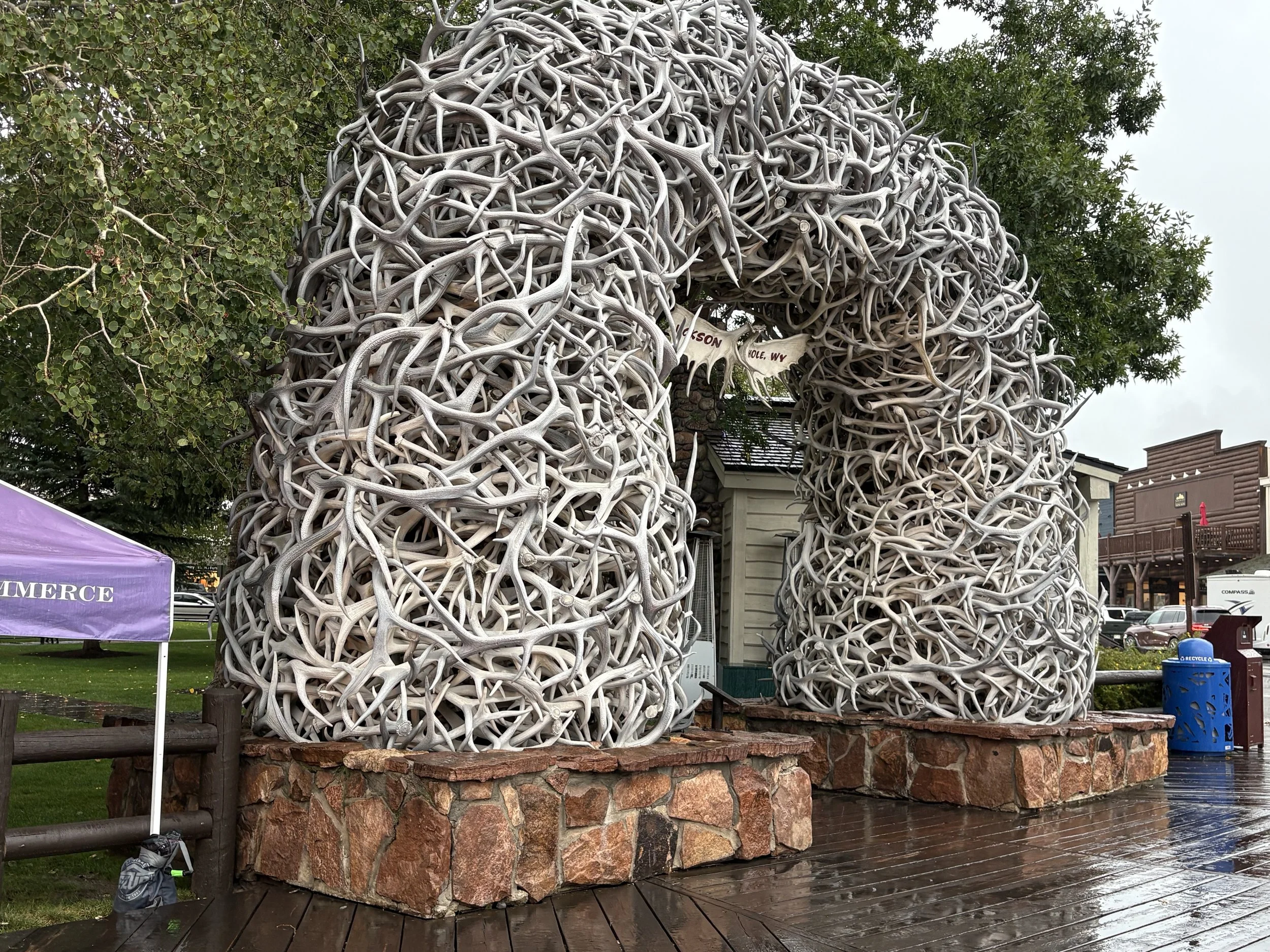
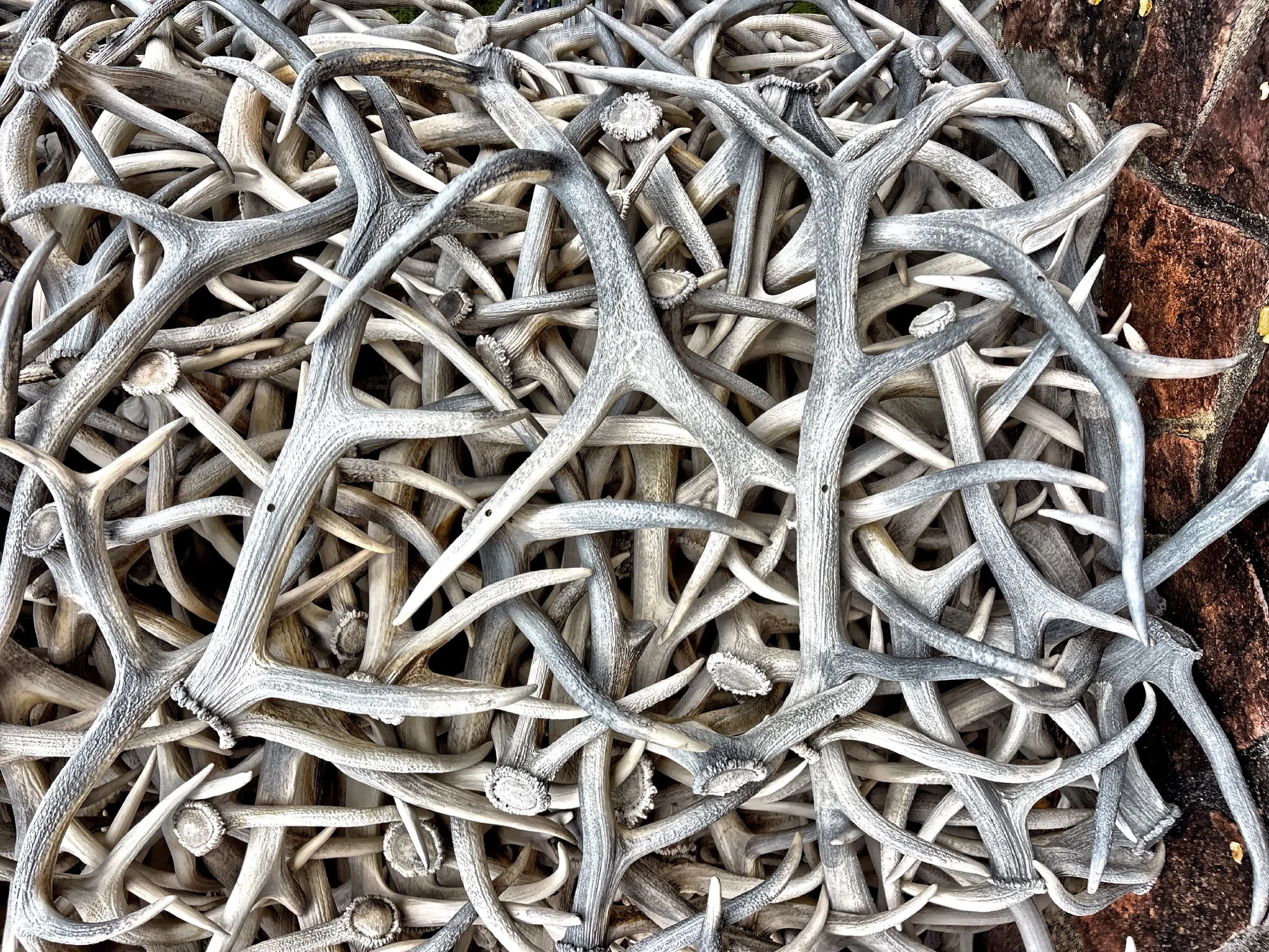
In Jackson Hole, architecture often seems to disappear into the landscape. Weathered log cabins echo the colors of the surrounding forest; barns stand beneath immense mountain peaks; and ranch houses shelter behind stands of cottonwoods. In the center of Jackson, four monumental arches woven from elk antlers frame the town square, an unmistakable emblem of the region’s Western identity.
By the early twentieth century, the valley was undergoing a transformation. Eastern visitors, drawn by the grandeur of the Tetons and the romance of frontier life, began arriving at local dude ranches. These ranches offered an idealized escape from urban America: horseback riding, rustic cabins, hearty meals, and sweeping mountain views.
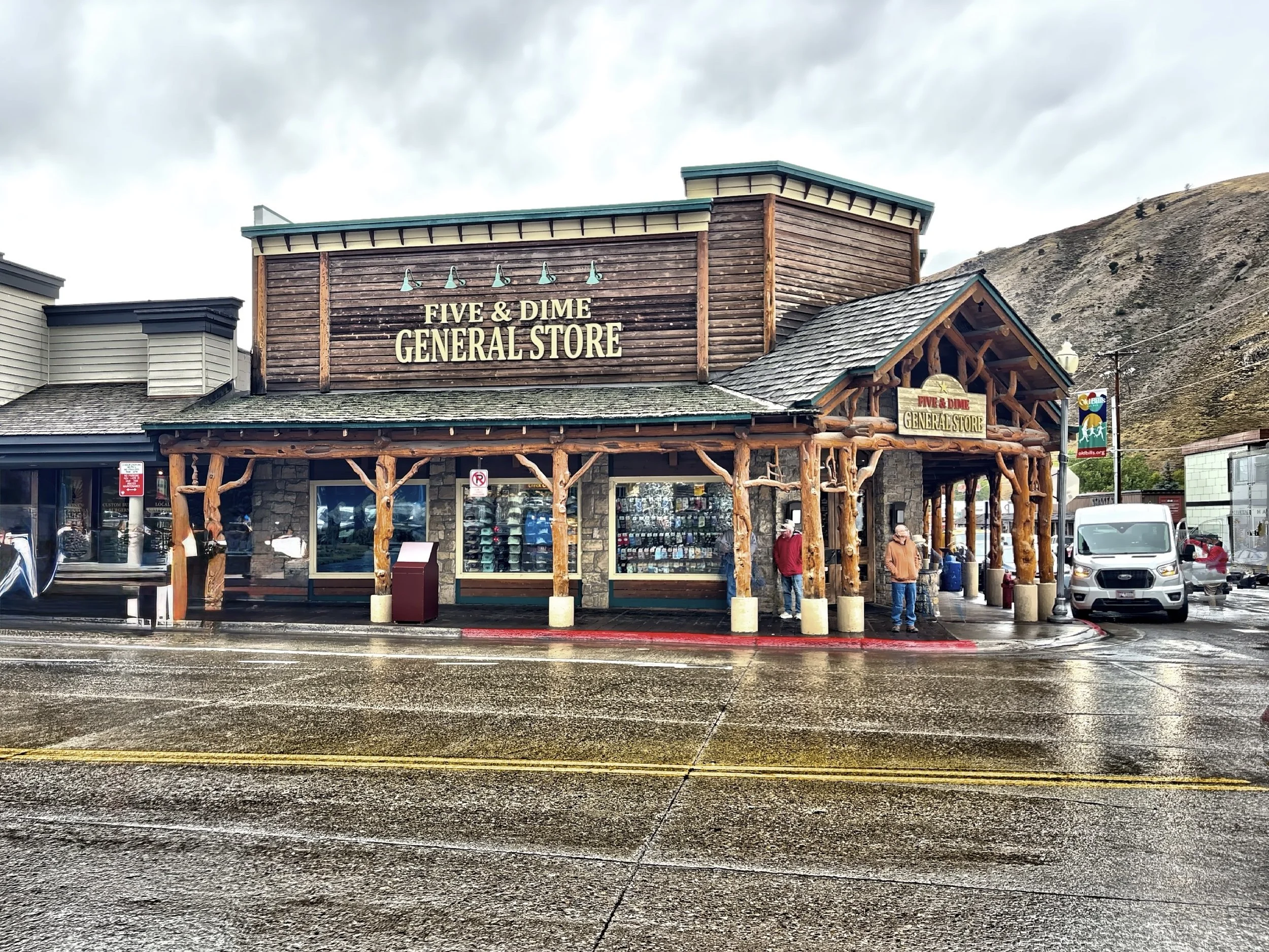
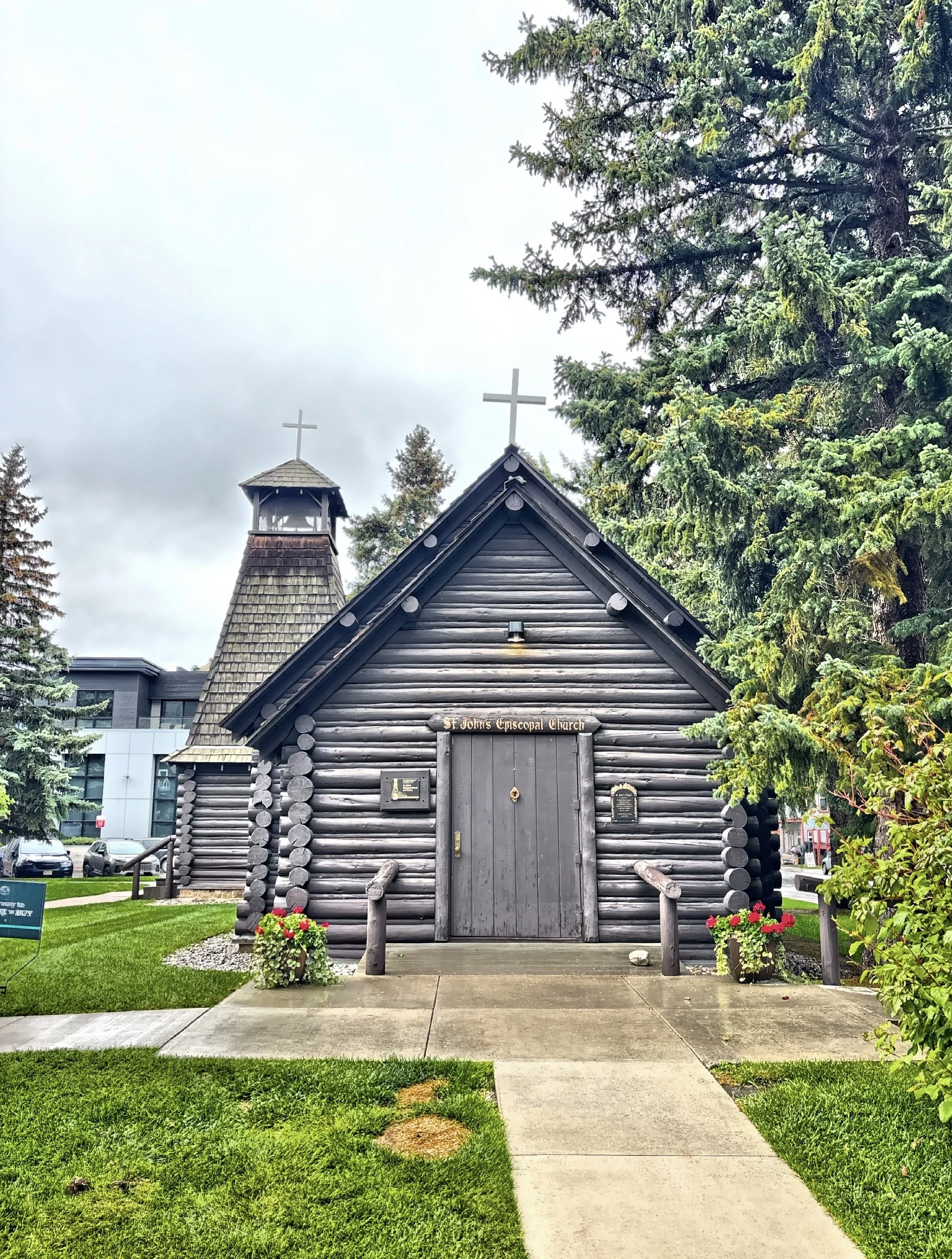
With rough-hewn timber, stone fireplaces, deep porches, steeply pitched roofs, and handcrafted details, dude ranch architecture conveyed an informality rooted in the landscape. These buildings balanced the practical demands of ranch life with an emerging tourist ideal of Western authenticity. The irony was that a way of life once shaped by necessity was becoming an experience to be sold.
Conservation brought another profound change. Grand Teton National Park was established in 1929, followed by Jackson Hole National Monument in 1943. In 1950, more than 32,000 acres acquired through the efforts of John D. Rockefeller Jr. were incorporated into the park, reshaping the relationship between private land, historic settlements, and the preservation of the valley’s extraordinary landscape.
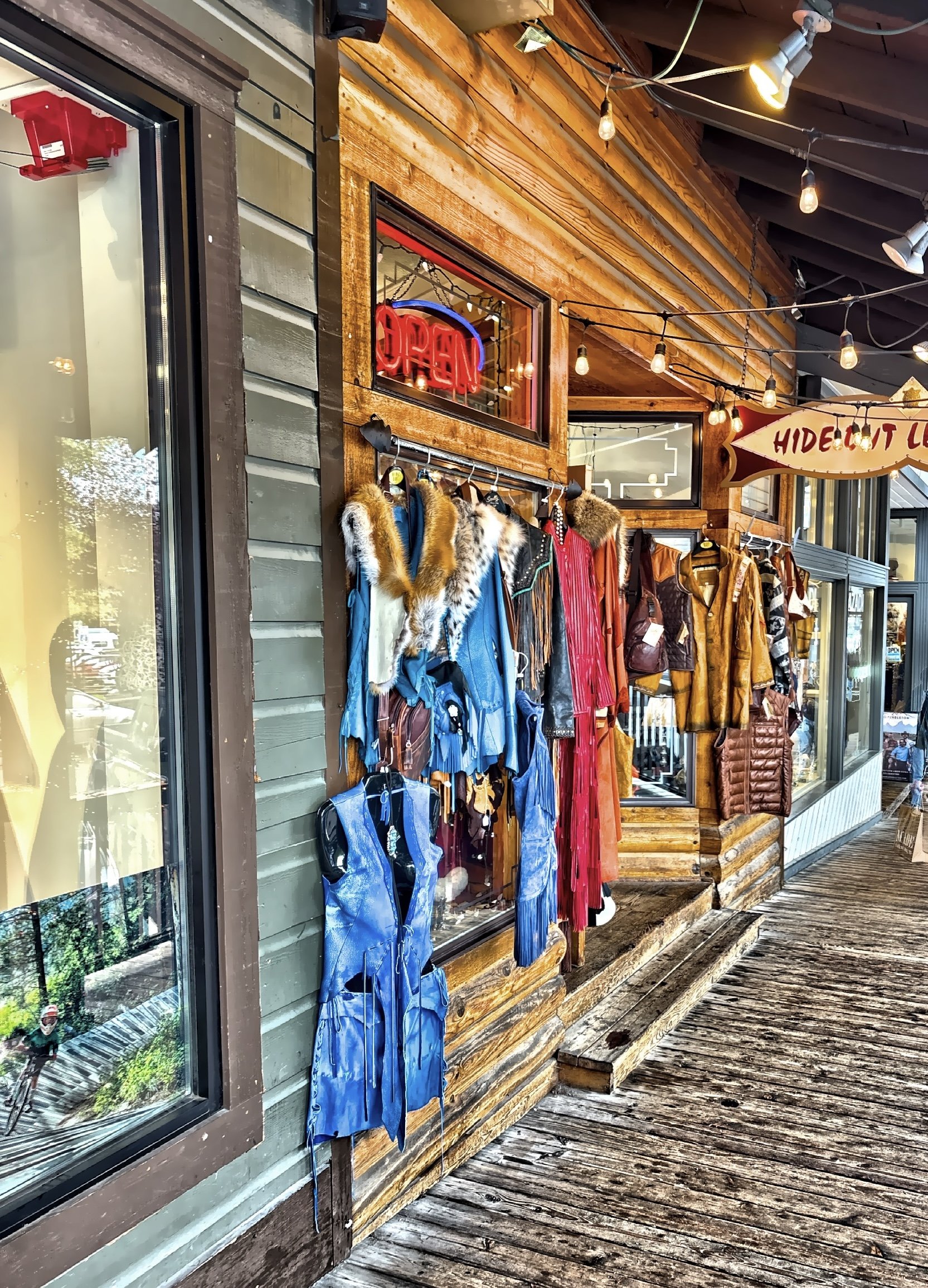
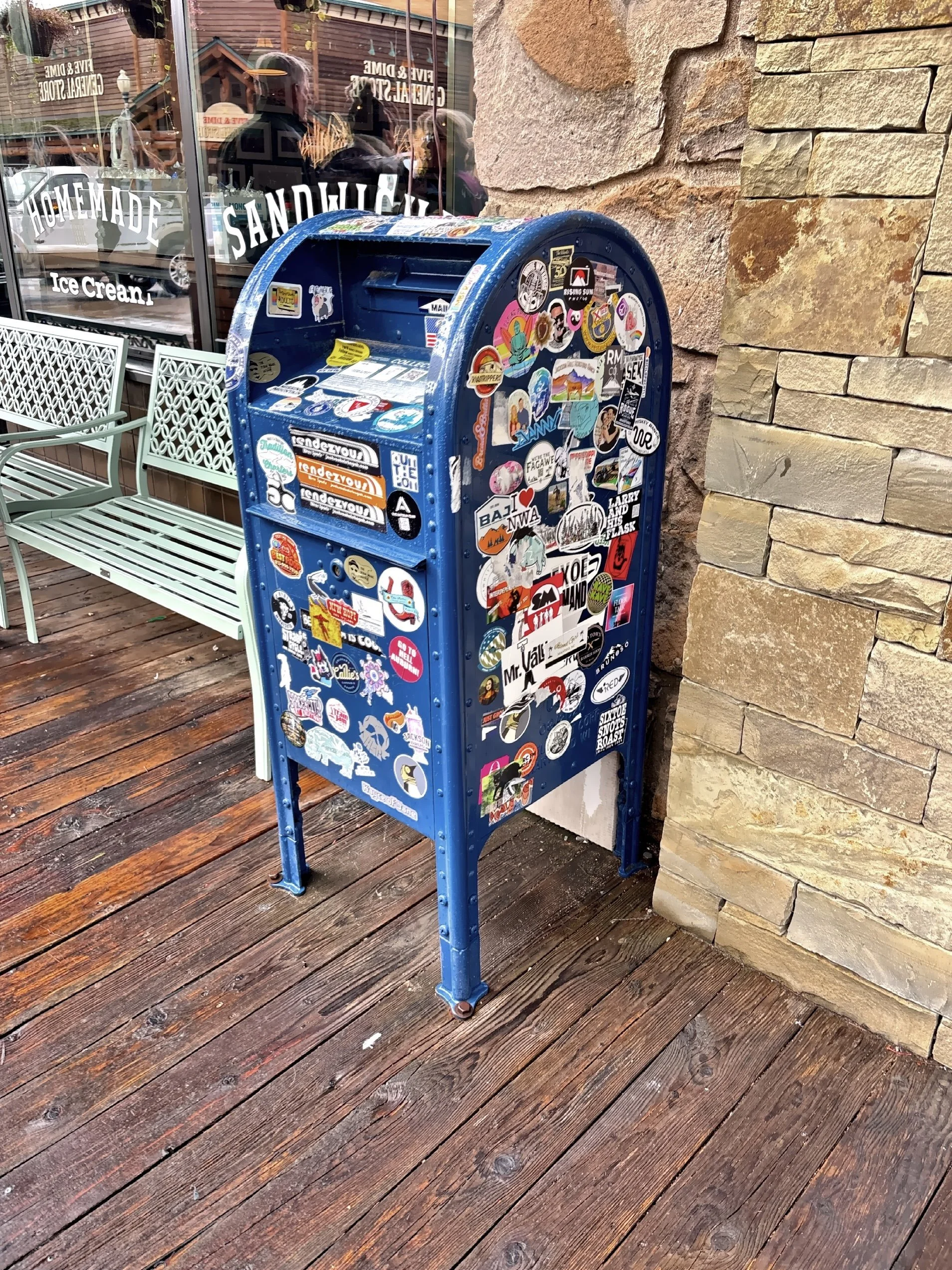
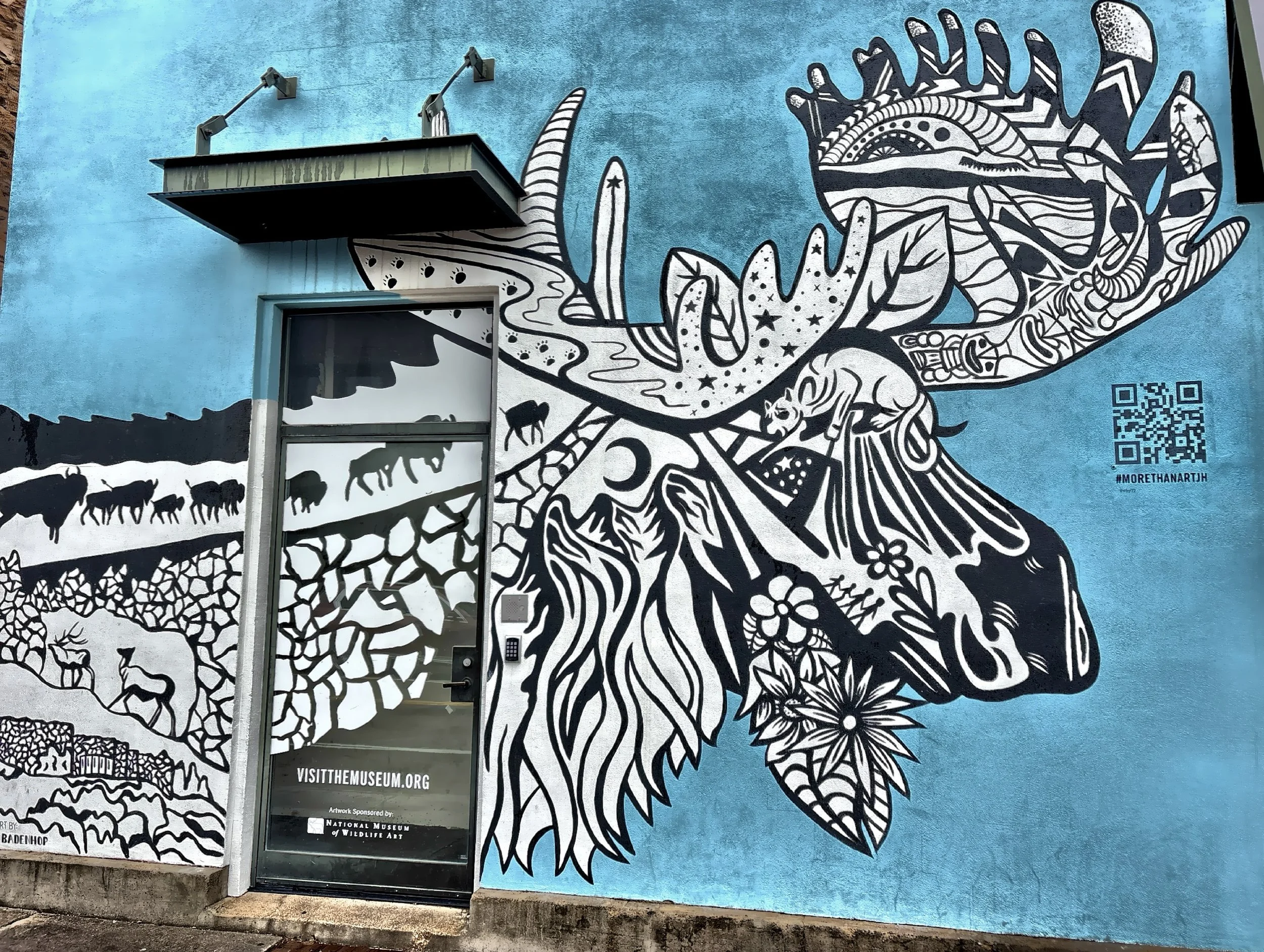
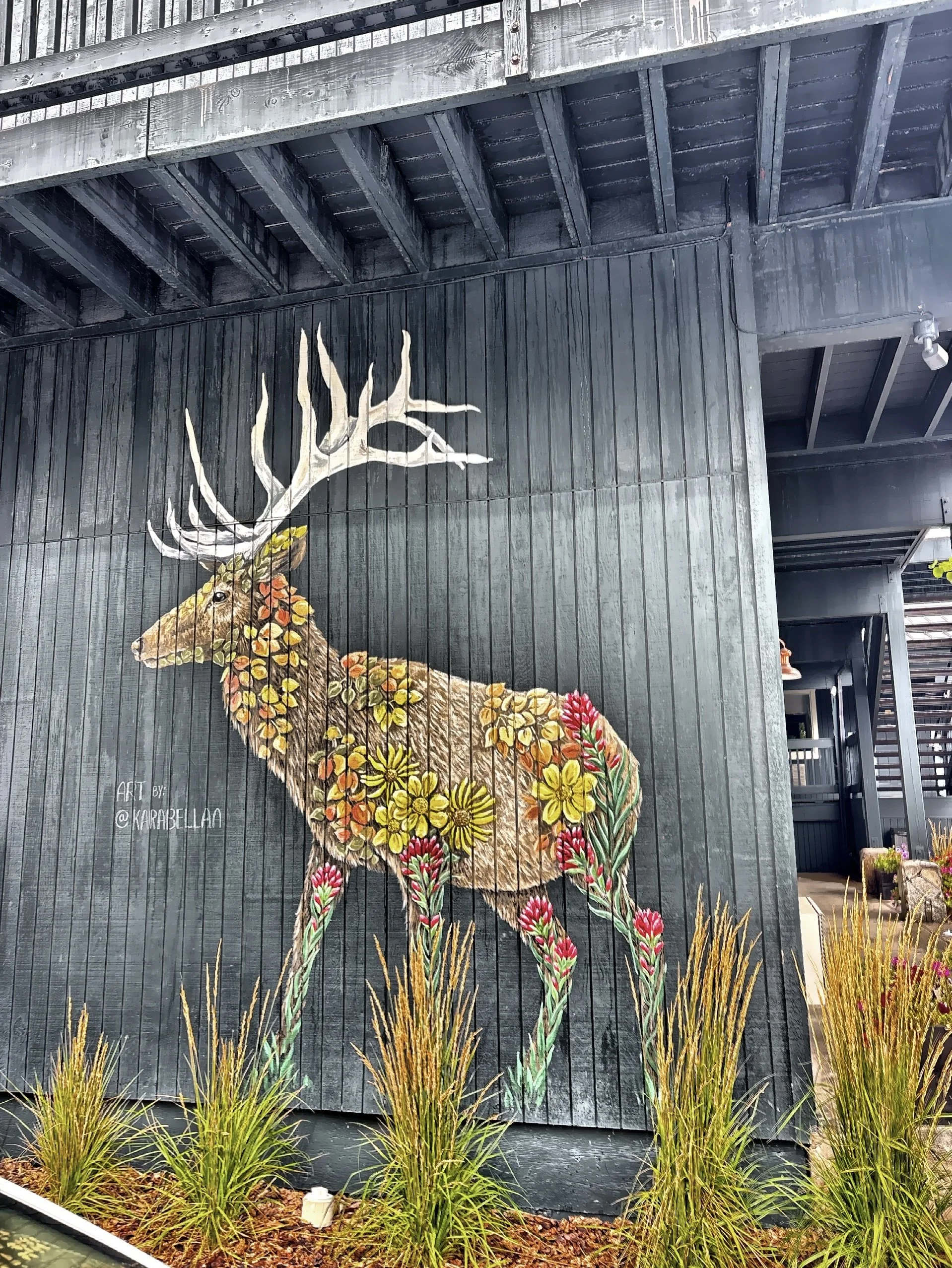
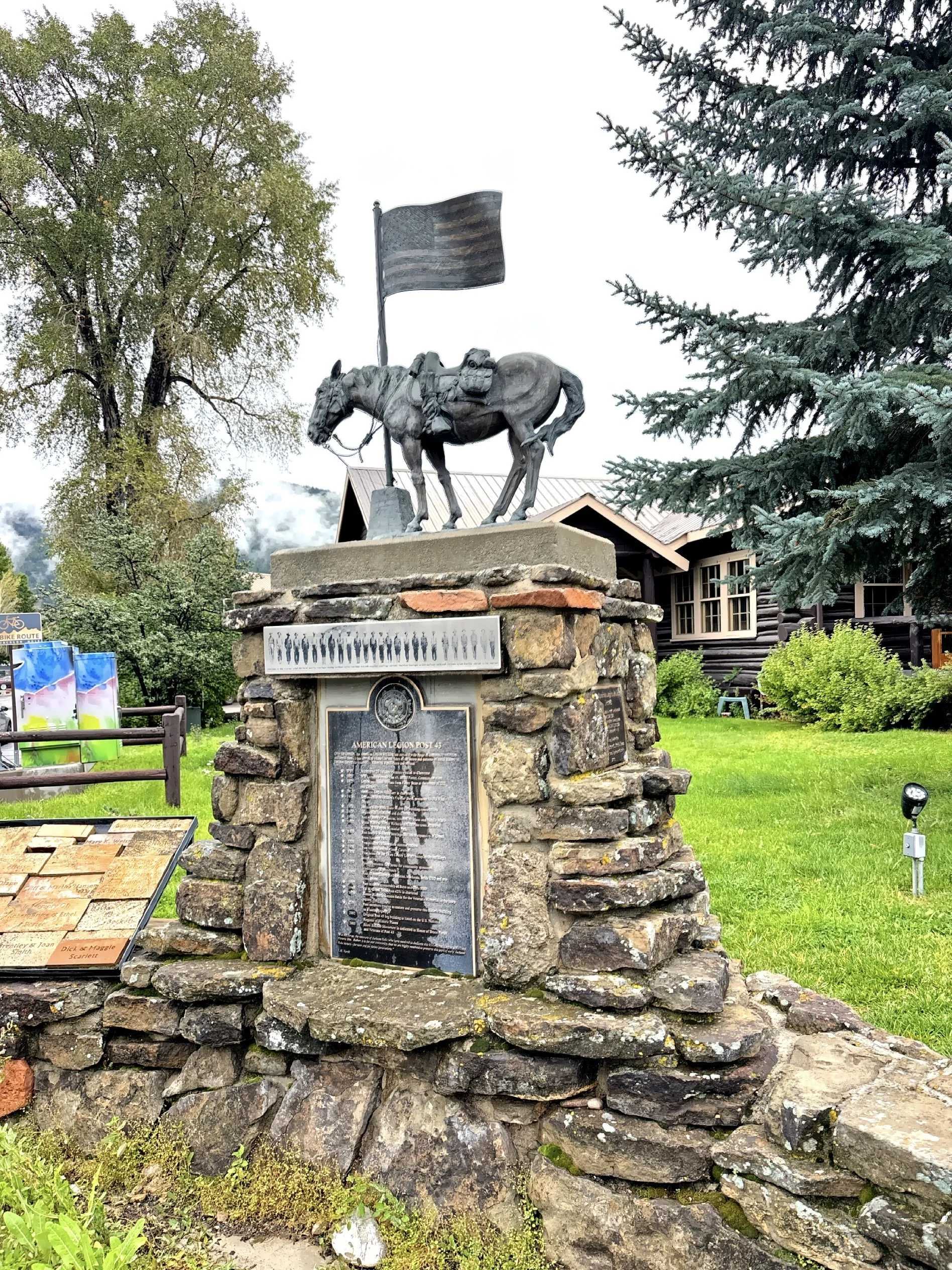
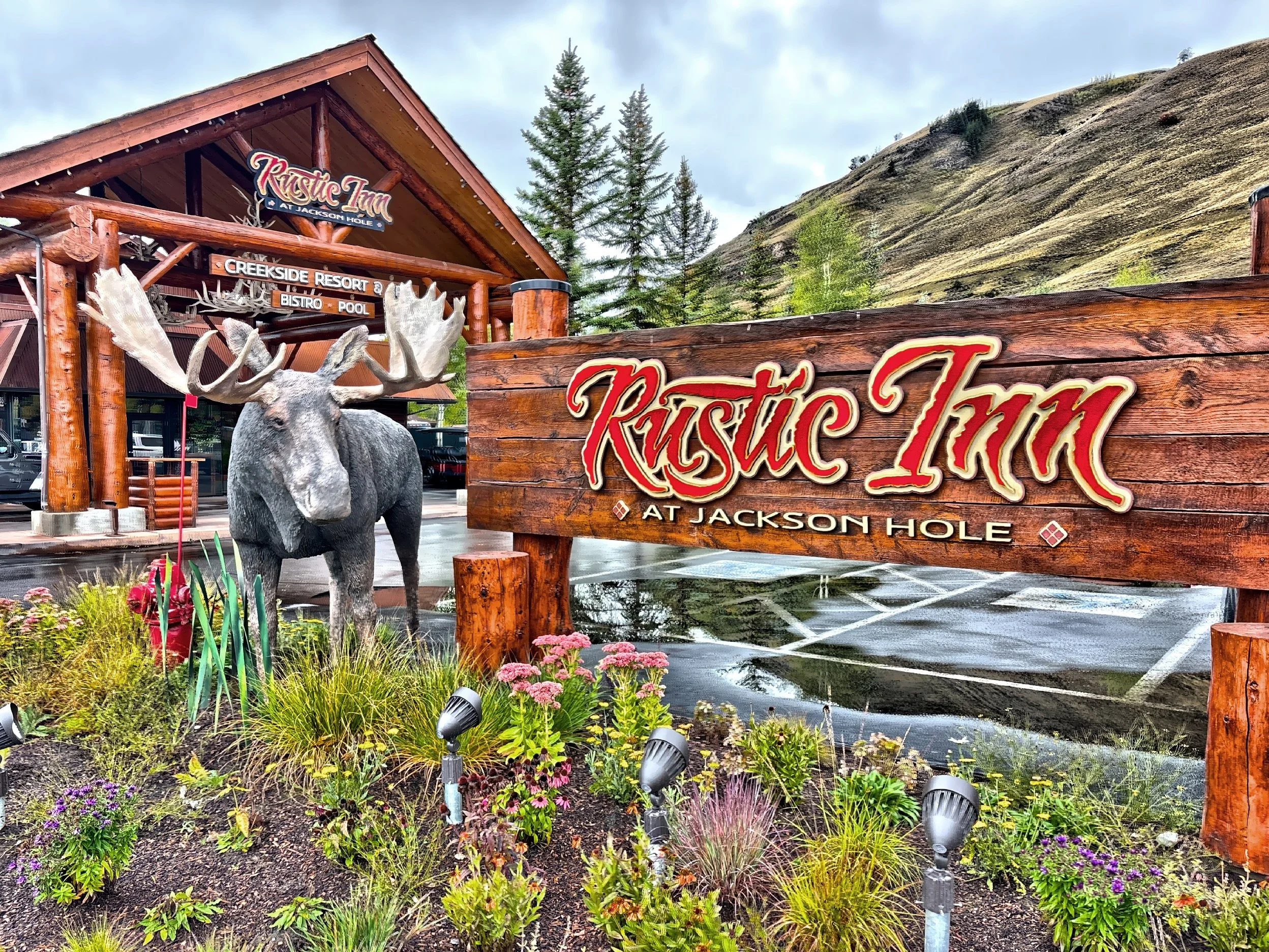
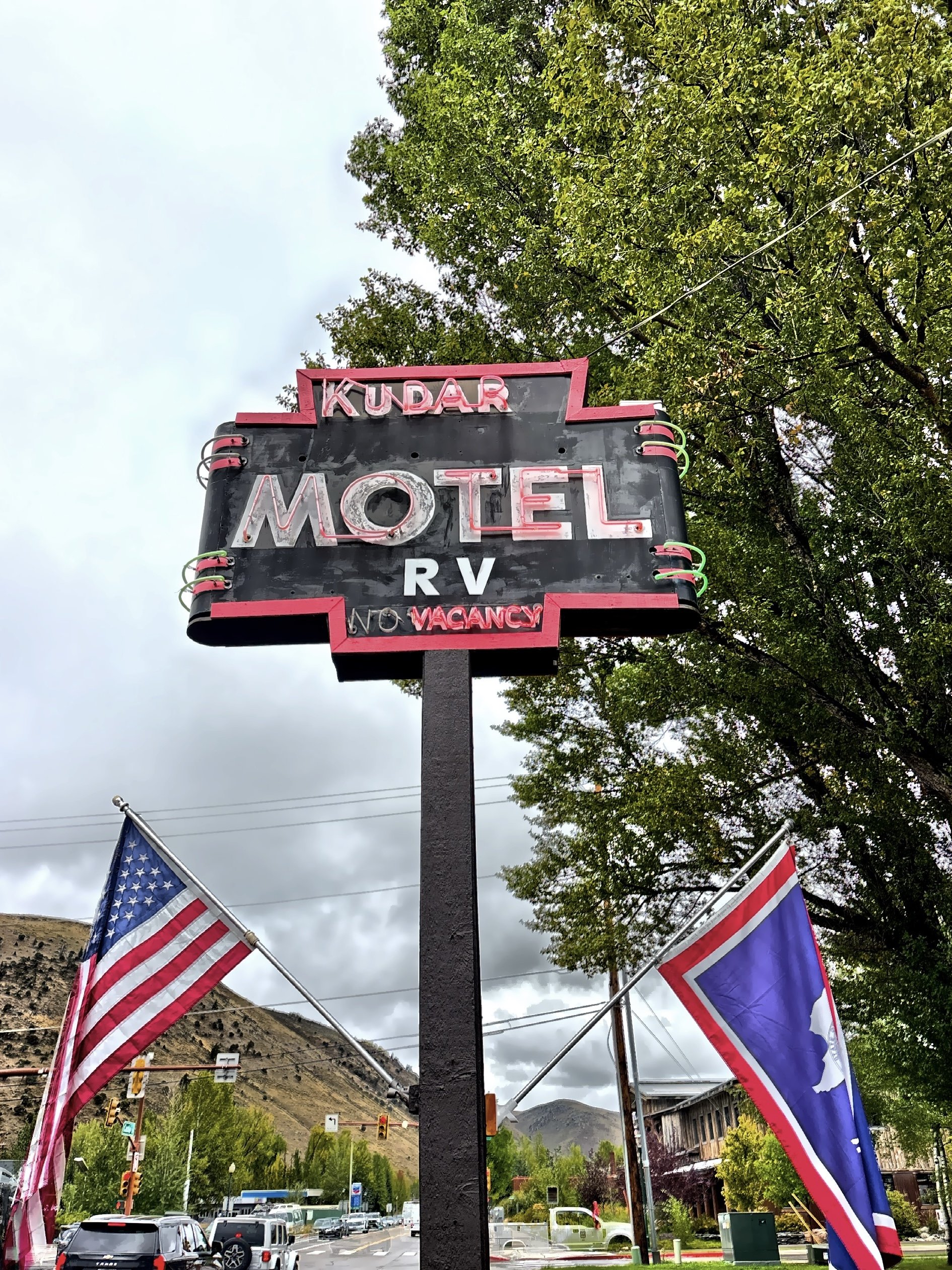
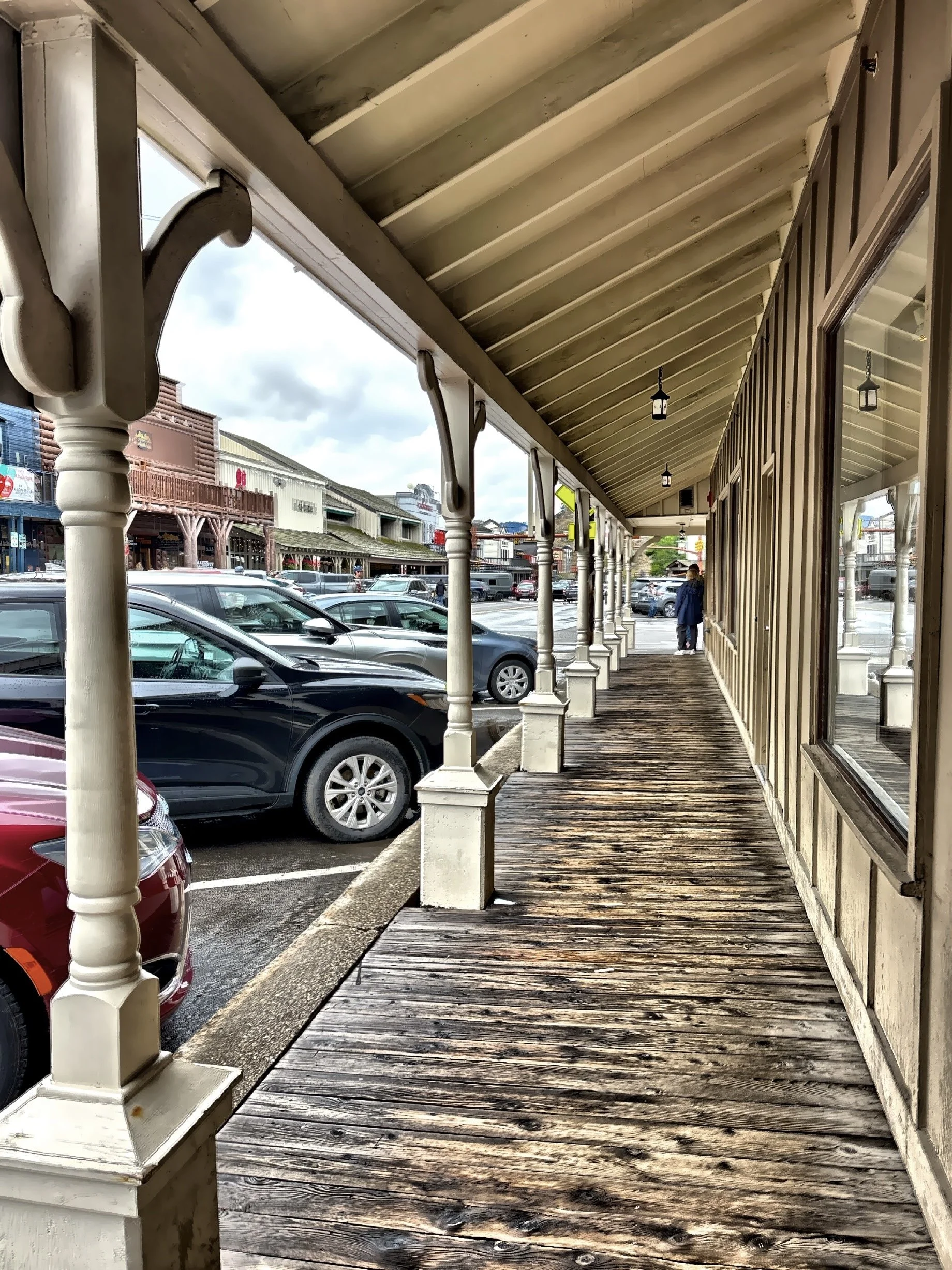
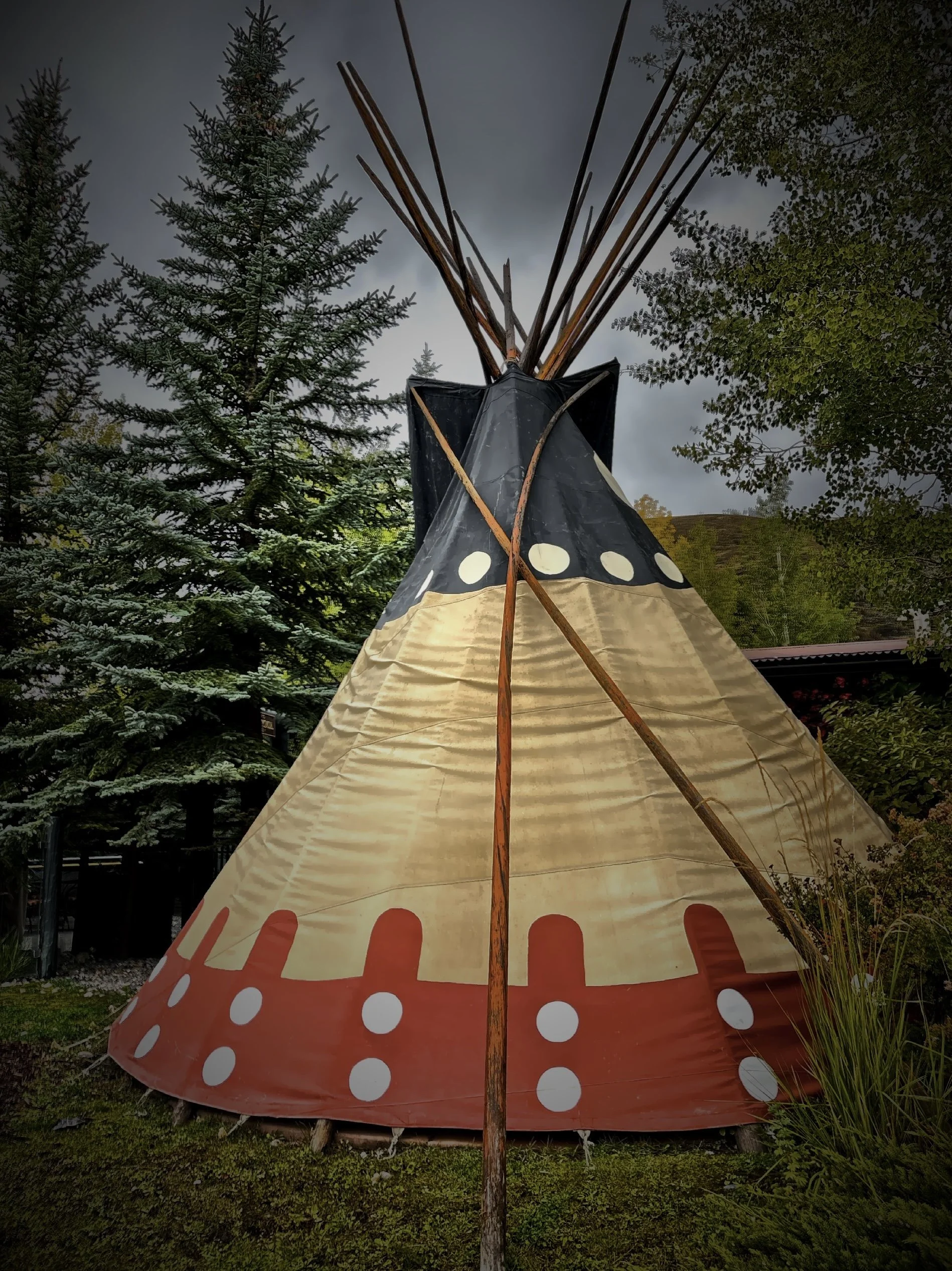
This is what caught my eye - I hope you enjoy!
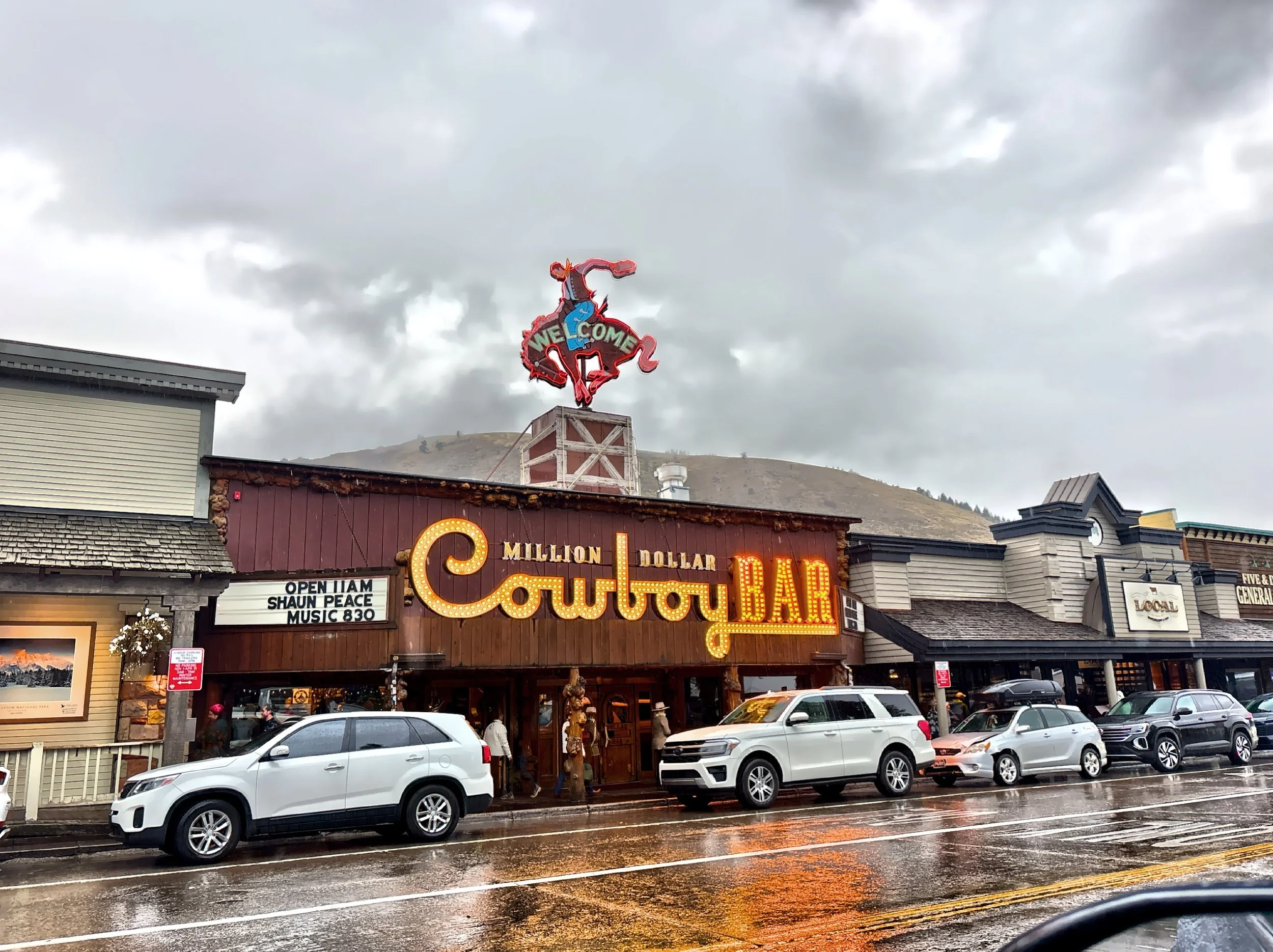
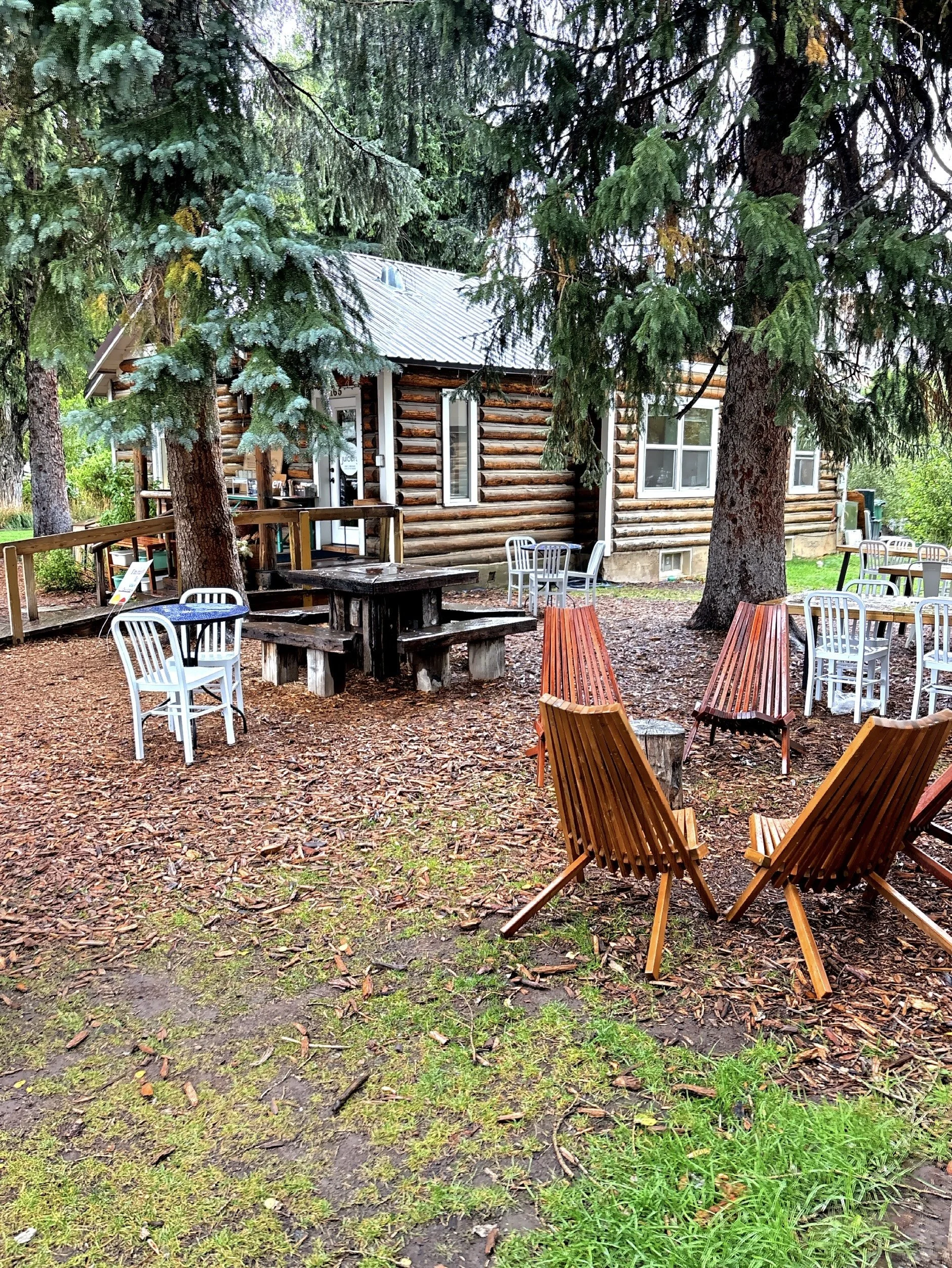
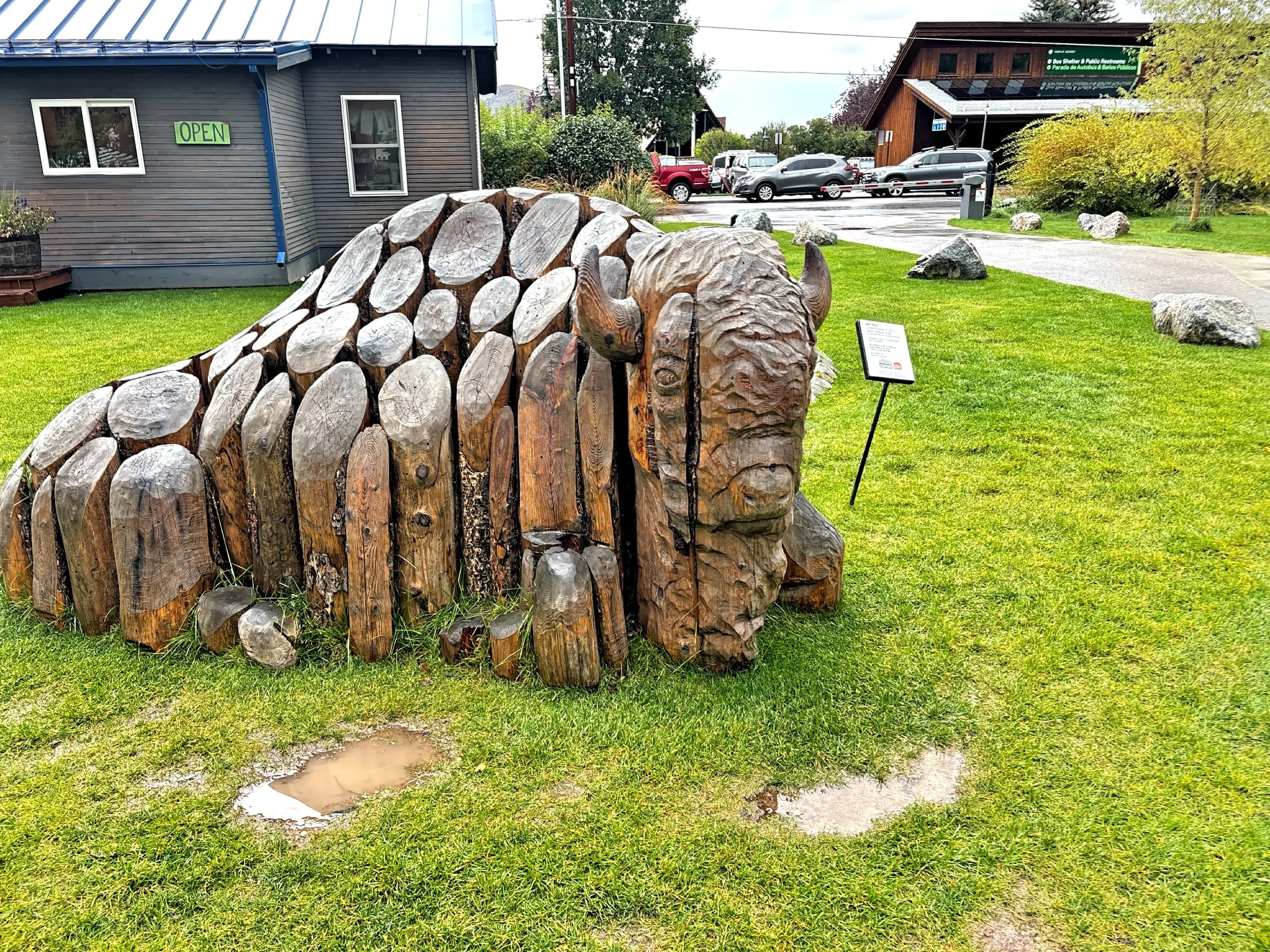
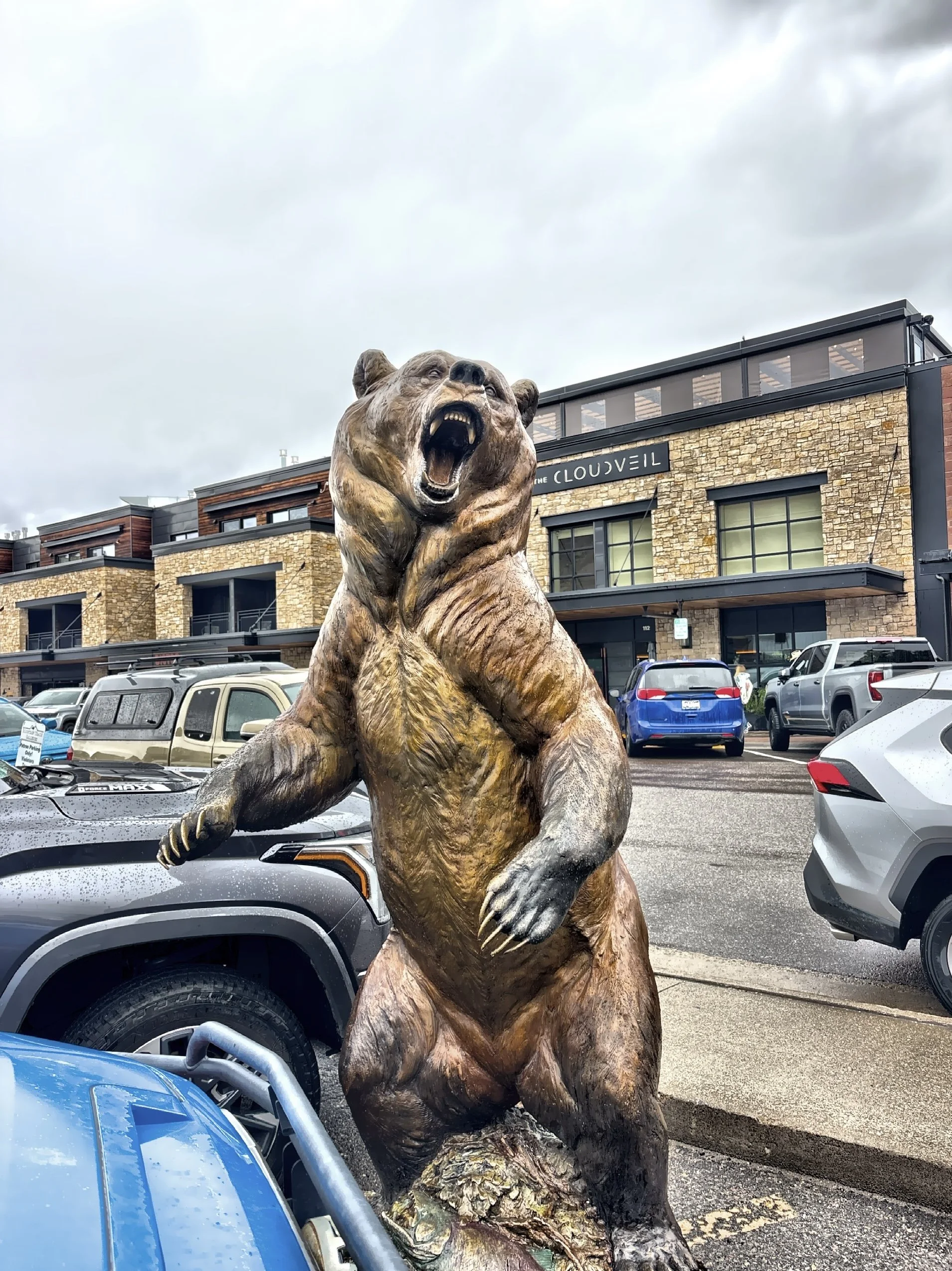
Do you like the images posted?
Click here to explore the shop.
What you should know:
You could spend an hour or two couple of hours exploring here.
Free downtown on the street and parking lot options are available, but can be challenging in season. There are also pay resort parking options.
There are many restaurant and food options.
Walking is a great way to see the town.
The town sits at 6,237 feet, and surrounding peaks climb much higher. Drink plenty of water, use sunscreen, and give yourself some time to acclimate to avoid altitude sickness.
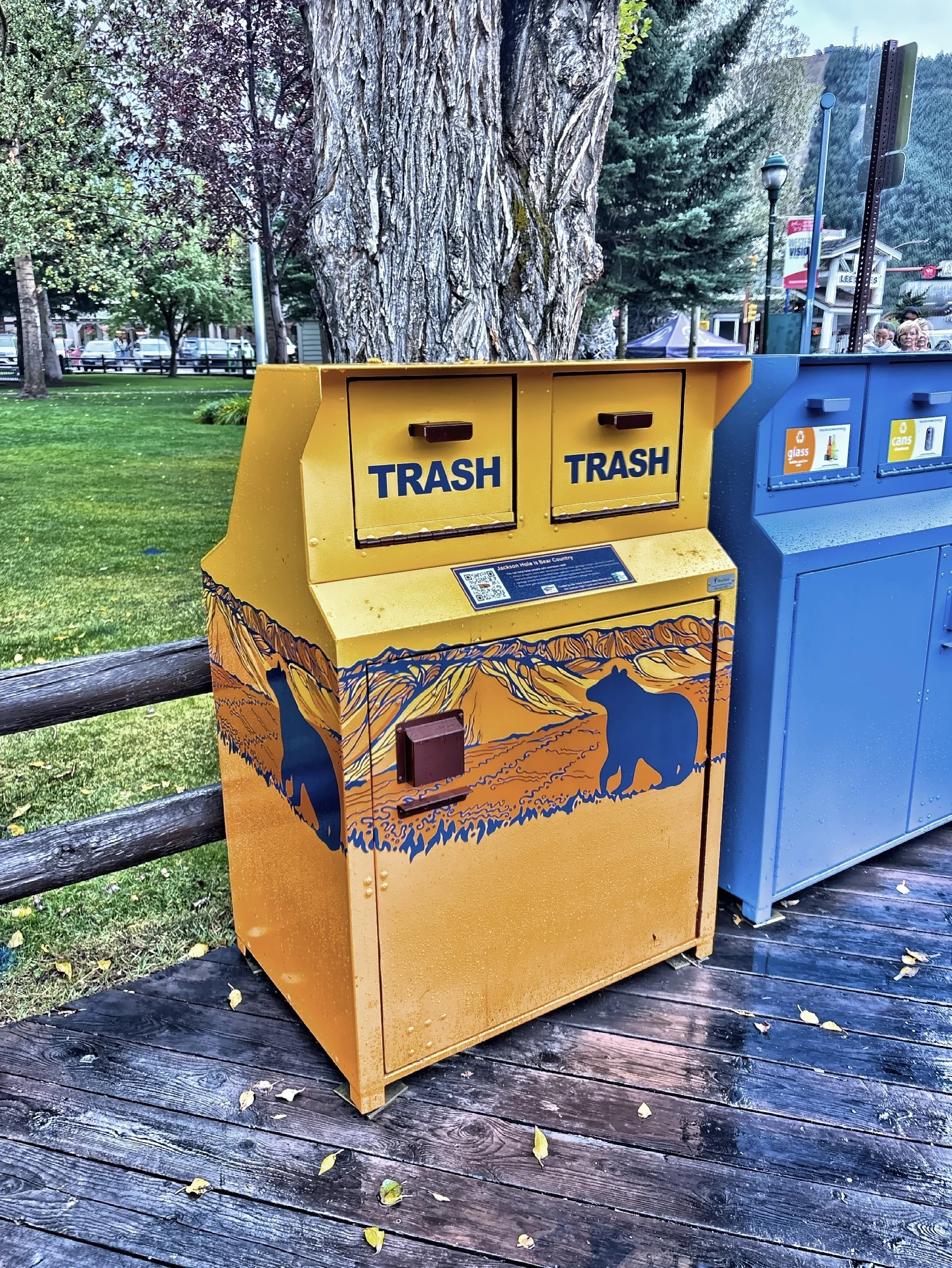
This is prime bear, moose, and wolf country. Maintain at least 300 feet from bears and wolves, and at least 75 feet from all other wildlife.
Always carry bear spray in an accessible place when hiking, and know how to use it.
It is illegal to collect shed elk antlers in many areas without proper permits.
Public restrooms are available.
For more information: Jackson Hole, WY
If you enjoyed this post, feel free to check out my previous posts by clicking here.