
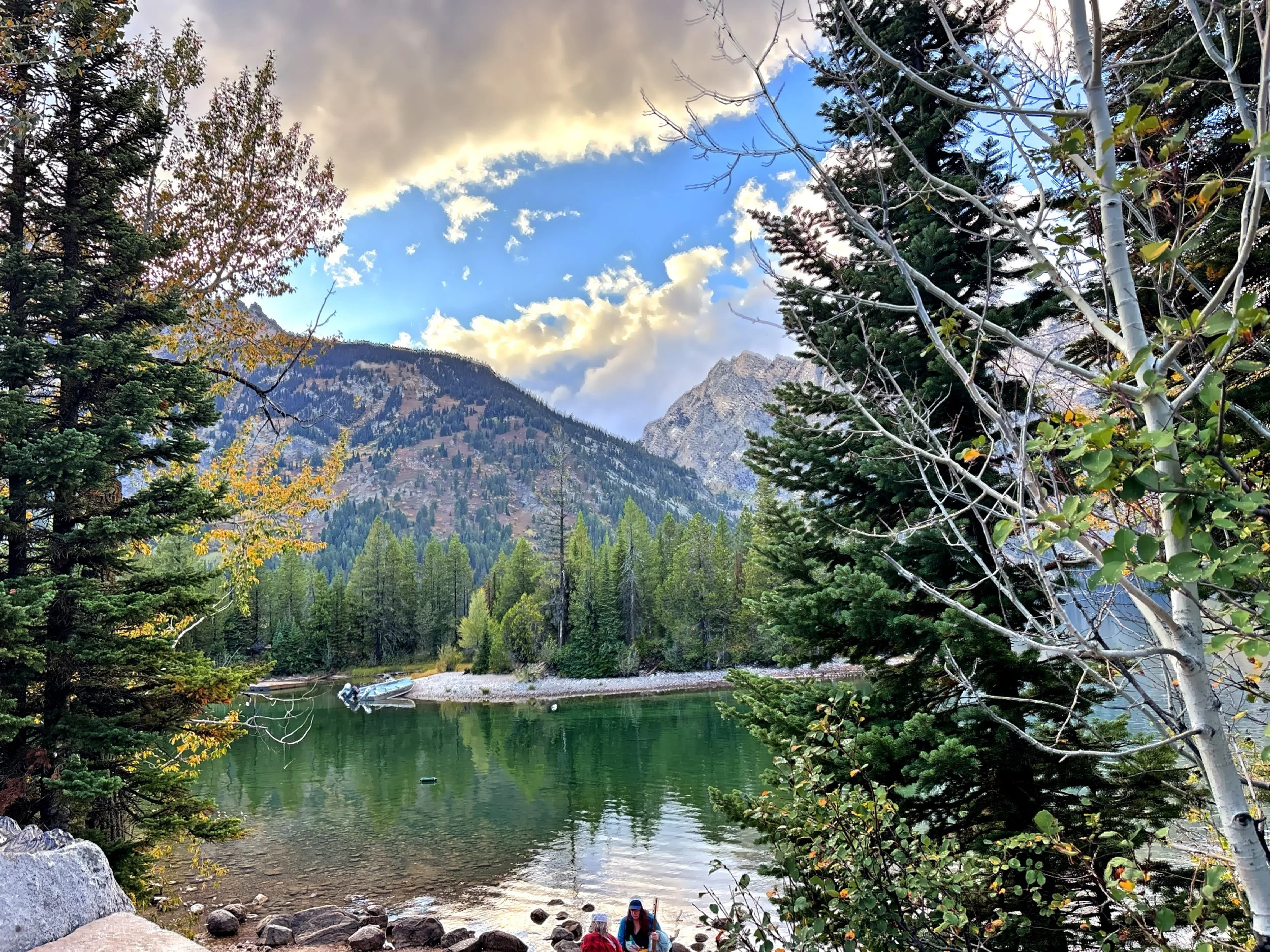
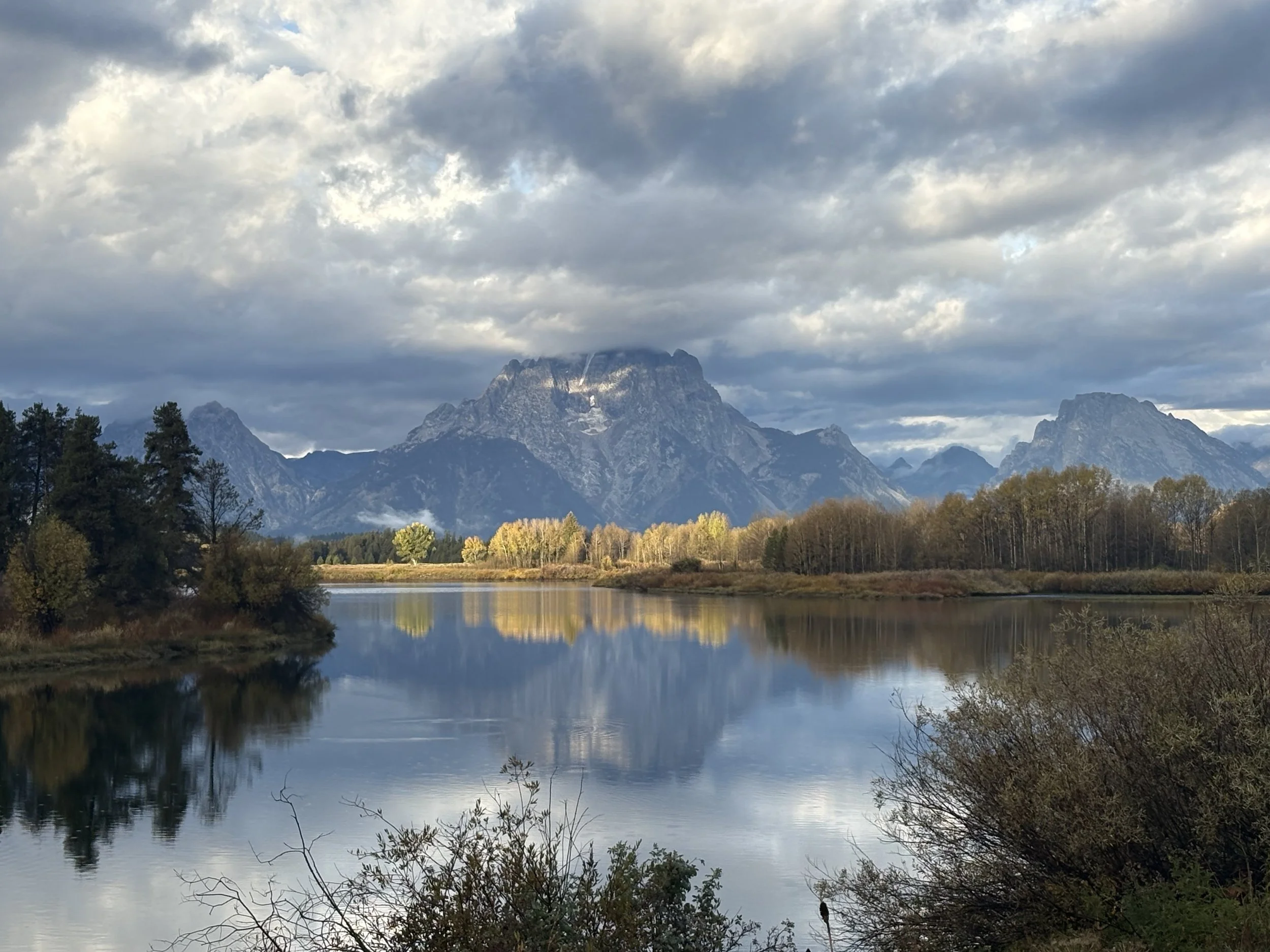
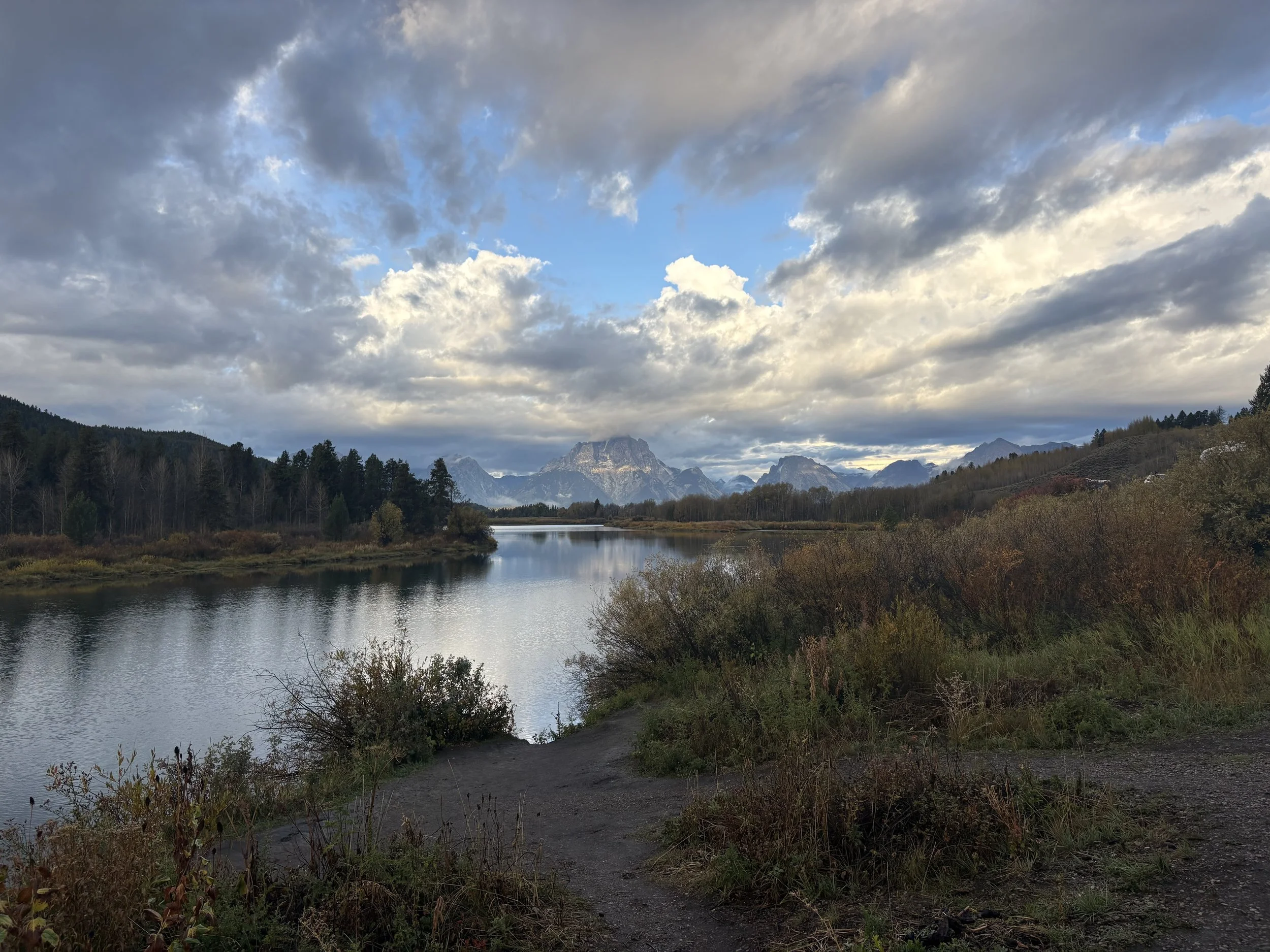
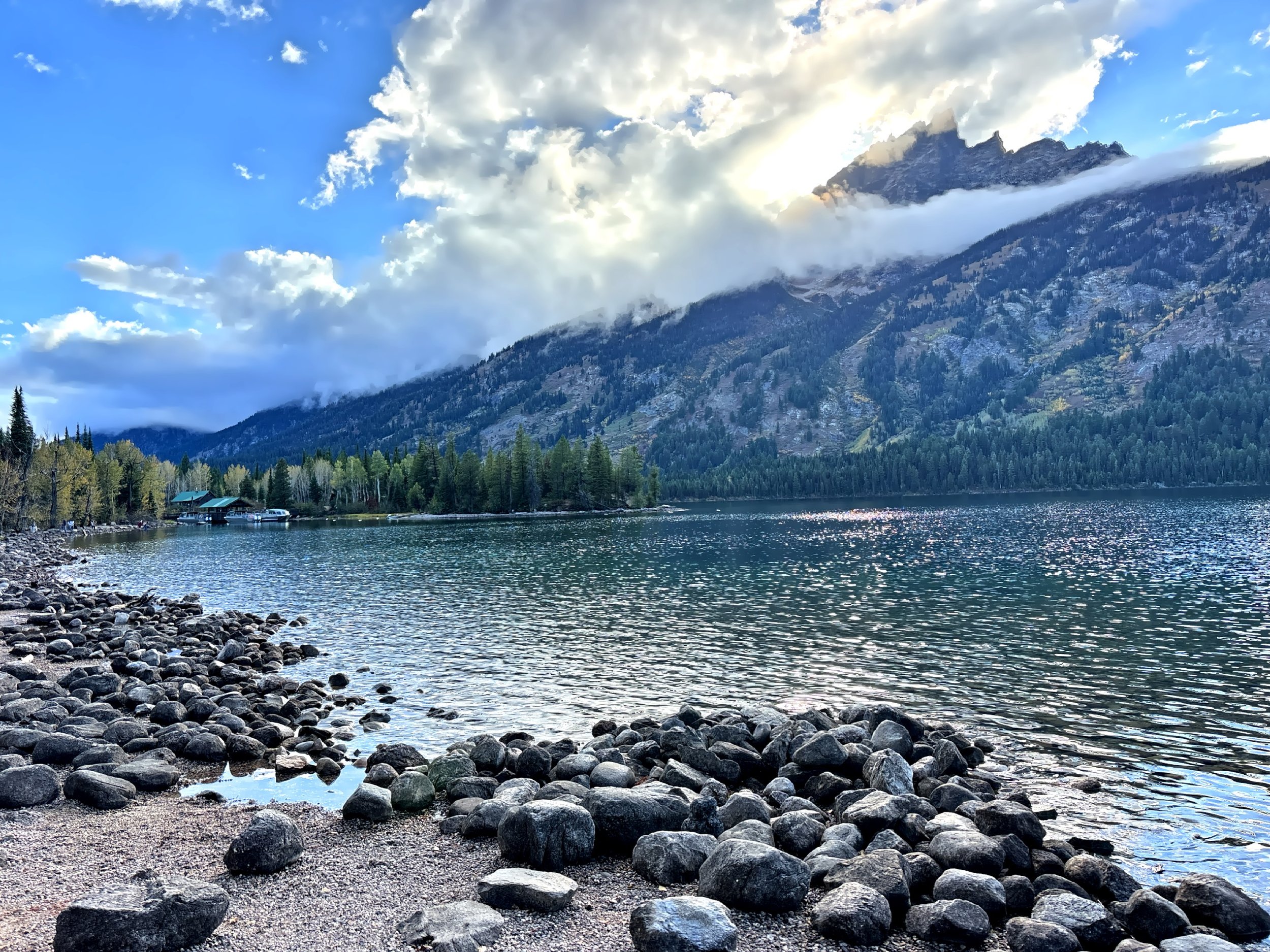
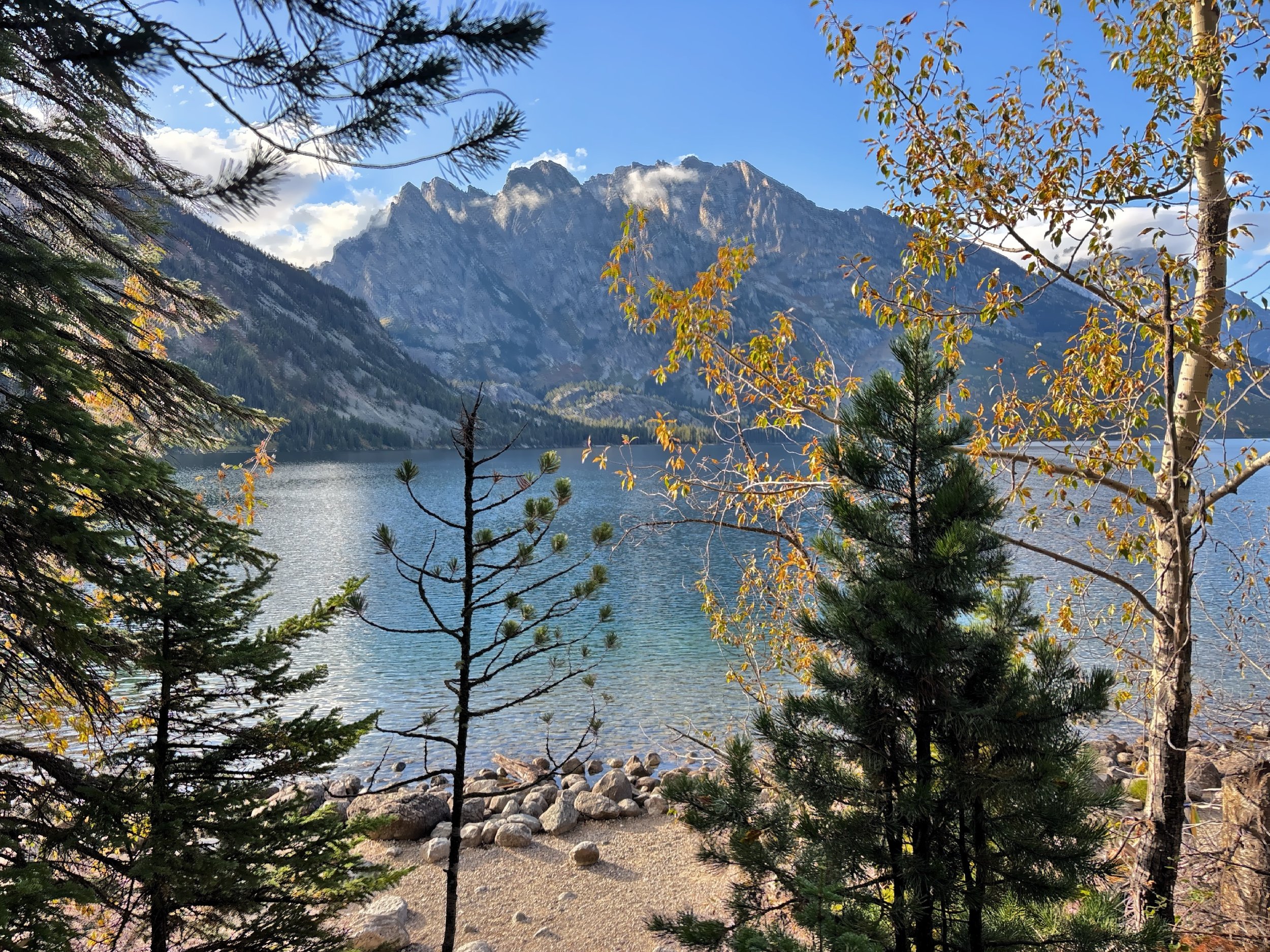
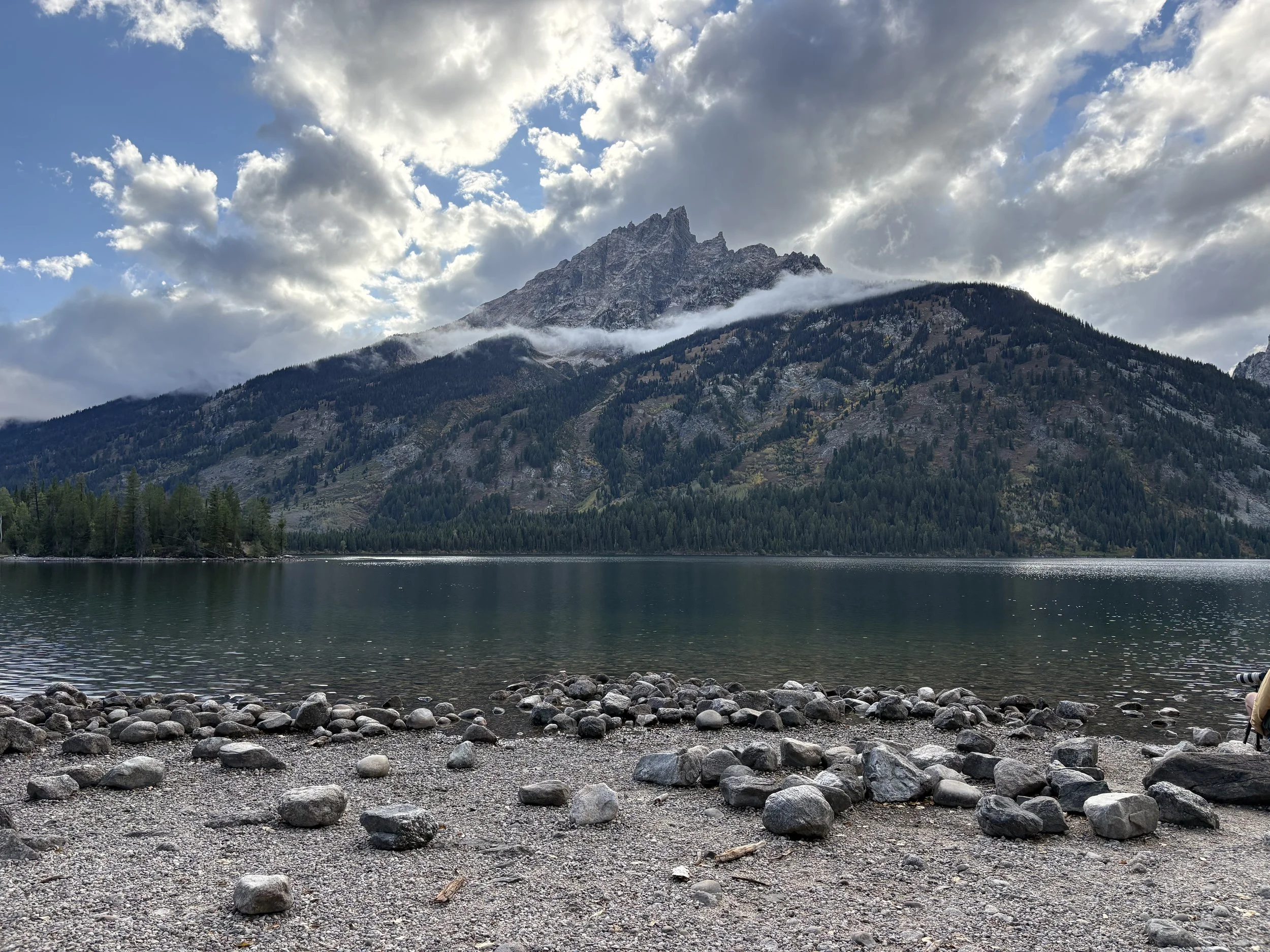
Rising dramatically above Wyoming’s Jackson Hole Valley, the rugged peaks of Grand Teton National Park form one of America’s most striking landscapes. Shaped by powerful geological forces over millions of years, the Teton Range is celebrated for its soaring summits, pristine lakes, and abundant wildlife. Yet beneath the grandeur of these mountains lies a more complex history, shaped by Indigenous stewardship, westward expansion, agricultural settlement, and the establishment of a national park.
Long before Grand Teton became a protected landscape, Indigenous peoples traveled through and inhabited the region, relying on its resources for hunting, gathering, and seasonal migration. Their relationships with the land, sustained across generations, were closely tied to its natural rhythms and resources. The arrival of European American explorers, fur trappers, and settlers during the nineteenth century brought profound changes, disrupting Indigenous lifeways and increasingly limiting access to ancestral lands.
Established in 1929 to protect the dramatic mountain range and its surrounding landscapes, Grand Teton National Park expanded in 1950 to encompass additional portions of Jackson Hole, including historic settlements and agricultural lands. As the park’s boundaries evolved, so too did the relationship between people and place. Indigenous communities experienced growing restrictions on their access to ancestral lands, while the intertwined forces of settlement and conservation reshaped who could live in, access, and claim a connection to the region. This history reflects a broader pattern also evident in Glacier, Yellowstone, Bryce, Zion, and Grand Canyon National Parks, where conservation policies often restricted Indigenous access to ancestral lands, disrupted traditional lifeways, and overlooked Native histories and cultural connections to these landscapes.
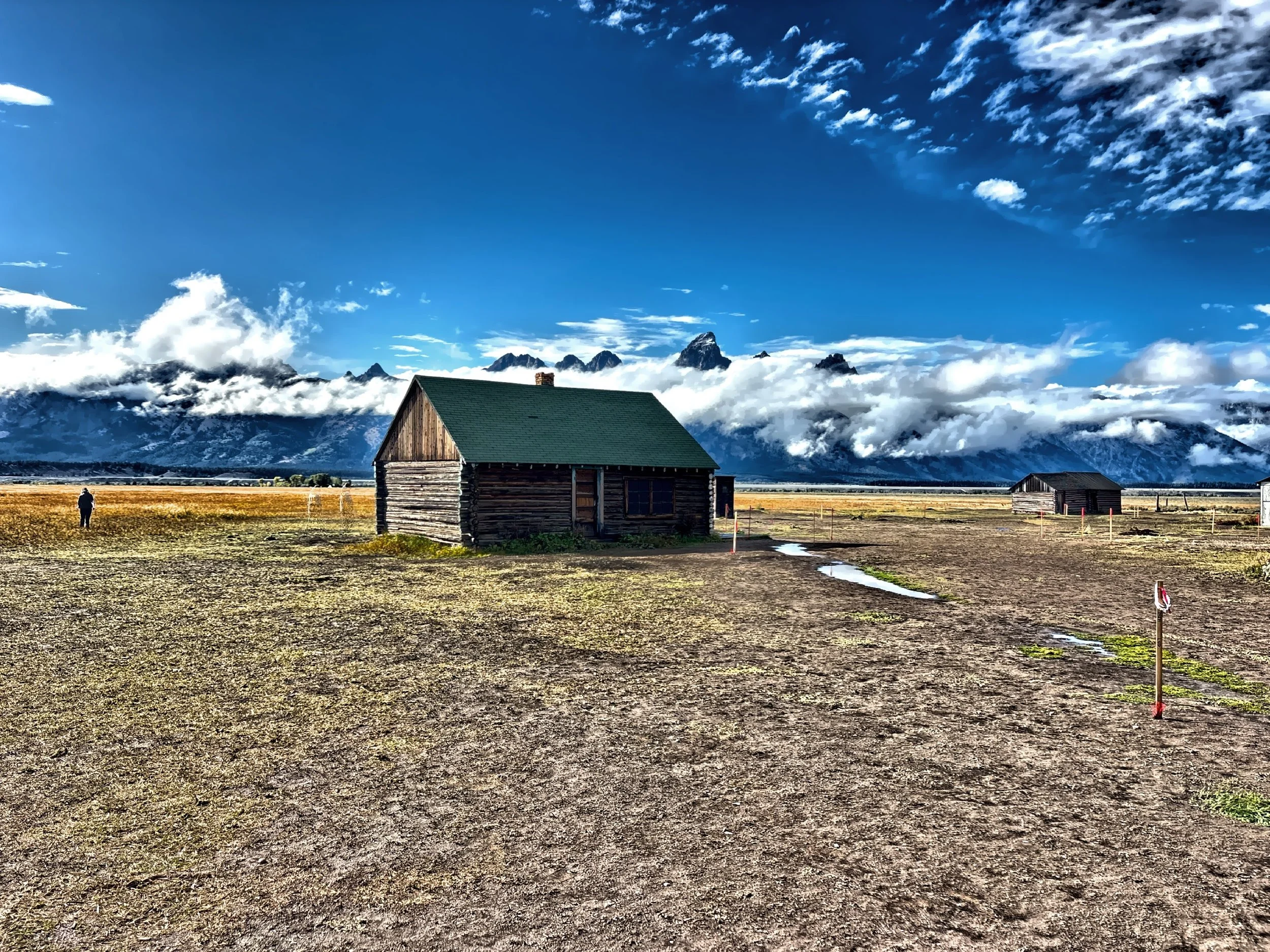
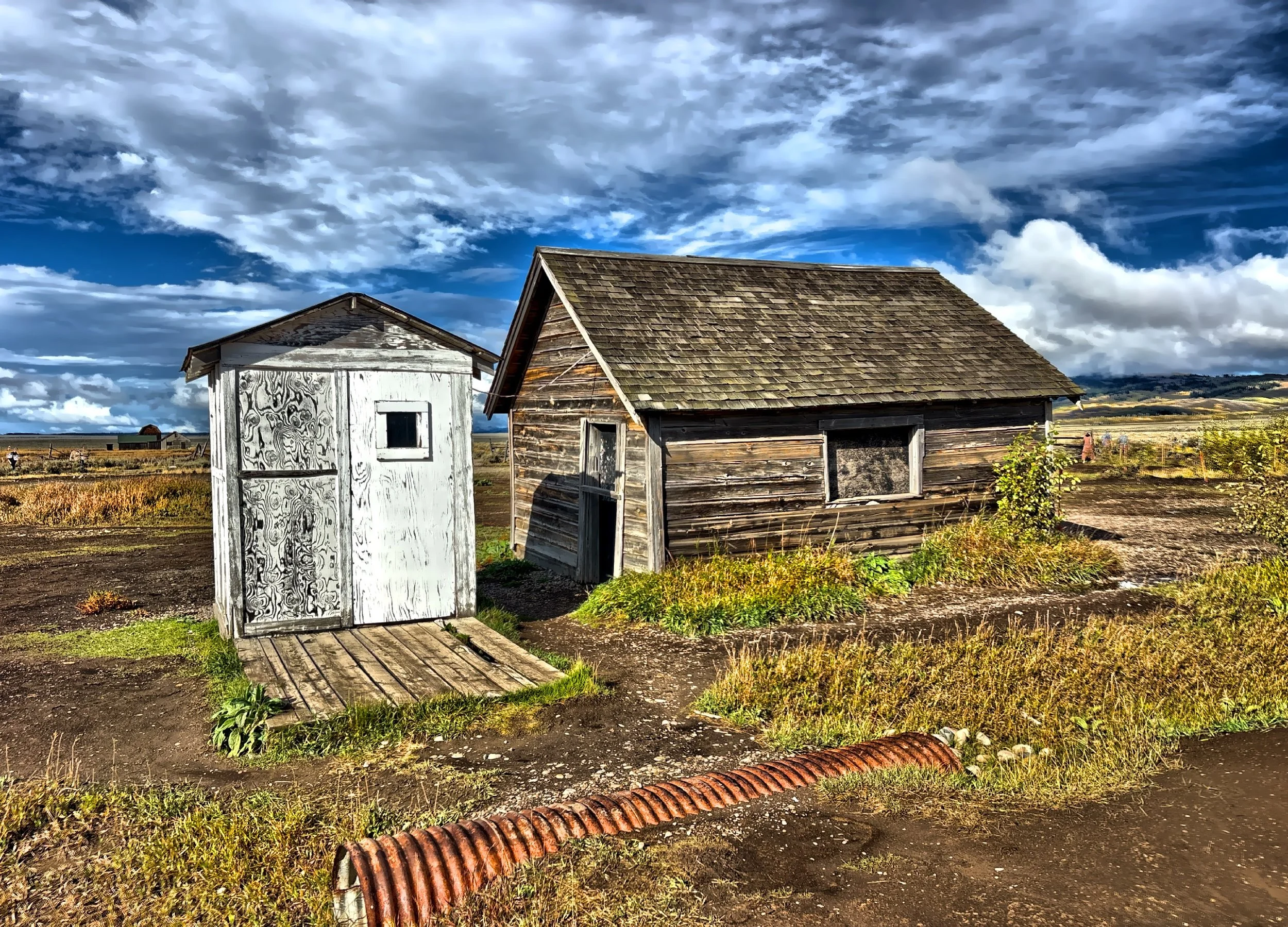
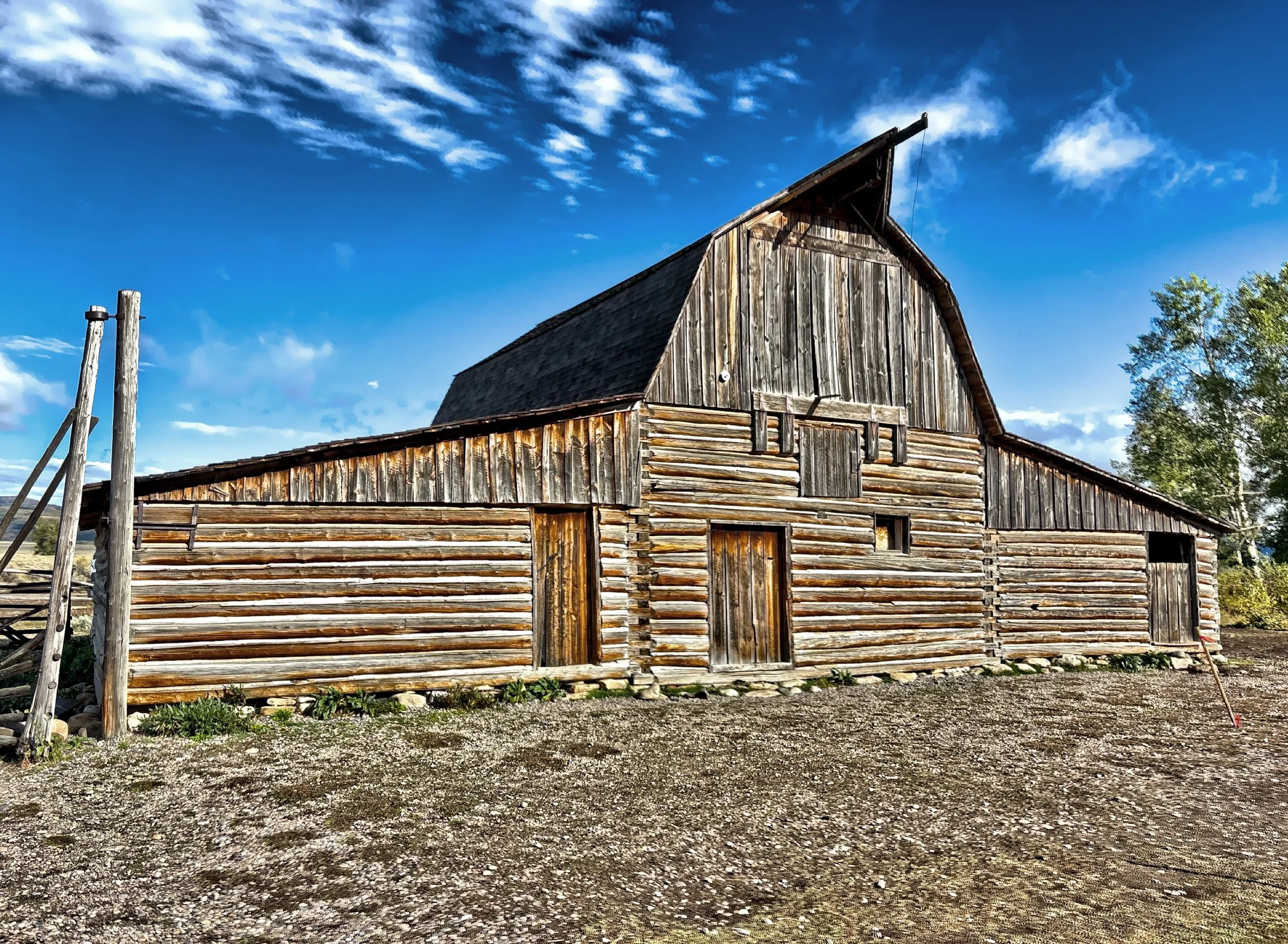
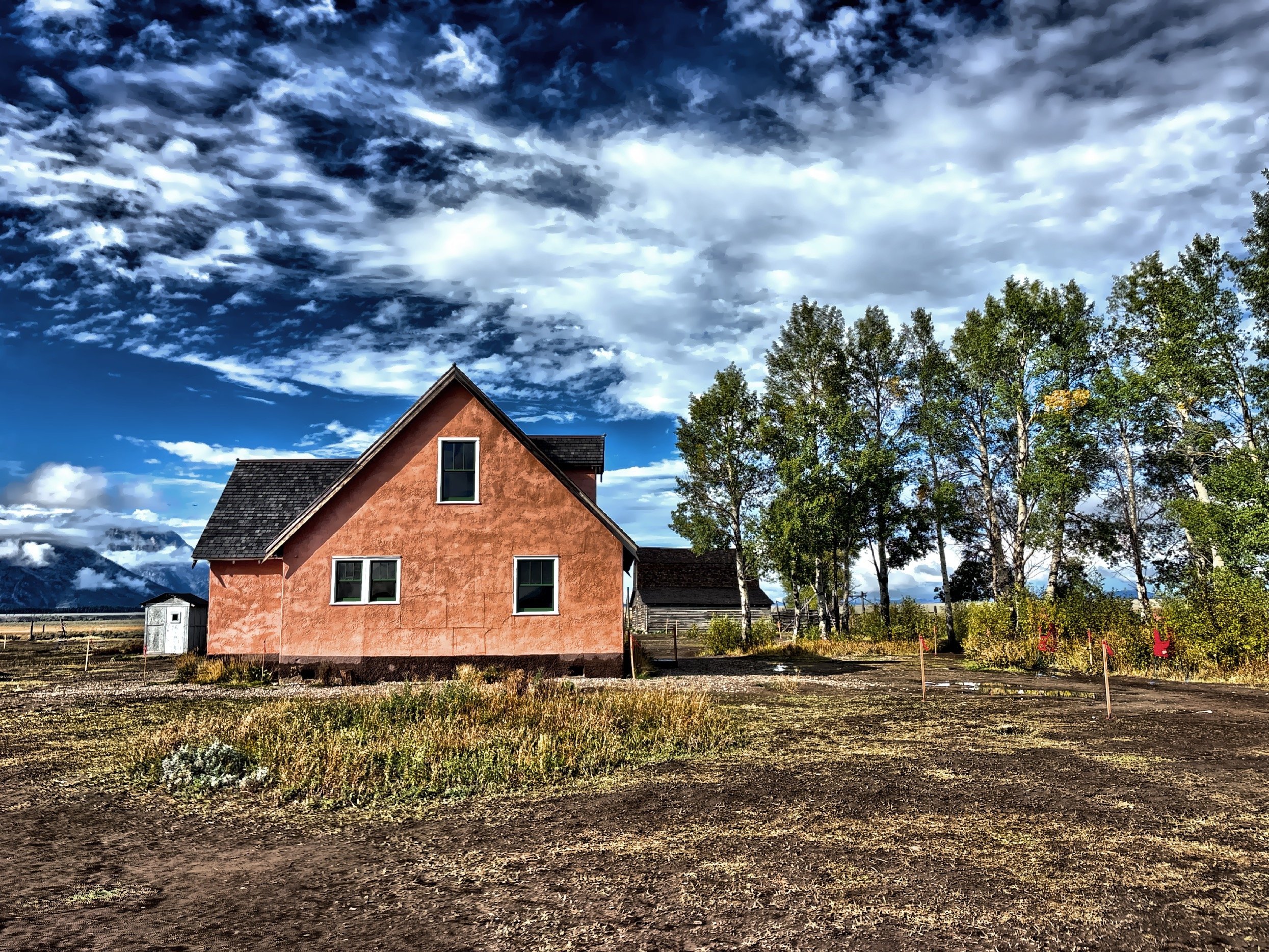
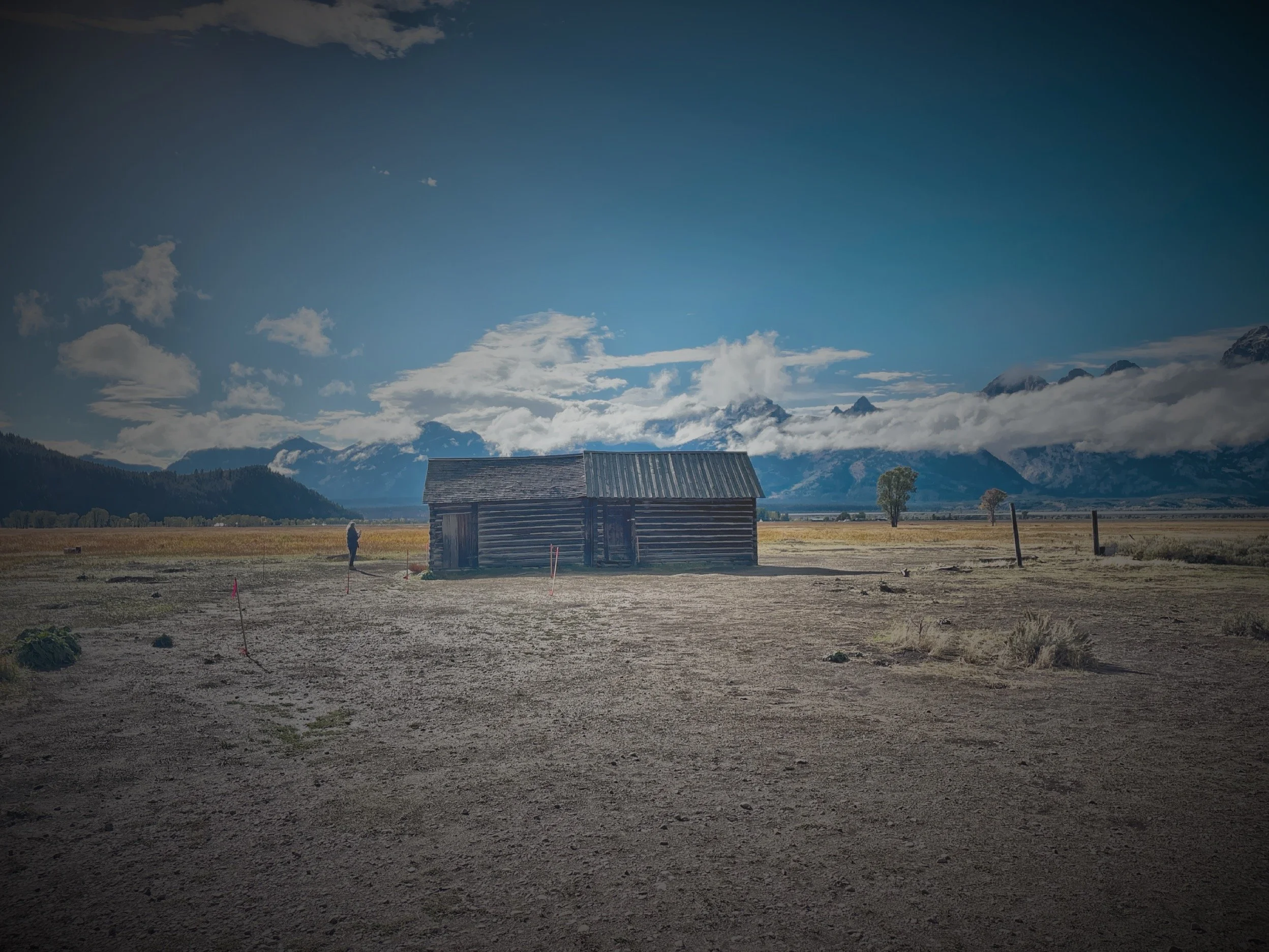
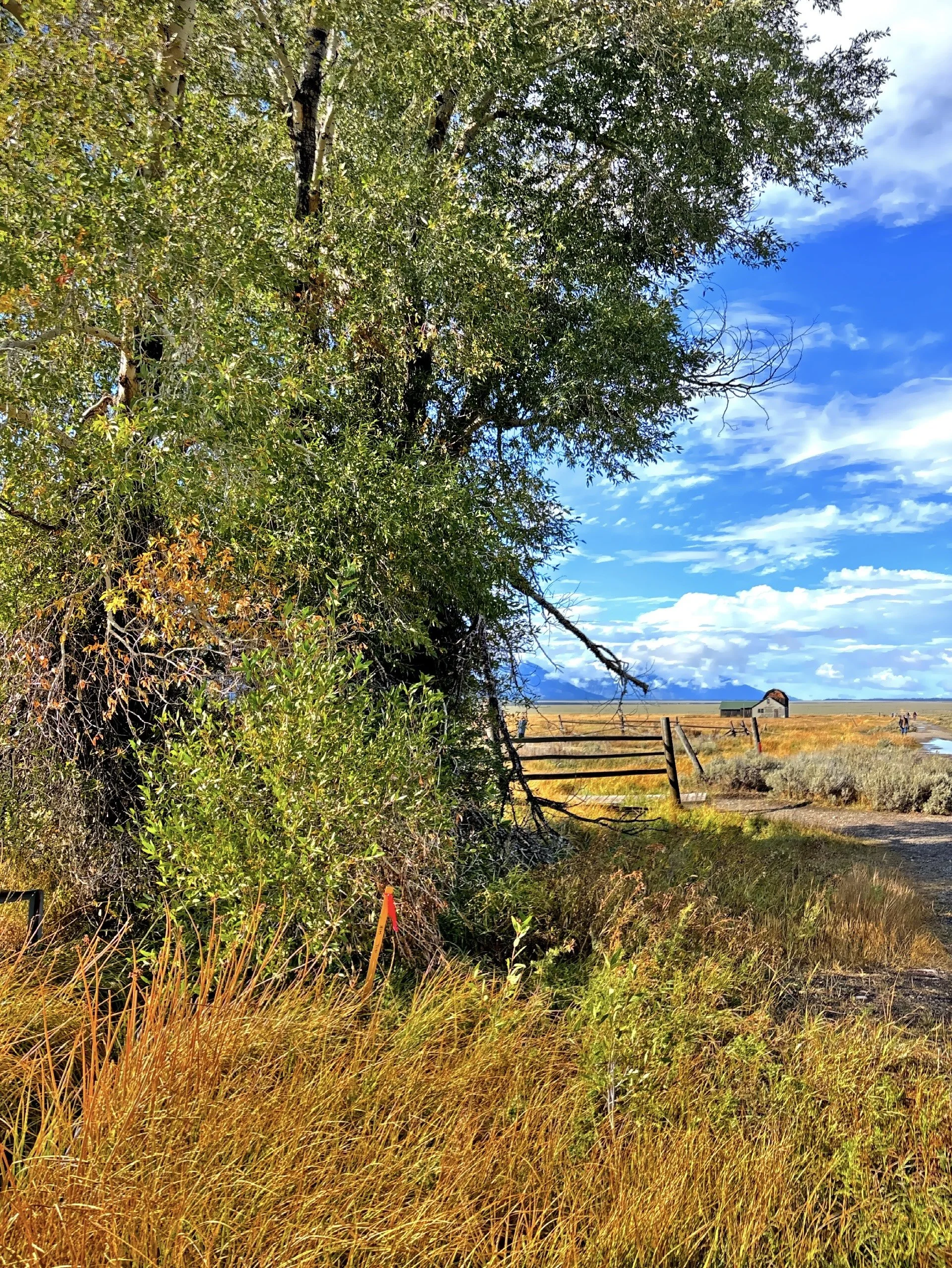
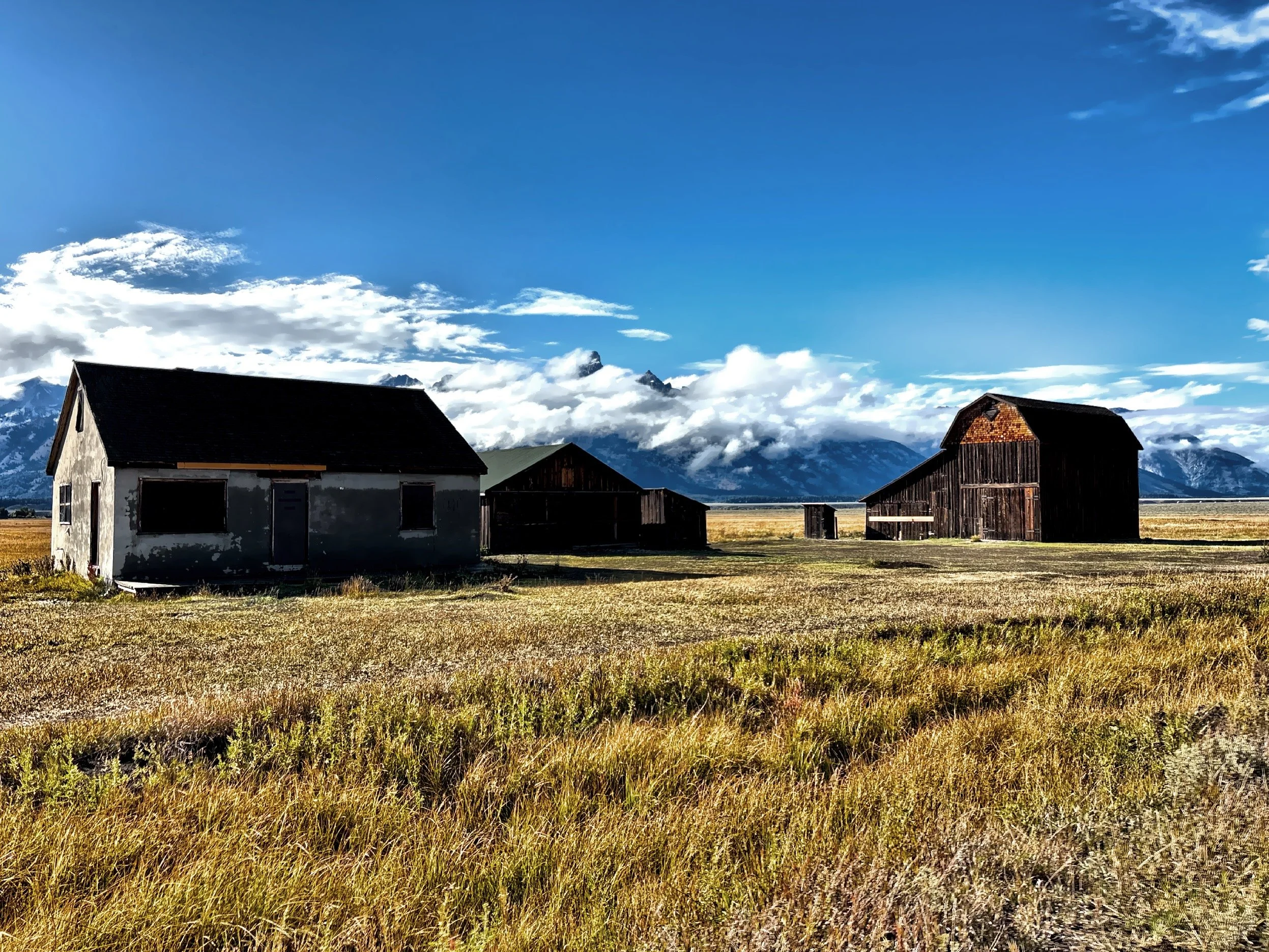
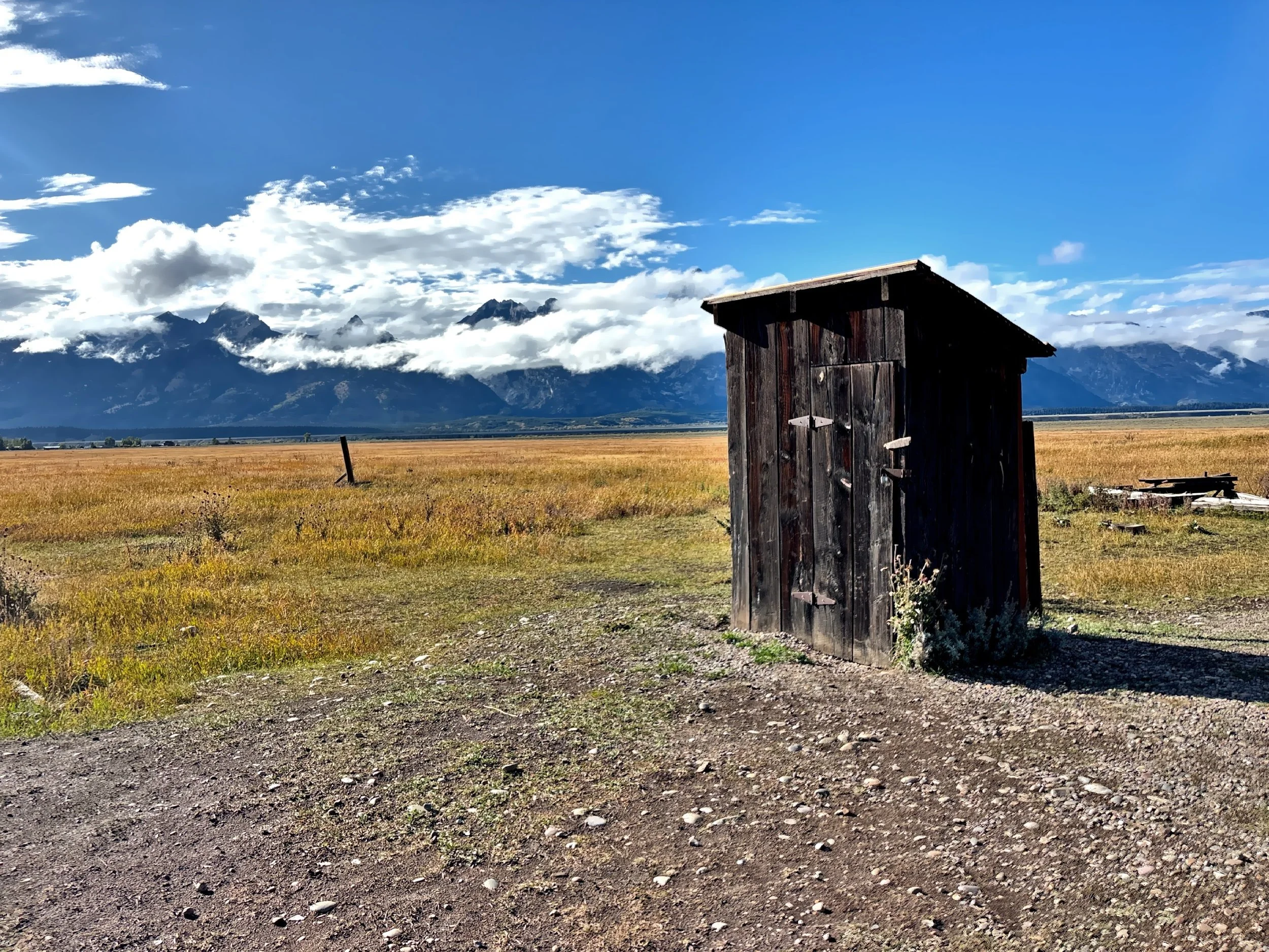
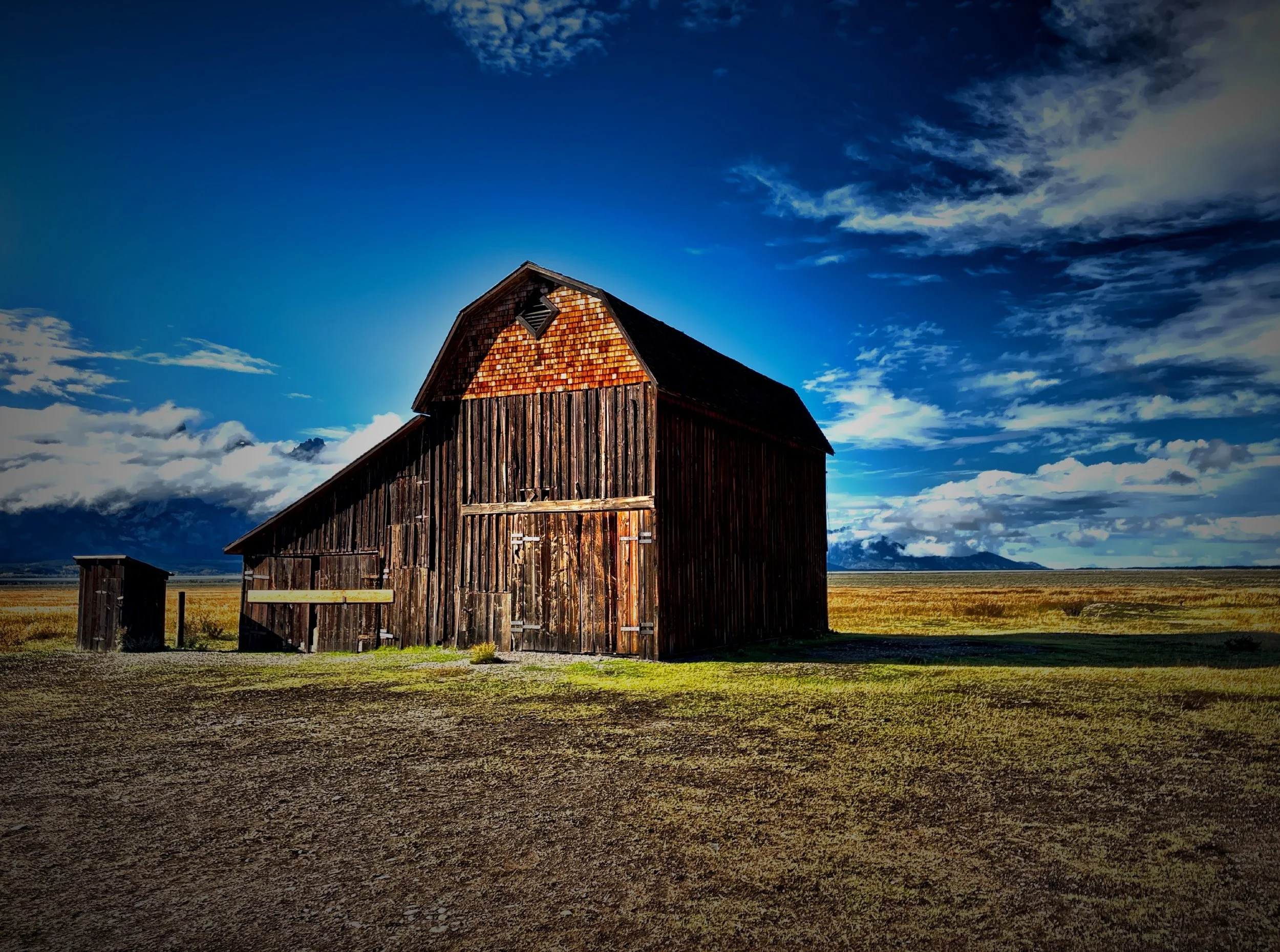
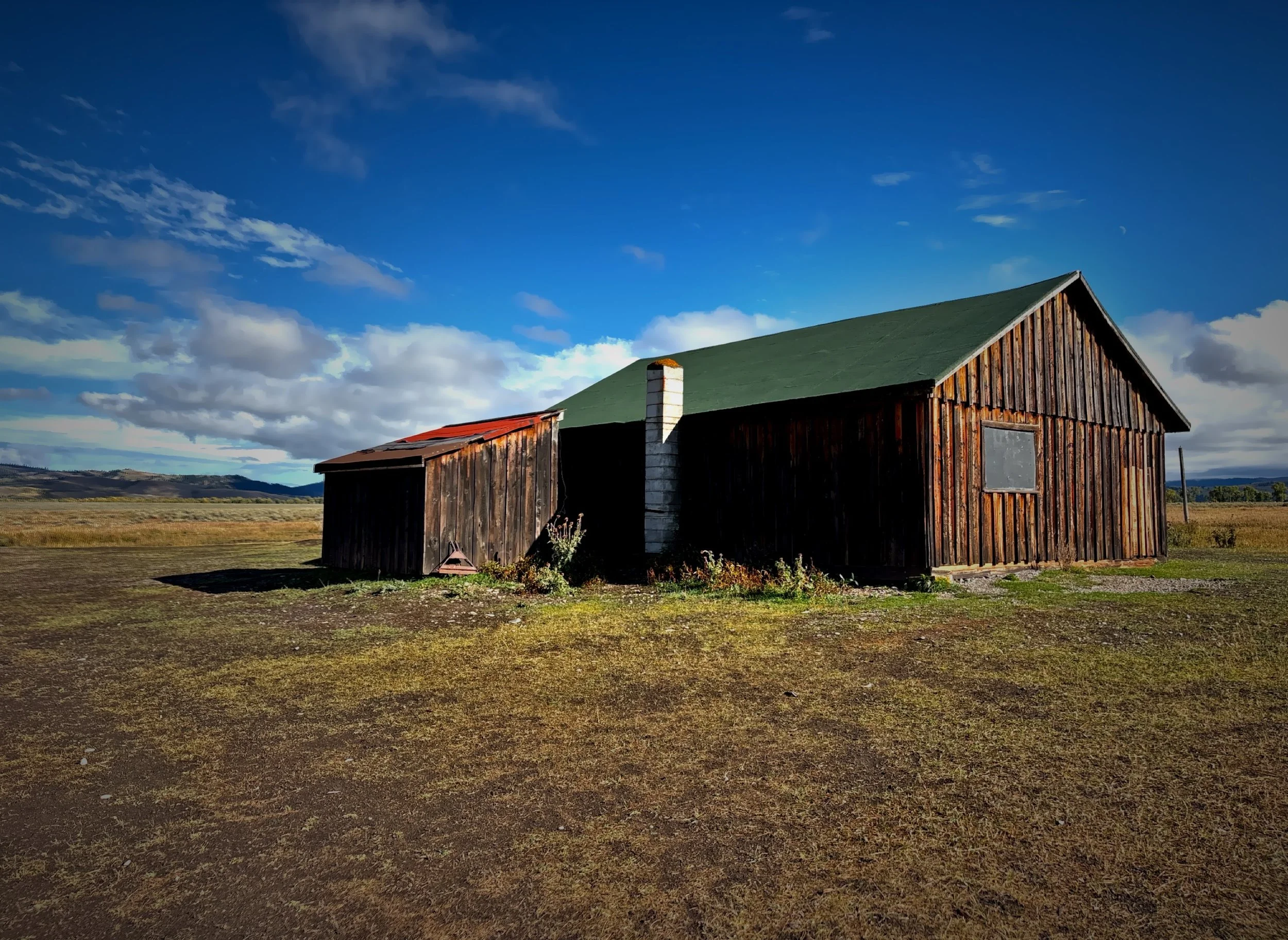
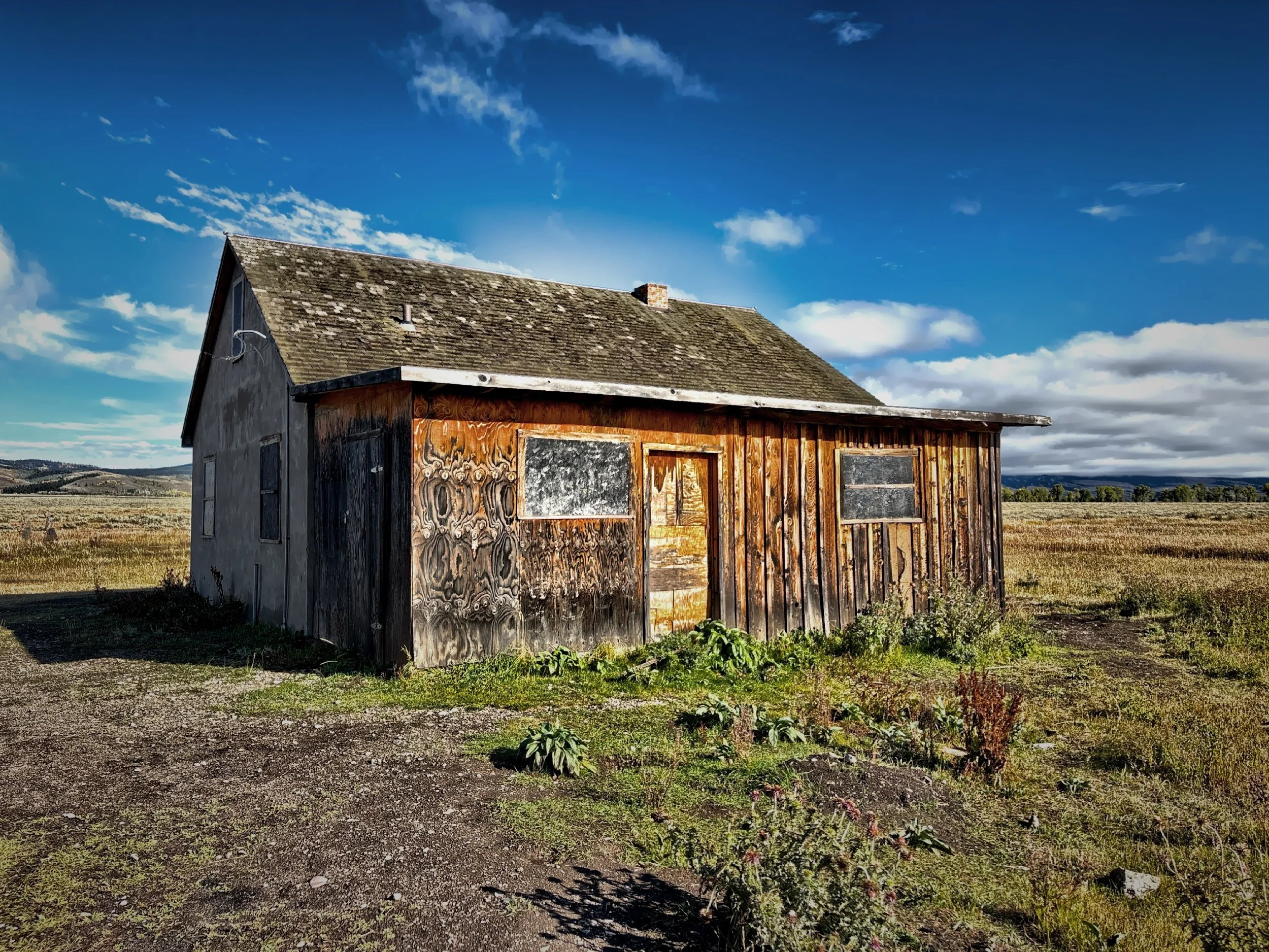
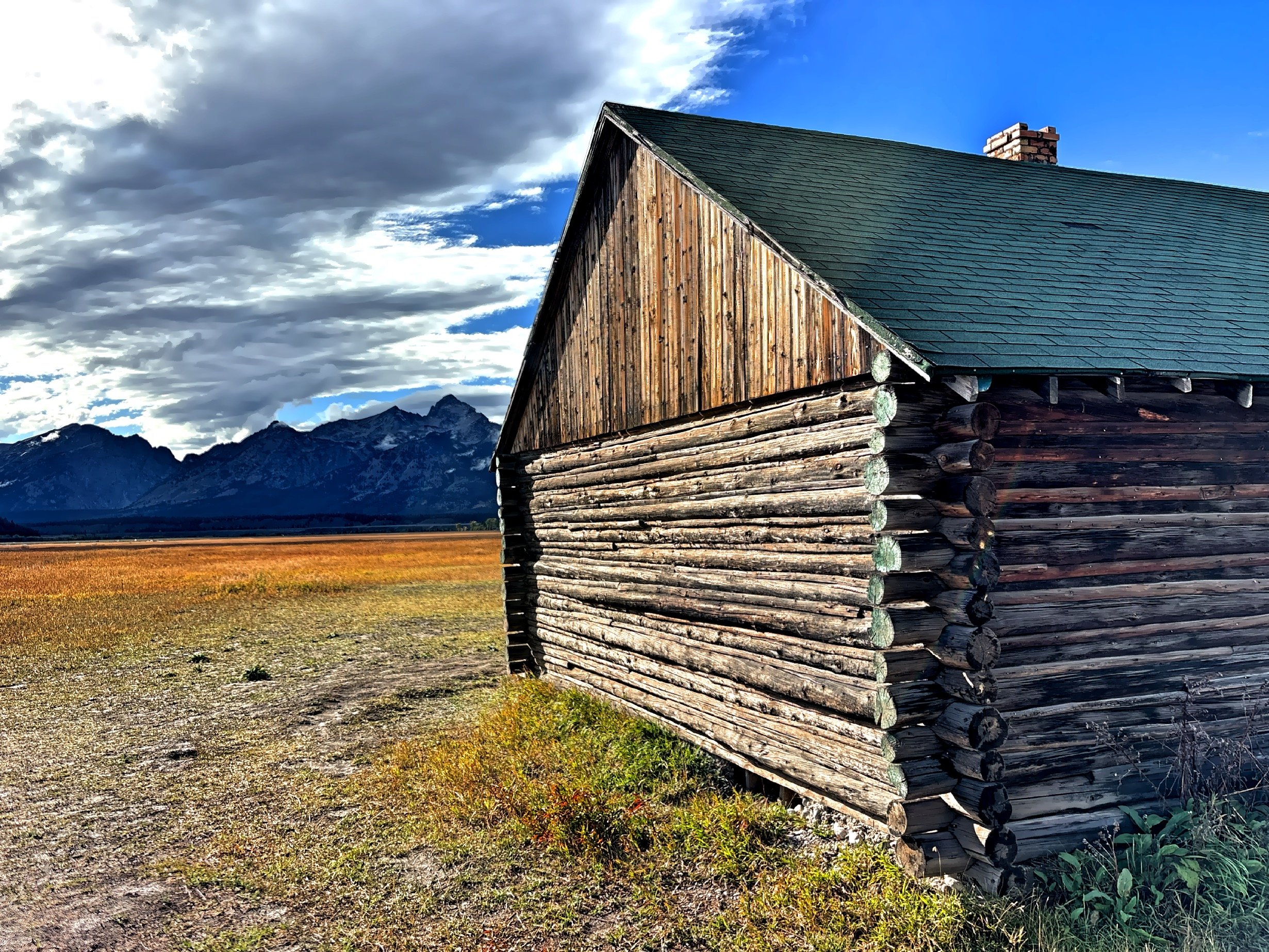
The history of Grand Teton is also preserved in the agricultural communities that took root in Jackson Hole during the late nineteenth and early twentieth centuries. Mormon settlers began establishing farms in the area in the 1890s, forming a community known as Grovont. The valley’s relatively fertile soil, sheltered locations, and access to water made agriculture possible in an otherwise challenging mountain environment. Today, Mormon Row preserves traces of this settlement history through its weathered barns, modest homesteads, and surrounding fields. Recognized for its historical significance and vernacular architecture, the district offers a glimpse into a period of rural life when farming demanded resourcefulness, cooperation, and perseverance.
Beneath Wyoming’s towering peaks, Grand Teton remains both a place of extraordinary natural beauty and a landscape layered with human history. Its story extends beyond the mountains themselves, encompassing the enduring connections of Indigenous peoples, the experiences of homesteading communities, and the lasting effects of settlement and conservation. Looking beyond the scenery reveals a richer understanding of the people, histories, and relationships that continue to shape this remarkable place.
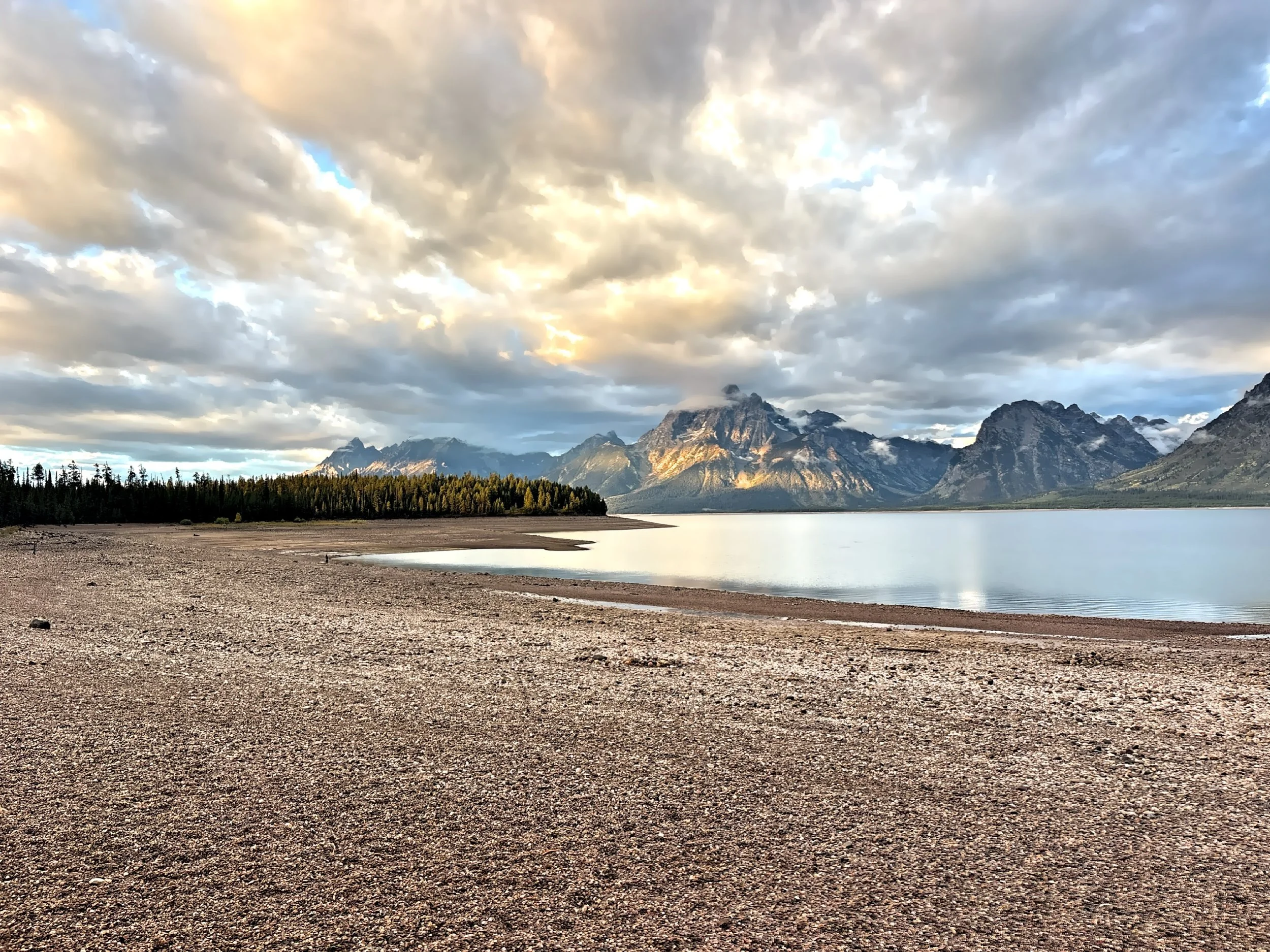
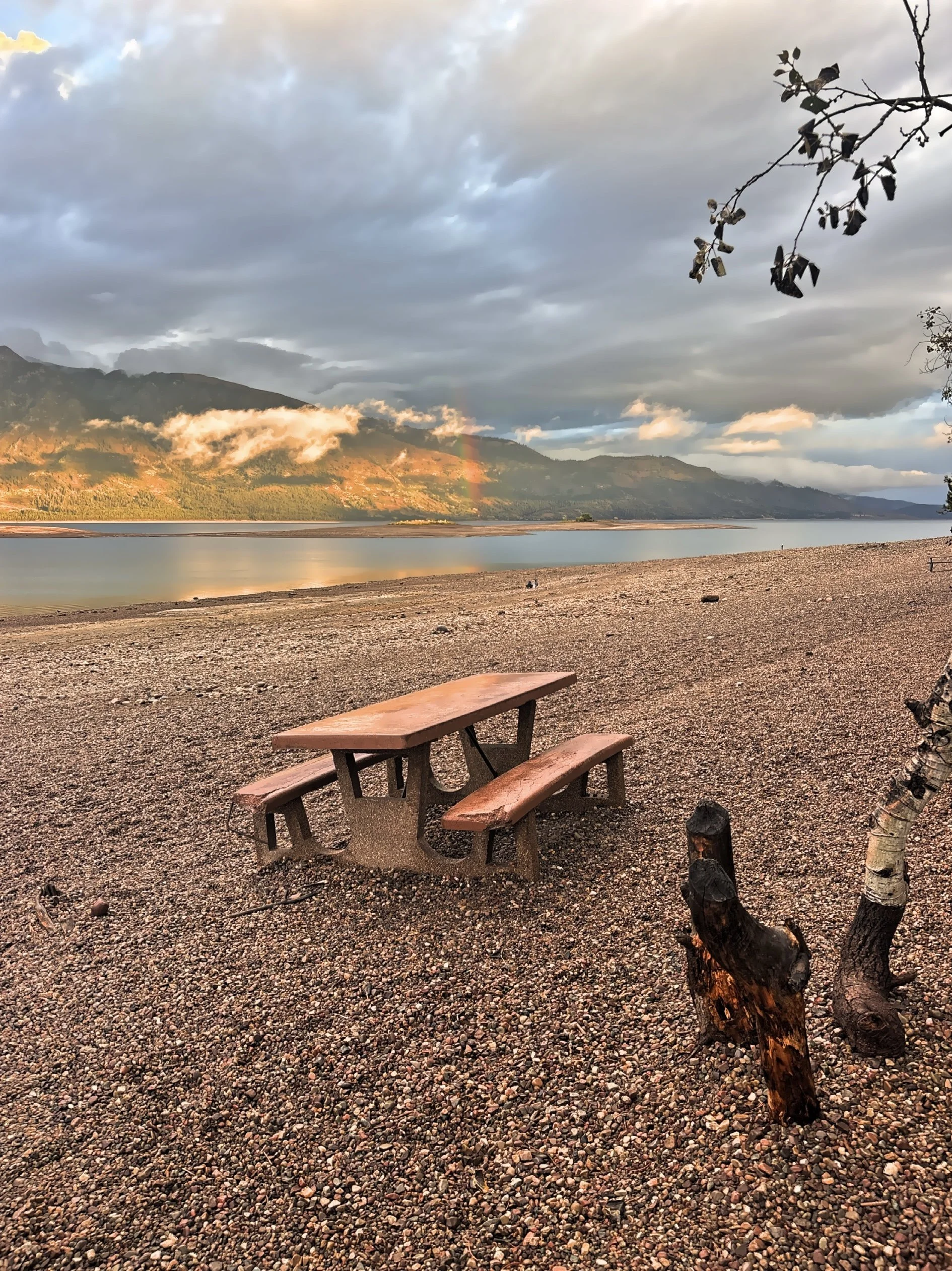
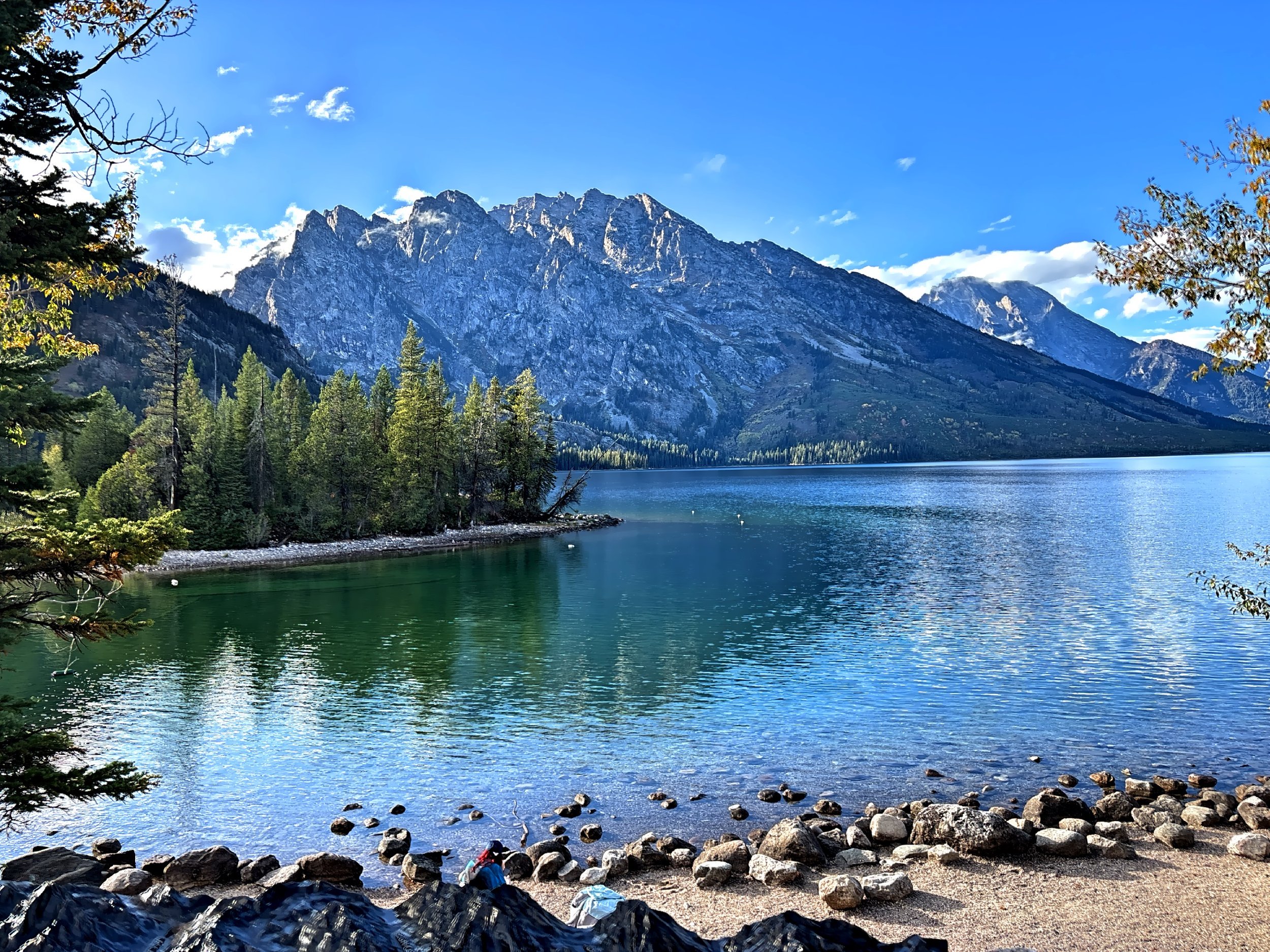
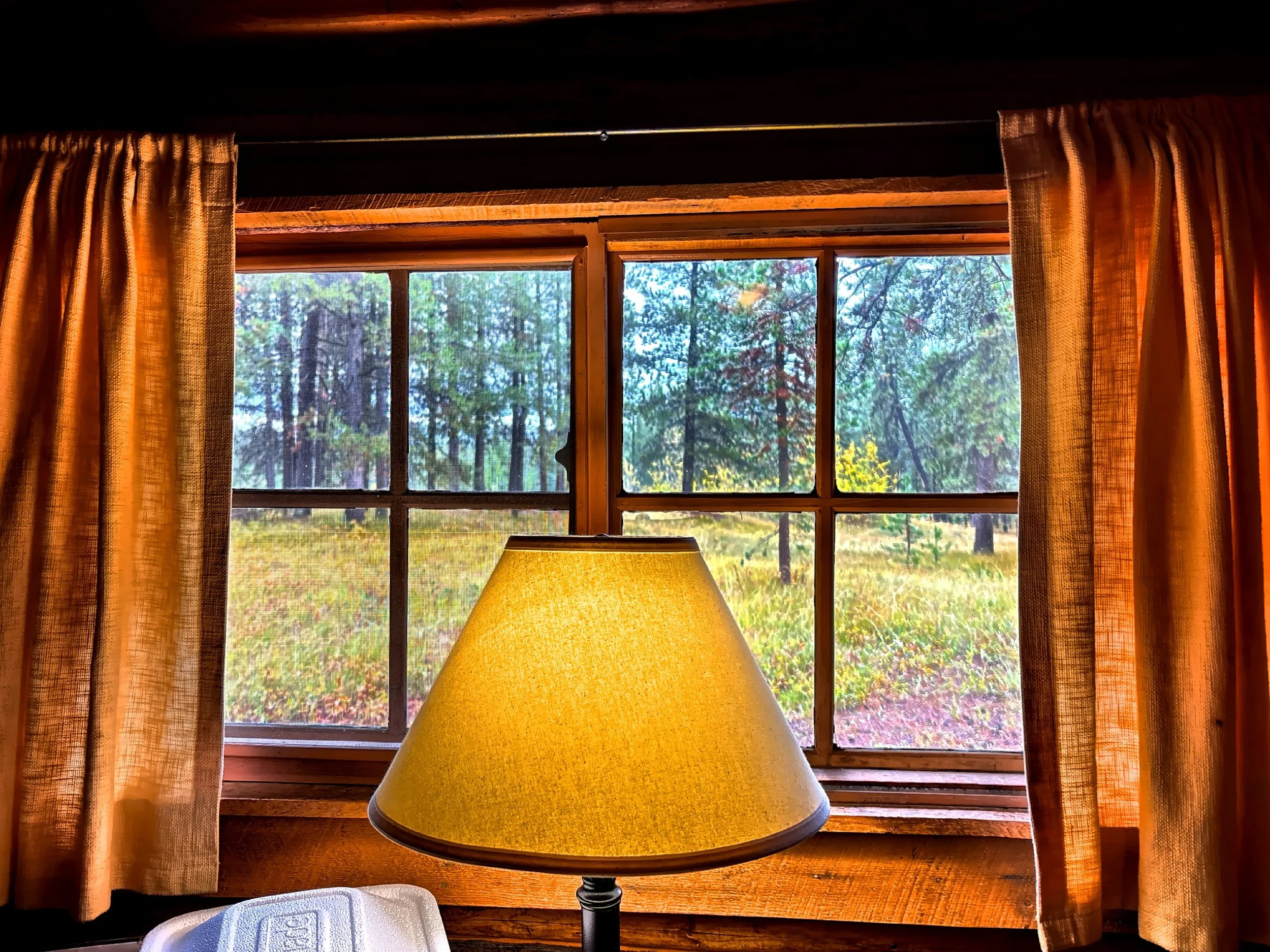
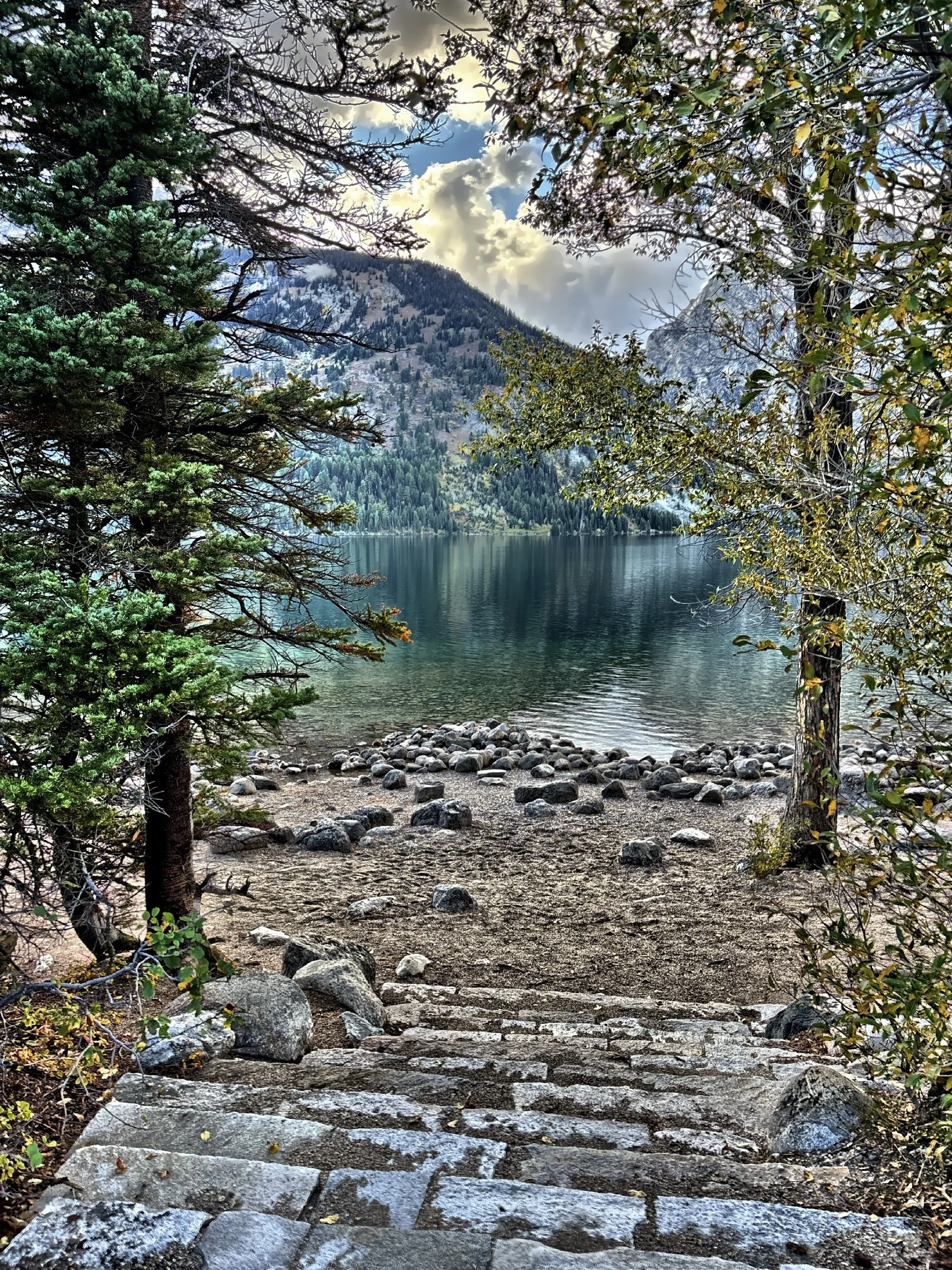
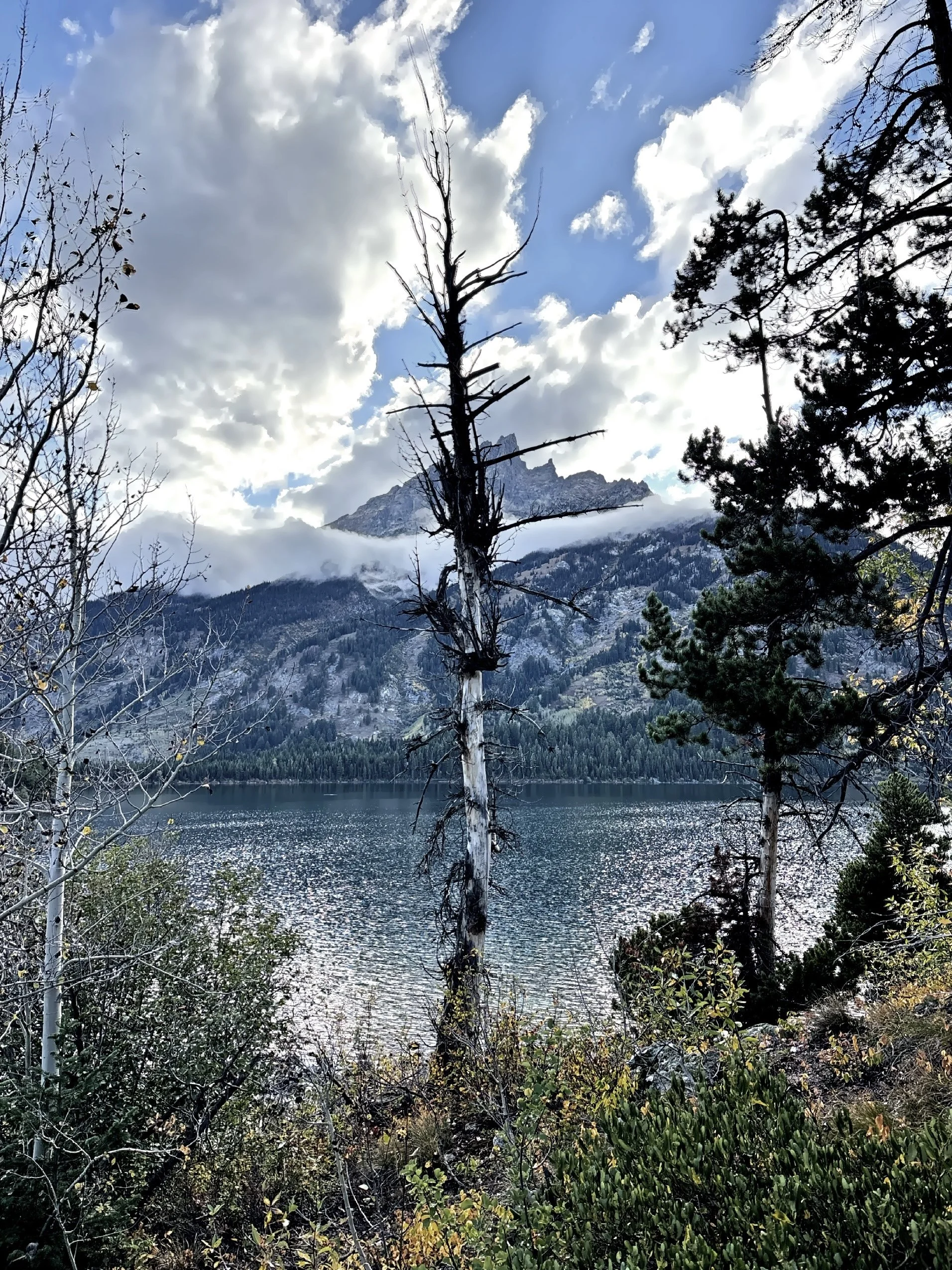
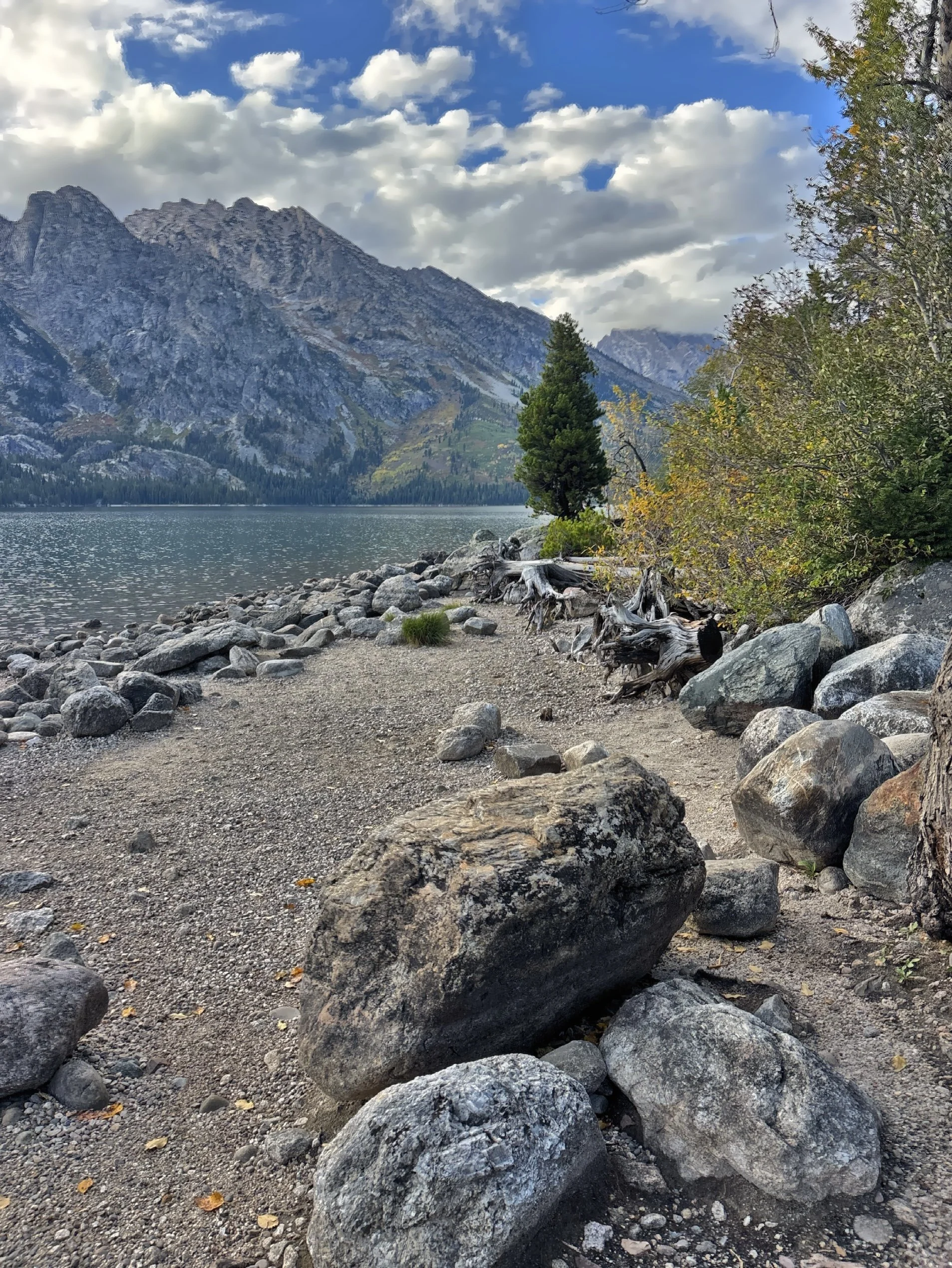
This is what caught my eye - I hope you enjoy!
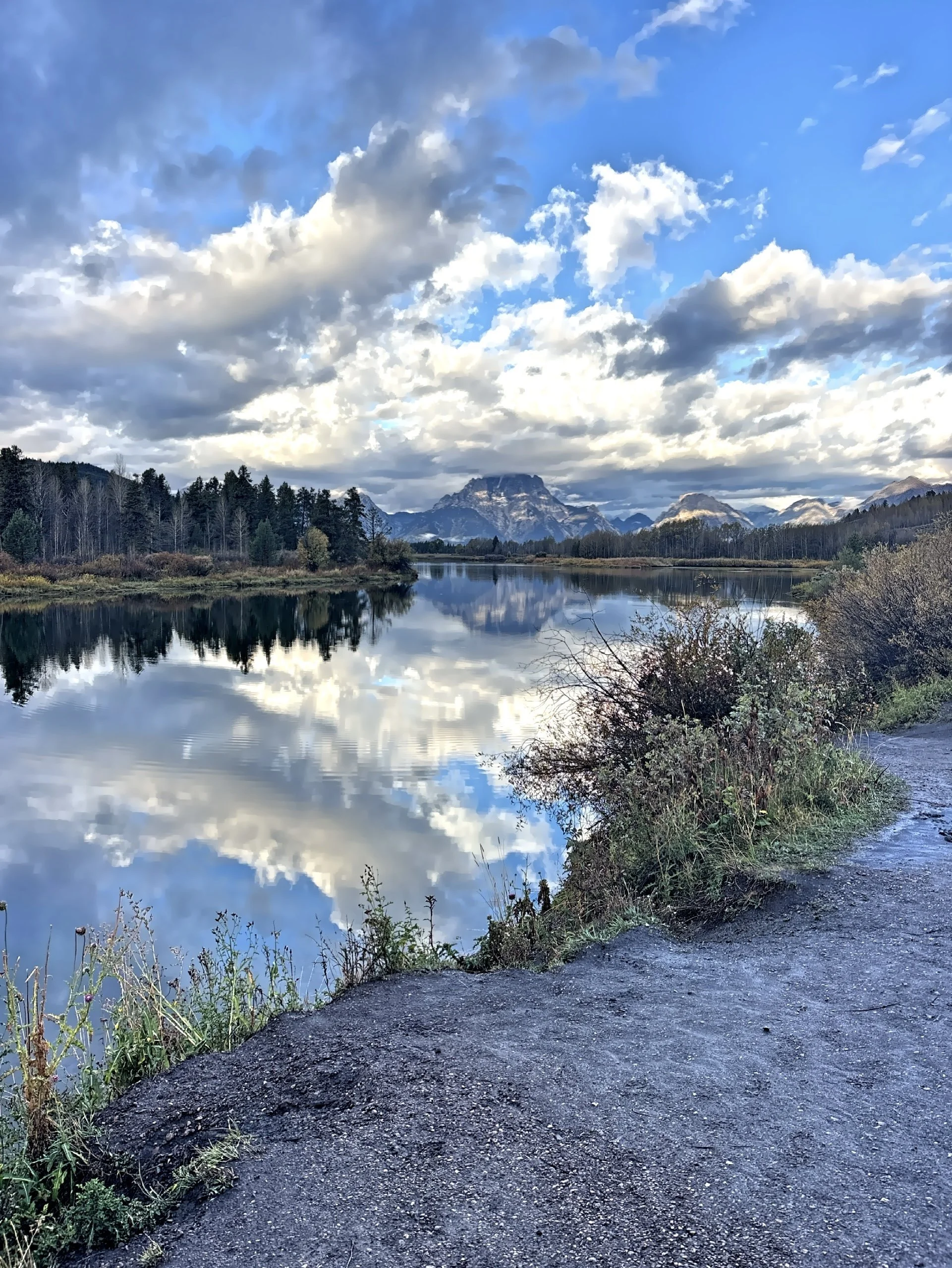
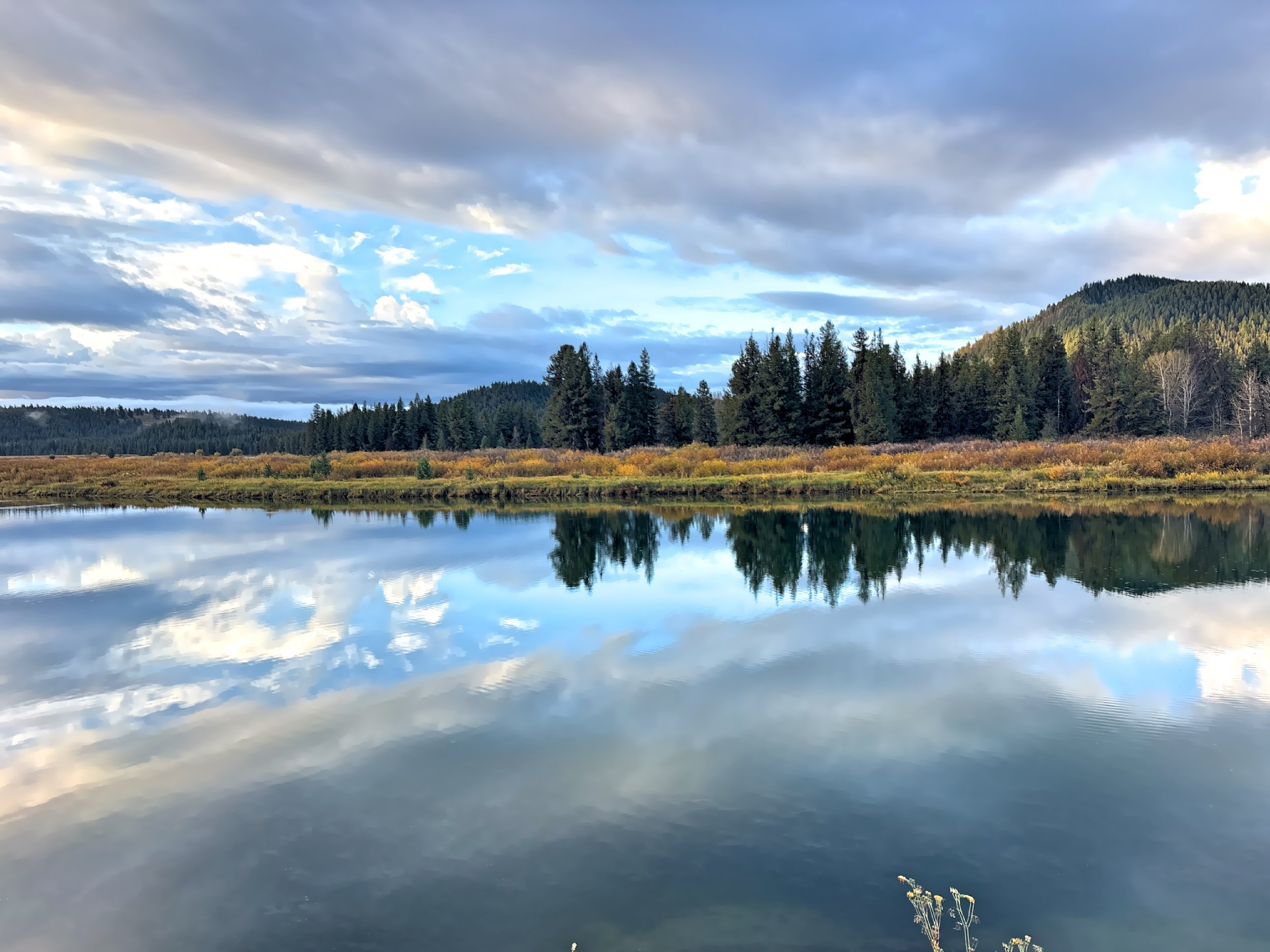
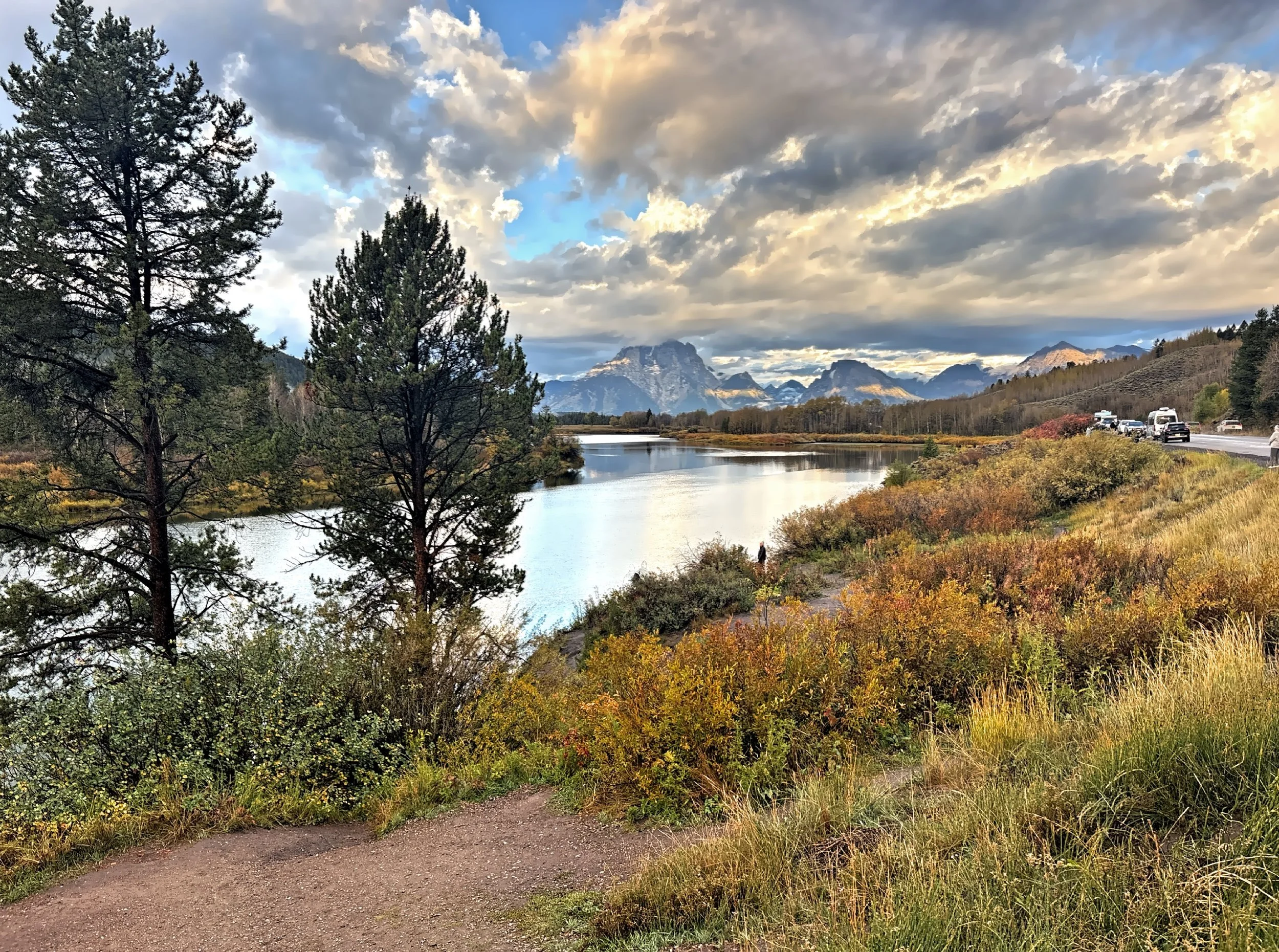
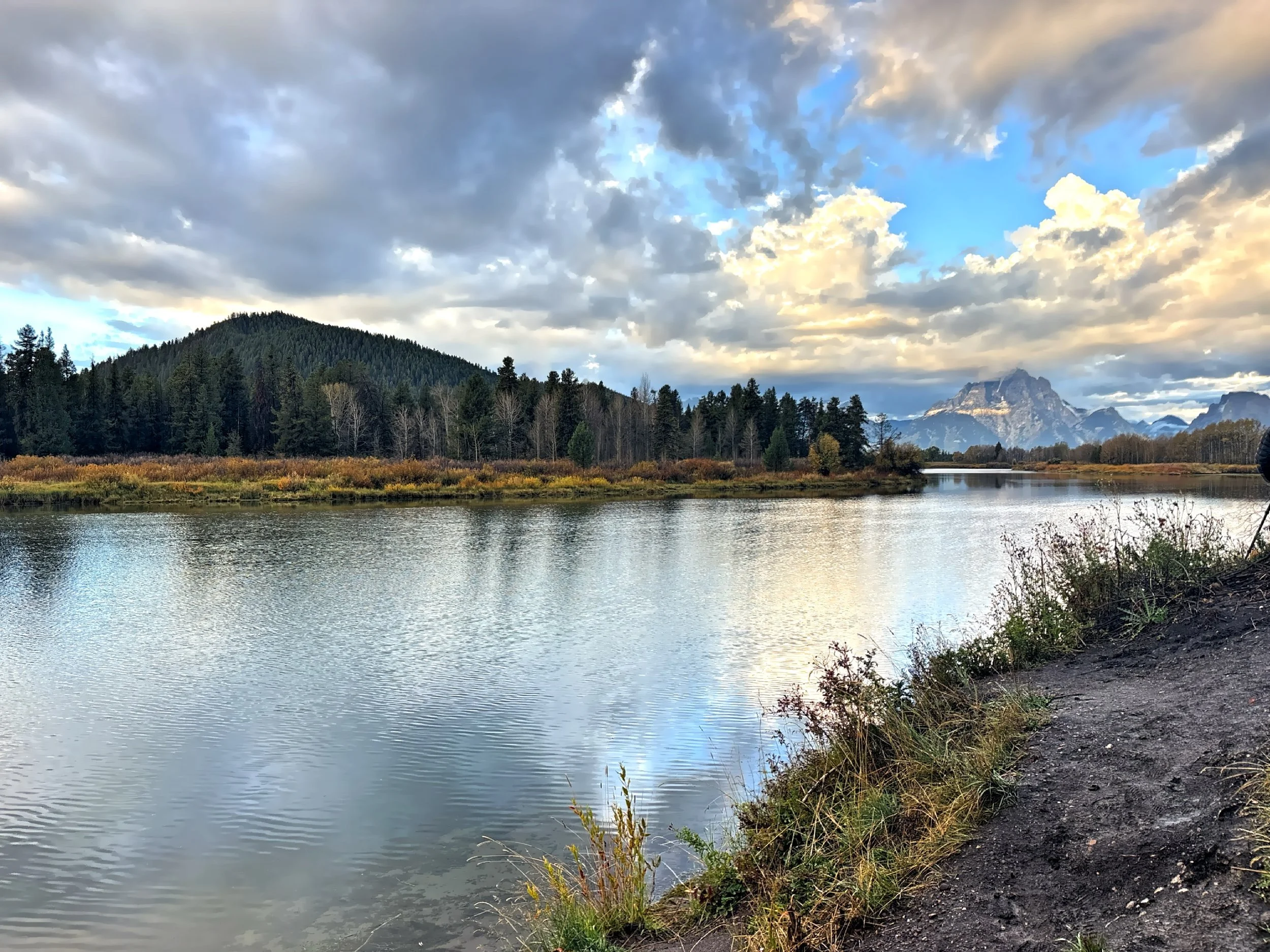
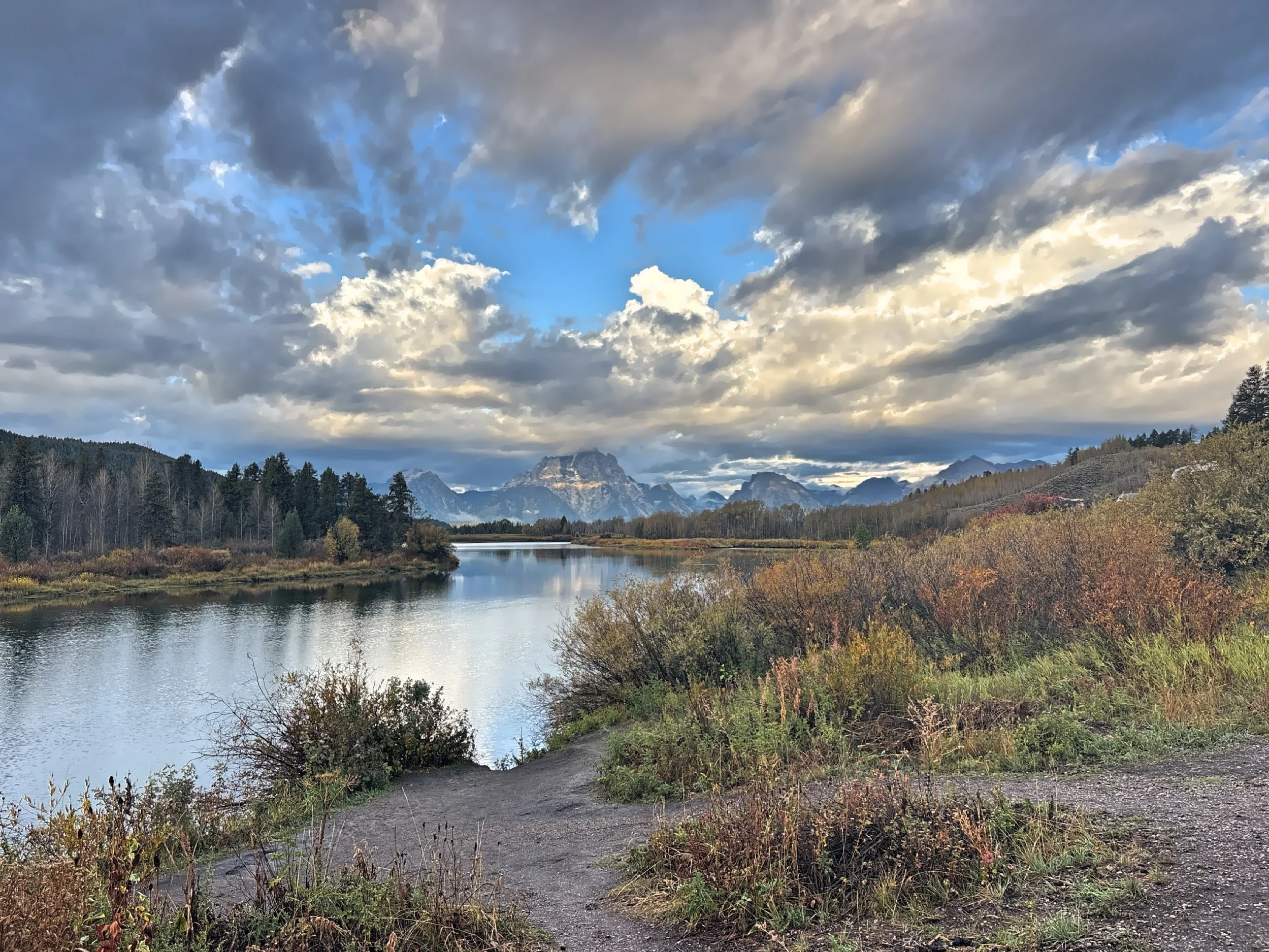
Do you like the images posted?
Click here to explore the shop.
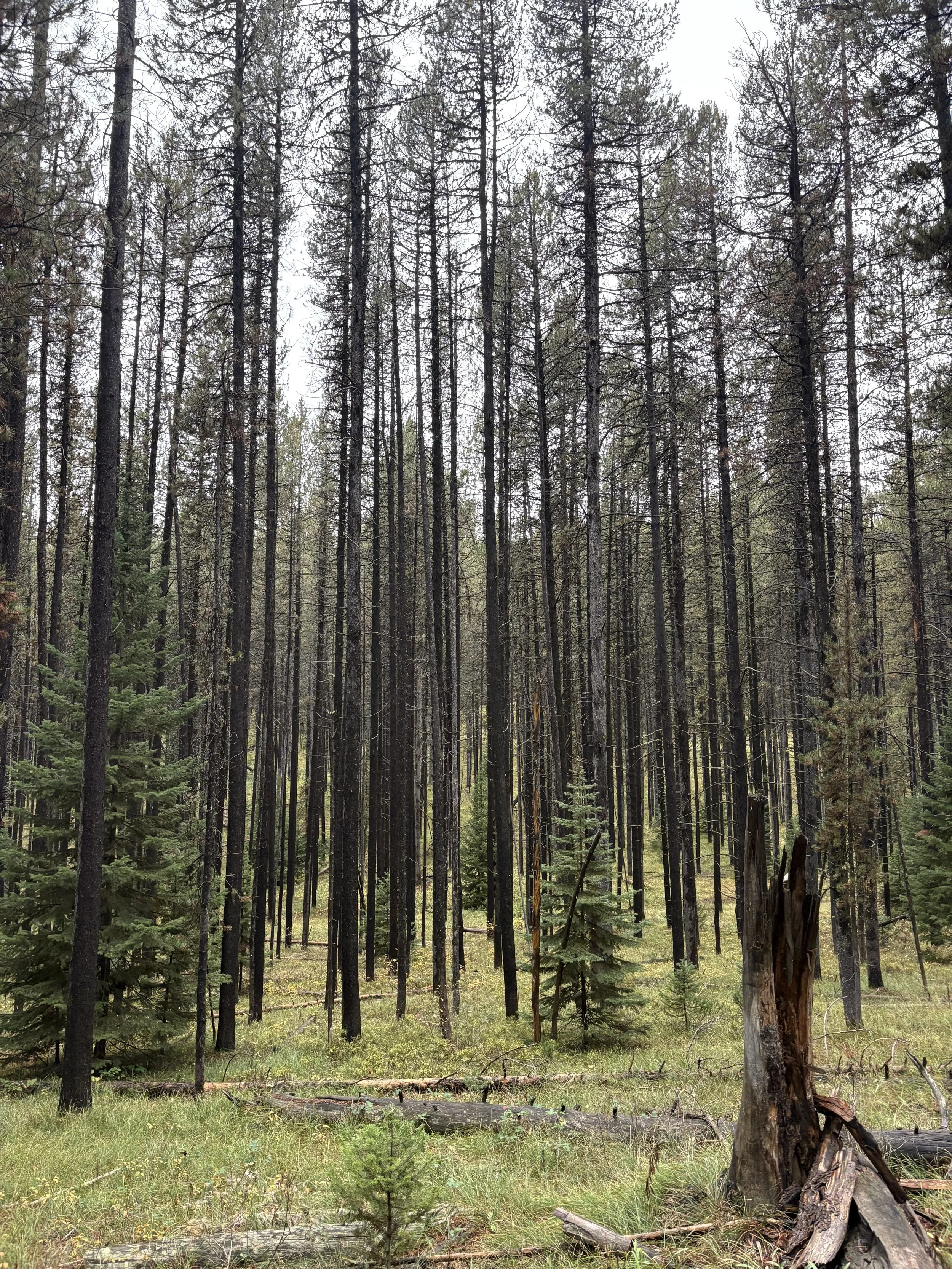
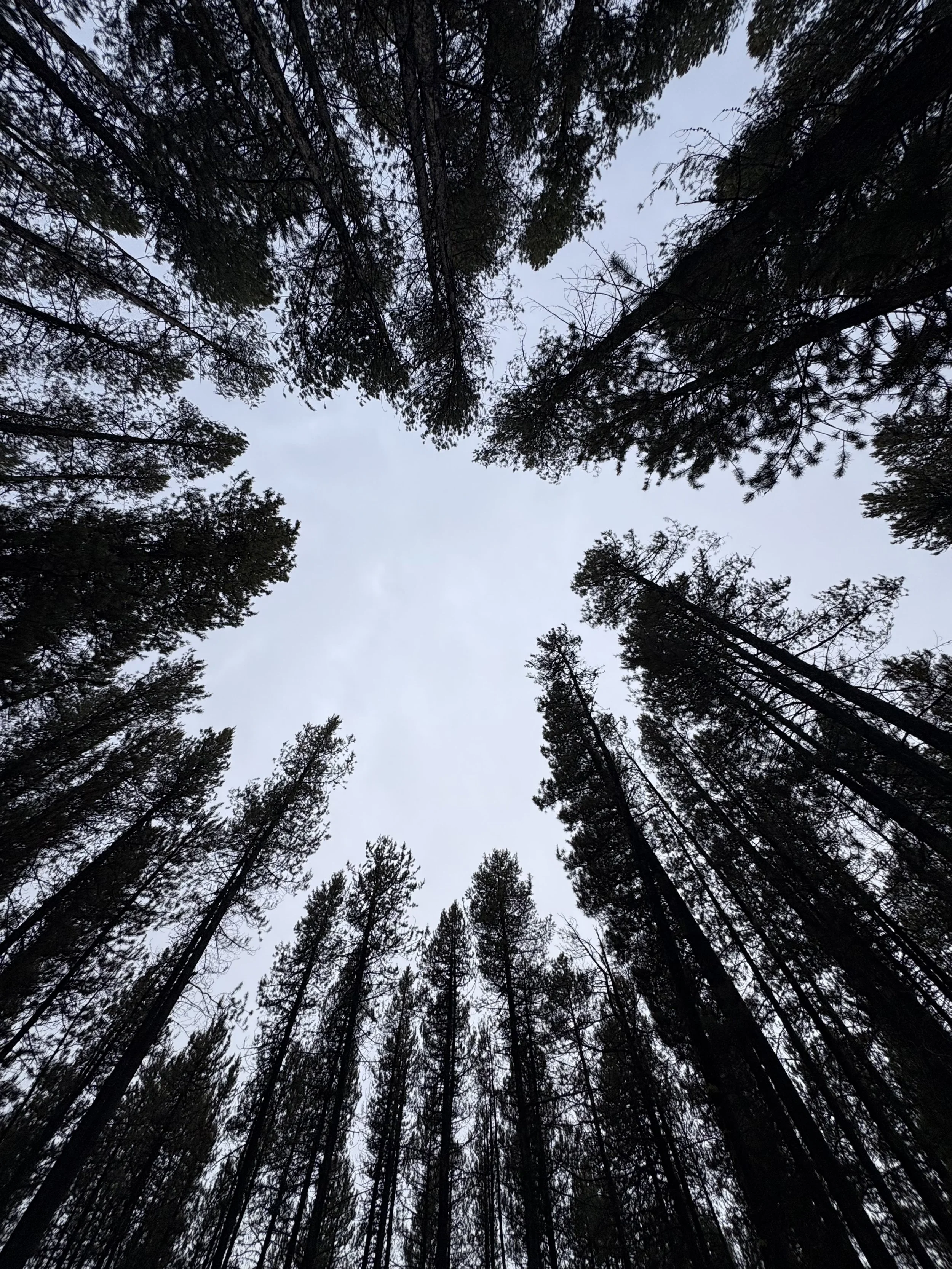
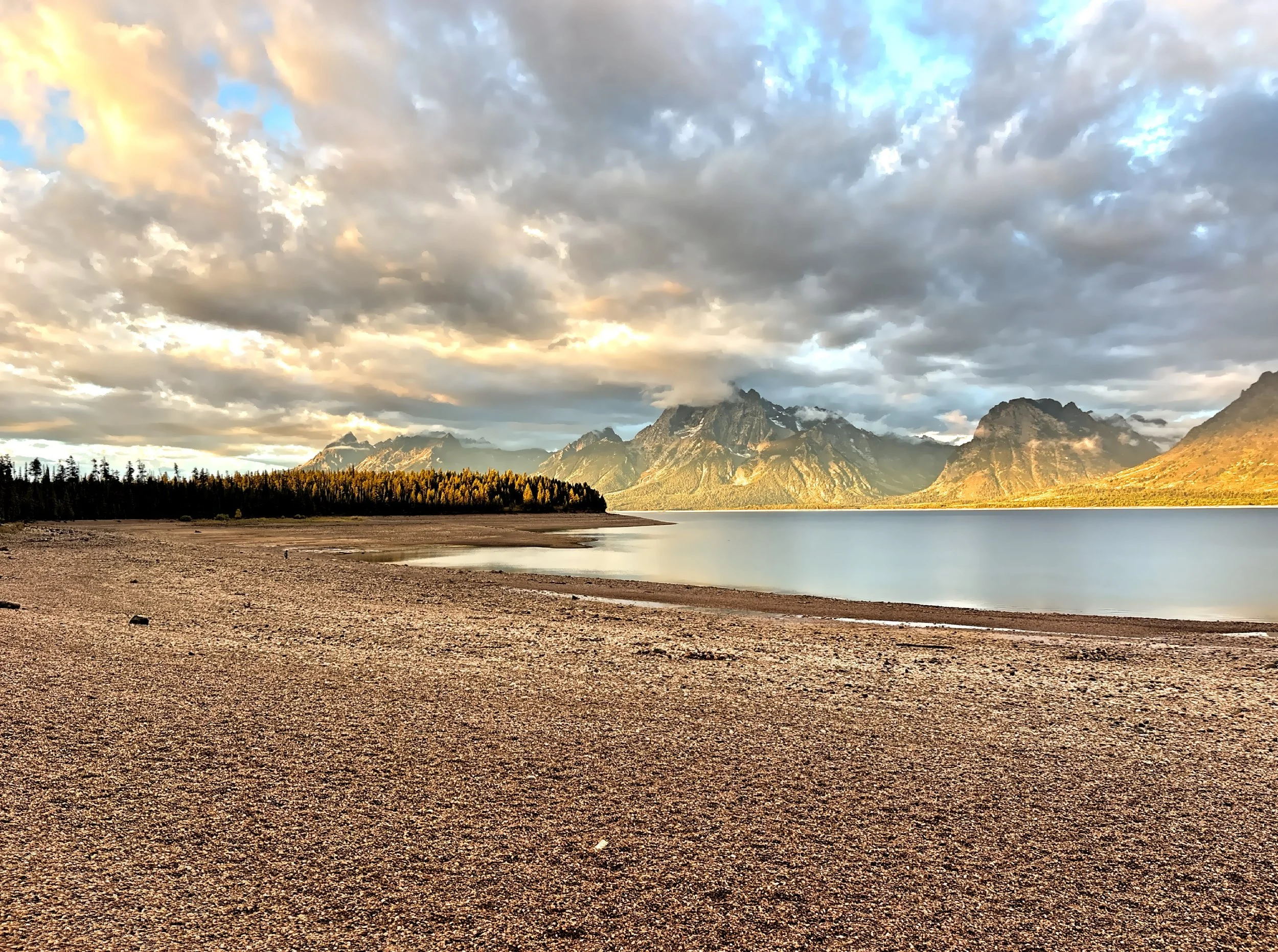
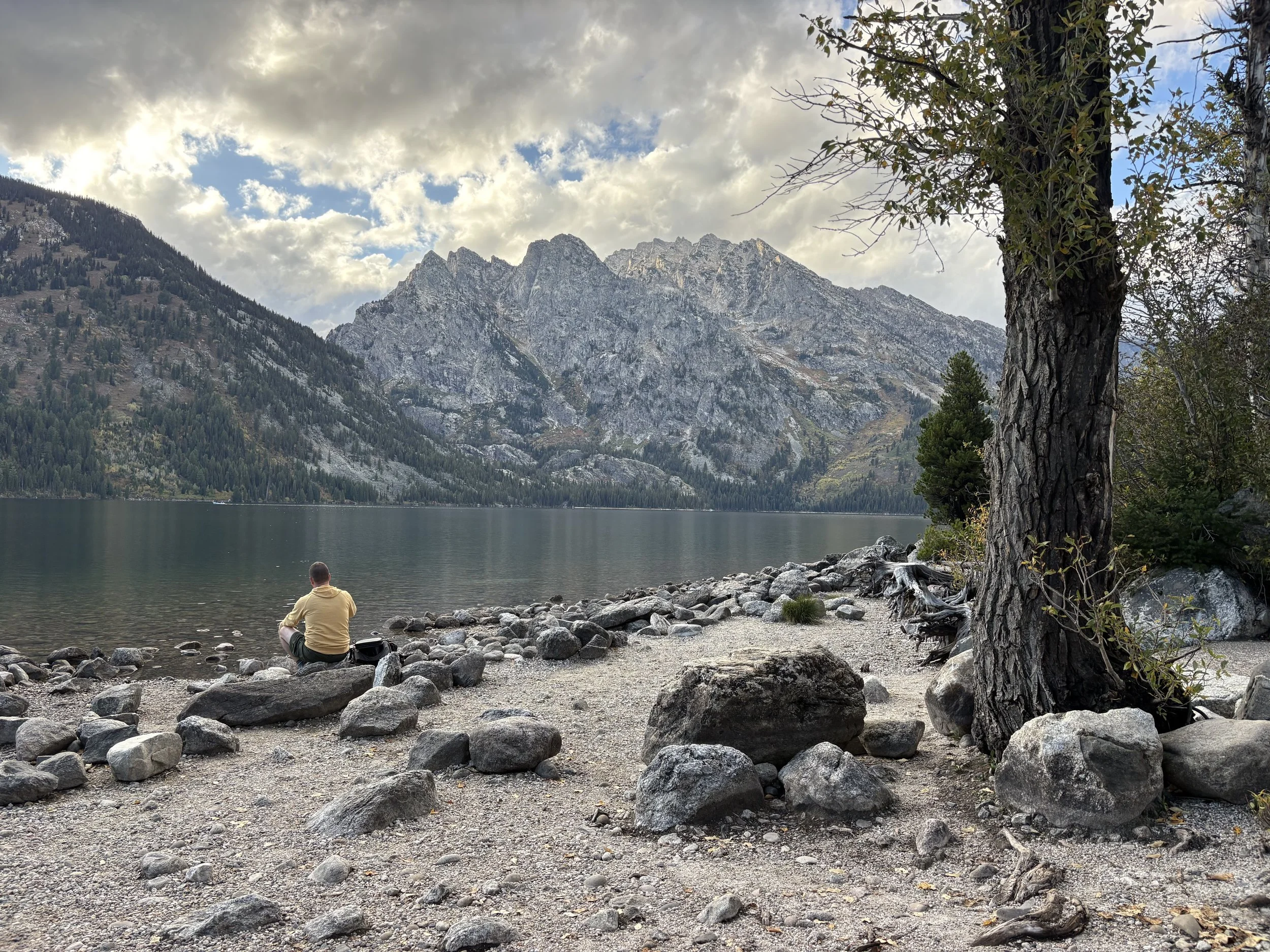
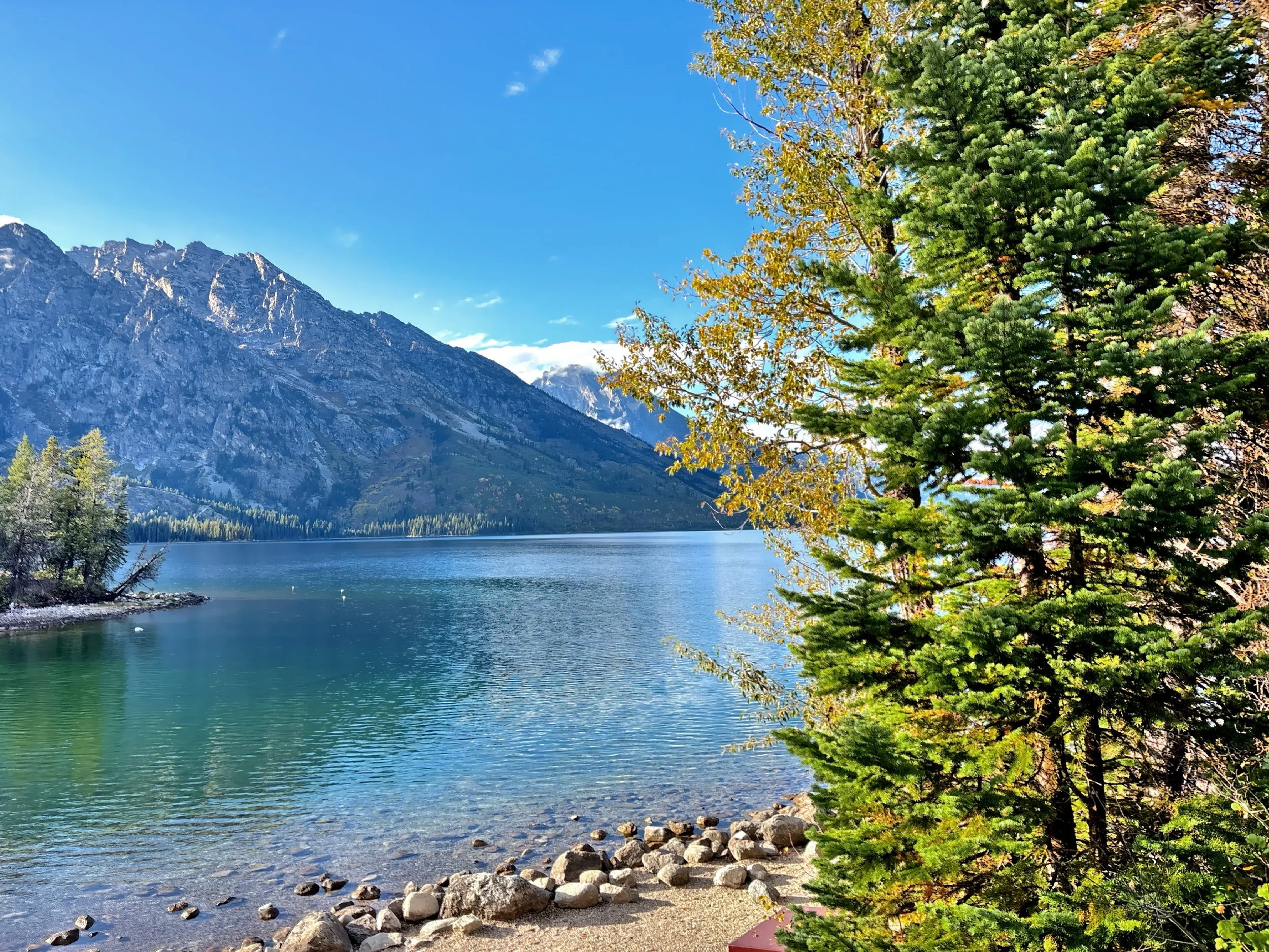
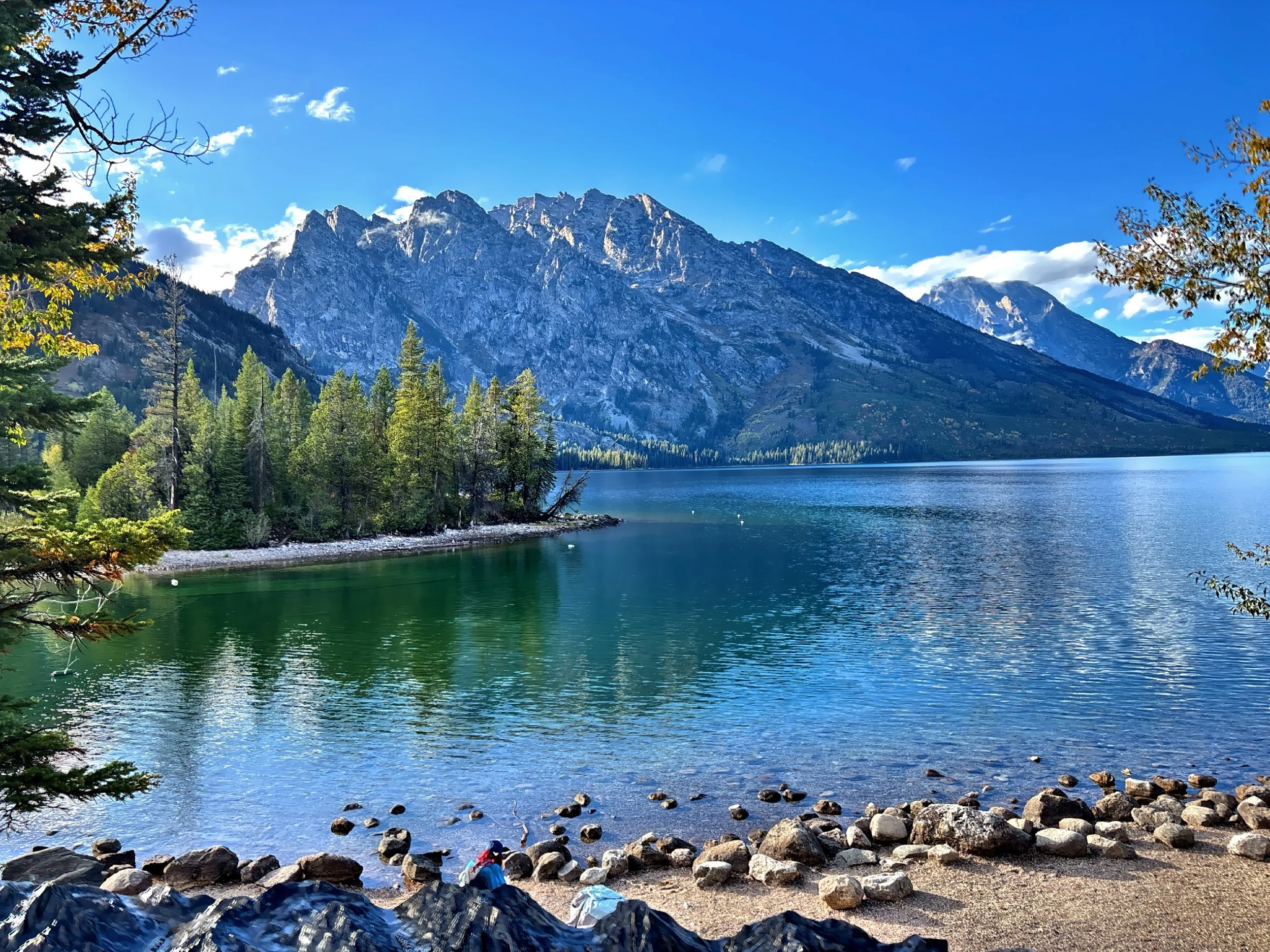
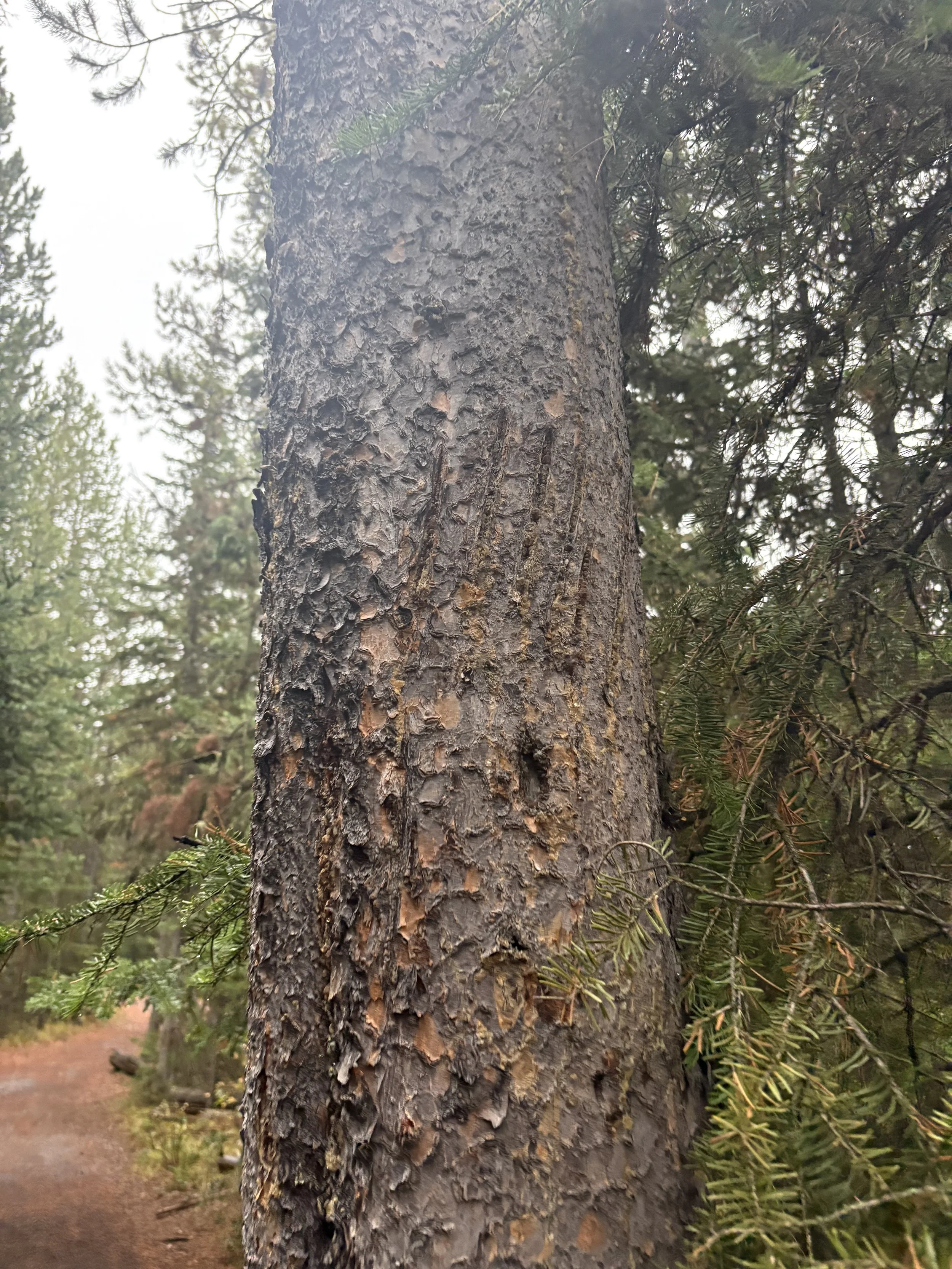
What you should know:
Check website for days and hours of operation.
There is a vehicle entry fee which includes parking parking which can be purchased on site or online.
The most difficult places to find parking in Grand Teton National Park are Jenny Lake, The Laurance S. Rockefeller Preserve and Lupine Meadows.
America the Beautiful - National Parks and Federal Recreational Lands Passes are accepted here.
Public restrooms are available.
The park contains a restaurant, cafe and overnight lodging.
You could spend anywhere from a couple of hours to a couple of days exploring here.
There are many walking and hiking trails and roads throughout the park.
Be respectful of the park property and the animals that call it home.
Do not approach, pet or feed wildlife.
Be Bear Aware, bring bear spray and know how to use it.
Make noise while hiking.
Hike in groups of three or more.
Stay on designated trails.
Fatiuge and shortness of breathe may occur with hikes at higher elevations.
Bring water, sun protection, good footwear, snacks, and a realistic hiking plan.
Store food and trash properly.
The weather and temperature can change quickly and dramatically, dress or bring layers.
Don't underestimate short hikes or the elevation.
The Park Ranger hikes and talks are informative.
The park contains a restaurant, cafe and overnight lodging.
Location: There are four primary entrances (Moose, Moran, Granite, and North
For more information: Grand Teton National Park
If you enjoyed this post, feel free to check out my previous posts by clicking here.