
World’s Fair Remnants - Flushing Meadow Corona Park
In The Great Gatsby, F. Scott Fitzgerald famously described this area as “a valley of ashes.” Just a few decades later, the landscape was dramatically transformed into the 1,200-acre site of the 1939 New York World’s Fair, where the world converged to celebrate innovation, culture, and the promise of the future.
Highlights of the 1939 World’s Fair included corporate exhibitions by Ford, IBM, RCA, Borden, American Tobacco, and Coca-Cola, alongside national pavilions representing countries such as Greece, Iraq, France, Poland, Japan, and Brazil, among many others. Visitors encountered groundbreaking innovations, including fluorescent lighting by General Electric; Elektro the Robot—created by Westinghouse and capable of speaking and even smoking cigarettes; General Motors’ Futurama; and DuPont’s introduction of nylon.
Entertainment at the fair was equally bold and theatrical. Performers in elaborate and often provocative costumes roamed the grounds, drawing crowds to attractions such as the Cuban Village, Savoy Ballroom, Crystal Palace, Amazon Village, and the legendary Billy Rose’s Aquacade. After the fair closed, plans were made to demolish most of the structures and convert the site into a public park, but the onset of World War II delayed much of that vision.
The grounds were revitalized once again for the 1964 New York World’s Fair. Notable exhibits included General Motors’ Futurama II, AT&T’s Picturephone, Sinclair Oil’s Dinoland, and a basic computer introduced by IBM. Many nations did not participate, having already devoted significant resources to the 1962 Seattle World’s Fair.
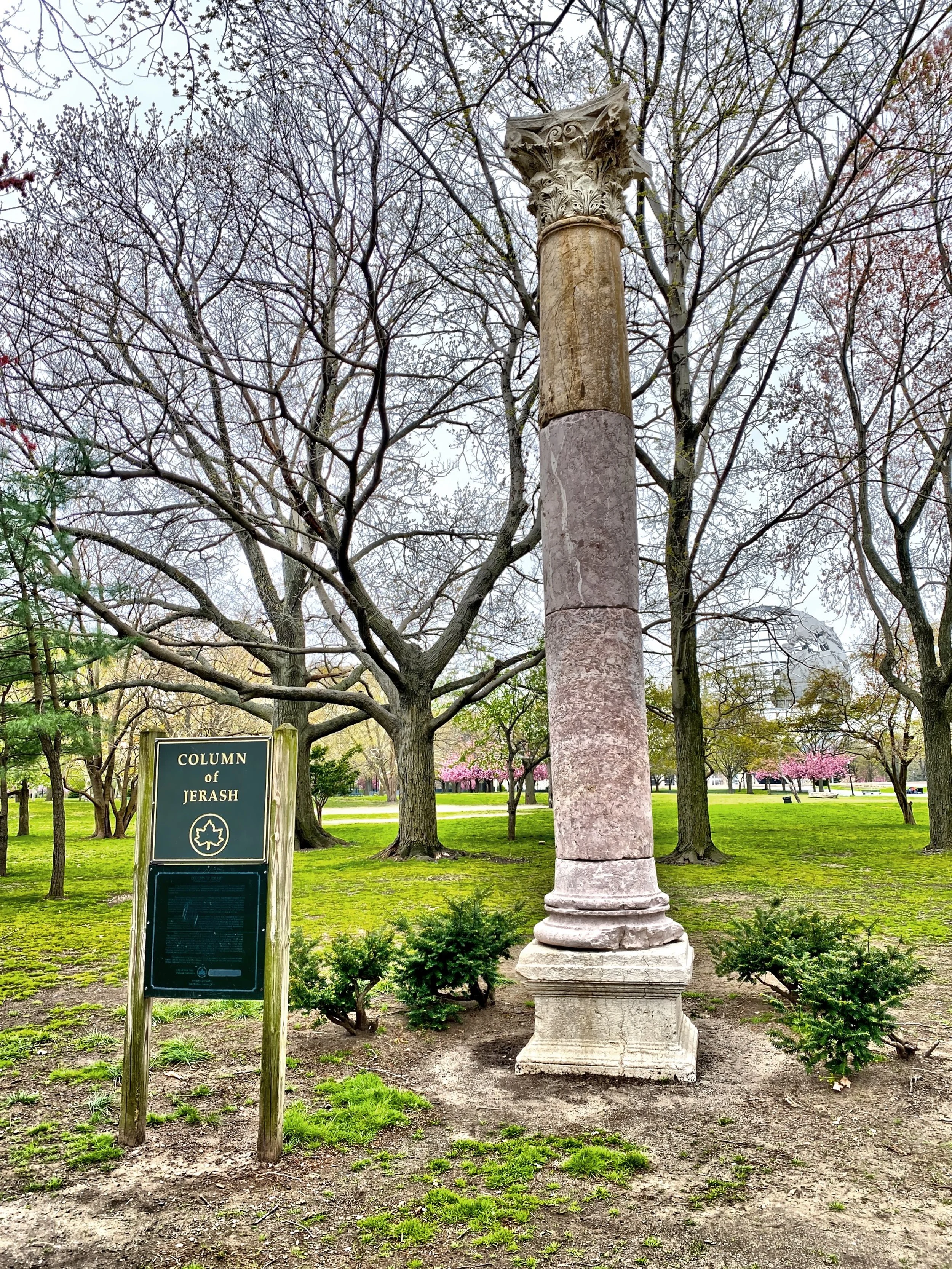
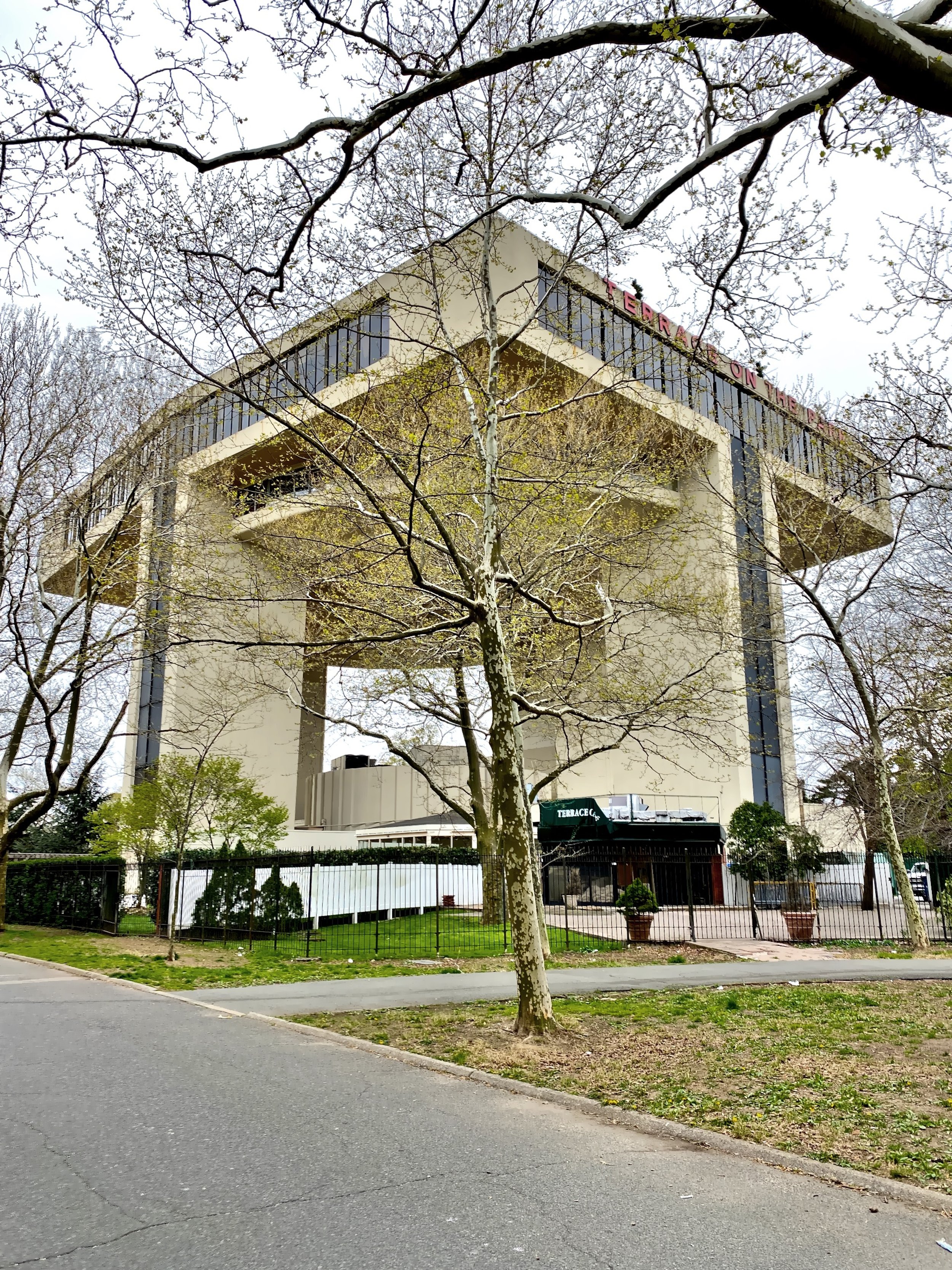
Neither the 1939 nor the 1964 World’s Fair proved to be financially successful. Both lost money and were unable to repay their backers, with legal disputes from the 1964 fair continuing until 1970. Most pavilions were eventually demolished, though a handful survived within what is now Flushing Meadows–Corona Park. Other structures and elements were relocated and repurposed—as a ski lodge, radio station, portions of a hotel, and even a church—or became attractions in amusement parks such as Disneyland.
Before becoming the Queens Museum as it is known today, the former New York City Building served as the headquarters of the newly formed United Nations from 1946 to 1950, adding yet another remarkable chapter to the site’s extraordinary history.
Here is what I found, hope you enjoy!
Do you like the images posted?
Click here to explore the shop.


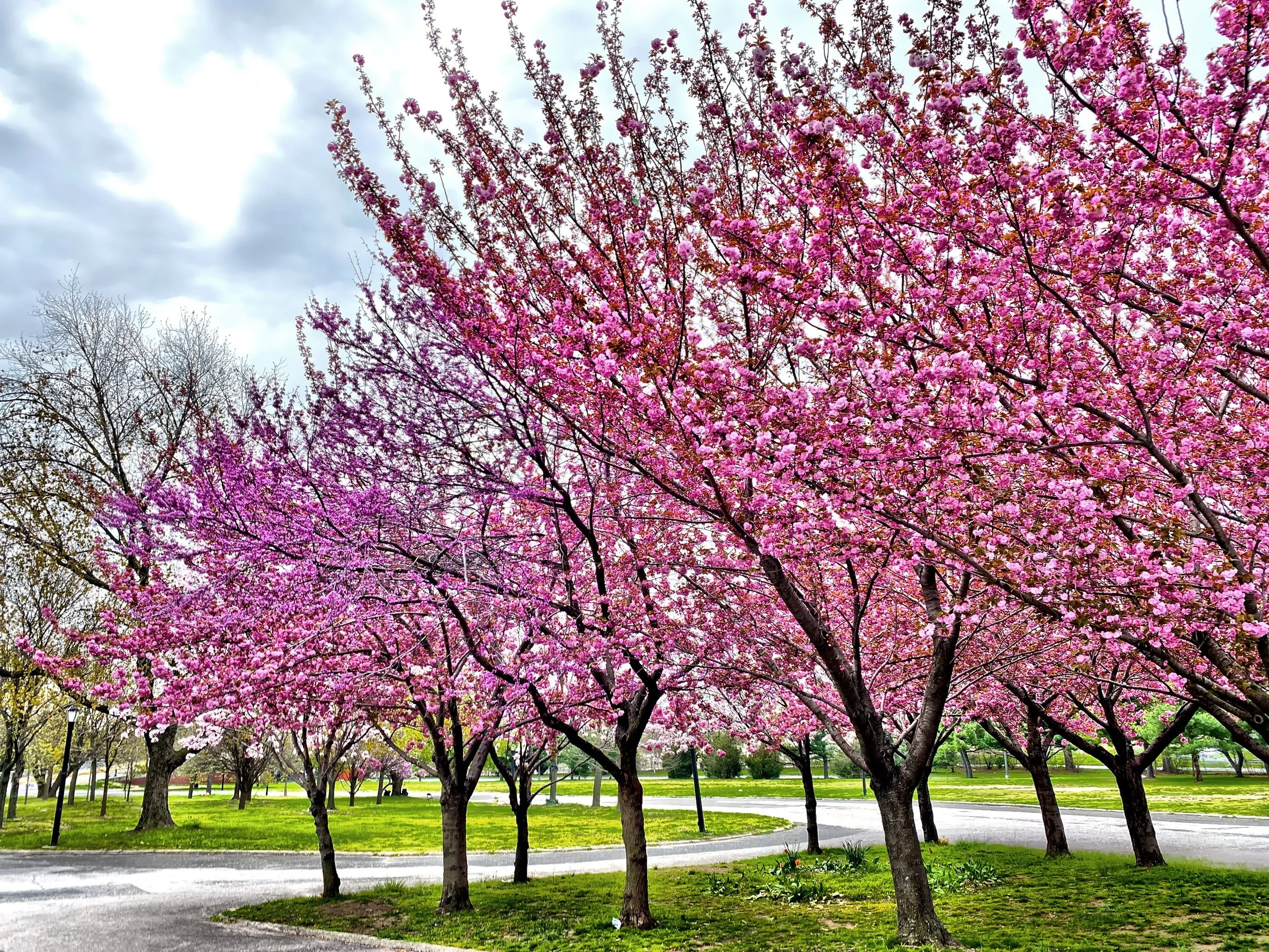






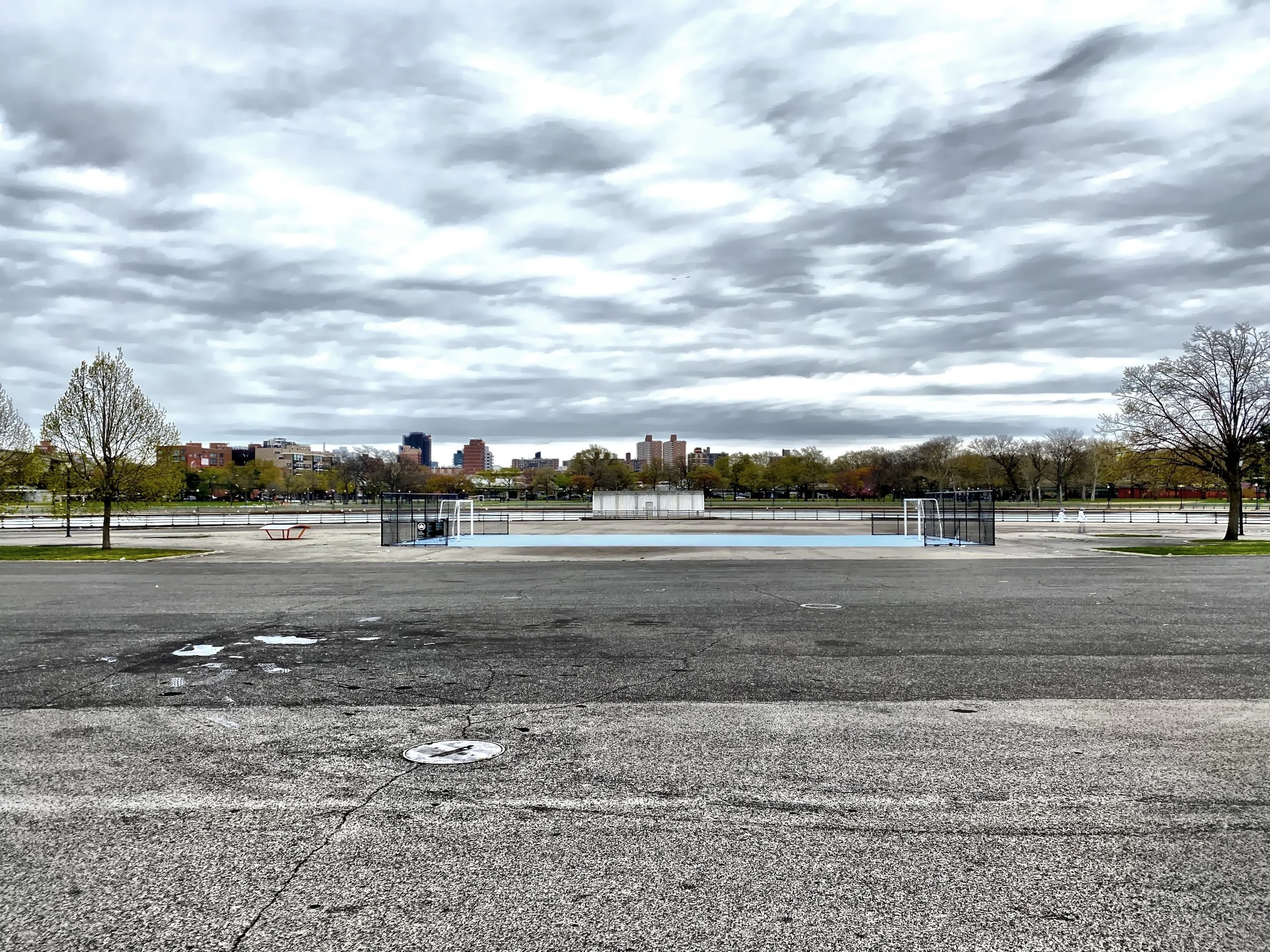


The park fell into disrepair in the following decades, only playing host to barbecuing, picnics and sports like soccer, baseball and volleyball. The City of New York maintained the Hall of Science, a roller rink and museum in the old New York City Building. They also maintained Theater in the Park (in the old Theaterama building) and the World’s Fair Marina. In addition, they created a Zoo, a petting farm, the Queens Botanical Garden and the now demolished Shea Stadium. In 1978, the United States National Tennis Center opened and hosted the U.S. Open.
Today, the iconic park features indoor pools, ice skating, paddleboat rentals, tennis courts, playgrounds, basketball courts, skate park, football fields, hiking trails, miniature golf, and kayak/canoe launch.
Cool sites to visit on the history of the site: New York State Library and New York Parks Department
Answer: The oldest man-made object in New York City, situated in Central Park, is the Egyptian obelisk known as “Cleopatra’s Needle”, which is said to be 3500 years old.
What you should know:
Restrooms are available.
There are walking trails.
There is plenty of free parking.
You could spend a few hours to an entire day.
Picnicking and barbecuing is allowed.
There are plenty of fields to play soccer, baseball and football.
There is a zoo, petting farm and small amusement section for children.
There are areas for skateboarders, cycling, kayaking, tennis, swimming, skating and miniature golf.
Enjoy the remnants of both World’s Fairs including buildings, sculptures and plantings.
Visit the Queens Museum; check their website for days and hours of operation.


