
A Lake That Is Home To Thousands Of Families - Tonlé Sap Lake Floating Villages
In the heart of Cambodia lies Tonlé Sap Lake — Southeast Asia’s largest freshwater lake and easily one of the most fascinating ecosystems.
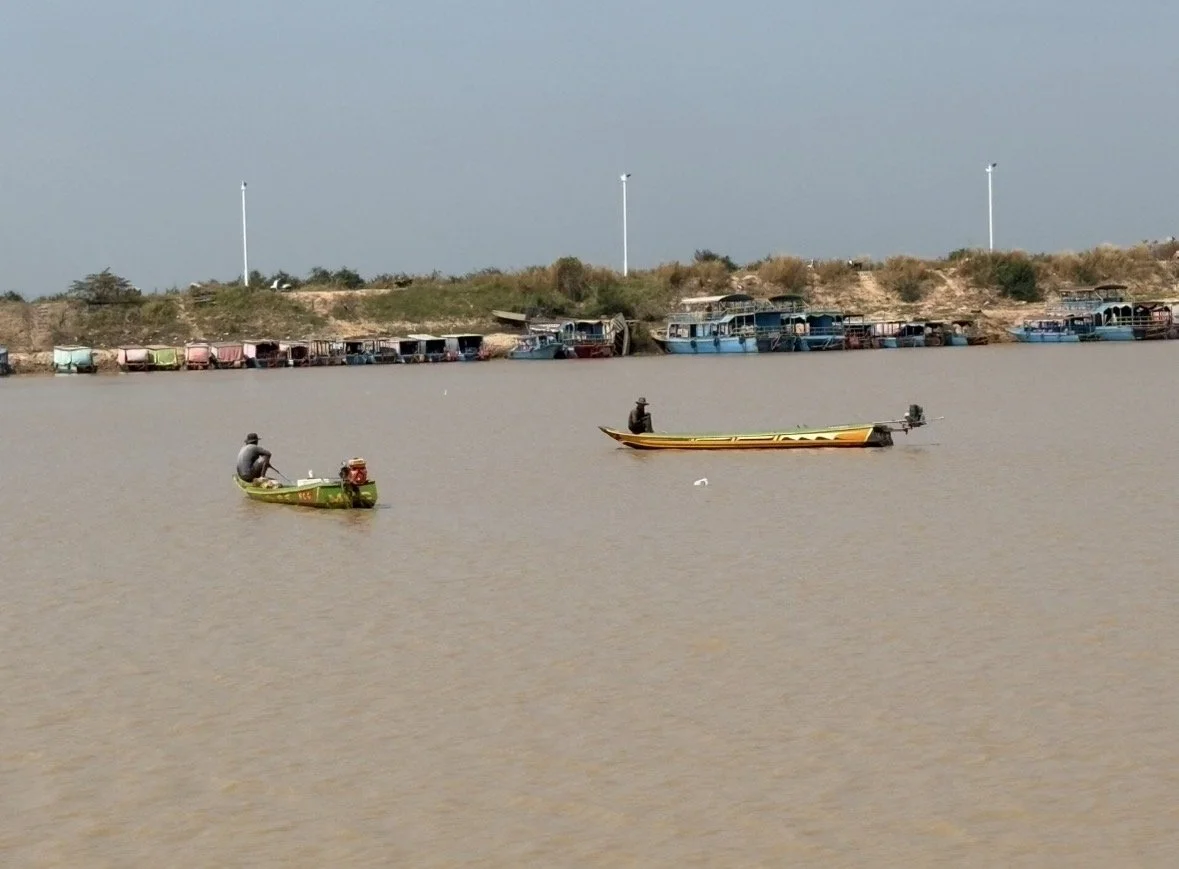
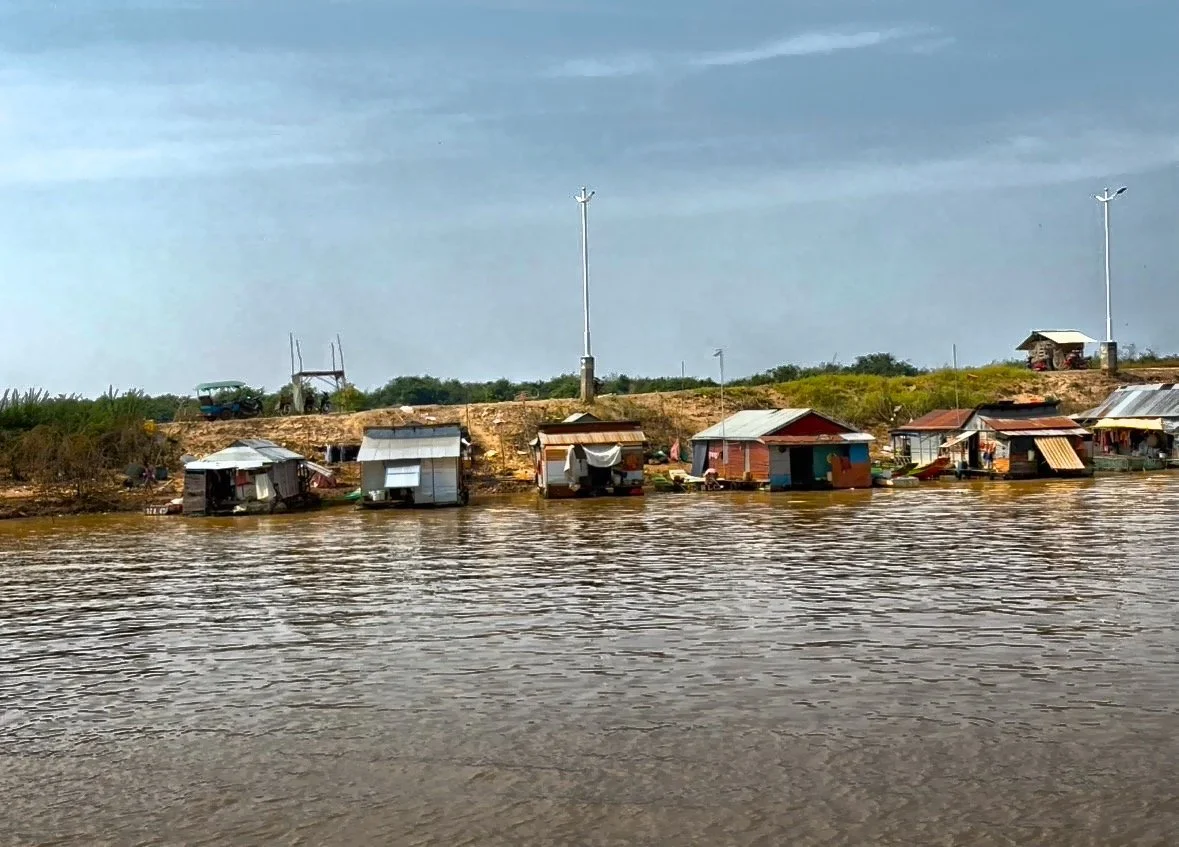
This isn’t your typical still-water postcard lake. Tonlé Sap breathes. Twice a year, its current reverses direction. In the wet season, monsoon rains cause it to swell to nearly five times its dry-season size, swallowing forests and fields. Then, as the waters recede, the lake shrinks back again — revealing muddy banks and some stilted homes towering high above the earth. It’s a place that refuses to stay still.
But what truly makes Tonlé Sap extraordinary isn’t its size or its science — it’s the life floating on top of it.
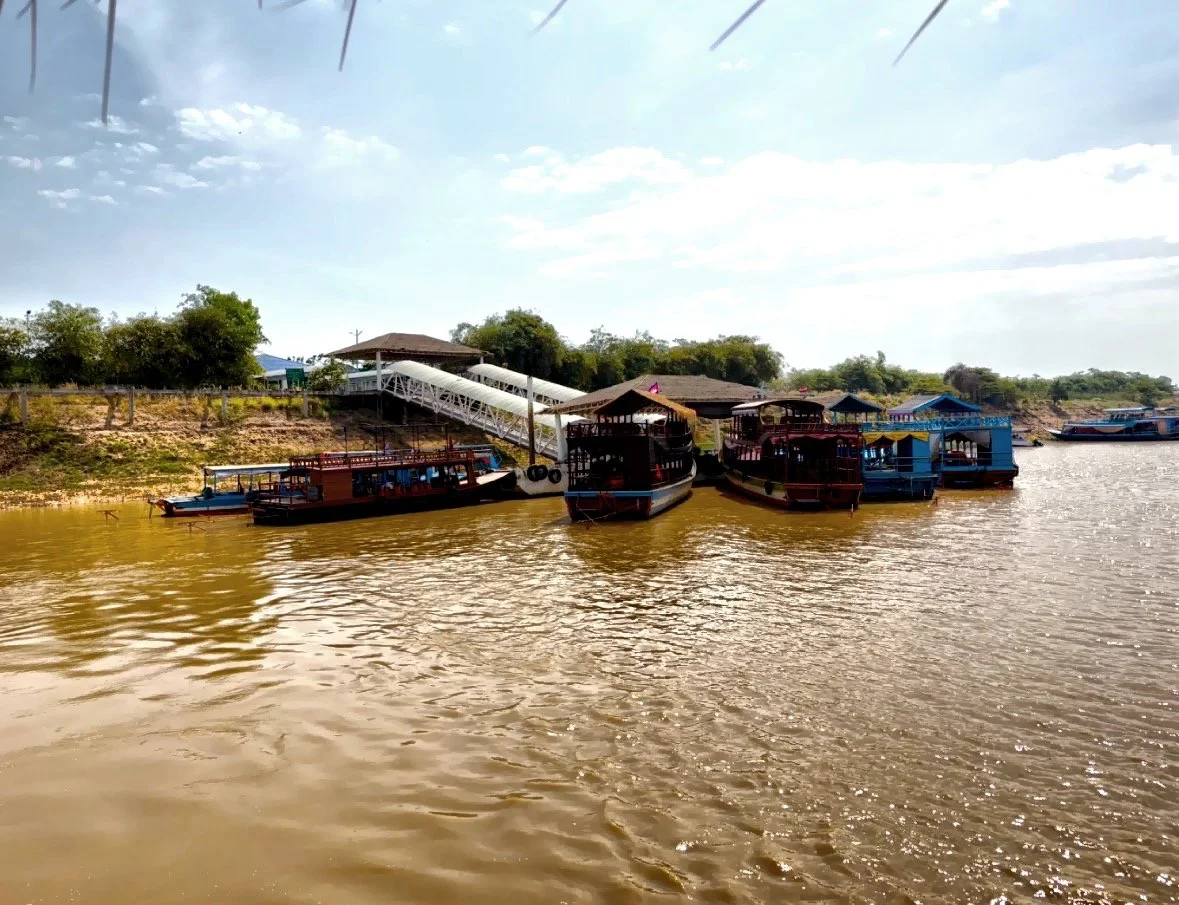
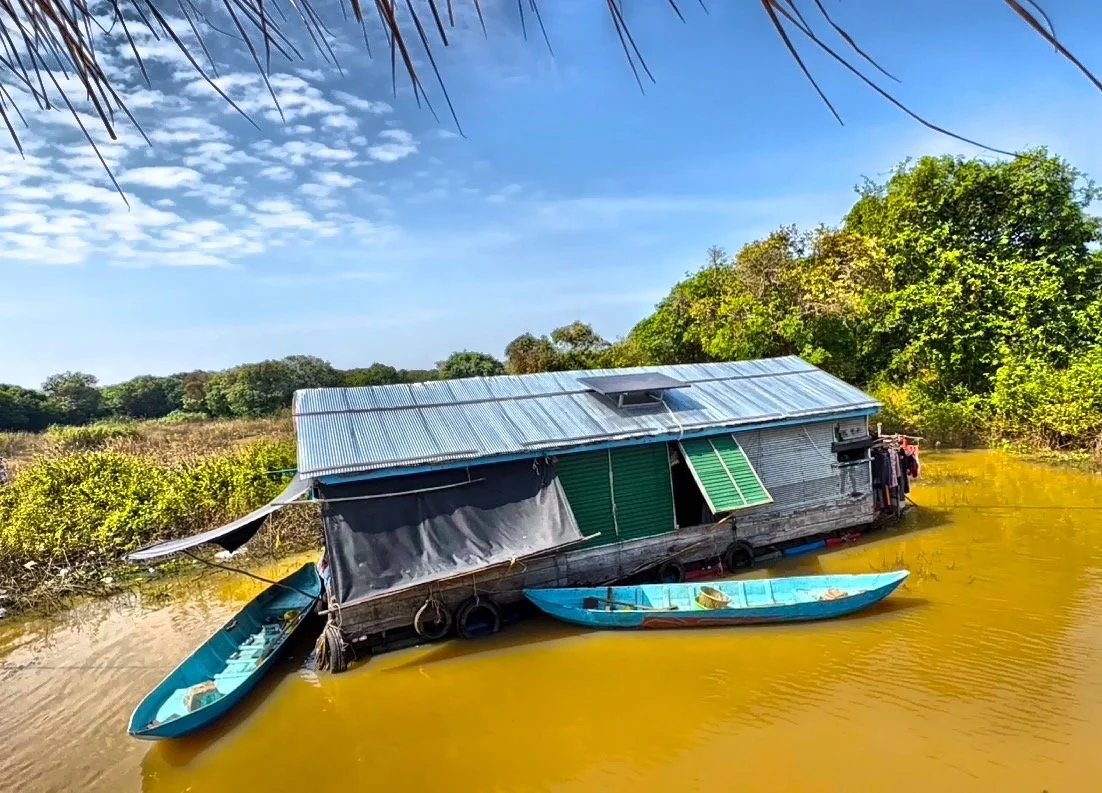
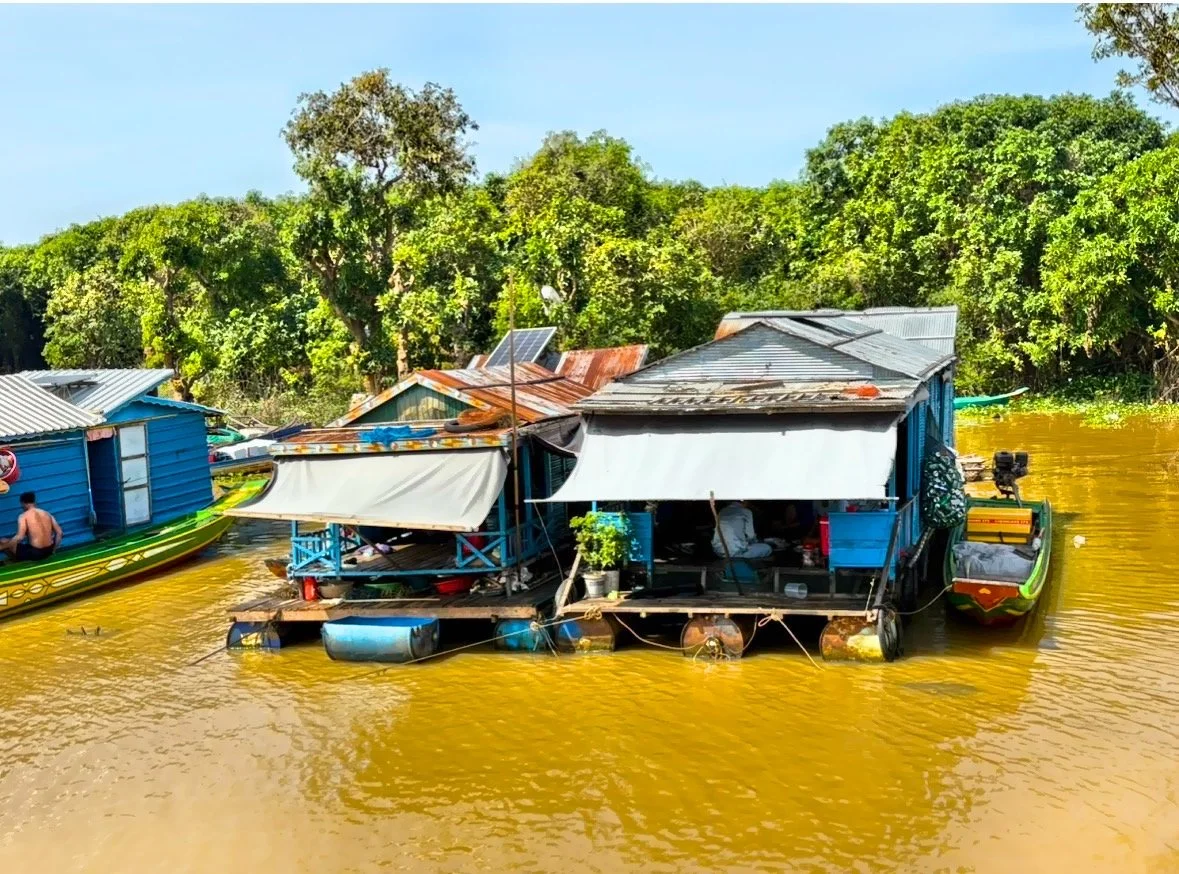
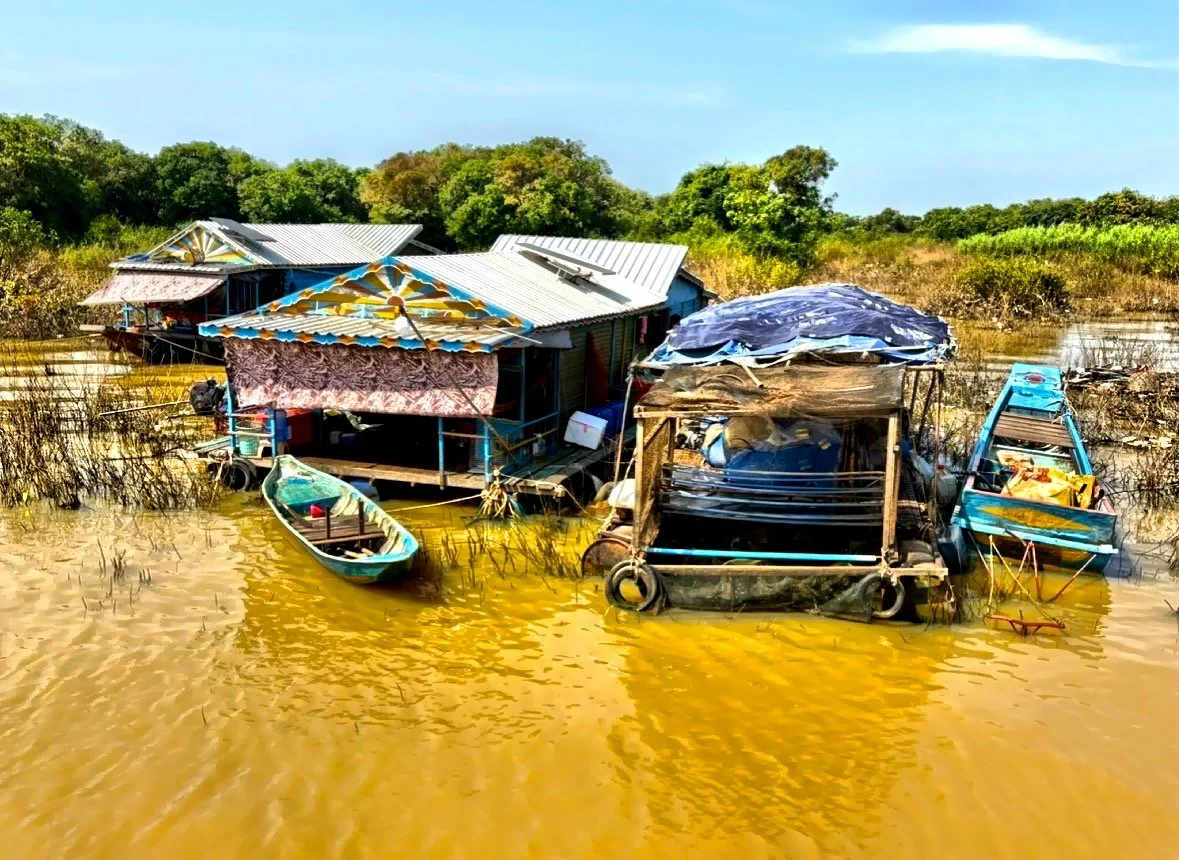
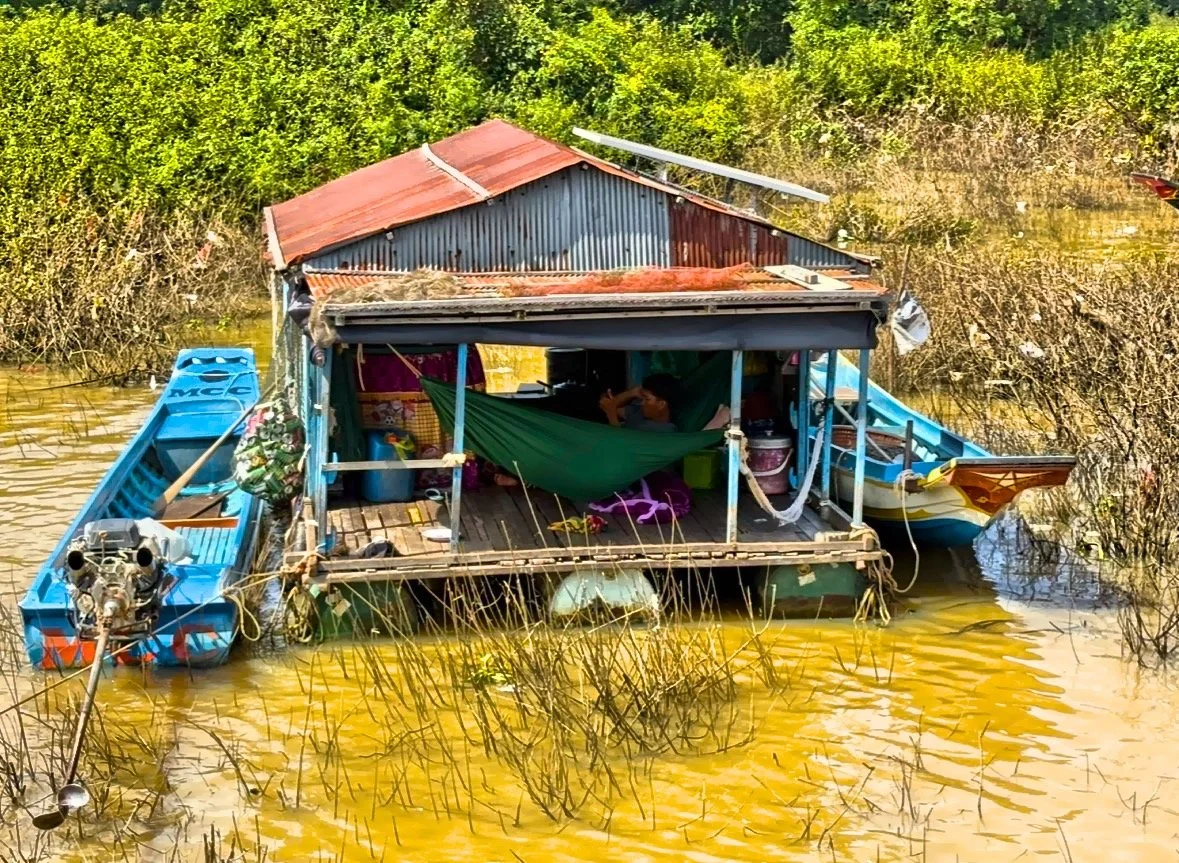
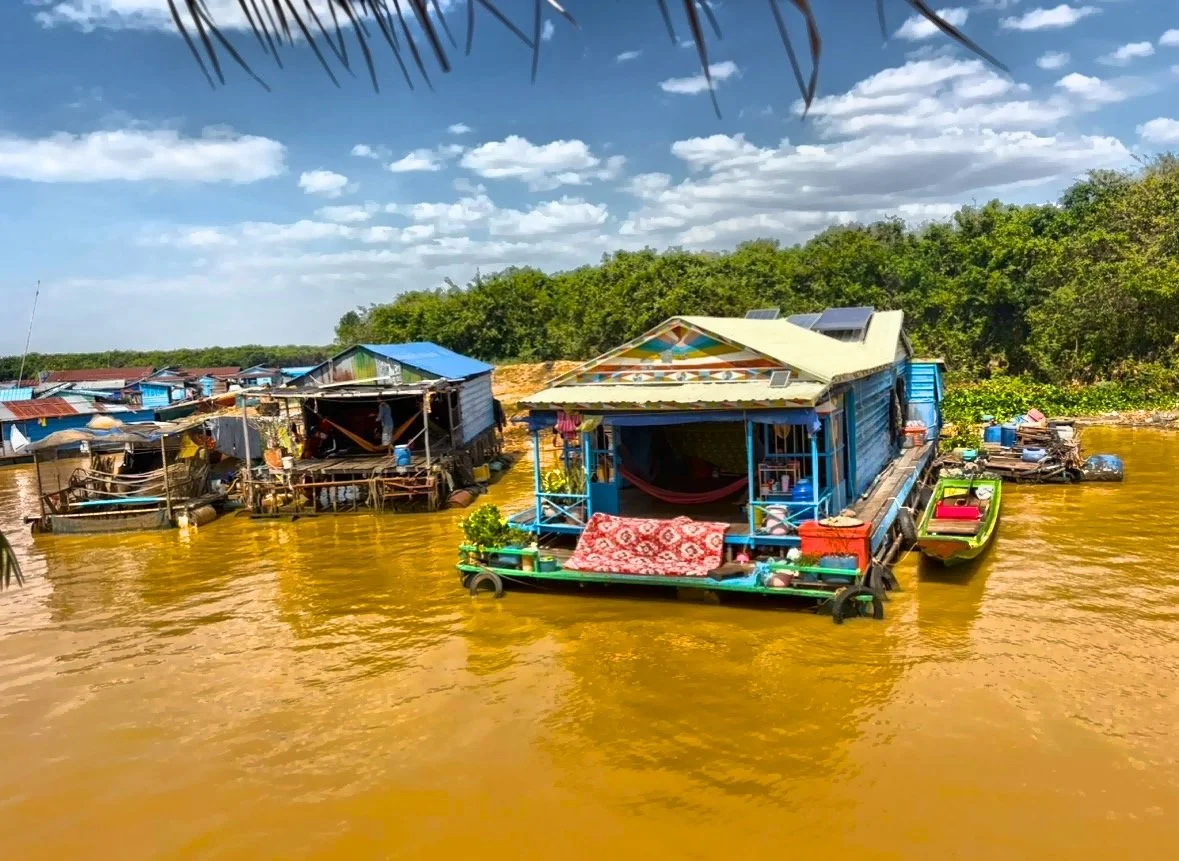
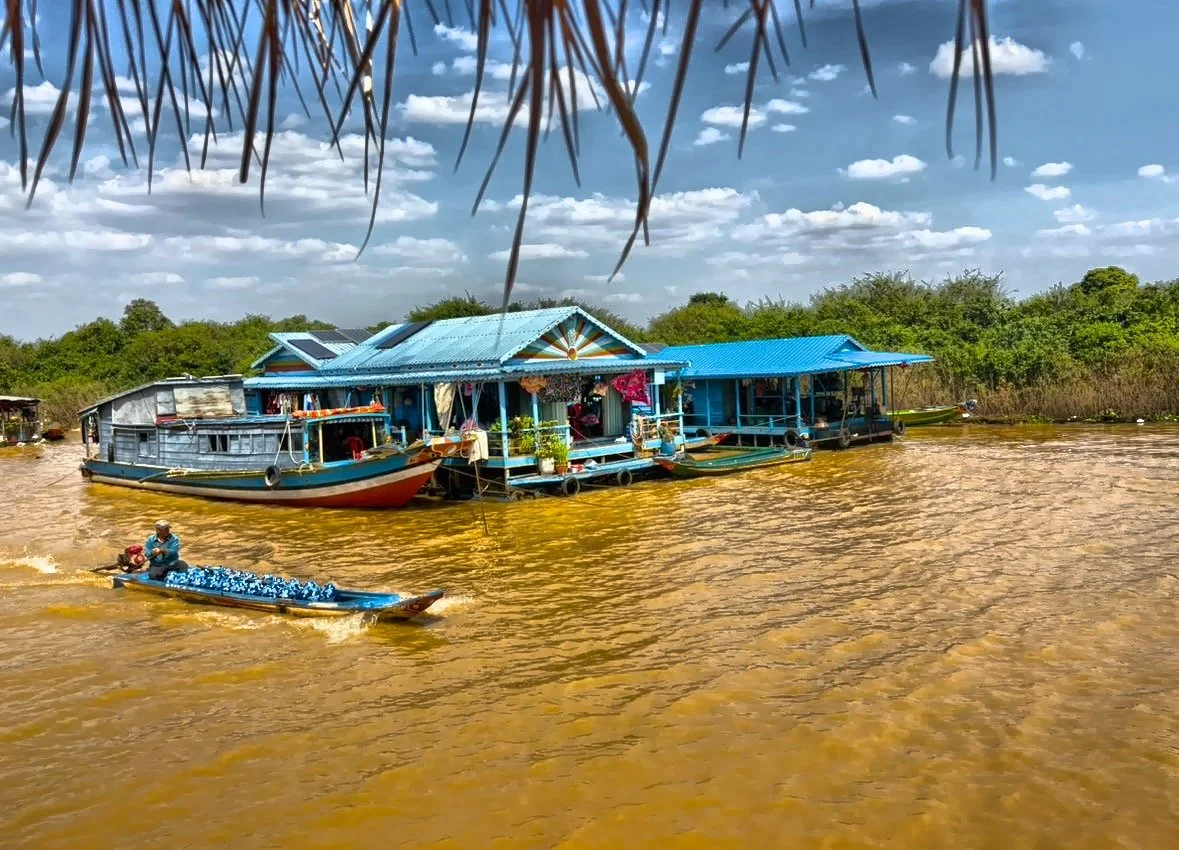
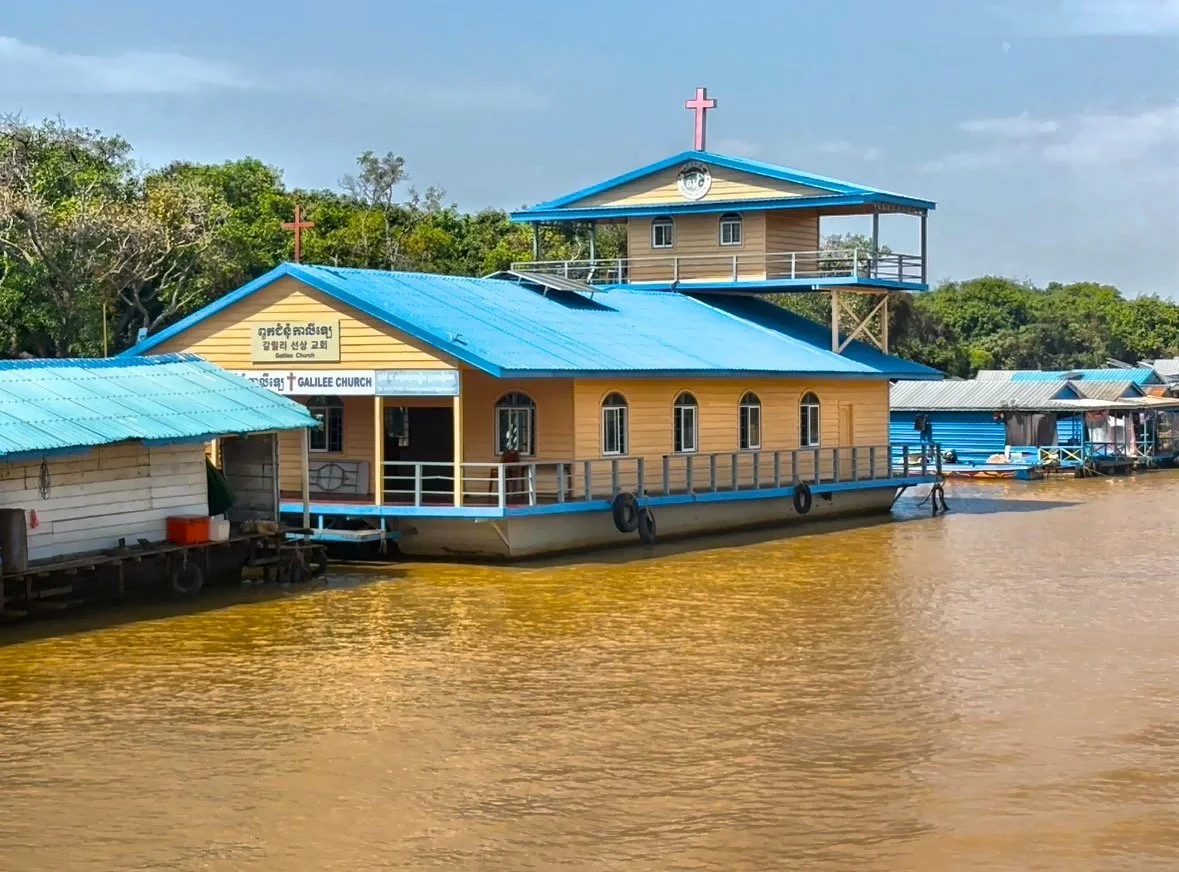
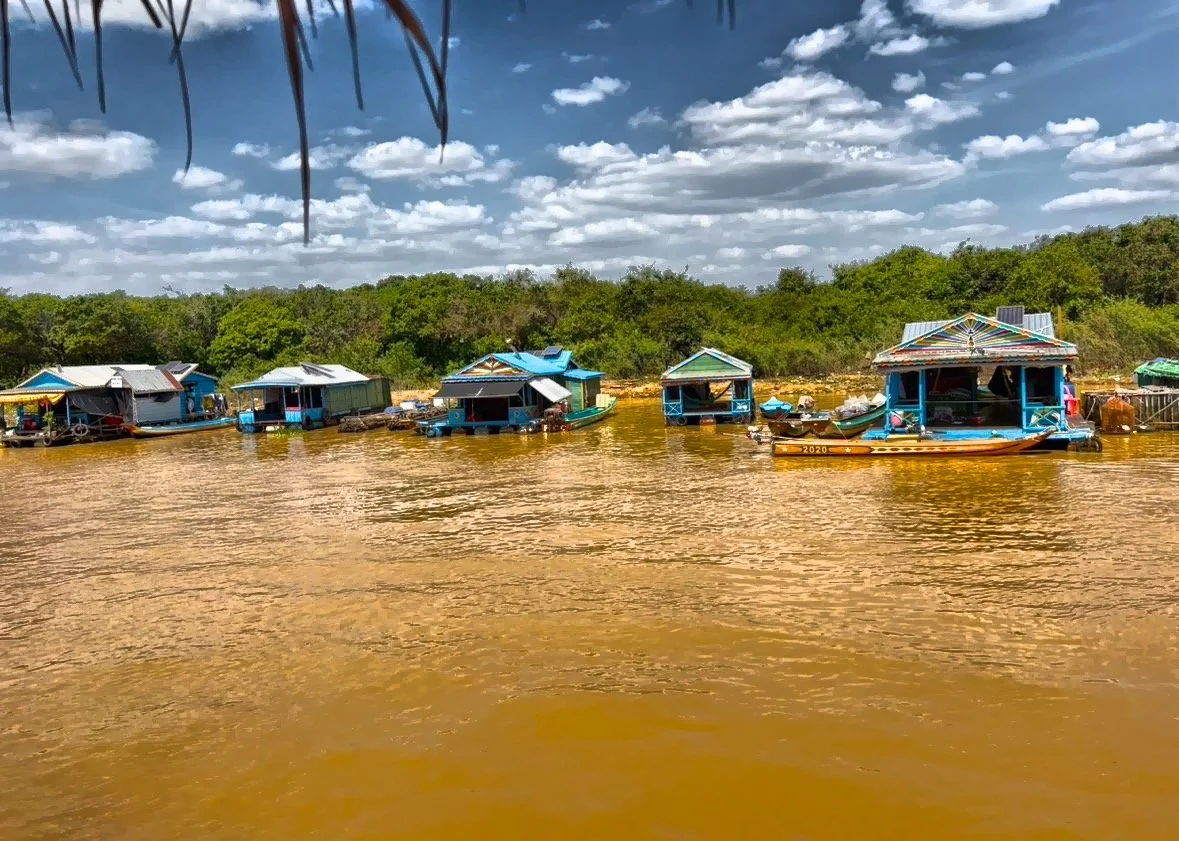
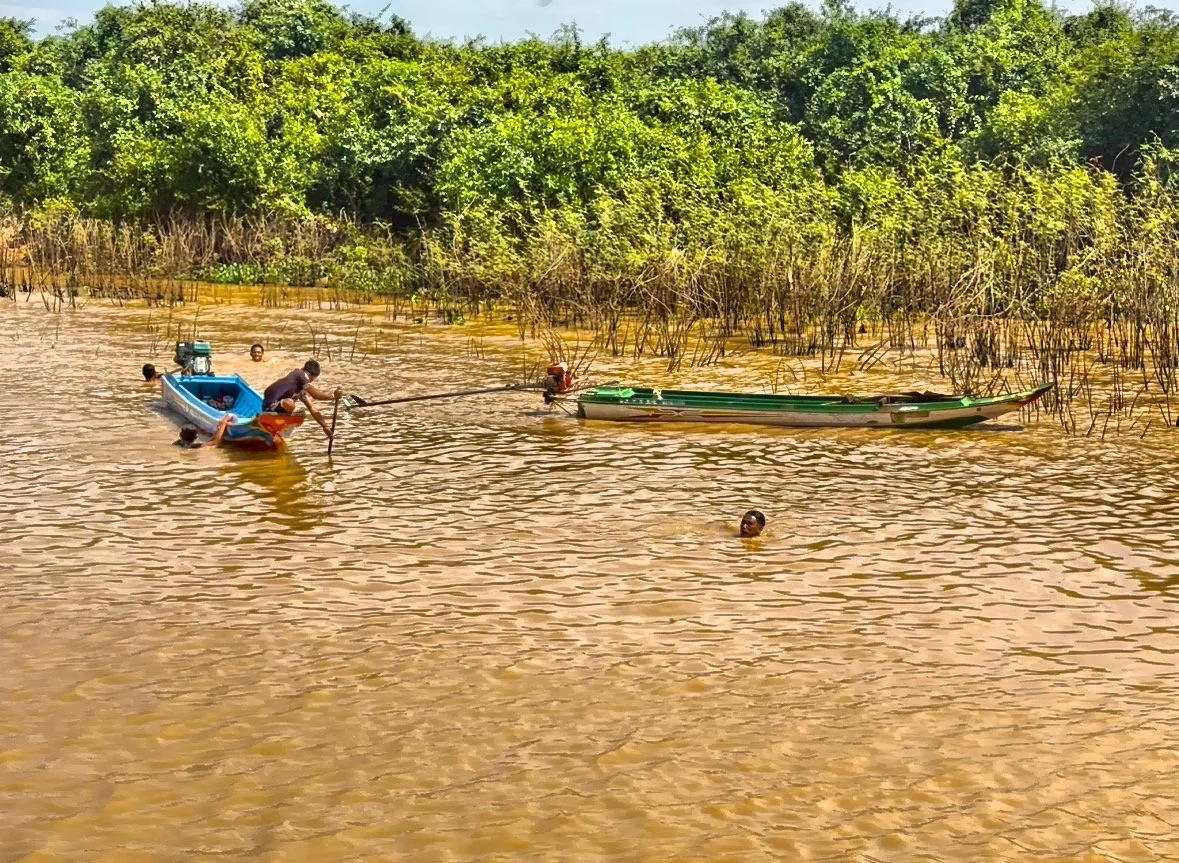
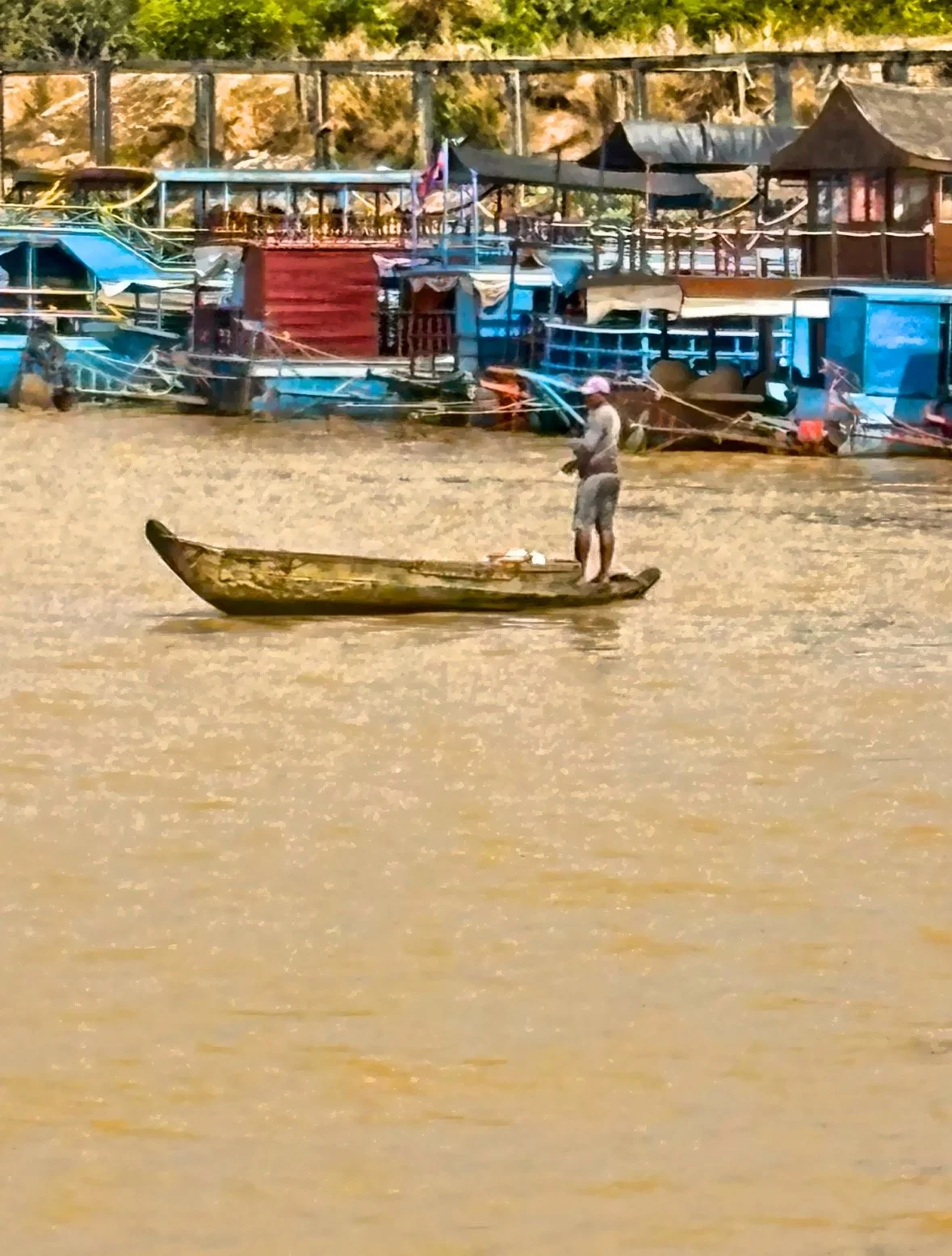
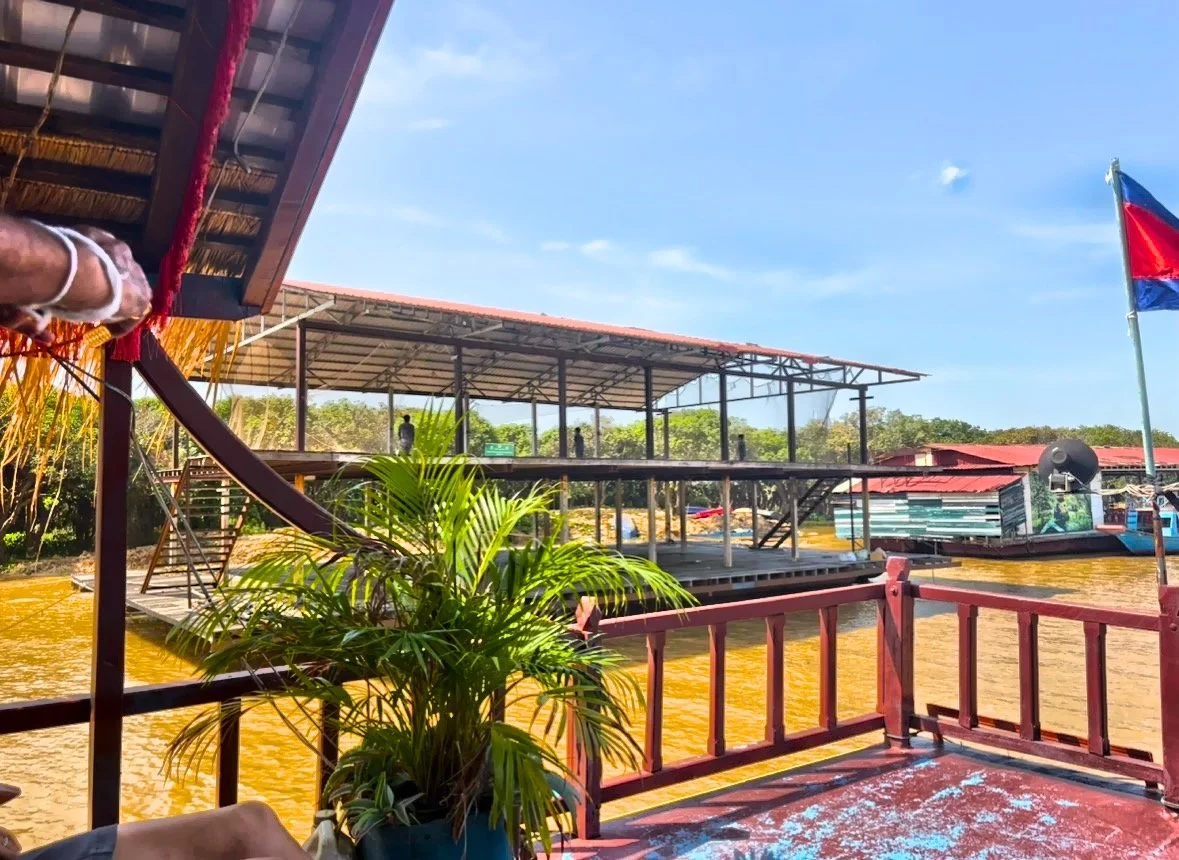
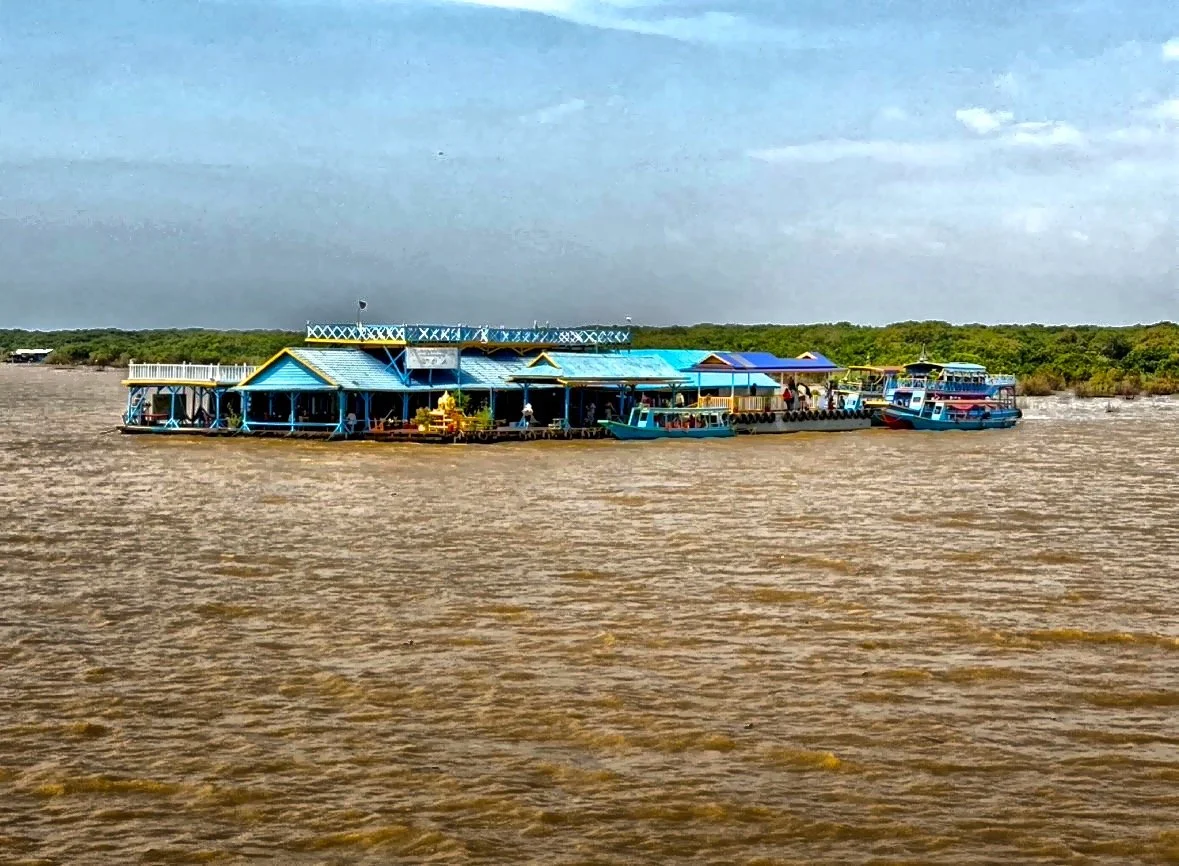
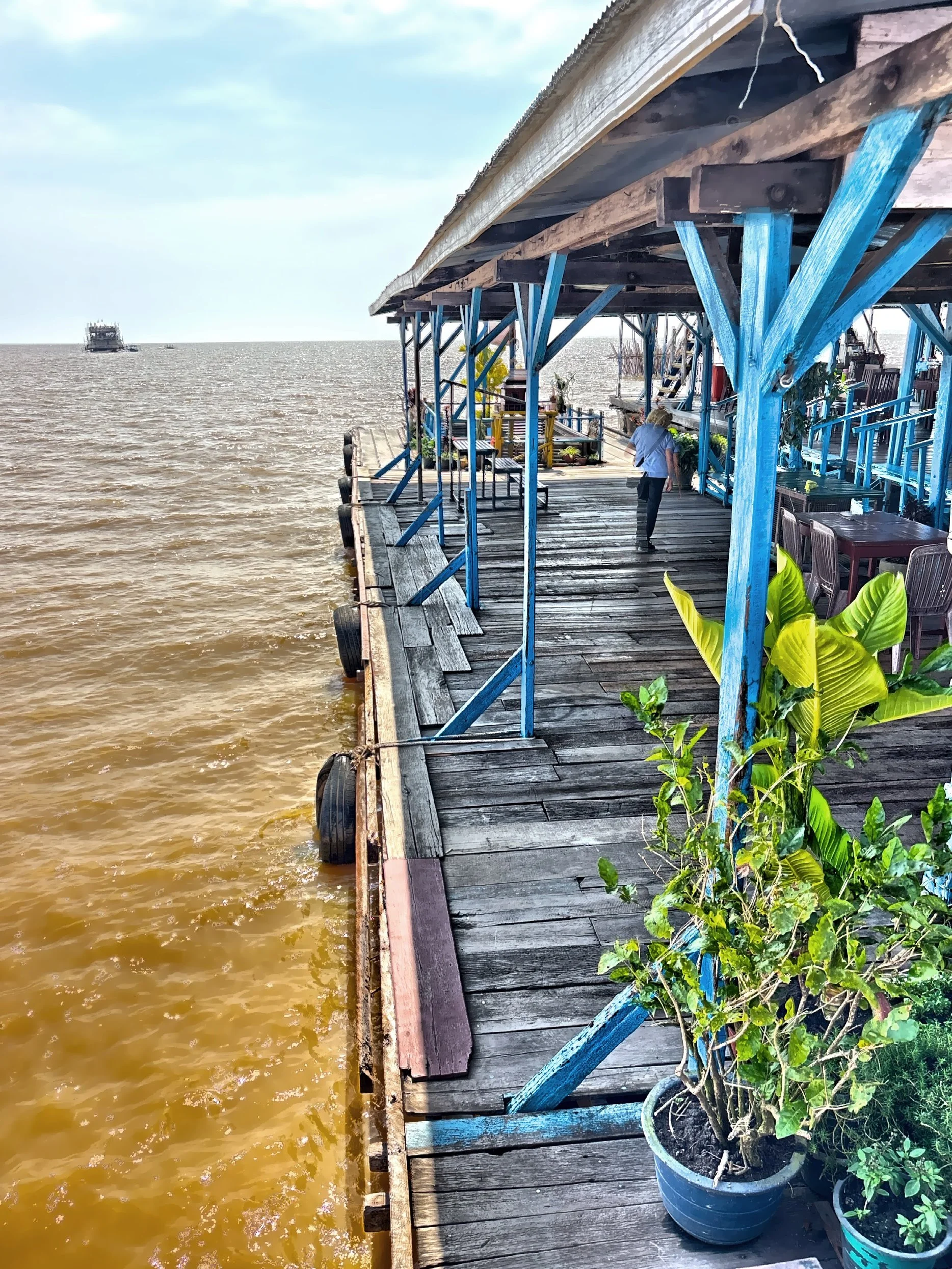
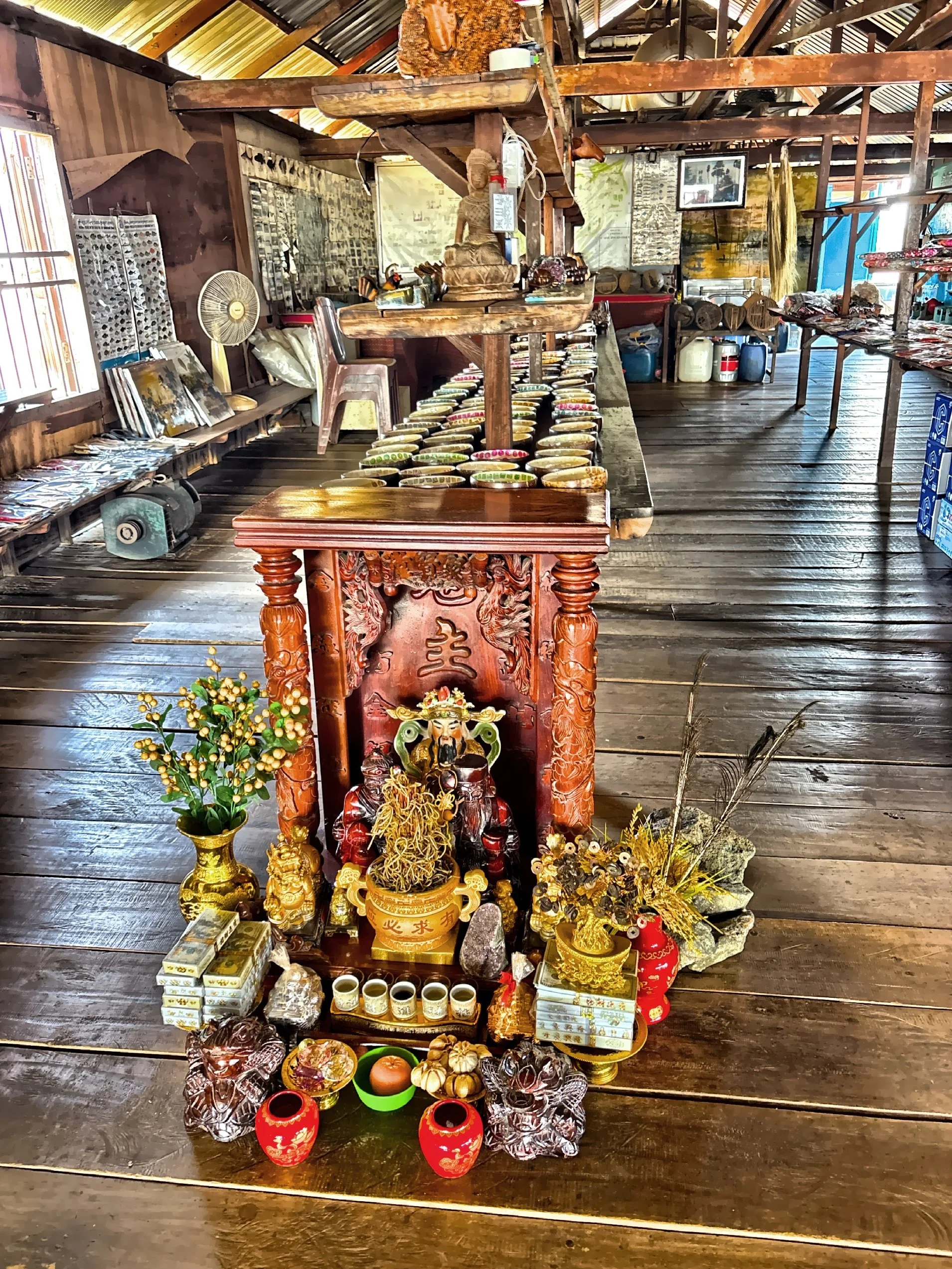
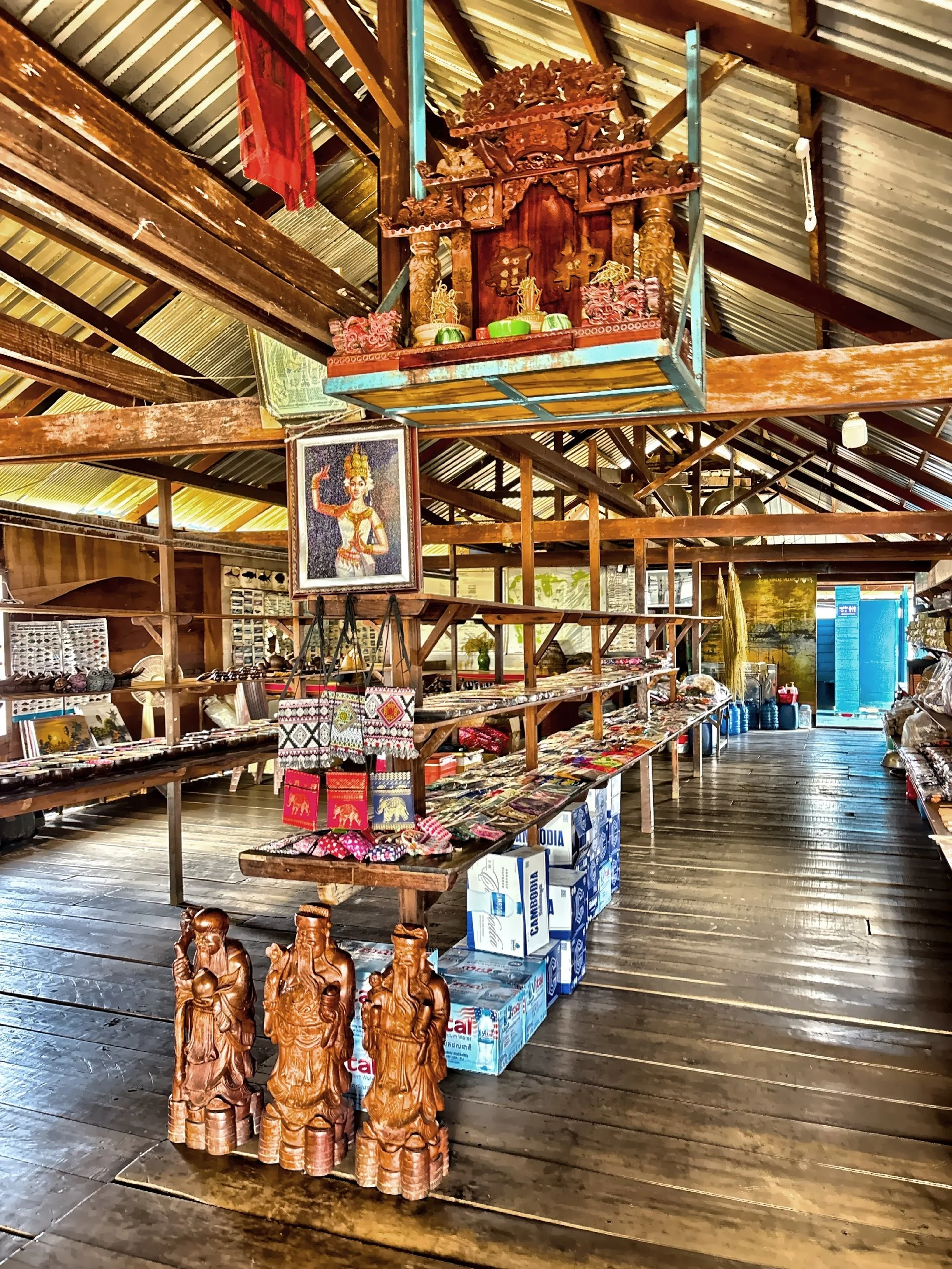
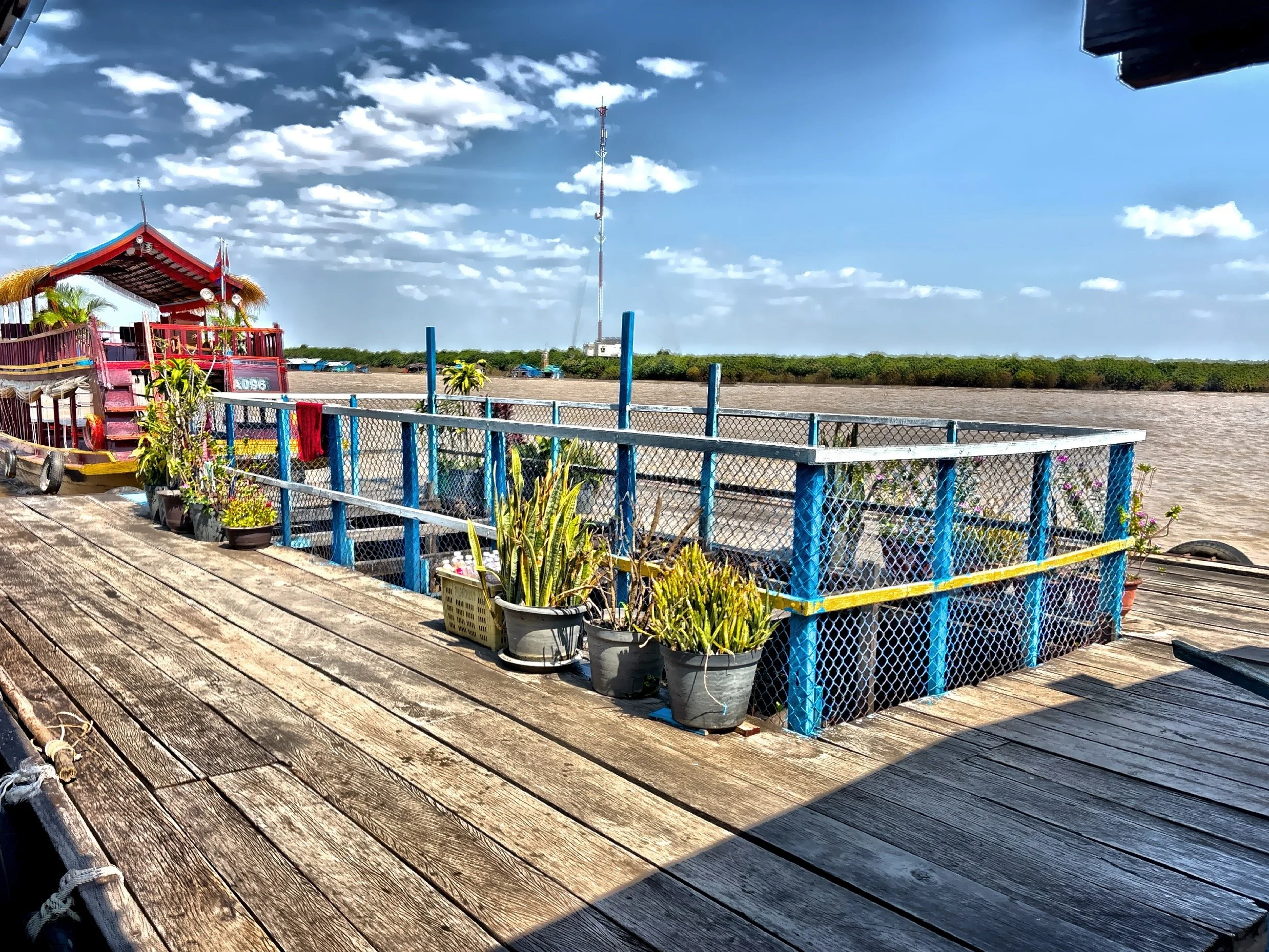
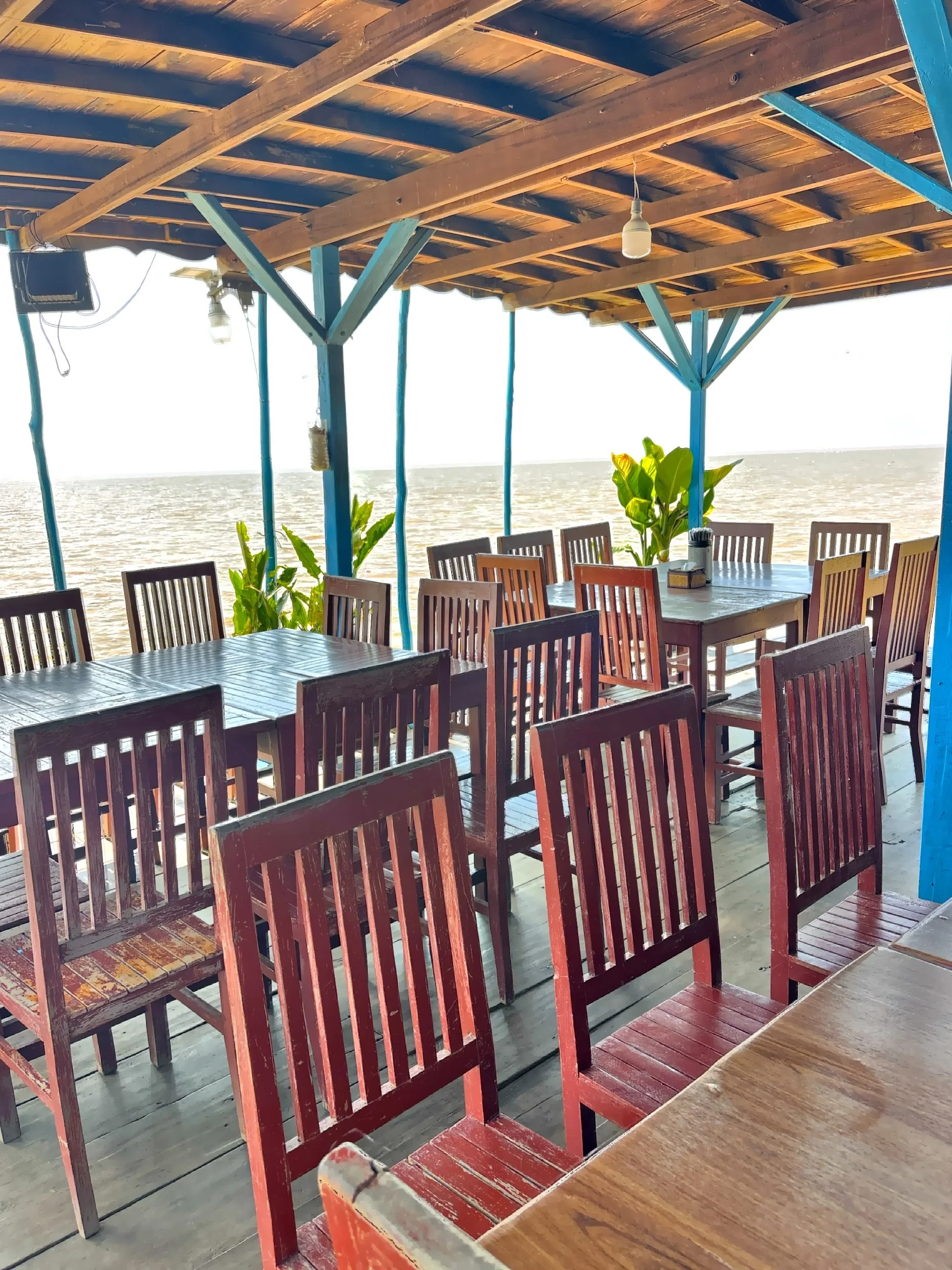
Thousands of families live directly on the water in floating communities that rise and fall with the seasons. Entire villages drift across the surface: houses painted in faded colors, schools bobbing gently beside them, churches and temples anchored like quiet guardians, markets selling vegetables from boats, even floating basketball courts where children somehow manage to shoot hoops while the ground beneath them moves.
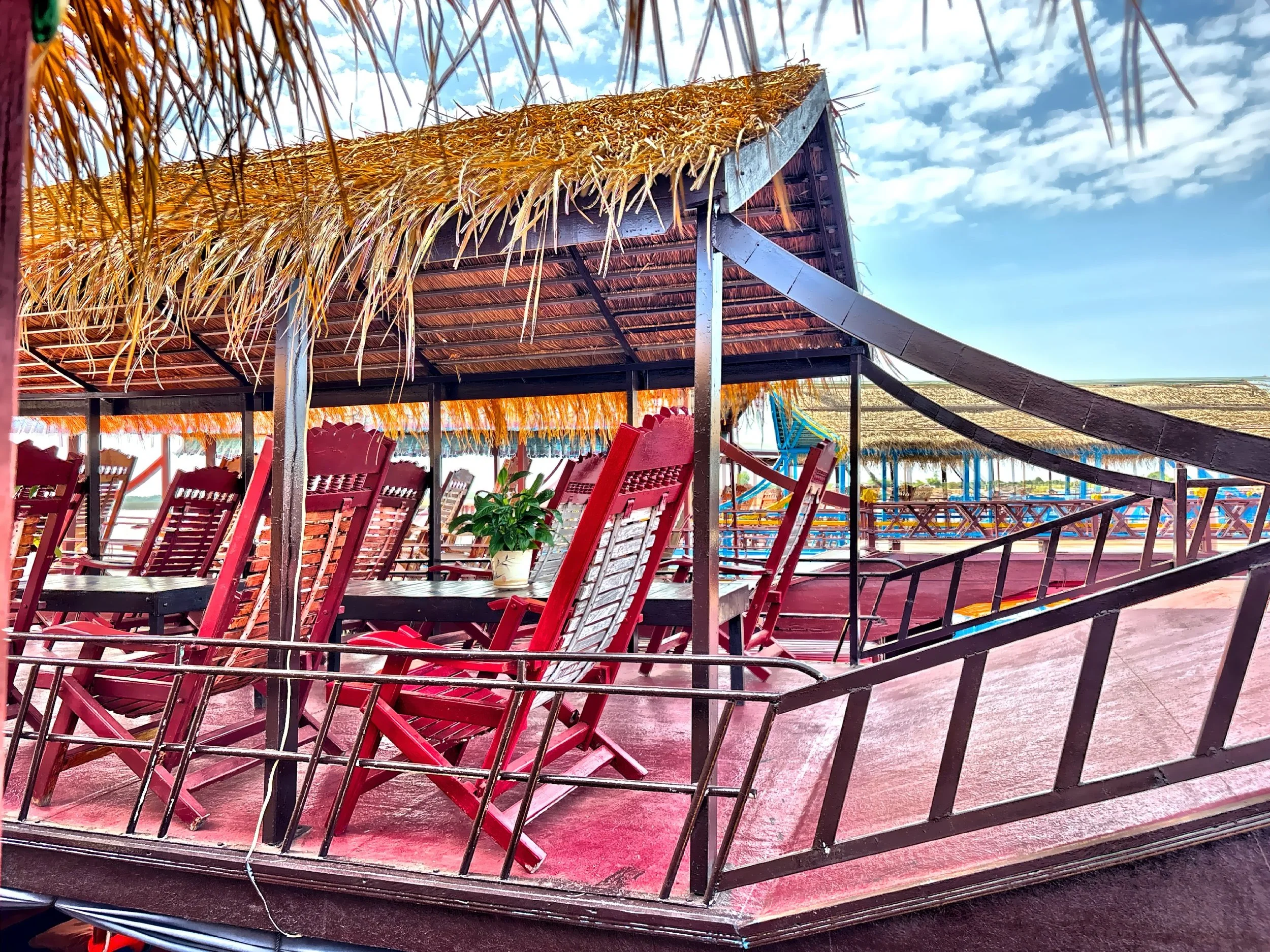
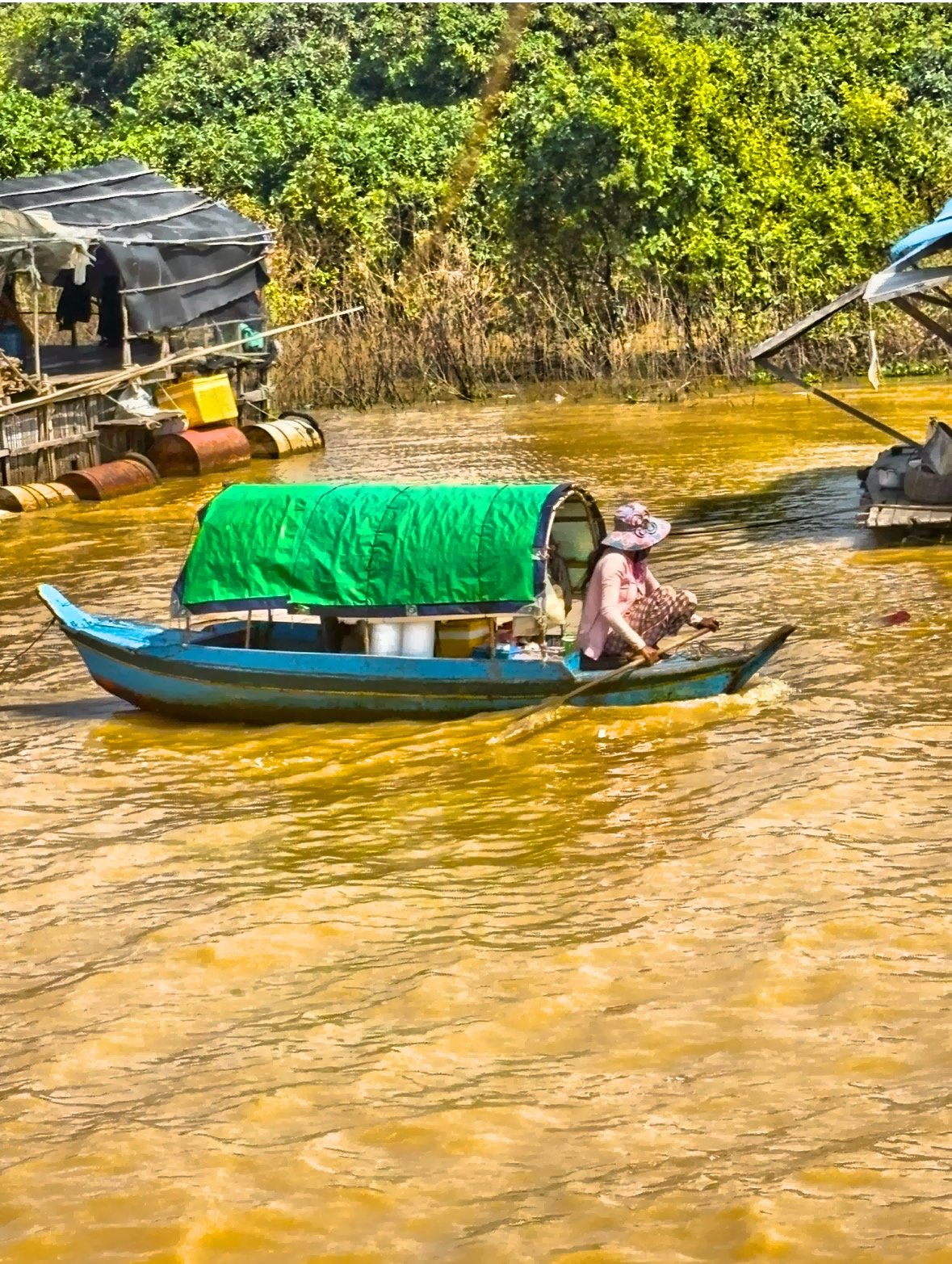
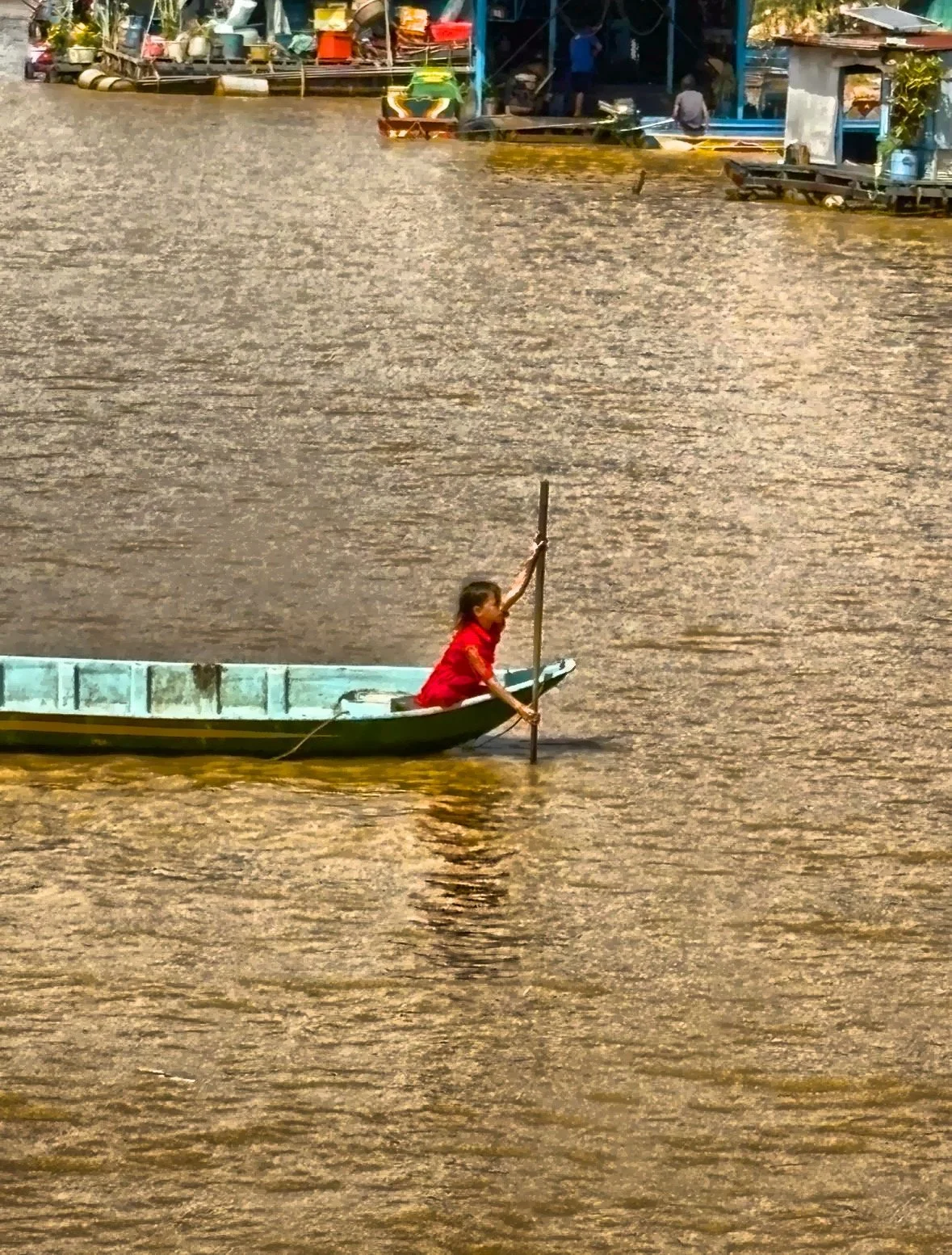
I visited the village of Chong Khneas, just outside Siem Reap. A wooden boat carried us away from the shore and into another world. The hum of the motor faded into the rhythm of water slapping against stilts. Kids paddled by in metal basins like makeshift canoes, waving and laughing as if this floating maze were the most natural playground in the world.
And Chong Khneas is only one of around 170 floating villages scattered across the lake.
The exact number of people living on and around Tonlé Sap remains uncertain. Many are considered settlers without formal legal status — communities made up primarily of Vietnamese, Cham, and Khmer families. Often referred to as the “forgotten people,” many exist in a kind of in-between: without clear national belonging, yet deeply rooted in this watery world. Over generations, they have formed dozens upon dozens of small floating settlements, building lives in a place that quite literally shifts beneath them.
Visiting Tonlé Sap isn’t just a scenic detour from the temples of Angkor — it’s an encounter with resilience. Life here demands adaptability. Homes are tethered instead of grounded. Communities drift but do not dissolve. Everything — from education to worship to play — is shaped by water.
As our boat turned back toward shore, I couldn’t shake the feeling that I had witnessed something rare — not just a unique ecosystem, but a powerful testament to human endurance. On Tonlé Sap, survival isn’t static. It flows.
This is what caught my eye - I hope you enjoy!
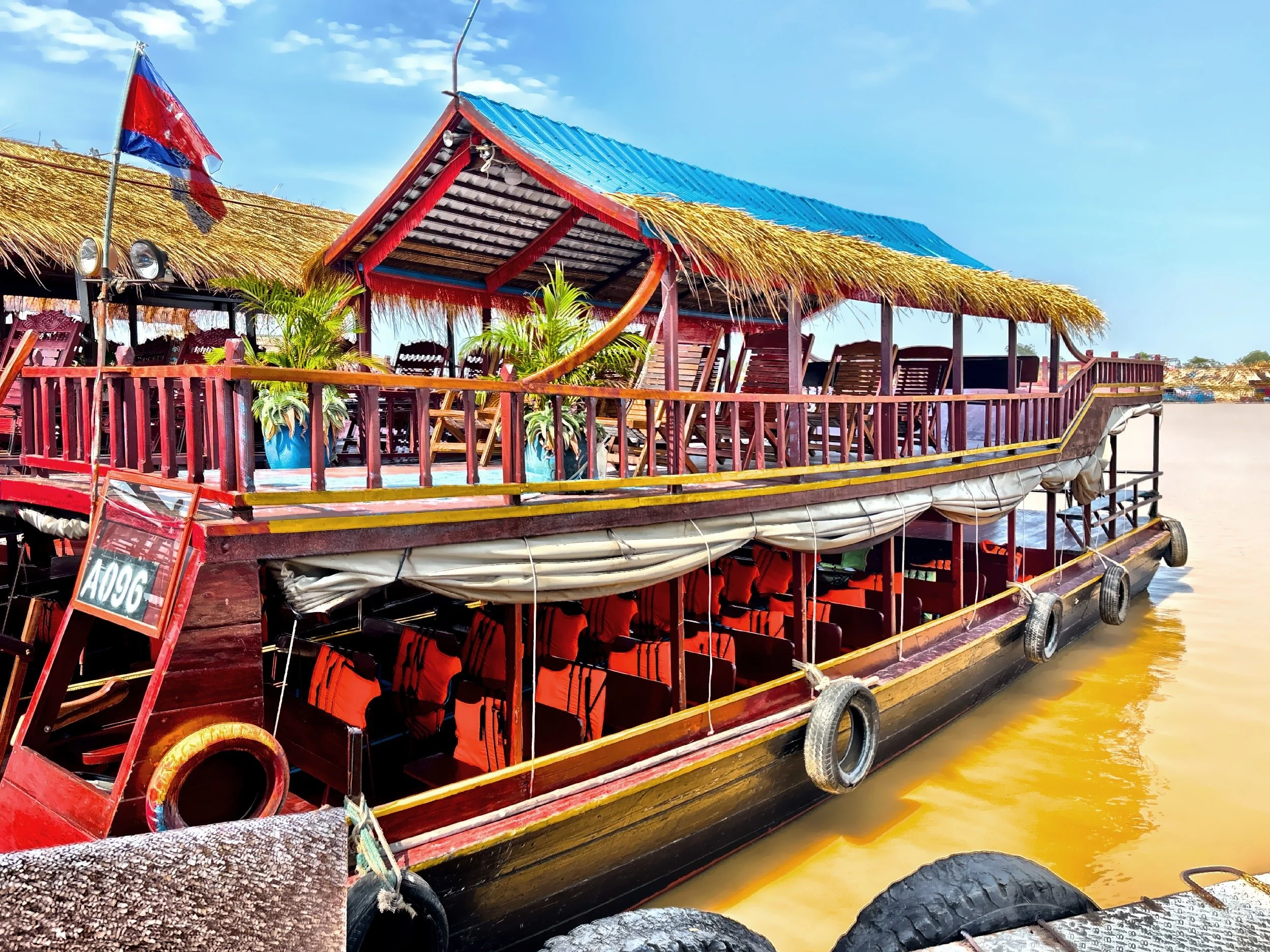
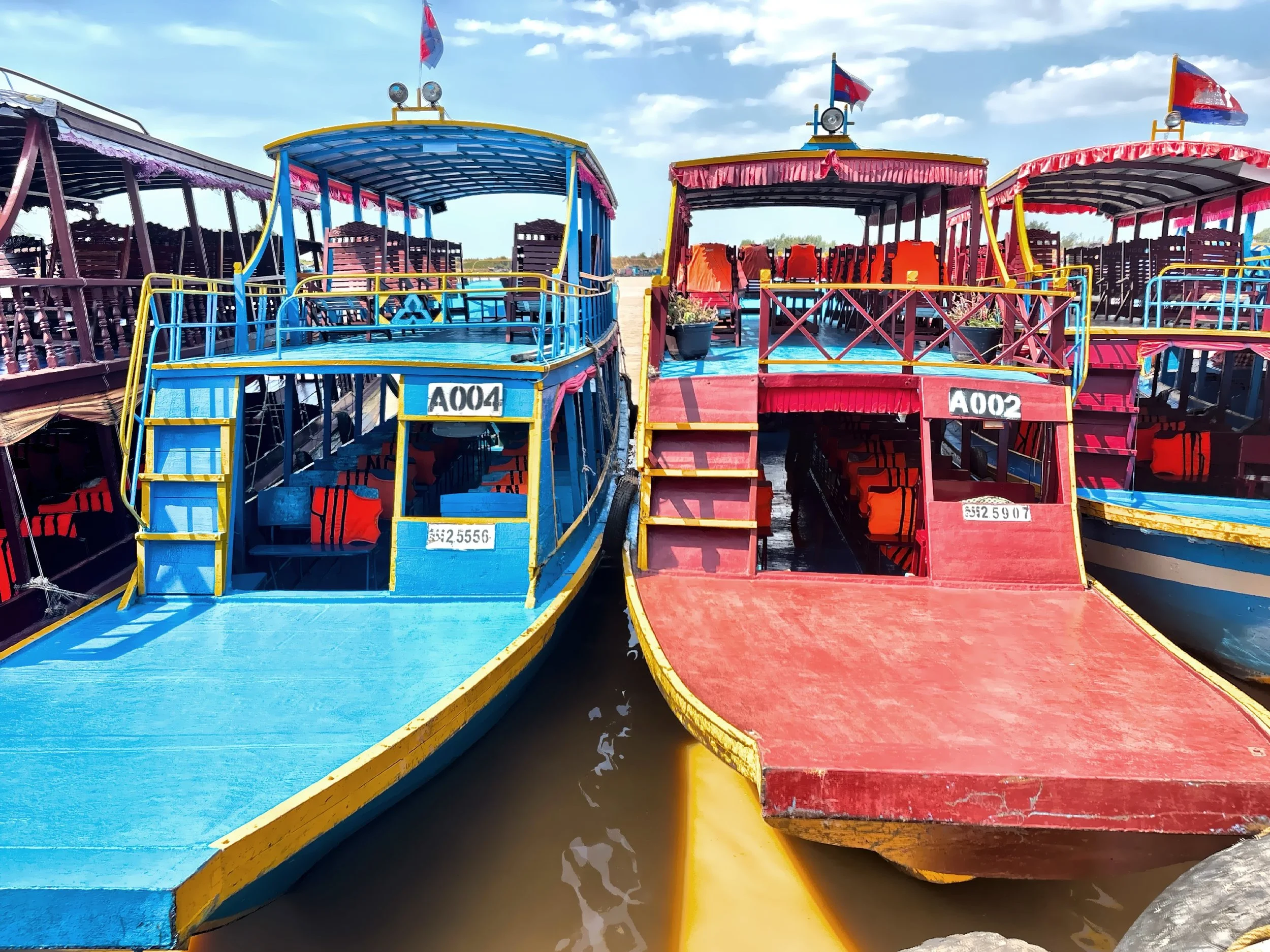
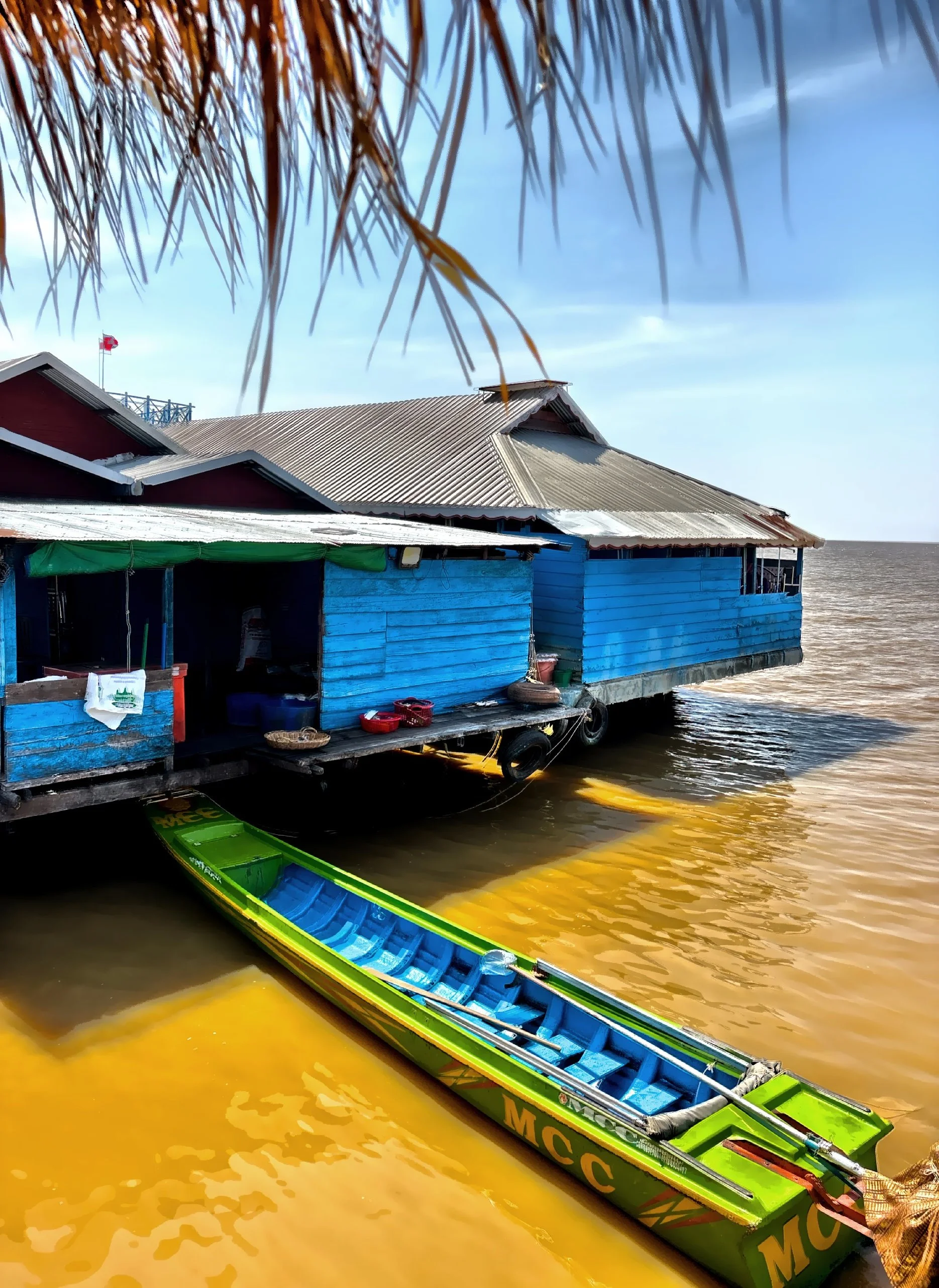
Do you like the images posted?
Click here to explore the shop.
What you should know:
There are several tour companies that offer boat tours of the area. Do your research to make sure you select the right company for your needs and book with reputable, established companies to ensure a safe, respectful, and high-quality experience.
You can do this independently, but it requires planning for logistics and transportation.
There are several different floating villages situated around the banks of Tonlé Sap Lake.
If you are visiting during the monsoon season, bring waterproof clothing and a dry sack for your valuables.
Tipping is not mandatory, it's greatly appreciated for good service, or rounding up is also common and well-received gestures.
Lightweight clothing for hot weather.
Drink only bottled water, use mosquito repellent.
Location: Tonlé Sap Lake is located 30-45 minutes drive from Siem Reap, Cambodia
For more information: Tonlé Sap Lake
If you enjoyed this post, feel free to check out my previous posts by clicking here.