
Sometimes Called ‘the American Riviera’ - Jones Beach State Park
Before millions of visitors spread their towels across the sand each summer, the land that is now Jones Beach State Park was home to a small waterfront community known as High Hill Beach.
Settled along the crescent-shaped eastern shore of Zach's Bay, High Hill Beach was a close-knit village that flourished until the late 1920s. At its height in the early 1900s, the community consisted of nearly 100 wood-shingled cottages, a post office, a boarding house, and a lifesaving station. Although it lacked electricity and running water, families eagerly embraced its simple South Shore lifestyle. A wooden boardwalk stretched from the bay to the ocean, giving residents easy access to both beaches. Most arrived here aboard a 40-minute ferry ride from Bellmore that cost just 40 cents, while others came by private boat.
As plans for Jones Beach State Park took shape, High Hill Beach was ultimately displaced to make way for the new public shoreline. Yet the community was not entirely lost. Many homeowners loaded their cottages onto barges and floated them east to what is now West Gilgo Beach, where several of those original homes still stand today—a remarkable reminder of the vanished village.
The transformation of Jones Beach was driven by Robert Moses, whose vision was to create a world-class public beach accessible to everyday New Yorkers rather than an exclusive private resort. The undertaking required an extraordinary engineering effort. Workers dredged millions of cubic yards of sand, elevated sections of the barrier island, stabilized the dunes with beach grass, and connected the shoreline to Long Island through an extensive network of parkways and causeways.
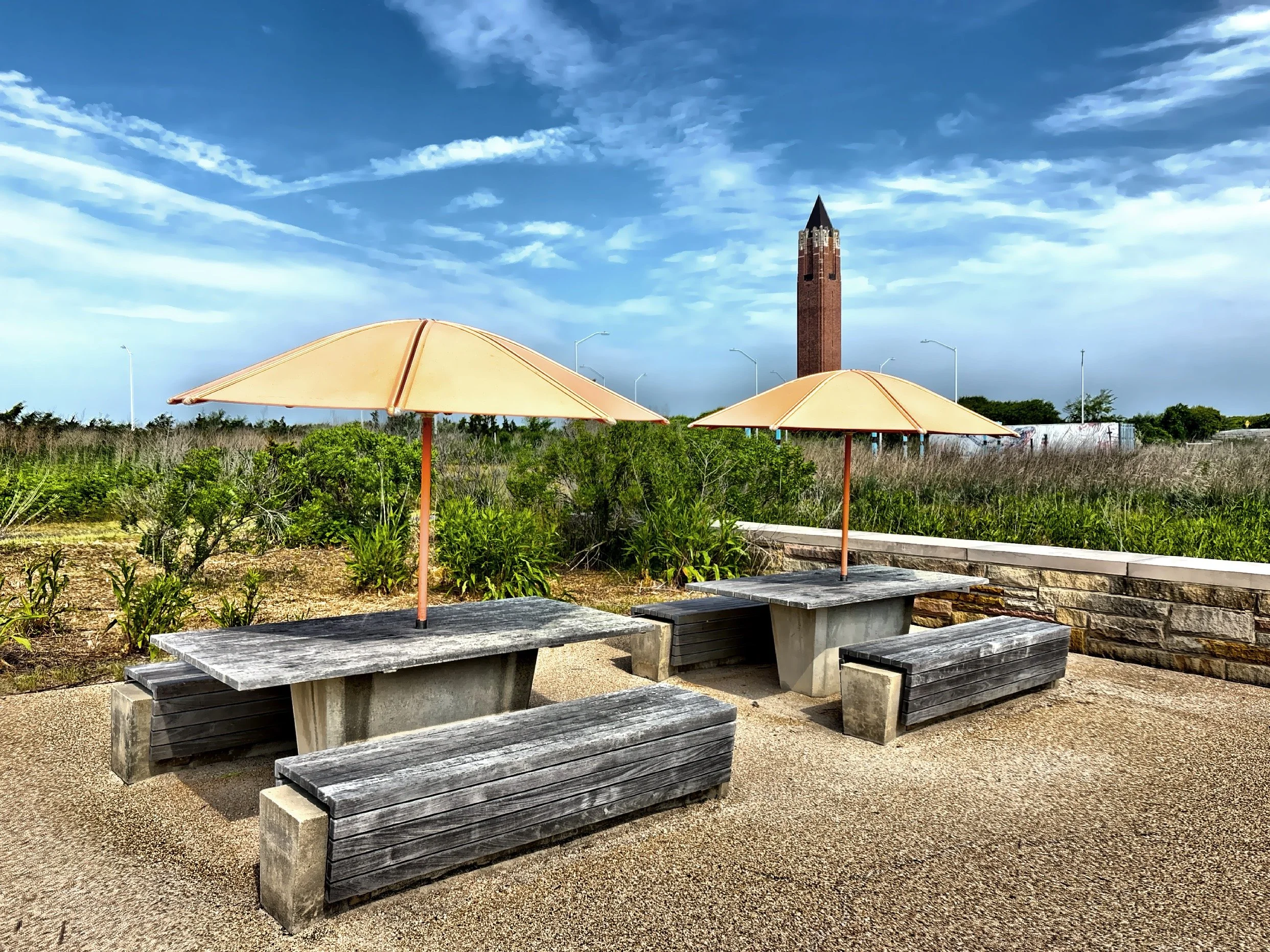
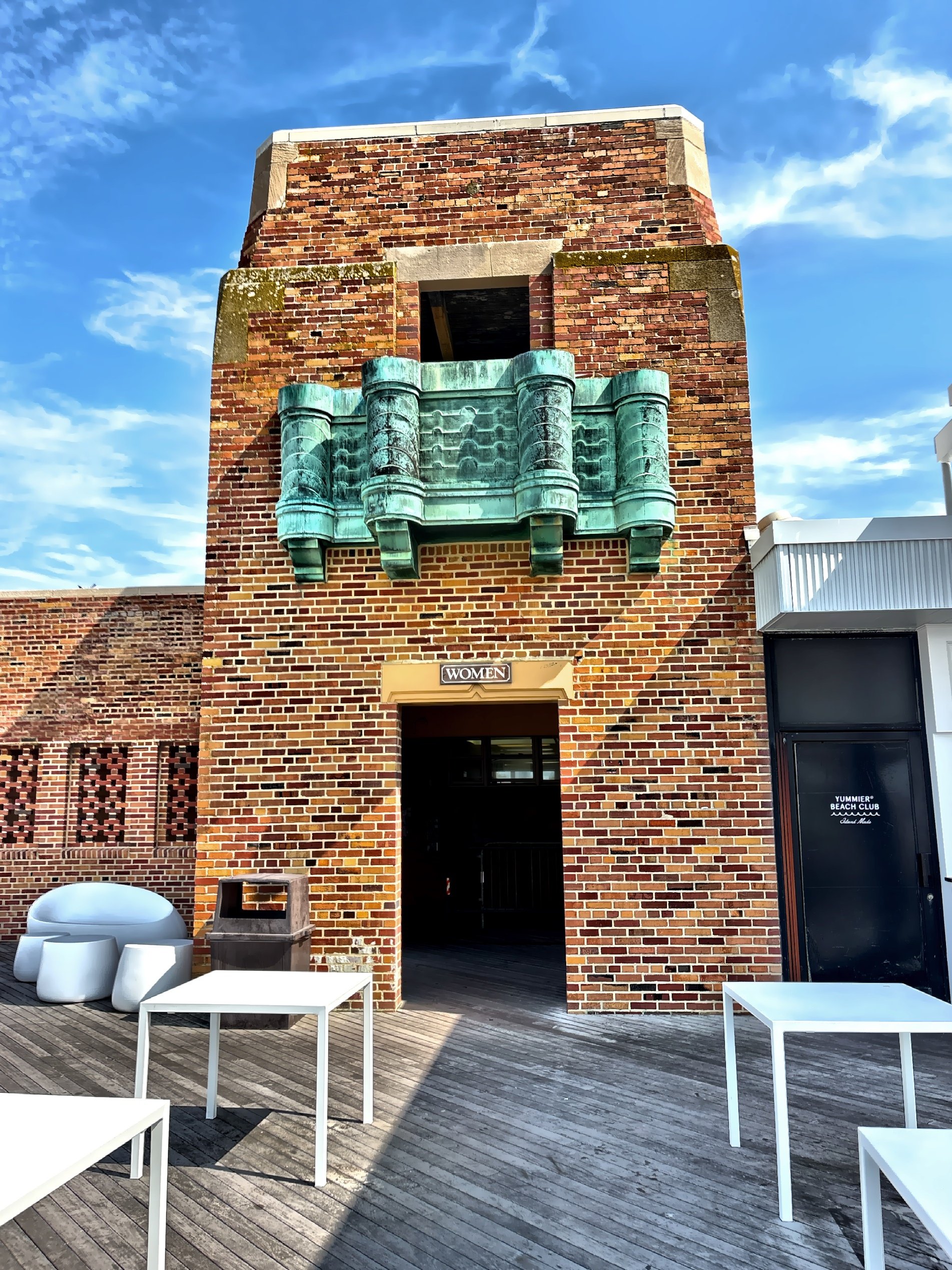
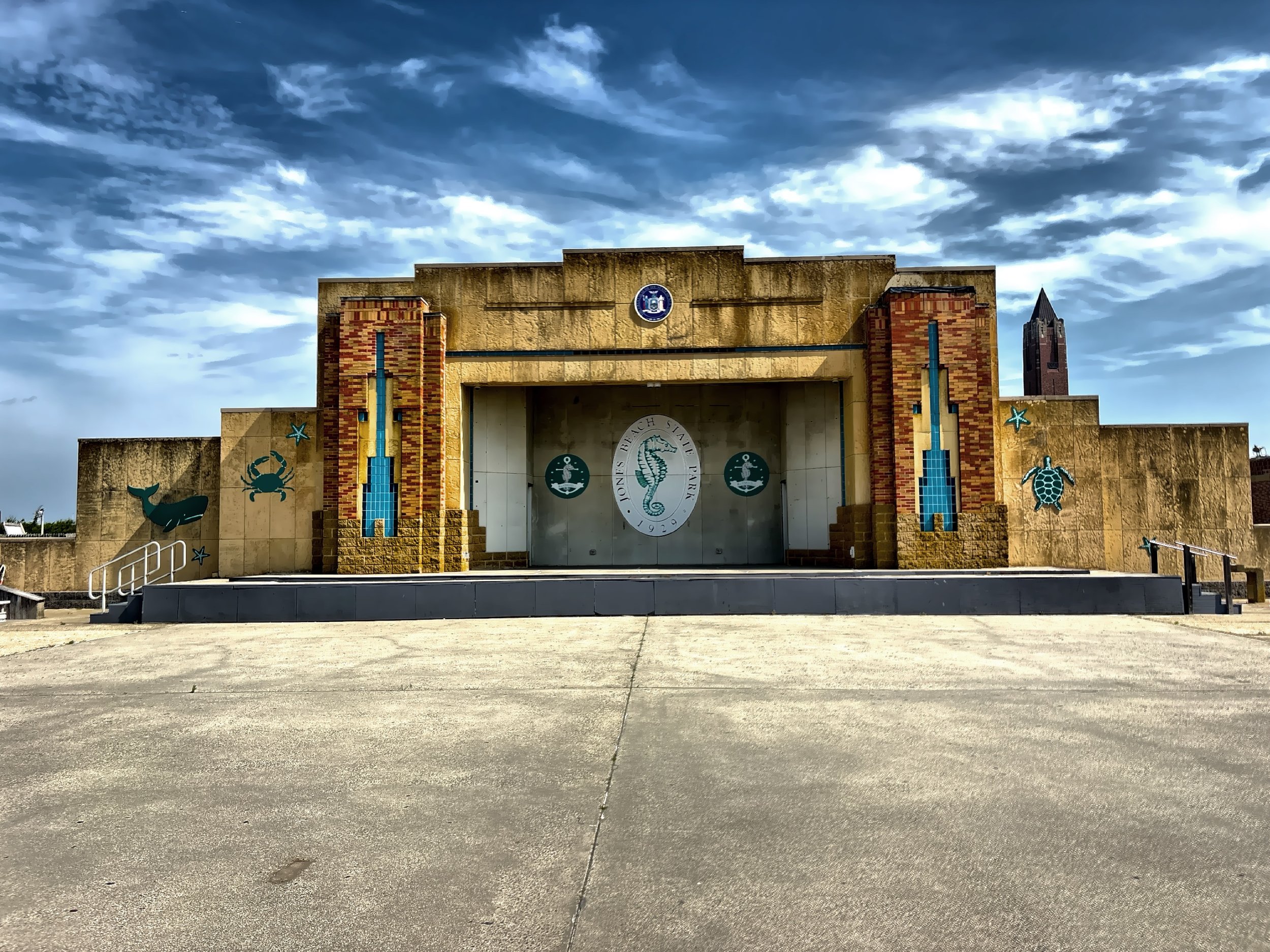
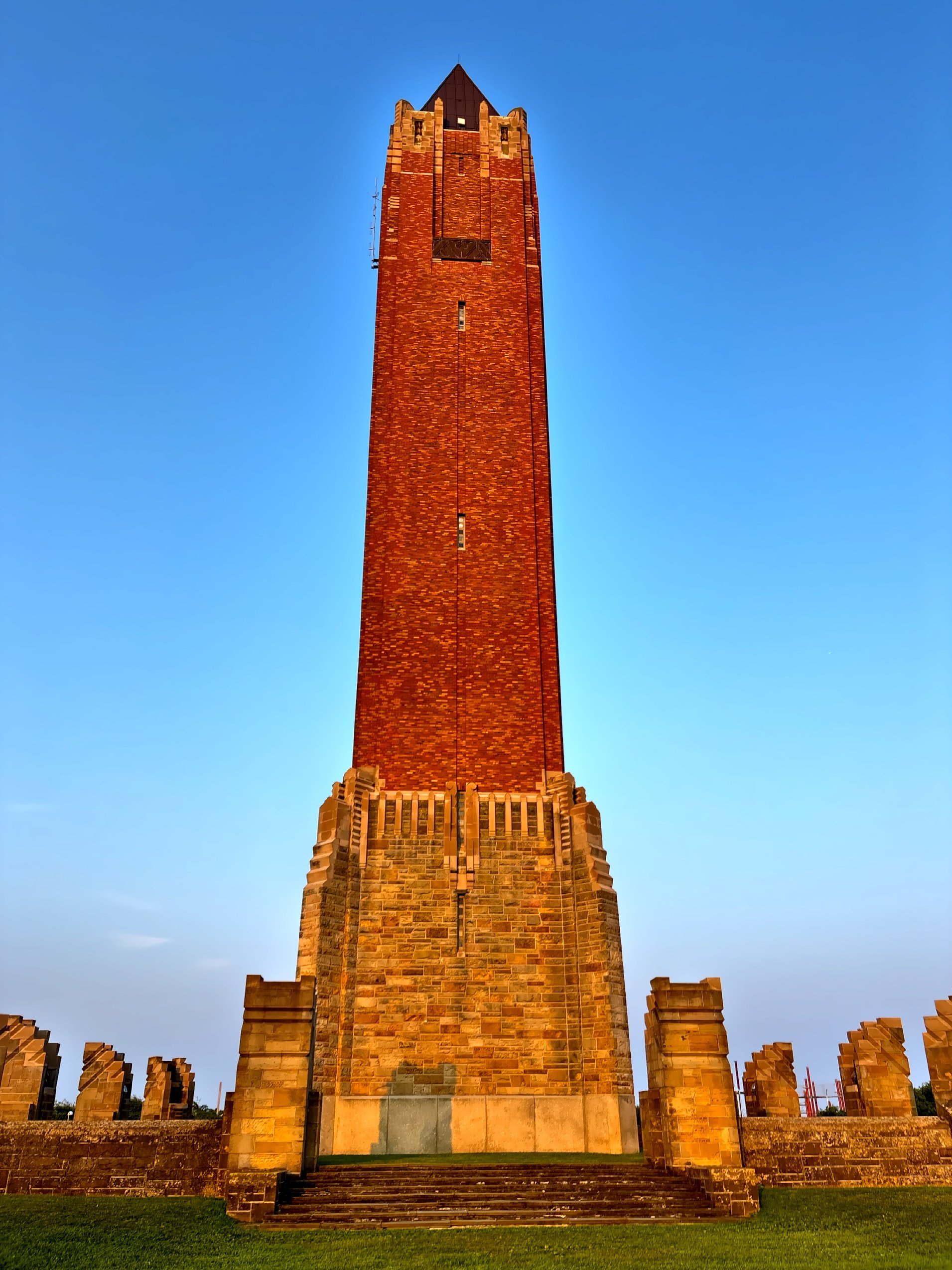
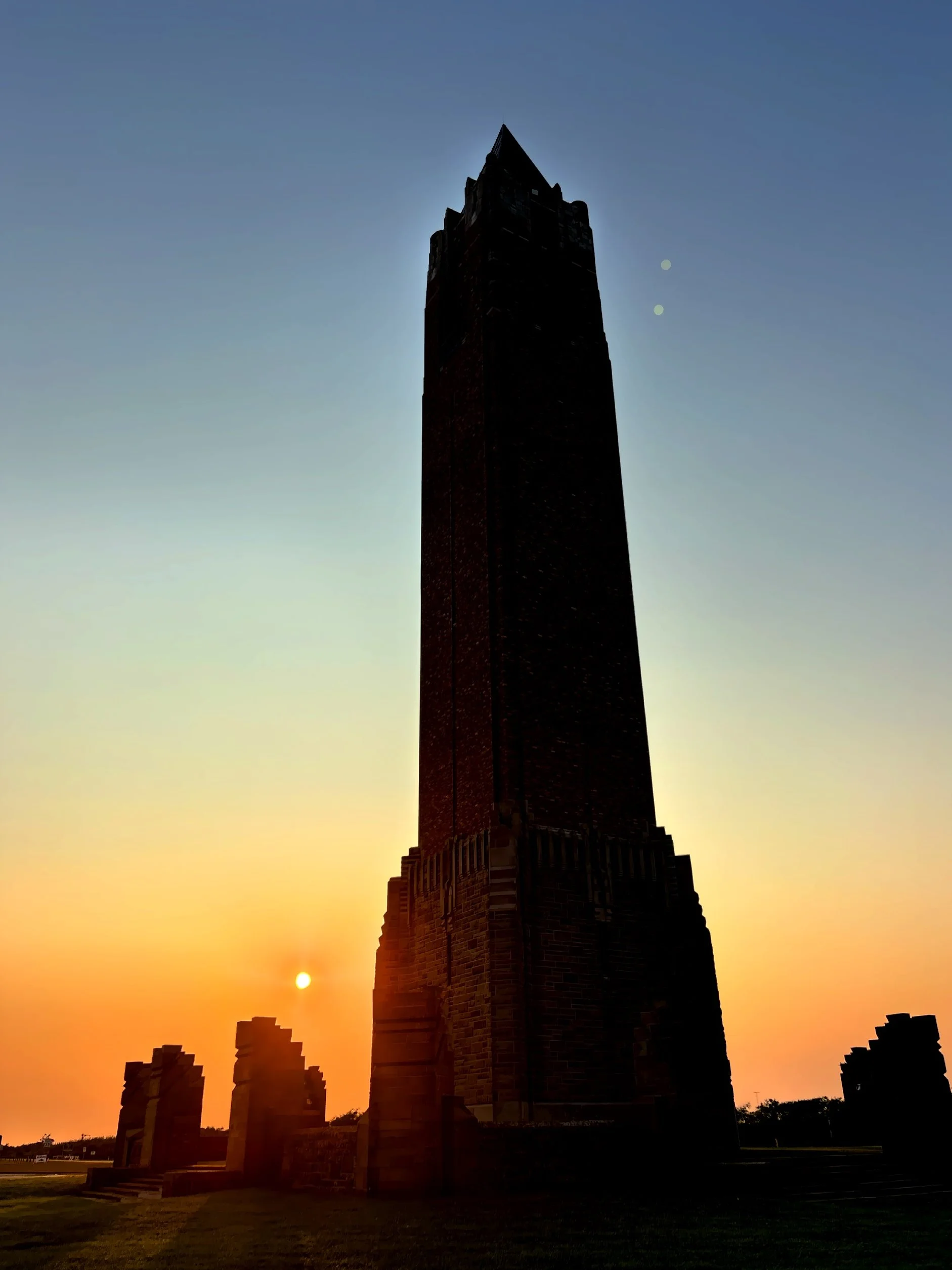
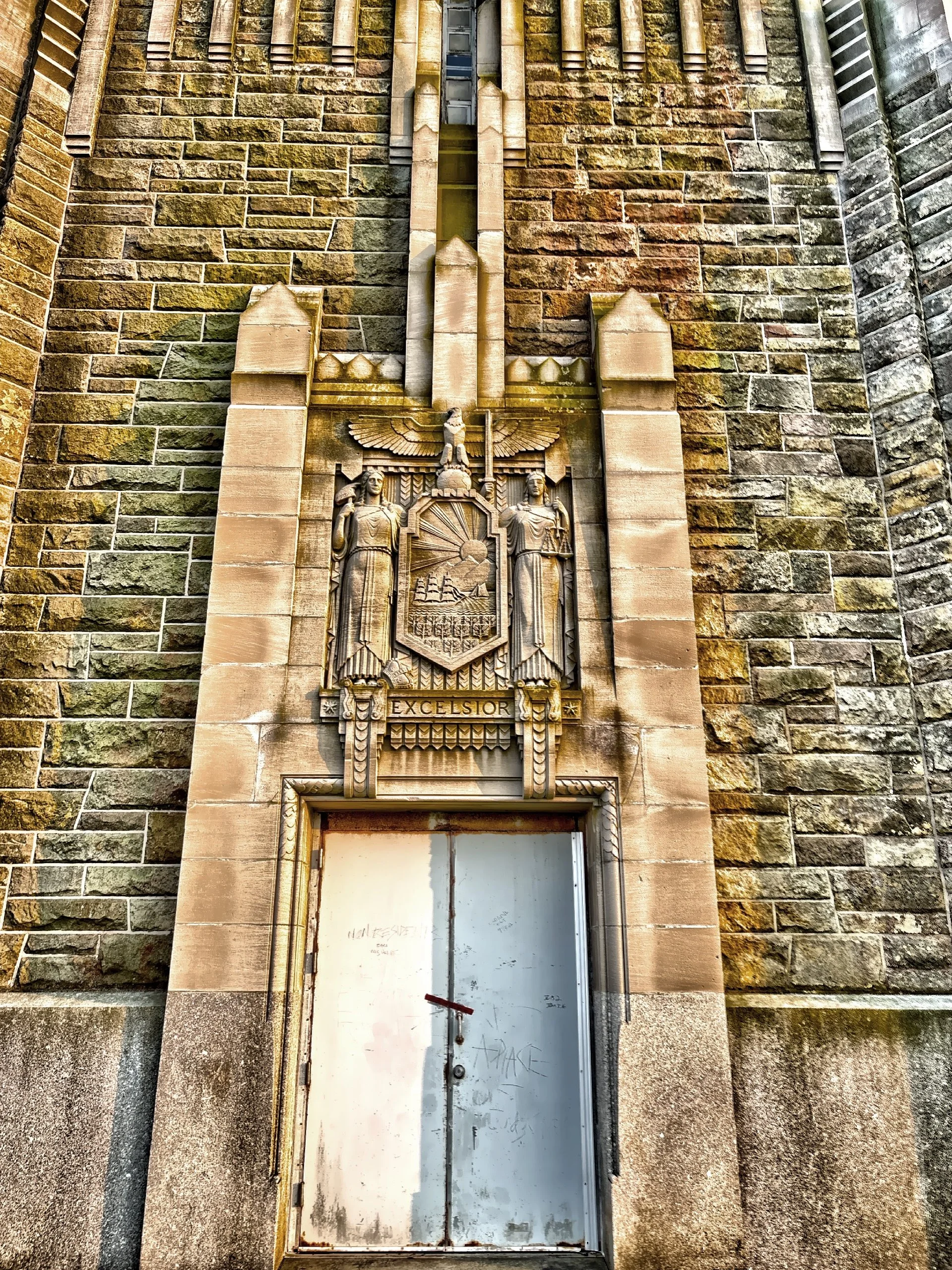
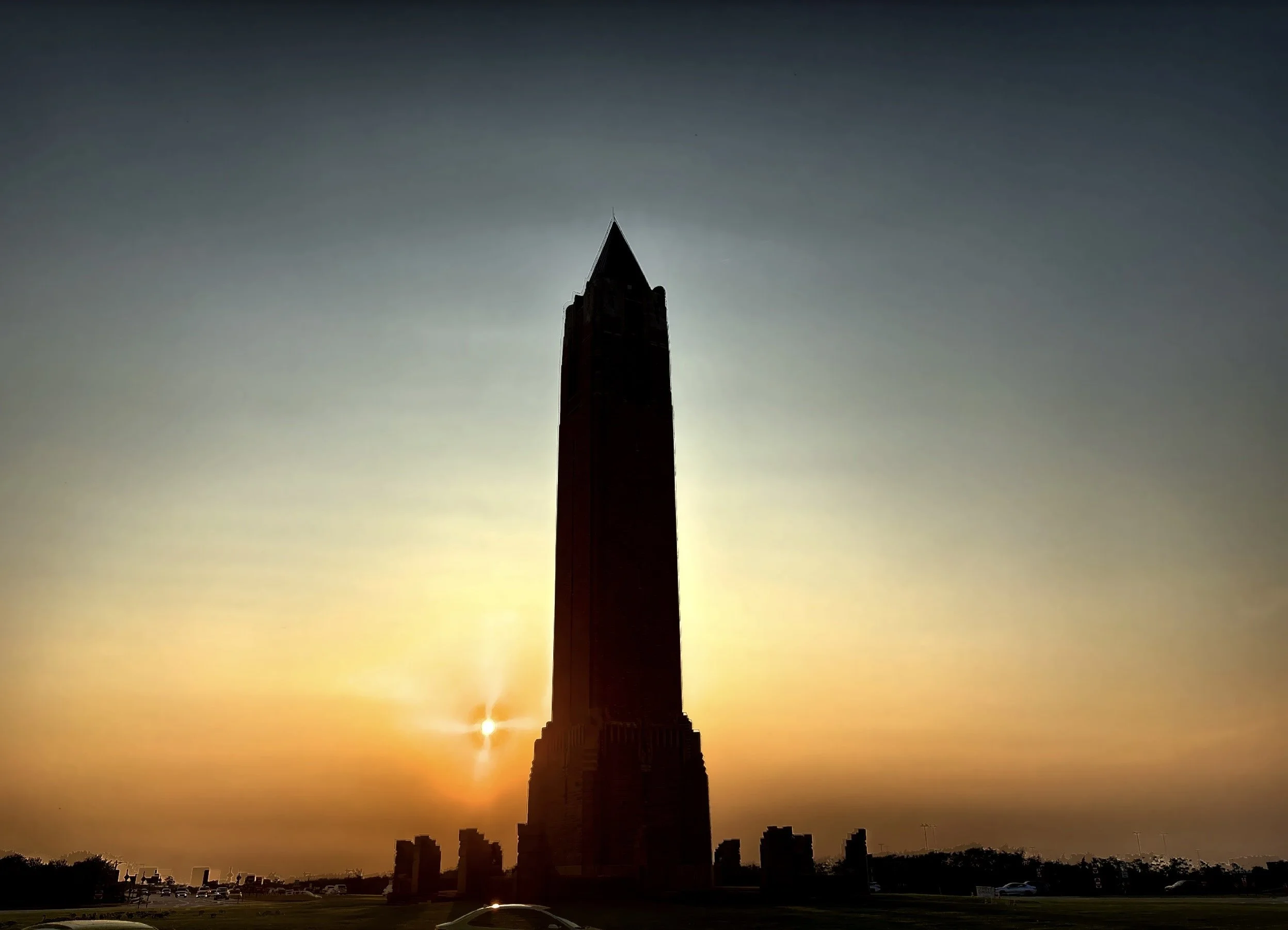
Jones Beach State Park officially opened on August 4, 1929. Visitors were greeted by miles of wide sandy beaches, an expansive boardwalk, bathhouses, athletic fields, and striking Art Deco architecture, including the park's iconic water tower. Unlike many seaside destinations of the era, Jones Beach deliberately avoided carnival rides and amusement attractions, instead emphasizing natural beauty and recreation.
Moses also used infrastructure in ways that have become central to debates about race, class, and public access. As Chairman of the Long Island State Park Commission, he oversaw the construction of parkways leading to Jones Beach, including a series of unusually low overpasses. According to Pulitzer Prize-winning biographer Robert Caro, the bridges were intentionally designed too low for most public buses to pass beneath, making the beach far less accessible to those who relied on public transportation. Because car ownership at the time was concentrated among white, middle- and upper-class families, the design effectively limited access for many Black and lower-income New Yorkers. While some historians have questioned aspects of Caro's interpretation, the low-bridge controversy remains one of the most widely cited examples of how public infrastructure can be used to reinforce social and racial inequality.
Today, Jones Beach remains one of New York's premier outdoor destinations. From sunbathers and surfers to concertgoers and nature enthusiasts, millions visit each year—many unaware that beneath one of America's most iconic public beaches lies the story of a forgotten seaside village and a complicated legacy. Jones Beach stands as both an engineering marvel and a reminder that public spaces can reflect the values and inequalities of the era in which they were built. Its history is not only about creating a place for recreation, but also about who had access to enjoy it.
This is what caught my eye - I hope you enjoy!
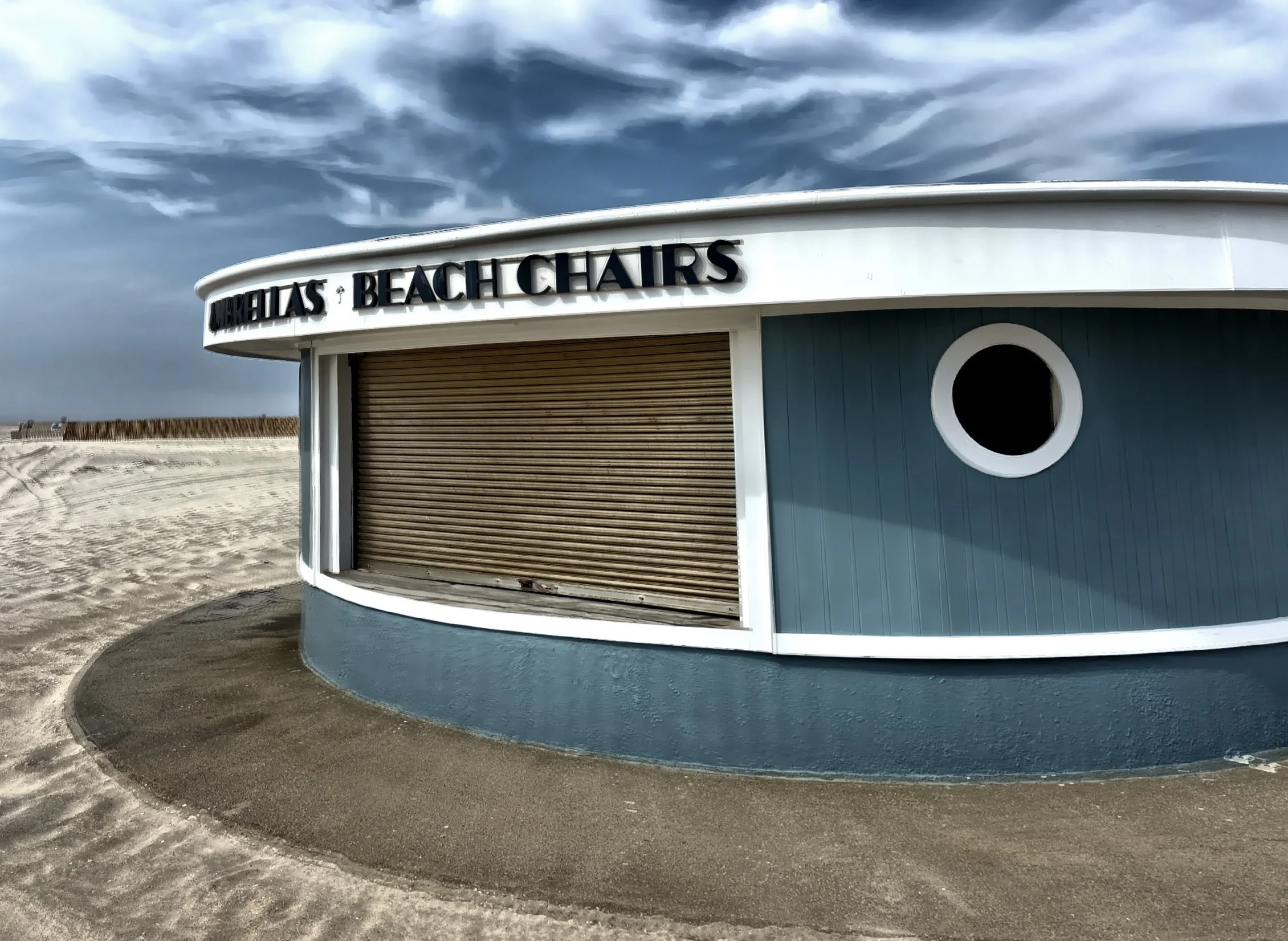
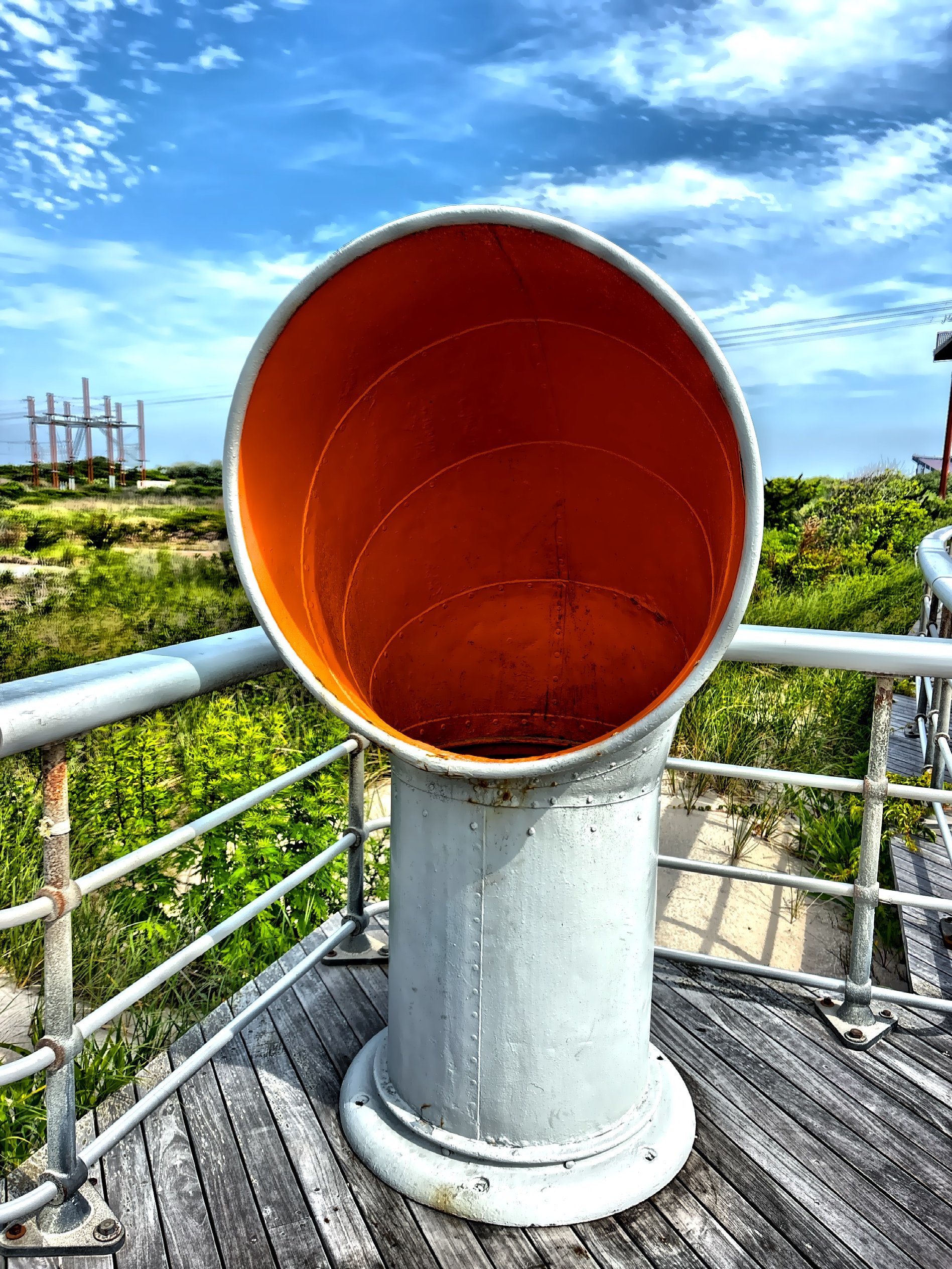
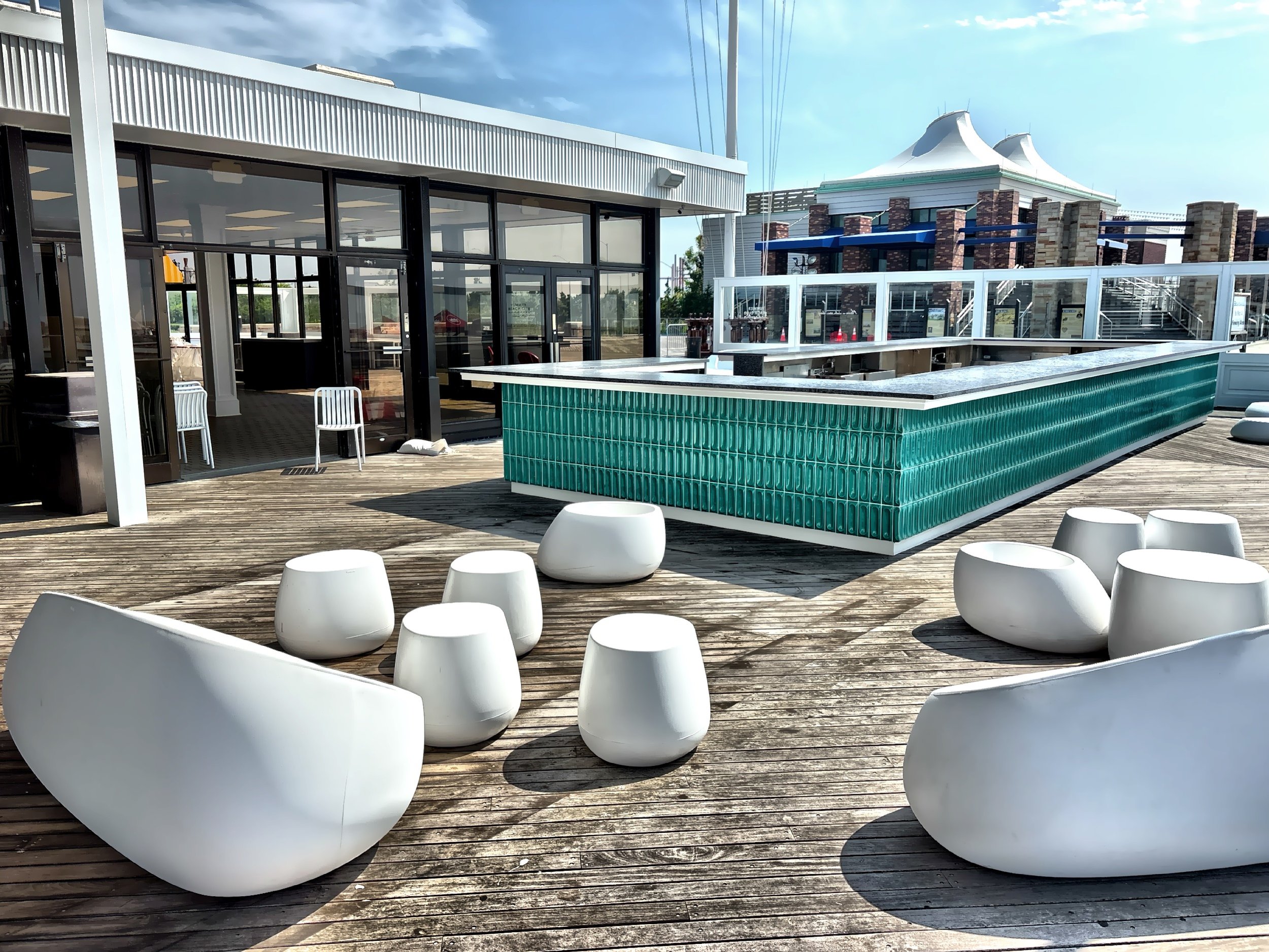
Do you like the images posted?
Click here to explore the shop.
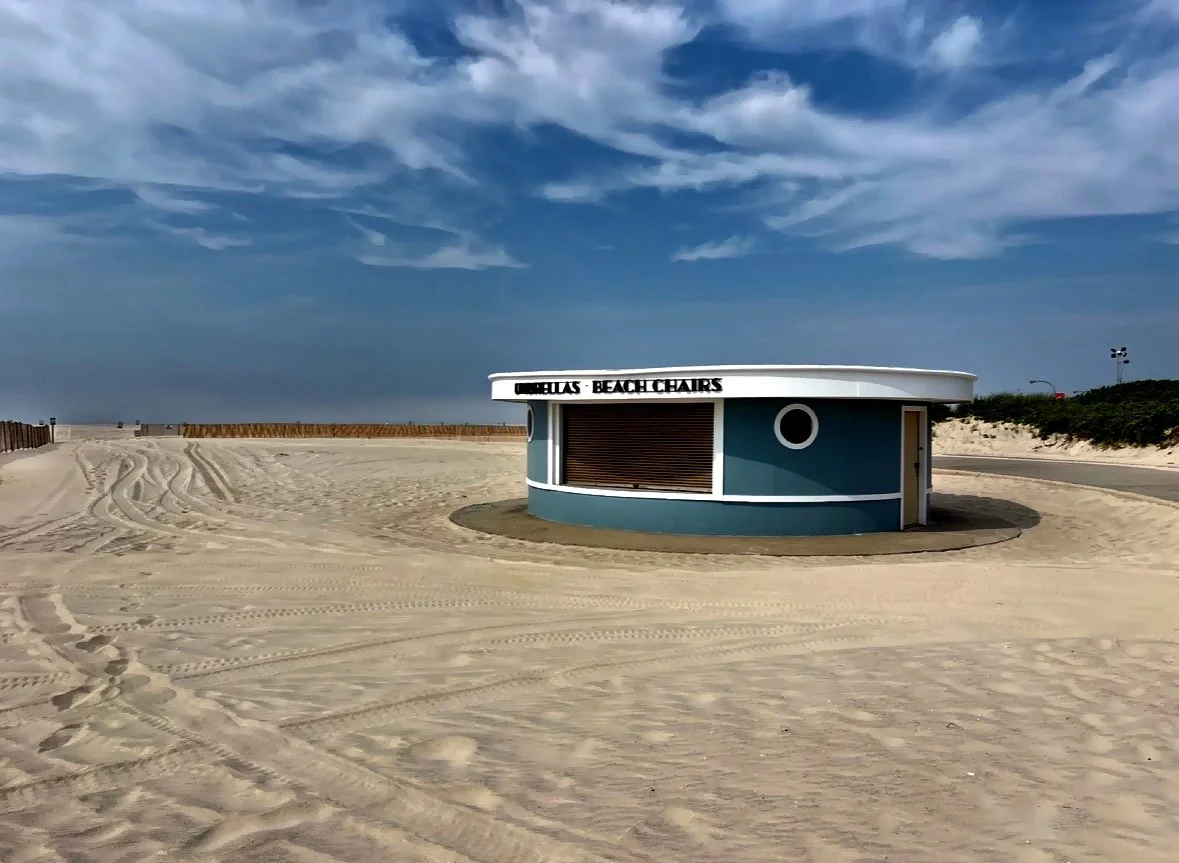
What you should know:
A vehicle entrance fee is typically charged from spring through early fall, while pedestrians and cyclists can enter free of charge.
Parking lots often fill by late morning on weekends and holidays, especially during peak beach season.
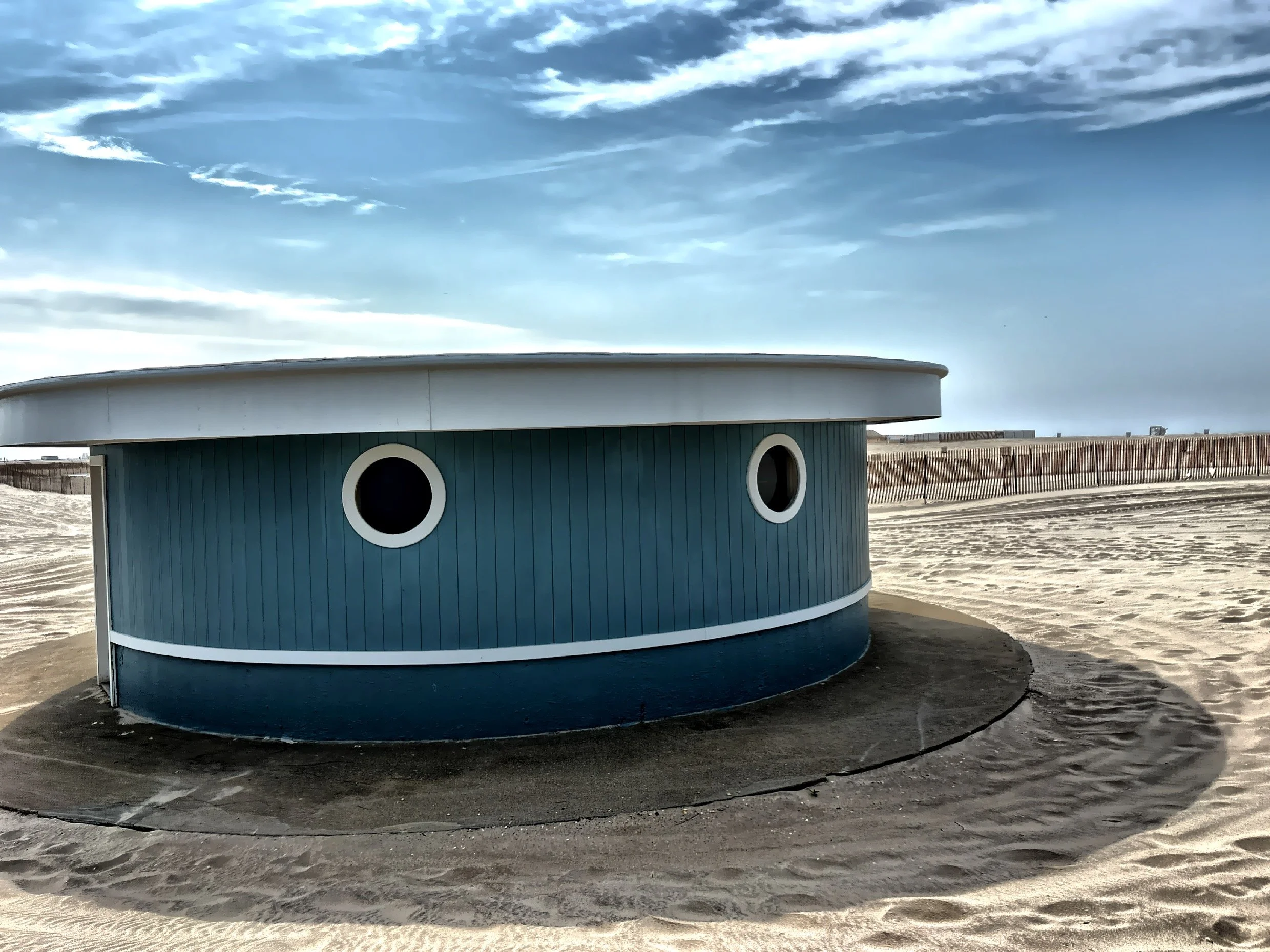
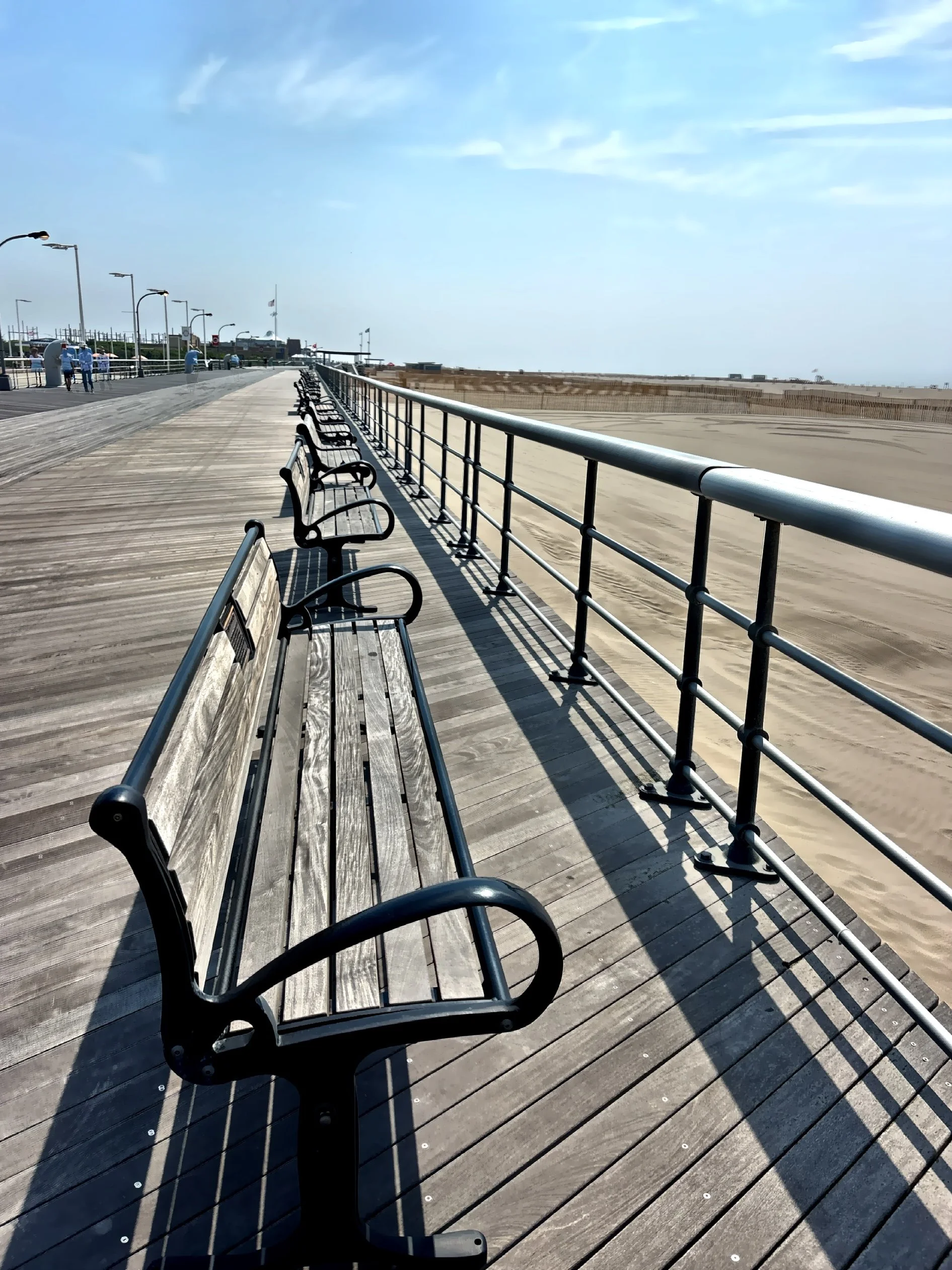
There is a two-mile boardwalk, designated overlooks, and a Nature Center. There are hiking, walking, running and bicycle trails along the beaches.
There is a concert venue, the Northwell at Jones Beach Theater.
There are public restrooms, some including showers.
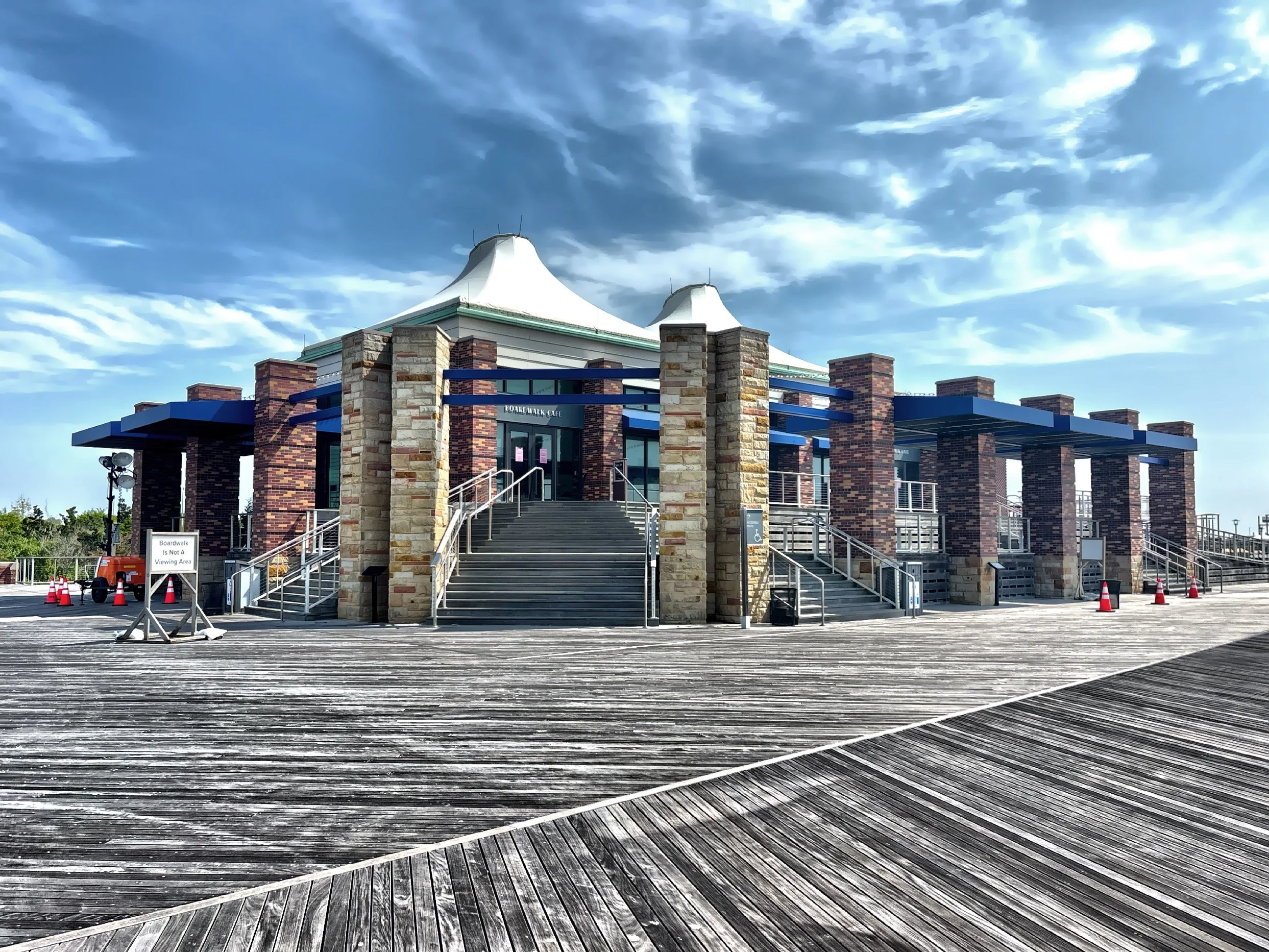
There are a few restaurants and bar options.
Dogs are only allowed in designated areas.
Playgrounds, mini-golf, and a swimming pool are also available.
Lifeguards are on duty during the summer season.
Location: 2400 Ocean Parkway, Wantagh, NY 11793
For more information: Jones Beach State Park
If you enjoyed this post, feel free to check out my previous posts by clicking here.