Concord, Massachusetts, offers a remarkable journey through American history and literature. This small town played a pivotal role in shaping the nation's identity, particularly during the Revolutionary War and the literary movement of the 19th century. A visit to the Minute Man National Historical Park, which commemorates the opening battles of the American Revolution, and the North Bridge, where the famous “shot heard ’round the world” was fired. Concord is also home to several historic residences linked to renowned authors such as Louisa May Alcott, Nathaniel Hawthorne, and Henry David Thoreau. Their writings helped shape the course of American literature and remain influential today.
This unique blend of Revolutionary War history and rich literary heritage makes Concord one of New England’s most fascinating and rewarding destinations to explore.
Here is what caught my eye; I hope you enjoy!
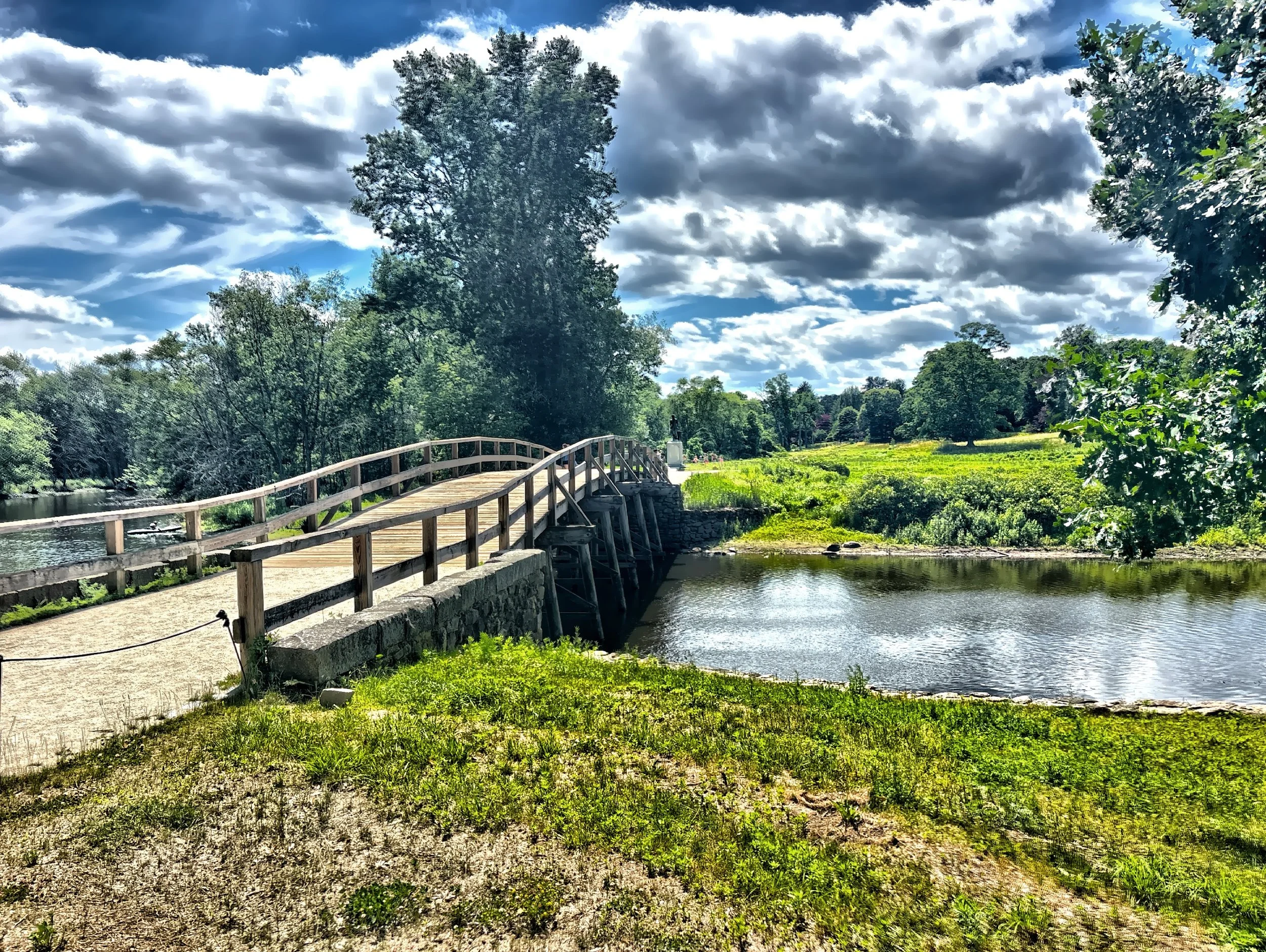
The North Bridge is a historic site spanning the Concord River. The first day of the American Revolution engagement started at this location on April 19, 1775. Ralph Waldo Emerson referred to the historical significance of the spot as the ‘shot heard round the world’. This current bridge is the last of many iterations constructed over the years.
The Minutemen with a plow statue was sculpted by Daniel Chester French in 1874. A minuteman was a member of the armed group that pledged to take the field at a minute’s notice during and immediately before the American Revolution.
The gravestone marks the final resting place of the first British Soldiers killed at the battle of Concord, April 19, 1775.
Do you like the images posted?
Click here to explore the shop.
.
The Old Manse was built in 1770 on the banks of the Concord River and was the center of Concord’s political, literary and social scene for a century.
.
This pink building is the former Middlsex County Courthouse built in 1851 and held court sessions for nearly 200 years. It is currently part of the historic town center.
These buildings help make the district one of the best-preserved historic areas in New England and reflect Concord's colonial and Revolutionary-era heritage.
.
.
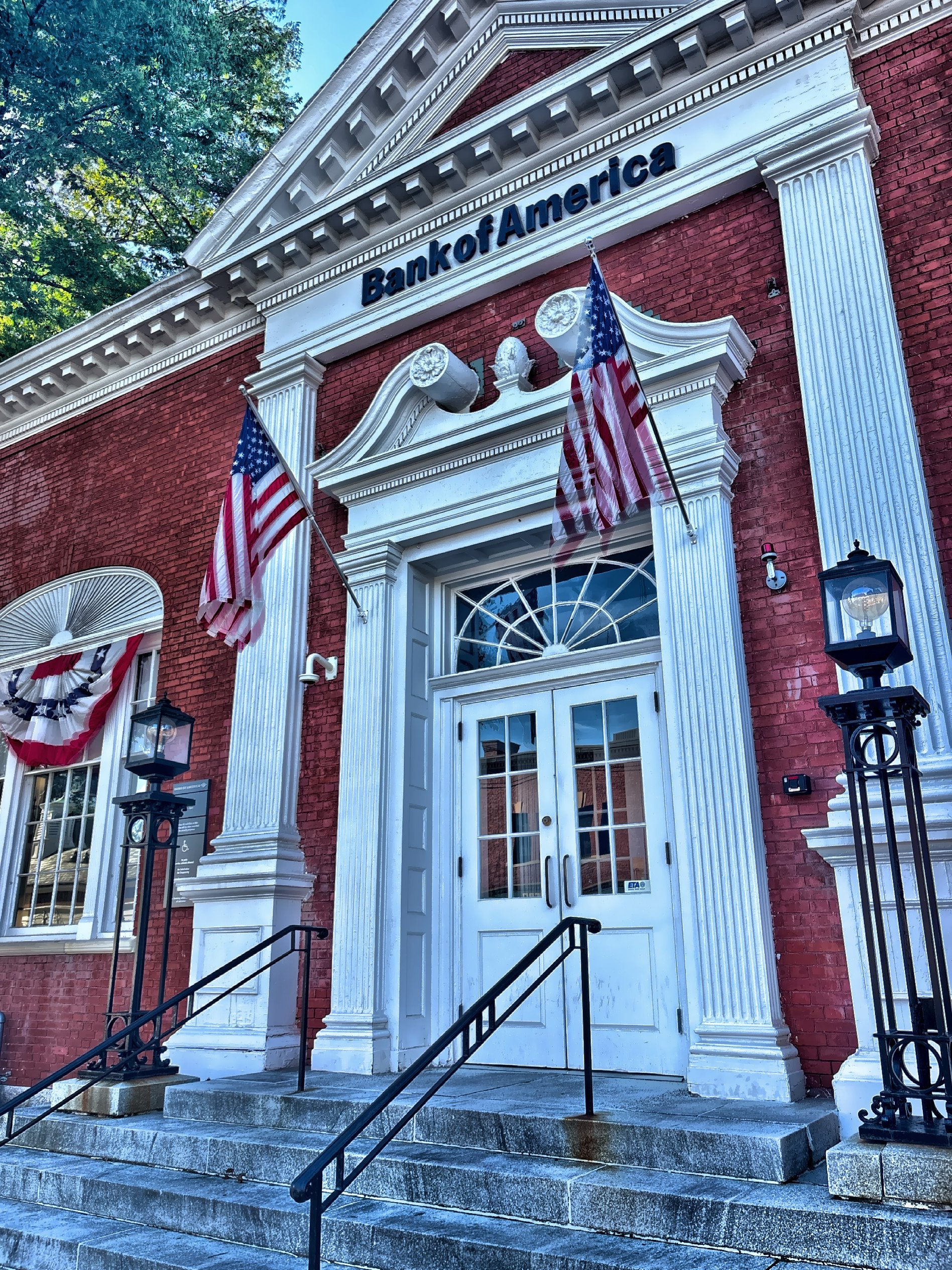
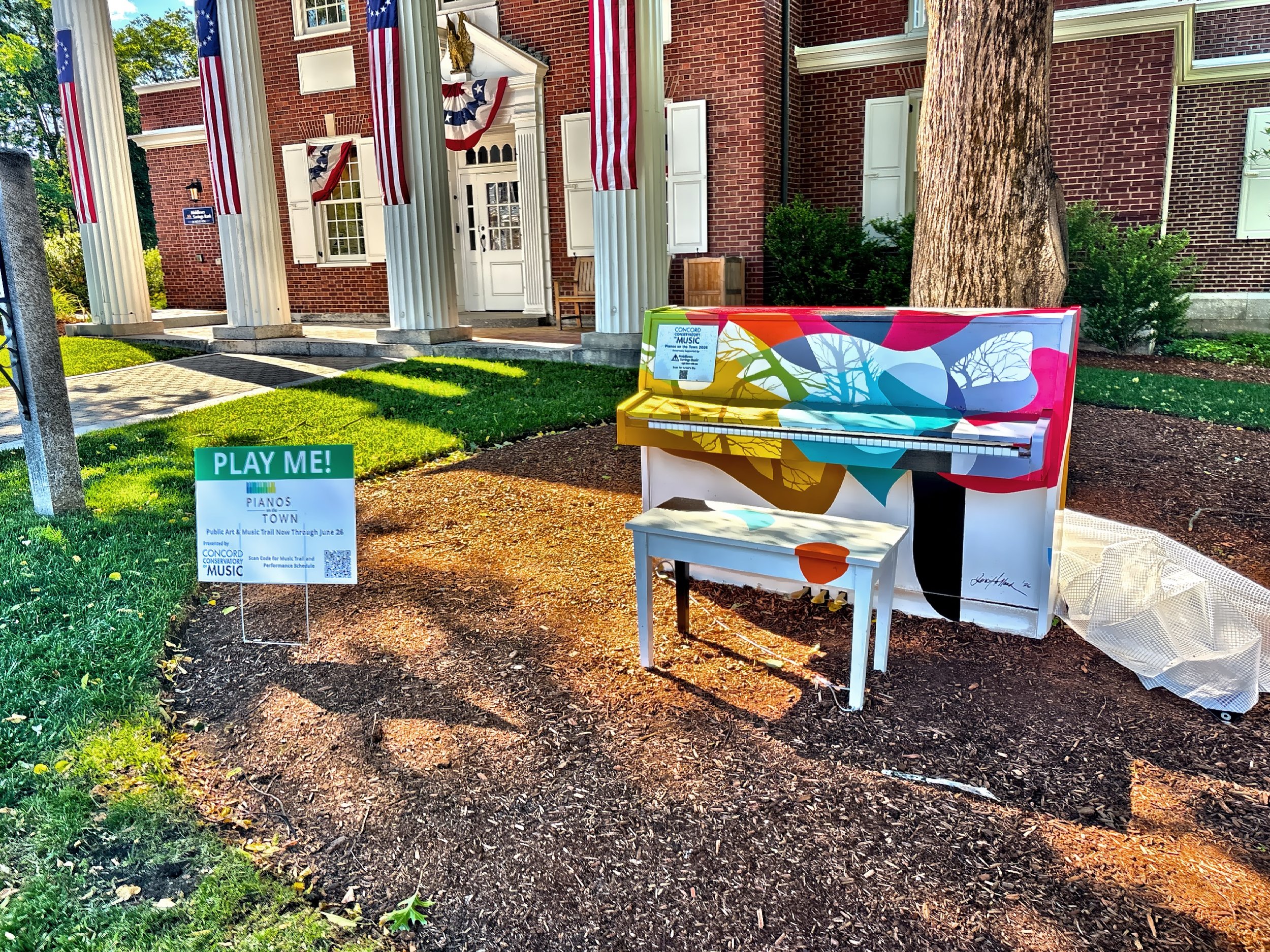
A few buildings in the historic district called Monument Square, laid out in 1635 and includes a collection of well-preserved historic buildings.
.
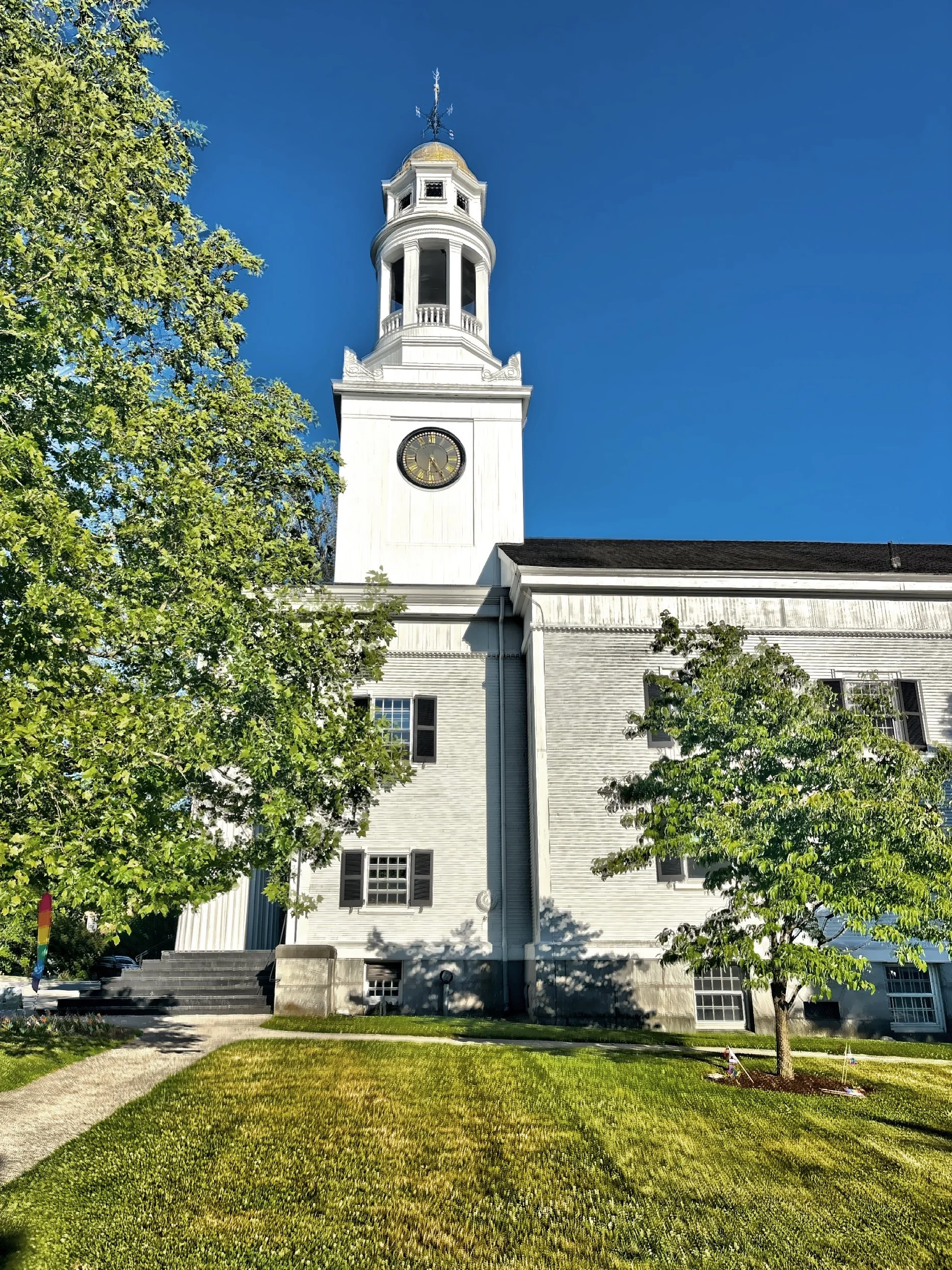
The First Parish Unitarian Universalist Church played a significant role in American history, hosting meetings of the Provincial Congress in 1774 and 1775. This meetinghouse was completed in 1901 after the original building was destroyed by fire.
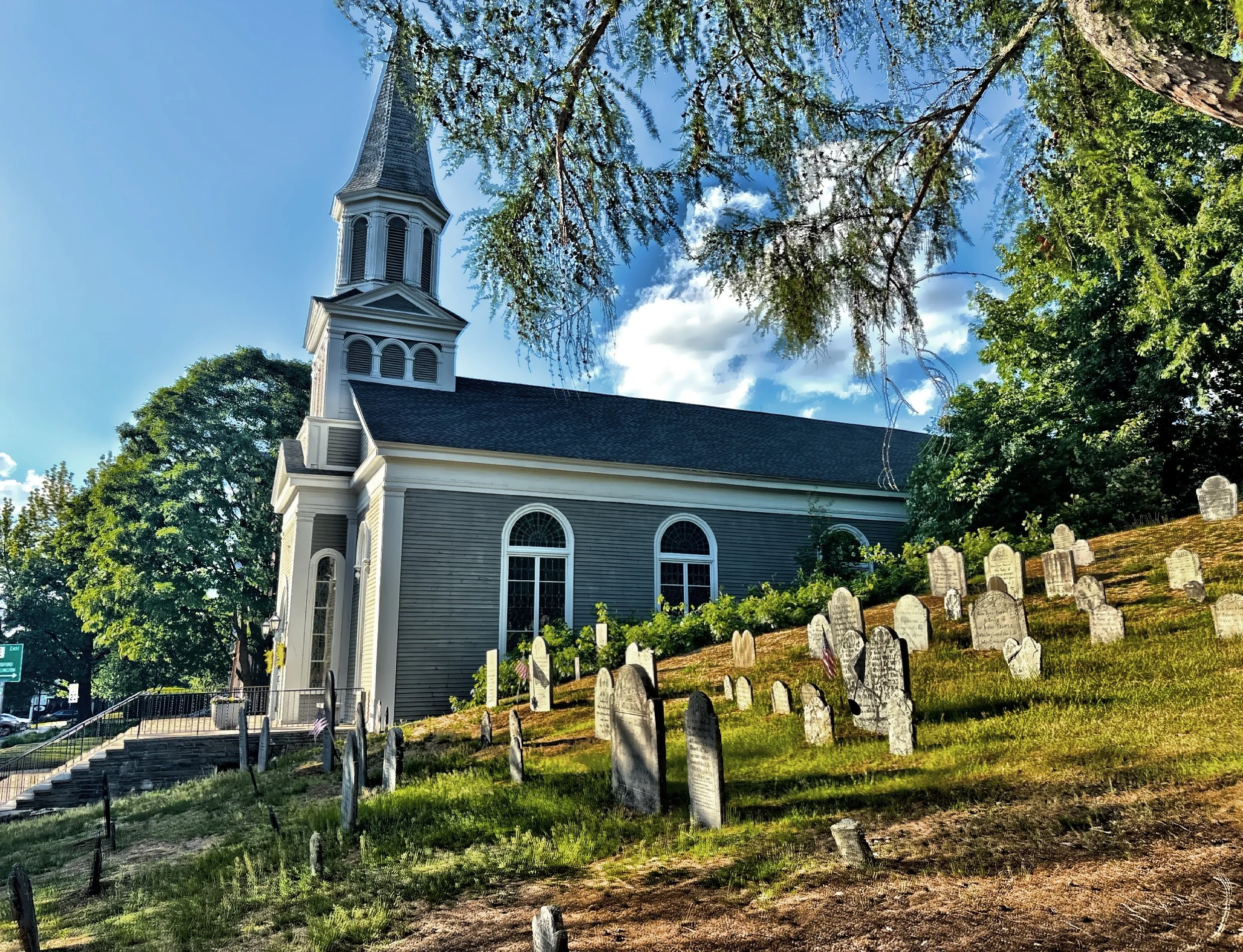
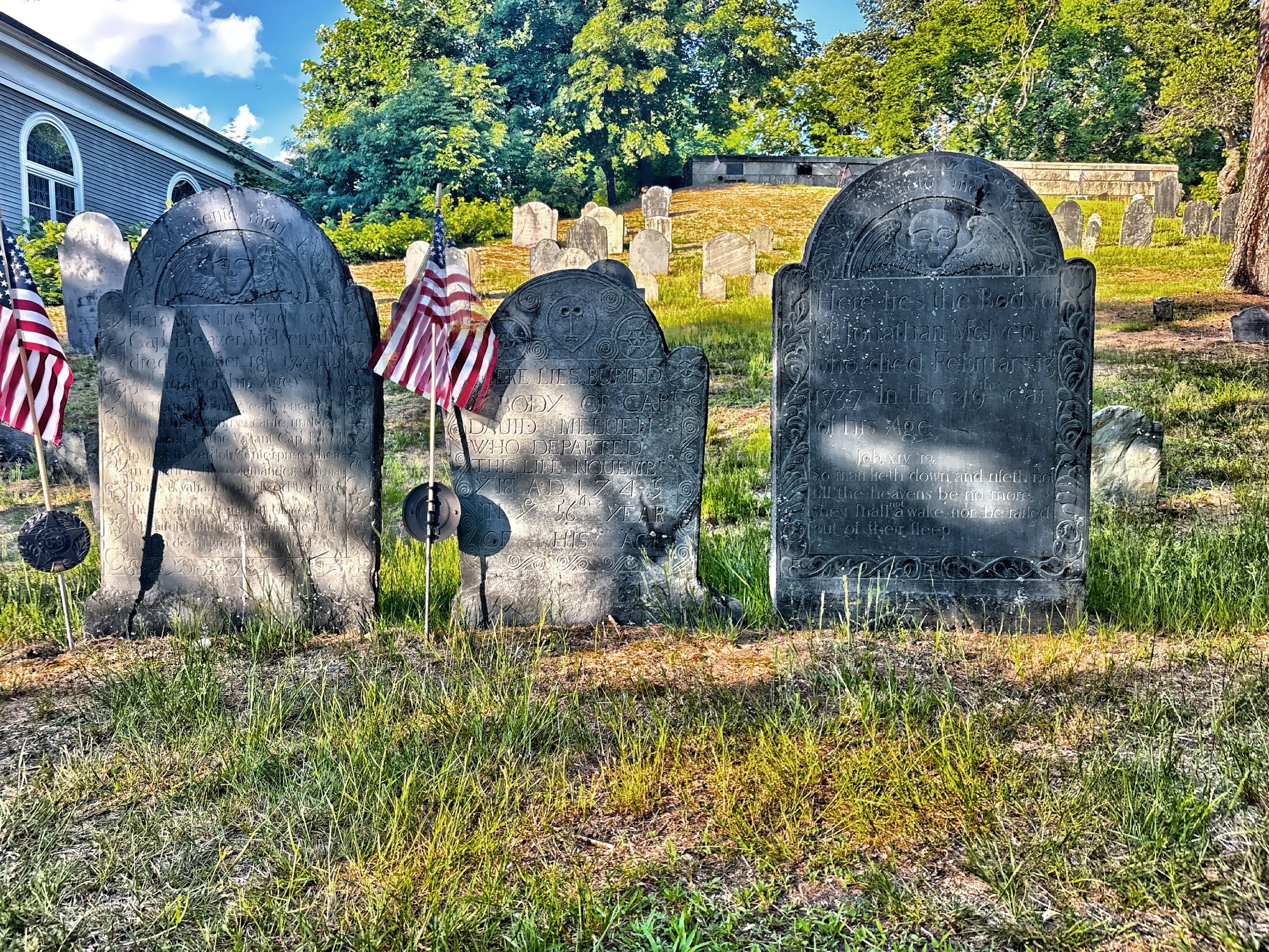
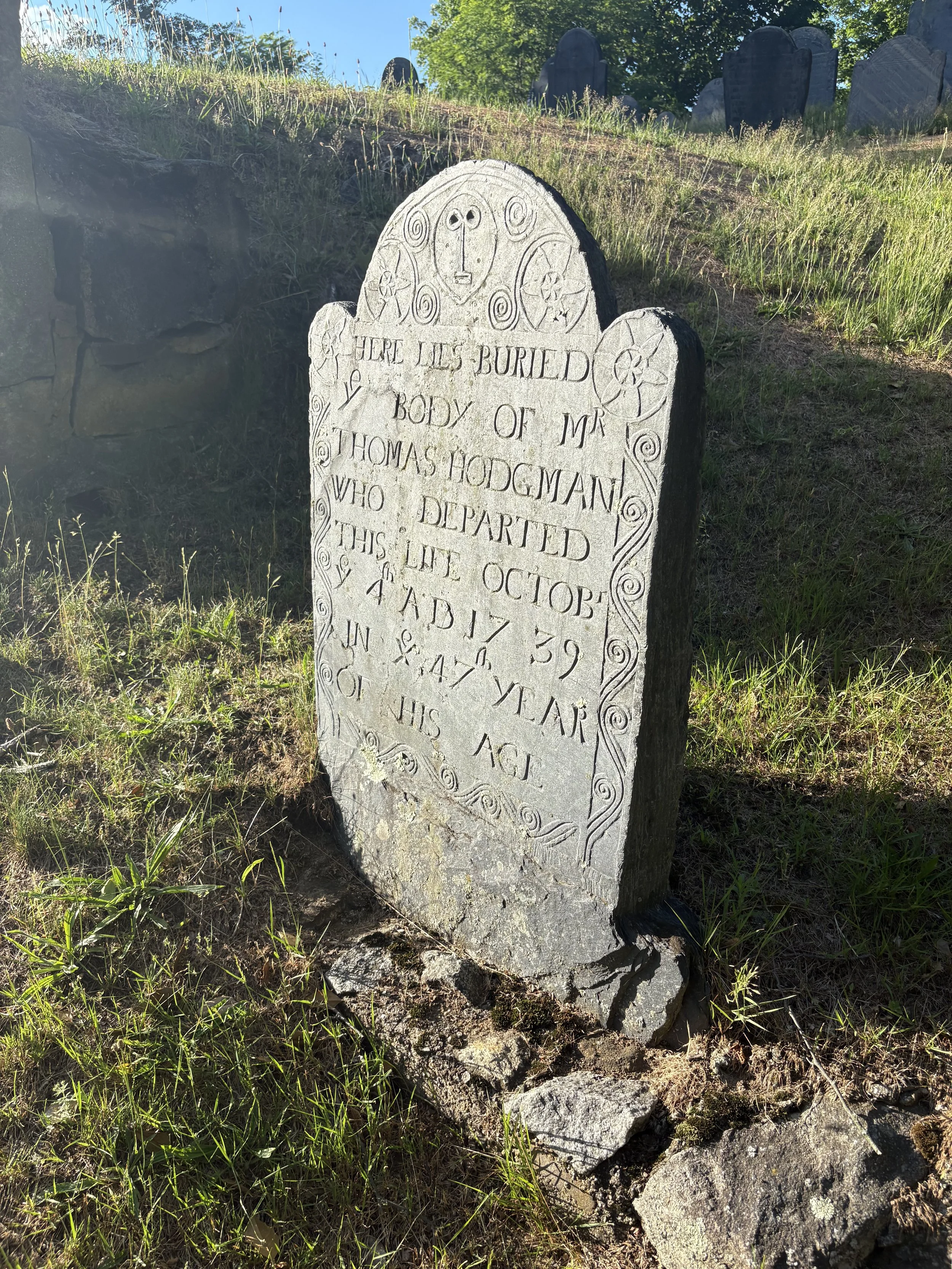
St Bernard’s Church situated next to the Old Hill Burying Ground, the town’s oldest, established in 1635, and contains the graves of about 50 Revolutionary War veterans.
.
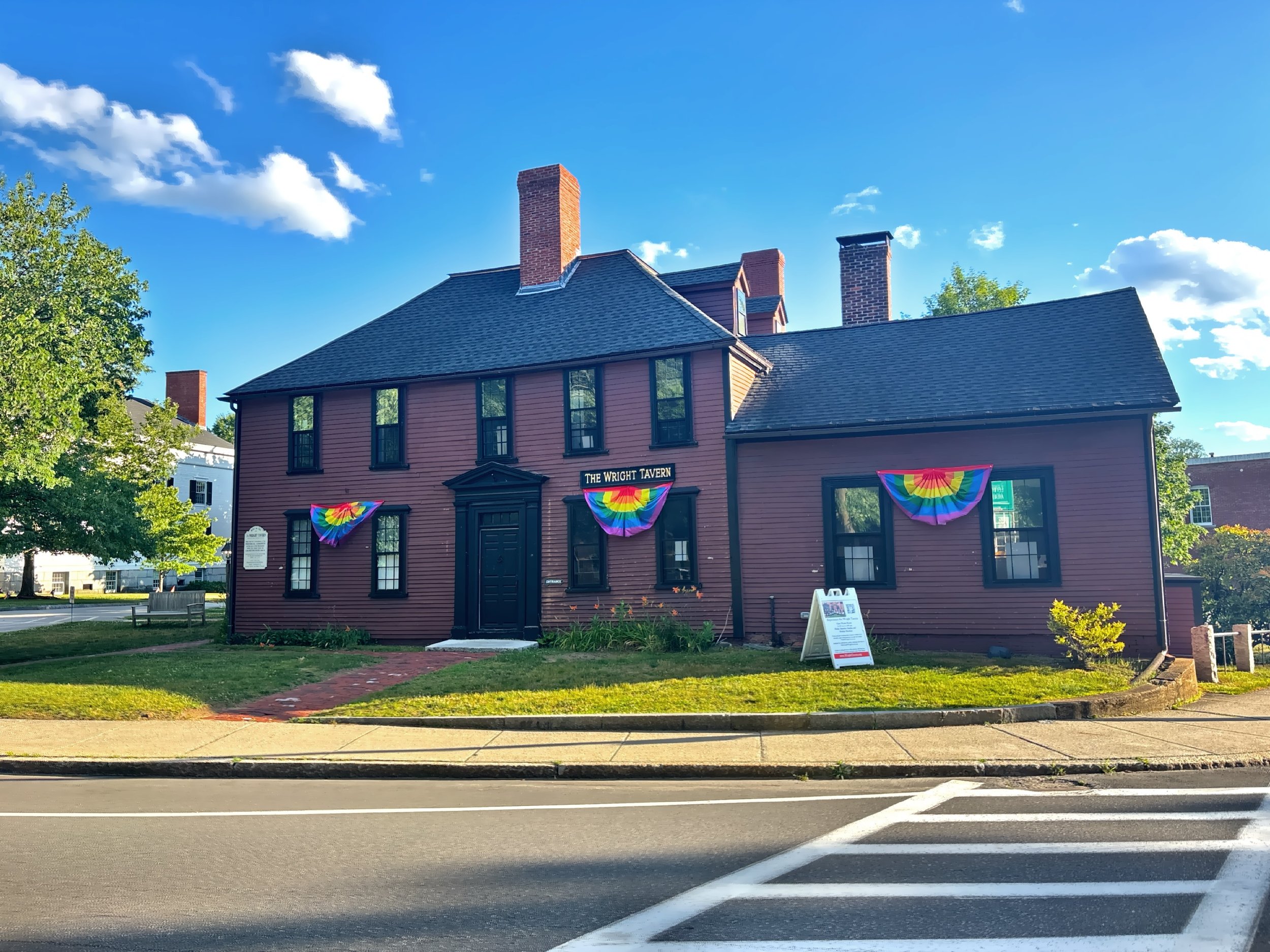
Wright Tavern was constructed in 1747 and served as a crucial gathering place for minutemen on the morning of Aril 19, 1775, before the Battle of Lexington and Concord.
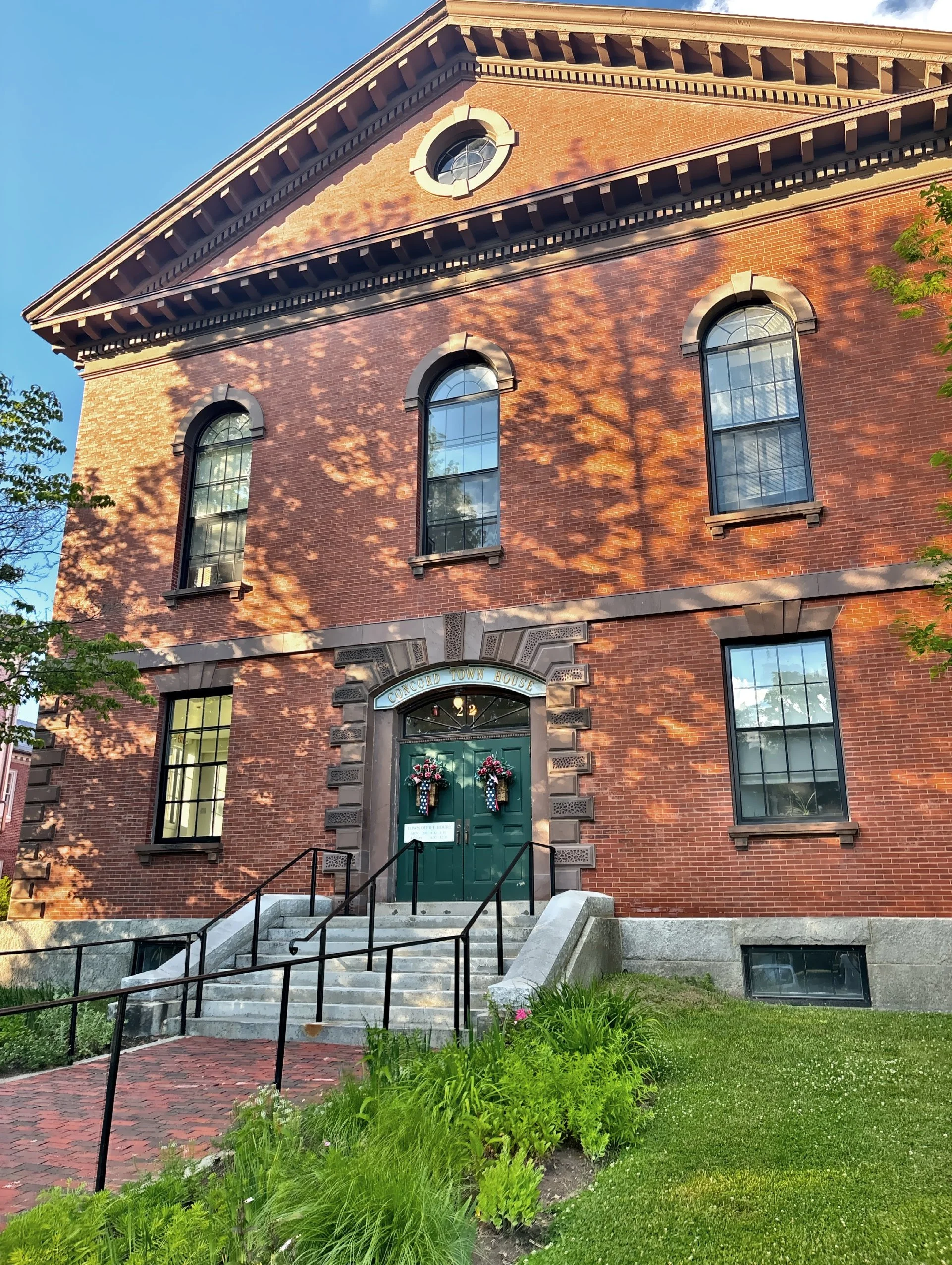
The Concord Town House was constructed between 1850 and 1851 and quickly became an important civic and cultural center. Notable American thinkers and writers, including Henry David Thoreau and Ralph Waldo Emerson, delivered lectures within its walls. In 1879, it also became the site of a landmark moment in local history when Louisa May Alcott became the first woman to register to vote in Concord, reflecting her commitment to women's rights and civic engagement.
.
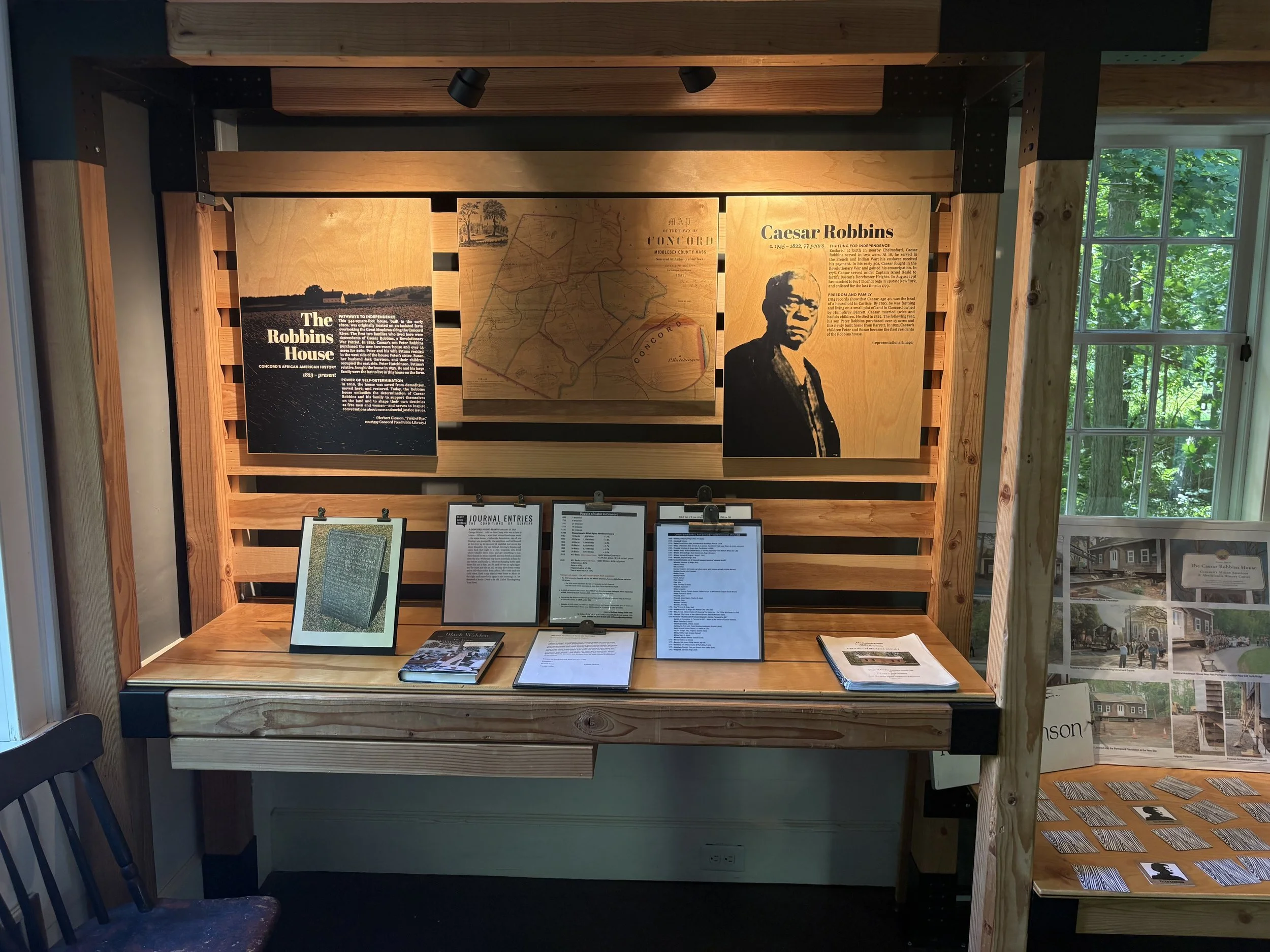
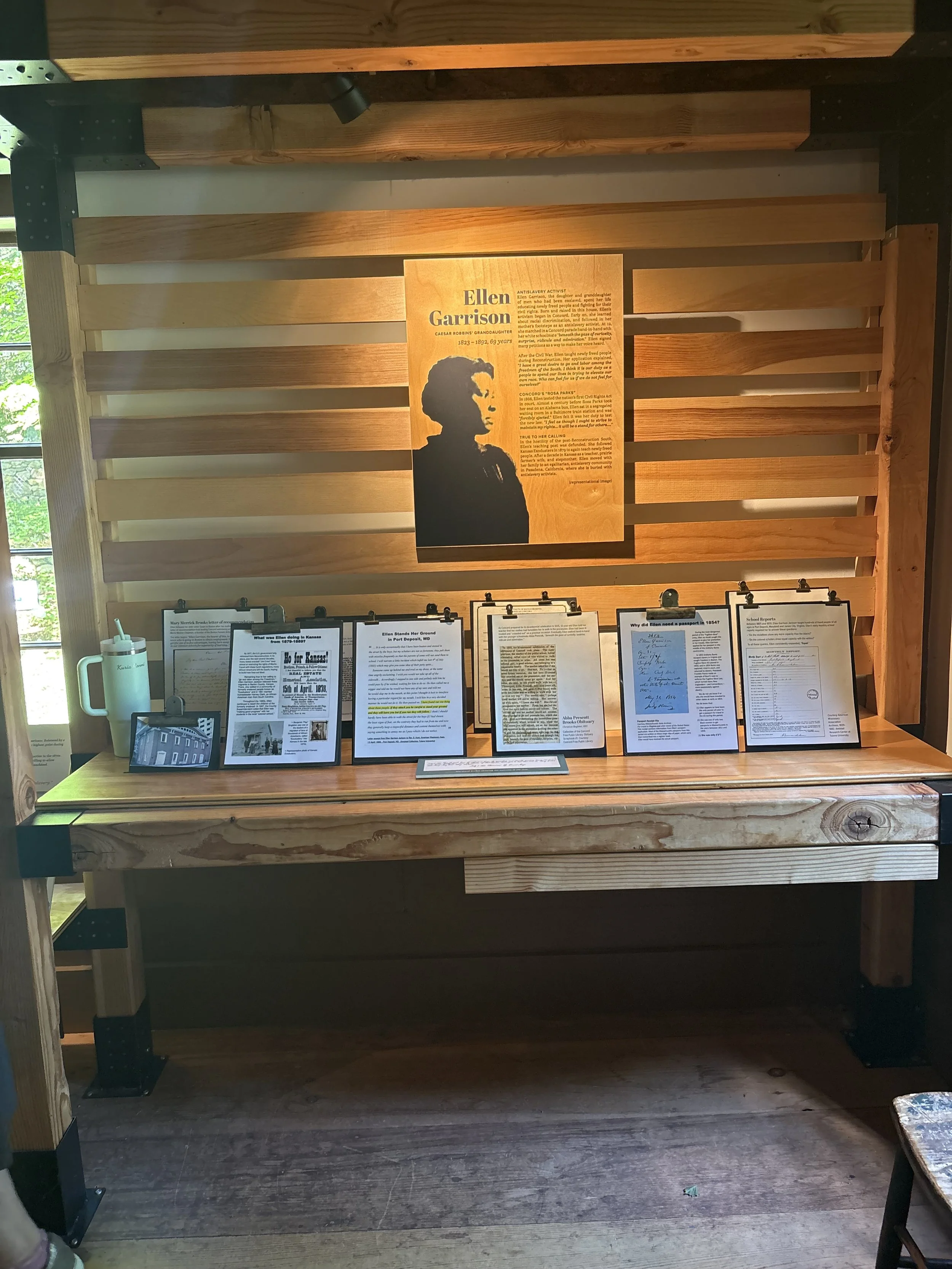
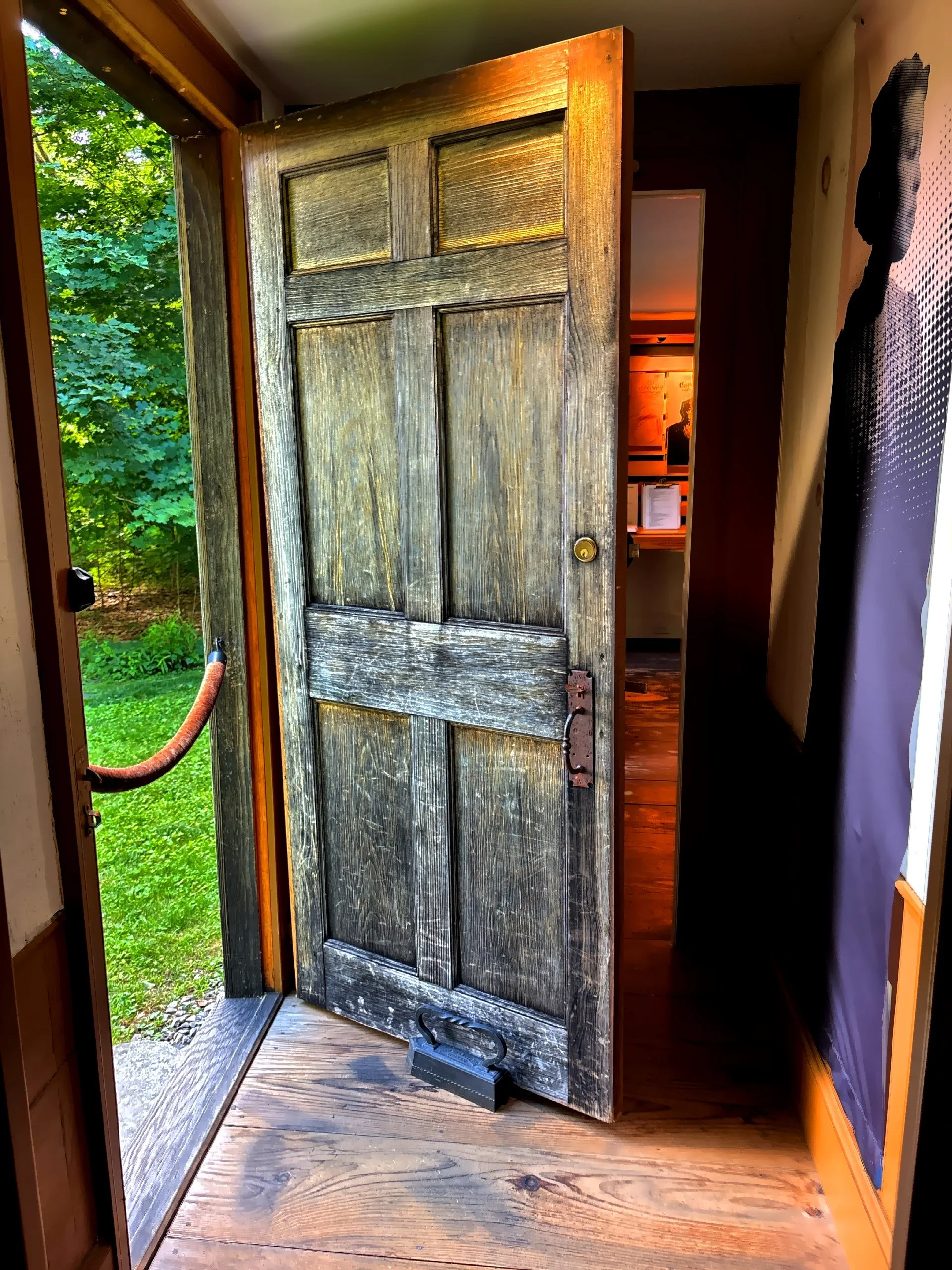
The Robbins-Garrison House was built as a two-family farmhouse in 1823. The west side was inhabited by Peter Robbins, son of formerly enslaved Revolutionary War veteran Caesar Robbins, and his wife, Fatima. The east side was occupied by Peter’s sister, Susan, and her husband, Jack Garrison, a self-emancipated man who escaped enslavement in New Jersey, along with their children. Together, these families established one of Concord’s earliest free Black farming communities.
.
Susan Garrison was a founding member of the Concord Female Anti-Slavery Society and an active participant in the abolitionist movement. Her daughter, Ellen Garrison, grew up in this house and went on to become a prominent educator and civil rights activist. During Reconstruction, she traveled to the South to teach newly freed African American families and later challenged the nation's first Civil Rights Act in court, becoming an important advocate for racial equality and justice.
.
The Old North Bridge
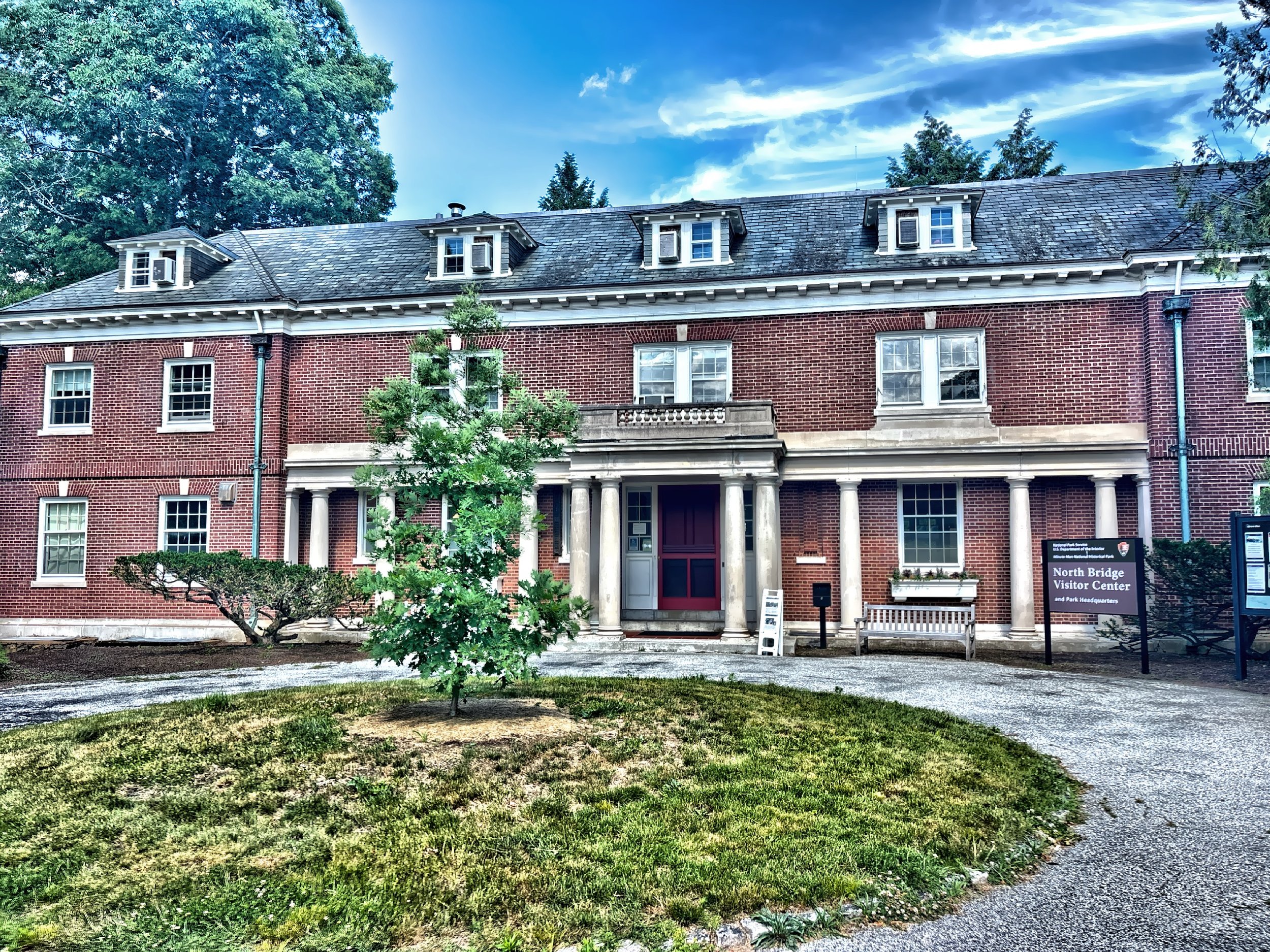
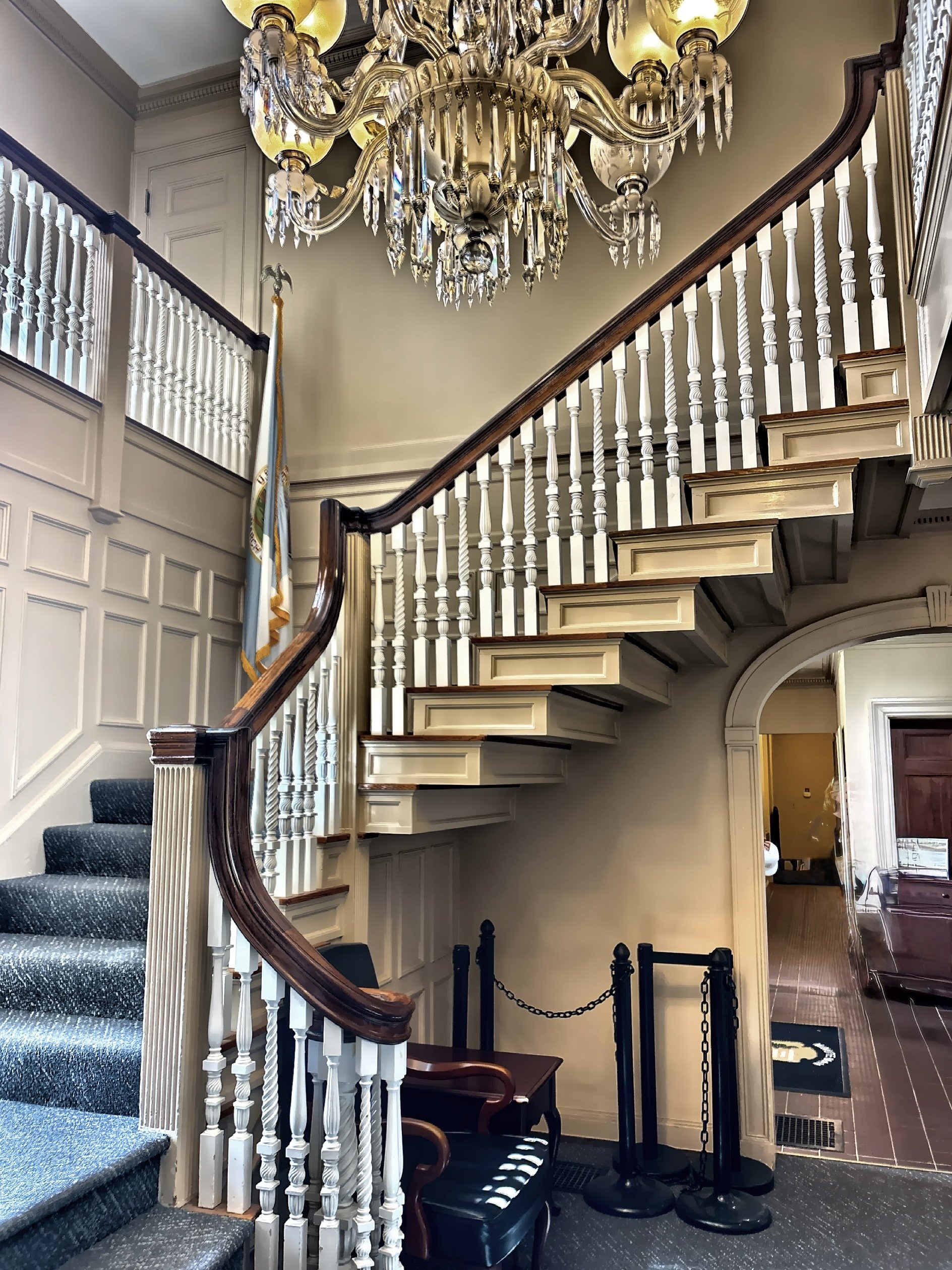
The North Bridge Visitor Center is housed in the former mansion built in 1911
Inside the Visitor Center
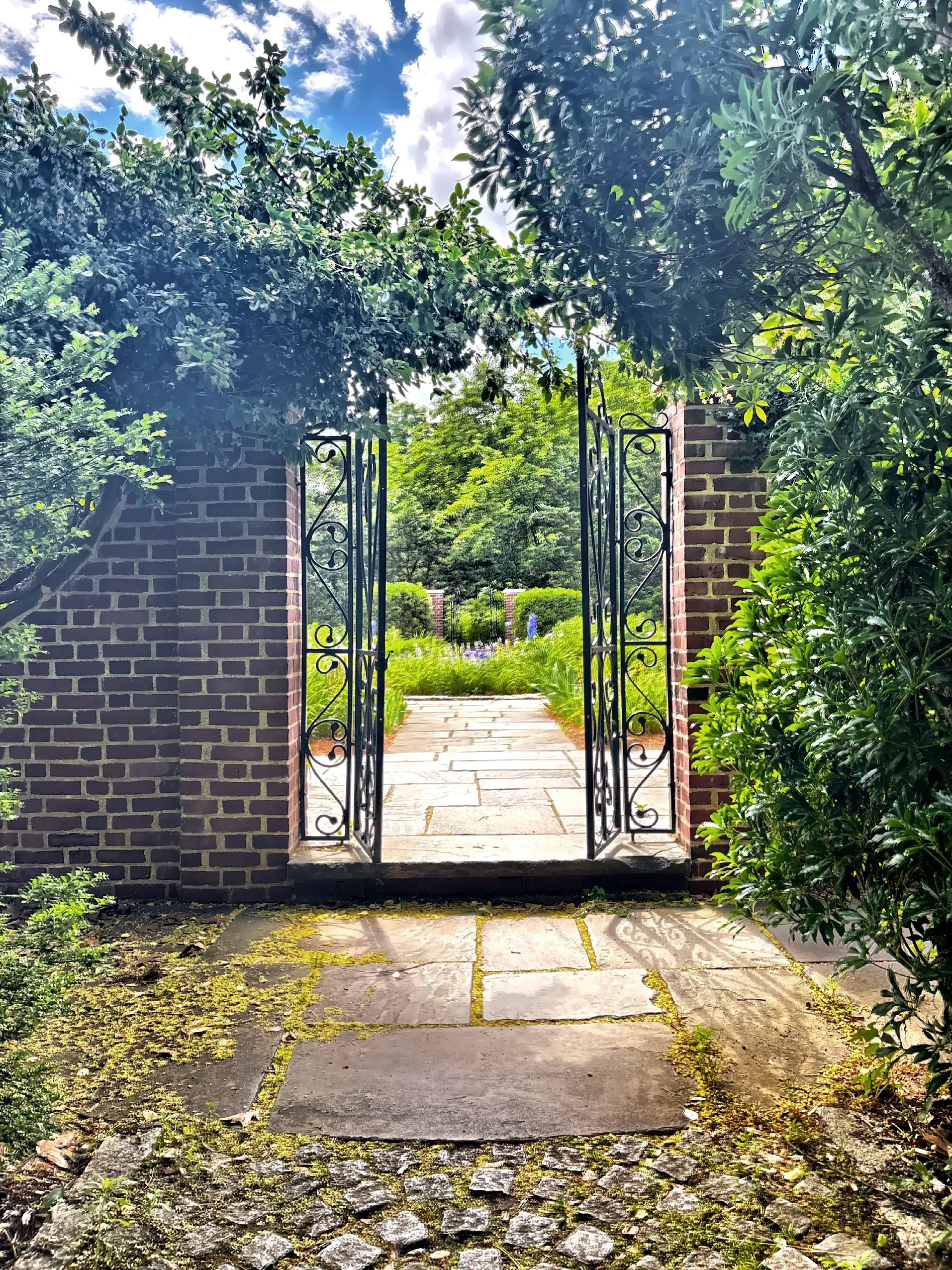
The formal gardens located directly behind the former mansion.
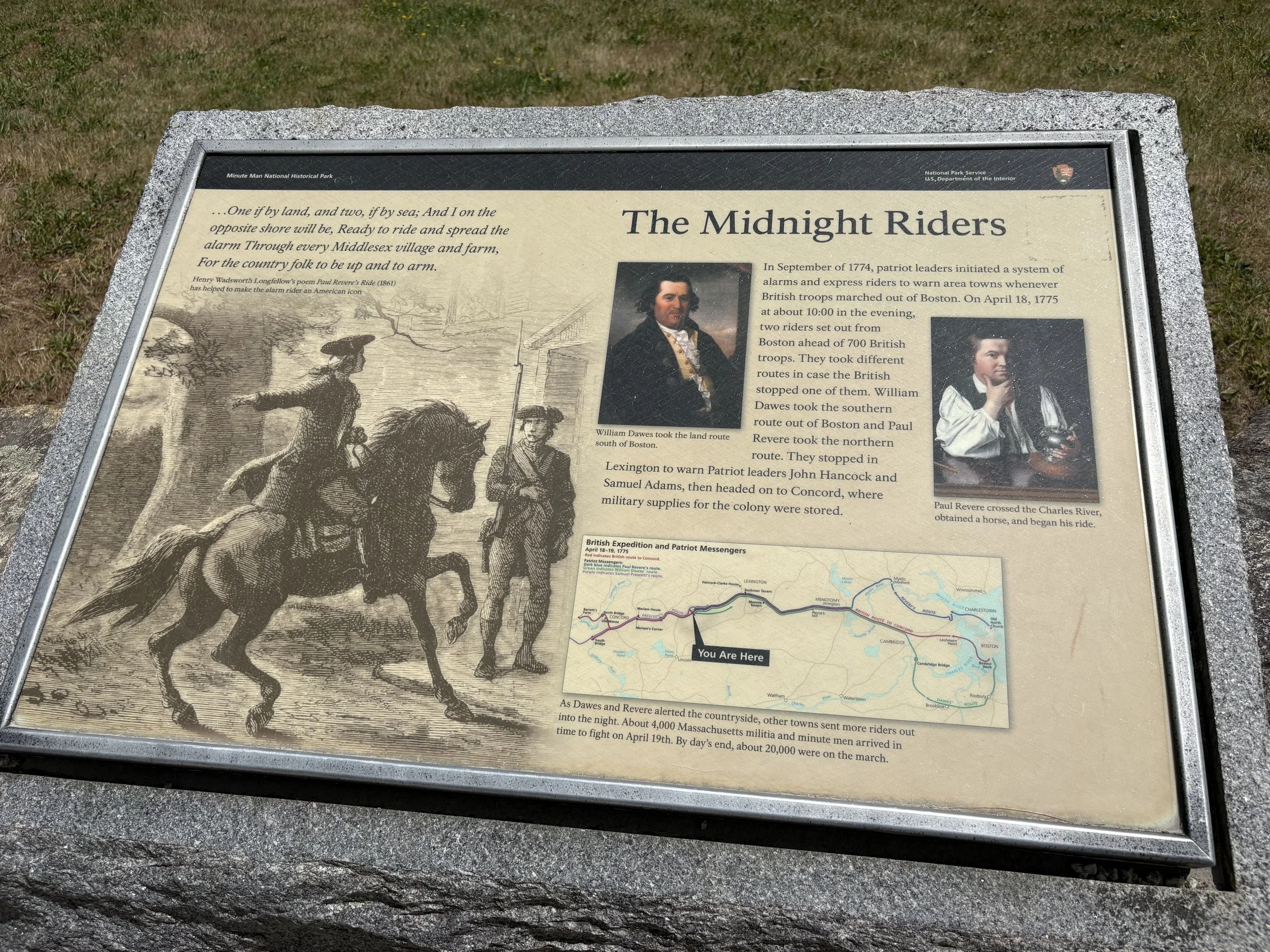
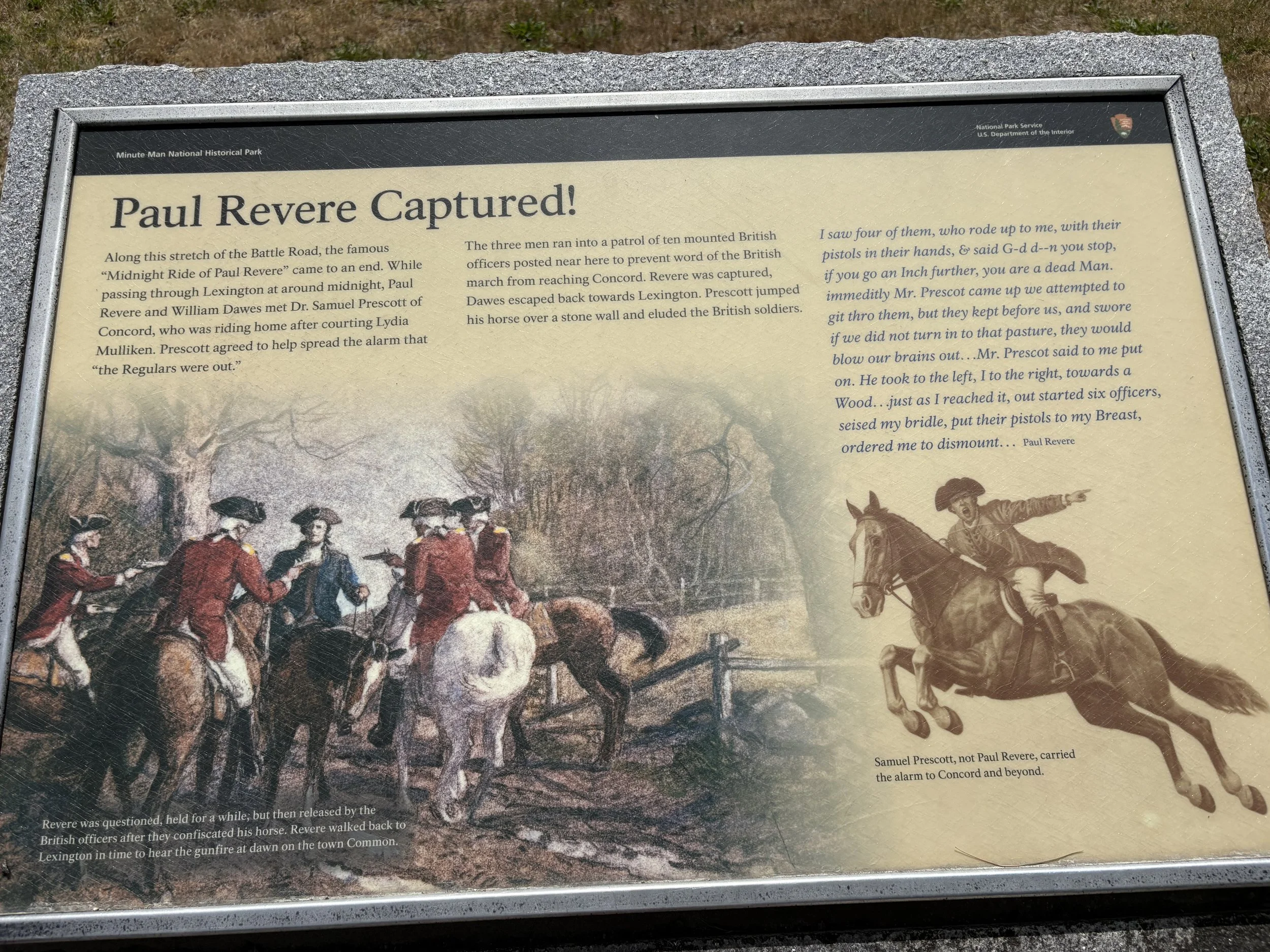
Informational signage
.
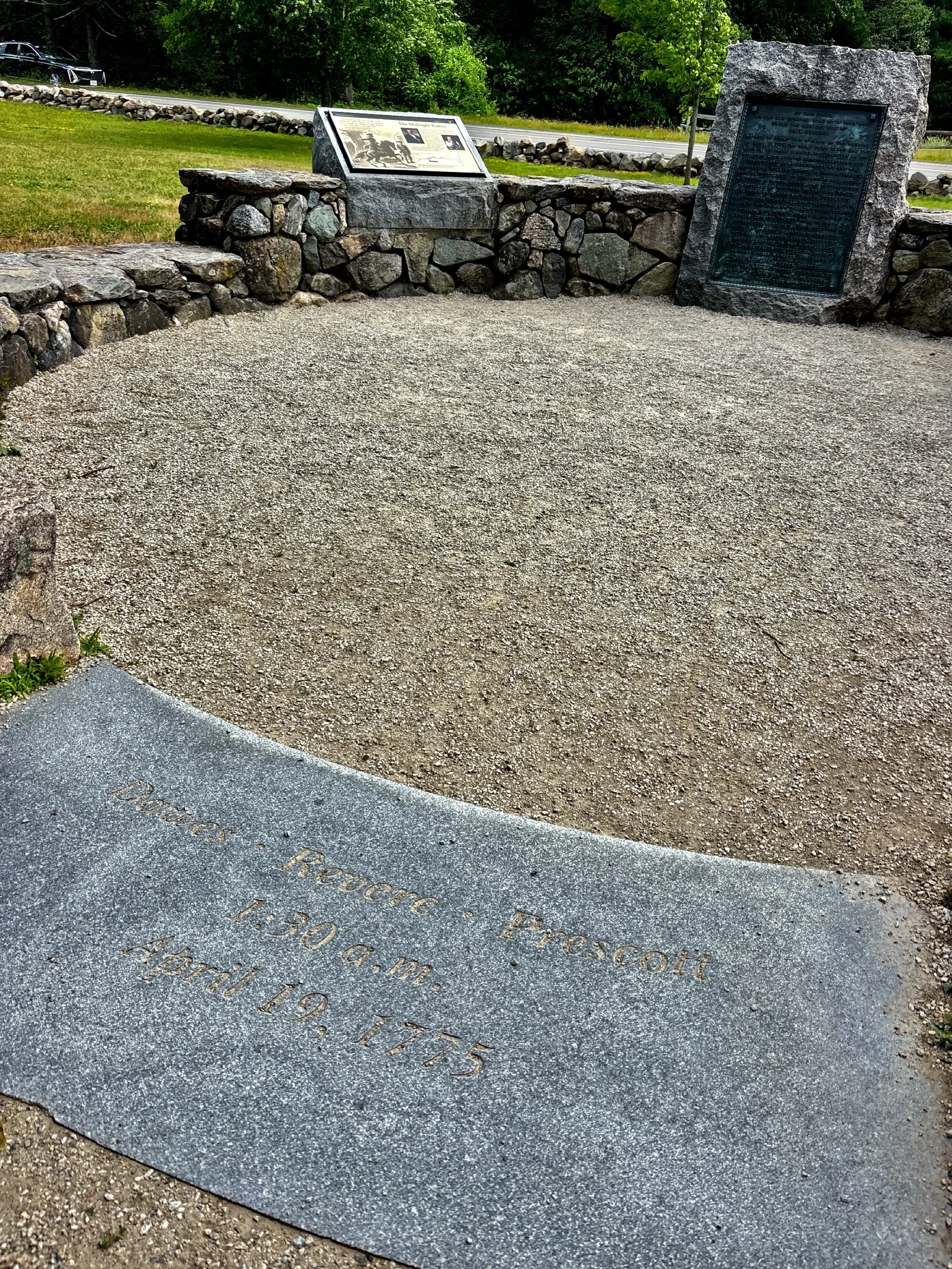
The Paul Revere Capture Site is where the ‘midnight run’ came to an abrupt end at approximately 1:30 a.m. on April 19, 1775. The site is marked with a circular memorial.
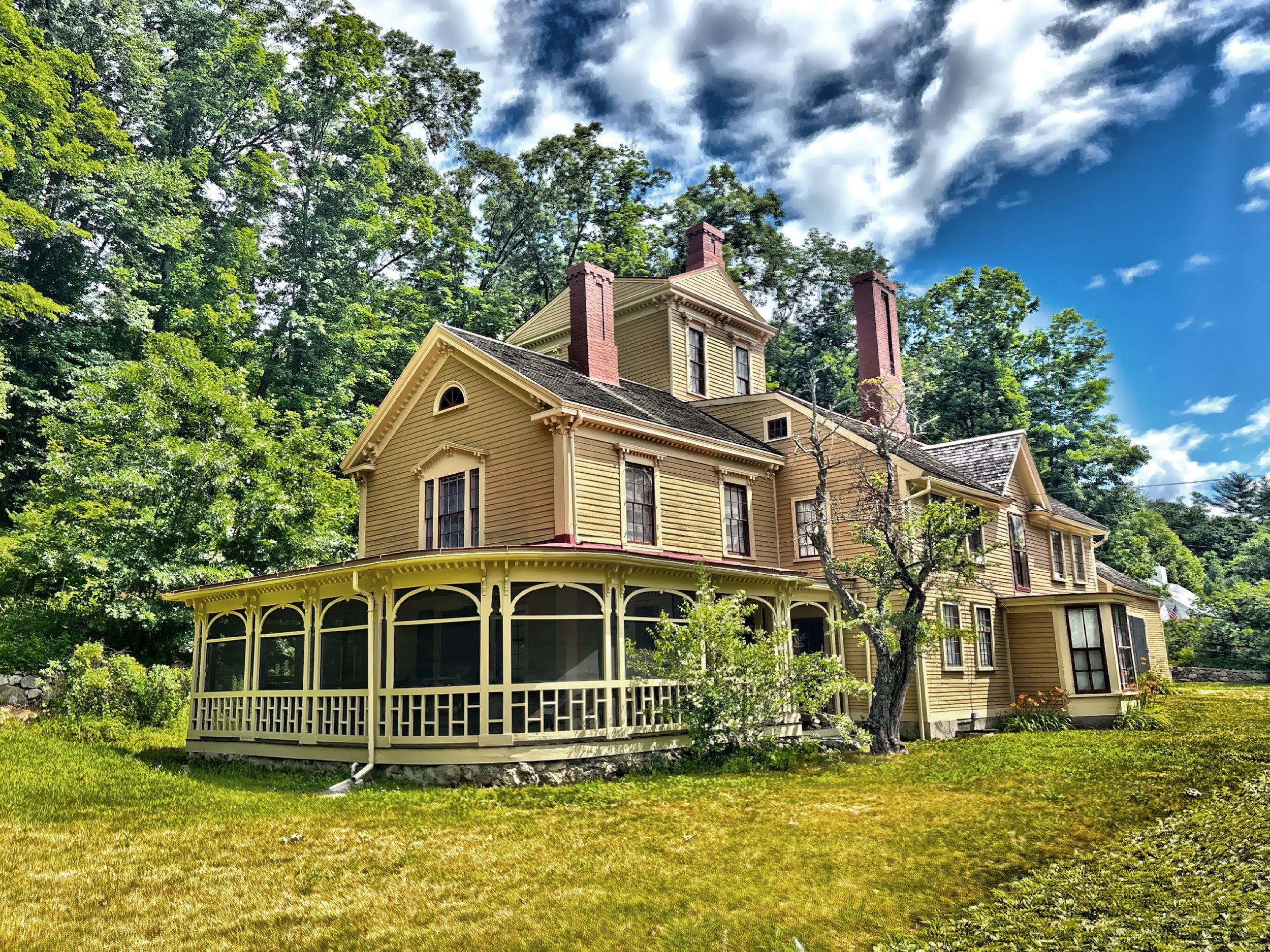
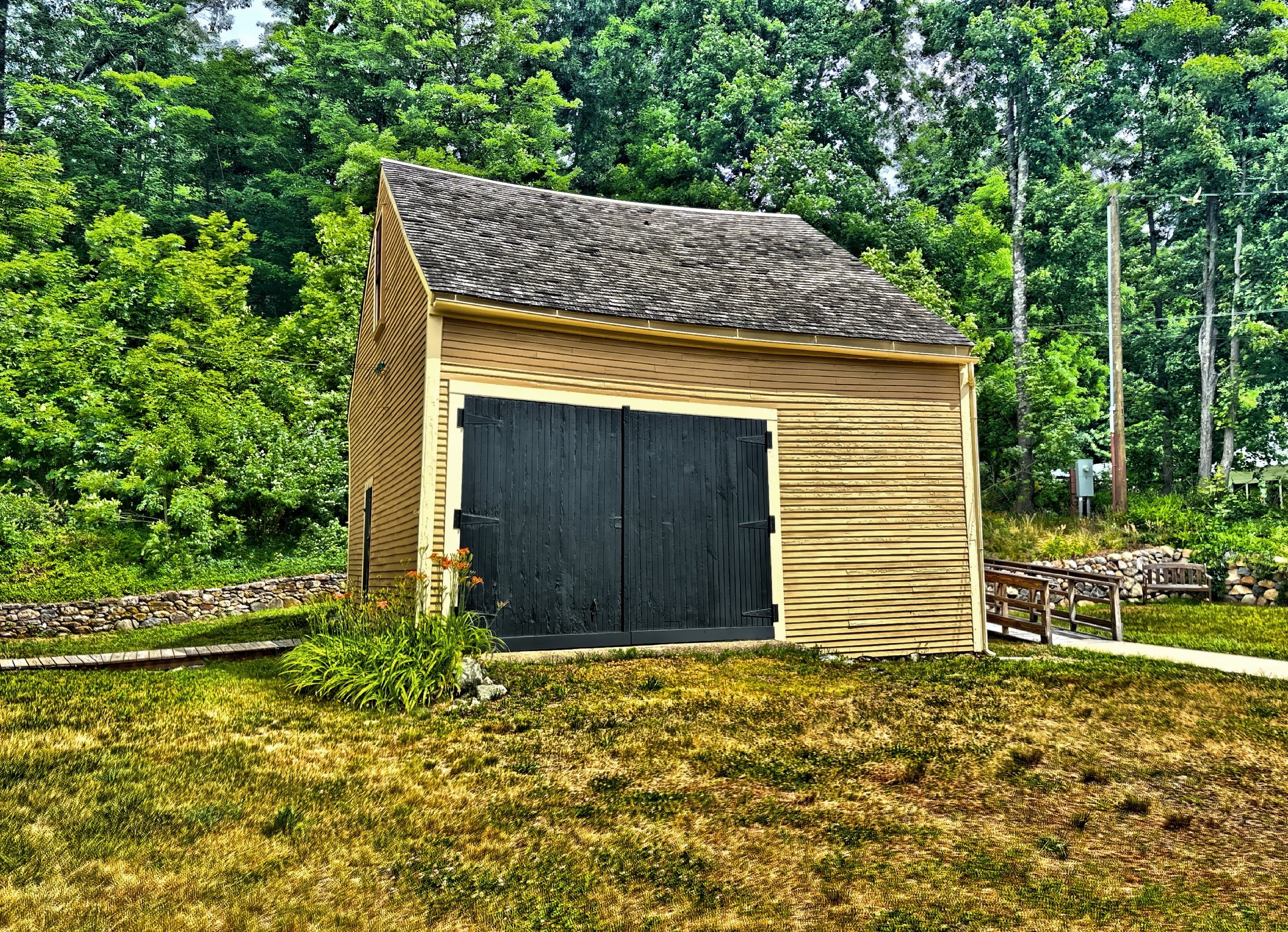
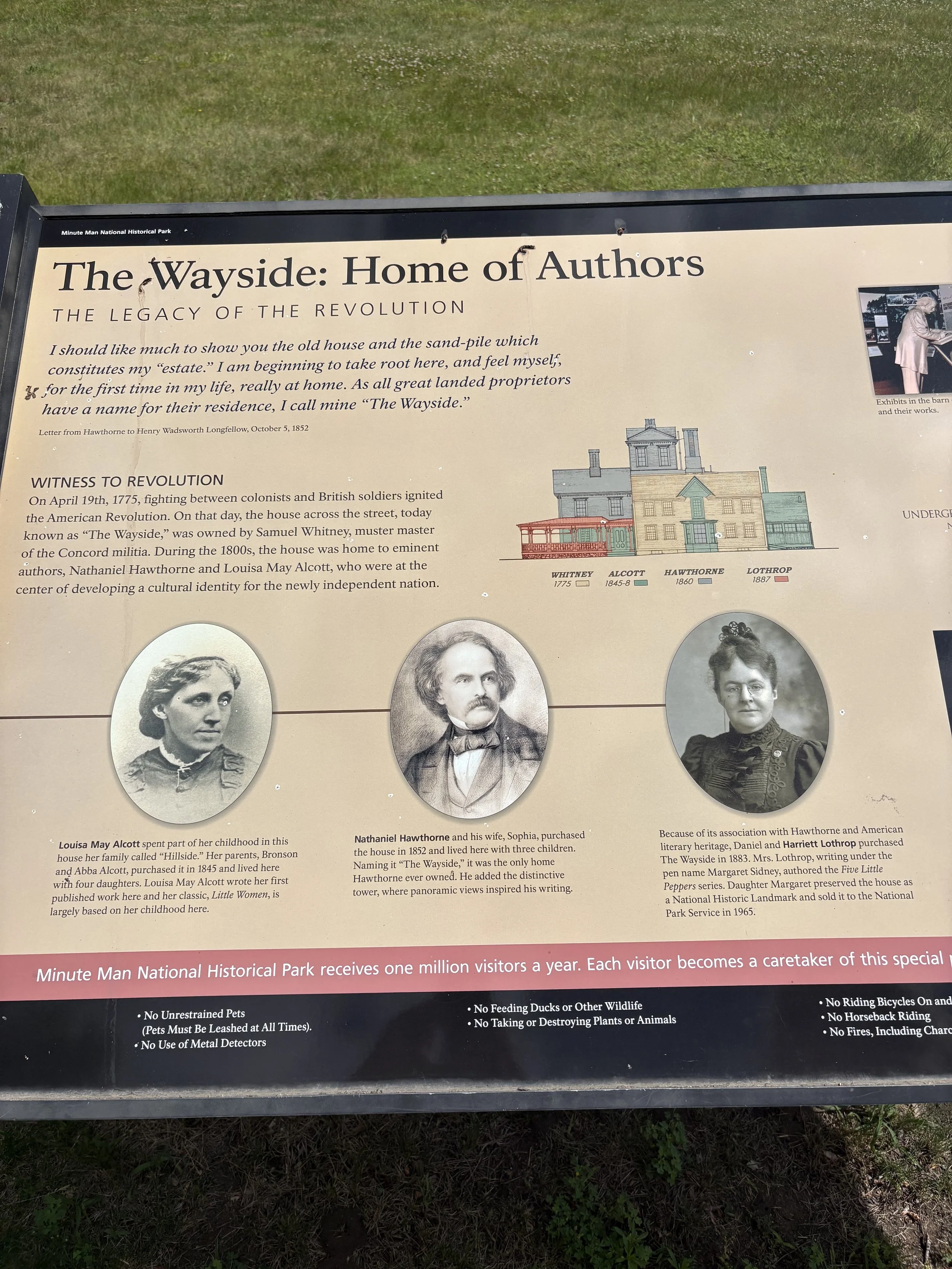
The Wayside is one of Concord’s most significant historic homes and the only house in America known to have been occupied by three major literary families. Dating to the early 18th century, the house was home to Louisa May Alcott and her family, who called it “Hillside,” before being purchased by Nathaniel Hawthorne, who gave it its current name. Later, children's author Harriet Lothrop, better known by her pen name Margaret Sidney, lived here and helped preserve the property for future generations.
.
.
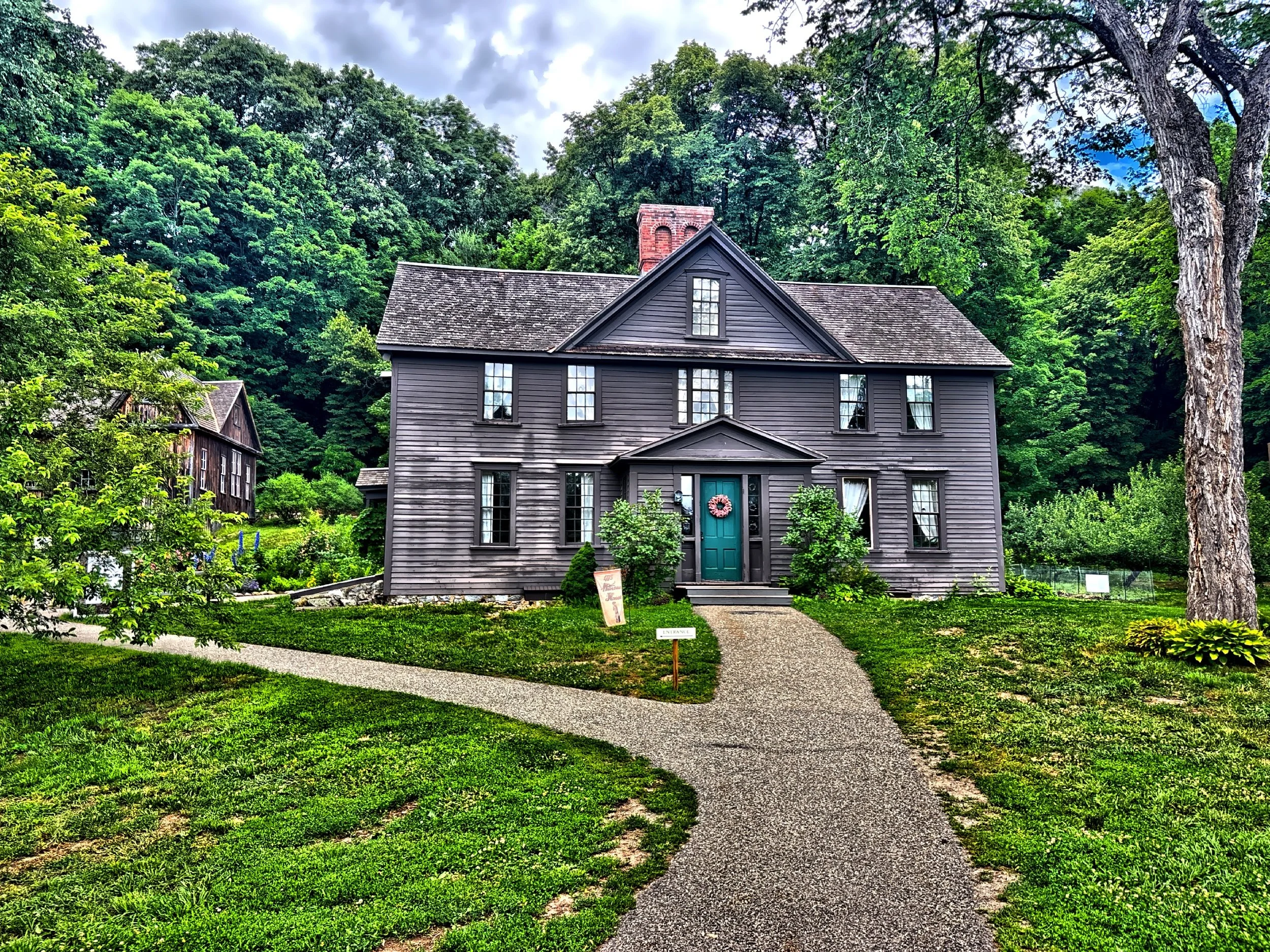
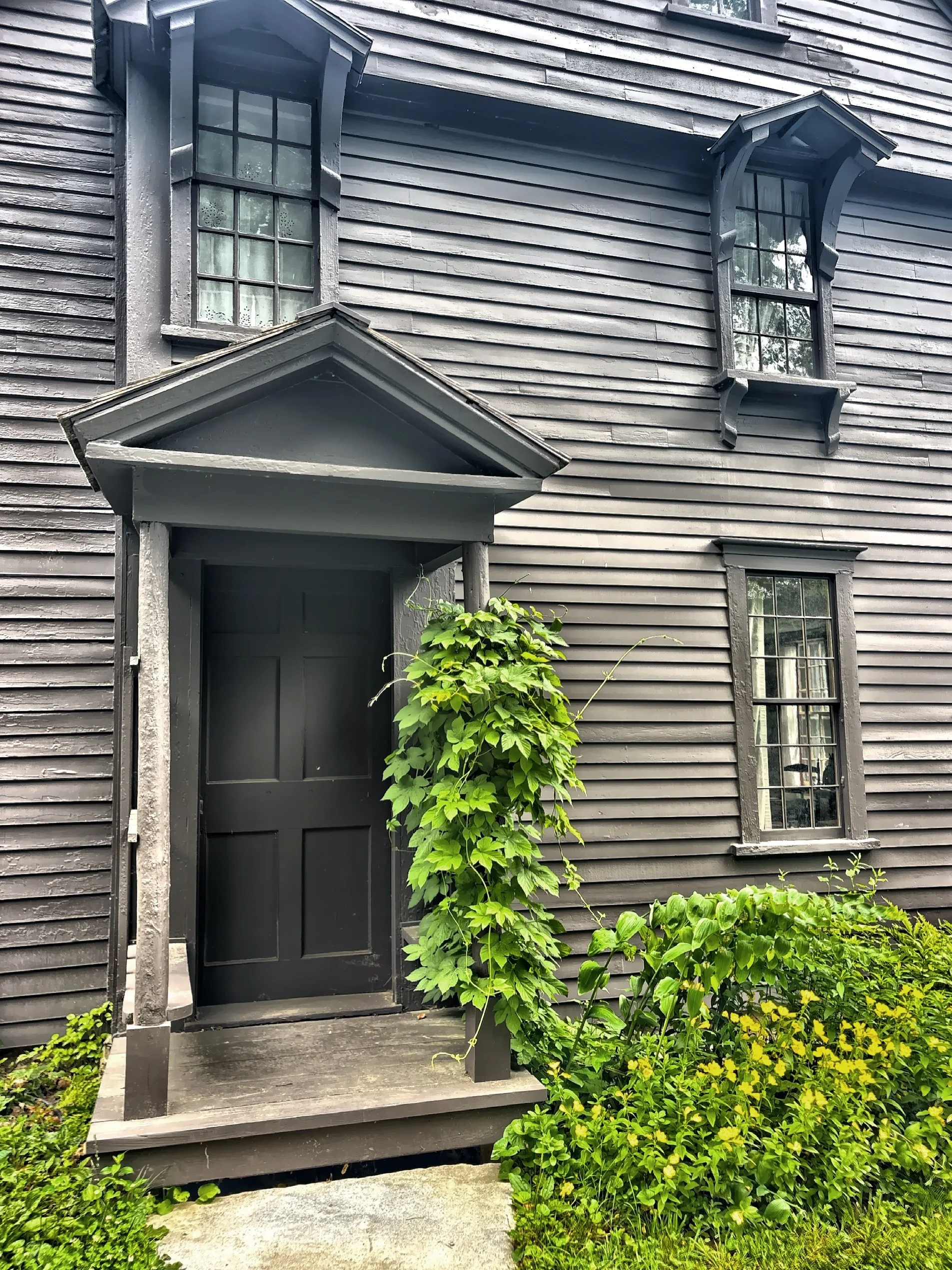
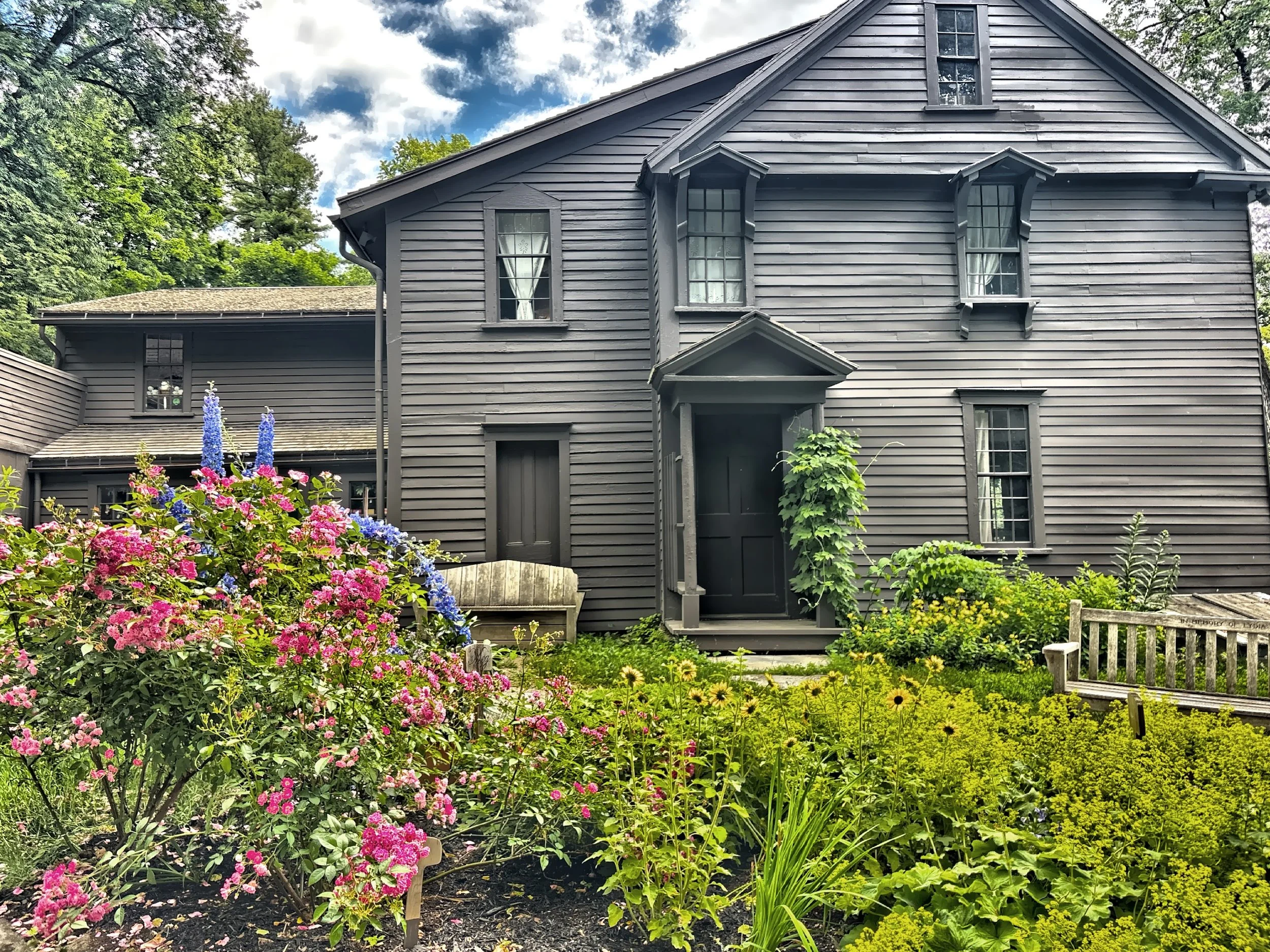
Orchard House was the home of Louisa May Alcott and the place where she wrote and set her beloved novel Little Women. Drawing inspiration from her own family and experiences in Concord, Alcott used Orchard House as the model for the March family home in the story.
.
.
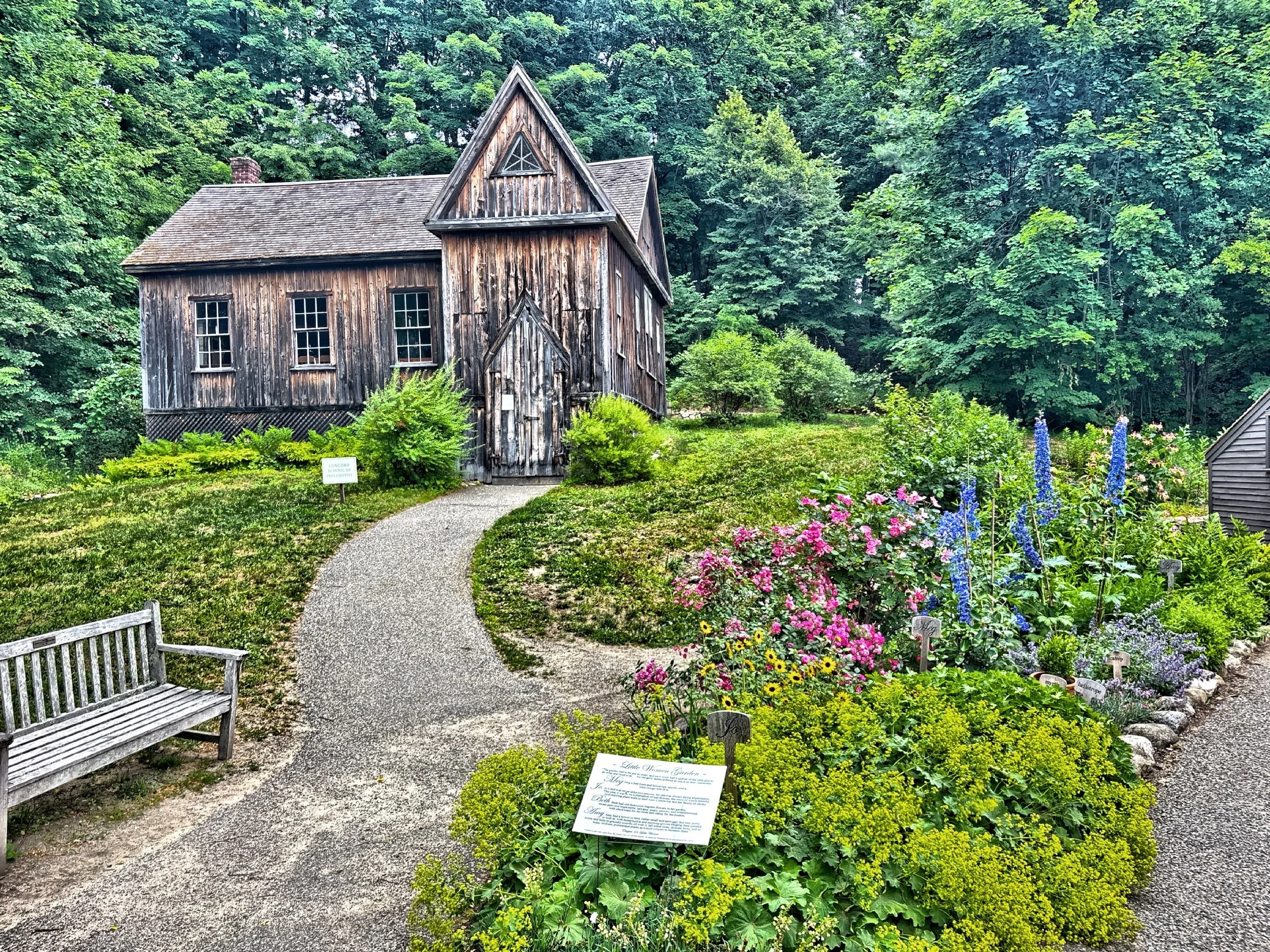
The Concord School of Philosophy, a historic building adjacent to Orchard House was built in 1879 by Bronson Alcott, father of Louisa May, as a summer Lyceum for lectures and discussions.
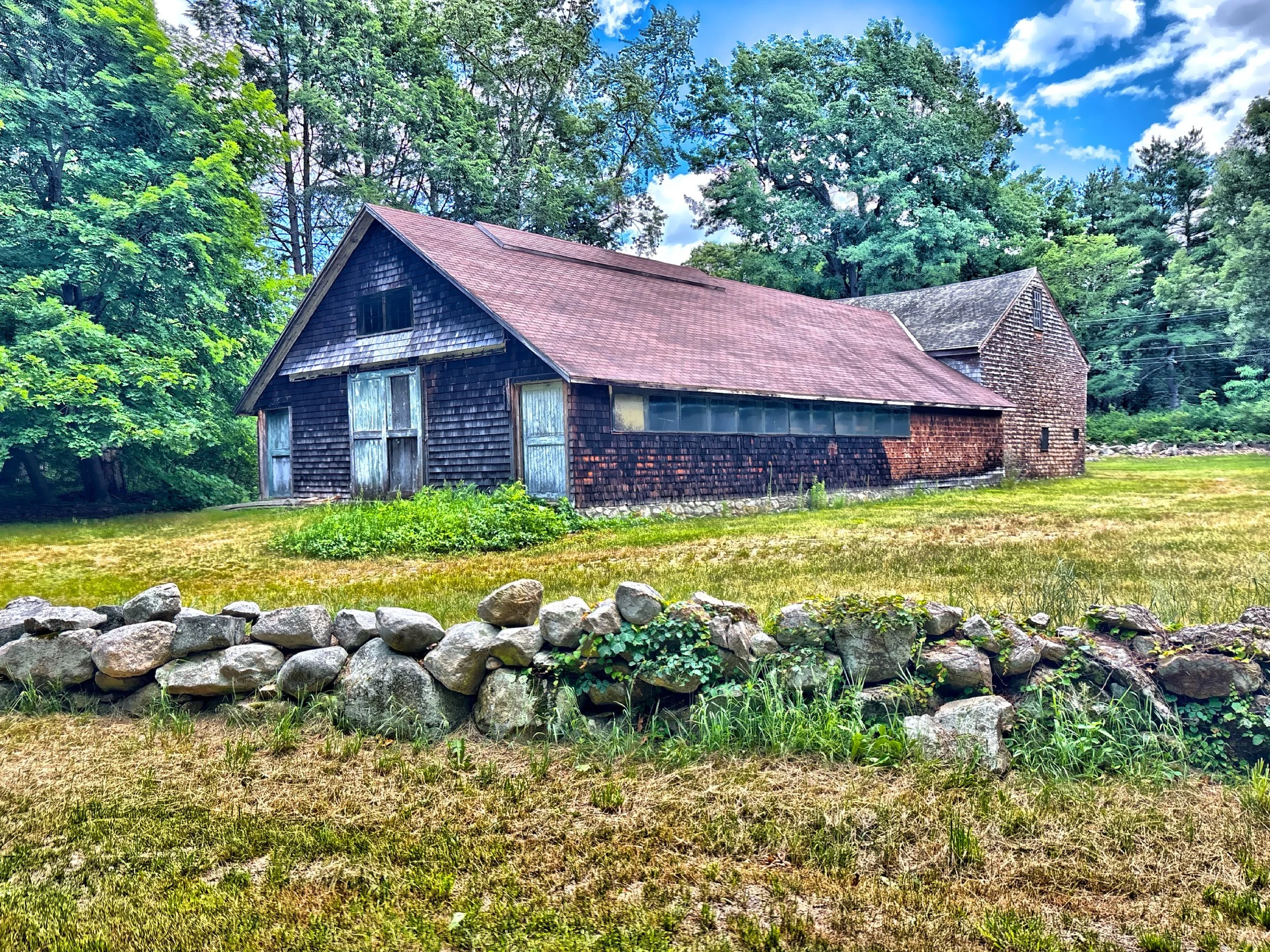
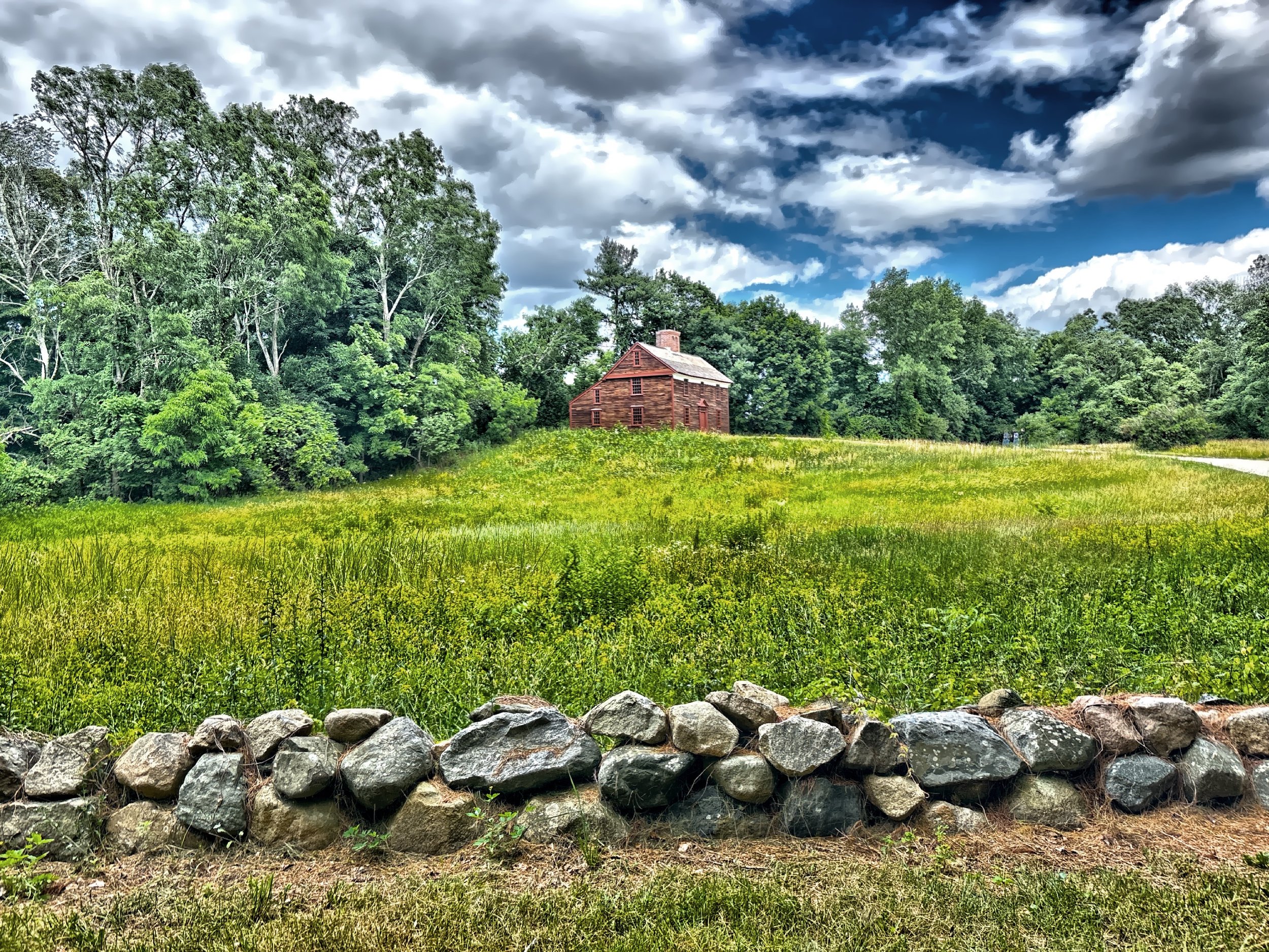
Weather-worn barn and stone walls located along the Battle Road Trail.
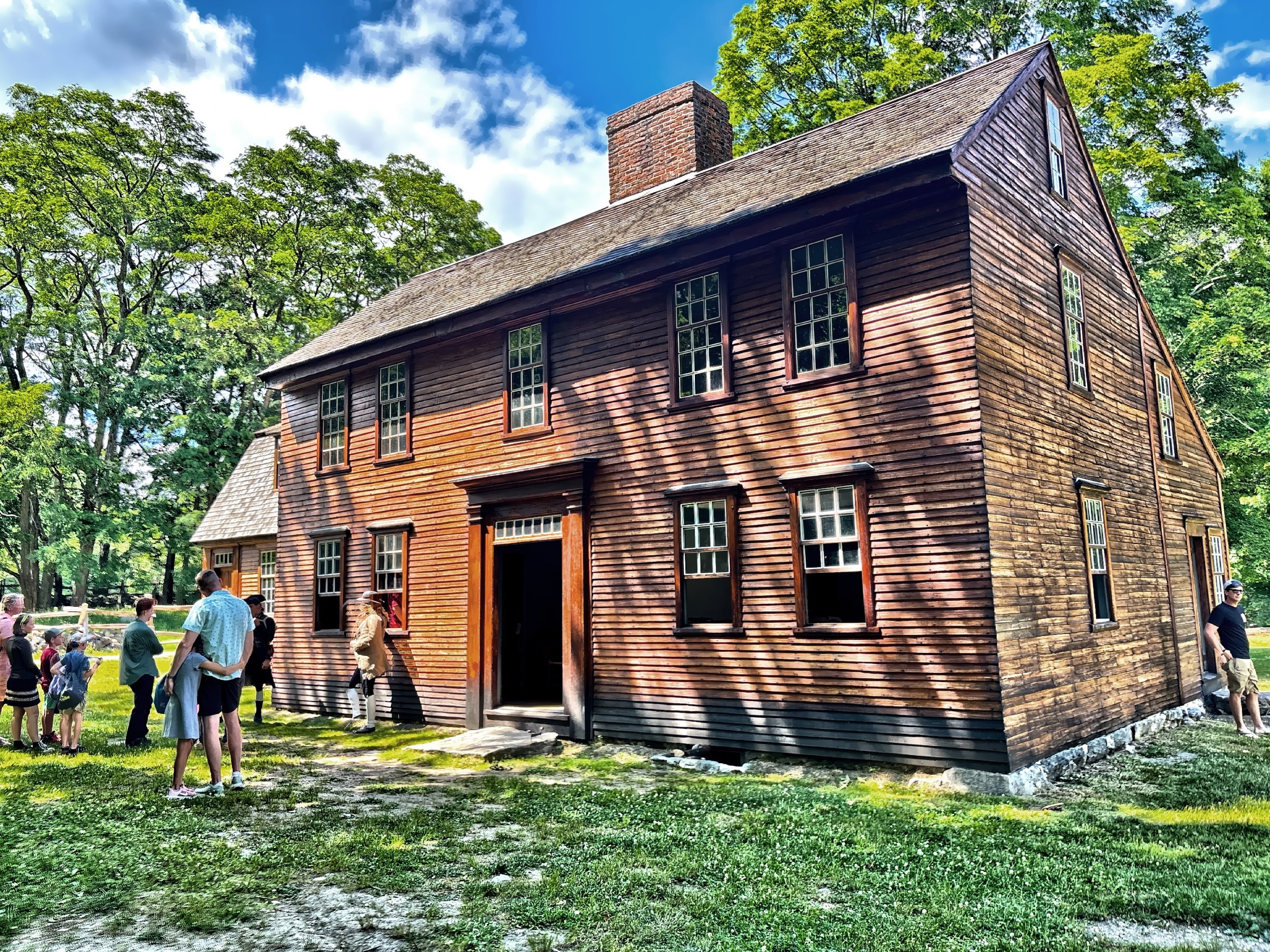
The Hartwell Tavern built in 1733
What you should know:
The town is walkable, and it is a great way to get around.
There are also walking trails in the Minute Man National Historic Park. Check website for days / hours of operation and for any special events.
The Minute Man National Historic Park does have two separate visitor center, but I felt the entire park to be a little confusing and information not very organized.
Although Minute Man National Historical Park itself is open to visitors, several historic buildings within the park may charge separate admission fees because they are independently managed.
There are a few restaurant options in town.
The old cemeteries are really cool.
Public restrooms are available.
On the street parking is available; check post parking regulations signs.
You could spend a couple of hours to a few days exploring here, depending on your level of interest.
There is a walking trail called the Battle Road Trail.
You could pair the Old Manse with the nearby North Bridge, Thoreau Farm, and Orchard House(Louisa May Alcott's home) for a complete Revolutionary War and literary history tour. The Orchard House does not allow indoor photography.
For more information: Concord, MA