
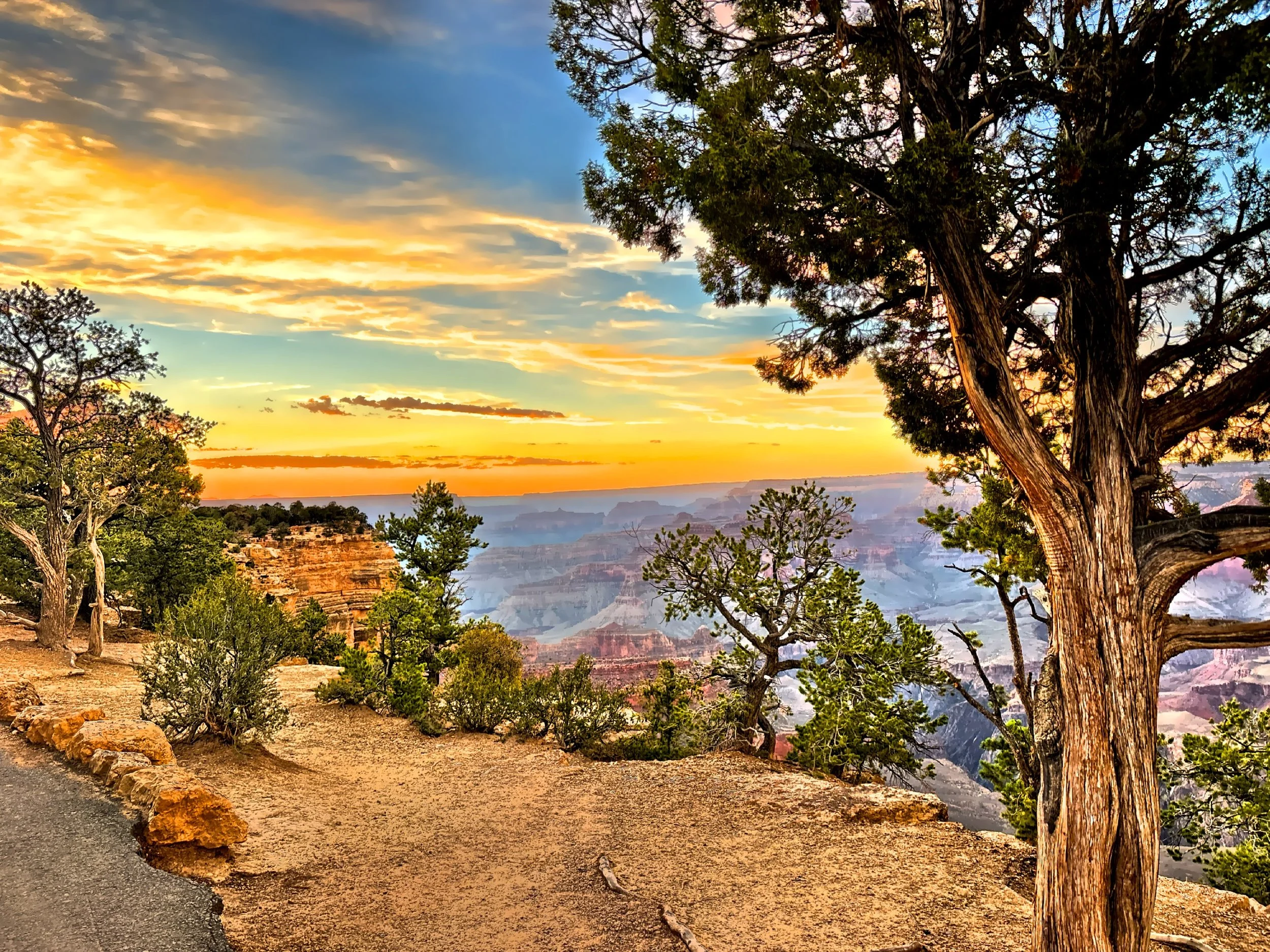
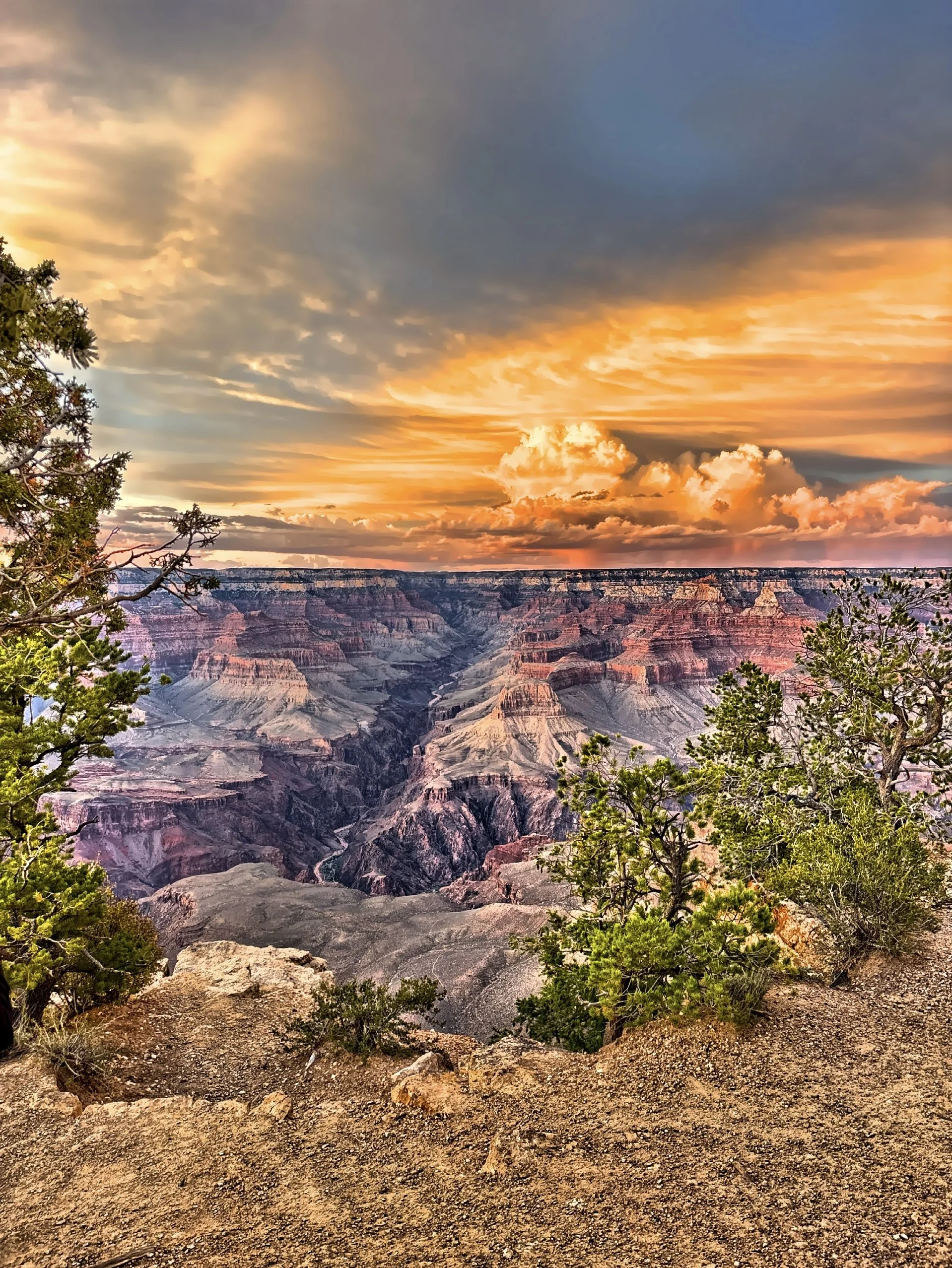
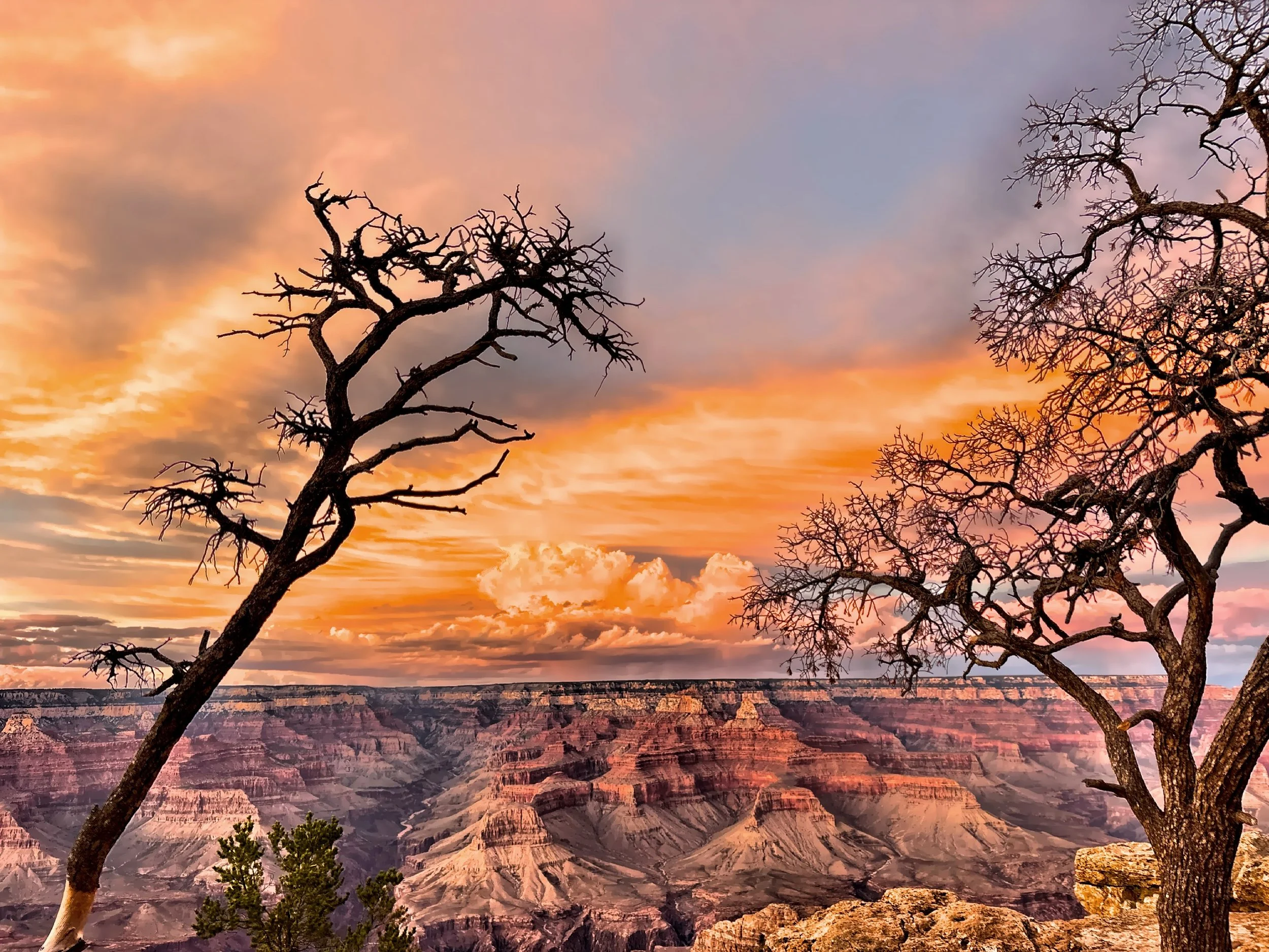
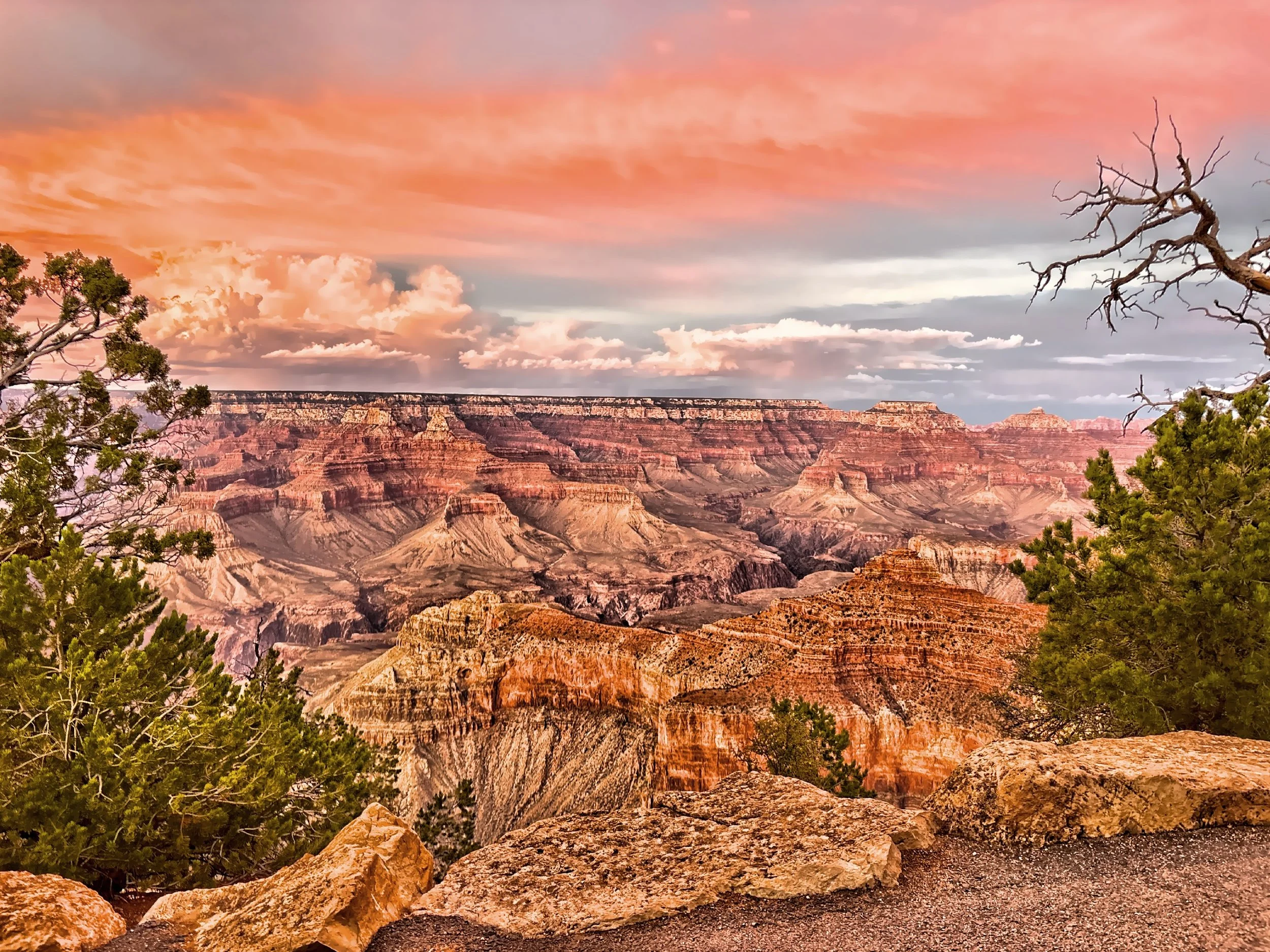
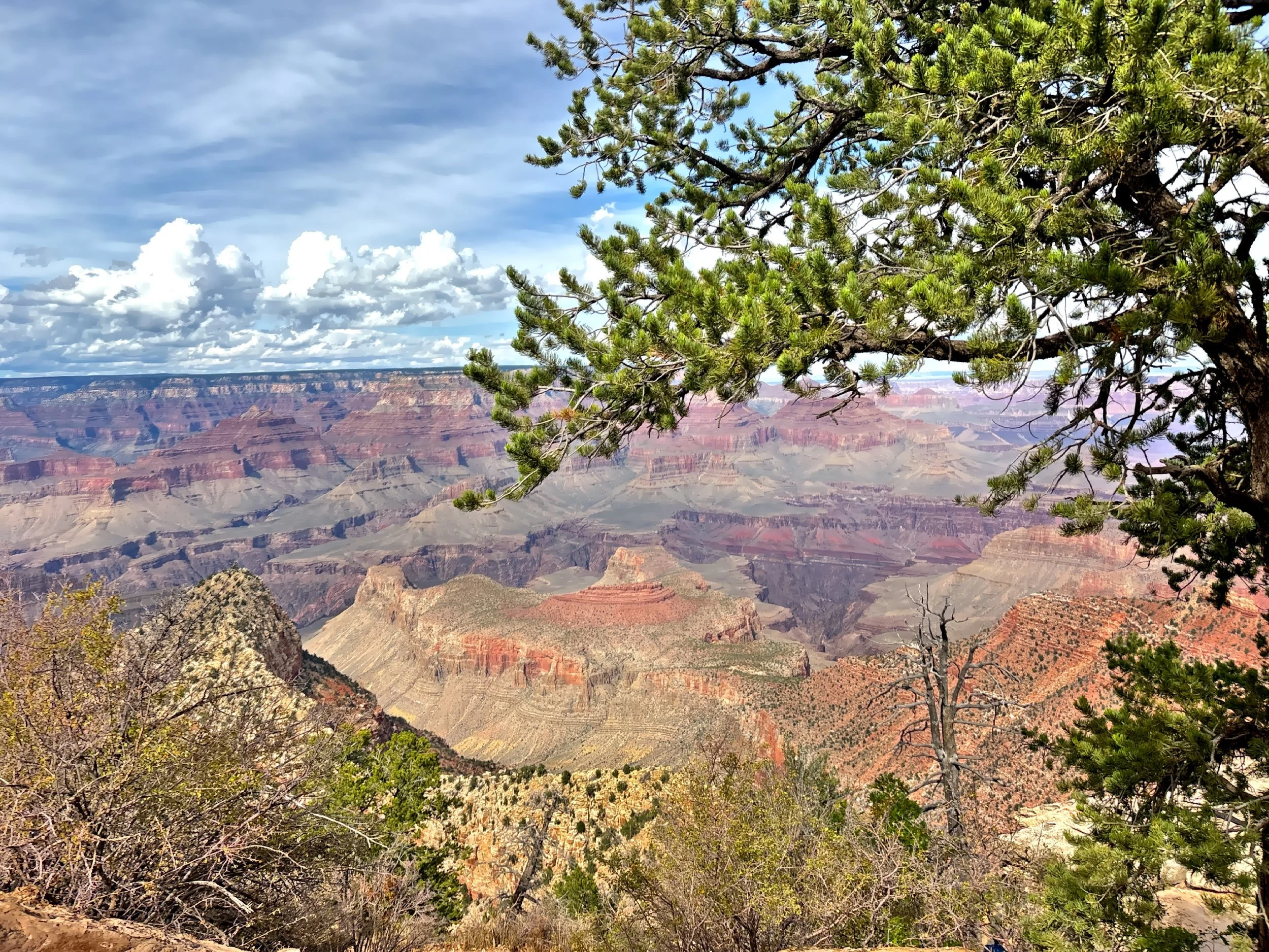
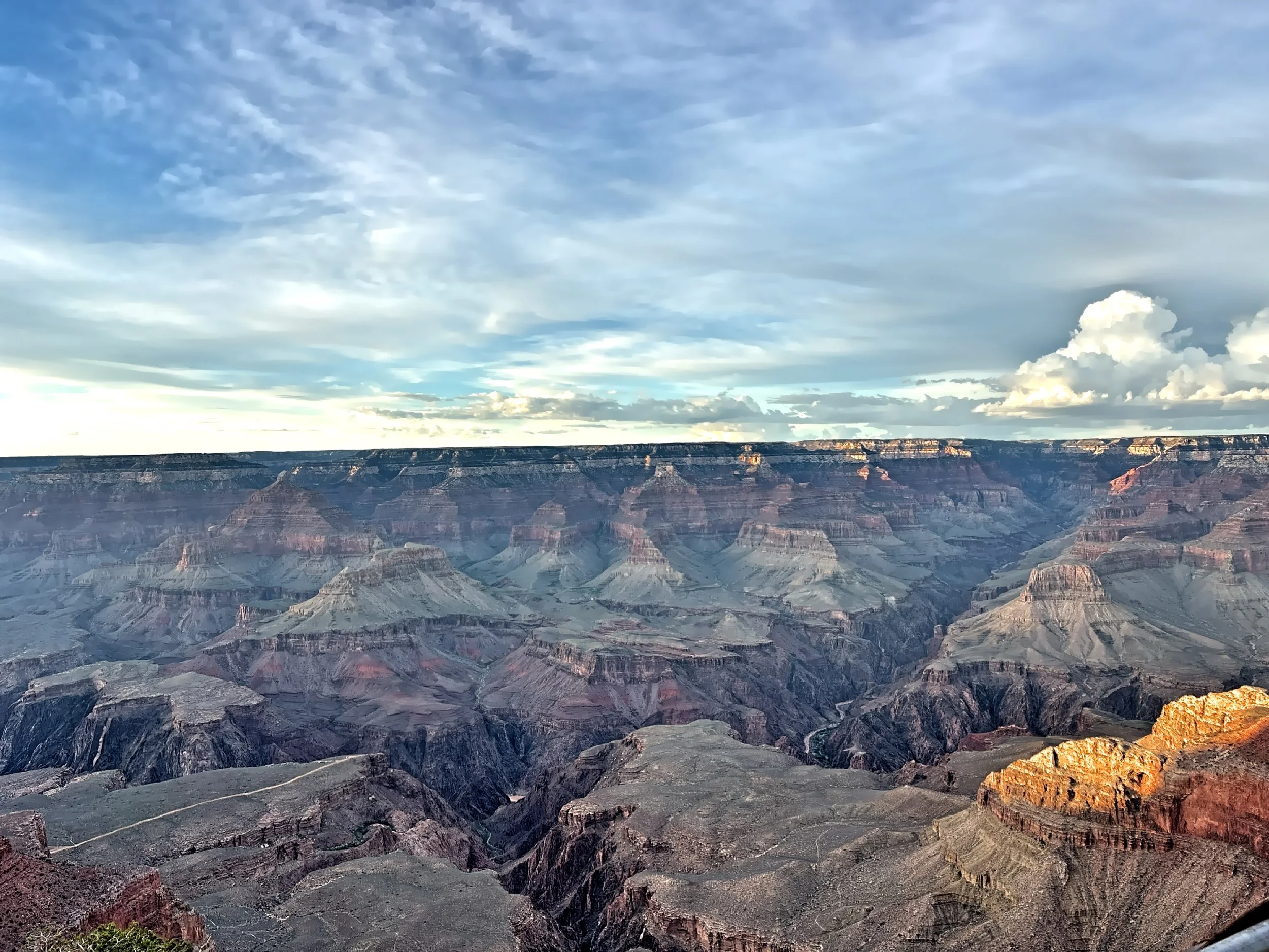
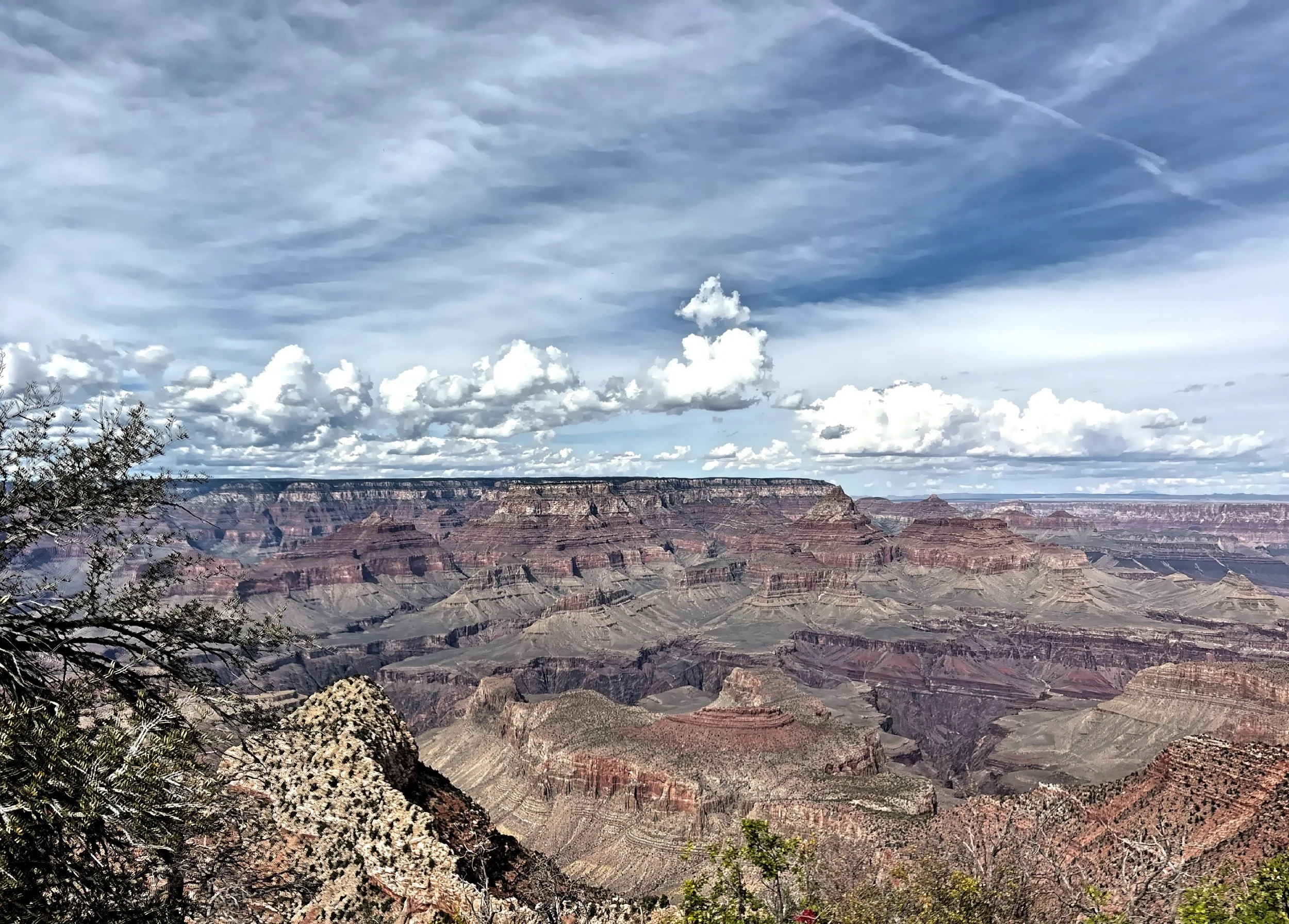
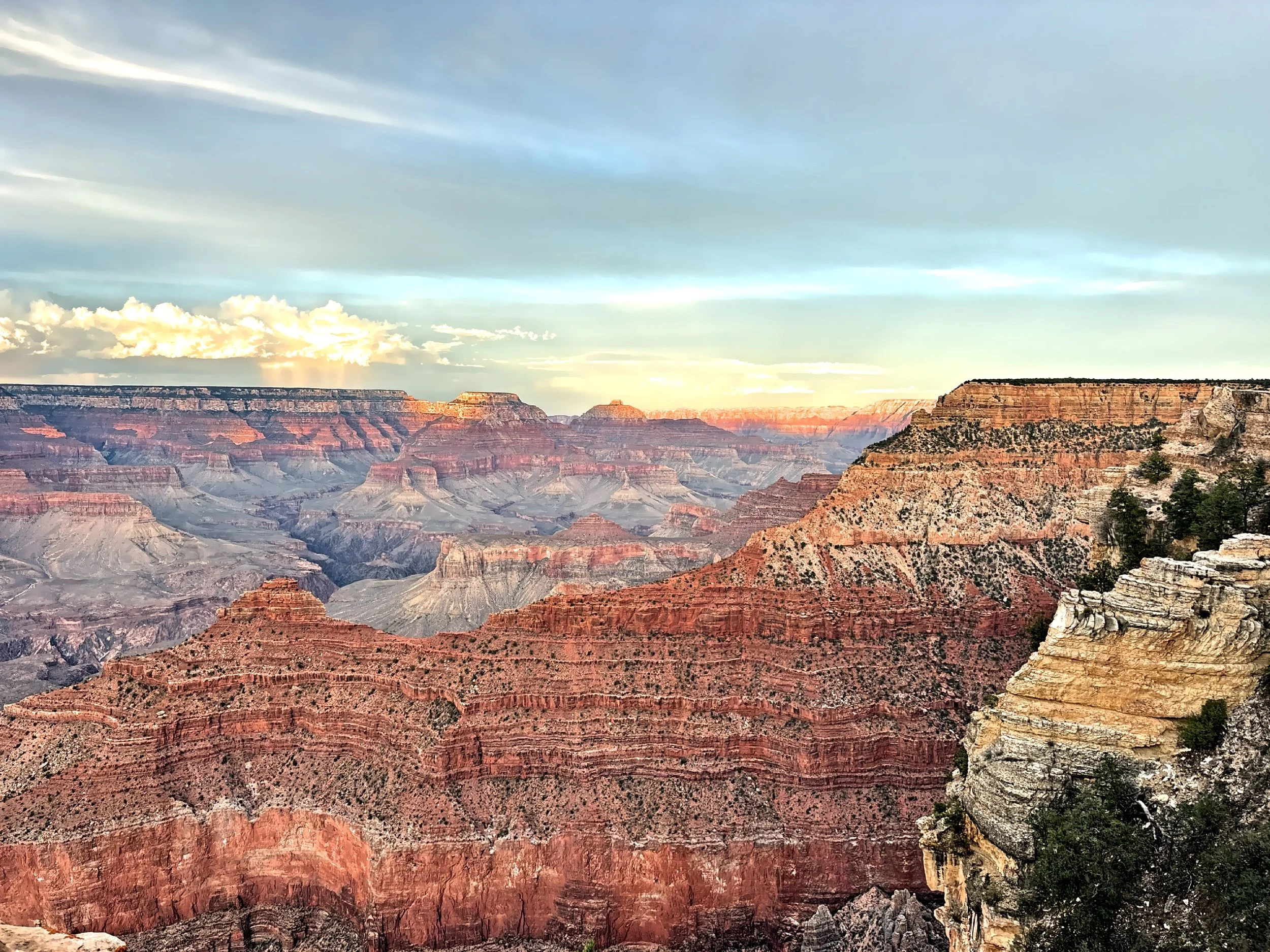
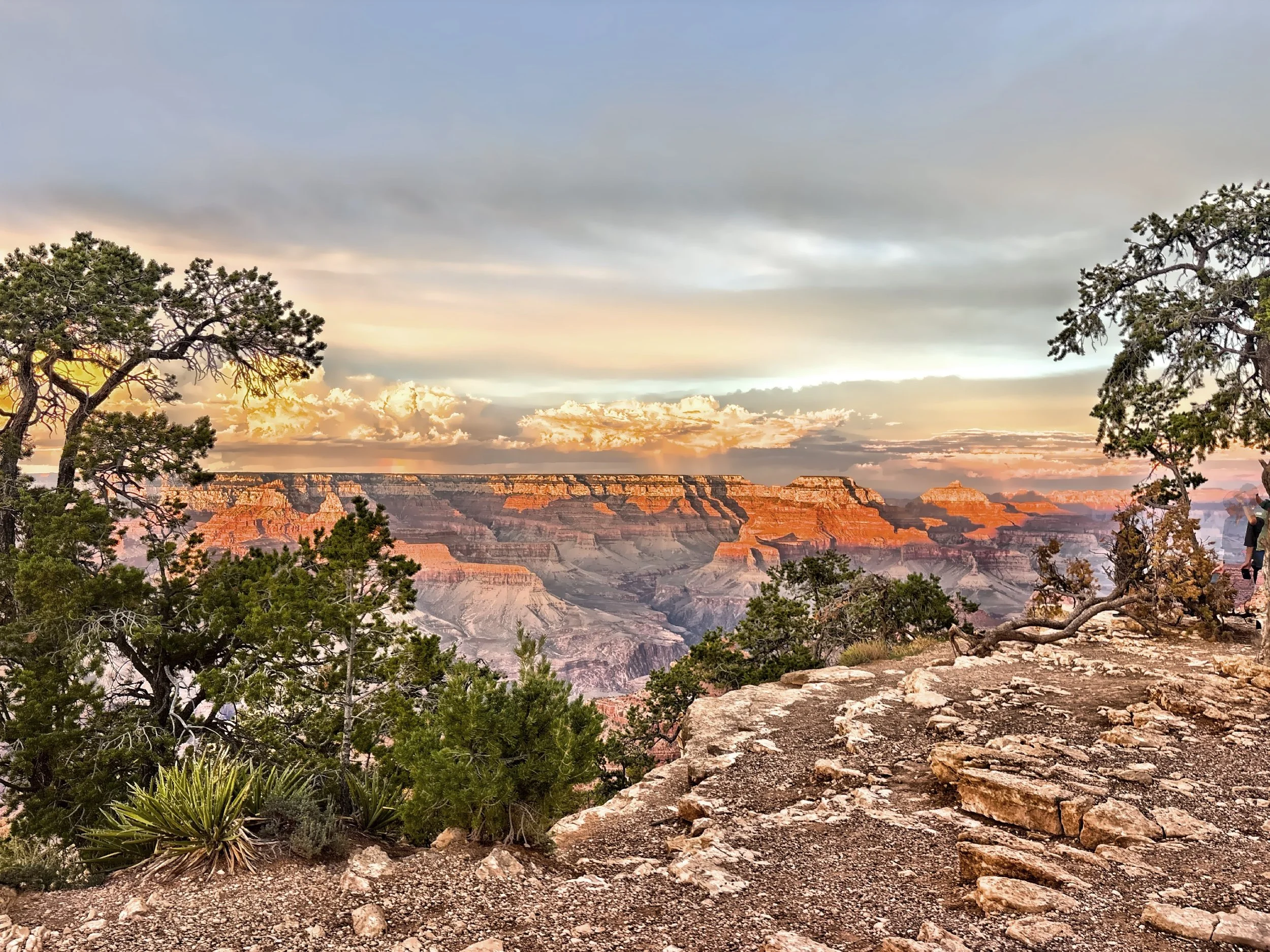
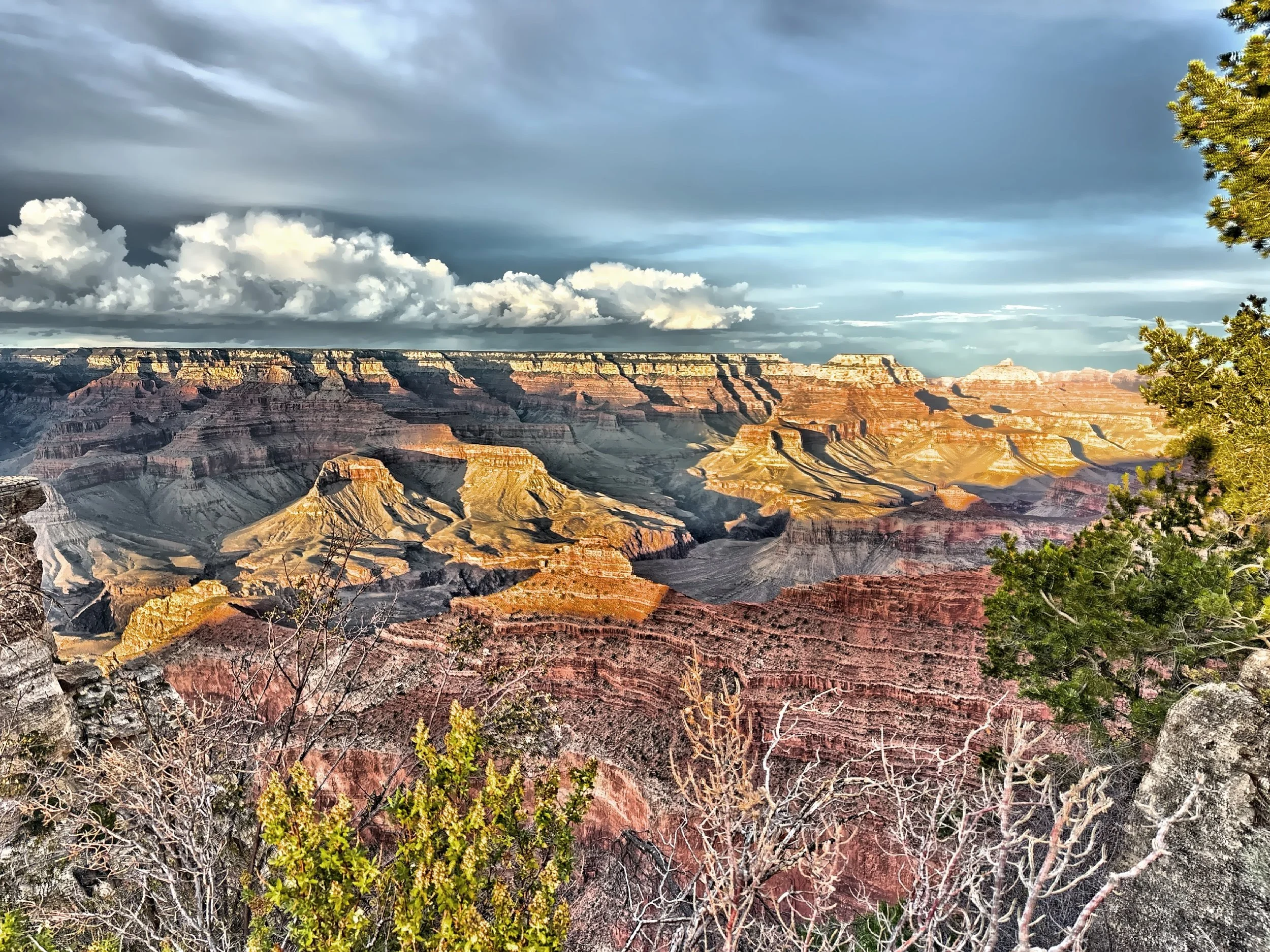
Carved over millions of years by the Colorado River, the Grand Canyon stands as one of America’s most extraordinary natural wonders. Its immense cliffs, vivid colors, and sweeping vistas reveal nearly two billion years of geological history, creating a landscape that inspires awe and invites exploration. Yet beyond its breathtaking scenery lies a deeper story, shaped by Indigenous heritage, enduring cultural traditions, and centuries of human encounters with this remarkable place.
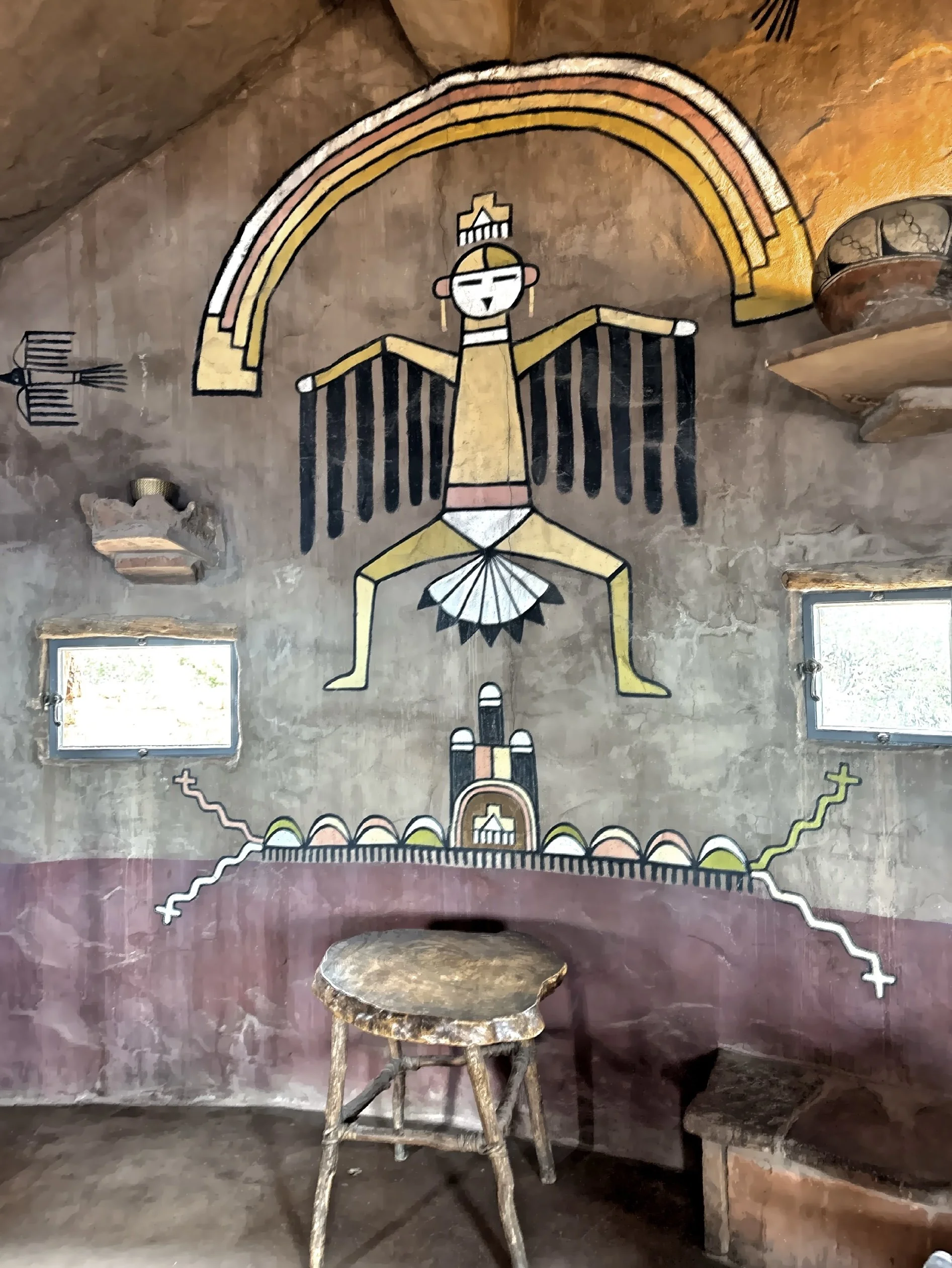
Long before the Grand Canyon became a national landmark, it was—and remains—the ancestral homeland of numerous Indigenous peoples. For these communities, the canyon is far more than a geological marvel; it is a sacred landscape deeply woven into their histories, spiritual beliefs, and cultural identities. Generations of Indigenous peoples have maintained enduring relationships with the canyon, shaping its human history long before the arrival of European explorers.
The establishment of Grand Canyon National Park in 1919 marked a significant turning point in the region’s history. Although the park was created to protect its extraordinary natural features, the expansion of conservation and tourism also brought significant consequences for Indigenous communities. Restrictions on access to ancestral lands disrupted traditional practices, including hunting, foraging, and gathering, while familiar routes and culturally significant places increasingly became subject to park regulations and tourism management. Indigenous peoples whose connections to the canyon long predated the park’s creation found themselves navigating new restrictions on lands central to their cultural and spiritual lives. This history reflects a broader pattern also evident in Glacier, Yellowstone, Zion, Bryce, and Grand Teton National Parks, where conservation policies often restricted Indigenous access to ancestral lands, disrupted traditional lifeways, and marginalized Native histories and cultural connections to these landscapes.
The Grand Canyon’s recorded history of European exploration dates to the sixteenth century. In 1540, Spanish explorer Garcia Lopez de Cardenas led an expedition that became one of the earliest documented European encounters with the canyon, though Indigenous peoples had known and inhabited the region for generations. Centuries later, John Wesley Powell’s expeditions helped bring the canyon to wider public attention, fueling interest in its geology and natural beauty. With its designation as a national park in 1919, the Grand Canyon entered a new chapter as a protected national treasure. Yet this recognition also underscored a lasting tension between preserving the landscape for public enjoyment and acknowledging the rights, histories, and continuing presence of the Indigenous peoples whose ancestral connections to the canyon long predated its designation.
Today, the Grand Canyon offers more than an encounter with one of the world’s most remarkable landscapes; it provides an opportunity to understand a place of profound cultural and historical significance. Its geological formations preserve a record spanning billions of years, while Indigenous communities maintain traditions and relationships with the canyon that reach back across countless generations. Recognizing both histories offers a fuller appreciation of the Grand Canyon—not only as a natural wonder, but also as a living cultural landscape shaped by enduring connections between people and place.
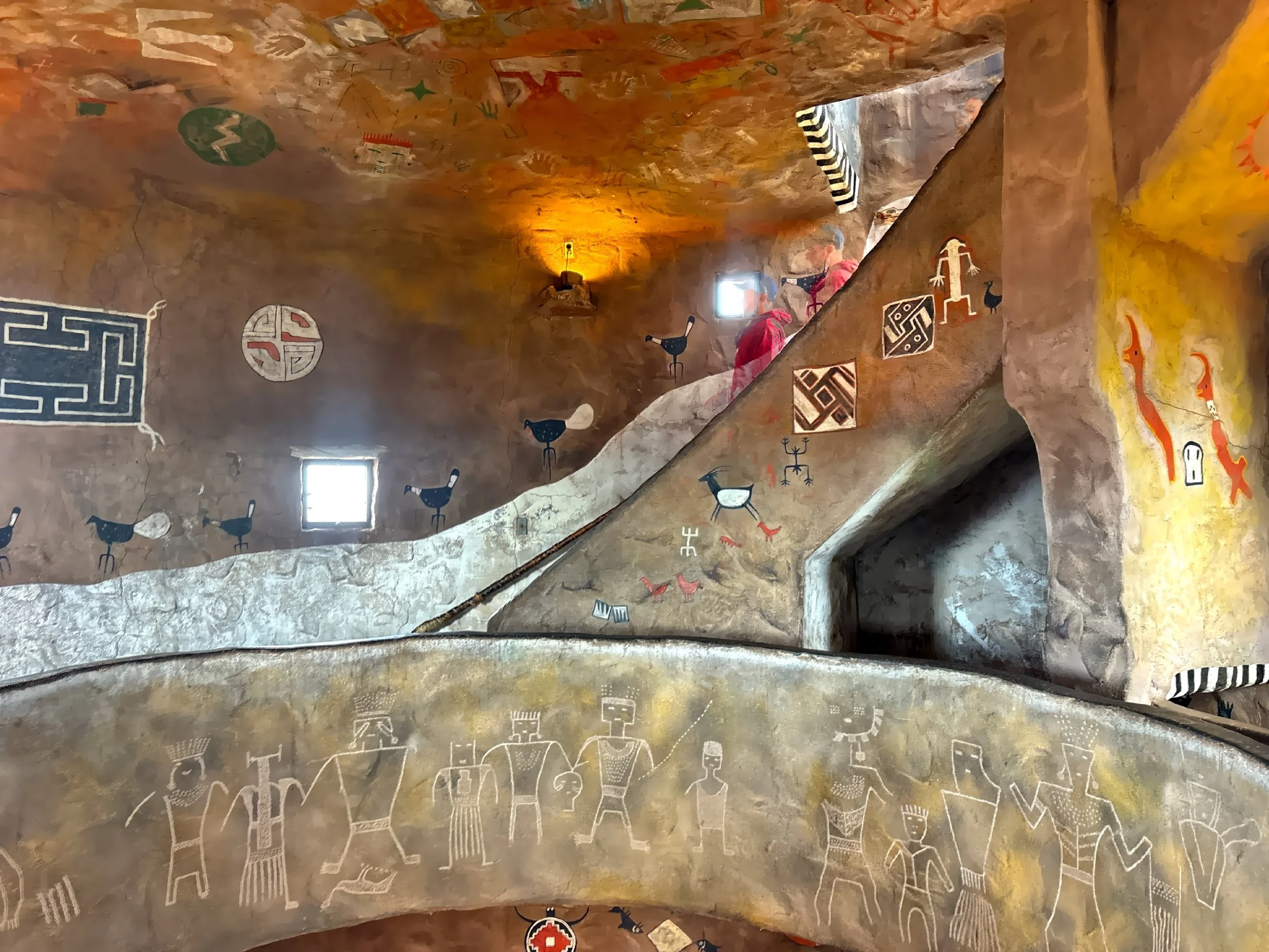
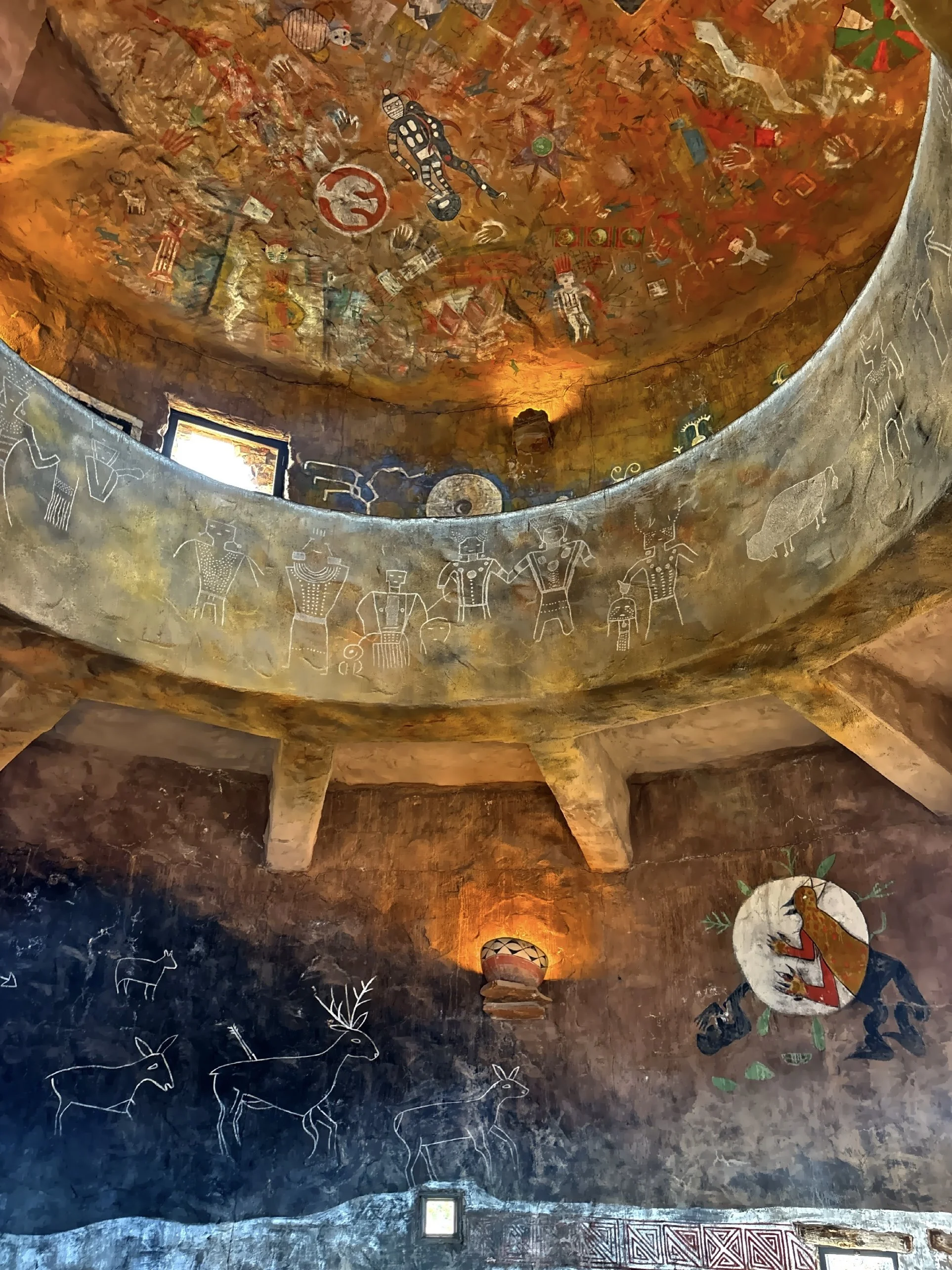
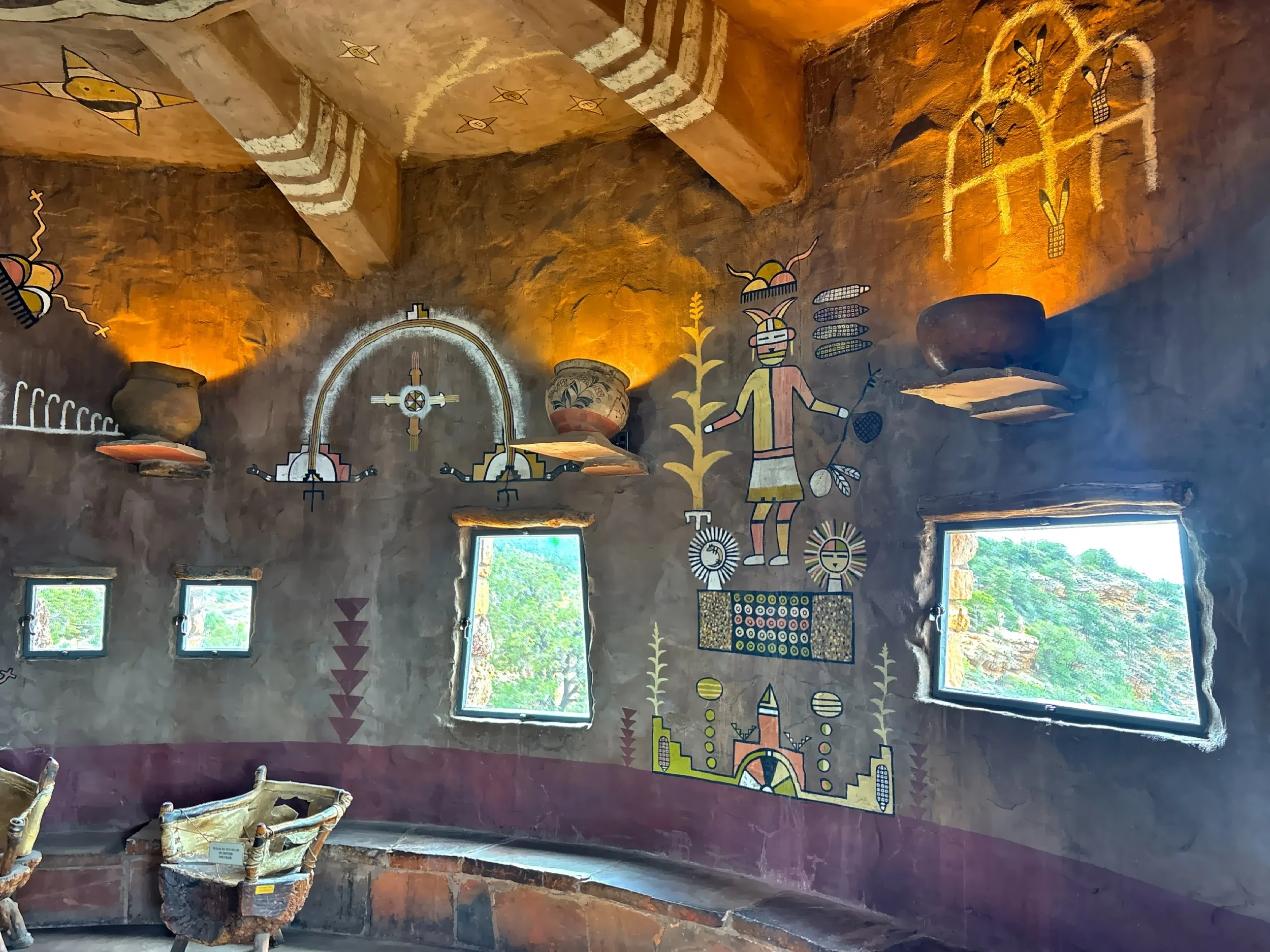
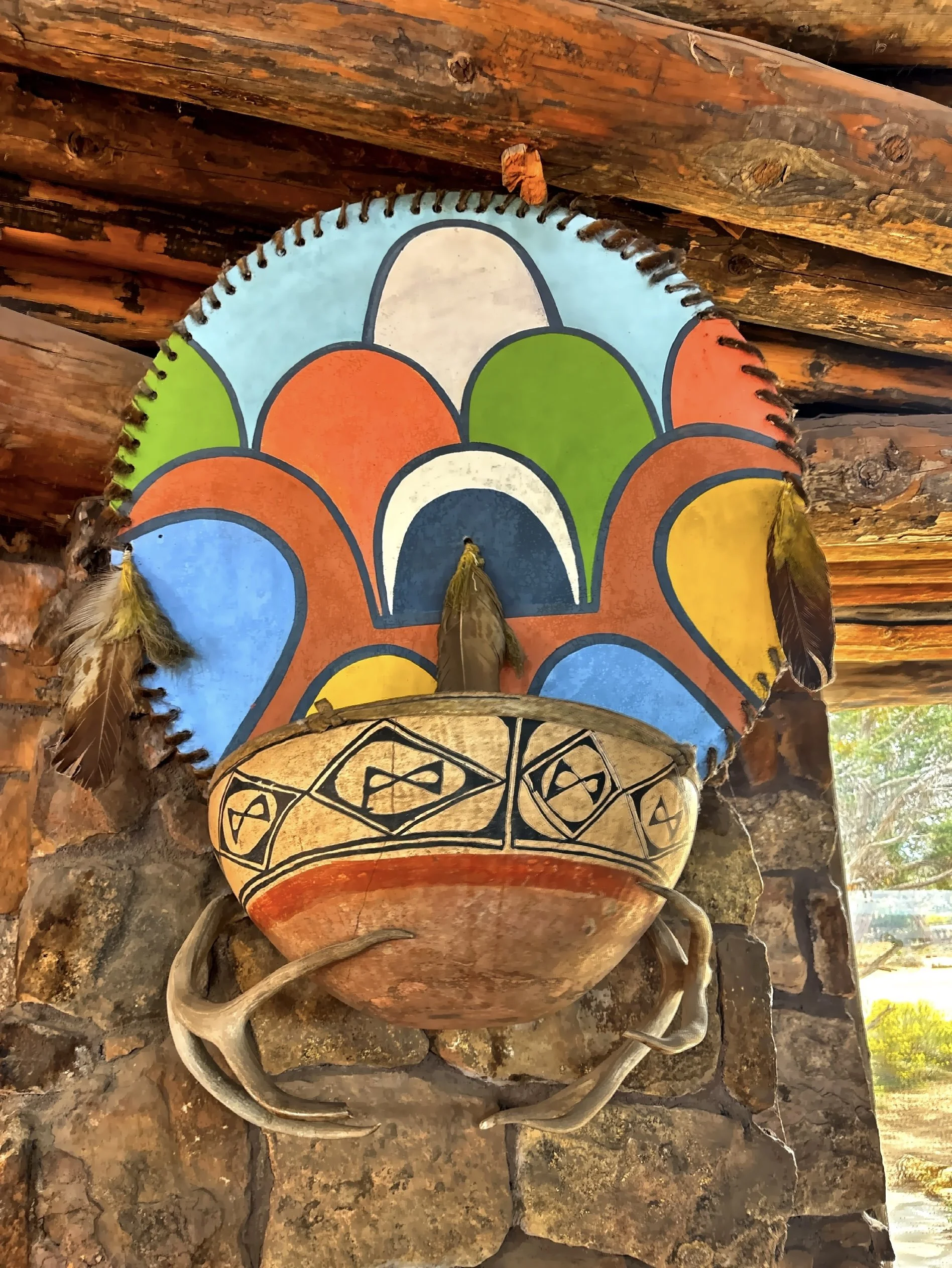
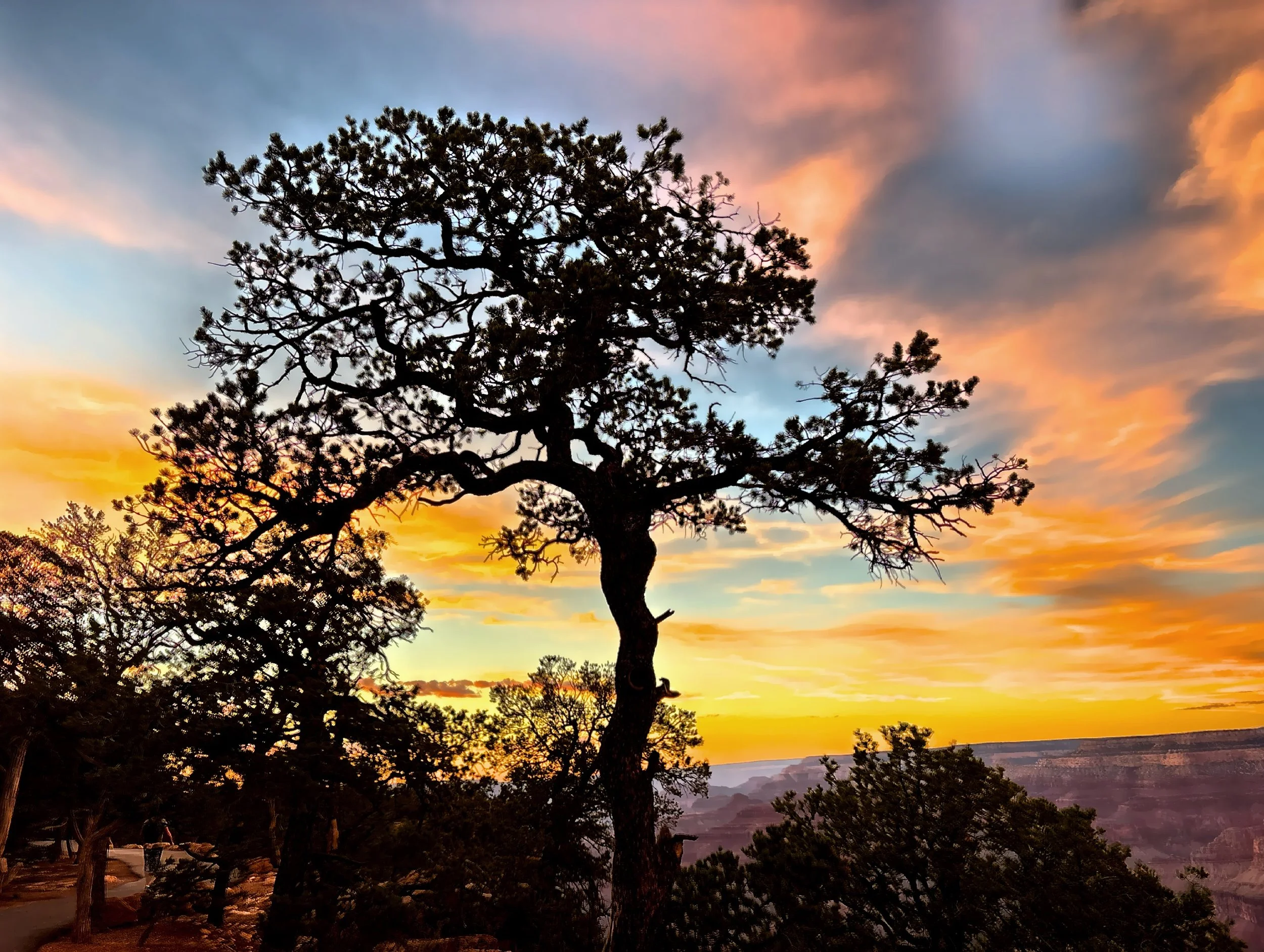
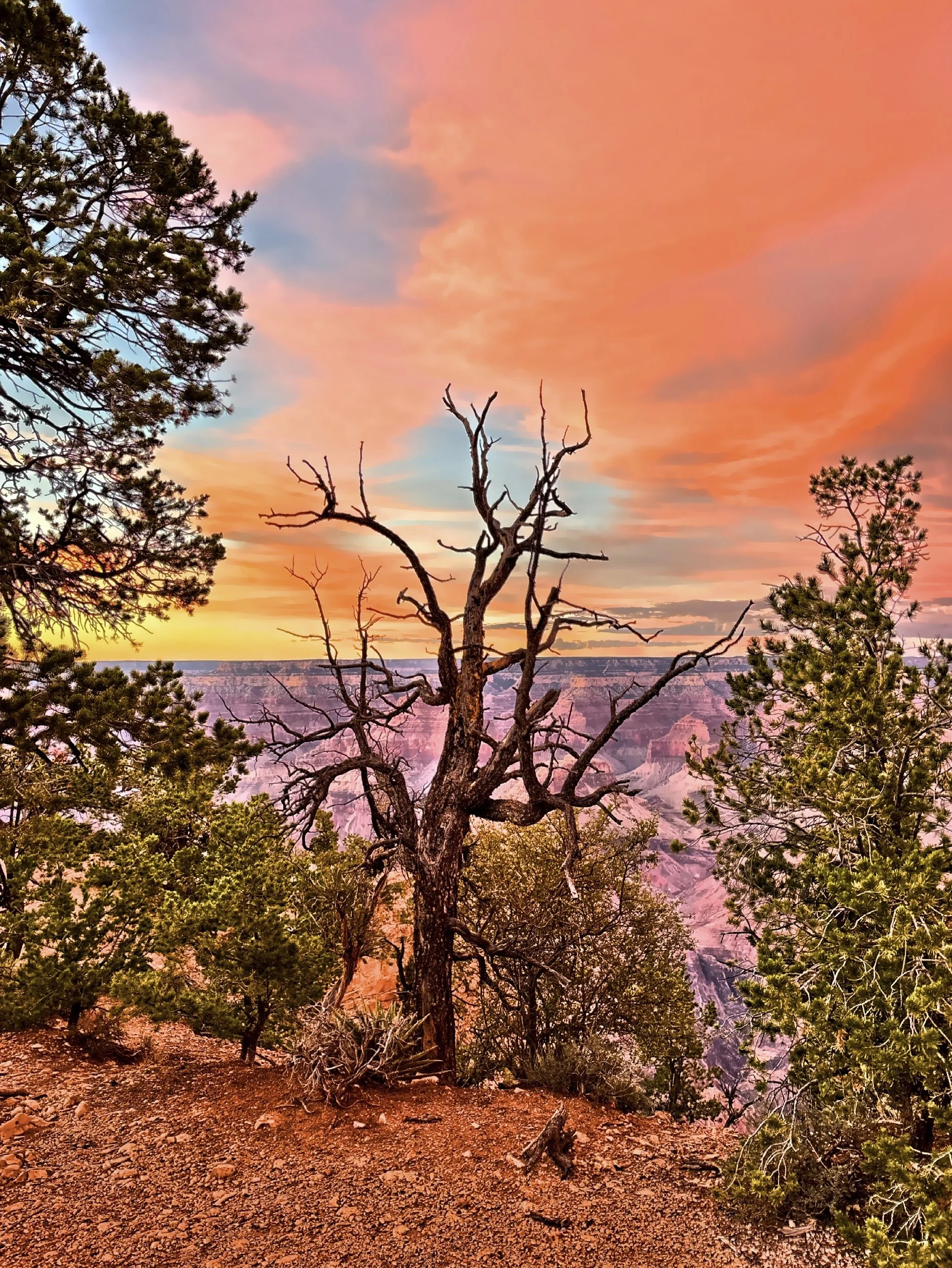
This is what caught my eye - I hope you enjoy!
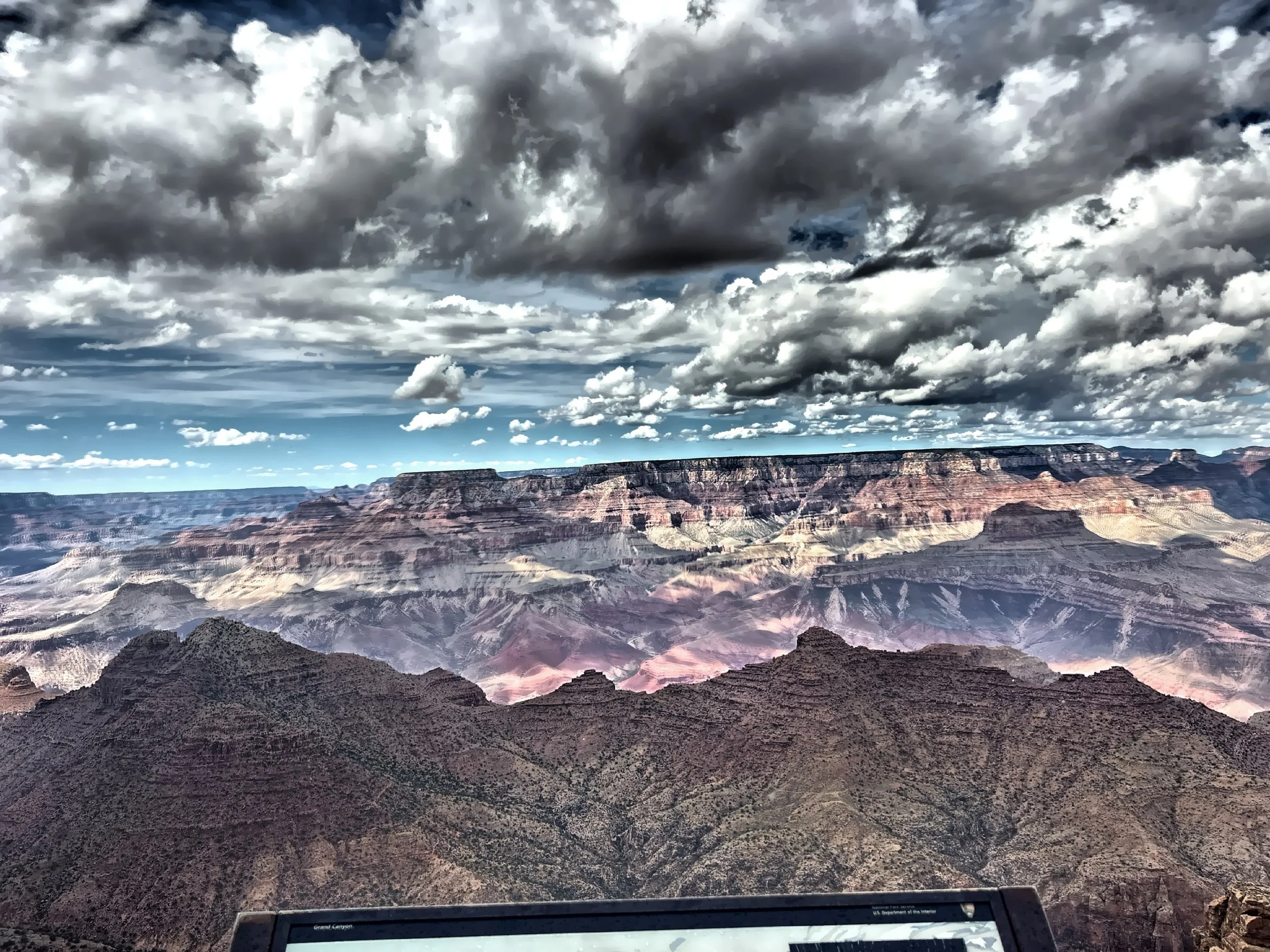
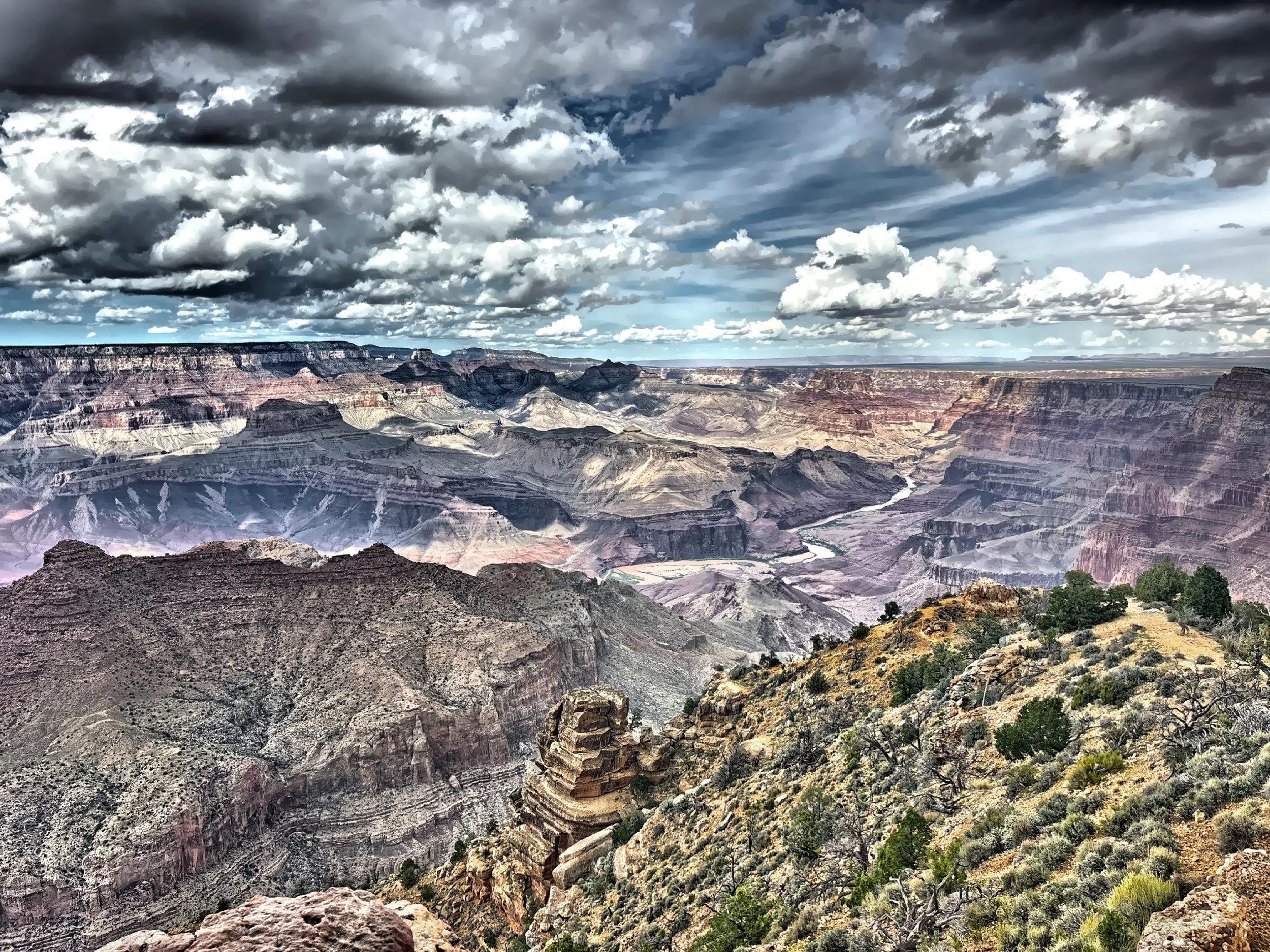
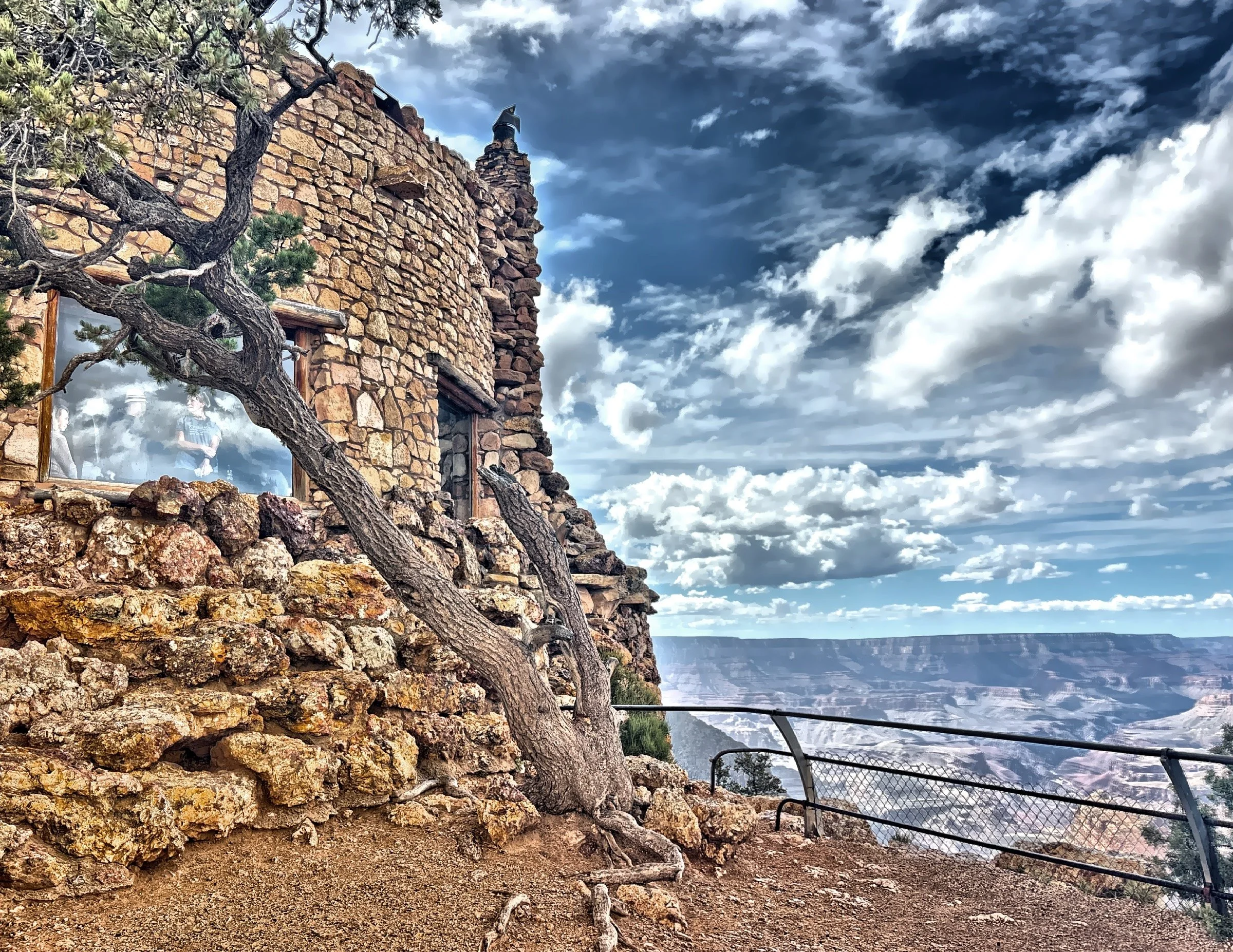
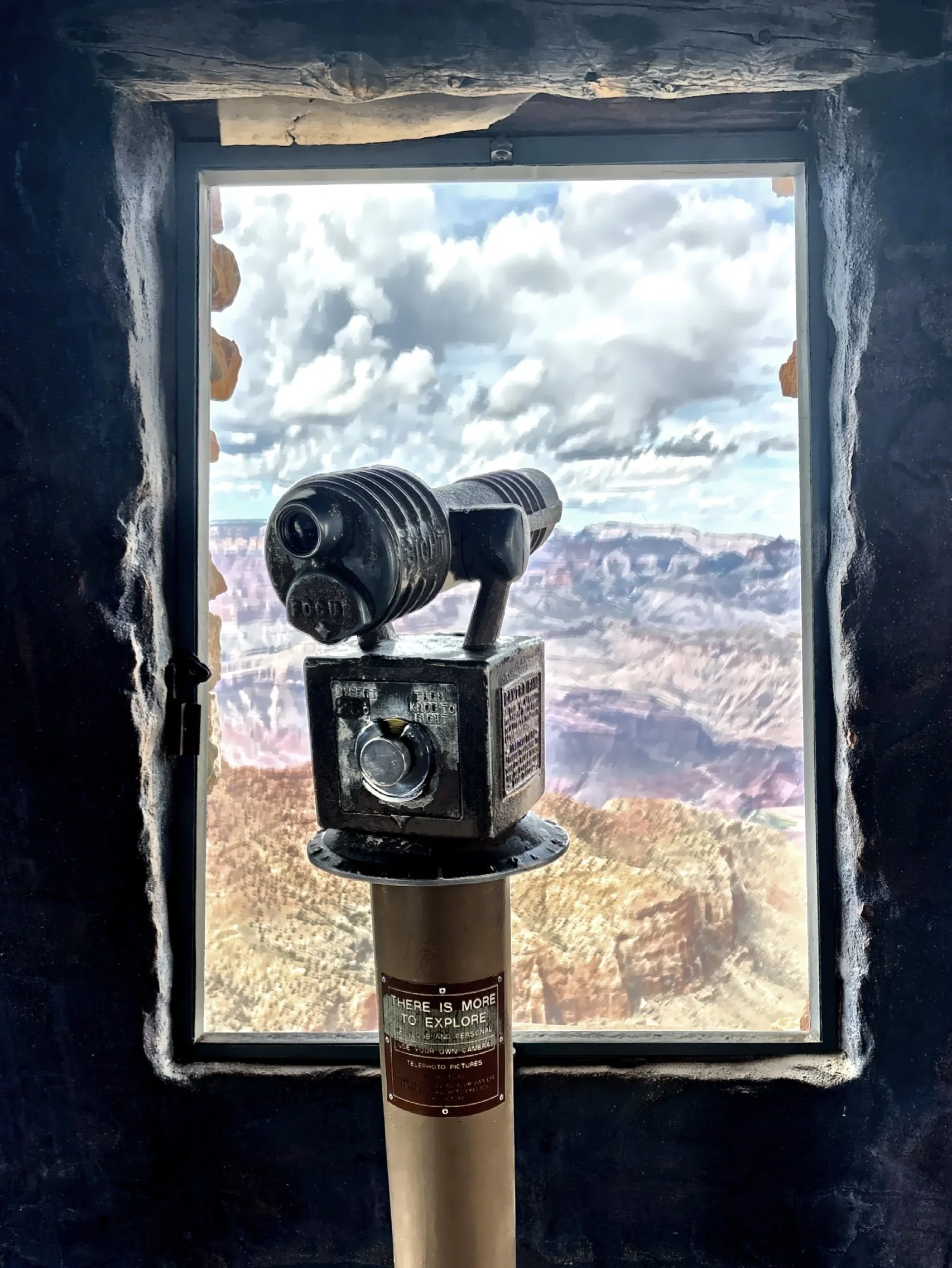
Do you like the images posted?
Click here to explore the shop.
What you should know:
Check website for days and hours of operation.
There is a vehicle entry fee which includes parking parking which can be purchased on site or online.
Parking near El Tovar Hotel, Bright Angel Lodge, and the very small lot adjacent to Verkamp's Visitor Center is extremely limited.
America the Beautiful - National Parks and Federal Recreational Lands Passes are accepted here.
Public restrooms are available.
The park contains a restaurant, cafe and overnight lodging.
You could spend anywhere from a couple of hours to a couple of days exploring here.
There are many walking and hiking trails and roads throughout the park.
Be respectful of the park property and the animals that call it home.
Do not approach, pet or feed wildlife.
Stay on designated trails.
Bring water, sun protection, good footwear, snacks, and a realistic hiking plan.
Store food and trash properly.
The weather and temperature can change quickly and dramatically, dress or bring layers.
Don't underestimate short hikes or the elevation.
The Park Ranger hikes and talks are informative.
The park contains a restaurant, cafe and overnight lodging.
The park sits around 8,000 feet, with some areas above 9,000 feet, which means you may notice shortness of breath or fatigue more quickly than expected, especially when hiking uphill.
The South Rim is the main destination for first-time visitors. It is open year-round and receives about 90% of the park's visitors. The North Rim is higher, quieter, and more remote, but it has a shorter season.
Hiking into the canyon is much harder than hiking along the rim.
Use the free South Rim shuttles.
Location: South Entrance Road (AZ-64), Grand Canyon Village, AZ 86023
For more information: Grand Canyon
If you enjoyed this post, feel free to check out my previous posts by clicking here.