
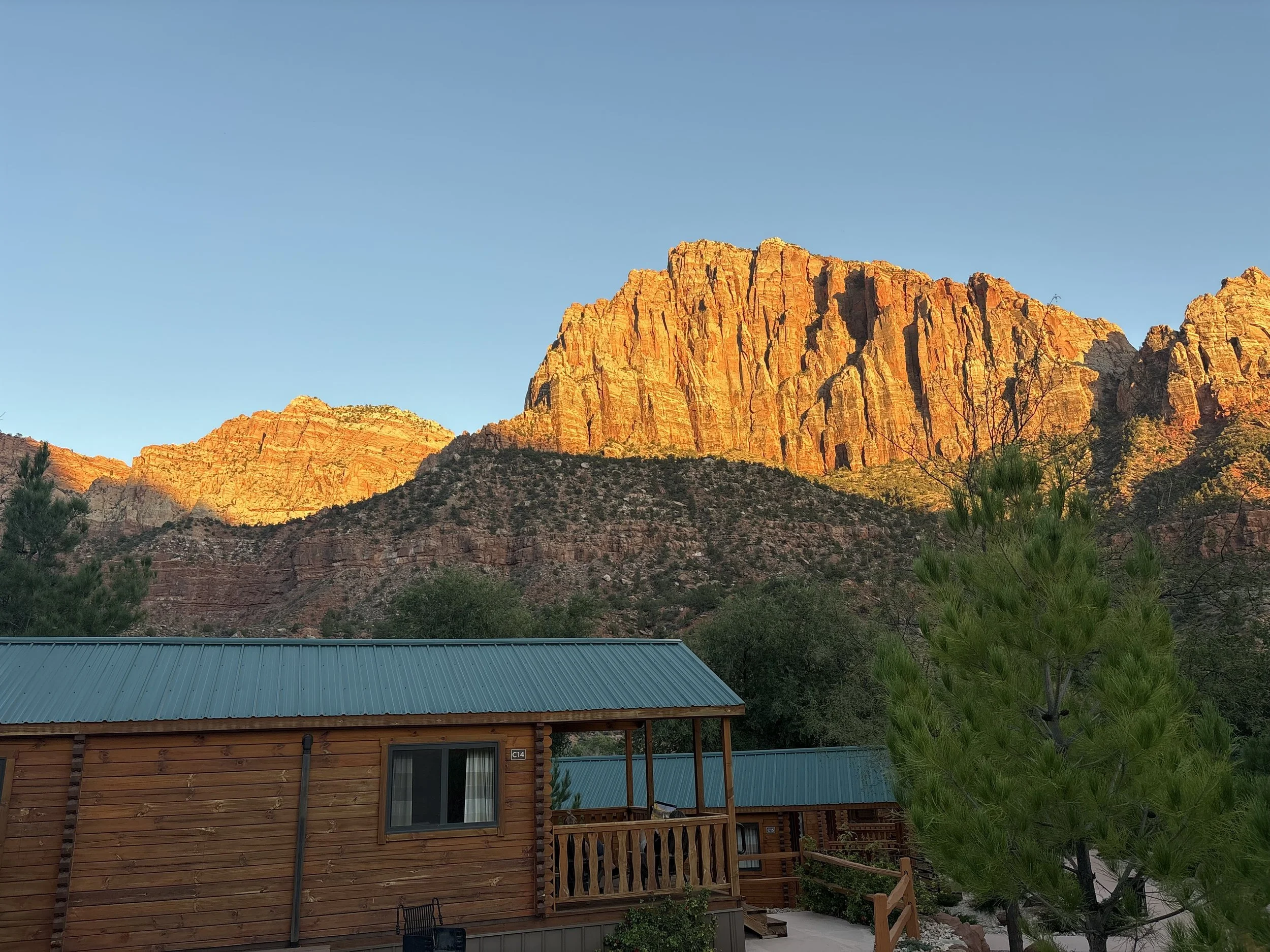
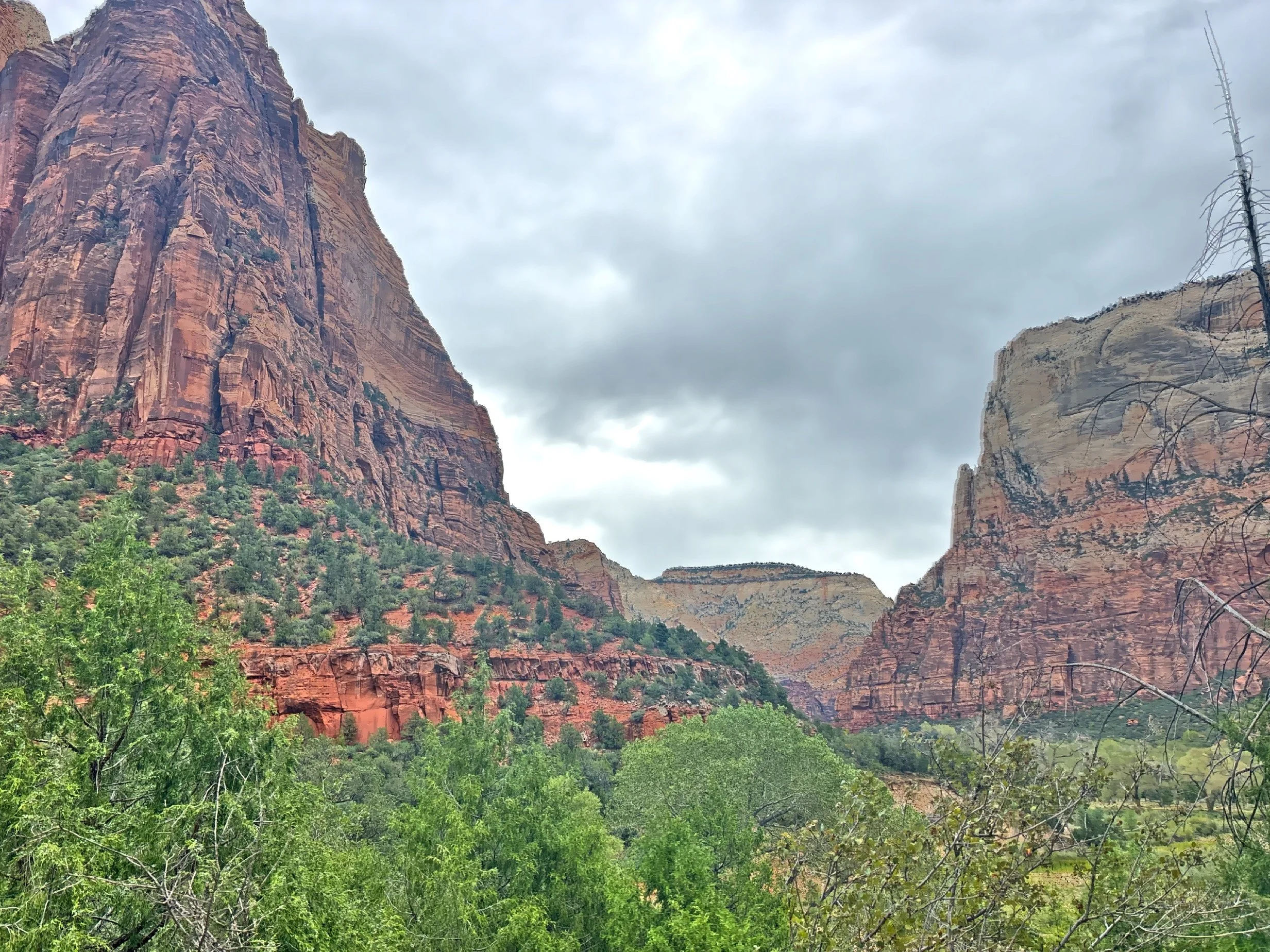
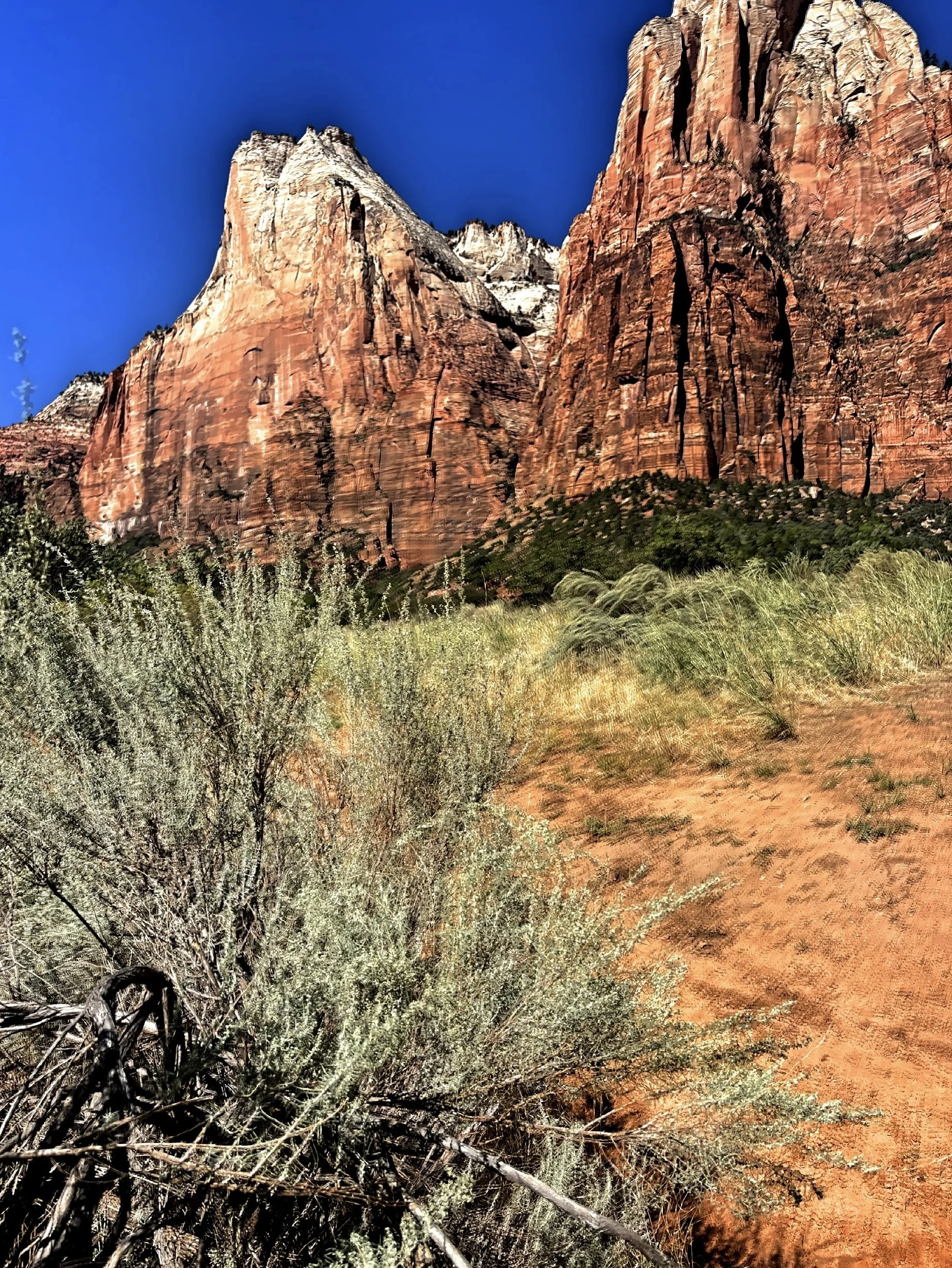
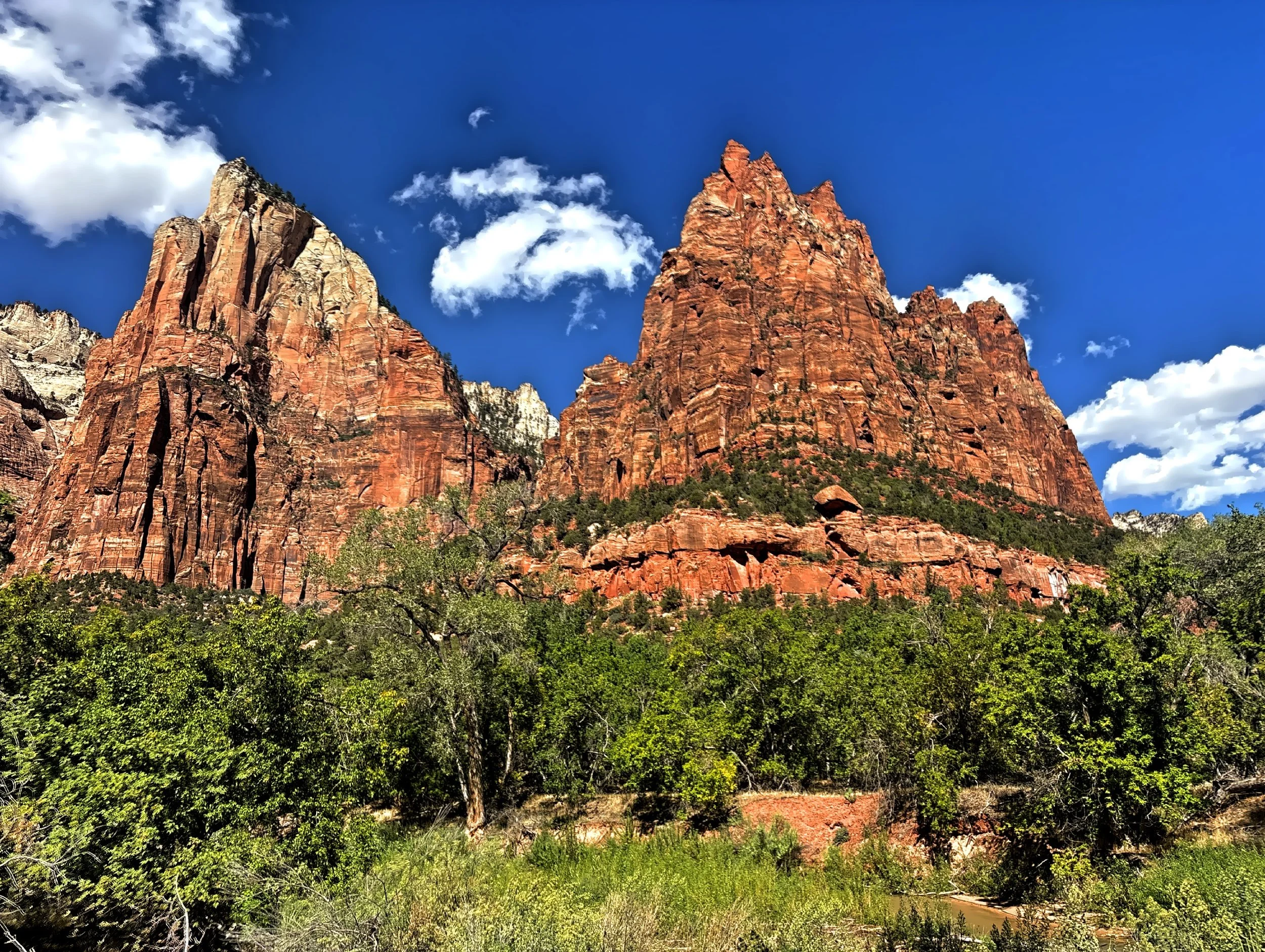
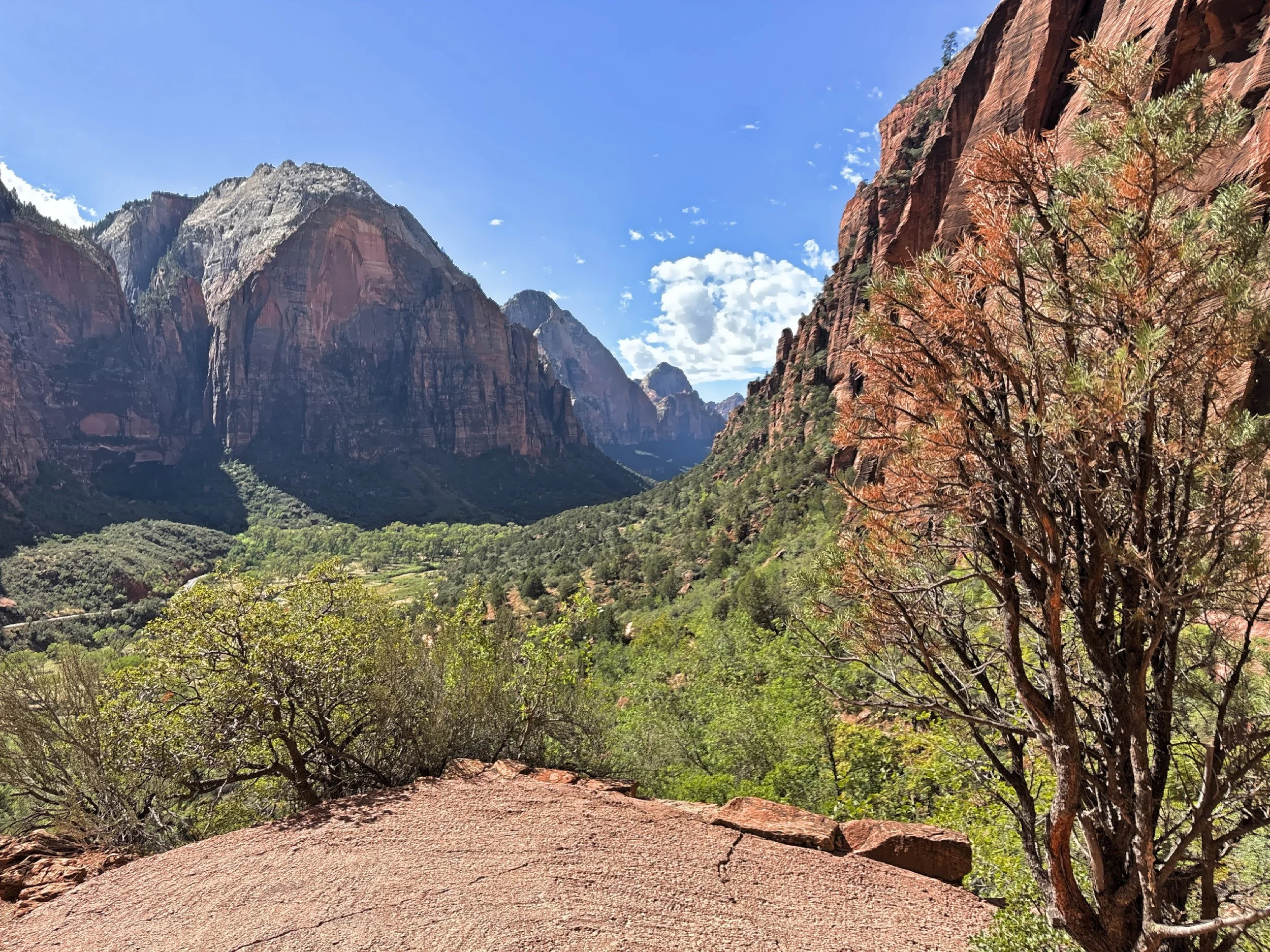
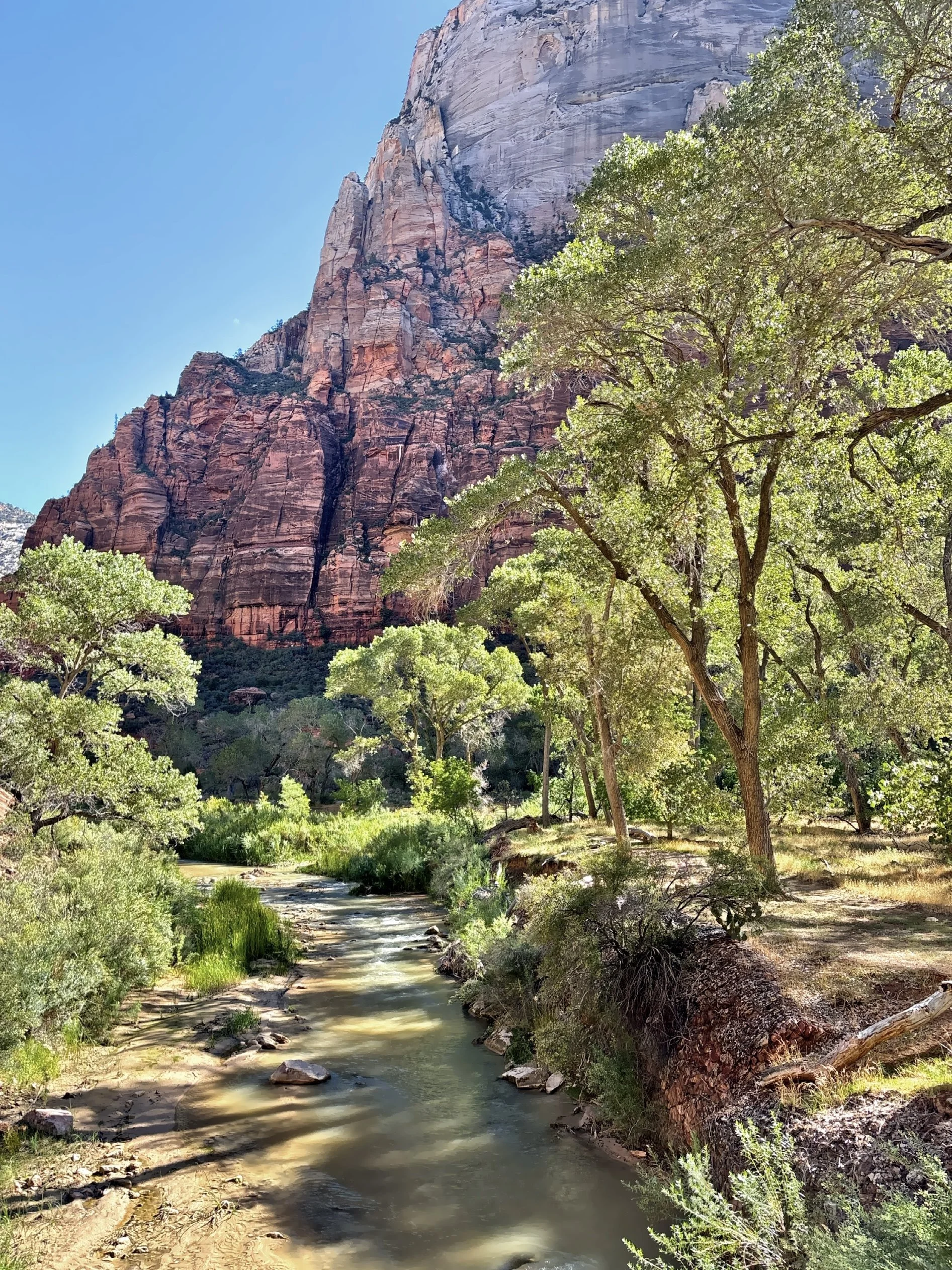
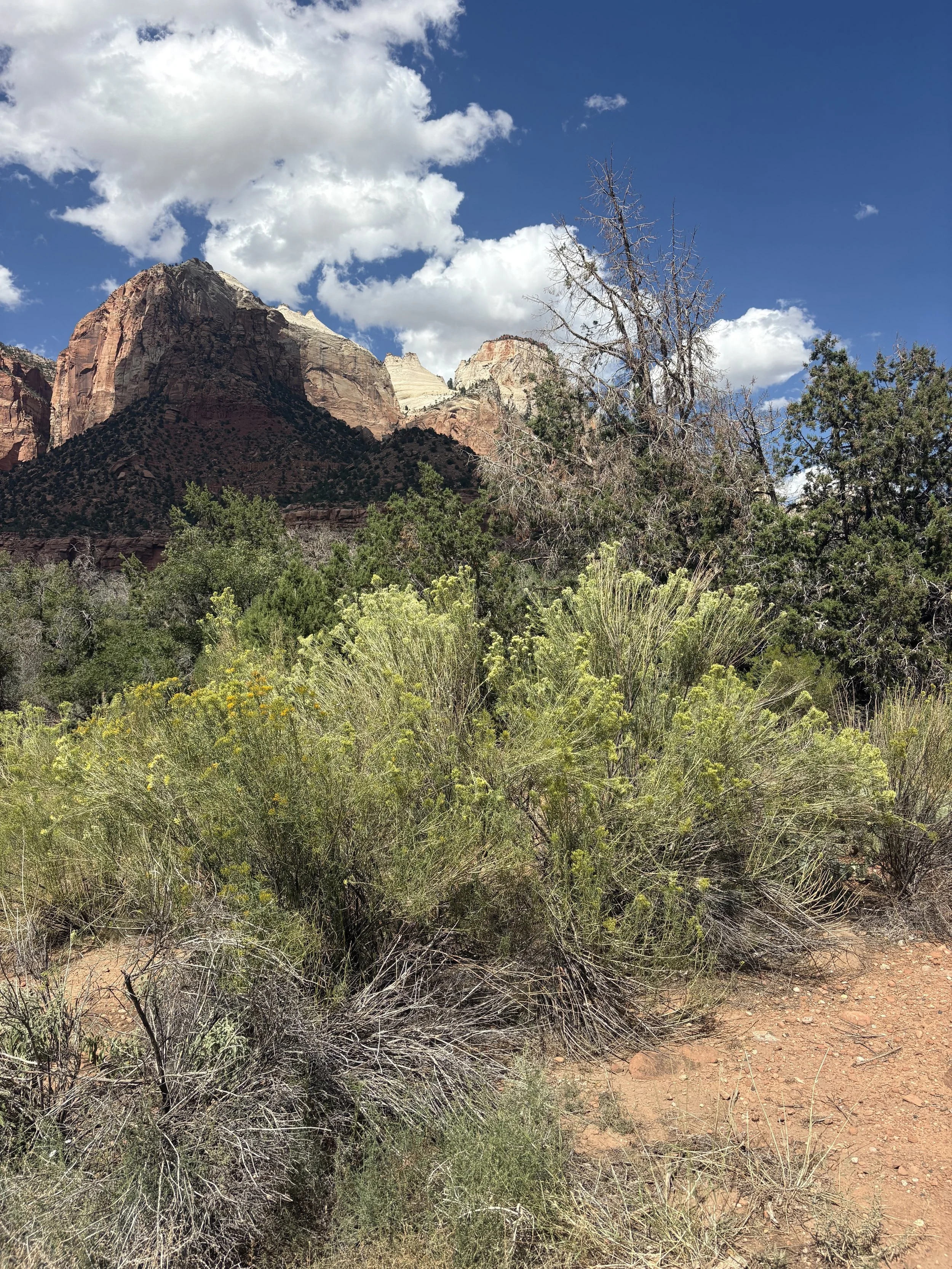
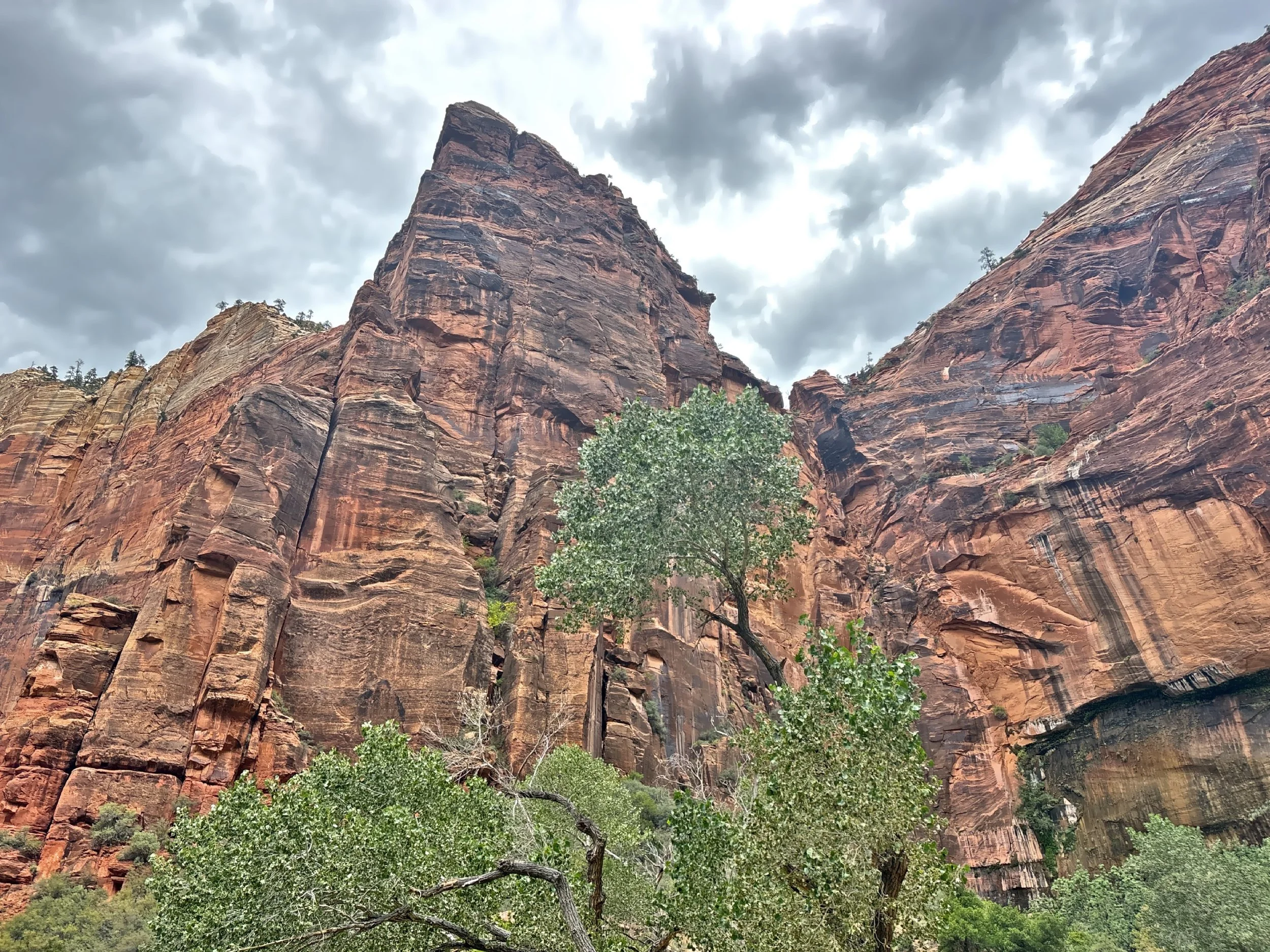
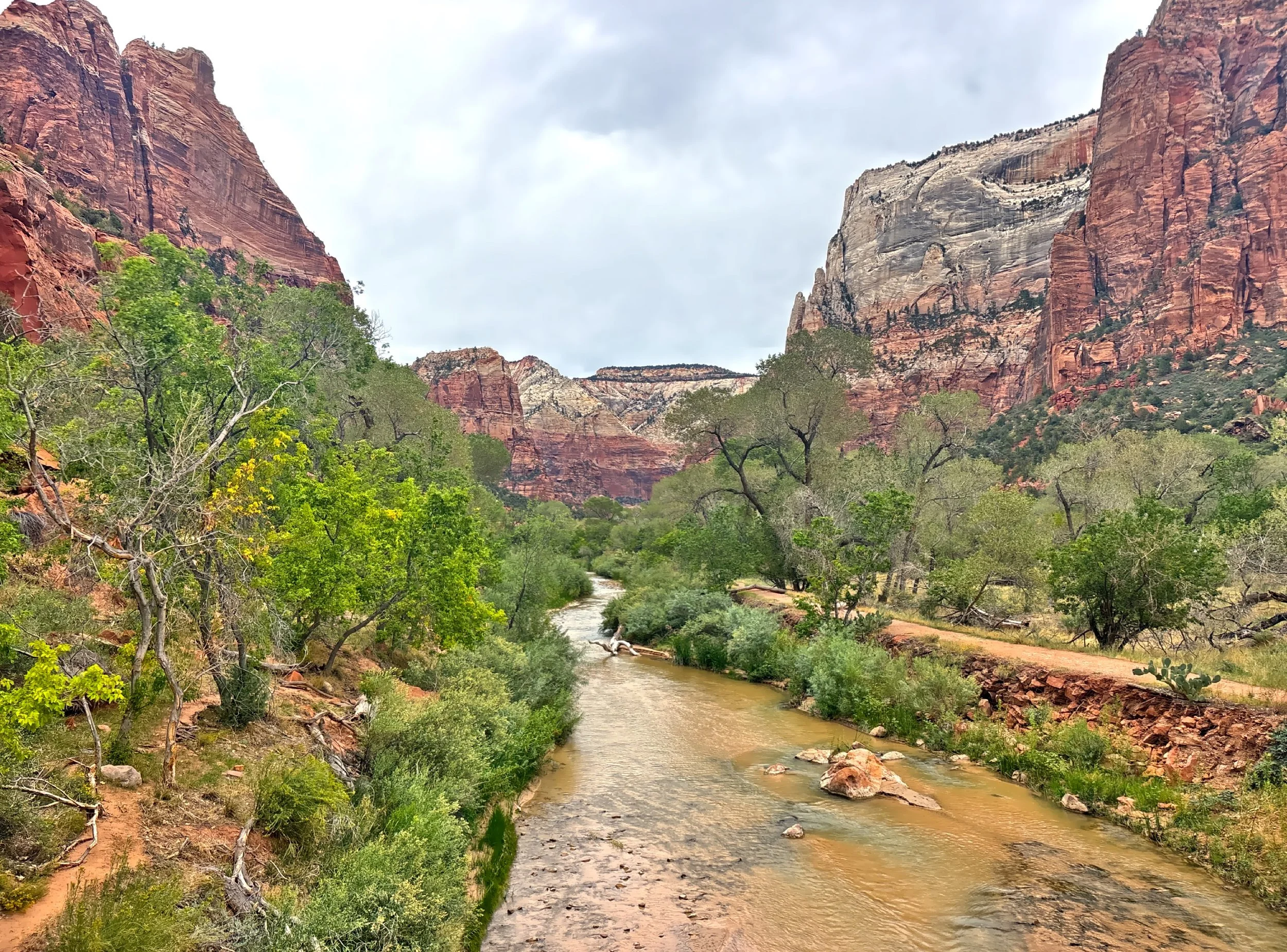
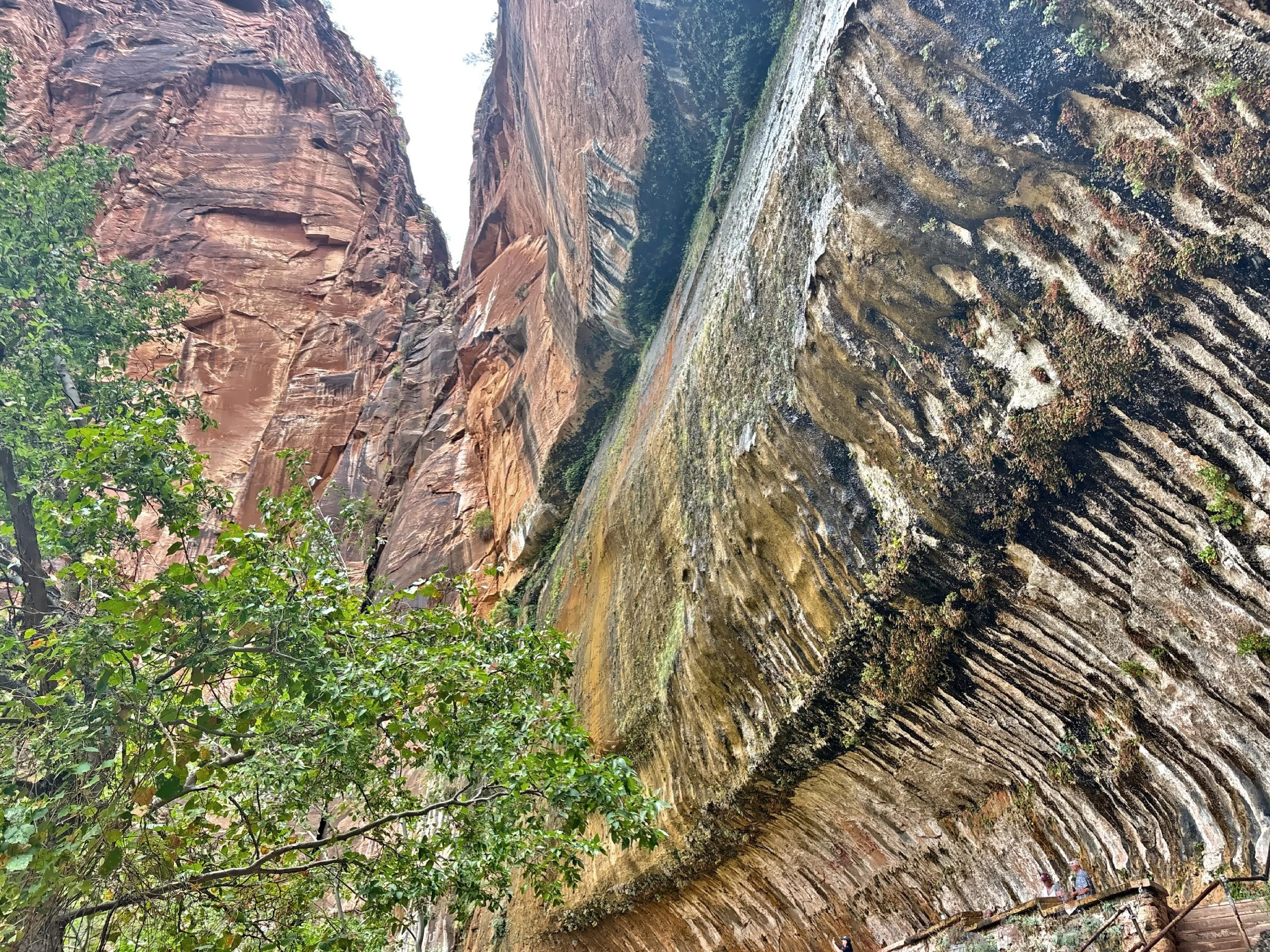
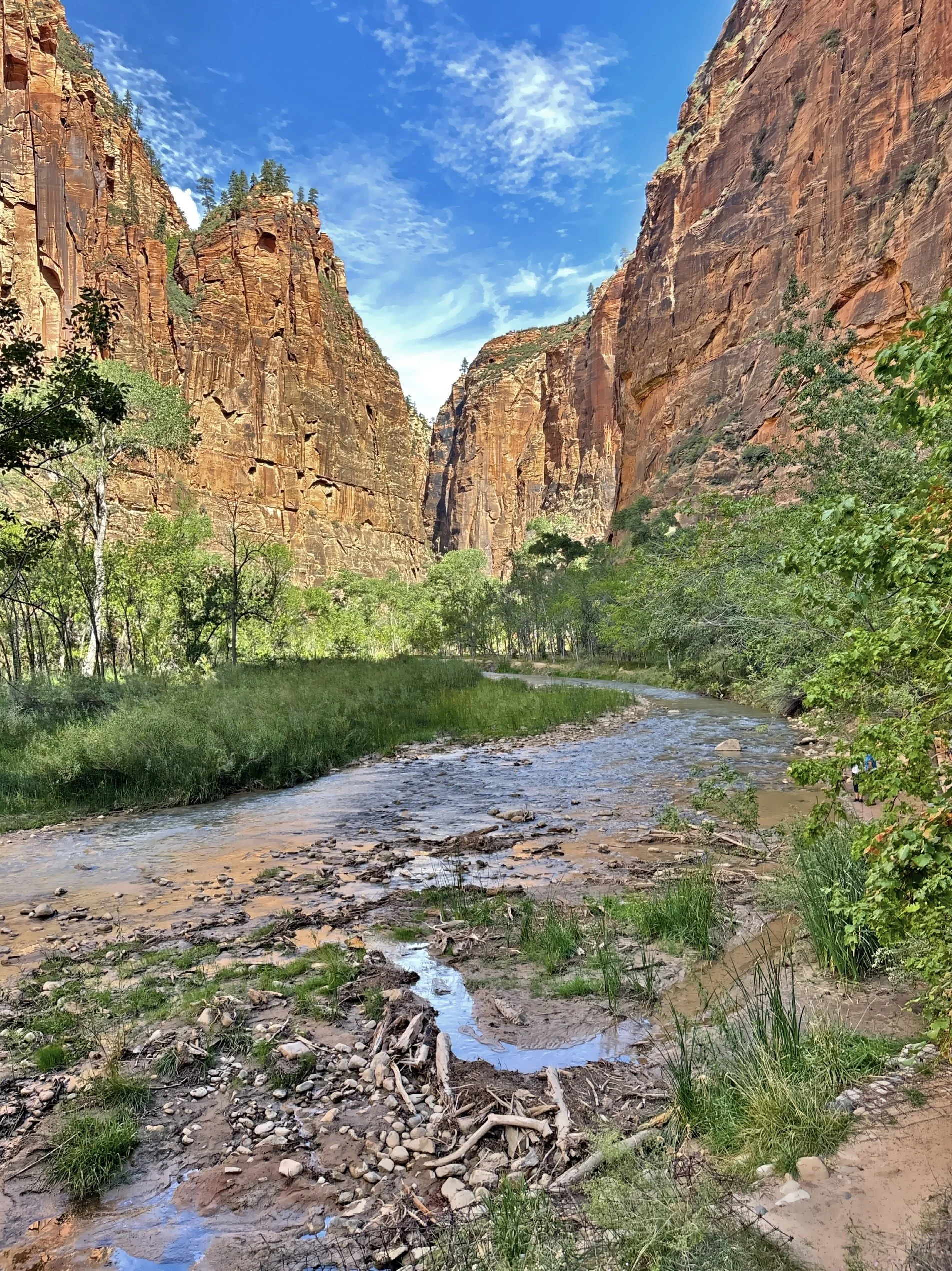
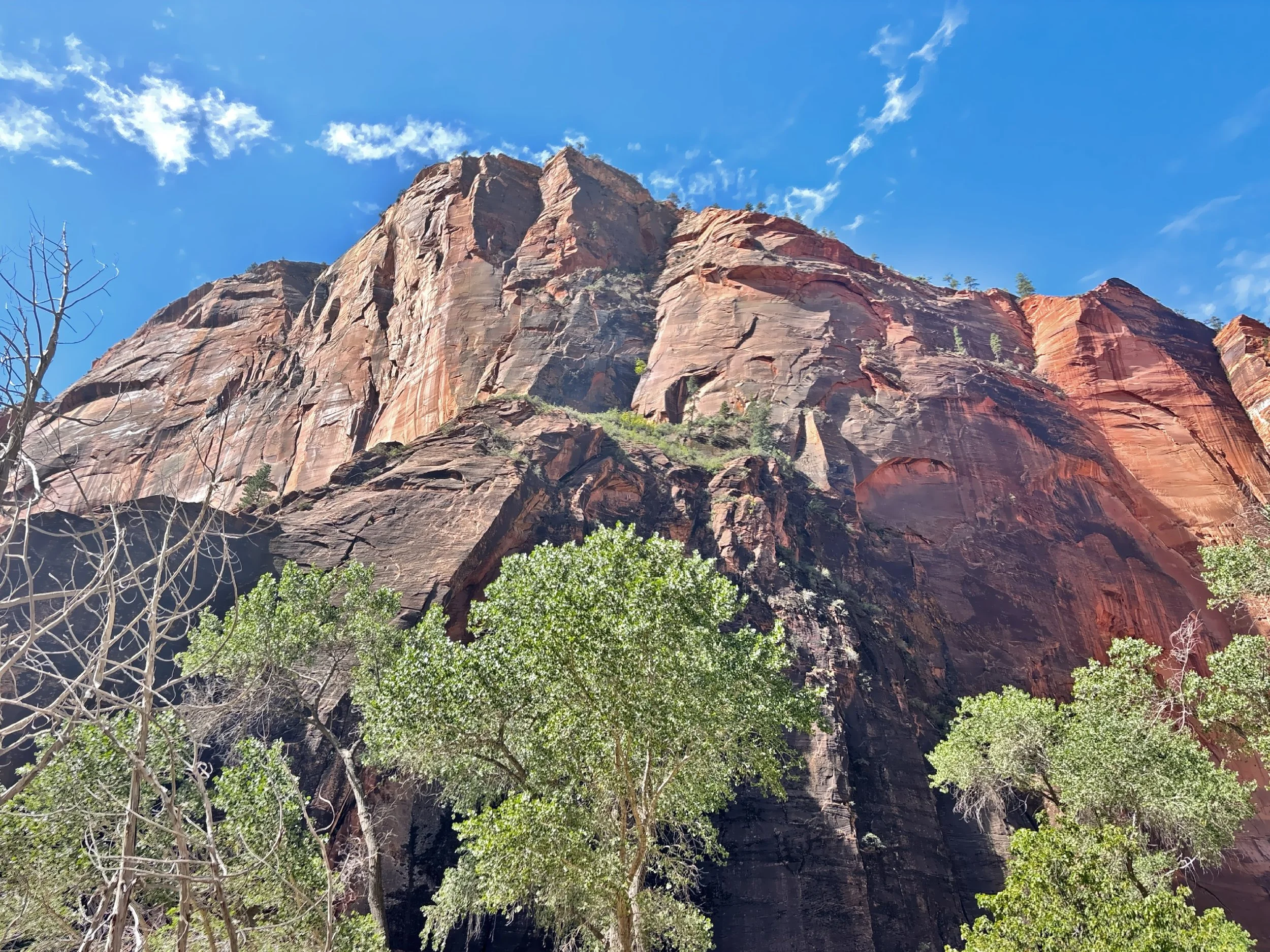
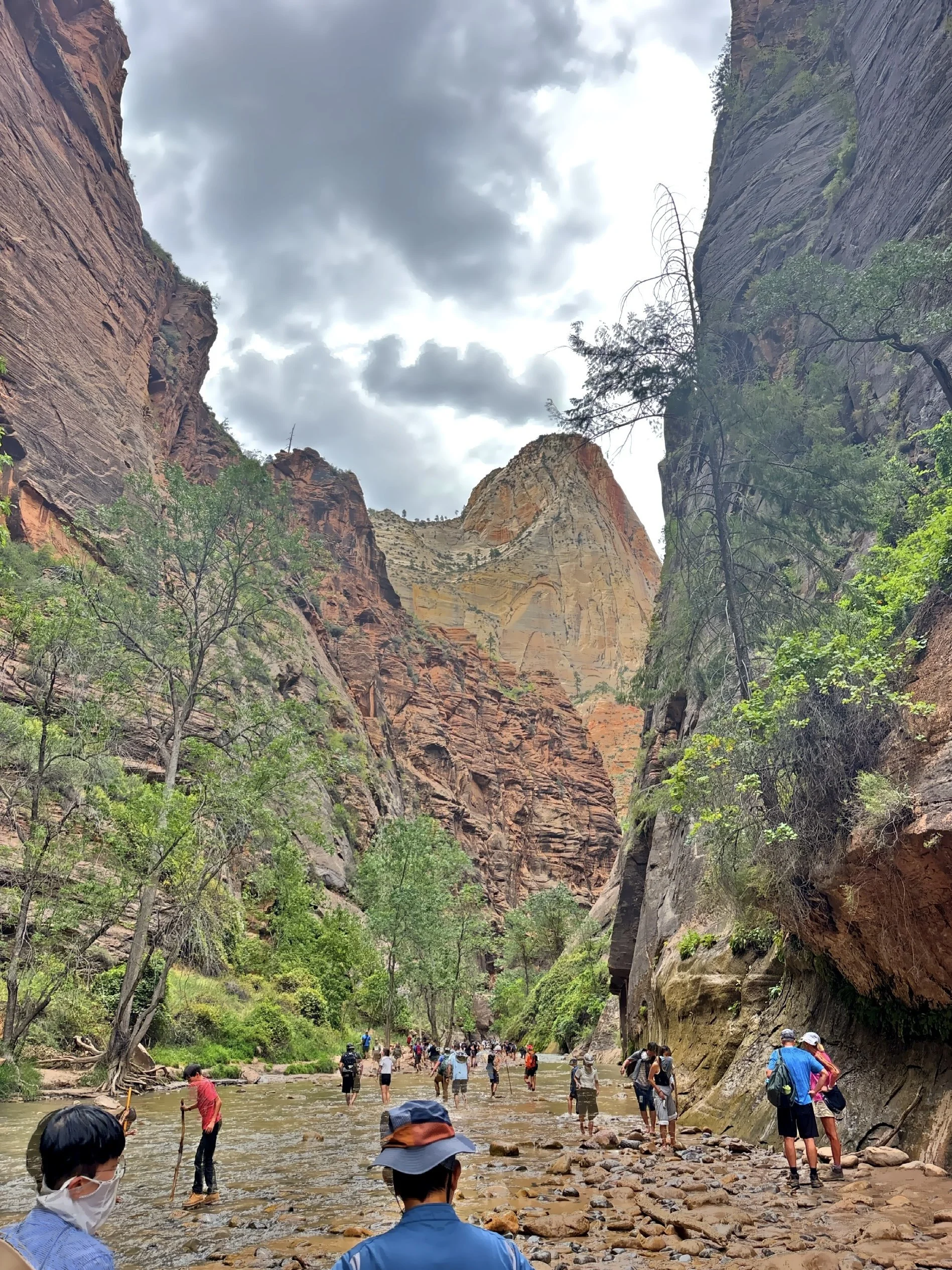
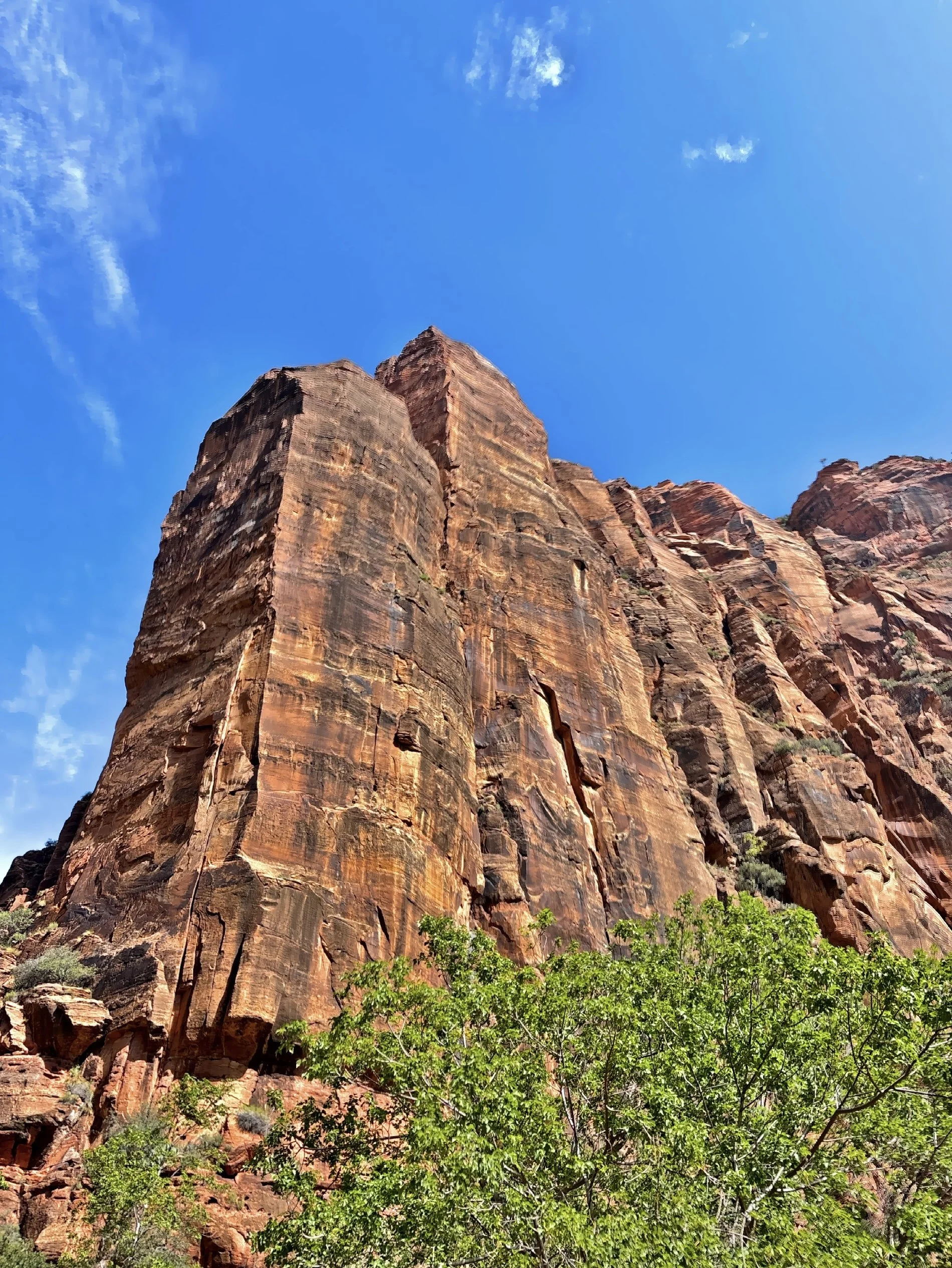
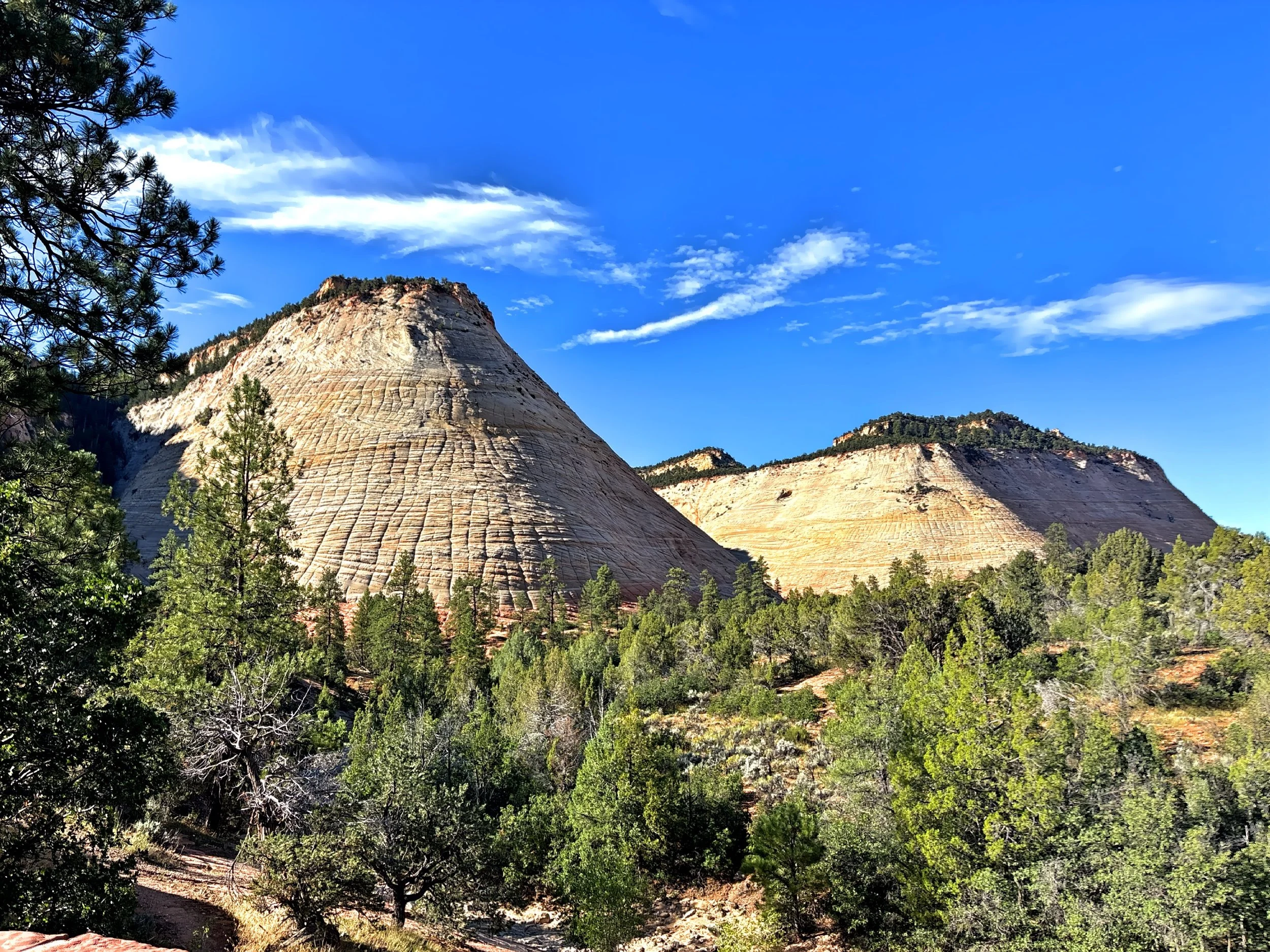
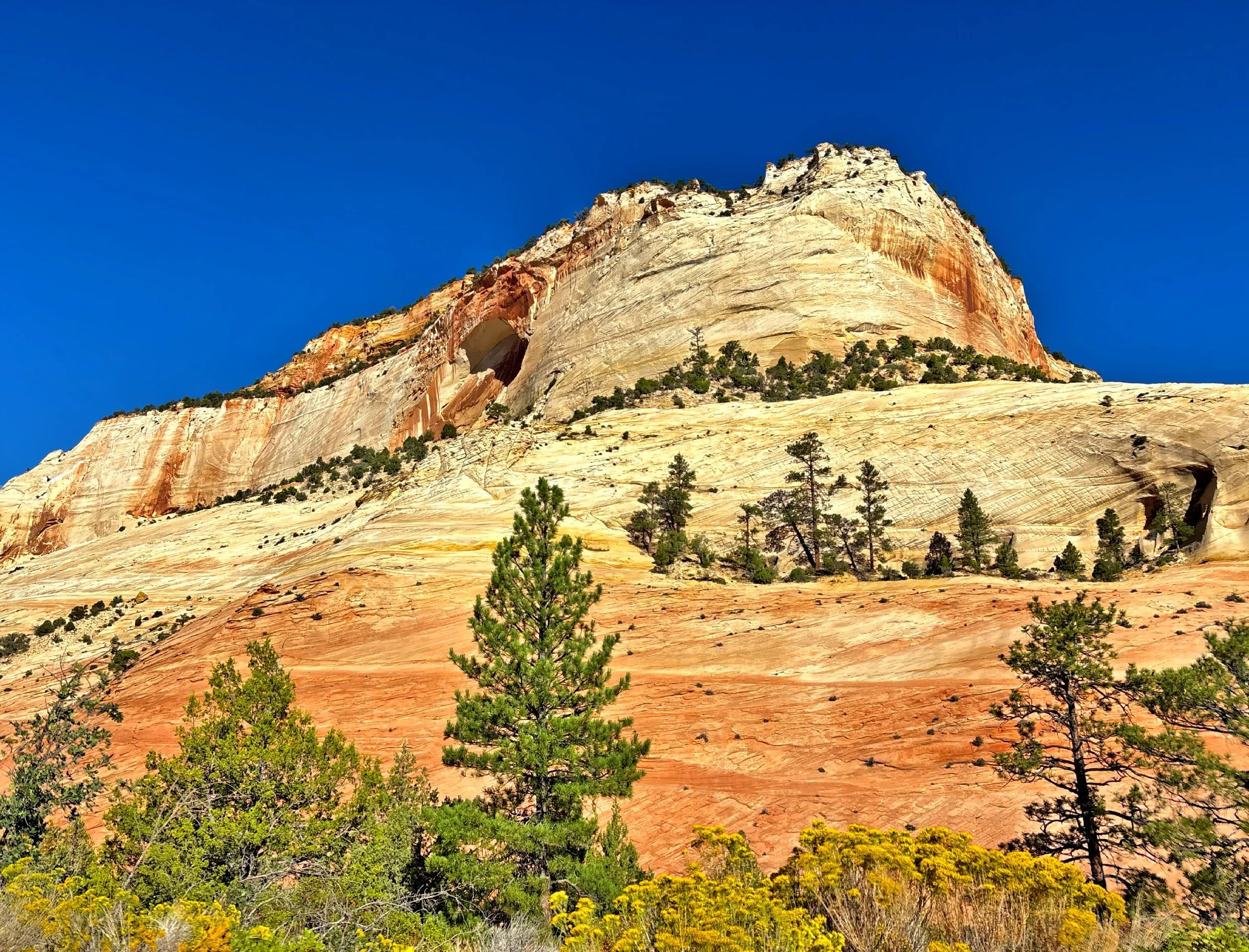
Zion National Park in southwestern Utah is renowned for its towering sandstone cliffs, winding rivers, and narrow slot canyons shaped by millions of years of erosion. Beyond its natural beauty, the park holds a complex history of Indigenous connection, settlement, and displacement.
Long before European American settlers arrived, Southern Paiute communities lived in and traveled through the region, cultivating crops, gathering native plants, and maintaining deep cultural and spiritual ties to the land. During the nineteenth century, Mormon settlement along the Virgin River disrupted these lifeways, limiting Indigenous access to traditional lands and contributing to displacement.
The park’s establishment also transformed the region. Originally known as Mukuntuweap, the area was renamed Zion as tourism promotion expanded, and it became Utah’s first national park in 1919. Although national park status protected its remarkable landscapes, official boundaries and restrictions often marginalized Indigenous relationships with ancestral lands. The establishment of Zion National Park reflected a broader pattern also seen in Glacier, Yellowstone, Grand Teton, Bryce, Zion and Grand Canyon National Parks, where conservation efforts often restricted Indigenous access to ancestral lands, disrupted traditional lifeways, and marginalized Native histories and cultural connections to these landscapes. Promotional narratives frequently portrayed Zion as untouched wilderness, overlooking the Southern Paiute and other Indigenous peoples who had long inhabited and cared for the region.
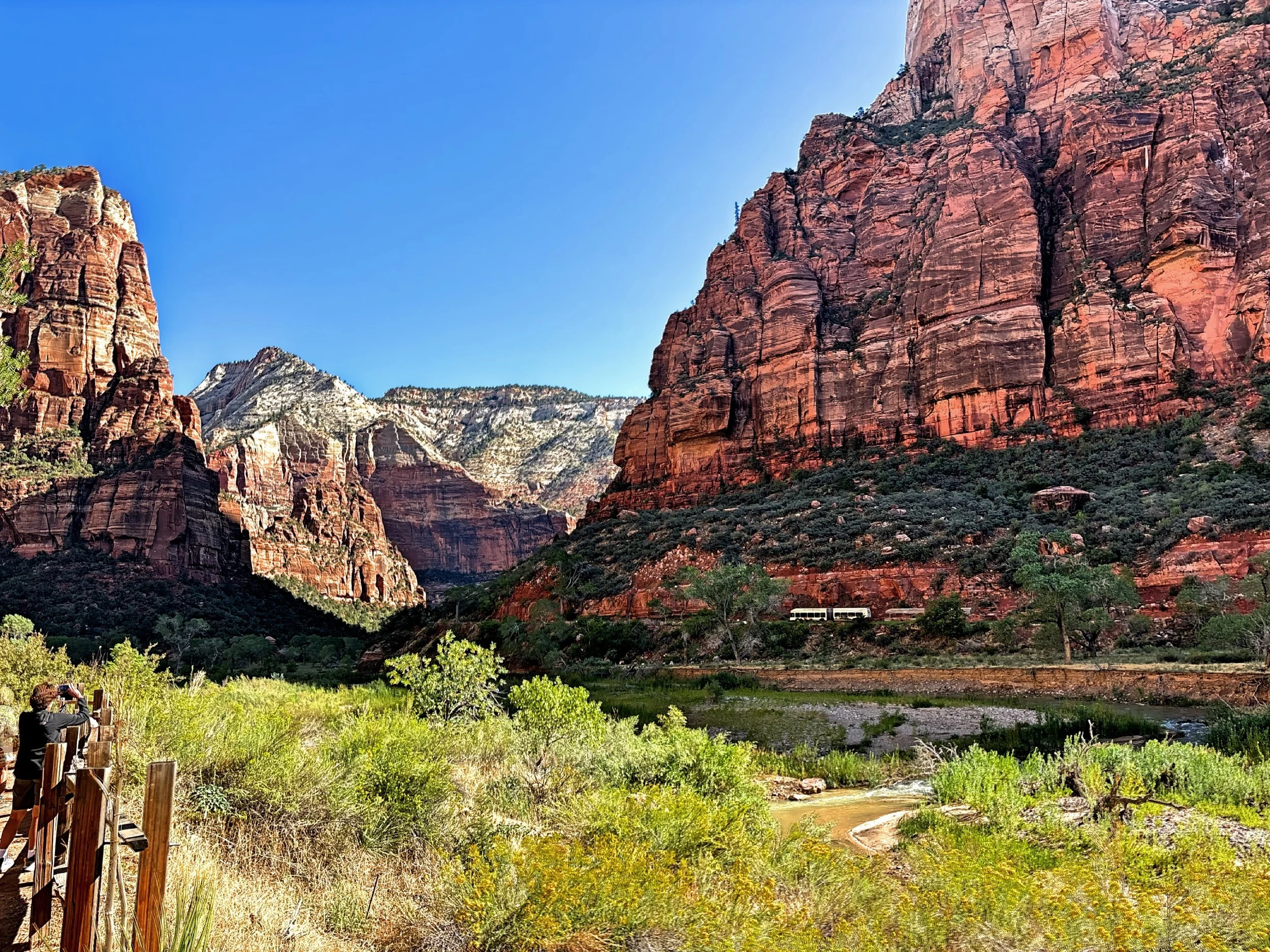
Today, Zion attracts visitors with its dramatic scenery, hiking trails, and the Virgin River. Understanding its Indigenous history adds depth to the experience, revealing that Zion is more than a geological wonder. Its significance lies not only in its natural beauty but also in the cultures, histories, and enduring connections that shape its identity.
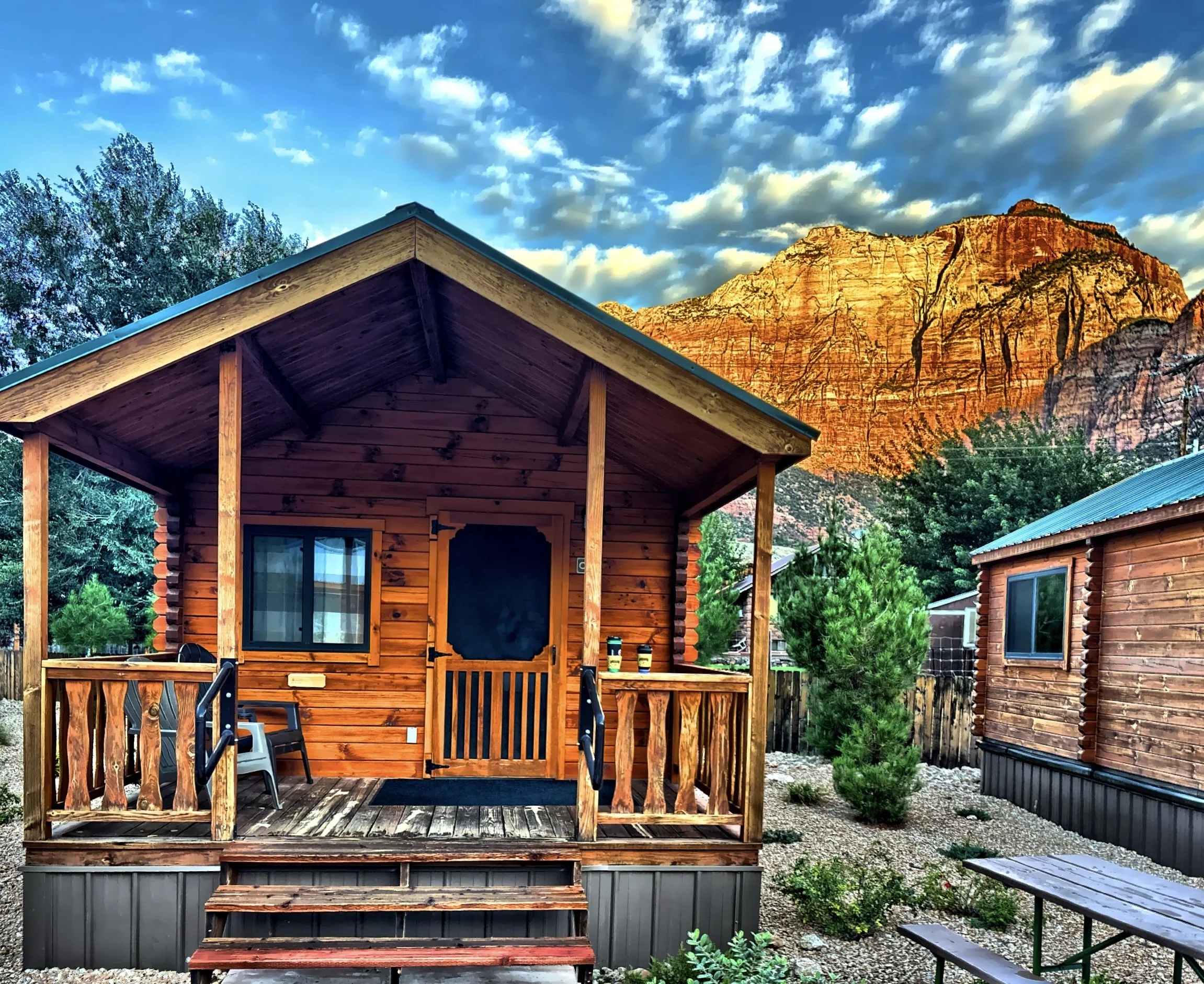
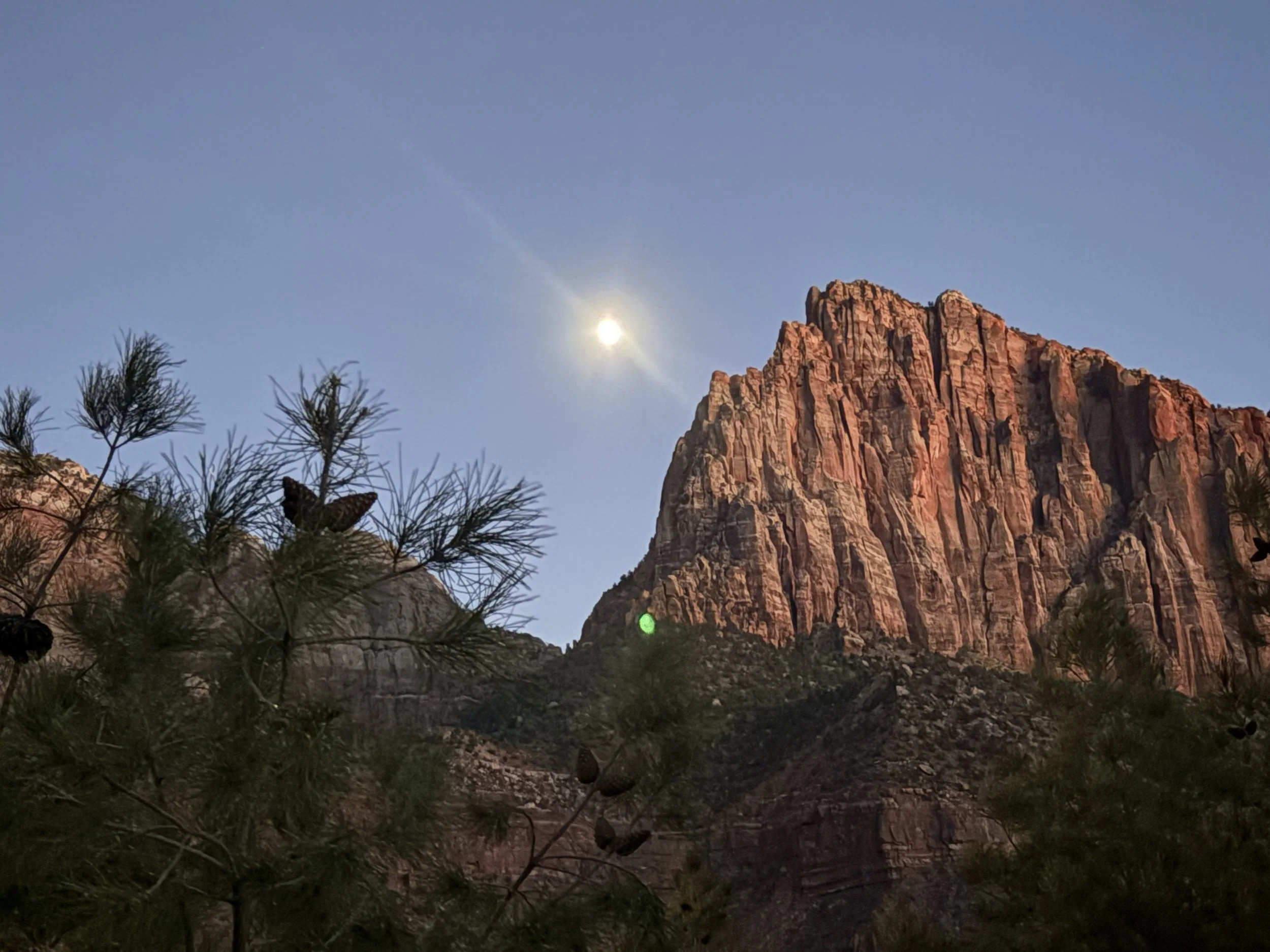
This is what caught my eye - I hope you enjoy!
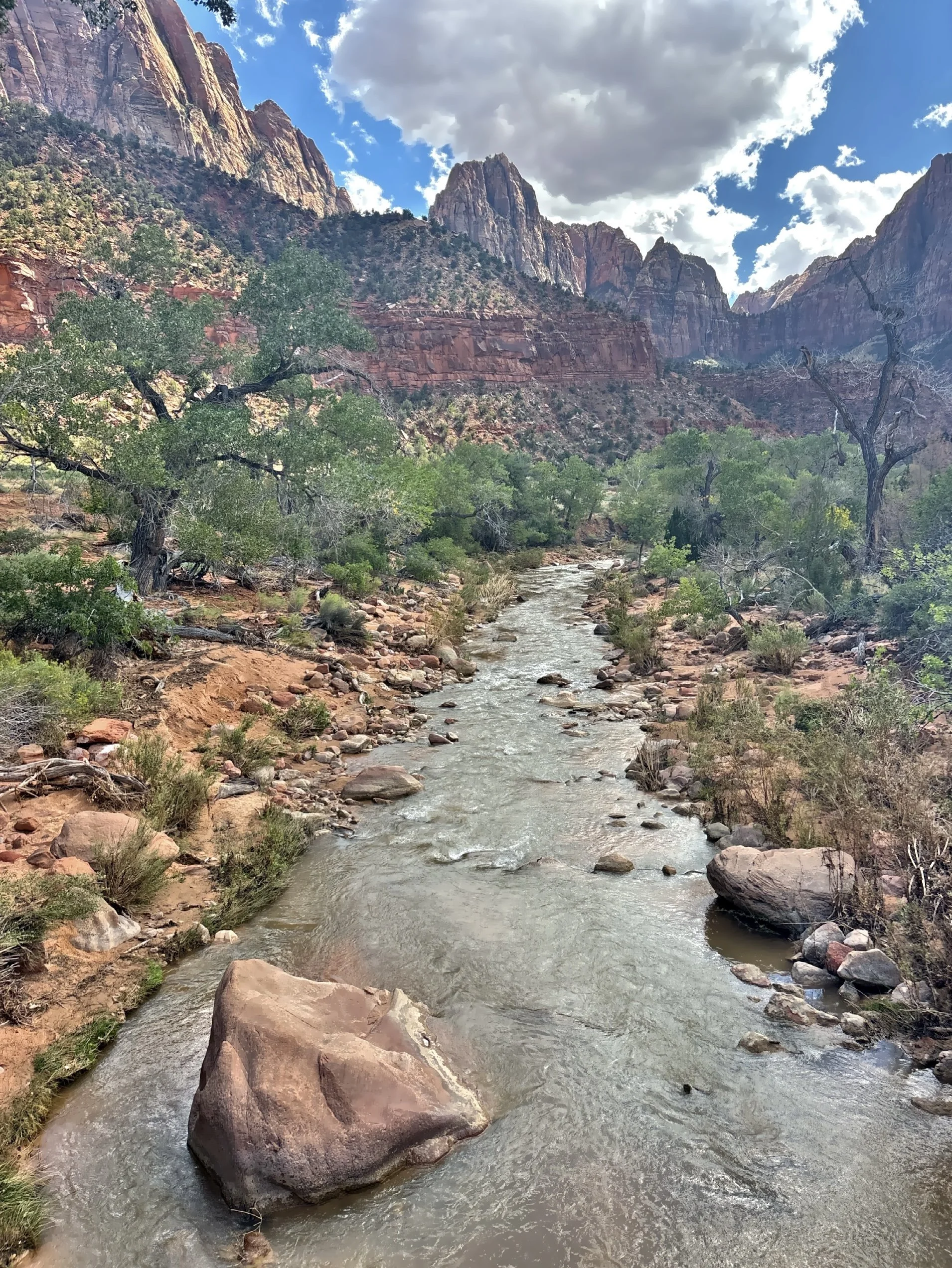
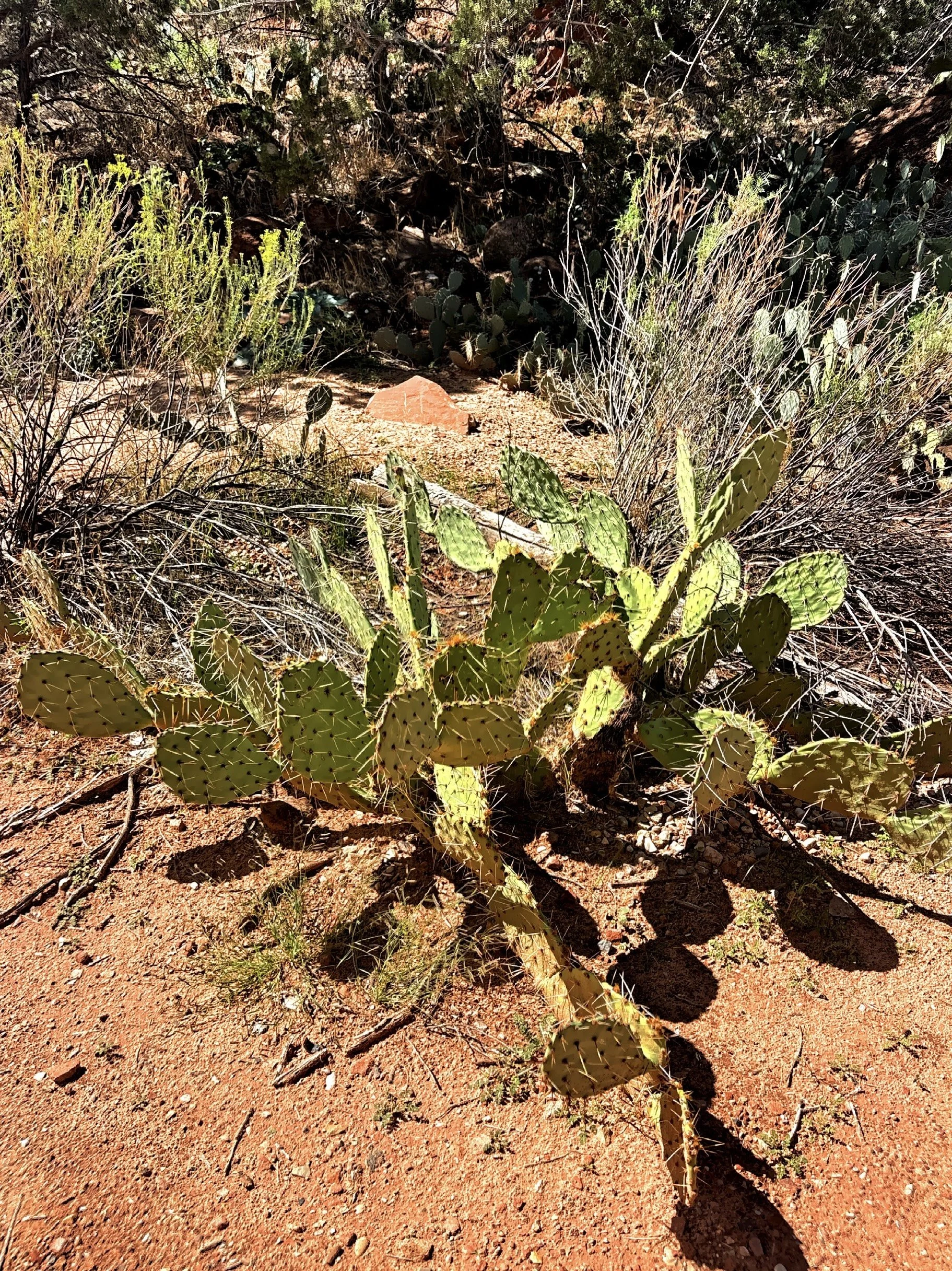
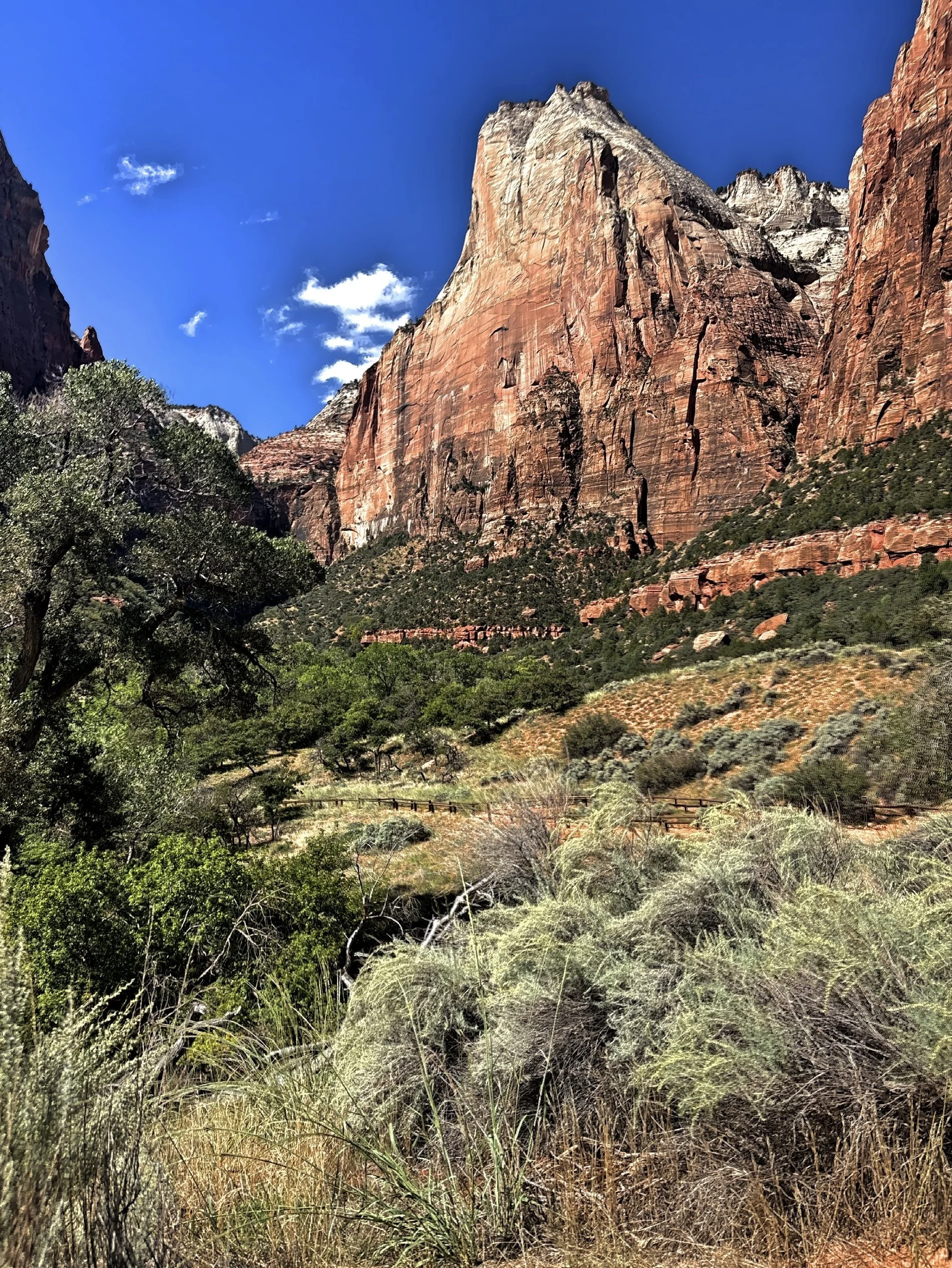
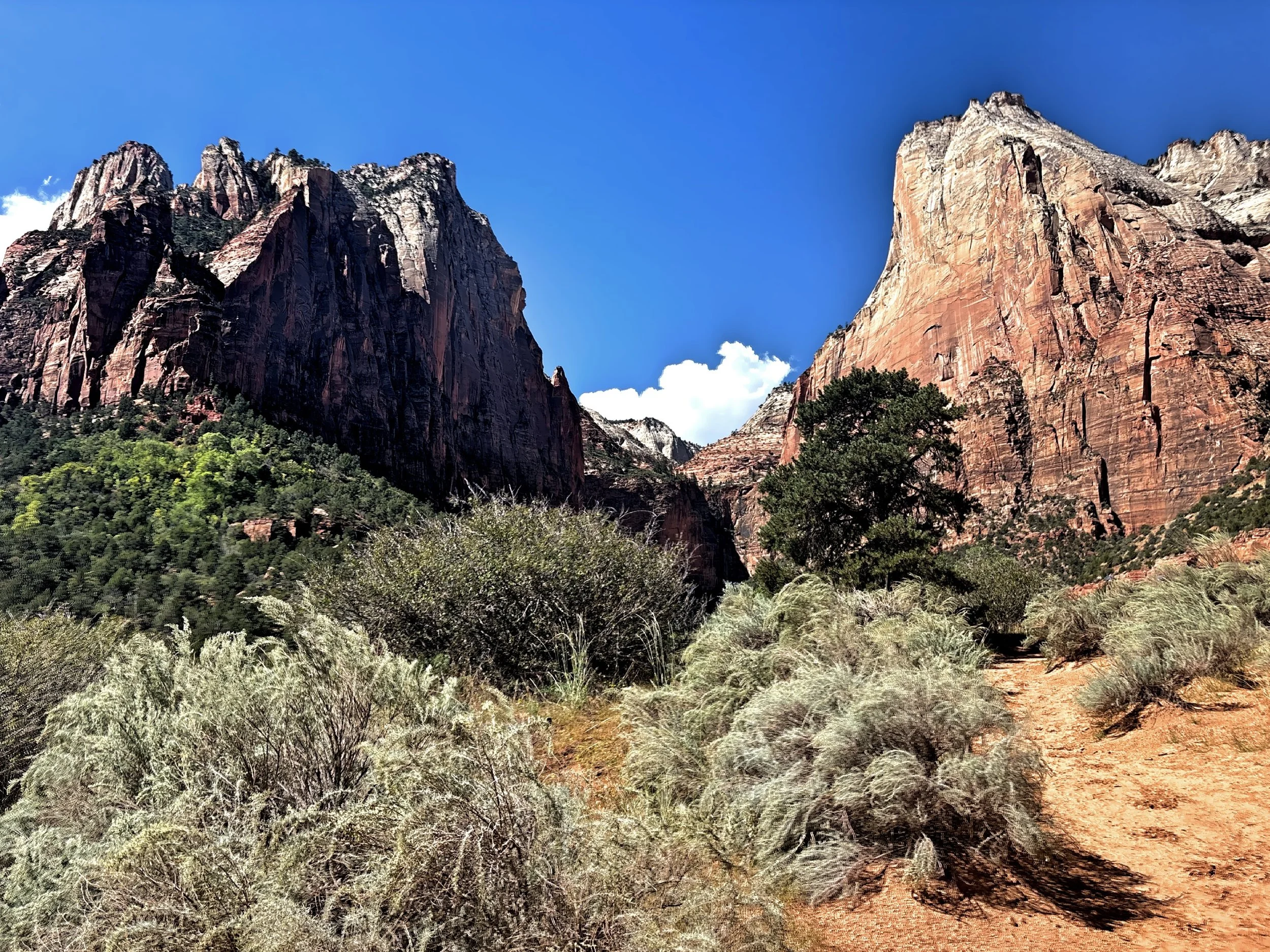
Do you like the images posted?
Click here to explore the shop.

What you should know:
Check website for days and hours of operation.
There is a vehicle entry fee which includes parking parking which can be purchased on site or online.
America the Beautiful - National Parks and Federal Recreational Lands Passes are accepted here.
Public restrooms are available.
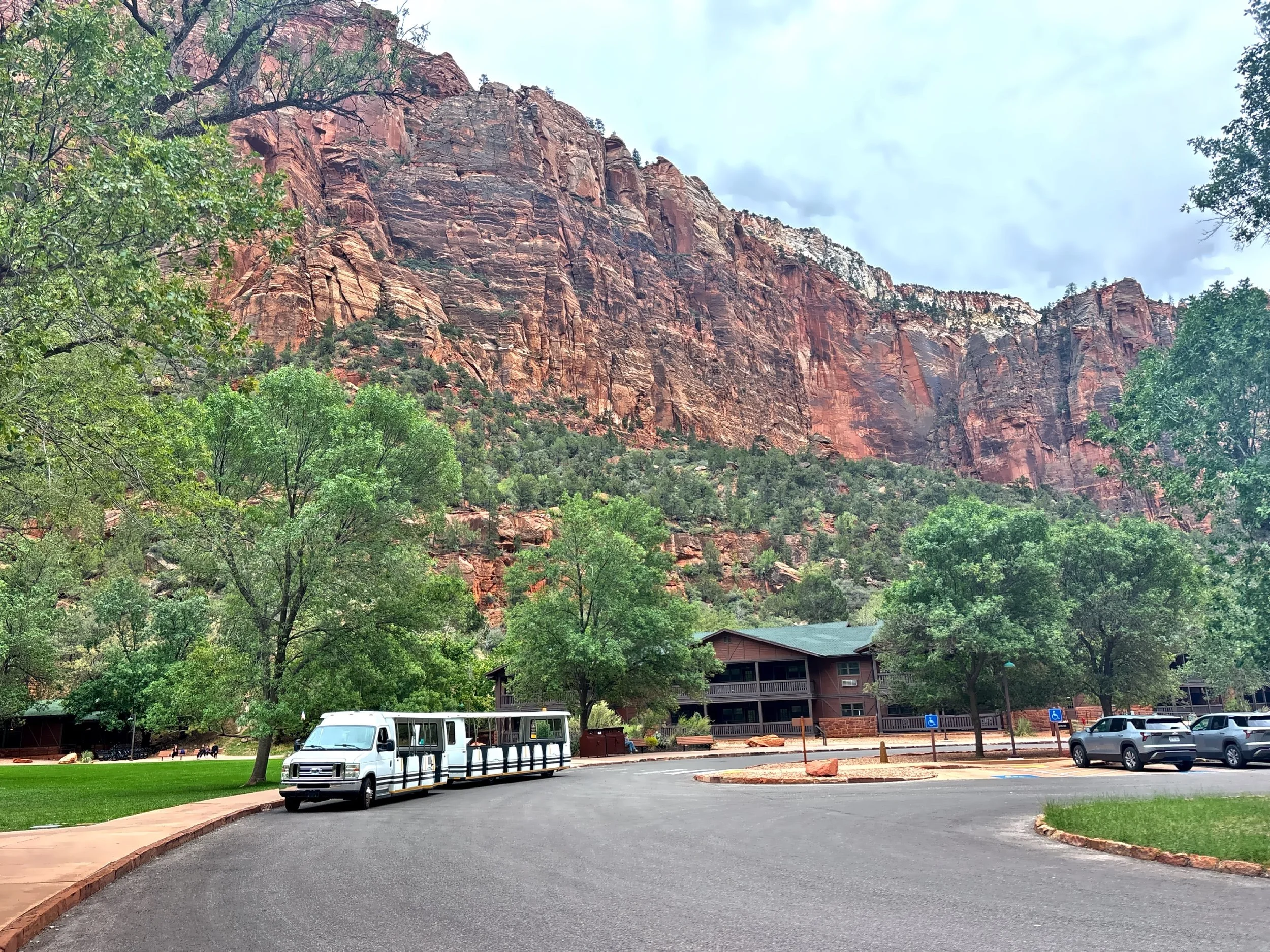
The park contains a restaurant, cafe and overnight lodging.
You could spend anywhere from a couple of hours to a couple of days exploring here.
There are many walking and hiking trails and roads throughout the park.
Be respectful of the park property and the animals that call it home.
Do not approach, pet or feed wildlife.
Be Bear Aware, bring bear spray and know how to use it.
Make noise while hiking.
Hike in groups of three or more.
Stay on designated trails.
Fatiuge and shortness of breathe may occur with hikes at higher elevations.
Bring water, sun protection, good footwear, snacks, and a realistic hiking plan.
Store food and trash properly.
The weather and temperature can change quickly and dramatically, dress or bring layers.
Don't underestimate short hikes or the elevation.
The Park Ranger hikes and talks are informative.
There is a free hop on-hop off shuttle.
The park contains a restaurant, cafe and overnight lodging.
Location: Main entrance located at the end of Utah State Route 9 in Springdale, UT. 84767
For more information: Zion National Park
If you enjoyed this post, feel free to check out my previous posts by clicking here.