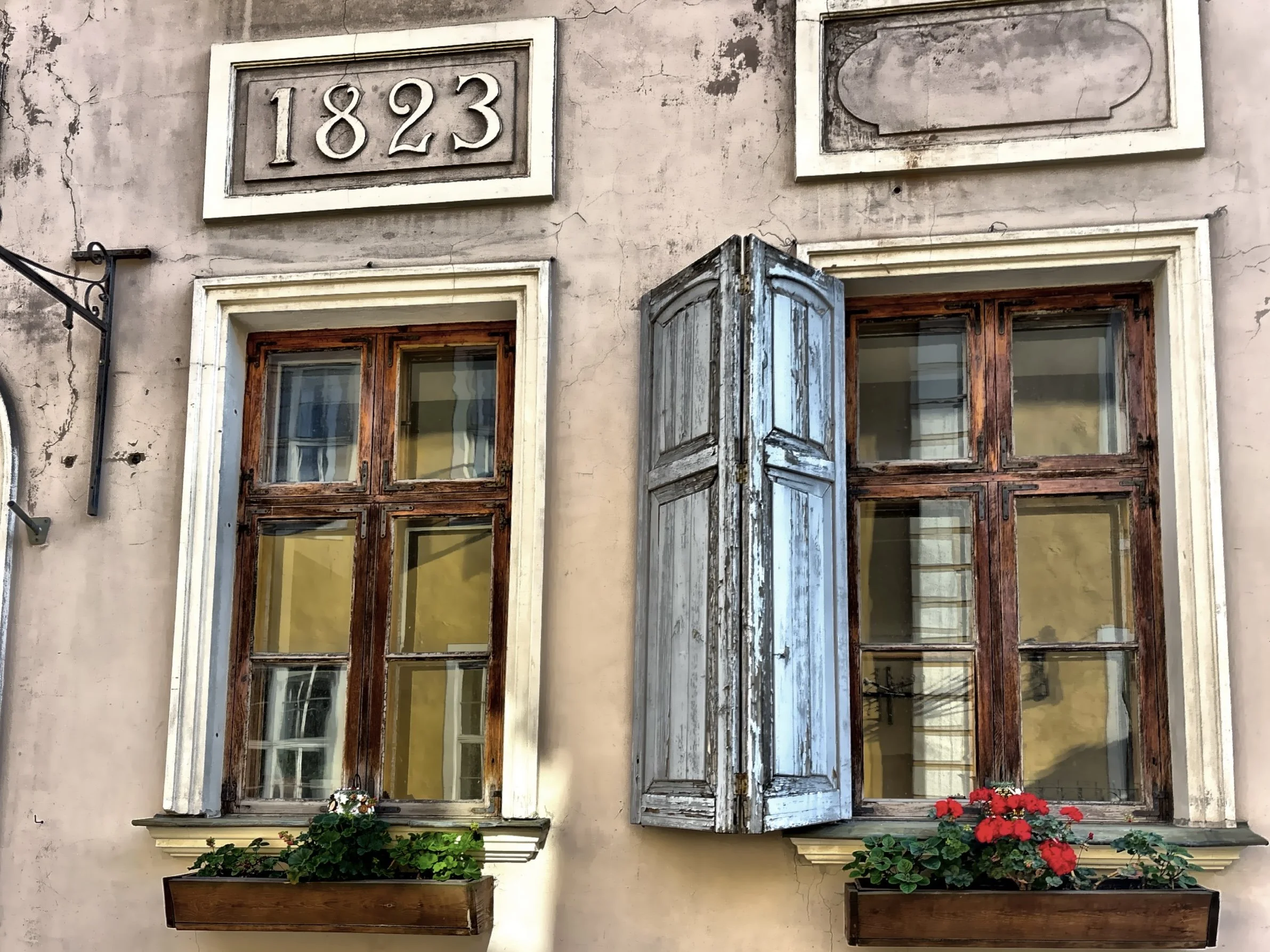
The Art Nouveau Capital Of Northern Europe - Old Town Riga
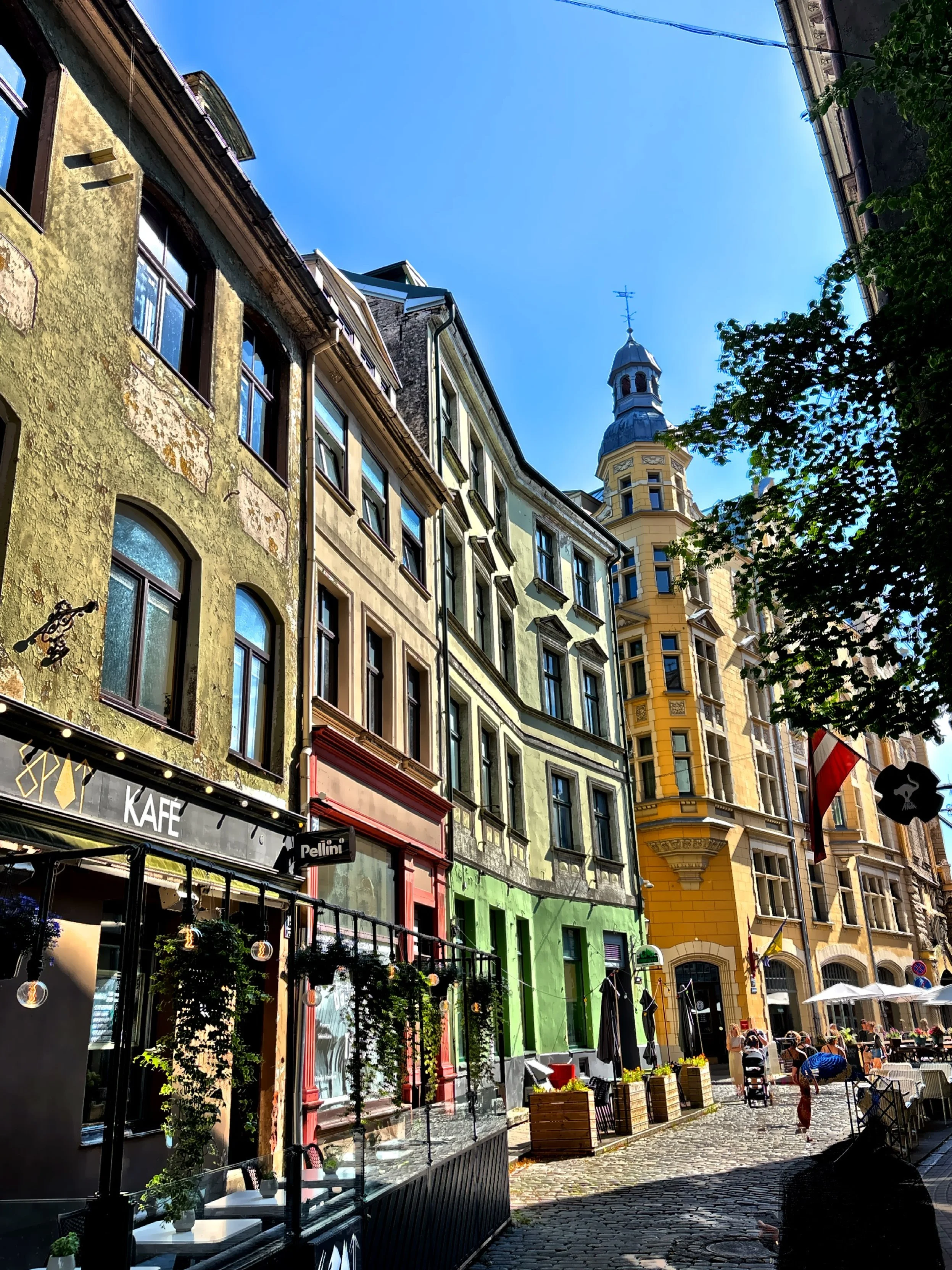
Whether you’re chasing history, good food, or eclectic architecture, Old Town Riga might be exactly what you’re looking for. More than just the historical center of Latvia’s capital, it’s a perfectly preserved canvas of medieval charm and architectural splendor. Cobblestone streets wind past centuries-old buildings, lively cafés, and hidden courtyards, creating a place that feels both timeless and alive.
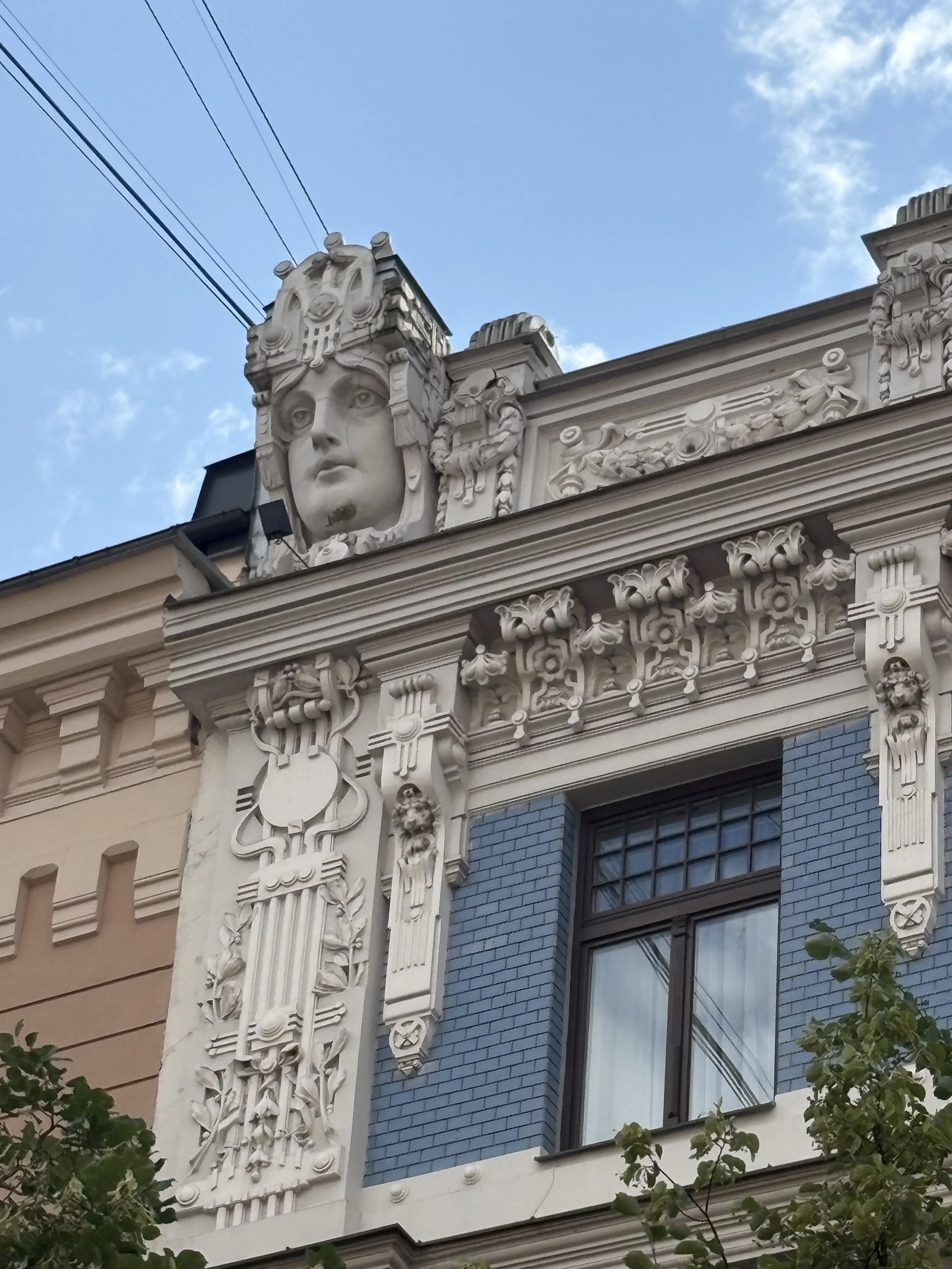
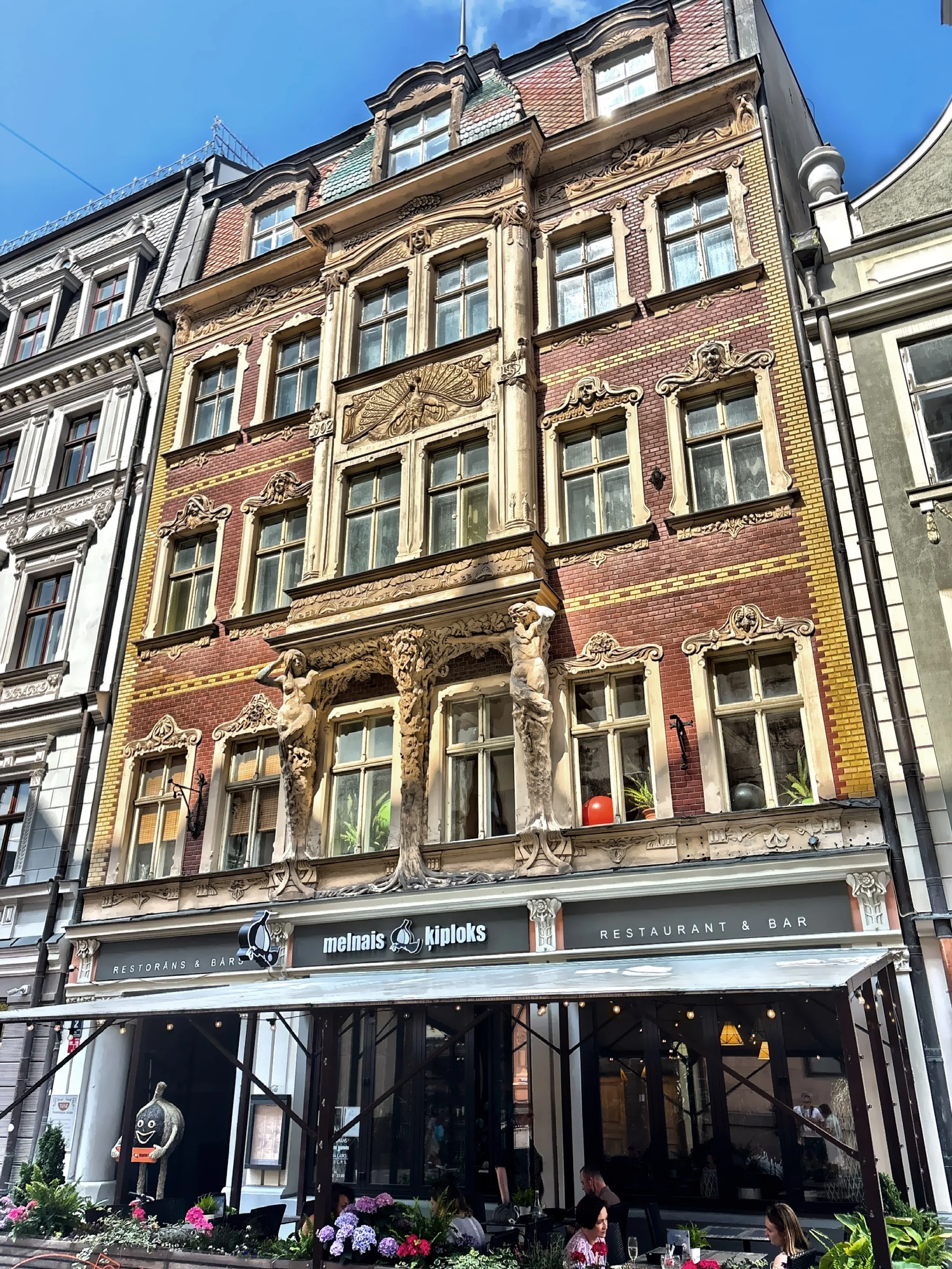
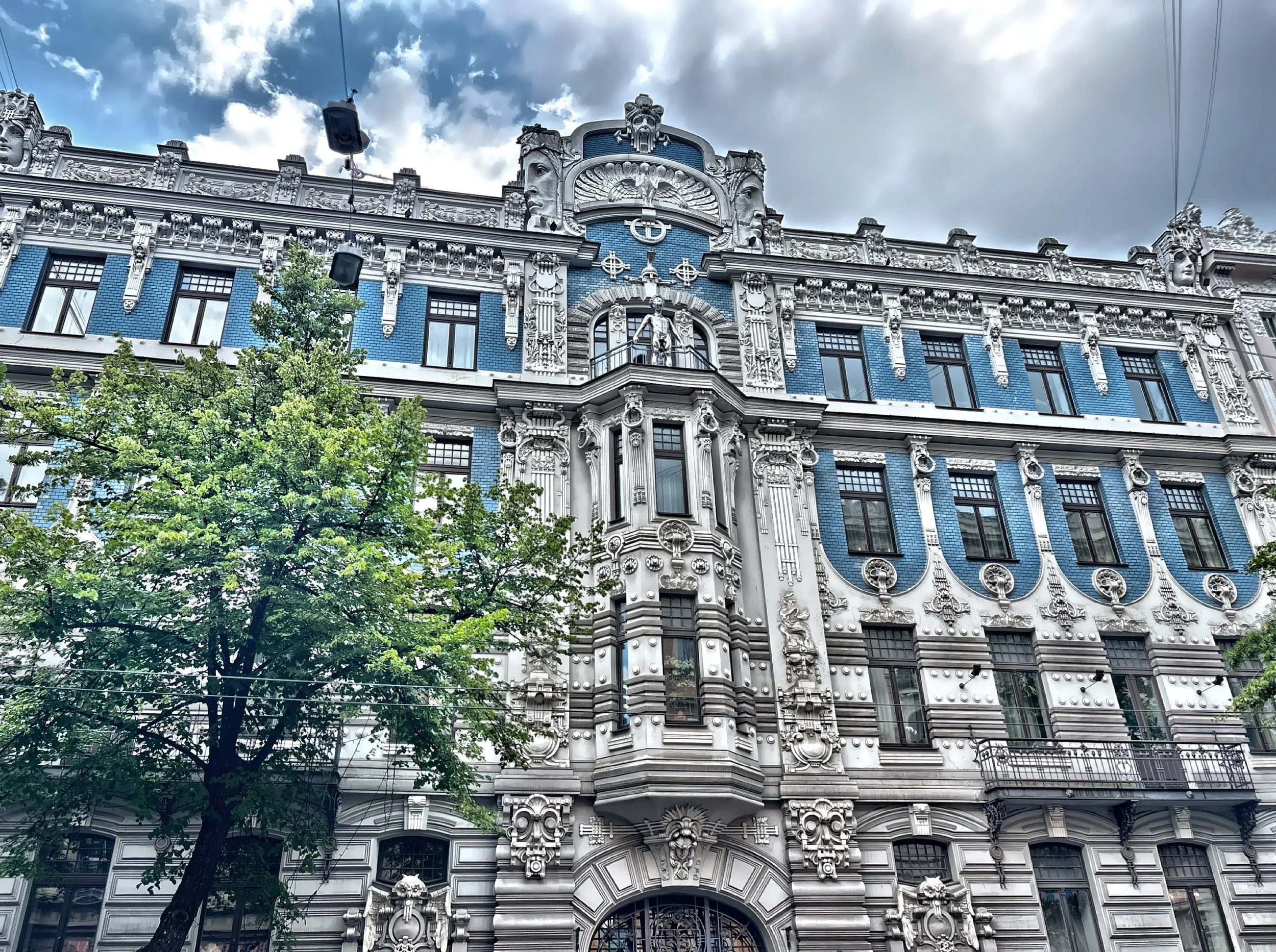
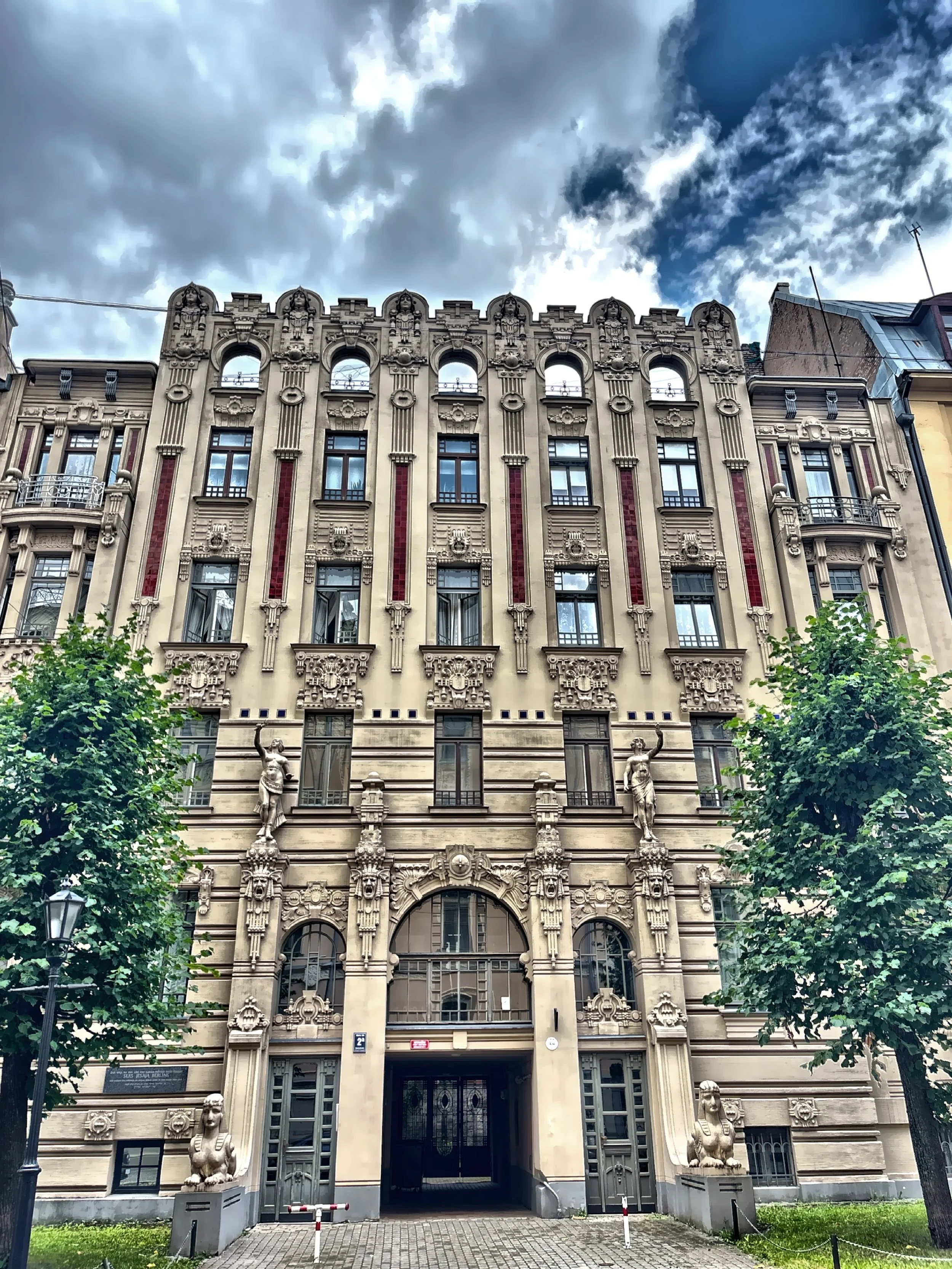
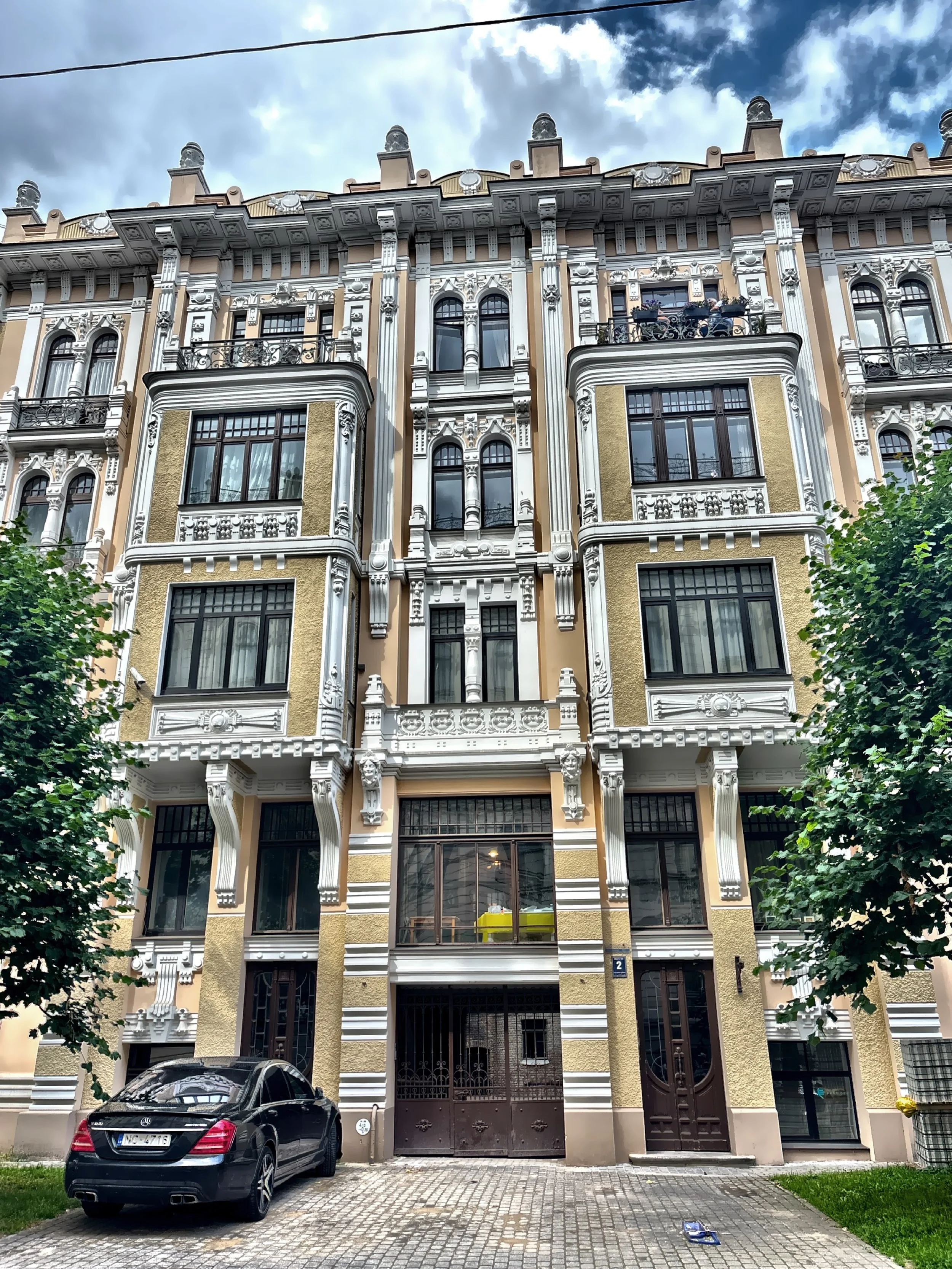
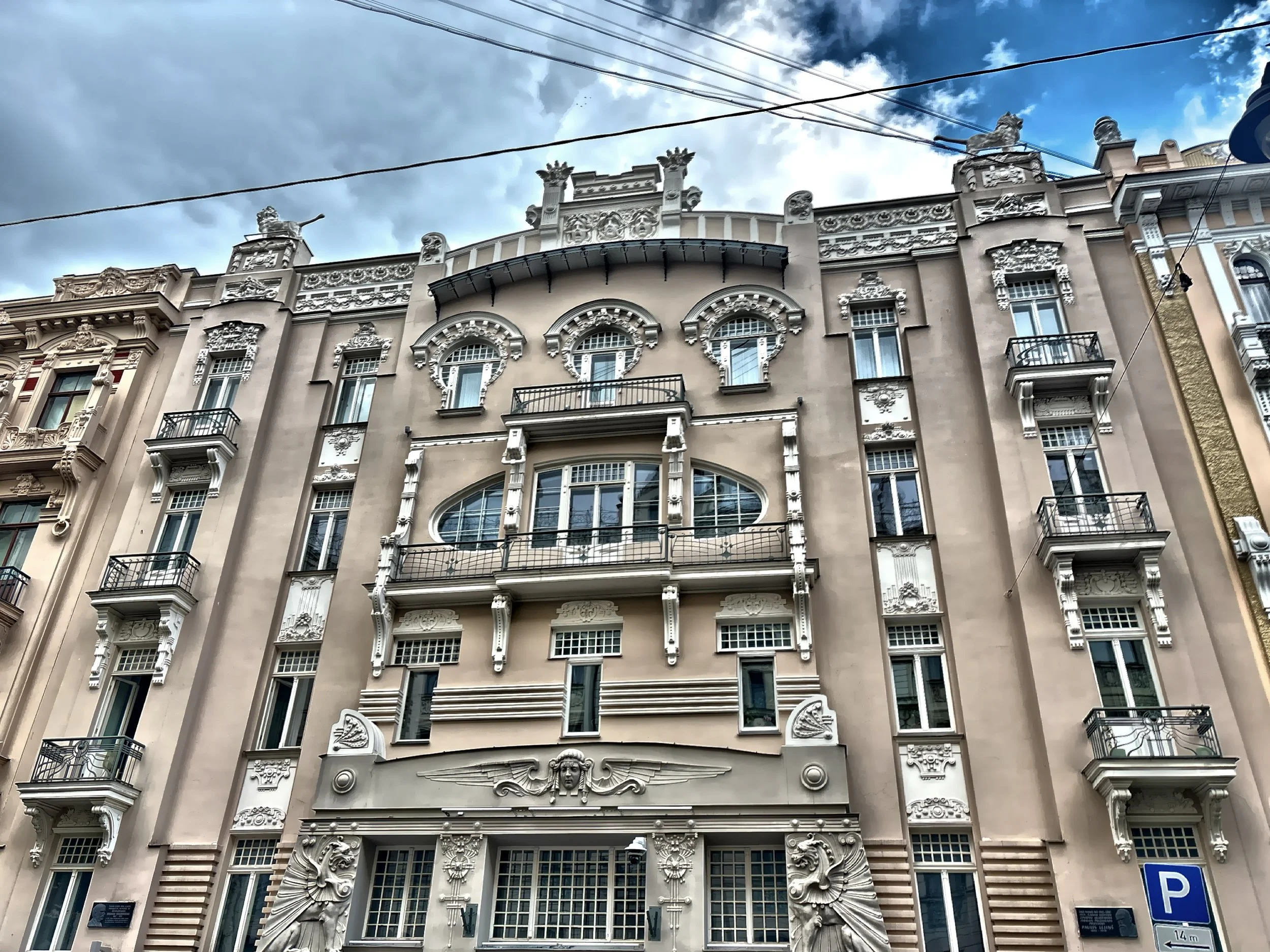
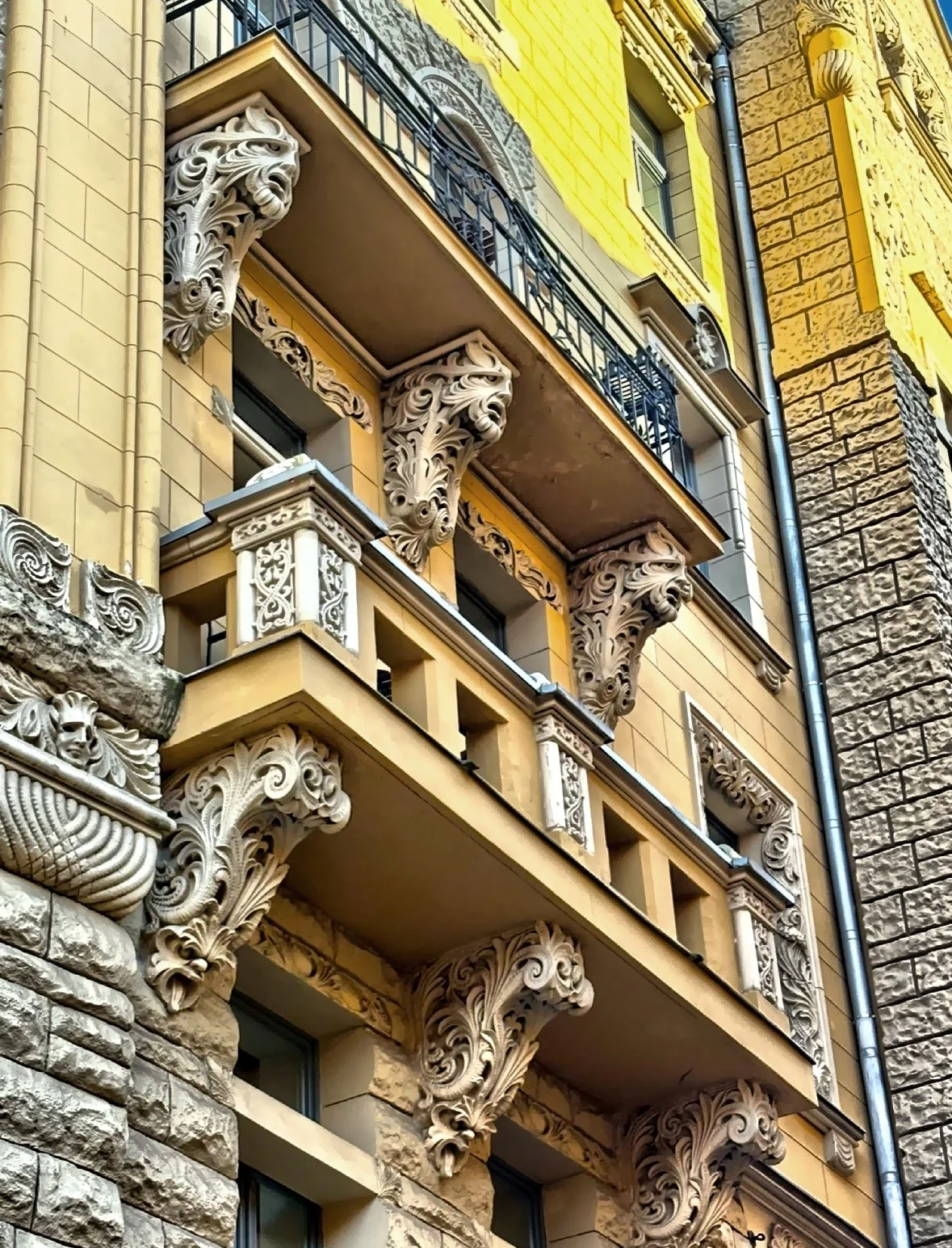
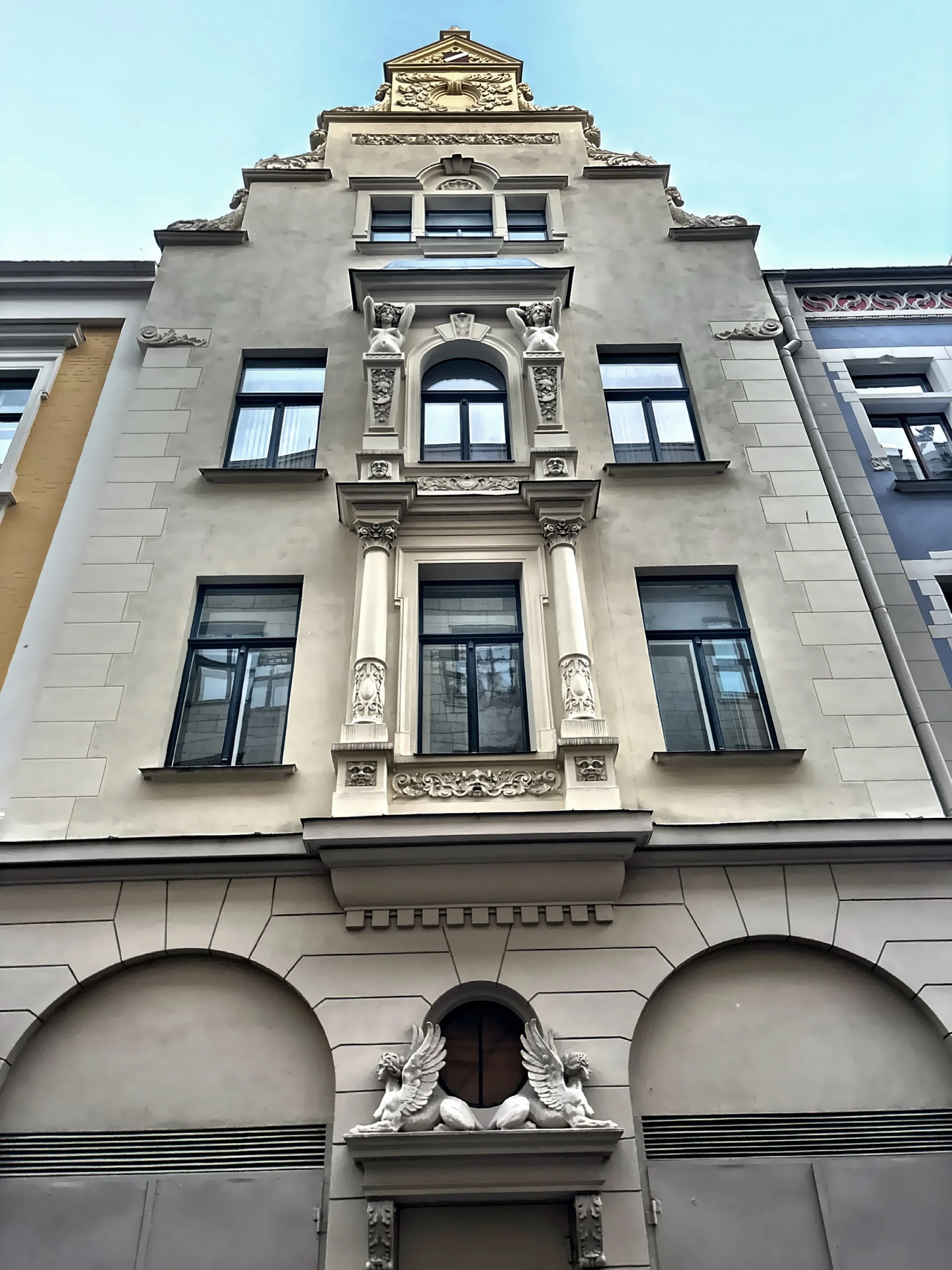
A UNESCO World Heritage Site, Old Town Riga is a living, breathing historical heart — not a museum piece, but a vibrant neighborhood buzzing with locals and visitors alike. It’s affordable, welcoming, and full of character, offering everything from stylish dining and boutique shopping to street performers and open-air markets. Beyond its medieval core, the city’s embrace of its hundreds of ornate Art Nouveau facades — with their whimsical details — has earned it the nickname “the Art Nouveau capital of Northern Europe.”
Riga is underrated — and unforgettable. A place where history, culture, and creativity meet in the most beautiful way.
This is what caught my eye - I hope you enjoy!
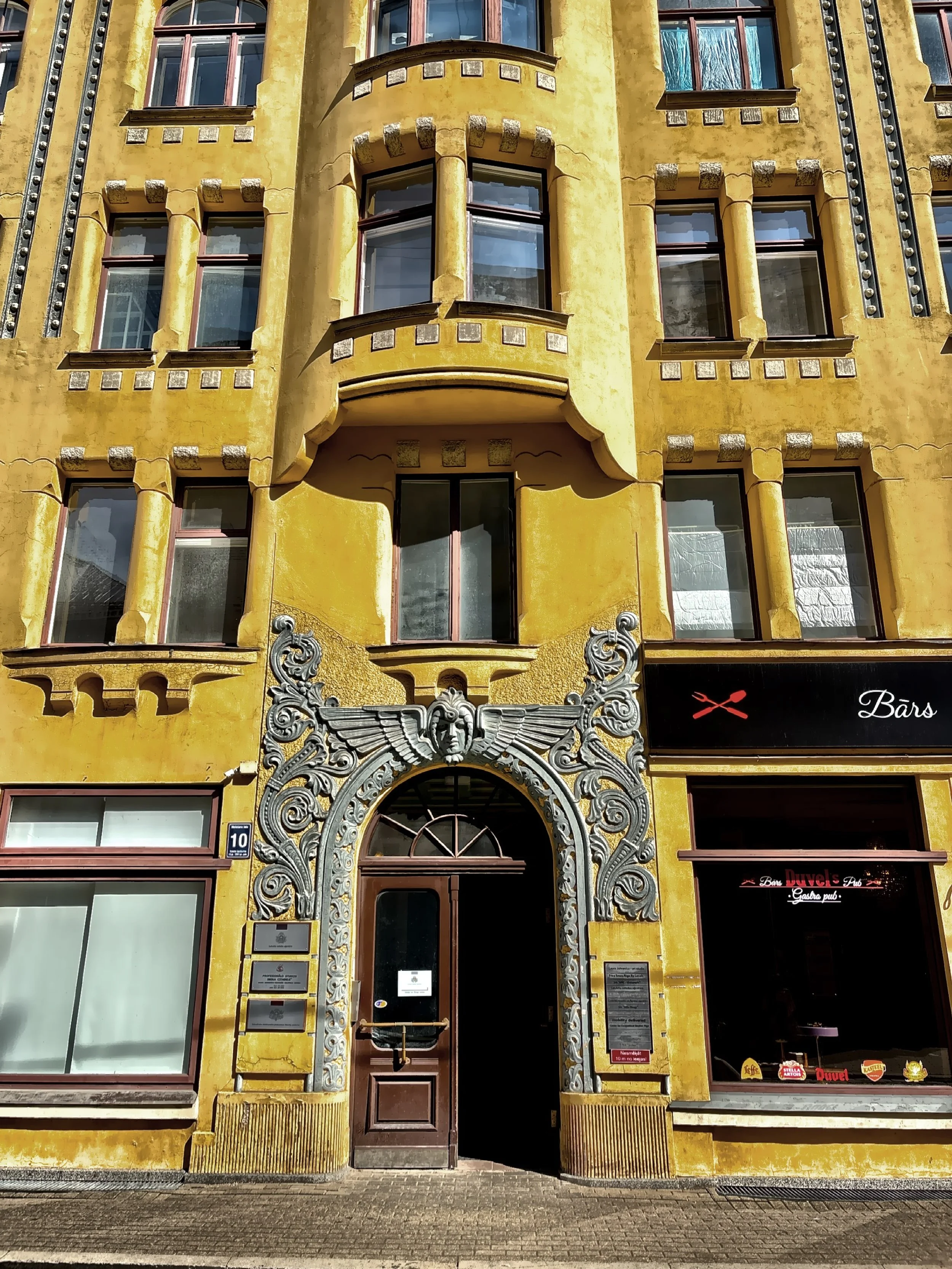
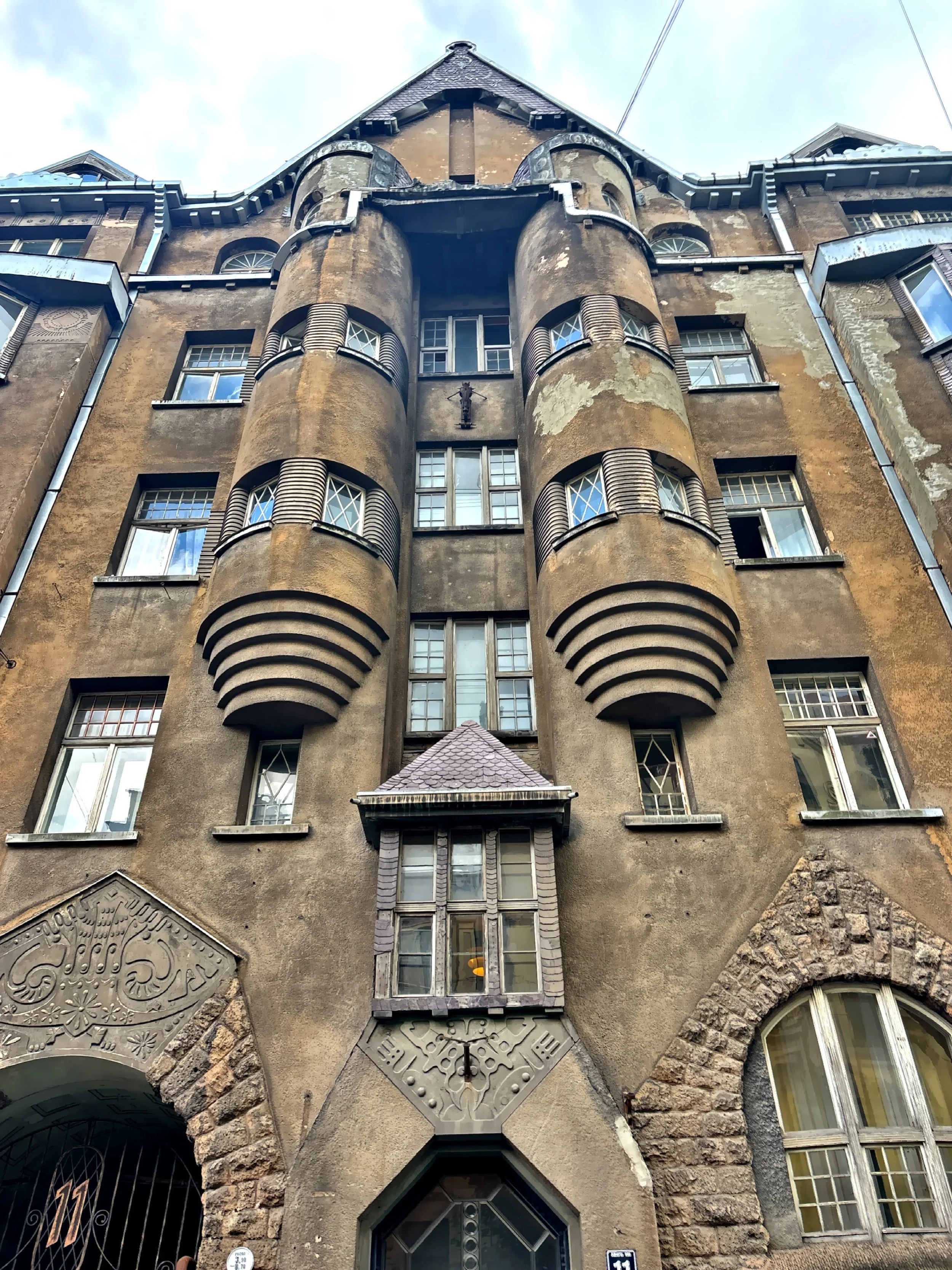
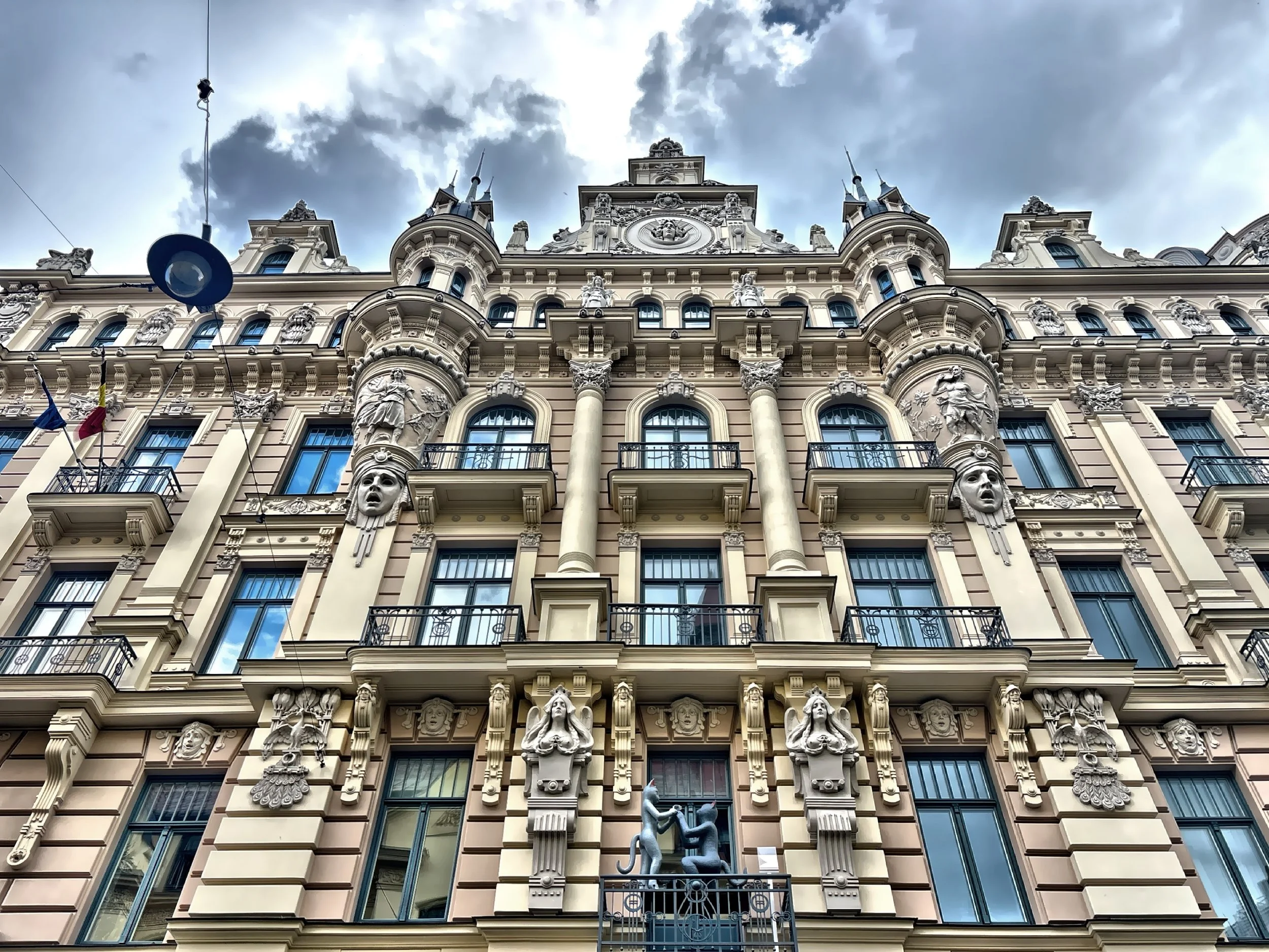
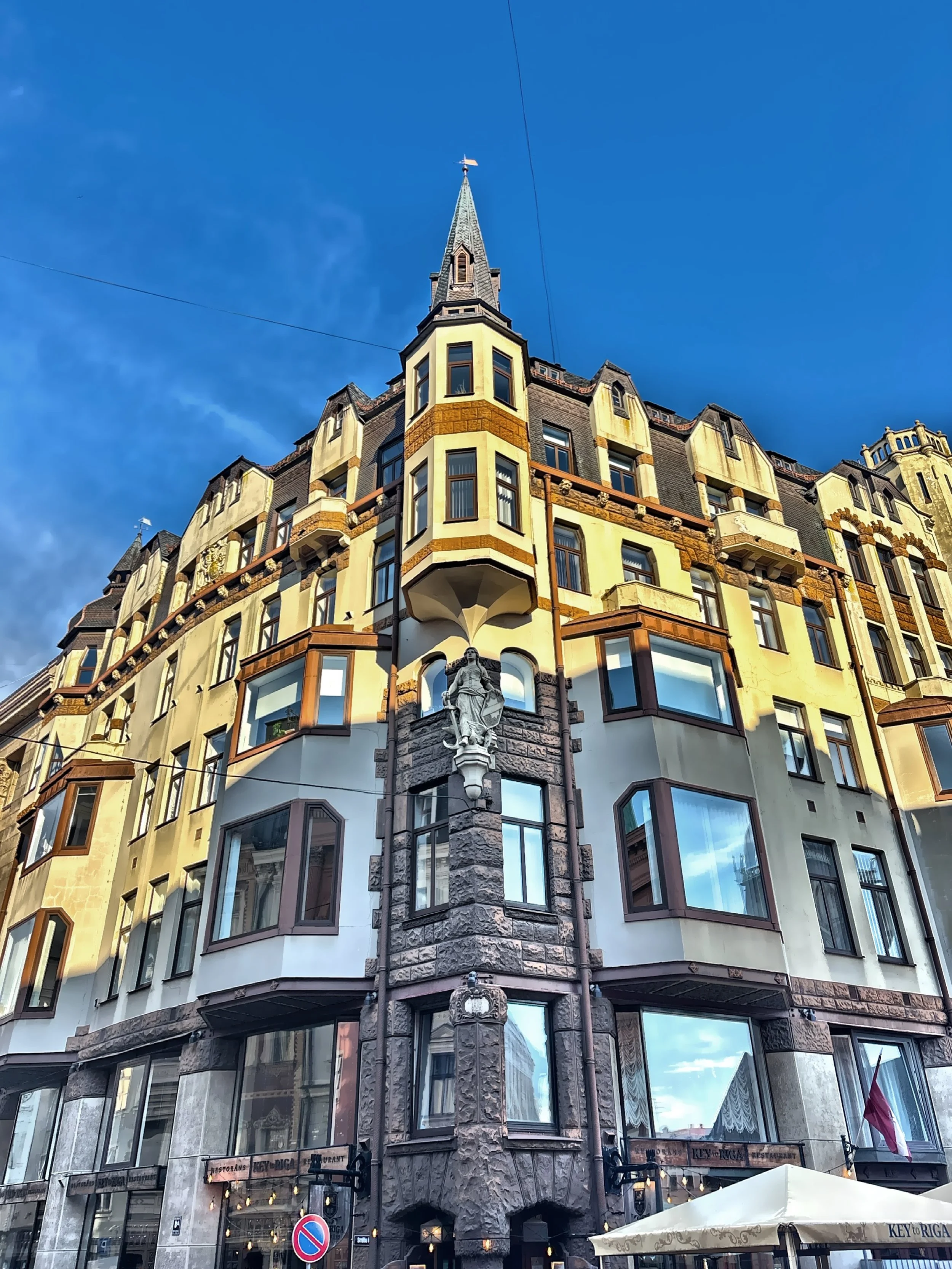
The entrance to the Cat House, constructed in 1909. The building is famous for the two cat sculptures on its roof.
.
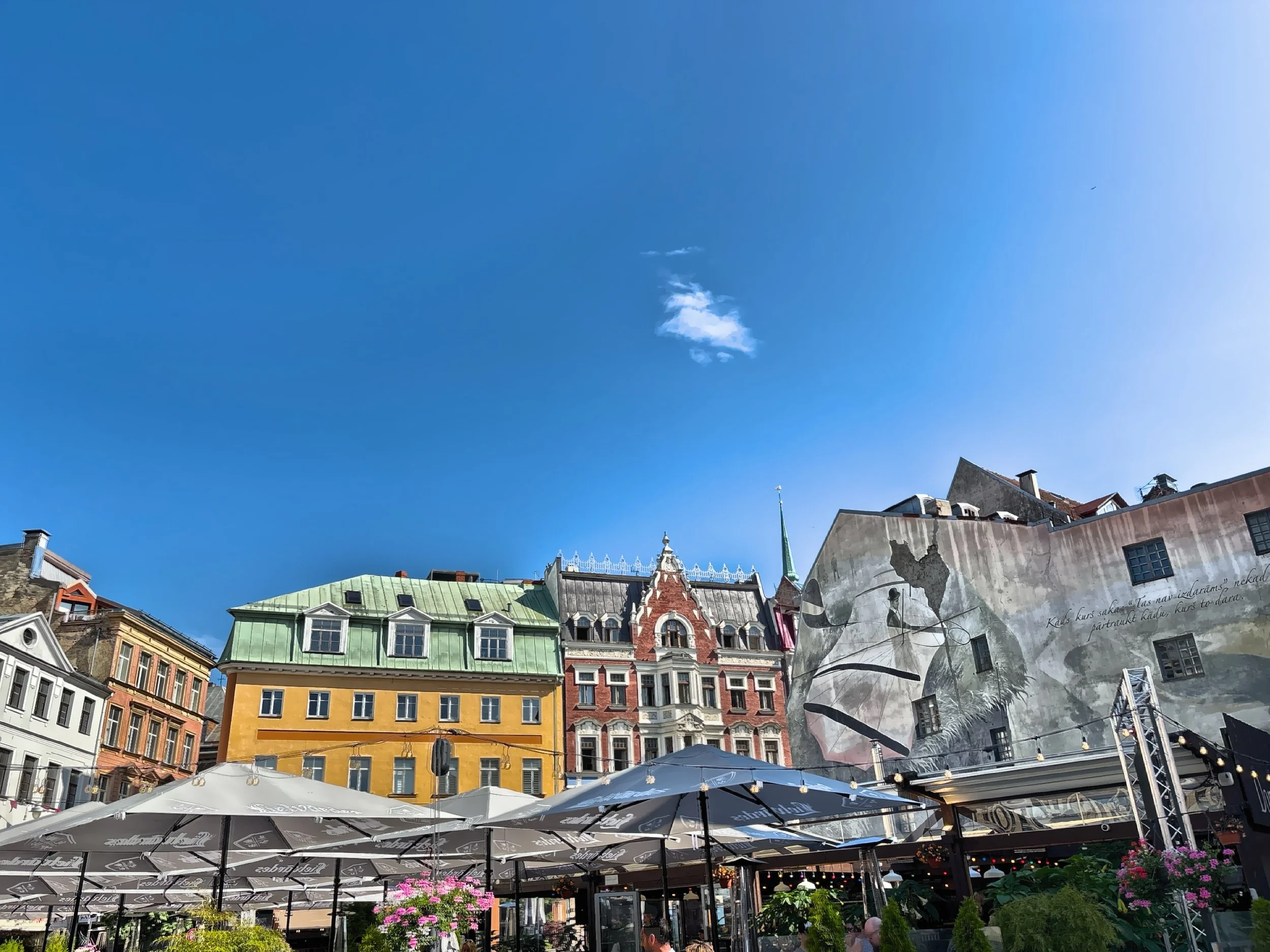
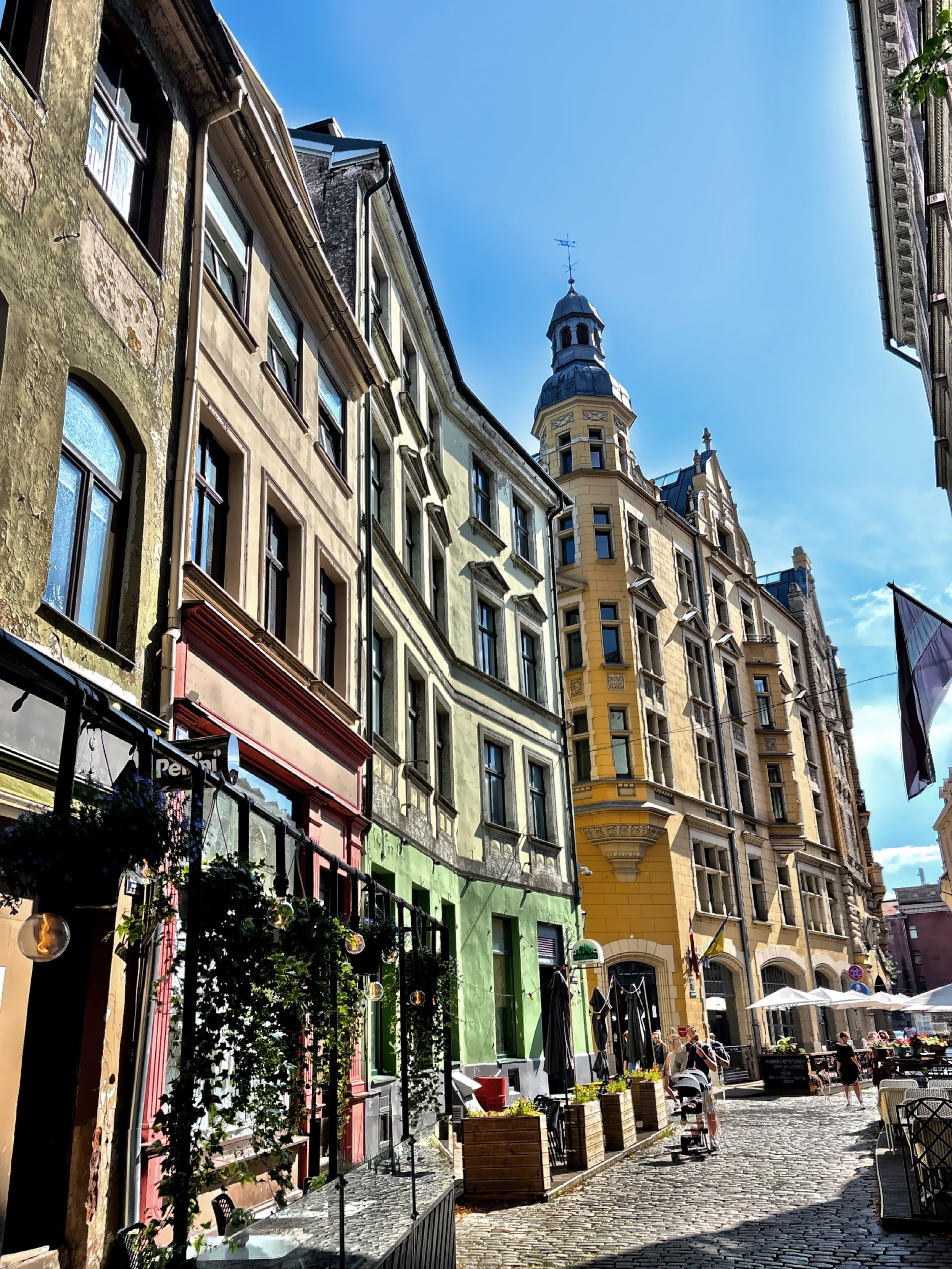
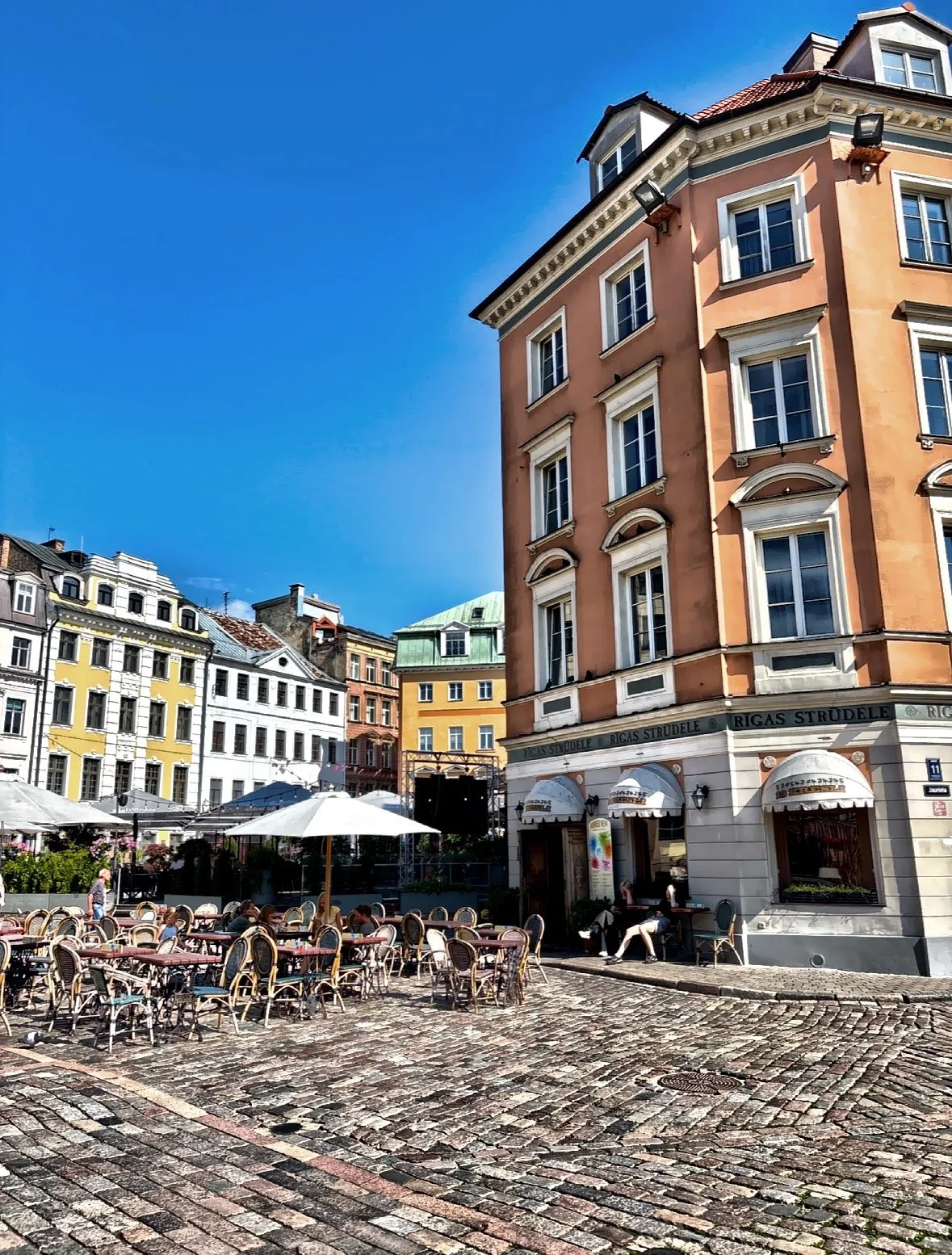
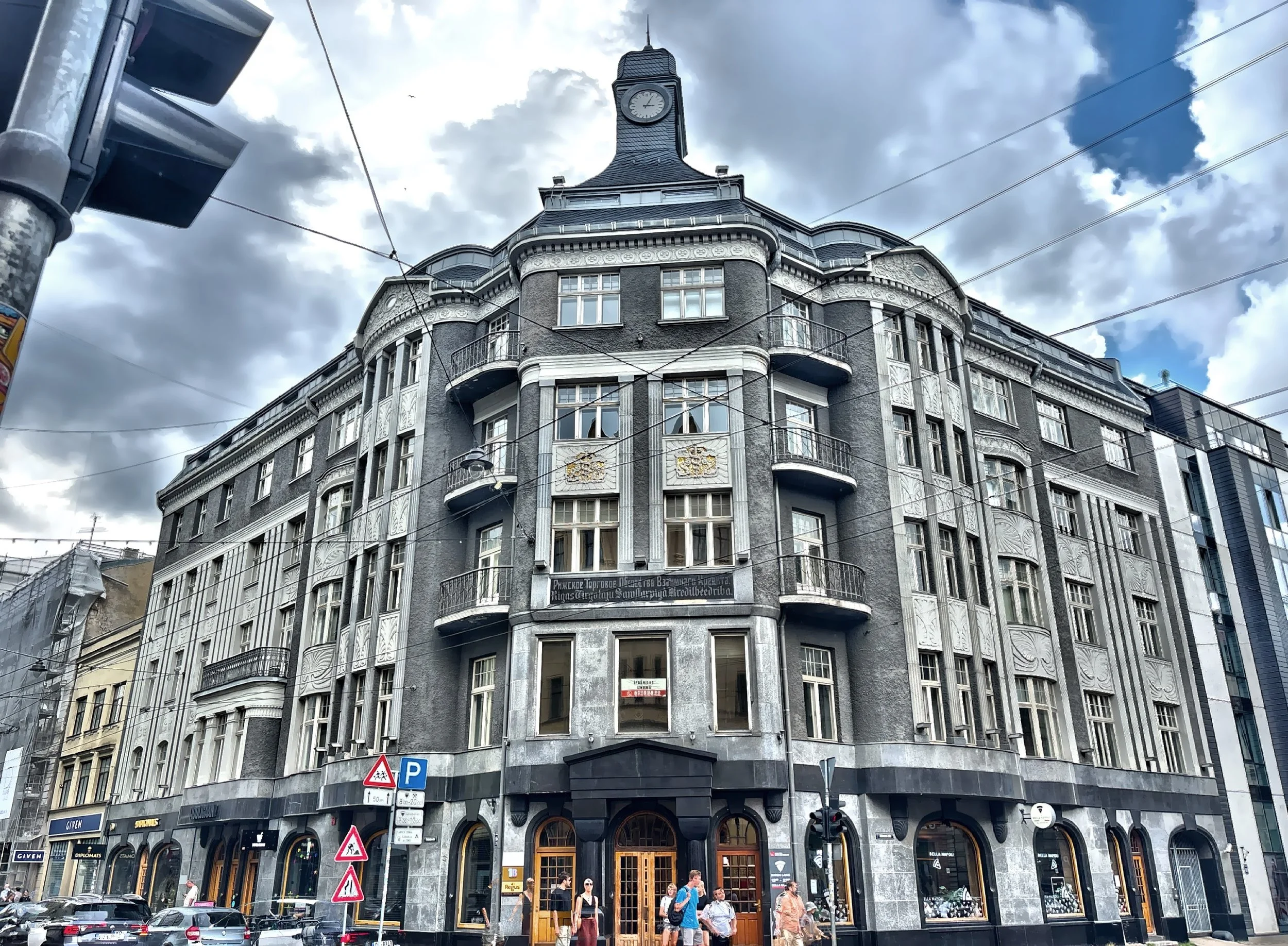
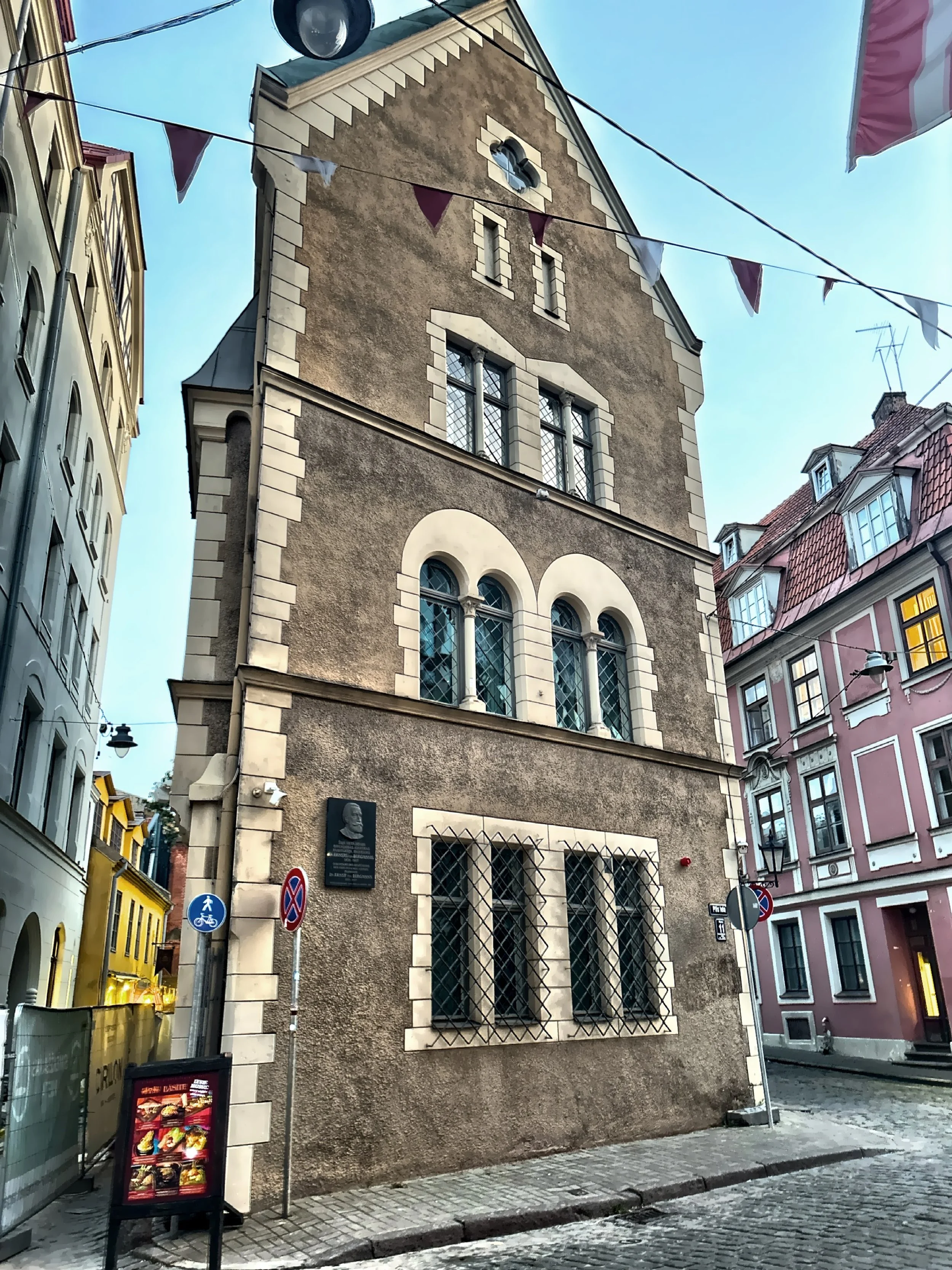
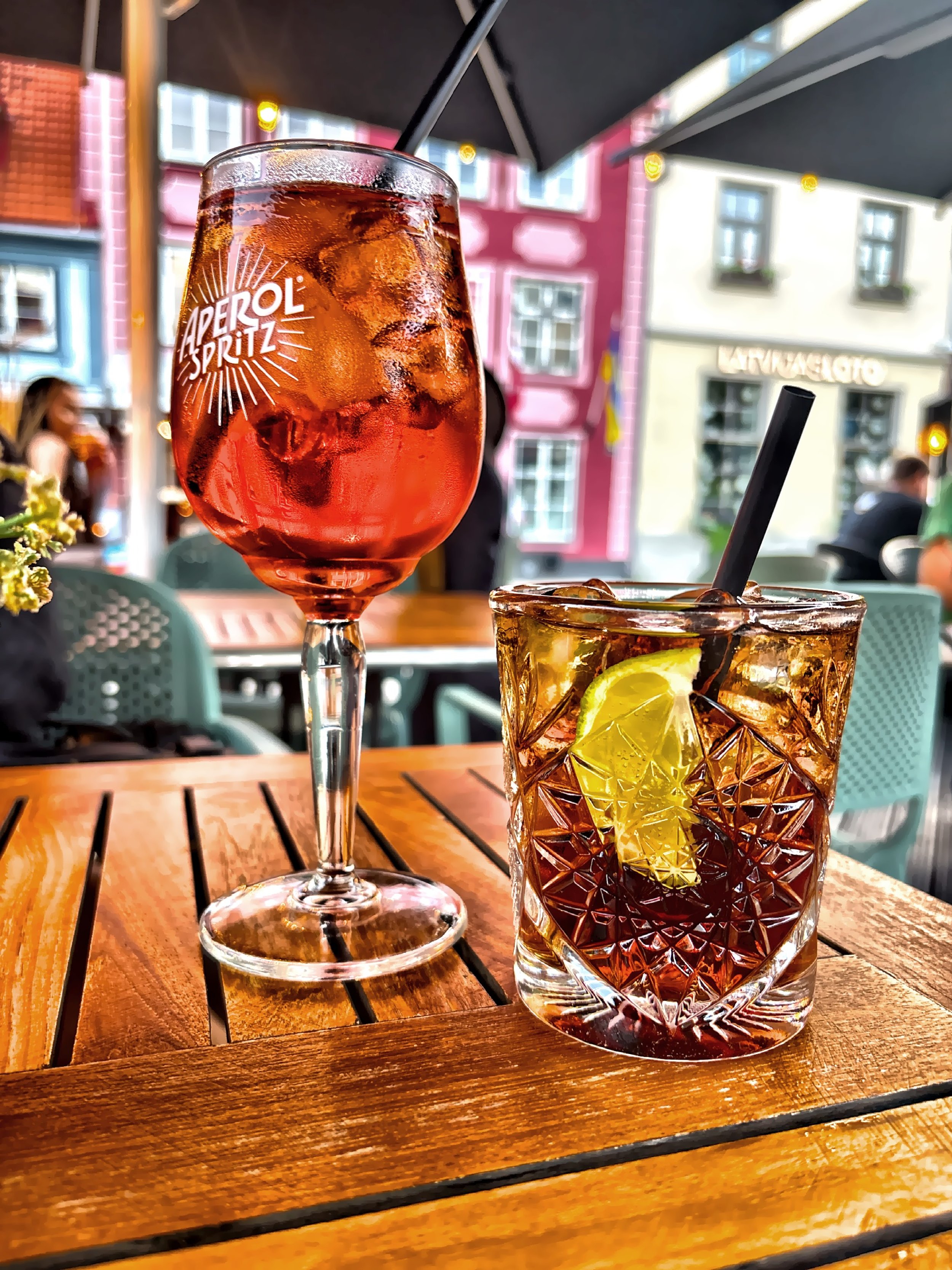
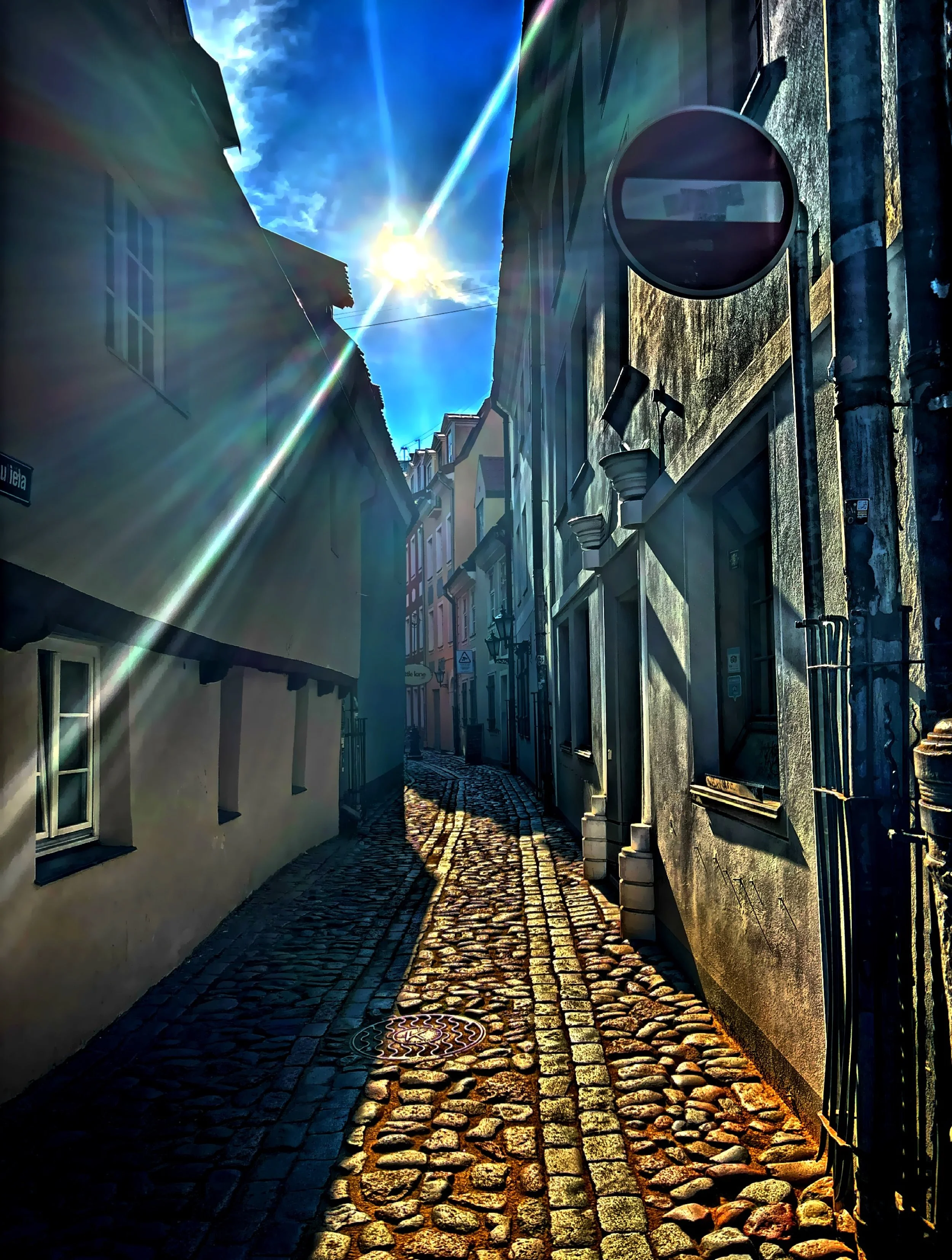
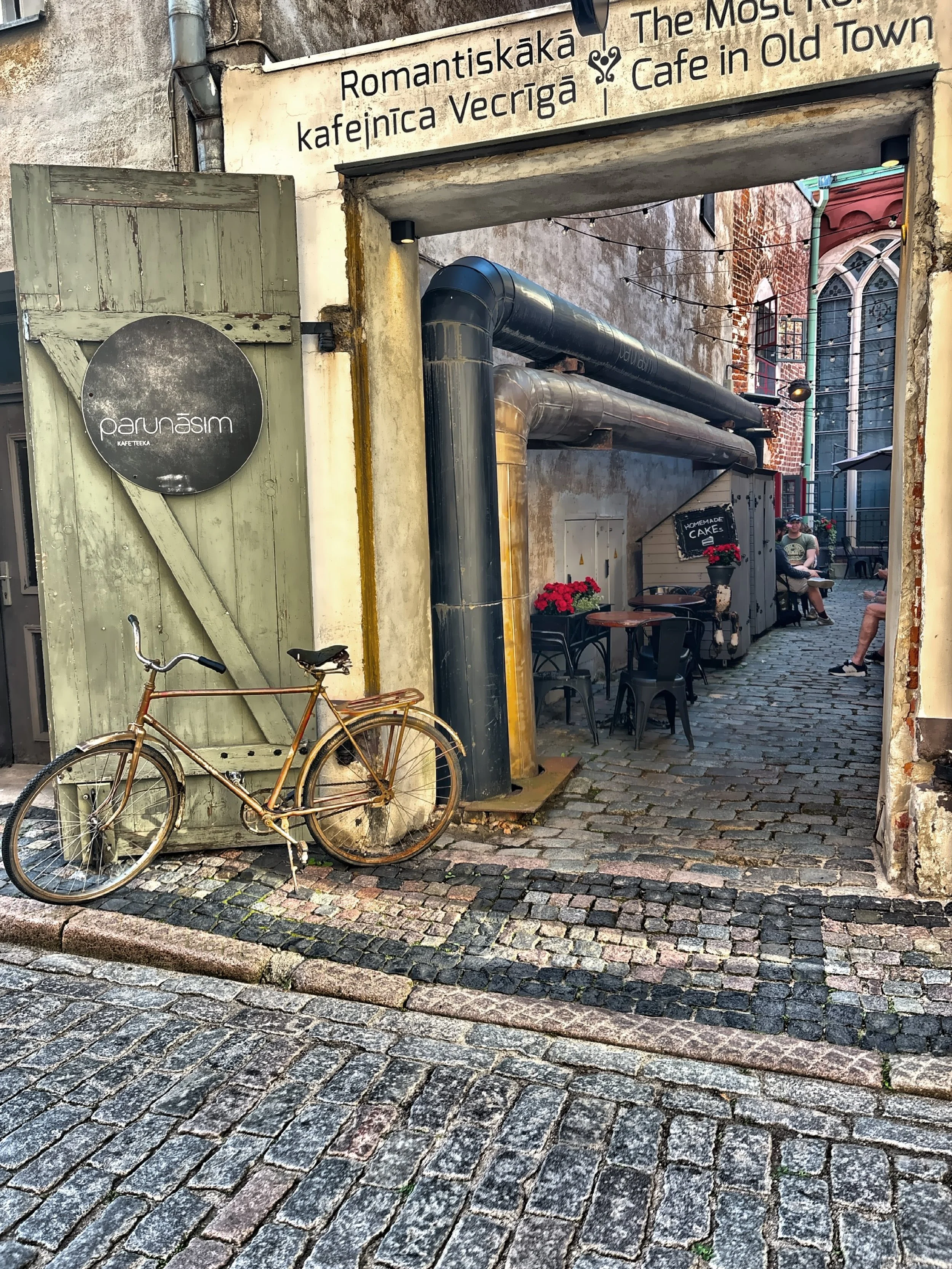
Cobblestone streets, vibrant architecture, and an energetic atmosphere blending history with modern buzz.
.
Do you like the images posted?
Click here to explore the shop.
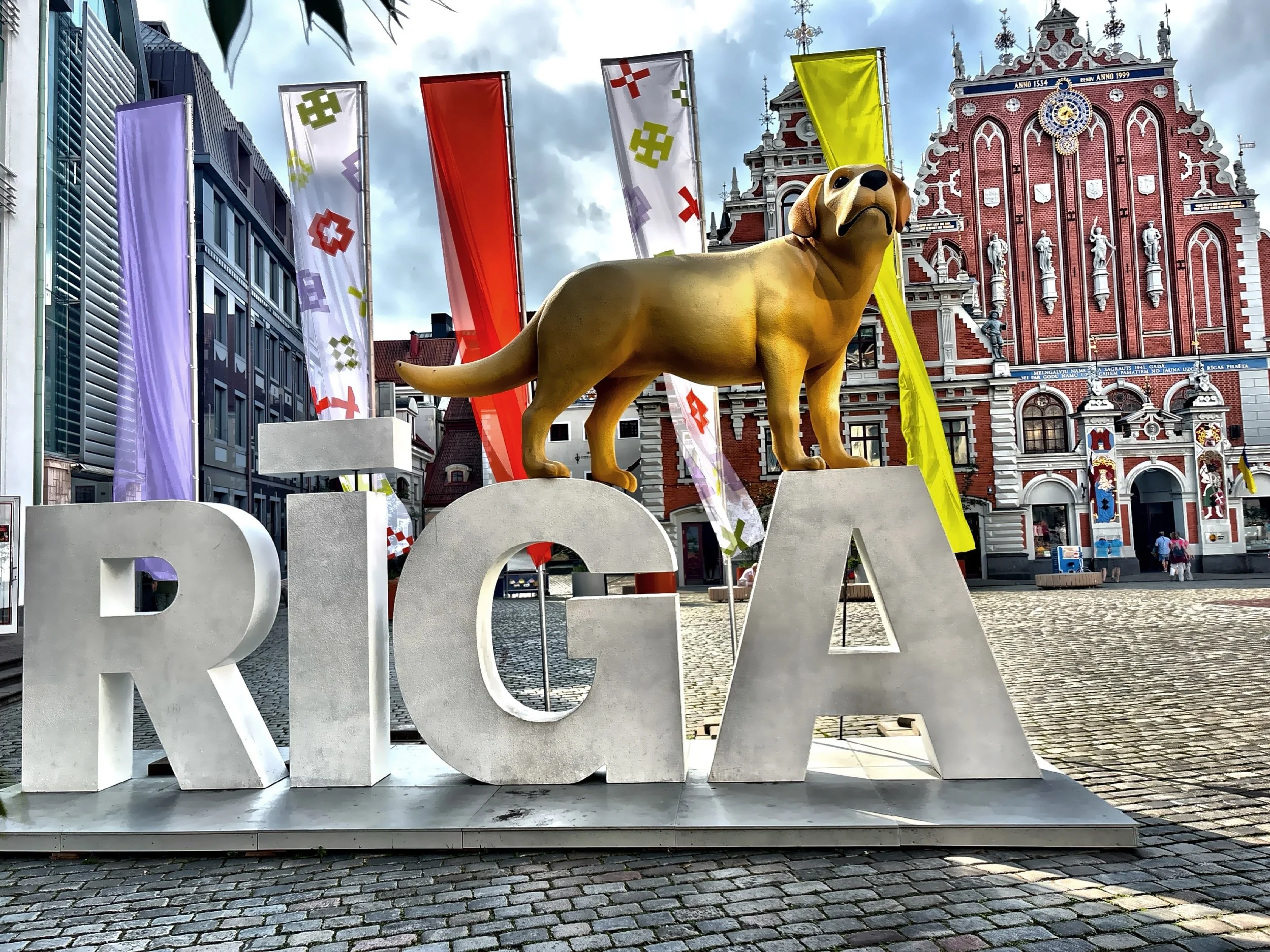
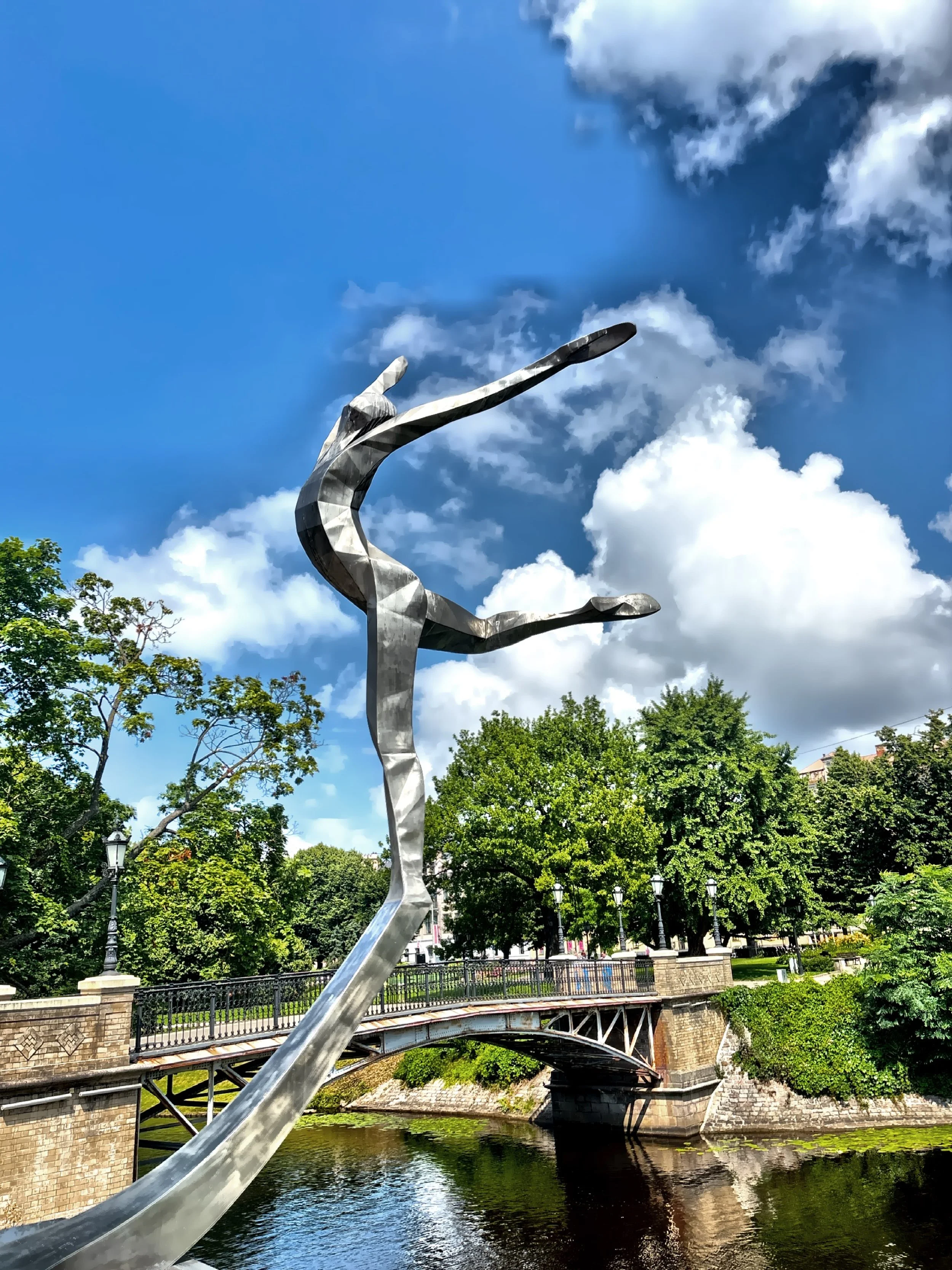
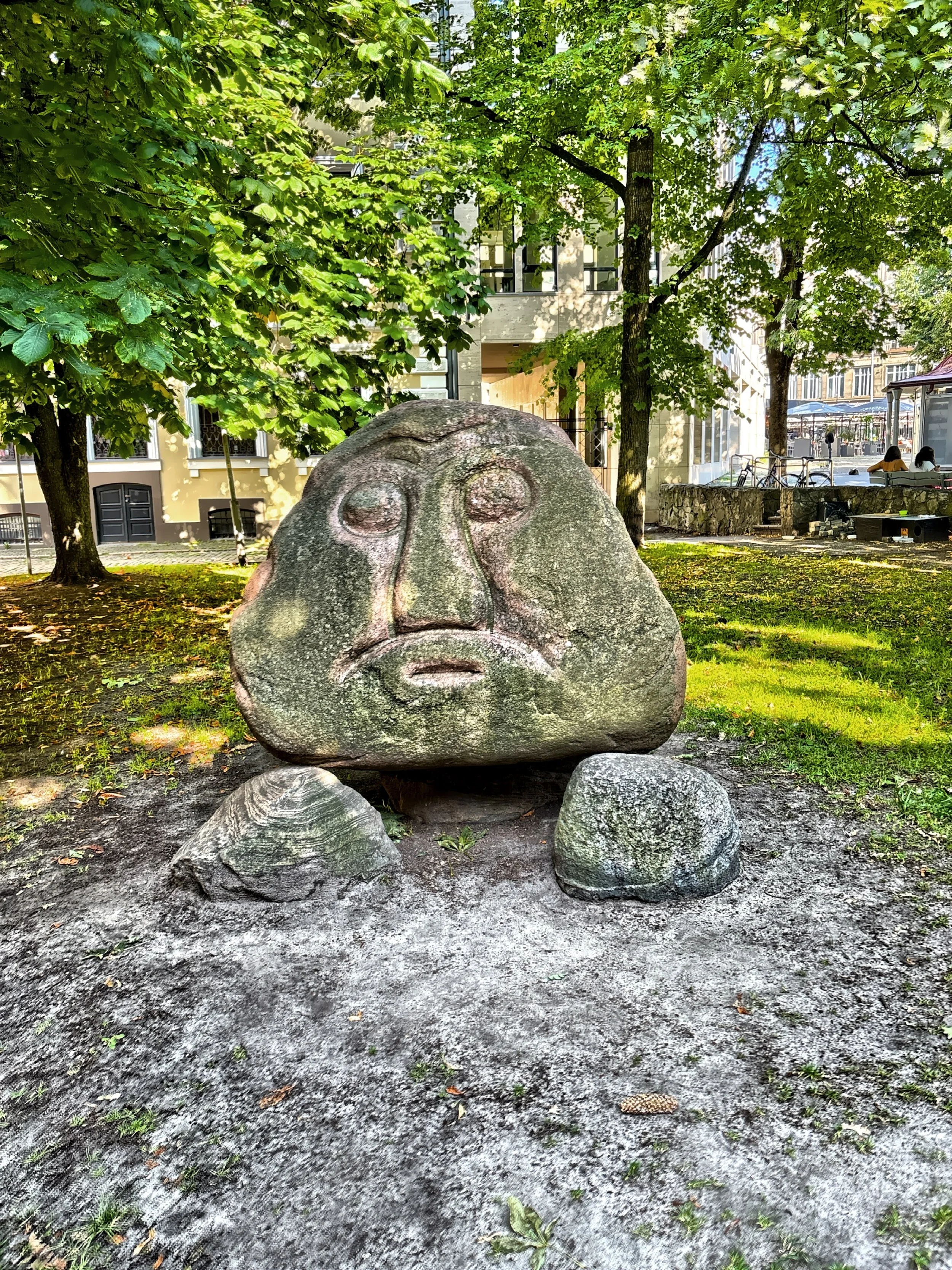
This well-know sculpture is a landmark in Old Town
.
.
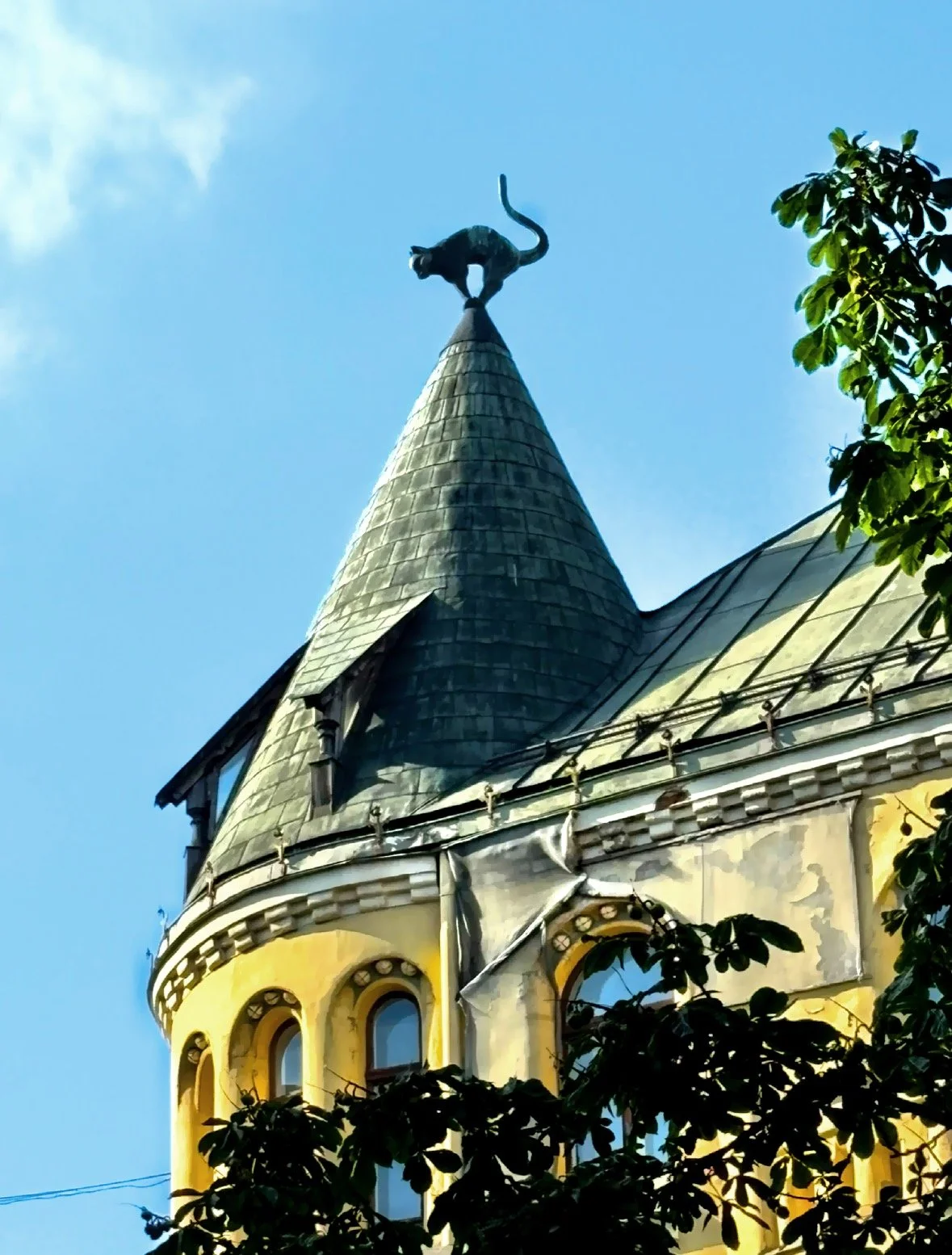
One of the cats on the roof of the Cat House.
.
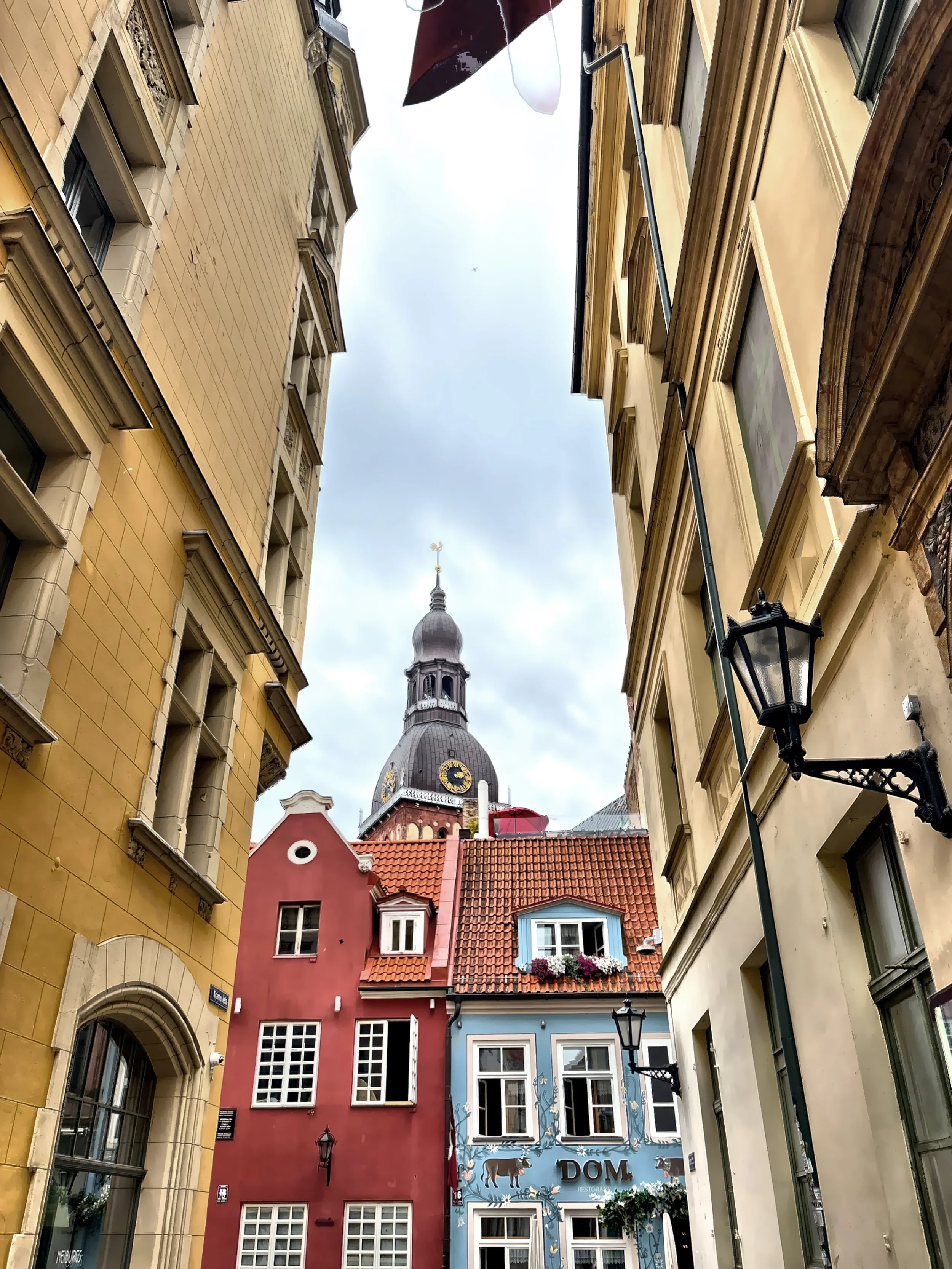
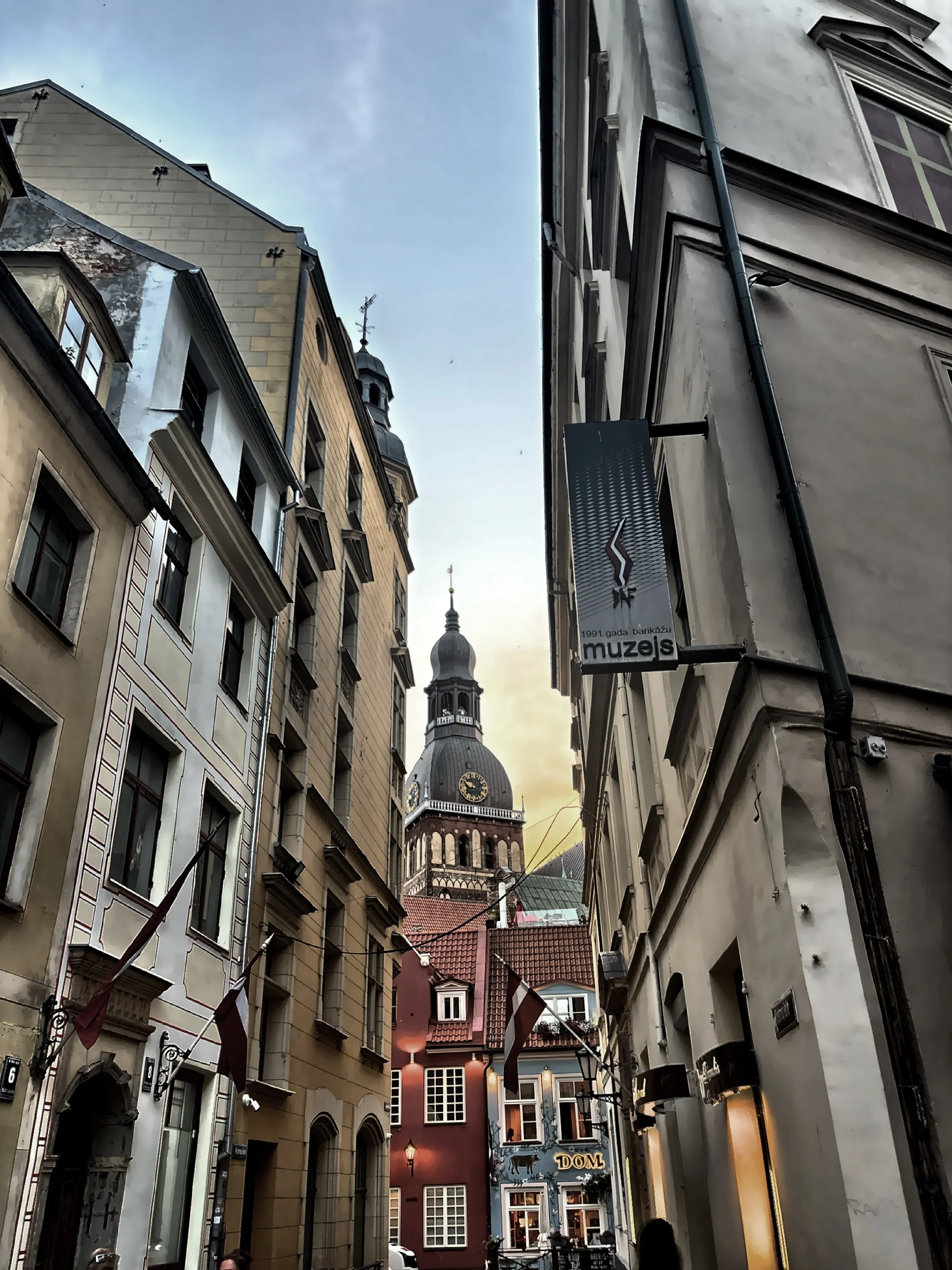
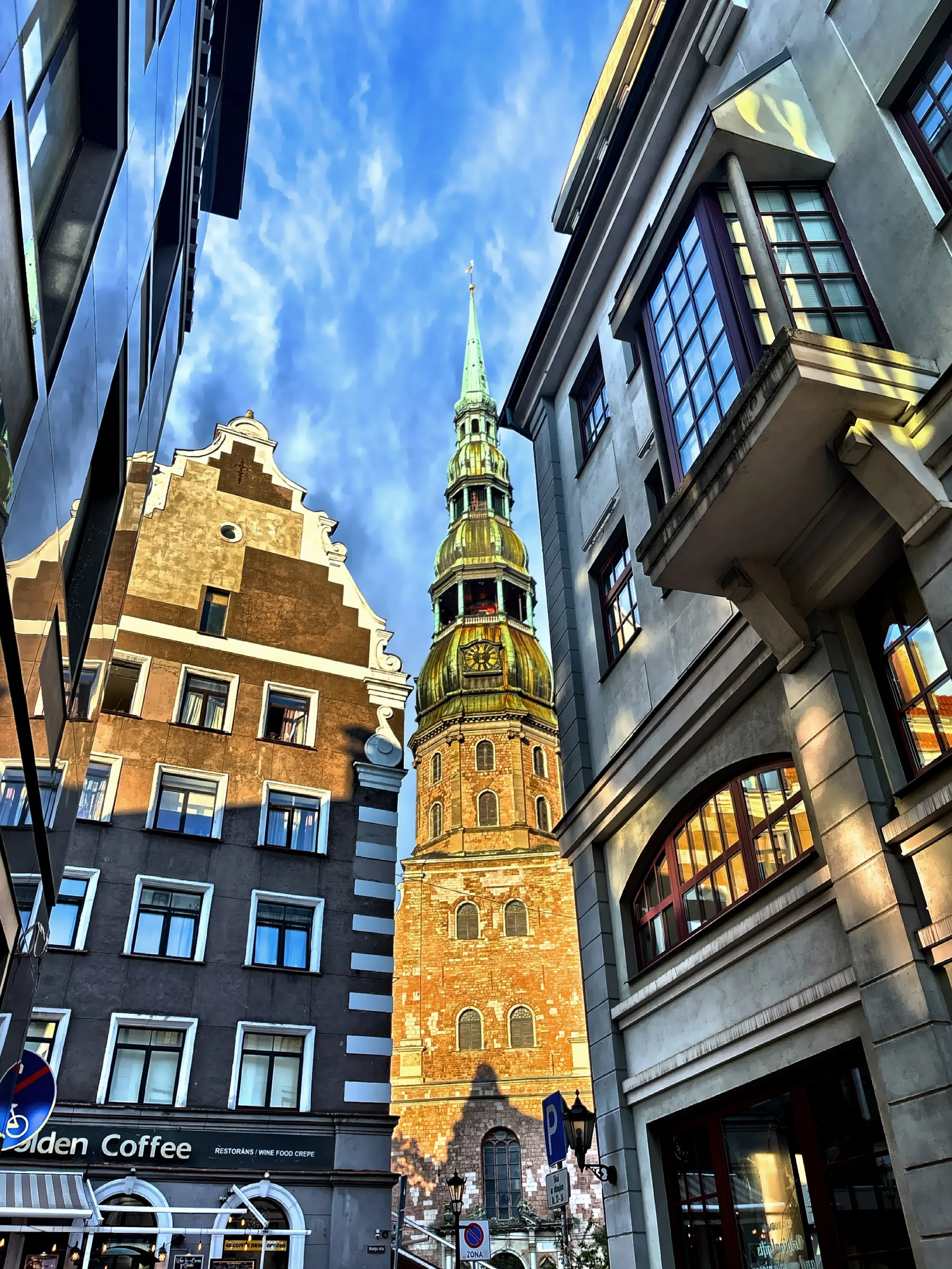
The tower of the Riga Cathedral as seen through one of the narrow streets.
.
.
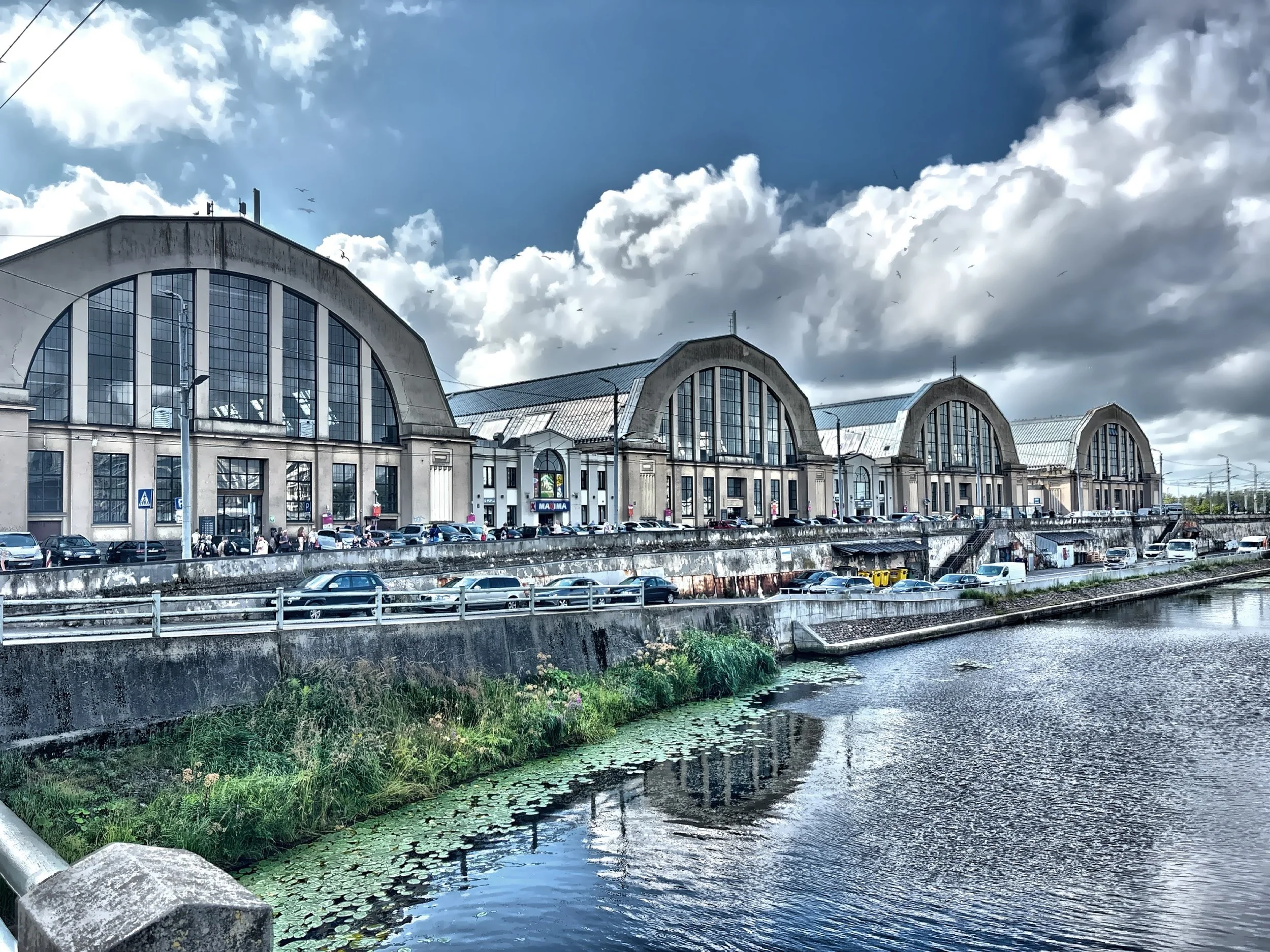
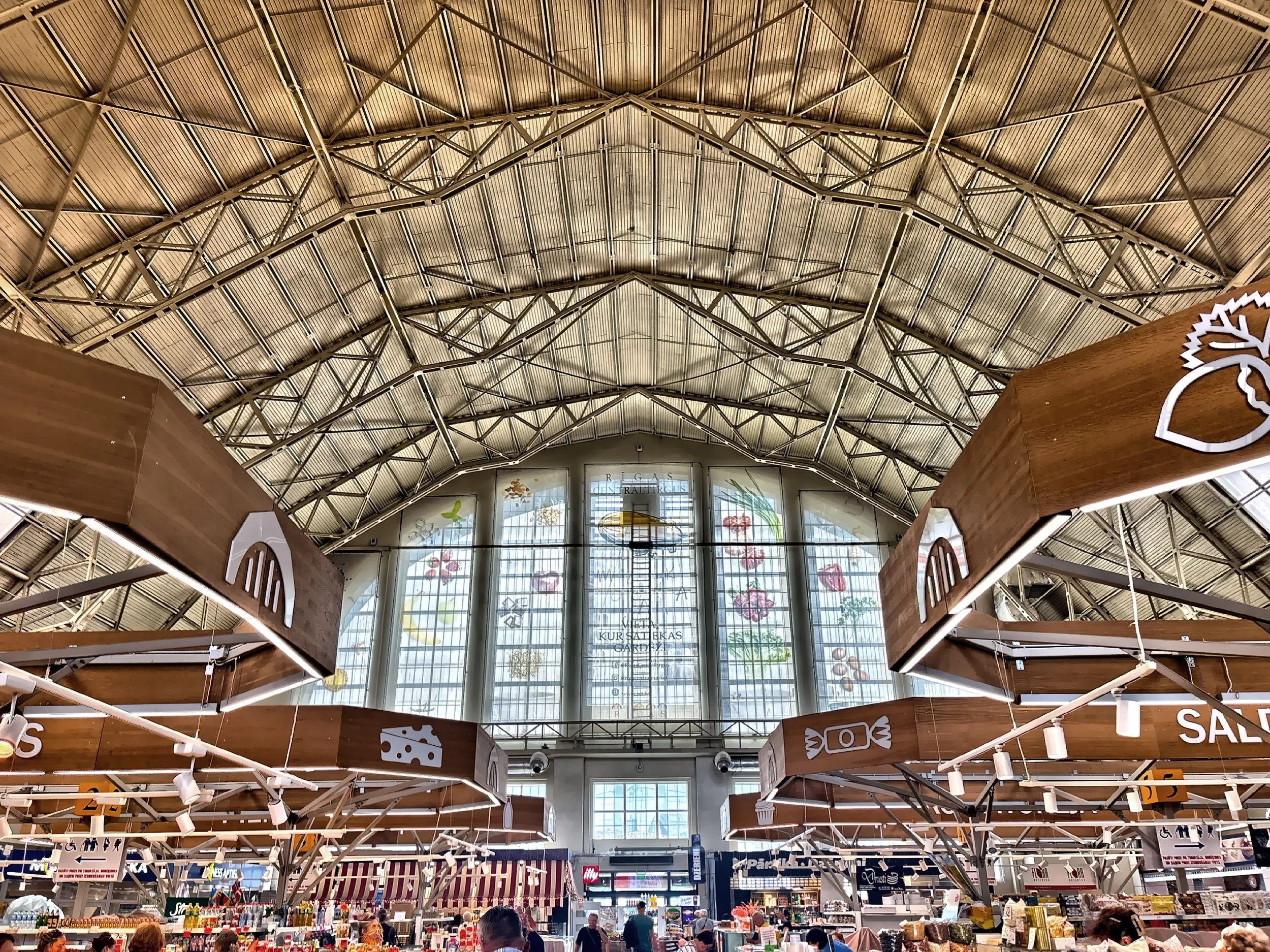
The Riga Central Market is housed in five pavilions that were originally German Zeppelin hangars.
.
.
The height of a building was determined on how high water could be transported.
.
.
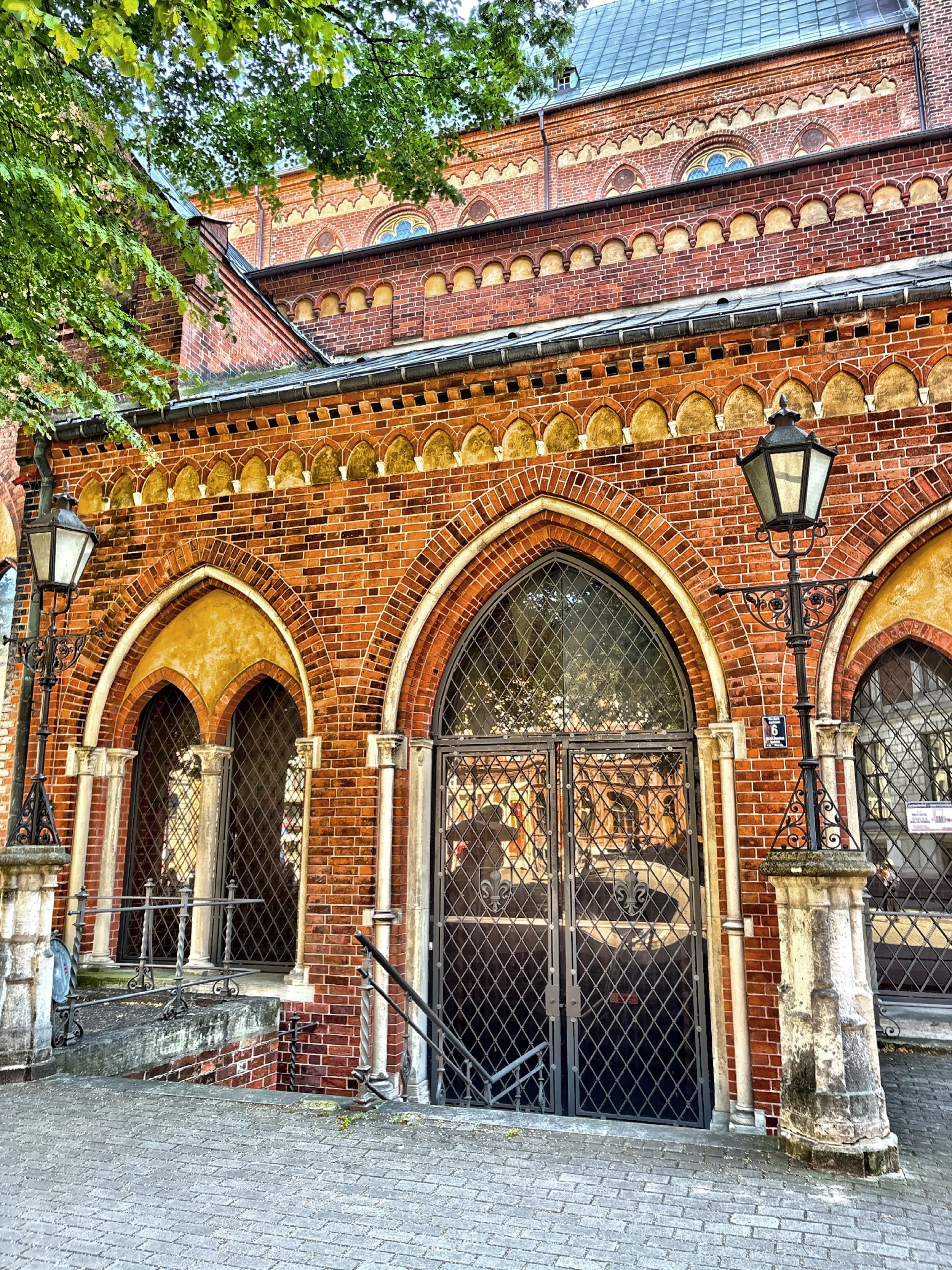
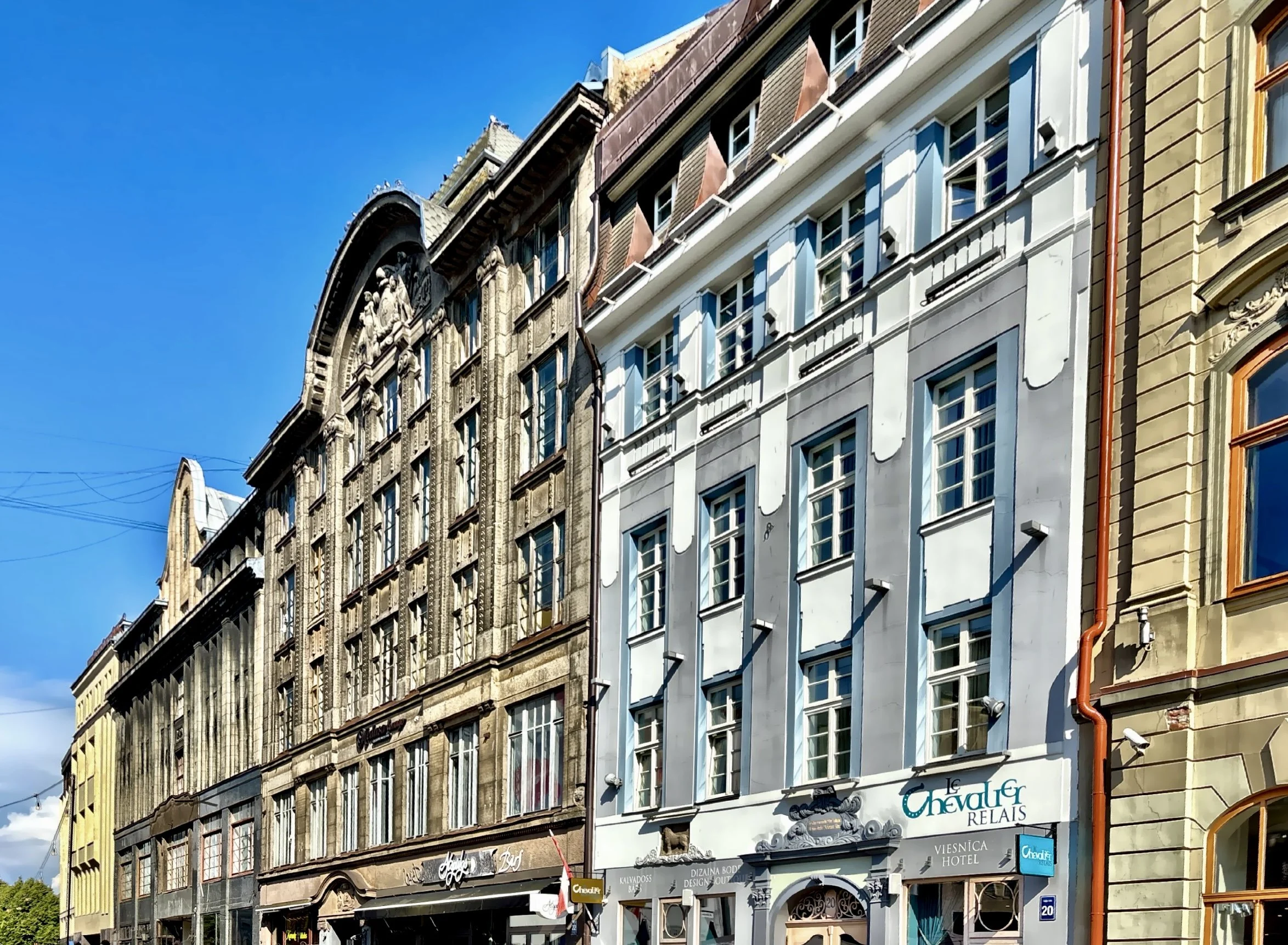
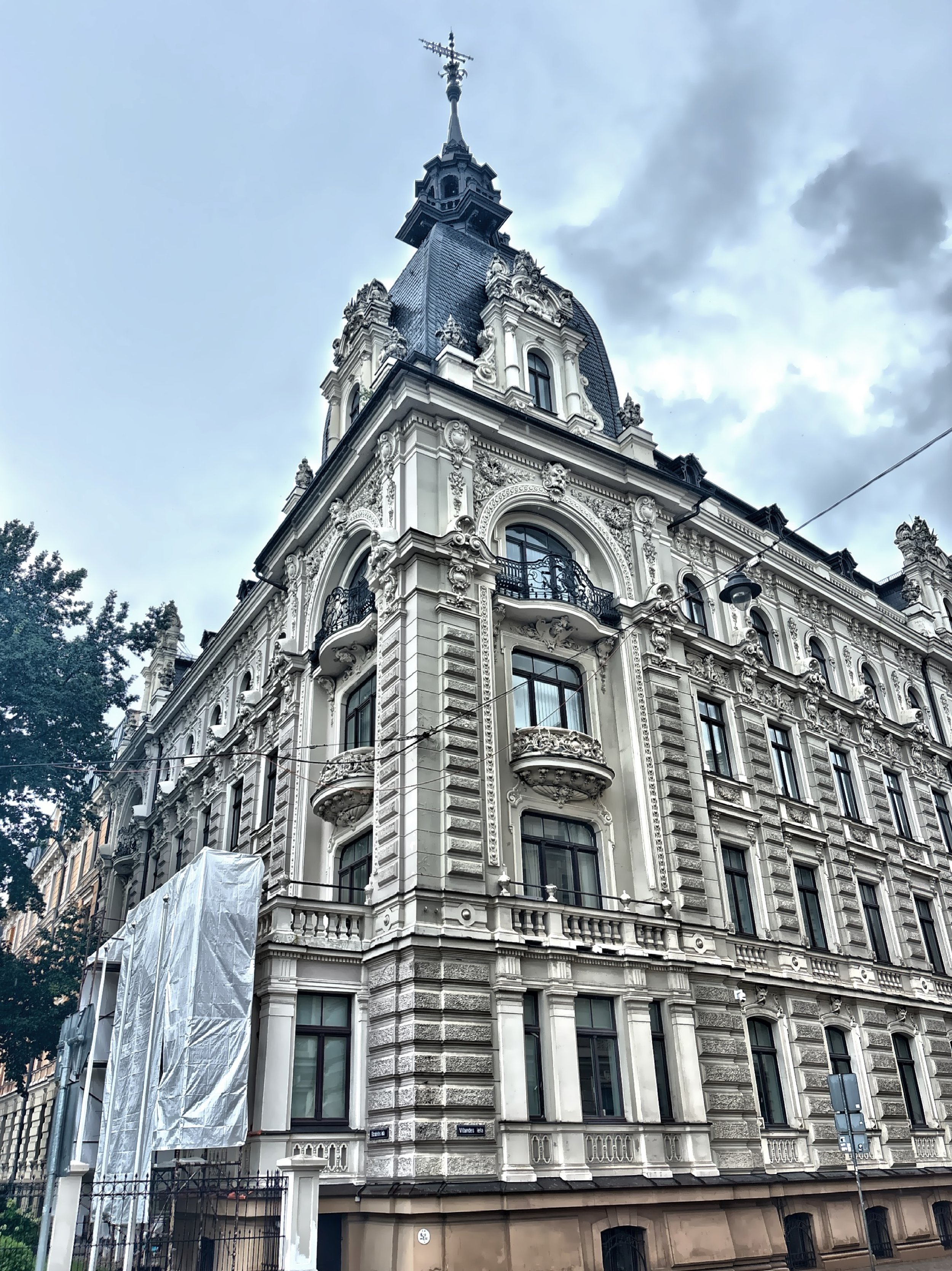
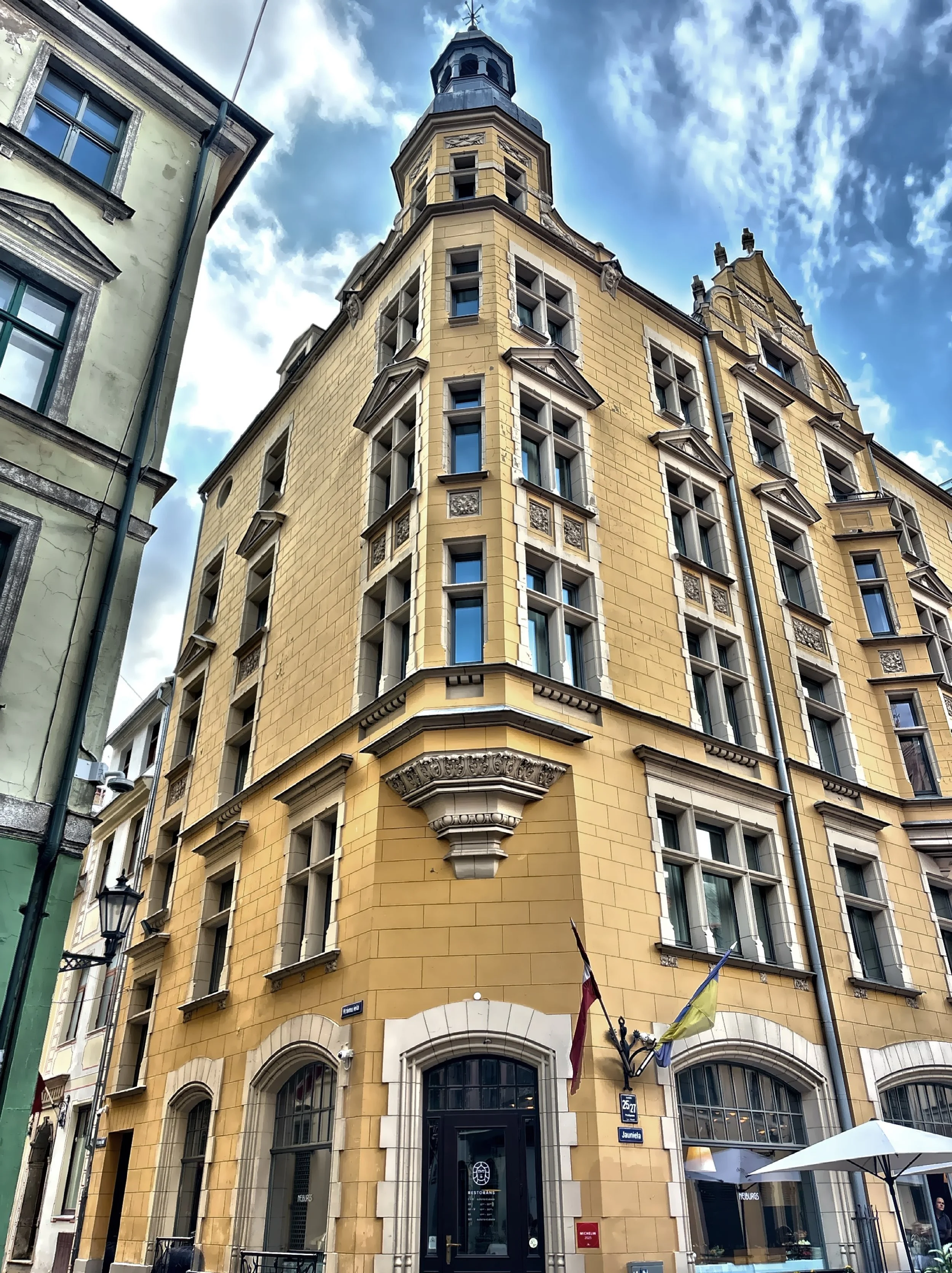
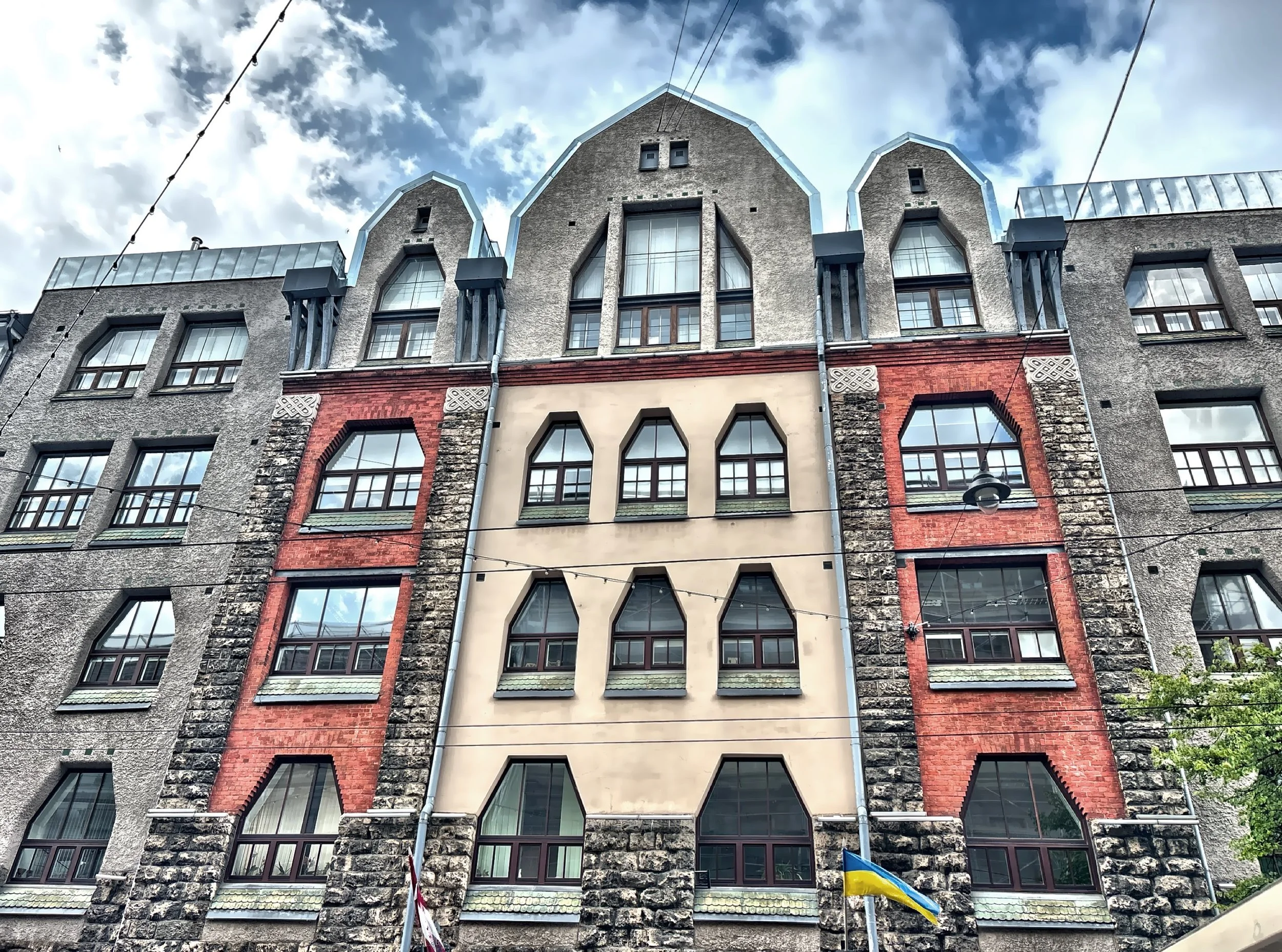
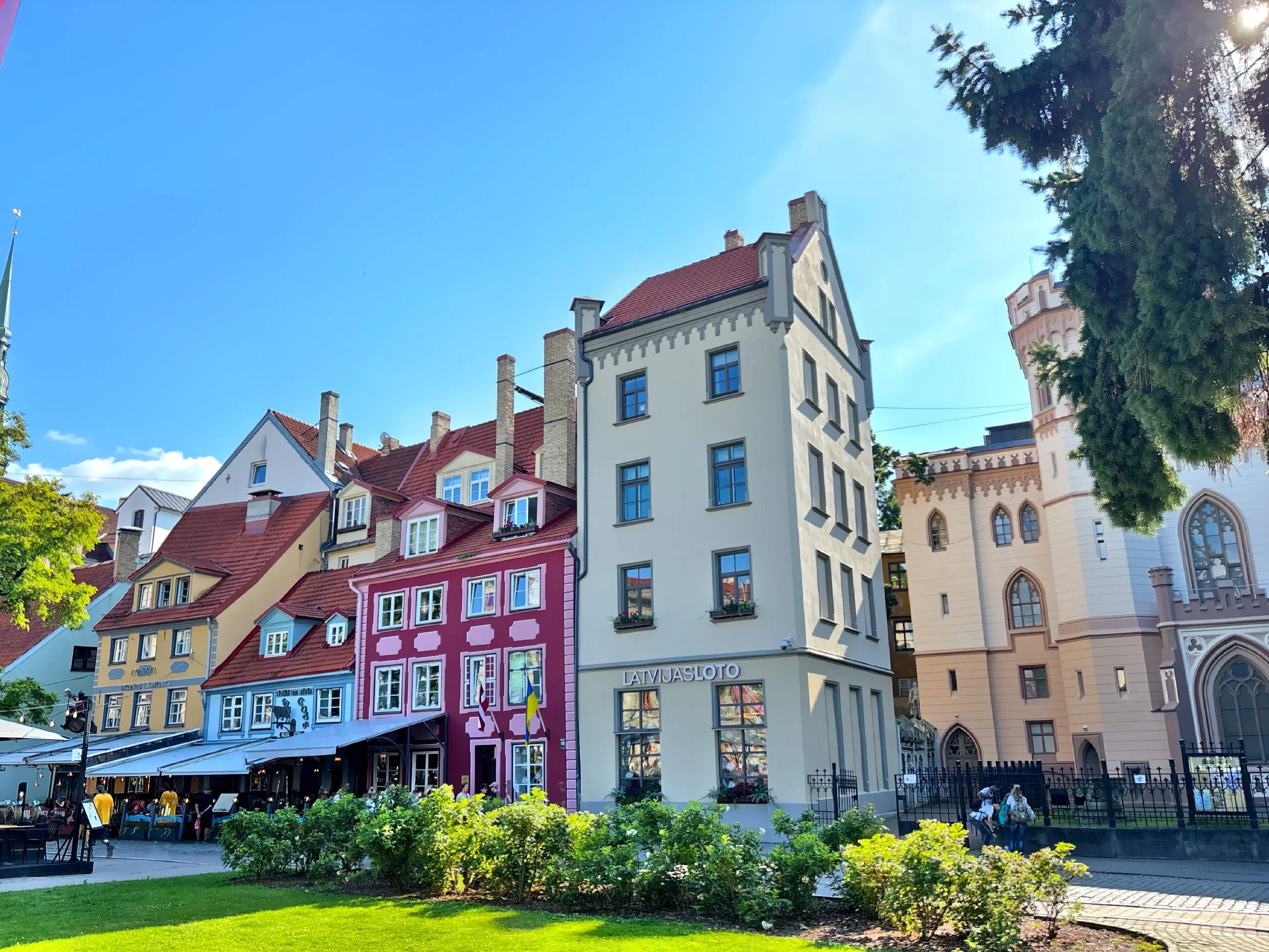
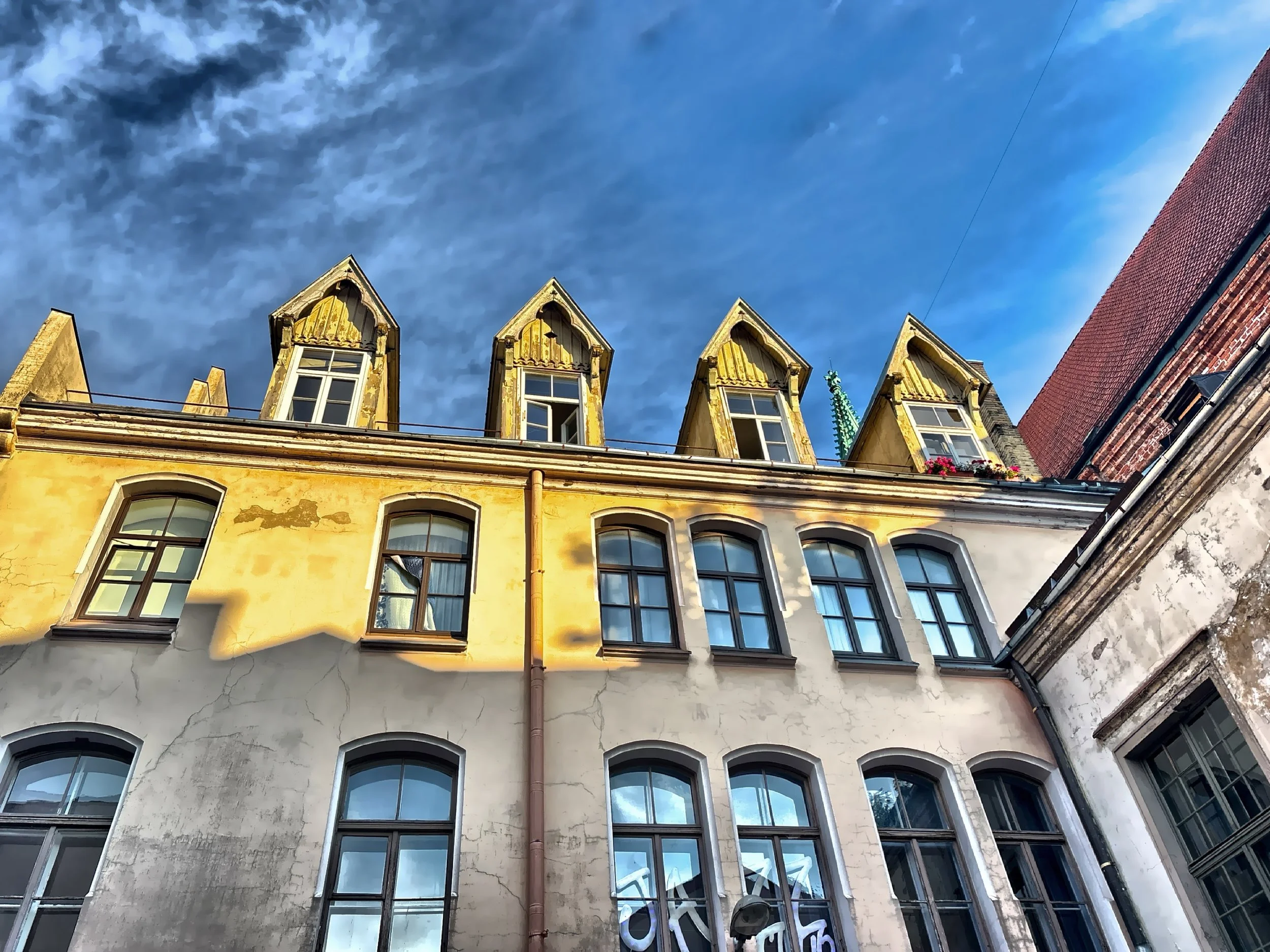
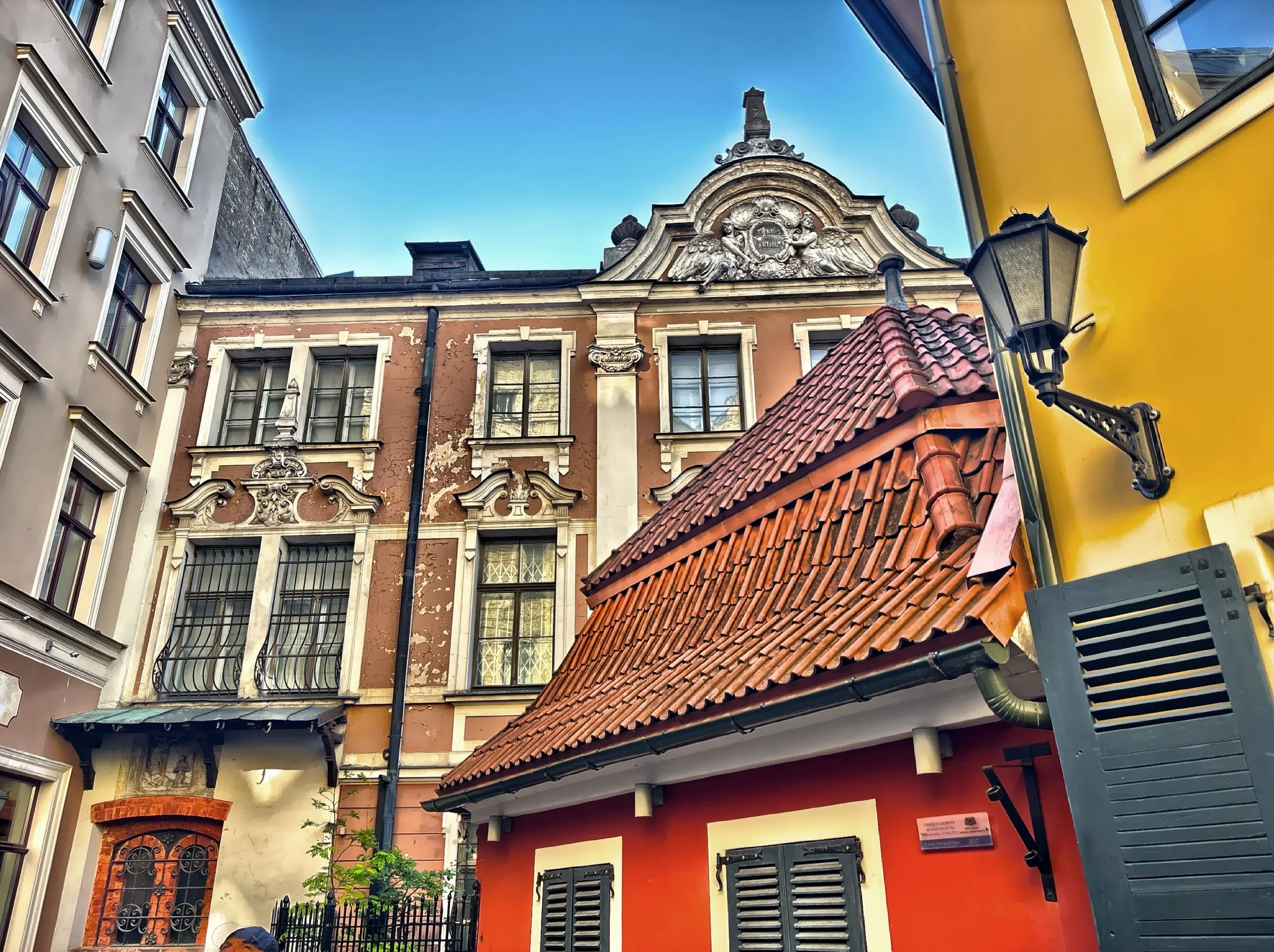
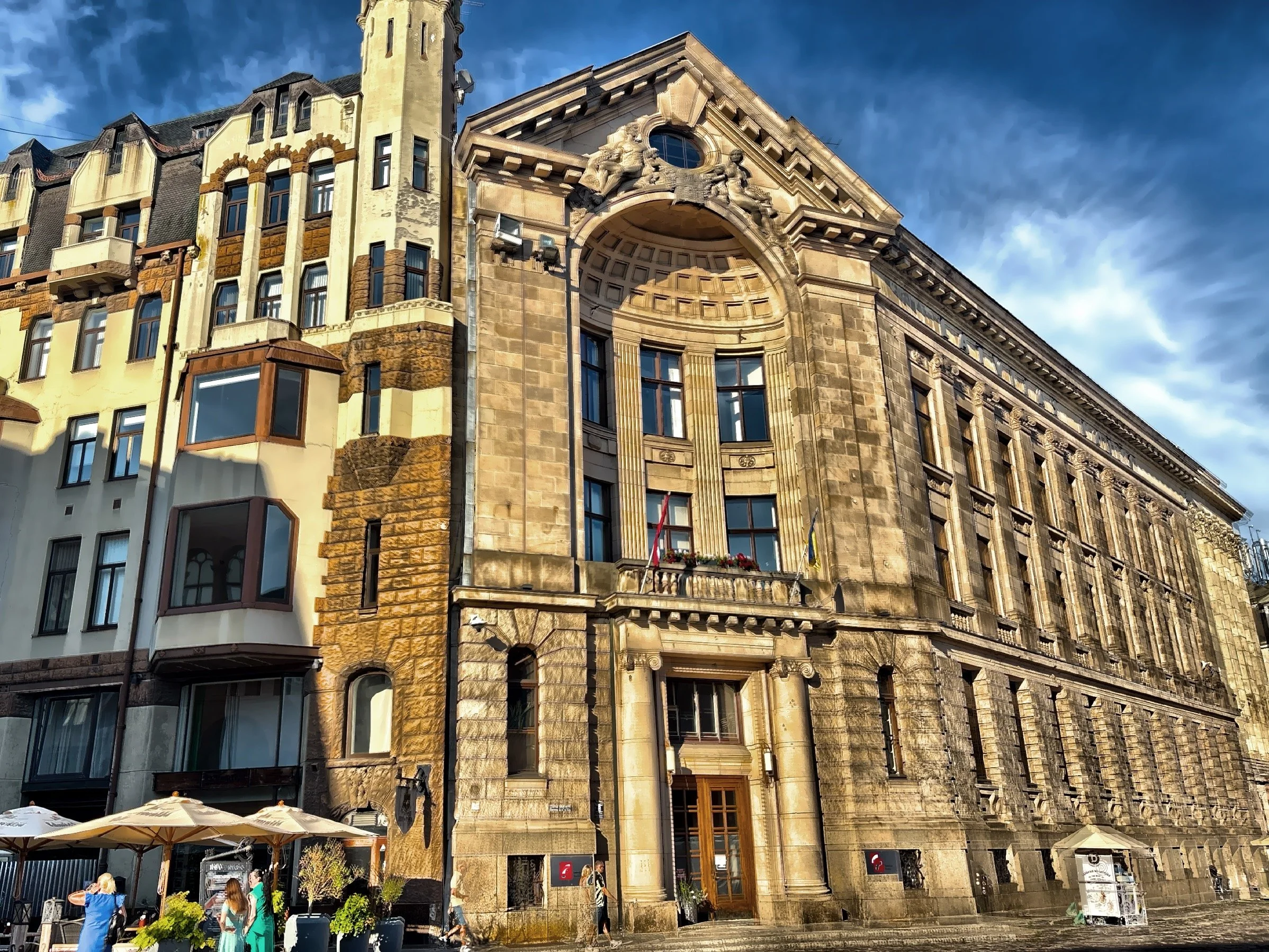
The Old Town’s architectural diversity ranges from Gothic and Romanesque to Art Nouveau, Baroque, and beyond.
.
.
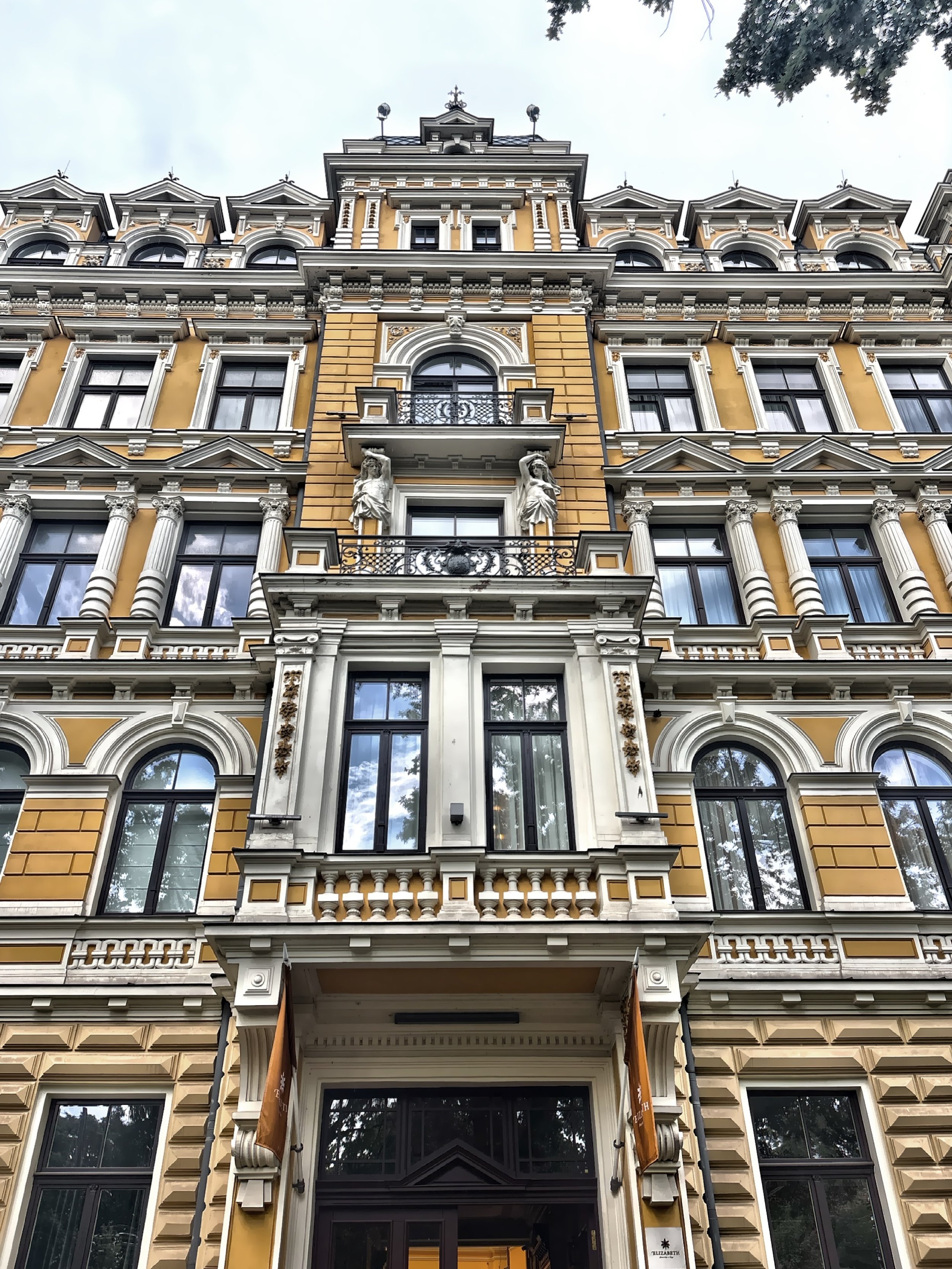
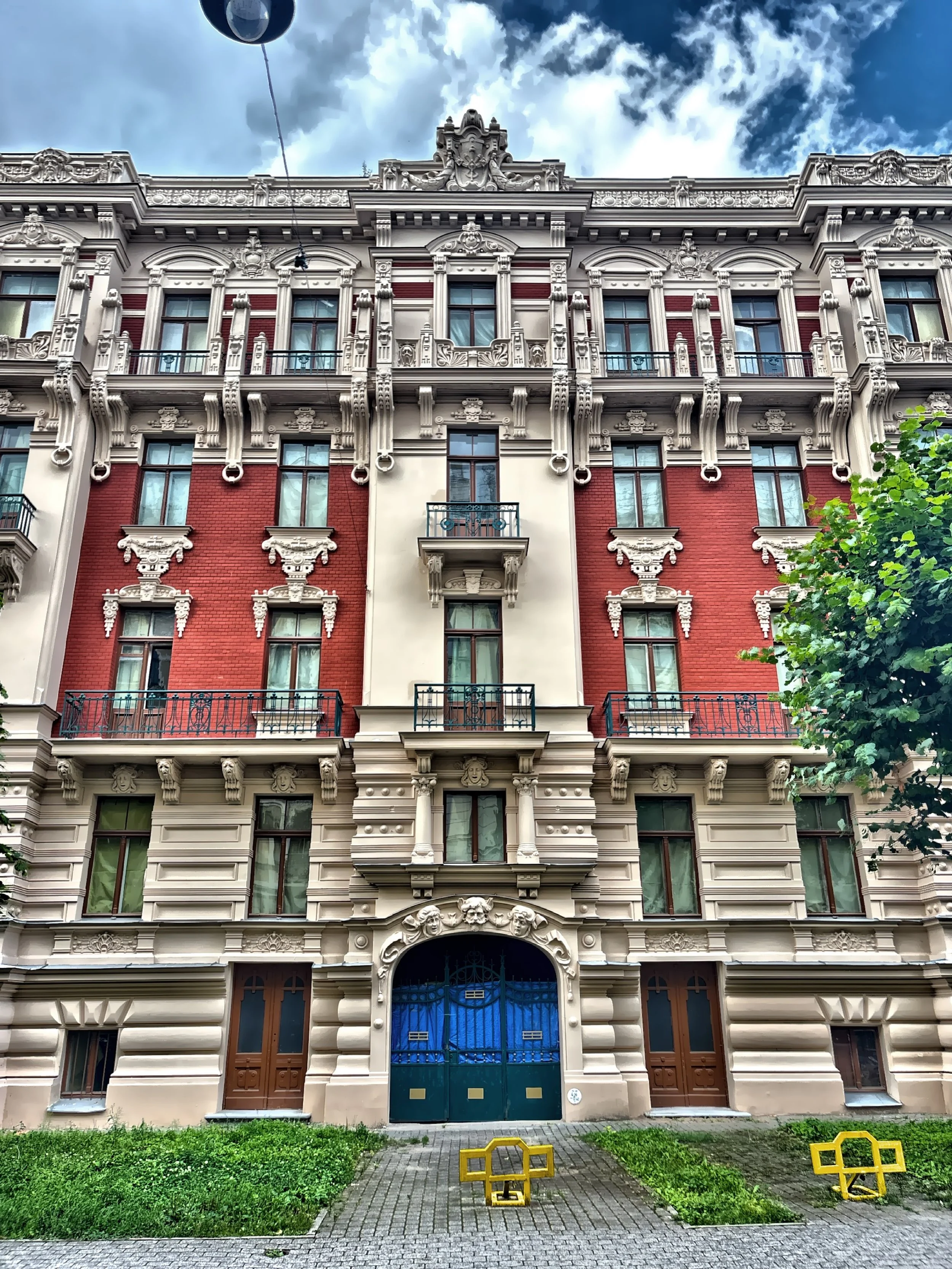
An elegant building designed by Rudolf Heinrich Zirkwitz.
.
.
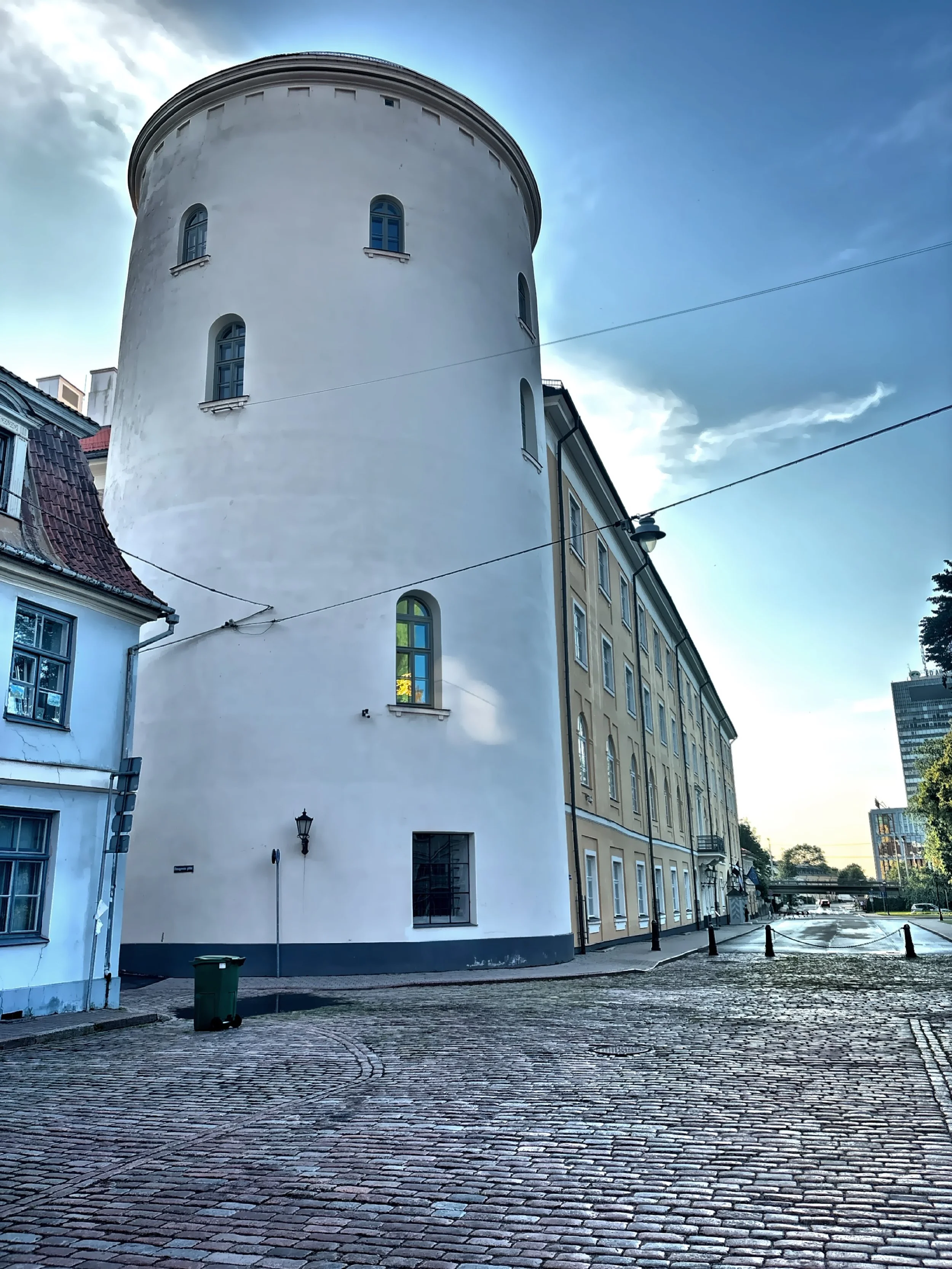
The Riga Castle, the official residence of the President of Latvia, was originally built in 1330 by the Livonian knights.
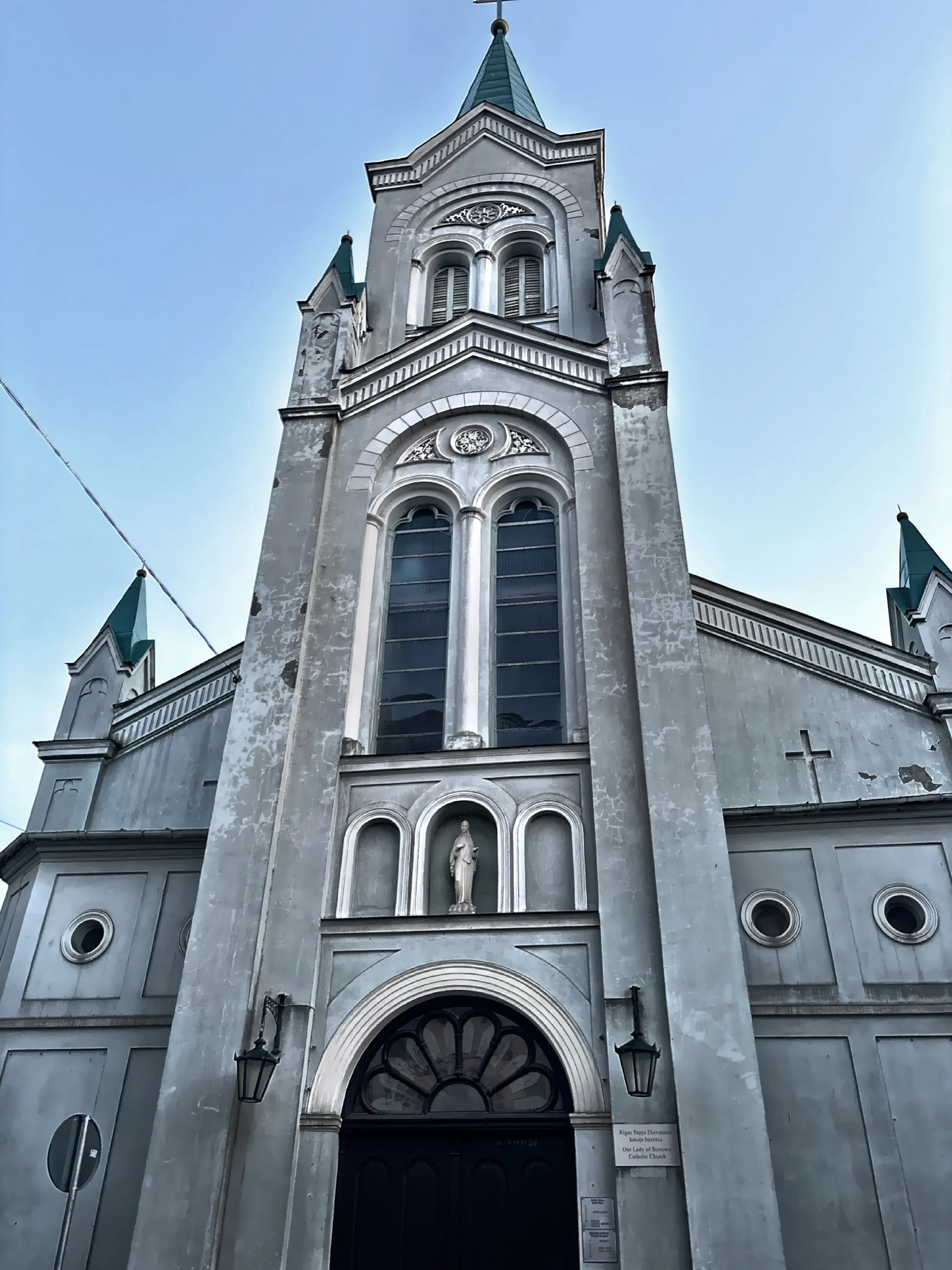
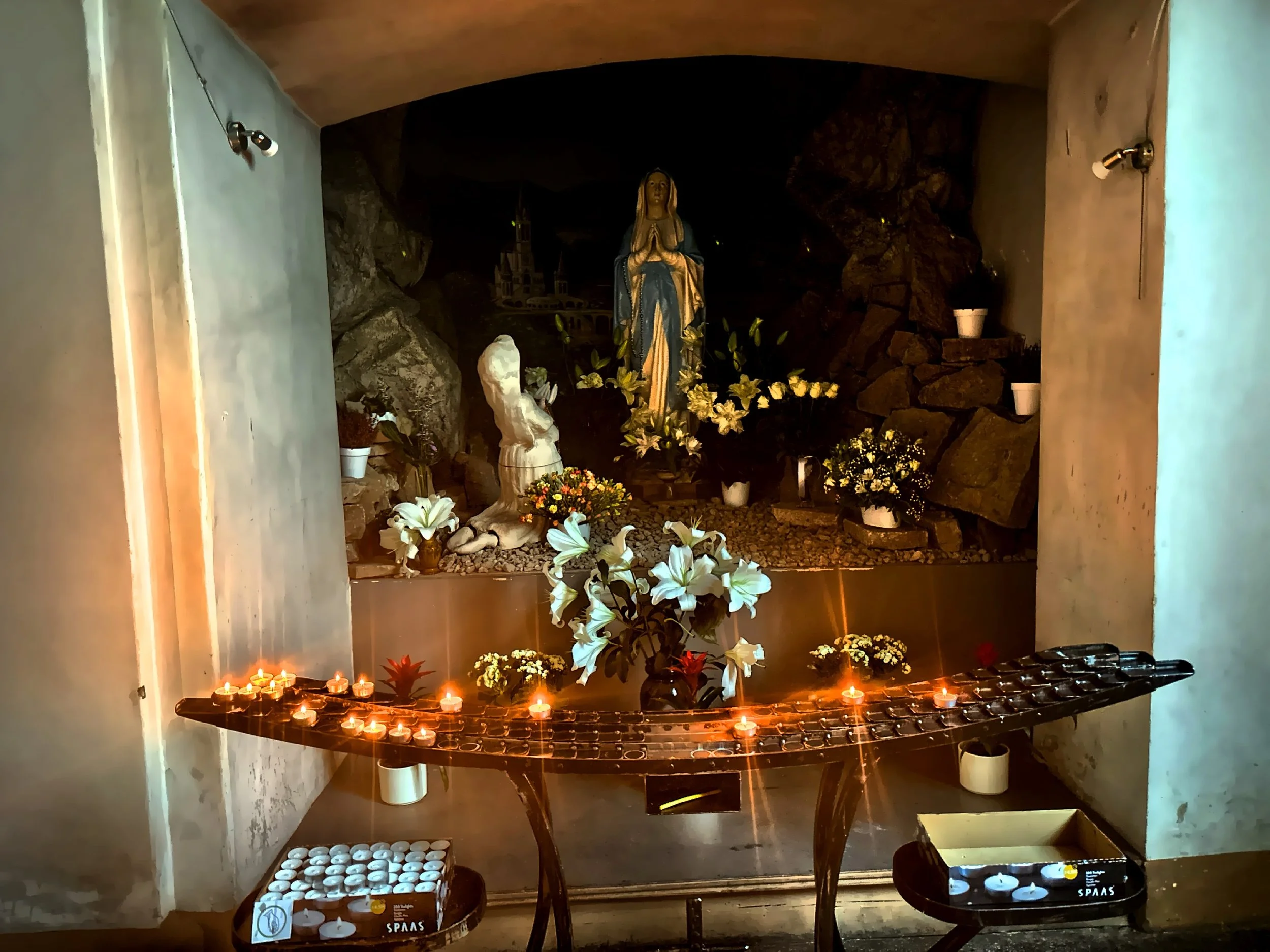
Our Lady of Sorrows Church, the first newly built stone Catholic church after the Reformation (1785).
.
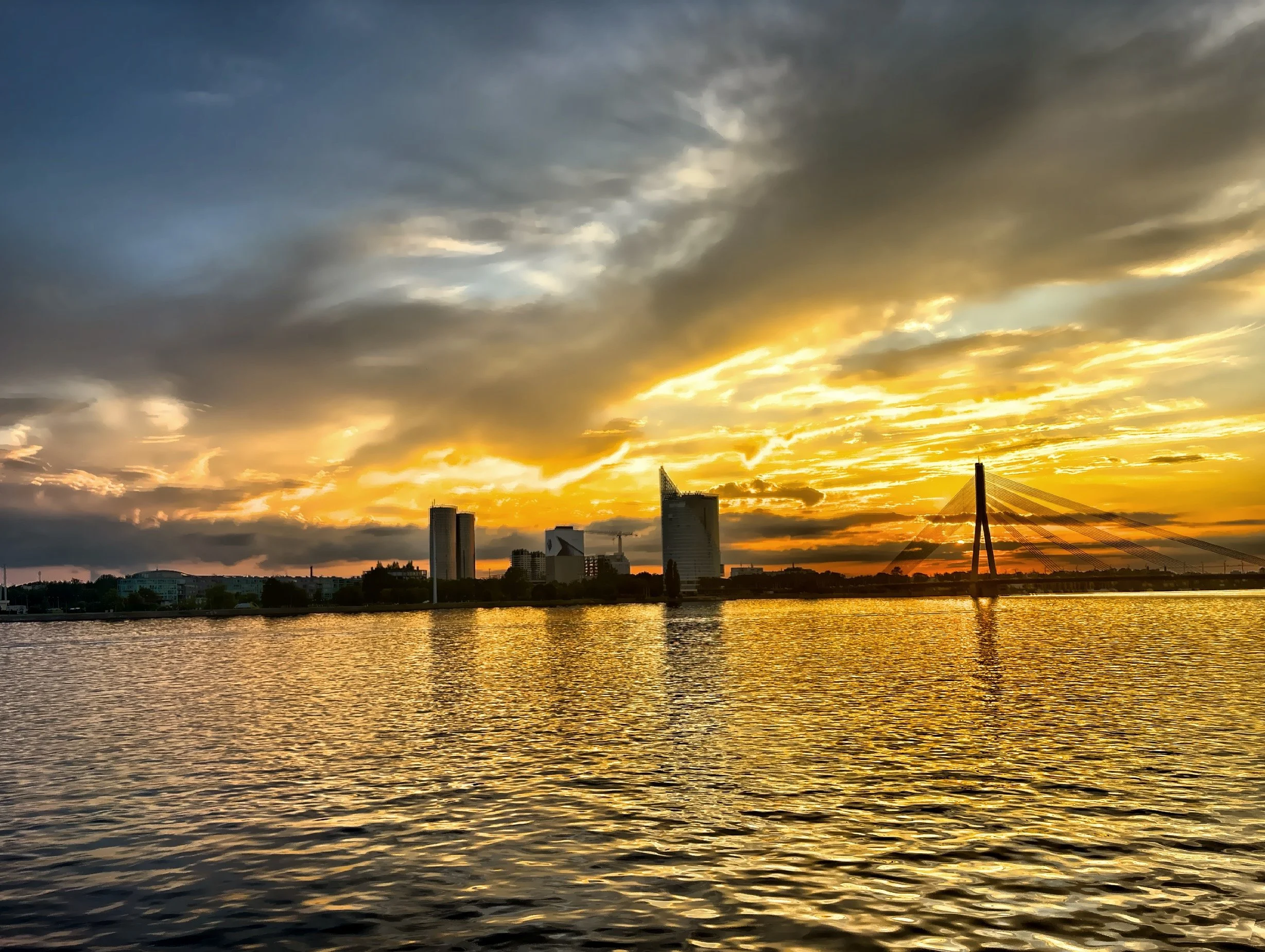
The sunset over the Daugava River, where the skyline and Vansu Bridge created a beautiful silhouette.
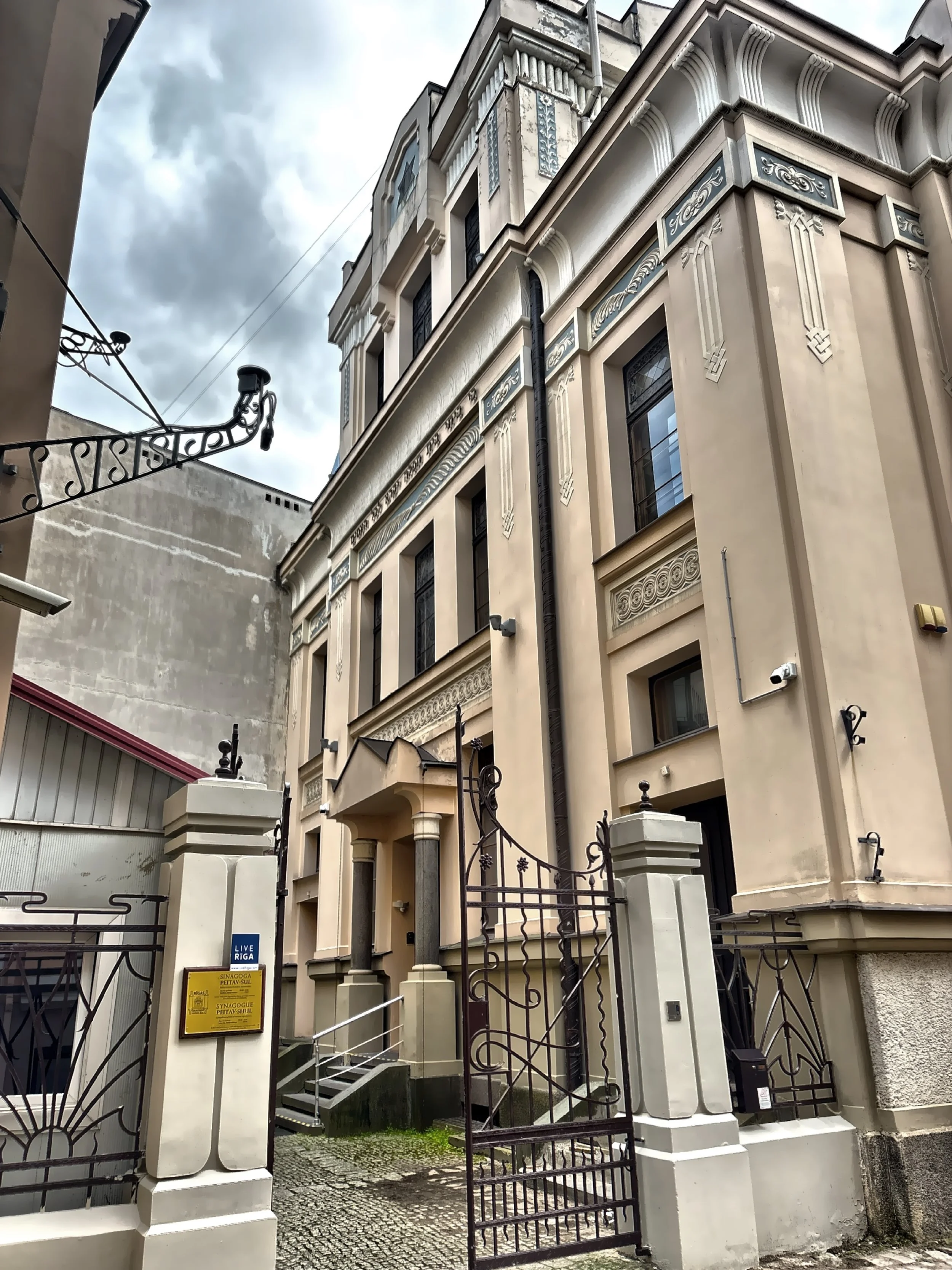
The exterior of the Peitav Synagogue built between 1903 and 1905.
.
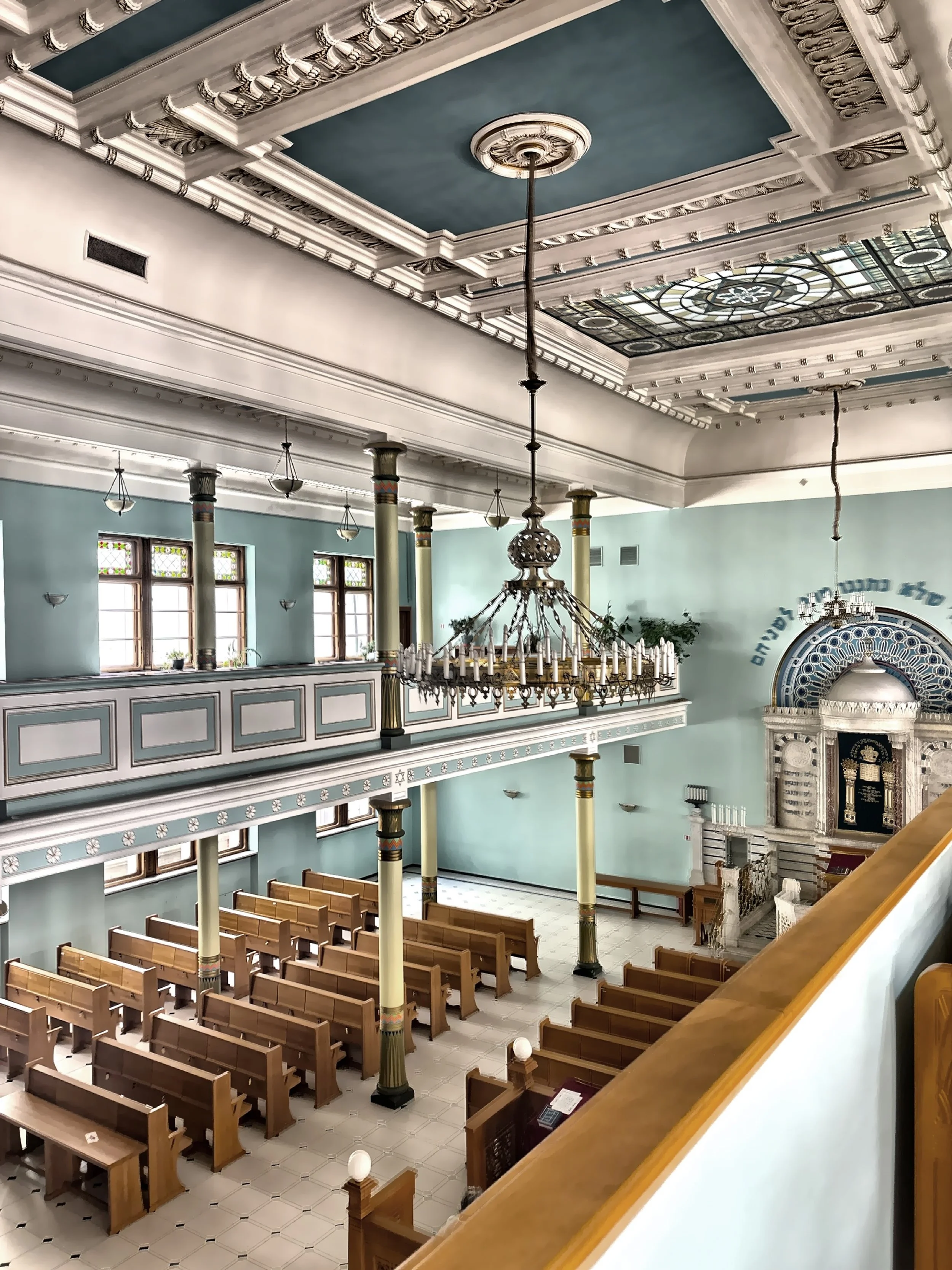
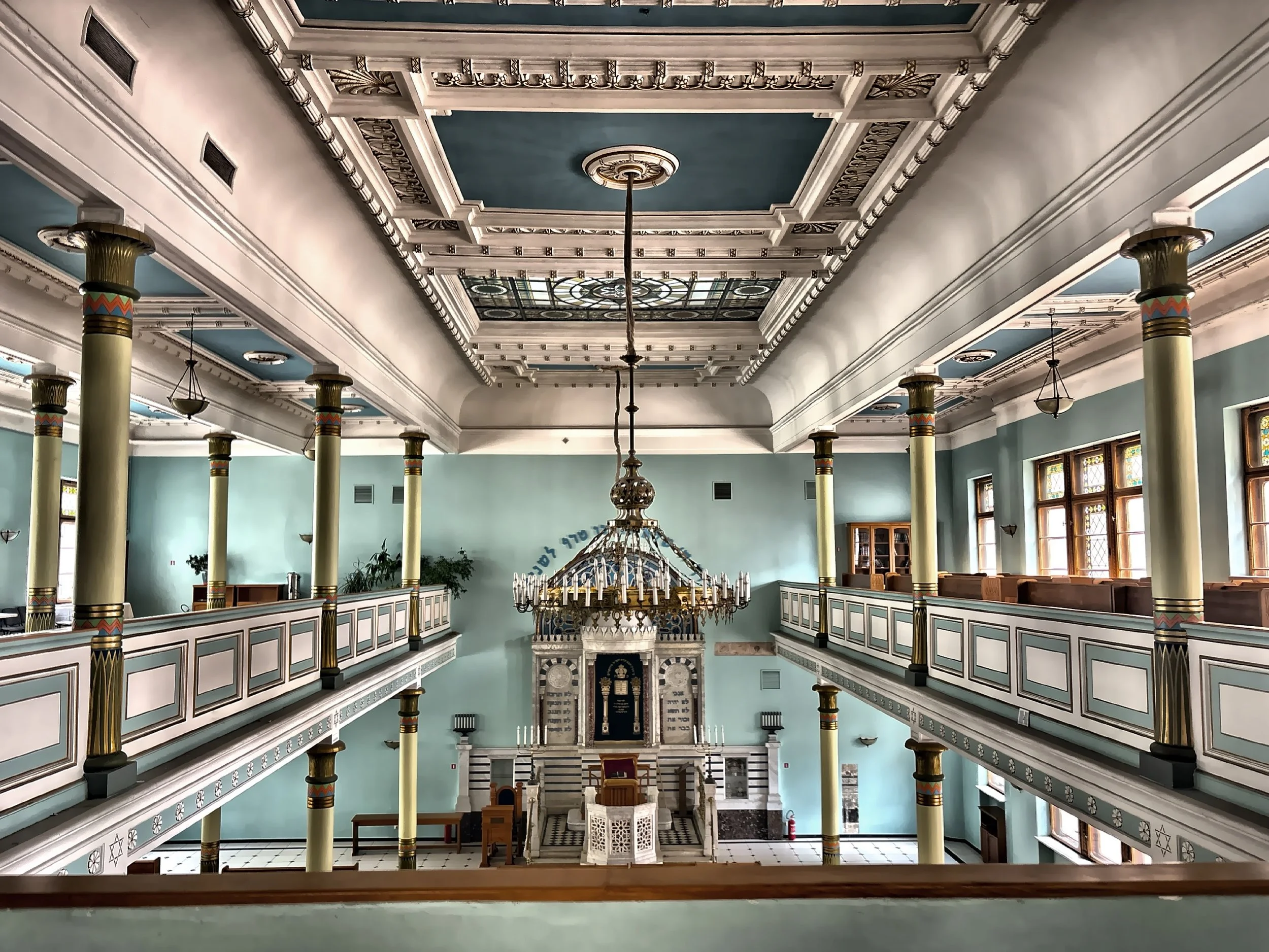
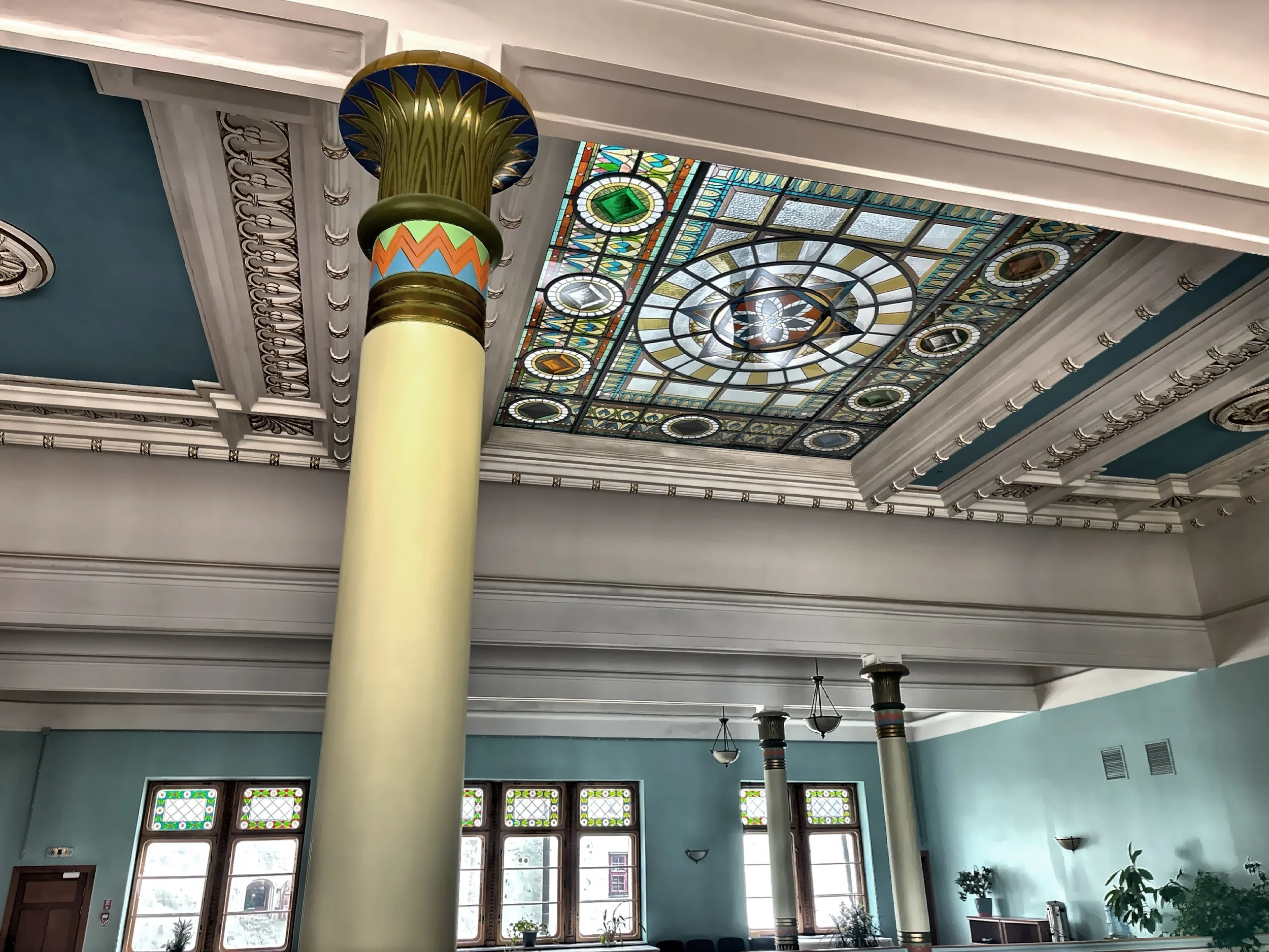
This synagogue was the only one in Riga to survive the Nazi occupation. Setting it on fire would have endangered the surrounding wooden buildings.
.
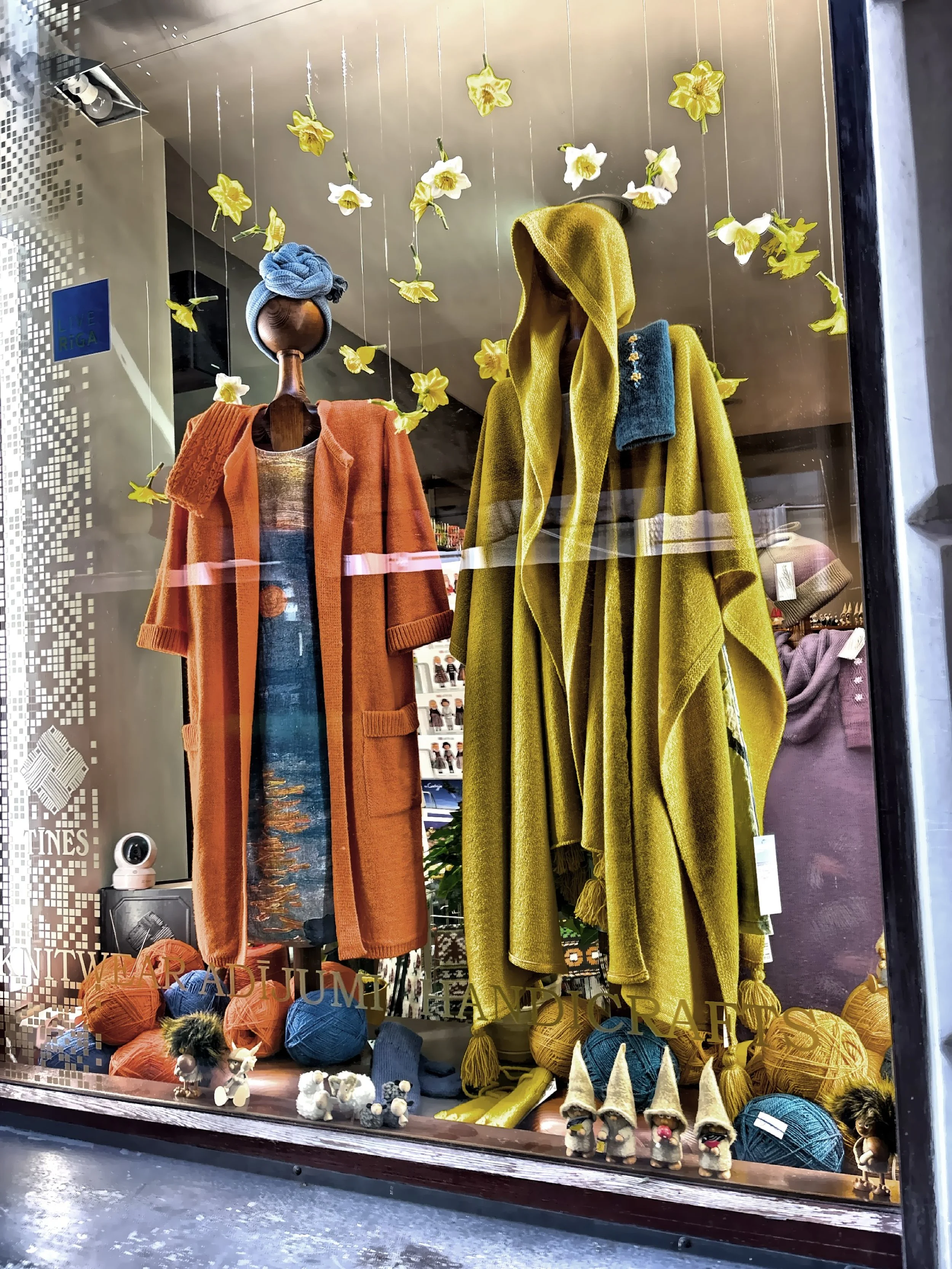
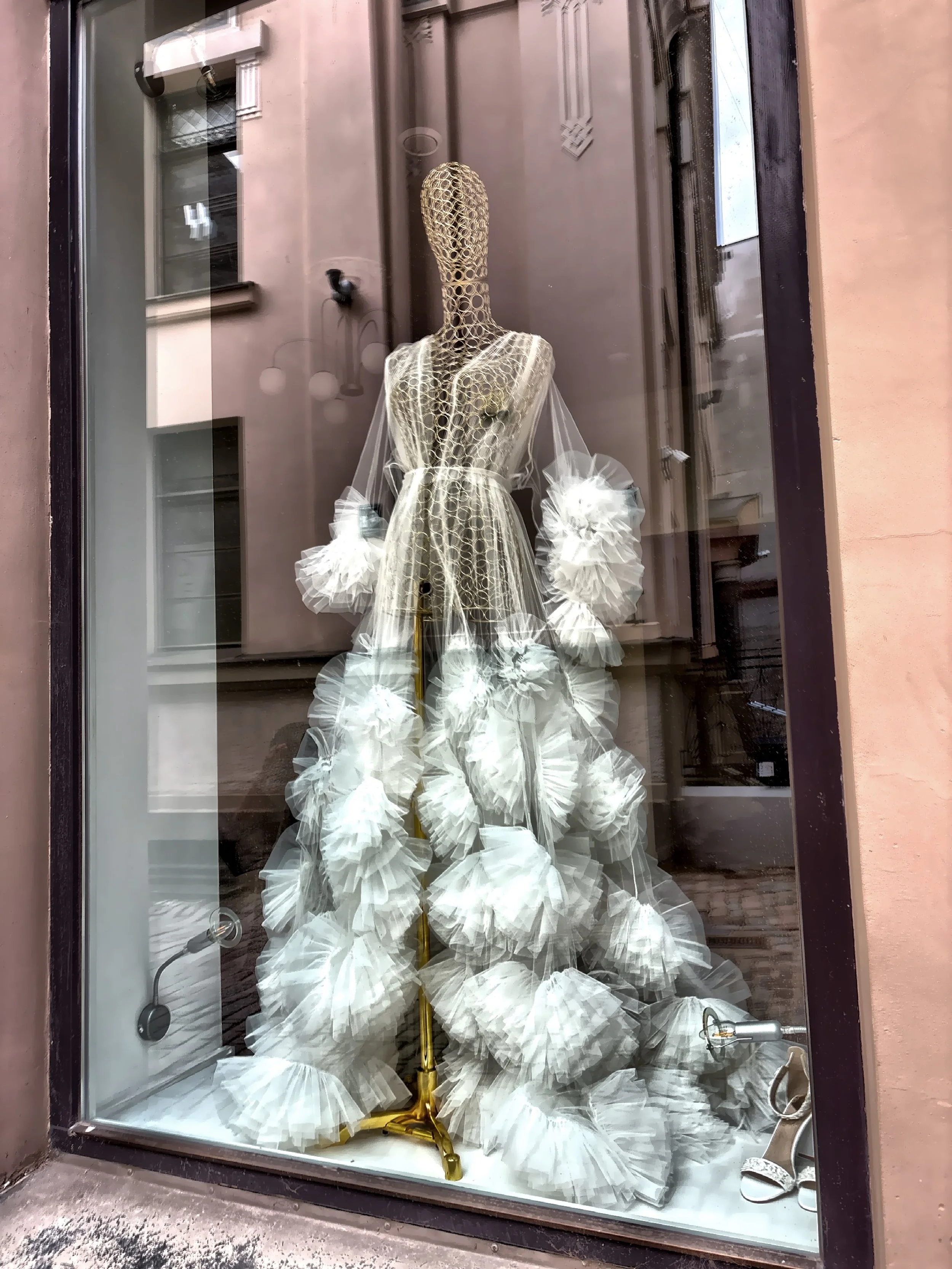
Window shopping
.
.
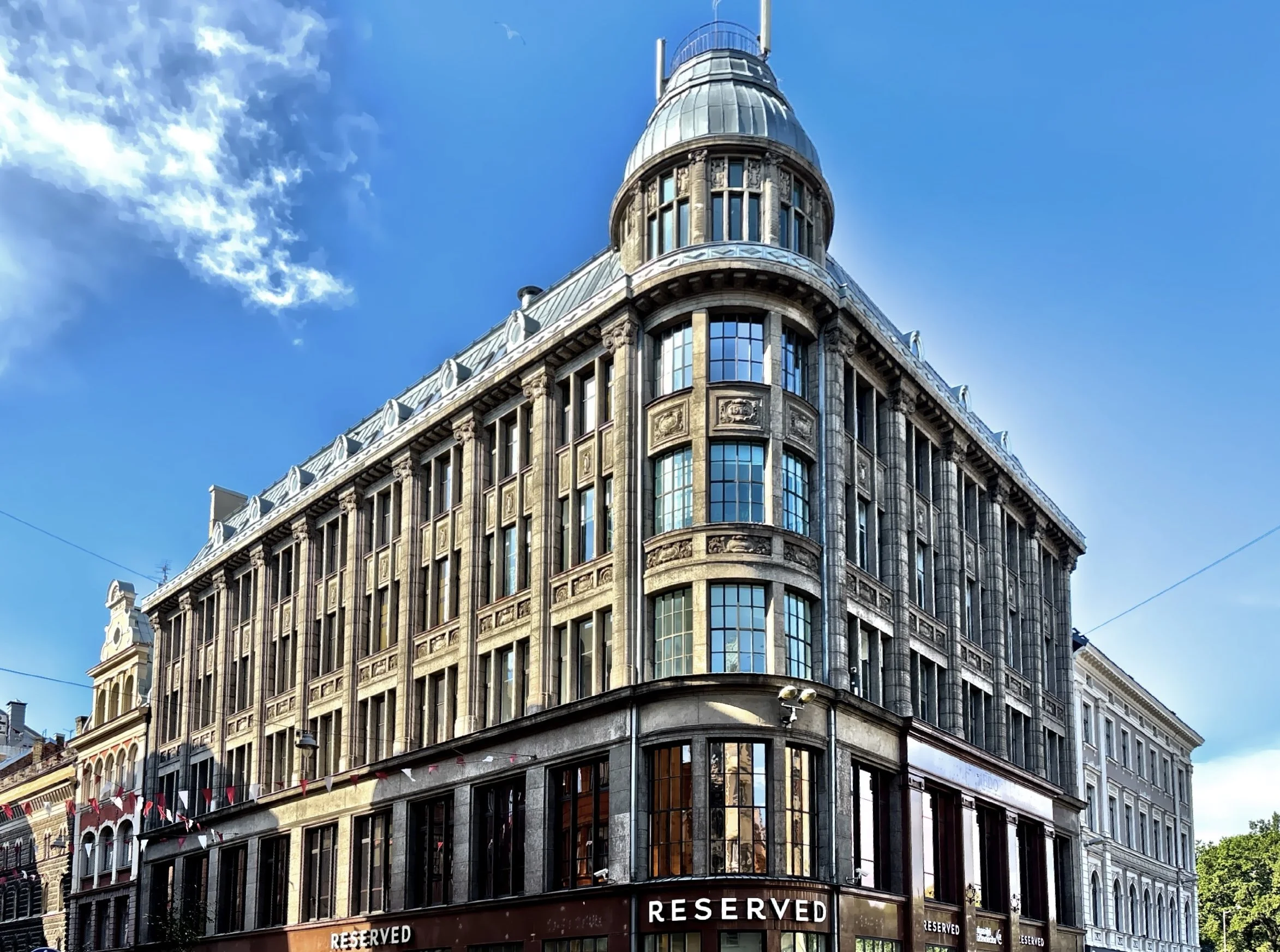
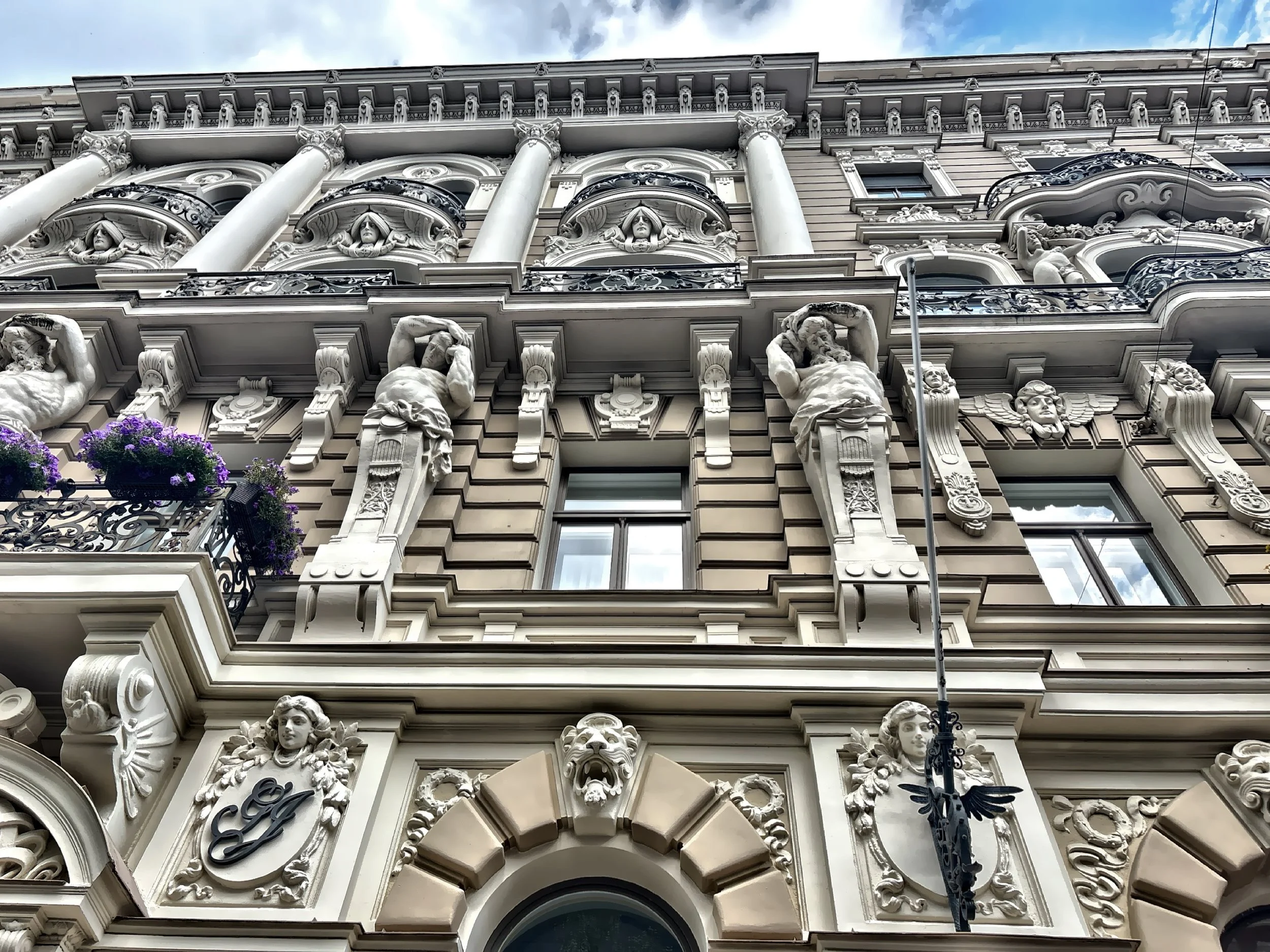
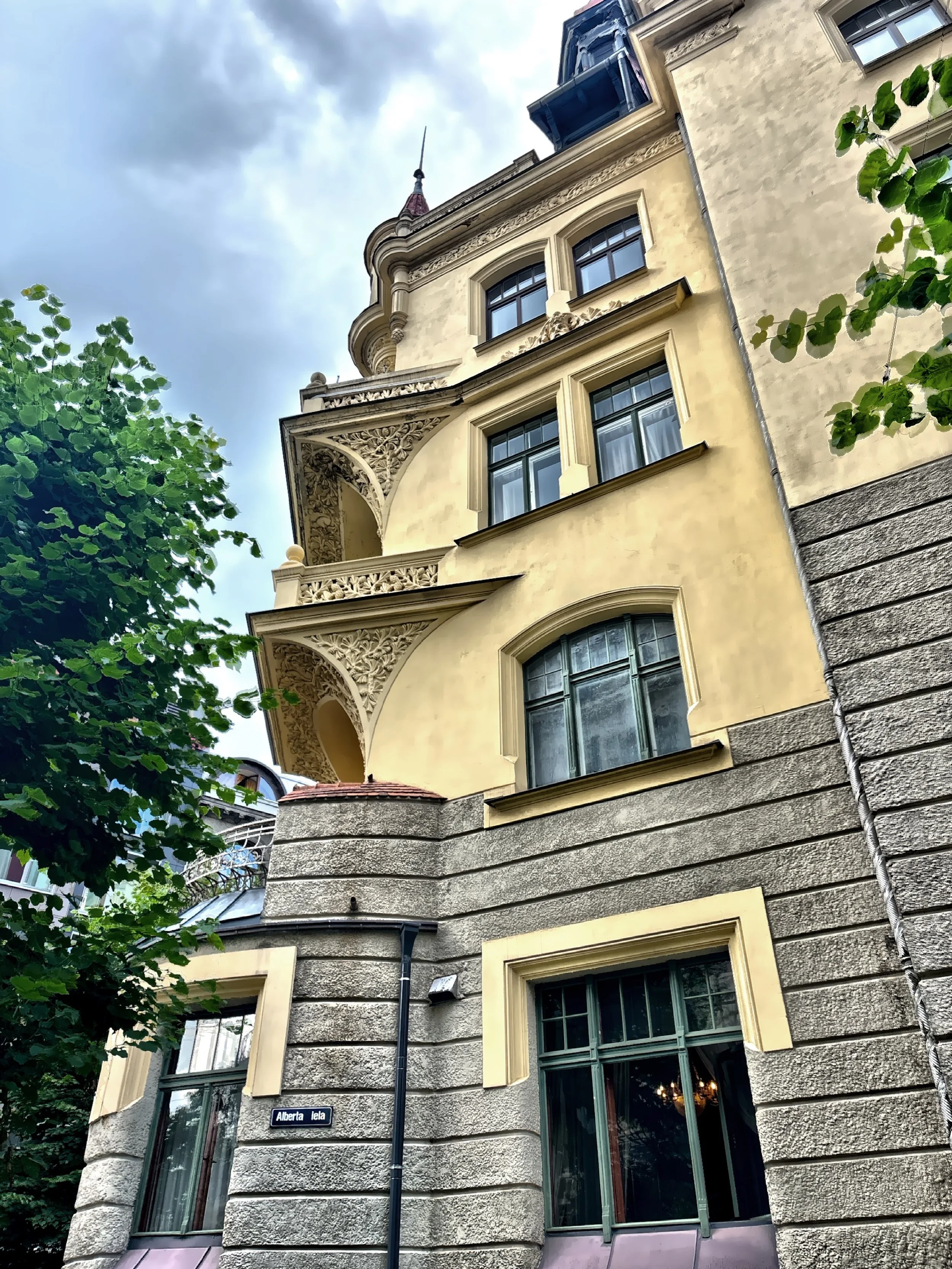
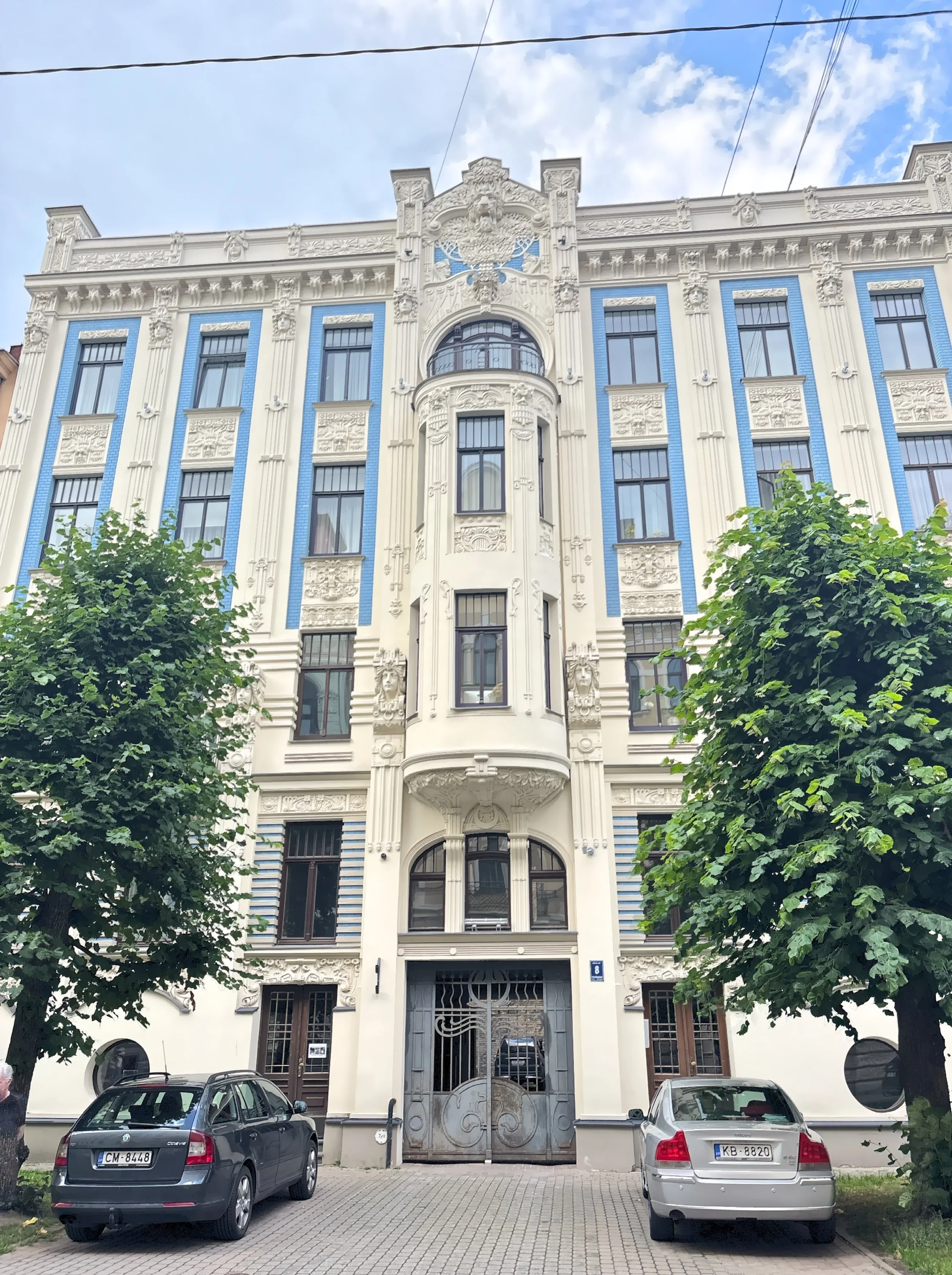
Albert Street is famous for its concentration of Art Nouveau architecture. This building was designed by Eizens Laube in 1908.
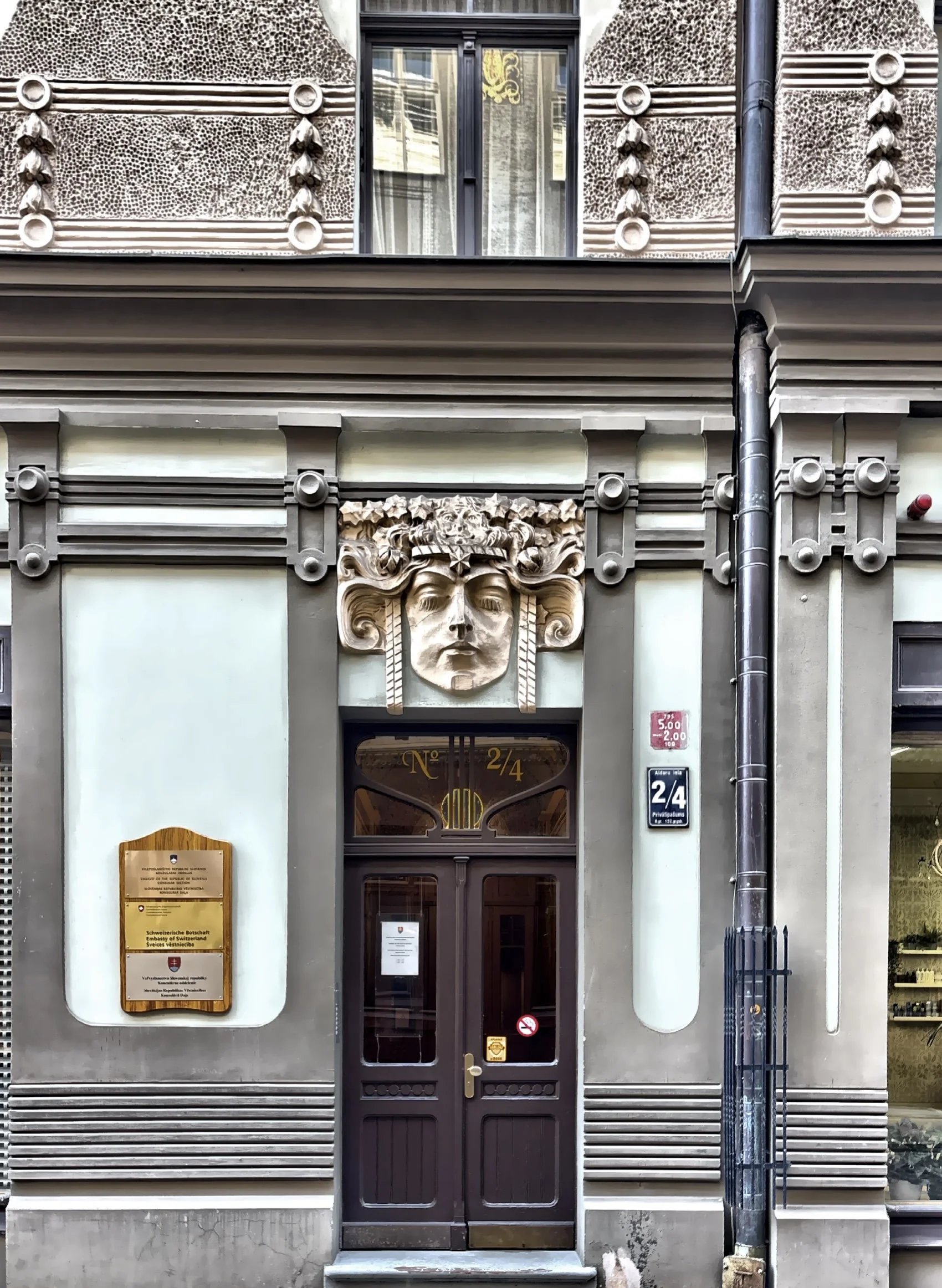
Art Nouveau architecture makes up for about ½ of the buildings in Riga.
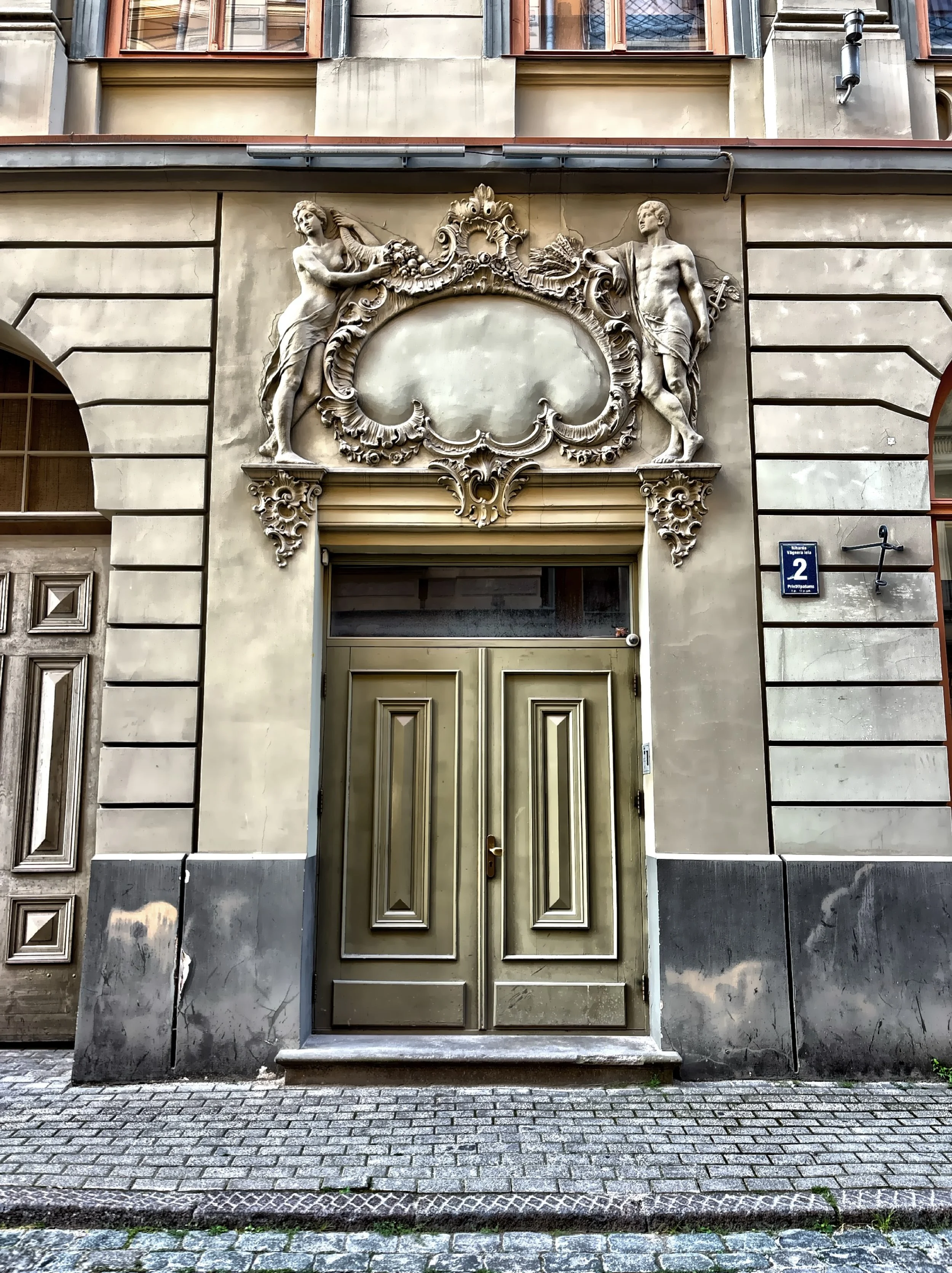
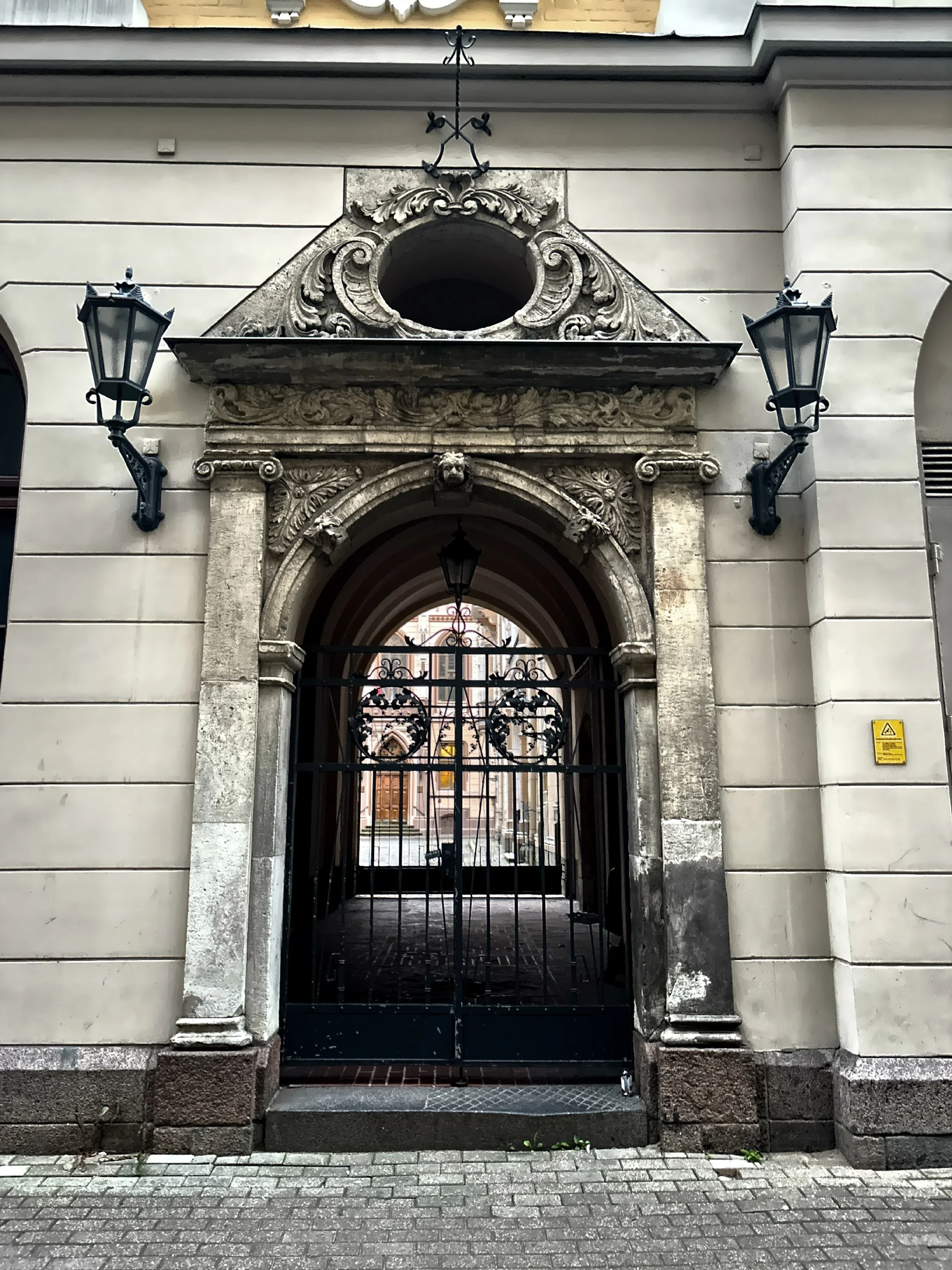
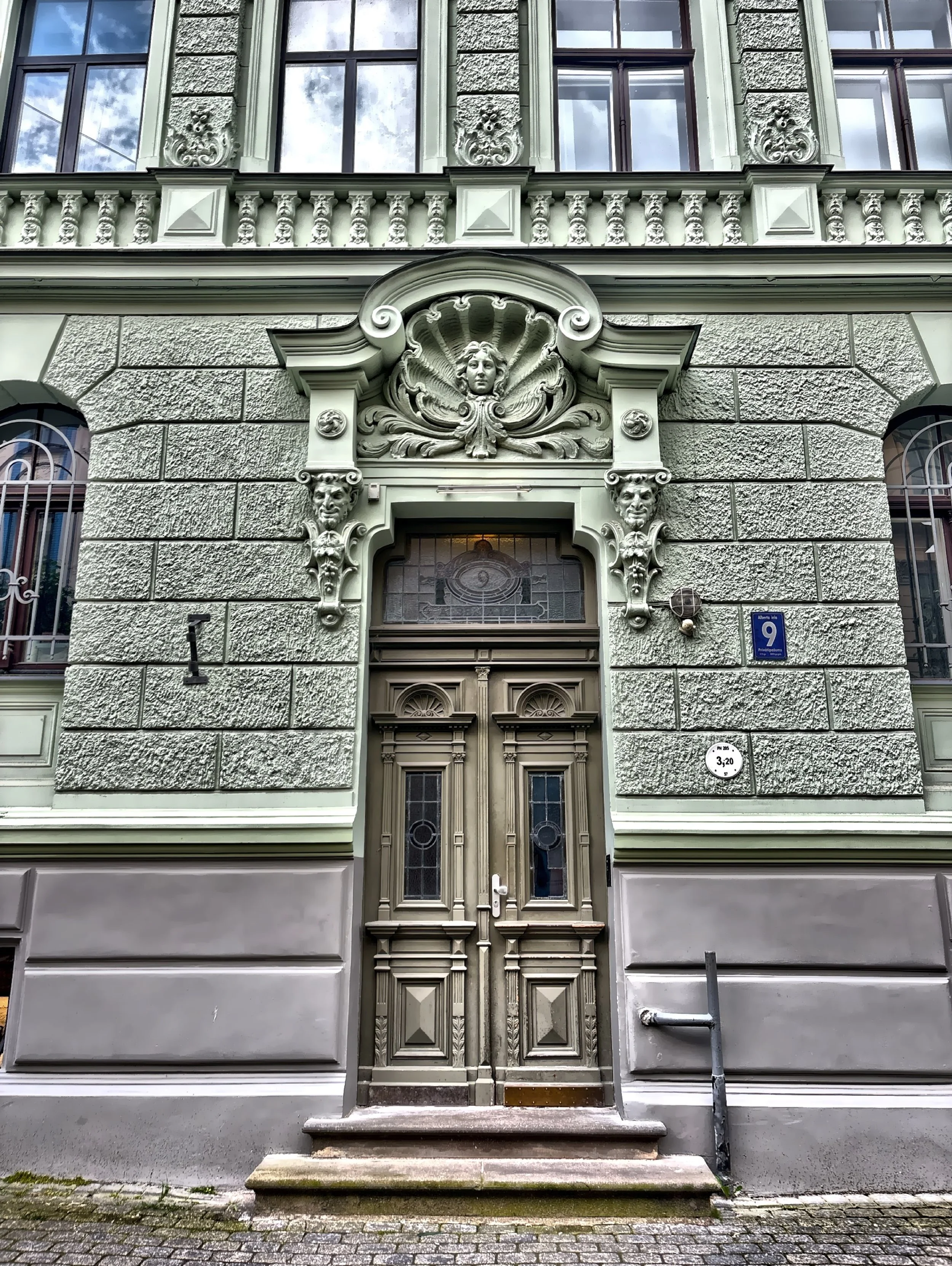
A few elegant entries.
.
.
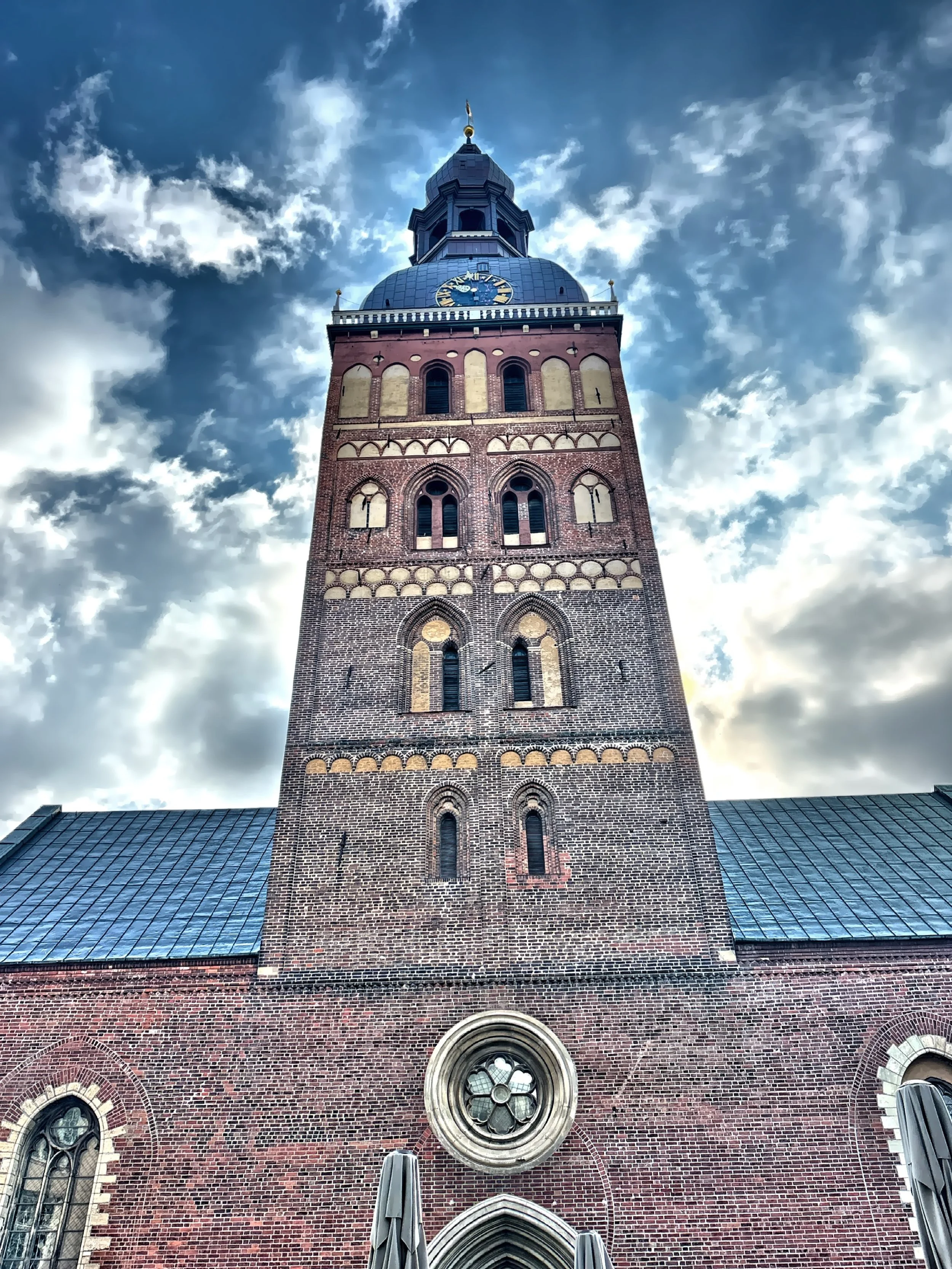
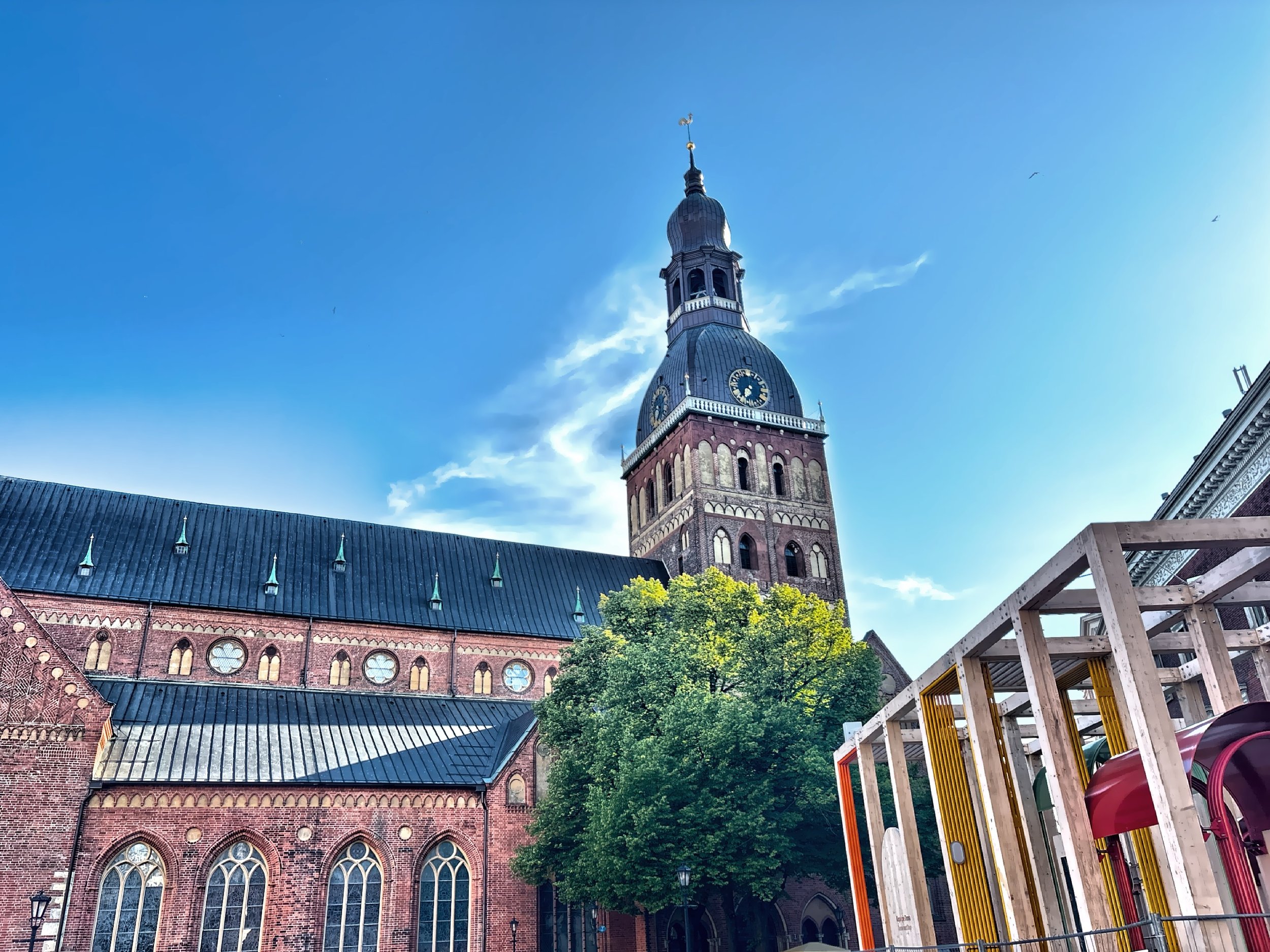
Riga Cathedral also called the Dome Cathedral—the grandest medieval church in the Baltics—home to an impressive historic organ.
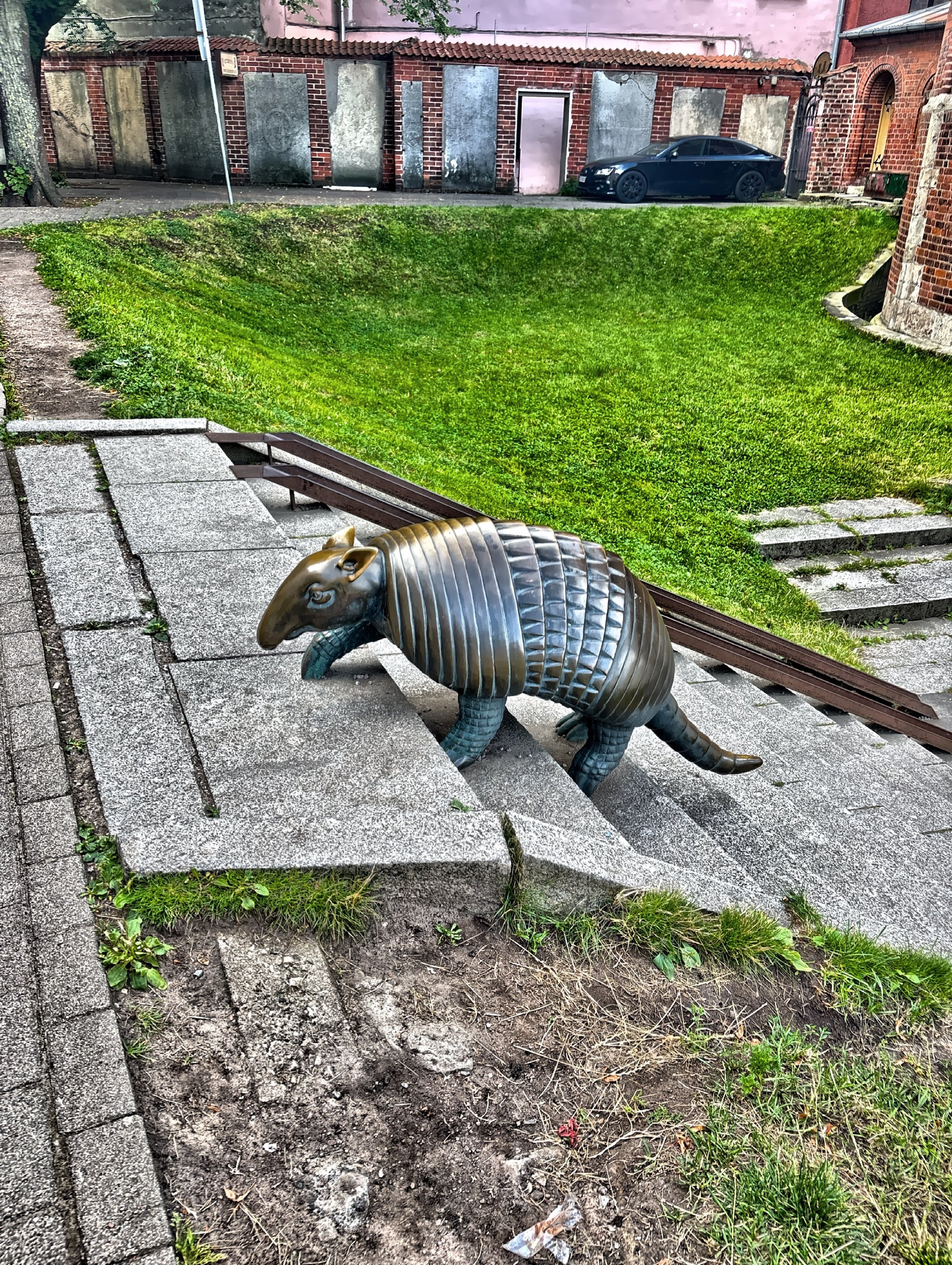
The bronze sculpture of an armadillo, created by Liene Mackus.
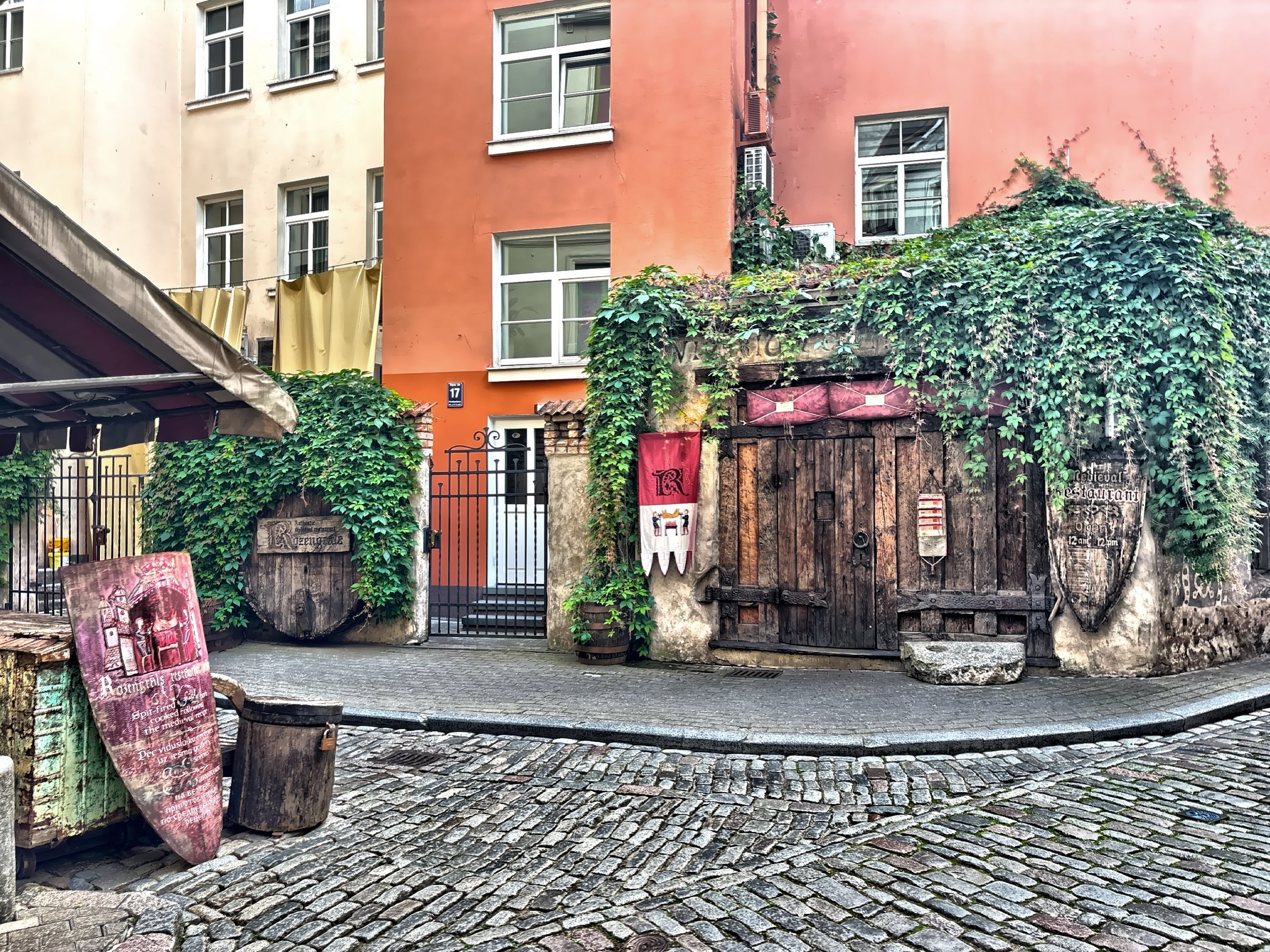
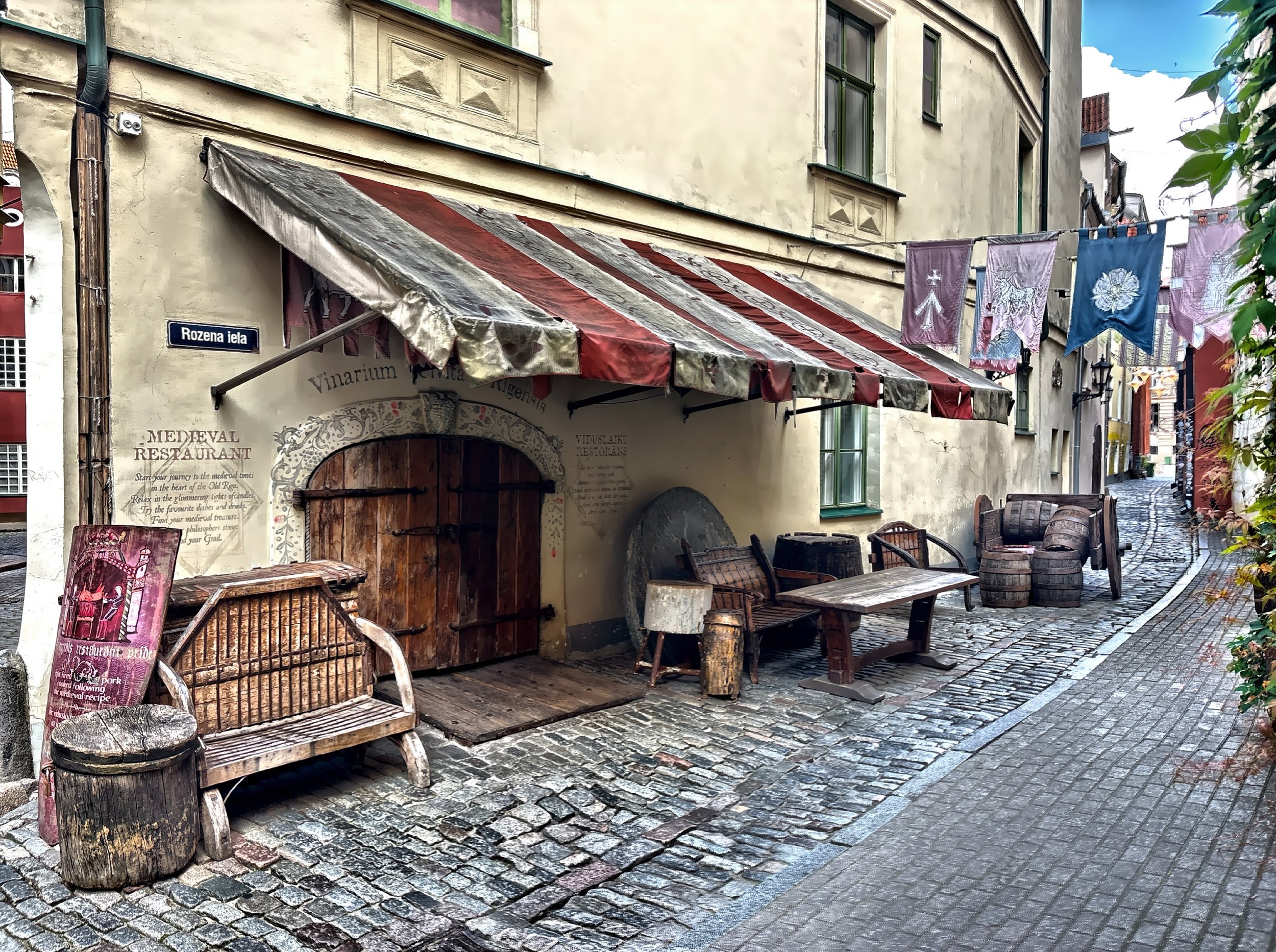
Rozengrals restaurant was mentioned in documentation as far back as 1293.
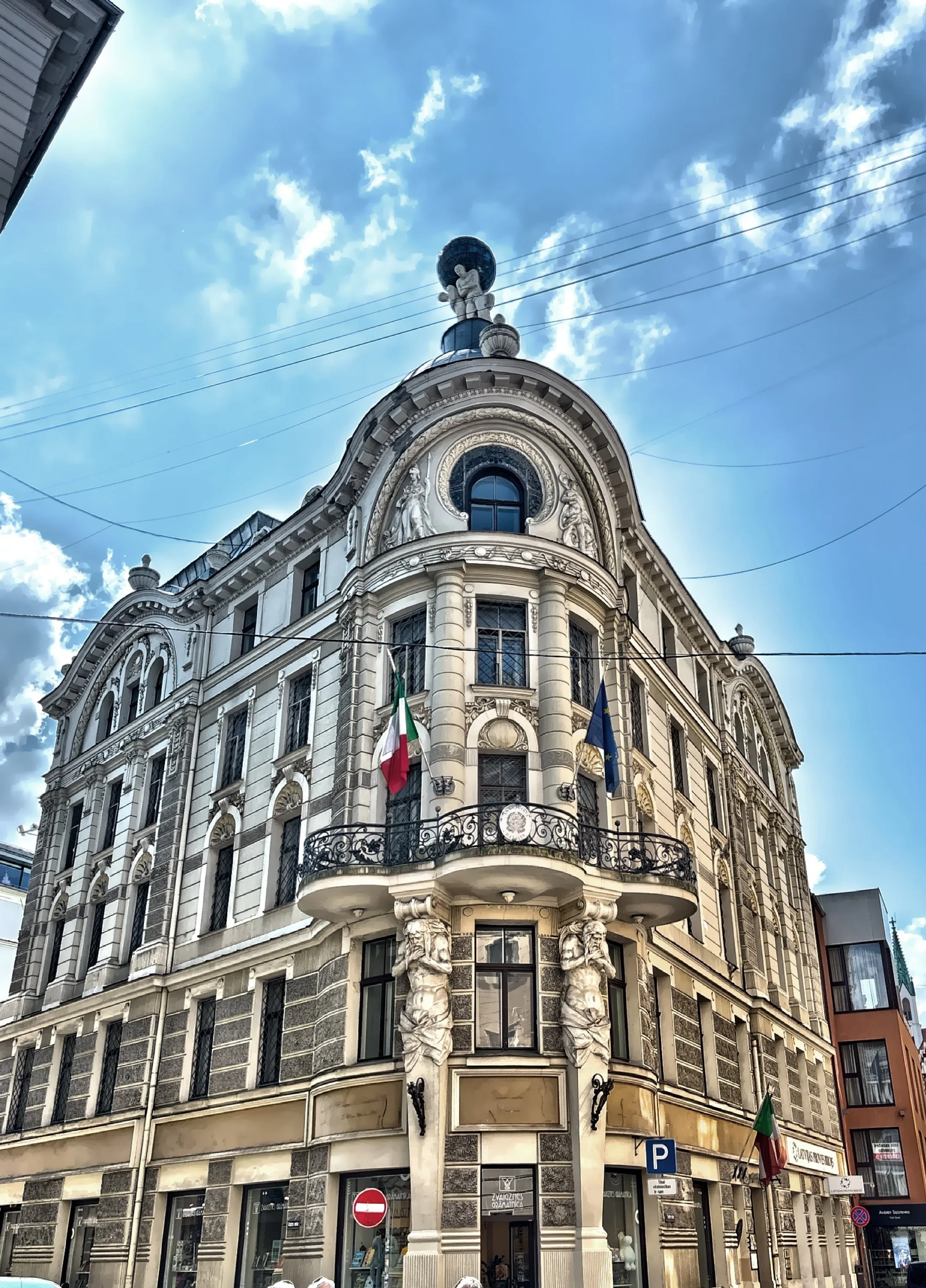
The former palace is now home to the Italian Embassy. The building was built between 1903 and 1904 and designed by Heinrich Karl Scheel and Frederick Scheffel
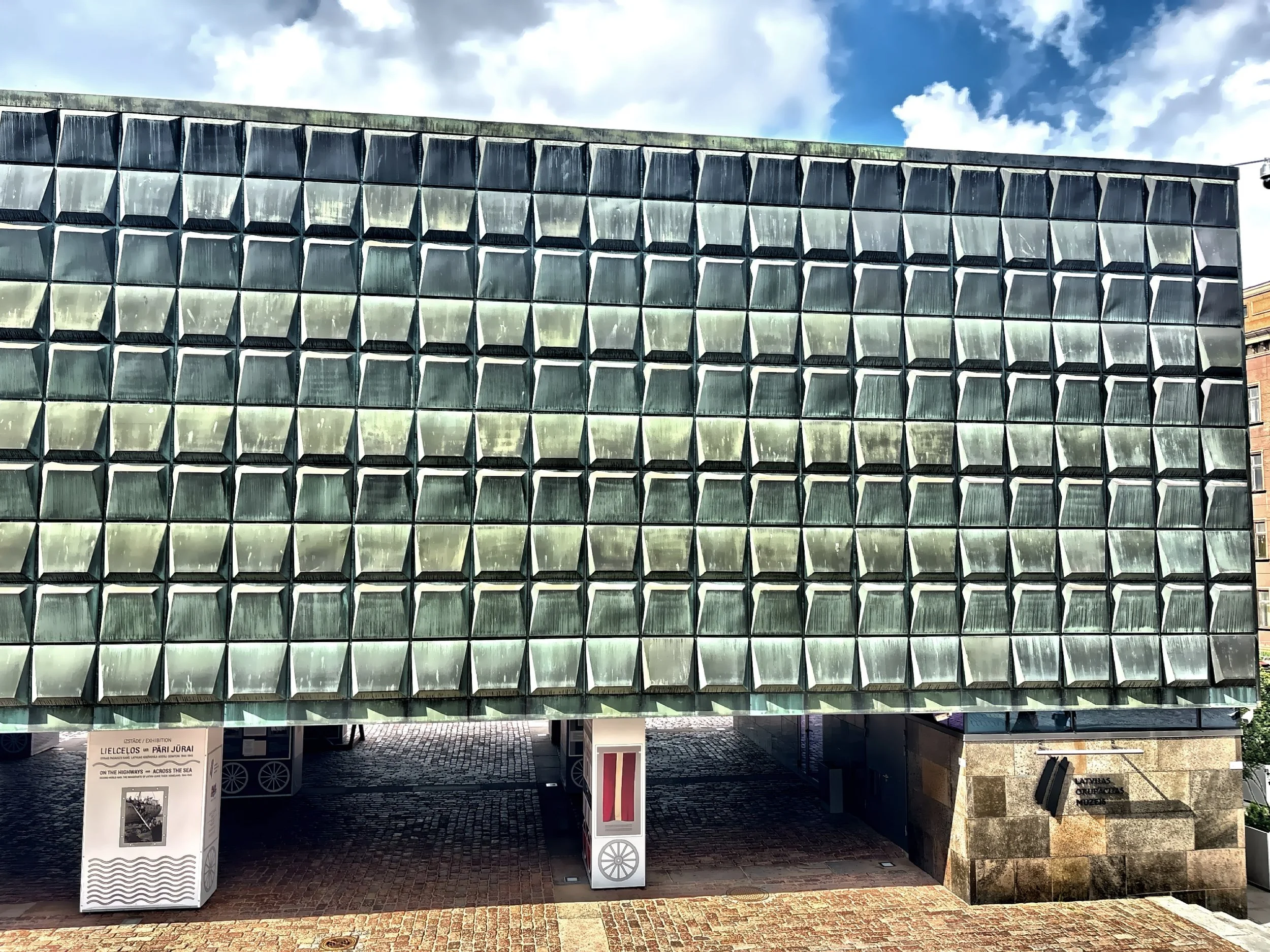
The Museum of the Occupation of Latvia located in a former Soviet-era building constructed in 1971.
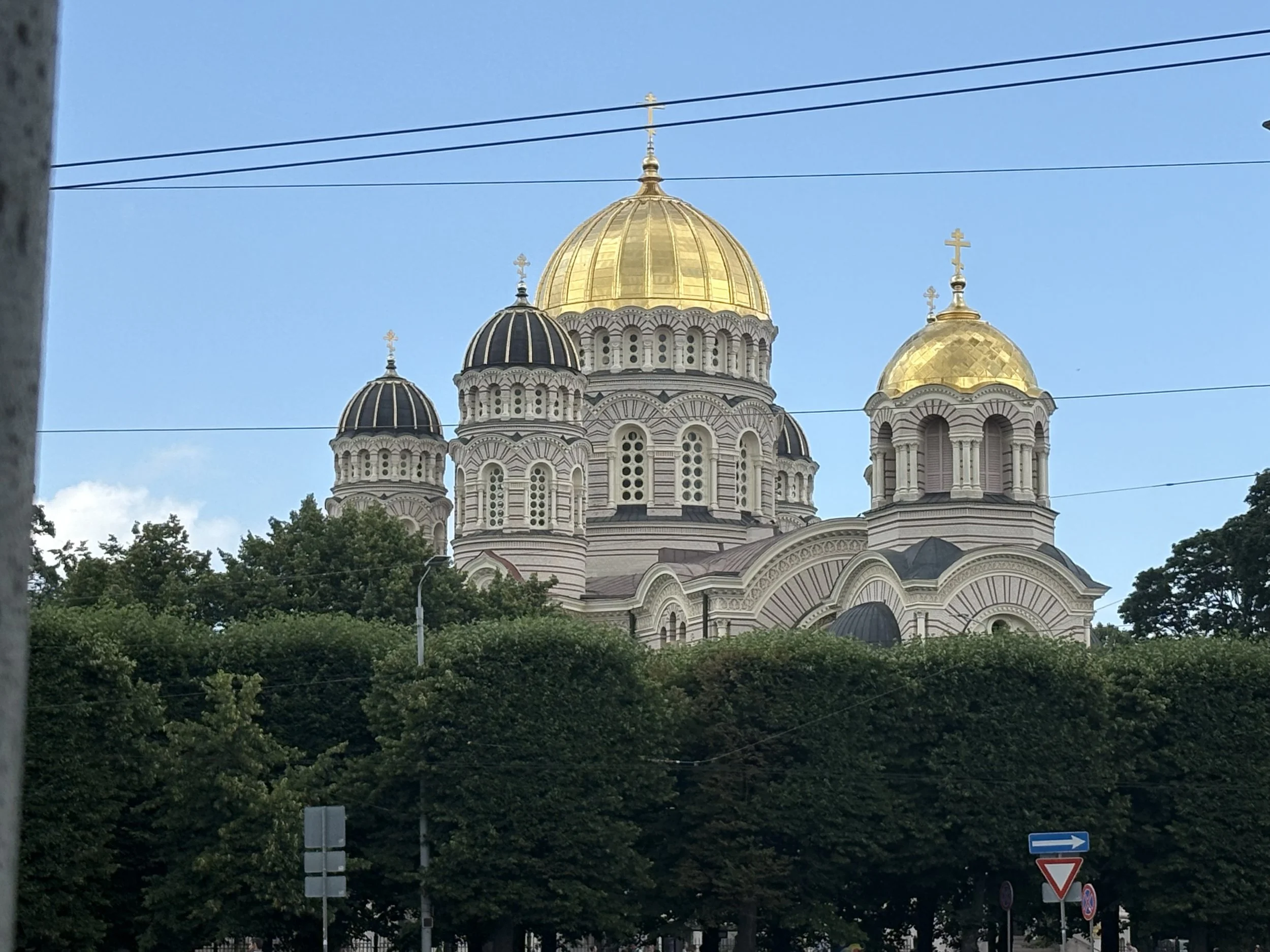
The Nativity of Christ Cathedral built between 1876 and 1883 when Latvia was part of the Russian Empire.
Waiting area for a Riga Canal tour
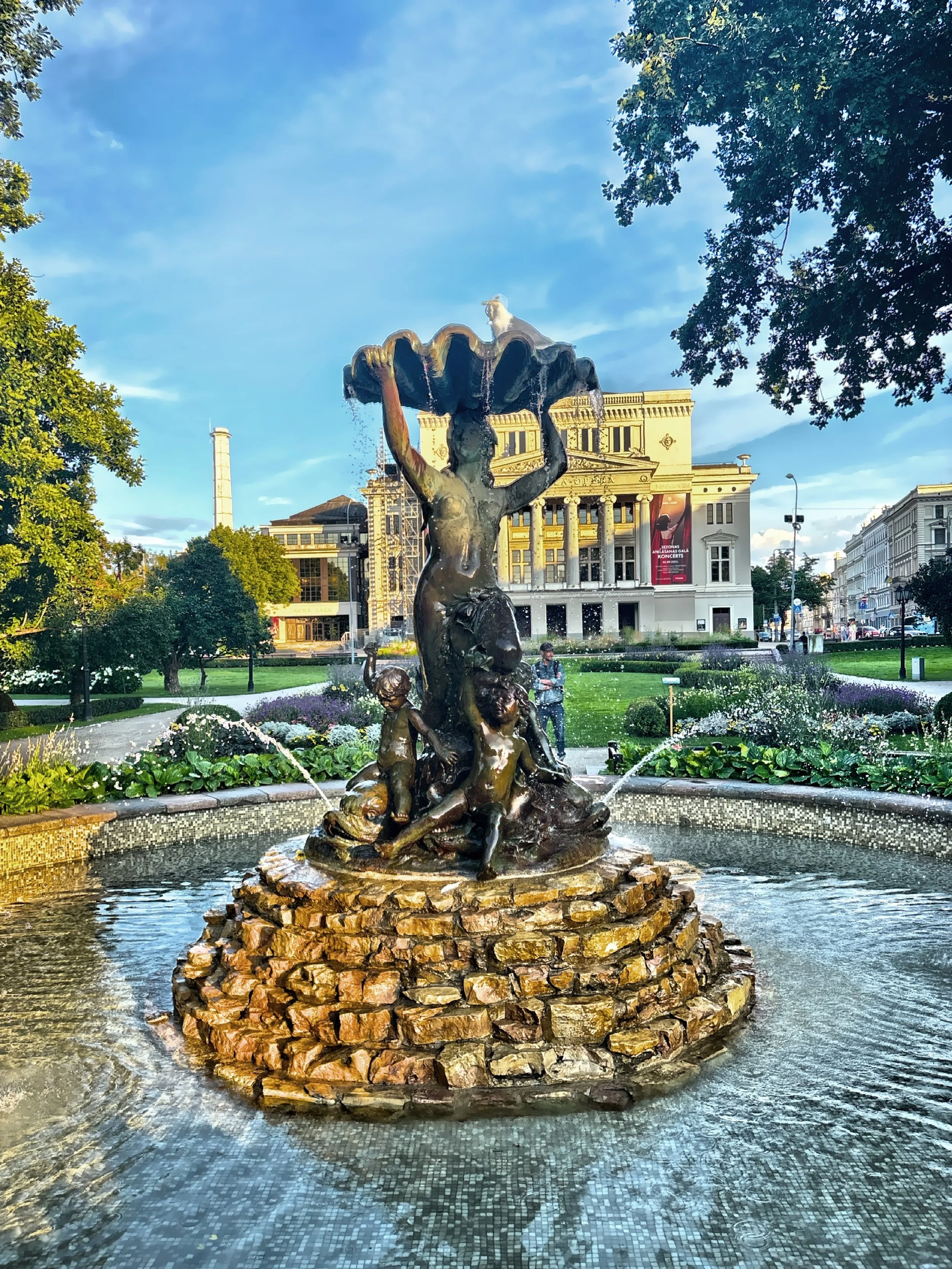
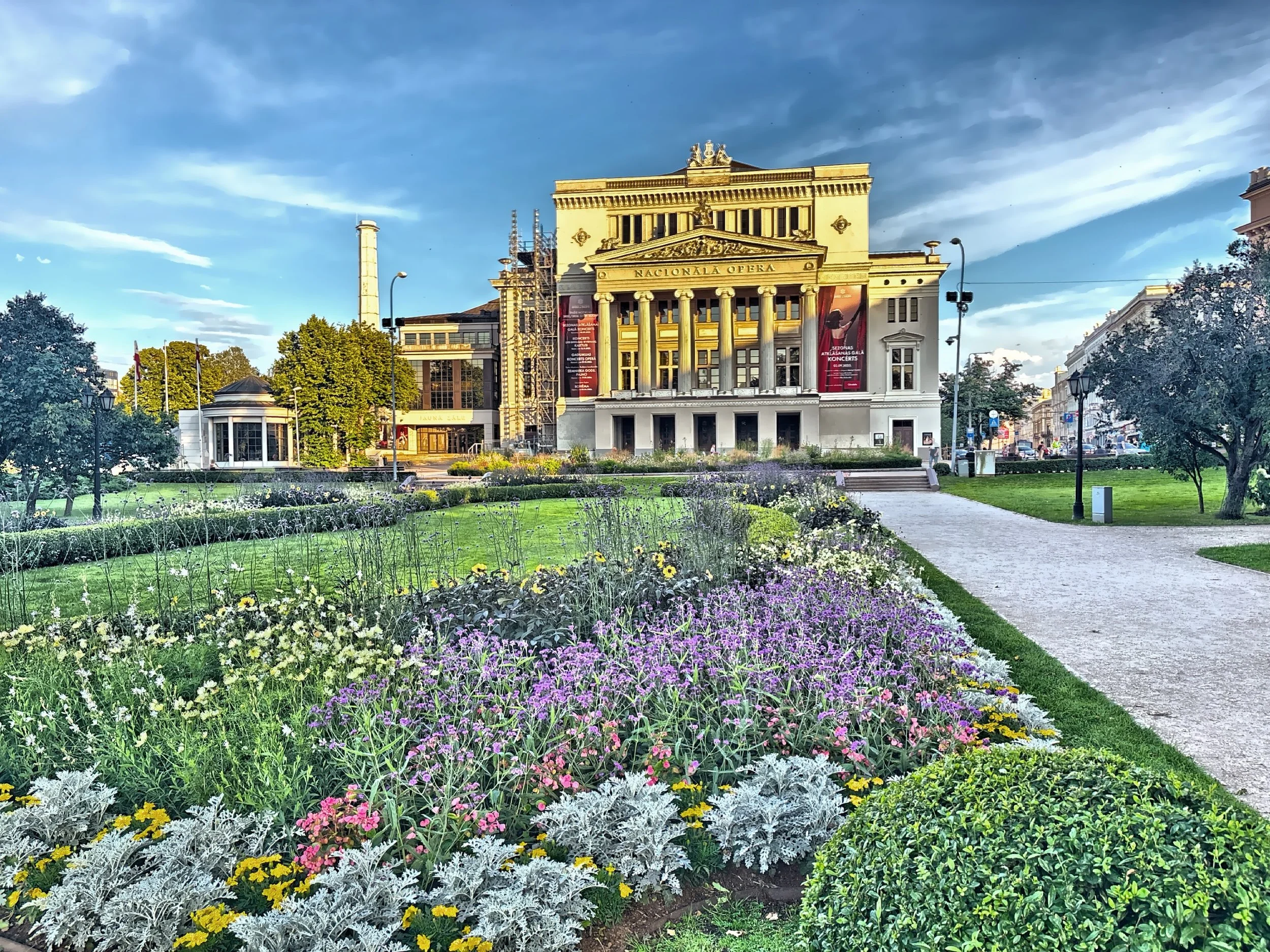
The Nymph Fountain located in front of the Latvian National Opera House. The Opera House was first building in Riga where electric was installed.
This is the Monument to Maris Liepa near the Opera House.
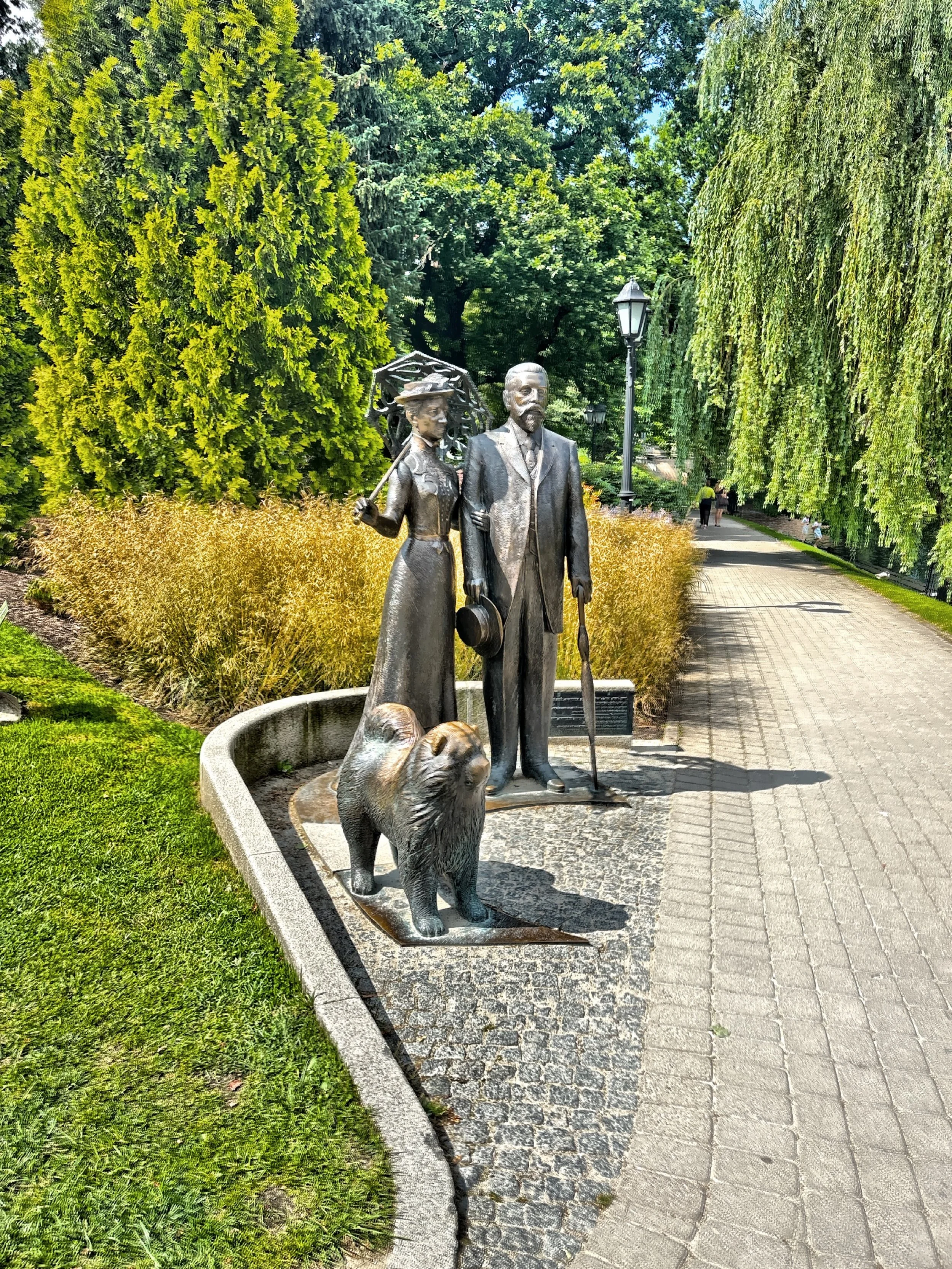
This monument depicts George Armistead, former mayor of Riga, with his wife Cecile Pychlau and their Chow Chow dog. He is credited with modernizing the city. The statue is located in the gardens by the Opera House.
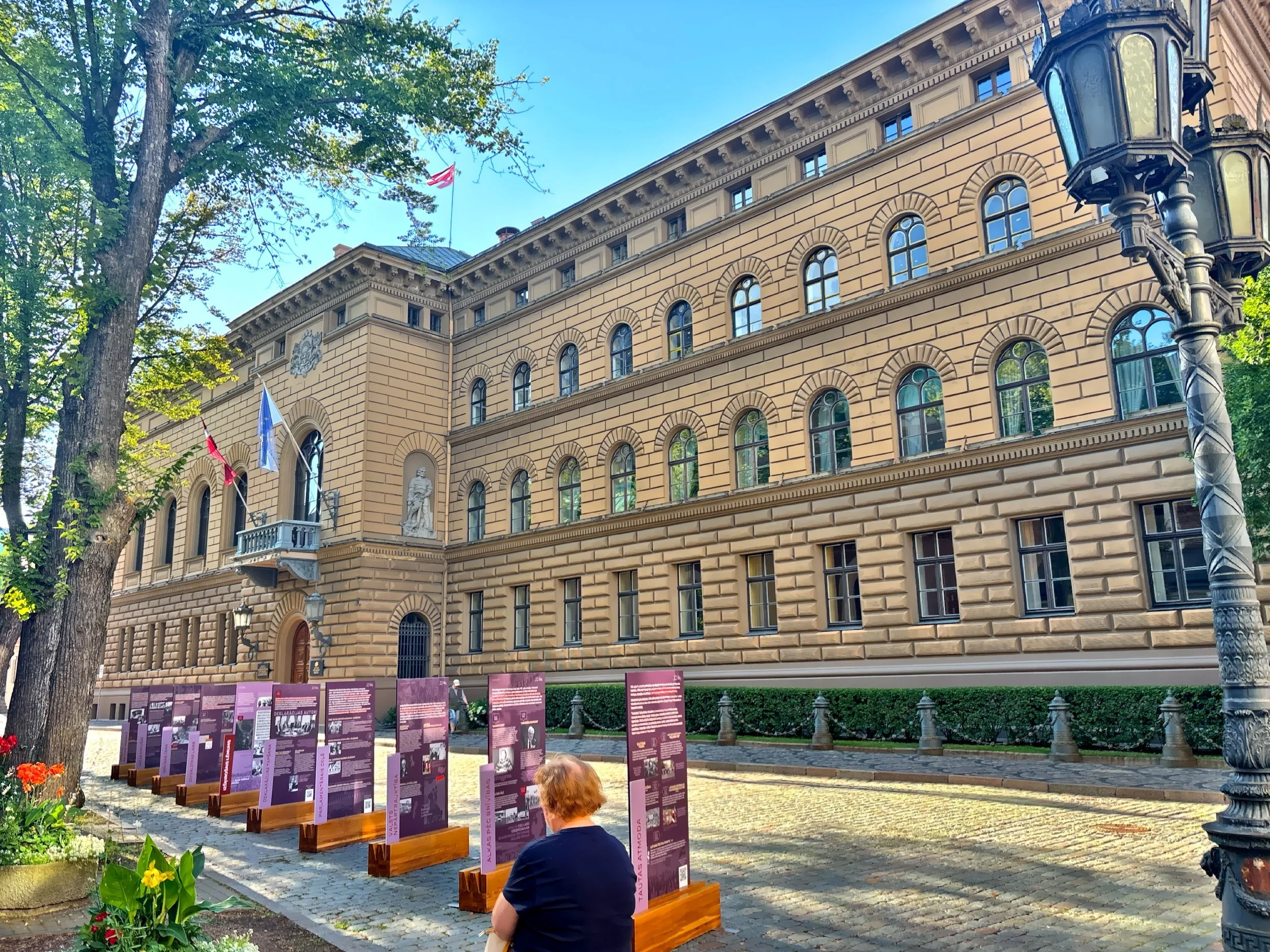
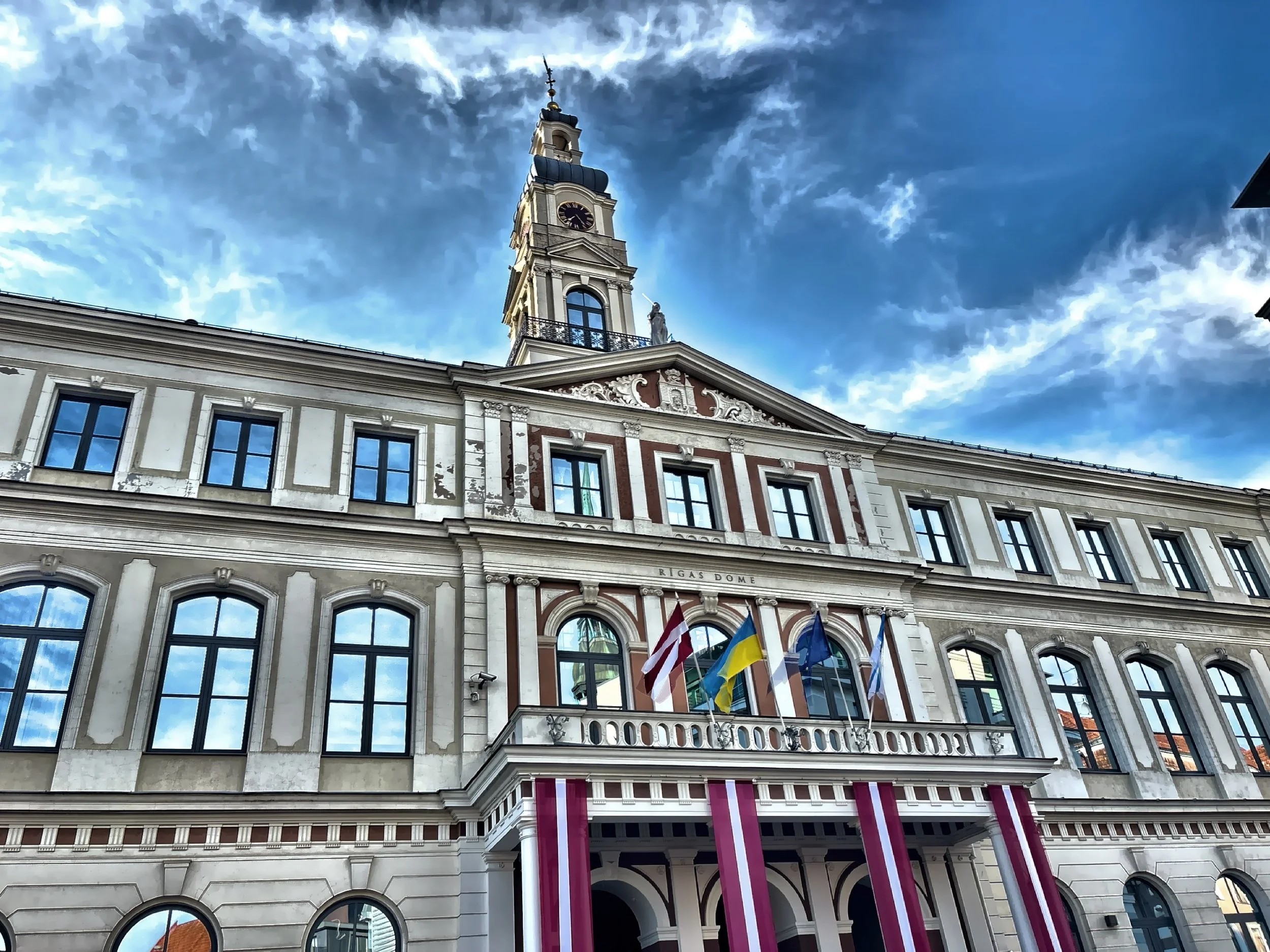
This building built between 1863 and 1867 houses the parliament since 1993.
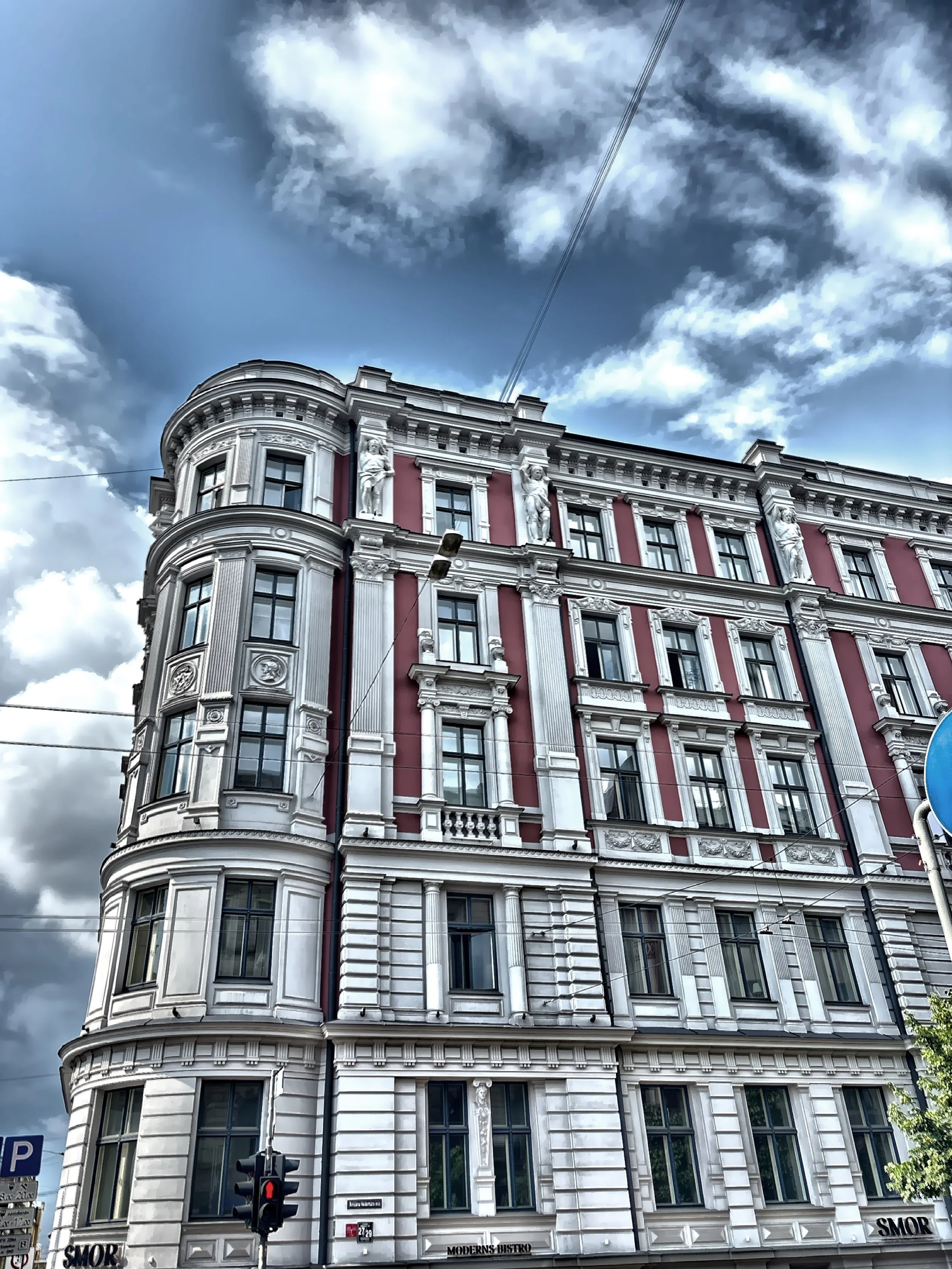
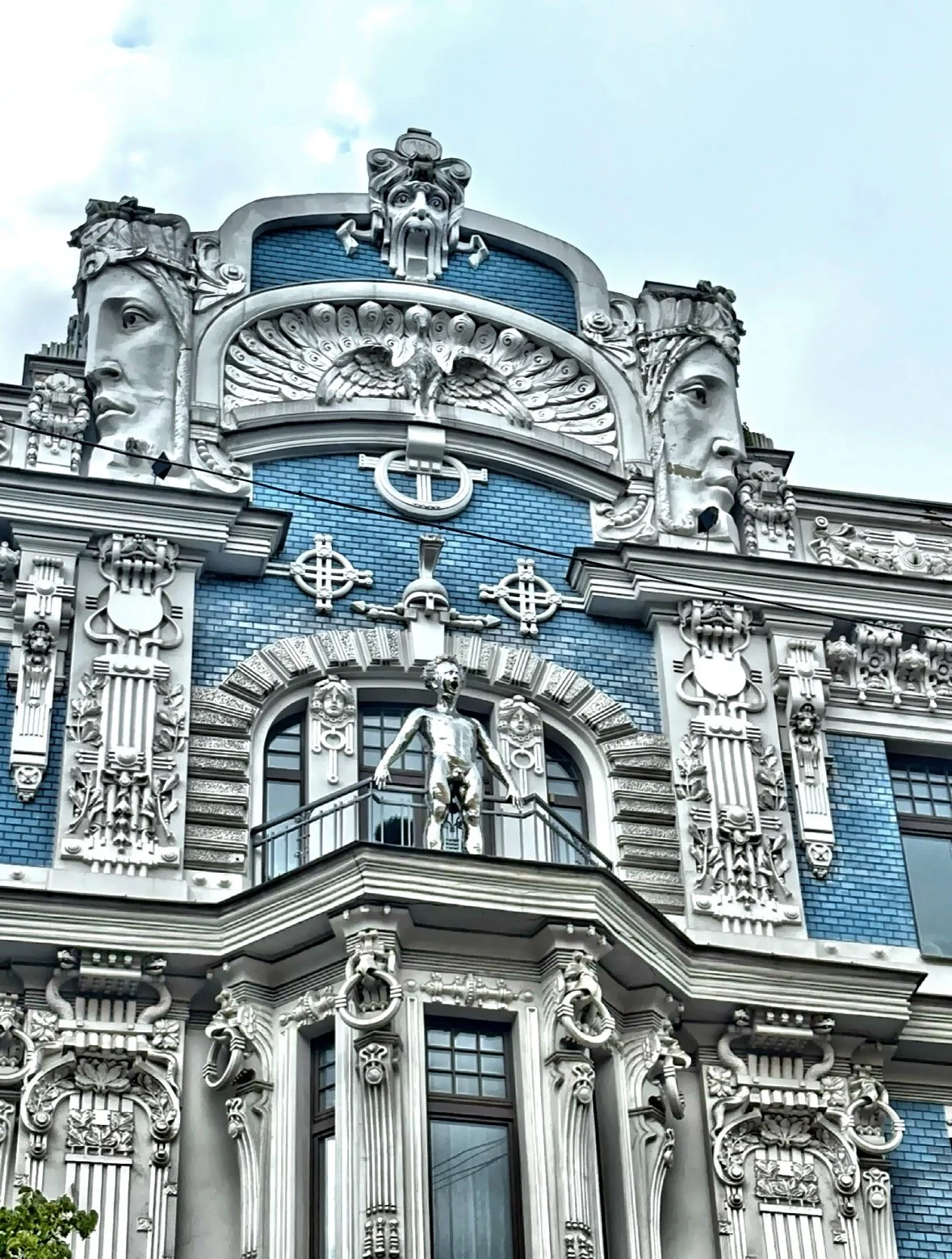
The city embraces its status as the Art Nouveau capital of Northern Europe, with hundreds of ornate façades and whimsical details.
This building was built in 1903 and was designed by Mikhail Eisenstein.
.
Another Eisenstein building on Alberta Street built in 1906.
A few more masterpieces on Alberta Street.
.
.
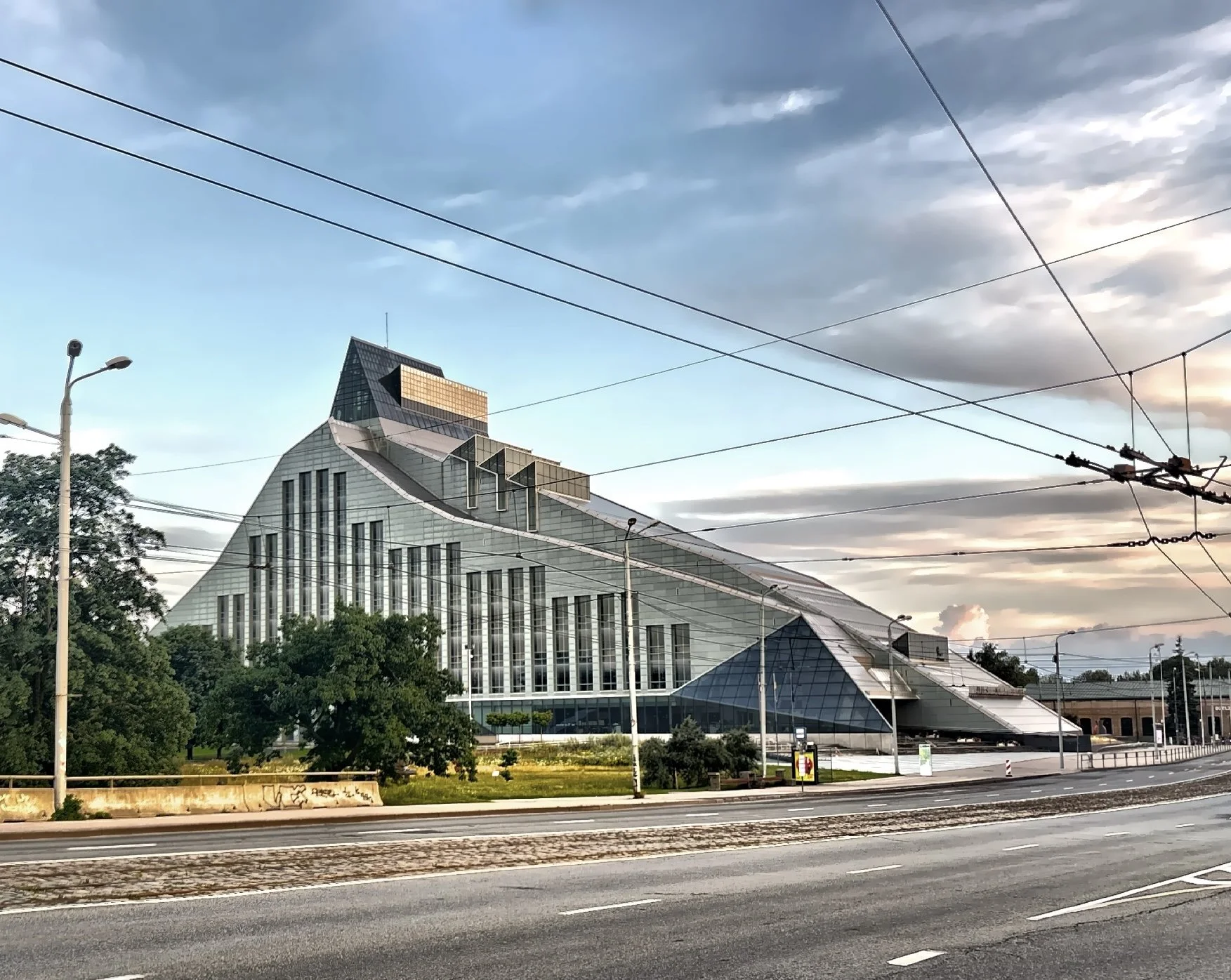
The National Library of Latvia, also known as the Castle of Light, was opened in 2014.
.
.
.
.
.
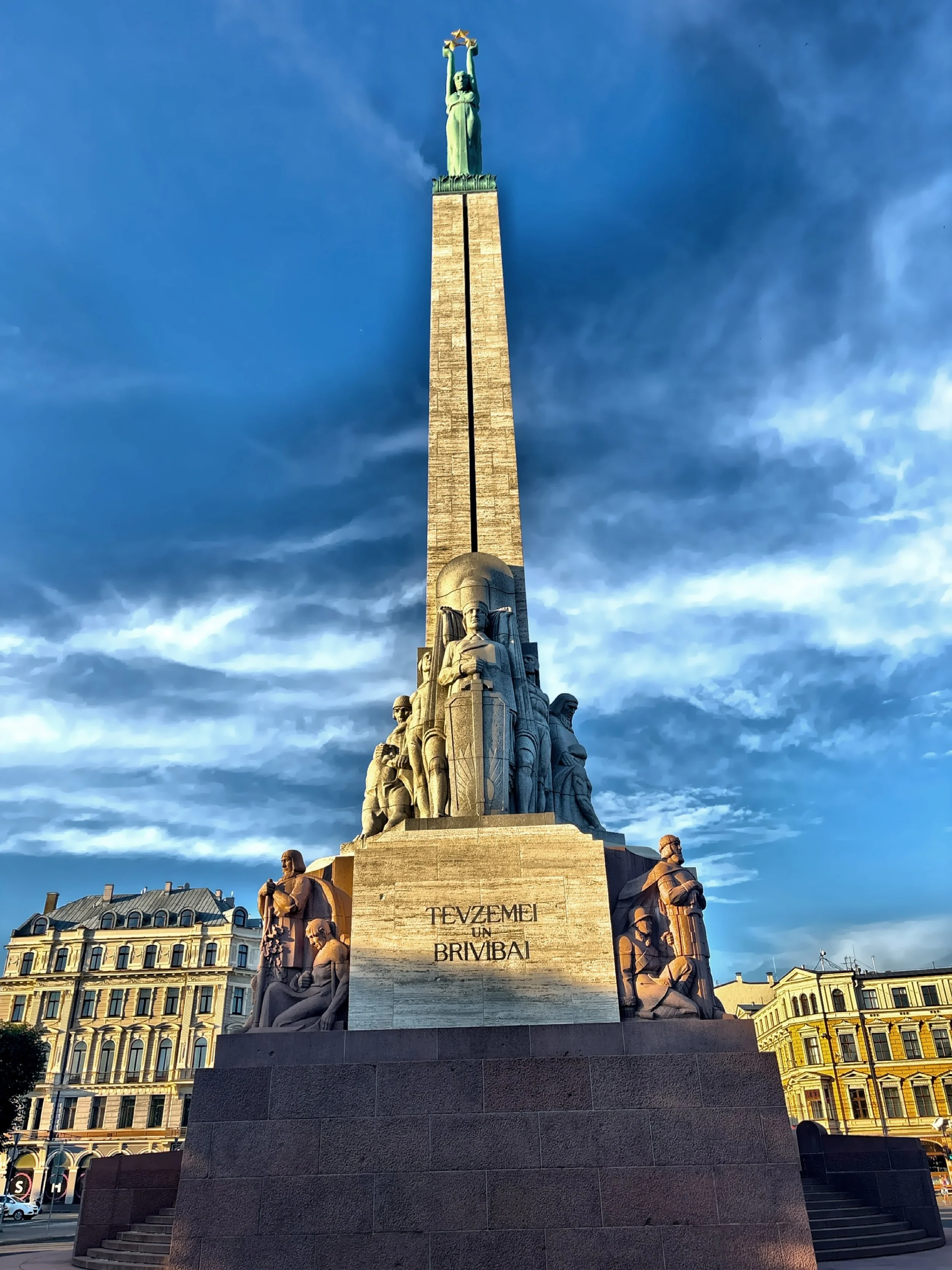
Built in 1935, the Freedom Monument honors soldiers killed during the Latvian War of Independence (1918-1920)
.
.
The Latvian National Opera House was originally constructed as the Riga German Theater in 1863.
.
.
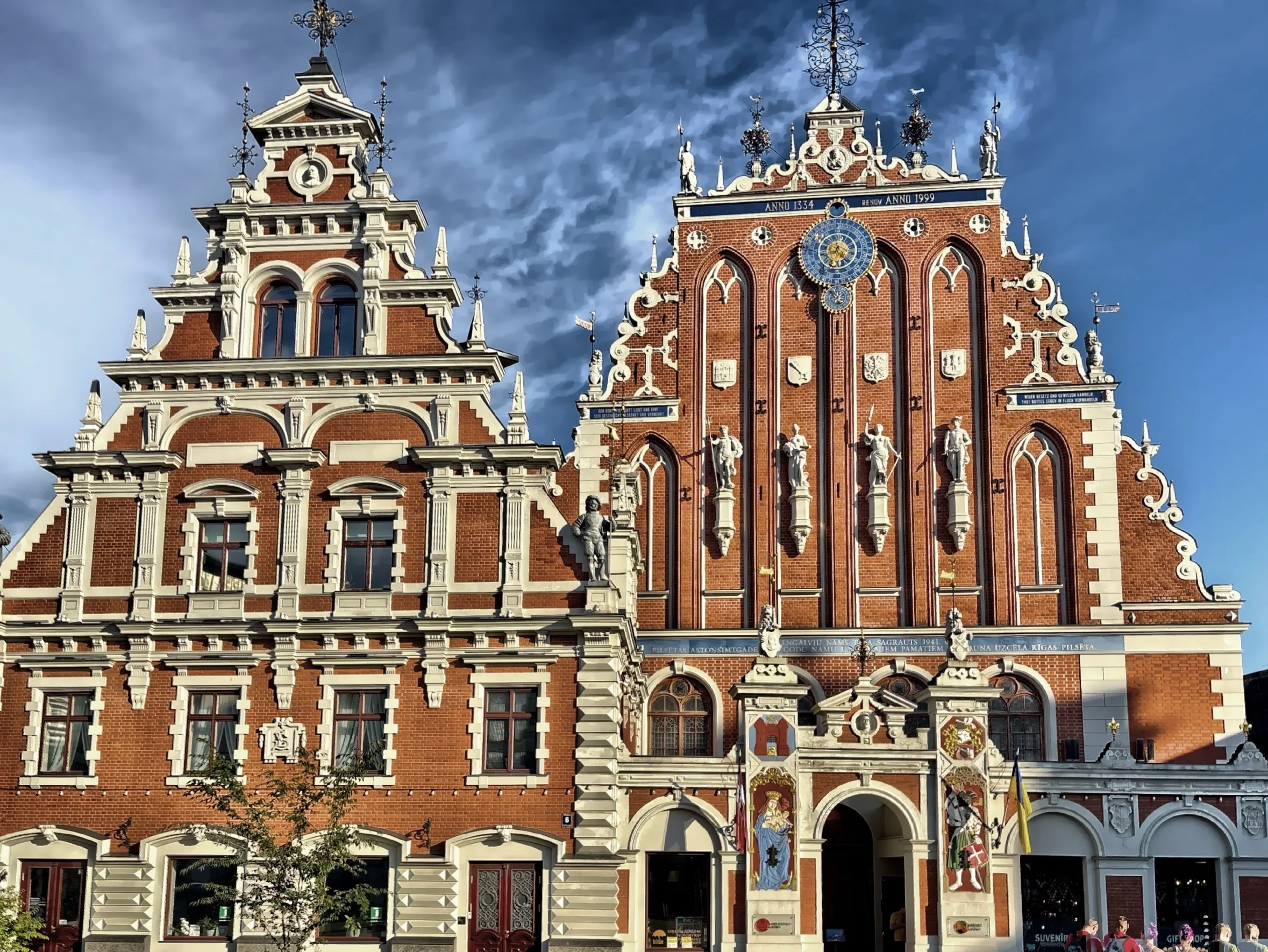
Town Hall Square, home to the iconic House of Blackheads, stands as the beating heart of the Old Town.
.
.
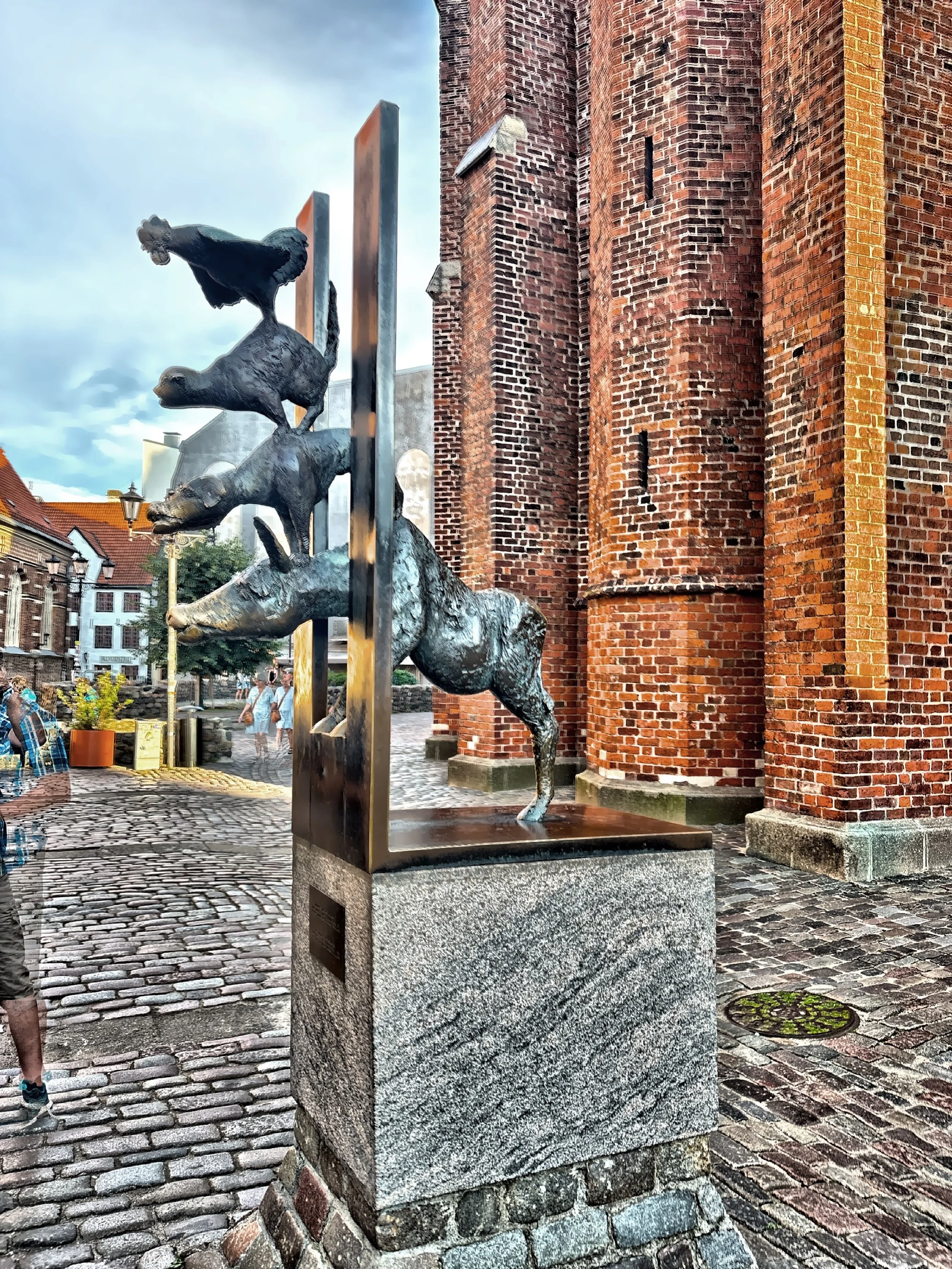
The “The Town Musicians of Bremen,” sculpture of a donkey, dog, cat, and rooster from the Brothers Grimm fairy tale.
.
.
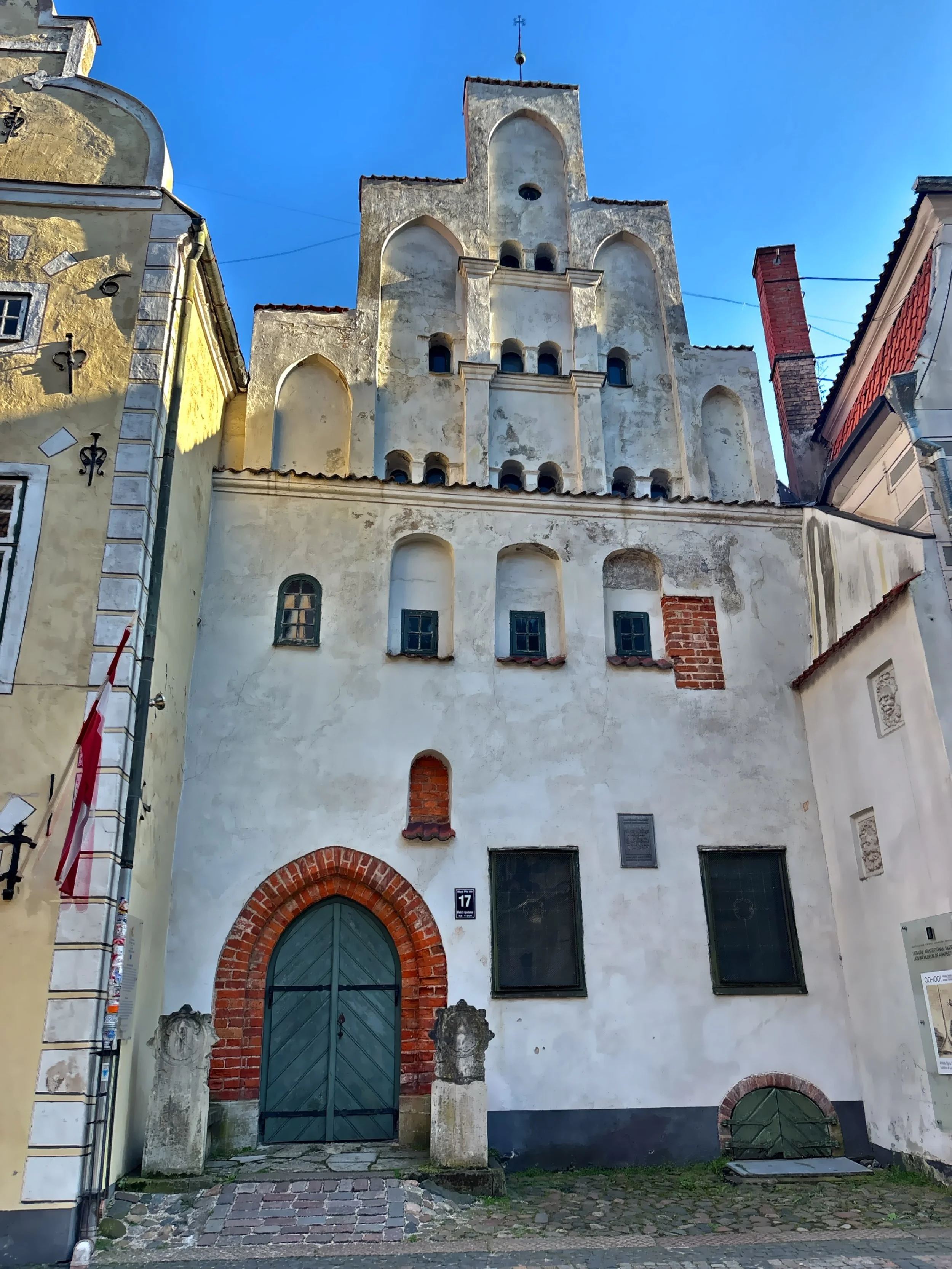
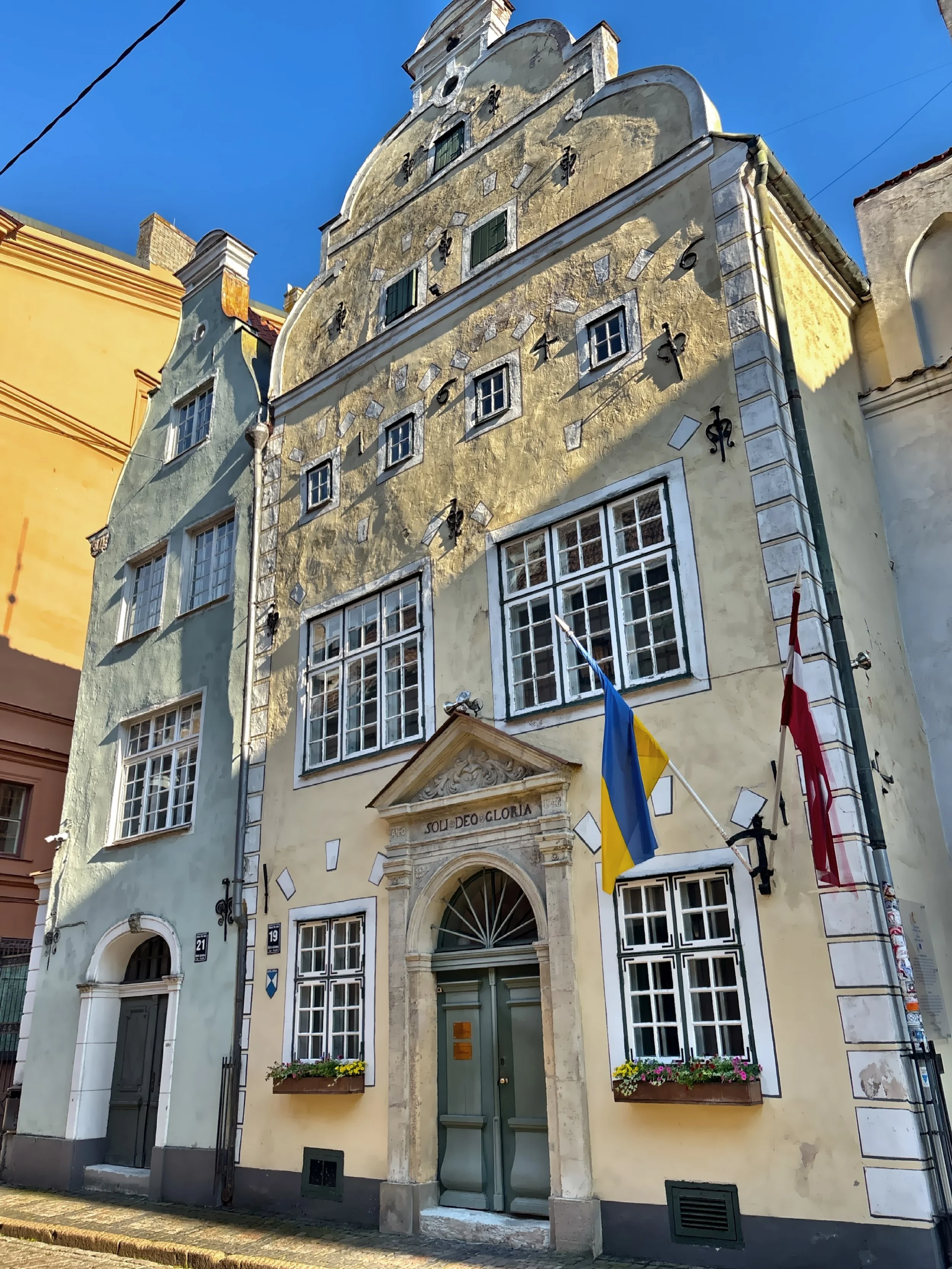
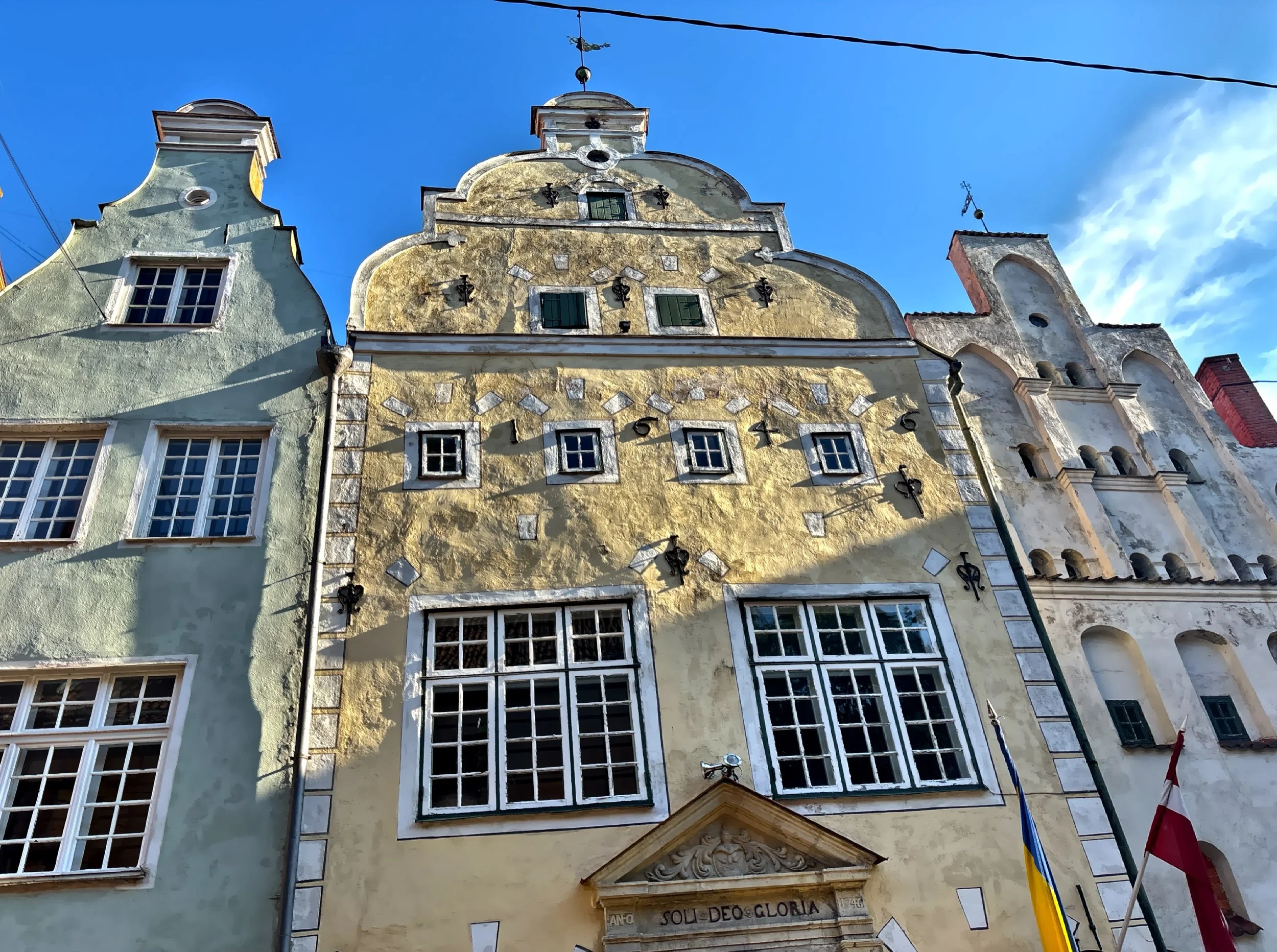
Wander past Three Brothers, the oldest stone residential buildings in the city showcasing different architectural styles.
.
.
Wooden houses were built outside the walled city so they could be purposely set on fire if they were invaded.
.
.
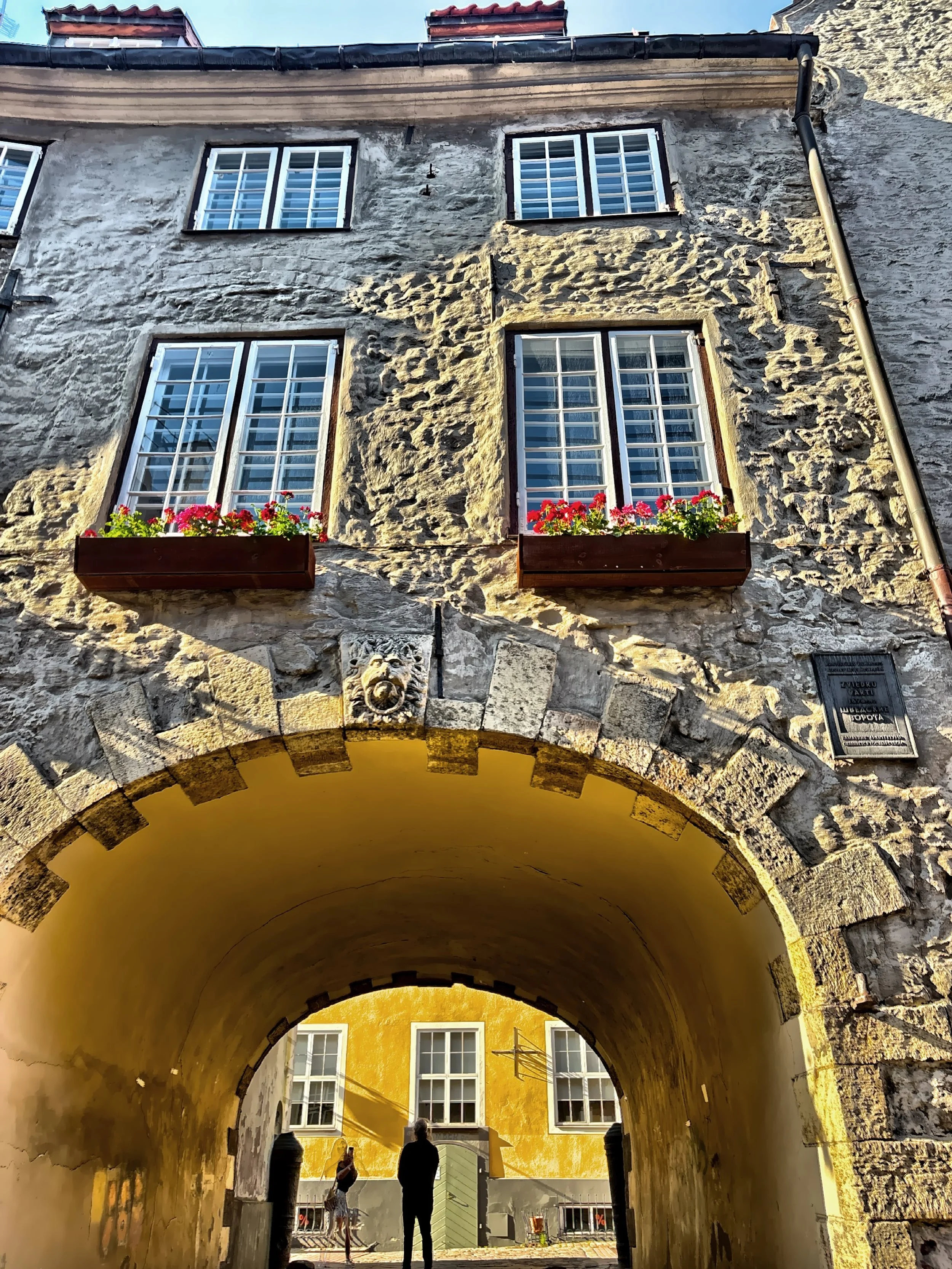
The Swedish Gate, part of the last surviving parts of Riga’s medieval walls.
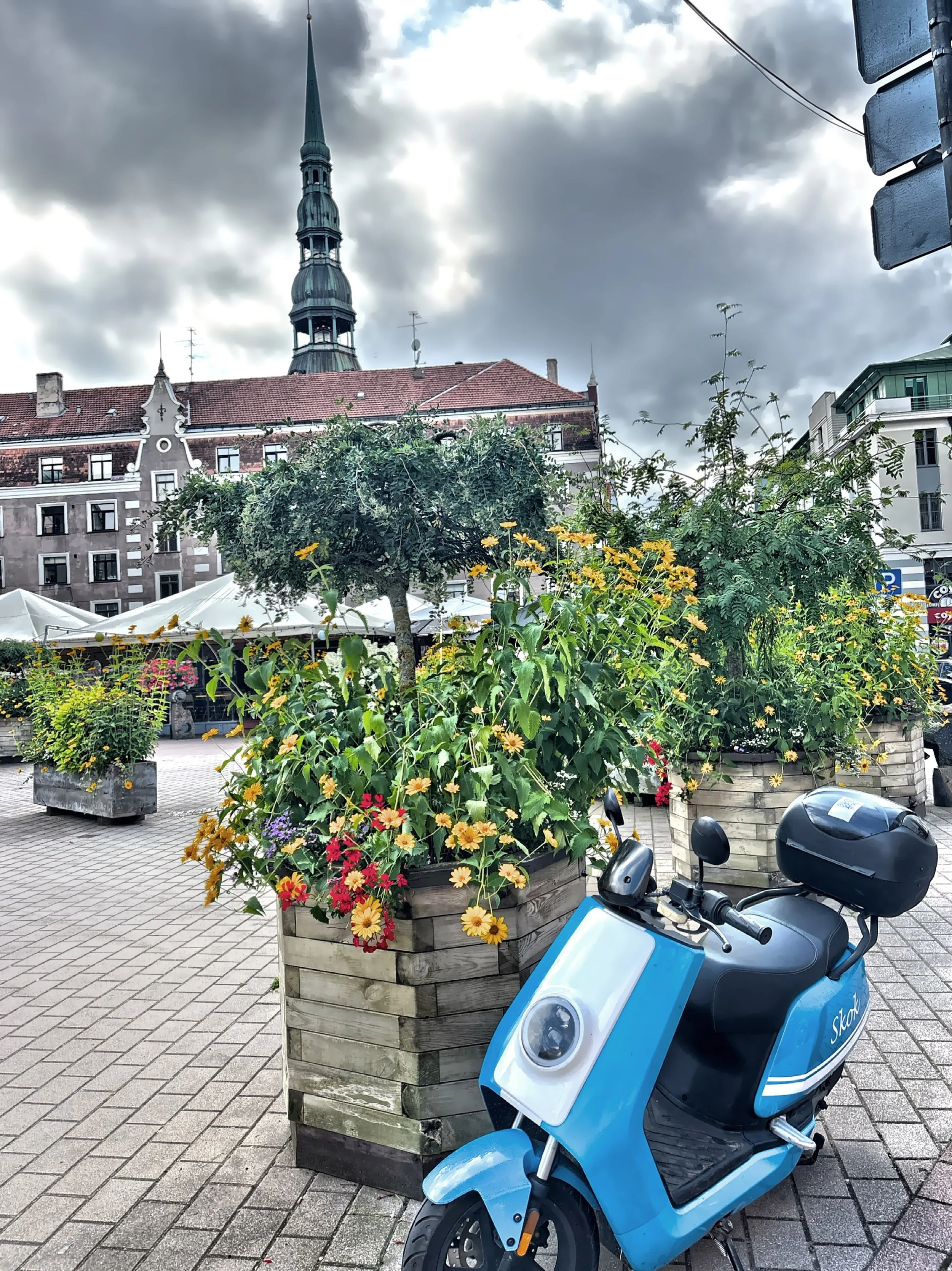
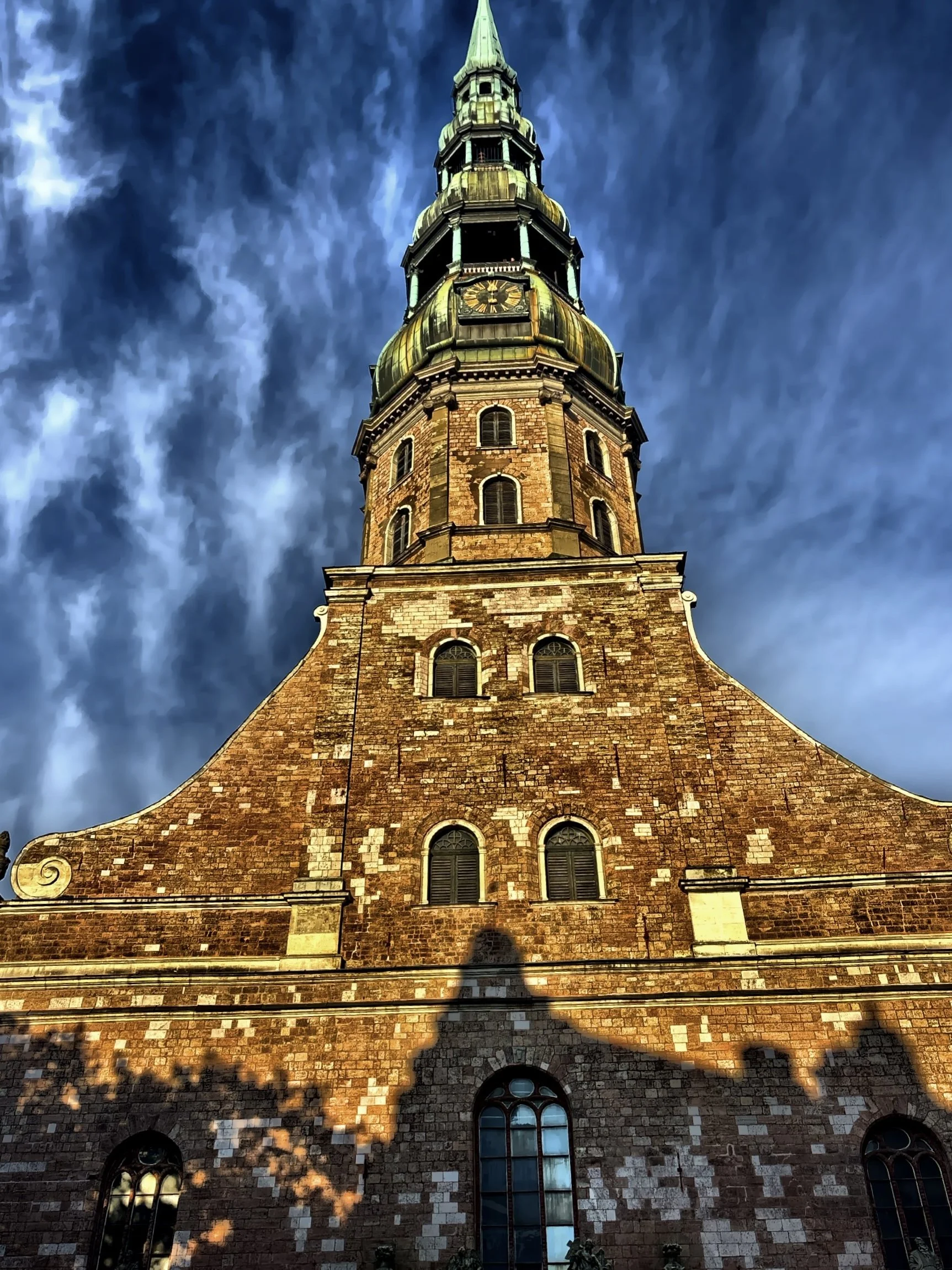
St Peter's Church, with its 403-foot tower offering panoramic views, was first mentionedi in records dating back to 1209.
What you should know:
Credit/debit cards are widely accepted.
Contactless payments (Apple Pay, Google Pay, etc.) are very common.
Locals are generally reserved, friendly and helpful.
The main official language is Latvian, but English is widely spoken.
The currency is the Euro (EU).
There are both free (on the street) and paid (garage) parking options.
Walking or biking is a great way to get around the city.
You will need a valid passport and a power convertor if you are coming from the US.
There are many restaurant and food options.
You could spend a couple of hours to an entire day or two exploring here.
Tipping is not expected but some people do round up.
For more information: Riga, Latvia
If you enjoyed this post, feel free to check out my previous posts by clicking here.